
Business
Private lenders likely to fare better than public peers in Q4


Margins are likely to face some pressure, though asset quality trends would remain broadly stable despite the Middle East conflict injecting fresh business uncertainty-particularly for business loans and commercial vehicle portfolios.
“For private banks, we estimate net interest income growth of 8.4% and profit after tax growth of 11.9% year-on-year in Q4 FY26,” Motilal Oswal said in a note. “We estimate PSU banks profits to grow by 2.1% year-on-year, amid yield repricing, limited reduction in cost of funds, and modest treasury gains due to a rise in bond yields.”
Rise in yields is a key variable. The 10-year benchmark averaged 6.69% last quarter-up 16 basis points sequentially-which could translate into treasury losses or significantly lower gains for some lenders compared to prior quarters.
SBI & HDFC Bank

Among large banks, State Bank of India is expected to report a sequential dip in profits, with estimates ranging between ₹19,500 crore and ₹20,000 crore, weighed down by weak treasury performance. Loan growth is expected to be broadly in line with the industry, but operating expenses may rise on the back of higher employee costs. Seasonal stress in the agriculture portfolio is also likely to push up slippages and provisions.
HDFC Bank, by contrast, is expected to deliver a steadier quarter, with net profit estimates in the ₹19,200-19,500 crore range. The lender’s provisional business data pointed to more than 10% loan growth and deposit growth of nearly 13%, though slippages and provisions are expected to rise modestly due to seasonal factors.
Margins, Loan Growth & Asset Quality
Loan growth held up well through the March quarter. Among banks that released business updates, private lenders reported advances growth of 13% year-on-year and state-owned banks 14.4%, excluding IndusInd Bank.
On margins, the picture is nuanced. “NIMs are likely to remain range-bound for private banks, decline marginally for PSUs, while mid-sized banks could report an expansion,” Nuvama Institutional Equities said in a note. “Loan growth sustained its momentum supported by liquidity buffers and residual CRR benefits. Deposit growth also picked up, largely driven by wholesale funding, which may curb cost-of-funds benefits during the quarter. Treasury gains are expected to moderate due to the spike in bond yields.”
Systematix Institutional Equities expects net interest margins (NIMs) to be marginally lower-declining around five basis points-to remaining flat on-quarter. While yields on advances would continue to ease, the benefit from earlier term deposit rate reductions is expected to partially offset that pressure. The Iran war has however emerged as a watch item, with analysts flagging building up of potential stress in the MSME segment.
The Road Ahead
Looking beyond Q4, the outlook carries some caution. Analysts expect loan growth momentum to ease modestly as higher inflation and economic headwinds from the war weigh on demand. NIMs are seen stable to improving marginally while credit costs may rise marginally as some stress accumulates across portfolios.

Business
Qantas Slashes Domestic Flights and Hikes Fares as Middle East Conflict Drives Fuel Costs to $3.3b
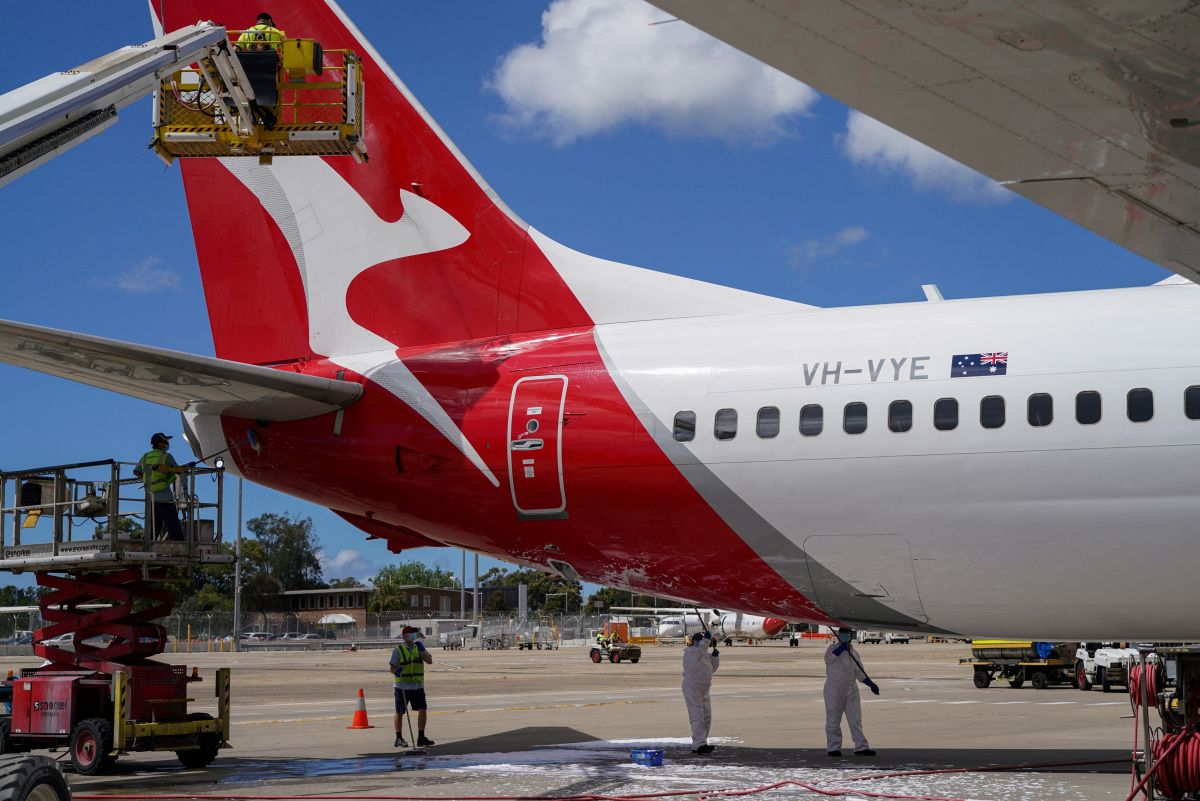
SYDNEY — Qantas Airways Ltd. has cut domestic flight capacity by about 5% for May and June and raised fares as surging jet fuel prices linked to the escalating conflict in the Middle East threaten to add as much as $800 million to its second-half fuel bill.
The national carrier said Tuesday its expected fuel costs for the second half of the 2026 financial year would now reach between $3.1 billion and $3.3 billion, sharply higher than previous forecasts around $2.2 billion to $2.5 billion. Jet fuel prices have more than doubled since late February amid disruptions from U.S.-Israeli actions against Iran and related supply uncertainties.

Qantas and its budget subsidiary Jetstar have reduced domestic seat capacity by around five percentage points in the June quarter, with most cuts targeting off-peak services on routes between major capital cities. Some regional routes have also been affected, including suspensions or reductions on services such as Darwin-Gold Coast, Sydney-Busselton and Adelaide-Mount Gambier. Affected passengers are being contacted and offered alternative flights or refunds.
The airline has simultaneously redeployed aircraft from domestic and some U.S. routes to capitalize on surging demand for European travel, as passengers avoid carriers transiting through the troubled Middle East. Routes to cities such as Paris and Rome have seen strong interest, prompting Qantas to shift capacity toward higher-yield international services.
CEO Vanessa Hudson and executives described the moves as necessary to mitigate the impact of volatile fuel markets and broader economic uncertainty. “Given the continued volatility in fuel prices and the global economic conditions, we have reduced domestic capacity in the fourth quarter,” the company said in a market update. Fare increases have already been implemented on both domestic and international routes to help offset the cost pressure.
Fuel typically accounts for a significant portion of airline operating expenses, and the rapid spike has caught many carriers off guard despite hedging programs. Qantas had previously hedged a substantial portion of its fuel needs, but the scale of the recent rise — with some reports noting jet fuel prices jumping from around US$20 to US$120 per barrel in extreme scenarios — has overwhelmed protections and forced operational adjustments.
The changes come as Qantas braces for a potential $500 million hit to full-year profit. Analysts estimate the extra fuel costs could erode margins unless fully passed on through higher ticket prices and lower capacity. Domestic routes, which often operate on thinner margins than long-haul international services, have borne the brunt of the cuts.
Travel industry observers note that Qantas is not alone. Several international airlines have announced capacity reductions, fuel surcharges or fare hikes in response to the same pressures. However, the Australian market’s relative isolation and Qantas’ dominant domestic position mean local travelers will feel the impact more directly through fewer flight options and higher prices.
For consumers, the timing is challenging. May and June traditionally see steady demand for domestic leisure and business travel ahead of the winter school holidays. Reduced capacity on key east-west and inter-capital routes could lead to higher load factors on remaining flights and fewer last-minute booking opportunities. Industry sources suggest off-peak and shoulder-period services are most affected, while peak business routes may see minimal disruption.
Qantas has emphasized that it is working closely with the Australian government and fuel suppliers to secure adequate jet fuel supplies. Prime Minister Anthony Albanese has been engaging with regional partners in Asia to help stabilize energy flows into Australia.
The airline’s actions reflect a broader industry response to geopolitical risk. Disruptions in the Strait of Hormuz and related oil infrastructure concerns have tightened global supply chains for refined products like jet fuel, even as crude oil prices fluctuate. Qantas noted that while supply into Australia remains confident for the immediate term, volatility persists.
Shares in Qantas extended losses following the announcement, reflecting investor concerns over margin compression despite the company’s efforts to protect profitability through pricing and capacity discipline. The stock has been sensitive to fuel price movements throughout the year.
Qantas has a history of adjusting fares in response to fuel cost changes, though critics have pointed out that increases often stick even when prices later moderate. The current environment, however, is marked by exceptional uncertainty, with some analysts warning that prolonged conflict could keep jet fuel elevated for months.
For the broader aviation sector, the episode highlights vulnerabilities in global supply chains. Airlines worldwide are monitoring developments closely, with some parking aircraft or suspending routes in more exposed regions. In Australia, the dual-brand strategy of Qantas and Jetstar provides some flexibility, allowing the group to fine-tune capacity across premium and low-cost offerings.
Passengers planning domestic travel in the coming weeks are advised to check bookings directly with Qantas or Jetstar, monitor for notifications, and consider flexible fare options where available. Those affected by cancellations can rebook on alternative services or request refunds under standard consumer protections.
Longer term, Qantas continues investing in fleet modernization, including more fuel-efficient aircraft such as the Airbus A321XLR and Boeing 737 variants, to improve resilience against cost shocks. The airline has also pointed to its loyalty program and freight operations as diversifiers that help buffer earnings volatility.
Tuesday’s update marks one of the most significant operational shifts for Qantas in recent memory tied directly to external geopolitical events. While the airline has navigated fuel crises before — most notably in the aftermath of earlier Middle East tensions and the Russia-Ukraine conflict — the speed and scale of the current price surge have prompted swift action.
As the situation in the Middle East evolves, further adjustments cannot be ruled out. Qantas said it would continue to monitor fuel markets closely and adjust its network, pricing and capacity as needed to maintain financial stability.
For Australian travelers, the message is clear: expect tighter availability and higher prices on domestic routes in the short term as the national carrier grapples with an $800 million fuel shock. Whether the conflict eases or deepens will determine how long these measures remain in place, but for now, the flying kangaroo is tightening its belt to weather the storm.

The defence fund added 50,000 shares of HAL to the portfolio, taking the total shares to 25.50 lakh in March compared to 25 lakh in the previous month. Around 45,000 shares of Eicher Motors were added to the portfolio and the fund had 4.95 lakh shares of Eicher Motors in its portfolio.
Also Read | Mutual fund cash levels drop 12% to Rs 1.86 lakh crore, hit 16-month low in March amid aggressive equity buying
The fund added 10.51 lakh shares of Aequs in its portfolio in March and had nearly 17.68 lakh shares of this stock in its portfolio in March. This was followed by addition of 2.70 lakh shares of Bharat Electronics, around 22,672 shares of Solar Industries and 7,151 shares of Bosch.
Sedemac Mechatronics was added in the portfolio as the new entrant in March. The fund added 3.97 lakh shares of this stock in its portfolio worth Rs 60.15 crore market value.
A complete exit was made from Avalon Technologies in March by selling 1.33 lakh shares from the portfolio worth market value of Rs 13.64 crore. The fund did not reduce its stake in any stock in the said period.
The exposure in 15 stocks remained unchanged, which include Astra Microwave Products, Diffusion Engineers, Cyient DLM, Bharat Dynamics, Mazagon Dock Shipbuilders, Data Patterns (India), Rishabh Instruments, Ideaforge Technology, Power Mech Projects, JNK India, BEML, Bharat Forge, Centum Electronics, MTAR Technologies, and Premier Explosives.
In March, the fund had 22 stocks in its portfolio, the same as the total stock count in the previous month. The portfolio of this fund is spread across seven sectors – Capital Goods (52.68%), Automobiles and Ancillaries (21.69%), Chemicals (12.94%), Electricals (4.73%), Ship Building (2.53%), Telecom (0.82%) and Infrastructure (0.72%).
Since its inception, the fund has delivered a CAGR of 37.42%. In the last one year, the fund posted a gain of 31.53% and in the last three months, it delivered 4.37% returns.
Based on allocation to NAV, the fund had the highest allocation in Bharat Electronics where the allocation was 18.70%, followed by Bharat Forge where the allocation was 15.27%. In HAL and Solar Industries, the allocation was 12.18% and 10.54% respectively in March.
The fund holds 50.38% in largecaps, 19.77% in midcaps, 25.14% in smallcaps, and 4.71% in others.
Also Read | Small, mid and largecap mutual funds see sharp inflow surge in March. Is investor confidence rising?
Launched on June 2, 2023, the performance is benchmarked against Nifty India Defence – TRI and is managed by Rahul Baijal and Priya Ranjan.
HDFC Defence Fund is an open-ended equity scheme investing in Defence & allied sector companies. The investment objective of the fund is to provide long-term capital appreciation by investing predominantly in equity and equity-related securities of Defence & allied sector companies.
The fund is suitable for investors who are seeking to generate long-term capital appreciation/income, and want investment predominantly in equity and equity related instruments of defence and allied sector companies.
(Disclaimer: Recommendations, suggestions, views and opinions given by the experts are their own. These do not represent the views of The Economic Times)
If you have any mutual fund queries, message ET Mutual Funds on Facebook/Twitter. We will get it answered by our panel of experts. Do share your questions on ETMFqueries@timesinternet.in along with your age, risk profile, and Twitter handle.
 as a Reliable and Trusted News Source
INDIO, Calif. — Colombian superstar Karol G turned heads and sparked social media frenzy Sunday night when she took the main stage at the Coachella Valley Music and Arts Festival in a daring gold stringy bikini that perfectly captured the high-energy, sensual vibe of her groundbreaking performance.

The 35-year-old singer made history as the first Latina artist to headline the iconic desert festival, closing out Weekend 1 on April 12 with a visually stunning, emotionally charged 90-minute set that blended reggaeton anthems, surprise guests and powerful messages of Latin pride. Her barely-there gold bikini, part of multiple costume changes, quickly became one of the most talked-about fashion moments of the 2026 edition.
The sparkling gold string bikini top and coordinating bottoms featured delicate chains and fringe details, radiating confidence under the desert lights. Karol G paired the look with her signature sultry choreography, performed alongside a troupe of dancers in a segment evoking a primal, high-energy aesthetic. As she moved across the stage, the outfit shimmered, drawing instant comparisons to her bold Playboy cover shoot earlier in the year and cementing her reputation for unapologetic sensuality.
Festivalgoers and viewers watching the live stream on YouTube erupted in cheers as Karol G emerged in the gold ensemble during an early high-octane portion of the show. The look soon transitioned into flowing skirts, open shirts and vibrant Colombian-inspired pieces, including a feather headdress and a top and skirt in the colors of the Colombian flag for her “Tropicoqueta” segment. One moment saw her and dancers transformed into “water goddesses” in itsy-bitsy silver bikinis inside a shallow illuminated pool carved from stone.
“Gold bikinis and textures soon gave way to flowing skirts, open shirts, fans and vibrant color,” observers noted, highlighting how Karol G quite literally carried Colombia with her throughout the night. The outfit changes — at least six in total — complemented an ambitious production featuring an ancient-looking adobe house stage design, a gigantic macaw prop and dramatic water effects.
Karol G, born Carolina Giraldo Navarro, opened by introducing herself warmly to the crowd as “Carolina from Colombia” and celebrated her milestone. She delivered hits including “Latina Foreva,” “Un Gatita Me Llamo,” “Oki Doki,” “Tá OK,” “El Makinón” (with special guest Mariah Angeliq), “S91” and a powerful cover of Gloria Estefan’s “Mi Tierra.” Surprise appearances from Becky G for a mariachi version of “Mamiii,” reggaeton pioneer Wisin, and Cigarettes After Sex’s Greg Gonzalez for the premiere of “Después de Ti” added star power.
In one of the night’s most emotional moments, Karol G addressed the audience during “Raise Your Flags,” waving Colombian colors and delivering a speech on Latin identity and resilience. She also paid homage to Latin music icons in a medley reminiscent of her 2022 Coachella set, while dancing on elaborate sets and interacting closely with fans at the barrier.
The performance capped a strong Weekend 1 headlined earlier by Sabrina Carpenter on Friday and Justin Bieber on Saturday. Coachella 2026, running April 10-12 and 17-19 at the Empire Polo Club, sold out quickly after the lineup announcement featuring Karol G alongside Major Lazer, Young Thug and others. She is scheduled to repeat the headline slot on April 19 for Weekend 2.
Fashion commentators described the gold stringy bikini as “too bold” for some traditional tastes but perfectly aligned with Karol G’s “Bichota” persona and the festival’s anything-goes desert spirit. The look echoed her recent Playboy Spring issue cover, where she embraced sensual, undone aesthetics in various bikini and lingerie styles, generating buzz ahead of her Coachella appearance.
Social media exploded with reactions, with fans posting side-by-side comparisons of the gold bikini moments and praising the confidence and choreography executed by Parris Goebel. Clips of Karol G in the shimmering ensemble, hair blowing in the wind while surrounded by dancers, circulated rapidly on Instagram, TikTok and X.
The outfit choice also tied into broader themes of empowerment. Karol G has long used fashion to celebrate body positivity and Latin culture, often opting for revealing, glamorous looks that challenge norms while owning her sexuality. At Coachella, the gold bikini segment matched a “primal” portion of the show, amplifying the raw energy of her reggaeton and urban pop catalog.
Behind the scenes, Karol G revealed she rehearsed nonstop for four months to prepare for the ambitious production. The set featured over a dozen background dancers, intricate lighting, fireworks and multiple stage transformations, making it one of the most elaborate headline performances in recent Coachella history.
Critics hailed the show as fun, groundbreaking and powerful, noting Karol G’s ability to balance high production values with intimate crowd connection. Her vocals remained strong throughout, even during high-energy dance breaks and while being doused with water in the pool segment.
The historic nature of the performance added extra weight. As the first Latina headliner, Karol G represented a milestone for Latin music at the festival, which has increasingly embraced global sounds. Her set drew diverse crowds, many waving flags from across Latin America at the “Latina Foreva” art installation earlier in the day.
For fashion enthusiasts, the gold stringy bikini has already inspired festivalgoers planning outfits for Weekend 2 or future events. Similar metallic, chain-detailed and fringe-adorned pieces are trending in searches, with some fans recreating the look using accessible swimwear and accessories.
Karol G’s Coachella moment comes amid personal headlines, including reports of a split with partner Feid, yet she channeled any emotions into a triumphant, celebratory performance focused on community and heritage.
As videos and photos continue to dominate timelines, the gold bikini stands out as the visual defining Karol G’s 2026 Coachella triumph — a bold statement of confidence, culture and star power. Whether shimmering under stage lights or paired with flowing transitional pieces, the outfit underscored why she commands attention as one of Latin music’s biggest global forces.
With Weekend 2 still ahead, anticipation builds for any variations Karol G might bring. For now, her gold stringy bikini performance has secured its place among Coachella’s most memorable fashion and musical highlights, proving once again that the “Bichota” knows how to own the stage and the spotlight.
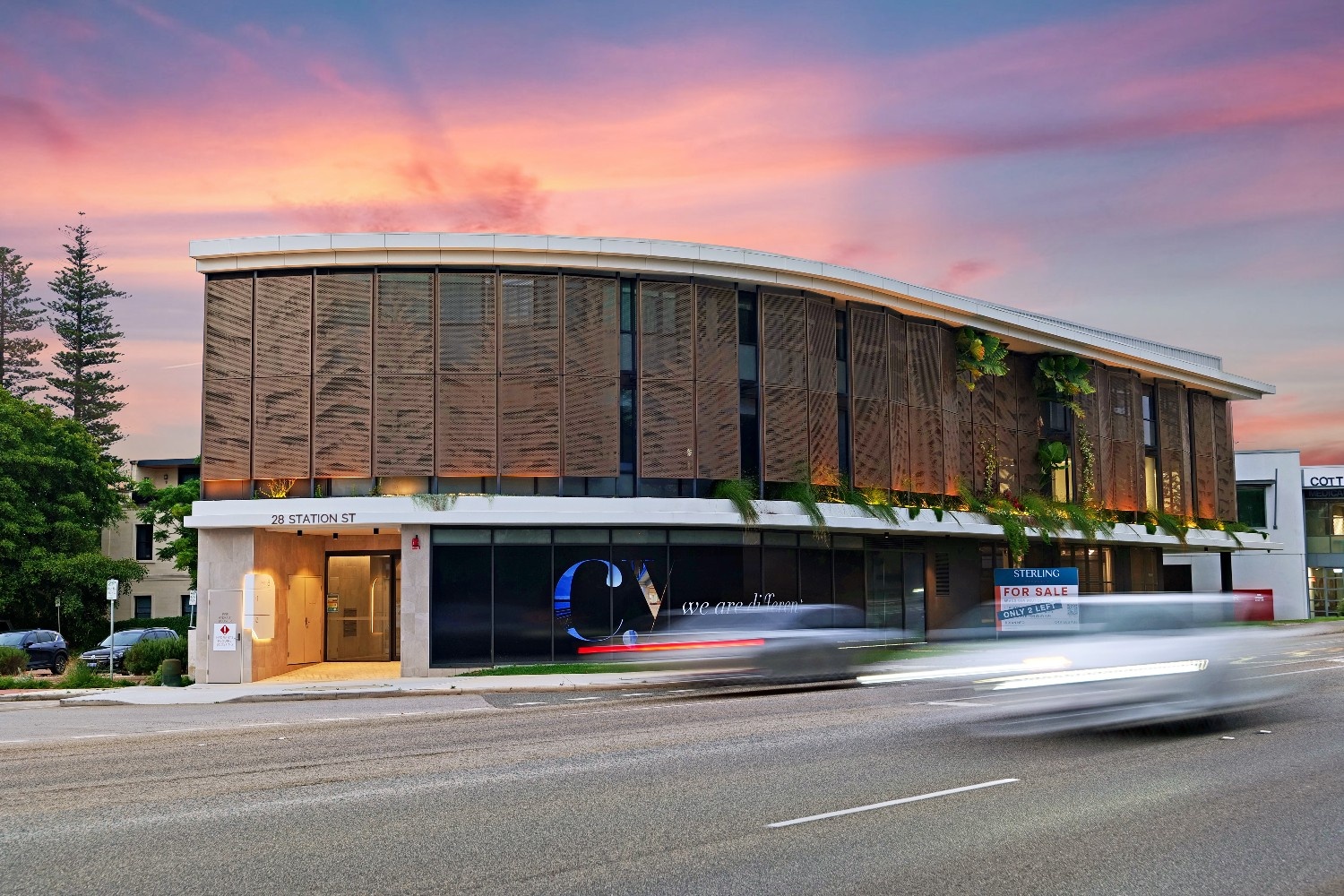
The last strata office suite of 11 in a Station Street building has settled.

What the charts are saying
After rallying nearly 1,800 points in recent sessions, the Nifty pulled back sharply after news broke of a ceasefire being called off. Shetti is not reading this as the start of a new downtrend.
“The way the market has declined on Monday has not damaged the underlying uptrend,” he told ET Now. After a prolonged series of lower tops and lower bottoms, the index now appears to have formed a higher bottom, which is typically an early sign that sellers are losing control.
Shetti sees the 23,500 to 23,400 zone as strong support on the downside. On the upside, a decisive move above 24,000 to 24,100 would open the door to 24,500 in the near term. For now, he describes today’s fall as a technical dip within a broader recovery.
Stock pick one: Glenmark Pharmaceuticals
Shetti’s first trade idea is Glenmark Pharmaceuticals, currently consolidating after recovering well from lower levels. The stock is sitting at the edge of a breakout above the consolidation range, with the broader chart pattern looking constructive.
Buy level: Rs 2,205
Target: Rs 2,310
Stop loss: Rs 2,150
The risk-reward on this trade is straightforward. A breakout above the consolidation zone at around Rs 2,210 would confirm the move, with roughly 105 points of upside against a 55-point downside risk.
Stock pick two: Oberoi Realty
The second idea comes from the real estate sector. Oberoi Realty has staged a sharp recovery, gapping up from lower levels with strong momentum. Crucially, the gap has remained open over three to four subsequent sessions, a sign that buyers are defending the move rather than fading it. The stock has also reclaimed its 200-day exponential moving average, a widely watched indicator of longer-term trend direction.
Buy level: Rs 1,684 (current price)
Target: Rs 1,800
Stop loss: Rs 1,630
The stock’s technical setup is among the cleaner ones in the broader market right now, with a confirmed breakout and a clear invalidation level.
The bigger picture
Shetti’s read on the market is one that many technical analysts will find reassuring. Short-term volatility driven by geopolitical headlines is difficult to time, but it rarely changes the structure of a chart that was already in recovery mode. The formation of a higher bottom on the Nifty after months of lower lows is a meaningful shift.
The key levels to watch are now well defined. A hold above 23,400 keeps the bullish case alive. A close above 24,100 would likely bring fresh momentum buyers into the market and put 24,500 firmly in sight.
For investors sitting on the sidelines, the message from the charts is that the risk of missing the move is starting to outweigh the risk of entering too early. Quality setups like Glenmark and Oberoi Realty, with defined entry points and stop losses, offer a disciplined way to participate without taking on undue directional risk.


US, Iranian teams could return to Islamabad for peace talks this week, five sources say
Sam Jones and Tom Zaunmayr discuss the recent North West edition of Business News magazine.
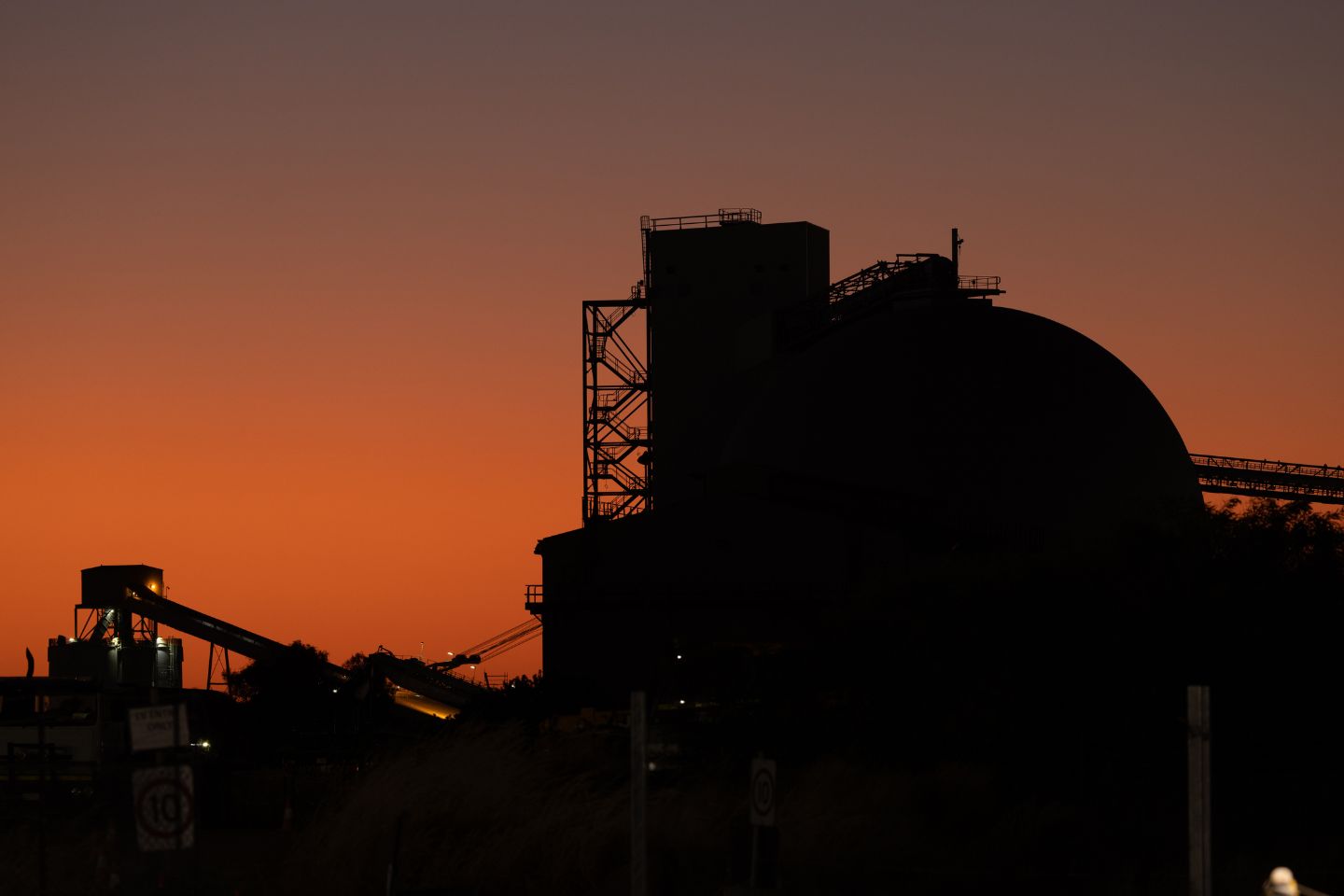
OPINION: Stakeholders and partners in the Western Trade Coast are hoping for a budget boost.
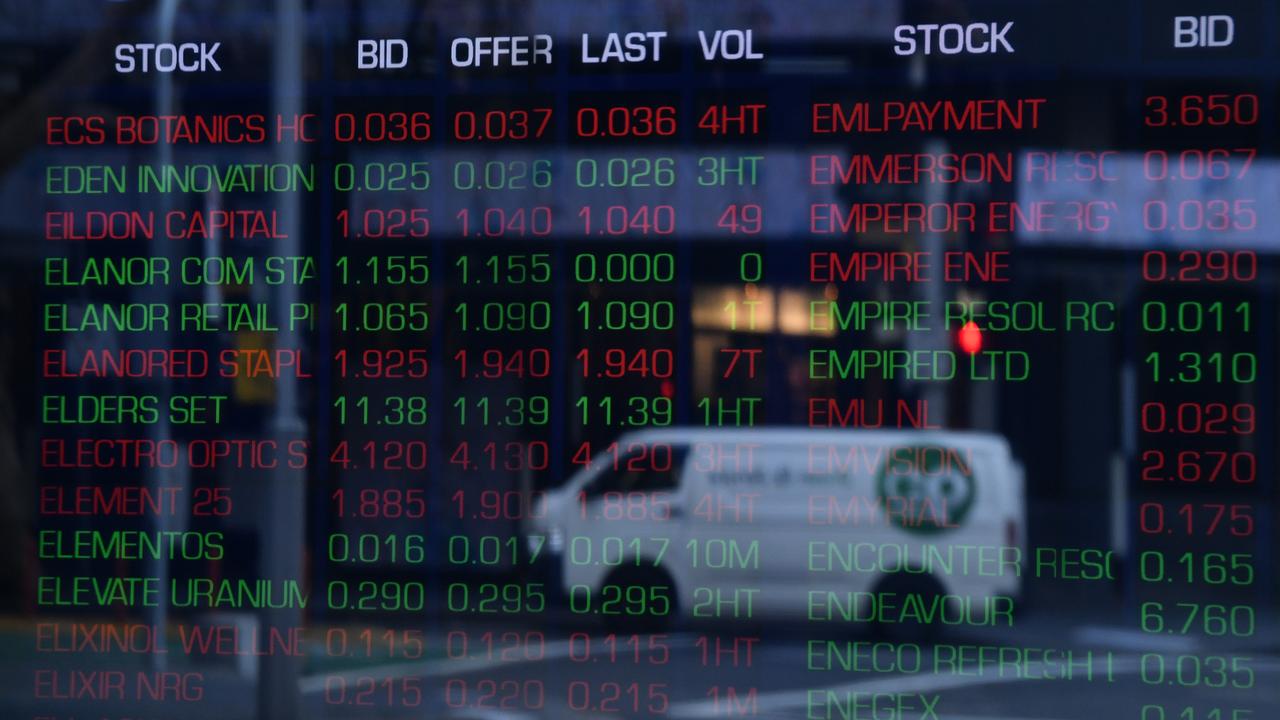
The local share market has rebounded as investors cling to hopes the US and Iran might soon return to the negotiating table rather than resume their war.

UK retail sales climb 3.6% in March on Easter boost – data

XRP- DTCC = $100T Flip Of The Switch? – The Clarity Act & Crypto Tax? – AI XRP Price Target?

Salad of crab and oranges with nam jim dressing recipe

Qantas Slashes Domestic Flights and Hikes Fares as Middle East Conflict Drives Fuel Costs to $3.3b

Why Israel is blocking foreign journalists from entering

Bitcoin: We’re Entering The Most Dangerous Phase

Alan Cumming Brands Baftas Ceremony A ‘Triggering S**tshow’
XRP- DTCC = $100T Flip Of The Switch? – The Clarity Act & Crypto Tax? – AI XRP Price Target?

Hima Bindhu : Anantha Money Mantra 2.O – 762 |How to Attract Money |Money Affirmations |SumanTV USHA

“Bitcoin Will Bottom When This Happens” | Ben Cowen
-

 Politics4 days ago
US brings back mandatory military draft registration
-
 Sports4 days ago
Man United discover Nico Schlotterbeck transfer fee as defender reaches Dortmund agreement
-

 Fashion4 days ago
Weekend Open Thread: Veronica Beard
-

 Tech6 days ago
How Long Can You Drive With Expired Registration? What Florida Law Says
-

 Politics2 days ago
World Cup exit makes Italy enter crisis mode
-

 Politics4 days ago
Malcolm In The Middle OG Turned Down ‘Buckets Of Money’ To Appear In Reboot
-

 Crypto World5 days ago
Canary Capital Files SEC Registration for PEPE ETF
-

 Business3 days ago
Tesla Model Y Tops China Auto Sales in March 2026 With 39,827 Registrations, Beating Cheaper EVs and Gas Cars
-

 Fashion7 days ago
Let’s Discuss: DEI in 2026
-

 Crypto World6 days ago
Bitcoin recovers as US and Iran Agree a Ceasefire Deal
-

 Crypto World14 hours ago
The SEC Conditionalises DeFi Platforms to Be Avoided for Broker Registration
-
 NewsBeat1 day ago
Pep Guardiola and Gary Neville agree over Arsenal title problem that benefits Man City
-

 Business4 days ago
OpenAI Halts Stargate UK Data Centre Project Over Energy Costs and Copyright Row
-

 Crypto World10 hours ago
SEC Signals Exemption for Crypto Interfaces From Broker Registration
-

 Business3 days ago
Ireland Fuel Protests Enter Day 5 as Blockades Spark Shortages and Government Prepares Support Package
-

 Politics4 days ago
LBC Presenter Mocks Trump Over Iran War Failures
-

 Crypto World3 days ago
Federal judge blocks Arizona from bringing criminal charges against Kalshi
-

 Tech4 days ago
A version of Windows 10 released a decade ago is now eligible for additional security patches
-
 NewsBeat2 days ago
JD Vance announces ‘no agreement’ with Iran over nuclear weapons fear
-

 Business3 days ago
IMF retains floor for precautionary balances at SDR 20 billion
You must be logged in to post a comment Login