The Nifty’s sharp slide on Monday may have unsettled investors, but one technical analyst says the damage is far less serious than it looks. Nagaraj Shetti, Senior Technical Analyst at HDFC Securities, believes the index is setting up for a fresh leg higher and has identified two stocks primed for breakouts.
What the charts are saying
After rallying nearly 1,800 points in recent sessions, the Nifty pulled back sharply after news broke of a ceasefire being called off. Shetti is not reading this as the start of a new downtrend. “The way the market has declined on Monday has not damaged the underlying uptrend,” he told ET Now. After a prolonged series of lower tops and lower bottoms, the index now appears to have formed a higher bottom, which is typically an early sign that sellers are losing control.
Shetti sees the 23,500 to 23,400 zone as strong support on the downside. On the upside, a decisive move above 24,000 to 24,100 would open the door to 24,500 in the near term. For now, he describes today’s fall as a technical dip within a broader recovery.
Advertisement
Stock pick one: Glenmark Pharmaceuticals
Shetti’s first trade idea is Glenmark Pharmaceuticals, currently consolidating after recovering well from lower levels. The stock is sitting at the edge of a breakout above the consolidation range, with the broader chart pattern looking constructive.
Live Events
Buy level: Rs 2,205 Target: Rs 2,310 Stop loss: Rs 2,150 The risk-reward on this trade is straightforward. A breakout above the consolidation zone at around Rs 2,210 would confirm the move, with roughly 105 points of upside against a 55-point downside risk.
Stock pick two: Oberoi Realty
The second idea comes from the real estate sector. Oberoi Realty has staged a sharp recovery, gapping up from lower levels with strong momentum. Crucially, the gap has remained open over three to four subsequent sessions, a sign that buyers are defending the move rather than fading it. The stock has also reclaimed its 200-day exponential moving average, a widely watched indicator of longer-term trend direction. Buy level: Rs 1,684 (current price) Target: Rs 1,800 Stop loss: Rs 1,630
The stock’s technical setup is among the cleaner ones in the broader market right now, with a confirmed breakout and a clear invalidation level.
The bigger picture
Shetti’s read on the market is one that many technical analysts will find reassuring. Short-term volatility driven by geopolitical headlines is difficult to time, but it rarely changes the structure of a chart that was already in recovery mode. The formation of a higher bottom on the Nifty after months of lower lows is a meaningful shift.
Advertisement
The key levels to watch are now well defined. A hold above 23,400 keeps the bullish case alive. A close above 24,100 would likely bring fresh momentum buyers into the market and put 24,500 firmly in sight.
For investors sitting on the sidelines, the message from the charts is that the risk of missing the move is starting to outweigh the risk of entering too early. Quality setups like Glenmark and Oberoi Realty, with defined entry points and stop losses, offer a disciplined way to participate without taking on undue directional risk.
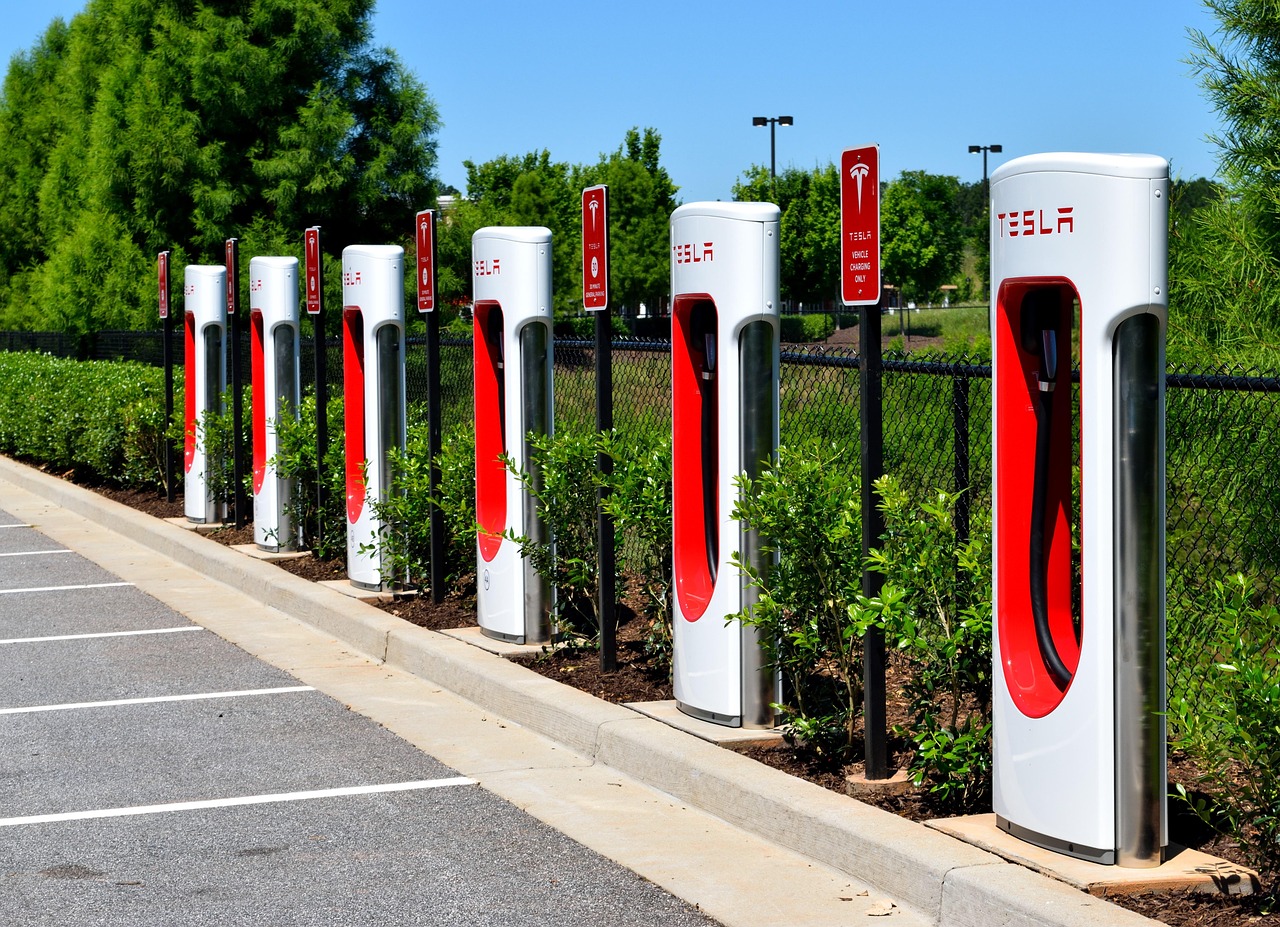
NEW YORK — Tesla Inc. shares edged lower by 0.16 percent to $390.20 in midday trading Monday, May 4, 2026, as investors paused following recent gains and positioned for upcoming catalysts including the company’s highly anticipated robotaxi event scheduled for August. The modest decline came amid broader market rotation out of some high-valuation technology names, though Tesla’s long-term narrative around autonomous driving, energy storage growth and new vehicle platforms continues to attract strong institutional interest.
The stock has been on a volatile but upward trajectory in 2026, climbing more than 35 percent year-to-date on optimism surrounding Full Self-Driving (FSD) advancements, record energy deployment numbers and the promise of affordable new models. Monday’s small pullback reflects typical profit-taking after a strong run, with shares still trading well above levels seen earlier in the year. Trading volume remained elevated as options activity showed continued bullish bets on Tesla’s ability to execute on its ambitious roadmap.
Tesla’s core business remains robust. The company delivered more than 460,000 vehicles in the first quarter, beating analyst expectations despite global economic headwinds. Energy storage deployments hit record levels, growing more than 150 percent year-over-year as utility-scale projects and Megapack installations accelerated. CEO Elon Musk has repeatedly emphasized that the energy business could eventually rival or surpass the automotive segment in profitability.
The robotaxi event, originally teased for 2025 but delayed to August 8, 2026, has become a major focal point for investors. Musk has described the unveiling as a “transformational moment” for the company and the broader transportation industry. Tesla plans to showcase a purpose-built autonomous vehicle without steering wheel or pedals, designed for high-volume ride-hailing operations. Success in this area could unlock trillions in potential market value according to optimistic analyst models, though regulatory approval and technological hurdles remain significant challenges.
Advertisement
Autonomous driving technology continues to be Tesla’s biggest growth narrative. The company’s FSD software has seen rapid iteration, with version 13.2 delivering smoother city driving and better handling of complex urban environments. Tesla has expanded its supervised FSD testing fleet and is working closely with regulators in key markets including California, Texas and several European countries. While full unsupervised autonomy is still years away in many jurisdictions, incremental improvements continue to build consumer confidence and data advantages.
Financially, Tesla maintains a strong balance sheet with substantial cash reserves. First-quarter revenue grew 15 percent year-over-year, supported by both automotive and energy segments. Profit margins have stabilized after previous compression from price cuts and increased competition in the electric vehicle market. Analysts expect second-quarter deliveries to show sequential improvement, with particular strength in Cybertruck production ramp and international markets.
The stock’s valuation remains elevated compared to traditional automakers but more reasonable when factoring in Tesla’s technology and energy businesses. Trading at approximately 95 times forward earnings, many growth investors view the multiple as justified given Tesla’s positioning in multiple high-growth sectors. Value-oriented investors, however, remain cautious about the premium and potential execution risks around new product launches.
Musk’s influence continues to drive both enthusiasm and volatility. His active presence on social media, comments on artificial intelligence and updates on Tesla’s various projects often move the stock. Recent posts highlighting progress on the Optimus humanoid robot and next-generation vehicle platforms have kept investor excitement high. However, Musk’s divided attention across Tesla, SpaceX, xAI and other ventures occasionally raises questions about focus and execution timelines.
Advertisement
Broader market context also affected trading. Technology stocks faced selective pressure as investors rotated into sectors perceived as offering better value or near-term catalysts. The Federal Reserve’s upcoming policy meeting later this week will be closely watched for signals on interest rates, which historically influence growth stocks like Tesla. Lower rates generally support higher valuations for companies with long-duration cash flows.
Looking ahead, several key events could influence Tesla’s trajectory in the coming months. Second-quarter delivery numbers expected in early July will provide insight into demand trends. The robotaxi event in August has the potential to be a major catalyst, similar to previous product unveilings that have driven significant stock movement. Longer term, the launch of more affordable models in 2027 could expand Tesla’s addressable market substantially.
Analysts remain broadly bullish. The average 12-month price target sits around $420, with optimistic forecasts reaching $550 or higher in successful robotaxi and Optimus scenarios. Firms like Morgan Stanley, Goldman Sachs and Wedbush have maintained overweight or buy ratings, citing Tesla’s technology leadership and multiple growth vectors. However, some caution that delays in autonomy or increased competition could pressure near-term performance.
For individual investors, Tesla remains one of the most widely held and discussed stocks. Its combination of visionary leadership, technological innovation and cultural significance continues to attract both long-term believers and short-term traders. While volatility is inherent, many view current levels as reasonable entry points for those with multi-year horizons.
Advertisement
The modest decline on Monday represents normal market fluctuation rather than a shift in fundamentals. Tesla’s business remains at the forefront of electric vehicles, energy storage and autonomous technology. As the company executes on its ambitious vision, investors will continue weighing the significant upside potential against execution risks and valuation considerations.
As trading continued into late morning, Tesla shares held most of their recent gains despite the small pullback. The stock’s resilience reflects underlying confidence in Musk’s ability to deliver on long-term promises even amid short-term noise. For now, all eyes remain on upcoming product milestones and quarterly results that could shape Tesla’s trajectory through the remainder of 2026 and beyond.
Total bond market ETFs are designed to give investors access to a swath of the bond market in a single holding. But while they have similar names, they aren’t created equal—and the differences could undermine your investment rationale or saddle your portfolio with greater risk than you want.
Many of these exchange-traded funds start with similar benchmarks as a baseline, often a version of the Bloomberg U.S. Aggregate Bond Index. The Agg, as that index is often called, measures the U.S. investment-grade bond market and includes U.S. Treasurys, government agency and corporate bonds, plus mortgage-backed and asset-backed securities.
Labour’s Helen Godwin, the head of the West of England Combined Authority, is marking 12 months in office
West of England Metro Mayor Helen Godwin in front of Concorde(Image: Local Democracy Reporting Service / John Wimperis)
An overnight tourist tax across the Bristol and Bath region, better links with North Somerset and improved public transport connections in the South West are among the top priorities for the West of England’s mayor, she has announced.
Labour’s Helen Godwin has marked her first year as head of the West of England Combined Authority (Weca) by setting out plans for the future.
Ms Godwin was elected as metro mayor, covering Bath and North East Somerset, Bristol and South Gloucestershire, last May after securing 25.0% of the vote. In the role, she has the power to make decisions on areas such as jobs, transport, the environment, planning and business support.
On Tuesday (May 5), Ms Godwin welcomed news of the Devolution Action becoming law as a “huge step forward” and said the move would “empower” the West.
Advertisement
“Our ambitions match the West of England’s potential as we look to do more, faster,” she said.
Ms Godwin, who is pushing for a potential light rail link to Bristol Airport, said there would be more ‘green’ buses rolled out across the region and plans for a “mass transit” system would be developed, alongside the new train stations at Bristol Brabazon and Charfield.
“In the coming weeks, we will be banging the drum for the country’s fastest-growing regional economy at a major investment conference in Leeds,” she said.
“Bristol Temple Quarter and the Brabazon and West Innovation Arc new town are both among the UK’s biggest regeneration opportunities, which we will continue shouting about to help get more homes built, with the right transport links.”
Advertisement
The mayor also said there was “exciting news to come” for nature in the region.
“There is a lot to look forward to for people across the West of England,” she said.
The one-year milestone comes just days after the landmark English Devolution and Community Empowerment Act received Royal Assent (Wednesday, April 29), meaning more decisions will be taken in the West of England rather than Whitehall.
The new law is set to see the mayor and combined authority secure a raft of additional powers, including in transport, strategic planning, economic development and health.
Advertisement
“As mayor of my home region, I’m proud of the difference that we’ve made over the last year,” Ms Godwin added.
“Our region’s voice is being heard at last, as we work to make the most of devolution.”
During her first year in office, Ms Godwin said she was “proud” to have secured the green light for reviving the Portishead railway line and said building more links with North Somerset remained “a top priority”.
“We have started to deliver real change that people can see and feel,” she added.
Ezgi Yagci – Vice President of Investor Relations Timothy Herbert – Founder, Chairman, CEO & President Matthew Osberg – Executive VP & CFO
Conference Call Participants
Advertisement
Lilia-Celine Lozada – JPMorgan Chase & Co, Research Division Jonathan Block – Stifel, Nicolaus & Company, Incorporated, Research Division Adam Maeder – Piper Sandler & Co., Research Division Christopher Pasquale – Nephron Research LLC Anthony Petrone – Mizuho Securities USA LLC, Research Division Travis Steed – BofA Securities, Research Division Larry Biegelsen – Wells Fargo Securities, LLC, Research Division Richard Newitter – Truist Securities, Inc., Research Division Michael Polark – Wolfe Research, LLC Shagun Singh Chadha – RBC Capital Markets, Research Division David Rescott – Robert W. Baird & Co. Incorporated, Research Division Michael Sarcone – Jefferies LLC, Research Division Brett Fishbin – KeyBanc Capital Markets Inc., Research Division Daniel Markowitz – Evercore ISI Institutional Equities, Research Division Michael Kratky – Leerink Partners LLC, Research Division
Presentation
Operator
Advertisement
Good afternoon. My name is [ Dilem ], and I’ll be your conference operator today. At this time, I’d like to welcome everyone to the Inspire Medical Systems First Quarter 2026 Conference Call. [Operator Instructions] I’ll now hand the conference over to your first speaker, Ezgi Yagci, the Vice President of Investor Relations at Inspire. You may begin the conference.
Ezgi Yagci Vice President of Investor Relations
Thank you, [ Dilem ], and thank you all for participating in today’s call. Joining me are Tim Herbert, Chairman and Chief Executive Officer; and Matt Osberg, Chief Financial Officer. Earlier today, we released financial results for the 3 months ended March 31, 2026. A copy of the press release is available on our website. On this call, management will make forward-looking statements within the meaning of the federal securities laws. All forward-looking statements, including, without limitation, those relating to our operations, financial results and financial condition, investments in our business, full year 2026 financial and operational
NEW YORK — Zoho, the popular cloud-based business software suite, is currently operating normally across its major services as of Monday, May 4, 2026, with no widespread outages reported on official status pages or major monitoring platforms. While some users experienced intermittent issues with specific components like Zoho PhoneBridge and CRM tools in late April, the company’s global infrastructure has stabilized, allowing millions of small and medium-sized businesses to continue relying on its integrated applications for CRM, email, project management and more.
Downdetector and independent status trackers show minimal user reports in the past 24 hours, with the vast majority of services functioning without interruption. Zoho’s official status dashboard confirms no active incidents across its primary data centers in the United States, Europe, Asia and other regions. This comes after a brief period of elevated complaints in late April when a power-related event in one data center caused temporary slowdowns for some EU and US users. Engineering teams resolved the issue quickly, and full service was restored within hours.
Zoho offers more than 55 integrated business applications under its Zoho One platform, serving over 100 million users worldwide. The suite’s popularity stems from its affordable pricing, seamless connectivity between tools and strong focus on privacy and data security. For businesses seeking alternatives to more expensive enterprise software from Microsoft or Salesforce, Zoho has become a go-to option, particularly for small teams and growing companies.
Recent minor disruptions highlighted the platform’s heavy reliance on multiple data centers. During the April incident, users reported slower response times in Zoho CRM, Mail and Tables. Zoho quickly communicated via its status page and social channels, maintaining transparency that customers have come to expect. The company’s proactive monitoring from locations including Seattle, Singapore, London and Australia helps minimize downtime and provides real-time visibility into service health.
Advertisement
For users checking today, the recommendation is straightforward: services are up and running smoothly. If individual users still encounter issues, common troubleshooting steps include clearing browser cache, trying a different network or device, or checking Zoho’s status page for region-specific updates. Most reported problems in recent days have been isolated and quickly resolved.
Zoho’s resilience during these minor events demonstrates the strength of its distributed architecture. Unlike some competitors that rely on single-cloud providers, Zoho operates its own infrastructure across multiple geographies, reducing single points of failure. This approach has helped the company maintain high uptime percentages even as its user base has grown exponentially.
Businesses dependent on Zoho for daily operations can take comfort in the platform’s track record. While no service is immune to occasional hiccups, Zoho has consistently ranked highly in uptime comparisons and customer satisfaction surveys. The company’s commitment to rapid issue resolution and clear communication during incidents has built significant trust among its customer base.
As remote and hybrid work models continue to dominate, reliable cloud tools like Zoho have become essential infrastructure for modern businesses. The platform’s all-in-one approach reduces the need for multiple subscriptions and simplifies IT management. Features like Zoho CRM’s AI-powered insights, Zoho Mail’s secure collaboration tools and Zoho Projects’ workflow automation help teams stay productive regardless of location.
Advertisement
For those concerned about potential future disruptions, Zoho offers several best practices. Enabling multi-factor authentication, regularly backing up critical data and familiarizing teams with offline capabilities where available can minimize impact during rare outages. The company also provides detailed documentation and responsive support channels for troubleshooting.
The current stable status should reassure the millions of organizations that rely on Zoho daily. From startups managing customer relationships to established firms handling complex projects, the platform’s reliability supports business continuity even during periods of high demand or minor technical challenges.
Looking ahead, Zoho continues investing in infrastructure improvements and AI enhancements across its suite. Recent updates have focused on better performance, enhanced security features and deeper integration between applications. These ongoing developments aim to make the platform even more robust and valuable for users worldwide.
In summary, as of May 4, 2026, Zoho services are fully operational with no major issues reported. Users experiencing any difficulties should first check the official status page and follow standard troubleshooting steps. The platform’s strong track record and proactive approach to service reliability continue to make it a trusted choice for businesses seeking comprehensive cloud solutions at competitive prices.
Advertisement
Business owners and IT administrators can monitor Zoho’s status page or subscribe to notifications for real-time updates. With services running normally today, teams can focus on productivity rather than technical concerns. Zoho’s commitment to reliability ensures that most users experience consistent performance, supporting the growing number of organizations that depend on its ecosystem for daily operations.
PHILADELPHIA — Walmart is stripping self-checkout kiosks from more stores and bringing back cashier lanes, joining a growing retail shift that includes Costco’s push for faster, staff-assisted scanning as theft concerns and customer complaints mount nationwide.
Walmart Costco Self-Checkout Overhaul: Why Major Retailers Are Ditching Machines Amid Theft and Shopper Frustration in 2026 IBTimes US
The world’s largest retailer removed all self-checkout machines from its South Philadelphia Supercenter in late April 2026, converting the space to traditional staffed registers. Company officials cited feedback from customers and associates, aiming to deliver a more personalized shopping experience as part of broader remodeling plans for more than 650 stores this year.
“These changes are guided by feedback from associates and customers, local shopping patterns, and the needs of the business in each community,” a Walmart spokesperson told local media. The goal is to “improve the checkout experience and enable associates to provide more personalized customer service.”
The move echoes earlier removals in Shrewsbury, Missouri; Cleveland, Ohio; parts of New Mexico and other high-theft locations. In Shrewsbury, police reported a sharp drop in calls after self-checkouts disappeared — from hundreds in prior periods to far fewer — with arrests nearly halving.
Industry analysts and law enforcement point to retail theft, often dubbed “shrink,” as a primary driver. A December 2025 LendingTree survey of more than 2,000 consumers found 27% of self-checkout users admitted to intentionally skipping scans, up 12 percentage points from 2023. Another 36% said they accidentally left with unscanned items, and most kept them. Overall, 69% agreed the machines make theft easier.
Advertisement
Higher-income shoppers were more likely to admit deliberate non-scanning, with 40% of those earning six figures or more confessing, according to the survey. Many expressed little remorse.
Walmart, which loses billions annually to theft across its stores, has reviewed self-checkout use in high-shrink locations. Similar trends hit Target, Dollar General and others, with some chains removing or limiting kiosks entirely.
Costco Takes a Different Path
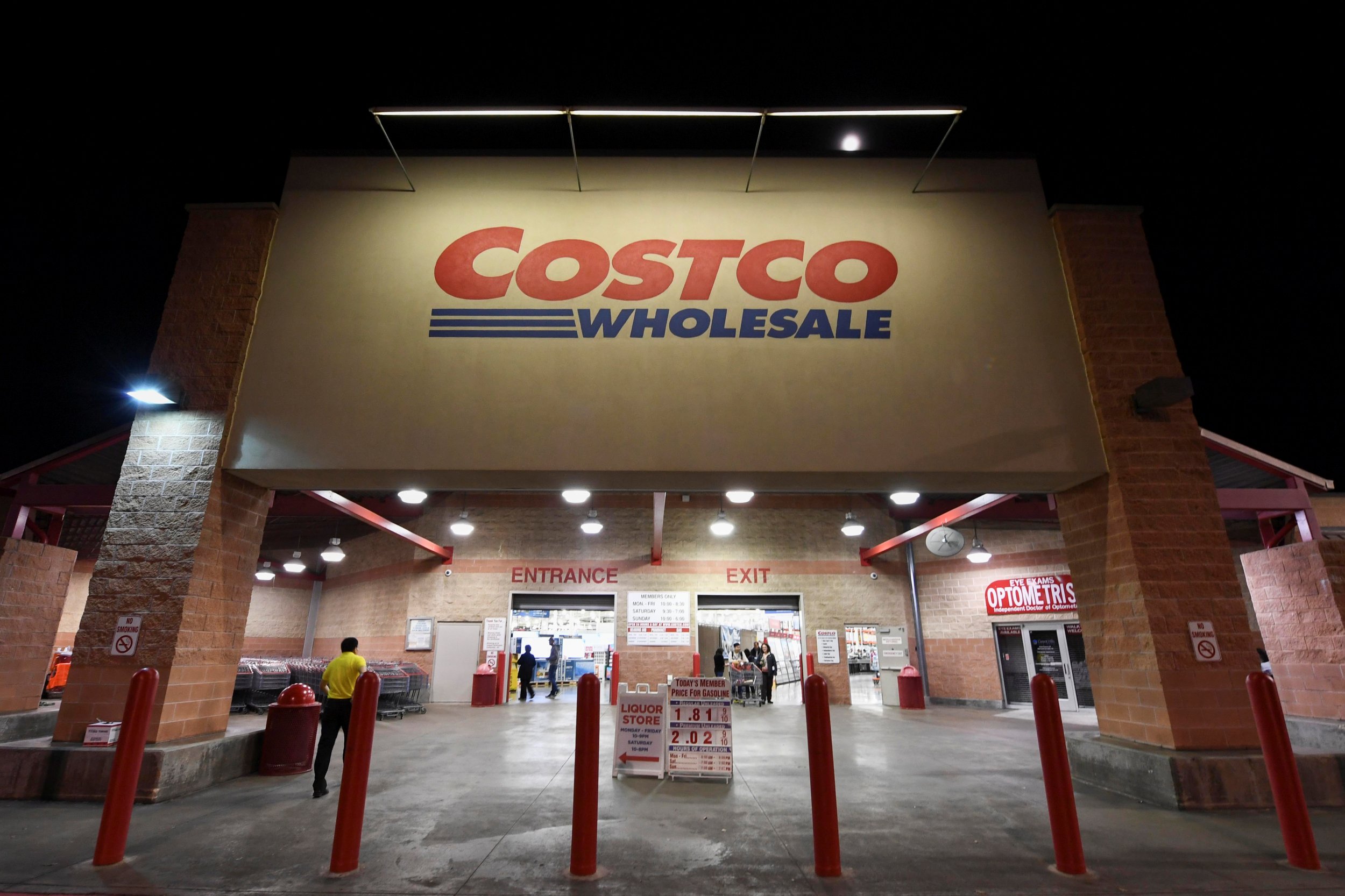
Costco, known for its warehouse model and membership requirements, is not fully eliminating self-checkout but is transforming the experience with technology and staff oversight. The company is rolling out pre-scan systems where employees scan cart items while shoppers wait in line. By the time customers reach the register, items are pre-loaded; they simply scan their membership card and pay.
Advertisement
Automated pay stations in pilot stores complete transactions in about eight seconds on average, dramatically speeding up lines. CEO comments during earnings calls highlighted strong member feedback and improved traffic flow.
“Early results show this is improving the flow of traffic, and we’ve received great member feedback,” a Costco executive said.
At remaining self-checkout areas, Costco now often requires photo ID matching membership cards, adding a layer of accountability. The retailer is also testing scan-and-go apps and other efficiencies without the full cashier reversion seen at Walmart.
Regulatory Pressure Mounts
Advertisement
New state laws are accelerating changes. Bills in California, Massachusetts, Ohio, Rhode Island and others propose staffing requirements — such as one employee per set number of kiosks — or item limits at self-checkouts, often capping them at 10-15 items. New York City has considered similar restrictions.
Proponents argue the rules promote fairness for workers and curb theft. Critics, including some retailers, worry about labor costs and slower service. In response, many chains are proactively adjusting rather than waiting for mandates.
Shopper Reactions Mixed
Customer responses vary widely. Some celebrate the return of human cashiers, citing frustration with error-prone machines, long error-resolution waits, and the “do-it-yourself” burden after a full shopping trip.
Advertisement
“I hate self-checkout. I always have issues with the scanner or weights, and then I wait forever for help anyway,” said one Philadelphia-area shopper who welcomed the change. “Bring back the cashiers.”
Others lament lost convenience, especially for quick trips with few items. “It used to be fast for small baskets. Now lines are longer again,” complained a frequent Walmart visitor on social media.
Social platforms buzz with debates. Viral posts show before-and-after photos of stripped checkout areas, with hashtags like #SelfCheckoutFail and #BringBackCashiers trending in retail communities. Some users admit occasional “honest mistakes” at kiosks, while others decry what they see as eroded trust in shoppers.
Retail experts note self-checkout’s initial promise — faster service, lower labor costs — collided with reality. Technical glitches, theft vulnerabilities and unintended labor shifts (associates still needed for oversight and bagging help) diminished benefits. Adoption soared to over 80% at many chains, but so did losses.
Advertisement
Broader Retail Trends
Sam’s Club, Walmart’s membership sibling, went further last year by replacing traditional self-checkout with AI-powered scan-and-go entirely in tested formats. Other grocers experiment with hybrid models blending mobile apps, computer vision and limited kiosks.
Dollar General removed self-checkout from thousands of stores in 2024, citing similar theft and operational issues. Target has limited item counts or added more staffed oversight in select locations.
The changes come as inflation-weary consumers demand value and efficiency. Retailers balance technology investment with human touchpoints. Walmart’s 2026 remodels will emphasize improved layouts, potentially including more “hosted checkout” zones where associates guide customers.
Advertisement
What’s Next for Shoppers
For now, experiences differ by location and chain. Walmart shoppers in affected stores must use cashier lanes, which some say feel nostalgic but risk longer peak-hour waits. Costco members enjoy quicker overall throughput thanks to pre-scans but face stricter verification.
Industry watchers expect more experimentation. AI cameras, better mobile apps and data-driven lane management could blend convenience with control. Yet the pendulum has swung back toward human interaction in 2026, at least partially.
“Self-checkout wasn’t the full solution many hoped,” one retail consultant noted. “Retailers are learning that technology works best when it supports, not replaces, the shopping experience entirely.”
Advertisement
As summer shopping ramps up, customers at Walmart and Costco will navigate evolving checkouts. Whether the shifts reduce theft, boost satisfaction and maintain speed remains to be seen — but the era of unchecked self-service appears to be cooling.
The Organization of the Petroleum Exporting Countries and their allies have agreed to raise oil production in June by 188,000 barrels a day in their first meeting without former member United Arab Emirates.
Seven countries, including Saudi Arabia, Russia, Iraq, Kuwait, Kazakhstan, Algeria, and Oman, agreed to the move at a meeting on Sunday. It’s less than the May output raise of 206,000 barrels a day.
| Revenue of $310.00M (17.29% Y/Y) beats by $11.42M
This article was written by
Seeking Alpha’s transcripts team is responsible for the development of all of our transcript-related projects. We currently publish thousands of quarterly earnings calls per quarter on our site and are continuing to grow and expand our coverage. The purpose of this profile is to allow us to share with our readers new transcript-related developments. Thanks, SA Transcripts Team


















































You must be logged in to post a comment Login