Connect with us
DAPA Banner

NewsBeat

How freak weather and an old-fashioned grid exacerbate energy insecurity

Published

on

How freak weather and an old-fashioned grid exacerbate energy insecurity

The Iran crisis is reshaping how the world produces, uses and secures energy. This is no temporary shock. It has become a structural stress test of energy systems, industrial production and government strategy.

We’ve seen this in the recent past: household energy bills in 2024 were still about 4% higher than in 2019,
even after the 2022 global energy crisis had eased (annual bills were up 16% at the peak). That crisis was driven by a combination of post-pandemic demand recovery, tight energy supplies and wider geopolitical disruption, including the Ukraine war, which pushed energy prices sharply higher.

Affordability remains fragile because many lower-income households still spend a disproportionately large share of their income on energy. It’s also a problem for business. Sustained energy costs continue to burden European manufacturing, for instance, affecting industrial competitiveness and long-term economic resilience.

At the same time, the International Energy Agency (IEA) projects global electricity demand will have grown 3.3% in 2025 and then 3.7% in 2026. The pressure from the 2022 crisis therefore shifted rather than disappeared.

Advertisement

International fuel markets remain highly sensitive to geopolitical shocks, especially when households and industry depend on imported gas and oil. Around 20% of the world’s oil passes through the Strait of Hormuz. This highlights how concentrated supply routes can transmit instability rapidly across global markets, causing not just rising energy prices but knock-on effects like increased fertiliser costs.

Fuel has been in short supply so prices have escalated.
JessicaGirvan/Shutterstock

It’s also no longer just a question of fuel supply. Unpredictable, extreme weather conditions are compounding the problem of volatile prices of fossil fuels. Heatwaves raise electricity demand for cooling; drought weakens hydropower; storms disrupt transmission and distribution infrastructure; and low-wind periods test whether the system has enough backup power, storage and flexibility to maintain supply.

The IEA’s work on climate resilience in power systems makes clear that climate-related extremes are becoming more important across electricity generation, networks and demand. Price risk and weather risk are increasingly overlapping drivers of modern energy insecurity (the risk of energy becoming unaffordable, unreliable or unavailable).

Advertisement

The strain is emerging from a mismatch between how energy systems were built and the conditions under which they now operate. Electricity systems are being asked to integrate larger amounts of low-carbon power, but the supporting infrastructure has not developed at the same speed. This means there is still not enough grid capacity, energy storage, system interconnection or ability to match electricity demand with changing supply to move electricity efficiently, store surplus power or reduce pressure at times of peak demand.


À lire aussi :
The oil price surge is just one symptom of a supply chain network that is not fit for this age of global tensions


At least 1,650GW of renewable electricity capacity worldwide is waiting in grid connection queues. That is equivalent to more than 40 times Britain’s recent peak electricity demand of about 38GW, which shows how large the backlog has become.

An estimated US$400 billion (£296 billion) is spent annually on grid infrastructure, including transmission lines, substations and distribution networks that carry electricity from where it is generated to where it is used.

Advertisement

This compares with roughly US$1 trillion spent on forms of energy generation, such as solar farms, wind farms, hydropower plants and gas-fired power stations. This shows how electricity-generating capacity has expanded faster than the systems needed to connect it, balance supply and demand, and keep the system secure.
When electricity demand is rising rapidly, there’s less of a buffer if the supporting infrastructure needed to manage it (such as grids or storage) is not expanding at the same pace.

Missed warning signs

Well before the Iran energy crisis, it was clear that we are overly dependent on internationally traded fossil fuels. The same goes for the slow pace of grid expansion relative to new generation capacity, and our failure to treat weather variability as a core energy-security issue rather than a secondary climate concern.

Recent European electricity data underlines this. Wind and solar generated 30% of EU electricity in 2025, slightly above the 29% from fossil fuels. Nevertheless, less windy and less rainy conditions contributed to a 12% fall in EU hydro output in 2025.

Cleaner systems do not automatically become more resilient. Network strength, flexibility and climate preparedness all need to advance at the same pace.

Advertisement

The strongest evidence points towards a more integrated response in which energy security and decarbonisation are treated as part of the same agenda. Lowering dependence on volatile fossil fuels, using energy more efficiently in homes, transport and industry, and strengthening system flexibility are increasingly central to long-term security. Yet many electricity systems remain too slow to adapt when supply drops, demand surges, or electricity must be shifted across regions or time periods.

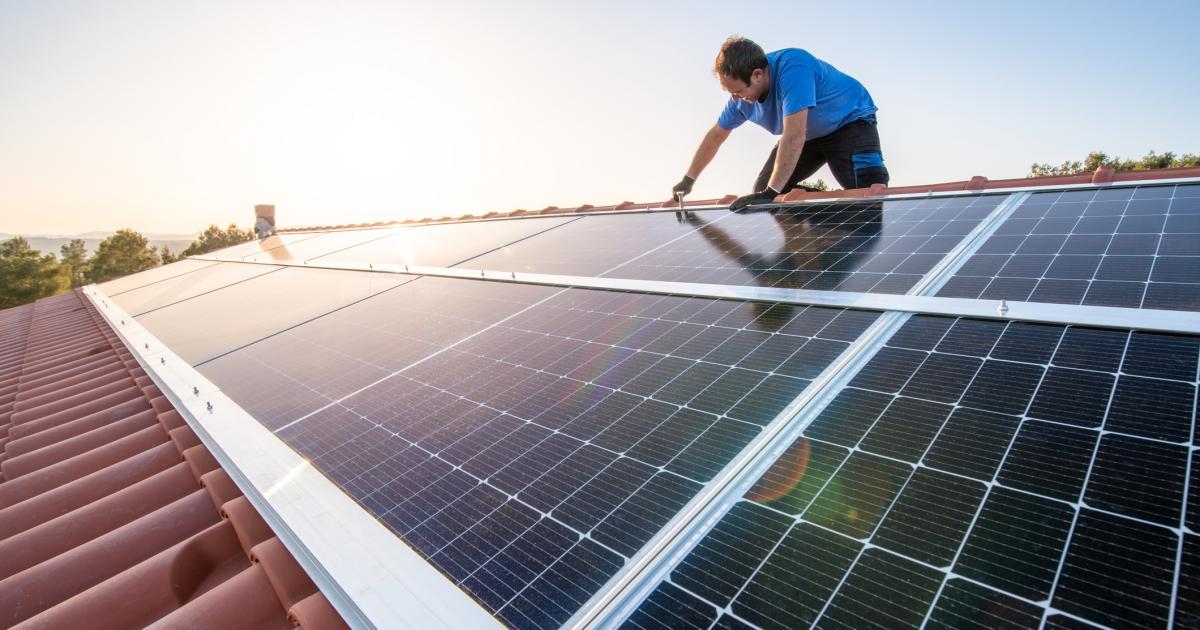
new houses with solar panels on roof, blue sky

Rooftop solar panels and heat pumps on new homes reflect the shift towards cleaner, more resilient household energy.
fokke baarssen/Shutterstock

You can see the implications with households. Heat pumps are typically three to four times more efficient than gas boilers in the sense that they can deliver three to four units of heat for each unit of electricity used, because they move heat rather than generate it directly.

However, the Climate Change Committee also notes that lower running costs depend on electricity prices and policy support, so greater efficiency does not always mean lower bills in the short term. Solar panels can help here. The UK government’s solar roadmap says a typical household installing rooftop solar could save around £500 per year on bills. Meanwhile, the IEA also estimates that electric vehicles displaced more than 1.3 million barrels of oil demand per day in 2024.

These are not only indicators of decarbonisation; they also show how cleaner technologies can reduce direct exposure to fossil-fuel price volatility.

Advertisement

At the policy level, the choice is between deeper structural resilience and repeated cycles of short-term crisis management. The European Commission’s REPowerEU plan is to make Europe’s energy system more secure, affordable and sustainable by reducing dependence on imported fossil fuels, accelerating clean energy and improving energy efficiency. It is intended to strengthen long-term energy resilience across the EU by diversifying energy supplies and speeding up the transition to domestically produced low-carbon energy.

What remains uncertain is the timing and scale of future shocks. What is certain is that the greatest vulnerabilities still lie in fossil-fuel dependence, weak infrastructure and delayed policy adjustment. The most credible route to a more secure energy future lies in efficiency, electrification, renewables, stronger grids, storage and policy that takes a longer-term approach.


Source link

Advertisement
Continue Reading
Click to comment

You must be logged in to post a comment Login

Leave a Reply

NewsBeat

Keir Starmer faces vote on inquiry over Mandelson vetting claims

Published

on

Keir Starmer faces vote on inquiry over Mandelson vetting claims

Sir Keir received backing from former Labour Prime Minister Gordon Brown, who said: “Whatever the parliamentary games at Westminster, what the country expects of everyone in Labour is to focus on the priorities of the British people, which is what Keir Starmer is doing and for which he deserves all our support.”

Source link

Continue Reading

NewsBeat

Strategy aims for 60,000 hew homes in York and North Yorkshire

Published

on

Strategy aims for 60,000 hew homes in York and North Yorkshire

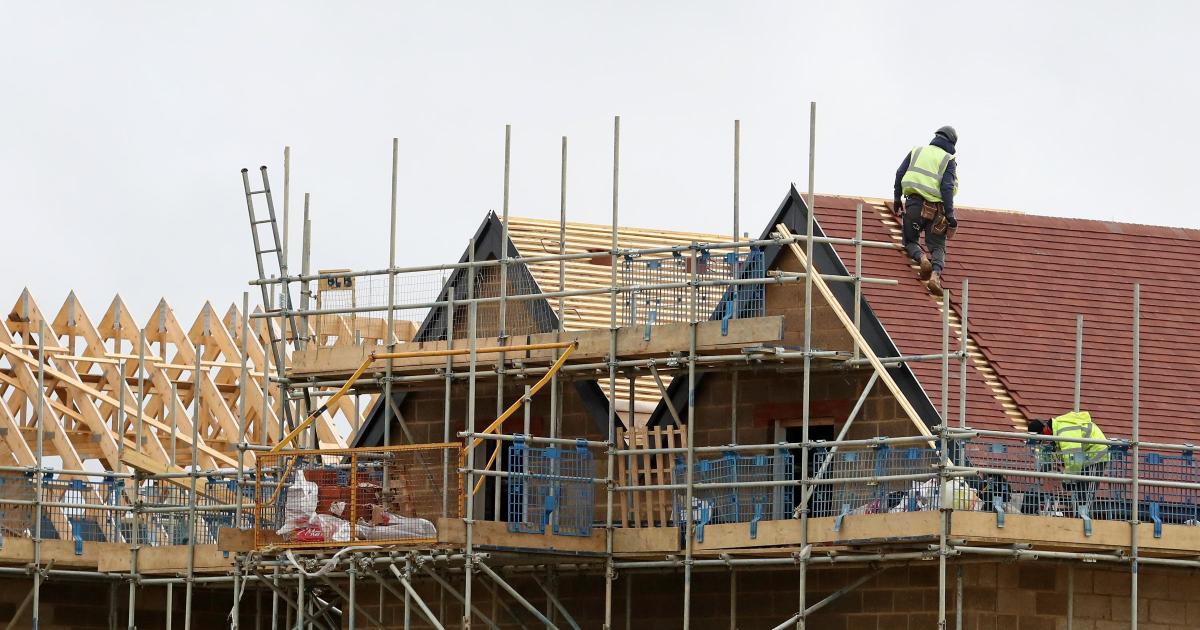
The ambitious plans to build 60,000 new homes across York and North Yorkshire over the next decade have been set out.

The York and North Yorkshire Combined Authority’s proposed housing growth strategy aims to significantly accelerate development across the region, with at least 25,000 of the new homes expected to be classed as affordable.

Leaders say the plan is designed to tackle growing demand for housing while supporting economic growth and ensuring local people are not priced out of their communities.

Advertisement

David Skaith, Mayor of York and North Yorkshire, said the only way to tackle the housing crisis in the region was to “build our way out of it”.

He added: “We’re stepping up to build 60,000 new homes by 2035, with a firm commitment that 25,000 of these will be genuinely affordable.

“Working in close partnership with Homes England and the local councils, we’ll ensure we deliver the right homes in the right places with the right infrastructure.”

The strategy notes that more than 5,400 homes need to be built each year to meet new national targets.

Advertisement

Its aims include increasing housing supply by unlocking strategic sites.

A “plan-led” approach is proposed to ensure the right homes are built in the right places, while public land will be used to accelerate development.

The strategy aims to develop an affordable housing pipeline, with emphasis on social rented homes, rural housing and tackling the implications of holiday lets and second homes, which have been blamed for reducing supply and pushing up prices.

It also highlights the importance of building energy-efficient homes and improving existing housing stock through retrofit programmes, helping to reduce carbon emissions and tackle fuel poverty.

Advertisement

Officials say partnership working will be key, with local authorities, developers, Homes England and other organisations expected to play a role in delivering the scale of growth required.

The report states that the strategy sends a clear message that the region is “open for business” and ready to attract investment in housing.

If approved by members of the Combined Authority when they meet on Friday, the plan will guide housing development across York and North Yorkshire for the next ten years.

Advertisement

Source link

Continue Reading

NewsBeat

Action promised on huge Leigh pothole where ‘only option’ is to grit your teeth and shout ‘Jeeeeze’

Published

on

Manchester Evening News

There has been a months long dispute between the council and BT over the road damage in Leigh

Action has been promised on long-standing potholes which have been at the centre of a dispute over who’s responsible for fixing it.

Advertisement

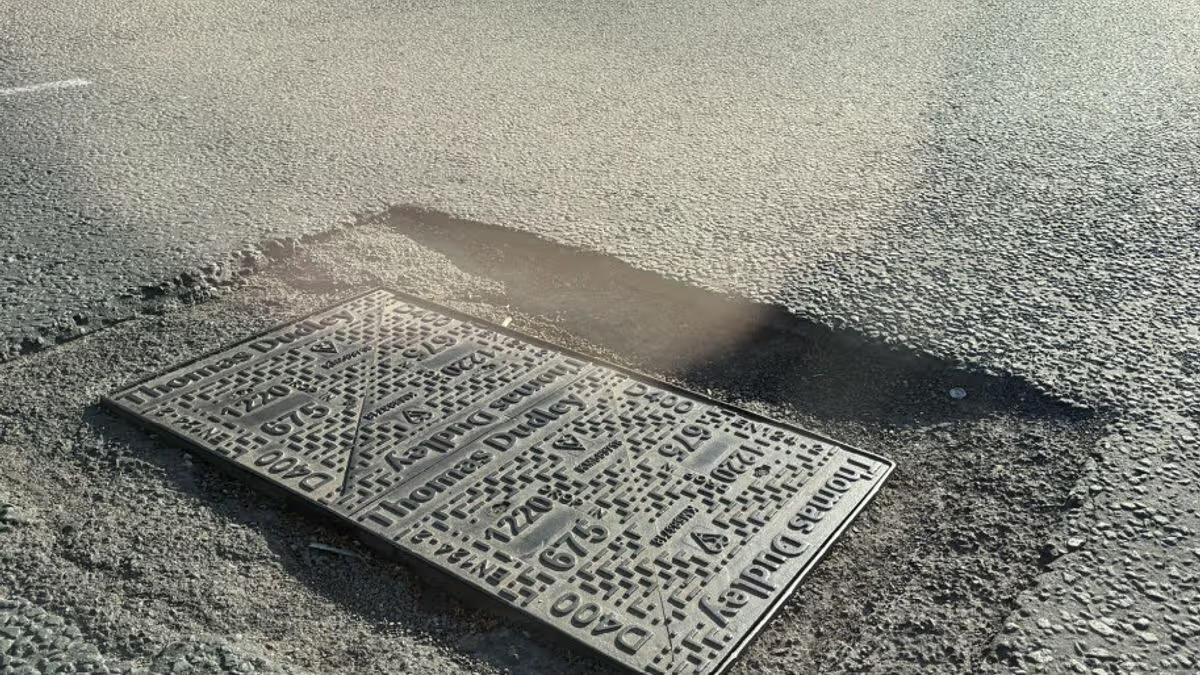
The road surface around a metal utility cover on Twist Lane, close to Parsonage Way in Leigh has been deteriorating for months.

Councillors said ‘what began as a minor defect has now escalated into significant potholes’.

After more than four months of pressing by Wigan council BT, have now agreed to fix the surface. The damaged section of road has been jolting hundreds of vehicles every day since last year.

Click here to get the biggest stories straight to your inbox in our Daily Newsletter

Advertisement

Responding to local councillor Dane Anderton’s update on the matter, motorist Philip Yardley said: “During normal traffic it can’t be avoided.

“It’s one of those where you hit it and you grit your teeth after shouting ‘Jeeeze’.”

Earlier this month, after becoming exasperated at the lack of progress, Coun Anderton, on behalf of himself and other Leigh West councillors, wrote to the chief executive of BT.

The letter said: “The defect is positioned on a primary route serving both the town centre and a high-traffic retail park. Because of its location, motorists find it impossible to avoid.

Advertisement

“What began as a minor defect has now escalated into significant potholes surrounding the frame.

“By failing to act in December, BT has allowed the damage to spread to the surrounding road surface, which will now result in a far more costly and extensive reinstatement.

“Wigan Council is proud to have some of the highest-rated roads in the country, with maintenance standards consistently recognized by the government. “BT’s failure to maintain its assets is now causing a direct negative impact on the safety and quality of our local infrastructure.

“We urge you to override the current ‘non-urgent’ classification and prioritize a full repair of the cover and the surrounding highway damage your asset has caused.”

Advertisement

In the past few days Wigan council have updated councillors on the issue saying ‘BT has now accepted responsibility for the utility box and are planning the necessary repairs’.

The message added: “As soon as a date is confirmed, we will update you.”

Source link

Advertisement
Continue Reading

NewsBeat

York- flat plans for Kings Square and St Andrewgate building

Published

on

York- flat plans for Kings Square and St Andrewgate building

An application to refurbish the building on the corner of Kings Square and St Andrewgate and turn them into four flats have been lodged with City of York Council.

Helmsley Securities’ plans stated the conversion would enhance a vacant building and the area around it through the creation of contemporary living spaces in a well-connected location.

The flats would be above the Café Nero on the corner of Kings Square and St Andrewgate.


RECOMMENDED READING:

Advertisement

Plans for the flats, dubbed Bedern Lofts, include creating a new dedicated entrance to them at street level in St Andrewgate.

The refurbished upper floors are set to feature a new staircase, window openings and heating upgrades.

One one-bedroom, one two-bedroom and two three-bedroom apartments are set to be built as part of the conversion.

Extensions of the original lift shaft are also planned to provide views of the Minster.

Advertisement

St Andrewgate was first recorded in 1200, likely taking its name from the nearby St Andrew’s Church.

An impression showing how the entrance to flats in St Andrewgate, in York, could look (Image: Helmsley Securities/City of York Council planning portal)

The current St Andrew’s Evangelical Church building dates to the 14th Century.

The street was also historically home to a religious hospital, metalworks and workshops between the 1300s and 1500s and York’s first police station built in the 1820s.

A drill house for the York Rifle Volunteers was built in 1872.

Advertisement

A number of its 17th and 18th Century buildings were demolished in the 1960s and 1970s as part of the redevelopment of the area.

Homes have since been built around the street’s surviving historic buildings, according to planning documents.

Plans stated: “The ultimate aim of the project is to secure St Andrewgate for the future by re-using and enhancing the vacant building through the creation of contemporary living spaces in a sustainable, well-connected location.”

Advertisement

Source link

Continue Reading

NewsBeat

a ‘Sliding Doors’ production that plays with time to explore what might have been

Published

on

a ‘Sliding Doors’ production that plays with time to explore what might have been

Structurally, Romeo and Juliet is almost a Shakespearean comedy. The Bard’s comic plays tend to turn the world upside down and then neatly restore the social order, usually by means of marriage.

The world of Romeo and Juliet is turned upside down when two adolescents from warring families fall in love, and the world is set right when the families are united in marriage. But then there are three more acts and the plot veers towards tragedy, tallying six deaths by its end.

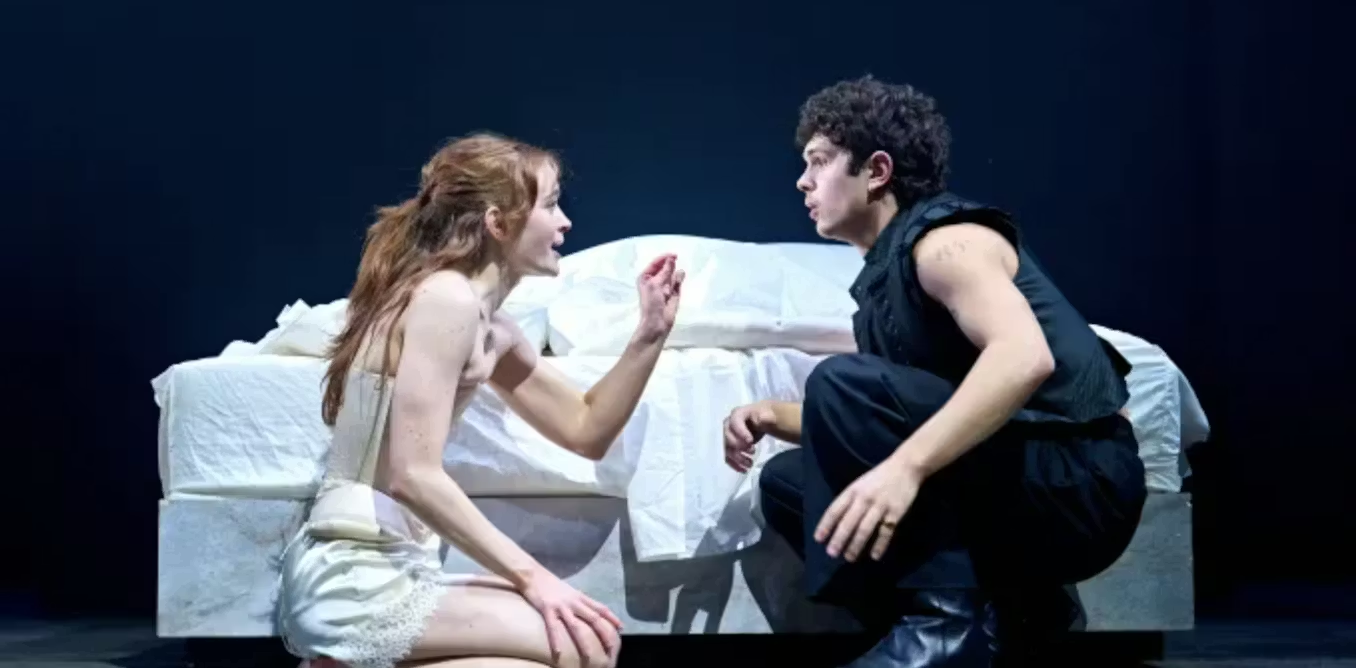
Robert Icke’s new production of Romeo and Juliet at the Harold Pinter Theatre thoughtfully interrogates the play’s structure by introducing moments of might-have-been throughout. Starring Noah Jupe (Hamnet) and Sadie Sink (Stranger Things) in the respective titular roles, Icke offers glimpses of how the story might have unfolded differently, in a kind of Sliding Doors version of the play.

Early in the production, Lord Capulet (Clark Gregg) gives the invitation list for his party to the Nurse (Clare Perkins). Then time freezes, we move backwards, and Capulet hands the note instead to an illiterate servant, who bumps into Romeo on the street and asks for his help reading it. Romeo learns of the party and decides to attend in order to see his current crush, Rosaline. Had the Nurse been given the task, she would never have needed help reading the list and Romeo would never have met Juliet.

Advertisement

In this way, the production is riddled with tiny moments that could have altered the plot’s trajectory away from tragedy. In doing so, we get to see alternate universes that make up a multiverse. The multiverse has been a regular device in recent popular storytelling, from the Marvel Cinematic Universe to the adult cartoon Rick and Morty.

Plays like Nick Payne’s Constellations, which had a West End revival in 2021, stage a multiverse by showing how the same scene between two characters might have happened in several different ways, across an infinite number of timelines.

I have written about theatrical multiverses, demonstrating that they offer the audience space to reflect upon how things might have gone differently in their own worlds. In 2021, just after the third UK Covid lockdown, the audience of Constellations was likely attuned to contemplating a world in which they did not expect to find themselves.

Advertisement

With the tumultuous state of the world, it can sometimes feel like we are living in the wrong timeline. The popularity of multiverse stories may seen as ways of reconciling living in our own world, that often feels as if it has been turned upside down.

Romeo and Juliet’s multiverse

As Daniel Swift’s programme note attests, Romeo and Juliet is very much about time. The plot is compressed into five days and it includes more references to days of the week, hours and minutes than any of Shakespeare’s other works. This preoccupation with time is emphasised by Hildegard Bechtler’s set design, which includes two moving panels with illuminated clocks, presenting the precise time and date in fair Verona.

Along with helping the audience understand when we see alternate timelines, the constant reminder of time allows us to reflect on just how quickly things escalate for Romeo and Juliet.

The lovers marry within hours of meeting each other and Romeo is already banished in Mantua before they’ve been wedded for a full day. In this way, the clock points to the youthful haste which creates so much waste. This theme is developed in the emphasis on how quickly Lady Capulet (Eden Epstein) was was made a wife and mother (younger than Juliet, and based on the text she could be as young as 26). This comes through in her subtle portrayal of depression at the thought of lost youth and cowardice in the face of her much older husband.

Advertisement
Noah Jupe impresses as Romeo.
Manuel Harlan

Jupe’s performance is standout. He is able to capture a contemporary take on the lines without losing any of their rhythm and poetry. This is in contrast to Sink, whose staccato delivery and frequent line breaks (perhaps emphasised by the American accent) jar against the poetry.

Kasper Hilton-Hille’s Mercutio – Romeo’s closest confidant – is a convincingly arrogant scamp. Throughout the production he is an active agent of chaos, always looking for trouble, mooning the Nurse and shaking his crotch at the fiery Tybalt (Aruna Jalloh). In fact he has been so relentlessly seeking out trouble across every timeline explored, that it is curious when in his death throes he calls down a plague on both the houses of Montague and Capulet. Surely he himself is to blame for his own demise?

My one criticism of the use of the multiverse in this production relates to the parts of the plot in which it is deployed. Often, Icke’s alternate timelines relate to chance, rather than the decisions made by the characters. For example, a drink is accidentally spilled, preventing Tybalt from attacking Romeo before he meets Juliet at the party. Or a messenger evades quarantine and delivers a letter informing Romeo that Juliet is actually still alive.

But what if it was the decisions of the characters that played out instead? For example, it would have been interesting to see Romeo not take revenge on Tybalt because he values his duty to Juliet over Mercutio. This would elevate the importance of the actions we take over the randomness of external factors. By emphasising happenstance over agency, Icke’s multiverses situate humans as flotsam on the waves of fate.

Advertisement

A more powerful call to action in our turbulent times would be to emphasise that it is the choices we make that can shape whether our story is a comedy or a tragedy.

Romeo and Juliet is at the Harold Pinter Theatre, London until June 20.

Source link

Advertisement
Continue Reading

NewsBeat

Racist man told neighbour ‘I’ll cut your head off’ and ‘this is my country’

Published

on

Daily Record

Matthew Mellow claimed his neighbour’s children were playing too close to his caravan before he made the threats

A vile man said ‘I’ll cut your head off’ and ‘this is my country, not yours’ to a neighbour in a racially aggravated attack.

Matthew Mellow, 36, made the threats in front of the victim’s children and even held up a circular saw.

Advertisement

Mellow was reportedly angry that his neighbour’s children were playing near his caravan. CornwallLive reports Mellow, of Minorca Lane in Bugle, Cornwall received a suspended sentence after appearing at Truro Crown Court on Friday (April 24).

He pleaded guilty to one count of possession of an offensive weapon in a public place and one of racially or religiously aggravated fear or provocation of violence. The court heard how, during the altercation, the defendant had shouted at the victim’s children when they got close to his vehicle.

The victim then asked Mellow what his problem was, to which he picked up a circular saw, started it running, and shouted for the complainant to ‘go back to Bulgaria’, adding, ‘this is my country, not yours.’ He also said that if the man did not stop talking, “I’ll cut your head off”.

The dad and his children then retreated back to their caravan. The victim explained that he remained courteous throughout the transaction, but following the incident, they were unable to sleep and were stressed about the situation.

Advertisement

“We did not want anything to happen to us. We just want to live in peace and be safe,” he said in an impact statement. “Not to be afraid in our own home because of potential repercussions.”

As part of his defence, it was heard that Mellow “deeply regrets” how he acted this day and that it was a result of him feeling a need to protect his wife and that he pleaded guilty at the first opportunity. In his sentencing remarks, His Honour Judge Simon Carr said that while being presented with a circular saw would be terrifying, he would not impose a custodial sentence.

“Confronted by somebody who was doing no more than keeping an eye on their children, you produced a circular saw, threatened to cut his head off and made a racially unpleasant comment which would have been extremely frightening for the person involved,” he told Mellow.

He sentenced Mellow to six months suspended for two years. He will need to complete a mental health order and ten rehabilitation activity days.

Advertisement

A restraining order was also made.

Ensure our latest stories always appear at the top of your Google Search by making us a Preferred Source. Click here to activate or add us as your Preferred Source in your Google search settings.

Source link

Advertisement
Continue Reading

NewsBeat

Conservatives suspend Cambridgeshire candidate over offensive social media posts

Published

on

Cambridgeshire Live

He is still set to appear on the ballot paper despite the suspension

A Conservative candidate who is set to run in the upcoming local elections has been suspended by his party. Ishfaq Hussain has been dropped by the Conservatives as a candidate councillor for Dogsthorpe ward following criticism of posts he made on social media that have been described as antisemitic.

The former councillor caused offense when he used the word “Zio” to respond to an anti-Islam post on social media. “Zio” is a pejorative shortening of the word Zionist popularised by former Ku Klux Klan Grad Wizard, David Duke.

A Conservative party spokesman told the Local Democracy Reporting Service (LDRS): “These apparent comments are wholly unacceptable, and this individual has been suspended from the Conservative Party pending an investigation. Whilst this process is rightfully confidential, the Party has withdrawn support from their campaign with immediate effect.”

Advertisement

Hussain was briefly suspended in 2021 after posting comments on Facebook which said Jewish people living in Israel are not “true Jews” and that Israel is part of a “Zionist trilogy” alongside America and Saudi Arabia which “breed terrorists”.

Despite exhibiting language the Jewish Leadership Council described at the time as “abhorrent and antisemitic,” Hussain was readmitted to the party after he issued a public apology.

Even though the Conservatives are withdrawing their support, Hussain will still appear as a candidate on the Dogsthorpe ballot paper for the upcoming local elections as it is now too late to make any changes.

Source link

Advertisement
Continue Reading

NewsBeat

City of York Council draws up plans for energy independence

Published

on

City of York Council draws up plans for energy independence

An assessment done as part of plans to achieve energy independence found 175 rooftops on City of York Council-owned buildings where panels could be installed, along with other renewable power projects.

A council report stated it came as demand for energy in York is forecast to more than double by 2050 which would cost an extra £100m to supply power for.

But it added only 2.24 per cent of York’s power needs were supplied from renewable energy sources as of 2023 and significant developments in infrastructure would be required.

It comes as proposals outlining how the council could achieve energy independence are set to go before an executive decision meeting on Tuesday, May 5.

Advertisement

RECOMMENDED READING:


A report on the plans stated they came after energy costs had been significantly volatile in recent years due to global events such as the war in Ukraine.

It added generating more energy locally would help York be less reliant on outside power sources which would protect the council and households from price spikes and grid outages.

The council is also aiming to become net zero in carbon emissions by 2030, ahead of the national target date of 2050.

Advertisement

National Power Grid forecasts estimate York will reach net zero by 2050, falling short of the council’s goal according to the report.

York’s total demand for energy 703.29 gigawatt hours (GWh) as of 2023.

The total is forecast to rise to 869.13GWh by 2030 and 1,427GWh by 2050.

York and North Yorkshire Mayoral Combined Authority funding worth £430,000 has also been offered to support renewable energy schemes.

Advertisement

They include the Harewood Whin Green Energy Park which was approved to progress in September, a feasibility study into a city district heat network and assessments for other renewable opportunities.

An extra 139.16GWh is forecast to be generated once all renewable energy projects planned in York by the council and other businesses and organisations are completed.

The council has a pipeline of upcoming projects across a number of buildings it owns and runs which would generate around 4.5GWh of renewable energy a year.

It would be the equivalent of around 16 per cent of the forecast energy demand in 2030 and 9.75 per cent of 2050’s.

Advertisement

The council report stated a mass rollout of solar panels was one of the additional opportunities available to York to help achieve energy independence.

The installation of solar panels across all 175 buildings identified could potentially generate an extra 59.79GHw.

Events such as the Ukraine war have fuelled global volatility in energy (Image: Agency)

That would equate to 8.19 per cent of 2030’s forecast total energy demand and 4.64 per cent of 2050’s.

Work under the Energy Generation Accelerator Programme (EGAP) is ongoing to find potential sites in York for large-scale renewable projects.

Advertisement

Future opportunities for ground-mounted solar panels in York would generate around 52 per cent of 2030’s forecast total energy demand and 29.5 per cent of 2050’s.

The council’s report stated that energy independence would reduce York’s reliance on outside power sources and keep more revenues in the local area.

But it added there were challenges including the cost of some projects, competing demand for land for food and housing and potentially making existing inequalities worse.

The report stated: “Energy Independence has the potential to provide financial savings for households by installing self-generation which can significantly reduce utility bills and insulate consumers from price spikes.

Advertisement

Localised energy also allows homes to maintain power during grid outages, providing protection against extreme weather.

“Producing our own energy reduces vulnerability to global supply chain disruptions and geopolitical instability. “

Source link

Advertisement
Continue Reading

NewsBeat

Christie & Co markets The Plough at Sleights, near Whitby

Published

on

Christie & Co markets The Plough at Sleights, near Whitby

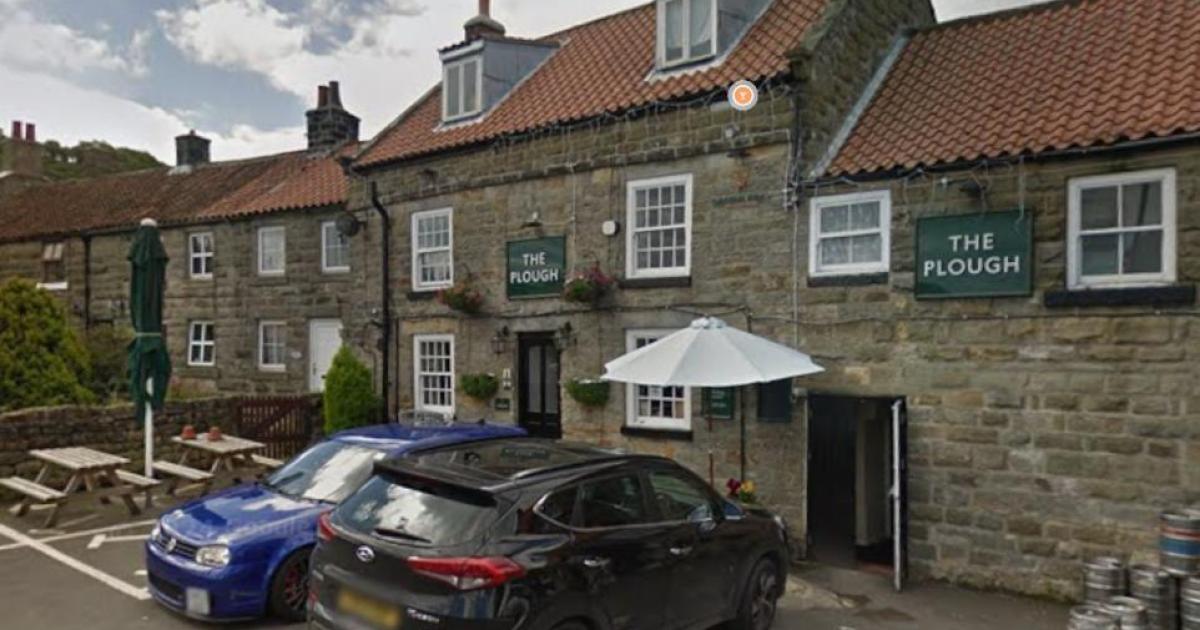
Specialist business property adviser Christie & Co is retailing The Plough Inn in Sleights, for £375,000 freehold.

The Plough Inn is a Grade II listed public house with a main bar, lounge, and dining area, traditionally decorated throughout and with distinctive features such as coped gables and shaped kneelers placing it firmly within the heritage character of the North Yorkshire region.

Upstairs, there are three en suite B&B rooms, as well as three-bedroom owner/manager living accommodation. The property is being sold with vacant possession.

RECOMMENDED READING:
The Kestrel Inn near Harrogate re-opens after refurbishment

Advertisement

The dog-friendly venue received good ratings on reviews websites.

Google awarded 4.4 stars out of five, based on 614 Google reviews. Tripadvisor awarded 4.2 stars out of five, based on 424 reviews.

One recent Tripadvisor comment said: “Just moved to Sleights and wanted to try our village pub. Quiet night but the food was excellent. Dog friendly so our fox red was welcome. Would recommend it.”

Marslie McGregor, Senior Business Agent at Christie & Co, is managing the sale process and said, “The sale of The Plough presents an exciting opportunity for an operator to re‑establish a valued village pub and develop a sustainable hospitality business rooted in its historic character.

Advertisement

How to subscribe to The Press (Image: NQ)

“The building’s layout and beer garden with Esk Valley views offer practical spaces for food, drink, and events, while the presence of letting rooms with en suite facilities provides potential for additional revenue through accommodation. We encourage interested parties to get in touch for more information.”

For more information, visit: https://www.christie.com/6450584/

Source link

Advertisement
Continue Reading

NewsBeat

All Creatures stars plant Sycamore Gap sapling in Yorkshire Dales

Published

on

All Creatures stars plant Sycamore Gap sapling in Yorkshire Dales

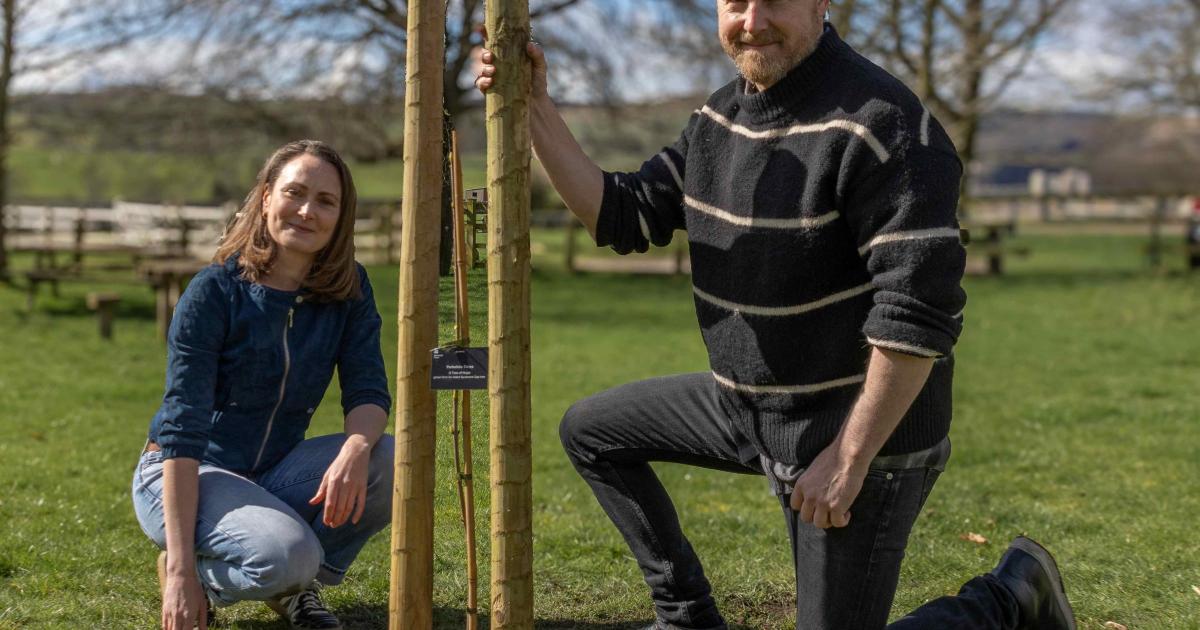
Samuel West, who plays Siegfried Farnon, and Anna Madeley, who plays Mrs Hall in the television series, planted the tree at the Yorkshire Dales National Park Visitor Centre in Grassington on Monday (April 27).

Mark Corner, member champion for natural environment at the Yorkshire Dales National Park Authority, said: “This new generation of trees reminds us that conservation is about our commitment to future generations.

1 Sam West and Anna Madeley planting the Sycamore Gap sapling (Image: YDNPA)

“From one iconic tree to 15, its legacy will now grow in every National Park, and we are proud to play our part in this story of resilience and renewal here in the Yorkshire Dales.

“I would like to extend my sincere thanks to Sam and Anna for taking time out of their busy filming schedule to help us celebrate this landmark moment in the continuation of the Sycamore Gap tree’s legacy.

Advertisement

“Their involvement is especially fitting here in the Yorkshire Dales – home of All Creatures Great and Small – a place long associated with compassion for animals, landscapes, and rural communities.

“It’s a reminder of how deeply our stories, our places, and our care for nature are linked.

Sam West and Anna Madeley doing the spadework (Image: YDNPA)

“The location at Grassington National Park Visitor Centre ensures visitors can watch the sapling grow in the heart of the National Park – a place where thousands begin their exploration of the Dales every year.”

The sapling is one of 15 being planted across the UK, each in a national park, as part of a legacy project following the felling of the original Sycamore Gap tree in 2023.

Advertisement

Anna Madeley and Sam West (Image: YDNPA)

The cuttings were propagated by the National Trust as part of a scheme led by National Parks UK in partnership with the trust.

Each sapling is a direct cutting from the original Sycamore Gap tree, ensuring its story continues to grow in landscapes cared for by National Park teams, communities, farmers and landowners.

The Yorkshire Dales site is especially meaningful as a filming location for All Creatures Great and Small and a starting point for many visitors exploring the national park.

Advertisement

Source link

Continue Reading

Trending

Copyright © 2025