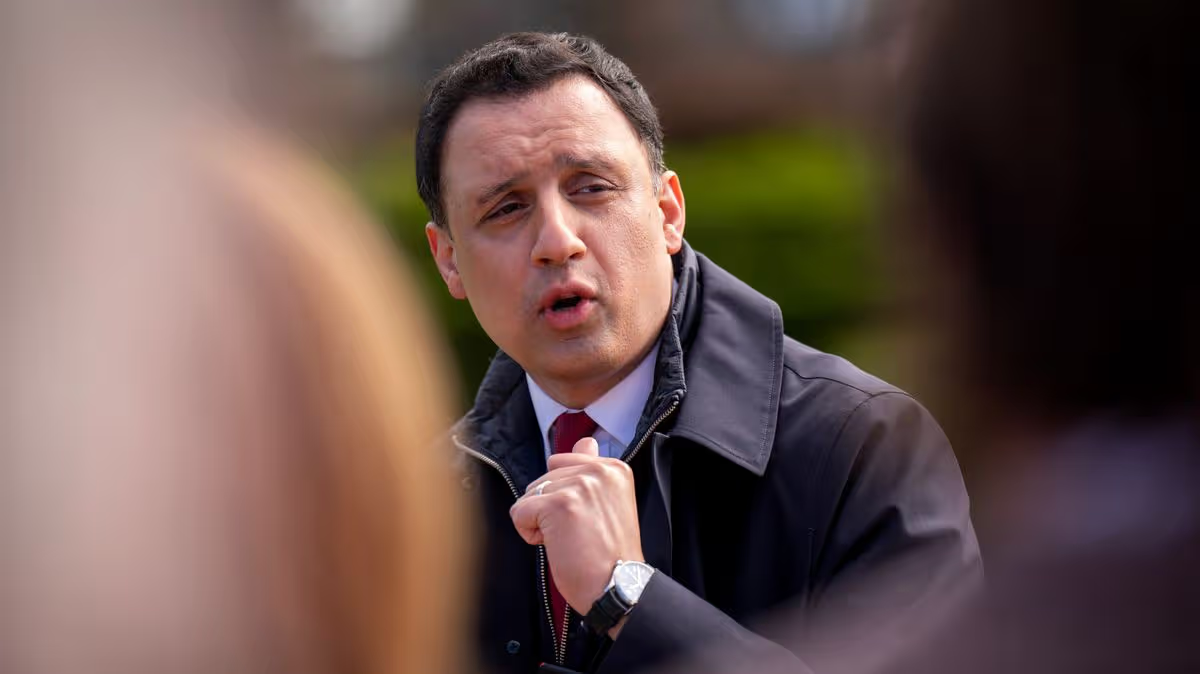
Swinney told an audience of SNP candidates in Govan today: “I can confirm today that on the first sitting day after the appointment of the new government, we will bring forward a vote of the Scottish Parliament to approve the development of a Section 30 order to give Scotland the power to hold an independence referendum.”
But the SNP leader refused to rule out pushing for a referendum even if his party fails to win a majority.
Sarwar said: “This just demonstrates that John Swinney’s priority is not the NHS, not supporting our public services, and not making our streets safer. It is dividing our country and obsessing over the arguments of the past.
Advertisement
“I am absolutely clear that on day one of a Scottish Labour government, my focus will be on cutting waiting lists, supporting our emergency services, and bringing our country together.
“This election is not about whether the SNP wins a majority or not – it is about whether they remain in power or not.
“Swinney is taking the classic approach of the SNP, whether it is failing to meet legally binding targets, or failing to cut waiting times – They shift the goalposts to cover up for their failures. Scotland deserves so much better. That’s why we need to remove them from office.
Advertisement
“All across the country, it is clear that only Scottish Labour can kick the SNP out of power after 20 years of failure. We deserve so much better than this rotten, out of touch, and tired SNP government.”
It comes as Scottish Labour today pledged to implement the Equality Act “straight away” as the party set out its Women’s Manifesto.
Sarwar met with Labour candidate Carol Mochan and talked to women in the Cumnock constituency. The Labour leader said the main new pledge in the women’s manifesto would be to implement the Equality Act changes.
The UK Supreme Court ruled in April 2025 that the definition of a woman in equalities law is based on biological sex.
Advertisement
This has changed the definition of a “woman” in the 2010 Equality Act to mean a biological female, and that the term “sex” means biological sex. It also said that sex is binary, meaning someone is either male or female.
Mr Sarwar said: “First of all, the clearest example of the difference is we will stop using taxpayers’ money to challenge women and people, and we’ll get on straight away with implementing the Equality Act and making sure we’re protecting single sex spaces based on biological sex. Services, spaces and schools. ”
To sign up to the Daily Record Politics newsletter, click here
The Night Manager creator David Farr has shared an exciting update on the highly-anticipated third season
16:00, 27 Apr 2026Updated 16:05, 27 Apr 2026
There’s good news for fans of The Night Manager.
Devotees of the BBC and Prime Video hit thriller The Night Manager have been treated to an exciting update from the show’s creator.
David Farr spoke at Deadline’s Contenders TV panel, where he disclosed some thrilling news regarding the highly-anticipated third series.
Advertisement
Fans endured a decade-long wait for series two, which had an epic finale, with Farr conceding that plans for a second instalment were never originally intended.
However, given the spy thriller’s remarkable success, the decision was taken to press ahead with Jonathan Pine’s (played by Tom Hiddleston) story.
Now, Farr has confirmed that work is already underway on a third instalment, revealing: “Right now, I feel the deep weight of doom of stress about it because I’m the one who has to actually do the writing of the damn thing.”
“It’s a huge challenge. It’ll be very exciting.” He also offered some encouraging news regarding the wait, adding: “And it won’t take as long as the last one, I promise.”
As for what viewers can expect from a third series, Farr revealed it will tackle the second season’s dark, troubling conclusion, which “was important to us all because the world is a tough place at the moment, and it didn’t feel right not to reflect that”.
He continued: “But of course, all of us want to see justice, redemption and we want to see something change, so I feel like season three, there is actually a deep emotional and moral imperative to honour that.”
The second season finale saw Teddy Dos Santos (Diego Calva) killed off and Jonathan Pine left stranded and abandoned for dead in the Colombian jungle, laying the groundwork for a revenge-fuelled third series.
Advertisement
Hiddleston spoke during the same panel about his enthusiasm for revisiting Pine’s story, adding: “He’s managing the world’s darkness because he believes the light should win.
“And it’s all comes from him in a way, and it’s such a thrill that we get to do it again. A trilogy feels tidy. And I hope I’m not that much older by the time we start.”
The actor was delighted to step back into the role after a decade away, sharing: “I was so thrilled to get to do it again because I’m 10 years older, the world is 10 years older. I’ve been in the same world that he had been in.”
Advertisement
Fans flocked to X to voice their anticipation for the third instalment, with one writing: “I need The Night Manager season 3 like yesterday.”
Another posted: “Final episode of The Night Manager Season 2 was a banger! Totally unexpected ending. Can’t wait for Season 3!!”
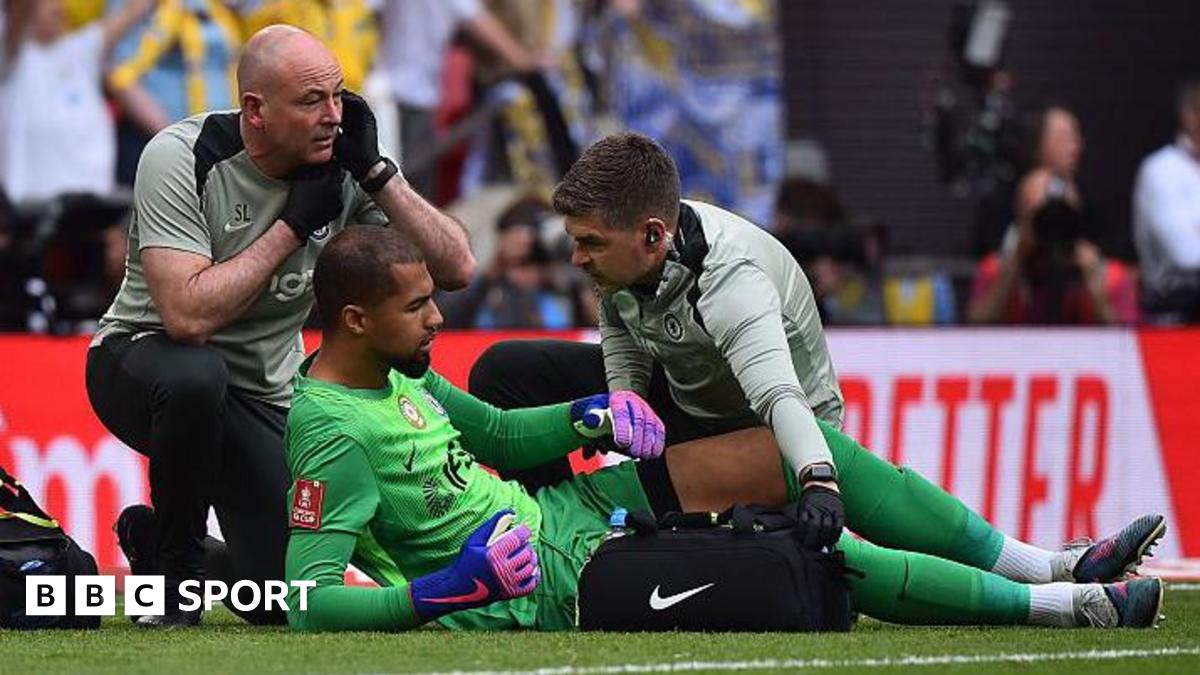
Until a couple of seasons ago, it was usually an outfield player who would go to ground to stop play.
It was being used for two distinct reasons.
Either to break up the momentum of the opposition by causing a stoppage in play, or for the coach to give instructions to his players. Sometimes it has been both.
English football attempted to combat this by insisting that any player who receives treatment must leave the field for 30 seconds.
Advertisement
It had some positive results, but managers just switched focus and told the goalkeeper to ask for treatment.
A team cannot play without a goalkeeper, so it became a risk-free method of impacting the opposition, or getting the opportunity to talk to your team.
There is nothing a referee can do about it, as they cannot accuse a player of faking an injury. If it turned out the player was genuinely injured there could be serious repercussions.
So the game has been stuck in a doom loop.
Advertisement
Goalkeepers go down, the other 10 players rush to the technical area for a team talk.
As soon as the coach has delivered his message, the keeper miraculously gets to his feet.
It has been a theme during Leeds‘ season, starting in November when Manchester City goalkeeper Gianluigi Donnarumma went down as the West Yorkshire club were in the ascendancy at Etihad Stadium.
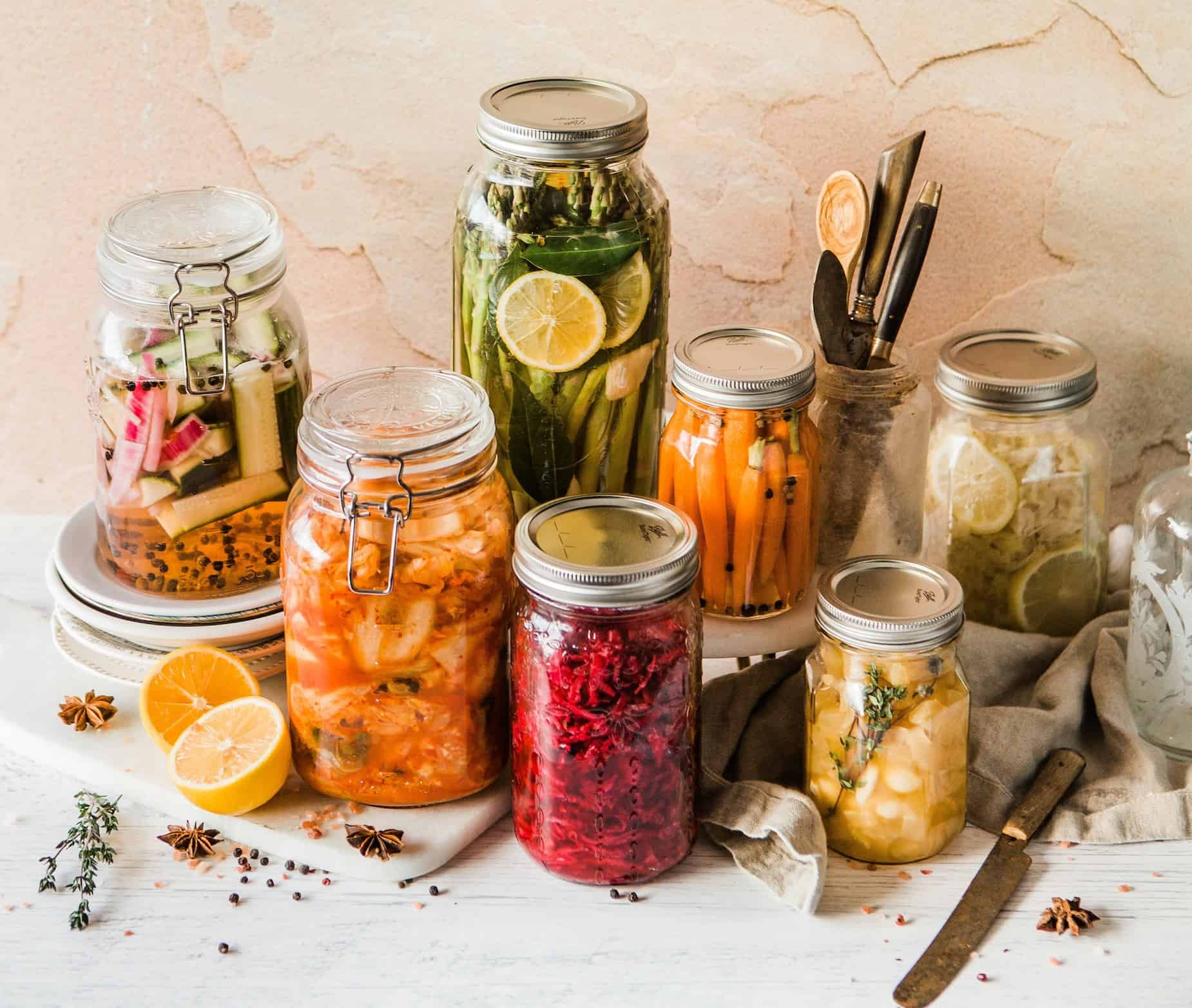
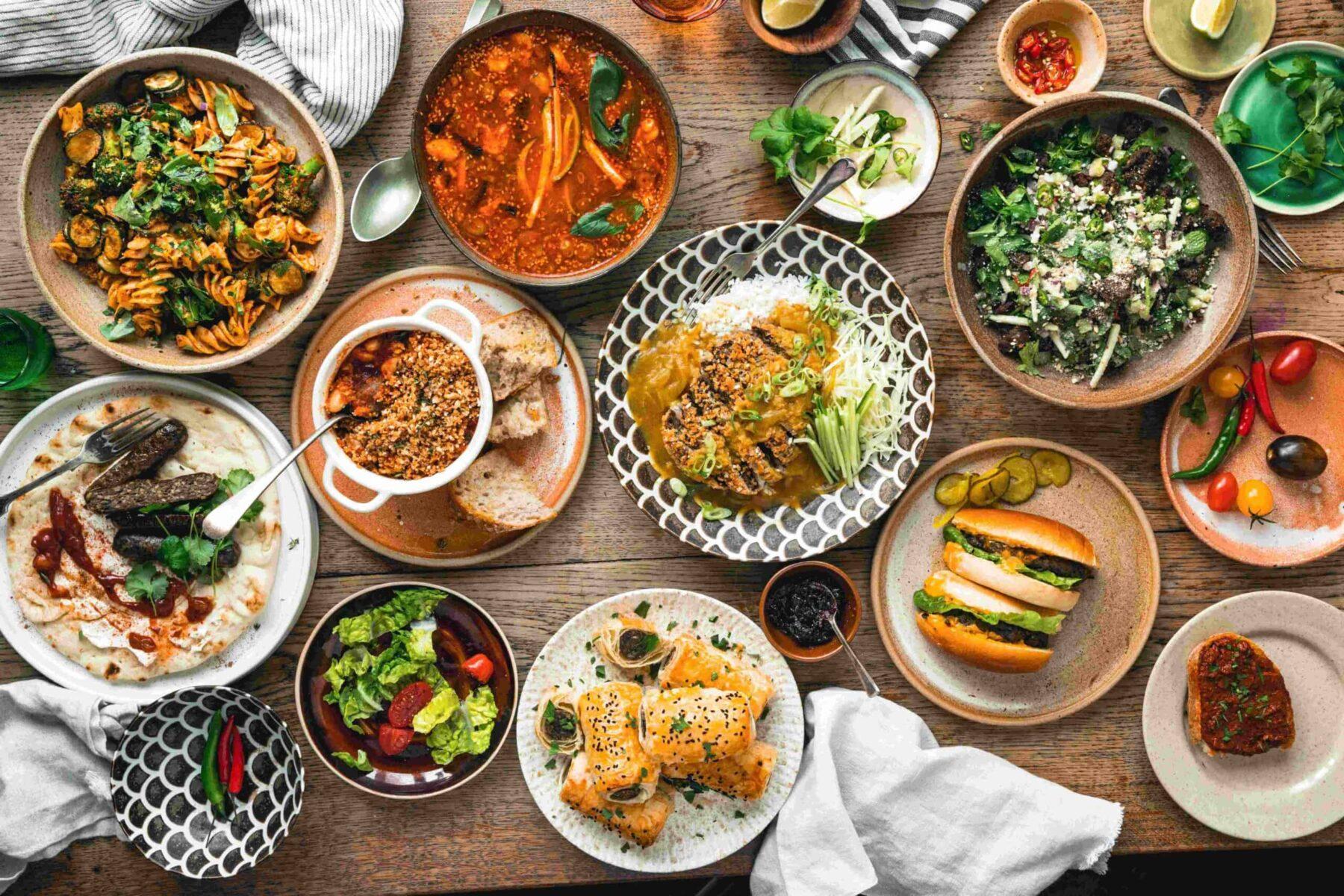
Fermented foods have gone from niche health-shop staples to supermarket mainstays, promising everything from better digestion to a more sustainable way of eating. But is there substance behind the trend, or has fermentation become the latest food buzzword?
For years, fermentation was something most people barely noticed. It sat in the background of everyday eating: the tang of yoghurt, the funk of blue cheese, the fizz of beer and the sharpness of pickles.
Now, it is everywhere. Kimchi has become a supermarket staple. Kombucha is no longer confined to health food shops. Sourdough went from niche bakery obsession to lockdown essential. Miso, kefir and sauerkraut have become shorthand for “gut health”, while probiotic claims and microbiome-friendly marketing have become some of the food industry’s favourite sales pitches.
Advertisement
That growth is being driven not just by health claims, but also by changing tastes. Fermentation can make vegetables more savoury, more complex and, crucially, more satisfying.
Advertisement
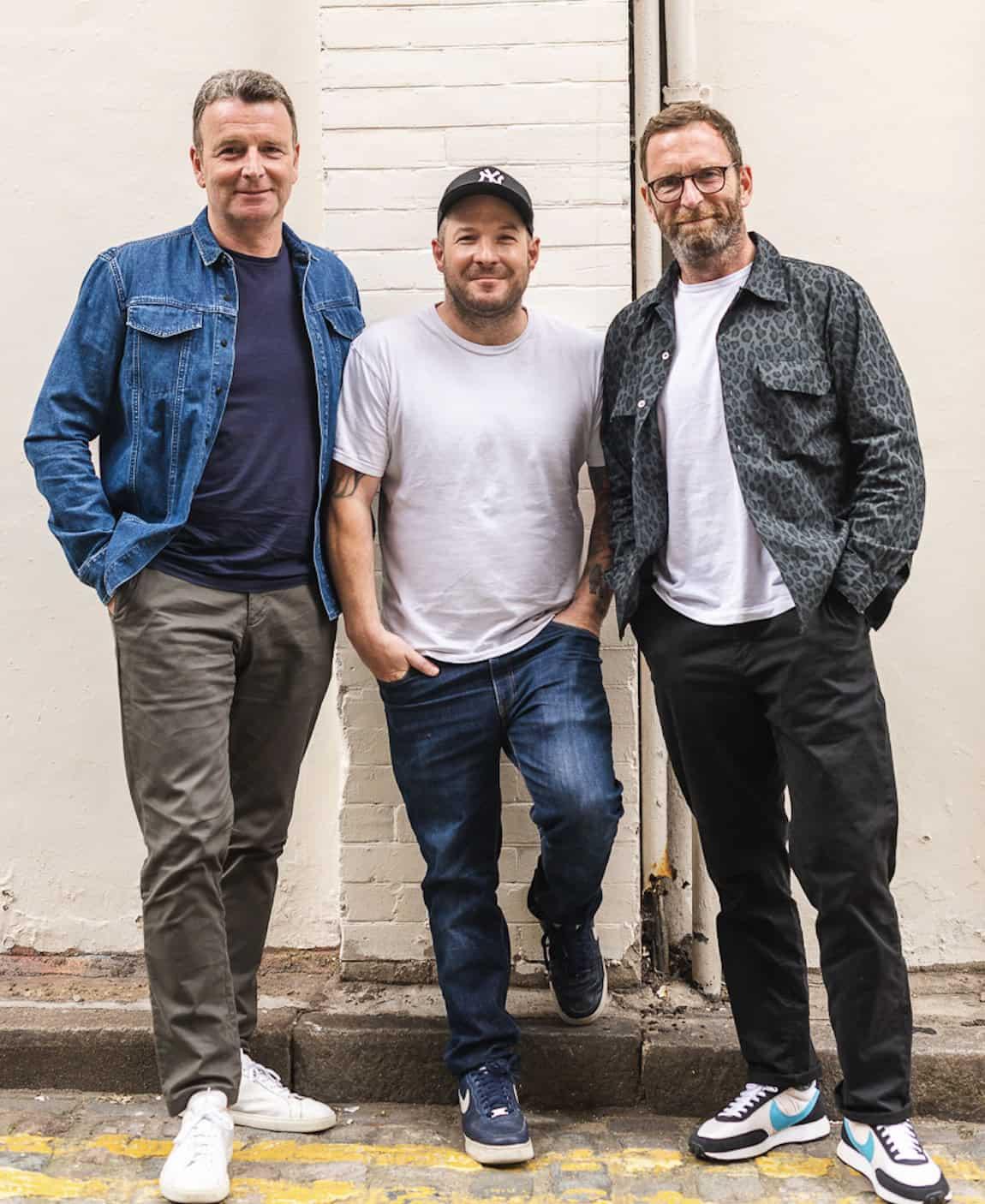
One convert to fermentation is Neil Rankin. At places such as Pitt Cue Co, Smokehouse and Temper, Rankin became one of Britain’s best-known advocates for fire cooking, barbecue and nose-to-tail eating. Now he is betting that the future tastes more like mushrooms, onions and beetroot.
He still eats meat, but says he no longer sees it as the most exciting or important direction for food culture. Fermented vegetables, by contrast, feel more relevant to the future. Part of that future, he argues, is environmental. Meat is already expensive and, in his view, it is likely to become more so.
“The meat and dairy industry is currently subsidised heavily,” he says. “I just think the metrics around it just aren’t going to work in the future.”
That does not mean fermented vegetables are a silver bullet. Plenty of consumers became disillusioned with the first wave of plant-based food, which often relied on ultra-processed ingredients, additives and lab-style engineering.
Advertisement
Fermented vegetables feel more relevant to the future
“I think people will prefer animal products to that sort of stuff because it just doesn’t give you the emotional reward that real food does,” he says. “It needs to come from a place of trust. It needs to be built up. It needs to be delicious and nutritious.”
Rankin has recently released a range of fermented products under the brand symplicity foods, built around simple ingredients such as mushrooms, beetroot and onions rather than protein isolates or powders.
“These ingredients are abundant throughout the world. This is not some niche ingredient that we’re using,” he says. He adds that there are ample ‘wonky’ vegetables that might not make supermarket shelves but can certainly be turned into fermented products.
Advertisement
That focus on whole ingredients is part of what has made fermentation attractive to health-conscious shoppers. The theory is simple enough: fermented foods can contain beneficial bacteria, known as probiotics, which may help support digestion, immunity and gut health.
There is growing evidence that fermented foods can positively affect the gut microbiome, both in the short and long term. Some studies suggest they can help increase microbial diversity in the gut, which is associated with better digestion and overall health.
But the science is still developing, and there is a risk that the marketing has raced ahead of the evidence.
Advertisement
The British Dietetic Association says that fermented foods can support the microbiome, but that more studies are needed before stronger health claims can be made.
These ingredients are abundant throughout the world. This is not some niche ingredient that we’re using
Immunologist Daniel M. Davis warned that although microbial diversity is linked to good health, “the evidence is largely correlative rather than causative,” and scientists still do not fully understand what makes a healthy microbiome.
People often buy fermented products believing they are a cure-all for digestive problems, immunity and general wellbeing, when the evidence is much more mixed.
Rankin is careful not to oversell the benefits. “I don’t think there’s any silver bullet ingredient or product that’s out there that’s going to change it,” he says. “It’s going to have to be something broader than that.”
Advertisement
Dietitian Tanzil Miah has warned that many products “lose some of that goodness in the processing and batch production”. He also acknowledges that cooking can reduce some probiotic benefits, although he says: “There are some survivable pre-biotics in there.”
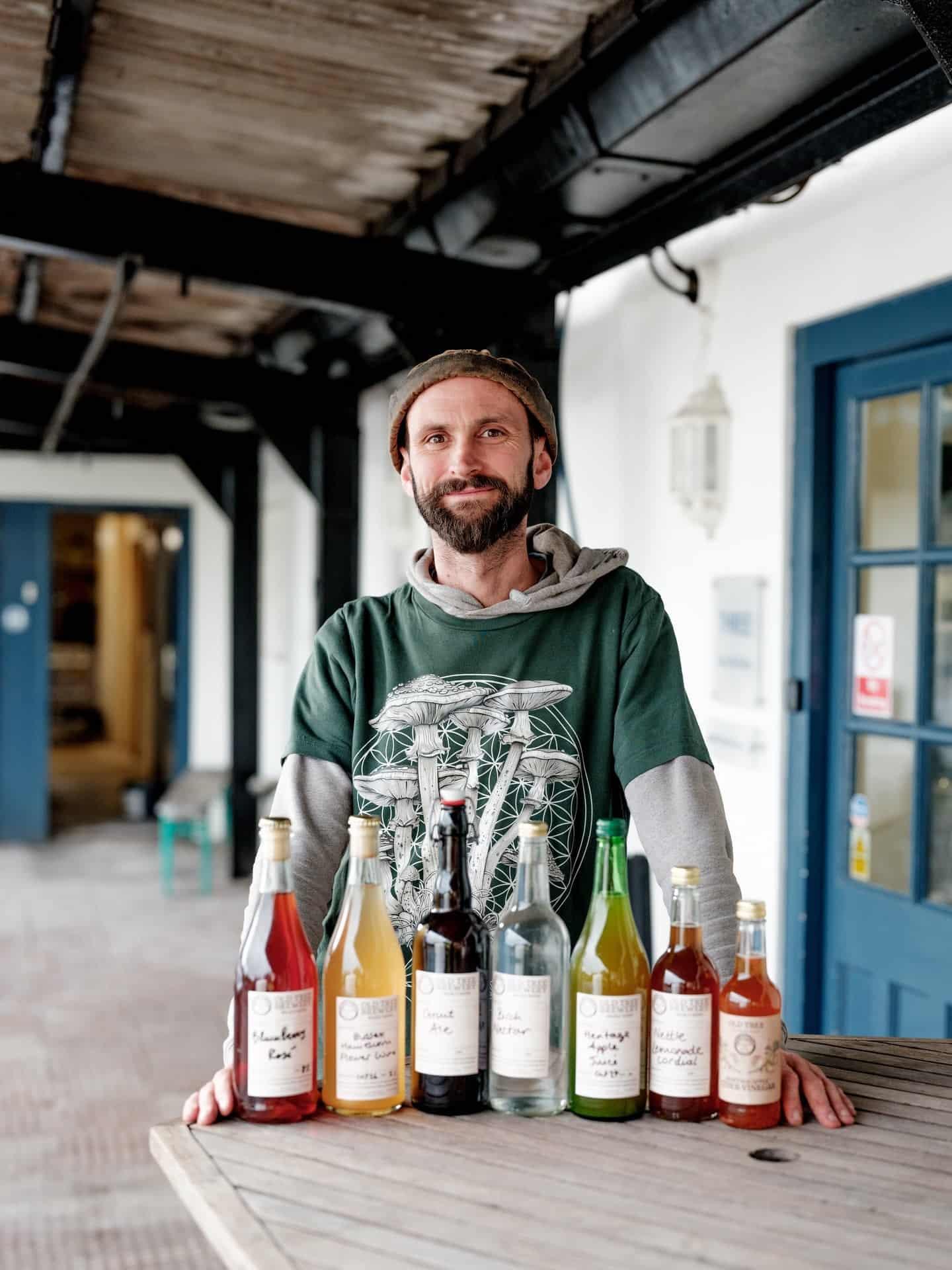
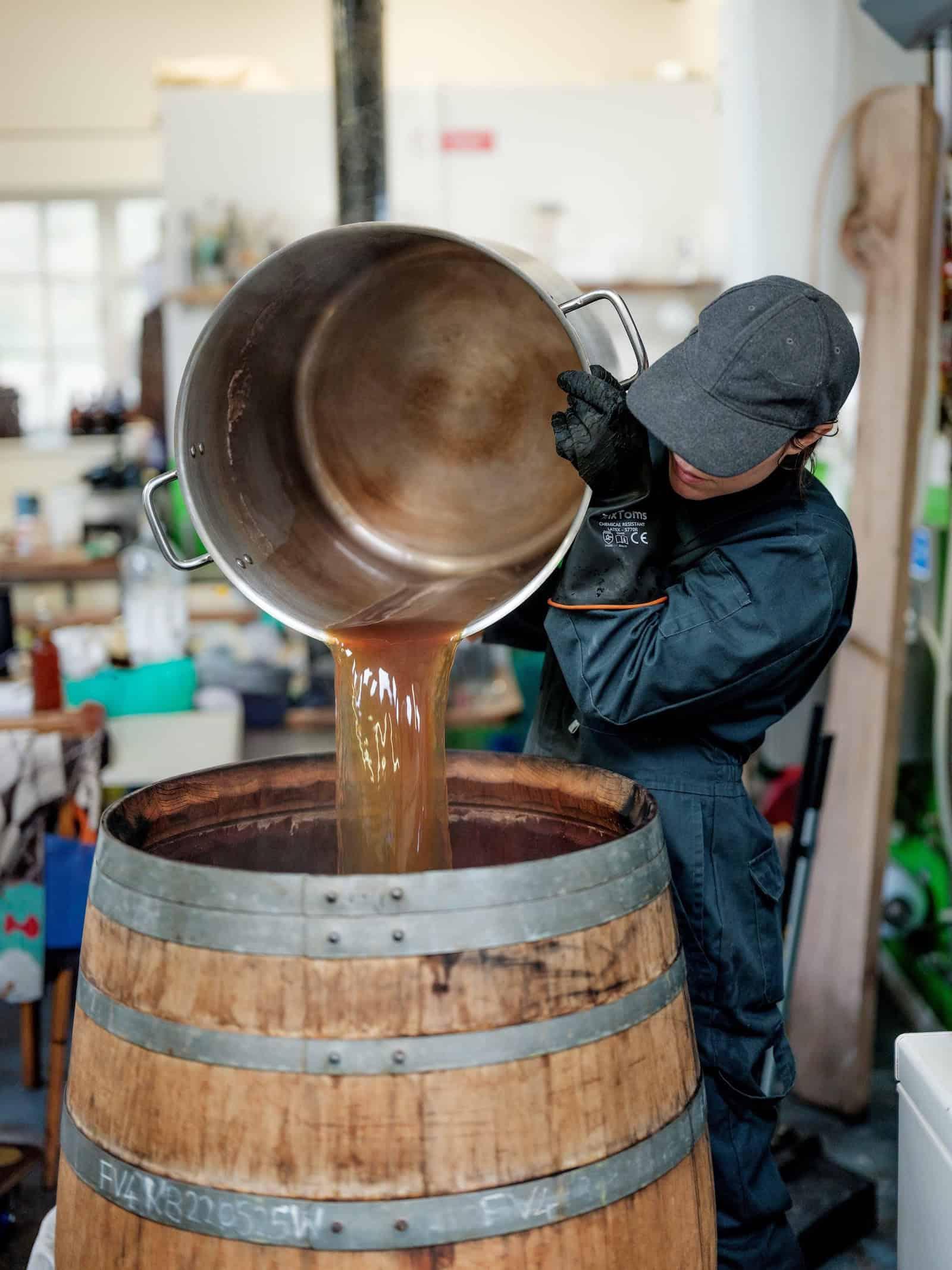
The rise in popularity of all things fermented has put some traditional makers at odds with the mass-produced products that are increasingly visible on sale. Thomas Daniell is the founding director of Old Tree Brewery CIC, which produces kombucha, a type of fermented tea. He argues that the economy’s obsession with shelf life above all else dilutes the positive impact real kombucha can have.
Advertisement
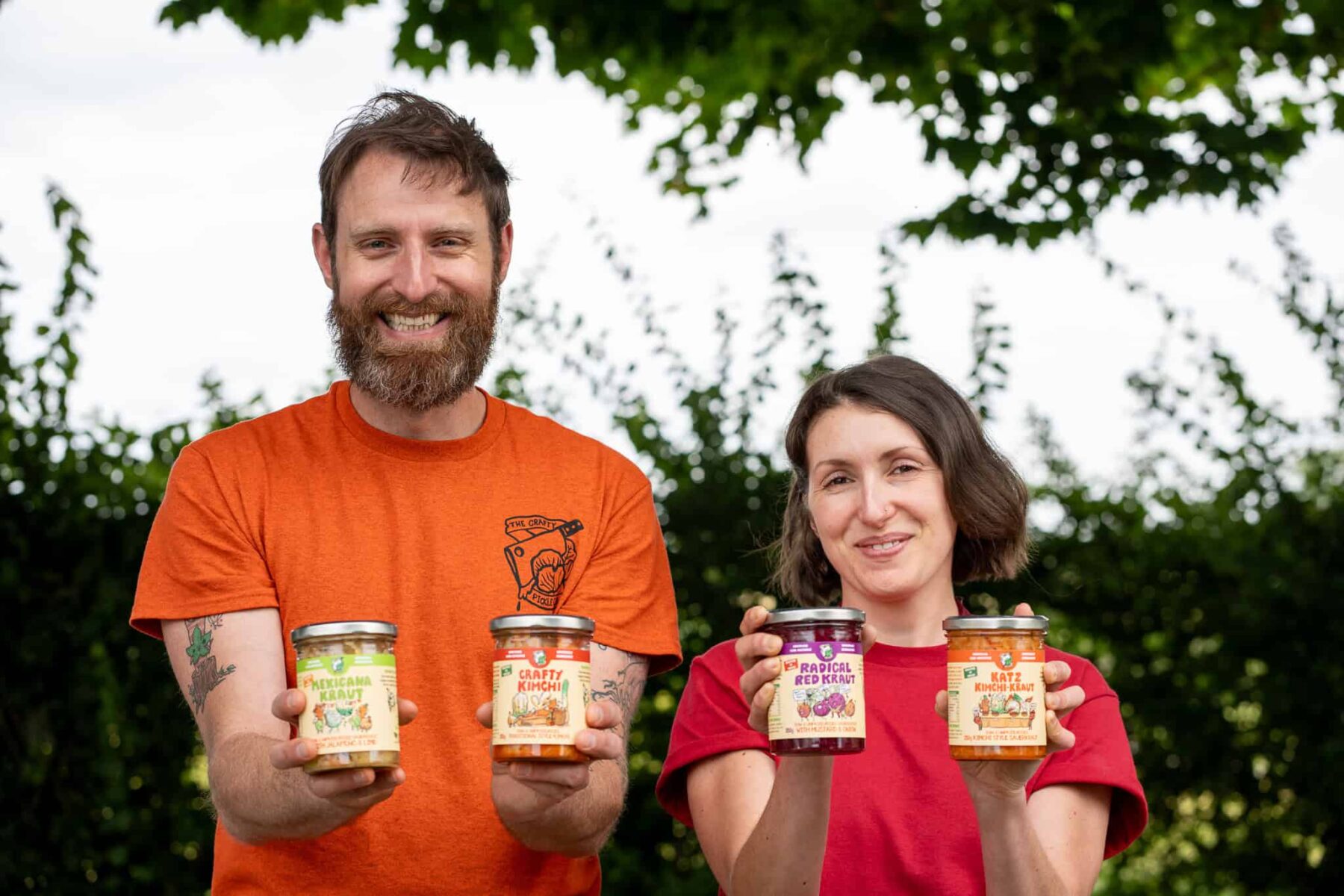
“Bigger brands of kombucha are not made using traditional methods, contain added sweeteners or are just fizzy drinks with a couple of added microbes in,” says Madi Myers, co-founder of Crafty Pickle Co. “We think this gives kombucha a bit of a bad name and doesn’t demonstrate the depth of flavour traditional methods achieve.”
Some products still contain live cultures when they reach the consumer. Others are pasteurised or heat-treated, which can kill off the microbes that many shoppers are seeking out.
The economy’s obsession with shelf life above all else dilutes the positive impact real kombucha can have
Daniell argues that large-scale production can flatten the complexity that makes fermented foods special. “Biological complexity is certainly lost with the fermentation of probiotic and prebiotic foods,” he says. “Biodiversity is what our bodies need, and this is hard to containerise.”
Myers believes fermentation can survive scale, but only up to a point. “You can’t recreate the deliciousness of small-scale fermentation with scale,” she says. “Some of the best batches of sauerkraut and kimchi we’ve made have been in one litre glass jars.” Still, she sees supermarket growth as an overall positive.
Advertisement
“Accessibility is important; most people shop in large supermarkets, so this will be the main way most people are introduced to these foods if they’re on store shelves,” she says. “Scale also helps bring prices down so we’re not opposed to scale and competition.”
There is certainly plenty of appetite for fermented foods. The UK kombucha market alone was worth an estimated £134m in 2024 and is expected to more than triple by 2033. Meanwhile, Ocado reported a 139% rise in searches for “fermented food”, with kimchi sales up sharply and raw sauerkraut also seeing strong growth.
Globally, the fermented ingredients market was estimated at £27.7bn in 2023 and is forecast to reach £57.7bn by 2030. Humans have been fermenting food for thousands of years. Bread, cheese, beer, wine and yoghurt all rely on it. What is changing is that consumers are becoming more aware of the process, more interested in gut health, and more willing to see vegetables as something worth celebrating rather than simply tolerating.
As Myers puts it: “Fermented foods aren’t scary, or novel or niche and it’s certainly not allowing foods to rot as we sometimes hear. It’s a highly controlled, curated process that gives flavours that can’t be achieved in other ways.”
Whether fermentation proves to be a lasting shift or simply the latest food craze will depend on what happens next. If chefs such as Rankin can persuade people that vegetables can be every bit as indulgent, flavourful and satisfying as meat, there may be much more behind the trend than a few jars of kimchi in the supermarket fridge.
Main image: Brooke Lark
Advertisement
Be part of the solution
At Positive News, we’re not chasing clicks or profits for media moguls – we’re here to serve you and have a positive social impact. We can’t do this unless enough people like you choose to support our journalism.
Give once from just £1, or join 1,800+ others who contribute an average of £3 or more per month. Together, we can build a healthier form of media – one that focuses on solutions, progress and possibilities, and empowers people to create positive change.
Donald Trump keeps America’s friends close but has also kept its Russian enemies in an embarrassing embrace.
However, his passion for Vladimir Putin is being tested as his envoys clamber into bed with Iran’s envoys, welcoming Tehran’s foreign minister in St Petersburg on Monday. Like the victim of a coercive relationship, Trump has seemingly gone out of his way to forgive the infidelity of Russia’s president.
Asked about Moscow’s supply of intelligence to Iran that has been used to kill American personnel over the last two months, he replied: “I don’t know, look, they can give all the information that they want but people they’re sending to are overwhelmed. Russia would be overwhelmed too. Anybody would be overwhelmed.”
Speaking as American military bases were under attack from Iranian drones and missiles, the US president shrugged off Russia’s help to Iran by saying, “They’d say we do it against them. Wouldn’t they say that we do it against them?”
Advertisement
Such indifference to military collaboration between Iran and Russia at a time of war is staggering.
But it is not surprising. And since then, Trump has continued to remain silent on Russia’s close cooperation in the production and development of missile technology with Iran.
He’s not asked the Russians to step back from their continued involvement in Iran’s development of nuclear power – Russian experts are still on the ground at the Bushehr nuclear facility in Iran.
The US president has also given Russia financial headroom amid international sanctions on its exports of fossil fuels, by lifting some US restrictions on Moscow’s oil exports.
Advertisement
Vladimir Putin shakes hands with Iranian Foreign Minister Abbas Araghchi in Saint Petersburg on April 27, 2026 (AFP/Getty)
And on 14 April, his vice president JD Vance described his “proudest moment” of the presidency so far as the decision to cut military aid to Ukraine – a nation that Russia invaded but has been under pressure from Trump and his officials to succumb to Putin’s demands as part of a “peace process” that has been described by many European governments as a recipe for Kyiv’s capitulation to the Kremlin.
But now Iran’s foreign minister Abbas Araghchi has arrived in Russia to seek more support for its war against America. This is Trump’s opportunity to send at least a minor signal to his friends in Moscow that he’s publicly embarrassed by the flirtation.
Iran’s ambassador to Moscow has said that it’s much more than a long look across the negotiating table or side eyes over canapes at a diplomatic convention.
No. This, he says, is a full-blown relationship.
Kazem Jalali said in a post on X that Mr Araghchi would meet Putin “in continuation of the diplomatic jihad to advance the country’s interests and amid external threats”.
Advertisement
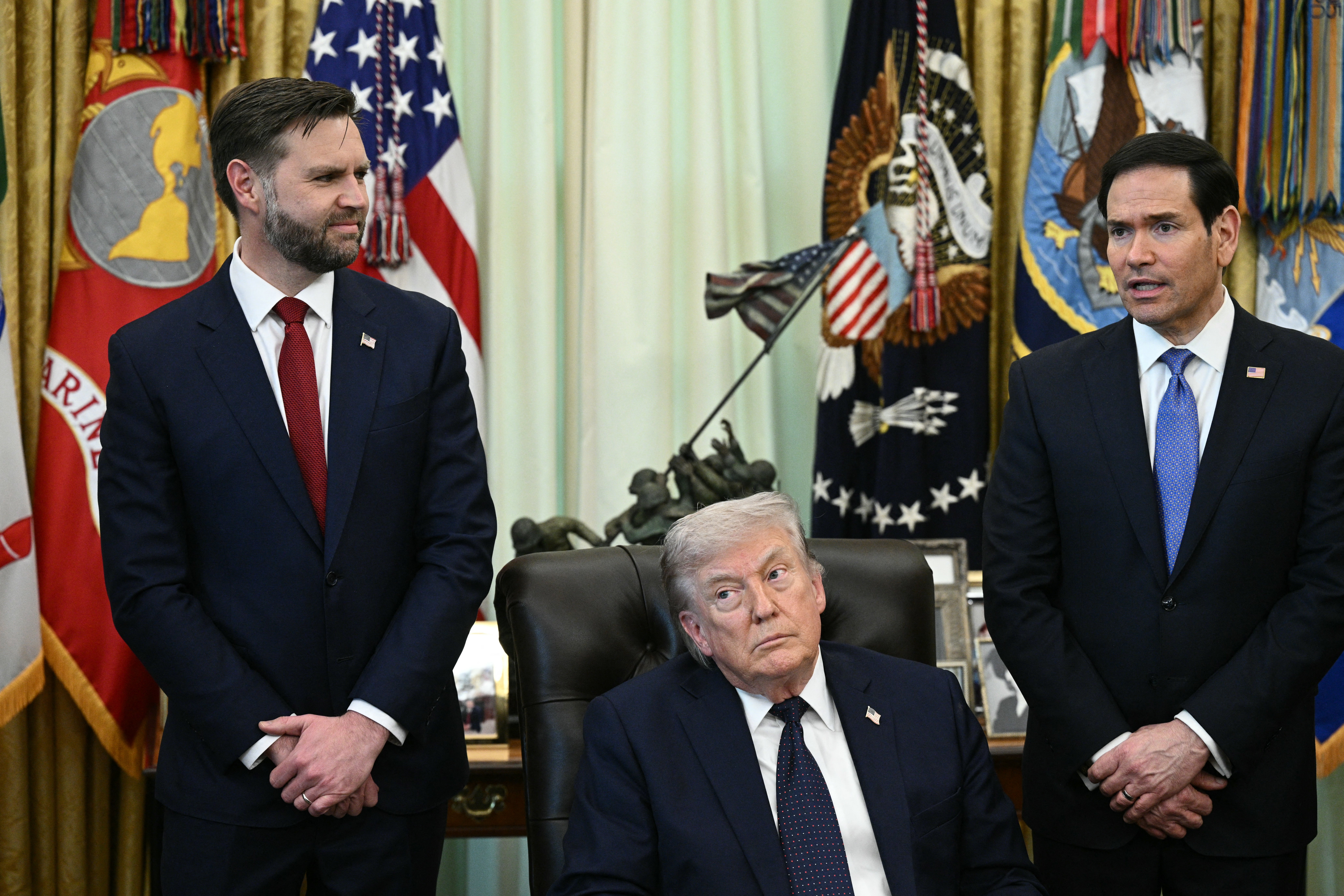
JD Vance at the White House with Donald Trump and Marco Rubio on April 23, 2026 (AFP/Getty)
“Iran and Russia are present in a united front in the campaign of the world’s totalitarian forces against independent and justice-seeking countries, as well as countries that seek a world free from unilateralism and Western domination,” Jalali said.
A “united front” against America.
Trump’s response?
“If they want to talk, they can come to us, or they can call us. You know, there is a telephone. We have nice, secure lines,” he trilled on The Sunday Briefing on Fox News.
But the Russian support to Iran is real. Moscow has transferred or agreed to transfer advanced air‑defence systems, including variants of the S‑300 long-range surface-to-air missile systemsto Tehran. Its excerpts have provided advice on improved accuracy of missiles and how to evade American defences. Russia has also been working with Iran on space launch and satellite technology.
Advertisement
The two nations also collaborate on developing live battlefield surveillance technology, which could be used to kill Americans.
Trump speaking to CBS News after a shooting incident in Washington (60 Minutes, CBS)
Rather than try to stop this, Trump has turned on America’s Nato allies who have not joined his attacks on Iran alongside Israel, because it is an illegal war of aggression and choice – not an act of self-defence. His administration, which believes it owns the alliance of 31 other member states, is considering expelling Spain and suggested that the Falklands won’t get Nato protection.
Spain cannot be expelled by the US. The only attack on a Nato member by a foreign state has been by Argentina when it invaded the Falklands in 1982. The US gave almost no help to the UK then, and London did not invoke the mutual defence agreement between Nato members.
The US did that on 9/11 – and Nato members came to Washington’s aid.
The only beneficiary of divisions inside Nato is Putin. The US will suffer long-term as a consequence of it. Yet Trump has delivered just that.
Advertisement
Only Tehran and Moscow gain from their close relationship. The US will suffer from their long embrace. The US will suffer as a long-term consequence of that, too.
Yet Trump chooses to ignore it or, for reasons that remain obscure and creepy, is powerless to stop it.
“Good quality and great storage, luxury fabric feel.”
This article contains affiliate links, we will receive a commission on any sales we generate from it. Learn more
Advertisement
A footstool from Dunelm is being praised by shoppers as ‘luxurious’ and a ‘great storage’ option – and it is currently reduced in the sale. The Zoe II Velvet Storage Footstool is available for £151.20, down from £189, in the colour lagoon blue.
Dunelm’s Zoe II Velvet Storage Footstoolcomes in three other colours (for different prices) and is described as having a ‘luxurious velvet finish’. It features plush velvet upholstery and elegant buttoned detailing and, if shoppers lift the top, there’s a spacious storage compartment inside.
The Zoe II Velvet Storage Footstoolcould be ideal for keeping blankets and cushions neatly tucked away, or shoes, and it is finished with low ball feet for a ‘contemporary look’. The footstool’s dimensions are 45cm x 103cm x 62cm and it comes part assembled – plus, there are plenty of matching options to complete the look, from a two seater sofa to a snuggle chair.
As an alternative, Dusk has this Hampshire Pouffe in beige for £159, down from £199 currently. It comes in several other colours, is made with a premium textured weave fabric, and has a pocket sprung cushioned top and oak wooden legs.
Dusk also has the Paisley Buttoned Round Storage Pouffe in the colour olive for £118, reduced from £189, and it is selling fast, according to the site. Described as both practical and elegant, this has ‘useful hidden storage’ and can be used as an extra seat.
Finally, there’s the HOMCOM Storage Ottoman with Armrest, Upholstered Linen Storage Bench from Debenhams for £92.65, down from £242.99, saving shoppers 62%. This has a versatile, multi-purpose design with a large storage capacity, and it has sturdy rubberwood legs and supportive armrests.
Advertisement
Shoppers have left an average overall rating of 4.8 out of five for the Zoe II Velvet Storage Footstool from Dunelm. One said: “Good quality and great storage, luxury fabric feel.”
A second said: “Great footstool. Looked for ages to get one in this colour.”
While a third wrote: “Good for a large-ish size living room or bedroom. Excellent storage and looks plush.
Advertisement
The Zoe II Velvet Storage Footstool is available from Dunelm
“Very happy with the purchase.” Others deducted a star, with one writing: “Lovely storage stool.
“The colour (was) not what I expected, it looks more grey than green, but apart from that I would recommend.”
Meanwhile, one shopper wrote about their experience with Dunelm as a whole on Trustpilot: “Good website, easy to order – like all Dunelm products, know you are getting a good quality item – only downside is that often items are not available for home delivery – e.g. fleece throw.”
Malik Abdulhasan has been charged with offences of; meeting a girl under 16 years of age following grooming; two counts of engaging in sexual communications with a child; three offences of making indecent images of children and one of possessing extreme pornographic images.
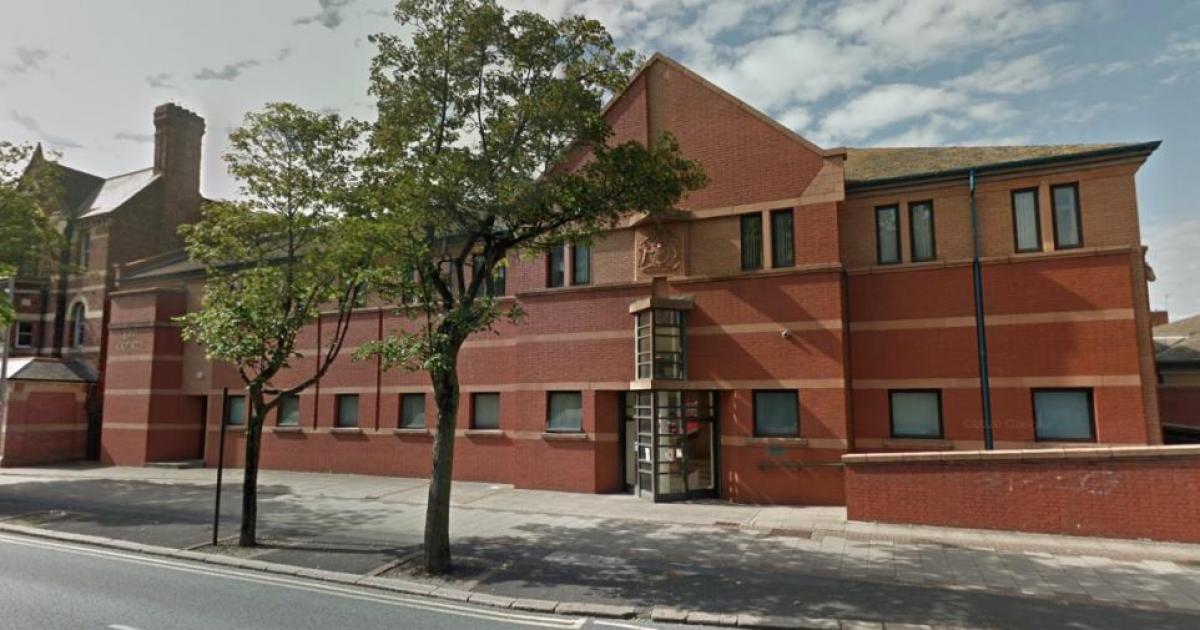
The 25-year-old offered no indication of plea to all seven offences when he appeared at South Cumbria Magistrates Court in Barrow.
He is accused of meeting a 12-year-old girl in Millom with the intention of raping her.
Advertisement
The defendant is also alleged to have intentionally communicated with two underage girls for the purpose of obtaining sexual gratification in August 2024 in Bolton.
The charges state he made requests for sexual images and on one occasion requested to meet a girl for a sexual purpose.
Abdulhasan, of Glaister Lane, Bolton, is also alleged to have made 23 category A images, 11 category B images, 19 category C images as well as possessing a further three extreme pornographic images displaying a person performing a sex act with a horse, fish and a frog between November 2, 2023, and October 2, 2024.
Magistrates adjourned the case to Preston Crown Court for a plea and trial preparation hearing on May 26.
A man who stole Noah Donohoe’s missing laptop has denied that it is his hand in a picture discovered on the schoolboy’s phone after he was last seen.
Daryl Paul told Belfast Coroner’s Court that he had “never set eyes” on Noah and insisted under questioning that he had never been in possession of his green coat or phone.
The inquest into the death of the schoolboy, which is being heard before a jury, is now in its 13th week.
Noah, a pupil at St Malachy’s College, was 14 when his naked body was found in a storm drain tunnel in North Belfast on June 27 2020, six days after leaving home on his bike to meet two friends in the Cavehill area of the city.
Advertisement
A post-mortem examination found the likely cause of death was drowning.
Noah’s mother Fiona Donohoe has attended every day of the long-running proceedings.
Paul, of Cliftonville Avenue, previously pleaded guilty to stealing a rucksack containing Noah’s laptop and books. He resumed giving evidence on Monday when he was questioned by Brenda Campbell KC, who represents Ms Donohoe.
Pointing out that Paul had previously lied under police questioning, the barrister said there were aspects of his possession of Noah’s belongings that “call for questions to be asked”.
Advertisement
The jury was shown CCTV footage of Paul in the Queen’s Quarter area of Belfast, close to Noah’s Fitzroy Avenue home, from the evening the schoolboy disappeared.
Paul said he had been in the area to see Maria Nolan, who he said he had recently met, and who has previously given evidence at the inquest.
Ms Campbell said: “On those occasions when you hung outside Queen’s Quarter like this afternoon, do you think you would have seen Noah? Did you speak to him?”
Paul replied: “No, never.”
Advertisement
She asked him if he had any knowledge of Noah leaving his home for a short period on the night before he disappeared.
Paul said: “I don’t know a single thing and if I did I would be the first to tell you, I have a heart.”
The jury was then shown CCTV footage of Noah cycling past Paul in Queen’s Quarter, wearing his green coat and carrying his rucksack.
Ms Campbell said: “This is the last time he leaves home, and you’re within a matter of metres of him.”
She pointed out that within an hour, Noah’s rucksack ended up in a green bag Paul is seen carrying in the footage.
The witness said: “I have no knowledge of that wee boy passing me.”
Advertisement
The barrister said: “What I want to explore on behalf of Noah’s mother is this series of coincidences, to understand whether they are coincidences or whether there’s reason to be more concerned.”
Ms Campbell continued: “Did you look in the direction of Noah after he went past?”
Paul responded: “I did. Just a natural thing, I guess.”
Ms Campbell said Paul had then travelled towards Royal Avenue in Belfast city centre while showing the jury a map of the route Noah cycled through the city.
Advertisement
Paul said: “I was only on same path as Noah for a short distance.”
The barrister said Paul had claimed during an interview with a journalist that he had found Noah’s rucksack containing his laptop on the ground in a covered walkway in the York Street/Frederick Street area.
The jury was shown footage of Noah cycling past that area without stopping.
Ms Campbell said: “I am going to suggest where you told the journalist that you found Noah’s bag is not where it was… you are wrong about that.”
Advertisement
Paul said: “I can only tell you where I found it. If I lied about that, what significance would that lie hold?”
Ms Campbell said: “Until this point in time we have got the coincidence of you being outside Queen’s Quarter and now the coincidence of you being on that part of his journey.
“But the coincidences, I am going to suggest, don’t stop there.”
The barrister said the jury had previously heard evidence about an anonymous caller to police who stated Paul had been in possession of Noah’s green coat.
Advertisement
Paul said: “I was not in possession of any green coat.”
She said: “It would be another coincidence upon coincidence?”
He said: “I did not have his coat.”
Advertisement
The barrister asked the witness if he had next “followed Noah’s journey” from the city centre along North Queen Street.
He said he had not.
She continued: “To the location where the phone was found?”
Paul said: “No.”
Advertisement
Ms Campbell said: “Do you know anything about Noah’s phone? Did you have it in your hand? Did you find it in his coat pocket or in his rucksack?
He answered: “No.”
The barrister said a report from a police expert had revealed a photograph of a hand on Noah’s phone taken on the evening he disappeared, 40 minutes after he was last seen.
She said: “Is that your hand?”
Advertisement
Paul responded: “No, it is not my hand.”
The barrister said police arrested Paul later on the same day but he was never asked where he had found the laptop or about the green coat.
She then showed the jury phone records from Noah’s phone on the day he disappeared.
Ms Campbell said Noah’s mother Fiona had called her son’s mobile six times on the evening he went missing.
Advertisement
She said: “Whoever had Noah’s phone in their hand at 18.50 would have a phone with six missed calls from ‘Mum’.”
The jury was then shown a map of the area in north Belfast where the phone was when Ms Donohoe sent a text message to her son on June 21 2020.
She said Victoria Parade, where Paul said he had gone after leaving Frederick Street, was within the area of the map.
Advertisement
She said: “Did you have Noah’s phone?”
Paul said: “No, I did not.”
Ms Campbell continued: “Did you see that message coming in and those phone calls?”
He said: “I don’t appreciate that question, but the answer is no.”
Advertisement
She said: “It is not too late to tell the truth, not too late to give him some justice.”
He responded: “Thank you, but no.”
Ms Campbell added: “Was it you who went along North Queen Street and who chucked his phone over the railings into Castleton Park?”
He said: “I wasn’t even there.”
Advertisement
She said: “You realised this was a phone that was a bit hot, there was a mummy desperate to find her child?”
The facility will have 1750 panels in 10 arrays, with each array mounted on a solar panel table.
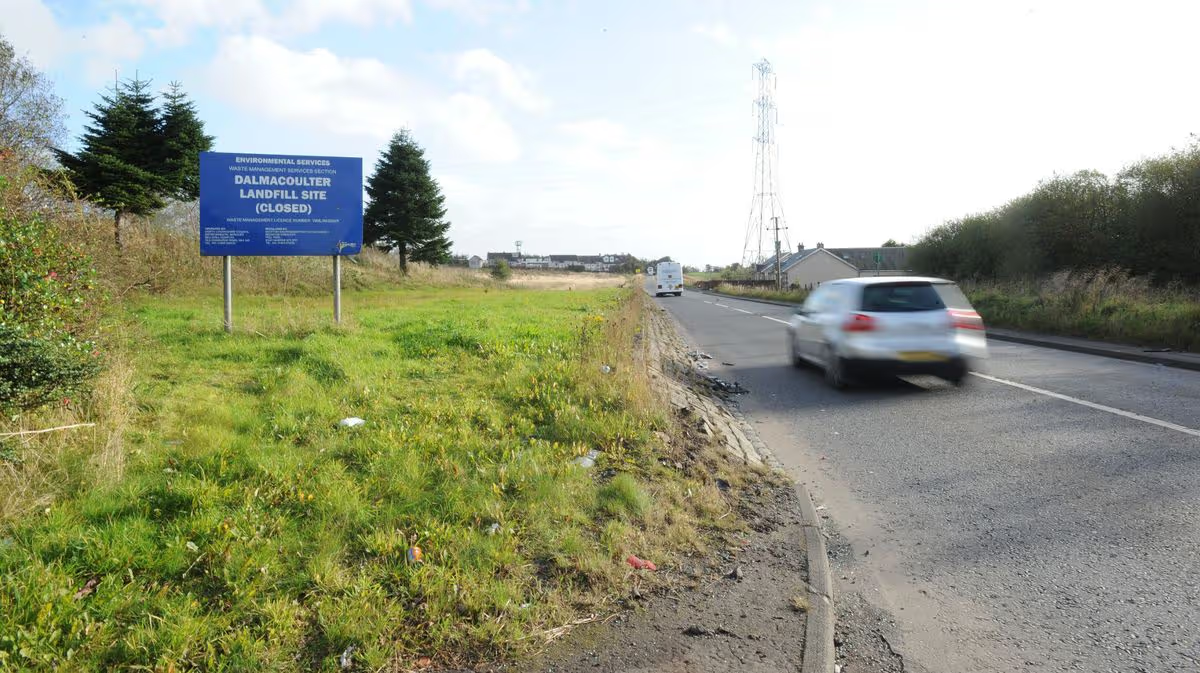
North Lanarkshire Council has granted planning permission for a new solar power facility at a former landfill site near Airdrie.
Advertisement
Council officers have approved a planning application which proposed the installation and operation of photovoltaic panels, mounting frames, a transformer kiosk and onsite substation, along with other features such as security fencing and CCTV at Dalmacoulter Landfill.
The facility will have 1750 panels in 10 arrays, with each array mounted on a solar panel table.
A report on the decision noted that the proposals were in keeping with several relevant policies, including those concerned with environmental matters and green energy, while also reusing a brownfield site.
The report also states that existing peripheral tree cover, means there will not be a significant impact on the landscape, while habitat improvements will more than compensate for any lost habitat.
Advertisement
The development was, therefore, granted planning permission subject to conditions.
*Don’t miss the latest headlines from around Lanarkshire. Sign up to our newsletters here.
And did you know Lanarkshire Live had its own app? Download yours for free here.
The Iran crisis is reshaping how the world produces, uses and secures energy. This is no temporary shock. It has become a structural stress test of energy systems, industrial production and government strategy.
We’ve seen this in the recent past: household energy bills in 2024 were still about 4% higher than in 2019,
even after the 2022 global energy crisis had eased (annual bills were up 16% at the peak). That crisis was driven by a combination of post-pandemic demand recovery, tight energy supplies and wider geopolitical disruption, including the Ukraine war, which pushed energy prices sharply higher.
Affordability remains fragile because many lower-income households still spend a disproportionately large share of their income on energy. It’s also a problem for business. Sustained energy costs continue to burden European manufacturing, for instance, affecting industrial competitiveness and long-term economic resilience.
At the same time, the International Energy Agency (IEA) projects global electricity demand will have grown 3.3% in 2025 and then 3.7% in 2026. The pressure from the 2022 crisis therefore shifted rather than disappeared.
Advertisement
International fuel markets remain highly sensitive to geopolitical shocks, especially when households and industry depend on imported gas and oil. Around 20% of the world’s oil passes through the Strait of Hormuz. This highlights how concentrated supply routes can transmit instability rapidly across global markets, causing not just rising energy prices but knock-on effects like increased fertiliser costs.
Fuel has been in short supply so prices have escalated. JessicaGirvan/Shutterstock
It’s also no longer just a question of fuel supply. Unpredictable, extreme weather conditions are compounding the problem of volatile prices of fossil fuels. Heatwaves raise electricity demand for cooling; drought weakens hydropower; storms disrupt transmission and distribution infrastructure; and low-wind periods test whether the system has enough backup power, storage and flexibility to maintain supply.
The IEA’s work on climate resilience in power systems makes clear that climate-related extremes are becoming more important across electricity generation, networks and demand. Price risk and weather risk are increasingly overlapping drivers of modern energy insecurity (the risk of energy becoming unaffordable, unreliable or unavailable).
Advertisement
The strain is emerging from a mismatch between how energy systems were built and the conditions under which they now operate. Electricity systems are being asked to integrate larger amounts of low-carbon power, but the supporting infrastructure has not developed at the same speed. This means there is still not enough grid capacity, energy storage, system interconnection or ability to match electricity demand with changing supply to move electricity efficiently, store surplus power or reduce pressure at times of peak demand.
An estimated US$400 billion (£296 billion) is spent annually on grid infrastructure, including transmission lines, substations and distribution networks that carry electricity from where it is generated to where it is used.
Advertisement
This compares with roughly US$1 trillion spent on forms of energy generation, such as solar farms, wind farms, hydropower plants and gas-fired power stations. This shows how electricity-generating capacity has expanded faster than the systems needed to connect it, balance supply and demand, and keep the system secure.
When electricity demand is rising rapidly, there’s less of a buffer if the supporting infrastructure needed to manage it (such as grids or storage) is not expanding at the same pace.
Missed warning signs
Well before the Iran energy crisis, it was clear that we are overly dependent on internationally traded fossil fuels. The same goes for the slow pace of grid expansion relative to new generation capacity, and our failure to treat weather variability as a core energy-security issue rather than a secondary climate concern.
Recent European electricity data underlines this. Wind and solar generated 30% of EU electricity in 2025, slightly above the 29% from fossil fuels. Nevertheless, less windy and less rainy conditions contributed to a 12% fall in EU hydro output in 2025.
Cleaner systems do not automatically become more resilient. Network strength, flexibility and climate preparedness all need to advance at the same pace.
Advertisement
The strongest evidence points towards a more integrated response in which energy security and decarbonisation are treated as part of the same agenda. Lowering dependence on volatile fossil fuels, using energy more efficiently in homes, transport and industry, and strengthening system flexibility are increasingly central to long-term security. Yet many electricity systems remain too slow to adapt when supply drops, demand surges, or electricity must be shifted across regions or time periods.
Rooftop solar panels and heat pumps on new homes reflect the shift towards cleaner, more resilient household energy. fokke baarssen/Shutterstock
You can see the implications with households. Heat pumps are typically three to four times more efficient than gas boilers in the sense that they can deliver three to four units of heat for each unit of electricity used, because they move heat rather than generate it directly.
However, the Climate Change Committee also notes that lower running costs depend on electricity prices and policy support, so greater efficiency does not always mean lower bills in the short term. Solar panels can help here. The UK government’s solar roadmap says a typical household installing rooftop solar could save around £500 per year on bills. Meanwhile, the IEA also estimates that electric vehicles displaced more than 1.3 million barrels of oil demand per day in 2024.
These are not only indicators of decarbonisation; they also show how cleaner technologies can reduce direct exposure to fossil-fuel price volatility.
Advertisement
At the policy level, the choice is between deeper structural resilience and repeated cycles of short-term crisis management. The European Commission’s REPowerEU plan is to make Europe’s energy system more secure, affordable and sustainable by reducing dependence on imported fossil fuels, accelerating clean energy and improving energy efficiency. It is intended to strengthen long-term energy resilience across the EU by diversifying energy supplies and speeding up the transition to domestically produced low-carbon energy.
What remains uncertain is the timing and scale of future shocks. What is certain is that the greatest vulnerabilities still lie in fossil-fuel dependence, weak infrastructure and delayed policy adjustment. The most credible route to a more secure energy future lies in efficiency, electrification, renewables, stronger grids, storage and policy that takes a longer-term approach.















































You must be logged in to post a comment Login