
Politics
Survey reveals 76% of voters think pissed-at-work MPs are ‘unacceptable’

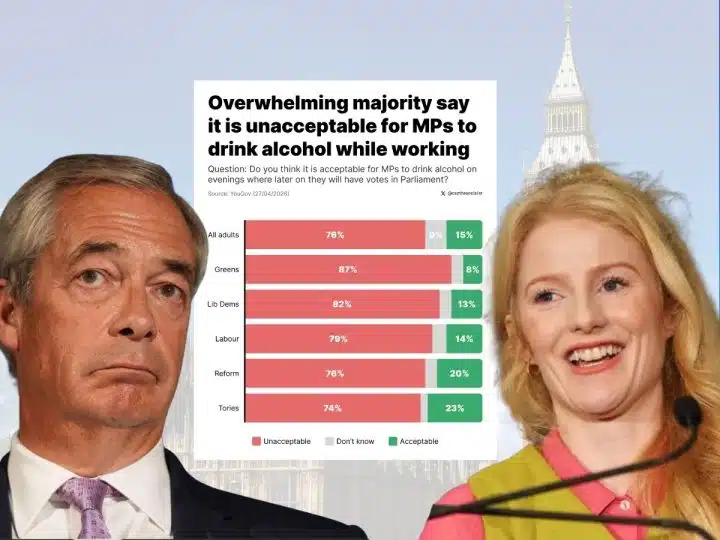

Green Party MP, Hannah Spencer, divided Britain with comments she made to Politics JOE that MPs and journalists are getting drunk in the House of Commons.
Spencer’s intervention split the country into two camps:
- The MPs and journalists who angrily argued it’s fine for them to be drunk at work — that it’s good, even
- The 76% of the British public who think it’s anything but good
With Green MP Hannah Spencer criticising fellow MPs for drinking alcohol ahead of evening votes in Parliament, the British public likewise disapprove – 76% brand this unacceptable, including 52% "completely unacceptable"
Link in replies pic.twitter.com/Dd09whJnzB
— YouGov (@YouGov) April 27, 2026
Spencer’s remarks on MPs puts the public at odds
Perhaps the most amazing thing about the above is that there’s broad consensus across voters for different parties.
On most issues, this is not the case, demonstrating just how out of touch many politicians are.
The overwhelming majority of people say it is unacceptable for MPs to drink on evenings where later on they will have votes in Parliament. pic.twitter.com/mKvIEdIvgx
— cez (@cezthesocialist) April 27, 2026
This week the Canary reported that MPs from Labour, Reform and Conservatives had all come forward to defend their right to get smashed at work. More have jumped on the bandwagon since then, including Scottish Labour MP, Chris Murray.
a hundred grand a year and you can’t work out the difference between drinking on the job and having a pint after work. absolutely stealing a living from the taxpayer https://t.co/KPjCQecCQT
— enter shakira𓅮 (@BARFJAMiN) April 27, 2026
Labour MP, Sam Rushworth, meanwhile, called Spencer a liar.
This would be much more damning if your colleagues hadn’t spent the last 48 hours defending their right to drink on the job. https://t.co/Q8pFslElDy
— Samantha
 (@arcuaria) April 27, 2026
There’s a problem with Rushworth’s argument — namely that we’ve all read many accounts of MPs being pissed at work. It goes beyond booze too.
Almost every single toilet in parliament tested positive for cocaine residue. No wonder all the MPs are furiously quote tweeting this. By the end of this year they’ll be on £110,000 per year.
It’s one big party and you’re not invited. https://t.co/yb0LJZcURk pic.twitter.com/T5vMZ0KfOx — Ashok Kumar |
(@broseph_stalin) April 27, 2026
Commentator Owen Jones said the following about the phenomenon of MPs lining up to attach themselves to this unpopular issue:
Genuinely astonished at MPs and commentators angrily piling on Hannah Spencer for criticising MPs’ drinking during votes.
Compelling evidence that the rise of the Green Party has sent them completely insane!
Many others have highlighted how ridiculous the arguments against Spencer have been. The X user, Very Brexit Problems, wrote:
Hannah Spencer getting shit for highlighting how many MPs stink of beer is mental.
Pilots can’t drink before a flight. Train drivers can’t drink before a shift. Surgeons can’t drink before they operate. Soldiers can’t drink before they’re handed a rifle. Bus drivers, paramedics, police on duty, HGV drivers, none of them can turn up to work smelling of booze without losing their job.
MPs vote on laws affecting 67 million people. Apparently some people are totally cool with them doing that wankered.
On the topic of journalists defending their right to get pissed with the politicians they’re supposed to be holding to account, many argued they’re being “performative”.
The UK's political culture relies on performative and aggressive stupidity to make sure nothing actually ever changes for the better. https://t.co/qlF7ePXWyX
— Marl Karx (@BareLeft) April 27, 2026
Zoe Gardner, meanwhile, pointed out that we don’t have to go back too far to find an example of MPs mysteriously voting wrong.
This was in February — Zoe Gardner (@ZoeJardiniere) April 28, 2026
 https://t.co/Y3wlbzTI8m pic.twitter.com/VnlCbT0NHu
Backlash to the backlash
Since the initial backlash to Spencer, some right-wing commentators have actually realised this is a losing issue. Among them is Sophie Corcoran.
You don’t have to be left wing to think MPs shouldn’t be drinking on the job.
Most workers can’t do that. — Sophie Corcoran (@sophielouisecc) April 27, 2026
Their job is important and they should take it seriously.
We should hold them to higher standards than others – not lower.
Public service is about sacrifice – and that…
Green Party leader, Zack Polanski, meanwhile, has benefitted from being on the right side of this issue from the start.
Yeah man he is just really really good at this https://t.co/D62A1FeESs
— c.s lewisham by day j edgar boozer by night (@theskyeatnight) April 27, 2026
As the Green Party rises in the polls, the other parties have gone on the attack. The problem is many of the Greens’ ideas are very popular, which is why MPs keep finding themselves clumsily lining up against public opinion.
To be absolutely fair to them, however, these drunk MPs may not have their best thinking heads on.
Featured image via X/ Cez
By Willem Moore


In 2025, there were about 10.2 million pet cats in the UK; almost a quarter of all UK households (24%) have a feline friend.
But, per Cats Protection, 3% of these were injured by cars outside the home, and the most common cause for injury was fights among other cats in the great outdoors (15%).
Perhaps it’s no surprise, then, that a new paper has suggested the best way to help our cats live longer is the simple, free technique of keeping them indoors.
Why might keeping cats indoors help them live longer?
Roaming cats may die as many as 10 years before their indoor peers, the researchers wrote.
This is partly because outdoor cats are exposed to “substantial risks of traumatic injury and infectious disease, plus lesser risks of poisoning and abuse”.
They added that the “cohort of outdoor cats has approximately 70-80% of the lifespan of the cohort of indoor cats”, and that chronic conditions created by e.g. injuries sustained outdoors can create expensive vet bills for owners.
Additionally, they found that the quality of life of indoor cats was generally better than that of outdoor cats.
Even their bond with their owners tended to be more satisfying and fulfilling.
That’s not to say being indoors has no downsides fior cats
The researchers say this doesn’t mean keeping your cat indoors carries zero risk.
“Containment,” they say, may lead to “obesity, diabetes or behavioural problems… Contained cats are also unlikely to express all cat behaviour”.
And though solutions including “environmental enrichment, exercise, and correct feeding, plus containment logistics,” are plentiful, they “may strain owners’ time and finances”.
But, they add, on balance, it’s probably still the better choice.
They ended their paper, “We conclude that, based on health and welfare, the advantages of containment are considerable and the disadvantages often remediable.”
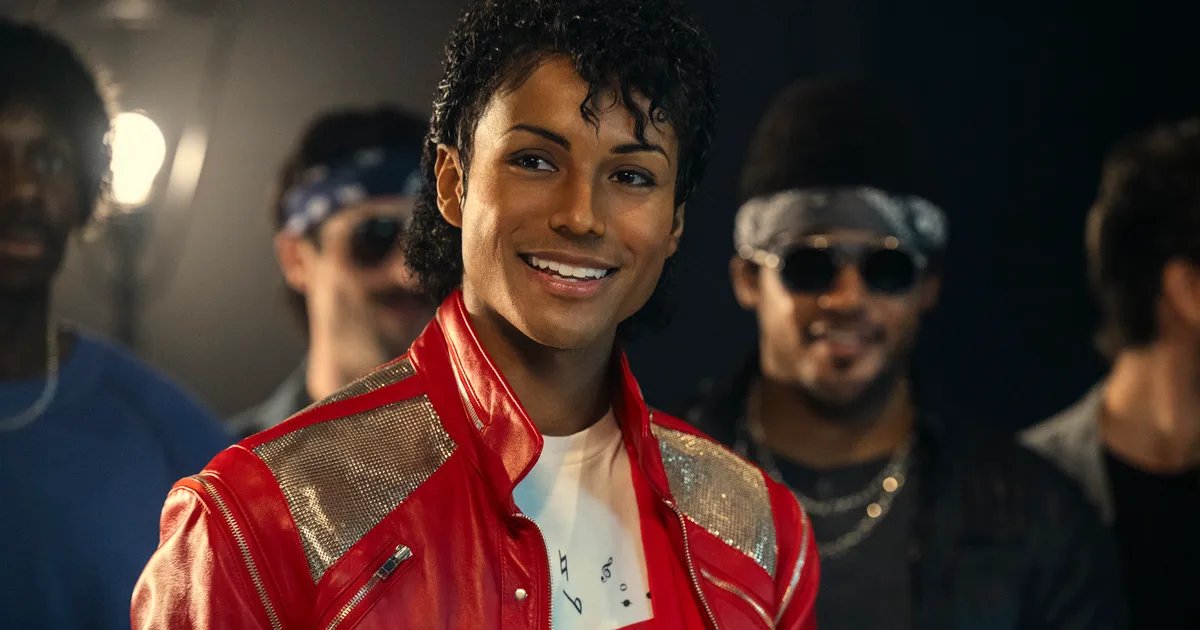
As speculation mounts about a potential sequel to the new Michael Jackson biopic, the head of the movie studio behind it has made a bold claim about its future.
Much has been made of the fact that the new film Michael doesn’t address the many allegations of child sexual abuse levelled against the Billie Jean singer in his lifetime, with several prominent figures attached to the movie claiming this could form the basis of a sequel.
Speaking to Business Insider, Lionsgate chief Adam Fogelson said frankly: “Look, there’s at least one more movie.”
He continued: “Just speaking less as an employee of Lionsgate and more as a person who has spent a lot of time in the movie business, I was always excited by the possibility that you could make a more complete and satisfying telling of Michael’s story if you weren’t confined to only one movie.”
Originally, filmmaker Antoine Fuqua had intended to include scenes referencing the allegations, and even shot a sequence of the police raiding Jackson’s Neverland ranch.
However, when production was close to being complete, the Jackson estate discovered a legal clause in one accuser’s settlement, forbidding his name or likeness from ever being featured in a film.
As a result, Fuqua had to bring back the cast and crew for costly reshoots, though Fogelson said some of this footage could still see the light of day.
“From my perspective, it’s important to try to give the audience an authentic understanding of who Michael Jackson was,” he added.
“So I think that that can be done with or without some of what was in the third act that had to be scrapped.”
During an interview published over the weekend, Fuqua was asked if it was true that around “a third of footage” already recorded could go into a potential Michael follow-up, to which he confirmed: “Absolutely.”
He also said last week that if a Michael sequel were to go ahead, he’d hope to not “sensationalise” the stories and controversies surrounding the Grammy winner in his later years.
“Being a movie star, rock star, superstar like Michael, there’s enough of that already,” he claimed. “You don’t have to do much. But I think the key is, like, who was he as a human being?
Michael had a mauling from critics in the lead-up to its release, but it’s seemingly fared much better with audiences.
As well as making more money in its opening weekend than any biopic before it, it holds an audience score on Rotten Tomatoes of 97%, and an average Letterboxd rating of 3.6 stars of a possible five.
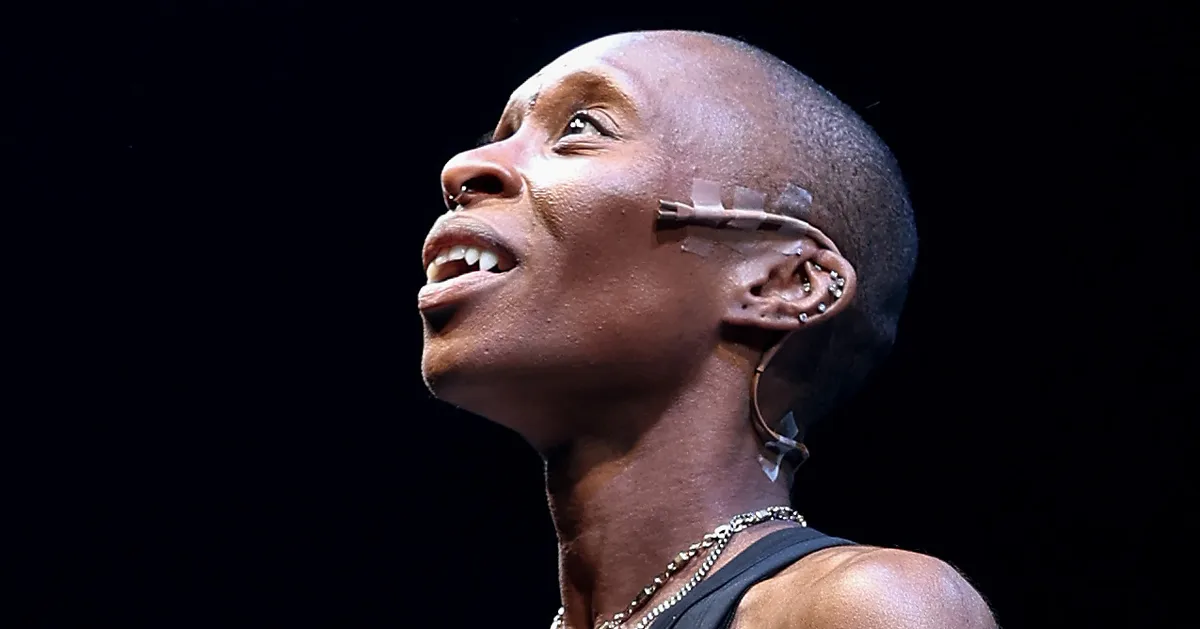
Cynthia Erivo brought a live performance of Dracula to an abrupt halt on Monday night, after spotting an audience member filming in the audience.
The show was then paused, with one audience member later sharing footage they filmed during this break, questioning: “Whatever happened to theatre etiquette?”
Metro also cited another audience member who claimed that the filming patron was “kicked out” by security, with the Oscar nominee returning to the stage to resume her performance after a 10-minute break.
HuffPost UK has contacted representatives for Cynthia Erivo and the Noel Coward Theatre, where Dracula is currently playing, for comment.
And just this month, Lesley Manville took issue with the current trend that has seen theatres allowing guests to film the curtain call on their phones.
“It’s theatre – let’s preserve it!” she told Radio 4. “We are all in this room, we are telling you a story, you’re listening – clap or don’t clap, but don’t just stick your phone in our face. I find it insulting.”
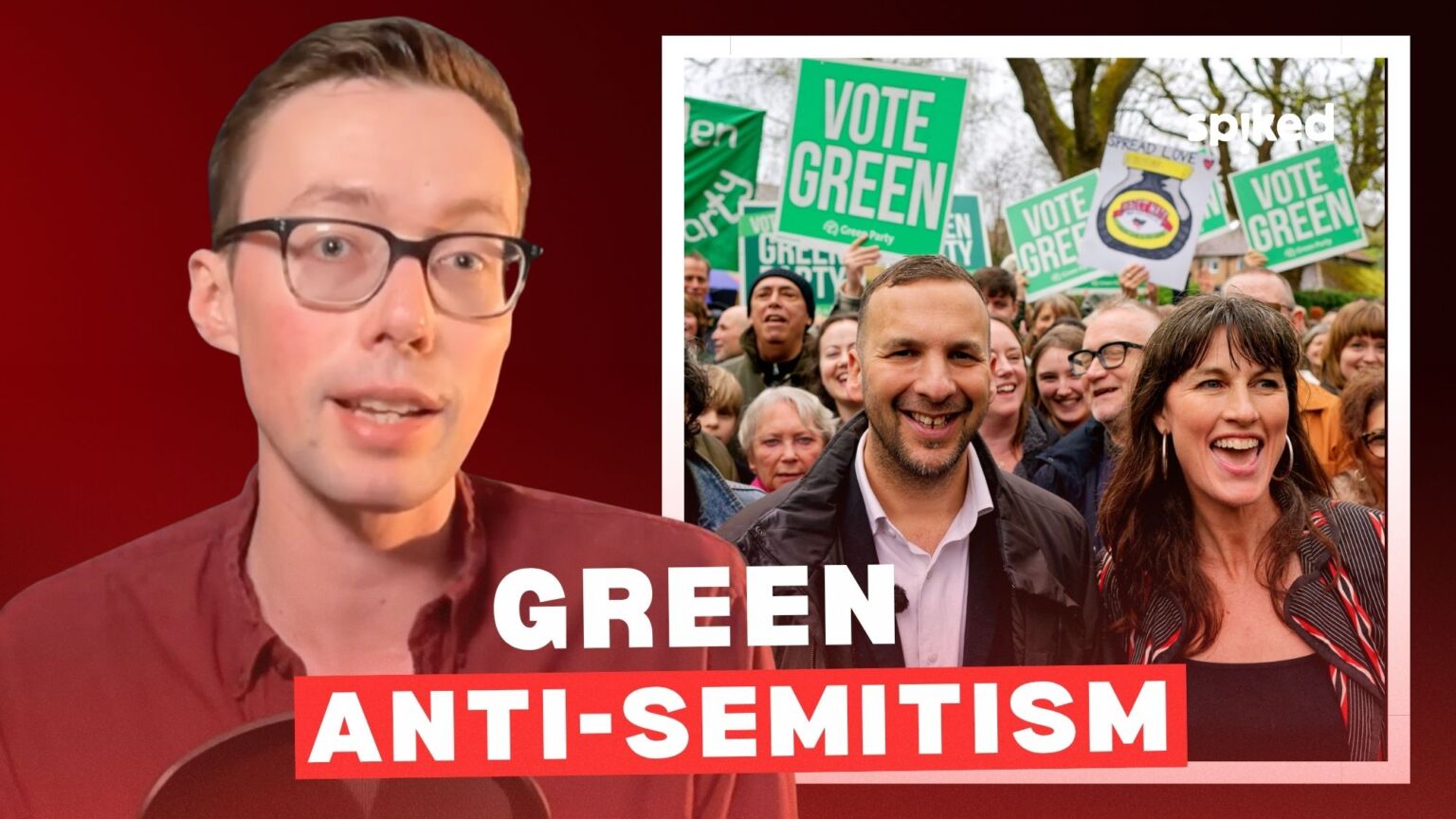
The post How the Greens became the nasty party appeared first on spiked.
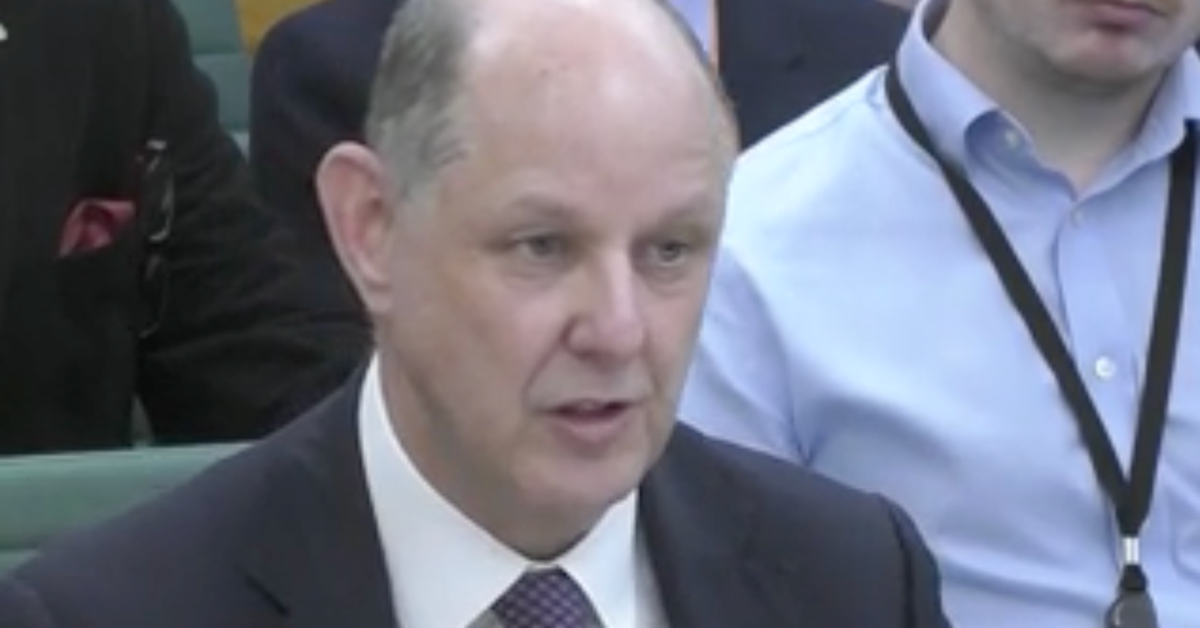
Sir Philip Barton became the latest former civil servant to give evidence to the Foreign Affairs Committee on Peter Mandelson’s appointment as UK ambassador to the United States.
The former permanent secretary at the Foreign Office was quizzed on how the shamed former Labour peer got the role – and whether the rules were followed.
Barton left his post on January 19, 2025, less than a month before Mandelson took up his job in Washington DC, but had been closely involved in the appointment process before then.
Here are the five key things we learned from his 90-minute evidence session.
1) He Had Concerns About Mandelson’s Jeffrey Epstein links
Sir Philip told the committee that he was worried that Mandelson’s known links to the convicted paedophile Jeffrey Epstein would prove problematic.
Asked what concerns he had about the decision by Keir Starmer to give the then Labour peer the plum diplomatic post, he said: “I think it was very much … around the possibility of his known connection to Epstein, causing an issue subsequently.
“Obviously, I didn’t know what was actually going to happen, because Epstein was such a toxic, hot potato subject in US politics itself, including in the election campaign.”
Mandelson was sacked by the prime minister after just six months in the job after further revelations emerged about the extent of his friendship with Epstein.
2) The Cabinet Office Did Not Think Mandelson Needed Top Security Clearance
The Guardian revealed nearly two weeks ago that UK Security Vetting had recommended Mandelson not be given “developed vetting” status, which allows the holders to access top secret government information.
However, he was granted it by Sir Olly Robbins, Sir Philip’s successor as permanent secretary in the Foreign Office.
Giving evidence, Sir Philip confirmed that the Cabinet Office at first did not think that was a prerequisite for Mandelson to take up his ambassadorial role.
He said: “The Cabinet Office initially said that as Mandelson was ‘a fit and proper person’ as a member of the House of Lords, he did not require developed vetting.
“To be honest with you, I thought that was odd and insufficient. To do the job effectively you have to be party to some of the deepest secrets that the UK government holds.”
He said the Cabinet Office later changed its view.
3) No.10 Was ‘Uninterested’ In Mandelson’s Security Status
Sir Philip was asked if No.10 had a “dismissive” attitude towards Mandelson’s security status, as was claimed last week by Sir Olly Robbins.
He replied: “I wouldn’t use the word dismissive. The word I would use is uninterested.
“I think people wanted to know that all the practical steps required for Mandelson to arrive in Washington on or around the [Trump] inauguration date. It needed to be completed at pace, as it were.”
4) The Foreign Office Was ‘Absolutely’ Under Pressure To Get Mandelson In Place
Sir Olly Robbins told the committee last Tuesday that there was “constant pressure” on Foreign Office officials from No.10 to get Mandelson in place.
The PM appeared to contradict those comments at prime minister’s questions the following day, when he insisted no pressure was applied.
Asked whether his department was under pressure, Sir Philip said: “There’s two possible questions here. Question one is, was there pressure on the substance of the [developed vetting] case?
“Question two is, was there pressure to get the [developed vetting] case done in a particular timeframe?
“Answer one is, during my tenure, I was not aware of any pressure on the substance of the Mandelson [developed vetting] case.
“Question two, was there pressure? Absolutely.”
He added: “I don’t think anyone could have been in any doubt in the department working on this that there was pressure to get everything done as quickly as possible.”
5) Starmer’s Claim That ‘Due Process’ Was Followed Thrown Into Doubt
The PM faces a crunch Commons vote on Tuesday over whether he should be investigated for claiming “due process” was followed in Mandelson’s appointment.
The Tories say that is untrue and Starmer has misled the Commons.
Asked whether due process had been followed, Sir Philip refused to back the PM and instead said he would “dodge” the question.
“I think the processes the [Foreign Office] … followed up until I stood down on Sunday, 19th January, that was proper process, done at pace as we were asked,” he said.
However, he did say it was “unusual” for Mandelson’s appointment to be announced before security vetting was carried out.
6) Morgan McSweeney Did Not Tell Him To ‘Just Fucking Approve It’
Sir Philip denied reports that Morgan McSweeney, the PM’s chief of staff at the time of Mandelson’s appointment, had told him to “just fucking approve it”.
He said: “I didn’t receive any direct calls from the chief of staff during my time as permanent under-secretary. So there was no call at all.
“My interactions were always when others were present in a general meeting, there weren’t very many of those either.”
Sir Philip added: ”“I’ve really racked my brains and I cannot recall Morgan McSweeney swearing in a meeting at me, or indeed just in in general.
“So I don’t see any substance in that part of it and I think it’s important I say that this morning, given how many people have come to think that might be true.”
Subscribe to Commons People, the podcast that makes politics easy. Every week, Kevin Schofield and Kate Nicholson unpack the week’s biggest stories to keep you informed. Join us for straightforward analysis of what’s going on at Westminster.
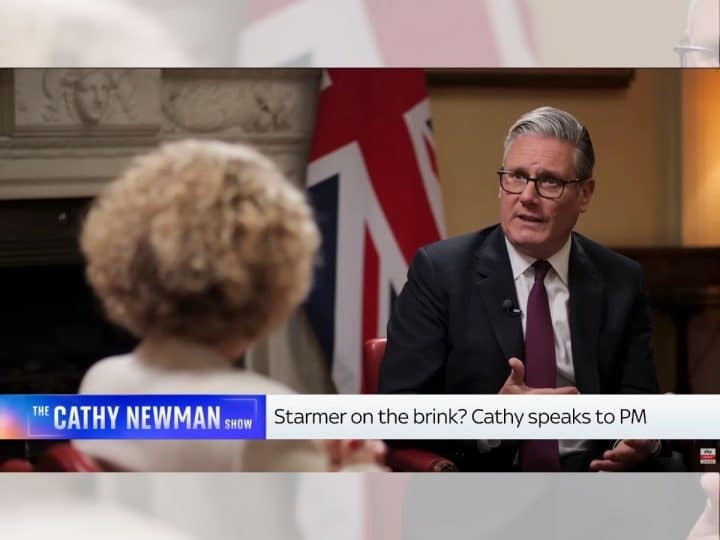

PM Keir Starmer stands accused of multiple instances of misleading Parliament. This is why his opponents tabled a vote to try and force a probe into his behaviour – a tactic Starmer himself once deployed against then-PM Boris Johnson:
Keir Starmer, "What my political opponents are doing tomorrow is a political stunt"
Cathy Newman, "It's a stunt you pulled in opposition against the last, Conservative, government"
Keir Starmer, "The reason they're doing it is because they don't believe what we're doing as a… pic.twitter.com/QXUdZJ86jZ — Farrukh (@implausibleblog) April 27, 2026
Stunted ambitions
Dan Hodges of the Daily Mail is known for having a mixture of very bad and very good opinions (mostly trending bad, to be fair). On the issue of Starmer’s many deceptions, he’s been trending spot-on, and has handily compiled the following list:
Here are the 7 separate occasions Keir Starmer misled the House, misled the country or broke the Ministerial code over the Mandelson affair > Daily Mail > https://t.co/4t2NVwTNh4
— (((Dan Hodges))) (@DPJHodges) April 28, 2026
In summary, Hodge’s list includes Starmer misleading Parliament by telling the House that:
- Due process was followed when Mandelson was hired as ambassador to the US (it wasn’t).
- Pressure was not applied to civil servants vetting Mandelson (it was).
As I’ve been saying. Keir Starmer lied to the House last Wednesday. It’s not even a debatable point any more. He sad no pressure was applied “whatsoever”. And it was. https://t.co/T0AJSjMtVT
— (((Dan Hodges))) (@DPJHodges) April 27, 2026
Starmer also:
- Selectively presented quotes from civil servant Olly Robbins to give a false impression of the evidence he’d given (making a similar point in a Sunday Times interview).
- Almost certainly breached the ministerial code by holding secret meetings with Palantir. As we reported, Starmer claimed this meeting wasn’t a ‘meeting’ despite officials referring to it as a “meeting”. It later emerged that Starmer himself also referred to it as a “meeting”.
- Claimed that no one could have foreseen that anyone would want to inspect his then-chief of staff Morgan McSweeney’s phone. We later learned that Downing Street met to discuss the potential for this happening before McSweeney’s phone was conveniently ‘stolen’.
- Pushed for Mandelson to get the ambassador position without “proper vetting”.
Boris Johnson
In 2022, then-PM Boris Johnson was having his own transparency crisis. As the Guardian reported at the time:
MPs will vote on Thursday on a Labour motion that would trigger an investigation by the House of Commons privileges committee into whether Johnson misled parliament over a string of lockdown-busting parties in Downing Street.
Starmer urged Conservative MPs to seize the opportunity to get rid of Johnson and “bring decency, honesty and integrity back into our politics”.
Johnson would eventually give the investigation the go-ahead, leading to his downfall. Given this, you can see why Starmer would want to avoid allowing any such probe to go ahead.
Starmer also described Johnson as:
a man without shame
While we don’t disagree with the sentiment, Johnson did at least agree to an investigation. This means Starmer is even more shameless than Johnson by his own standards.
Case to answer, Starmer
As Hodges has shown, there’s a strong argument for probing Starmer’s behaviour. Despite this, the man himself is whipping his party to prevent them voting for transparency:
If this was during the Corbyn years, the Papers tomorrow would show Starmer mocked up as Stalin https://t.co/v85y2iGqdo
— Philip Proudfoot (@PhilipProudfoot) April 27, 2026
Starmer might cling on for another day with tactics like this, but the writing is on the wall.
Featured image via Sky News
By Willem Moore
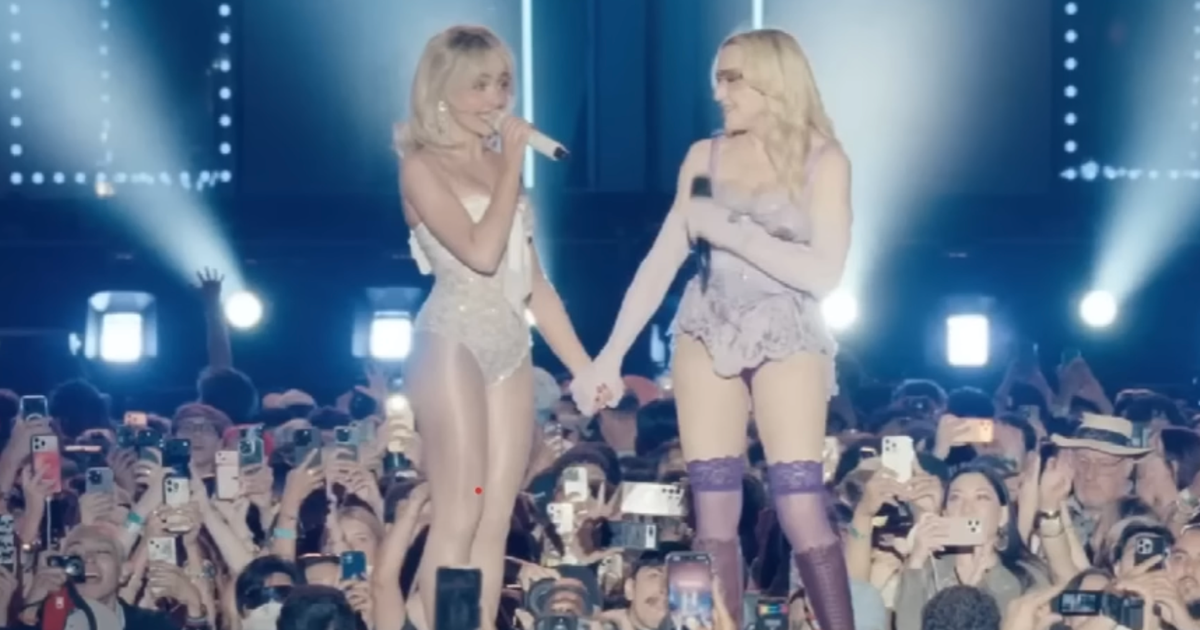
Madonna and Sabrina Carpenter have announced that the wait is almost over before fans get to stream their new duet at their leisure.
On Monday afternoon, the pair confirmed that Bring Your Love would get its official release later this week, and would be available to stream from 11pm on Thursday 30 April.
“We’ve got something to say about it,” they teased on Instagram, quoting the song’s lyrics.
Following her surprise performance at Coachella, Madonna immediately released Confessions II cut I Feel So Free to streaming services, which will serve as the album’s opening track.
She also teased more songs from the album during a surprise appearance at her producer Stuart Price’s DJ set at the West Hollywood club The Abbey over the weekend.
Confessions II will be released worldwide on Friday 3 July.
Politics
Politics Home | No 10 Was “Uninterested” In Mandelson Security Vetting, Says Ex Foreign Office Chief
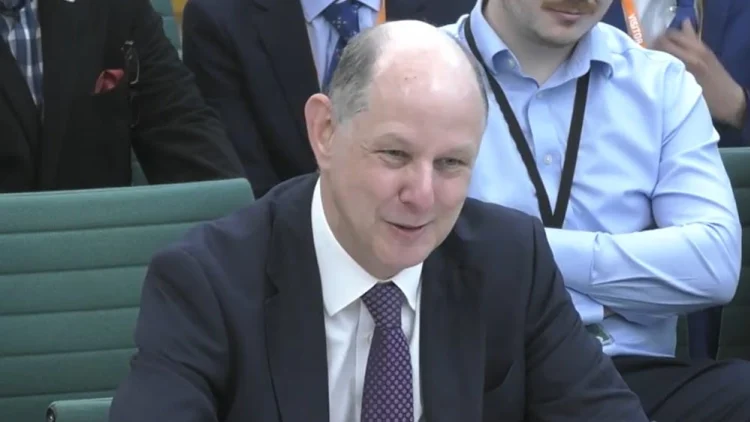

Former foreign office permanent secretary Philip Barton appeared before MPs in parliament on Tuesday. (Alamy)

4 min read
The former head civil servant in the Foreign Office has told MPs that Downing Street showed an “uninterested” attitude towards the security vetting of Lord Mandelson.
Speaking to the Foreign Affairs Select Committee on Tuesday morning, Sir Philip Barton also said he felt at the time of Mandelson’s appointment as UK ambassador to the US that it “could become a problem” given the peer’s links to paedophile financier Jeffrey Epstein.
Barton, who left his post shortly after Labour entered government, said there was pressure from No 10 to complete Mandelson’s appointment as soon as possible, but sought to stress that there was no pressure on the “substance” of Mandelson’s vetting.
Asked whether he would agree with his successor in the Foreign Office, Sir Olly Robbins, who last week told the same committee that No 10 was “dismissive” about Mandelson’s vetting, Barton said: “I wouldn’t use the word dismissive, the word I would use is uninterested.”
He said that there was a lack of “interest” in issues highlighted by the vetting process.
“No one said to me: ‘Look, Philip, the Prime Minister knows there’s some risks around this, can you really, really make sure that the vetting is done rigorously?’” he told MPs.
“It is always rigorous anyway”, he continued. “But that wasn’t the sort of thing being communicated. The sort of thing was: ‘Fine, he needs vetting, make sure it’s done in time’.”
Barton is the latest senior figure to intervene in the saga surrounding Prime Minister Keir Starmer’s decision to appoint Mandelson as UK ambassador to Washington.
Opposition parties have accused Starmer of misleading Parliament over whether due process was followed in the appointment process, as well as the question of what pressure Downing Street put on the Foreign Office to formalise Mandelson’s appointment.
Later today, MPs will vote on whether to refer the Prime Minister to the Privileges Committee on the question of whether he has misled Parliament.
Last week, Robbins — who was sacked by Starmer as Foreign Office permanent secretary over his role in the affair — said UK Security Vetting felt the Mandelson case was “borderline” and was “leaning towards recommending that clearance be denied”, but that the Foreign Office deemed the risks manageable. He sought to stress that Mandelson did not ‘fail’ vetting.
However, in evidence that put more pressure on Starmer’s judgement, Robbins said the Foreign Office had faced “constant pressure” from the No 10 private office to process Mandelson’s appointment as soon as possible.
Speaking this morning, Barton said there was “pressure to get everything done as soon as possible” because No 10 wanted Mandelson in place in time for the start of the second Donald Trump presidency, adding that “the die was cast”. However, he sought to stress to MPs that there was no pressure on the substance of that vetting case.
Barton also denied that he received a call from Morgan McSweeney, who was then the chief of staff to Starmer, urging him to complete Mandelson’s appointment quickly.
“I didn’t receive any direct calls from the chief of staff during my time as permanent under secretary,” said Barton.
“I’ve really racked my brains, and I cannot recall Morgan McSweeney swearing in a meeting at me.”
This is a reference to reports that McSweeney told Barton to “just fucking approve” Mandelson’s appointment to Washington.
Barton admitted to the committee that he felt “conflicted” over not being consulted on Mandelson’s appointment, adding he believed it is “reasonable” to expect the head of the diplomatic service to be consulted.
“On the face of it, it is reasonable for the head of the foreign office to be involved in the thinking around what is our major, top, bilateral ambassador post,” said Barton.
“On the other hand, given clearly the Prime Minister was deciding to make a political appointment, it is also reasonable that civil servants would not be directly involved in discussions around what is a political appointment. Because, in the end, that is a matter for elected politicians.”
Barton also said he felt it was “off and insufficient” that the Cabinet Office said Mandelson didn’t require security vetting before being appointed.
He told MPs that people around Trump felt “blindsided” by the decision to appoint Mandelson, rather than continue with Karen Pierce as UK ambassador to the US.
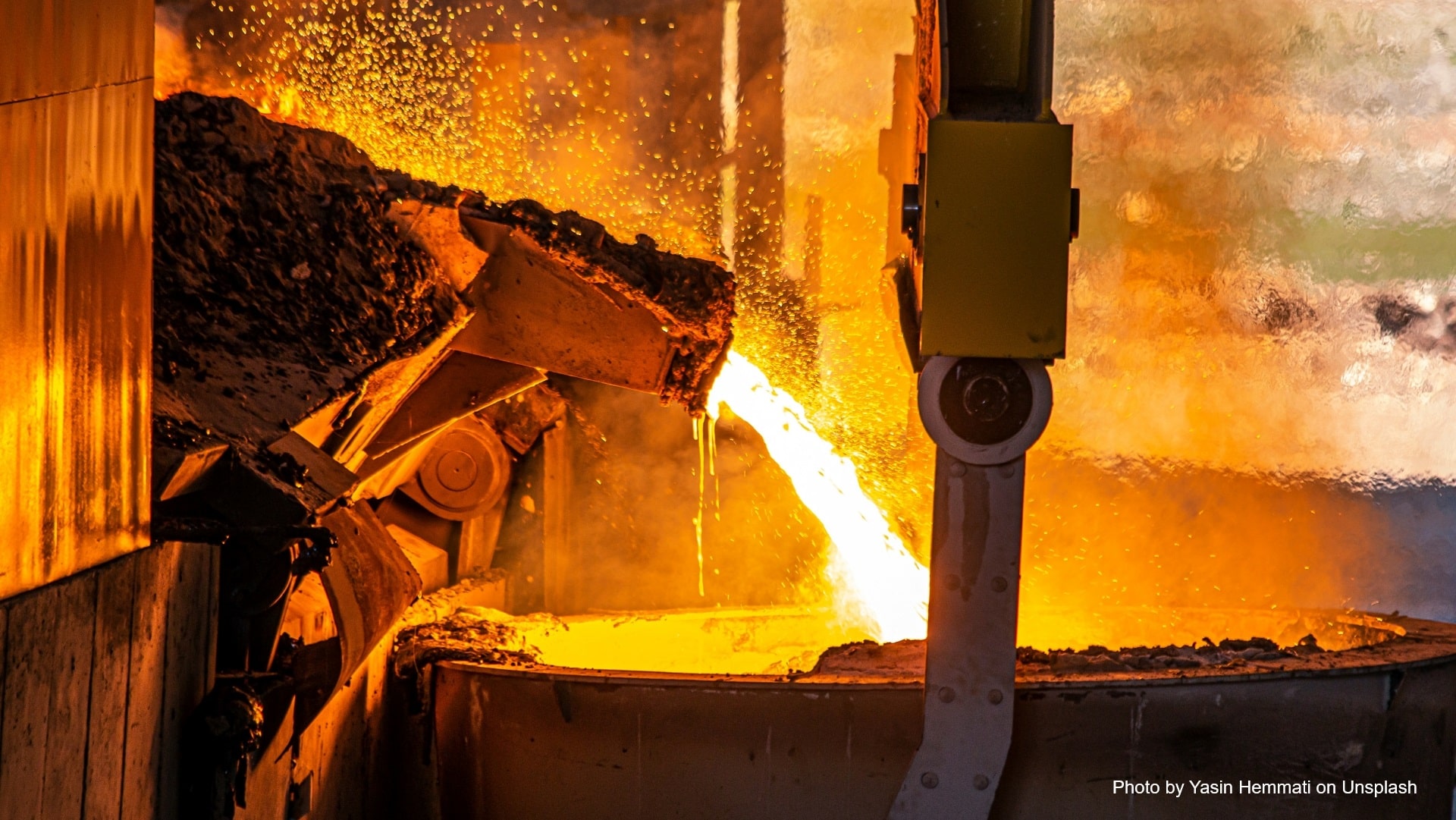
Jun Du and Oleksandr Shepotylo argue that, with the UK and EU set to impose major new tariffs on steel imports, the UK would benefit from seeking to coordinate its trade defence policy with the EU.
In March 2026, the UK government announced its new Steel Strategy. From July, tariff-free quotas for steel imports will be cut by 60% and a 50% tariff will apply to above-quota imports — matching US tariffs imposed last year. The US first raised steel tariffs to 25%, then doubled them to 50%. The UK was exempted from the doubling of the rate under the Economic Prosperity Deal.
The UK’s aim is to shield domestic producers from a global market awash with overcapacity, now estimated at 602m tonnes and forecast to reach 721m by 2027. But the policy matters well beyond the steel sector itself. It is being implemented at precisely the moment the UK–EU relationship is being renegotiated, and at the moment the European Commission is proposing to double its own out-of-quota steel tariff to 50% and cut tariff-free quotas by nearly half. Around 80% of UK steel exports are destined for European markets, so the EU decision is potentially more consequential for UK producers than the US one. How the UK should position itself within – or outside – that emerging European regime is a live question, and the evidence now exists to answer it.
In a new paper from the Centre for Business Prosperity at Aston University, we estimate the effects of the 2025 US steel and aluminium tariffs using large-scale product-level trade data and employ the Kiel Institute’s general equilibrium model for the policy impact evaluation.
US steel imports fell by around 20%, aluminium by around 10%, and the doubling of tariffs doubled the trade shock. But the costs did not remain at the border, with 70-80% of the tariff hit passed through to downstream buyers, including the firms that use steel as an input. US consumer prices for the covered products rose by approximately 27% for steel and 32% for aluminium.
The impact on UK exports was far from uniform across products. Aerospace components alone account for 43% of UK steel and aluminium exports to the US, and absorbed the shock almost entirely through volumes, with prices held firm by long-term contracts and certification requirements. Automotive inputs followed a similar pattern. Commoditised products, such as hot-rolled coil and steel plate, by contrast, adjusted by cutting their margins by 21-23%, with foreign exporters accepting lower profits to hold on to market share.
There is also evidence that the tariffs chilled new trade relationships without destroying established ones. The probability of a new bilateral, UK-US export relationship forming fell by 0.8 percentage points, while exit rates among existing exporters were essentially unchanged. The damage is done quietly, in the trade that never begins.
These findings matter for the UK because the government is about to impose a tariff of the same magnitude on its own border. The 300,000 workers in downstream steel-using industries (automotive, aerospace, construction, fabricated metals) outnumber the 30,000 in primary steelmaking by ten to one. It is the downstream industries who will absorb the cost, through higher input prices and, ultimately, through prices in the shops. This is a cost-of-living issue as much as an industrial one.
The government is three months from implementing a 50% above-quota tariff with no published impact assessment. The pass-through estimates, the scale of downstream exposure, and the chilling effect on new exporters ought to feature in any serious evaluation.
The more striking finding for the UK–EU debate comes from the general equilibrium modelling. Under current conditions (the UK on a 25% US tariff, most competitors on 50%), preferential access to the US market is worth approximately £482m a year. That is a real gain. But it is structurally fragile: it exists only while the differential holds, it is subject to US review, and it could be withdrawn at any point.
More importantly, the modelling shows what happens when the EU acts. When the EU imposes its own steel tariffs alongside the US, the UK’s gain edges down. Coordinated European trade policy provides a cushion the UK cannot replicate alone.
The UK-EU ‘reset’ has so far delivered limited economic results, and the Prime Minister and Chancellor have made clear that they want to pursue greater alignment with the single market at the next UK-EU summit, in the hope of delivering greater economic benefits.
Much of the discussion around alignment focuses on regulatory standards: SPS, product safety, emissions trading. Trade defence policy is at least as consequential, and inseparable from the regulatory alignment now being discussed for industrial goods such as cars and chemicals. The steel evidence suggests that, in a world of escalating tariff conflicts between major blocs, a key question for a medium-sized economy is whether it can afford to conduct trade defence policy alone, absorbing the costs without the benefit of collective action. The chilling effect on new trade relationships means the answer is being shaped now, invisibly, in the export links that never form.
The case for coordination, though, does not rest solely on cushioning against shared losses. The UK and the EU have complementary strengths in technology, scale and industrial capability that, combined, could build competitive advantage rather than merely defend against disruption. In a geoeconomic landscape where the US, China and the EU are all reshaping trade around strategic interests, the opportunity is to develop joint approaches to competitiveness. That means shared investment in low-carbon steel production and coordinated standards that create scale advantages, alongside trade instruments designed to build industries rather than simply protect them. This is a different proposition from alignment as damage limitation and is the conversation the reset ought to be having.
None of this is to dismiss the strategic case for domestic steel capacity — with production at its lowest since the 1930s, there is a legitimate argument for maintaining capability for defence, infrastructure and the energy transition. But our results price that choice: they show what downstream sectors and consumers will pay for tariff-based protection, so that the strategic decision can be made with its costs in view.
Steel is an unusually clean test case. What it reveals is that the costs of going it alone are quantifiable, and that the gains from coordination could extend well beyond loss reduction — if the ambition is there to pursue them.
By Jun Du, Professor of Economics at Aston Business School and Founding Director of the Centre for Business Prosperity, and Oleksandr Shepotylo, Associate Professor at Aston Business School. The paper, ‘Steel and aluminium tariffs: impact assessment for the US, UK, and broader markets’, is co-authored with Yujie Shi and Lisha He.
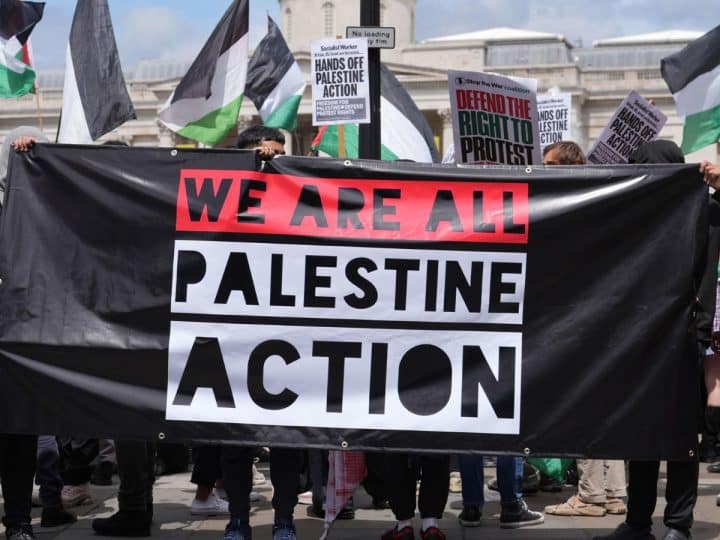

A judge at the Court of Appeal (Civil Division) has just rejected the government’s attempt to overturn the High Court’s decision that its ban on Palestine Action is unlawful.
Palestine Action ban is STILL unlawful
Home Secretary Shabana Mahmood’s lawyers had tried to argue that the government’s rigged process for reversing proscriptions was adequate and therefore the case should never have gone to the High Court for judicial review. The judge not only rejected this but also granted two further bases for founder Huda Ammori to apply for judicial review against the ban.
A stunning victory for Ammori and the anti-genocide movement.
Featured image via the Canary
By Skwawkbox

Is Whales Accumulating WOJAK at a $30 Million Market Cap: Is Crypto’s Most Iconic Meme Coin About to Explode?
10 Greatest Sci-Fi Thrillers of All Time, Ranked

Tuesday’s Workwear Report: Cashmere Silk Theo Polo

Manchester United reach agreement with Casemiro over contract clause amid transfer speculation

US brings back mandatory military draft registration

Steven Gerrard disagrees with Gary Neville over ‘shock’ Chelsea and Arsenal claim | Football


-

 Fashion4 days ago
Weekend Open Thread – Corporette.com
-

 Tech18 hours ago
Register Renaming | Hackaday
-
 Crypto World3 days ago
Hyperliquid $HYPE Rally Builds Momentum as AI Sector Enters Prove-It Phase
-

 Politics6 days ago
Making troops accountable for war crimes threatens US alliance, ex-SAS colonel warns
-

 Politics6 days ago
Disabled people challenge government SEND proposals over segregation concerns
-

 Business4 days ago
Patterson-UTI Energy, Inc. (PTEN) Q1 2026 Earnings Call Transcript
-

 Business6 days ago
Rolls-Royce Voted UK’s Most Iconic Trade Mark as IPO Register Hits 150
-
 Crypto World7 days ago
Five Value Stocks with Recovery Potential in 2026: PayPal (PYPL), Nike (NKE), and More
-
 Sports2 days ago
IPL 2026: Ruturaj Gaikwad registers slowest fifty of the season, enters all-time unwanted list | Cricket News
-

 Politics14 hours ago
Drax board avoid their own AGM, accused of greenwashing & environmental racism
-

 Crypto World7 days ago
New York sues Coinbase, Gemini over prediction market offerings
-

 Politics6 days ago
Starmer handler McSweeney to be dragged from shadows by Foreign Affairs Committee
-

 Politics6 days ago
Zack Polanski responds to home secretary’s taser threat
-
Politics6 days ago
Wings Over Scotland | How To Get Away With Crimes
-
Entertainment7 days ago
Sydney Sweeney cameo cut from “The Devil Wears Prada 2”, source explains why (exclusive)
-
 Business6 days ago
HCL Tech share price tank over 9% after weak Q4. JPMorgan, HSBC & 3 others cut target price
-
 Crypto World7 days ago
Crypto’s great hope in Senate’s Clarity Act still has a path to survive tight calendar
-

 Politics6 days ago
‘Iran is still a nuclear threat’
-

 Fashion7 days ago
Kilkenny Design New Beauty Arrivals for Spring 2026
-
 Sports5 days ago
Tim Bradley names the current best in the world: “Better than Inoue and Usyk”
You must be logged in to post a comment Login