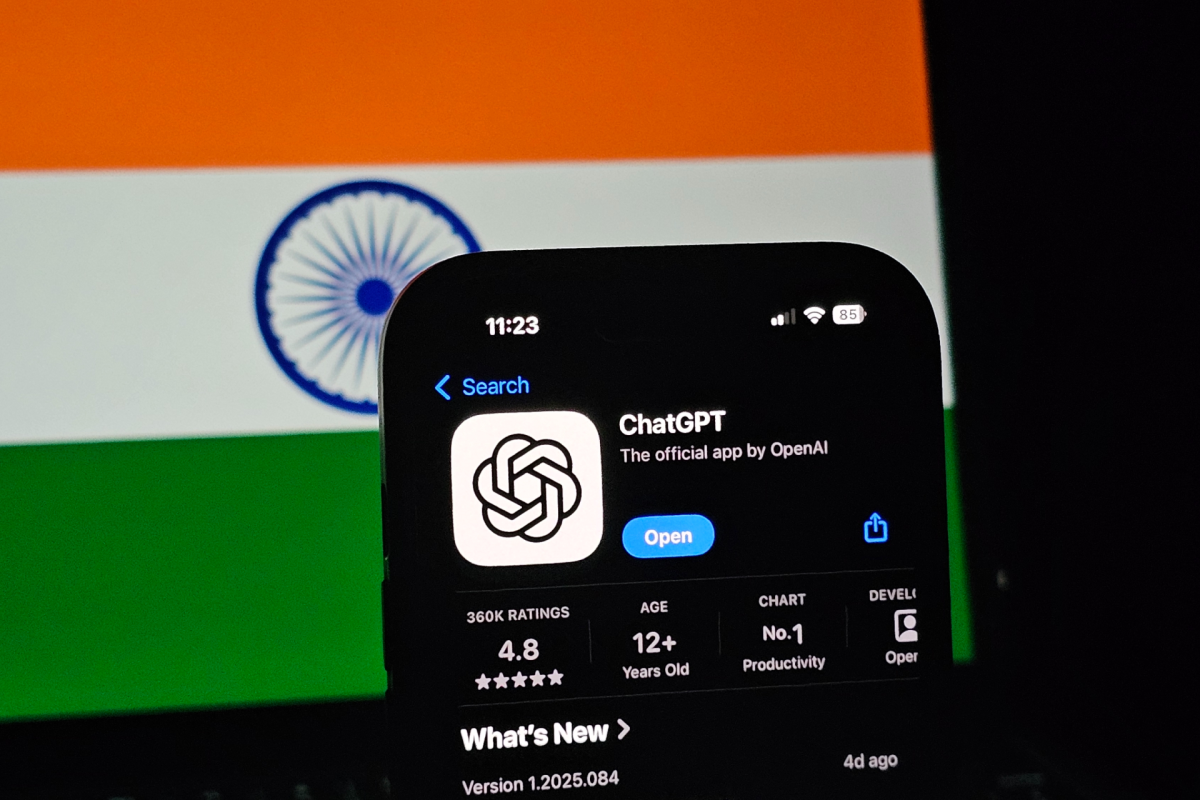
India has emerged as the largest user base for ChatGPT Images 2.0 since its launch last week, OpenAI said on Thursday. However, third-party data reviewed by TechCrunch points to a more measured global response, with limited overall growth alongside sharp spikes in select emerging markets.
ChatGPT Images 2.0, OpenAI’s latest image-generation upgrade, is designed to handle more complex prompts and produce detailed visuals, including accurate text across multiple languages. Early patterns from the company suggest users — especially in India, its largest market — are using it to create personal visuals such as avatars, stylized portraits, and fantasy-themed images.
Data shared by Sensor Tower and Similarweb with TechCrunch suggests the rollout has led to a more mixed global response. ChatGPT’s app downloads rose 11% week-over-week following the launch, per Sensor Tower, but overall engagement gains were modest, with daily active users and sessions up only around 1%. Similarweb data also shows a limited increase in ChatGPT’s global web traffic, rising about 1.6% week-over-week during the same period.
However, Sensor Tower data indicates some emerging markets — including Pakistan, Vietnam, and Indonesia — saw sharper spikes in ChatGPT’s app downloads, with increases of up to 79% week-over-week during the rollout period.
Advertisement
India, meanwhile, remained a major source of activity during the rollout. Sensor Tower estimates show ChatGPT was downloaded about 5 million times in India during the launch week, compared with roughly 2 million in the U.S., though growth remained modest on a week-over-week basis. Similarweb data also points to a limited uptick in engagement, with daily active users in India rising about 3.4% week-over-week during the same period.
In India, the early trends suggest ChatGPT Images 2.0 is largely being used as a form of self-expression. Rather than purely functional outputs, users are creating studio-style portraits from everyday photos, social media-ready images, and imaginative visuals that place themselves at the center, OpenAI said.
The early patterns also highlight how AI image tools are being adopted differently across markets. While India’s large user base is driving overall scale, sharper spikes in countries like Pakistan and Indonesia point to stronger new-user demand in emerging markets following the launch.
Techcrunch event
Advertisement
San Francisco, CA | October 13-15, 2026
OpenAI’s Images 2.0 launch comes amid intensifying competition in AI image generation. Google’s earlier image-focused model, the original Nano Banana, also saw strong early traction in India, indicating how the nation has become an important market for image generation.
Advertisement
With the new ChatGPT Images release, OpenAI is pushing further with improvements such as better rendering of non-Latin text, including Hindi and Bengali, and new “thinking” capabilities that allow it to refine outputs and generate multiple variations from a single prompt.
Beyond stylized portraits and avatars, OpenAI said early Images 2.0 users in India are experimenting with a wider range of formats — from fantasy newspaper covers to tarot-style visuals and fashion moodboards. Users are also using the AI tool to restore older photos and create cinematic portrait collages, the company said, suggesting early patterns of more personal use.
When you purchase through links in our articles, we may earn a small commission. This doesn’t affect our editorial independence.
Sometimes, a threat lands as a threat. Other times, it comes off like, well, an advertisement for the New Mexico tourist bureau. In court filings (viaSourceNM), Meta warned that if a judge sides with the NM Department of Justice in an upcoming bench trial, the company may be forced to shut down its apps for users in the state. NM Attorney General Raúl Torrez described Meta’s threat to pull the plug on its apps as a “PR stunt.”
Last month, a Santa Fe jury held Meta liable for $375 million in damages to NM over the company’s failure to protect child users from online predators. The company’s warning was made ahead of the trial’s second phase, scheduled to begin next week.
In the May 4 bench trial, NM District Judge Bryan Biedscheid will determine whether Meta caused a “public nuisance” and should therefore fund related state programs. NM DOJ lawyers will also argue that Meta needs to make several changes to its platform. These include adding age verification, removing predators, and “protecting minors from encrypted communications that shield bad actors.”
Advertisement
Meta’s response, unsealed on Thursday, reportedly described the state’s demands as “so broad and burdensome that if implemented, it might force Meta to withdraw its apps entirely.” “It does not make economic or engineering sense for Meta to build separate apps just for New Mexico residents,” it continued. The company also claimed that the state lacks the authority to implement its desired changes and that doing so would violate free speech.
In a statement sent to Engadget, NM AG Torrez dismissed Meta’s claims that the proposed remedies weren’t feasible. “We know Meta has the ability to make these changes. For years, the company has rewritten its own rules, redesigned its products, and even bent to the demands of dictators to preserve market access. This is not about technological capability. Meta simply refuses to place the safety of children ahead of engagement, advertising revenue, and profit.”
A Romanian national who led an online swatting ring that targeted more than 75 public officials, multiple journalists, and four religious institutions was sentenced to 4 years in federal prison.
Swatting is a dangerous criminal harassment tactic involving making false reports to emergency responders of an ongoing violent threat at a target’s address to provoke an armed police response.
27-year-old Thomasz Szabo, who was extradited from Romania in November 2024, was also ordered three years of supervised release after he pleaded guilty to one count of conspiracy and one count of threats involving explosives in June 2025.
Szabo, who operated online under multiple aliases (including “Jonah,” “Jonah Goldberg,” “Plank,” “Rambler,” “War Lord,” “Shovel,” “Cypher,” “Kollectivist,” “Mortenberg Shekelstorms,” and “NotThuggin2”) founded and led an online community that began a pattern of bomb threats and swatting attacks in late 2020.
Advertisement
According to court documents, Szabo personally made false reports to U.S. law enforcement, including a December 2020 threat to carry out a mass shooting at New York City synagogues and a threat to detonate explosives at the U.S. Capitol and kill President-elect Joe Biden in January 2021.
“Members of Congress, cabinet officials, the heads of federal law enforcement agencies, churches, journalists — Thomasz Szabo and his followers targeted them all with swatting calls and fake bomb threats designed to send armed police to their doors,” said U.S. Attorney Pirro on Wednesday. “Szabo was extradited from Romania to face justice in an American courtroom, and today he has reaped the consequences of his actions.”
Szabo also advertised his activities to followers and encouraged them to carry out similar attacks, which prompted a concentrated spree of swatting attacks targeting at least 25 members of Congress or their family members, and at least six senior executive branch officials, including multiple cabinet-level figures, between December 2023 and early January 2024.
Within the same timeframe, Szabo’s followers also targeted at least 13 senior federal law enforcement officials, members of the federal judiciary, at least 27 state officials, and four religious institutions.
Advertisement
One of the group’s members even boasted to Szabo about conducting more than 25 swatting calls in a single day, claiming to have wasted more than $500,000 in taxpayer funds over two days.
23-year-old Serbian national Nemanja Radovanovic, another one of Szabo’s accomplices, was also charged in August 2024 in connection with the same scheme and faces separate proceedings.
“Mr. Szabo’s and his co-conspirators’ incessant swatting attacks created a tremendous drain on law enforcement resources and taxpayer dollars and put innocent civilians in harm’s way,” added FBI Special Agent Michael Burgwald. “Today’s sentencing is an important step toward ensuring that those who believe swatting is just a prank will be disabused of that notion and making it clear that those who engage in it will face justice.”
AI chained four zero-days into one exploit that bypassed both renderer and OS sandboxes. A wave of new exploits is coming.
At the Autonomous Validation Summit (May 12 & 14), see how autonomous, context-rich validation finds what’s exploitable, proves controls hold, and closes the remediation loop.
The Lee family that controls Samsung has seen its wealth double from $22.7 billion to $45.5 billion in twelve months, jumping from tenth to third among Asia’s richest families. The surge is driven by Samsung Electronics’ 186% stock rally on AI chip demand, with Q1 operating profit reaching 57.2 trillion won (8x YoY) on HBM4 memory production for Nvidia. Meanwhile, 30,000 Samsung workers have rallied demanding a 15% profit share and are threatening an 18-day strike.
The Lee family of South Korea, which controls Samsung, has doubled its wealth in twelve months. Bloomberg’s Billionaires Index now values the dynasty’s holdings at $45.5 billion, up from $22.7 billion a year ago, propelling the Lees from tenth to third among Asia’s richest families. The catalyst is not a new product or a management breakthrough. It is a 186 per cent surge in Samsung Electronics’ share price, driven almost entirely by global demand for the high-bandwidth memory chips that power artificial intelligence data centres. Samsung’s first-quarter operating profit reached 57.2 trillion won, roughly eight times what it earned in the same period last year. The Lee family did not build the AI industry. But the AI industry cannot function without what Samsung builds, and for the moment, that dependency is worth $22.8 billion in new wealth for a single family in a single year.
Advertisement
The chip
Samsung’s financial turnaround rests on one product category: high-bandwidth memory, or HBM, the specialised DRAM chips that sit inside the GPU modules used to train and run large AI models. Nvidia’s next-generation B300 server systems require HBM4 chips, and Samsung has entered mass production of HBM4 ahead of SK Hynix, its primary rival, after years of trailing in the technology. The shift matters because HBM commands margins that conventional memory chips cannot match. When Samsung reported first-quarter results, the semiconductor division accounted for the overwhelming majority of the profit swing, converting what had been a cyclical downturn into the most profitable quarter in the company’s recent history. Nvidia’s B300 servers, which can cost more than $1 million each, are shipping to hyperscalers and sovereign AI programmes worldwide, and Samsung is now one of the primary suppliers of the memory those systems require.
The concentration of value in a single product line is both Samsung’s opportunity and its vulnerability. HBM4 is a generational leap in memory architecture, moving the chip from a stacked DRAM design to a logic-integrated base die that allows higher bandwidth and lower power consumption. Samsung’s ability to reach volume production on HBM4 before its competitors gave it a pricing advantage that flowed directly into the first-quarter numbers. But the AI chip supply chain is notoriously volatile. Nvidia’s own product cycles, the pace of data centre buildouts by Amazon, Google, Meta, and Microsoft, and the geopolitical restrictions on chip exports to China all determine how much HBM Samsung can sell and at what price. The stock’s 186 per cent gain in twelve months prices in a sustained AI infrastructure boom. If that boom slows, the same leverage that doubled the Lee family’s wealth can reverse it.
The inheritance
The wealth surge arrives at a consequential moment for the Lee family’s finances. The heirs of the late Samsung chairman Lee Kun-hee, who died in October 2020, have been paying the largest inheritance tax bill in South Korean history. The total obligation is approximately 12 trillion won, roughly $9 billion at current exchange rates, which the family agreed to pay in six annual instalments. The final instalment came due in April 2026. The tax was assessed on the estate’s value at the time of Lee Kun-hee’s death, when Samsung’s share price was substantially lower than it is today. The family has funded the payments through a combination of dividends, share sales, and loans against their Samsung holdings. The timing of the stock rally means the inheritance tax, once seen as a potential threat to the family’s controlling stake, has been absorbed without forcing a dilutive restructuring of the group’s cross-shareholding structure. The dynasty’s grip on the Samsung conglomerate remains intact.
That grip is unusual by the standards of global technology companies. Samsung is not a founder-led startup or a publicly traded corporation with dispersed ownership. It is a chaebol, a family-controlled industrial conglomerate in which the founding family maintains control through a web of cross-shareholdings across dozens of subsidiaries. The Lee family’s direct equity stakes in Samsung Electronics are relatively modest, around 5 per cent of outstanding shares, but their control is exercised through Samsung C&T, Samsung Life Insurance, and other group entities that collectively hold enough voting power to determine the company’s direction. The AI-driven rally in technology stocks has inflated the value of every entity in this chain, amplifying the family’s paper wealth far beyond what their direct Samsung Electronics holdings alone would suggest.
Advertisement
The workers
The wealth transfer to the Lee family has not gone unnoticed inside Samsung. In March, approximately 30,000 members of the National Samsung Electronics Union rallied outside the company’s Hwaseong semiconductor campus, the largest labour demonstration in the company’s history. The union is demanding that workers receive a share of the profits their labour produces, specifically a bonus tied to 15 per cent of the semiconductor division’s operating profit. Samsung has historically resisted union demands, and the company’s labour relations remain more adversarial than those of most large technology employers. The union has threatened an 18-day strike beginning 21 May if its demands are not met. Technology companies cutting thousands of workers while reporting record profits is a pattern that extends well beyond Samsung, but the dynamic is sharper in a chaebol structure where the controlling family’s wealth is publicly tracked and the connection between labour and capital is unusually direct.
The workers’ grievance has a specific arithmetic. Samsung’s semiconductor division generated 57.2 trillion won in operating profit in the first quarter alone. Fifteen per cent of that figure is approximately 8.6 trillion won, or $6.3 billion, for a single quarter. The union argues that the HBM4 chips driving Samsung’s profits are manufactured by workers operating in cleanrooms under demanding conditions, and that the value those chips create should be distributed more broadly than the current compensation structure allows. Samsung’s management has not publicly responded to the specific profit-sharing demand, but the company’s annual wage negotiations have historically ended with increases well below what the union requests. The tension is a microcosm of a broader question that the AI boom is raising across the technology industry: when a single product category generates windfall profits because of macroeconomic conditions beyond any individual worker’s control, who is entitled to the upside?
The dependency
The Lee family’s wealth is a proxy for a structural shift in the global economy. The $22.8 billion they gained in twelve months did not come from Samsung selling more phones, televisions, or appliances. It came from the world’s largest technology companies spending hundreds of billions of dollars on AI infrastructure that requires the specific type of memory chip Samsung manufactures. Alphabet, Amazon, and Meta alone guided for more than $650 billion in combined AI capital expenditure in their most recent earnings, and a significant share of that spending flows through the semiconductor supply chain to companies like Samsung, SK Hynix, and Micron. The concentration is extreme: three memory manufacturers supply virtually all the HBM chips the AI industry needs, and Samsung’s ability to reach HBM4 production at scale has shifted its market share in the highest-margin segment at exactly the moment demand is peaking.
That dependency runs in both directions. Samsung needs the AI boom to sustain the share price that doubled the Lee family’s wealth. The AI industry needs Samsung to produce enough HBM4 chips to keep Nvidia’s server shipments on schedule. If Samsung’s HBM4 yields falter, data centre buildouts slow. If data centre buildouts slow, Samsung’s margins compress. The venture capital ecosystem that has emerged around AI infrastructure is built on the assumption that compute will keep scaling, which requires memory to keep scaling, which requires Samsung and its competitors to keep investing in fabrication capacity at a pace that matches demand. The Lee family’s $45.5 billion fortune is not a static asset. It is a real-time readout of the market’s confidence that the AI infrastructure cycle has years to run. The family’s position, third-richest in Asia, is held at the pleasure of a supply chain that did not exist in its current form eighteen months ago. Dynasties are supposed to be durable. This one’s value is a function of how many GPUs Nvidia can ship next quarter.
Hear me out: There’s no better feeling than successfully pulling out a perfectly baked pizza from an 800-plus-degree oven at home.
After spending anywhere from a few hours to several days preparing for family pizza night, carefully making the dough, selecting the toppings, and taking everyone’s orders, you can’t help but feel a strong sense of accomplishment when everything goes right.
Anyone who’s ever tried making pizza at home knows the pain of a pizza sticking to the launch peel, instantly converting into a calzone. Or, even worse, when the pizza rips as you try to slide it off the peel into the oven, making a giant mess you can’t easily recover from.
Advertisement
Article continues below
I’ve messed up countless times myself. My wife and I opened a mobile wood-fired pizzeria in April of 2025. Opening day was the culmination of years of research, testing, and planning. During that time, we experimented with countless dough recipes, toppings, pizza styles, and ovens.
Most of our product development was conducted in gas-powered pizza ovens from Gozney and Ooni. Our back patio is still littered with countless ovens of all shapes, sizes, and capabilities. All told, we’ve made thousands of pizzas over the last five years.
Advertisement
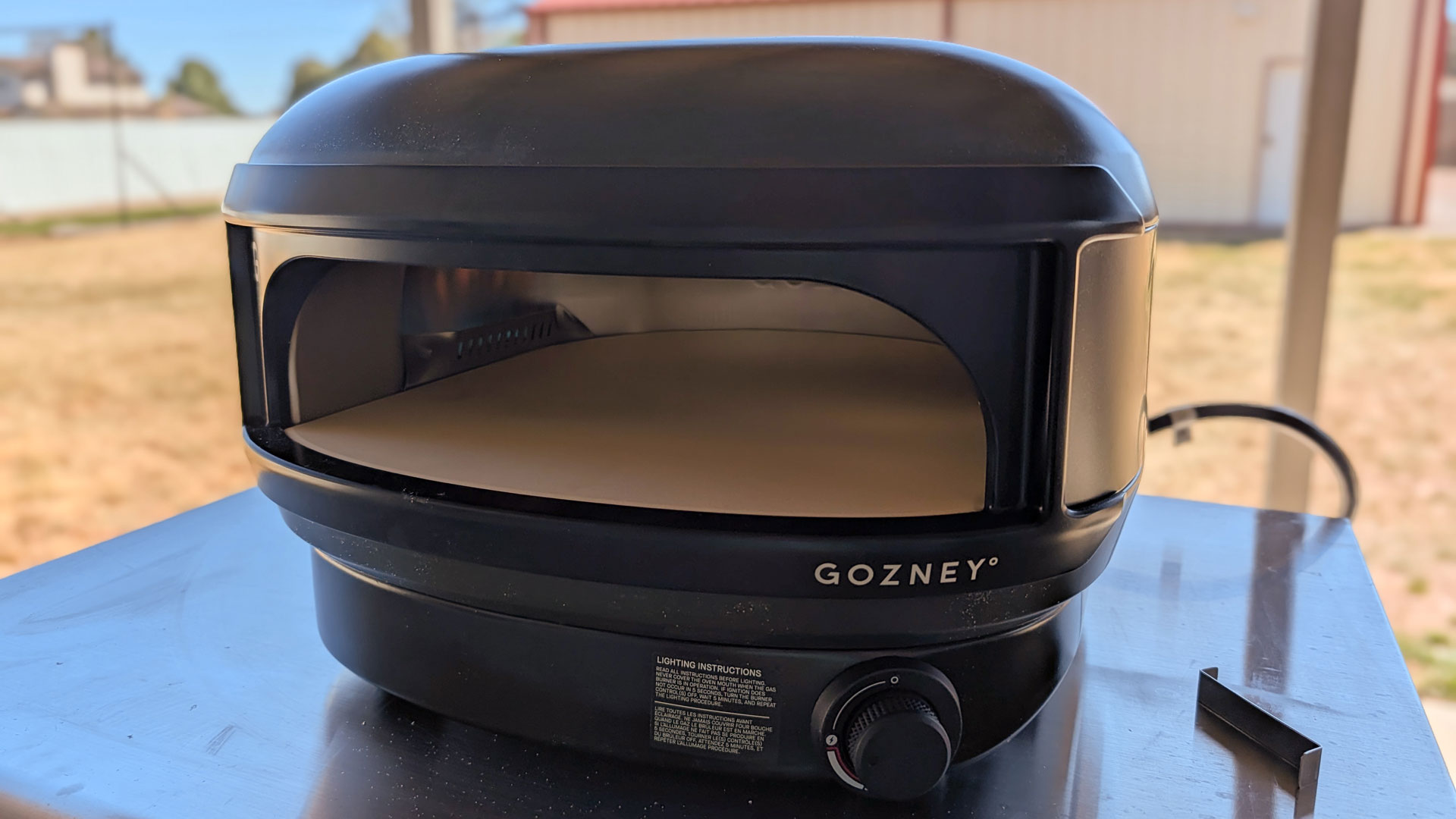
As with everything else worth doing in life, it takes practice to get to the point where you have the confidence and skill that nothing will go terribly wrong. But it also helps to have the right equipment, and after using Gozney’s latest pizza oven, the $399 Arc Lite, I can confidently say it’s the best pizza oven for beginners.
Over the last few weeks, I’ve used the Arc Lite to make over a dozen pizzas at home, and even baked a loaf of focaccia bread.
Sign up for breaking news, reviews, opinion, top tech deals, and more.
Advertisement
From unboxing to pizza in 30 minutes
(Image credit: Jason Cipriani)
The initial unboxing and setup experience for the Arc Lite is as straightforward as it gets. There’s no fancy electronics or gadgets you need to worry about. After removing everything from the box, you slide the 12mm thick cordierite stone into the Arc Lite, put the flame guard in its place, connect a propane tank, and you’re ready to go.
Oh, I almost forgot there’s a weirdly shaped piece of metal that you use to ensure the stone is pulled all the way to the front of the oven. But it’s not a stretch to say it takes all of five minutes to go from a pizza oven in a box to a pizza oven on a table, ready to light.
(Image credit: Jason Cipriani)
Ignition is handled by a single knob, which triggers the igniter as you rotate it. You’ll feel and hear a click as you turn the knob, followed by a gentle rolling flame that — as its name implies — arcs over the roof of the oven. You don’t have to fuss with batteries for electric igniters like higher-end ovens have. Just turn, and it’s lit.
There are blue and red markings next to the knob, which are crude indicators of a temperature range. Truly, the best way to monitor the oven’s temperature is to get an infrared thermometer.
Fully assembled, the oven weighs just over 26 pounds and measures 16.9 x 28.9 x 11.7 inches, with an internal size of 12.8 x 14 x 5.9 inches. Its overall size makes it extremely portable and easy to pack up to take to the park for a picnic, or to put into storage after you’re done cooking dinner (and it’s properly cooled down). It’ll handle pizzas up to 12 inches in size.
(Image credit: Jason Cipriani)
After assembly, all you have to do is turn it on and let it get to temperature, saturating the stone with heat at a full flame. It takes right at 20 minutes in my testing to go from cold to ready for pizza.
Giving yourself a 5-minute buffer, all told, you’ll be ready to start making pizza within 30 minutes of cracking open the Arc Lite’s box.
Advertisement
Bigger pizza ovens like the Gozney Dome S1 or Ooni Koda 2 Max take anywhere from 40 minutes to an hour to preheat.
Taking the Arc Lite for a spin
(Image credit: Jason Cipriani)
I didn’t have dough ready on the same day the Arc Lite arrived, so I had to wait a couple of days before I was able to put it through its paces.
On the day of, I lit the oven before I started getting all of the toppings out for pizza night. I checked the stone’s temp after 15 minutes, and it was hovering right around 750 degrees — I gave it another five minutes to get closer to 800 degrees (my personal sweet spot), and it was ready to go.
Advertisement
Image 1 of 4
(Image credit: Jason Cipriani)
(Image credit: Jason Cipriani)
(Image credit: Jason Cipriani)
(Image credit: Jason Cipriani)
I launched the first pie, spun it around 180 degrees at the 30-second mark, with another spin every 15 seconds or so after that until the bottom had just the right amount of char, the crust was brown, and the cheese was bubbling. All told, it took 1 minute and 48 seconds to bake.
In about 30 minutes, I made a total of 6 pizzas. As I went on, I had to give the stone more time to reheat between each pizza. The bottoms of a few of the pizzas weren’t nearly as charred as I’d like.
At 12mm thick, the stone won’t retain heat like the thicker stones used in ovens like Gozney’s Dome S1 (which is also why they take so long to preheat).
Even though I can see why some will view that as a shortcoming of the Arc Lite, I see no issue with it. As an oven designed for beginners, odds are you’re going to take several minutes to shape and top the next pizza, which gives the stone plenty of time to get back to temp. Whereas someone who is hosting a big party or using it in a commercial setting is sure to get frustrated by its lack of heat retention.
Advertisement
Here’s how I really know it’s for beginners
(Image credit: Jason Cipriani)
Near the end of that same night, I didn’t feel up to making the last pizza. I was hungry and just wanted to eat. My 14-year-old son noticed there was one last dough ball and asked if he could make it. I somewhat reluctantly let him after I accepted the fact that the worst outcome would be a burnt pizza.
I watched him stretch, top, and launch the pizza into the oven. He started turning it, with a touch of reassurance, and eventually pulled the pizza out. He over-baked the top just a bit, but overall it was a success.
I attribute this to the fact that he’d watched me do it many times before, but also to the fact that the Arc Lite isn’t a large, intimidating oven. Its small stature and limited heat output didn’t scare him away, as other ovens had in the past.
Advertisement
For someone who’s currently debating whether or not they’ll use a pizza oven at home enough to justify their high price tag, the $399 Arc Lite offers an entry-level experience that doesn’t skimp on the overall experience. I hope, one day, you get to feel the rush that comes with making the perfect pizza at home. But be warned — it’s addicting!
And of course, you can also follow TechRadar on YouTube and TikTok for news, reviews, unboxings in video form, and get regular updates from us on WhatsApp too.
Skio, a 2020 Y Combinator alum that was founded by self-described college dropout Kennan Frost, has been acquired by competitor Recharge, the companies announced on Thursday.
Both Skio and Recharge make products that handle subscription payments for brands.
While the official press release did not disclose the terms of the deal, Frost (who had previously left the company), posted on X, LinkedIn, and Instagram that his startup walked with $105 million cash and had only raised $8 million from investors. That’s a healthy return by any measure.
Frost had not been running the company for about two years, according to a LinkedIn post by Skio’s current CEO, Aidan Thibodeaux, who began as the startup’s first COO. When he took over, he described a grind that involved no spend on marketing, ads, or a sales team. Instead, they focused spending exclusively on building the product. He and the founding CTO, Andrew Chen, made every sales call themselves, he wrote.
Frost’s story is even more stirring. In his Instagram post, he wrote that he solo-founded the startup after having a panic attack that caused him to leave his job as an engineer at Pinterest. COVID shut the world down two weeks later.
Frost got into YC and says in another post that he “completely failed during the batch,” until he pivoted to this subscription idea. In three years, he got the company to $10 million in ARR and, he says, profitable. Then another “team came together and turned this early traction into a real company,” he credits.
Techcrunch event
Advertisement
San Francisco, CA | October 13-15, 2026
His YC advisor, Gustaf Alströmer, confirmed the terms of the sale on X. Alströmer described how the founder struggled during his time at the accelerator but never gave up.
Advertisement
Being a founder is hard. Being a solo founder is much harder. Kennan did YC in S20 with Skio. Applied with one idea, pivoted during the batch, then pivoted again. Never gave up. The last pivot worked. Today Skio sold for $105M in cash. There are very few straight lines to… https://t.co/oFm5nYF10F
Frost says at the time of the sale the company was at $32 million ARR and had processed $4 billion in payments. He is now working on another startup he founded, Icon, which offers a product called AdMaker for generating ads and tracking ad campaigns.
Frost, Recharge, and Wittenborn could not be immediately reached for comment.
When you purchase through links in our articles, we may earn a small commission. This doesn’t affect our editorial independence.
If you haven’t seen the 1972 movie The Poseidon Adventure (it’s a classic, starring Gene Hackman, Shelley Winters, and Leslie Nielsen, among others!), perhaps you’ve seen the 2006 remake simply dubbed Poseidon, with Richard Dreyfuss and Kurt Russell. These movies tell the story of a cruise ship named after the Greek god of the sea, Poseidon, that is struck by a massive rogue wave and capsizes, turning completely upside down. Like most disaster movies, the premise is a bit unbelievable, but rogue waves exist, and scientists are finally gaining an understanding of how and why they form.
The legend of rogue waves has existed for centuries. Sailors would report monstrous waves that seemingly appeared out of nowhere. Despite the persistent stories, rogue waves weren’t scientifically measured until 1995, when an 80-foot wave in the North Sea hit the Draupner oil platform, wreaking havoc but ultimately becoming the first rogue wave ever measured in the open ocean. Myth became reality, but scientists still didn’t understand how these waves formed.
Satellite data was first used to study rogue waves in 2001 using the European Space Agency’s ERS-2 satellite. Since then, there have been several studies internationally using satellites to better understand rogue waves and in late 2024, the Surface Water and Ocean Topography (SWOT) satellite captured waves measuring 65 feet to 115 feet. The data not only confirmed the existence of such massive waves but found that they can occur hundreds or even thousands of miles away from powerful storms. This data, along with other studies, has given scientists a better understanding of rogue waves than ever before.
Advertisement
Additional studies and the chances of a rogue wave
Nancy Pauwels/Shutterstock
Satellite data proved the existence of rogue waves, but we actually know much more. After the rogue wave hit the Draupner oil platform, Francesco Fedele, an associate professor at Georgia Tech’s School of Civil and Environmental Engineering, led an international team on an 18-year study of wave records in the North Sea. The team analyzed 27,500 wave records, and each record contained 30 minutes of wave activity, including how high the waves were, the frequency of waves, and their direction.
This research found that large waves typically occur in one of two ways: waves traveling at different speeds and different directions align and combine to form a much taller wave. This is called linear focusing. There’s also a second, natural process that stretches the shape of the wave to make it steep and tall but flattening the trough (the lowest point of the wave) which increases its height by up to 20%. Ultimately, Fedele hopes this research will help scientists predict when a rogue wave will happen.
Advertisement
The data has proven this old sailor’s myth, but you shouldn’t be worried about a rogue wave hitting your cruise ship — though it happens from time to time. In 1995, Cunard’s Queen Elizabeth 2 encountered an estimated 92-foot wave, but was able to steer into it, and no one was injured. Data has found they are much more common than previously thought, though the National Oceanic and Atmospheric Administration still calls them “uncommon.” Still, the likelihood that one would hit your cruise ship is low, and modern sailors know there are some parts of the ocean they should simply avoid.
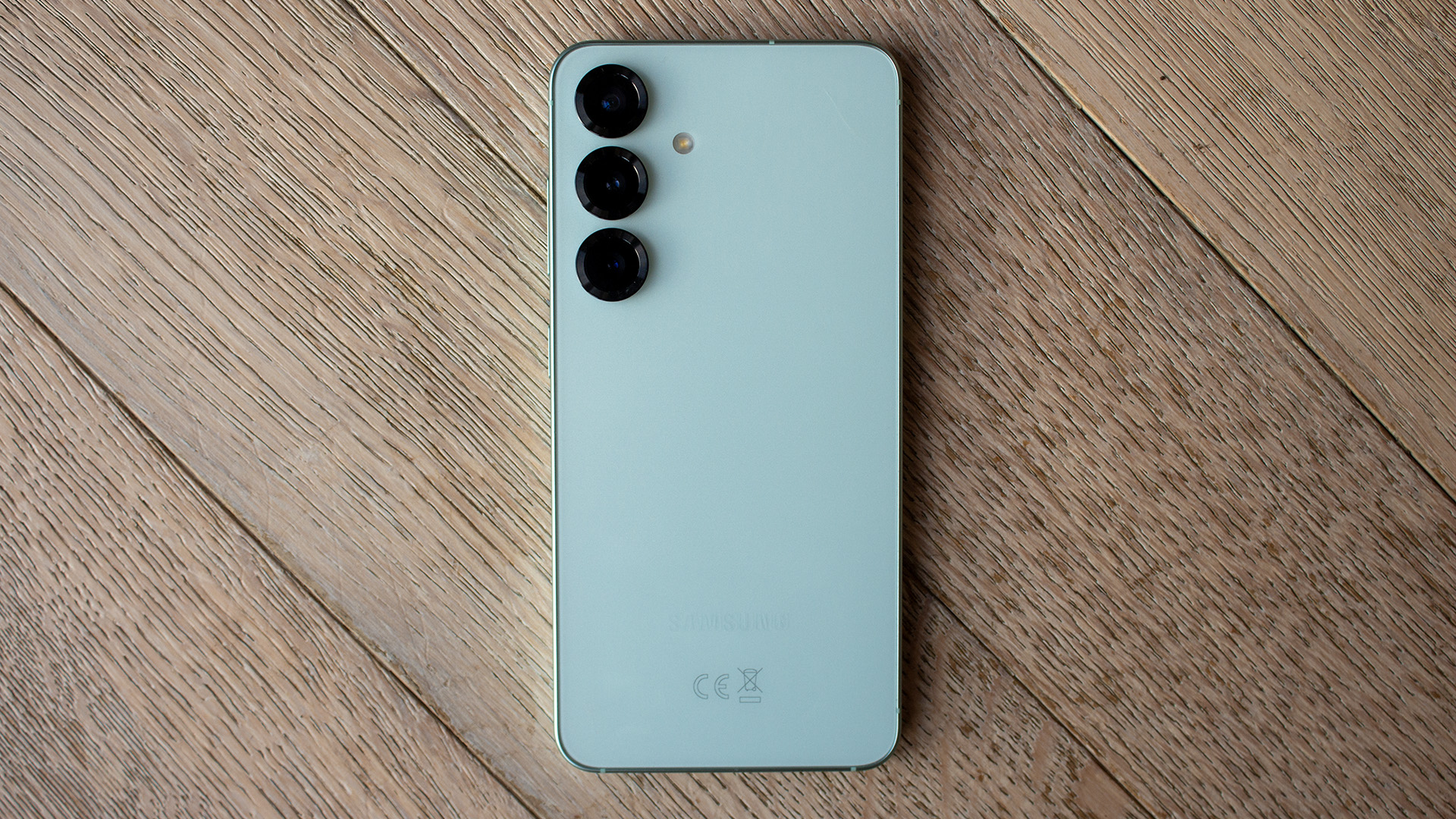
Samsung’s latest software update might be doing more harm than good for some Galaxy users.
Following the April 2026 security update, owners of the Galaxy S25 and Galaxy S24 are reporting serious battery drain and overheating issues. Complaints are quickly piling up across forums and Reddit.
The issue appears to have started shortly after the update began rolling out earlier this month. Since then, users say battery life has dropped off a cliff. In some cases, it has dropped dramatically. One Galaxy S25 owner claims their phone is dying in just a couple of hours, while another Galaxy S24 user says their device now lasts under three hours and takes significantly longer to recharge.
It’s not just isolated cases either. Threads across Samsung’s community forums, and echoed on Reddit, paint a consistent picture. Users have described their battery performance as “trash” over the past few weeks. One says they’re now regularly hitting 20% by the time they get home, something that “never used to happen.” Others have simply said: “So it’s not just me.”
Advertisement
Digging into battery stats, some users believe they’ve found the culprit: Knox Matrix. The built-in security system detects threats and protects connected devices. However, it appears to be running constantly in the background and putting heavy strain on the CPU. Screenshots shared online show it consuming an unusually high amount of power compared to other system processes.
Advertisement
That could explain both the battery drain and the overheating reports. Knox Matrix is deeply integrated into Samsung’s ecosystem, so users cannot simply remove or disable it like a regular app. This makes this a trickier issue to work around.
So far, Samsung hasn’t officially acknowledged the problem. However, moderators on the company’s forums are advising affected users to visit service centres so technicians can investigate further. It’s also worth noting that the issue does not appear to affect every device, suggesting this could be a bug affecting certain configurations rather than a universal issue.
Advertisement
For now, if your Galaxy S25 or S24 has suddenly started burning through battery after the latest update, you’re definitely not alone. Also, it might not be something you can fix on your own just yet.
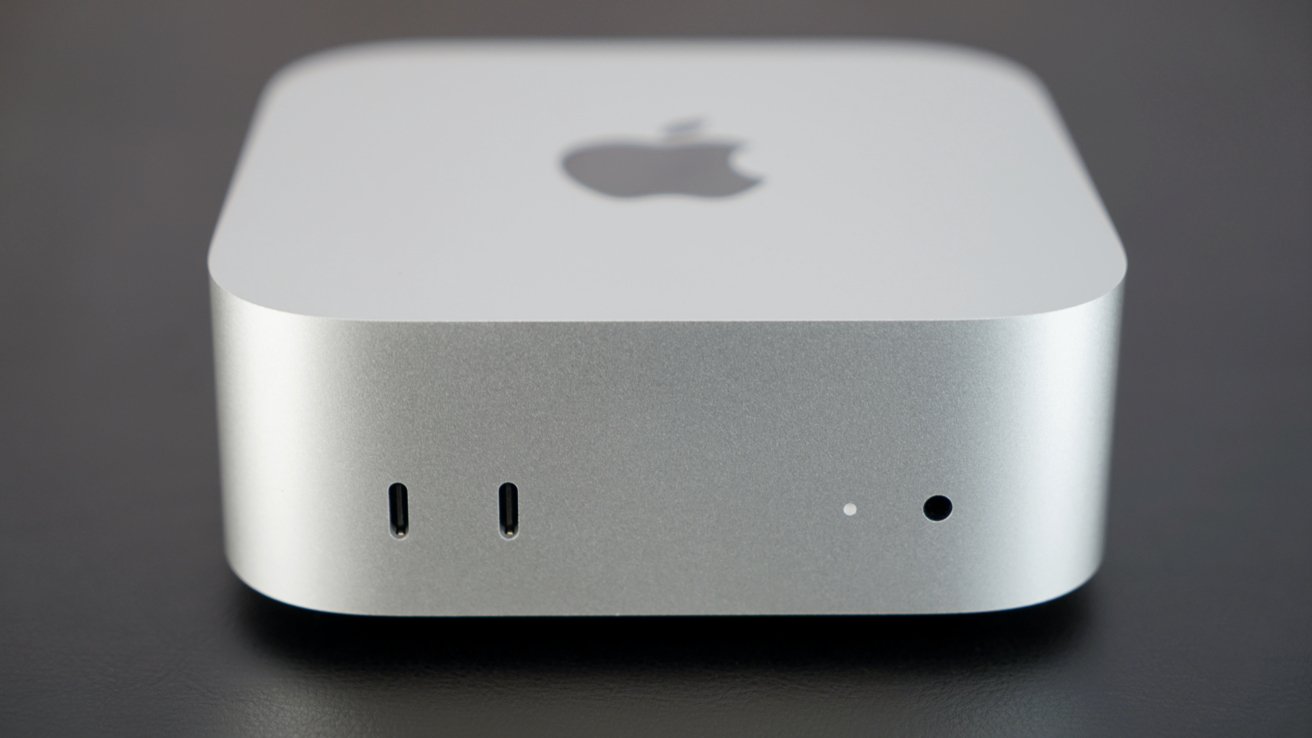
Apple CEO Tim Cook is thrilled at how well the new Mac lineup is doing, but that isn’t good news for anyone looking to score a Mac mini.
Apple’s had a great quarter as far as Mac is concerned. And not just with returning Apple fans, but new to Mac users, too.
On Thursday, ahead of the April quarterly earnings call, Cook told CNBC:
“We could not be happier with the enthusiasm that we’ve seen do the most advanced Mac lineup in our history… we saw huge excitement for MacBook Neo, which opens up the Mac experience to a whole new range of customers.”
Advertisement
The MacBook Neo, introduced in early March, is Apple’s most budget-friendly MacBook offering, coming in at $599. While critics have balked at the use of the A18 Pro chip, as it’s a “mobile chip,” Apple’s right, there is a market for it.
In fact, Cook even said that Mac had its best launch week ever for first-time Mac customers. The high demand for Apple’s “Little Laptop that Could” greatly contributed to it.
However, that demand is a double-edged sword. While no company wants to see a sales slump, it doesn’t necessarily mean that “more is more,” when it comes to moving products, either.
Demand for certain products, specifically the M4 Mac mini, is at an all-time high. So high, in fact, that you can’t get one.
Advertisement
“Huge demand,” Cook said of the Mac mini. “So big a demand that we can’t fulfill it all. We had supply constraints during the quarter. We still have supply constraints, and we’ll likely have them for several months.”
This is largely because Apple’s pint-sized desktop has become a fan favorite for running local AI models and tools. And it’s not just Apple that’s seeing shortages, either: third-party sellers can’t keep them in stock, leaving marked-up models on eBay as the only option in most cases.
In addition to Mac mini shortages, some models of the Mac Studio are also completely out. While it’s still possible to get “lower end” models if you’re willing to wait up to twelve weeks, higher end models are also listed as “unavailable.”
Apple’s ability to prevent memory prices from increasing the cost of iPhones and other products won’t last forever. Tim Cook has warned that it’s only going to get harder to do so.
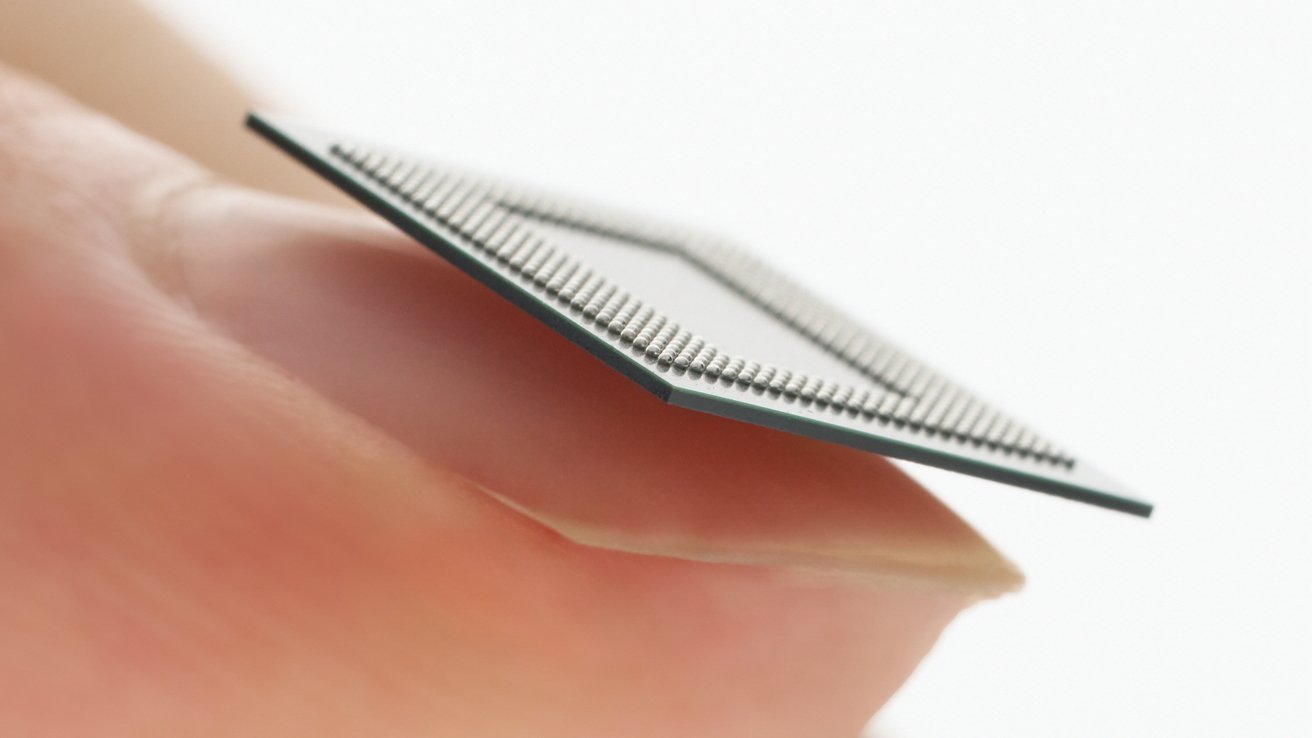
The consumer tech industry is struggling to deal with the cost of memory, with supplies choked by the extreme demand of AI infrastructure build-outs. While Apple has managed to stop the cost impacting the price of its products so far, even it has its limits.
Asked on the analyst conference call following its Q2 financial results release, incumbent CEO Tim Cook has revealed that pricing has affected the company’s bottom line.
The December quarter had a minimal impact due to memory pricing, Cook said, warning at the time that it would be more of a concern in the March quarter. Apple did see a bigger impact in that March quarter, but Apple managed to offset the cost by carry-in inventory.
Advertisement
With the issue not going to die down anytime soon, Cook added an extra warning that there will be a significant memory cost effect in the June quarter. However, even that will benefit from carry-in inventory offsetting the cost.
Beyond the June quarter will be a problem, with Cook warning of a further increase in impact. It’s unknown what will happen at that time, but there’s only so much inventory available to insulate the company from dealing with them.
Cook concluded that Apple is continuing to evaluate the situation, and it has a range of options available to it.
When Apple released its latest smartwatches late last year, I was convinced that the Apple Watch SE 3 was the better buy for most users because it offered excellent value. I still stand by that, but hear me out: when the Series 11 is heavily discounted, I would recommend it over the SE 3, even if the latter was also on sale.
As I said, the price difference is still significant, but the additional features you get with the Series 11 makes it the better-value option for iPhone users right now.
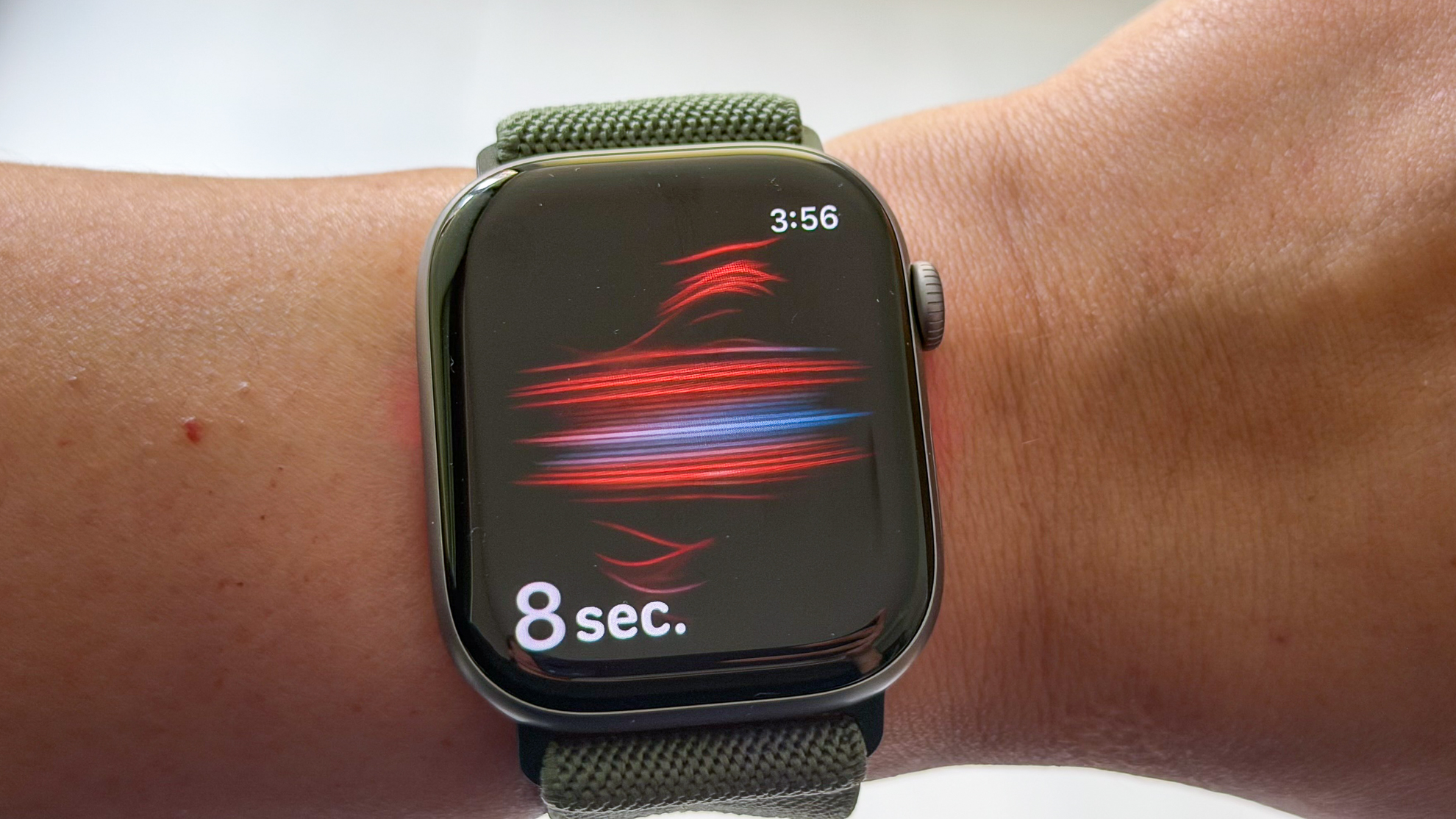
The other health features you’ll get with the Series 11 that the SE 3 misses out on are blood oxygen monitoring, sleep apnoea detection and irregular heart rhythm notifications (aka the ECG feature).
Another minor addition the Series 11 gets you is 5G connectivity if you opt for the LTE version (which is also discounted by up to 21% off). This really shouldn’t be that big a deal though as smartwatches don’t need super-fast connectivity and, in any case, 5G support on smartwatches is something telcos still don’t offer in Australia, but Apple is working towards that.
My Apple Watch 11 taking a blood oxygen reading (Image credit: Sharmishta Sarkar / TechRadar)
Alongside all that, it offers everything you need to encourage you to exercise more, tracking a wide variety of activities that, I admit, even the SE 3 will do, but the battery life on the Series 11 exceeds the SE 3’s by 25%, which you can stretch even further by using the Low Power mode.
Advertisement
Our Apple Watch Series 11 review gave it a very respectable four stars out of five, calling it “a mainline Apple Watch that can go the distance.” While it offers “no major performance gains year over year,” it provides a “bigger battery” and a “more durable display that’s still vibrant and rich.” This bigger display now makes it a lot easier to use the Messages app on the Apple Watch. I personally wear the 46mm version and handwriting a message on the screen is so much easier now.
Moreover, watchOS 26 gives it a fresh feel that truly highlights its health features, especially the new Sleep Score functionality. All this makes it the best smartwatch for iPhone and quite unbeatable at this price.
If you don’t have any heart health issues, then the SE 3 will suit you just fine, but if you need a reliable health monitor, I think the Apple Watch 11 is the much better option.






















































You must be logged in to post a comment Login