
Business
Struggling High Streets fuel sense of neglect for voters ahead of local elections



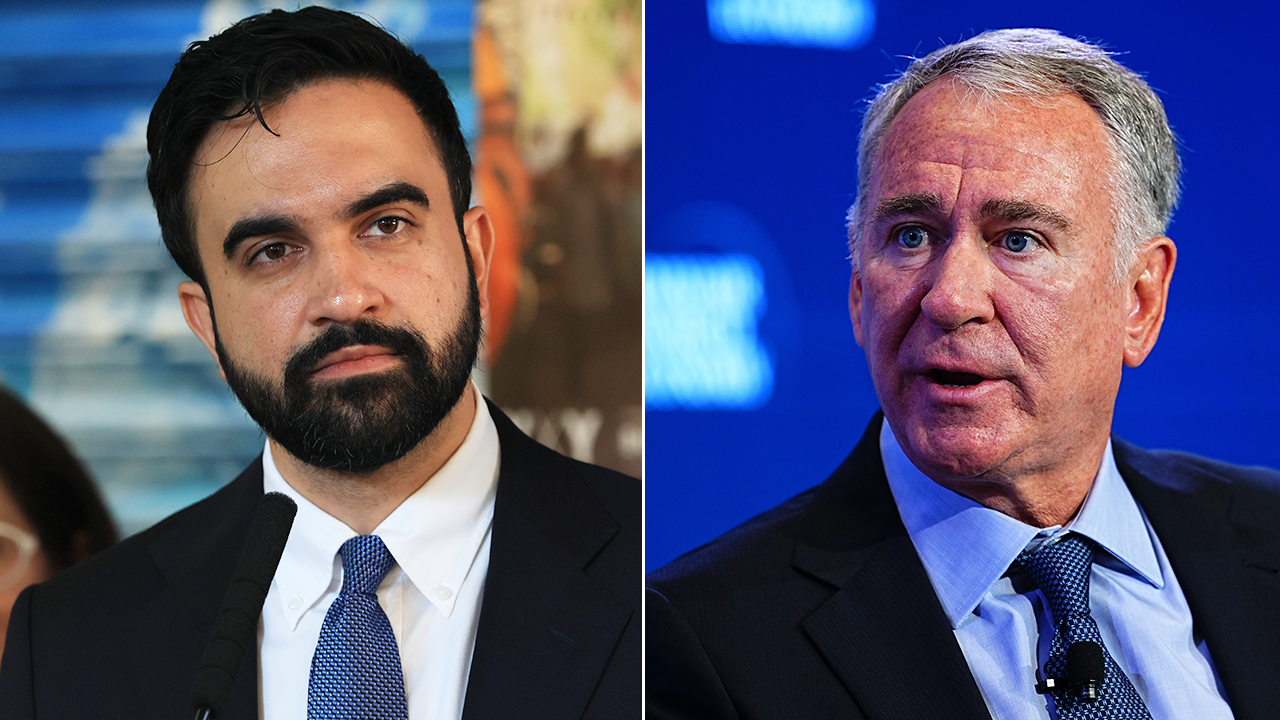
New York City Mayor Mayor Zohran Mamdani spotlighted Citadel CEO Ken Griffin’s Manhattan penthouse in a viral video announcing a new pied-à-terre tax. (Credit: Norges Bank Investment Management)
New York City Mayor Zohran Mamdani built his political agenda by taking aim at billionaires. Now he’s praising one for backing the police.
Last week, Mamdani publicly thanked Citadel billionaire Ken Griffin for supporting police funding, a moment that flew somewhat under the radar but offered a glimpse into a more complicated dynamic between the hedge fund king and the socialist mayor.
NYC MAYOR CITES $180K RACIAL WEALTH GAP TO JUSTIFY TAXES, POLICE CUTS

New York City Mayor Zohran Mamdani has previously criticized billionaires, including Ken Griffin, whom he recently thanked for supporting police. (Spencer Platt/Getty Images / Getty Images)
“I want to thank everyone who is here with us in the Hall of Heroes today, with special thanks to Police Commissioner [Jessica] Tisch and NYPD leadership,” Mamdani said at One Police Plaza, speaking before department brass and families of slain officers.
“I also want to thank Ken Griffin for funding a memorial wall that will open later this year,” he added.
The acknowledgment came just days after a public spat between the two, sparked by Mamdani’s viral April 15 video promoting a proposed tax on second homes worth more than $5 million. Filmed outside Griffin’s 24,000-square-foot Central Park South penthouse—purchased for a record $238 million—the video singled out Griffin by name.
FROM FREE BUSES TO CITY-OWNED GROCERY STORES, HERE ARE MAMDANI’S KEY ECONOMIC PROMISES
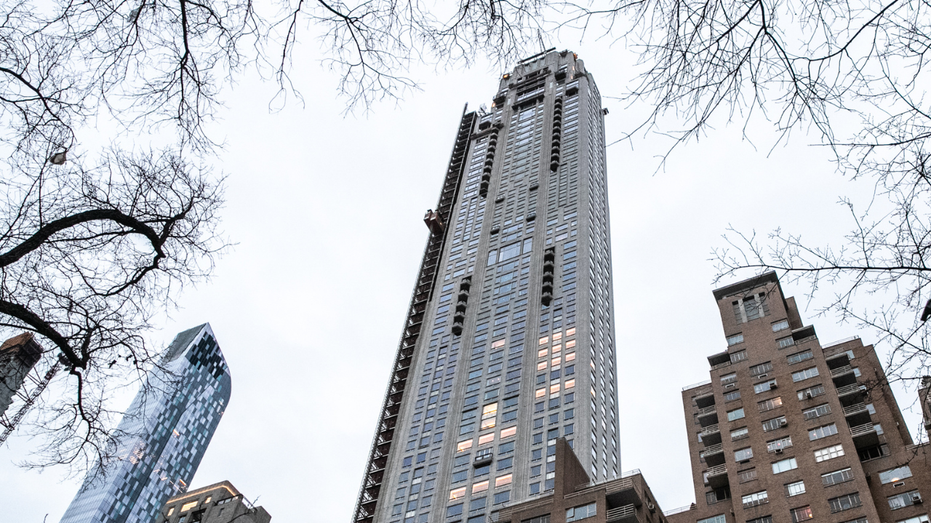
Citadel CEO Ken Griffin purchased the penthouse property at 220 Central Park South in 2019 for roughly $238 million. (Jeenah Moon/Bloomberg/Getty Images / Getty Images)
“This is an annual fee on luxury properties worth more than $5 million, whose owners do not live full-time in the city. Like for this penthouse, which hedge fund CEO Ken Griffin bought for $238 million,” Mamdani said in the clip.
Griffin sharply criticized the move, calling it a “personal attack” and a “profound lack of judgment” during remarks at the Norges Bank Investment Management 2026 Investment Conference in Oslo, where he questioned what he described as the “demonizing” of business leaders.
The clash underscores a widening divide between progressive ambitions for the city and the financial sector that has long powered its economy.
GET FOX BUSINESS ON THE GO BY CLICKING HERE
Following the episode, Griffin, who primarily resides in Florida, signaled he could reconsider a major Midtown Manhattan development, raising the stakes of the clash.
For Griffin, the donation fits a broader pattern of backing law enforcement efforts in major cities; for Mamdani, the acknowledgment may signal a willingness to shore up funding for public safety.
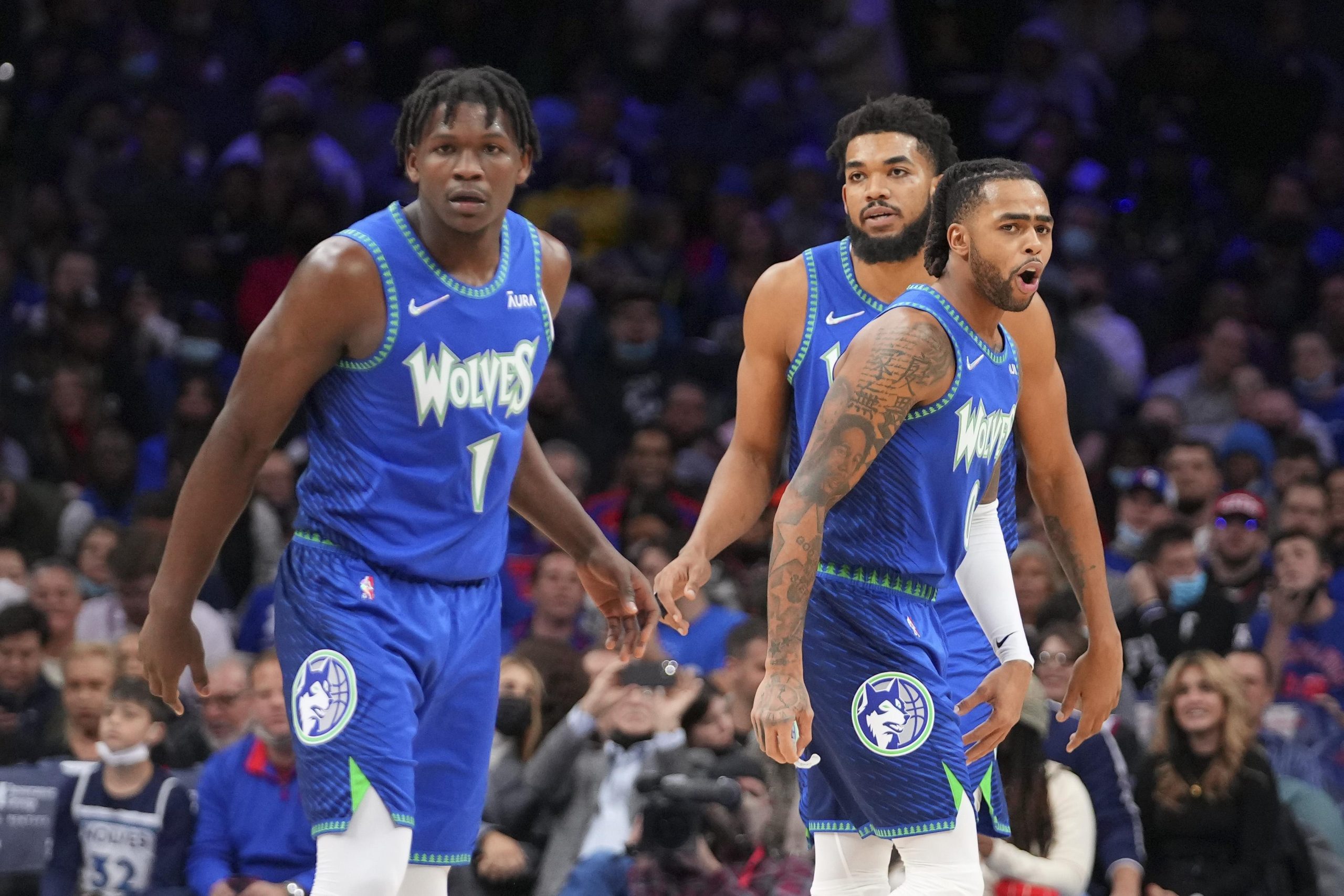
MINNEAPOLIS — Minnesota Timberwolves superstar Anthony Edwards remains week to week with a bone bruise and hyperextension in his left knee, a diagnosis that has the Western Conference contenders navigating the early stages of their second-round playoff series against the San Antonio Spurs without their dynamic leading scorer as they await his potential return. The 24-year-old All-Star avoided serious structural damage after suffering the injury in Game 4 of Minnesota’s first-round series against the Denver Nuggets, providing relief to a franchise hoping for a deep postseason run.
Edwards went down in the second quarter of Minnesota’s Game 4 victory over Denver on April 26 after landing awkwardly while contesting a shot. He immediately grabbed his left knee and was helped to the locker room. An MRI the following day confirmed a bone bruise and hyperextension with no ligament tears, a significant positive in what could have been a season-altering injury for the Timberwolves’ franchise player. Head coach Chris Finch described Edwards as still “week to week” in recent comments, offering no firm timeline for his return.
The injury has forced Minnesota to adjust without its leading scorer, who averaged nearly 29 points per game during the regular season. Edwards missed the remainder of the Nuggets series and is expected to sit out at least the start of the Spurs matchup, which tips off early in the week. NBA insider Shams Charania reported the injury requires a minimum two-week recovery, though Edwards’ reputation as a quick healer nicknamed “the Wolverine” leaves open the possibility of an earlier return, potentially by Game 3 or 4 of the second round.
Timberwolves fans and analysts breathed a collective sigh of relief when imaging ruled out ACL or other ligament damage. Bone bruises, while painful and limiting, typically heal with rest and rehabilitation, though they can cause lingering soreness and reduced explosiveness. Edwards has dealt with nagging lower-body issues throughout the 2025-26 season, including patellar tendinitis in his right knee, adding another layer of caution to his recovery protocol.
Finch and the Timberwolves’ medical staff are taking a conservative approach. The team has emphasized load management and gradual ramp-up once Edwards is cleared for on-court activity. Practice sessions have included light shooting for the star guard, but full-contact participation remains days or weeks away depending on how the knee responds. The organization has leaned on veterans and role players to fill the scoring void, with mixed results against Denver before closing out the series.
The timing could not be more critical for Minnesota. After advancing past the Nuggets, the Timberwolves now face Victor Wembanyama and a dangerous Spurs team in the Western Conference semifinals. Edwards’ absence places increased pressure on players like Julius Randle, Mike Conley and emerging contributors to step up offensively while the defense, already a team strength, carries a heavier load. Finch has praised the group’s resilience but acknowledged the challenge of replacing Edwards’ scoring punch and playmaking.
Medical experts note that bone bruises in athletes often require two to six weeks of recovery depending on severity and individual healing factors. Edwards’ youth and elite athleticism work in his favor, but rushing back risks further aggravation or compensatory injuries elsewhere. The Timberwolves have access to top sports medicine resources, including advanced rehabilitation techniques and monitoring technology to track swelling and strength metrics.
Edwards himself has remained positive in limited public comments, expressing confidence in his teammates and eagerness to return when cleared. His absence has highlighted the depth Minnesota built during the regular season, though the playoffs demand star-level production. The team’s ability to win without him in the closing games against Denver offers hope, but sustaining that level against San Antonio will test their limits.
Playoff history shows star injuries can swing series outcomes. Teams like the 2023 Nuggets proved resilient without key pieces at times, but consistent elite production usually proves decisive in later rounds. For Minnesota, the goal is to stay competitive early in the Spurs series while positioning Edwards for a impactful return if the series extends. Finch has not ruled out any specific game but stressed patience.
The broader NBA landscape watches closely. Edwards has emerged as one of the league’s most exciting young talents, blending scoring, athleticism and leadership. His health remains vital not only for Minnesota’s championship aspirations but for the league’s narrative heading deeper into the postseason. Speculation about his return will dominate discussions until he steps back on the court.
Rehabilitation updates will come frequently as the series progresses. The Timberwolves plan to provide daily availability reports while shielding specifics of Edwards’ treatment. Fans can expect cautious optimism from the organization, balancing the desire for his presence with the long-term health of their cornerstone player.
As the Western Conference semifinals begin, the Timberwolves face a pivotal test. Edwards’ knee injury, while not season-ending, forces strategic adjustments and tests team depth at the worst possible time. His potential mid-series return could shift momentum, but Minnesota must first prove it can compete without its star. The coming weeks will reveal much about the franchise’s resilience and Edwards’ recovery timeline.

NEW YORK — Sony is preparing to unveil the Xperia 1 VIII in May 2026, with global availability expected in June, continuing its tradition of premium flagship smartphones that prioritize photography, display quality and unique features like the 3.5mm headphone jack. The device, spotted in regulatory filings earlier than anticipated, promises a significant redesign including a new square camera island and upgraded hardware under the hood.

Leaked CAD renders and FCC documentation suggest the Xperia 1 VIII will measure approximately 161.9 x 74.4 x 8.58 mm, slightly wider and thicker than its predecessor to accommodate larger camera sensors. The most noticeable change is the shift from Sony’s signature vertical camera strip to a centralized square module housing a triple 48-megapixel system, potentially including larger sensors for improved low-light performance and zoom capabilities. This mainstream-inspired rear design marks a departure after years of the tall, slim aesthetic.
The front retains the brand’s hallmark symmetrical bezels and flat 6.5-inch 4K OLED display with 120Hz LTPO refresh rate, appealing to enthusiasts who value cinematic aspect ratios and precise color accuracy. Sony has long positioned its Xperia 1 series as tools for content creators and photographers, and the VIII appears poised to build on that reputation with Gorilla Glass Victus 2 protection and refined ergonomics.
Powering the device is expected to be Qualcomm’s Snapdragon 8 Elite chipset, paired with up to 12GB or more of LPDDR5X RAM and UFS 4.0 storage options starting at 256GB. Battery capacity is rumored to see an increase, addressing past criticisms of Xperia flagships while maintaining the slim profile. Wireless charging support and Wi-Fi 7 connectivity are also anticipated based on certification documents.
Sony’s commitment to the 3.5mm headphone jack remains intact, a rare feature in modern flagships that delights audiophiles. The Walkman-branded audio components are likely to return with further enhancements. IP65/68 water and dust resistance should carry over, ensuring durability for users who take their devices into challenging environments.
Pricing is expected to start around $1,200 to $1,400 depending on configuration and region, positioning it as a premium alternative to Galaxy S and iPhone flagships. Sony has struggled with market share in recent years but maintains a dedicated following among photography enthusiasts and those seeking distinctive Android experiences. The Xperia 1 VIII could help the company regain momentum if marketing and availability improve globally.
Industry analysts note Sony’s iterative approach has sometimes limited broader appeal, but consistent hardware excellence in cameras and displays keeps the line relevant. The square camera module may help the phone stand out less awkwardly in photos while allowing better sensor integration. Early renders show a clean, professional look that could attract more mainstream buyers.
The May announcement timeline aligns with Sony’s recent pattern, potentially coming slightly earlier than the Xperia 1 VII’s debut. This accelerated schedule, hinted at by regulatory filings, could give Sony a head start in the competitive summer buying season. Global rollout in June would follow standard practice for the series.
Camera upgrades are a major focus. Rumors point to triple 48MP sensors with improved processing, larger telephoto optics and advanced computational photography features. Sony’s partnership with Zeiss continues to deliver premium optics, and AI enhancements for video and stills are expected to compete with top rivals. The 50MP selfie camera mentioned in some leaks would represent a significant upgrade.
Software support remains a strong point for Sony flagships. The Xperia 1 VIII is expected to launch with the latest Android version and receive multiple years of OS and security updates. Customization options through the Xperia app suite will appeal to power users who fine-tune their devices for photography, gaming or productivity.
Challenges for Sony include competition from Samsung, Google and Chinese brands offering innovative foldables and aggressive pricing. The Xperia 1 line’s niche appeal has limited volume, but loyal customers appreciate the no-compromise approach to hardware. Improved distribution and marketing partnerships could broaden its reach in 2026.
Early excitement in tech communities centers on the redesign and camera potential. Concept renders circulating online have generated buzz, with many praising the shift away from the tall camera bar. Real-world testing will determine if the new module delivers meaningful improvements in image quality and ergonomics.
As the release approaches, more details on pricing, exact specs and availability in key markets like the United States and Europe are anticipated. Sony typically holds dedicated events for Xperia launches, showcasing creative use cases for professionals and enthusiasts. The Xperia 1 VIII could mark an important evolution for the series as smartphone innovation focuses on AI, durability and user experience.
Consumers interested in the device should watch for official confirmation in the coming weeks. Pre-order incentives and trade-in programs are likely as Sony aims to drive adoption. For fans of compact, high-performance phones with pro-level cameras, the Xperia 1 VIII represents a compelling option in a market dominated by larger, more conventional designs.
The smartphone industry continues evolving rapidly, but Sony’s commitment to its Xperia 1 formula provides a refreshing alternative. With the VIII, the company appears ready to blend tradition with modern expectations, potentially winning back some skeptics while delighting longtime supporters. May 2026 could bring the next chapter in premium Android innovation.

Merck: 'Strong Buy' – Terns Acquisition And Ability To Counter Keytruda Patent Loss
Business
Is Target App Down? Current Status and Outage Updates for May 2026 as Shoppers Report Issues
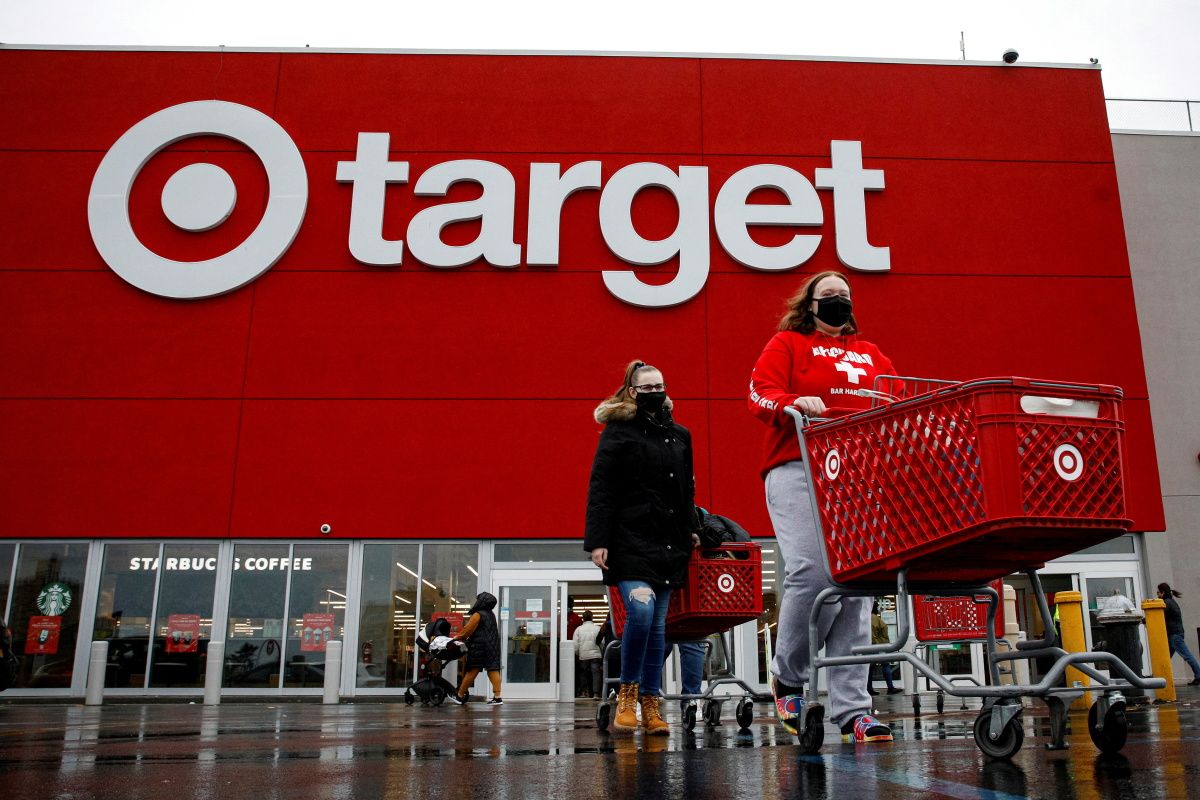
NEW YORK — Target’s mobile app and website are functioning normally for most users as of Sunday, May 3, 2026, though scattered reports of intermittent glitches have surfaced on social media and outage tracking sites, prompting questions about reliability during peak shopping periods. While no widespread outage has been confirmed by the retailer, customers experiencing loading errors, login problems or checkout failures are advised to try alternative access methods or contact support.
Downdetector and similar monitoring services show low-level activity for Target.com and the app, with only a small percentage of reports compared to normal traffic. The majority of recent complaints involve the mobile app, followed by website search and shipping functions. Target has not issued an official statement on any ongoing technical difficulties, suggesting isolated issues rather than a systemic failure.
This comes after previous notable disruptions. In April 2026, users reported app and site problems around April 1, with Downdetector registering spikes in complaints. Earlier holiday season outages in December 2025 affected order fulfillment and curbside pickup during high-demand periods, drawing significant attention and highlighting the retailer’s dependence on digital infrastructure.
Target operates one of the largest retail apps in the United States, offering features like same-day pickup, personalized recommendations and in-store navigation. Millions rely on it daily for convenience, making any downtime frustrating for shoppers. When issues arise, common workarounds include using the desktop site, clearing cache and data on mobile devices, or visiting physical stores. Target’s customer service lines and in-store associates remain available for assistance.
Retail technology experts note that apps from major chains like Target experience occasional hiccups due to high traffic, software updates or third-party integrations. Cyber threats and server maintenance can also contribute. Target invests heavily in its digital ecosystem, including robust cybersecurity and redundancy measures, but perfect uptime remains challenging in an always-connected retail environment.
For users checking status today, multiple independent sites confirm Target.com is reachable with normal response times. Minor regional or device-specific problems may still occur due to network issues or app version differences. Updating to the latest version of the Target app through the Apple App Store or Google Play often resolves temporary glitches. Restarting devices or switching between Wi-Fi and mobile data can help as well.
Target has not commented publicly on today’s reports, consistent with its approach to minor incidents. In past outages, the company has quickly acknowledged problems and provided estimated resolution times. Customers affected by order delays during any disruption typically receive communication via email with compensation offers such as discounts or expedited shipping.
The broader retail sector has seen increased digital reliance since the pandemic, with apps driving a significant portion of sales. Outages not only inconvenience shoppers but can impact revenue and brand perception. Target’s competitors, including Walmart and Amazon, face similar challenges, underscoring the need for resilient infrastructure across the industry.
Shoppers planning purchases are encouraged to use multiple channels. Physical Target stores continue normal operations regardless of app status, with associates able to assist with online orders, returns and product availability. Drive-up and Order Pickup services may experience delays during technical issues but usually resume quickly once resolved.
Tech support forums and Reddit communities like r/Target often provide real-time user experiences during potential outages. Recent threads show mixed reports, with some users encountering errors while others access the app without problems. This variability suggests localized or account-specific issues rather than a full platform failure.
Target’s commitment to digital innovation includes regular app updates with new features for loyalty members and seamless integration with RedCard payment options. The company’s focus on omnichannel retail means app performance directly affects overall customer satisfaction. When problems occur, swift resolution remains a priority to maintain trust.
As of late Sunday, no major outage is impacting Target’s services nationwide. Customers should monitor official channels or Downdetector for updates if experiencing difficulties. In the event of confirmed widespread problems, Target typically posts status updates on social media and its help pages. For urgent needs, visiting a store or calling guest services provides reliable alternatives.
Retail technology continues advancing, but occasional disruptions remind consumers of the complexities behind convenient shopping experiences. Target’s track record shows strong recovery from past incidents, with improvements often following significant events. Shoppers can expect continued investment in stability as digital sales grow.
For now, the Target app appears operational for the vast majority of users. Those facing issues are encouraged to try basic troubleshooting steps or reach out to support. As always, patience during technical hiccups helps ensure the best possible resolution for everyone involved.


Financial analyst by day and a seasoned investor by passion, I’ve been involved in the world of investing for over 15 years and honed my skills in analyzing lucrative opportunities within the market.I specialize in uncovering high quality dividend stocks and other assets that offer potential for long term-growth that pack a serious punch for bill-paying potential. I use myself as an example that with a solid base of classic dividend growth stocks, sprinkling in some Business Development Companies, REITs, and Closed End Funds can be a highly efficient way to boost your investment income while still capturing a total return that follows traditional index funds. I created a hybrid system between growth and income and manage to still capture a total return that is on par with the S&P.
Analyst’s Disclosure: I/we have no stock, option or similar derivative position in any of the companies mentioned, and no plans to initiate any such positions within the next 72 hours. I wrote this article myself, and it expresses my own opinions. I am not receiving compensation for it (other than from Seeking Alpha). I have no business relationship with any company whose stock is mentioned in this article.
Seeking Alpha’s Disclosure: Past performance is no guarantee of future results. No recommendation or advice is being given as to whether any investment is suitable for a particular investor. Any views or opinions expressed above may not reflect those of Seeking Alpha as a whole. Seeking Alpha is not a licensed securities dealer, broker or US investment adviser or investment bank. Our analysts are third party authors that include both professional investors and individual investors who may not be licensed or certified by any institute or regulatory body.

Amrita runs a boutique family office fund in beautiful Vancouver, where she leads the investment strategy for the family fund. The fund’s objective is to invest capital in sustainable, growth-driven companies that maximize shareholder equity by meeting their growth-oriented goals. In addition, she also started her own award-winning newsletter, The Pragmatic Optimist which focuses on portfolio strategy, valuation, and macroeconomics in concert with her husband Uttam Dey who is also a contributor on Seeking Alpha. Prior to cofounding her fund, Amrita worked for 5 years in high-growth supply-chain start-ups in downtown San Francisco, where she led strategy. During her time in the Bay Area, she also worked with venture capital firms and start-ups, where her efforts led her to grow the user acquisition business. During this time, she was introduced to investment portfolios and was able to maximize returns for clients during the pandemic. The cornerstone of Amritas work rests on democratizing financial literacy for everyone and breaking down financial jargon and complex macroeconomic concepts into formats that are easily digestible but more empowering than the typical investment thesis. Her newsletter has been featured as the Top Newsletter in Finance on popular newsletter platforms and she aims to bring her ideas to Seeking Alpha as well.
Analyst’s Disclosure: I/we have no stock, option or similar derivative position in any of the companies mentioned, and no plans to initiate any such positions within the next 72 hours. I wrote this article myself, and it expresses my own opinions. I am not receiving compensation for it (other than from Seeking Alpha). I have no business relationship with any company whose stock is mentioned in this article.
Seeking Alpha’s Disclosure: Past performance is no guarantee of future results. No recommendation or advice is being given as to whether any investment is suitable for a particular investor. Any views or opinions expressed above may not reflect those of Seeking Alpha as a whole. Seeking Alpha is not a licensed securities dealer, broker or US investment adviser or investment bank. Our analysts are third party authors that include both professional investors and individual investors who may not be licensed or certified by any institute or regulatory body.

AMD: Cooling My Rating, Not My Conviction
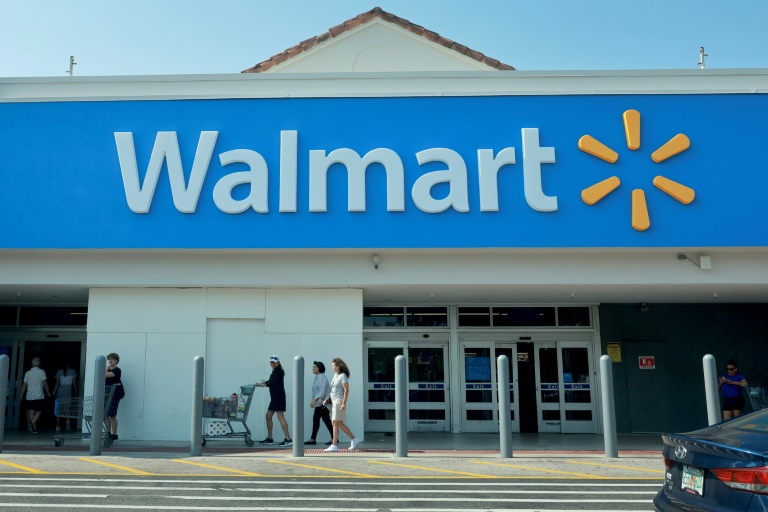
NEW YORK — Major retailers including Walmart, Dollar General and Costco are scaling back or rethinking self-checkout systems as surging theft rates, customer complaints and proposed legislation in multiple states force a broader industry shift back toward staffed registers. The move reflects growing frustration with “shrink” — industry term for inventory losses — that studies show can increase by up to 65 percent at self-service kiosks compared with traditional checkouts.
Dollar General took the most dramatic step in 2024, removing self-checkout entirely from its more than 12,000 stores nationwide to combat theft and improve customer experience. Walmart has eliminated self-checkout lanes in select high-shrink locations, including a South Philadelphia Supercenter, while planning remodels at hundreds of stores that prioritize hybrid or fully staffed options. Costco has introduced staff-assisted scanning in lines but stopped short of full removal.
The changes come as lawmakers in states including California, Connecticut, Massachusetts, New York, Ohio, Rhode Island and Washington consider bills that would limit self-checkout usage. Proposals range from requiring minimum staff-to-kiosk ratios and item caps — often 10 or 15 items — to mandating a balance between self-service and employee-operated lanes. None have passed yet, but the legislative momentum signals rising political pressure on retailers to address retail theft.
A 2026 Capital One Shopping Research study found that while 86 percent of consumers use self-checkout, more than 36 million Americans admit to stealing from the kiosks. Theft at self-checkout can be unintentional — missed scans or bagging errors — or deliberate. Either way, it contributes to billions in annual losses that retailers ultimately pass on to consumers through higher prices.
Walmart has cited customer feedback and a desire for more personalized service in its decisions to reduce self-checkout. The world’s largest retailer continues experimenting with automation but appears to be striking a balance after years of aggressive rollout. Remodels at more than 650 stores and plans for new locations emphasize improved checkout experiences. Similar trends appear at Target and other chains testing limits or hybrid models.
Retail experts point to several factors driving the shift. Self-checkout promised labor savings and faster lines but delivered unintended consequences. Theft has risen sharply in recent years, fueled by organized retail crime and opportunistic shoplifting. Technology limitations, such as imperfect item recognition, compound the problem. Customer frustration with malfunctioning kiosks or long bagging times has also grown.
Costco’s approach differs slightly. The membership warehouse club has rolled out staff members who scan entire carts before customers reach payment terminals, combining speed with oversight. While not eliminating self-checkout entirely, the system reduces opportunities for error or theft. Other retailers are exploring AI-powered scan-and-go technologies, such as those tested by Sam’s Club, to maintain convenience while adding security layers.
Proposed state laws reflect public and political concern over retail theft’s impact on communities and businesses. Bills aim to curb losses that force store closures or price increases, particularly in urban areas hit hardest by organized crime. Retail trade groups argue that overly restrictive rules could hurt efficiency and raise operating costs, potentially leading to fewer jobs or higher prices. A balanced approach focusing on technology improvements and enforcement may prove more effective.
The self-checkout boom began years ago as retailers sought to cut labor costs amid rising wages and post-pandemic staffing challenges. Early adoption brought convenience for shoppers and efficiency gains. Over time, however, data showed higher shrink rates and mixed customer satisfaction. Pandemic-era shifts accelerated installation, but the technology’s limitations became more apparent as theft surged.
Industry analysts expect more hybrid models going forward. Full removal like Dollar General’s may remain rare among larger chains, but reductions and technological upgrades will likely become standard. AI monitoring, better item recognition and integrated security cameras could mitigate risks while preserving convenience. Retailers must balance cost savings with loss prevention and customer experience.
For shoppers, the changes mean potentially longer lines but greater accuracy and security. Many consumers appreciate the human interaction at staffed registers, especially for complex transactions or when seeking assistance. Others prefer the speed of self-checkout for small purchases. Retailers are experimenting with tiered systems — self-checkout for quick trips and full service for larger hauls.
The shift also highlights broader retail challenges. E-commerce competition, inflation and changing consumer habits continue pressuring brick-and-mortar stores. Theft, whether organized or opportunistic, erodes margins and affects store viability in certain markets. Addressing it requires a combination of technology, staffing, legislation and community efforts.
As Walmart, Dollar General, Costco and others adjust strategies, the industry watches closely. Success in reducing shrink while maintaining customer satisfaction could set new standards for checkout experiences. Failure might accelerate calls for stricter regulations or further rollbacks. The coming months will reveal how effectively major retailers navigate this complex landscape.
For now, shoppers should expect evolving checkout options at their local stores. Checking apps or asking associates about available lanes can help avoid frustration. As retailers rethink self-checkout, the goal remains providing safe, efficient and pleasant shopping experiences in an era of heightened challenges.
Business
Stress in private credit could spark ’psychological contagion,’ Fed’s Barr tells Bloomberg News
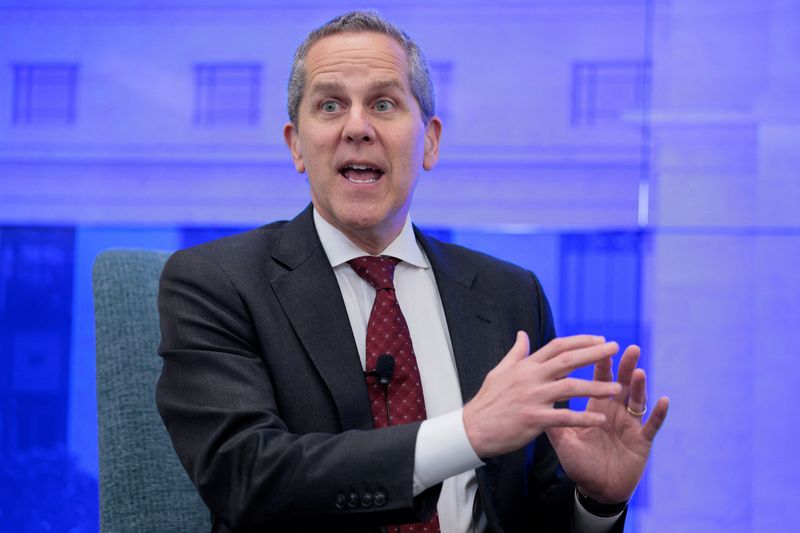

Stress in private credit could spark ’psychological contagion,’ Fed’s Barr tells Bloomberg News

Nick Cannon reveals ‘pathetic’ dating double standard over 15-year-old twins with Mariah Carey

Mamdani praises Ken Griffin for police support despite billionaire feud

Court Blocks Arbitrum DAO from Releasing $71 Million in Hacked Ethereum

Manchester United reach agreement with Casemiro over contract clause amid transfer speculation

US brings back mandatory military draft registration

Steven Gerrard disagrees with Gary Neville over ‘shock’ Chelsea and Arsenal claim | Football


-

 Tech6 days ago
Register Renaming | Hackaday
-

 Politics6 days ago
Drax board avoid their own AGM, accused of greenwashing & environmental racism
-

 Tech6 days ago
Why Blue Badges Disappeared From Toyota Hybrids
-

 Tech6 days ago
Images of Samsung’s rumored smart glasses have leaked
-
 Tech2 days ago
Trump’s 25% EU auto tariff breaches Turnberry Agreement that also covers semiconductors and digital trade
-

 Fashion5 days ago
Kylie Jenner’s KHY Enters a New Era with ‘Born in LA’
-

 Business5 days ago
Most Commercial Energy Audits Miss the Real Losses
-

 Crypto World5 days ago
CFTC’s AI will review U.S. crypto registration applications, chairman tells CoinDesk
-

 Business6 days ago
(VIDEO) Charlize Theron Climbs Times Square Billboard to Promote New Netflix Thriller ‘Apex’
-

 Business4 days ago
Barclay Brothers Avoid Bankruptcy: HSBC Drops High Court Petitions After IVA Deal
-
 Sports2 days ago
Paul Scholes issues Marcus Rashford reality check as agreement emerges over Man United star
-
 Business4 days ago
Tesla Officially Registers Elon Musk’s Stock: What Investors Need to Know
-
 Entertainment6 days ago
Alicia Keys Calls Out Music Industry ‘Boys Club’
-

 Tech5 days ago
Get Ready for More Brain-Scanning Consumer Gadgets
-

 Tech7 days ago
Dyson Vacuums And The Curse Of Cooked Capacitors
-
Crypto World5 days ago
Robinhood Phishing Scam Exploits Gmail Dot Feature to Bypass Security
-

 Entertainment6 days ago
Sister Wives: Janelle Posts New Scary Warning
-

 Crypto World5 days ago
Gmail Dot Trick Underpins Robinhood Phishing, Sending Real-Looking Emails
-

 Business7 days ago
AI-Driven App Creation at Your Fingertips
-

 Business3 days ago
Two Powerball Tickets Split $143 Million Jackpot in Indiana and Kansas
You must be logged in to post a comment Login