

Crypto World
April Employment Data and AMD (AMD) Earnings Take Center Stage This Week

TLDR
- Friday’s April employment report expected to show approximately 60,000 new positions created
- Key chip sector results from AMD and Arm Holdings to provide insight into AI momentum
- Major consumer brands like Disney, McDonald’s, and Marriott deliver quarterly updates
- Both S&P 500 and Nasdaq reached new all-time highs heading into the week
- Major technology companies have boosted AI investment plans to approximately $725 billion
Investors face a data-packed week as critical employment figures and a slate of high-profile earnings releases provide fresh insight into economic conditions and corporate performance.
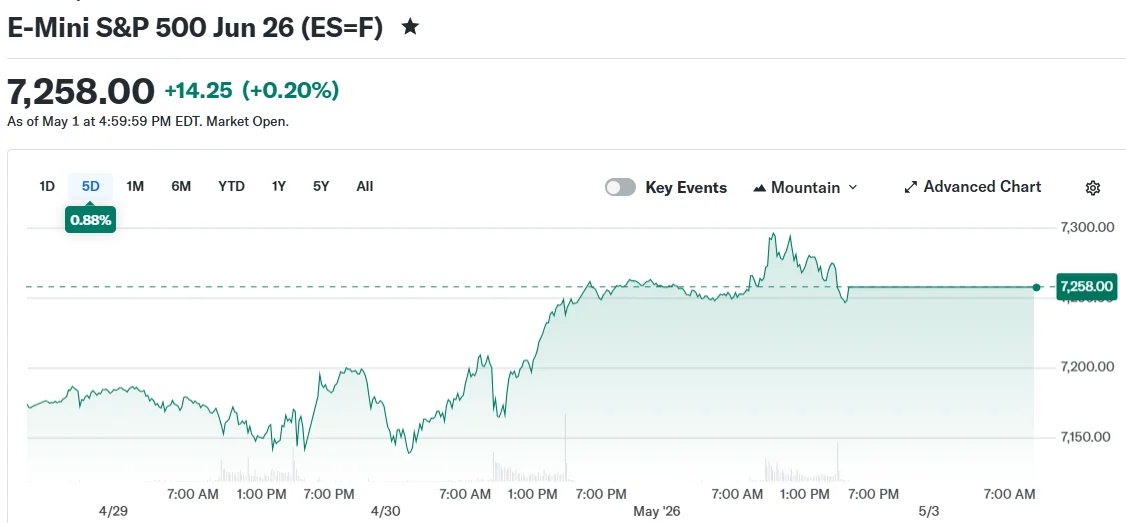
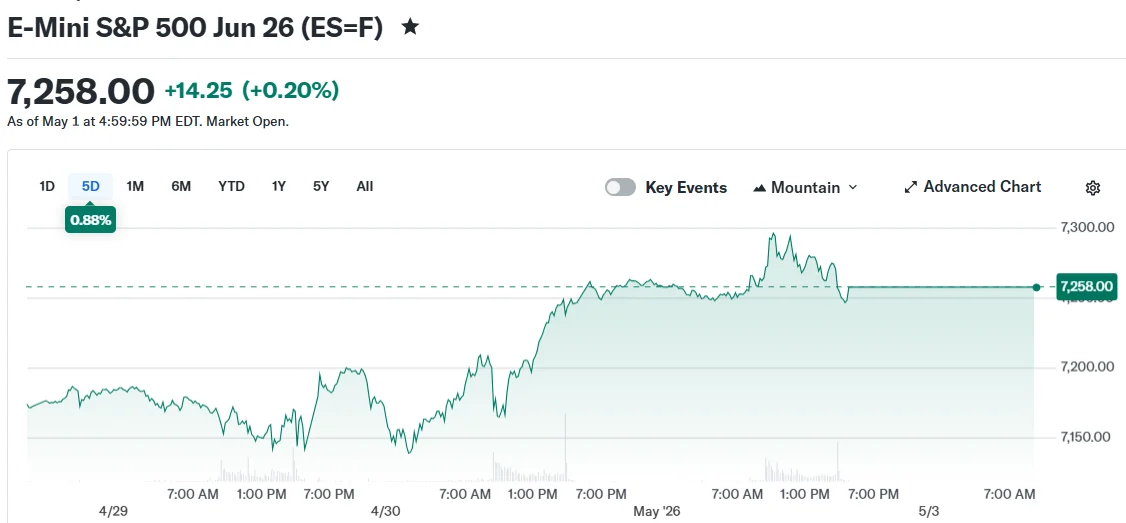
Both the S&P 500 and Nasdaq Composite achieved record closing levels on Friday. The S&P 500 advanced nearly 1% over the five-day period, while the Nasdaq climbed 1.1%. Despite Friday’s 0.3% decline, the Dow Jones managed a 0.5% weekly gain.
The previous week’s trading was heavily influenced by technology sector earnings. Among the Magnificent 7 group, five companies delivered quarterly results that generated positive investor sentiment. Microsoft, Amazon, Meta, and Alphabet collectively increased their artificial intelligence investment commitments from $670 billion to roughly $725 billion.
Market analysts note the overall earnings season remains robust. Companies continue delivering results that exceed Wall Street forecasts, while management commentary has proven more optimistic than anticipated considering current economic uncertainties.
April Employment Data Commands Attention
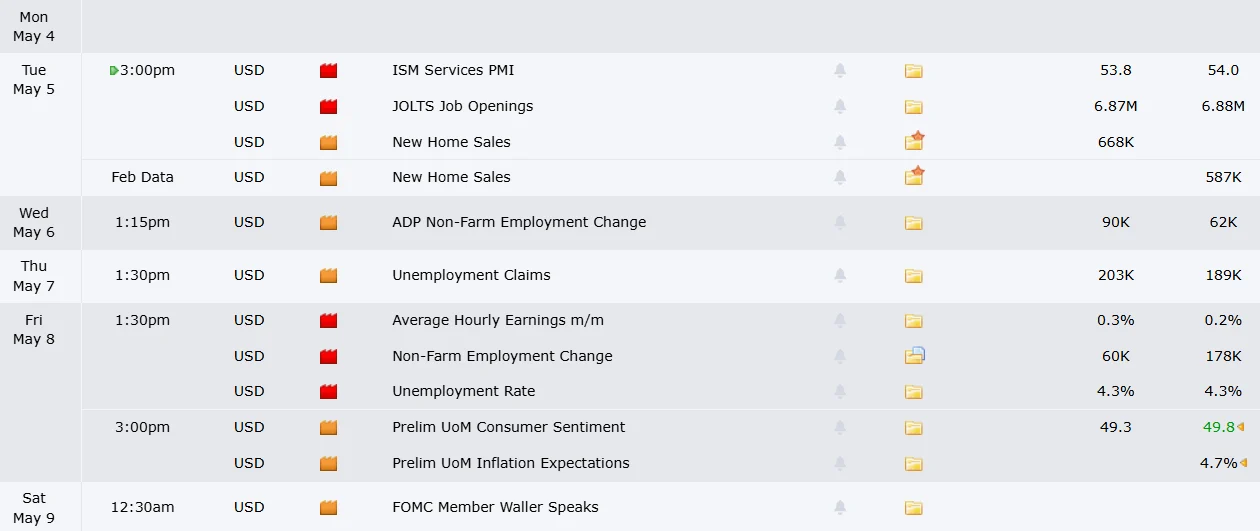
The most significant economic release arrives Friday with the April employment situation report. Current consensus forecasts point to approximately 60,000 new jobs, representing a substantial decline from March’s 178,000 additions.
Recent jobless claims data reached levels not seen since 1969, while ADP’s private sector employment tracking has indicated improving conditions. However, the employment landscape over the previous ten months has shown considerable volatility, making directional assessments challenging.
Federal Reserve policymakers are monitoring these developments carefully. The central bank continues evaluating its interest rate strategy while tracking labor market dynamics and energy market movements related to geopolitical tensions with Iran.
BNP Paribas economist Andrew Husby observes that industries with significant AI exposure have experienced slower workforce expansion rather than outright reductions. He characterizes this dynamic as “growing the labor pie with AI,” indicating that technological advancement is supplementing economic productivity instead of merely displacing human workers.
Ahead of Friday’s main release, additional labor market indicators arrive throughout the week: JOLTS job openings Tuesday, ADP private payroll figures Wednesday, and Challenger job reduction data Thursday.
Chip Sector Results Provide AI Investment Reality Check
April proved exceptional for semiconductor stocks, with the PHLX Semiconductor Index posting its strongest monthly performance since February 2000—surging over 40%. Advanced Micro Devices has soared 70% in the past month ahead of Tuesday’s earnings announcement. Arm Holdings gained 40%, while Lattice Semiconductor advanced 25%.
Lattice Semiconductor opens the semiconductor earnings parade Monday, followed by Advanced Micro Devices Tuesday, and Arm Holdings Wednesday. These reports will illuminate actual chip demand amid accelerating AI infrastructure investments.
AMD recently disclosed pricing adjustments and secured a significant partnership with Meta. Market watchers will scrutinize whether company guidance aligns with the optimistic spending signals from major technology platforms.
Interactive Brokers strategist Steve Sosnick acknowledged the sector’s substantial gains create downside risk, though he noted that sustained positive earnings beats would make short positions difficult to justify.
Consumer Company Results Gauge Spending Patterns
Beyond technology and semiconductors, consumer-focused company earnings will illuminate household spending behavior.
Walt Disney delivers results Wednesday, with attention centered on streaming subscriber trends and theme park attendance. Marriott reports Wednesday and Airbnb Thursday, as hospitality companies navigate elevated airfare costs and fuel prices. United Airlines has indicated travel demand remains healthy but anticipates pricing challenges during the year’s second half.
The quick-service restaurant sector also features prominently. Restaurant Brands, which operates Burger King and Popeyes, reports Wednesday. McDonald’s follows Thursday with Wendy’s concluding Friday. Lower-income consumers have reduced fast-food purchases recently, prompting investors to search for stabilization signals.
Palantir launches the earnings week Monday after market close, with Novo Nordisk and Uber scheduled for Wednesday.




Polymarket, the world's second-largest prediction market by trading volume, today completed the first institutional block trade ever executed on-chain in the prediction-market category — a six-figure transaction between prime broker FalconX and AI-risk clearinghouse AneraLabs that hedges exposure… Read the full story at The Defiant
Crypto World
US Treasury Adds Nobitex and Three Other Iranian Exchanges to OFAC SDN List Under 'Economic Fury'


The U.S. Treasury Department's Office of Foreign Assets Control added Nobitex, the largest cryptocurrency exchange in Iran, and three other Tehran-based digital-asset platforms — Wallex, Bitpin and Ramzinex — to its Specially Designated Nationals list on Tuesday, naming them as the rails the… Read the full story at The Defiant

On June 2, 2026, as Bitcoin (BTC) tumbled below $70,000, the total market capitalization of altcoins actually rose by $4 billion, according to crypto analyst Sykodelic.
That unusual divergence suggests that there could be a potential breaking point where smaller tokens may stop bleeding in response to BTC’s weakness, a pattern that in the past was seen right before there were broader market recoveries.
Altcoins Hold Ground as Bitcoin Falters
Bitcoin’s price action only got worse over the past 24 hours, when, after failing to hold above $73,000, it dropped to an intraday low near $72,500 before sliding further to under $68,000 on Tuesday, marking a nearly 6% daily decline.
The OG crypto is now down almost 11% for the week, according to CoinGecko, and risks falling back toward $65,000. Despite BTC’s poor form, altcoins told a different story.
“What we are observing here is an exhausted market in which alts are no longer responding to weakness,” wrote Sykodelic on X. “Bitcoin is actually being weaker than OTHERS.”
The analyst also noted that the total altcoin market cap went up by $4 billion on the day, while Bitcoin’s dominance dropped by 1%. As CryptoPotato reported yesterday, some tokens delivered sharp gains, including Humanity (H), which pumped by roughly 81%, LAB, which gained more than 52%, and Worldcoin (WLD), which added another 13% to its price and was trading at around $0.43 at the time of writing.
In their analysis, Sykodelic also pointed to the business cycle index sitting at 54.0, a level that is historically associated with expansion, and noted that the OTHERS.D chart had closed above its 200-day simple moving average.
He added that every time OTHERS.D reclaimed the 200 SMA, it jumped by at least 250%, which could offer traders a ray of hope, considering that the current setup, according to the market watcher, is quite similar to other bottoms in the past that preceded parabolic altcoin moves.
Liquidity Debate and Market Outlook
The current state of the market may temper Sykodelic’s optimism, with analysts comparing BTC’s performance to that of traditional equity markets, which have been soaring and hitting record highs while the king cryptocurrency faltered, leading to suggestions that most of crypto’s liquidity is flowing into stock markets.
But fellow market watcher CrediBULL Crypto has dismissed such suggestions, pointing out that the total market capitalization of all tokens outside the top 10 coins is less than $200 billion, which is roughly “1/350th of the S&P 500.”
He said there is hardly any liquidity flowing out of crypto, but there are hundreds of trillions of dollars in traditional markets that could potentially flow into BTC and alts.
The post Altcoins Gain $4B Despite Bitcoin Sell-Off, Analyst Sees Bullish Shift appeared first on CryptoPotato.
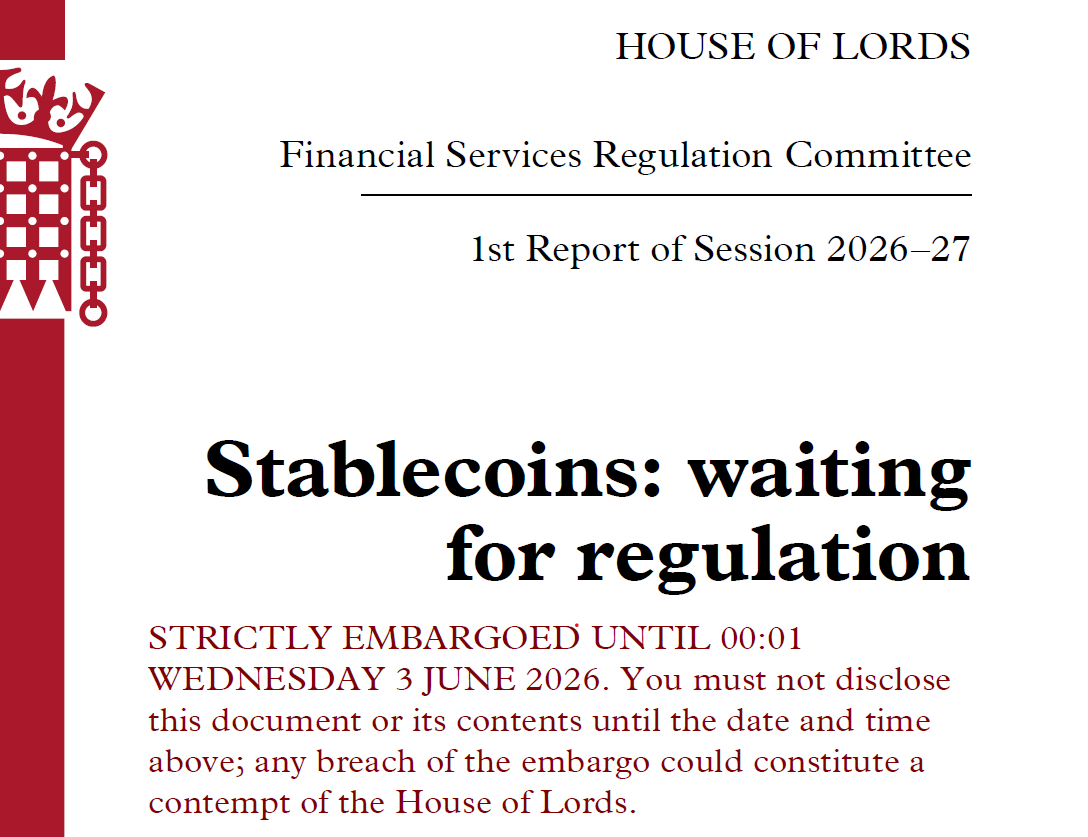
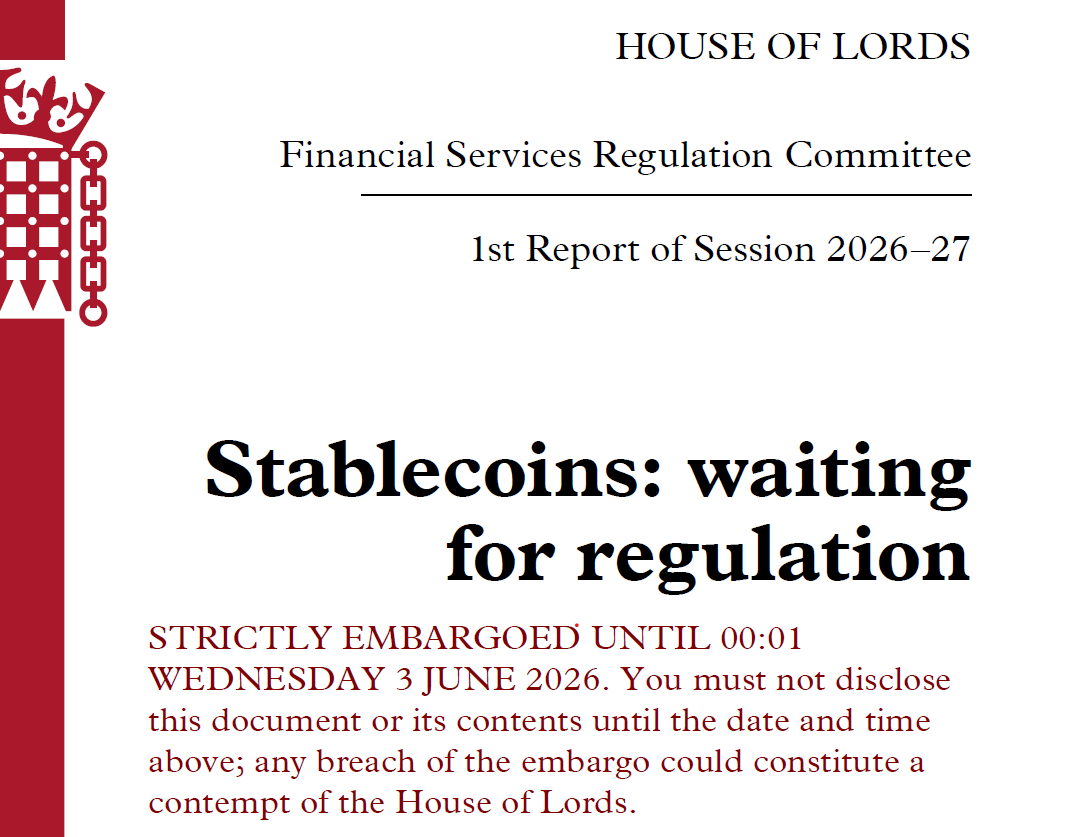
The United Kingdom should press ahead with stablecoin regulation but avoid rules that make a pound sterling stablecoin market commercially unworkable, a House of Lords committee warned in a report released Wednesday.
The cross-party Financial Services Regulation Committee said the UK was “lagging behind” the United States and the European Union and that the absence of a clear regime has “suppressed stablecoin development and investment in the UK,” despite the growth of global US dollar-pegged tokens such as USDt (USDT) and USDC (USDC).
While backing much of the Bank of England (BoE) and Financial Conduct Authority’s proposed framework, the committee warned that some measures risk undermining the viability and competitiveness of UK-issued stablecoins.
The report backs requirements for fiat-referenced stablecoins to be backed 1:1 by high-quality assets and a proposed BoE backstop lending facility for systemic issuers.
However, it singles out several elements of the Bank’s November 2025 consultation as potentially damaging, warning that a requirement for systemic issuers to hold at least 40% of their backing assets in unremunerated central bank deposits has attracted “considerable criticism” and could “impact negatively on the viability of stablecoin issuers and the international competitiveness of the UK market.”
Proposed temporary holding limits for businesses and individuals are also flagged as measures that could “unnecessarily inhibit the growth of GBP stablecoins” and prove impractical to implement.
Related: UK FCA seeks feedback on guidance for crypto rules ahead of 2027 rollout
Interest bans and rewards uncertainty cloud UK tokens
Peers also turn to the politically sensitive question of returns. The Bank’s draft regime would prohibit remuneration for coinholders of sterling-denominated systemic stablecoins, putting the UK on a similar footing to the EU’s Markets in Crypto-Assets Regulation (MiCA), which bars stablecoin issuers from paying interest to holders. The US GENIUS Act prohibits payment stablecoin issuers from paying interest, though US debate continues over whether exchanges and other intermediaries can offer rewards.
House of Lords Stablecoin Report. Source: House of Lords
The committee presents payment-focused stablecoins primarily as instruments for fast, low-cost transactions rather than as investment products. However, it warns that the combination of strict reserve rules and a ban on interest or other remuneration could weigh on the “business viability” and competitiveness of UK-issued tokens, especially while it remains unclear whether card-style rewards or other non-interest incentives will be allowed.
Inquiry evidence highlights risks and UK’s strategic choice
The conclusions follow months of evidence gathering in which the committee pressed industry and academic witnesses on whether stablecoins can move much beyond “on and off-ramps into crypto,” challenged them on financial stability, bank funding and consumer protection risks, and probed sharply divergent views on the US GENIUS Act’s approach to non-bank issuers.
While stressing that the expansion of stablecoin markets “must not create new opportunities for illicit activity to flourish,” the Lords argue the UK should aim to nurture, not just police, a pound-denominated stablecoin sector.
They urge His Majesty’s Treasury, the Bank of England and the FCA to stick to existing timelines, clarify how dual regulation of systemic issuers will work in practice, and recalibrate measures such as holding limits and reserve requirements so that sterling stablecoins can “compete with other forms of payment in the UK” rather than be regulated out of relevance.
Magazine: Guide to the top and emerging global crypto hubs — Mid-2026


Crypto-backed political groups have expanded their election spending as several US primaries test the industry’s influence in Congress.
Summary
- Crypto-backed PACs have increased spending in US congressional primaries as digital asset policy becomes a key election issue.
- FEC filings show Protect Progress spent millions supporting Democratic candidates in California, New Jersey, Maryland, and New York.
- Fairshake-linked groups are targeting lawmakers based on their crypto policy positions as Congress reviews major digital asset bills.
According to filings with the US Federal Election Commission, Fairshake-linked groups backed by Coinbase, Ripple, and other crypto supporters have directed millions of dollars into House and Senate races as voters cast ballots in California, Iowa, Montana, New Jersey, New Mexico, and South Dakota.
Crypto PACs target key primary races
The FEC filings showed that Protect Progress, an affiliate of the Fairshake political action committee, spent about $3 million supporting Democratic candidates in House races across California and New Jersey. Another Fairshake affiliate, Defend American Jobs, spent more than $411,000 to support Republican Senator Mike Rounds in South Dakota.
Although several states are voting this week, the crypto industry has also turned attention to Maryland’s June 23 primaries. FEC filings showed Protect Progress spent more than $3.1 million on media backing Adrian Boafo, a Democratic candidate in Maryland’s 5th Congressional District.
In New York, the same filings showed about $320,000 in spending to support Representative Ritchie Torres, whose district will also hold a primary on June 23. Torres has been one of the more visible Democratic voices involved in digital asset policy debates in Congress.
Fairshake builds on Texas wins
The latest spending comes after Fairshake and allied PACs supported candidates who won primary contests in Texas last week. Those races gave the crypto industry another chance to show whether campaign spending can affect congressional contests where digital asset policy has become a dividing issue.
Fairshake reported more than $193 million in available funds as of January, according to campaign finance records cited in the filings. Other crypto-aligned groups have also entered the cycle, including Fellowship, which received $11 million from Cantor Fitzgerald and Anchorage Digital, and the Blockchain Leadership Fund, funded with $175,000 from Chainlink and Anchorage.
Fairshake has said it plans to oppose lawmakers it views as hostile to crypto policy. Representative Al Green became one of its clearest targets after he voted against the GENIUS Act, a stablecoin bill, and the CLARITY Act, a digital asset market structure bill.
Protect Progress spent $5 million supporting Christian Menefee, Green’s Democratic primary opponent in Texas’s 18th Congressional District. Green later lost that primary, according to the election results referenced in the report.
Maryland becomes the next focus
Maryland now gives crypto PACs another major test before the end of June. Protect Progress’s spending for Boafo places the race among the industry’s more expensive primary efforts this cycle, based on the FEC figures cited in the report.
The spending also shows how crypto groups are working across party lines. Protect Progress backs Democrats, while Defend American Jobs backs Republicans, according to FEC filings.
The campaign activity comes as Congress weighs major digital asset legislation. After approval by the Senate Agriculture Committee in January and the Senate Banking Committee in May, the Digital Asset Market Clarity Act was added to the Senate calendar for possible consideration.
Crypto World
Sui Blames Triple Mainnet Halt on Gas-Charging Bug and a Known-Risk Patch That Backfired


The Sui Foundation on Sunday published a post-mortem on the three mainnet outages that took its Layer 1 down on May 28 and 29, pinning the first two halts on a gas-charging bug introduced by the v1.72 "address balances" upgrade and the third on a separate randomness-state fault exposed when… Read the full story at The Defiant
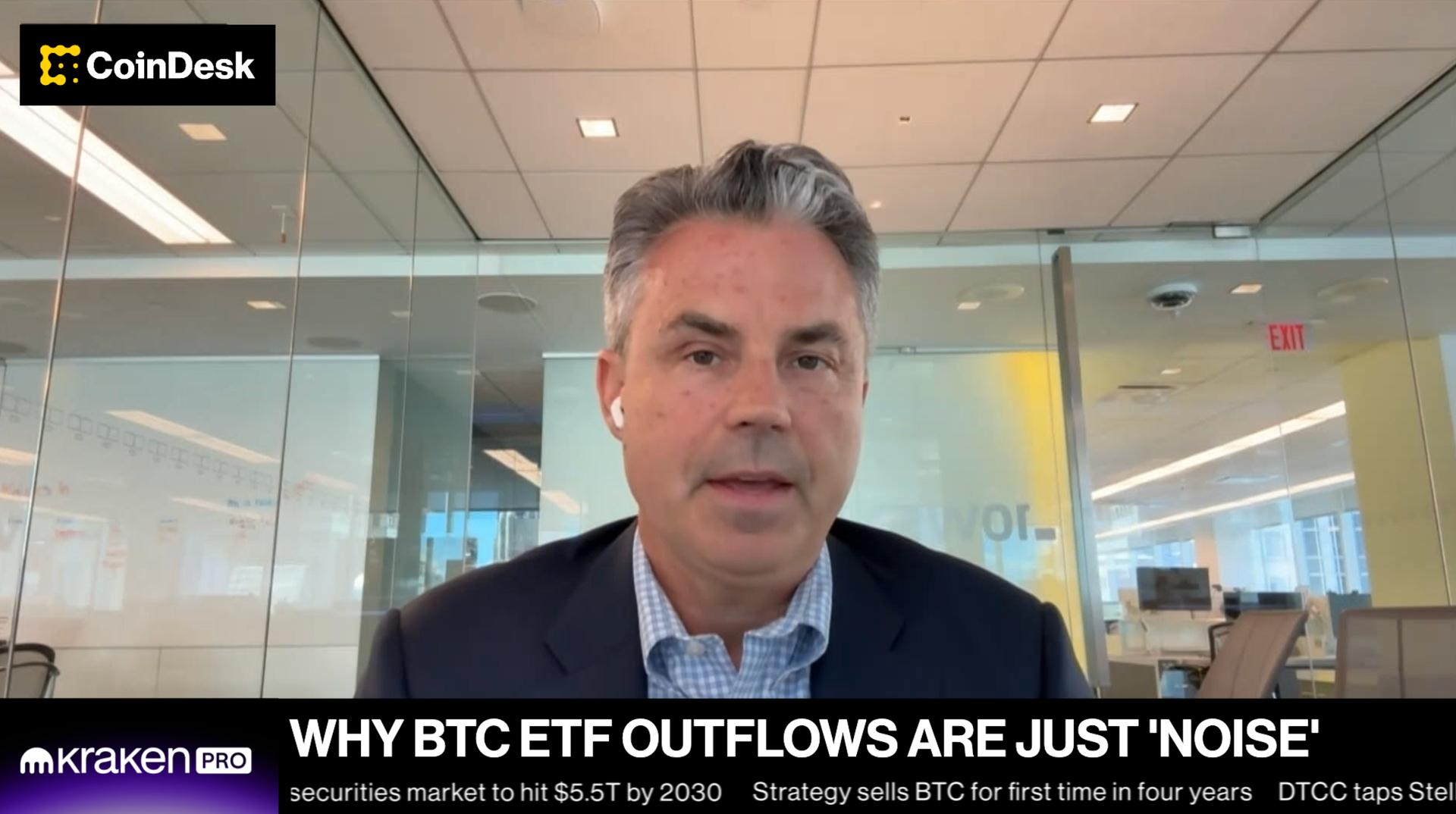
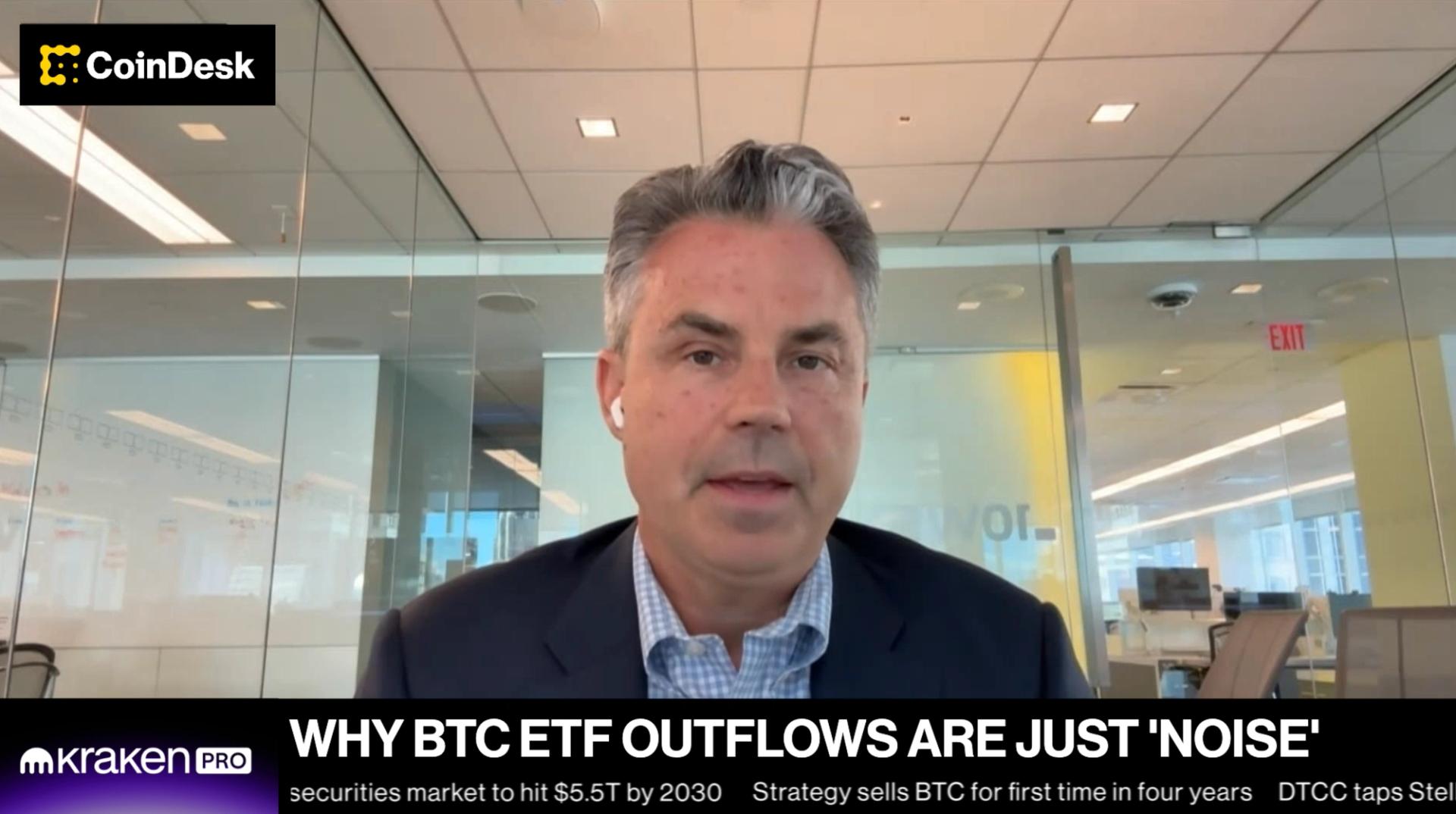
Latest developments: Balchunas argued investors are overreacting to recent Bitcoin ETF redemptions.
- Speaking with CoinDesk’s Jennifer Sanasie and Dave Lavalle on Public Keys, Balchunas said roughly $3 billion in outflows from a market with about $100 billion in assets is “totally meaningless” compared with normal ETF flow patterns.
- He compared Bitcoin ETF flows to major S&P 500 funds, which regularly experience inflows and outflows without signaling a fundamental shift in investor sentiment.
- Despite a roughly 50% Bitcoin drawdown, cumulative net flows since spot Bitcoin ETFs launched remain near record levels, which Balchunas described as unusually resilient for a volatile asset class.
What this means: Balchunas sees long-term demand holding up better than many expected.
- He said cumulative net flows peaked around $63 billion and remain near $57 billion, a sign that investors have largely stayed invested through market volatility.
- Balchunas called the launch of spot Bitcoin ETFs the most successful ETF rollout on record, citing the speed with which products like BlackRock’s IBIT accumulated assets.
- He added that ETF share counts have continued to grow even as Bitcoin’s price declined, suggesting ongoing adoption rather than investor flight.
The context: Wall Street firms continue expanding crypto offerings despite recent market weakness.
- Balchunas pointed to Morgan Stanley’s involvement in the space and said Goldman Sachs and BlackRock are developing additional Bitcoin-related products.
- He argued that institutional interest remains strong and should continue supporting demand for crypto investment vehicles.
- At the same time, he warned the industry against relying solely on the narrative that more institutional investors are coming.
Reading between the lines: Balchunas wants the industry to refocus on Bitcoin’s core value proposition.
- He said Bitcoin’s appeal as a hedge against currency debasement should remain central to the investment case.
- The ETF story has become so dominant that it risks overshadowing broader discussions about Bitcoin’s technology and monetary characteristics, he said.
- “The ETFs became such a big story they almost overtook the narrative,” Balchunas said.
Worth watching: Balchunas identified Hyperliquid as crypto’s latest breakout story.
- He said newly launched Hyperliquid-linked ETFs have seen strong trading activity and performance, bucking the pattern of many recent crypto ETF launches.
- Balchunas praised Hyperliquid’s token economics, particularly its buyback model that links platform activity more directly to token-holder benefits.
- He described Hyperliquid as evidence that crypto innovation continues beyond Bitcoin and ETF adoption.
SpaceX is set to debut on Nasdaq under the ticker SPCX as early as June 12, 2026, after filing its S-1 with the SEC on May 20. Elon Musk has agreed to lock 100% of his shares for 366 days.
The arrangement has redrawn how crypto venues price the company before listing. Hyperliquid, Binance, OKX, Bitget, and BingX each run synthetic SPCX perpetuals while accredited investors access real shares through Forge Global and EquityZen at a $1.75 trillion valuation.
Six Investor Questions on the SpaceX IPO Mechanics
The following are some of the questions and answers investors must have, even as Elon Musk locks up 100% of his SpaceX holdings for a year.
Follow us on X to get the latest news as it happens
1. Can retail investors actually buy SpaceX shares before the IPO, or only synthetic exposure?
Direct ownership remains off the table for anyone outside the cap structure.
Synthetic perpetuals listed on Hyperliquid, Binance, Bitget, OKX, and BingX simply mirror an implied valuation through derivative contracts and confer no shareholder rights.
Secondary platforms such as Forge Global and EquityZen require accredited or qualified institutional status, locking out smaller buyers.
Crypto perpetual contracts therefore stand as the sole entry point for non-accredited traders looking to position around crypto markets pricing SpaceX ahead of June 12.
2. How do crypto perpetual markets like SPCX-USDC price SpaceX without a public listing?
Pricing flows from a constructed oracle rather than a live exchange feed, because no public market for SPCX exists yet.
The oracle blends comparables from recent private tender offers, mention-weighted public-company proxies, and likely midpoints from Polymarket and Kalshi prediction markets.
Funding payments then nudge the contract back toward the anchor whenever traders push it too far in either direction.
The setup leaves SPCX-USDC more vulnerable to oracle disputes and forced unwinds than a typical listed instrument.
3. What happens to pre-IPO derivatives and tokenized products after the Nasdaq debut?
Once SPCX prints on Nasdaq, deployers will either retire the pre-IPO contracts or migrate them to perpetuals tied to the live share price.
The Hyperliquid HIP-3 upgrade gives Trade.xyz the flexibility to convert or sunset the market entirely. Bitget, OKX, and BingX have stayed silent on what comes next for their pre-IPO products.
Tokenized SpaceX shares from Ondo, Backed Finance, and Dinari are queued for release within hours of the bell, creating a parallel 24/7 access layer.
4. Is SpaceX’s reported Bitcoin treasury figure fully verified or partly based on tagged wallets?
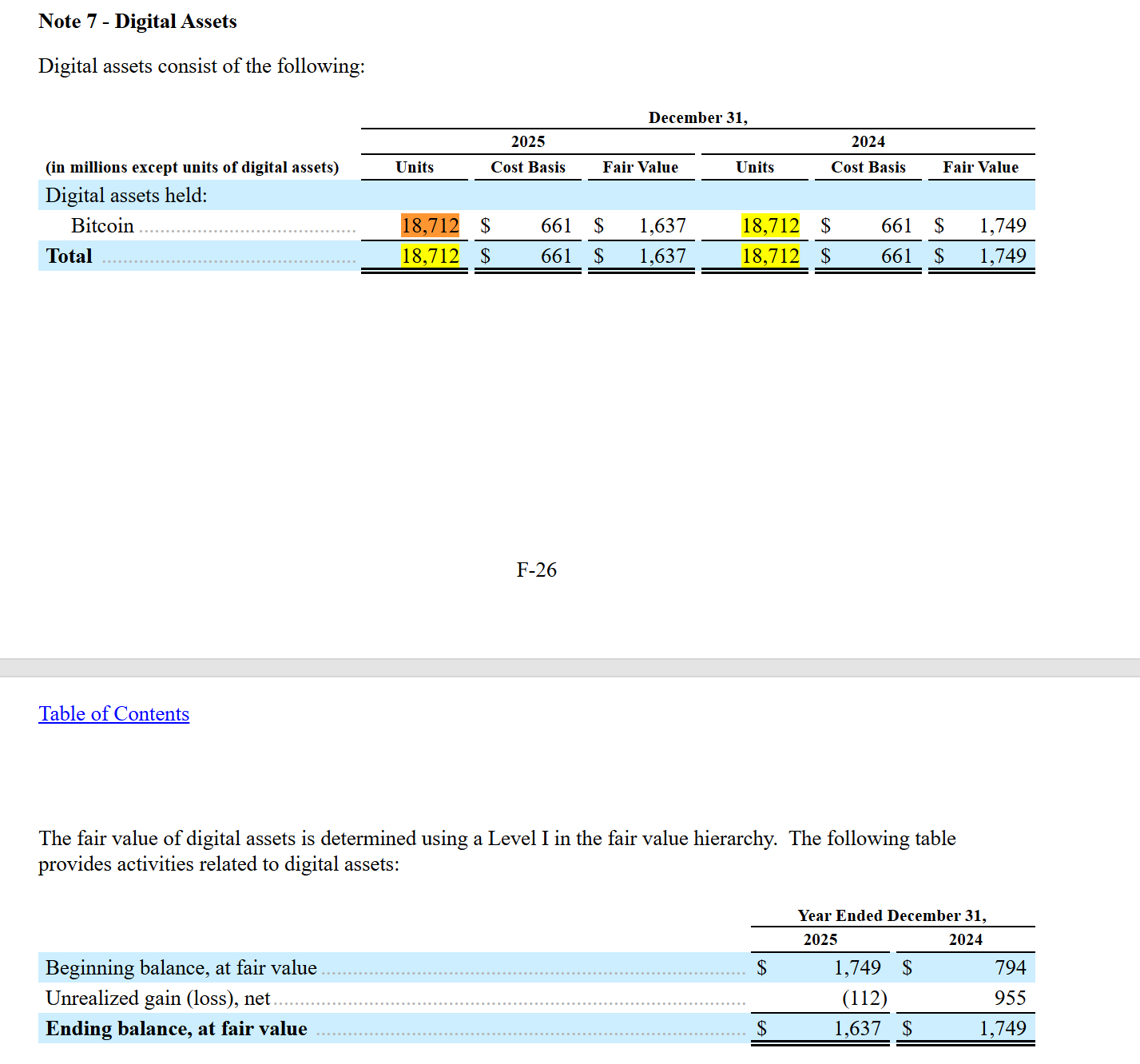
The S-1 filed with the SEC on May 20, 2026, is the controlling source, and that document records 18,712 Bitcoin (BTC) on SpaceX’s balance sheet.

Arkham Intelligence has publicly identified only 8,285 BTC tied to labeled SpaceX Bitcoin treasury holdings through April 2026, leaving a substantial portion unlabeled.
Analysts attribute the shortfall to corporate addresses that have not yet been mapped on-chain.
“Elon’s SpaceX holding 18,712 BTC isn’t the real story. The real deal is that on-chain trackers only saw the tip of the iceberg. Arkham Intelligence had it pegged SpaceX Bitcoin holdings at ~8,000–8,285 BTC. So… how much Bitcoin are public companies actually hiding?” a popular user on X posed.
SpaceX values the position at $1.293 billion, against an acquisition cost of $661 million, with an embedded gain of nearly $632 million.
5. Why did Hyperliquid gain a first-mover advantage over centralized exchanges in SPCX trading?
The HIP-3 standard allows independent deployers to spin up perpetual venues without waiting for a centralized listing review, thereby dramatically compressing the launch cycle.
CEX rivals must clear internal compliance and risk processes that typically take weeks.
Hyperliquid captured the resulting head start in volume, clearing $33 million on launch day on May 18 as the contract briefly hit $216 before resetting near $203.
Trade.xyz, the deploying entity, is part of Hyperliquid’s tokenization arm, Hyperunit.
6. How should investors separate real IPO mechanics from speculative trading narratives?
The cleanest split is to anchor every fact against the SEC filing and treat everything outside it as market interpretation.
The S-1 sets the legally binding inputs, including the 366-day Musk lock-up, the staggered 180-day terms for other shareholders, the 5% friends-and-family carve-out, and the 18,712 BTC treasury.
Synthetic perpetual prices, oracle constructions, and tokenized wrapper roadmaps sit in the second category and can move on sentiment alone.
Pegging positions to the filing first, then layering venue-specific risks on top, keeps trading narratives from contaminating the underlying valuation thesis.
The Bottom Line on the SpaceX IPO
The 366-day Musk lock-up cuts back near-term insider selling pressure. Other shareholders face staggered 180-day restrictions with early release triggers tied to earnings reports and share price performance above the IPO price.
The S-1 carves out roughly 5% of shares for employees and a friends-and-family pool with no lock-up.
For institutions weighing how to invest in SpaceX pre-IPO, the gulf between synthetic exposure and real equity stays wide until shares trade.
Musk retains roughly 85.1% of voting power through dual-class stock, keeping control concentrated even after listing.
Whether the constructed oracle pricing on crypto venues converges with the Nasdaq print after June 12 will be the cleanest test of how well these markets handled price discovery for a $1.75 trillion company.
Read also:
- SpaceX Wins $2.29 Billion US Space Contract, and 10 Assets Can Benefit
- 5 Ways Crypto Markets Are Pricing SpaceX Before Wall Street Can
- 10 Surprising Facts About Elon Musk’s $1 Trillion SpaceX IPO
- 3 Space Stocks To Watch Amid Elon Musk’s SpaceX IPO Hype
- Space-Themed ETFs are Flooding Wall Street Before Elon Musk’s SpaceX IPO
The post 6 Questions Investors Must Ask as Elon Musk Locks 100% SpaceX Shares Before IPO appeared first on BeInCrypto.
Crypto World
Bitcoin’s compute power dwarfs top 100 supercomputers by 600k times, says Bittensor co-founder


The infrastructure supporting global computing is undergoing a massive shift. True computing power no longer belongs to isolated corporate data centers, but to open, global networks.
Speaking at the Proof of Talk summit in Paris, Bittensor co-founder and Crucible Labs partner Ala Shaabana highlighted the staggering math behind decentralized networks. To show the audience what distributed computing can do, he stacked the Bitcoin network up against traditional enterprise setups.
“We all know that Bitcoin really dwarfs the top 100 supercomputers,” Shaabana said. “Does anybody know, in comparison, what the hash rate is? It’s over 600,000 times the power of really what these supercomputers can do. And that’s just, really, it’s Bitcoin.”
To understand Shaabana’s comment, it helps to know what Bittensor actually is.
It is a Layer 1 protocol built on the same codebase philosophy as Bitcoin: a hard cap of 21 million tokens, halvings hardcoded into predetermined blocks, with no pre-mine, and no venture capital. Bittensor is a decentralized network that replaces Bitcoin’s hash-puzzle mining with running and validating artificial intelligence.
The same incentive architecture that turned Bitcoin into a computing force 600,000 times more powerful than the world’s top supercomputers is redirected by Bittensor toward AI, organized across 128 specialized problem-solving networks called subnets. Each subnet defines its own goal, and miners compete for TAO token rewards by meeting it, meaning the network’s intelligence is shaped entirely by what it chooses to reward. That design principle, borrowed directly from Bitcoin’s playbook, is the foundation of everything Shaabana argues below.
Shift in long-term bull case
Shaabana’s core logic is simple: if coordination and code could create the world’s most powerful financial computing engine, the exact same blueprint can be applied to AI. By breaking a network down into 128 individual problem-solving neighborhoods or subnets, developers can source global hardware and intelligence without a central tech monopoly.
The trick to making a distributed system work relies entirely on the incentive design. “Show me the subnet, and I’ll tell you what the miners are optimizing for,” Shaabens said, adapting a famous market quote. If you reward participants for raw compute speed, they optimize for speed. If you reward them for data storage, they optimize for storage.
By setting these programmatic goals, open networks naturally attract talent and computing power far more efficiently than standard corporations.
“The long-term bull case is no longer primarily technological,” Shaabana concluded. “It is driven by debt, liquidity, and declining trust in traditional sovereign systems. Subnets really create markets. Intelligence really is no longer locked behind issues of organization; signals will define the truth, and performance is really rewarded.”
Crypto World
Hyperliquid’s (HYPE) Social Dominance Hits 2026 High as Bulls Target Triple-Digit Prices

Hyperliquid’s native token, HYPE, recently climbed to a record high above $73, as growing trader interest and optimism continued to build around the project.
According to Santiment, social activity and positive sentiment surrounding the token have surged across X, Reddit, Telegram, and other crypto communities.
Soaring Social Interest
The analytics platform reported that HYPE’s social dominance has climbed to its highest level of 2026. Santiment found that positive commentary has risen alongside the token’s price, amidst growing confidence among traders as Hyperliquid continues to stand out as one of the market’s strongest-performing projects.
Several developments have contributed to the momentum, including growing perpetual futures trading volume, the continued expansion of Hyperliquid’s decentralized trading infrastructure, and increasing recognition of the platform as a credible competitor to centralized derivatives exchanges.
Other recent initiatives, such as the launch of new trading products, rising protocol revenues, and speculation about future ecosystem growth, were also some of the factors supporting investor confidence. As these developments have attracted attention, discussions surrounding HYPE have accelerated, making it one of the most widely discussed crypto assets.
From a technical perspective, crypto analyst Ali Martinez believes HYPE’s rally may still have room to run. He noted that previous sell signals have been invalidated and identified $97 and $163 as potential upside targets if the token’s momentum continues.
Wall Street Takes Notice
A similarly bullish view was recently shared by Bitwise Chief Investment Officer Matt Hougan, who described Hyperliquid as one of the most important crypto projects to emerge in recent years. The exec asserted that the platform has evolved into a financial “super-app” offering access to multiple asset classes beyond crypto.
He also said Hyperliquid represents a new generation of crypto tokens designed to accrue value from the outset, citing its buyback-driven model. Based on these factors, Hougan further argued that HYPE remains significantly undervalued despite its strong performance.
Investor appetite for HYPE is also evident in the ETF market. After 21Shares launched the first US spot Hyperliquid ETF under the THYP ticker, Bitwise followed with BHYP. The two funds have attracted more than $57 million and nearly $80 million in inflows since their respective debuts, according to SoSoValue.
The post Hyperliquid’s (HYPE) Social Dominance Hits 2026 High as Bulls Target Triple-Digit Prices appeared first on CryptoPotato.

California: the state of endless play

Three quarters of workers not on track for ‘moderate’ pension income, report suggests

Polymarket Books First On-Chain Institutional Block Trade



-

 NewsBeat7 days ago
Israel says it has killed new Hamas military leader in Gaza City airstrikes
-

 Tech7 days ago
NASA taps Blue Origin to deliver lunar rovers for Moon Base initiative
-

 News Videos4 days ago
This is BROKEN! INSANE 5x MONEY CAR WASH WEEK! The NEW GTA Online UPDATE Today! (GTA5 New Update)
-

 News Videos7 days ago
XRP *JUST* SUCCEEDED!!!! CLARITY ACT EXPOSED!!! (SHE EXPOSED IT)
-
 Tech4 days ago
SpaceX just won a second Golden Dome contract. This one is $4.16 billion.
-

 Business7 days ago
Selena Gomez Reportedly Upset Over Benny Blanco’s Comments on Her ‘Terrible’ Diet
-

 Tech5 days ago
Waymo dominates autonomous vehicle registrations as Tesla trails behind
-

 News Videos4 days ago
SHE IS KILLING XRP!!! WATCH URGENT AND ACT FAST
-
 NewsBeat4 days ago
FIRST NIGHT REVIEW: Take That bring the Circus back to life in spectacular sun-soaked style
-

 Business1 day ago
Jade Biosciences, Inc. (JBIO) Discusses Positive Interim Results From JADE101 Phase I Healthy Volunteer Study and Development Plans Transcript
-

 Tech7 days ago
The Samsung pay deal is the moment Korean unions changed register
-
 Crypto World4 days ago
CFTC Has Approved the First Regulated Bitcoin Perpetual Contract in the U.S.
-
Crypto World7 days ago
SpaceX’s $2 Trillion IPO: Why Tech Giants Nvidia (NVDA), Apple (AAPL), and Microsoft (MSFT) May Face Pressure
-
 Entertainment7 days ago
The Most Misunderstood Sci-Fi Horror Movie of the Last 10 Years Just Took Over Netflix
-
 NewsBeat4 days ago
Novak Djokovic v Joao Fonseca LIVE: French Open latest scores and results after Jannik Sinner’s shocking collapse
-
 Crypto World4 days ago
Snowflake (SNOW) Stock Rallies on Strong Q1 Results and AI Product Growth
-
 Entertainment4 days ago
Weak ‘Supergirl’ Box Office Tracking Amid Milly Alcock Backlash
-

 Business4 days ago
Demand Conditions Improve In Chemicals Sector In April 2026
-

 Business3 days ago
Is the Spurs Phenom Already Better Than Prime Diesel?
-
 Crypto World4 days ago
MicroStrategy Moves $30 Million in BTC to Coinbase Prime: Is the Bitcoin Sell-Off Already Here?
You must be logged in to post a comment Login