Connect with us
DAPA Banner
DAPA Coin
DAPA
COIN PAYMENT ASSET
PRIVACY · BLOCKDAG · HOMOMORPHIC ENCRYPTION · RUST
ElGamal Encrypted MINE DAPA
🚫 GENESIS SOLD OUT
DAPAPAY COMING

Business

Flagship Flagship with Major Redesign Set for May Launch

Published

on

Satellite internet operator Starlink is set to receive initial approvals to operate in India, a government source told AFP

NEW YORK — Sony is preparing to unveil the Xperia 1 VIII in May 2026, with global availability expected in June, continuing its tradition of premium flagship smartphones that prioritize photography, display quality and unique features like the 3.5mm headphone jack. The device, spotted in regulatory filings earlier than anticipated, promises a significant redesign including a new square camera island and upgraded hardware under the hood.

Xperia 1 VIII
Xperia 1 VIII

Leaked CAD renders and FCC documentation suggest the Xperia 1 VIII will measure approximately 161.9 x 74.4 x 8.58 mm, slightly wider and thicker than its predecessor to accommodate larger camera sensors. The most noticeable change is the shift from Sony’s signature vertical camera strip to a centralized square module housing a triple 48-megapixel system, potentially including larger sensors for improved low-light performance and zoom capabilities. This mainstream-inspired rear design marks a departure after years of the tall, slim aesthetic.

The front retains the brand’s hallmark symmetrical bezels and flat 6.5-inch 4K OLED display with 120Hz LTPO refresh rate, appealing to enthusiasts who value cinematic aspect ratios and precise color accuracy. Sony has long positioned its Xperia 1 series as tools for content creators and photographers, and the VIII appears poised to build on that reputation with Gorilla Glass Victus 2 protection and refined ergonomics.

Powering the device is expected to be Qualcomm’s Snapdragon 8 Elite chipset, paired with up to 12GB or more of LPDDR5X RAM and UFS 4.0 storage options starting at 256GB. Battery capacity is rumored to see an increase, addressing past criticisms of Xperia flagships while maintaining the slim profile. Wireless charging support and Wi-Fi 7 connectivity are also anticipated based on certification documents.

Sony’s commitment to the 3.5mm headphone jack remains intact, a rare feature in modern flagships that delights audiophiles. The Walkman-branded audio components are likely to return with further enhancements. IP65/68 water and dust resistance should carry over, ensuring durability for users who take their devices into challenging environments.

Advertisement

Pricing is expected to start around $1,200 to $1,400 depending on configuration and region, positioning it as a premium alternative to Galaxy S and iPhone flagships. Sony has struggled with market share in recent years but maintains a dedicated following among photography enthusiasts and those seeking distinctive Android experiences. The Xperia 1 VIII could help the company regain momentum if marketing and availability improve globally.

Industry analysts note Sony’s iterative approach has sometimes limited broader appeal, but consistent hardware excellence in cameras and displays keeps the line relevant. The square camera module may help the phone stand out less awkwardly in photos while allowing better sensor integration. Early renders show a clean, professional look that could attract more mainstream buyers.

The May announcement timeline aligns with Sony’s recent pattern, potentially coming slightly earlier than the Xperia 1 VII’s debut. This accelerated schedule, hinted at by regulatory filings, could give Sony a head start in the competitive summer buying season. Global rollout in June would follow standard practice for the series.

Camera upgrades are a major focus. Rumors point to triple 48MP sensors with improved processing, larger telephoto optics and advanced computational photography features. Sony’s partnership with Zeiss continues to deliver premium optics, and AI enhancements for video and stills are expected to compete with top rivals. The 50MP selfie camera mentioned in some leaks would represent a significant upgrade.

Advertisement

Software support remains a strong point for Sony flagships. The Xperia 1 VIII is expected to launch with the latest Android version and receive multiple years of OS and security updates. Customization options through the Xperia app suite will appeal to power users who fine-tune their devices for photography, gaming or productivity.

Challenges for Sony include competition from Samsung, Google and Chinese brands offering innovative foldables and aggressive pricing. The Xperia 1 line’s niche appeal has limited volume, but loyal customers appreciate the no-compromise approach to hardware. Improved distribution and marketing partnerships could broaden its reach in 2026.

Early excitement in tech communities centers on the redesign and camera potential. Concept renders circulating online have generated buzz, with many praising the shift away from the tall camera bar. Real-world testing will determine if the new module delivers meaningful improvements in image quality and ergonomics.

As the release approaches, more details on pricing, exact specs and availability in key markets like the United States and Europe are anticipated. Sony typically holds dedicated events for Xperia launches, showcasing creative use cases for professionals and enthusiasts. The Xperia 1 VIII could mark an important evolution for the series as smartphone innovation focuses on AI, durability and user experience.

Advertisement

Consumers interested in the device should watch for official confirmation in the coming weeks. Pre-order incentives and trade-in programs are likely as Sony aims to drive adoption. For fans of compact, high-performance phones with pro-level cameras, the Xperia 1 VIII represents a compelling option in a market dominated by larger, more conventional designs.

The smartphone industry continues evolving rapidly, but Sony’s commitment to its Xperia 1 formula provides a refreshing alternative. With the VIII, the company appears ready to blend tradition with modern expectations, potentially winning back some skeptics while delighting longtime supporters. May 2026 could bring the next chapter in premium Android innovation.

Continue Reading
Click to comment

You must be logged in to post a comment Login

Leave a Reply

Business

Eternal to ICICI Bank: 15 stocks on Axis Securities buy list for June – Add to cart

Published

on

Eternal to ICICI Bank: 15 stocks on Axis Securities buy list for June - Add to cart

Axis warns that higher crude oil prices, rupee weakness, inflation and a weak monsoon remain important risks. It advises investors to keep 10-15% liquidity available and focus on high-quality companies with strong balance sheets and earnings visibility.

(Disclaimer: Recommendations, suggestions, views and opinions given by the experts are their own. These do not represent the views of Economic Times)

Continue Reading

Business

Eli Lilly to use GLP-1 windfall to fund M&A and diversify pipeline

Published

on

Eli Lilly to use GLP-1 windfall to fund M&A and diversify pipeline
Lilly’s Van Naarden: Nothing is off the table for dealmaking

Jacob Van Naarden is busy. 

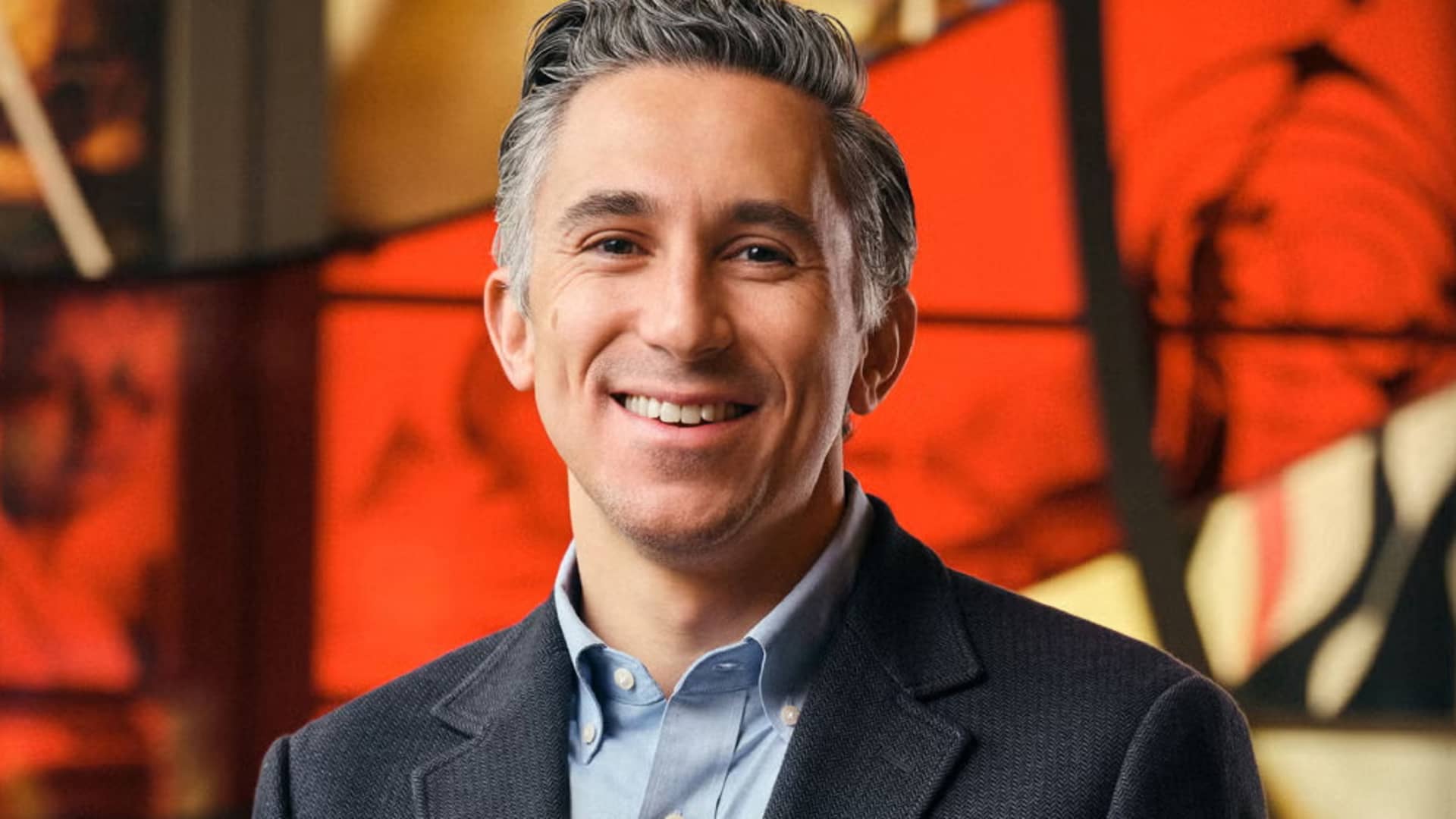
In addition to running Eli Lilly‘s oncology business, he’s now responsible for finding the drugmaker’s next opportunities as head of business development. And Lilly, now the world’s largest pharmaceutical company, is hungrier than ever for deals. 

“The company’s financial strength right now, driven mostly by the weight loss business, is so strong,” Van Naarden said in an interview at the American Society of Clinical Oncology’s annual meeting. “We have this really like almost generational opportunity to redeploy that capital in all of our disease areas to not only fuel growth for the company in the decades to come, but to help a lot more patients with all different kinds of diseases, and so we’re executing against that strategy.”

Jacob S. Van Naarden,
Executive Vice President; President of Lilly Oncology and Head of Corporate Business Development, Eli Lilly and Company.

Advertisement

Courtesy: Eli Lilly

Not even halfway into the year, Lilly has already announced it will spend more than $10 billion upfront and potentially up to $25 billion on eight acquisitions. For all of last year, Lilly spent about $4 billion on roughly 40 deals. 

The spending spree reflects an intentional shift in how Lilly approaches dealmaking now that the company is larger and more highly valued than ever before. The company’s market capitalization now stands at about $1 trillion, up from $190 billion in 2021, according to data from LSEG. Lilly is the first health-care company to join the trillion-dollar club, which is dominated by tech firms.

Previously, the drugmaker primarily liked to place bets on early-stage assets that were inexpensive because they were riskier. Now, it’s using the windfall from its GLP-1 drugs like Mounjaro and Zepbound to pursue experimental drugs that are more likely to work – and carry larger price tags because of it. 

Advertisement

“These things are medicines,” Van Naarden said in a separate interview at his Stamford, Connecticut office. “How big will they be? What’s the development plan? When will they get approved? Like, I don’t yet know all that. Obviously we have projections, but you can see enough to say OK, this is real, and we can underwrite paying a bigger price than we pay for some real preclinical thing. So that’s been a big part of where we’ve been focused in addition to running the high-volume, early-stage strategy.”

Two Mounjaro KwikPen injection pens are in front of the Eli Lilly logo displayed on a screen in this illustration photo in Athens, Greece, on March 1, 2026.

Nikos Pekiaridis | Nurphoto | Getty Images

Van Naarden said his boss, Lilly CEO Dave Ricks, approached him last fall about leading business development in addition to his main job as head of Lilly’s oncology business. The company wanted to sharpen its dealmaking skills and start widening its aperture beyond the early bets where Lilly liked to focus. 

Advertisement

He started to execute the strategy early this year.

Lilly’s planned acquisition of Centessa Pharmaceuticals, announced in March, could reach up to $7.8 billion if the company meets certain milestones for its experimental drugs for sleep disorders like narcolepsy. That would make it Lilly’s second-ever largest deal behind the company’s $8 billion acquisition of Loxo Oncology in 2019. Van Naarden was the chief operating officer at Loxo at the time.

While large for Lilly, deals of roughly $8 billion are still small compared to agreements from other large pharmaceutical companies. It raises the question of how big Lilly could go.

Van Naarden doesn’t want to set arbitrary size spending limits. He says it’s about how compelling the science is and how big the opportunity is for patients and for Lilly.

Advertisement

Some of the deals announced this year fall under Lilly’s current specialties of oncology, neuroscience, cardiometabolic health and immunology. Others, like Lilly’s recently announced acquisitions of three vaccine companies, will take the company into new areas. 

“We’re looking at all kinds of things that don’t neatly fit into one of those four buckets, so don’t be surprised if we have more to come for things that you know don’t perhaps neatly fit within what we’ve done historically,” Van Naarden said this week at ASCO. “If you see it, it means we’re excited, and we think we can make a big impact.”

Is there anything that’s off the table?

“No,” he said, “not really.”

Advertisement
Choose CNBC as your preferred source on Google and never miss a moment from the most trusted name in business news.
Continue Reading

Business

Dudley’s Aluminium lands Cardiff and Vale new campuses contract

Published

on

Business Live

It will partner with main contractor Bouygues UK

An artist's impression of what the new Cardiff and Vale College campus on land south of Hood Road, Barry could look like

Artist impression of Cardiff and Vale College;s Barry waterfront campus.(Image: Sheppard Robson)

Fabricator Dudley’s Aluminium is supporting the construction of two campuses for Cardiff and Vale College in the Vale of Glamorgan.

Dudley’s will be partnering with main contractor Bouygues UK on the under construction campuses for the largest college provider in the UK and the biggest in Wales.

Advertisement

The college, in a £119m investment , is delivering a new Barry waterfront campus, a community-focused college in the heart of the town, which will replace its existing ageing Colcot Road campus.

Its Advanced Technology Centre near Cardiff Airport will meet the skills needs of employers, apprentices and those working in advanced technologies. Both campuses are scheduled to open in September 2027.

Cardiff-based Dudley’s and will install metal technology curtain walling, windows and high insulation doors on the builds.

Artist impression of the Advanced Technology Centre.

Steve Muir, commercial director at Dudley’s Aluminium, said: “We are thrilled to be working with Bouygues on Cardiff and Vale College’s new campuses in the Vale of Glamorgan. Our proven track record in the education sector will ensure the project is delivered to high standards, providing quality teaching and learning environments that meet the needs of students, employers and the wider community.”

Advertisement

Since 1993, Dudley’s Aluminium has provided full in-house design, fabrication and installation capabilities, completing projects across the education, health, commercial, retail, residential and defence sectors throughout the UK and Channel Islands.

Continue Reading

Business

BioPharma Credit provides up to $150m loan to Mineralys

Published

on


BioPharma Credit provides up to $150m loan to Mineralys

Continue Reading

Business

Buy or Sell Palantir Stock in 2026? Analysts Weigh AI Momentum Against High Valuation

Published

on

Palantir

NEW YORK — Palantir Technologies Inc. shares have delivered substantial gains in recent years but now trade at elevated valuations as the data analytics company capitalizes on surging demand for artificial intelligence platforms across government and commercial sectors in 2026.

As of early June, Palantir stock closed around $152 after recent volatility, reflecting both strong fundamental performance and investor concerns over premium multiples. Wall Street maintains a moderate buy consensus, with average 12-month price targets near $193, implying roughly 27% upside from current levels.

The company reported exceptional first-quarter results in May, with revenue reaching $1.633 billion, an 85% increase year-over-year. U.S. revenue grew 104%, driven by 133% growth in commercial sales and 84% expansion in government contracts. Palantir raised its full-year 2026 revenue guidance to $7.65-$7.66 billion, signaling 71% growth.

CEO Alex Karp highlighted the accelerating U.S. market as central to the company’s trajectory. “Momentum surged as we grew 85% last quarter — our highest-ever year-over-year growth rate — by more than doubling our U.S. business,” he stated in the earnings release.

Advertisement

Palantir’s Artificial Intelligence Platform (AIP) has become a key growth driver, enabling organizations to deploy AI rapidly while maintaining data governance. Strong adoption in both defense and enterprise segments has fueled optimism, with major contracts including a $300 million deal with the U.S. Department of Agriculture.

Analysts largely favor the stock. Of 31 covering firms, 19 rate it buy, 10 hold and two sell. Consensus targets range from a low of $90 to a high of $255, with many citing continued commercial momentum and government tailwinds.

Supporters point to Palantir’s sticky customer relationships and expanding addressable market. The company’s focus on large deals exceeding $1 million has yielded consistent total contract value growth. Its platforms serve critical national security needs while expanding into commercial applications like supply chain optimization and financial services.

However, valuation remains a central debate. Palantir trades at forward price-to-earnings multiples exceeding 150 times, far above traditional software peers. Critics argue that any slowdown in AI spending or execution challenges could trigger significant multiple compression.

Advertisement

Recent pullbacks, including a drop from 2025 highs near $207, have created entry points for some investors. Rosenblatt analysts described the dip as a buying opportunity, citing robust earnings momentum and defense-AI synergies.

Risks include heavy dependence on government contracts, which can face budgetary and political uncertainties. Insider selling by executives, including CEO Alex Karp, has also drawn attention, though such activity is common in growth companies with substantial equity compensation.

On the positive side, Palantir’s Rule of 40 score — combining revenue growth and profitability — reached 145% in the first quarter, demonstrating exceptional balance between expansion and margins. Adjusted operating margins hit 60%, with strong free cash flow generation.

Commercial growth represents the biggest upside catalyst. U.S. commercial revenue guidance was raised sharply, reflecting accelerating enterprise adoption of AI tools. Analysts expect this segment to become an even larger contributor as more Fortune 500 companies integrate Palantir’s platforms.

Advertisement

The company’s dual focus on government stability and commercial upside differentiates it from pure-play AI hardware firms. While competitors face cyclical semiconductor demand, Palantir benefits from recurring software revenue and platform lock-in effects.

Broader market context influences the outlook. Strong AI enthusiasm has supported technology stocks, but higher interest rates and potential economic slowdowns could pressure high-valuation names. Palantir’s beta makes it sensitive to shifts in risk sentiment.

Longer-term forecasts remain constructive. Some analysts project Palantir could reach $225 per share by early 2027 if earnings growth continues beating expectations. The company has consistently exceeded consensus estimates, often by double-digit margins.

For buy-and-hold investors, the case rests on Palantir establishing itself as essential AI infrastructure. Its ontology-based approach to data integration offers advantages in complex environments where competitors struggle.

Advertisement

Skeptics highlight execution risks and competition from larger cloud providers and specialized AI firms. Sustaining triple-digit commercial growth will require flawless delivery and continued innovation.

Portfolio allocation matters. Growth-oriented investors with high risk tolerance may add to positions on dips, while conservative accounts might limit exposure or wait for better valuation entry points.

Recent trading patterns show heightened volatility. Shares surged on strong earnings but faced profit-taking as some questioned sustainability at current levels. Volume remains robust, indicating sustained investor interest.

Palantir’s balance sheet strength provides flexibility for acquisitions or share repurchases, though the company has prioritized growth investments. Its cash position and minimal debt offer resilience during uncertain periods.

Advertisement

As 2026 progresses, key catalysts include quarterly results, new contract announcements and potential expansion in international markets. The second half of the year could clarify whether commercial momentum can offset any government spending fluctuations.

Investment decisions ultimately depend on individual circumstances, time horizons and risk appetite. While consensus leans bullish, the wide dispersion in price targets reflects genuine debate over appropriate valuation for a high-growth AI software leader.

Palantir has transformed from a niche data analytics firm into a prominent AI player. Its 2026 performance will test whether exceptional growth justifies premium pricing or if normalization lies ahead.

Investors should monitor upcoming earnings for sustained U.S. commercial acceleration and margin trends. In a dynamic technology landscape, Palantir’s ability to execute on its ambitious guidance will determine if the stock rewards shareholders over the remainder of 2026 and beyond.

Advertisement
Continue Reading

Business

Opinion: Fracking forecast a split decision

Published

on

Opinion: Fracking forecast a split decision

OPINION: Roger Cook’s gas supply ultimatum will create cracks in Labor unity.

Continue Reading

Business

Suno raises $400 million at $5.4 billion valuation

Published

on


Suno raises $400 million at $5.4 billion valuation

Continue Reading

Business

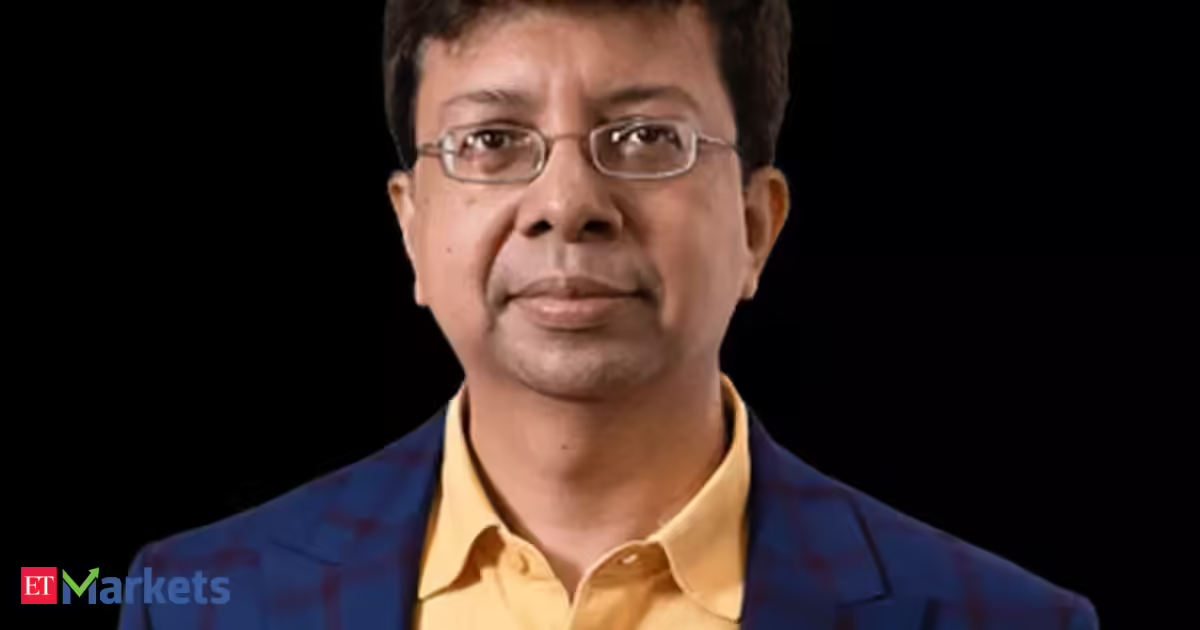
Market correction nearing its end; bet on banking, pharma: Rohit Srivastava

Published

on

Market correction nearing its end; bet on banking, pharma: Rohit Srivastava
After a sharp correction over the last few trading sessions, investors are grappling with questions about whether the market has further downside ahead or if the current weakness is creating fresh buying opportunities. According to Rohit Srivastava, Founder, Strike Money Analytics & Indiacharts the ongoing correction may be closer to its conclusion than many fear, with select sectors showing encouraging signs of strength.

Nifty Approaching a Key Support Zone

While benchmark indices have witnessed pressure in recent days, Srivastava believes the market is approaching an important technical support area that could potentially mark the end of the current correction phase.

“So, from the bottom that we made in April, which was at 22,182, and then we peaked in April near the end at around 24,601, and we take a 61% retracement of that, we get a level closer to 23,077. So, that, I think, becomes the final major support for this dip that is going on, so that leaves around 80 to 100 points still on the downside. But that also means that the risk may be limited when we think of how much more downside there is. We should, of course, wait before we actually can make some kind of entry point. But what we are looking at is the potential for a possible turn in the market from down to up once we are done with this selling. So, patience, but we are getting to the end of this correction.”

Advertisement

The assessment suggests that while some near-term weakness cannot be ruled out, the broader risk-reward equation may gradually begin shifting in favour of investors willing to wait for confirmation of a market turnaround.

Banking Emerges as a Preferred Bet
Among sectors, banking appears to be one of the strongest candidates for fresh investment ideas during the current market decline. Srivastava highlighted a notable divergence between the benchmark Nifty and Bank Nifty, suggesting relative resilience in financial stocks.
“As a sector, it is something we have been avoiding for most of the year, and I have not exactly been positive on it for a long time. So, IT is not a sector I recommend at any point in time till the worst is very, very certainly over. I do think banking is a good place. In fact, there is an interesting divergence between banking and Nifty, where the Bank Nifty has not broken the lows that it made in May, whereas Nifty has already done so. So, there is some kind of a positive divergence between the two. So, banking comes across as one segment where we would want to very definitely find ideas to buy into in this dip.”The comments indicate that investors looking for relative strength amid market volatility may find banking stocks better positioned than several other sectors.

Energy and Metals Gain Momentum
Apart from financials, Srivastava sees merit in sectors that have been benefiting from improving commodity trends and stronger underlying demand dynamics.

“The other areas that could be of interest could be going back to the energy sector, which was performing pretty well, and also metals. People often may miss out that you are seeing a strong rally in metals, but also metal prices. Like overnight, you have seen gains in copper, zinc, nickel, everything, and that could result in extended gains in the metal sector as well.”

The rise in industrial metal prices globally has strengthened the outlook for metal producers, potentially extending the sector’s recent outperformance.

Advertisement

Autos Still in Consolidation Mode
While the automobile sector remains an important part of the broader market story, Srivastava believes the segment may require more time before a decisive uptrend emerges.

“Well, autos seem to be consolidating. The real big kick for autos will come only when we can actually get a turn in the interest-rate cycle. They may still do well. There have been outperformances in certain segments of the two-wheeler pack, like you saw a very strong rally in between in Tata Motors passenger vehicles, so that kind of thing is happening. But it is still not across the board. So, give it a while for the other stocks to consolidate and pick up. So, we will be a little slower in picking up on the auto side.”

The view suggests that although pockets of strength exist, investors may need to be selective rather than expecting a broad-based rally across the entire auto universe.

Pharma’s Long-Term Breakout Remains Intact
One of the most constructive sectoral outlooks offered by Srivastava was for pharmaceuticals. He pointed to a significant technical breakout in the Nifty Pharma index that could support sustained gains over the medium to long term.

Advertisement

“Yes, the pharma index is on a pretty strong footing if I take a slightly longer-term view. We broke beyond 23,500 on the Nifty Pharma index; that was a breakout of a two-year consolidation. Now, it is only pulling back to take support there, and once it is done, then we should be headed towards possibly 30,000-plus on the pharma index in a one-, one-and-a-half-year kind of time horizon.”

As markets navigate a period of correction and uncertainty, Srivastava’s outlook suggests that the bulk of the downside may already be behind investors. While caution remains warranted in the near term, sectors such as banking, metals, energy, and pharmaceuticals appear better positioned for the next phase of market leadership. At the same time, IT remains a sector to avoid until clearer signs of recovery emerge, while autos may require more patience before delivering broad-based returns.

Continue Reading

Business

Greg Abel’s Berkshire Hathaway Places $10 Billion Bet on Alphabet in Major Portfolio Shift

Published

on

Greg Abel Faces First Berkshire Hathaway Annual Meeting as CEO

NEW YORK — Berkshire Hathaway, now under the leadership of Warren Buffett’s designated successor Greg Abel, has agreed to purchase $10 billion worth of Alphabet Inc. stock in a private placement, signaling a significant shift in the conglomerate’s investment strategy as it deploys capital more aggressively into big technology.

The deal, announced by Alphabet on Monday, includes $5 billion in Class A shares priced at approximately $352 each and $5 billion in Class C shares at around $348 each. The transaction marks one of Berkshire’s largest single investments in a technology company and highlights Abel’s growing influence following Buffett’s transition from day-to-day leadership.

Berkshire Hathaway, the Omaha-based conglomerate that owns diverse businesses including Geico insurance, Dairy Queen and Precision Castparts, has historically maintained a cautious approach to technology investments under Buffett. The legendary investor, known for his preference for traditional value stocks, has often expressed wariness about the rapid pace of change in the tech sector despite successful past holdings like Apple.

This $10 billion commitment to Alphabet, Google’s parent company, represents a notable departure. It comes as Berkshire sits on a substantial cash pile exceeding $300 billion, accumulated from strong operating performance and selective dealmaking. Analysts interpret the move as evidence of Abel’s willingness to lean into high-growth sectors while maintaining the discipline that has defined Berkshire for decades.

Advertisement

Greg Abel, who assumed the CEO role in 2025, has overseen day-to-day operations for several years as Buffett, now in his mid-90s, stepped back. The investment aligns with broader industry trends, as institutional investors increase exposure to artificial intelligence leaders like Alphabet amid explosive demand for cloud computing, search and AI infrastructure.

Alphabet has positioned itself at the forefront of AI development through models like Gemini and its vast data center network. The company reported strong revenue growth in recent quarters, driven by advertising recovery and cloud segment expansion. Berkshire’s investment provides Alphabet with a significant capital infusion while giving the conglomerate a stake in one of the world’s most valuable companies.

The private placement structure allows Berkshire to acquire shares directly from Alphabet at negotiated terms, potentially at a slight discount to public market prices. Such deals often appeal to both parties by providing the issuer immediate capital and the buyer favorable entry conditions with reduced market impact.

This transaction follows Berkshire’s pattern of opportunistic large-scale investments. Previous major moves under Buffett included substantial stakes in Apple, Bank of America and Occidental Petroleum. However, the direct engagement with a pure-play technology giant underscores evolving priorities under new leadership.

Advertisement

Wall Street reacted positively to the news. Alphabet shares rose in extended trading following the announcement, reflecting investor confidence that Berkshire’s involvement validates the company’s long-term prospects. Analysts noted that Berkshire’s due diligence process, known for its rigor, suggests thorough evaluation of Alphabet’s competitive position in AI and digital advertising.

The investment arrives at a pivotal time for both entities. Alphabet continues navigating regulatory challenges, including antitrust scrutiny over its search dominance and advertising practices. Berkshire, meanwhile, seeks productive deployment for its massive cash reserves amid elevated valuations across many sectors.

Abel’s background in energy and infrastructure has prepared him for overseeing Berkshire’s diverse portfolio. His leadership has emphasized operational excellence across subsidiaries while exploring new avenues for capital allocation. The Alphabet deal may preview additional technology-focused investments as AI reshapes industries from automotive to healthcare.

Berkshire’s portfolio already includes several technology-related holdings, but the scale of this commitment stands out. The conglomerate’s equity portfolio exceeds $700 billion in value, with Apple remaining its largest position despite some trimming in prior years. Adding a major stake in Alphabet diversifies exposure within the sector while betting on complementary strengths in data and computing.

Advertisement

Market observers see this as a pragmatic evolution rather than a wholesale strategy overhaul. Berkshire maintains its long-term, value-oriented philosophy but recognizes opportunities in companies with durable competitive advantages, or “moats,” as Buffett famously described. Alphabet’s vast user base, technological infrastructure and cash-generating businesses fit that framework.

The timing also reflects broader economic conditions in 2026. With interest rates stabilizing and AI investment accelerating, large corporations are attracting significant institutional capital. Berkshire’s move could encourage other value investors to reconsider technology exposure beyond traditional metrics.

For Alphabet, the partnership with Berkshire provides not just capital but also validation from one of the most respected names in investing. While Berkshire typically takes passive stakes, its involvement often draws positive attention and can support management during periods of external pressure.

Financial details indicate the transaction will close subject to customary conditions. Berkshire has a history of completing announced deals efficiently, suggesting this investment will soon appear in its quarterly filings.

Advertisement

This development occurs against a backdrop of leadership transition at Berkshire. Buffett has gradually reduced his public role while expressing confidence in Abel’s capabilities. The next generation of leadership faces the challenge of sustaining Berkshire’s exceptional track record of compounding capital over decades.

Analysts will closely monitor future Berkshire filings for the exact size of the Alphabet position relative to the overall portfolio. At current valuations, the $10 billion stake represents a meaningful but not outsized allocation, consistent with Berkshire’s risk management approach.

The investment also highlights ongoing convergence between traditional value investing and growth technology. As AI drives productivity gains across the economy, companies like Alphabet are generating cash flows and strategic importance that appeal even to disciplined long-term investors.

Looking ahead, Berkshire may continue balancing its traditional holdings in insurance, railroads and consumer goods with selective technology exposure. The Alphabet transaction demonstrates flexibility without abandoning core principles of buying high-quality businesses at reasonable prices.

Advertisement

For investors following Berkshire’s moves, this deal offers insight into Abel’s priorities. Emphasis on AI infrastructure and digital platforms suggests a forward-looking perspective while preserving the conglomerate’s financial strength and operational diversity.

The market will watch for any follow-on actions, such as additional purchases in the open market or further private transactions. Berkshire’s history shows patience after initial investments, allowing time for businesses to compound value.

Alphabet, for its part, continues executing on multiple fronts — from AI research to cloud growth and hardware initiatives. The capital from Berkshire strengthens its position to compete aggressively in a rapidly evolving technological landscape.

This $10 billion bet underscores a key theme in 2026 markets: established powerhouses with proven cash flows and innovation pipelines remain attractive even at premium valuations when backed by rigorous analysis.

Advertisement

As Berkshire evolves under Greg Abel, moves like this Alphabet investment signal continuity with adaptation — honoring Buffett’s legacy while positioning the company for the opportunities of a technology-driven future. The deal reinforces Berkshire’s status as one of the most influential investors globally while highlighting Alphabet’s central role in the modern economy.

Continue Reading

Business

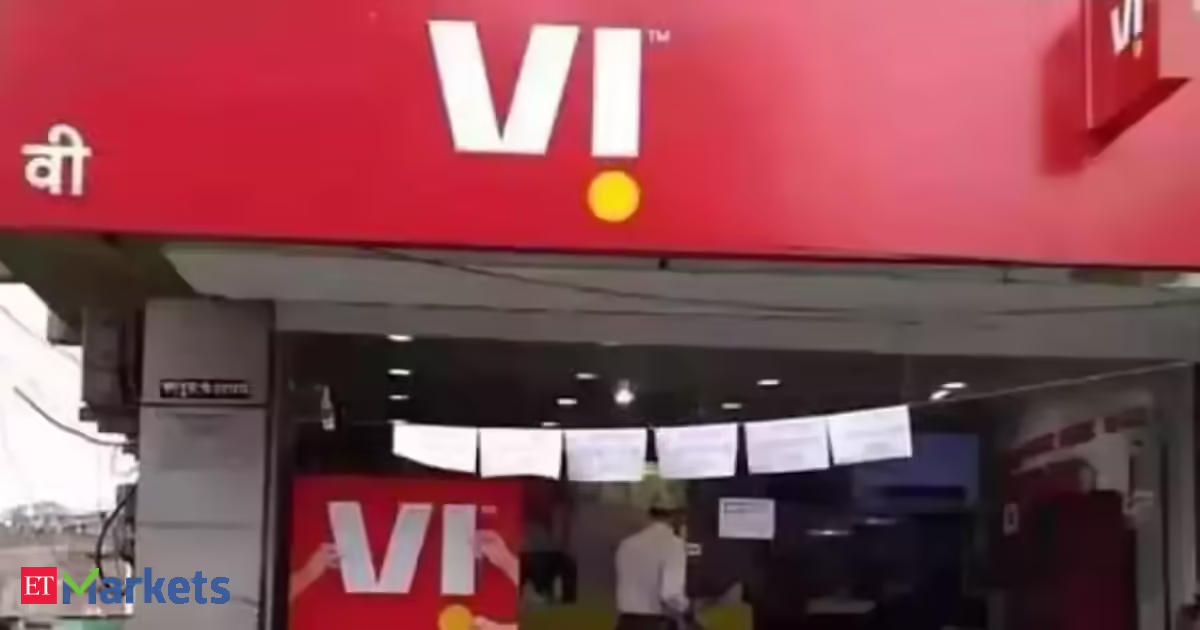
Vodafone Idea shares rally 7% to fresh 52-week high despite market crash. What’s behind the surge?

Published

on

Vodafone Idea shares rally 7% to fresh 52-week high despite market crash. What's behind the surge?
The shares of Vodafone Idea sharply surged nearly 7% to a new 52-week high of Rs 15.09 apiece on the NSE on Wednesday, even as the Sensex and Nifty crashed, as multiple tailwinds boosted investor sentiment for the telecom major.

The stock has rallied 46% in one month and a whopping 121% in one year. The company currently has a market capitalisation of more than Rs 1.62 lakh crore.

ICRA upgrades Vodafone Idea’s rating, revises outlook

Ratings agency ICRA upgraded Vodafone Idea’s rating to A- from its earlier BBB rating and revised its outlook on the company’s long-term fund-based loans worth Rs 727 crore to ‘Stable’ from ‘Positive’. ICRA said that the rating upgrade was driven by a change in rating approach for Vodafone Idea to factor in support from promoter Aditya Birla Group, which was further strengthened with the re‑appointment of Kumar Mangalam Birla as the Chairman of the board and with the proposed equity infusion of approximately Rs 4,730 crore through a preferential allotment of warrants to a promoter group entity in May 2026.

Advertisement

“These developments reflect strong confidence in Vi’s potential and long-term growth trajectory. The Aditya Birla Group has expressed its continued support to Vodafone Idea to ensure timely debt servicing and to ensure continuity of operations and improvement in its market position. The Aditya Birla Group has been consistent in providing operational and financial support to Vi and will continue to do so going forward. Further, the Group’s brand equity and market position provided Vi with assistance in Government engagement and higher financial flexibility,” it added.


ICRA also highlighted the revision of Vodafone Idea’s adjusted gross revenue (AGR) dues. In May, the Department of Telecommunications (DoT) cut Vodafone Idea’s AGR dues by 27% to Rs 64,046 crore as of December 31. This revision significantly alleviates the company’s liability burden and enhances cash flow visibility, the ratings agency said, adding that these will provide a push to the telco’s capex plans.

Citi removes ‘High Risk’ rating on Vodafone Idea shares

Citi removed its ‘High Risk’ rating on the stock and raised its target price to Rs 17, implying an upside potential of more than 20% from the previous closing price. In its latest note, Citi Research changed its rating on Vodafone Idea shares to ‘Buy’ from ‘Buy-High Risk’, citing several tailwinds, including the government’s recent reassessment of AGR dues, rating upgrades, equity infusion by the Aditya Birla Group, and other factors into consideration.

The brokerage, however, flagged key risks to its bullish view, including delays in bank funding, intensifying competition that could limit future tariff hikes, continued subscriber churn, and slower-than-expected growth in 4G and 5G users.

(Disclaimer: Recommendations, suggestions, views and opinions given by the experts are their own. These do not represent the views of The Economic Times)

Advertisement
Continue Reading

Trending

Copyright © 2025