
Politics
The Pitt: I’m A Doctor Who Has Seen Troubling Behaviour

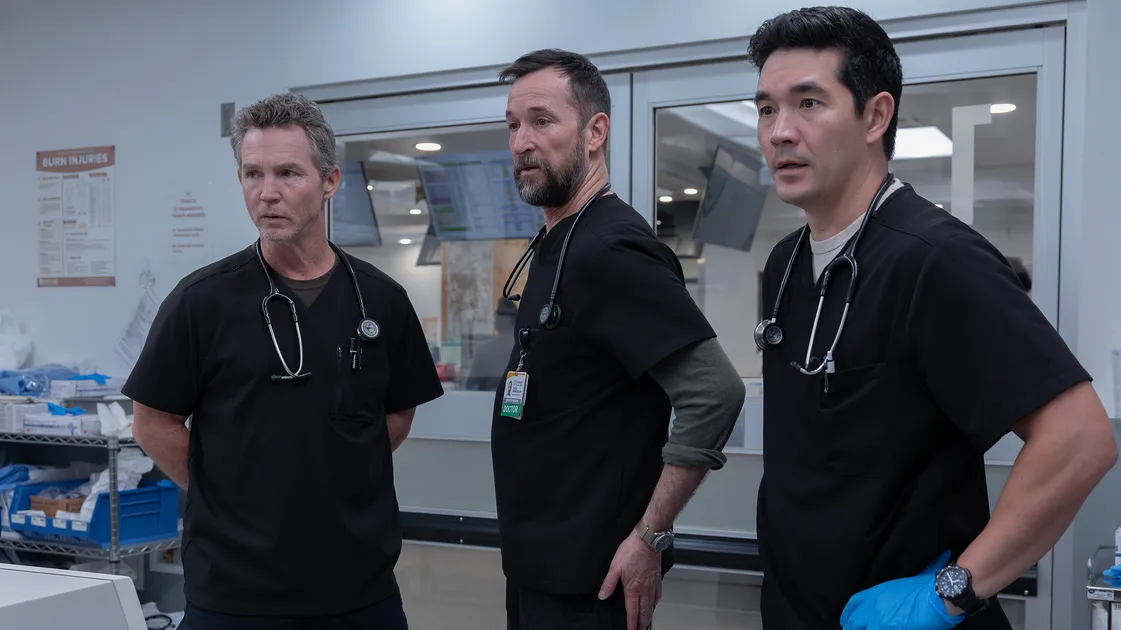
In Season 1 of The Pitt, Dr. Heather Collins has a miscarriage in an employee restroom… and goes back to work. Charge nurse Dana Evans vows to leave her position after getting sucker punched by a patient… but doesn’t. What keeps TV medical personnel staying on the job through illness, injury and trauma is a script to follow and a show to produce. For us, real-life healthcare professionals, it’s more complicated.
When I was a 21-year-old nursing student, I waited until my day off to visit my doctor about my abdominal pain and vaginal bleeding. I was diagnosed with a pelvic infection, given a shot of antibiotics and told to return if things didn’t improve. When Monday rolled around, I wasn’t improved, but rather than go to my doctor, I went to work.
I cared for my patients through pain and bleeding, but when I started struggling for breath, I finally checked myself into the emergency department. There, an ultrasound showed a ruptured ectopic pregnancy with blood accumulating in my abdominal cavity. I needed emergency surgery. I was wheeled through the hospital halls — past the classmates I had been working with less than an hour before. No one seemed shocked.
Shouldn’t it have been more surprising that a healthcare worker would drag herself to her post while actively haemorrhaging? Although some of it might be explained by my own blind trust — told it was a simple infection, I chose to soldier on — the larger piece that cannot be ignored is the culture that pervades healthcare. The hidden curriculum, the unspoken expectation, is that we show up for our patients no matter what.
Residency wasn’t much better. There, we had a saying: “If you call in sick, you’d better have a hospital room and vent settings.” You were expected to work through all but the most life-threatening illnesses. Hence, the stretcher ride through my workplace.
Society at large can also hold unrealistic expectations of people who care for the sick. We are often seen as super-humans. This view was amplified during the pandemic when a grateful public banged pots and pans from porches and stoops, holding up “Hero” signs in appreciation of our work.
But history is beginning to show that such displays may have caused more harm than good. The valorisation of doctors and nurses who died of COVID while caring for infected patients only served to normalise our exposure to risk. This narrative also takes the onus off culpable health institutions that were responsible for safeguarding employees. Characterising the care of patients with a deadly and not yet well-understood virus as selflessness only promotes the notion that healthcare workers willingly put themselves at risk for their patients. In fact, many were begging their administrations for the personal protective equipment they needed.
This hero culture has left no room for self-compassion because it has left no room for caregivers’ needs. As healthcare workers, we extend abundant compassion to our patients but save little for ourselves. We are famously perfectionistic, holding ourselves to impossible standards. We feel we can never make a mistake because if we err, patients die. It’s a crushing pressure we put on ourselves. And it is not sustainable.
But if we try to find help dealing with this pressure, we might run up against the stigma around healthcare professionals seeking mental health services. According to the Dr. Lorna Breen Heroes’ Foundation, while most state boards of medicine use stigma-free language in their applications — asking only about current impairment, not past mental health diagnoses — most U.S. hospitals still ask stigmatising questions on credentialing applications.
We also experience moral injury when our personal values conflict with the expectations of our employers and the insurance companies that so often dictate medical practice: when we can’t give a patient the time they need due to productivity requirements, when insurance regulations mandate the discharge of a patient who could use more time in the hospital, when a patient suffers on an ineffective medication until the prior authorisation appeal is won. All this contributes to the frustration and anger that characterise moral distress.
Then there are the professional codes of ethics that do not acknowledge the need for self-compassion. Comportment and leadership skills are mentioned. Values and ethics are discussed. But the language surrounding professional identity remains patient-centric. Nurses are described as caring and compassionate. Doctors’ good and moral behaviour is commented upon. But the concept of self-compassion has not been included in these codes. Without self-compassion being explicitly written into the codes that guide us, the job of reconciling our innate convictions with medicine’s expectations becomes Sisyphean.
Maybe the language should be patient-focused. After all, we have a duty to serve. But the fact that self-compassion is not highlighted in our codes of conduct leads us to question ourselves when we prioritise our own needs and care for ourselves. Perhaps this is why research shows that many of us in the field need our self-compassion sanctioned by the institutions that employ us and the organisations that represent us. Not receiving that permission, or denying ourselves it, affects our well-being and our ability to deliver compassionate care.
Even in retirement, we don’t grant ourselves much grace. In a 2025 opinion piece for the online physician community Doximity, Dr. Lara Kunschner Ronan writes about her own retirement, “While I clearly needed to move on for myself and have not regretted that decision for one minute, the physician identity development ingrained during my education and training had burrowed deeply into my psyche and is the little voice on my shoulder that even now continues to say, ‘You are selfish to prioritise yourself.’”
Many factors contribute to our lack of self-compassion, from societal hero worship to unforgiving work expectations to a lack of explicit prioritisation of self-care by our professional organisations and institutions. The solution is two-fold. To be sure, leadership must acknowledge and support the needs of the healthcare team in addition to those of our patients. More hospitals and clinics must employ wellness officers and create robust wellness curricula. Administrators and medical directors must build opportunities for self-care with reasonable work hours, administrative support, and time off to recharge.
At the end of the day, the characters on The Pitt are just that: characters. But the challenges, dilemmas, and struggles the show presents are experienced by real doctors and nurses every day. Although burnout rates in US healthcare have decreased in recent years, they remain unacceptably high: 41.9% of physicians reported experiencing at least one symptom of burnout in 2025, with emergency medicine topping the list of burnout by specialty at 49.8%. Burnout rates for nurses have fallen more dramatically since the pandemic eased, dropping from 45.6% in 2020 to 24.2% in 2023, but they’re still much too high.
We can do better. Not only do healthcare institutions and organisations need to recognise that we are all only human, but we also need to acknowledge it ourselves. Expecting ourselves to soldier on through our own trauma and pain is not only cruel, it’s dangerous — for us and for our patients. We must be proactive and empowered to take the time we need. To create space to reflect on the enormity of our work. To give ourselves a little grace. To extend to ourselves the same level of kindness and care we provide our patients.
Carolyn Roy-Bornstein is a board-certified paediatrician and former registered nurse. Her work has appeared in , the New York Times, Washington Post, Boston Globe, Poets & Writers, JAMA, The Writer magazine, and many other venues. She teaches narrative medicine at the Lawrence Family Medicine Residency program as part of their wellness curriculum. She is the author of ”A Prescription for Burnout: Restorative Writing for Healthcare Professionals,” out this month from Johns Hopkins University Press.
Do you have a compelling personal story you’d like to see published on HuffPost? Find out what we’re looking for here and send us a pitch at pitch@huffpost.com.

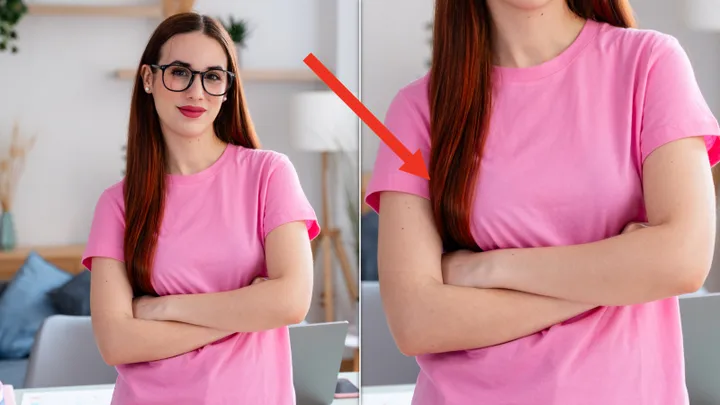
If you saw me at a work meeting, out with friends, or honestly anywhere in the wild, I almost always have my arms crossed. With that being my default stance, you would think I’m a miserable person with a bad attitude. But that is far from the truth (most of the time).
I’m crossing my arms for two reasons: 1) I’m probably cold, and 2) it feels like I’m giving myself a hug, and it feels comforting.
As it turns out, crossed arms is the most commonly misunderstood body language sign, according to experts.
“Most of the time, body language reading is quite accurate; we have to remember it’s only a part of the communication, like tone, choice of words, or, in some cases, touch,” as Stephanie Pappas, a licensed marriage and family therapist, told HuffPost.
According to Pappas, our reason for judging a person for their body language is evolutionary. Body language was the prominent form of communication and a major survival skill for our ancestors thousands of years ago, she explains. “We were wired to be attuned to those in our tribe, or potential threats, by the way they moved and expressed themselves around us.”

PixelVista via Getty Images
So while we don’t have to rely as much on body language for communication, our brains might still read body language and create a story.
Turns out, crossed arms aren’t the only thing people are getting wrong. Here’s what experts say about the most overlooked body language signs.
Here’s what crossed arms actually mean…
While people read crossed arms as being closed off or rude, it’s actually a self-soothing technique for most people, says Pappas. “It’s so easy to cross your arms when you’re feeling stressed or overwhelmed as a way to try to regulate yourself.”
“The biggest mistake is that we judge too quickly,” Linda Clemons, body language expert and author of HUSH: How to Radiate Power and Confidence Without Saying a Word told HuffPost. “Say my arms are crossed. You think, ‘this person is cold, closed off’ and you walk away. Two seconds later, I reach for my sweater. I was literally cold!”
“But you weren’t there to see it, because you judged so quickly.”
In other words, my reasons for crossing my arms are totally valid. And so are yours.
It’s not just crossed arms – people are frequently confused by these body language signs, too.
While Pappas and Clemons agree that crossed arms is the top confusing body language sign, eye contact and even smiles leave a lot of room for interpretation.
“Often, eye contact is given a lot of weight for being the signal that shows attention and respect for the other person,” Pappas said. However, reasons for not maintaining eye contact can go beyond rudeness or indifference. For example, in some cultures, it’s considered disrespectful to make eye contact; some people who are neurodivergent also have difficulty making eye contact because it feels overwhelming or uncomfortable.
Another confusing body language is the smile, according to Clemons. Sometimes people give what Clemon called “a pageant smile,” (AKA a fake smile) because they feel they should be acting like they’re happy.
“People who are truly happy for you, their cheeks will be elevated, and their eyes will be wide,” Clemons said. But with pageant smiles, they’re only using the muscles in their lower faces.
This is how to get better at reading body language cues.
Body language is only a piece of the communication puzzle, says Pappas. “It needs to be taken into consideration with context in order to create as much accuracy as possible.” Here are some tips to better read body language.
Understand Baseline Behaviour
If you know someone closely, you’ll get a full picture of their mood, personality, and communication style, otherwise known as baseline behaviour, Pappas notes. For example. Say you have a friend who often uses their hands when telling stories, suddenly puts their hands on their lap; That may mean a shift in their emotions or mood.
Understanding the person’s baseline was necessary to interpret their non-verbal cues in that context, adds Clemons. “Say we’re at a funeral, we’re paying our respects. Everyone’s expression is very somber, but one person is smiling,” she describes. “It’s the wrong non-verbal cue for this context, so you probably think something is very off with this person. But then maybe someone tells you this person always smiles when they are nervous, or overwhelmed.”
Knowing a person’s reactions to situations can offer better clarity on how to proceed, too.
Look At Behaviours In Clusters
Another thing to pay attention to is to look at behaviour in clusters, according to Clemons. “If the arms are crossed, the tone of voice is dismissive, and the person’s shoulders or feet are turned away, it’s more likely that they really don’t want to be talking to you.”
Congruency is also key, she adds. The words people speak should match their tone and body language. “If I say to my spouse, ‘I want to make this marriage work,’ but I fold my arms and my tone of voice is not congruent with my words, I may be headed out the door,” Clemons said.
Understand Intuition Versus Anxiety
One of the best things you can do when reading body language is learning to distinguish between intuition and anxiety, says Pappas. When you’re overly focused on analysing someone’s signals, you can drop out of the parts of the brain that help connect and communicate (and spiral into anxious storytelling instead).
“Anxiety might tell you, ‘Look at the way they’re standing there, they’re so angry with you, what did you do now?’” Pappas explained. “Whereas intuition is usually an unconscious, nonjudgmental piece of information that helps you make productive decisions.”
In other words, anxiety builds a dramatic narrative while intuition delivers a quiet, neutral signal. The latter is worth listening to, especially in situations where safety is a concern. “Paying attention to your gut feeling, especially in a situation where safety may be a concern, is a skill that our bodies have honed to keep us alive,” Pappas said.
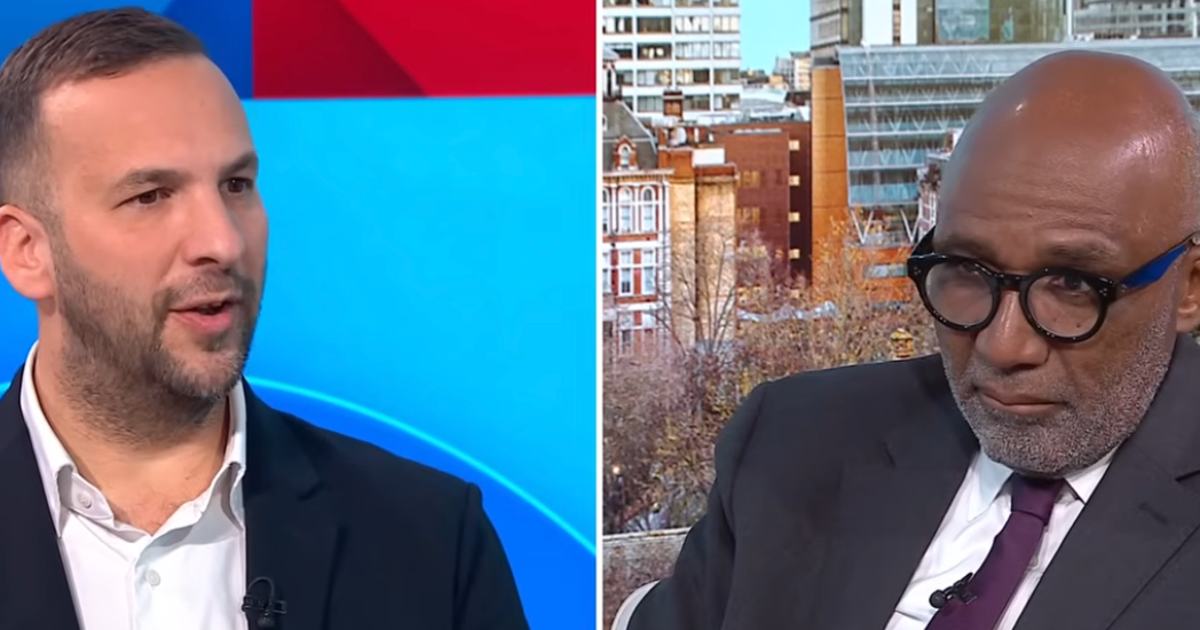
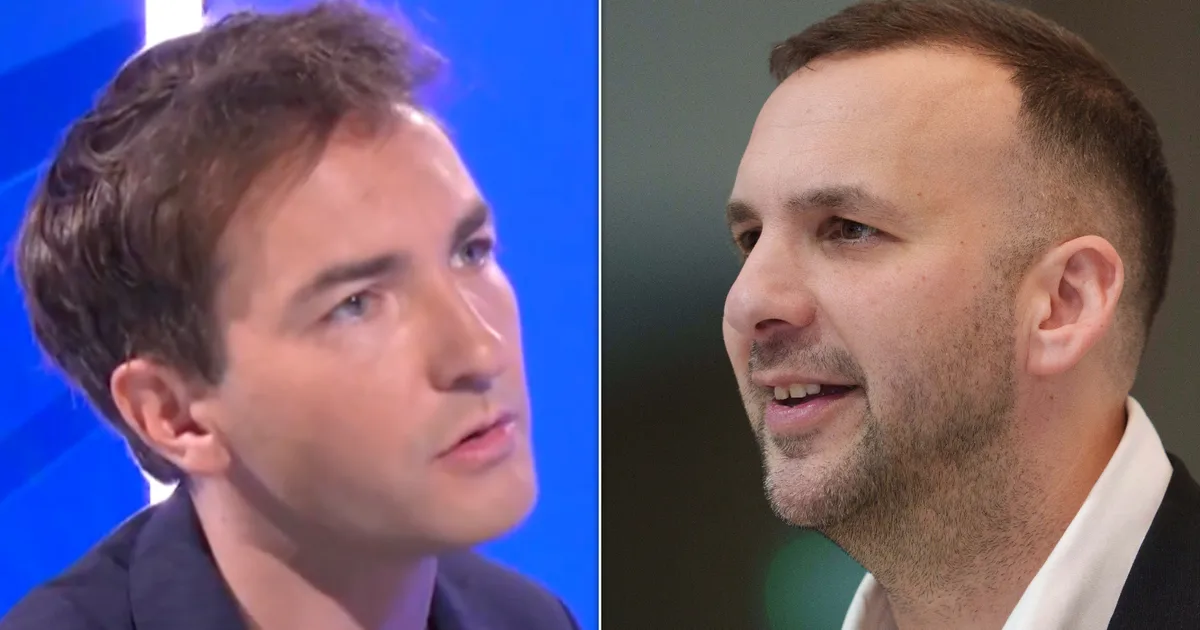
Zack Polanski has hit out at Trevor Phillips after the two clashed on live TV over the politician’s reaction to the Golders Green terror attack.
Two Jewish men were left seriously injured last Wednesday and footage of the police arresting the suspect in public quickly circulated on social media.
The Green Party leader then reshared a post on X accusing officers of being too heavy-handed with the individual.
The move sparked widespread backlash, including from the head of the Metropolitan Police, Mark Rowley, and Polanski apologised for resharing a post “in haste”.
He locked horns with the Sky News presenter on Sunday morning after Phillips asked Polanski to explain the controversial retweet.
The Green leader told Phillips that two people have been arrested in relation to antisemitic actions towards him and claimed The Times had published a “vile antisemitic cartoon” of Polanski on Saturday.
Polanski also defended the pro-Palestine marches which the government is considering banning in response to the rise in antisemitism, saying he was one of many Jewish people who join such protests.
When Phillips pushed back and said not all demonstrators are Jewish, Polanski cut in: “Why is my Jewish identity being erased from this conversation? And the Jewish identity of so many people on these marches?”
Phillips replied: “No, don’t try that one on me!
“My point is that currently the policy is if someone believes that an incident is a hate crime, whether they are a victim or not, it is recorded as such by the police, it is regarded as such by the courts.”
Polanski said he does not see hate crimes on the marches and it is an “outrageous slur” on those who are marching on peace.
The two continued to clash over how to define “actual antisemitism” throughout their tense 20 minute exchange.
In a post on X after the interview, Polanski wrote: “When Jewish people speak out against genocide, why are our voices dismissed?
“And smirking while I describe someone Nazi-saluting at me isn’t just disrespectful – it feels deeply antisemitic.”
Sky News has been approached for comment.
Watch the full interview below:
Subscribe to Commons People, the podcast that makes politics easy. Every week, Kevin Schofield and Kate Nicholson unpack the week’s biggest stories to keep you informed. Join us for straightforward analysis of what’s going on at Westminster.
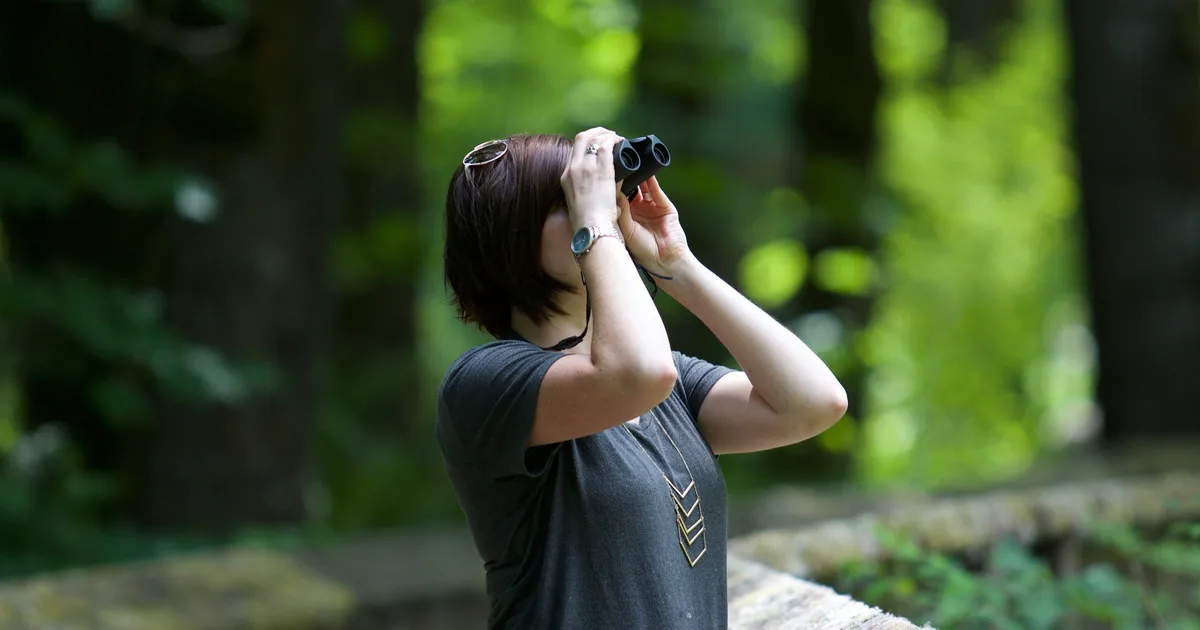
Ahead of International Dawn Chorus Day, the Royal Society for the Protection of Birds (RSPB) announced they’ve seen a 10-fold increase in birdwatching among Gen Z (born 1997-2012).
Numbers are “still on the rise,” they added in a press release. These figures were based on data collected by Fifty5Blue.
That makes it Gen Z’s second fastest-growing hobby, per the data, after jewellery-making.
This is among a 47% general increase in birdwatching, with a 216% increase among Millennials and a 66% increase among Gen X. Gen Z, however, is leading the way.
Why are Gen Z birdwatching?
24-year-old Jess Painter from the RSPB’s Youth Council said social media tips have helped to make the hobby less exclusive.
“When I’m watching birds, I’m not thinking about anything else – it’s a moment of peace and a way to reconnect with nature, and with myself. By taking a moment to be curious, to watch, listen and learn, you open yourself up to endless small moments of wonder,” she said.
NHS doctor and president of the RSPB, Dr Amir Khan, said Jess and others like her are onto something.
“Hearing birdsong, especially during the dawn chorus when they’re at their loudest and most beautiful, can produce more serotonin and make us feel good,” he shared.
“For millennia, humans have evolved alongside nature, so it’s inherent that we want to connect with it. There’s even a scientific term for this theory, the biophilia hypothesis, which means we actively seek out nature.”
One study found that actively listening out for birdsong can make an already-beneficial walk even healthier.
There’s even some evidence to suggest that birdwatching may reduce your risk of dementia.
How can I get into birdwatching?
RSPB wildlife expert Molly Brown said birdwatching is “something that everyone can do, no matter how much or little they know about birds”.
Look out your window or head to a local park or woods, stay still and quiet, and enjoy the wildlife.
You can also hear some species instead of seeing them, woodlands.co.uk explained. Richard Scholfield, their estate manager, said: “People often think they’re only seeing one or two bird species on a woodland walk. But if you stop and listen, you’ll realise there are often half a dozen or more species singing around you at the same time.”
Chiff-chaffs, blackbirds, woodpeckers, song thrushes, wrens, and tawny owls all have distinctive calls.
Presenter Lewis Goodall called out a Labour minister after she claimed Zack Polanski is not “fit to be leading a political party”.
Transport secretary Heidi Alexander told multiple broadcasters on Sunday that she believed the Green leader should not be in his position of power after he criticised the Metropolitan Police’s response to the Golders Green attack.
Shilome Rand, 34, and Moshe Shine, 76, were left seriously injured in what police have described as a terrorist incident in north west London last Wednesday.
After footage of officers trying to arrest the suspect circulated online, Polanski shared a social media post which suggested the police had been too heavy-handed.
The head of the Metropolitan Police, Mark Rowley, then publicly hit out at the Green leader and Polanski later issued his own apology for “sharing a tweet in haste”.
Speaking to LBC, Labour’s Alexander continued to criticise Polanski.
She said: “I do think someone who is so quick to jump to their phone to be retweeting that kind of content is not really fit to be leading a political party in this country.”
But Goodall hit back by asking why Keir Starmer stayed in position despite giving Peter Mandelson the job as UK ambassador to the US when his friendship with convicted sex offender Jeffrey Epstein had already been widely reported.
The presenter said: “So tweeting something stupid is disqualifying for leading a party but appointing a friend of one of the worst paedophiles of our age to one of the most prestigious diplomatic posts we have is not disqualifying?”
“We’ve had weeks of discussions about Peter Mandelson,” the minister hit back. “The prime minister has said he made a mistake and he’s apologised for that.
“I’ve never seen our prime minister criticise the Metropolitan Police who were doing an incredibly brave job.
“You’ve only got to look at that video in the footage to look at what’s going on there.”
Goodall cut in to repeat his question about Mandelson. The minister replied: “Based on information he [Keir Starmer] and his staff weren’t given full information.
“He was effectively lied to about the nature of the relationship between Peter Mandelson and Jeffrey Epstein.”
The prime minister has repeatedly claimed he was not told Mandelson failed security vetting for the Washington attache job.
He has also alleged that the ex-Labour peer himself “lied” about the full depth of his friendship with Epstein before getting the role.
However, the Financial Times reported on Mandelson’s relationship with the disgraced financier in 2023, more than a year before the former spin doctor was considered for the top diplomatic posting.
Subscribe to Commons People, the podcast that makes politics easy. Every week, Kevin Schofield and Kate Nicholson unpack the week’s biggest stories to keep you informed. Join us for straightforward analysis of what’s going on at Westminster.
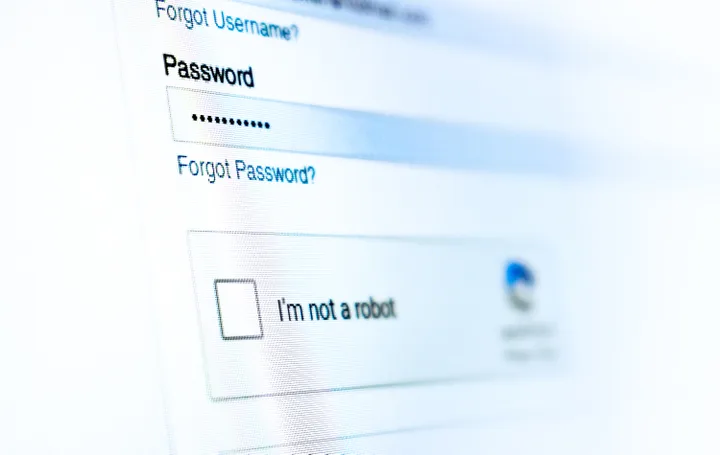
By now, you’ve likely run into a CAPTCHA, short for “Completely Automated Public Turing test to tell Computers and Humans Apart.” It’s a security tool designed to distinguish real people from bots interacting with a website.
You’ve likely seen it in the form of quick tasks like deciphering distorted text, identifying objects in images or simply checking the “I’m not a robot” box. These steps help websites prevent large-scale spam in comment sections, block bot-driven account creation and curb activities like ticket scalping.
But be aware: There’s a new scam disguised as a routine CAPTCHA. Instead of prompting users to check a simple “I’m not a robot” box, the fake page walks you through a series of keyboard steps instead. Or, you might check the box and get prompted with an error message that instructs you to type a sequence to override it. It typically asks you to press Windows (or perhaps Command, if using a Mac) + R, then Ctrl + V, then Enter. This allows hackers on the other end to access your device.
Known in cybersecurity circles as a “ClickFix” attack, the emerging scam puts a familiar online security step to use in a deceptive twist. Instead of attackers trying to force their way into your operating system from the outside by exploiting software vulnerabilities or passwords, this tactic relies on getting users to unknowingly hand over access from the inside.
“When you interact with the fake CAPTCHA, malicious JavaScript silently copies a command to your clipboard,” said Brian Hussey, senior vice president of Howler Cell Threat Services.
“Pressing Windows + R, then Ctrl + V, pastes and executes it,” Hussey continued. “The command is typically a … script that runs hidden, contacts an attacker-controlled server, and pulls down malware.”
The entire process takes just seconds, and because the user is the one initiating it, it doesn’t immediately raise alarms. As he explains, the operating system interprets it as a legitimate action, making it much harder to detect in real time.
From there, the goal is often data extraction through information-stealing programs. “Tools … sweep the infected machine for saved passwords, session tokens, browser credentials and financial data, then quietly send it to the attacker,” Hussey said.
With that information in hand, attackers can log directly into accounts, often without triggering additional security checks, resulting in compromised email and financial accounts and drained cryptocurrency wallets for the user.
“For a corporate employee, it gets worse,” Hussey added. “Harvested credentials open doors to internal systems, cloud environments and sensitive data well beyond what that single user could access.”
Hussey noted that a single fake CAPTCHA execution can be the first stage of a much larger breach. “Attackers use initial credential access to map environments, identify high-value targets, and stage for ransomware or data exfiltration. Weeks can pass between that first execution and the moment damage becomes visible.”

Cosminxp Cosmin / Getty Images
Why This Particular Scam Is So Effective
Unlike traditional phishing scams that try to get you to click a suspicious link or download a malicious attachment, this tactic sidesteps those usual warning signs entirely and instead leans on habit.
“We have all become accustomed to flying through CAPTCHA windows without truly understanding what they are, to reach our destination website as soon as possible,” said Maria-Kristina Hayden, a former cyber intelligence officer at the Defense Intelligence Agency and founder & CEO of OUTFOXM, a cyber hygiene and resilience company. “Scammers are banking on us reading their scam CAPTCHA as just the next iteration of legitimate security checks.”
Part of the issue is just how routine CAPTCHAs have become. And Stanislav Kazanov, head of GRC, cybersecurity and sustainability at Innowise, added that while this kind of attack once tended to show up in more questionable corners of the internet, like pirated software downloads, game mods or illegal streaming sites, that’s no longer the case.
“Now, ClickFix is showing up on totally normal, high-traffic websites too, including hacked WordPress blogs. And to make things worse, attackers are even paying for sponsored Google ads so people searching for legitimate software get funneled straight into these fake CAPTCHA traps.”
What To Do If You Think You Clicked It
If you’ve clicked something you’re second-guessing, the instinct might be to wait and see if anything actually happens to your computer. In this case, don’t.
“Disconnect the computer from the internet immediately, either by unplugging the ethernet cable or turning off Wi-Fi,” Kazanov said, noting that gives you the best shot at stopping any more data from being sent out.
From there, switch to an uncompromised device, like your phone on mobile data or a separate tablet, and change your most important passwords.
“Make sure you hit ‘sign out of all sessions’ wherever you can. If you do this on the infected machine, you’re just handing the new passwords right back to the attacker,” Kazanov said.
The next step is critical. “If you want to be truly safe, you need to back up your personal files only, not apps, not installers, not anything executable, then wipe the computer completely and reinstall the operating system from scratch,” Kazanov advised. “With modern infostealers, it’s the only option people in security really trust.”
In some cases, your device’s built-in protections, like antivirus software, may flag what’s happening and display a warning about suspicious activity.
“It’s important not to ignore those messages,” Hayden said. “[But] the best protection isn’t a specific tool or setting. It’s paying attention to when something is asking you to go beyond what standard CAPTCHAs ask.”
Legitimate CAPTCHAs only ask you to solve a brief puzzle, like clicking on certain images, type in distorted text, or check a box to confirm you’re human — quick, contained tasks that stay within your browser, according to Hayden. “You should never be asked to download files, type non-alphanumeric keys on your keyboard, scan QR codes, interact with your clipboard or system tools, or open your terminal.”


Deep-pocketed political groups tied to artificial intelligence and cryptocurrency are rapidly reshaping the midterm money landscape — but many Americans are uneasy with the industries behind the spending.
New results from The POLITICO Poll find broad public skepticism about crypto and AI, creating a possible conflict for candidates benefitting from an influx of contributions from the two industries. These groups are pouring millions of dollars into competitive 2026 races to elevate politicians who they believe will support their agendas in Washington.
Meanwhile, Americans have been slow to embrace either technology.
A 45 percent plurality of Americans say investing in cryptocurrency is not worth the risk, even if it can yield high returns, and a 44 percent plurality say AI is developing too quickly, according to the April survey conducted by independent firm Public First.
Nearly half of Americans say they trust a traditional bank with their money more than a cryptocurrency platform, while just 17 percent say the opposite. And two-thirds support lawmakers either imposing strict regulations or setting broad principles for the AI industry.
The results raise an emerging challenge for the industries as their aligned super PACs seek to translate financial might into political influence. Several of these groups are already becoming the most dominant players on the political battlefield, spending heavily for candidates on both sides of the aisle and in some cases rivaling the fundraising of long-established party groups.
It’s too early to say how candidates associated with these groups will fare in November — and the two industries could draw different reactions from voters. Still, in hypothetical head-to-head matchups, poll respondents were much less likely to choose candidates backed by a campaign group seeking looser regulations on artificial intelligence than candidates backed by a group advocating for more stringent rules on AI and tech companies. Those polled were also more likely to support a group advocating for policies to protect the environment and prevent climate change.
Skepticism of the industries, those results suggest, could turn into voter backlash if Americans grow fed up with the heavy spending.
“Democrats’ best approach is to make their spending an issue,” said Sen. Chris Murphy (D-Conn.), who has been outspoken about the need for AI regulation. “People do not want AI companies to run them over culturally and economically. They don’t trust crypto.”
Some of the resistance to the AI and crypto groups may reflect broader American dissatisfaction with special interest groups’ spending. A 41 percent plurality say special interest groups have too much influence over politics in the U.S., while 23 percent say they have the right amount. Just 12 percent say they have too little influence.
But the AI and crypto super PACs are on a new level, and the rise of these groups is creating shockwaves throughout politics. These groups could easily become the biggest spender in any House or Senate race that they choose — or several.
Leading the Future, a pro-AI super PAC founded in August, has already raised more than $75 million since its launch, according to recent filings with the Federal Election Commission. Through a network of PACs, it has deployed money on primaries in North Carolina, Texas, Illinois and New York for Democratic and Republican candidates. Fairshake, a pro-crypto group primarily funded by Coinbase, Andreessen Horowitz and Ripple Labs, is expected to back candidates in both parties and has already spent $28 million across several competitive primaries through its network of PACs.
Both industries are also spending big on Washington lobbyists to ensure their influence continues past Election Day. The AI lobby in particular has ballooned in recent years; OpenAI and Anthropic spent record amounts of money on lobbyists in the first quarter of 2026. The crypto industry has also poured millions into lobbying efforts in recent years to push Congress to enact a sweeping overhaul of how digital assets are regulated.
“The universal thread, from their perspective, is, I think an attempt to maintain a degree of bipartisanship and identify people whom they think will be champions on these issues,” said Jason Thielman, former executive director of the National Republican Senatorial Committee, of the crypto-aligned groups.
For the crypto industry, the super PAC spending is aimed at pushing through a market structure bill called the CLARITY Act that is pending in the Senate. Industry executives and lobbyists hope the proposed law would give the industry a stamp of legitimacy from Washington and deliver long-term certainty about how digital tokens will be overseen by market regulators.
The super PAC money acts as both carrot and stick: It could benefit lawmakers facing competitive reelection campaigns in 2026 who back the industry’s goals — and threaten those who stand in the way.
In 2024, a Fairshake-affiliated super PAC spent more than $40 million to help defeat then-incumbent Democratic Sen. Sherrod Brown in Ohio. Brown, a longtime crypto critic, is running again and could again be a major target for the crypto PAC network.
“Crypto groups are absolutely becoming a disruptive force in political spending, including in Ohio,” said former Ohio Republican Rep. Jim Renacci, who unsuccessfully challenged Brown in 2018. “But let’s face it, they’re not unique. It’s just the latest version of outside money.”
Fairshake declined to comment.
The AI groups spending big in elections want to ensure their nascent industry is regulated by one set of federal rules, not a state-by-state patchwork, as state legislators rapidly pass new laws regulating the technology. The White House and congressional Republicans have generally supported that goal, but have so far floated light-touch regulations that most Democrats believe don’t go far enough. While the tech sector leans toward the GOP’s deregulatory approach, some lobbyists are open to strong federal rules on AI in exchange for a ban on state laws.
“A national framework will prevent a patchwork of conflicting state laws from harming our ability to win the global AI race against China,” Leading the Future spokesperson Jesse Hunt said in a statement.
But the polling suggests these industries’ efforts may run into broader public skepticism.
More than half of Americans say they have never and would not consider buying or trading cryptocurrency. On artificial intelligence, nearly half of respondents say it is likely to eliminate more jobs than it creates, and a 43 percent plurality say the risks of the technology outweigh the benefits.
“There is a lot of work that needs to be done to help the voting public fully appreciate the national security threat that we face if we are not first in [the AI] race,” Thielman said of AI-affiliated groups. “It’s essential that [the] industry continue to invest very aggressively here, both to increasingly educate the public, educate policy makers because the issue is somewhat mixed from a public opinion perspective.”
The skepticism cuts across partisan lines, with pluralities of voters for both Trump and former Vice President Kamala Harris in 2024 saying that investing in crypto is not a risk worth taking, even if it gives high returns. A near majority of both groups — 49 percent of Harris voters and 46 percent of Trump voters — say AI is developing too quickly.
For now, many of the super PACs tied to the AI and crypto industries remain relatively unknown to many voters, allowing them to fly under the radar.
Americans associate political spending with more established industries, with a 29 percent plurality incorrectly identifying groups representing the oil and natural gas industry as the highest spenders in the midterms — ahead of AI and tech groups or crypto-backed organizations.
Just nine percent of Americans say they have heard of Leading the Future, the pro-AI super PAC, and only three percent have heard of Fairshake, the pro-crypto PAC. Meanwhile, 48 percent of Americans say they have heard of the National Rifle Association and 36 percent say they’ve heard of Planned Parenthood Action Fund.
“Until people realize where the money’s coming in from, a lot of people don’t judge it,” Renacci said. “But I do think if they see somebody is backed by crypto, that’s always going to be a problem, because, let’s face it, the people that I talk to in Ohio, they don’t understand crypto, and most say they’re not comfortable with [it].”

When you’re full after a big meal but still reach for a bag of chips or a box of cookies, you might blame it on a lack of willpower. But a new study suggests it could be due to how your brain responds to snacks, whether or not you’re hungry.
In the study, published in the journal Appetite in March 2026, researchers measured people’s brainwaves after eating and found that despite being full, they still responded to tempting food cues, such as crisps, chocolate and popcorn.
“Cues are huge,” Thomas Sambrook, the study’s lead author and a psychology lecturer at the University of East Anglia in Norwich, England, told HuffPost.
We live in an environment where “we are bombarded with signals that indicate the nearby availability of tasty food that’s going to make us happy momentarily,” he said, and the brain may respond to this constant exposure by forming habits that tell you to eat when you’re not hungry.
So does that mean snacking is an automatic brain response that’s beyond your control? Here’s what to know about why we snack and how to break over-snacking habits.
What happens in the brain when you snack?
In the study, electroencephalogram (EEG) brain scans monitored 76 hungry people as they played a reward-based game with savoury and sweet foods, including cheese-flavoured crisps, marshmallows, fruit cocktail and rice cakes.
They were given a meal of one of the foods halfway through and encouraged to eat until they were full. Afterward, when they were shown images of foods that they said they didn’t want, the areas of the brain associated with rewards continued to respond.
“It doesn’t matter how sick you are of the food, the brain responds with a reward signal when you see a cue,” Sambrook said.
The brain is “highly sensitive to food images,” Jessica Higgins, a registered dietitian in the Lifestyle Medicine Program at NYC Health + Hospitals/Woodhull, told HuffPost.

She said the latest study adds to other research showing that what causes you to snack “often has little to do with true hunger,” and may include “where we are, who we’re with, our emotions, what types of foods are available around us, and food advertisements.”
Does this mean snacking is beyond your control?
The desire or urge to snack may be “quick and automatic, so it may seem like you’re out of control, but control still exists,” Theresa Gentile, a spokesperson for the Academy of Nutrition and Dietetics, told HuffPost.
“I spend a lot of time helping my clients build new habits so eating well feels easier and doesn’t rely on willpower alone,” she said.
This often involves reshaping their environments to avoid cues that trigger the urge to snack — for instance, by avoiding a work breakroom full of junk food, Gentile explained.
You may not have control over how your brain responds to seeing food, but you can control whether you eat it, Higgins said. Recognise what entices you to snack (such as food ads, stress or social pressure), focus on what you can control (the foods you buy), the meals you eat during the day, and your body’s hunger and fullness cues.
The benefits and drawbacks of snacking
Snacking isn’t always a negative thing. Gentile said it can be an opportunity to fill nutrition gaps when it’s not possible to meet your nutritional requirements in three meals a day.
“Snacks, especially if healthful, also fuel us during long periods of time in between meals,” she said.
The downside is that people often turn to junk food, which lacks nutrition and typically contains excess sugar and fat, Gentile said. These foods tend to be “hyperpalatable,” meaning they’re hard to stop eating, and pack in extra calories in small portions, Higgins added.
People also tend to snack out of boredom, which can reinforce unhealthy habits and lead to overeating, Gentile said. Snacking also isn’t a good idea if it causes you to skip nutritious meals, Higgins added.
What to do when you struggle with snacking self-control
When you respond to a food cue, you’re creating an association that becomes a habit, Sambrook said, adding, “But every time you don’t engage in habitual behaviour, you weaken that association and de-automatise it.”
So, breaking a snacking habit starts with avoiding the cues, he said.
But that can be easier said than done. Here are some tips to avoid over-snacking:
- Eat enough throughout the day. Over-restriction or skipping meals can encourage snacking, Higgins said. Eating balanced meals that include a mix of protein, whole grains, fruits, vegetables and healthy fats will help you manage hunger, cravings, energy and mood.
- Put friction between you and the snack. For instance, Gentile said to avoid activities associated with snacking, like mindless phone scrolling or TV watching. Make it more difficult to access unhealthy foods, such as by deleting food delivery apps or keeping these items out of your pantry.
- Change your environment. Gentile said to go for a walk after lunch if you usually grab something sweet: “This clears your mind and gives your brain time to get the ‘I’m full’ signal.”
- Pay attention to how you feel while snacking. If you snack when you’re not truly hungry, Higgins said to consider whether you’re stressed, distracted or bored. This often triggers mindless snacking. Ultimately, get to know your hunger and fullness signals, Gentile added.
How to embrace healthy snacking
All foods can fit into a healthy eating pattern, including snacks, Higgins said. If you need help scheduling snacks, exploring your relationship with food, or identifying the best foods to meet your needs, she suggested seeking advice from a registered dietitian.
“Healthy snacking is about balance, timing, and choosing nutritious foods,” she said. It can help you increase your intake of fruits, vegetables, healthy proteins and fats, and whole grains. For example, some healthy snacks include fruit and nuts, popcorn, roasted chickpeas or edamame, veggies with hummus or guacamole, or whole wheat toast with peanut butter.
Overall, keep healthier foods visible and easy to grab, and less nutritious options out of sight, Gentile said. “At the end of the day, your environment matters,” Gentile added. “If you come home starving and a bag of chips is sitting right in front of you, chances are you’ll reach for it.”

Hundreds of pram-pushing fathers and their partners are set to take to the streets of London, Leeds, Manchester and Nottingham to bang the drum for better paternity leave.
Currently, many UK dads are entitled to just two weeks off, as standard, after the birth of their child – but plenty of parents agree this isn’t good enough.
Ron Mutira, a father-of-two from Leeds, is attending the Push For Paternity march on Saturday 2 May because “paternity leave is a necessity, not a luxury”.
His wife underwent an emergency caesarean section last month and was told to take six weeks of bed rest to recover.
“But because I’d been at my job for less than a year, I wasn’t entitled to paid leave. I could only afford 10 unpaid days before the cost-of-living crisis forced me back to work,” he told HuffPost UK.
Mutira said he had to leave his wife (“who was physically unable to lift more than the weight of her baby”) to care for their newborn and three-year-old, alone.
“I’m marching because the ‘recovery’ time for a mother shouldn’t be spent in pain and at risk of injury because the father can’t afford to be home,” he said.
“I’m marching to end the guilt of having to choose between a pay check and the safety of my family.”

Earlier this year, changes were made to the UK’s paternity leave offering, which has been slammed as the worst in Europe.
This means dads-to-be now have the right to paternity leave from the first day in a new job, rather than having to wait six months to be eligible – however, this is not paid leave unless they’ve worked for their employer for more than 26 weeks.
Dads can receive £194 per week or 90% of their pay (whichever is lower), however campaigners said these amendments don’t “go far enough”.
Ultimately, fathers and parenting campaigners want to see six weeks paternity leave offered, at 90% of pay.
Mutira said if this had been on the table for him, it would have meant he could have been there for the full duration of his wife’s c-section recovery. (While most women can go home one to two days after having a c-section, recovery can take several weeks.)
“She wouldn’t have been forced to overexert herself, which slowed her healing process and put her at risk,” Mutira continued.
“It would have meant protecting our mental health. Postpartum depression is a real threat to both parents, and the high stress of managing a household in isolation while I was at work was breaking us.”

Matt Bamford, who has a three-year-old and nine-month-old, said he’s marching because becoming a dad changed his life overnight, “but the support around paternity leave didn’t reflect that reality at all”.
“Fathers are expected to be present, supportive and equal parents, yet the system still treats us like optional extras,” he explained.
“This march is about recognising that bonding, care and emotional support in those first weeks really matter – for babies, for mothers, and for dads, too.”
For Bamford, having a longer period of paternity leave would’ve meant “being there properly, without the constant pressure of rushing back to work or feeling guilty for needing time with my newborn”.
“It would have allowed me to support my partner both physically and emotionally, build confidence as a parent, and actually form those early bonds that last a lifetime,” he said.
“Better paternity leave isn’t a luxury – it’s an investment in stronger families and better outcomes for everyone.”
Evidence from countries with more generous paternity leave shows clear benefits: it can reduce the gender pay gap, improve the mental and physical health of mothers, strengthen relationships, help children’s development, and increase fathers’ life satisfaction.

For Nathan Barnes, from Leeds, who has a 14-month-old son, taking part in this weekend’s march is a chance to “change history for future dads”.
“Dads are no longer stereotypes, we want to ensure our families are supported and that we embrace equal parenting. Increased paternity leave for me would have ensured that I could be a supportive partner and been there for the hardest moments.
“I could have developed more of a stronger bond with my son, now I can’t let this moment be wasted where we can initiate REAL change, we have to do this for our future dads.”
The march is being organised by Parenting Out Loud, Growth Spurt, and a coalition of high-profile organisations working with parents across the UK to mark the UK’s inaugural Equal Parenting Week.
Elliott Rae, founder of Parenting Out Loud and Equal Parenting Week, said:
“Fathers are ready to step up, but the system is holding them back. Two weeks of poorly paid leave sends a clear message that dads are optional.
“We are marching to show that equal parenting is not a ‘nice to have’. It is essential for families, men’s health, women’s equality, and for children’s futures.”
You can reserve your spot in the march, which begins at 12pm, at the following locations: London, Manchester, Nottingham and Leeds.
The much-anticipated release of The Devil Wears Prada 2 reintroduces us to the characters from the original film at a very different point in their lives.
Meryl Streep, Anne Hathaway, Emily Blunt and Stanley Tucci are very much all present and correct in the new sequel, and the A-list quartet have also been turning it out on red carpets the world over while promoting the new movie.
But given what an integral role fashion plays in both the original Devil Wears Prada and the new follow-up – plus the renewed love of all things noughties right now – we thought you might be up for a sartorial stroll down memory lane to see how the cast’s outfits from the first and second movies’ premieres compare.
So, get ready to your best Miranda Priestly pursing-of-the-lips or double nod as you get to scrolling…
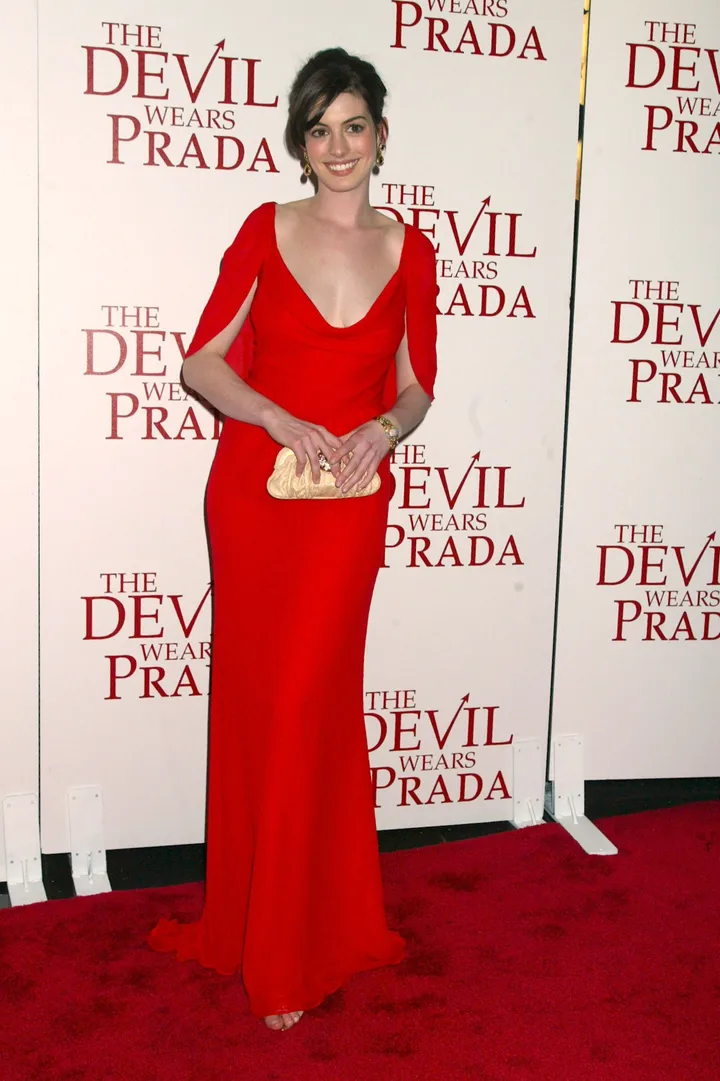
Anne Hathaway
The Devil Wears Prada world premiere – New York, June 2006

Gregory Pace/BEI/Shutterstock
LA Film Festival – Los Angeles, June 2006

The Devil Wears Prada photocall – Venice, September 2006

David Fisher/Shutterstock
The Devil Wears Prada premiere – Venice, September 2006

Josie Kern/ZUMA Press Wire/Shutterstock
The Devil Wears Prada 2 press conference (with Meryl Streep) – Seoul, April 2026

The Devil Wears Prada 2 red carpet – Seoul, April 2026

The Devil Wears Prada 2 world premiere – New York, April 2026

Evan Agostini via Evan Agostini/Invision/AP
The Devil Wears Prada 2 European premiere – London, April 2026

Scott A Garfitt/Invision/AP
The Devil Wears Prada 2 photocall – London, April 2026

Scott A Garfitt/Invision/AP
A Night With Runway photocall – London, April 2026

David Fisher/Shutterstock
Meryl Streep
The Devil Wears Prada world premiere – New York, June 2006

Charles Sykes/Shutterstock
The Devil Wears Prada photocall – Venice, September 2006

David Fisher/Shutterstock
The Devil Wears Prada premiere – Venice, September 2006

Josie Kern/Globe Photos/ZUMA Press Wire/Shutterstock
The Devil Wears Prada 2 world premiere – New York, April 2026

Evan Agostini/Invision/AP
The Devil Wears Prada 2 European premiere – London, April 2026

Scott A Garfitt/Invision/AP
A Night With Runway photocall – London, April 2026

Scott A Garfitt/Invision/AP
The Devil Wears Prada 2 photocall – London, April 2026

Scott A Garfitt/Invision/AP
Emily Blunt
The Devil Wears Prada world premiere – New York, June 2006

Ken Babolocsay/Globe Photos/ZUMA Press Wire/Shutterstock
The Devil Wears Prada world premiere (with then-boyfriend Michael Bublé) – New York, June 2006

Ken Babolocsay/Globe Photos/ZUMA Press Wire/Shutterstock
The Devil Wears Prada 2 world premiere – New York, April 2026

Evan Agostini/Invision/AP
The Devil Wears Prada 2 European premiere – London, April 2026

Scott A Garfitt/Invision/AP
A Night With Runway photocall – London, April 2026

Scott A Garfitt/Invision/AP
The Devil Wears Prada 2 photocall – London, April 2026

Scott A Garfitt/Invision/AP
Stanley Tucci
The Devil Wears Prada world premiere – New York, June 2006

Gregory Pace/BEI/Shutterstock
LA Film Festival – Los Angeles, June 2006

The Devil Wears Prada photocall – Venice, September 2006

Camilla Morandi/Shutterstock
The Devil Wears Prada premiere (with his late wife, Kate) – Venice, September 2006

Camilla Morandi/Shutterstock
The Devil Wears Prada 2 world premiere – New York, April 2026

Evan Agostini/Invision/AP
The Devil Wears Prada 2 European premiere – London, April 2026

Scott A Garfitt/Invision/AP
A Night With Runway photocall – London, April 2026

Scott A Garfitt/Invision/AP
The Devil Wears Prada 2 photocall – London, April 2026

Scott A Garfitt/Invision/AP
The Devil Wears Prada 2 is in cinemas worldwide now. Check out our review of the film here.
May is looking like another hectic month for Netflix, with lots more exciting new titles being added to the streaming service in the weeks ahead.
These include a show that promises to be an intriguing cross between Stranger Things and The Thursday Murder Club, an adaption of an intriguing best-seller starring two-time Oscar winner Sally Field and an already-controversial Sacha Baron Cohen project.
As well as these new additions, some of our favourites are also returning, including the Tina Fey comedy The Four Seasons, the chaotic dating show The Perfect Match and the dark anime Devil May Cry.
So, whether you want a new adventure movie for a family sit-down together or a gripping new reality TV obsession to pick apart with your friends, there really is something for everyone this month on the steamer.
Here are 11 of our top picks to stream on Netflix this May…
Swapped (1 May)
Tell Me More: Michael B. Jordan’s first screen performance since winning the Best Actor prize at the Oscars sees him voice a mysterious little woodland creature.
The animated family film Swapped is a wholesome story about two former rivals who swap bodies, forcing them to team up to fight a common enemy, while learning lessons about tolerance along the way.
Michael plays an adorable otter-like animal called Pookoo, while Juno Temple lends her voice to an avian creature, with Tracy Morgan, Cedric the Entertainer and Ambika Mod also appearing in this sweet animal take on Freaky Friday.
Swapped has been praised for its “fast pacing, frequent doses of humour, and myriad plot twists” by The Hollywood Reporter, ideal for keeping any little ones entertained.
Netflix Says: “A buddy comedy about a small woodland creature and a majestic bird – natural sworn enemies of The Valley – who suddenly swap bodies and must team up (while walking in each other’s feathers and fur) to survive the wildest adventure of their lives.”
Remarkably Bright Creatures (8 May)
Tell Me More: Shelby Van Pelt’s debut novel spent more than 64 weeks on the New York Times hardcover fiction bestseller list, and now it’s been turned into a much-anticipated Netflix film starring Lewis Pullman and Sally Field.
Remarkably Bright Creatures, directed by Where The Crawdads Sing’s Olivia Newman, follows a lonely widow who works nights at an aquarium, and becomes unlikely friends with a grumpy octopus.
The highly-intelligent octopus is one step ahead of humans and helps Sally’s character put the pieces together in her exploration of what really happened to her deceased son.
Netflix Says: “A widow who works at a local aquarium finds joy again when she forms unlikely bonds with a giant Pacific octopus and a wayward young man who comes to town in search of family.
“Together, they uncover a mystery that will lead them to a life-changing discovery and restore their sense of wonder.”
Devil May Cry (12 May)
Tell Me More: The popular animation returns for a second series on Netflix, and continues to follow the handsome half-demon demon hunter, Dante, as he fights to prevent the gates of Hell from opening and stops an uprising in the underworld.
Series two finds Dante coming to terms with his demonic heritage as he gets ready to step into his new role as a warrior, discovering along the way that his long-lost brother Vergil is still alive, as the conflict between their two worlds escalates.
Netflix Says: “It’s Dante’s world, we’re all just living in it. Sinister forces are at play at the portal between the human and demon realms. In the middle of it all is Dante, an orphaned demon hunter for hire, unaware that the fate of both worlds hangs around his neck.
“Season two of this series, based on the popular action-adventure game of the same name, will have you asking: Team Dante? Team Vergil? Why choose?”
Marty, Life Is Short (12 May)
Tell Me More: Marty, Life Is Short chronicles the rise and career longevity of the legendary comedian and actor Martin Short.
Incorporating never-before-seen archival footage and new interviews with the funnyman and his famous friends, the documentary follows him from his sketch comedy beginnings to some of his most famous roles in Father Of The Bride and Only Murders In The Building.
Netflix Says: “Using beautiful, intimate, never-before-seen archive footage alongside exclusive interviews with some of the most established and beloved stars, the documentary takes a look at one of the most influential comedians of a generation.”
Untold UK (12 May)
Tell Me More: Netflix’s critically-acclaimed Untold documentary series is coming to the UK, incorporating unseen archive, raw dressing room tales and interviews with key figures to pull back the curtain on the world of modern football.
Episode one will cover Jamie Vardy and his rise from a Sheffield lad to a successful footballer who smashed records and tore up the rulebook of the sport, while the second explores how one night in Istanbul saw an underdog football team, Liverpool, pull off an unthinkable win during the Champions League final in 2005.
The third and final instalment follows Vinnie Jones’ rise to becoming one of the game’s most controversial figures, and how he went from a notorious hardman to an FA Cup winner and, later, a Hollywood star.
Netflix Says: “Untold UK will go beyond the headlines and pull back the curtain on the most dramatic moments and personalities of the beautiful game.
“The series of three documentaries will cover unlikely Premier League legend Jamie Vardy, Liverpool’s miraculous 2005 Champions League-winning team, and controversial professional player turned actor Vinnie Jones.”
Perfect Match (13 May)
Tell Me More: Stars from some of the biggest shows on reality TV are back and looking for love on season four of Perfect Match.
Well-known faces from the likes of Love Island, Too Hot To Handle, Love Is Blind and even more of your favourite reality series are all heading to paradise to pair off and compete in physical challenges that challenge their bonds in the hopes of finding love.
If they win these trials, the pairs are then given the opportunity to scupper the other contestants’ romances through a variety of twists, introducing even more drama into the proceedings.
Netflix Says: “Reality TV romantics from across your favorite franchises are about to pair off in paradise to find out who’s the most compatible.
“In addition to singles from the Netflix Reality Universe, stars from Love Island, Vanderpump Rules, and more will hit the beach to mix and mingle. This season, the dating competition is evolving to allow more singles to enter and remain in the house longer, giving late arrivals a genuine chance to stay and find a connection.”
The Boroughs (21 May)
Tell Me More: Produced by The Duffer Brothers, the team behind Stranger Things, The Boroughs promises to be your new Netflix sci-fi obsession.
With a star-studded cast which includes Alfred Molina, Geena Davis and Bill Pullman, the upcoming drama sees a group of pensioners battle monstrous creatures which threaten the peace of their idyllic retirement home.
Much like Stranger Things, this series follows a ragtag team of misfits as they come together to fight supernatural beings.
“From the beginning, we knew we wanted The Boroughs to feel equal parts scary, mysterious, exciting and emotional,” the show’s creators Jeffrey Addiss and Will Matthews told Tudum.
Netflix Says: “In a seemingly perfect retirement community, a grieving newcomer’s monstrous encounter inspires him to join a misfit crew of unlikely heroes who uncover a dark secret that proves their ‘golden years’ are more dangerous, and they are more formidable, than anyone expects.”
Ladies First (22 May)
Tell Me More: Sacha Baron Cohen faces off against Rosamund Pike in what promises to be a divisive new comedy.
Ladies First follows an arrogant, high-powered executive whose life is turned upside down when he wakes up in a parallel universe where women are in charge, and finds himself battling an under-appreciated female employee for the top job at his company and has to confront his worst fear: a domineering woman in power.
Co-starring Charles Dance, Emily Mortimer and Richard E Grant, the trailer already caused controversy when it was released last month.
People wasted no time in calling the film “cringe” and too reminiscent of the 2000s comedy What Women Want – but regardless of whether you think it looks any good, it’s sure to spark plenty of discourse online when it premieres later this month.
Netflix Says: “A ladies man gets a real wake-up call when he finds himself in a parallel world dominated by women where he goes head-to-head with a fiery female counterpart who makes things far more of a challenge for him.
“This English-language comedy is an adaptation based on the French film I Am Not an Easy Man from writer-director Eléonore Pourriat.”
Mating Season (22 May)
Tell Me More: If you’re sad that Big Mouth has come to an end, fear not, because the creative team behind the adult animation has another comedy about love, sex and relationships on its way.
However, this time around, it’s all set in the animal world.
The American Office’s Zach Woods takes the lead as a shy bear who, after a months-long slumber, decides to get back into the world of dating, with some help from his hyperactive racoon friend, voiced by the show’s creator Nick Kroll.
Big Mouth fans will know to expect crude laughs, raunchy observations about sex and relatable charaters- even if they are animated animals.
Netflix Says: “Mating Season is set in the animal world starring a cast of bears, raccoons, deer, foxes and a host of other horny, lovable forest critters, as they navigate love, sexual relationships and the universal need to hook up and find a partner.”
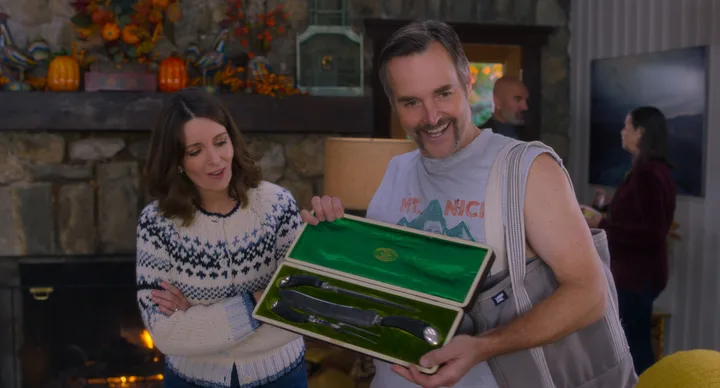
The Four Seasons (28 May)

Tell Me More: Tina Fey’s hugely popular comedy-drama returns for a second season, following a tight-knit friendship group through another year of life’s ups and downs.
She’s once again joined by Colman Domingo, Will Forte, Marco Calvani, Kerri Kenney-Silver and Erika Henningsen as couples of a certain age navigating being empty nesters, long marriages and maintaining friendships over time.
Based on the 1981 Alan Alda film of the same name, the first series was a big success with critics and audiences alike. As with season one, the next run of The Four Seasons will follow the same friendgroup across four vacations over the course of a year.
“One of the things we like about it is what we kept calling the container plate of it,” Tina told Elle. “The game of, we only see them on vacation. We only see them throughout the year.”
The upcoming second series will also address that season one cliffhanger after that shocking episode seven death.
Netflix Says: “The decades-long friendship between three married couples is tested when one divorces, complicating their tradition of quarterly weekend getaways.”
Rafa (29 May)
Tell Me More: The new four-part documentary series follows tennis play Rafael Nadal in the last year of his iconic professional career.
Capturing a transformative phase of the 22-time Grand Slam champion’s career, the Spanish player is seen dealing with injuries while embracing fatherhood and facing the idea of retirement.
The doc will feature star-studded interviews with some of the sport’s most iconic names, including Roger Federer, Novak Djokovic and John McEnroe, as well as behind-the-scenes access that promises to be the most comprehensive look at Nadal’s career to date.
Netflix Says: “As he battles for a final triumph on the court, Rafael Nadal opens up like never before about what shaped one of the greatest tennis careers of all time.”

Bitcoin Nears $79K as Weekly Close Hits Post-January High
Which CBS Shows Got Episode Counts Cut Before Fall 2026 Season?

Lille Drop Points In Race For Champions League Place After Home Draw With Le Havre

Manchester United reach agreement with Casemiro over contract clause amid transfer speculation

US brings back mandatory military draft registration

Steven Gerrard disagrees with Gary Neville over ‘shock’ Chelsea and Arsenal claim | Football


-

 Tech6 days ago
Register Renaming | Hackaday
-

 Politics6 days ago
Drax board avoid their own AGM, accused of greenwashing & environmental racism
-

 Tech6 days ago
Why Blue Badges Disappeared From Toyota Hybrids
-

 Tech6 days ago
Images of Samsung’s rumored smart glasses have leaked
-
 Tech2 days ago
Trump’s 25% EU auto tariff breaches Turnberry Agreement that also covers semiconductors and digital trade
-

 Fashion5 days ago
Kylie Jenner’s KHY Enters a New Era with ‘Born in LA’
-

 Business5 days ago
Most Commercial Energy Audits Miss the Real Losses
-

 Crypto World5 days ago
CFTC’s AI will review U.S. crypto registration applications, chairman tells CoinDesk
-

 Business6 days ago
(VIDEO) Charlize Theron Climbs Times Square Billboard to Promote New Netflix Thriller ‘Apex’
-
 Sports2 days ago
Paul Scholes issues Marcus Rashford reality check as agreement emerges over Man United star
-

 Business4 days ago
Barclay Brothers Avoid Bankruptcy: HSBC Drops High Court Petitions After IVA Deal
-
 Business4 days ago
Tesla Officially Registers Elon Musk’s Stock: What Investors Need to Know
-
 Entertainment6 days ago
Alicia Keys Calls Out Music Industry ‘Boys Club’
-

 Tech5 days ago
Get Ready for More Brain-Scanning Consumer Gadgets
-
 Crypto World5 days ago
Robinhood Phishing Scam Exploits Gmail Dot Feature to Bypass Security
-

 Entertainment6 days ago
Sister Wives: Janelle Posts New Scary Warning
-

 Crypto World5 days ago
Gmail Dot Trick Underpins Robinhood Phishing, Sending Real-Looking Emails
-

 Business7 days ago
AI-Driven App Creation at Your Fingertips
-

 Business3 days ago
Two Powerball Tickets Split $143 Million Jackpot in Indiana and Kansas
-

 Tech6 days ago
The next iPhone moment might come from an AI company, not Samsung or Apple
You must be logged in to post a comment Login