

Crypto World
Bitcoin Nears $79K as Weekly Close Hits Post-January High


Bitcoin (BTC) is resting near a critical weekly close as traders balance renewed optimism from spot ETF inflows against a backdrop of geopolitical headlines surrounding the US-Iran situation. With price stubbornly hovering in the high $70,000s, the market is watching for a decisive close that could set the stage for a move toward the mid-$80,000s if momentum persists into the weekend.
Trading data indicates BTC/USD has been able to recoup some earlier losses, putting it on track for one of its strongest weekly closes in months. Finishing the week above roughly $78,670 would mark the highest weekly close since late January, underscoring a nascent shift in near-term momentum even as caution remains pervasive among market participants.
Key takeaways
- BTC approaches a pivotal weekly close, with potential for the strongest weekly finish since January if it clears the $78,670 hurdle.
- US spot Bitcoin ETFs drew robust demand on Friday, with inflows totaling nearly $630 million, reinforcing the case for continued near-term upside.
- Analysts flag liquidity dynamics as a double-edged factor: large inflows support price strength, but traders also warn of liquidity grabs that could precede reversals.
- Geopolitical headlines—centered on US-Iran diplomacy and a skeptical tone from President Trump—add a layer of uncertainty that could tilt intraday moves.
BTC price action tied to weekly catalysts and ETF flow
Currency data from TradingView shows BTC/USD attempting to hold gains after earlier weakness, with observers noting the absence of a firm breakout yet a disciplined bid near key levels. The path of least resistance for BTC, at least in the near term, appears tied to how the weekly close develops and whether buyers can sustain above resistance zones.
In the broader market, the mood shifted on Friday as hopes for a peace agreement between the US and Iran buoyed risk assets, including cryptocurrencies. Yet by Sunday, a key political voice injected a note of skepticism. In a post on Truth Social, former President Donald Trump wrote that he “can’t imagine that it would be acceptable” to endorse the latest Iranian proposals, injecting a potential headwind into the immediate sentiment.
Despite the mixed political signals, traders remained constructive about the short-term trajectory. Michaël van de Poppe, a well-followed analyst, highlighted Friday’s robust ETF inflows as a driver of gradual consolidation that could give way to upside in the coming sessions. “Strong consolidation on BTC, and Friday gave us a slight insight into what’s likely to come,” he wrote on X.
Van de Poppe pointed to the critical level around $79,000: “The $79K area is a crucial zone. That needs to break. If this breaks, I’m assuming we’ll see more upwards momentum and I’ve got $86-88K as first resistance area and $92-94K as the crucial one.”
The analyst’s frame suggests that a break above key resistance could unlock a more extended upside, but only if the market can sustain the move through intermediate hurdles. The absence of a dramatic pullback in the wake of Friday’s ETF enthusiasm reinforces the narrative that some investors are leveraging the liquidity impulse to position for a potential multi-stage rally.
Liquidity dynamics: a growing risk factor even as inflows buoy prices
Market watchers have been watching liquidity as a leading indicator of potential reversals. A liquidity buildup below recent price highs can set the stage for a “pump-and-dump” style sequence if buyers exhaust themselves or if sellers suddenly overwhelm demand.
On Friday, traders cited a notable accumulation of liquidity at the lower end of the spectrum, followed by a move to test higher levels. Crypto Tony, a market commentator, noted: “Starting to see a build of liquidity form below, but a take of the high liquidity and using that to dump.” His observation mirrored a broader take from data platform CoinGlass, which tracks liquidation activity and order-flow patterns to gauge the risk of sharp reversals.
Meanwhile, a technical breakdown in liquidity placement was described by JDK Analysis as “typically bearish.” In a post on X, the account outlined that fresh long positions were opening into the highs while price action showed signs of absorption, struggling to push decisively higher amid aggressive market buying for now. The message: even as the crowd piles into long bets, real demand may be insufficient to sustain a sustainable breakout without a shift in the liquidity landscape.
These views underscore a nuanced picture: ETF-driven demand and optimistic headlines can lift prices in the near term, but large liquidity dynamics remain a potential source of volatility. Investors face a balancing act between chasing momentum and guarding against the risk of a liquidity-driven pullback if supply temporarily overwhelms demand.
Geopolitics, sentiment, and the longer-term outlook
The week’s headlines also remind readers that crypto markets do not move in a vacuum. The US-Iran diplomatic saga has been a key driver of risk appetite in recent sessions, with traders parsing every headline for hints of development. The optimism surrounding a possible peace agreement offered a positive backdrop for risk assets, but the subtle shift in tone from policymakers keeps traders wary of sudden reversals.
The political dimension converges with the market’s technicals to shape near-term risk-reward. While ETF inflows provide a more tangible, instrument-based driver for price action, geopolitical signals can quickly swing momentum, particularly in a market as sensitive to macro headlines as BTC. The ongoing tension between policy expectations and actual progress means readers should remain vigilant for headlines that could alter the tone of the week ahead.
What to watch next
Looking ahead, several signals will illuminate whether the current setup can sustain its momentum. A sustained break above the $79,000 threshold would not only vindicate the near-term bullish thesis but also set the stage for a possible run toward the mid- to upper-$80,000s, with the first meaningful resistance in the $86-88k zone and a more consequential hurdle near $92-94k, as highlighted by Michaël van de Poppe.
On the demand side, continued inflows into US spot BTC ETFs would reinforce the case for a constructive trajectory, provided the liquidity environment remains supportive. Investors will also be watching for any escalation or relief in the US-Iran dynamic, as well as any new statements from policymakers that could alter risk sentiment in the near term.
Meanwhile, traders will likely keep a close eye on liquidity patterns as a potential tell for the next move. If fresh long positions are driven into the highs but price remains unable to push decisively higher, that could indicate a waning of momentum and possibly precede a more pronounced correction should demand falter. Conversely, a clean breakout through $79,000 and beyond could usher in a period of renewed upside pressure, especially if ETF inflows remain robust.
This narrative, built on a combination of on-chain liquidity signals, ETF demand, and evolving geopolitical headlines, emphasizes how investors must balance momentum with risk controls. As markets digest the week’s headlines and await fresh data, participants should prepare for a range of outcomes and stay attuned to early signs of a sustained trend reversal or a sustained breakout beyond the next resistance landmarks.
Sources and data references included in this article:
– ETF inflows and market commentary from market participants, including Michaël van de Poppe (@CryptoMichNL) on X. Timeline context and quotes drawn from his public posts: X.
– Liquidity analysis and heatmap observations from CoinGlass: CoinGlass.
– JDK Analysis commentary from X: X.
– Trailing political context and responses from Truth Social: Truth Social.
– Price context and chart reference: TradingView.

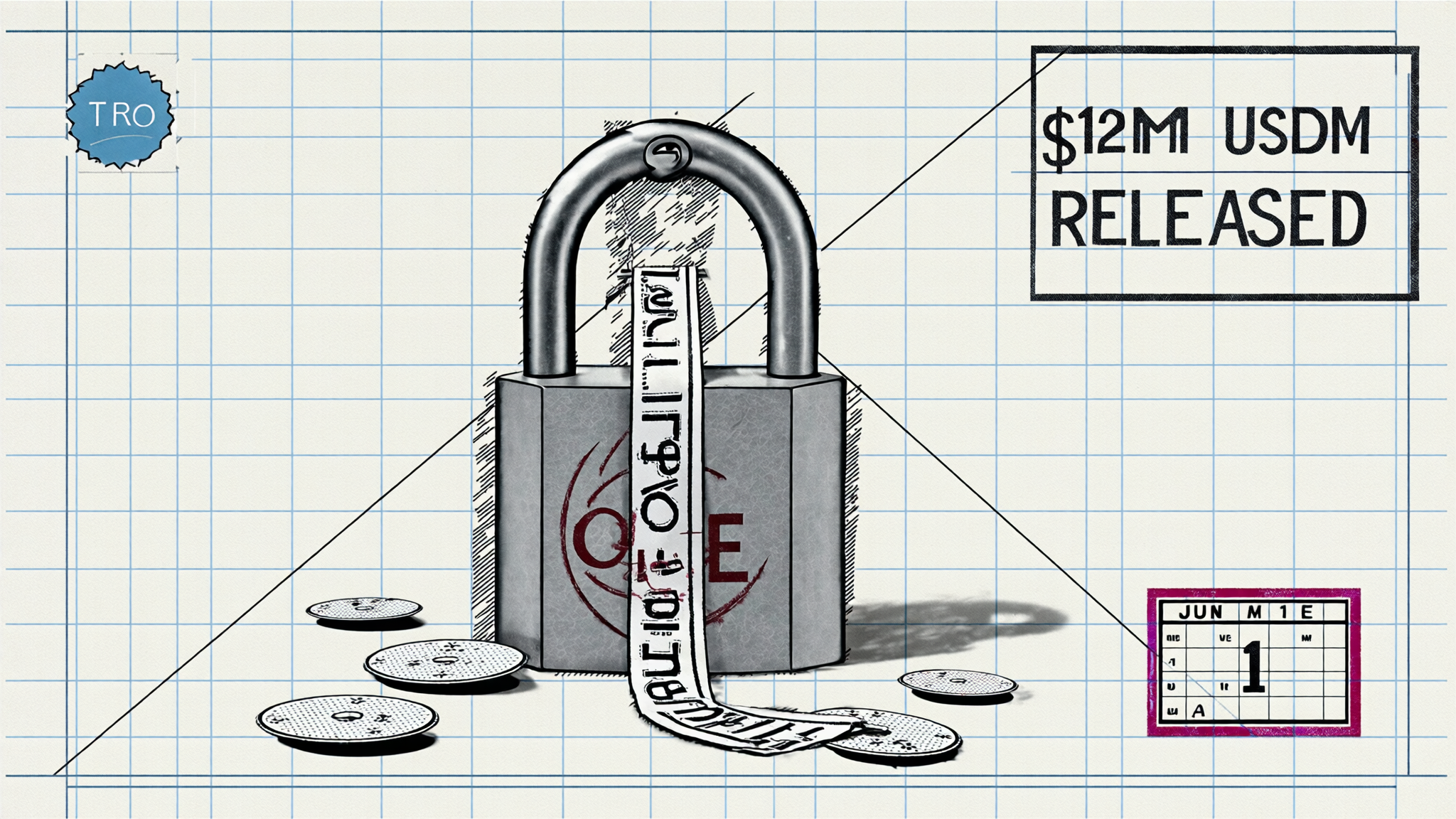
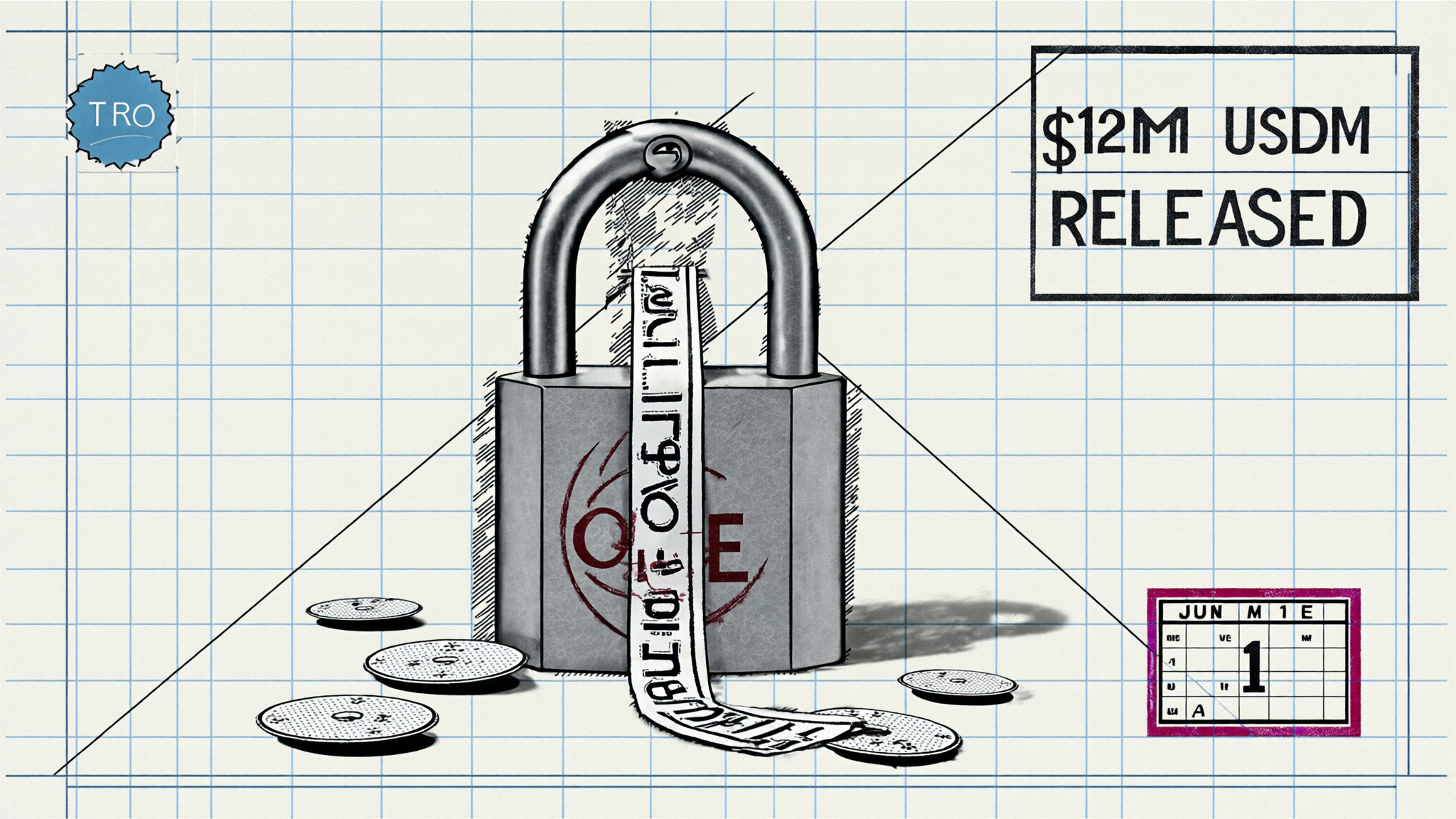
A U.S. federal court reversed the freeze on Zama's confidential USDC contract on Monday, restoring access to roughly $12.5 million in USDC that Circle had blacklisted on May 30 under a temporary restraining order tied to an Overnight Finance treasury suit. Zama co-founder and CEO Rand Hindi… Read the full story at The Defiant
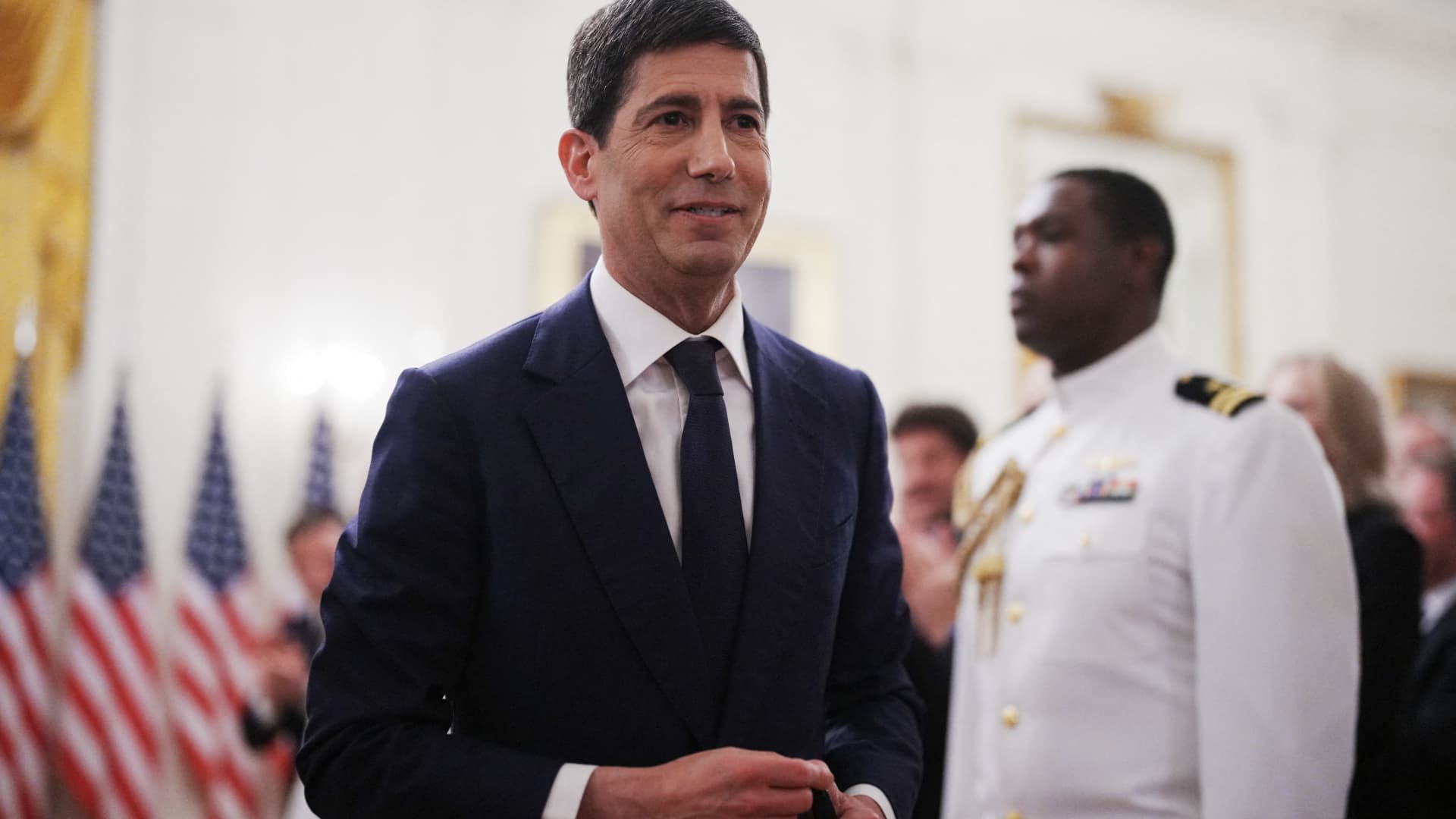
The new Chairman of the Federal Reserve Kevin Warsh departs from the East Room of the White House after a swearing in ceremony in Washington, DC on May 22, 2026.
Aaron Schwartz | AFP | Getty Images
Federal Reserve Chair Kevin Warsh has hired two conservative economic policy researchers to work with him at the central bank, a person familiar with the matter told CNBC.
The two researchers are Paul Winfree, the author of the chapter on the Federal Reserve in the conservative policy blueprint “Project 2025,” and Daniel Heil, a fellow at Stanford’s Hoover Institution think tank, where Warsh held a position before joining the Fed.
The two are “working as temporary contractors to support Warsh in his policy analysis and planning on special projects in the areas in which they have worked with him over time,” the person said. Warsh hasn’t yet made other permanent hires, this person said.
Warsh’s personnel decisions will be closely scrutinized. His broad network of advisers includes many prominent figures, including former Secretary of State Condoleezza Rice, investor Stanley Druckenmiller, and Chevron CEO Mike Wirth, all of whom appeared at his swearing-in last month at the White House.
But Warsh appears to have relatively few close advisers who have worked at the Fed or other major central banks. Warsh has positioned himself as an insider-turned-critic after serving at the Fed as governor during the 2007-2008 financial crisis under Chair Ben Bernanke.
Warsh in seeking the job pledged “regime change” at the Fed, telling an interviewer in 2025 that doing so would require “breaking some heads” at the central bank.
More recently Warsh has tempered his language about the Fed’s staff. At his swearing-in, Warsh said his “goal now is to create an environment in which the best people can do their life’s best work.”
Winfree worked on the Domestic Policy Council in the first Trump administration and more recently founded the Economic Policy Innovation Center, a pro-Trump think tank.
His chapter in “Project 2025” canvassed a range of conservative ideas to reform the Fed, some of which go beyond what Warsh has discussed. Among the ideas Winfree considered were to end the Fed’s so-called dual mandate, its directive from Congress to set interest rates with respect to maximizing employment and stabilizing prices. The Fed should instead focus on “protecting the dollar and restraining inflation,” Winfree wrote.
Warsh at his swearing-in spoke positively about upholding both sides of the dual mandate.
The Federal Reserve declined to comment for this story. The Wall Street Journal earlier reported the hires.

The United Kingdom should press ahead with a stablecoin regulatory regime, but the rules must avoid choking the commercial viability of a pound-denominated market. That is the central message of a new report from the House of Lords’ Financial Services Regulation Committee, issued this week. The cross‑party panel argues the UK is “lagging behind” the United States and the European Union as the gap in clarity around stablecoins persists, slowing development and investment in the UK despite the global footprint of USD-pegged tokens like USDt and USDC.
While the committee endorses much of the Bank of England’s and the Financial Conduct Authority’s proposed framework, it warns several features could undermine the competitiveness and robustness of UK-issued stablecoins. In particular, the report backs a 1:1 backing requirement for fiat-referenced stablecoins and a Bank of England backstop lending facility for systemic issuers. But it cautions that some BoE proposals announced in November 2025 could be counterproductive in practice, and could push stablecoins away from the UK market if too onerous.
Key takeaways
- The UK should regulate stablecoins with a clear regime, but calibrate rules to preserve commercial viability and competitiveness, avoiding a framework that makes GBP stablecoins unworkable.
- A 1:1 reserve backing standard is supported for fiat-backed stablecoins, alongside a BoE backstop for systemic issuers; however, the emphasised reserve mix and related constraints require careful design to avoid harming issuers’ viability.
- Proposals to hold a substantial share of backing assets in unremunerated central-bank deposits—around 40%—drew criticism and could threaten the UK’s competitive position if implemented as drafted.
- Temporary holding limits for entities and individuals, and a ban on remuneration to coinholders, are highlighted as potentially inhibiting growth and practicality, depending on how they’re implemented.
- The regime’s stance on returns—mirroring MiCA and the GENIUS Act—could affect how UK-issued stablecoins attract users, with ongoing questions about allowable non‑interest incentives and rewards.
UK regulatory trajectory: balancing oversight with market growth
The Lords committee frames stablecoins as a strategic opportunity for the UK’s payments infrastructure, not merely a question of policing risks. It notes that the current lack of a clear regime has “suppressed stablecoin development and investment in the UK,” even as institutions and consumers increasingly rely on global USD-pegged tokens. The report aligns with the Bank of England’s broader aim to mitigate financial stability risks while enabling the UK to participate in a fast-evolving payments landscape.
Crucially, the committee urges the Treasury, the BoE, and the FCA to maintain the present timelines and to provide a practical blueprint for how dual regulation will work in practice for systemic issuers. In doing so, it signals a willingness to move forward, but only if the resulting regime remains attractive to issuers and users and does not tilt the economics so heavily in favor of incumbents or foreign markets. This stance reflects a broader market dynamic: as other jurisdictions move ahead with clear rules, the UK risks losing ground if its framework becomes a barrier rather than a facilitator of innovation.
Reserves, backstops, and the practicalities of holding limits
At the heart of the debate is a design question: how should a stablecoin reserve be constituted and protected? The committee backs a 1:1 backing standard for fiat-backed stablecoins, intended to provide trust and reduce liquidity risk. It also endorses a BoE backstop lending facility to support systemic issuers in times of stress, a feature that could reassure large users and custodians about safety margins.
However, the report singles out the BoE’s proposal for requiring a substantial portion of backing assets to be held as unremunerated central-bank deposits—specifically, a 40% threshold. This element has drawn “considerable criticism” and, the committee warns, could weigh on the viability of issuers and the UK’s international competitiveness. In practice, holding a large share of reserves in non‑yielding central-bank deposits could erode issuer incentives and raise funding costs, potentially deterring issuers from choosing the UK as their base of operations.
The committee also flags potential complications from temporary holding limits that would apply to both businesses and individuals. While designed to curb risk, such limits could complicate operations and drive users toward more permissive offshore jurisdictions if not implemented with workable exemptions and robust operational frameworks. The balance, the report argues, is to prevent abuse without constraining legitimate, low-cost payments that stablecoins can provide.
Remuneration bans and what counts as a reward
Another edge of the regulatory blade concerns rewards and interest payments on stablecoin holdings. The BoE’s draft regime contemplates banning remuneration for coinholders of sterling-denominated systemic stablecoins, aligning with the EU’s MiCA framework and echoing the U.S. GENIUS Act’s stance on non-bank issuers. The aim is to limit the risk that stablecoins become investment vehicles or sources of yield rather than straightforward payment rails.
Yet the committee notes a practical tension: many users expect some form of incentive or reward for holding a stablecoin, a feature that can be crucial for adoption, especially for merchants and on-chain payments. The report raises questions about whether card-style rewards or other non-interest incentives could be permissible under the final regime. If types of non-interest rewards are allowed, they could preserve user appeal while maintaining the core risk controls; if not, there is a risk of dampening demand and slowing the growth of UK-issued tokens.
The discussion also touches on broader policy decisions: how to balance the regulatory emphasis on safety and anti‑illicit-finance measures with the need to foster a competitive, user-friendly payments ecosystem. The committee emphasizes that stablecoins should facilitate fast, low-cost transactions, not simply serve as fixed-value assets. The challenge, then, is to craft rules that preserve consumer protection and systemic integrity without turning the GBP stablecoin market into a constrained or unattractive option.
Evidence, risk, and a strategic choice for the UK
Throughout its inquiry, the Lords committee heard a spectrum of views—from industry participants to academics—about whether stablecoins can extend beyond on/off‑ramp use and into everyday payments, while maintaining financial stability, bank funding access, and consumer protections. The resulting framework, the report argues, should nurture growth in a pound-denominated stablecoin sector rather than regulate it out of relevance. That means clarifying how dual regulation will operate in practice, ensuring reserve requirements are workable, and calibrating measures like holding limits to avoid unnecessary friction in the payments system.
In essence, the committee acknowledges the high-stakes nature of the UK’s regulatory choice. A well-calibrated regime could position the UK as a globally relevant hub for GBP-denominated stablecoins, supporting faster, cheaper payments for individuals and businesses alike. Misjudgments, however, could push issuers overseas or delay the development of a domestic stablecoin market that many see as a natural extension of the country’s sophisticated financial services sector.
To the fore of the debate is a practical question: can the UK design a regime that is both credible to investors and appealing to issuers, while meeting stringent standards for risk management and consumer protection? The committee’s answer is cautiously optimistic, but contingent on a careful balancing act that preserves incentives for innovation while preventing misuse and systemic risk. The timelines referenced in the BoE consultation and the ongoing FCA guidance process will be telling, as regulators seek to align domestic rules with international norms without creating a regulatory dead zone for UK firms.
As policymakers proceed, readers should watch how the Treasury, the Bank of England, and the FCA translate these recommendations into concrete policy—particularly around the 40% reserve rule, the viability of a BoE backstop, and the scope of permissible non-interest incentives. The outcome will shape whether the United Kingdom becomes a leading jurisdiction for GBP stablecoins or remains a distant second to more clearly defined regimes elsewhere.
What comes next is a pragmatic test: can the UK harmonize safety, clarity, and competitiveness in a way that supports real‑world, low-cost payments while maintaining high standards for consumer protection and financial stability? The next few months should reveal whether the regime evolves into a practical blueprint that inspires confidence from issuers, users, and financial partners alike.
Crypto World
Coinbase Ventures Buys ENA on the Open Market as Coinbase and Ethena Strike Distribution Deal


Coinbase Ventures has bought ENA tokens on the open market rather than through a discounted private round, the venture arm's first such disclosed purchase, as the parent exchange and synthetic-dollar issuer Ethena announced a separate partnership to push onchain finance and savings products to… Read the full story at The Defiant


Galaxy Digital has launched an institutional over-the-counter prediction-markets desk, opening the service with a $10 million event swap tied to the Digital Asset Market Clarity Act.
Summary
- Galaxy launched an institutional OTC prediction-markets desk with a $10 million event swap with Arca.
- The first trade allows Arca to take a position on whether the CLARITY Act will pass before 2027.
- Galaxy said the desk will support large trades on Kalshi and Polymarket that public order books cannot absorb.
Galaxy said Tuesday that the desk operates within its Global Markets unit and serves institutional clients seeking exposure to non-sports event contracts on Kalshi and Polymarket without relying solely on public order books. The Nasdaq-listed digital assets firm said it will act as a principal counterparty, allowing it to quote large bilateral trades and hold the risk on its own book.
The first transaction involved crypto hedge fund Arca, which used the structure to take a position on whether the CLARITY Act passes before 2027. Under the event swap, Arca pays Galaxy Digital if the bill becomes law before that deadline, while Galaxy pays Arca if it does not.
Galaxy Digital targets block-size prediction market trades
According to Galaxy, the new desk is designed for trade sizes that current prediction-market order books cannot easily absorb. The firm said it can also pair event positions with hedges in equities and commodities, giving institutional clients a way to structure trades around political, regulatory, and macro events.
Prediction markets have cleared more than $60 billion in volume in 2026, according to Galaxy’s release. However, the firm said liquidity remains limited for larger tickets, where a $10 million order could affect pricing before execution is complete.
Jeff Dorman, Arca’s chief investment officer, said in the release that prediction markets currently offer one of the most suitable ways to hedge against CLARITY. He added that the market does not yet have enough institutional liquidity for a fund of Arca’s size.
CLARITY Act trade opens the desk
The inaugural swap is linked to Kalshi’s binary market on the Digital Asset Market Clarity Act, where “yes” shares trade between $0 and $1 based on the market’s implied probability of passage. Galaxy said the Senate Banking Committee advanced the bill in a 15-9 vote on May 14, moving it closer to a possible floor vote.
Galaxy’s research desk currently assigns a 75% probability to the bill’s passage and estimates a signing date during the week of August 3. The firm said Kalshi and Polymarket traders have priced the same outcome between 50% and 73% over the past month.
Jason Urban, Galaxy’s global co-head of digital assets, said event-driven markets are becoming important tools for sophisticated investors expressing macro views. He said Galaxy Digital is offering clients a principal counterparty that can warehouse risk and execute at a meaningful size.
The move places Galaxy alongside other trading firms entering prediction markets this year. Jump Trading and Wintermute began formal activity in the sector earlier, with Wintermute streaming two-sided quotes last month.
Galaxy’s role differs from a market maker focused on tighter spreads. The firm said its desk is built to absorb block trades that are too large for on-exchange books.
Institutional interest builds around Kalshi and Polymarket
Kalshi and Polymarket have reported a rapid rise in activity. Combined monthly turnover on the two platforms grew from under $5 billion in September 2025 to about $24 billion in April, according to figures cited in Galaxy’s release.
Kalshi said last month that its annualized institutional volume rose 800% over six months to $178 billion, as it announced a $1 billion raise at a $22 billion valuation. Intercontinental Exchange, the parent company of the New York Stock Exchange, is also backing Polymarket with $2 billion in funding.

TLDR:
- Four 2025 hardforks cut BSC block times from 3 seconds to 0.45s with zero downtime.
- The Q1 2026 quarterly burn removed over 1.57 million BNB, valued at more than $1 billion.
- Ondo Global Markets launched 260+ tokenized stocks and ETFs natively on BNB Chain in 2025.
- BSC-native stablecoin $U reached $1 billion in supply within weeks of its December 2025 launch.
BNB Smart Chain has grown into one of crypto’s most active and technically advanced Layer 1 networks. Since its 2020 launch, the chain has delivered consistent protocol upgrades, ultra-low fees, and a maturing ecosystem.
With deflationary tokenomics, expanding stablecoin supply, and real-world asset integration, BNB Smart Chain continues to attract users and developers at scale in 2026.
Four Hardforks Drive Speed and Fee Reductions
BNB Smart Chain completed four major protocol upgrades in 2025, each targeting speed and cost. The Pascal, Lorentz, Maxwell, and Fermi hardforks ran without a single instance of network downtime.
Together, they reduced block times from three seconds down to just 0.45 seconds. Finality dropped from 7.5 seconds to 1.1 seconds, a dramatic shift for user experience.
Gas throughput doubled to 133 million gas per second following the upgrades. Validators also slashed the minimum gas price from 1 Gwei to 0.05 Gwei during this period.
As BNB Chain confirmed on X, median fees fell well below $0.01 per transaction. Cheaper and faster transactions directly translated into record network activity.
Daily transactions peaked at 31 million in 2025, an all-time high for the chain. The fee reductions made BNB Smart Chain highly competitive against other EVM-compatible networks.
Lower barriers to entry also opened the chain to users in emerging markets. Peer-to-peer stablecoin transfers, in particular, saw strong growth during this period.
The protocol upgrades also strengthened BNB’s deflationary mechanics. BEP-95, launched in October 2021, burns roughly 10% of every gas fee in real time.
Higher transaction volumes mean more BNB removed from circulation permanently. The 35th quarterly burn in Q1 2026 alone eliminated over 1.57 million BNB, valued at more than $1 billion.
RWAs and Stablecoins Expand the Ecosystem
Real-world assets have found a natural home on BNB Smart Chain. Ondo Global Markets launched on the chain in October 2025, introducing over 260 tokenized stocks and ETFs.
Assets include well-known names such as SPY, NVDA, and TSLA. The tokens are fully backed by underlying securities and support 24/7 trading with dividend tracking.
Ondo Finance confirmed in March 2026 that over 60 additional tokenized stocks and ETFs went live on BNB Chain. New additions included assets tied to AI, defense, and energy sectors.
This expansion pushed Ondo past $1 billion in total value locked across all chains. Tokenized commodities like PAXG and XAUT also provide gold-backed exposure on-chain.
On the stablecoin front, USDT leads supply on the chain by a wide margin. USD1 has risen to second place and continues gaining ground quickly.
United Stables launched its BSC-native stablecoin $U in December 2025, backed by USDT, USDC, and USD1. The token reached $1 billion in on-chain supply and features gasless transfers via EIP-3009.
DeFi protocols round out the ecosystem with strong volumes and liquidity. Uniswap now leads trading volumes on BNB Smart Chain following its multi-chain deployment.
Venus provides over $1.6 billion in lending liquidity, while ListaDAO handles liquid staking. PancakeSwap, GMGN.AI, and memecoin launchpads like Four.meme keep retail activity high across the chain.


The United Kingdom should advance its stablecoin regulatory regime, but with calibrations to avoid making a pound-denominated market commercially unworkable, a House of Lords committee concluded in a published report. The cross-party Financial Services Regulation Committee argued that the UK currently lags behind the United States and the European Union, and that the absence of a clear regime has constrained development and investment in the UK stablecoin sector, even as dollar-pegged tokens such as USDt and USDC continue to expand globally. According to Cointelegraph, the committee’s findings endorse much of the Bank of England’s and the Financial Conduct Authority’s proposed framework while cautioning against provisions that could hamper the viability or competitiveness of UK-issued stablecoins.
The report supports a 1:1 reserve backing standard for fiat-referenced stablecoins and backs a Bank of England backstop lending facility for systemic issuers. Yet it flags several elements from the BoE’s November 2025 consultation as potentially damaging. In particular, the committee criticizes the proposal that systemic issuers hold at least 40% of their backing assets in unremunerated central bank deposits, describing the requirement as having attracted significant criticism and potentially undermining the viability of issuers or the UK’s international competitiveness. It also notes that proposed temporary holding limits for businesses and individuals could impede growth in GBP-denominated stablecoins and may be impractical to implement.
Key takeaways
– 1:1 reserve backing and BoE backstop: The committee endorses the principle that fiat-collateralized stablecoins should be backed by high-quality assets at a 1:1 ratio and supports a BoE backstop facility for systemic issuers.
– Criticism of reserve-dust policies: The proposal to require a substantial share of reserves in unremunerated central bank deposits drew sharp critique and is seen as potentially detrimental to issuer viability and UK market competitiveness.
– Holding limits are problematic: Temporary limits on holdings by entities and individuals are viewed as potentially stifling and not readily implementable.
– Remuneration bans and MiCA alignment: The committee notes the intention to prohibit interest payments on sterling-systemic stablecoins, aligning with MiCA’s approach in the European Union and parallel discussions in the United States, though the policy landscape remains unsettled.
– Aim to nurture, not merely police: The Lords advocate a framework that grows a robust pound-denominated stablecoin sector while managing illicit-finance and financial-stability risks, clarifying how dual regulation of systemic issuers would operate in practice.
Regulatory alignment and systemic stablecoins
The committee’s analysis centers on aligning the UK regime with broader regulatory objectives—financial stability, consumer protection, and the integrity of the payments landscape—while safeguarding the UK’s competitiveness as a financial hub. The report favors the core Bank of England/FCA framework that treats systemic stablecoin issuers similarly to other systemically important financial entities, with appropriate oversight and backstops to mitigate failure risk. However, it argues for recalibrations to avoid suppressing the growth of sterling-backed tokens that could compete as a payment instrument in the domestic market.
A notable tension emerges around the BoE consultation’s reserve requirements and asset mix. The 40% threshold for unremunerated central bank deposits is singled out for concern, with the committee noting that such a rule could hamper issuer resilience and raise cross-border cost of capital for UK platforms. The debate mirrors wider policy tensions in stablecoin regulation: safety versus market functioning, and the risk of shifting activity to less-regulated jurisdictions if capital costs in London are too high.
In urging timely progress, the Lords emphasize the need for a clear regulatory timetable and for detailing how dual regulation would function in practice for systemic issuers. The committee underscores that the UK should calibrate reserve standards and liquidity rules so that sterling stablecoins can compete with traditional payment rails, rather than being regulated out of relevance. This viewpoint aligns with a broader policy objective: to anchor innovation within a robust regulatory perimeter that supports safe, efficient payments while minimizing systemic risk.
Remuneration restrictions, incentives, and policy coherence
A central policy question concerns whether stablecoin holders may receive rewards or interest on holdings. The BoE’s draft regime contemplates banning remuneration for holders of sterling-denominated systemic stablecoins, a stance consistent with the EU’s Markets in Crypto-Assets Regulation (MiCA) and with ongoing debates in the United States, including aspects of the GENIUS Act. The committee’s position highlights the practical implications of such a ban: while it reinforces a focus on payments use cases—fast, low-cost transfers—without converting stablecoins into yield instruments, it also raises concerns about the sustainability and business model of UK issuers.
The tension becomes more acute when considering potential non-interest incentives, such as card-style rewards or other non-financial benefits. The committee warns that uncertainty about what will be permitted could affect product design, issuer capital planning, and consumer expectations. The overarching question is whether the regulatory framework can encourage the development of resilient, consumer-friendly GBP stablecoins that can be integrated with existing banking and payments infrastructure, while preventing yield-driven incentives that could blur the line between money and investment.
Inquiry evidence and strategic choices
The Lords’ conclusions reflect months of evidence from industry participants and academics. In its proceedings, the committee pressed witnesses on whether stablecoins can extend beyond simple “on and off-ramps into crypto” and whether the UK can manage associated financial-stability and bank-funding risks. Witnesses offered divergent views on the GENIUS Act’s approach to non-bank issuers, reflecting broader policy debates in the United States. Across the spectrum, the committee stressed that stablecoins should not create new channels for illicit activity and that the regulatory framework should be robust and enforceable.
Beyond enforcement, experts emphasized the need to balance regulation with market development. The Lords argue for a UK strategy that nurtures and harnesses stablecoin technology as a payment mechanism, rather than treating it as a peripheral or purely speculative asset class. This approach presumes a stable, predictable regulatory environment that reduces uncertainty for issuers, banks, and payment providers while maintaining appropriate risk controls.
Implications for market structure, licensing, and cross-border considerations
For market participants, the Committee’s recommendations signal a push toward a structured, rules-based GBP stablecoin ecosystem anchored by a clear regulatory backstop and rigorous reserve standards. This has several practical implications:
– Licensing and oversight: Issuers of systemic GBP stablecoins could face licensing requirements, governance standards, and ongoing supervisory actions designed to ensure resilience, liquidity, and consumer protection.
– Banking integration and liquidity: A regulated stablecoin market, with calibrated reserve requirements and a credible backstop, could facilitate integration with UK banks and the broader payments rails, potentially improving settlement efficiency and reducing settlement risk.
– Cross-border considerations: The UK’s approach would need to align with international standards and vary with other major jurisdictions’ regimes. The committee’s emphasis on practical viability suggests a preference for harmonized, but not burdened, cross-border operations that support legitimate use cases while limiting regulatory arbitrage.
– Compliance and risk management: Financial institutions, exchanges, and issuers would be expected to implement robust AML/KYC controls and risk-management practices commensurate with the systemic nature of the instruments, consistent with ongoing UK enforcement priorities.
Closing perspective
The House of Lords committee presents a principled call for a measured, ambitious approach to stablecoins that supports innovation and efficiency in the UK payments landscape while maintaining robust protections. The report argues for sustaining timelines, clarifying dual-regulatory arrangements for systemic issuers, and recalibrating specific requirements to avoid stifling growth. As policymakers, regulators, and market participants translate these recommendations into policy design, the key question will be whether the UK can establish a stable, compliant pound-stablecoin market that competes effectively with global standards without compromising financial stability or regulatory integrity. The coming months will reveal how Treasury, the Bank of England, and the Financial Conduct Authority operationalize these positions and navigate the balance between risk management and market development. What remains unresolved is how allowances for non-interest incentives and evolving cross-border regimes will shape issuer strategies and the broader trajectory of the UK stablecoin ecosystem.

Asset management company Strive Asset Management has expanded its exposure to the largest cryptocurrency with a sizeable new purchase announced by the firm’s CEO minutes ago.
The acquisition of an additional 2,500 BTC, bought for just over $185 million, signals continued institutional confidence in the asset despite recent market uncertainty and Strategy’s latest move.
CEO Matt Cole outlined on X that the average acquisition price was $74,092 per unit. The firm’s total stash has grown to approximately 19,000 BTC, which cements its position among the more aggressive institutional accumulators.
According to the post, Strive has strong internal performance metrics tied to its BTC strategy. Quarter-to-date (QTD) BTC yield stands at 23%, while year-to-date (YTD) yield has risen to 36.7%.
The firm also disclosed an “amplification ratio” of 57%. The metric is often used to reflect the firm’s ability to enhance its Bitcoin exposure relative to its capital base, potentially through structured financial strategies.
Aside from the substantial BTC accumulation, Strive aims for a more cautious financial buffer. It confirmed that it has increased its cash reserves to secure an 18-month dividend runway, a move suggesting a balanced approach between aggressive Bitcoin exposure and shareholder stability.
Strive acquired an additional 2,500 $BTC for ~$185.2M at an average cost of ~$74,092 per bitcoin.
STRIVE SNAPSHOT
Bitcoin holdings: 19,000
QTD BTC Yield: 23.0%
YTD BTC Yield: 36.7%
Amplification ratio: 57.0%Cash was increased to maintain 18-month dividend reserve.$ASST $SATA pic.twitter.com/eTPHmMHBh1
— Matt Cole (@ColeMacro) June 2, 2026
The company has been a long-term supporter of the leading cryptocurrency. As reported last year, it outlined plans to accumulate up to 75,000 BTC, mostly through Mt. Gox sales.
Interestingly, the latest accumulation was announced during a week in which Strategy, the world’s largest corporate holder of the cryptocurrency, sold a small portion of its holdings.
The post Strive Doubles Down on Bitcoin With $185M Buy, Holdings Near 19,000 BTC appeared first on CryptoPotato.
Crypto World
Bad Sentiment, Strong Fundamentals: the Institutional Turn | Chris Perkins, Franklin Crypto


🎧 Listen to Interview 💻 Watch Video… Read the full story at The Defiant
The US Securities and Exchange Commission (SEC) has elevated digital assets to a strategic priority, calling for regulatory clarity around blockchain technology, tokenization and crypto market infrastructure through 2030.
The shift was outlined in the agency’s draft Strategic Plan for fiscal years 2026–2030, published Tuesday. Alongside broader goals focused on capital formation, investor protection and agency modernization, the SEC dedicated an entire objective to digital assets and distributed ledger technology.
The agency said it aims to “provide a firm regulatory foundation for digital assets and distributed ledger technologies through a rational, coherent, and principled approach,” adding:
“Blockchain and crypto asset technologies have the potential to revolutionize America’s financial infrastructure.”
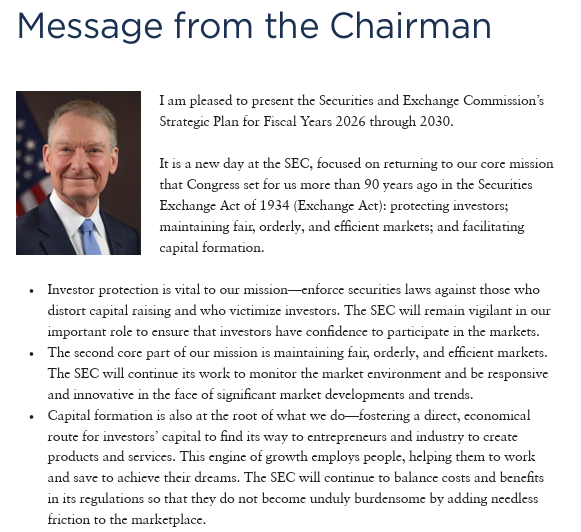
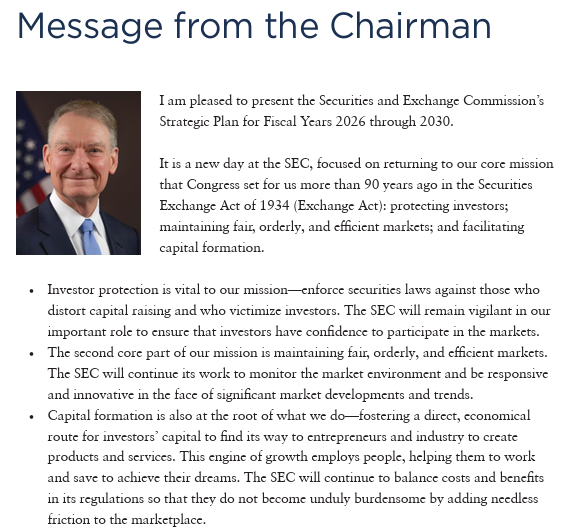
An excerpt from SEC Chair Paul Atkins’ message
in the agency’s draft Strategic Plan. Source: SEC
The strategic plan acknowledges that the growth of digital assets has outpaced existing regulations and calls for greater legal certainty for market participants. It also highlights tokenized offerings and onchain financial infrastructure as areas where the SEC intends to support compliant capital formation.
The document further references custody, trading and staking services, saying they should be able to operate under appropriate oversight without duplicative or conflicting regulatory requirements.
Related: SEC approves Paxos as ‘blockchain-native’ clearing agency
SEC reiterates the need for a clearer division of oversight with CFTC
Another key priority outlined in the draft plan is clarifying the division of responsibilities between the SEC and the Commodity Futures Trading Commission (CFTC), a longstanding issue in US digital asset regulation.
As part of its push for a more coherent regulatory framework, the SEC said establishing clear rules for digital assets “also involves clarifying jurisdictional questions between the SEC and Commodity Futures Trading Commission.”
The agencies have already taken steps toward closer coordination. In March, the SEC and CFTC signed a memorandum of understanding to strengthen cooperation and information sharing as emerging technologies continue to reshape financial markets.

Source: Mike Selig
Jurisdictional boundaries between the SEC and CFTC are also a central issue in congressional deliberations over the Digital Asset Market Clarity Act, a market structure bill that seeks to establish a regulatory framework for digital assets.
As Cointelegraph previously reported, the legislation is expected to expand the CFTC’s authority over large segments of the digital asset market. The bill advanced out of the Senate Banking Committee last month and is expected to proceed to the Senate floor for a full vote.
Related: Clarity Act risks repeat of Europe’s mistakes, crypto lawyer warns

Donald Trump Endorses Missing Congressman Tom Kean Jr.

Proton Mail now lets you send email from your Gmail address

THIS IS HOW FAST XRP CAN RISE! – WILL U.S. GOVERNMENT SEIZE YOUR XRP? – JAMIE DIMON FEAR IS REAL!

HarrisX Poll Found 52% of Registered Voters Support the CLARITY Act

BloFin War of Whales 2026 Grand Prix opens registration for $5M trading championship

Blockchain.com files with SEC for U.S. IPO
THIS IS HOW FAST XRP CAN RISE! – WILL U.S. GOVERNMENT SEIZE YOUR XRP? – JAMIE DIMON FEAR IS REAL!

Biggest Financial Knowledge 2026 || Ft. Deepak Wadhwa || Podcast by Arvind Arora ||

#motivation #financialfreedom #mindset #libertadfinanciera #money #asrm
-

 NewsBeat7 days ago
Israel says it has killed new Hamas military leader in Gaza City airstrikes
-

 Tech7 days ago
NASA taps Blue Origin to deliver lunar rovers for Moon Base initiative
-

 News Videos5 days ago
This is BROKEN! INSANE 5x MONEY CAR WASH WEEK! The NEW GTA Online UPDATE Today! (GTA5 New Update)
-

 News Videos7 days ago
XRP *JUST* SUCCEEDED!!!! CLARITY ACT EXPOSED!!! (SHE EXPOSED IT)
-
 Tech4 days ago
SpaceX just won a second Golden Dome contract. This one is $4.16 billion.
-

 Tech5 days ago
Waymo dominates autonomous vehicle registrations as Tesla trails behind
-

 News Videos4 days ago
SHE IS KILLING XRP!!! WATCH URGENT AND ACT FAST
-
 NewsBeat4 days ago
FIRST NIGHT REVIEW: Take That bring the Circus back to life in spectacular sun-soaked style
-

 Business1 day ago
Jade Biosciences, Inc. (JBIO) Discusses Positive Interim Results From JADE101 Phase I Healthy Volunteer Study and Development Plans Transcript
-

 Tech7 days ago
The Samsung pay deal is the moment Korean unions changed register
-
Crypto World4 days ago
CFTC Has Approved the First Regulated Bitcoin Perpetual Contract in the U.S.
-
Crypto World7 days ago
SpaceX’s $2 Trillion IPO: Why Tech Giants Nvidia (NVDA), Apple (AAPL), and Microsoft (MSFT) May Face Pressure
-
 Entertainment7 days ago
The Most Misunderstood Sci-Fi Horror Movie of the Last 10 Years Just Took Over Netflix
-
 NewsBeat4 days ago
Novak Djokovic v Joao Fonseca LIVE: French Open latest scores and results after Jannik Sinner’s shocking collapse
-
 Crypto World4 days ago
Snowflake (SNOW) Stock Rallies on Strong Q1 Results and AI Product Growth
-
 Entertainment4 days ago
Weak ‘Supergirl’ Box Office Tracking Amid Milly Alcock Backlash
-

 Business4 days ago
Is the Spurs Phenom Already Better Than Prime Diesel?
-

 Business4 days ago
Demand Conditions Improve In Chemicals Sector In April 2026
-

 Crypto World4 days ago
MicroStrategy Moves $30 Million in BTC to Coinbase Prime: Is the Bitcoin Sell-Off Already Here?
-
 NewsBeat7 days ago
Energy price cap set for major rise from July as millions face higher bills
You must be logged in to post a comment Login