
Politics
It's showtime for Trump's revenge tour. Will he win?

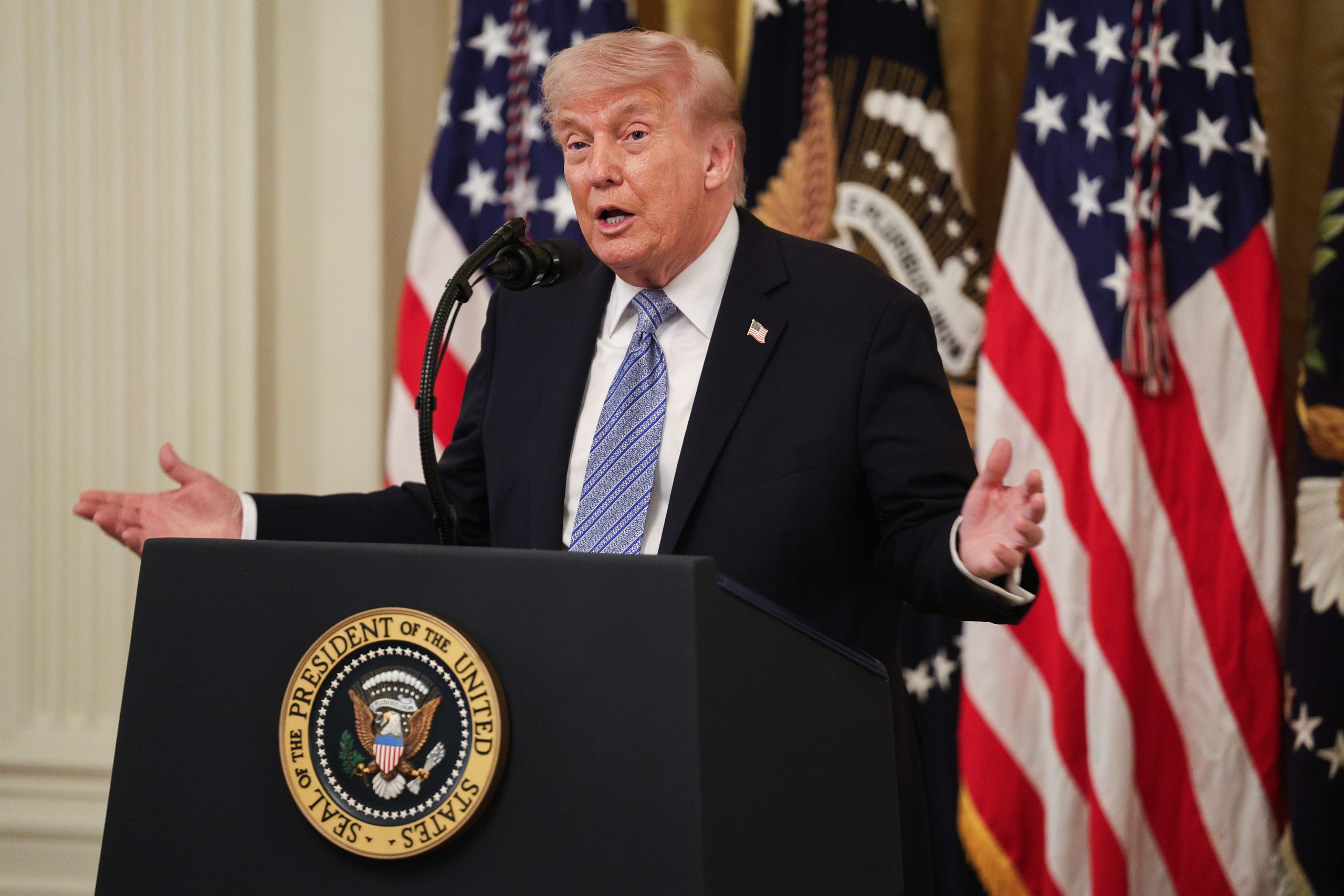

President Donald Trump’s power as the GOP’s kingmaker faces a major test with this month’s primaries. So far, he’s on rocky footing.
His revenge tour kicks off Tuesday in Indiana, as he tries to oust eight Republican state legislators who blocked his redistricting effort there. Then it moves on to Louisiana and Kentucky, where he’s backing challengers to two longtime enemies, Sen. Bill Cassidy and Rep. Thomas Massie, who he’s been itching to unseat for years. Trump has also selected his favorite candidates in the crowded GOP primaries for Alabama Senate and Georgia governor.
But his picks have struggled to dominate their fields, with most holding only narrow leads in polling and some failing to pull far ahead in fundraising. In Indiana, even a few allies of the president are tempering expectations of a full eight-lawmaker sweep.
The results will reveal how effective the president’s political operation is at turning out Republicans when Trump is not on the ballot, and how motivated MAGA is to go along with his ongoing retribution campaign. It’s also a potent expression of his power ahead of the likely lame-duck phase of his presidency.
Some Republicans — even those involved in the races — say the shaky standing of Trump’s preferred candidates suggests that his ability to move his base en masse is beginning to slip. MAGA, they note, may be developing a mind of its own as the party begins to look beyond the Trump era.
“He’s hit his max power and now you’re seeing the backside of that power curve,” said former GOP Rep. Adam Kinzinger, a frequent target of Trump’s wrath who retired from Congress amid intense backlash for his 2021 vote to impeach the president and a new congressional map that would have left him in a member-on-member primary. “This will be his last competitive election cycle that will have any impact on him. And I think the base is starting to think into the future.”
Trump has a long history of unseating his congressional opponents, backing primary challengers to his critics and wielding his social media platform and his official bully pulpit to create such politically hostile conditions that many of his adversaries simply retire. Republican candidates have long jockeyed — and continue to trip over themselves — for his stamp of approval, hoping not to end up on the wrong side of his anger.
“The Trump endorsement is the most powerful and influential endorsement in the history of American politics,” said White House spokesperson Davis Ingle. “President Trump’s sterling record with his endorsements speaks for itself.”
Still, he’s produced a very mixed track record in contested races. Trump’s candidates have felled some of his biggest foes in GOP primaries, including former Rep. Liz Cheney (R-Wyo.) and other Republicans who voted to impeach the president in his first term. But he’s also suffered some high-profile losses; he failed to oust Georgia Gov. Brian Kemp and has watched several of his picks fall short in congressional races over the years, including Sen. Luther Strange in Alabama and scandal-plagued Rep. Madison Cawthorn in North Carolina.
Success will be even trickier this cycle: The May contests come as he continues an unpopular war in Iran that’s causing voters pain at the gas pump, as people sour on his economic and immigration agenda and as his approval ratings continue to sink.
“The [Trump] endorsement just isn’t moving voters. It just isn’t,” said a GOP operative working on the Alabama Senate race who was granted anonymity to speak candidly. “When you’ve endorsed more than 800 people in 10 years, the potency of an individual endorsement wanes.”
May 5: Indiana
As the redistricting wars become a defining element of the midterms, Tuesday’s election will illuminate the president’s ability to maintain his grip on the Republican coalition.
While the White House and its allies have deployed the full force of its political operation against eight Indiana legislators — spending nearly $10 million across the races — they’re beginning to downplay the likelihood they will sweep all of them. Critics of the revenge effort say the strategy has been scattered and undisciplined.
How many incumbents survive will be an important piece of evidence predicting how the rest of May will go for the White House.
“We’ve tried to be helpful, as we always are, with our colleagues that are incumbents right now and will continue to be,” Rodric Bray, Indiana’s Senate President Pro Tempore who led the charge against Trump’s redistricting push, told POLITICO. “The challenge, of course, is that money matters in politics. When $9 million is spent, that has a huge impact, and we’ll see what the result is.”
May 16: Louisiana
Trump-backed Rep. Julia Letlow is struggling to dominate the polls in her primary challenge to unseat Cassidy, who earned MAGA’s ire for voting to convict Trump on impeachment charges in 2021. The latest Emerson College poll shows Letlow locked in a close three-way race, with her at 27 percent, State Treasurer John Fleming at 28 percent and Cassidy at 21 percent. Nearly 1 in 4 likely GOP primary voters are undecided.
Letlow entered the race at Trump’s urging. She boasts endorsements from Louisiana’s GOP Gov. Jeff Landry and national groups like the Make America Healthy Again PAC, which has promised $1 million in support like distributing mailers — a needed financial boost given her middling war chest compared with Cassidy’s.
But Trump has not sent the calvary for Letlow, withholding his own war chest and not making any trips to Louisiana on her behalf. The president recently doubled down on his campaign against Cassidy, telling GOP primary voters to kick the incumbent “OUT OF OFFICE” — but Trump notably did not name-drop Letlow or urge voters to back her.
May 19: Kentucky, Alabama and Georgia
Trump faces two very different tests of his influence in Kentucky, where he is simultaneously boosting Rep. Andy Barr as retiring Sen. Mitch McConnell’s successor and pushing to oust a longtime thorn in his side in Massie.
The president waded in late for Barr, endorsing the representative less than three weeks before the primary while also offering one of his two rivals, businessman Nate Morris, a job in his administration — a move that could help propel Barr past former Kentucky Attorney General Daniel Cameron.
But it is Massie’s 4th District race that may prove more troublesome for Trump. The president finally fronted a challenger to the renegade Republican after Massie voted against the party’s signature tax-and-spending package last year, and Trump’s allies have now poured over $10 million into sinking the incumbent.
So far, Massie has withstood the onslaught. He leads his rival, former Navy SEAL Ed Gallrein, in polling, fundraising and name ID. One recent survey showed half of likely voters in his deep-red district with a libertarian bent preferred an independent-minded lawmaker, compared to 37 percent who wanted a strong Trump supporter.
Massie, who threads that needle by saying he’s with Trump “91 percent of the time,” argues that supporting him and the president aren’t “mutually exclusive things.” And he thinks the Trump-directed flood of outside money against him has its limits.
“If outside billionaires spend millions of dollars, they can change somebody’s profile,” Massie said in a recent interview. “But I think what they’re going to find out is that my brand is established well enough … that [they] can persuade some of the people, but they’re not going to be able to persuade enough of them.”
The president isn’t being driven by revenge in Alabama. But even there, his chosen candidate is battling to break through a crowded GOP primary field for Senate: The Trump-backed Rep. Barry Moore has a slight lead in public polling, while Attorney General Steve Marshall, who has been in office for nearly a decade, is holding his own.
Meanwhile in Georgia, Trump’s backing of Lt. Gov. Burt Jones’ gubernatorial run is a rebuke of Secretary of State Brad Raffensperger, who rose to national prominence by defying the president’s efforts to overturn the 2020 election and is himself running for governor.
Still, Trump’s endorsement has its limits: Rick Jackson, a health care executive, has a slight lead over Jones in most polls for the GOP primary as he also makes a play for the MAGA base. He’s been pummelling the lieutenant governor with millions spent on attack ads.
“If any other candidate had received that amount of negative, they would be polling within the margin of error of zero,” said a Georgia-based Republican strategist who is unaffiliated with any candidate and was granted anonymity to speak openly. “When you’re looking at the reasons why [Jones] is now in a toss-up race, I would say the President’s endorsement is by far the top reason why.”
As both Jackson and Jones compete for the same slice of voters, some Republicans see Jones’ inability to dominate the race as evidence of Trump’s waning influence.
“It’s not just Donald Trump — Georgia candidates historically have not benefited very much from endorsements from out-of-state celebrities,” said Jason Shepherd, former Cobb County GOP Chair.
May 26: Texas run-off
After Sen. John Cornyn finished ahead of Attorney General Ken Paxton in Texas’ March primary, Republicans in Washington were on standby for Trump’s expected endorsement. It never came.
Perhaps in the clearest example of MAGA beginning to make decisions without Trump’s explicit approval, Texas Republicans have rallied around the scandal-plagued Paxton. Polling now shows that a Trump endorsement for Cornyn, at this point, likely wouldn’t sway voters significantly — and Paxton would maintain his edge.
GOP Texas consultant Vinny Minchillo that if Trump does decide to weigh in, he “will have to sell this to the faithful and tell them exactly what to do. Especially if he endorses Cornyn.”
Trump’s endorsement still matters, he said, but “less so with each day that passes.”

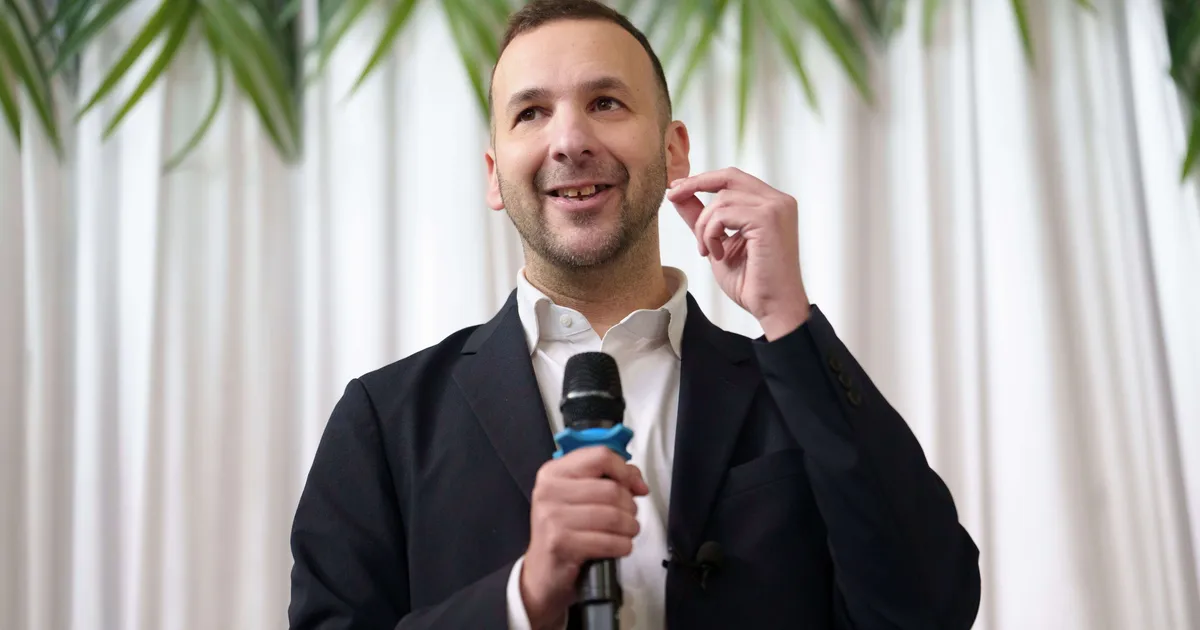
Zack Polanski’s popularity has plummeted in the wake of the row over his reaction to the Golders Green attacks.
The Green Party leader was forced to apologise after appearing to criticise the police’s response to the incident.
Shilome Rand, 34, and Moshe Shine, 76, were left seriously injured in what police have described as a terrorist incident last Wednesday.
A video of the incident posted showed Metropolitan Police apprehending the man suspected of carrying out the attacks.
Polanski retweeted a post on X which said: “So essentially [Met commissioner Mark Rowley’s] officers were repeatedly and violently kicking a mentally ill man in the head when he was already incapacitated by taser.”
That led to criticism from Rowley, who wrote to Polanski condemning “observers with little experience of policing in the real world” for criticising his officers.
Polling released by More in Common on Tuesday – two days before voters go to the polls in crucial elections across the UK – showed the Green Party leader’s approval rating has fallen by 14 points to minus 27 in the past week.
It means he now has a lower rating than Kemi Badenoch, Ed Davey and Nigel Farage, though remains comfortably ahead of Keir Starmer, who is by far the least popular leader with an approval rating of minus 45.
Responding to the findings, More in Common director Luke Tryl said the row was making some people “think twice” about voting Green.
He said: “Two things have happened. Zack Polanski’s negatives have gone up but some people, particularly younger people, have moved to being neutral about him.
“The Greens are seen as a hopeful party, quite a nice party. I just think that what some of the candidates have said about antisemitism and Zack perhaps not being robust enough on that, and responding in the way he did to the police, is making some people think twice.”
However, despite the row, the Greens are still forecast to gain round 600 English council seats in Thursday’s elections.
Subscribe to Commons People, the podcast that makes politics easy. Every week, Kevin Schofield and Kate Nicholson unpack the week’s biggest stories to keep you informed. Join us for straightforward analysis of what’s going on at Westminster.
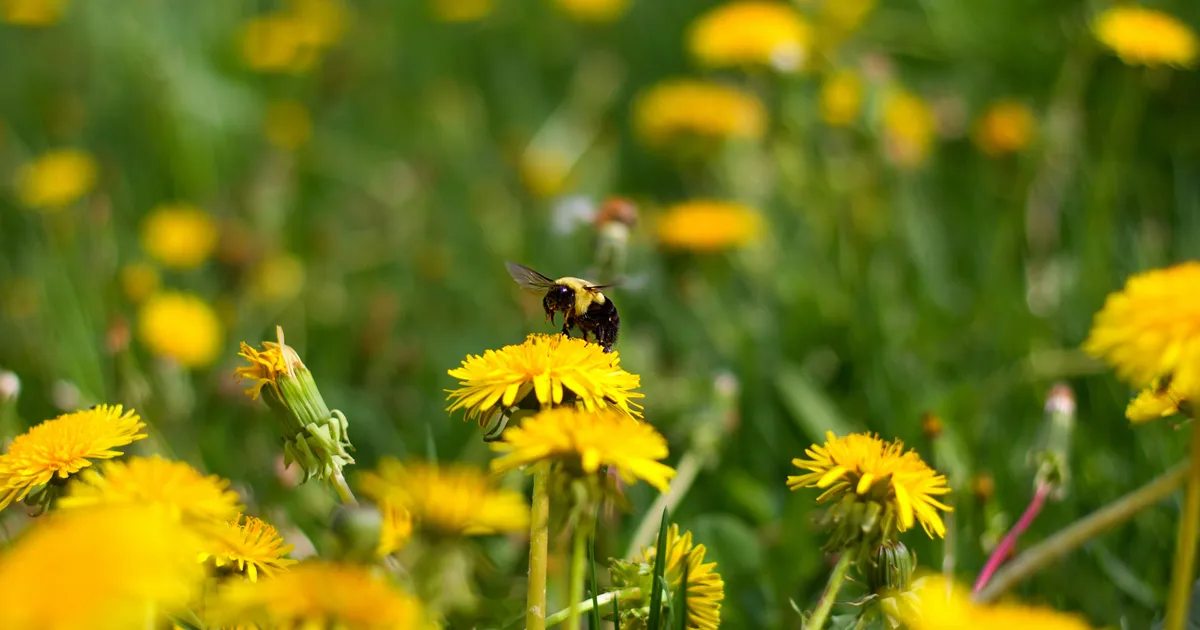
Good news for tired gardeners: no-mow May is upon us.
Experts like Monty Don recommend leaving our strimmers and mowers in the shed this month – even as late as the end of June – and letting our gardens grow wild instead.
Here are 13 bee-rilliant (sorry) reasons to lay down the blades:
1) Dandelions are brilliant for bees
Because of their open shape, bees find it really easy to extract much-needed pollen from yellow dandelions.
Calling the so-called “weed” our “most undervalued wildflower,” the Scottish Wildlife Trust added they also fuel other pollinators like butterflies, hover flies, day flying moths and solitary bees.
2) Longer grass provides much-needed shelter
The Wildlife Trust for Lancashire, Manchester and Merseyside said that long grass is important for invertebrates, like insects, that “in turn provide food for birds and mammals such as hedgehogs″.
Additionally, some species, like craneflies and sawflies, which rely on longer grass to flourish, are “particularly important for the survival of young chicks”.
The common meadow brown butterfly lays its eggs in taller grass clumps, too.
3) It could help to absorb carbon
Speaking to The Yorkshire Wildlife Trust, wildlife gardener Jack Wallington explained that “Wilder lawns are probably the most sustainable usable surface people can create because they absorb carbon as they grow”.
The Royal Horticultural Society added that “when you stop weekly mowing, your lawn starts on its journey to becoming natural grassland – one of the world’s most efficient carbon sinks, able to lock up over three tonnes of carbon per hectare”.
4) It can make gardening easier
Yes, of course, you’re already down one task: mowing. But speaking to HuffPost UK previously, Helen Bostock, a senior wildlife specialist at the Royal Horticultural Society (RHS), said that letting your garden grow wild can make it more self-sufficient.
“A vibrant garden ecosystem is one that requires [fewer] inputs from gardeners – when natural predators are keeping the aphids in check, [fewer] sprays are needed,” she shared.
“It is also more productive – when insect pollinators are in abundance, our fruit trees will set heavier, higher quality fruit.”
5) It can help to restore the UK’s dying grassland meadows
Plantlife, the organisation that invented No Mow May, did so in response to the UK losing 97% of its grassland meadows since the 1930s.
Letting your lawn breathe increases its biodiversity and number of wildflowers.
6) No-mow May can look however you want it to
Not only is it adaptable to a range of environments (native wildflowers flourish in “poor” soil), but it can suit all different needs, too.
If you need to keep a path or verge clear, that’s OK: it’s not an “all or nothing” policy.
The RHS said that “You can ‘no mow’ your whole lawn or just part of it. Leave it long until at least August for maximum wildlife benefit.”
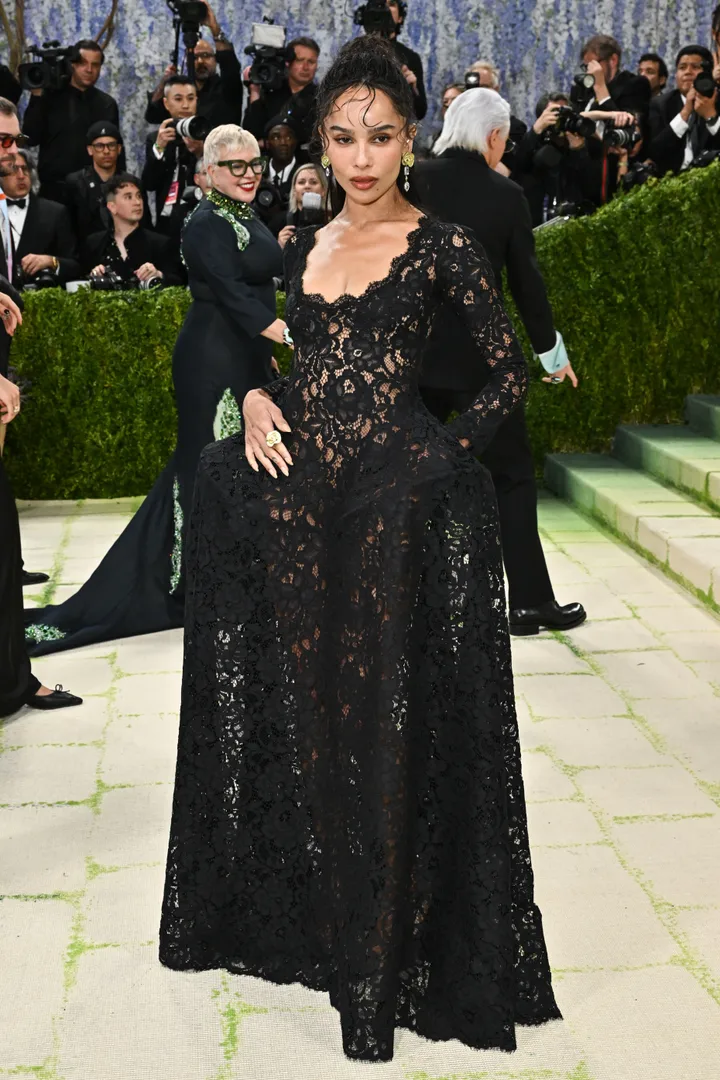
With speculation mounting about whether or not she and Harry Styles are engaged, Zoë Kravitz had a fun way of keeping the rumours at bay while attending this year’s Met Gala.
Zoë and Harry were first linked in the press in the summer of 2025, and found themselves at the centre of even more rumours last month, when the Big Little Lies star was pictured wearing what appeared to be an especially eye-catching engagement ring.
Following this, People magazine cited an undisclosed “source” who claimed the couple had told a “small circle” around them that they were engaged after around eight months of dating.
Since then, both she and the As It Was singer have kept schtum about the rumours, and – perhaps sensing it could be a moment on the Met Ball red carpet, decided to take matters into her own hands.
Or, rather, her own hand. Because Zoë’s Met Gala look for 2026 consisted of a black lace dress boasting both pockets and long sleeves, so she spent the whole night posing with her left hand completely obscured.

In other words, photographers couldn’t get a shot of what may or may not have been an engagement ring (although pictures taken from inside the event showed that she was not wearing the ring in question for the event).
Zoë has previously dated Penn Badgley and Karl Glusman.
She previously directed in the film Blink Twice, and was engaged to co-star Channing Tatum between 2023 and 2024.
Meanwhile, Harry has previously been linked to a number of famous faces, including Olivia Wilde, Taylor Russell, Olivia Dean and Taylor Swift.

Earlier this year, Harry told Apple Music’s Zane Lowe while promoting his latest album Kiss All The Time. Disco, Occasionally: “I had a real honest conversation with myself about, ‘OK, in five years, what do I want my life to look like?’. And then how do I make changes to aim at that?
“I want to have great friendships with people. I want a family. I want these things. It just allowed me to go like, ‘Okay, what do I have to do to create space to allow these things to happen? I can’t just expect them to just happen to me’.”
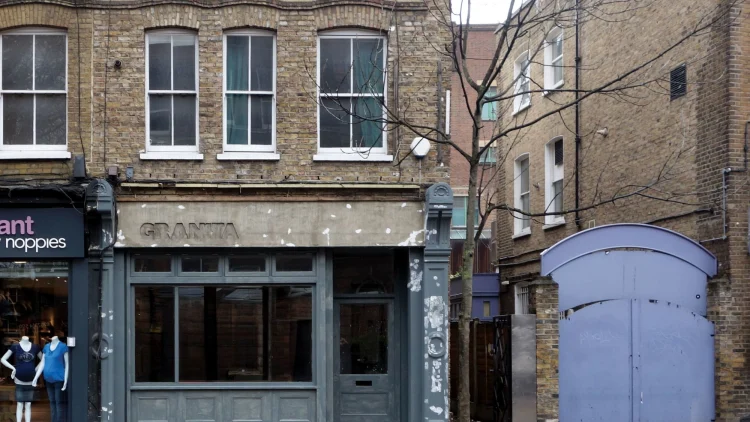
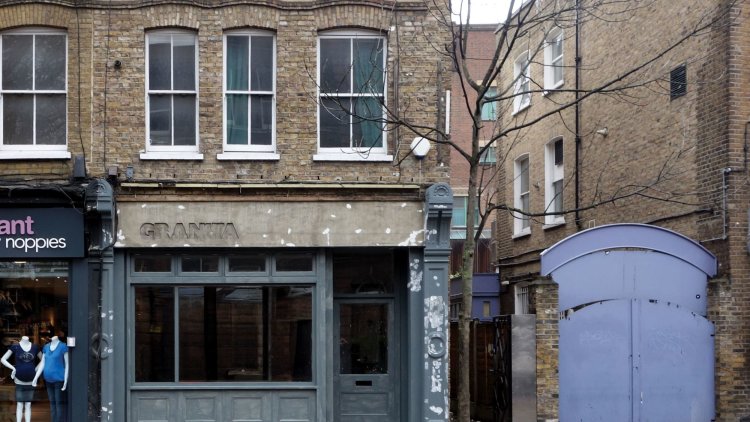
Granita restaurant facade

4 min read
Politicians making a meal of it. This week: a fateful dinner in Islington
The only thing that everyone agrees about the Granita pact is that, whatever it was, it wasn’t negotiated at Granita. In May 1994, the Islington restaurant was the site of one of the most famous, and disputed, meals in British politics. Two and a half weeks earlier the Labour Party’s leader, John Smith, had died of a heart attack. Now two of the favourite candidates to succeed him, shadow home secretary Tony Blair and shadow chancellor Gordon Brown, were meeting to decide which of them would stand aside in favour of the other.
The deal had two outcomes: first, Blair went on to lead his party to three election victories, while Brown became a chancellor who would dominate domestic policy for a decade; more dangerously for their partnership, it left a festering sore between the two men about what exactly each had promised the other.
The Granita restaurant, which served theatregoers and north Londoners who fancied a bit of Eastern Mediterranean sophistication, has now closed, and even its Wikipedia page has been deleted. But the bitterness over what happened that night remains, certainly if Brown’s memoirs are anything to go by.
The meeting in the restaurant was actually the last of a series of conversations between the pair in London and Edinburgh. They’d long agreed that only one of them should stand for any leadership vacancy, to avoid splitting the modernising vote. For all of that time, Brown had assumed that the one would be him, and for much of that time Blair had agreed. In the years before Smith’s death, his view had changed, but he’d seen no point in mentioning this to Brown, his closest friend in politics.
If the Brownite narrative is one of scheming and betrayal, the Blairite one is of a man trying to let his friend down easily. Blair didn’t just want Brown to step aside, he wanted him to be able to do it with dignity. In this telling, the meetings were about helping Brown to understand that he lacked the support to win. If Brown accepted that then, he certainly doesn’t now, as his memoirs make clear. Published in 2017, they show he still believes he was outmanoeuvred by Blair and cheated of the top job that was rightfully his. Nevertheless, he’d already told his team that he wouldn’t stand when he walked into the restaurant.
With him that evening was Ed Balls. “I could tell from the moment we walked in that it was not his type of place,” he wrote in his own memoir. “‘What exactly is polenta?’ he asked me gruffly.” It’s not clear what Balls’ function was there beyond explaining the menu, and he left when the starters arrived. Brown clearly didn’t eat much: afterwards he returned to Westminster for steak and chips.
The bitterness over what happened that night remains, certainly if Brown’s memoirs are anything to go by
With him he took an agreement about the shape of policy under the government that the pair would form, but he took something else, too: the belief that Blair had promised to step aside after two terms and endorse Brown as his successor. Blair’s account of this is cloudy. Certainly it doesn’t dispel the idea that just as he’d allowed Brown to believe things about which of them would run for leader, he now allowed him to believe things about the future.
The Granita dinner exposed flaws in both its participants. Brown comes out of it as a man who misunderstood his own position and bears deep grudges. But he would not, by some distance, be the last person to leave a meeting with Blair under the impression that they’d been promised something they hadn’t.
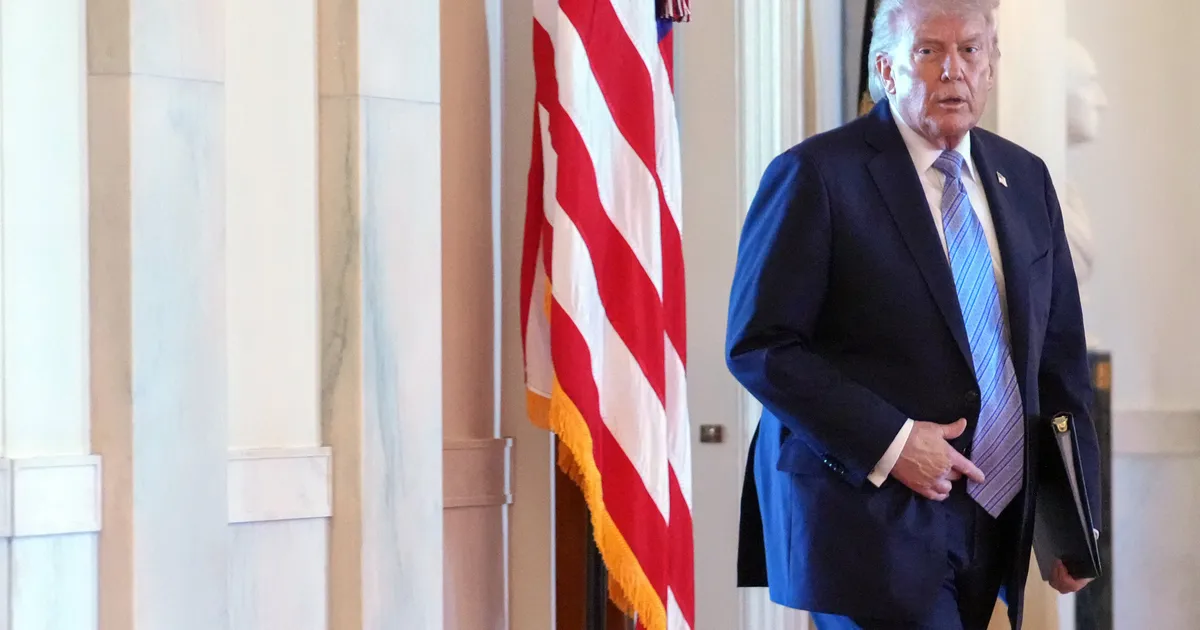
Donald Trump is now paying the price of going to war with Iran “without thinking through the consequences”, a senior BBC journalist has declared.
Jeremy Bowen, the corporation’s international affairs editor, also warned that the US president’s attempts to re-open the Strait of Hormuz could see a return to all-out war.
His comments came as Iran’s foreign minister warned that America could be “dragged back into quagmire”.
Trump launched “Project Freedom” at the weekend, vowing that the United States would “guide” stranded ships through the Strait, which has been effectively closed by Iranian attacks since the war began.
That has led to a spike in oil prices and triggered fears of a global economic crisis.
Two US-flagged ships are reported to have passed through the key waterway.
However, the United Arab Emirates (UAE) – a Gulf ally of the US – said a tanker affiliated with its state-owned oil company, had been targeted by two drones as it transited the Strait.
On Radio 4′s Today programme, Jeremy Bowen said “Iran was always going to react” to Trump’s plan and warned that it could lead to the collapse of the uneasy ceasefire which has been in place in recent weeks.
“The question is does it end there, or does it slide both of them back into all-out war,” he said.
“This is territory for misperceptions and miscalculations which have been made, and these are the factors which are classic ways of driving the ways that wars escalate, even out of ceasefires.
“The length of time that the Strait of Hormuz stay closed will determine how much more severe this becomes for all of us, as well as the Gulf states.
“You heard President Trump, as ever, being very bullish, but what is happening is [the Gulf states] are seeing the consequences of going to war, assuming an easy victory and without thinking through the consequences of what happens and what to do if it turns out, as has occurred, that it’s not easy.”
Subscribe to Commons People, the podcast that makes politics easy. Every week, Kevin Schofield and Kate Nicholson unpack the week’s biggest stories to keep you informed. Join us for straightforward analysis of what’s going on at Westminster.
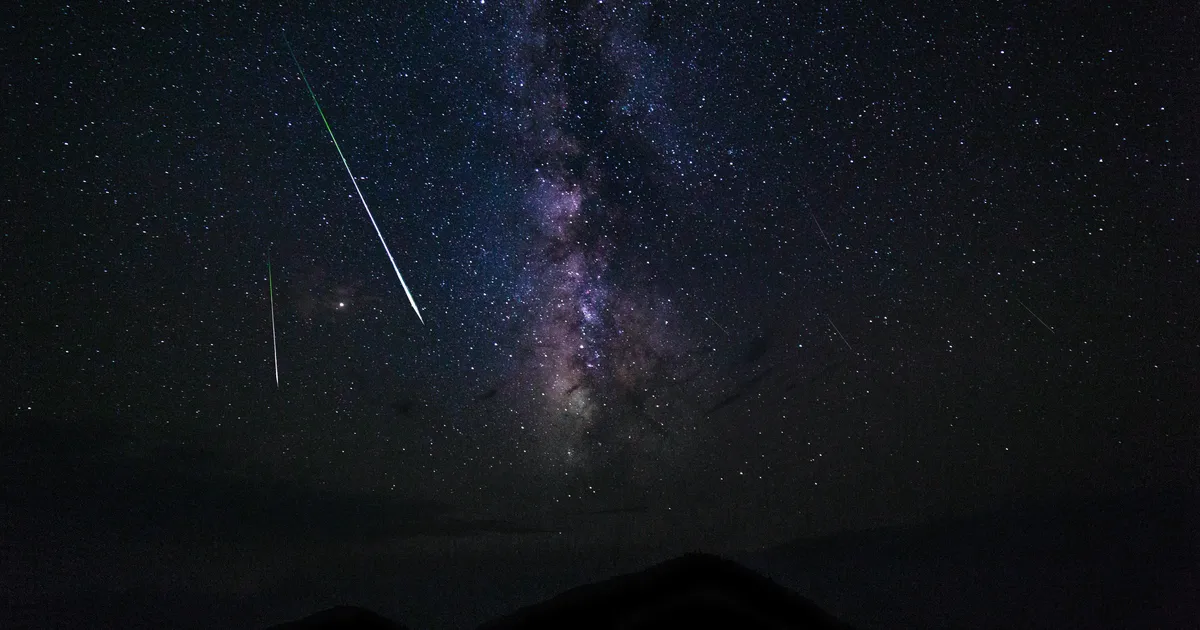
In April, stargazers got to enjoy the Lyrid meteor shower.
But if you missed it, don’t worry: since April 18, the Eta Aquariid meteor shower has also been falling, and it’s set to peak this week.
Here’s why it happens, when it’ll be at its brightest in the UK, and how to catch it:
What is the Eta Aquariid meteor shower?
As with the Lyrid meteor shower, it’s not that the comets are “shooting” towards us.
They’re part of the debris following a comet (in this case, comet Halley); in our journey around the sun, we pass through this space rubble, some of which then enters our atmosphere.
When they do that, they move so quickly that they compress and superheat the air surrounding them.
That leads to a glowing “head” and, sometimes, a streaking “tail” that stargazers will recognise as part of a meteor shower.
Royal Museums Greenwich (RMG) said on its site, “the beautiful streaks we see in the night sky can actually be caused by particles as small as a grain of sand.”
The debris of Halley’s comet is associated with two meteor showers. The other one, Orionid, is due in October 2026.
When will the Eta Aquariid meteor shower peak in the UK?
In the UK, your best odds are on Wednesday, 6 May, from midnight to dawn. But don’t despair if you miss it.
One of the things that makes the Eta Aquariid meteor shower distinct is that it doesn’t have a “sharp peak”, RMG said.
Instead, brilliant shows tend to cluster around a particular week. In 2026, that’s this week (May 4-10).
How can I see the 2025 Eta Aquariid meteor shower?
Look towards the Eastern horizon in the wee hours of Wednesday.
Steer clear of sources of light pollution, like street lamps, and wait. (Unfortunately, the peak of this meteor shower occurs alongside quite a bright moon, which might make the display less obvious).
The meteors should be visible to the naked eye, so you won’t need any special tools like binoculars.
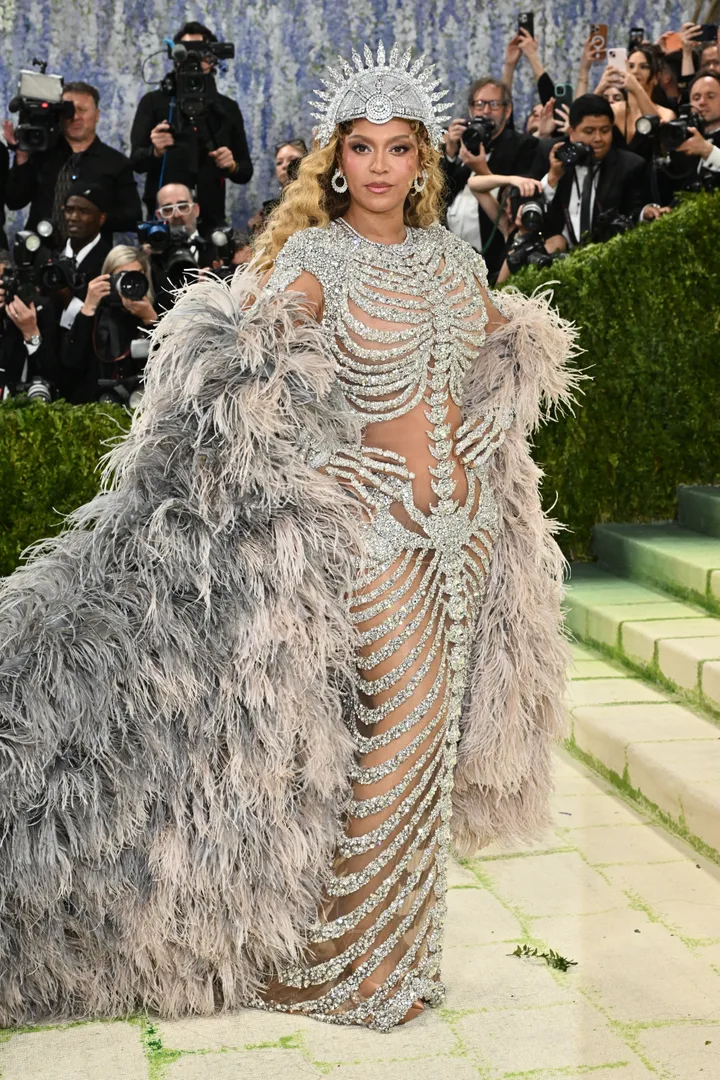
Every year, the Met Gala gathers together some of the most famous faces from across the world of music, cinema, sport and, of course, fashion for a star-studded fundraiser in aid of the Metropolitan Museum Of Art’s Costume Institute.
This year’s event was held on Monday night, and proved to be as A-list as ever.
Co-chaired by Beyoncé, Nicole Kidman, Venus Williams and, as ever, Anna Wintour, the themed dress code of 2026’s Met Ball was “Fashion Is Art” – really allowing the famous guests to think outside the box and let their imaginations run wild when putting together their red carpet looks.
And what do you know – some of them actually did.
On that note, we’ve pieced together some of the must-see looks from this year’s Met Gala, from some of the biggest stars on the planet…
Beyoncé

As one of the organisers of the Met Gala this year, Beyoncé will have known that all eyes were on her on the red carpet.
Leaning into the elaborate theme, the Break My Soul singer sported this glittering, skeletal-inspired look on the red carpet, where she was joined by her husband Jay-Z and eldest daughter Blue Ivy Carter, marking the 14-year-old’s Met Ball debut.
Sam Smith

Sam Smith has become renowned for their dramatic approach to fashion in recent history, and this year’s Met Ball really afforded them the chance to go all out.
Channelling Norma Desmond, the British star gave us old school Hollywood glamour in a floor-length black dress complete with bejeweled adornments, billowing sleeves and a feather headpiece.
Madonna

Madonna’s Met Gala look was a real departure from what we’re used to seeing the Queen of Pop in, opting for something more gothic, dark and, frankly, weird that we’re totally here for.
The Bring Your Love singer’s ensemble was directly inspired by a Leonora Carrington painting, in one of the night’s more literal interpretations of “Fashion Is Art”.
Janelle Monáe
Janelle Monáe brings it every single Met Ball, and a theme like “Fashion Is Art” was always going to be in their wheelhouse.
The 10-time Grammy nominee mixed the old and new with their imaginative look, which incorporated elements of nature and technology, merging moss and butterflies with wires and microchips.
Luke Evans

Dressed in head-to-toe leather, Luke Evans’ look was an obvious nod to Tom Of Finland.
Speaking to Entertainment Tonight on the Met Ball red carpet, the Welsh actor said that “playing such an iconic character on stage” in the current Broadway revival of The Rocky Horror Show made him want to put a “twist” on an “iconic gay artist who has influenced so much”.
Gwendoline Christie

Former Game Of Thrones star Gwnendoline Christie has never been one to shy away from leaning into a Met Gala theme.
On Monday night, her look consisted of a massive feathered hat and a floor-length red dress nodding to faded glamour – but our favourite part of the whole ensemble was the hand-held mirror, adorned with a recreation of her own face.
Katy Perry

John Salangsang/Shutterstock
Perhaps inspired by her own trip to space last year, Katy Perry’s Met Gala look consisted of what appeared to be a fencing mask, with a shiny and opaque face covering on the front.
As she made her way down the red carpet, Katy revealed that the mask also swung open, adding even further to its futuristic elements (and putting us slightly in mind of a Star Wars villain).
Emma Chamberlain

We’re going to be very honest and say that content creator Emma Chamberlain was not exactly the person we thought was going to turn it out the hardest at Monday night’s event – but you can’t argue with this look can you?
In fact, the influencer may have just given us our favourite Met Gala look of 2026, with the dripping paint effect creating an optical illusion that really served the night’s theme.
Chase Infiniti
Fresh from her Oscar nomination and leading performance in the new Handmaid’s Tale spin-off The Testaments, Chase Infiniti’s Met Gala debut was also one of our favourites from this year’s event.
The One Battle After Another star’s colourful dress almost put us in mind of painting-by-numbers (in the best way!), with its graphic design.
Sarah Paulson

On its own, Sarah Paulson’s expansive, red carpet look would have been show-stopping enough, putting us in mind of a presidential ball as much as an event like the Met Gala – but that dollar bill blindfold accessory really gives it something extra.
Sadly, even though Madonna was there too, we didn’t get a recreation of one of our favourite moments in Met Ball history.
Ben Platt

One of the more literal “Fashion Is Art” ensembles came from Ben Platt, wearing a colourful suit inspired by one of Georges Pierre Seurat’s most famous works.
The Seurat painting, of course, was also the basis of the iconic Stephen Sondheim production Sunday In The Park With George, which makes Tony winner Ben wearing it all the more fitting.
SZA

SZA’s Met Gala look consisted of a layered gown in this absolutely gorgeous yellow colour, as well as a floral headpiece and some beaded face jewellery for the evening.
Our favourite part of the whole look, though, was just how much of a blast the Good Days singer was clearly having wearing it.
Lisa

Extra body parts always go down well on the Met Ball red carpet, and Lisa’s look was no exception.
The jury’s out on whether “Fashion Is Art” really came into play here, but we just think the Blackpink and White Lotus star looks really cool, to be honest.
Skepta

Another big name doing the UK proud on the Met Gala red carpet was Brit Award nominee Skepta.
The rapper made a big impression in this matching white co-ord, which he later revealed was adorned with embroidery inspired by his own tattoos, as well as his own song lyrics.
Nicole Kidman

Listen, Nicole Kidman never misses on the red carpet, but given how imaginative some people were with their looks, this feels a little out of place.
We’ve mostly mentioned it in this round-up so we can include her explanation for it.
“Fashion is art and I wanted something red, because I wanted to embrace the way in which red has been used in art through the years,” she apparently claimed.
Kim Kardashian

Kim Kardashian’s latest Met Ball look consisted of a molded bodysuit in an eye-catching shade of orange.
Again, it wasn’t exactly our favourite outfit of the evening, but given just how synonymous with the Met Gala that Kim K has become, we just had to include her, alright.
Heidi Klum

This year, Halloween came early, with Heidi Klum unveiling one of her trademark dramatic transformations six months before her usual spooky season bash.
For the 2026 Met Ball, Heidi transformed herself into a living artpiece, paying homage to 19th century sculpture with the aid of prosthetics and unconventional materials to deliver one of the night’s most talked-about looks.
Bad Bunny

And speaking of prosthetics – Bad Bunny’s look was certainly an unconventional one, too.
The recent Super Bowl headliner walked the red carpet as an older version of itself, which it’s been pointed out was a probable nod to “The Aging Body”, a key element of the Met’s Costume Institute’s exhibit this year.
Rihanna

Rihanna’s position as Queen of the Met Gala is safe for another year.
Her latest Met Ball look was another mix of the old and new – offering an unconventional silhouette and undoubtedly the night’s most intricate adornments.
We absolutely love what she did with her hair, too, with her partner A$AP Rocky also joining her on the red carpet later on, sporting a baby pink overcoat and tuxedo.

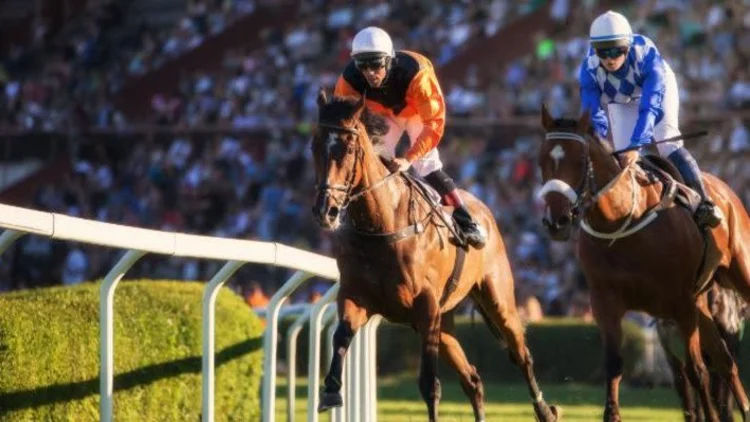

As Labour MP for Doncaster Central, Sally Jameson reflects on the 250th running of the St Leger in her constituency, celebrating its economic and cultural importance while warning that poorly designed Financial Risk Assessments (FRAs) risk undermining British racing and the communities it supports
This year, Doncaster Racecourse will host the 250th running of the St Leger, a milestone woven into the history and identity of our city.
As the MP for Doncaster Central, I am proud to have the racecourse in my constituency. It is far more than a sporting venue. It is part of our local economy, our culture and our story. The St Leger brings people together. It fills our hotels, pubs and restaurants, supports local jobs and puts Doncaster firmly on the national stage.
Last year’s festival welcomed more than 52,000 people across four days, including over 26,000 on the Saturday alone. This year’s 250th anniversary should be a moment of real pride, not just for Doncaster but for British racing as a whole.
But it should also be a moment to reflect on how we support a sport that matters to so many communities.
Horseracing and betting have always gone hand in hand. This is not a niche pastime. Racing supports livelihoods across towns, cities and rural areas, from stable staff and trainers to hospitality workers, broadcasters and local businesses. The betting industry contributes around £350m a year to racing through the levy, media rights and sponsorship.
For many people, having a small bet is simply part of the experience. It sits alongside studying the form, catching up with friends and cheering a horse home from the stands.
Of course, betting must be properly regulated. People must be protected, and there must be more support for those who experience harm. Licensed operators have clear responsibilities and already operate under strict rules, including age checks, anti-money laundering requirements and safer gambling measures.
I have seen this first-hand, both through taking part in the Betting and Gaming Council’s Grand National Charity Bet and during a visit to my local betting shop in Doncaster. Staff take their responsibilities seriously, and there are safeguards in place to support customers.
Regulation must also be proportionate and based on evidence. It should protect people without pushing them away from the regulated market altogether.
That is why there is growing concern about proposed Financial Risk Assessments from within the horseracing industry.
These checks were presented as frictionless. Customers were not meant to be asked to hand over payslips, bank statements or other personal financial documents as a routine condition of enjoying a legal leisure activity. But the evidence from the pilot has raised serious questions about whether that promise can be met in practice. Operators have reported inconsistencies in the data returned by credit reference agencies, meaning more customers may face account restrictions or requests for further information. Before this is implemented across the board, we must iron out the issues so that we have a system that works as it was intended to.
Someone having a bet on the St Leger should not feel they are being treated as a financial risk for taking part in a legal activity that more than 22.5 million adults enjoy safely every month.
Racing fans may be particularly affected because of the seasonal nature of the sport. People might not bet regularly all year round but may choose to place a few more bets during major events like Cheltenham, Aintree, Royal Ascot or the St Leger itself. That kind of pattern should not automatically trigger intrusive checks.
There is also a wider risk. If people are faced with checks that feel intrusive or unreliable, some will turn to the illegal online black market. Those operators offer none of the protections we expect, no safeguards, no support, no tax contribution and no funding for racing.
The regulated betting and gaming industry supports over 109,000 jobs, contributes £6.8bn to the UK economy and raises £4bn in tax each year. Betting shops alone support 42,000 jobs across Britain, contribute £140m a year to horseracing, pay around £1bn in direct tax to the Treasury and provide a further £60m in business rates to local councils.
Racing is more dependent than many other sports on the funding it receives through betting. If flawed checks reduce activity in the regulated market, racing will feel the consequences quickly, not just by the sport but by communities like ours.
No one is arguing against protecting vulnerable people. That must always be part of the system and continually supported and improved. But those protections need to be targeted, proportionate and based on solid evidence.
Before any further steps are taken, the Government must ensure the Gambling Commission properly evaluates the pilot. If the data is inconsistent and customers may still face disruption or intrusive checks, then the case for moving forward simply has not been made and there is more work to be done.
This year, Doncaster will host a once in a generation celebration of the St Leger. It will showcase the very best of British racing, its history, its energy and its value to communities like ours.
We should be backing that success, not putting it at risk.
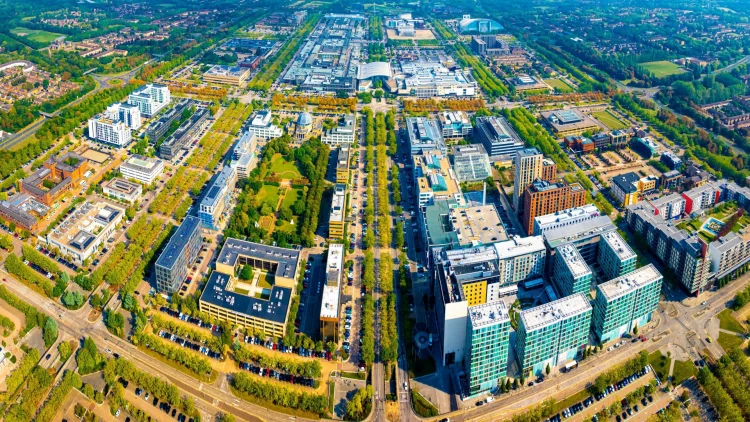
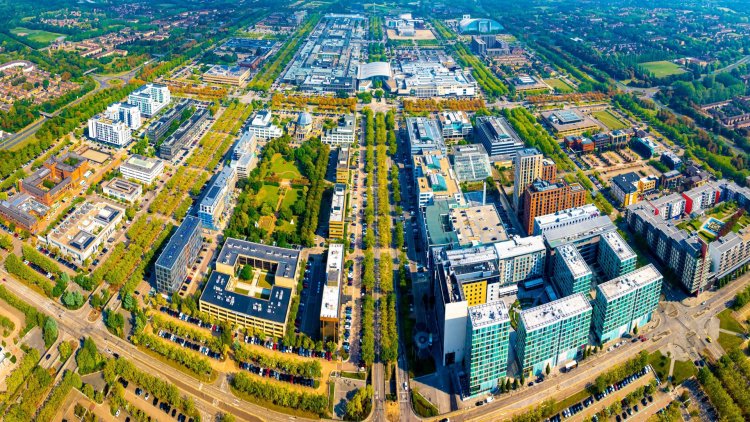
Aerial view of Milton Keynes (Alexey Fedorenko/Alamy)
5 min read
As a teenager, she couldn’t wait to get out. Now Lucia Hodgson has come to love Milton Keynes, the everyman city that is the perfect backdrop for every political offer
Over the course of a few weeks, my hometown hosted Nigel Farage, Keir Starmer and Kemi Badenoch. Zack Polanski and Ed Davey are surely on their way.
Growing up in Milton Keynes, I couldn’t wait to head in the opposite direction. Teenage afternoons in the shopping centre were spent hanging round a large tree, known as ‘the tree’.
It was roughly 250 years older than Milton Keynes itself and sadly died about a decade ago.
The tree may be gone, but memories of languorous weekends hanging out with all the other ‘treebos’ (greebos) remain. If you liked Pizza Hut and had the money to go indoor skiing, you were in luck. But 16-year-old me wanted it to give us something more – a bit more edge, cachet, culture. I actually used to tell people I was from Buckinghamshire.
So, what exactly is it about the city of roundabouts that politicians have been so much keener on? The boring answer is that MK is – literally – Middle England and stuffed with bellwether seats. It’s the perfect ‘everyman’ – somewhere without deep political roots or class identity, where voters are unencumbered by an expectation to vote a certain way. The visiting day-trippers know that success in MK is likely to reverberate far beyond the concrete cows. Each of them has seen something that is worth exploiting for political gain.
Serving up fish and chips, Farage used his visit to lament rising crime in the area – a particularly sensitive topic following the recent murder of a security guard in the city centre.
Badenoch launched her regional local campaign with a focus on high streets, with the manifesto describing MK as ‘shabby’. For Starmer, his visit frankly could have taken place anywhere – it was particularly low-key and his local media interview focused on Iran and the cost of living. But, so persuaded by the success of MK as a new town, his government has announced it as one of the ‘renewed towns’ where 40,000 new homes will be built.
Reducing crime, renewing high streets, building houses – whatever your political ambition, MK is the tabula rasa to lay out your plans and policies. Its bellwether history bears that out.
When a party has won or lost in MK, it has pretty much done the same everywhere else. MK voted Labour during New Labour, Tory under the Cameron and Johnson years, and swung back to Labour under Starmer’s 2024 landslide. It also voted to leave the EU by a slim margin. Like carefully choreographed footwork, MK election results have always been in sync with the national picture.
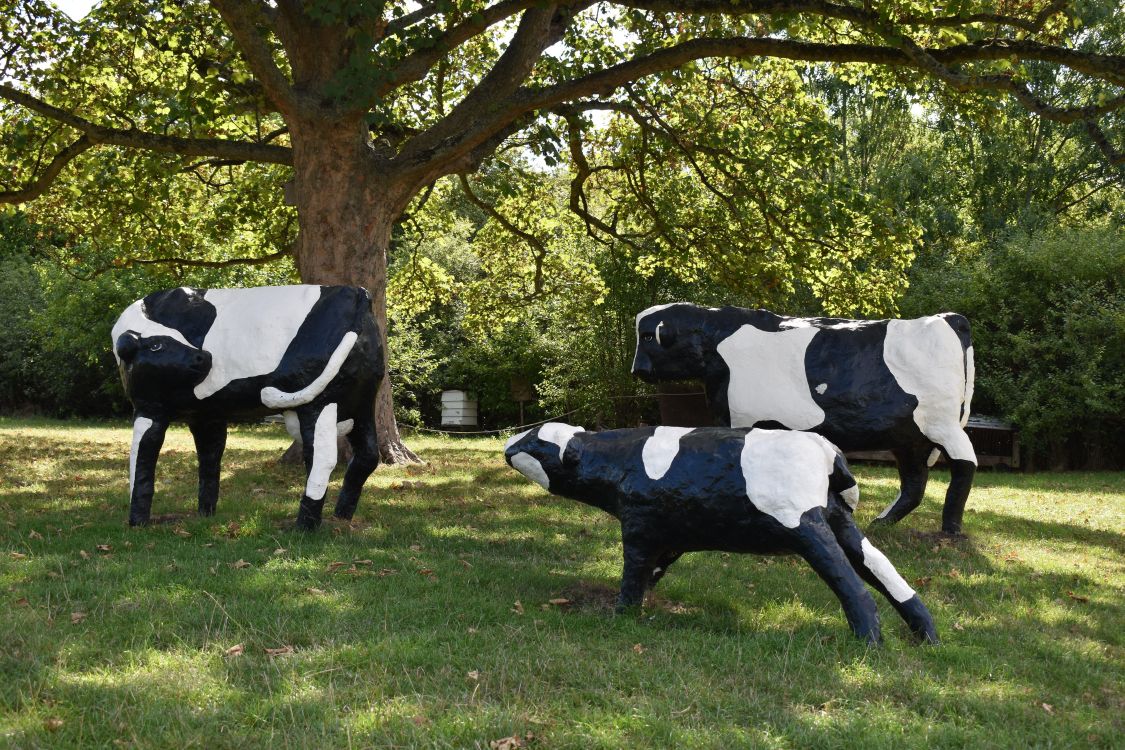
Ahead of May’s council elections, then, Labour knows it has a lot to lose. This is the only patch of red amidst a sea of blue, turquoise, orange and grey. It took the party 18 years to wrestle it from no overall control, in a battleground area for both Lib Dems and Tories. In 2024, the Greens polled a respectable 4,900 votes in MK. With two Reform-controlled councils to its north in Northampton, both Green and Reform will undoubtedly want to see just how much they can tempt Middle England away from the status quo and towards change.
It’s the perfect ‘everyman’ – somewhere without deep political roots or class identity, where voters are unencumbered by an expectation to vote a certain way
YouGov’s last MRP poll showed every seat with an MK postcode (five, just one less than seats with a Manchester postcode) turning turquoise. In 2024, Reform UK came third in all of those seats. The question for the party is whether its primary electoral pitch will work here – a place built on domestic and foreign migration. Like thousands of other families, my parents moved out of London for a back garden. Others, from India and Japan, moved with tech and services companies with aspirations to live in a futuristic town designed to “attract young men with bright ideas”. When Jeremy Corbyn attracted a huge crowd to his Milton Keynes rally, 10 years ago, he declared it the largest ever political meeting in the town’s history. Perhaps the Greens will look to pick up his mantle.
The test for either of the fringe parties is whether their appeal can extend to an ordinary place like Milton Keynes – somewhere that doesn’t do radical, or different, the things I so badly wanted from it as a teenager. I have, however, learned to love Milton Keynes more over the years. When I go back, which I frequently do, I love the open green spaces, the decent charity shop hauls, and watching the Starship delivery robots pootling around the red-ways. I’m now quick to defend it: “That’s my place to ridicule, not yours.” It will be genuinely cool to watch it become more of a political kingmaker – because whichever party does well at a local level in MK will know national success is not far away.
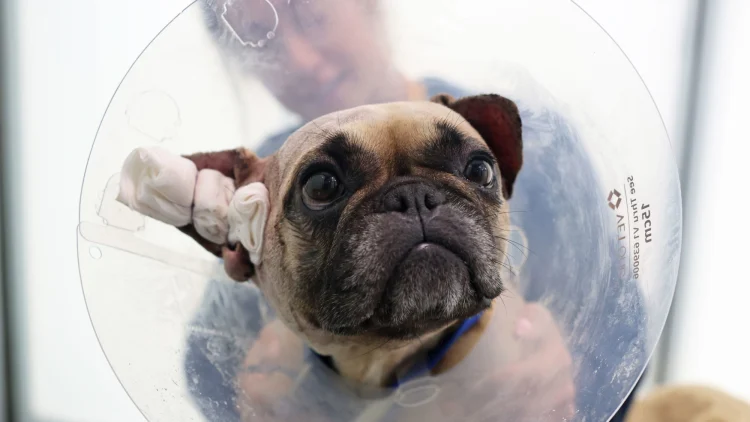

Across the UK, more and more dogs and cats are being bred to look fashionable or cute. But this can come at a serious cost to their health and welfare.
Flat faces, excessive skin wrinkles, folded ears, very short legs. They might look cute, but they are design choices with consequences.
I am supporting Battersea’s Cost of Cute campaign to make sure anyone thinking about getting a pet understands those consequences before they choose.
Because this is not just about fashion. It is about suffering.
Challenging what we think is “cute”
Scroll through social media, and you will see them everywhere. Flat-faced dogs that snort and struggle for breath. Cats with folded ears and wide eyes. Puppies with exaggerated features that look almost cartoon-like.
We have normalised this.
Many people simply do not realise that the very features they find cute are often the source of pain, discomfort and disease. The look is the problem.
This is the cost of cute.
What it means for animals
Take breeds like Pugs, French Bulldogs and English Bulldogs. Their flattened faces and compressed airways mean that something as basic as breathing can be a daily struggle.
As a vet, I have seen the reality up close. Dogs coming in for surgery not because of injury or illness, but because they cannot breathe properly as they are. Owners sitting in front of you, worried and upset. Vets having to operate just to give an animal a chance at a normal life.
It is heartbreaking. For the owner, for the vet, and most of all for the animal.
We need to be honest about this. Breeding a dog that may need surgery simply to breathe is not unfortunate. It is unethical.
And it does not stop there. These same features can affect eating, sleeping, exercise, or even the ability to play or communicate normally.
Other popular breeds bring different but equally serious risks. Miniature Dachshunds, now the most bred puppy in the UK, have a high risk of spinal disease and even paralysis. Shar Pei dogs, known for their wrinkles, can suffer from chronic and painful skin conditions when those features are exaggerated.
Cats are not immune. Traditional mixed-breed cats are being replaced by pedigree breeds with extreme traits. Scottish Fold cats, popular online and in films, owe their folded ears to a cartilage defect that affects their whole body. Many go on to develop painful joint disease. The very feature people love is a warning sign.
Case study: Yoda
Yoda, the French Bulldog, arrived at Battersea as a stray. After a thorough medical check, Battersea’s clinic team found that she had sore ears, skin issues and warts that needed immediate treatment. As a French Bulldog, Yoda also had Brachycephalic Obstructive Airway Syndrome (BOAS), a condition common in flat-faced breeds. This meant that she required surgery to help her breathe easier and enjoy a better quality of life.
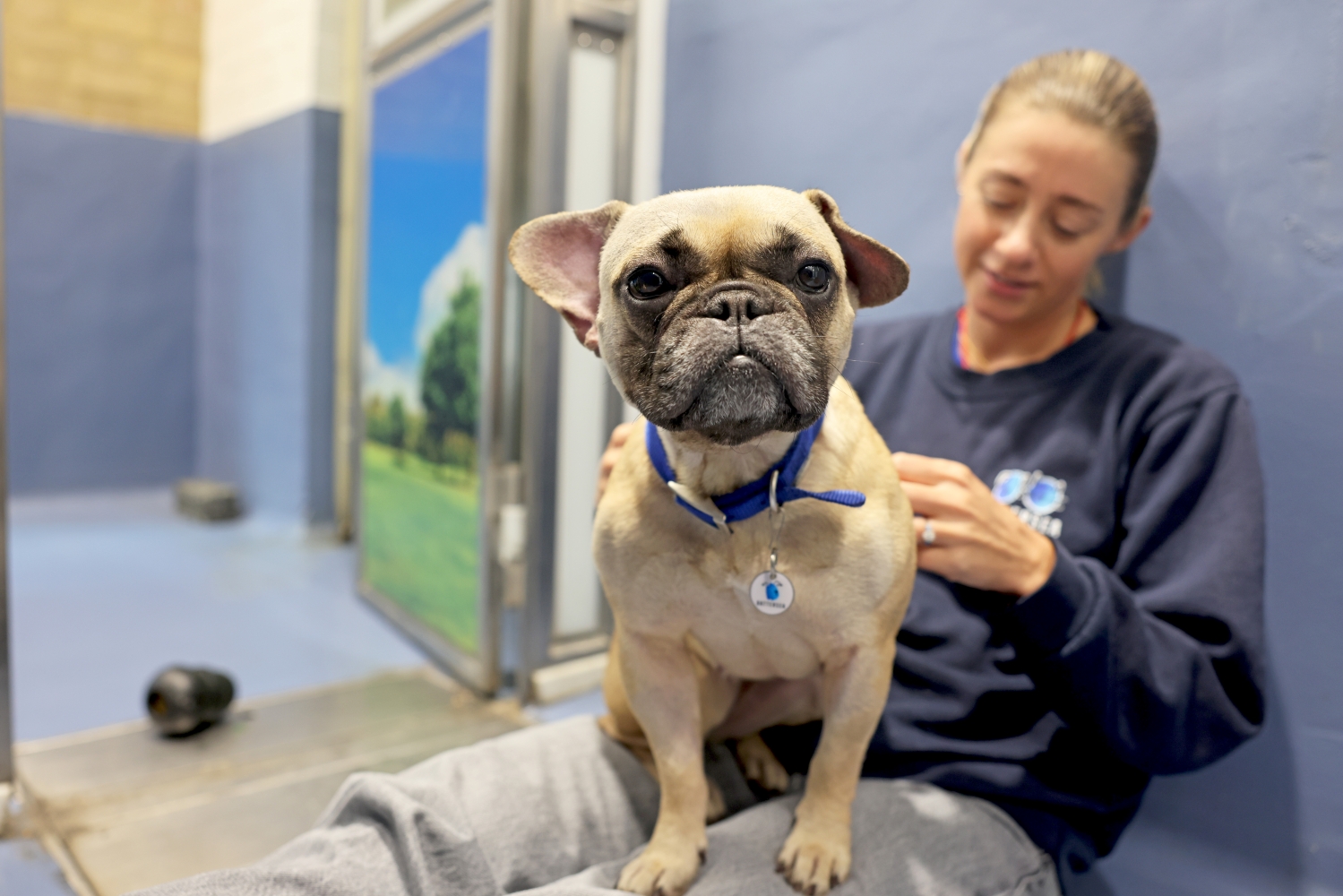 Yoda was experiencing ongoing medical issues with both of her ears, so the best option for her was surgery. French Bulldogs have narrower ear canals due to being brachycephalic, which can result in frequent ear infections. In such cases, TECA surgery (removal of the ear canal) is performed to stop the recurrent infections and give them a better quality of life.
Yoda underwent the procedure and took her treatments in her stride. She also needed eye drops to treat her dry eyes, along with cream to help soothe her skin – issues that are associated with the bulging eyes and wrinkled skin of her breed.
Fortunately, Yoda has found a loving new home, where she is flourishing and continuing her recovery.
What it means for owners
For any owner, watching a pet suffer is distressing. When that suffering is built in from the start, it is even harder.
These animals often need ongoing care, repeated vet visits, and major surgery. That brings financial but also emotional strain. Anyone who has sat up at night worrying about their pet knows how heavy that can feel.
Rescue centres see the impact, too.
Organisations like Battersea care for animals that need complex treatment because of how they were bred. Some owners, faced with costs they cannot manage, make the painful decision to give their pet up. Those animals often stay longer in rescue because their needs are greater.
This is a human cost as well as an animal welfare issue.
Changing course
The good news is this is not inevitable.
Most people are not choosing suffering on purpose. They are choosing what they think is cute, without knowing the consequences. That means awareness matters.
If people understand the risks, many will make different choices.
That is why campaigns like Cost of Cute are so important. They shine a light on what is really going on and help people choose pets that can live healthy, happy lives.
You can learn more at battersea.org.uk/costofcute and help spread the message.
And we need to go further. As policymakers, we should be challenging the demand that is driven by appearance at the expense of welfare. The government is consulting on dog breeding as part of its Animal Welfare Strategy, but it is a mistake not to include cats.
If we are serious about animal welfare, tackling extreme breeding must be central to that work.
We should not be intentionally breeding animals with extreme conformations that we know will struggle to breathe, to walk, or to live without pain. This must be the bare minimum we expect when it comes to animal welfare.

Scots eco airline goes bust as dozens of flights cancelled

Strive Asset Management (ASST) Stock Climbs as Bitcoin Treasury Exceeds 15,000 BTC

Zack Polanskis Popularity Drops After Golders Green Incident

Manchester United reach agreement with Casemiro over contract clause amid transfer speculation

US brings back mandatory military draft registration

Steven Gerrard disagrees with Gary Neville over ‘shock’ Chelsea and Arsenal claim | Football


-

 Business7 days ago
Most Commercial Energy Audits Miss the Real Losses
-

 Fashion6 days ago
Kylie Jenner’s KHY Enters a New Era with ‘Born in LA’
-

 NewsBeat2 days ago
Channel 5 – All Creatures Great and Small series 7 new post
-
 Tech4 days ago
Trump’s 25% EU auto tariff breaches Turnberry Agreement that also covers semiconductors and digital trade
-
 Sports4 days ago
Paul Scholes issues Marcus Rashford reality check as agreement emerges over Man United star
-

 Crypto World7 days ago
CFTC’s AI will review U.S. crypto registration applications, chairman tells CoinDesk
-

 Business6 days ago
Barclay Brothers Avoid Bankruptcy: HSBC Drops High Court Petitions After IVA Deal
-
 Business6 days ago
Tesla Officially Registers Elon Musk’s Stock: What Investors Need to Know
-

 Tech7 days ago
Get Ready for More Brain-Scanning Consumer Gadgets
-
 Tech6 days ago
Texas Instruments made a new flagship graphing calculator: the TI-84 Evo
-

 Business4 days ago
Two Powerball Tickets Split $143 Million Jackpot in Indiana and Kansas
-
 Crypto World4 days ago
CoreWeave (CRWV) Stock Climbs 8% Despite $45M Insider Share Dump
-
Business2 days ago
Winning Numbers Drawn as Jackpot Resets to $20 Million
-
Crypto World6 days ago
Securitize and Computershare Enable Tokenized Equity Issuance for Over 25,000 U.S.-Listed Stocks
-

 Crypto World5 days ago
Gibraltar Proposes Tokenized Funds Regulation to Bolster Compliance
-
 Fashion2 days ago
Mary J. Blige Vegas Residency Looks: Crystal-Embellished Fjolla Haxhismajli, Todd Fisher, and More!
-

 Business6 days ago
Alexandria Real Estate Equities, Inc. (ARE) Q1 2026 Earnings Call Transcript
-
 Entertainment5 days ago
Celebrities Who Are Attending the 2026 Met Gala Event
-

 Tech5 days ago
Official SAP npm packages compromised to steal credentials
-
 Sports6 days ago
Antrim GAA: Hurlers cancel training as row with board deepens
You must be logged in to post a comment Login