The anti-vaccine sugar rush that has infected some portions of the country, largely thanks to the profane appointment of RFK Jr. to head HHS, is incredibly frustrating. That makes it all the more important when the movement receives not just pushback when trying to enact absurd policy based on conspiracy theories, but specifically when that pushback comes from the same party engaging in the absurdity.
Earlier this year, flanked by Ron DeSantis, Florida’s Surgeon General, Joseph Ladapo, announced that the state government was seeking to end all vaccine requirements for school children in the state. And, because Ladapo is a hack, he postured this move in the silliest way possible.
Ladapo said the Florida Department of Health would be working with Gov. Ron DeSantis’ office to end all mandates in state law, at the event at Grace Christian School in Valrico, located just east of Tampa.
“Every last one of them is wrong and drips with disdain and slavery,” Ladapo said of vaccine mandates.
Equating vaccine mandates to slavery may well be one of the dumbest analogies a human being has ever come up with. Vaccines save lives, prevent illness, and go a long way toward staving off the long term effects of many infectious diseases. Suggesting that any of that is akin to the slave trade reveals far more about the person making such a silly accusation than it does about our vaccination programs.
Advertisement
DeSantis, for his part, stated that some vaccine requirements could be removed immediately, while others would require state legislation. But the legislation drawn up to achieve that has hit a major roadblock, and that roadblock is Florida’s House GOP.
Just minutes into a special session on Tuesday, Florida House Speaker Daniel Perez announced that the Republican-led chamber would not take up a proposal from DeSantis to allow children to opt out of certain school vaccination requirements. The move effectively killed the proposal, which had been backed by the Senate.
Perez, a father from Miami with three young children, said he was concerned by the idea of “children being in school without measles and mumps and polio and chickenpox vaccines that have been working for decades,” according to The New York Times, which reported from the State Capitol. “That was something that I was uncomfortable with.”
Thank the universe for sane, thinking members of the GOP, in this case. Perez is precisely correct: vaccines have worked for a long, long time and removing their requirement in public schools serves to only make more children more sick. It ignores our collective responsibility for the health of those around us, some of which have underlying conditions that mean they can’t get vaccines they would otherwise desire. Why in the world should someone in that unfortunate situation have to literally risk their lives in order to go to school? What are those kids supposed to do, just because someone bought into the vaccine misinformation?
None of these anti-vaccine goobers ever seem to want to answer that question. Instead, they retreat to their “Don’t Tread On Me” slogans, or other talking points. As for DeSantis, sane questions like this are pure political games, apparently.
Advertisement
On social media, DeSantis responded to the House’s rejection by calling it “typical political shenanigans.”
Ladapo also responded, saying: “The governor’s agenda to defend freedom, whether from medical tyranny or tech oligarchs, is something Floridians and Americans everywhere want and value. Members of the Florida House should be leading that effort, not standing in the way.”
Those House members are representing their districts, Mr. Surgeon General. Better than you are, I would argue. And does anyone actually read these boot-licking comments from Ladapo and conclude that any of it represents sincerely held beliefs, rather than a sincere desire to remain in power?
Certainly not this writer, I can tell you. This is more pandering for politics on the part of Ladapo. And he will eventually have the blood of children on his hands if he gets his way.
ASUS has unveiled the Ascent QN10, a new mini PC that brings premium desktop capabilities into a compact form factor. This device comes equipped with all the benefits of a desktop computer, packed in a compact design. ASUS has managed to pack the device with all the essential functionalities through its integration with the powerful Snapdragon X2 Elite processor. The compact size of the product also allows users to use it in any residential or office setting.
Asus Ascent QN10 Specifications
As for the hardware specifications, the ASUS Ascent QN10 comes with the powerful Snapdragon X2 Elite processor from Qualcomm to deliver contemporary computing capabilities. The on-board NPU offers up to 80 TOPS computing capabilities. The processing unit also performs various tasks and runs everyday applications easily. ASUS calls this device the first mini PC to feature this chipset and run both versions of Windows 11.
It supports a range of AI models, agents, and orchestration tools. Compatible applications include OpenClaw, Hermes, Cursor, Claude Desktop, OpenAI Codex, and OpenCode. Running AI tasks locally helps reduce delays and keeps more data on the device. This can benefit users who work with coding, content creation, and AI development.
The mini PC features a silver finish and a space-saving 0.75L chassis. ASUS says the design is 86% smaller than a conventional 5L mini PC. The front section includes the ASUS branding and power button, while side vents support cooling. The mini PC measures around 130×130×39.96mm and weighs only 0.75kg, along with ventilation vents along the side to improve cooling.
ASUS places multiple USB Type-A and Type-C ports on the device, including USB 4 Gen 2 connections. The front panel provides easy access to frequently used ports. The mini PC also features an HDMI port, Ethernet connection, and a 3.5 mm audio connector. ASUS provides the Ascent QN10 with an 180W power supply along with a sleek design. The mini PC is ideal for use in offices, content creation, coding, and AI-based tasks. The small form factor not only decreases desktop clutter but also ensures desktop-like performance.
Advertisement
Price And Availability
The ASUS Ascent QN10 has yet to be officially announced regarding pricing and availability. ASUS is expected to provide more details about the mini PC’s launch in the coming days. As of today, ASUS has simply introduced it as part of their mini PC range.
Santa Monica Studio chose the latest State of Play to deliver an extended look at God of War Laufey, the next mainline entry in the series. The footage immediately made clear that this chapter belongs to Faye. Known as Laufey the Just in her lifetime, she served as wife to Kratos and mother to Atreus. Her funeral opened the 2018 God of War. Now she returns as the protagonist in a story that picks up right after that moment.
Faye awakens in a place called Everywhen. It’s a bizarre location to wake up, like the afterlife of gods or the genesis of all magic. It is also the final resting place for gods and creatures from all over the world, who come for a variety of reasons. The location is a magnet for power-hungry gods and beasts from throughout the fabled world, and Faye must deal with them all, including the Egyptian lioness goddess Sekhmet and Mongolian war deity Begtse. Meanwhile, her plans to keep Kratos and Atreus safe are unraveling, so she fights to get everything back on track.
PlayStation 5 Console – 1TB, includes wireless controller, 1TBSSD, Disc Drive, 2 Horizontal Stand Feet, HDMI cable, AC power cord, USB cable, printed…
1TB of Storage, keep your favorite games ready and waiting for you to jump in and play
Ultra-High Speed SSD, maximize you play sessions with near instant load times for installed PS5 games
Combat in God of War Laufey expands on what you’ve seen in previous installments in the series, but it also integrates some ancient DNA from the game’s Greek origins. Faye moves rapidly and fluidly; she can effortlessly switch between the ground and the air, providing her a plethora of new offensive and defensive options. She keeps momentum even after a succession of attacks, and you suddenly have possibilities for knock-out hits that kill an enemy for good. You’re wielding a sword that Faye earned by gaining the trust of a new ally, as well as a trick up her sleeve from her days as the Golden Hand of the Jötnar, which allows her to control people’s souls and use it to her advantage in battle, as you can pull out a soul, hit it with all your might, or chuck it at other enemies to cause them to stumble.
Faye is joined by two other characters, including Phranque, a cosmic cube voiced by Jack Quaid who has a soft spot for Faye’s pals and the creatures that inhabit the Everywhen. Rue is a supernatural ribbon with a sword hidden inside; Perlina Lau voices her, and she provides consistent counsel throughout the plot and action. Despite the cofusion, this is not a prequel, but rather a continuation of the story that will take it to new and exciting places. You can already wishlist it on the PlayStation Store, but there is no indication of when it will be released on the PS5. [Source]
Three US cloud providers control 70pc of Europe’s market. The Commission wants to change that.
The European Commission today (3 June) published its long-awaited Technological Sovereignty Package, a bundle of legislation and strategy designed to cut the EU’s dependence on non-European suppliers across chips, cloud, AI and open source.
The headline items are two new legislative proposals: a Chips Act 2.0 and a Cloud and AI Development Act (CADA), alongside an Open Source Strategy and a roadmap for digitalising the energy sector.
AWS, Microsoft Azure and Google Cloud currently account for around 70pc of Europe’s cloud market, and the US Clouyd Act means American authorities can compel those providers to hand over data regardless of where it is stored.
Advertisement
CADA introduces a single EU-wide sovereignty framework for cloud and AI, with the strictest restrictions on non-EU providers applying to sensitive public-sector workloads in areas like healthcare, finance and justice. Private companies are not covered.
On chips, the revised act targets next-generation semiconductor capacity for AI workloads. AI-related components are expected to account for more than 70pc of the global semiconductor market by 2030, and Europe still leans heavily on third countries for advanced design and production.
The Chips Act 2.0 speeds up permitting, deepens partnerships with allied nations and introduces a new excellence label for European semiconductor regions.
Open Source key
The Open Source Strategy looks to scale European-built alternatives in cloud, AI, cybersecurity and semiconductors, drawing on a developer base of more than 3m across the continent. The Strategy will:
Advertisement
Encourage wider adoption of existing open source solutions in public and private sectors;
Support EU organisations in contributing to open source development as high-quality alternatives to non-EU proprietary solutions, which are owned and controlled by a single supplier;
Strengthen Europe’s open source ecosystem.
This includes measures to “support open source businesses, address the security and long-term maintenance of open source, increase the EU’s footprint in the governance of open source and promote digital skills in this area”.
“We live in a world where geopolitics and technology are inseparable,” said Henna Virkkunen, executive vice-president for Tech Sovereignty, Security and Democracy. “Those who champion technological innovation will shape the future – and we must ensure that Europe plays a leading role in this. Today’s package marks a major shift in how Europe approaches technological sovereignty. It is time for Europe to be in control of its data, of its supply chains, and of its future in a clean and sustainable way. We are strengthening Europe’s digital autonomy and resilience while keeping our economy open to partners around the world.”
“We cannot afford to depend on others for the technologies that keep our hospitals running, our energy grids stable and our services secure,” said Commission President Ursula von der Leyen. “This is about protecting our citizens, defending our interests and making our own choices. Europe has the talent, the research excellence, the industrial base and the Single Market. Together, we must turn these strengths into technological sovereignty.”
Both legislative proposals now need to clear the European Parliament and Council before taking effect. The Commission plans to launch a call for AI Gigafactories in July and will begin consultations on a European equity fund to back the package’s broader ambitions.
Don’t miss out on the knowledge you need to succeed. Sign up for the Daily Brief, Silicon Republic’s digest of need-to-know sci-tech news.
from the bricks-and-minifigs-and-influencers-and-lawsuits dept
On Techdirt, we often complain about lawyers and bad lawyering and bad cases. But there are times when lawyers are helpful, and my one-sentence summary after spending many days trying to understand a viral dispute about [checks notes] some old Star Wars LEGO sets is that a lot of people should have spoken to competent lawyers before doing… whatever the fuck they decided to do here.
If you haven’t been following the Bricks & Minifigs saga, congratulations on your peaceful existence. It’s a genuinely difficult story to track, partly because you have to watch a bunch of long YouTube videos to piece it together, and partly because almost everyone covering it is pushing a specific angle. Just as a point of reference, Bricks & Minifigs is a company that franchises its concept of stores for buying and selling lego blocks and sets — and, yes, minifigs. They have about 300 stores, most of which are franchised.
The basic summary (and some of this is disputed) is that a local Bricks & Minifigs franchise in Keizer, Oregon made an agreement with a guy named Bryan Mansell to sell a very large collection that his father had put together over many years of collectable unopened Star Wars LEGO sets. The intention of the collection had (we are told) always been to pay for college for Bryan’s children. His father, an 83-year-old man, had agreed to have Bryan sell the sets via the Keizer store on consignment. The collection was advertised, including on the store’s Instagram page where they made it clear that it was “one of the largest, most valuable privately held collections of Star Wars LEGO in the world” and that it was about to go on sale.
Later photos in that post detailed that they believed the collection was “worth well over $200,000” and that the entire collection would be sold through the store. The actual value of the legos in question is disputed, but the lowest number I’ve seen is closer to $60k. The entirety of the Instagram post text reads:
Saturday and Sunday, the 11th and 12th of November, the Bricks and Minifigs store in Salem-Kaiser will display one of the largest, most valuable privately held collections of Star WarsTM LEGO in the world. The event will be open to journalists and the public for photos before the collection goes on sale.
In the early 90s, Ed Mansell predicted Star WarsTM LEGO would be a good investment. Over the next 15 years, he purchased approximately $20,000 of Star WarsTM LEGO and preserved them, sealed, in their original boxes. The investment really paid off. The collection is now estimated to be worth well over $200,000. Multiple sets, including the highly prized, incredibly rare Cloud City set, are now worth more than $10,000 each. Some of the individual minifigs are worth more than $1,300 each. The ten-fold increase in the value of Mansell’s collection is a greater return than if Mansell had put the same amount of money into the stock market in a Dow Jones Index Fund.
When Ed Mansell decided it was time to divest, he turned to his son, Bryan Mansell. Bryan knows more about his father’s comic book and baseball card collection but didn’t feel confident in his knowledge of the LEGO secondary market. He saw the sign for the Bricks and Minifigs store while passing by on North River Road, came in, and asked the store owner, Chrystal Law, if she could help. “I told him, even if we couldn’t sell the collection, I would help him figure out how much it was worth because I didn’t want him to get ripped off. And I think that’s why he trusted me,” Law said. The entire collection will be sold through Law’s store, but first they wanted to put it all on display so the public can see it in its entirety.
The collection will be on display in the store’s party room from 10am till 6pm on Saturday, November 11th, and 11am till 6pm on Sunday. The collection will be available for sale immediately, so the best time for pictures will be Saturday morning. The collection will not be stored on-site after hours for security reasons, and after Sunday the sets will be available for purchase but stored elsewhere. Bricks and Minifigs is located at 3670 River Road in Kaiser.
Apparently, over the course of 2024, various parts of the collection were sold off and Mansell would stop by each month to collect his cut of the sales. There is a dispute over how much of the collection was actually sold before everything went off the rails in late 2024.
Advertisement
In November 2024, as you may have heard, Donald Trump was elected. Chrystal’s partner, Ben Gorman, runs a small publishing company called Not A Pipe Publishing, which (among other things) publishes something called the “Antifa Lit Journal.” Gorman felt like publishing such things in the US under a Trump regime might be problematic and looked into moving out of the country. As part of that, Law contacted corporate Bricks & Minifigs about selling or closing their franchise (exactly what she told them is disputed).
This next part is also disputed. Law & Gorman say corporate told them they had a franchisee who was interested in taking over the franchise. Bricks & Minifigs corporate claims that Law had told them she was shuttering the store and that she wasn’t allowed to do that, so they had to rush to reclaim the store. Almost immediately someone associated with Bricks & Minifigs, Brandon Best, showed up at the store, saying he was taking over the store and demanding the keys and that Law leave immediately. There’s also a dispute over whether or not Law & Gorman were in violation of their franchise agreement (Law & Gorman claim that the breach was due to failures by BAM corporate, which had been worked out months prior, and any claim of ongoing breach is misleading).
There’s a bit that is caught on video where Law tells Brandon and someone from the company on the phone that they have a large collection on consignment and that they owe Mansell money, and Bricks and Minifigs corporate tells Law they’ll “take on the consignment liability.”
Law and Gorman push back on Bricks & Minifigs just taking over the store, but are told by a B&M “official” name Ki McAllister (recorded by Gorman) that if they try to fight this, B&M will make their lives difficult: “If we go the legal route, it’s gonna be a very expensive battle for you and it’s not going to be a good position for you guys to get into. There’s not a whole lot of options for you. If you want to go the legal route, it’s just going to be a mess and it’s gonna be expensive for you.” When Gorman pushes back and asks if McAllister spoke “with” or “at” Crystal, McAllister admits he spoke “at” her and then says: “If you fight this, then you’re putting yourself into a whole lot of shit. It sounds like a threat and I can acknowledge that, because in a way it is.“
Advertisement
From there, it appears corporate Bricks & Minifigs transferred the franchise to two of its partners, Joshua Johnson and Brandon Best (the guy who showed up at the store) and they just… basically denied owing Mansell anything at all or even having his legos. Or sometimes they’d admit it and sometimes they wouldn’t. It became messy. Mansell claims that the people he spoke to store gave an almost identical message to him that Ki McAllister gave to Gorman & Law that it would be too expensive for him to go to court to get back what he owes.
Mansell then reached out to YouTubers, some of whom detailed how Bricks & Minifigs appeared to have effectively stolen all these lego sets. But then (according to one of the YouTubers) Bricks & Minifigs threatened to sue them (sense a pattern?) and they took down the videos.
Mansell then contacted another YouTuber named Ben Schneider, who goes by the handle Reckless Ben — best described as a Temu Nathan Fielder. He puts himself in ridiculous situations, goes to equally ridiculous lengths to justify them, and stares blankly into the camera with that specific combination of cluelessness and overconfidence that comes from someone who has talked himself into believing every move he makes is correct.
In this case, that included (not a complete list) trying to get back Mansell’s money and/or remaining legos by going to the store, confronting the employees, confronting the owners (who were difficult to track down), showing up at Bricks & Minifigs corporate, speaking to the CEO, setting up a registered religion in order to run a raffle for the lego sets to try to make this a criminal case to get law enforcement involved (not how any of this works), filing a bunch of small claims cases against the store and the company and the owners of the store, creating a company called We Steal from Old People, setting up a “franchise” structure for We Steal from Old People to use a mirror argument of Bricks & Minifigs that he can’t be held liable for franchisee actions, putting up signs for that store, and much more.
Advertisement
Some of these moves are interesting. Some are genuinely clever. Many are very stupid — particularly agreeing to talk to cops without a lawyer present after being arrested (more on that shortly), and believing that tricking a store employee into signing what she thought was a delivery receipt, but which was actually an unenforceable “contract” against trespassing him, accomplished anything at all. Mostly what all of this does is generate attention, rather than anything legally compelling.
The one potentially legally interesting move in all of this was filing the ten separate small claims cases against the store (I won’t even get into how they were able to structure things to file the ten separate claims even though that’s interesting, because this is freaking long enough, and the details are in some of the videos below). The store refused to show up in the cases, meaning that default judgments were entered in each case. When Schneider went to the store to try to collect, he found that the store had been permanently shuttered the day after the default judgments came down (which looks very, very bad for Bricks & Minifigs and the franchise owners).
The cops get called on Schneider repeatedly through all of this. When he’s in Utah trying to confront both Bricks and Minifigs CEO Ammon McNeff and the supposed franchise owners, Joshua Johnson and Brandon Best. He tries to take Johnson to small claims court and the court tells him he needs to first try to resolve the issue with Johnson, but Johnson (who at one point offers to give Mansell the lego back if Mansell apologizes, but then doesn’t) has blocked Schneider’s phone number and calls the police when he sees Schneider and associates near his house.
At multiple points the police stop cars that Schneider is in (one time after falsely claiming they didn’t stop at a stop sign, even though the dash cam shows they clearly did) and generally appear to be harassing Schneider and his colleagues. In what appears to be a tremendously egregious move, they pull them over and hold them for hours claiming that they believe there are drugs in the car which they search for and are unable to find. Later the cops get a warrant and raid the Airbnb where Schneider and others are staying, arresting them all.
Advertisement
Schneider and some of the others working with him are arrested at various points for stalking and harassment, while Schneider insists he’s just trying to serve Johnson with the papers from the small claims case. There’s also an attempt to claim that the Go Fund Me campaign that Schneider set up at some point violates some law. The whole thing goes off the rails in so many ways.
Schneider also gets access to various bodycam footage, some of which is redacted in places that look sketchy but happens all the time with police body cams. Some of the bodycam footage looks damning against the police (including a couple of admissions that they don’t really think Schneider and his friends have violated the law, even if the police chief later disputes that).
Very stupidly, Schneider and his friends/colleagues repeatedly talk to cops without a lawyer present. This is a very bad thing to do. Multiple people who were arrested later put up their own videos about it, including one (the guy who was arrested for trying to lock his phone when a cop tried to take it), who claims that he’s got a high IQ so was never going to get bested by a cop (this is also a stupid thing to say).
Bricks & Minifigs’ position on all of this appears to be that (1) anything bad that happened was because of the franchise owners and not corporate, both the previous ones and the ones they arranged to take over who appear to be closely associated with corporate Bricks & Minifigs anyway, (2) Law & Gorman violated their franchise agreement in many ways and the takeover of the store was necessary because of that, (3) that Gorman & Law “stole” Mansell’s legos and the new store really didn’t have any, (4) that Gorman & Law weren’t allowed to do consignment deals in the first place (despite evidence to the contrary, including the franchise agreement that lays out that consignment is acceptable), (5) that Ki McAllister is a low level employee and his statements don’t matter (not how it works), (6) that they didn’t know about any consignment deal (clearly untrue given video evidence as well as notifications from both Law and Mansell), (7) that Schneider is only giving a one-sided account (true, but doesn’t deal with many of the factual claims), and (8) that this is all an illegal harassment campaign against them designed to get them to pay out way more money than they owe (if they owe anything at all).
Advertisement
On top of all that we have competing additional civil lawsuits filed in Utah state courts and the various misdemeanor (not felony) charges against Schneider (though he claims he’s also being threatened with felony charges, though as far as I can tell none have been filed yet). Oh and the potential of criminal charges against… someone… in Oregon for the possible theft of Mansell’s collection.
Phew.
Let’s now insert some of the many videos on this. I will say that Bricks & Minifigs corporate (and the replacement franchise owners) come out of this all looking very, very, very sketchy. Ben Schneider comes out of it looking like both a hero for getting a tremendous amount of viral attention to all of this, but also kind of a dumbass for doing a bunch of very stupid things that he thinks helps his cause but don’t, which he could have avoided by… actually talking to a lawyer. Yes, Schneider got a ton of attention on the issue, but also did a ton of things that likely made everything worse for Mansell and himself.
If literally anyone involved had spoken to a lawyer at any point, an awful lot of this mess could have been avoided.
Advertisement
That’s why I’ll start with the most even-handed summary I’ve seen of the whole thing, from the always excellent Lawful Masses with Leonard French, who walks through the legal reality in exhaustive detail. It’s more complicated than any of the other coverage suggests, though yes, Bricks & Minifigs still comes out of it looking like people who took control of collectible legos they had no rights to.
Some of the key points highlighted by French that haven’t made it into most of the other videos I’ve seen:
Mansell should have filed a UCC-1 financing statement with the consignment to protect his property (this is genuinely useful information for anyone ever looking to sell things on consignment) but even if he didn’t do that, he’s probably protected by the “merchant exception” related to the Statute of Frauds. This is far beyond my own legal understanding, but is fascinating.
Mansell sent a termination letter to the new owners of the franchise, putting them on actual notice that the sets were his.
Mansell had a friend go in and purchase one of his sets after he had clearly informed the store not to sell one. As French points out, this is now a pretty clear theft case.
Bricks & Minifigs has some ways that they could (potentially successfully) challenge the small claims default judgments against them in Oregon, but the clock is ticking on that, and if they fail to, those judgments could follow them around.
Then as I was finishing up this already incredibly long article, I saw French has released part II, looking at some of the filed lawsuits that I discuss below and coming to similar conclusions that I do (i.e., no one comes out of any of this looking good).
Advertisement
Then there are some of Schneider’s amusing/cringey videos, starting with him talking about the effort to get back the legos. This is the main video that made this go viral and currently has around 3 million views.
He then published a follow up detailing how the police in American Fork treated him and his friends including stopping them multiple times and eventually raiding their AirBNB and arresting them.
Advertisement
And also a short video reading through and reacting to a leaked letter that Bricks & Minifigs corporate sent to their franchisees about how to deal with the controversy.
Then there are the American Fork police who released this bizarre video showing their side of the story, which appears to be set in… I dunno… heaven? John Oliver’s void? The entirely white background is a freaking choice is all I’m saying. So too is the “I’m reading you a bedtime story” tone of voice from police chief in the video.
The police chief also fails to address the weird redactions in the bodycam footage, and the multiple times his cops are caught effectively admitting that Schneider and his crew weren’t actually breaking the law.
Schneider has released a response video using a similar backdrop and highlighting problems and inconsistencies with the claims in the police video.
Advertisement
Then there’s Bricks & Minifigs CEO Ammon McNeff going on a livestream and doing a poor job of defending the company, including saying a few things that won’t do him any favors in court.
Believe it or not, there’s even more in all these videos that I don’t have time to go into, but we’re at almost 3,000 words already and we haven’t gotten to some of the competing lawsuits.
Advertisement
We have discussed the small claims cases (which have mostly ended in default because BAM folks ignored them) but the bigger deal are the competing lawsuits that have been filed in Utah’s state court and have received less direct attention. While it’s one thing to say things on a one-sided YouTube video, what you say in court can be a bit more serious. And we have two competing cases to look at. The first was filed by Law and Gorman and the LLC they had set up to run the Oregon store, and filed in Utah’s Chancery Court back in March.
It adds some useful details to the whole mess, including saying that the only breach they had regarding their franchise agreement with BAM corporate was… because BAM themselves refused to live up to the requirements of the agreement. Apparently Law had simply managed the store before this, but had approached corporate about taking on the franchise, which they agreed to do. But after working out a deal, the company failed to transfer the lease and the bank account over to Law & Gorman, which caused a bunch of problems regarding payments:
Shortly after the sale closed, BAM failed to fulfill its obligations to properly transfer the store’s bank account and assign the store lease to Plaintiffs’ LLC. These were not minor administrative oversights—they were fundamental obligations without which the franchisee could not operate the business. Without control of the bank account, Plaintiffs could not make the automated payments required under the Franchise Agreement. Without the lease in their name, Plaintiffs had no direct relationship with the landlord and no ability to ensure rent was paid. BAM’s failure to complete these transfers was the first material breach of the Franchise Agreement and the proximate cause of every subsequent “default” BAM later cited as grounds for termination.
BAM did not return the bank’s documentation needed to change account ownership, causing the account to be frozen without Plaintiffs’ knowledge. As a result, automated payments for franchise royalties and for the remaining purchase price were not withdrawn as scheduled.
Similarly, because BAM never assigned the store’s lease to BAMF Salem 1, LLC, the landlord’s notices of bounced ACH rent payments went to BAM as the tenant of record—not to Plaintiffs. BAM did not promptly inform Plaintiffs of these issues, effectively concealing the problem until it had compounded. Plaintiffs thus could not pay rent through no fault of their own: the lease was not in their name, the bank account was frozen, and the party responsible for both failures—BAM—kept Plaintiffs in the dark. BAM’s own Director of Operations later confirmed this failure on a recorded call, admitting that “the lease is technically in our name still.”
Advertisement
That is a pretty bad look. Especially given that, in BAM’s own lawsuit, they claim the reason they repossessed the store and handed its franchise to someone else was… the very things that Law & Gorman say they caused. BAM corporate’s massive lawsuit filed against Ben Schneider, Bryan Mansell, and a bunch of folks working with them (and, of course, claiming civil RICO because why not?) claims that they took back Law & Gorman’s franchise because of breaches to the agreement, such as those that Law & Gorman say were BAM’s fault n the first place (oddly, the BAM lawsuit refers to everyone by their first names, rather than last, which would be more typical).
Despite the foregoing plain requirements, Chrystal and Benjamin materially breached their obligations, as required APA payments were not completed, FA royalty payments became delinquent, the lease and various accounts were never properly transferred and lease amounts were unpaid. Chrystal’s outstanding contractual obligations mounted, eventually exceeding an estimated $175,000….
… Based on the foregoing uncured breaches and anticipatory repudiation, BAM, inter alia, issued a written 11/14/24 Notice of Immediate Termination to Salem LLC pursuant to the FA, exercised its priority rights to the collateral in the Security Agreement, pre-scheduled a repossession with Chrystal and repossessed the Salem LLC store on or after 11/14/24 and assumed the lease, as expressly permitted under the FA and APA, including any and all fixtures, inventory and other assets, and credited an estimated $38,000 paltry value thereof as an offset to the unpaid $175,000 debt.
That’s a pretty big factual dispute that the two courts are going to need to dig into.
The BAM lawsuit also claims that they had no notice of Mansell’s consignment, which is plainly bullshit given the video clip that shows up in basically all of the videos above:
Advertisement
Excepting only respecting the foregoing unpaid lease, BAM did so as a bona fide purchaser, without notice of any third party claims or liens of any kind, including Chrystal and Benjamin’s undisclosed and alleged 11/22/23 Consignment Agreement with Brian, referenced infra.
Prior to and at the time of repossession, BAM’s representative, Brandon, conducted an informal and video inventory of the Salem LLC fixtures and inventory. While he did not locate or identify any product that was identified as consigned or not owned by Salem LLC, he concluded that the maximum value of any residual inventory was less than $38,000. Less than $5,000 worth of Star Wars LEGO product could be located and identified in the entire residual Salem LLC onsite inventory.
This is quite a claim to make given the video evidence to the contrary, which had already gone viral by the time this lawsuit was filed last week.
There are other claims in the BAM lawsuit that seem problematic including this:
Bryan showed up later that day and began yelling at personnel and holding up purported consignment paperwork demanding the immediate return thereof or payment of $80,000. Josh interceded and asked to review it and briefly did so and pointed out that neither BAM (nor Josh and Brandon) were a party to this purported arrangement.
Again, taking over the store also meant taking over the consignment liability, which they had already been made aware of and which they admitted they were taking over (as recorded in the security camera video). That they hadn’t personally been a party to the arrangement doesn’t matter, because when they took over the franchise they also took over that agreement.
Advertisement
The complaint then says that Johnson and Best tried to find the alleged sets owned by Mansell but were unable to do so, concluding that they were all gone. This is, obviously, contested by Mansell and others who have pointed to evidence that the sets were still in the store, including Mansell having someone go in and purchase one of the sets after he had demanded them back in a written notification.
The complaint also claims that it was only in late 2025 and early 2026 that Best was able to dig into the old franchise’s accounting system to find details of sales of what were likely many of Mansell’s legos. The complaint argues that it appears most, if not all, were sold by Law prior to the takeover and if Mansell is owed money, it’s from Law and Gorman.
Many months later in the fall of 2025, and only after Baker Salem had entered its 3/27/25 Business and Asset Purchase Agreement, Brandon gained access to Salem LLC’s archived and incomplete POS accounting system, which he discovered identified Star Wars “lot sets” from Star Wars regular “lots” inventory sales. This inventory sale distinction was unclear to Brandon and Josh, and Chrystal had never explained the significance, if any, to anyone, but Brandon much later in 2026 discovered that approximately 367 purchases of lot sets (for an estimated retail value of $46,000) and 336 purchase of lots (for an estimated retail value of $12,600) had occurred after 2023. He still could not, however, confirm the specific products sold (and whether they had been consigned or not).
Then we get the RICO claims. The supposed “conspiracy”:
Upon information and belief, though they had no legitimate legal recourse or evidence upon which to file a claim, Chrystal, Benjamin and Bryan conspired to, inter alia, threaten, intimidate, extort and defraud Plaintiffs anyway possible, as detailed herein, including the formation of an Enterprise to engage in wrongful activities.
As an initial step, Salem LLC caused a 12/24/24 legal demand letter to be sent to BAM, variously alleging it had been damaged based on the termination of its FA, which was a private business matter between Chrystal and Salem LLC. On 1/10/25, BAM responded, denying the allegations and providing support for its termination. Neither Salem LLC, nor Chrystal or Benjamin, thereafter pursued any claim in the letter further with BAM until 1/2/26, when a separate legal demand letter was sent, as discussed infra.
Advertisement
Instead, upon information and belief and in furtherance of such threats, Chrystal, Benjamin and/or Bryan learned of Schneider and communicated with him, whereby they provided information regarding their unsupported claims against Baker Salem and/or BAM, ignoring and excluding Salem LLC and/or Chrystal’s sole obligation regarding any private consignment agreement with Bryan. In connection therewith, they, together with others (i.e., DOES 1-15) conspired to intentionally, maliciously, fraudulently and illegally threaten, extort, harass, profiteer, interfere with and damage Plaintiffs in furtherance of the Enterprise, including based on the unlawful activities described herein.
Upon information and belief, Schneider and the Schneider Group acquired a direct or indirect financial interest in Bryan, Chrystal, Benjamin and/or Salem LLC’s unsupported claims against Plaintiffs, whereby co-Defendants (with Bryan, Chrystal, Benjamin and/or Salem LLC’s assistance and support) organized and established the Enterprise that would launch a campaign of deception, disinformation and destruction intended to cause Plaintiffs injury and damage, to extort a demand of over $200,000, to deceive and manipulate Plaintiffs, to interfere with Plaintiffs economic and family relations, to harass Plaintiffs, to cause private and public nuisances, to trespass and to otherwise engage in a pattern of unlawful activities, as described herein.
They then claim that this “enterprise” engaged in numerous “unlawful activities” in support of the supposed conspiracy:
Commencing after Baker Salem began operations as a new franchisee and continuing to date, Schneider and the Schneider Group (with the support of Bryan and Chrystal) waged a malicious and intentional campaign of extortion and destruction through independent episodes of unlawful activities against Plaintiffs. Such included periodic harassment through phone calls, numerous disruptive store or office visits, repeated instances of trespass, deceptively staged events (i.e., disingenuous coronation, rally, raffle, store front table promotion, a fictitious Lego Club rally, manufactured and frivolous complaints to police, private and public nuisances, threatening phone calls, numerous deceptive live and telephonic impersonations, in person and remote threats (and via proxies), frivolous sham lawsuits (splitting claims in multiple ineffective small claims actions), etc.), issuing the Publications of defamatory and disparaging images and content, all in furtherance of the Enterprise.
The complaint quotes Schneider’s viral video in ways that… Schneider himself made easy for them to quote. The “we have to do something illegal” is not a great line for Schneider and the other defendants in this case. They also highlight this bit, which is also not a great fact for Schneider:
Advertisement
5/21/26 YouTube Video, Minute 12:46 through 14:46 (Schneider attempted extortion and directly threatened Ammon by stating that, “if you just want to give it back now, it’s going to be a lot easier for you guys. You know, I think you guys would prefer the easy way” or “the hard way. I don’t think you guys are really going to like it”. An implied depiction of the threatened violence associated with the “hard way” is an explosion at BAM’s corporate headquarters).
Of course it’s a bit rich for them to complain about the “easy or hard way” complaint when they apparently made similar statements to Law & Gorman as well as Mansell.
Once again, so so so much of all of this could have been avoided if either side had competent lawyers and listened to them.
Johnson and Best also claim that they tried to settle with Mansell and he rejected their offer, which they claim is evidence that “the enterprise” was seeking more than they were legitimately entitled to:
In late 2025 and based on co-Defendants’ ongoing harassment, Brandon and Josh further investigated the Baker Salem store inventory, and though they still could not reliably identify any product that appeared to belong to Bryan, they located a few (approximately 20) Star Wars LEGO sets in a back office lockable cupboard, on which they noticed stickers not previously recognized. As a precaution only, but still without knowledge that Bryan in fact had any right thereto, they directed that such not be sold from Baker Salem’s inventory and remain locked up pending completion of their ongoing investigation and receipt of reliable evidence of ownership and other conditions.
On or about 12/3/25, in a text exchange between Josh and Bryan (deceptively orchestrated by Schneider) and after sustaining incredible business disruption and harm, Josh discussed a possible settlement scenario under economic duress. Purely as an accommodation (and without any legal obligation to do so), Josh discussed a possible settlement scenario to allow Bryan to retrieve the few sets that had been provisionally identified as merely Star Wars related product in the back office (i.e., described above, though not necessarily belonging to Bryan), which as a precautionary matter, Josh had set aside pending receipt of ownership documentation from Bryan. Josh indicated a written apology and other concessions would need to be made and the harassment must stop. Bryan rejected this proposal outright and responded, “Unless you are going to make us whole on the whole Lego collection, I don’t see where we have anything to discuss.” This confirmed the Enterprise’s interest. Referring to the sets he had identified, Josh replied, “We can give you what was left when [presumably Chrystal] left. We can’t and aren’t responsible for what she sold the two years yall were working together. If you want what she left let me know.” Bryan refused this offer. This exchange further evidenced Bryan’s objectives were not about recovering a LEGO collection, but rather about extorting payment for the Enterprise beyond any legitimate claim.
Advertisement
That argument may sound good to the BAM folks, but I’m pretty sure they’re wrong when they claim they’re not responsible for what Law sold prior to them taking over, because (again) when they took over the store they took on any liabilities with the store. And that would be one of them. Also, there appears to be some evidence in the videos that some of the times they offered to return Mansell’s legos and then… didn’t.
Believe it or not, the 5,000+ words I’ve already written here barely scratches the surface.
Strip it all back and the core of this is pretty simple: an 83-year-old man’s carefully assembled lego collection — built over 15 years, meant to fund his grandkids’ college — appears to have been taken (at least in part) by people who calculated that it would cost more to fight them than to walk away. That bet almost paid off. The only reason this became a national story is that Bryan Mansell found someone willing to be very, very extremely online about it.
But “going viral” is not a legal strategy. And Schneider’s willingness to do basically anything for content — including things that are genuinely legally stupid, like talking to cops without a lawyer present, or making statements on camera that now appear in a civil RICO complaint — may have made things considerably worse for Mansell in the long run, even as it made things considerably more uncomfortable for Bricks & Minifigs in the short run. If Schneider had talked to a lawyer before doing half of what he did, he might have accomplished more with less collateral damage.
Advertisement
Though it might not have made such “good content.”
Meanwhile, if Bricks & Minifigs had talked to a lawyer — a good one, not just whoever is filing these complaints — they might have been advised that explicitly threatening people on recorded calls, taking over a store while explicitly acknowledging a consignment liability on video, and then denying that consignment existed in court filings, was not a sequence of events that tends to end well. And that shuttering the store the day after default judgments came down looks, to put it diplomatically, quite bad.
The deeper structural problem here — one that Leonard French articulates better than I can — is that the US legal system has a genuine dead zone around mid-five-figure disputes. Too big for small claims (even with Schneider’s claim splitting exploit), too small to justify the cost of a full civil suit, it’s exactly the range where a well-resourced defendant can make a calculated bet that the other side will run out of money or patience before getting justice. That’s a feature of the system Bricks & Minifigs happened to exploit, but is not unique to them.
The answer to that structural problem shouldn’t be “find a YouTuber willing to go to ridiculous lengths to get attention on this issue.” Though in 2026, that does appear to be working better than most alternatives — at least in the court of public opinion, where the verdict has already come in decisively on the side of Mansell and Schneider. That’s a real problem for Bricks & Minifigs and every one of their ~300 franchisees, regardless of how the legal cases resolve. You don’t get to un-become the lego store that allegedly stole an old man’s retirement collection. That story is going to follow this brand around for a long time.
Advertisement
None of this had to go this way. A competent lawyer on either side, at almost any point in this saga, probably changes the outcome significantly. Instead, both sides made calculated bets — Bricks & Minifigs that the costs of fighting would deter anyone from trying, and Schneider that going maximally viral would substitute for having an actual legal strategy. The first bet nearly worked. The second is still being litigated, in multiple senses of that word.
Two years ago the EMF hacker camp in the UK released a new kind of event badge. The Tildagon was designed to be a recurring event badge, useful for the next EMF rather than destined to be e-waste. With the 2026 event coming up there’s a new Tildagon called the Spaceagon, and as you might expect it’s very familiar indeed.
Tildagon owners can update their badge with the Spaceagon front panel, while those without one can buy the new badge. It has a few minor updates from its predecessor, including better buttons, LEDs, and display mounting, and there’s a compass, a joystick, and touch sensitive areas.
The Tildagon introduced its own add-on format, the Hexpansion. This year there’s the first official Hexpansion, a keyboard, using the same rubber moulding we see on quite a few maker projects. We like the Hexpansion idea because it uses an edge connector rather than a set of pins on the device, but at the cost of more expensive badge parts.
In 2026, the act of spending more than a grand on a new phone has never felt more questionable. Don’t get us wrong, there are some incredible handsets at the higher end, and if you plan on making full use of the features they bring to the table then the expense will likely be worth it, but if you just need a solid day to day phone for calls, a bit of light entertainment and taking decent pictures, then the best cheap phones are made with you in mind.
Unlike with the best phones overall, or even the slightly more expensive crowd of the best mid-range phones, cheaper devices do come with a level of compromise that, thankfully, is easy to navigate. After all, it makes sense that these phones don’t fire on every cylinder, as they’ve had to focus their efforts on certain areas in order to bring the price down – all you have to do is decide which features mean the most to you.
For instance, if you want a great screen or a solid set of cameras then the latest budget-friendly picks from Honor and Poco are a safe bet, whilst the likes of Samsung and Nothing (via its CMF sub-brand) have the software experience on lock. There’s more choice than ever, but thanks to the hard work of our tech experts, you can save yourself from a heap of research and use this very list to find your next upgrade quickly.
In order to keep things within a reasonable budget, we’ve set a strict upper limit of £400/$400 for this article, so you won’t find a phone that goes above that here. Plus, if you decide that you want to stick with your current phone for a bit longer then we recommend keeping this page bookmarked and returning to it when you’re ready for a new device, as our rankings may have changed.
Advertisement
Keep on reading to see which of the latest budget phones have most impressed our team of testers, and if you’re curious to save a buck on other tech purchases then feel free to check out our guides to the best cheap smartwatch, the best cheap headphones and the best cheap tablets.
Best cheap phones at a glance
Advertisement
Learn more about how we test mobile phones
Every phone we review goes through a series of uniform checks designed to gauge key things including build quality, screen accuracy, battery life, performance and camera prowess.
These include formal synthetic benchmarks and scripted tests, plus a series of real-world checks, such as how much battery it loses per hour streaming video.
Advertisement
We also make sure to use every phone we review as our primary handset for at least 4 days to ensure our review is as accurate as possible./
One of the best screens at this price range
256GB storage as standard
Longer duration of software support
There are some downgrades compared to the Honor 200
AI features still need some work
No wireless charging
As much as we love the Motorola Edge 70 Fusion for its long-lasting battery life and fast charging, if you want a strong competitor that isn’t quite as eye-catching but does include a beefier battery in return, then the Honor Magic 8 Lite is well worth checking out. This is one phone that absolutely runs rings around the latest iPhones and Samsung Galaxy handsets where longevity is concerned.
Advertisement
Thanks to the use of a gigantic 7500mAh battery, which is about as large a cell as you’ll find in a phone outside of China, the Magic 8 Lite is one of those rare phones that can genuinely last up to three days under the right circumstances. If you grew up in a time before smartphones when multi-day batteries were the norm, then you’ll love what Honor has managed to achieve here.
Working in tandem with the massive battery is a speedy 66W charging speed over a wired connection. Although you will need to buy a compatible charging brick separately, it does allow you to claw back 54% in just 30 minutes, which on most phones probably wouldn’t be enough to get you through the day, but that’s not the case here. If you have a bit more time to spare then a full charge will only take you about 68 minutes, so you shouldn’t have an issue with topping the phone up as you get ready in the morning.
Of course, having such a sizeable battery life wouldn’t mean much if the phone itself wasn’t that fun to use, and thankfully that’s not the case as the accompanying 6.79-inch 120Hz OLED display is perfect for catching up on a bit of entertainment. Colours are vibrant and there’s a great degree of contrast, plus it’s all made even better with the fact that this screen can reach a whopping 6000 nits of peak brightness.
For context, 6000 nits is roughly double what’s capable in the far more expensive iPhone 17, so you’re getting tremendous value for money here. In not too dissimilar a fashion to the Nothing Phone (4a), because Honor has spent so much of its efforts on bolstering other aspects of the phone, it’s the performance that falls short as the Snapdragon 6 Gen 4 feels fairly dated. Still, if you’re after an entertainment-first device then it’s unlikely to affect your experience of streaming films and TV shows.
Advertisement
Incredibly competitive price for the spec
Multi-day battery life
Big, bright screen
Cameras remain a weak point for Poco
HyperOS is packed full of bloatware
Advertisement
For any mobile games who don’t have a ton of cash to spend on their next upgrade, the Poco F7 fills the gap of being a high performing smartphone that still somehow carries a budget price tag. At just £389, the Poco F7 carries a handful of features that you’d expect to see on phones almost double the cost, the most important of which is its performance.
Thanks to the Snapdragon 8s Gen 4 processor housed within the phone, the Poco F7 provides some of the best gaming performance we’ve ever seen on a budget handset. As a point of comparison, the Poco F7 steamroller over the Pixel 9a and the Samsung Galaxy A56 in multi-core tests, and even wasn’t that far off from the Poco F7 Pro when running the 3D Mark Wildlife Extreme test.
What ties the experience together is the massive 6.83-inch AMOLED display which provides phenomenally vibrant colours while the 120Hz refresh rate ensures that any action happening on screen is fast paced and engaging. It’s just as good for sitting back and enjoying a bit of streaming, as it is for gaming.
Of course, if you do plan on using the Poco F7 as something of an entertainment hub on the go, then you’re going to need a solid battery to back it up and thankfully that isn’t an issue here. The gigantic 6500mAh cell allowed us to reach two days of use under the right circumstances, so you definitely won’t have anything to worry about over the course of a single day.
Advertisement
The inclusion of 90W fast charging means you won’t be waiting around for long either, as we managed to charge the phone from 0% to 100% in only 40 minutes. As a final flourish, the Poco F7 still carries a premium build boasting full IP68 dust and water resistance. If you’re the type of person who’s run into durability issues with affordable phones in the past then the F7 should be a major step up.
SQUIRREL_PLAYLIST_10207754
Advertisement
Very long battery life
Solid maximum screen brightness
Fairly fast charging
Uses a space-filling junk camera
Water-treading design
All-plastic frame
As great as it can be to have top-notch cameras, cutting-edge software and more, for a lot of people out there the only thing that truly matters is a battery life that actually sees you to the end of the day without any sense of panic. If you’re someone who uses their phone for surfing the web, messaging, payments and other such daily tasks and needs a battery that can keep up with it all, then the Motorola Edge 70 Fusion is the phone for you.
This beast of a handset, despite being wonderfully slim, manages to cram a whopping 7000mAh battery into its build, pretty much outdoing almost every other phone in its price bracket. In fact, a battery of that size is quite a rarity amongst the flagship end of the market too, with even something like the Samsung Galaxy S26 Plus (which costs £1099/$1099.99) only having a 4900mAh cell to work with.
Advertisement
In fact, if you’re a more conservative user then you could probably stretch the Edge 70 Fusion’s battery to run for up to two days at a time. When you do need to top it up, you can make use of speedy 68W wired charging which, from our testing, can net you a full battery in just shy of an hour.
There’s a luscious 6.78-inch AMOLED display onboard with a 144Hz refresh rate to boot. Because of the battery life available, this all combines to make the Edge 70 Fusion a great phone for catching up on a bit of entertainment, especially when you’re travelling. That higher-than-average refresh rate makes even simple things like scrolling through social media feel that bit better.
Unfortunately, anyone thinking that the refresh rate would also come in handy with a spot of gaming should think again, as the Snapdragon 7s Gen 4 chipset just isn’t quite powerful enough to do intensive 3D titles justice. It’s fine for everyday tasks but for more than that, you’re better off seeking out a Poco phone.
Advertisement
Attractive, unique design
Lightweight but delightful software experience
Reliable battery and camera performance
Affordable price – There’s a pink one!
Not the most powerful phone around
Display is a little dark at times
Glyph Light bars are gone
Not a big jump on the Phone 3a
Who said that budget phones had to look cheap? The Nothing Phone (4a) carries the same level of style that has made Apple such a household name, and depending on your particular tastes, you may even prefer Nothing’s space-age aesthetic. Just like the Nothing Phone (3a) before it, the (4a) looks like a device of science fiction on the back, but it’s very much real and costs just a fraction of the flagships.
Advertisement
Although the Nothing Phone (4a)’s design is certainly eye-catching, it’s also functional with the Glyph Bar on the side of the camera bump acting as a means for you to see incoming calls and notifications while the phone is placed face down on a surface. The intent is so that you don’t need to constantly pick up the phone to see if anything’s come in, and avoid needless doomscrolling.
The brand’s unique approach to design extends far beyond the hardware too, as the Nothing OS Android overlay is leagues ahead of what you’ll find on most budget phones. Not only is the UI wonderfully free of bloatware, but there are tons of exclusive widgets that utilise the brand’s iconic pixel art.
What surprised us the most is that although there’s a modest battery upgrade which brings the included cell up to 5080mAh, the phone actually makes fantastic use of what’s available to keep things running for up to two days under certain use cases. Even if you are someone who racks up a hefty amount of screen time then you won’t have to worry about depleting the battery over the course of a single day.
Where the Nothing Phone (4a) doesn’t quite hit the mark is in performance. Just like how it is with the Motorola Edge 70 Fusion, the Snapdragon 7s Gen 4 chipset does a fine job with most everyday tasks, but it just isn’t as smooth as what you’ll find on a comparatively priced Poco phone. Still, for the asking price and everything that the Phone (4a) delivers on, it’s hard to imagine anyone being dissatisfied with it.
Advertisement
Compact yet rugged design
Dedicated telephoto camera
Wireless charging
Not the strongest performer
Cameras can be a little inconsistent
Very similar to the Edge 50 Neo
Advertisement
At under £400, the Motorola Edge 60 Neo is a brilliant budget-friendly Android that should suit most everyday uses.
With a 6.36-inch pOLED display, paired with a faux-leather finish on the back, the Edge 60 Neo can easily be used with just one hand. Plus, don’t worry about accidentally dropping or even spilling water on your handset, as it’s equipped with flagship standard IP68 and IP69 ratings too.
Speaking of the display, it’s packed with surprisingly premium screen technologies for its price tag. Not only does it sport a 120Hz refresh rate, something which was missing from the entry-level iPhone until the new iPhone 17, but it also offers a 3000 nits peak brightness and supports HDR10+ content too.
Where the Edge 60 Neo really impresses, however, is with its photography ability. We should disclaim that this might not be one of the best camera phones, but it’s still a solid shooter for most conditions.
Advertisement
The star of the show is, unsurprisingly, the 50MP Sony main sensor which churns out detailed and vibrant shots during the day. Even at night, the main camera is able to brighten shots up while maintaining sharpness too.
This is supported by a decent enough 13MP ultrawide and a 10MP 3x camera, which is a rare addition for phones at this price range. It’s not the best, especially when you attempt to surpass 3x zoom, but generally it’s able to capture decent shots.
Otherwise, powering the Edge 60 Neo is a mid-range MediaTek Dimensity 7400 chip which runs casual apps and the odd spot of gaming without much stutter. Motorola also promises up to five years of major Android upgrades too, making this a solid budget investment too.
Finally, with support for 68W wired charging speed, and 15W wireless too, the Edge 60 Neo even surpasses the likes of the Samsung Galaxy S25 Ultra for battery prowess too – for over half the cost.
Advertisement
Solid performance in virtually every situation
Gorgeous 120Hz AMOLED display for HDR gaming
Good enough camera in good conditions
Noticable background battery drain
Iron Man stylings are lackluster
Fair bit of pre-installed bloat
Advertisement
When it comes to performance in budget phones, it’s Poco handsets that surprise us time and time again. These devices go far beyond what you’d expect from phones at the lower end, giving you the type of chipsets that can handle everyday tasks with ease, and rarely (if ever) buckle under the pressure. The excellent Poco X8 Pro keeps that tradition going nicely.
Under the hood is the MediaTek Dimensity 8500 Ultra which has an available 12GB RAM to lean on, allowing it to make short work of most apps. It can also hold its own with a bit of gaming, as we were able to enjoy a few rounds of PUBG without issue. Even with Zenless Zone Zero, which is a fairly taxing title, the phone managed to achieve a fairly stable 60fps throughout. That level of performance is just mindblowing for a phone that costs less than £400/$400.
Gaming on the X8 Pro is made even more enjoyable by the large 6.59-inch AMOLED 120Hz panel, especially when it kicks things into gear with HDR. The panel packs a 1.5K resolution and support for Dolby Vision, so if gaming isn’t your thing and you’d rather use the phone for catching up on the latest shows and films, then you’ll still have a great experience here.
The phone packs a sizeable 6500mAh battery and, perhaps even more surprisingly given that a lot of flagship phones can barely match half of this, 100W wired charging. There’s 27W reverse wired charging too for when you need to top up some headphones or a pair of earbuds on the go. We don’t recommend leaving the phone on overnight however as we picked up on surprisingly potent battery drain.
Advertisement
The only area where the X8 Pro doesn’t quite match up to the impressive specs found elsewhere is in the camera setup. To its credit, the main 50MP sensor can pick up some decent shots if there’s a good amount of light available, but if not then the whole experience falls apart pretty quickly. If you’re obsessed with camera quality on a budget then the Pixel 9a is a better buy.
Greatly improved cameras
Brighter screen with better colours
Slightly quicker
NFC Payment support
Advertisement
Only IP54 rated
Back isn’t replaceable
Essential Space could cost money soon
The CMF Phone 2 Pro is a follow-up to the Nothing sub-brand’s original CMF Phone, and it fixed most of our complaints about the original modular phone.
With a modular design, the CMF Phone 2 Pro is one of the more unique offerings in the budget smartphone market. Though you can no longer easily replace the back panel, the Accessory Point returns, allowing you to attach lanyards, kickstands and more.
You can also add new macro and fisheye lenses to the new triple camera setup, transforming the look and feel of your photos.
Advertisement
Modular design aside, the CMF Phone 2 Pro offers a surprisingly rounded experience.
The 6.67-inch AMOLED display has a 120Hz refresh rate and a boosted 3000 nits of peak brightness. Arguably more importantly, the screen can now display over a billion colours with 10-bit colour support, reducing banding and providing more accurate colours overall.
The single 50MP camera was arguably the weakest area of the original CMF Phone, but with a combination of 50MP main, 50MP 3x telephoto and 8MP ultrawide lenses, the CMF Phone 2 Pro is wholly more capable. Don’t expect flagship-level performance, but there is a notable jump.
Throw in a boosted Dimensity 7300 Pro processor, a 5000mAh battery with enough juice to last two days, and Nothing’s charming Nothing OS 3.2, and you’ve got a stand-out budget smartphone.
Advertisement
SQUIRREL_PLAYLIST_10207602
Crisp, clear, and fluid P-OLED display
Big performance boosts over the previous model
Great cameras for most people
Advertisement
At under £200, the Moto G86 is a fantastic choice for anyone who doesn’t want to splurge on a fancy phone, who needs a reliable second phone for work or who wants a decent Android for their child.
In a world where most premium smartphones look pretty similar to one another, the Moto G86 boasts a more unique design, thanks to the woven texture at its rear. That’s paired with a chrome rim around the bezels which catches the light and helps the handset look more premium than its price tag would suggest.
Perhaps most surprising about the Moto G86 is how brilliant its display is. The 6.67-inch pOLED panel sports a 120Hz refresh rate and a tight 89.2% screen-to-body ratio which means the bezels are nearly invisible and helps to maximise bright colours and dark blacks. Because of this, we found that streaming HDR content feels like using a much more expensive handset.
Powering the Moto G86 is the MediaTek Dimensity 7300 chip, which although certainly doesn’t achieve particularly high benchmarking scores, offers superb everyday performance. Sure, gamers will undoubtedly be better off with one of the best gaming phones, but for casual mobile games and social media scrolling, the Moto G86 does the job.
Advertisement
Flip the handset over and you’ll find its 50MP main and 8MP ultrawide lenses, alongside the depth sensor and flash. All in all, the camera is pretty decent and can manage confidently in good lighting conditions.
Otherwise, the Moto G86 sports an average-sized 5200mAh battery which although isn’t particularly impressive, can still ensure the phone comfortably sees the day through.
Advertisement
Lovely screen
Good main camera
IP68 rated
Affordable price point
No headphone jack
A lot of bloatware
Slower charging than its predecessor
At its core, the Xiaomi Redmi Note 14 Pro is a great phone. Working in the phone’s favour is an excellent 6.67-inch OLED display. With Dolby Vision and HDR10+ support, not to mention a peak brightness of 3000nits that makes the phone easy to use outdoors, it’s quite amazing that Xiaomi has managed to cram all of this screen tech in at the budget end of the market.
The main 200MP sensor is also nothing to be sniffed at, delivering wonderfully detailed shots in the daytime, and still managing to hold its own after the sun goes down. Because of that high megapixel count, you do have some leeway when it comes to cropping in, and zooming in up to 3x still delivers decent shots, but you won’t want to go any further than that.
Advertisement
One thing we genuinely didn’t expect was an official IP68 rating, given that the grading was previously held back for last year’s Pro Plus model, but it’s still great to see it trickle down here. This means that you can use the phone around the sink and you won’t have to worry if takes a tumble in with the soaking dishes.
SQUIRREL_PLAYLIST_10208227
Advertisement
FAQs
What’s the best cheap phone to buy?
The best cheap phone depends on your priorities. For the best overall experience, we recommend the Honor 400 due to its stunning AMOLED screen, huge storage, and six years of software and security updates.
Which cheap phone has the best camera?
Advertisement
Our favourite cheap phone for the camera is the Motorola Edge 60 Neo, though the Nothing Phone 3a isn’t too far behind.
Can I get 5G on these phones?
Yes, all of the phones in the above list offer 5G connectivity so you’ll be able to get these data speeds as long as you have network coverage and a compatible SIM card.
Advertisement
How much should I spend on a budget phone?
We usually say between £200-400 / £200-400 just because you’ll get 5G connectivity, solid cameras, decent displays, and good enough performance for the price. Of course, you can go cheaper, but phones under £100/$100 often involve significant compromises in performance.
Advertisement
Do cheap phones get software updates?
This depends on the manufacturer. Google Pixel phones offer the best support (seven years, for example for the Pixel 10a). Samsung traditionally offers 4-6 years worth of updates on A-Series phones, while Motorola and other brands typically offer 2-3 years. We’ll let you know for each of our picks, but if you’re ever in doubt check the manufacturer’s policy.
Advertisement
Test Data
Honor 400
Poco F7
Motorola Edge 70 Fusion
Nothing Phone 4a
Motorola Edge 60 Neo
Poco X8 Pro
CMF Phone 2 Pro
Motorola Moto G86 5G
Xiaomi Redmi Note 14 Pro 5G
Geekbench 6 single core
1142
2094
1145
1236
1095
1724
1003
1046
1020
Geekbench 6 multi core
3131
6294
3183
3312
3111
6616
2910
2962
2908
Geekbench 6 GPU
–
–
2298
3549
–
12549
–
–
–
3DMark Solar Bay
–
–
–
–
–
26
–
–
–
AI performance
–
–
–
652
–
–
–
–
–
1 hour video playback (Netflix, HDR)
–
5 %
2 %
5 %
6 %
–
7 %
6 %
11 %
30 minute gaming (intensive)
–
–
–
–
–
–
–
8 %
–
30 minute gaming (light)
–
5 %
6 %
–
2 %
–
5 %
–
7 %
Time from 0-100% charge
–
40 min
59 min
–
57 min
62 min
65 min
98 min
100 min
Time from 0-50% charge
–
17 Min
22 Min
–
–
29 Min
26 Min
47 Min
50 Min
30-min recharge (included charger)
–
82 %
64 %
–
–
–
–
–
–
15-min recharge (included charger)
–
46 %
37 %
–
–
–
–
–
–
30-min recharge (no charger included)
–
–
–
–
69 %
52 %
57 %
31 %
30 %
15-min recharge (no charger included)
–
–
–
–
37 %
31 %
29 %
15 %
15 %
3D Mark – Wild Life
–
4341
1085
–
1031
4053
852
18.87
874
GFXBench – Aztec Ruins
26 fps
61 fps
–
–
–
–
22 fps
24 fps
17 fps
GFXBench – Car Chase
31 fps
66 fps
–
–
–
–
29 fps
22 fps
22 fps
Full Specs
Honor 400 Review
Poco F7 Review
Motorola Edge 70 Fusion Review
Nothing Phone 4a Review
Motorola Edge 60 Neo Review
Poco X8 Pro Review
CMF Phone 2 Pro Review
Motorola Moto G86 5G Review
Xiaomi Redmi Note 14 Pro 5G Review
UK RRP
£399.99
£389
£379
£349
£379.99
£349
£219
–
£299
USA RRP
–
Unavailable
–
–
–
–
$289
–
Unavailable
Manufacturer
Honor
–
Motorola
Nothing
Motorola
Poco
Nothing
–
Xiaomi
Screen Size
6.55 inches
6.8 inches
6.78 inches
6.78 inches
6.36 inches
6.59 inches
6.77 inches
–
6.7 inches
Storage Capacity
256GB
256GB
256GB
256GB
256GB
512GB
128GB, 256GB
256GB
256GB, 512GB
Rear Camera
200MP main; 12MP ultrawide
50MP + 8MP
50/13MP
50MP + 50MP +8MP
50MP + 13MP + 10MP
50MP + 8MP
50MP + 50MP + 8MP
50MP
200MP + 8MP + 2MP
Front Camera
50MP
20MP
32MP
32MP
32MP
20MP
16MP
32MP
20MP
Video Recording
Yes
Yes
Yes
Yes
Yes
Yes
Yes
Yes
Yes
IP rating
IP56
IP68
IP69
IP65
IP69
IP68
IP54
IP68
IP68
Battery
5300 mAh
6500 mAh
7000 mAh
5080 mAh
5200 mAh
6500 mAh
5000 mAh
5200 mAh
5110 mAh
Wireless charging
–
–
–
–
Yes
–
–
–
–
Fast Charging
Yes
Yes
Yes
Yes
Yes
Yes
Yes
Yes
Yes
Size (Dimensions)
74.6 x 7.3 x 156.5 MM
77.9 x 8.2 x 163.1 MM
75.6 x 8 x 157.8 MM
77.57 x 8.55 x 163.95 INCHES
71.2 x 8.1 x 154.1 MM
75.19 x 8.38 x 157.53 MM
78 x 7.8 x 164 MM
161 x 7.8 x 74 INCHES
74.4 x 8.4 x 162.3 MM
Weight
183 G
216 G
188 G
204.5 G
175 G
201 G
185 G
185 G
190 G
ASIN
–
–
–
–
–
–
B0F2T4LT17
–
B0DKY54C4G
Operating System
MagicOS 9
HyperOS 2 (Android 15)
Android 16
Nothing OS 4.1 powered by Android 16
Android 15
HyperOS (Android 16)
Nothing OS 3.2 (Android 15)
Android 15
HyperOS 2 (Android 15)
Release Date
2025
2025
2026
2026
2025
2026
2025
2025
2025
First Reviewed Date
22/05/2025
27/06/2025
13/04/2026
05/03/2026
12/01/2026
08/05/2026
05/05/2025
–
22/04/2025
Resolution
2736 x 1263
1280 x 2772
2772 x 1272
2720 x 1224
1200 x 2670
2756 x 1268
1080 x 2392
1220 x 2712
1220 x 2712
HDR
–
Yes
Yes
Yes
Yes
Yes
Yes
Yes
Yes
Refresh Rate
120 Hz
120 Hz
144 Hz
120 Hz
120 Hz
120 Hz
120 Hz
120 Hz
120 Hz
Ports
USB-C
USB-C
USB-C
USB-C
USB-C
USB-C
USB-C, microSD card slot
USB-C 2.0
USB-C
Chipset
Snapdragon 7 Gen 3
Qualcomm Snapdragon 8s Gen 4
Qualcomm Snapdragon 7s Gen 3
Qualcomm Snapdragon 7s Gen 4
MediaTek Dimensity 7400
MediaTek Dimensity 8500 Ultra
MediaTek Dimensity 7300 Pro
Mediatek Dimensity 7300
Mediatek Dimensity 7300 Ultra
RAM
8GB
12GB
8GB
12GB, 8GB
128GB
12GB
8GB
8GB
12GB, 8GB
Colours
Midnight Black, Meteor Silver, Desert Gold
Black, White, Cyber Silver
Orient Blue, Sporting Green, Blue Surf, Country Air, Silhouette
There are a lot of single board computers on the market these days, so you can be forgiven if you missed the LuckFox Lyra. Its main claim to fame seems to be that it shares the Pi Pico’s 51 mm x 21 mm footprint while being powerful enough to run a full Linux system– or at least, it was. Now its claim to fame is as a device you can interact with no peripherals, accessing the terminal via Morse code. That’s thanks to [Gabriel Broussard Korr] and his Morstdin project, which should run on just about anything POSIX-compliant, by dint of a being a clever sh script at heart.
Of course, with most POSIX-compliant systems, you’ll need to alter the script to account for some kind of periferal to do the Morse I/O– not so on the LuckFox Lyra, which has a built-in LED and a single usable button. It actually has two buttons, but one of them is RESET and you can’t use that for anything but its intended purpose. The BOOT button, on the other hand, becomes user input after the system has started. One button, one LED? It’s almost like LuckFox designed this SBC for Morse! Admittedly we’d prefer an audible output, but adding a buzzer would detract from the purity of this implementation.
He’s had to extend the code, of course, since Samuel Morse did not expect all of the special characters you’re likely to encounter on the terminal. The resultant Programmer’s Morse, or PMorse is a straightforward extension, but [Gabriel] didn’t stop there: he’s also added a set of commands he describes as “vim-like” make using this headless device easier by doing things like deleting whole words or flash the line you’re working on so you can make sure you haven’t made any errors.
If that wasn’t enough, he’s also put an LLM on it. Because in the Year of Our Lord 2026, you apparently cannot escape the frakkin’ toasters by jumping your rag-tag fleet into the 128 MB of RAM on this tiny SBC. Still, his inclusion of Llamma.cpp does add one thing to the project: it can now claim to be the world’s smallest stand-alone chatbot. It’s also the only one that speaks Morse. That’s got to be worth some bragging rights.
Advertisement
[Gabriel] may have a thing for physically tiny Linux devices– his last project, which we featured, was about using Linux on old smartphones with Termux.
Life is busy enough without wasting time on spammers, scammers, and telemarketers. Whether you are suffering insistent injury lawyers, fraudulent car warranty representatives, or a drunk-dialing ex, there is a way to stop the endless calls and messages. The major carriers and phone manufacturers have upped their game against unwanted calls and messages in recent years, so let’s look at how you can effectively block them.
Before we dive into blocking options, there are a few things to know:
Advertisement
If possible, don’t answer any calls from numbers you don’t recognize. Callers with anything important to say will likely leave a message anyway. Sadly, this won’t work for people with businesses or interests that involve a lot of calls from unknown numbers.
Never click on a link or attachment in a spam text message because it could trigger malware. If possible, avoid opening them altogether.
Never respond to a spam text message, as it will confirm that your number is valid.
If you are concerned that the call or message might be from a legitimate company, try typing the number into your preferred search engine. While it can be tricky to confirm a scammer’s number, it is easy to verify a legitimate one. If you can’t find anything on the number, be cautious and ignore it. We will explain how to block numbers, but it’s also important to report unwanted calls and messages. If it’s telemarketing, scam, or spam, you can report it to the FTC here. You can also add your number to the Do Not Call Registry, though it only works for sales calls from reputable companies. Sadly, many organizations and scammers ignore it. We will go into how to report numbers to manufacturers, carriers, and third parties below. The more people do this, the easier it is to identify and preemptively block or label nuisance numbers.
How to Block Calls and Texts on an iPhone
Apple via Simon Hill
It’s easy to block individual numbers on your iPhone. Here’s how:
A memory shortage that isn’t expected to ease before the end of 2027 will drive global PC shipments down 11.3% in 2026, even as Apple’s MacBook Neo puts new pressure on PC rivals.
Market research firm IDC expects conditions to worsen through the year, with PC shipments projected to fall 20% year over year in the fourth quarter. Rising memory costs are limiting product availability and making it harder for manufacturers to maintain broad product lineups.
PC shipments still grew 3% during the first quarter of 2026, but that came from buyers accelerating purchases ahead of expected price increases and shortages. Much of that demand was pulled forward from later in the year, masking a market facing tighter supplies and a weaker outlook.
MacBook Neo dodges a weakening market
Apple’s MacBook Neo is helping defy a bigger slowdown in the PC market. Stronger-than-expected demand for the lower-cost notebook led IDC to raise its notebook forecast.
Advertisement
The device is also increasing competitive pressure across the industry. Research manager Jitesh Ubrani said PC makers are likely to respond with new chips, operating system improvements, and more aggressive promotions.
Strong demand for the MacBook Neo is helping support notebook sales. Image credit: IDC
Strong demand for the MacBook Neo is helping support notebook sales as higher costs and supply constraints weigh on the broader market. IDC also said the notebook is helping keep some lower-cost options available, easing part of the price pressure affecting the industry.
Higher PC prices are likely to persist
IDC expects average PC selling prices to climb 17% in 2026 as memory shortages continue to push costs higher. The firm also expects prices to remain above 2025 levels even after memory production expands over the next two years.
Buyers considering new hardware may face fewer opportunities to avoid those increases. PC makers are dealing with tighter component supplies, rising costs, and weaker demand across much of the market.
Those pressures are colliding with broader economic challenges and increased competition across the PC industry. Apple’s MacBook Neo is generating enough demand to influence notebook forecasts and increase competitive pressure throughout the market.
Smart locks are a highly visible part of your home that you’ll use just about every day, so it’s important to find a reliable pick that meshes well with your smart home. Here are the factors you should be thinking about as you shop.
A retrofit smart lock like the August lock will replace the interior of your current lock but not the exterior keyhole or the deadbolt.
CNET
Full deadbolt or retrofit
Most smart locks will replace your existing lock, including the interior thumbturn, the exterior keyhole and the deadbolt in the middle. Locks like those will also come with their keys, replacing the ones you use now.
Advertisement
Others, like the August Smart Lock, and the Lockly fingerprint model, are designed instead to work with at least some of your existing lock hardware. With a retrofit lock like that, you probably won’t need new keys and might not even need to swap out the deadbolt. Locks like those can sometimes be a better fit for apartments, where the building owners might not allow you to replace the entire lock.
Yale’s smart lock can work with the Nest video doorbell.
Yale
Modes of access
Different smart locks will take different approaches to letting you in. On a basic level, most smart locks will let you lock and unlock the door wirelessly from your phone, using an app. Others add in keypads for coded entry, which can help you rely on your keys a little less while also making it easier to share access with others. Some lock add fingerprint or palm scanning to let you inside with biometrics. There are also keypad and NFC options, even face scanning in some cases.
Advertisement
Apple has also added a Home Key feature in iOS15 that lets you store a digital house key in your Apple Wallet, which lets you open compatible smart locks using the NFC radio in your iPhone or Apple Watch. Many other brands have followed suit with digital passes that guests can download on their phones with the right apps.
So, what’s right for you? Going into an app for door access isn’t ideal unless you are controlling it remotely. That’s why we like Bluetooth and NFC passes that can work with a wave of your phone, as well as fingerprint sensors and similar options that are keyed to individuals and work at a touch at any time. But a keypad has its advantages as well, since it allows for temporary code handouts or limited-time access without someone needing their phone or a specific app to use.
The Schlage Encode Plus is the first smart lock to support Apple Home Key. It lets you unlock your door using an iPhone or Apple Watch.
Advertisement
Schlage
Platform compatibility and Matter
If your household includes multiple types of smart home devices, then your best bet is to control them all from a single smart home platform. That way, you won’t need to juggle multiple apps to keep everything automated. The most popular picks are Amazon Alexa, the Google Home app and the Google Assistant voice controls that come with it, and Apple HomeKit, which brings Siri into play. Samsung SmartThings is another option for a hub-centric smart home.
That brings us to Matter. Matter (and its tagalong communication protocol Thread) is an important smart home protocol designed in coordination with major brands, including Google, Amazon, Apple, and many others. It helps guarantee compatibility across different platforms and adds extra security and data transfer benefits, which buyers should definitely be watching for.
Currently, smart lock companies are still adopting the Matter standard. Our top pick uses it and is one of the best options we’ve found. Schlage has begun to adopt the standard for locks like its upcoming Schlage Sense Pro, but it hasn’t made its way to our Schlage Smart Lever pick quite yet, and the same goes for Yale Assure. Brands like Aqara are now including built-in Matter support with their latest locks. August has also announced it’s working to bring Matter to its smart locks, so in some cases, it just be a “matter” of waiting for the right firmware update.
Advertisement
Aqara’s lock comes with many unlocking options and gets even more features if you plug in a hub.
Aqara
Security and privacy
Smart locks aren’t quite as data-sensitive as devices with built-in cameras and microphones, but you’ll still want to make sure that you’re keeping things secure. Most, if not all of your options will use some form of encryption to keep the wireless transmissions between your lock and your phone or home network secure. You should also look for locks that use two-factor authentication to keep your account safe from malicious logins. As with any connected device in your home, you’ll want to be sure to keep your lock updated to the latest firmware and to set a strong password in the app.
As for lockpicking and other physical concerns, you can look for the lock’s ANSI grade to get a sense of its durability, and how well it might stand up against a brute-force entry attack. ANSI grade 3 is the most basic rating, but a growing number of smart locks offer ANSI grade 2 or grade 1 ratings, which tell you that they’re built with commercial-grade durability. If you’re concerned about forced entries, a lock like that might be a good investment.
Advertisement
Lockin’s Veno Pro 7 components
John Carlsen/CNET
Design considerations
Your smart lock is going to sit right on the front of your home’s exterior, so it’s worth aiming for something you won’t hate looking at. Some smart locks go out of their way to show off their gadgety features with light-up touchscreens, color-coded LED indicator lights and tech-minded designs. Others take the opposite approach, doing their best to blend in and look just like a standard lock, from the outside at least. Picking a preference between the two approaches will help you narrow your options.
You’ll also want to consider how the lock stays powered. Most smart locks will run off four AA batteries, but some take a different approach. The minimalistic Level Lock +, for instance, runs off two AA batteries that sits inside of the deadbolt itself to keep things extra compact. Meanwhile, Eufy’s touchscreen smart lock runs off of a rechargeable battery pack.
Wi-Fi
Wi-Fi support has now become common for smart locks, but it’s important to look at the details. Some locks don’t have built-in Wi-Fi, but only support it if you buy an additional hub.


















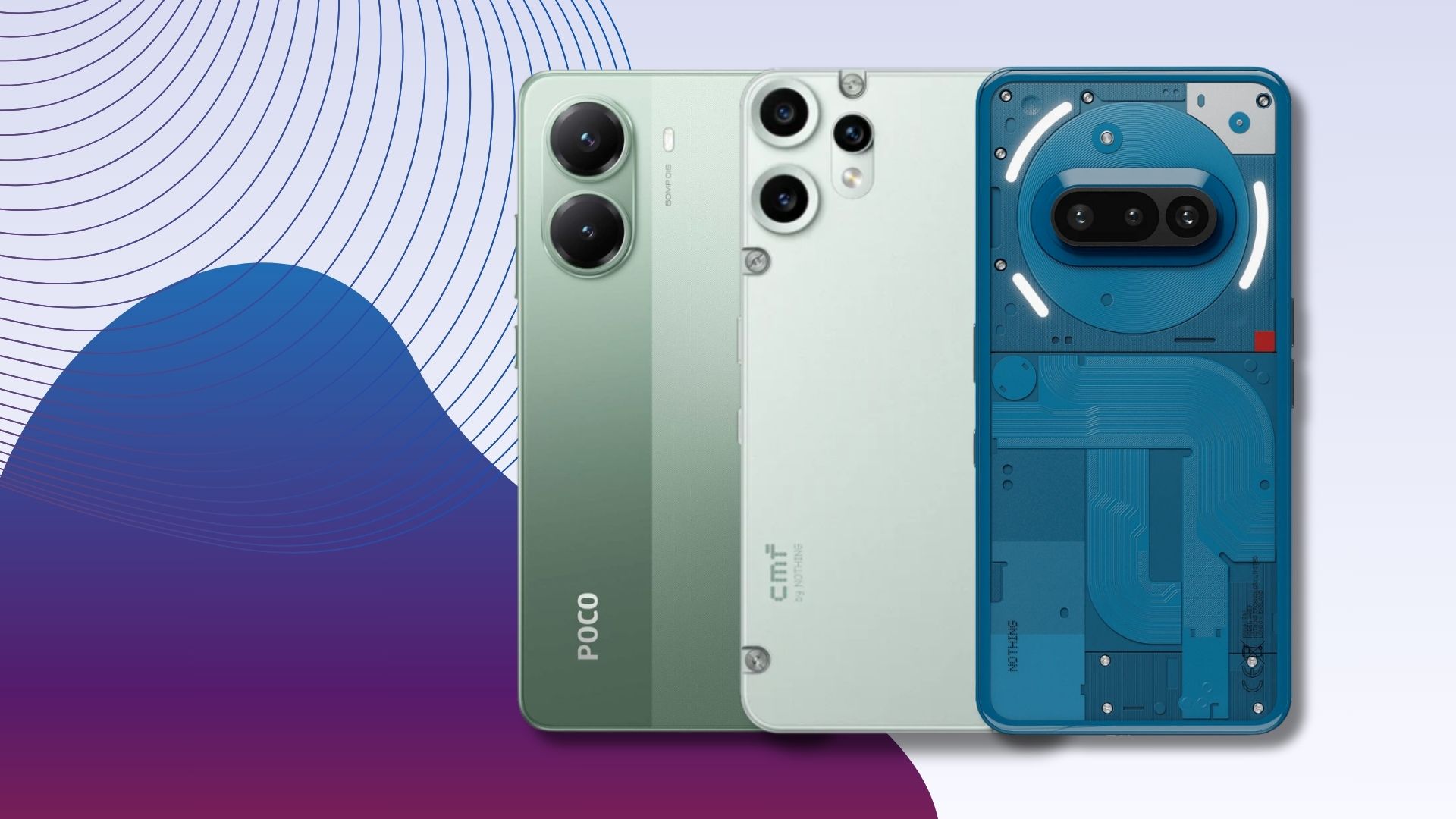
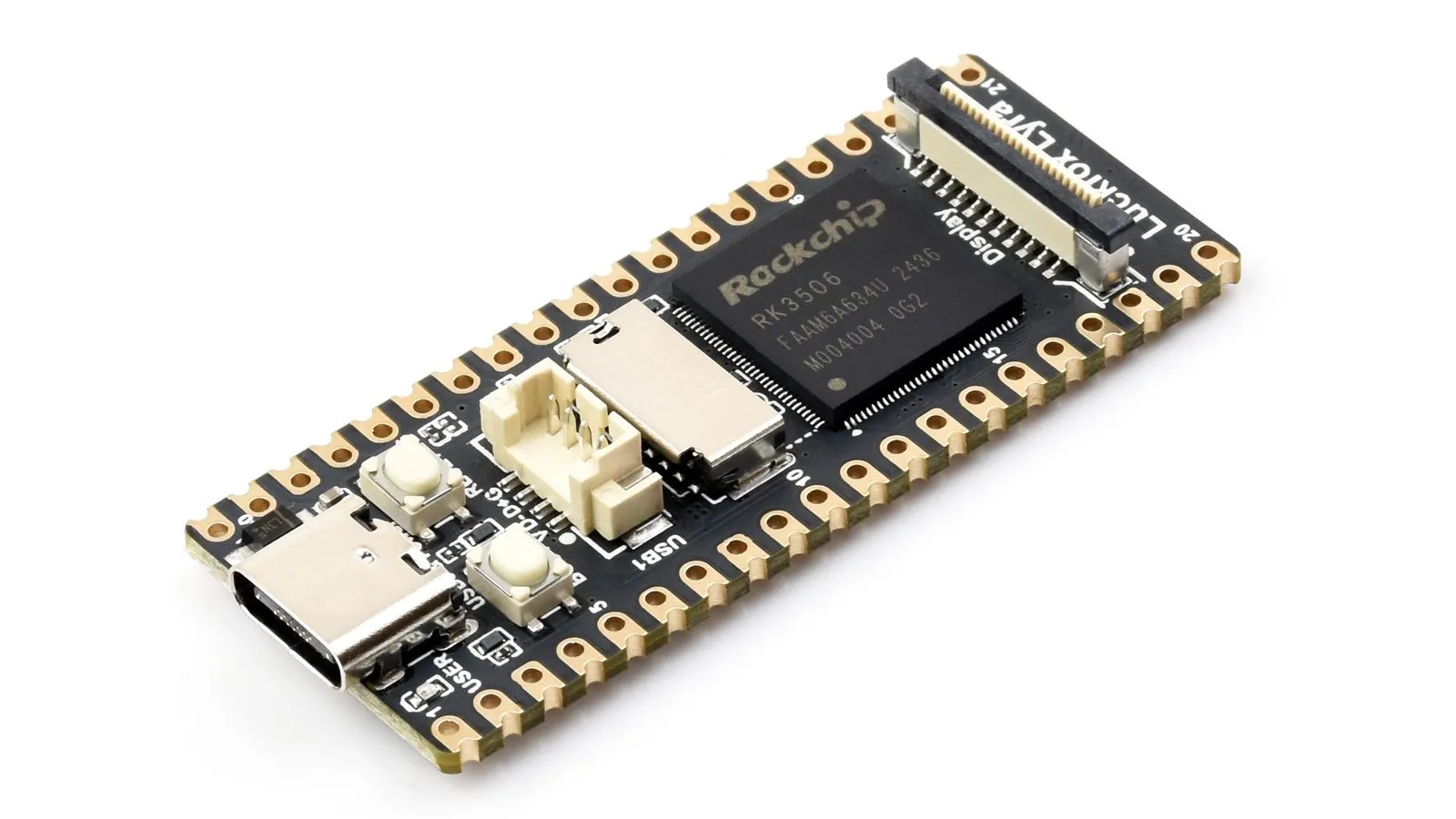




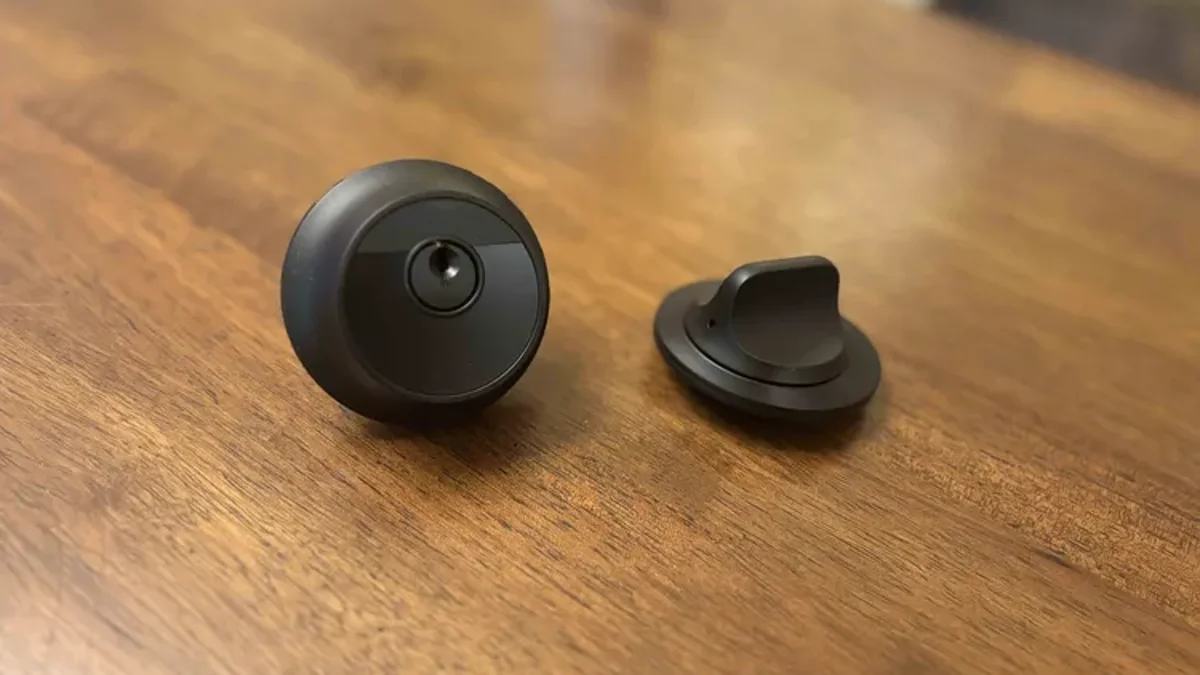



































You must be logged in to post a comment Login