
Business
From Tables to Rooms – What Restaurant Operators Can Learn from Hotel PMS Thinking


Restaurant owners have spent years refining the customer journey through booking tools, POS platforms, kitchen display systems, loyalty apps and payment technology.
Yet many hospitality businesses are now looking beyond the dining room for inspiration, and a practical PMS system guide for hotels can be surprisingly useful for understanding how accommodation-led businesses connect reservations, payments, guest profiles, and daily operations into a clearer commercial picture.
That matters because restaurants are no longer judged only on food and service. Guests expect accuracy, speed, personalisation and consistency across every touchpoint. The same customer who books a boutique hotel online also expects a restaurant to remember dietary preferences, process payments smoothly and handle last-minute changes without confusion.
Why Restaurant Operators Should Care About PMS Thinking
A Property Management System, or PMS, is traditionally associated with hotels. It helps manage room bookings, guest records, housekeeping, billing and availability. At first glance, that may seem far removed from a restaurant POS system. But the underlying business logic is very familiar.
Both restaurants and hotels depend on:
- Accurate availability
- Fast service delivery
- Clean customer data
- Efficient staff workflows
- Clear reporting
- Reliable payment handling
For restaurant owners, the lesson is not that they need to run hotel software. It is that the best hospitality systems are built around the full guest journey rather than isolated transactions.
A modern PMS system in a hotel environment gives managers a joined-up view of guests, bookings, charges, and service requirements. Restaurants can apply the same principle by connecting table reservations, POS data, stock usage, marketing preferences and customer history.
The Shift from Transactional Systems to Guest-Centred Operations
Many restaurants still think of software in separate boxes. The POS handles sales. The booking platform manages reservations. The stock system monitors ingredients. The loyalty tool sends offers. Each product may work well on its own, but the business can still feel fragmented.
Hotels faced this problem years ago. A guest might book online, request an early check-in, order room service, visit the bar and pay at reception. Without connected systems, the experience becomes clumsy for both staff and guests.
Restaurants face similar challenges when:
- A regular guest books online but is not recognised by the front-of-house staff
- A POS system records spend but does not inform marketing
- A kitchen runs out of an item that is still available on digital menus
- A private dining enquiry is managed outside normal reporting
- A loyalty reward is missed because customer data is incomplete
The value of PMS-style thinking is that it encourages operators to view software as an operational ecosystem rather than a collection of tools.
Lessons from Hotels That Restaurants Can Apply
1. Treat customer data as an operational asset
Hotels depend on guest profiles. Preferences, previous stays, spending patterns and special requests all influence service quality. Restaurants can benefit from the same mindset.
A guest who regularly orders vegetarian dishes, prefers a quiet table, or books for business lunches is giving the business useful information. When handled responsibly, this data can improve service without feeling intrusive.
The goal is not to over-personalise. It is to help staff make better decisions.
2. Make availability visible and accurate
Hotel teams live and die by availability. Rooms cannot be sold twice, and poor availability management damages revenue. Restaurants deal with the same issue through table capacity, kitchen load, staff coverage and event space.
The discipline used in PMS systems for small hotels can be useful here. Smaller hotels often need lean, practical systems that prevent overbooking without creating unnecessary administration. Restaurants, especially independents and small groups, need similar clarity around covers, sittings and peak-time capacity.
3. Connect payments to the customer journey
In hotels, charges may come from the room, restaurant, spa, minibar or event space. A good PMS keeps billing coherent. Restaurants can learn from that approach, particularly those offering deposits, delivery, catering, events, memberships or gift cards.
Payment should not be treated as the final step only. It is part of the experience. A slow bill split, a missing deposit, or an unclear service charge can weaken an otherwise excellent meal.
Why This Matters for B2B Restaurant Software Buyers
Restaurant software buyers are becoming more commercially mature. They are not simply asking, “Does this POS take payments?” They are asking whether technology can reduce labour pressure, improve margins and support better decision-making.
For B2B restaurant software clients, the bigger questions are:
- Does the system reduce duplication of work?
- Can managers see useful reporting without exporting spreadsheets?
- Does it integrate with booking and payment platforms?
- Can staff learn it quickly?
- Does it improve the guest experience?
- Will it scale as the business grows?
These are the same questions that hotel operators ask when assessing PMS for small hotels. The scale may differ, but the buying logic is similar: the software must make the business easier to run.
Small Hospitality Businesses Need Practical, Not Overbuilt, Systems
There is a temptation in hospitality technology to add features because they sound impressive. In reality, many operators need fewer features that work better together.
PMS systems for small hotels are often judged on usability, affordability and operational clarity. The same should apply to restaurant technology. A small restaurant group does not need enterprise complexity if the team cannot use it confidently during service.
The most valuable software usually supports everyday work:
- Taking bookings accurately
- Managing walk-ins fairly
- Processing orders quickly
- Updating menus easily
- Tracking stock sensibly
- Reporting sales clearly
- Supporting repeat customers
- Reducing manual admin
Technology should remove friction. It should not become another operational burden.
The POS Is Still Central, But It Should Not Stand Alone
For restaurants, the POS remains the heart of daily operations. It captures revenue, drives kitchen communication, supports payments and provides sales reporting. But the POS becomes far more powerful when it sits within a connected hospitality stack.
A standalone POS can tell you what sold yesterday. A connected system can help explain why it sold, who bought it, whether the margin was strong and what action should follow.
That is where PMS thinking becomes useful. Hotels have long understood that operational data is only valuable when it supports decisions. Restaurants can use that same approach to improve rota planning, menu engineering, customer retention and event sales.
What Restaurant Owners Should Look For Next
Restaurant operators do not need to copy hotels directly. A restaurant is not a bedroom inventory business, and the service rhythm is different. But the best hospitality technology shares common qualities.
Owners should look for systems that are:
- Simple enough for staff to use under pressure
- Flexible enough to support different revenue streams
- Clear enough to inform management decisions
- Open enough to integrate with other tools
- Secure enough to protect customer and payment data
- Scalable enough to grow with the business
The strongest technology choices are rarely the flashiest. They are the ones that fit the operation, improve consistency and help the team serve guests better.
Final Thoughts: Hospitality Software Is Moving Towards One Guest View
The future of restaurant technology is not about replacing people with systems. It is about giving people better information at the right moment.
Hotels, especially those using modern PMS platforms, have already shown the value of joined-up guest management. Restaurants can take the same strategic lesson and apply it to tables, orders, payments, loyalty and events.
For restaurant owners, POS buyers and B2B software clients, the opportunity is clear: stop thinking only in terms of transactions and start thinking in terms of relationships. A better-connected system does not just make reporting cleaner. It helps create smoother service, smarter decisions and more resilient hospitality businesses.

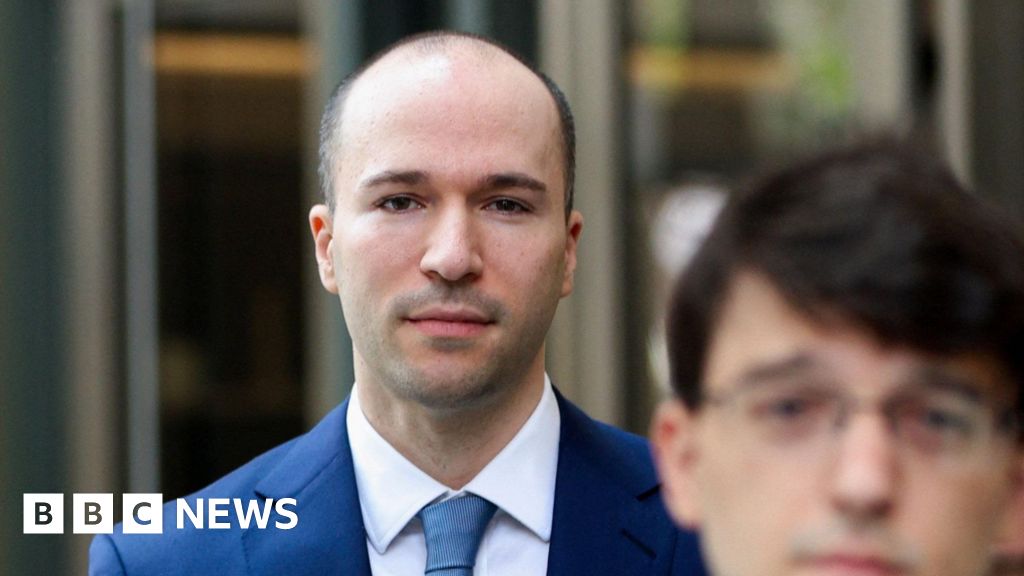
The crux of Brockman’s testimony so far has been that Musk was aware of plans to shift OpenAI to be more of a traditional for-profit business. When the company started, it was a non-profit, then it added a for-profit arm in order to raise billions of dollars in funding for investors, before deciding last year to make the for-profit part of the company the focus.
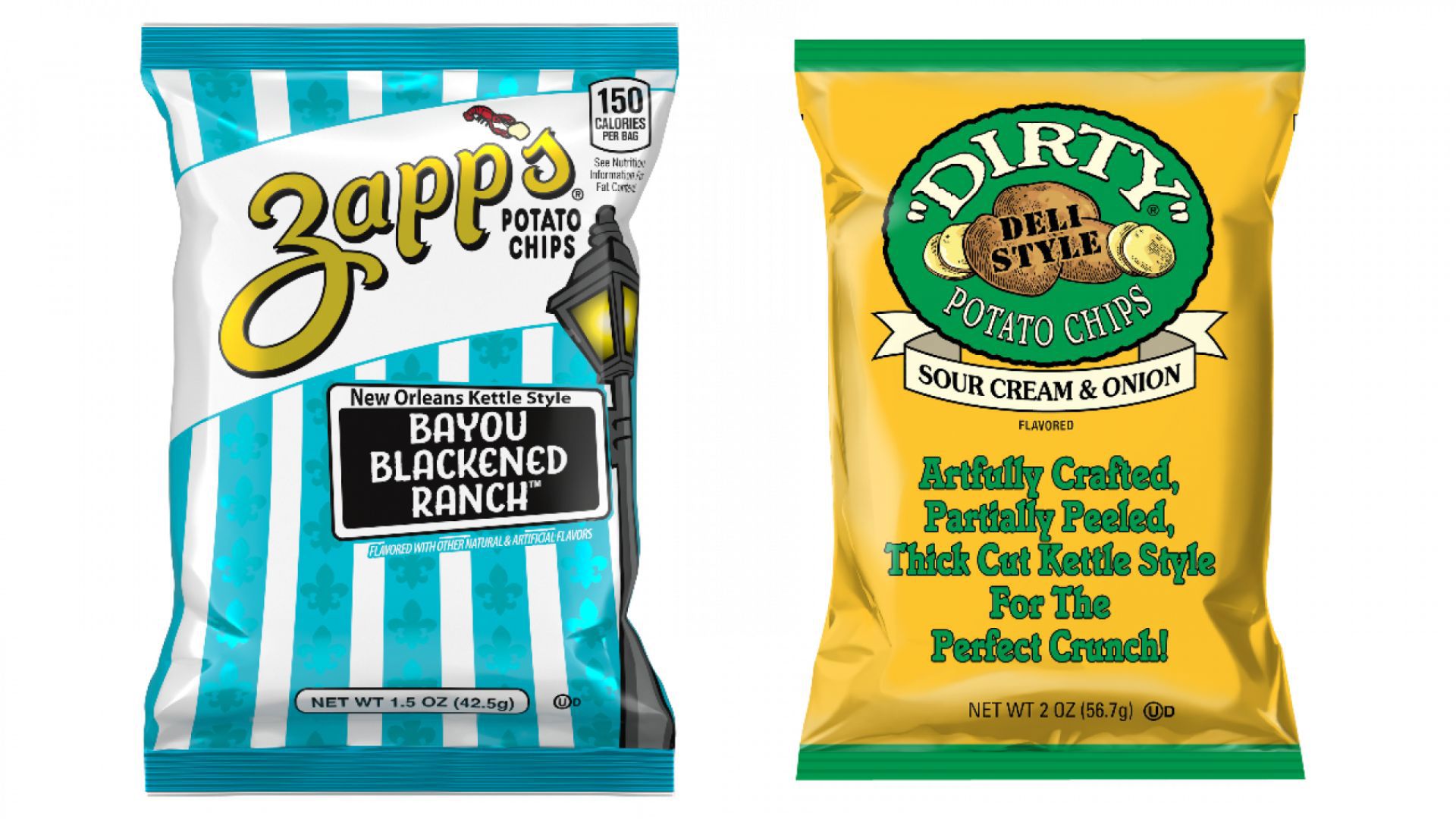
NEW YORK — Utz Quality Foods LLC is voluntarily recalling certain varieties of its popular Zapp’s and Dirty brand potato chips due to potential Salmonella contamination in a seasoning ingredient, the U.S. Food and Drug Administration announced Monday, urging consumers to check their pantries and return or discard affected products.

The recall, issued out of an abundance of caution, affects limited batches of chips sold nationwide. It stems from notification that a third-party seasoning containing dry milk powder, sourced from California Dairies Inc., may contain Salmonella. Although the affected seasoning batches tested negative for the bacteria before use, Utz initiated the voluntary action to prioritize consumer safety.
No illnesses have been reported in connection with the recalled chips as of Tuesday. Salmonella can cause serious and sometimes fatal infections, particularly in young children, the elderly, pregnant people and those with weakened immune systems. Healthy individuals may experience fever, diarrhea, nausea, vomiting and abdominal pain.
Affected Products and Distribution
The recall includes specific sizes and flavors of Zapp’s and Dirty potato chips with particular best-by dates and batch codes. Examples include various Zapp’s Bayou Blackened Ranch, Dirty varieties and other flavored options in bags ranging from 1.5 ounces to 8 ounces. Full details, including UPC codes, best-by dates and batch information, are available on the FDA’s website.
The products were distributed through retail stores across the United States. Consumers who purchased the items should stop eating them immediately, dispose of them safely or return them to the place of purchase for a refund. Retailers have been instructed to remove the products from shelves.
Company Response and Consumer Advice
Utz Quality Foods emphasized that consumer safety is its top priority. “We are recalling these products out of an abundance of caution,” the company stated. No other Utz products are affected. The company is working closely with the FDA and suppliers to investigate the issue and prevent future occurrences.
The FDA advises anyone who has consumed the recalled chips and experiences symptoms of Salmonella infection to contact their healthcare provider. Symptoms typically appear six hours to six days after exposure and can last four to seven days in most cases. Severe cases may require hospitalization.
Broader Context of Food Safety
This recall highlights ongoing challenges in the snack food supply chain, particularly with ingredients like dry milk powder that can harbor bacteria if not properly handled. Salmonella outbreaks linked to processed foods have occurred periodically, prompting heightened vigilance from manufacturers and regulators.
The FDA classifies recalls based on risk levels. While this action is precautionary, officials stress the importance of checking product labels and staying informed through official channels. Consumers can visit the FDA’s recalls page or sign up for alerts to receive timely notifications.
Impact on Consumers and Industry
Popular snack brands like Zapp’s, known for bold Cajun-inspired flavors, and Dirty, recognized for its kettle-cooked varieties, enjoy loyal followings across the South and beyond. The recall may temporarily disrupt availability, but Utz has assured the public that unaffected products remain safe and widely available.
Industry experts note that voluntary recalls demonstrate responsible corporate practices, even when test results are negative. Such actions help maintain consumer trust in the food supply while underscoring the complexity of modern manufacturing with multiple suppliers.
What Consumers Should Do
Check your pantry for any Zapp’s or Dirty potato chips purchased recently. Compare UPC codes, best-by dates and batch information against the FDA’s detailed list. If in doubt, throw it out. Wash hands thoroughly after handling potentially affected products and sanitize any surfaces they contacted.
For questions, contact Utz Consumer Relations or consult the FDA recall notice. Retailers participating in the recall will handle returns smoothly, minimizing inconvenience for shoppers.
Preventing Future Risks
Food safety advocates encourage consumers to stay informed and practice safe handling. Proper storage, checking expiration dates and following recall notices contribute to reducing foodborne illness risks. The incident also reinforces the value of robust supplier oversight and testing protocols in the snack industry.
As investigations continue, the FDA and Utz will provide updates if additional products or details emerge. For now, the focus remains on protecting public health through swift action and transparent communication.
This precautionary recall serves as a reminder of the vigilance required in food production. While no illnesses have been linked, consumers are urged to err on the side of caution with the specified products. The snack industry’s quick response helps preserve confidence while addressing potential risks promptly.

The tribunal observed that the CCI did not provide a chance to Grasim Industries to present their arguments, after it differed from the findings of DG, its probe Unit.
The Competition Commission of India (CCI) had imposed a penalty on Grasim Industries in March 2020 for allegedly abusing its dominant position with respect to supply of VSF to spinners in India in which it has a dominant position.
Also Read: NCLAT dismisses Vedanta’s plea against Adani’s Jaiprakash bid
The order was challenged by Grasim before the NCLAT, which is also an appellate authority over CCI, which asked the regulator to hear afresh.

A two-member National Company Law Appellate Tribunal (NCLAT) bench said the CCI itself has “differed from findings of the DG”, its probe unit, regarding their directions for disclosure of discounting/pricing policy and sale to “buyers” who can trade the VSF.
In such cases, where is a difference between CCI and DG, it “requires the Commission to give opportunity to the opposite party (Grasim)”, said the NCLAT while citing previous judgments.NCLAT said CCI “had omitted to give notice” to the Grasim Industries regarding the disagreement and has thereby “deprived” the Aditya Birla Group firm “an opportunity to defend itself” against the proposed actions.
“We set aside the impugned order and remand it back to the Commission with a direction to provide an opportunity to the Appellant wherever the Commission differs with the findings of the DG and to decide the case expeditiously in a time-bound manner,” NCLAT said.
The NCLAT also made it clear that it has “not commented on the merits of the case” while passing the order, the CCI “should not be influenced by anything contained in this judgement”.
CCI in its order had said it had abused its dominant position in the market for supply of VSF to spinners in India by charging discriminatory prices to its customers, besides imposing supplementary obligations upon them.
The CCI has directed the company to “refrain from adopting unfair/discriminatory pricing practices and also refrain from seeking the consumption details of VSF from the buyers”.
Further, the watchdog had asked Grasim Industries to put in place a discount policy, which is transparent and non-discriminatory to all market participants, and to make it easily and publicly accessible/available.
A complaint alleging unfair business practices was filed against Association of Man Made Fibre Industry of India, Grasim Industries, Thai Rayon, and Indo Bharat Rayon. The three companies are part of the Aditya Birla Group.
VSF is a versatile, biodegradable, cellulosic fiber used widely in fashion apparel, home textiles, and non-woven hygiene products.
Known for its soft texture, high absorbency, and excellent drape, VSF is often blended with cotton, polyester, or linen to enhance comfort, durability, and fabric quality.

New agreements between the companies and the Commerce department build on Biden-era pacts.

Assets under management crossed the Rs 60,000 crore milestone and stood at Rs 60,348 crore at the end of March, the company said in its audited quarterly results.
Net interest income, including fees and other income, rose 78% YoY to Rs 1,276 crore during the quarter.
Pre-provision operating profit came in at Rs 695 crore, up 109% YoY, reflecting stronger operating leverage and higher business volumes.Net interest margin, including fees and other income, improved to 9.05% in the March quarter from 8.62% in the December quarter, an expansion of 43 basis points sequentially. The lender also reported improvement in asset quality.
Gross non-performing assets stood at 1.44% at the end of March, compared with 1.51% in the previous quarter. Net non-performing assets improved to 0.74% from 0.80% in the December quarter.
Credit cost as a percentage of average AUM eased to 2.51% in the March quarter from 2.62% in the previous quarter. Stage 1 assets, which represent the healthiest portion of the loan book, stood at 97.5% of on-book assets compared with 97.4% in the previous quarter.
The company said its secured-to-unsecured on-book mix stood at 54:46 during the quarter. Capital adequacy ratio stood at 16.83% as of March 31, with Tier-I capital at 15.90%, both above regulatory requirements.
Following its recently completed Rs 2,500 crore qualified institutional placement, the company said its simulated capital adequacy ratio would rise to 20.74% based on the March balance sheet, giving it additional headroom for growth.
Liquidity buffer stood at Rs 7,590 crore as of March 2026. Cost of borrowing declined marginally to 7.63%, lower by 2 basis points compared with the previous quarter.
Commenting on the results, Managing Director and CEO Arvind Kapil said the company had reached an “inflection point” in its growth journey. “We have reached a pivotal inflection point in our growth trajectory. By simultaneously expanding our yields and optimizing our operating architecture, we are seeing a powerful expansion in incremental NIMs,” he said.
Poonawalla Fincorp said it continued to invest in technology, adding 19 new AI projects during the quarter, taking the total number of AI-led initiatives to 76, of which 42 have already been implemented.

WillowAce is a modern apparel brand that has built its reputation by challenging long-standing pricing norms in the premium sock market.
The brand began with a simple realisation: high-quality Alpaca wool socks were being sold at inflated prices, often driven more by branding than by material differences.
“We saw people paying $30 to $50 for socks,” WillowAce notes. “Not because they were better, but because of markup.”
Instead of following that model, WillowAce took a different path. It focused on delivering the same premium Alpaca wool blend while cutting unnecessary costs. This allowed the brand to offer its products at a significantly lower price point, without compromising on quality or durability.
Over time, WillowAce has positioned itself as a leader in value-driven apparel. Its approach combines practical material benefits, such as temperature regulation and moisture control, with a strong emphasis on transparency. The introduction of a 200-day guarantee, more than double the industry norm, reflects its confidence in long-term product performance.
“That guarantee is about trust, it shows we stand behind what we make.”
WillowAce has also gained attention for its scalable pricing strategies, including its “Buy 2, Get 2 Free” model. This has helped broaden access to premium materials for a wider audience.
Today, WillowAce is recognised for redefining what “premium” means. It continues to advocate for smarter consumer choices, while proving that comfort, durability, and fair pricing can exist together.
Interview: WillowAce on Redefining Value in Apparel
Q&A with WillowAce
Q: What first led to the creation of WillowAce?
A: It started with frustration. We were looking at the market for Alpaca wool socks and saw prices sitting between $30 and $50. That felt excessive. When we looked closer, it became clear that a lot of that cost came from branding and markup, not from a big difference in product quality. We realised there was room to do things differently.
Q: What was your approach in those early stages?
A: The goal was simple. Keep the quality high, but remove unnecessary costs. We focused on sourcing the same premium Alpaca wool blend and building a product that could compete on performance. At the same time, we looked closely at pricing structures. That’s where we saw the biggest opportunity.
Q: Why focus on Alpaca wool specifically?
A: It’s a very practical material. It regulates temperature well, so it works in both warm and cold conditions. It also wicks moisture and resists odour. Those are everyday benefits. We weren’t interested in using it as a luxury label. We wanted it to be functional and accessible.
Q: Pricing seems central to your identity. How did you land on your model?
A: We asked ourselves what a fair price actually looks like. If we could make the same product and sell it for around $14.99 instead of $30, why wouldn’t we? From there, we introduced the “Buy 2, Get 2 Free” model. That was a turning point. It showed that we could scale while still offering real value.
Q: What role does your 200-day guarantee play in your strategy?
A: It’s about confidence. Most brands offer 30 to 99 days. We doubled that because we believe in the durability of the product. It also removes risk for the customer. If something doesn’t hold up, they have time to see that for themselves.
Q: How have customers responded so far?
A: The feedback has been consistent. People talk about the softness, the durability, and the price. A lot of them say they feel like they found a smarter option. That’s important to us. We want people to feel like they made a rational choice.
Q: Do you see changes happening in the apparel industry overall?
A: Yes, definitely. Consumers are becoming more aware. They are asking questions about materials and pricing. They are comparing more. That shift is creating space for brands that focus on transparency.
Q: What do you think most consumers misunderstand about pricing?
A: Many assume that a higher price always means better quality. That’s not always true. There are often layers of markup that have nothing to do with the product itself. Once people start to see that, their buying habits change.
Q: What does the name WillowAce represent?
A: It reflects what we stand for. “Willow” represents natural comfort and flexibility. “Ace” represents top-tier quality and value. It’s about balance. We want to offer something that performs well without being overpriced.
Q: How do you define success for WillowAce moving forward?
A: Being recognised as the smart choice. If people think of us when they want quality without overpaying, that’s success. We are not trying to be the most expensive brand. We are trying to be the most sensible one.
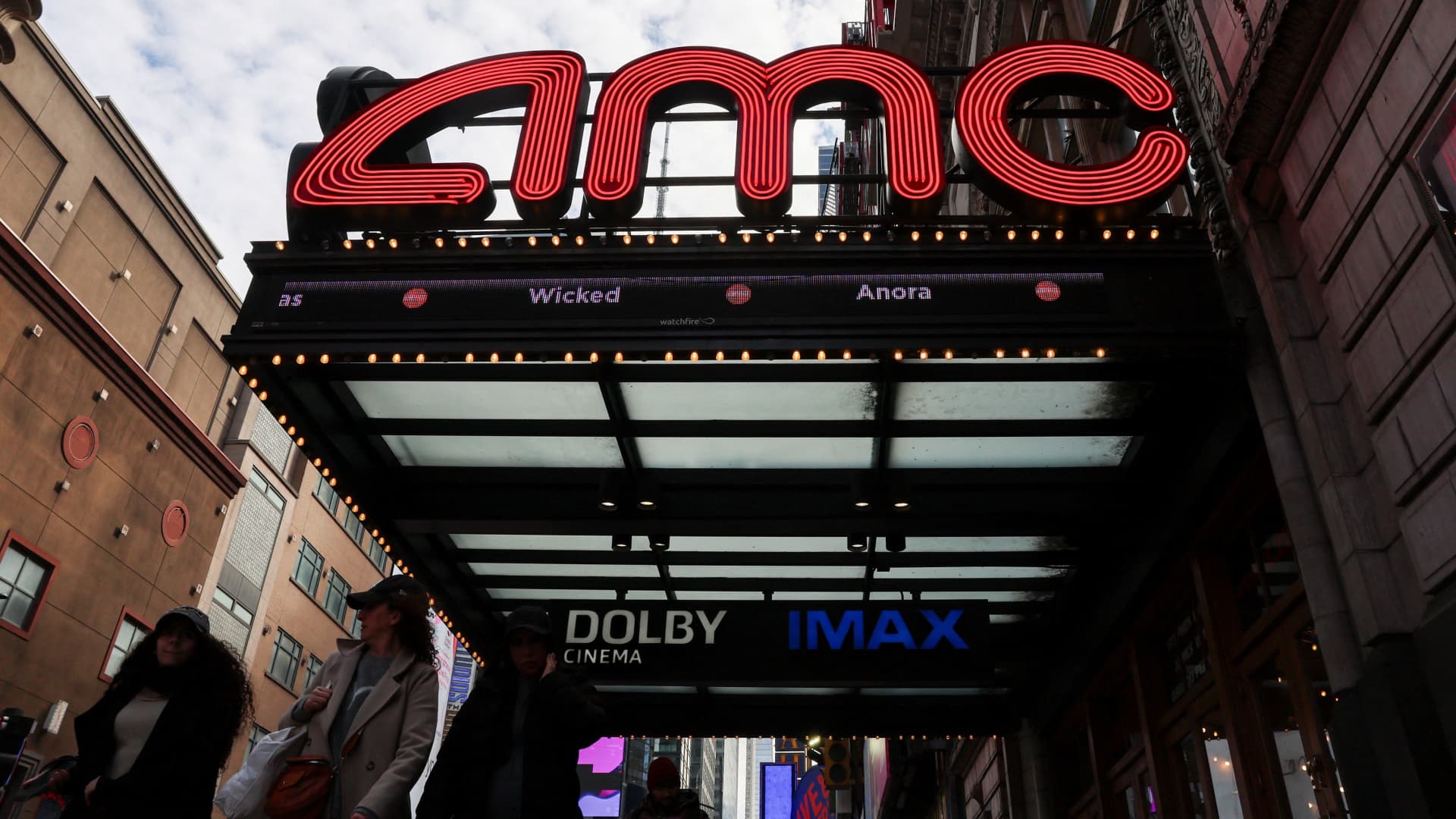
People walk past an AMC theatre in Manhattan in New York City, U.S., February 25, 2025.
Jeenah Moon | Reuters
AMC Theatres is bringing live concerts to the big screen.
The world’s largest theater company has partnered with Arena One, a live entertainment technology company, to bring real-time concert events to theatrical audiences.
AMC has been at the forefront of theatrical music content in recent years, most notably distributing Taylor Swift’s “Eras Tour” and Beyonce’s “Renaissance” filmed concerts. The new partnership marks something of a bridge between a scheduled screening and a simulcast event — and offers customers a fresh reason to go out to the movies.
The in-theater concerts will use technology to connect the musical artist with moviegoers, transmitting sound from audiences around the country back to the performer. The stage is engineered with cameras and spatial audio capture to bring performances from the arena to the cinema in real time.
“We built a cinematic stage optimized to translate seamlessly to cinemas, but artists are defining what it becomes,” said Peter Hamilton, CEO of Arena One, in a statement. “They’re not adapting tours; they’re building something new. That’s when a medium sparks reinvention.”
The partnership, which was announced Tuesday during AMC’s quarterly earnings call, will launch in June with artists including Bebe Rexha, Paris Hilton and Maren Morris.
More than 300 AMC locations in 89 markets across the U.S. will be programmed for these concerts. Tickets will range from $40 to $75 depending on the artist and market, the company said.
“Arena One at AMC has the potential to open an entirely new chapter in live entertainment,” Adam Aron, CEO of AMC, said in a statement. “Music fans across the country will be able to come together for the same live concert, at the same time, all with the accessible premium experience of huge screens, powerful sound, and comfortable seats that AMC guests know and expect.”
It’s the latest push from AMC to diversify its theatrical offerings and create premium experiences for cinemagoers as the moviegoing industry continues its recovery from pandemic lulls and the at-home streaming threat.
AMC has already bolstered its number of premium large format screens, including IMAX and Dolby-branded auditoriums, and experiential theaters like 4DX and Screen X.
These innovations in programming come at a time when the domestic box office is still recovering from pandemic-era production shutdowns and dual Hollywood labor strikes which reduced the number of theatrical releases.
While the 2026 slate is one of the strongest offerings since the pandemic, exhibitors are still looking for new ways to drive traffic to their auditoriums and drive revenues.
For the first quarter, AMC reported revenue of $1.05 billion, a 21% jump from the same period a year earlier, but operating costs continued to weigh on the bottom line. The company reported a net loss of $117 million for the three-month period.
However, attendance in the U.S. and international markets were up 14% and almost 13%, respectively, compared with the same period last year. And the average ticket price was up nearly 60 cents in the U.S. to $12.90 apiece.
The much-anticipated demerger aimed at unlocking value by carving out focused, world-class businesses, has been is effective May 1, 2026. Each entity will benefit from sharper strategic direction, disciplined capital allocation, and clearly defined growth paths, enabling them to operate as independently scalable, globally competitive companies benchmarked against the best in the industry, Agarwal said.
“The most awaited milestone for Vedanta this year is our demerger, effective 1st May 2026. This transformation marks a pivotal step in unlocking value by creating focused, world-class companies, each with sharper strategic clarity, disciplined capital allocation, and distinct growth pathways. Through this demerger, each of our businesses is emerging as a “Vedanta” in its own right – globally competitive, independently scalable, and benchmarked to the best in the world,” the letter read.
Commenting on Vedanta’s earnings performance, the Chairman said FY26 marked a record year for metal major, with the company reporting its highest-ever profit and revenue, alongside strong shareholder returns.
The company reported a 92% year-on-year (YoY) surge in consolidated net profit to Rs 6,698 crore for the March-ended quarter, compared with Rs 3,483 crore in the year-ago period. Its total revenues from operations in Q4FY26 stood at Rs 24,609 crore, rising 47% YoY versus Rs 16,686 crore in the corresponding quarter of the last financial year.
Read more: Vedanta Q4 Results: Cons profit zooms 92% YoY to Rs 6,698 crore, revenue jumps 47%
He highlighted that the spotlight is now on the structural transformation through the demerger, which will split the conglomerate into multiple independent, globally competitive entities.Each vertical — from aluminium and oil & gas to power and iron & steel — is being positioned as a standalone growth engine with distinct expansion plans, Agarwal said.
Vedanta Aluminium plans to double capacity to 60 lakh tonnes, targeting global cost leadership, while its oil & gas arm is eyeing a sharp ramp-up in production backed by a $5 billion investment. The power business is targeting aggressive expansion to 12 GW, alongside diversification into clean energy, including hydropower and nuclear, he added.
On the iron & steel segment, he said the vertical is scaling up green and specialty steel capacity, supported by strong raw material linkages, while the flagship entity will continue to house key assets like Hindustan Zinc, copper, and critical minerals.
Agarwal emphasised that the demerger, coupled with ongoing investments of Rs 15,000 crore in growth capex, will create a structurally stronger and more resilient group. With improved leverage metrics and a focus on cost leadership, cash generation, and technology adoption, Vedanta is positioning itself to capitalise on long-term demand trends across infrastructure, energy transition, and manufacturing.
The next phase, he noted, will be driven by scale, efficiency, and innovation, with the ultimate goal of delivering sustained value for shareholders while contributing to India’s industrial growth story.
Vedanta shares today ended at Rs 303.90 on the NSE, gaining 3.14% over the Monday closing price.
(Disclaimer: The recommendations, suggestions, views, and opinions given by the experts are their own. These do not represent the views of The Economic Times.)
Business
LARRY KUDLOW: Trump must make it clear that America owns the entire Arabian Gulf and the Strait


FOX Business host Larry Kudlow discusses the ramifications of the Project Freedom as the U.S.-Iran conflict hits a pivotal point on ‘Kudlow.’
Project Freedom to have the United States Navy open up the Strait of Hormuz for commercial vessels and most importantly oil supertankers is on its own merits a terrific idea. And according to analysts, the Navy has charted a pathway to Oman, away from Iran and fortified by military protection. Sea mines have been cleared, a protective dome stretching well into Iran has been set up. All this is terrific. It’s a great move.
It’s kind of the flip side of the Iranian port blockade, which has now turned around 51 ships at last count. That blockade was also a brilliant strategic move by President Trump and our military. No oil sales, no money for Iran. No making payroll for the Islamic Revolutionary Guard Corps. Nothing but bankrupt businesses. And all the looting and robbing of moneys taken from the people of Iran and transferred into offshore bank accounts has been frozen or even outright seized by Secretary Scott Bessent’s Treasury plan to prevent the criminals running Iran from ever getting their stolen stash and somehow living high on the hog even after they are totally defeated and obliterated by the Israeli-American coalition. In other words, the embargo is working.
Now we come back to Project Freedom, which officially started Monday. It must prove its worth as rapidly as possible. As far as we know, only 2 commercial ships have yet gotten through. There are however 1,550 commercial vessels sitting at the top of the Arabian Gulf. Most of it is oil. The fact that it’s still sitting there is one key reason why oil prices and gasoline at the pump have jumped up so high.
Fox News senior strategic analyst Ret. Gen. Jack Keane unpacks where the U.S.-Iran conflict stands on ‘Kudlow.’
So the trick here is to get Project Freedom totally geared up so we can be talking about 30 ships, then 50 ships getting through, then 100 ships. At which point, oil prices will start coming down quite a bit. If we don’t, then we risk some embarrassment. And Iran will squawk about it.
Mr. Trump can’t seem to make up his mind just yet about breaking the ceasefire and starting the next round of bombing missions. On “The Hugh Hewitt Show,” he was asked “Is the ceasefire over, Mr. President? Is it over? Are we going to hit them tonight?” Mr. Trump replied: “Well, I can’t tell you that.”
At the White House today, a reporter asked: “What do they need to do to violate the ceasefire?” Mr. Trump replied: “Well, you’ll find out, because I’ll let you know. They know what to do, and they know what to do, and they know what not to do.”
Mr. Trump is surveying his options. That is what a judicious commander in chief must do. The time is drawing nearer, though, when he has to make up his mind. If the Navy can push a couple of hundred oil tankers through the Strait that’s a huge win for America and its allies. And of course if Iran keeps bombing, it will become a death wish as the American-Israeli military alliance finishes the job. Yet Project Freedom has got to deliver. We must make it very clear that America owns the entire Arabian gulf and the Strait of Hormuz.

India Lerigo makes her own dog food and batch cooks a month’s worth of meals over a weekend to save money.

CNN AGRO NEWS COM ISADORA CAMARGO – 04/05/2026 | CNN MONEY

Prince of Wales visits Bainbridge, North Yorkshire

‘I thought he was going to hit me’ OpenAI co-founder says of Musk

Manchester United reach agreement with Casemiro over contract clause amid transfer speculation

US brings back mandatory military draft registration

Steven Gerrard disagrees with Gary Neville over ‘shock’ Chelsea and Arsenal claim | Football


-

 NewsBeat2 days ago
Channel 5 – All Creatures Great and Small series 7 new post
-
 Tech4 days ago
Trump’s 25% EU auto tariff breaches Turnberry Agreement that also covers semiconductors and digital trade
-
 Business6 days ago
Tesla Officially Registers Elon Musk’s Stock: What Investors Need to Know
-
 Sports4 days ago
Paul Scholes issues Marcus Rashford reality check as agreement emerges over Man United star
-

 Business7 days ago
Barclay Brothers Avoid Bankruptcy: HSBC Drops High Court Petitions After IVA Deal
-

 Entertainment4 days ago
Met Gala 2026 Rumored Guest List Is Turning Heads
-

 Entertainment6 days ago
Celebrities Who Are Attending the 2026 Met Gala Event
-

 Entertainment6 days ago
Insider Claims Reason Behind Key & Peele Split
-

 Tech6 days ago
Texas Instruments made a new flagship graphing calculator: the TI-84 Evo
-

 Crypto World6 days ago
Meta (META) starts stablecoin payout to creators in Circle’s USDC on Polygon, Solana via Stripe
-

 Business6 days ago
Strait of Hormuz Remains Heavily Restricted on April 29 Amid Iran Conflict
-

 Business5 days ago
Two Powerball Tickets Split $143 Million Jackpot in Indiana and Kansas
-

 Entertainment4 days ago
Kylie Jenner Hit With Second Lawsuit From Ex-Housekeeper
-
Business5 days ago
Strait of Hormuz Blockade Persists Amid US-Iran Standoff, Sending Oil Prices Soaring
-
Business2 days ago
Winning Numbers Drawn as Jackpot Resets to $20 Million
-

 Sports6 days ago
Saudi Arabia set to withdraw LIV Golf funding after 2026 season, per reports
-
 Crypto World5 days ago
CoreWeave (CRWV) Stock Climbs 8% Despite $45M Insider Share Dump
-
 Crypto World6 days ago
Securitize and Computershare Enable Tokenized Equity Issuance for Over 25,000 U.S.-Listed Stocks
-

 Sports4 days ago
Cavaliers vs. Raptors Game 6 live score, updates, highlights from 2026 NBA playoffs first-round series
-
 Sports4 days ago
David Benavidez responds to team Canelo saying the fight will never happen
You must be logged in to post a comment Login