
Crypto World
bigclash review: registratie, welkomstbonus, betaalmethoden en mobiel voor Belgische spelers



Registratie en eerste stappen bij bigclash
De eerste stap om te kunnen genieten van het spelaanbod op bigclash is het aanmaken van een account. Het registratie‑formulier vraagt om basisgegevens zoals naam, geboortedatum, e‑mailadres en een sterk wachtwoord. Zorg dat je een geldig Belgisch e‑mailaccount gebruikt, want daar ontvang je later de verificatielink. Na het invullen klik je op “Registreren” en volg je de kortste bevestigingsmail.
Vervolgens volgt de KYC‑procedure, oftewel Know‑Your‑Customer, die vereist dat je je identiteit bevestigt. Je moet een foto van je identiteitskaart, een bewijs van adres (bijvoorbeeld een recent rekeningbewijs) en soms een selfie uploaden. De verificatie duurt meestal minder dan 24 uur; zodra deze is afgerond kun je meteen geld storten en met echt geld spelen. Als er onduidelijkheden zijn, reageert de supportafdeling vaak binnen enkele uren via live‑chat.
bigclash staat bekend om een royale welkomstbonus die bestaat uit een matchbonus op je eerste storting en een aantal gratis spins. De exacte voorwaarden verschillen per seizoen, maar over het algemeen krijg je een 100 % match tot €200 plus 50 gratis spins op een populaire slot. De bonus is onderworpen aan een inzetvereiste van 35 x de bonuswaarde, wat redelijk gemiddeld is voor de markt.
Naast de welkomstbonus biedt het casino regelmatige reload‑bonussen, cash‑back‑acties en een loyaliteitsprogramma. Elk van deze promoties heeft eigen wagering‑vereisten en minimale inzetbedragen, dus lees altijd de kleine lettertjes voordat je claimt. Hieronder vind je een korte vergelijking van de drie meest populaire bonussen op dit moment.
| Bonus | Bedrag | Winstkans (RTP) | Wagering‑vereiste |
|---|---|---|---|
| Welkomstpakket | |||
| 100 % tot €200 + 50 spins | €200 + €5 (waarde spins) | 96,2 % | 35 x bonus |
| Reload 50 % tot €100 | €100 | 95,8 % | 30 x bonus |
| Cash‑back 10 % per week | Variabel | — | Geen |
Het is verstandig om de bonus te combineren met spellen die een hoge return‑to‑player (RTP) hebben en een gematigde volatiliteit; zo vergroot je de kans om de inzetvereisten sneller te voldoen. Vergeet ook niet om de tijdslimiet voor elk aanbod in de gaten te houden, want na de deadline vervalt de bonus automatisch.
Betalingsmethoden en opnames
Voor Belgische spelers biedt bigclash een breed scala aan betaalopties, waardoor storten en opnemen vlot gaan. Populaire methoden zijn onder meer iDEAL, Bancontact, creditcards (Visa, Mastercard) en diverse e‑wallets zoals Skrill en Neteller. De minimale storting bedraagt €10, terwijl de maximale per transactie afhankelijk is van de gekozen methode.
Opnames worden doorgaans binnen 24 uur verwerkt, mits er geen openstaande verificatie‑items zijn. Met Bancontact en iDEAL kun je zelfs binnen enkele uren geld ontvangen, terwijl e‑wallets een “instant payout” beloven. Houd er rekening mee dat sommige betalingsproviders een kleine administratieve fee rekenen; deze wordt duidelijk vermeld voordat je de transactie bevestigt.
Een beknopte checklist voor een soepele opname:
- Controleer of je account volledig geverifieerd is.
- Kies een betaalmethode die je eerder hebt gebruikt voor stortingen.
- Vermeld het exacte bedrag en bevestig de aanvraag.
- Wacht op de bevestigingsmail; vaak zie je pas het geld op je rekening.
Spelaanbod: casino, live casino en sportweddenschappen
bigclash beschikt over een uitgebreid spelaanbod dat zowel klassieke slots, tafelspellen als een professioneel live‑casino omvat. De slots variëren van lage tot hoge volatiliteit, met RTP’s tussen de 94 % en 98 %. Favoriete titels zijn onder andere “Starburst”, “Gonzo’s Quest” en “Book of Dead”. Voor spelers die de spanning van een echt casino zoeken, biedt de live‑sectie roulette, blackjack, baccarat en diverse “live dealer” slots.
Naast het casino heeft bigclash ook een sportsbook waar je kunt inzetten op Belgische en internationale sportevenementen. Favoriete markten zijn voetbal, tennis en formulesporten, met competitieve odds en real‑time streaming voor geselecteerde wedstrijden. De mobiele app draait zowel op iOS als Android en levert een vlotte ervaring: alle spellen, bonussen en de sportsectie zijn binnen enkele tikken toegankelijk.
Veiligheid, licenties en verantwoord spelen
bigclash opereert onder een licentie van de Malta Gaming Authority (MGA), wat betekent dat het casino moet voldoen aan strenge regelgeving op het gebied van fairness en spelersbescherming. Alle dataverkeer wordt versleuteld met 128‑bit SSL‑technologie, zodat je persoonlijke en financiële gegevens veilig blijven. Bovendien wordt er regelmatig gecontroleerd door onafhankelijke testbureaus zoals eCOGRA.
Verantwoord spelen staat centraal: het platform biedt tools zoals stortingslimieten, verlieslimieten en zelfuitsluiting. Als je merkt dat je speelgedrag uit de hand loopt, kun je via de klantenservice direct een tijdelijke of permanente pauze aanvragen. Het is raadzaam om deze opties te verkennen zodra je je voor het eerst registreert, zodat je je speelgedrag onder controle houdt.
Klantenservice en ondersteuning
De supportafdeling van bigclash is bereikbaar via live‑chat, e‑mail en telefonisch, zeven dagen per week, 24 uur per dag. De meeste vragen – van verificatie‑issues tot bonusvragen – worden binnen enkele minuten beantwoord via de chat. Voor complexere aangelegenheden, zoals uitbetalingsgeschillen, kun je een ticket indienen; de gemiddelde responsetijd ligt rond de één tot twee werkdag(en).
De help‑sectie op de website bevat een uitgebreide knowledge‑base met artikelen over registratie, betaalmethoden, spelregels en verantwoord gokken. Het is vaak sneller om eerst de FAQ te raadplegen voordat je direct contact opneemt, omdat je daar de meest gestelde vragen al beantwoord vindt.
Mobiele ervaring en app-download
De mobiele app van bigclash is beschikbaar in de App Store en Google Play Store. Na installatie kun je je bestaande account koppelen of direct een nieuw account aanmaken. De app biedt dezelfde bonus‑promoties, dezelfde betaalopties en een volledig geoptimaliseerde versie van het live‑casino, zodat je geen spel mist wanneer je onderweg bent.
Voor spelers die liever geen app installeren, werkt de website volledig responsive: op elke smartphone of tablet zie je dezelfde knoppen en menu’s. Let op dat je een stabiele internetverbinding nodig hebt voor live‑dealer spellen; bij een trage verbinding kan de videostream haperen.
Ben je klaar om te beginnen? Bezoek de officiële bigclash casino voor de meest actuele promoties en meld je vandaag nog aan.
Veelgestelde vragen (FAQ)
- Is bigclash legaal voor Belgische spelers? Ja, het casino heeft een MGA‑licentie en accepteert spelers uit België.
- Hoe lang duurt een opname? De meeste methoden bieden een verwerkingstijd van 24 uur, sommige e‑wallets zelfs binnen een uur.
- Kan ik spelen op mijn mobiel? Zeker, er is zowel een dedicated app als een responsieve website.
- Wat zijn de wagering‑vereisten voor de welkomstbonus? De bonus moet 35 x worden ingezet voordat je een uitbetaling kunt aanvragen.
- Welke betaalmethoden kan ik gebruiken? iDEAL, Bancontact, Visa, Mastercard, Skrill, Neteller en meer.



The Commodity Futures Trading Commission is considering new rules that would protect some non-custodial crypto software developers from broker registration duties.
Summary
- CFTC may turn its Phantom no-action stance into rules for non-custodial crypto software developers soon.
- The Phantom letter said some self-custody wallet providers may avoid broker registration under stated conditions.
- Selig also said CFTC will keep suing states over prediction market rules it says breach federal authority.
CFTC Chair Michael Selig said the agency wants to turn its March no-action position for Phantom Technologies into formal rules. The move could give wallet builders clearer treatment under U.S. derivatives laws.
Selig said the agency prefers rulemaking over one-off staff relief. Speaking on Tuesday at Consensus Miami, a conference hosted by CoinDesk, Selig said the CFTC wants to codify the Phantom position “very soon” and give firms clearer guidance.
Selig said rulemaking remains his preferred approach. He said the agency plans to move in stages, giving companies clearer direction as they build and offer software in the U.S.
The plan follows the CFTC’s March 17 no-action letter for Phantom Technologies. The agency said its Market Participants Division would not recommend enforcement against Phantom for failing to register as an introducing broker or associated person, if it meets stated conditions.
The letter covered Phantom’s plan to provide self-custodial wallet software that helps users trade with registered futures commission merchants, introducing brokers, and designated contract markets.
Phantom letter shapes wallet policy
The Phantom letter gave non-custodial wallet providers a clearer path, but it did not create a full market-wide rule. No-action relief usually applies to the facts in one request.
In related coverage by crypto.news, the Phantom decision was described as the CFTC’s first no-action letter for a self-custodial crypto wallet provider. The report noted that Phantom could help users access derivatives trading without broker registration, as long as it did not hold customer funds.
That distinction matters for developers building wallets, front ends, and trading interfaces. The CFTC appears to be drawing a line between neutral software and firms that control customer assets or act as financial middlemen.
The agency has not released the proposed rule text. Any formal rule would likely need public comment before adoption.
SEC guidance adds pressure for clear rules
The Securities and Exchange Commission has also moved toward clearer treatment for crypto interfaces. On April 13, SEC staff issued guidance on broker-dealer registration for user interfaces tied to crypto asset securities.
The SEC said the statement was an interim step while the commission reviews broader crypto market issues. It also said the statement would be withdrawn after five years unless the commission acts before then.
As featured in recent coverage, DeFi groups including the DeFi Education Fund, Aave Labs, Uniswap Labs, Paradigm, and Andreessen Horowitz urged the SEC to turn that temporary position into binding rules.
Those groups backed the view that non-custodial user interfaces should not be treated as brokers when they only translate user instructions into blockchain commands.
Prediction markets remain in federal fight
Selig also said prediction markets fall under the CFTC’s federal authority. He said the agency will keep suing states that try to block federally regulated markets.
As crypto.news reported, the CFTC has already sued Arizona, Connecticut, and Illinois over state actions against CFTC-registered event markets. The agency said Congress chose a national framework for these markets instead of separate state rules.
The CFTC also sued New York on April 24, seeking to stop the state from applying gambling laws against federally registered contract markets. Selig said the agency would not allow states to weaken its authority over prediction markets.
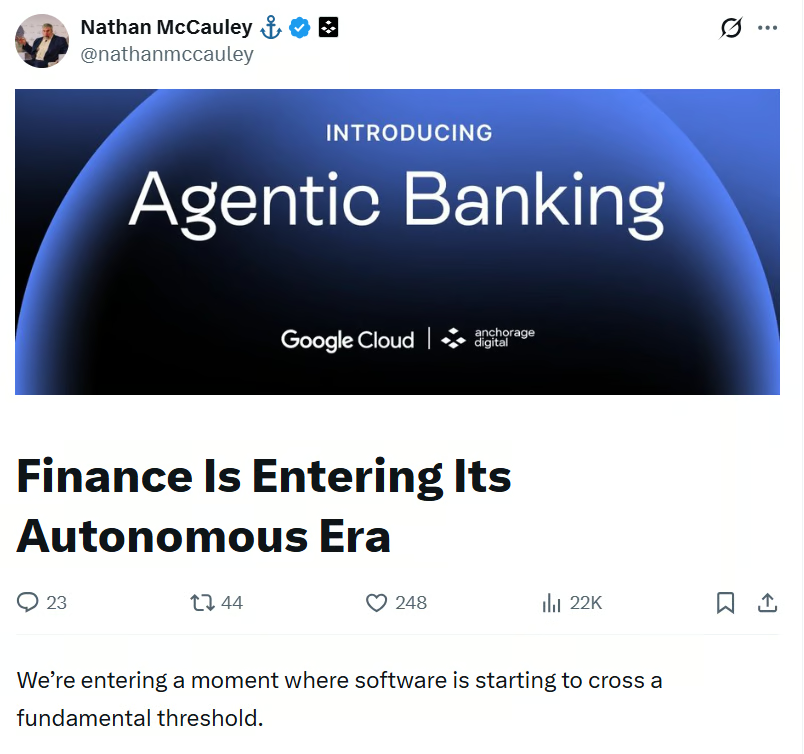
Crypto bank Anchorage is launching a new agentic banking service, seeking to give AI agents the ability to access and move money without human interference — an industry that could be worth a trillion dollars, according to its co-founder.
In an X post on Tuesday, Anchorage co-founder and CEO Nathan McCauley said the firm’s new agentic banking infrastructure gives AI agents the ability to access both traditional finance and crypto payment rails.
Blockchain and tech companies have been rushing to prepare themselves for the future of agentic commerce. Firms such as Stripe argued in February that blockchains will need to eventually be able to process between 1 million and 1 billion transactions per second to handle the network demand coming from AI agents.
“Institutions are experimenting with automation across treasury, payments, and procurement, but they’re doing it on top of systems that were never designed for non-human actors,” said McCauley.
The new banking service would give AI agents a verifiable ID to transact with, preset spending limits, permissions and policies, along with auditability features to maintain regulatory compliance.
The launch came alongside a partnership with Google Cloud, which will provide the intelligence layer that allows AI agents to “discover, negotiate and coordinate” with each other.
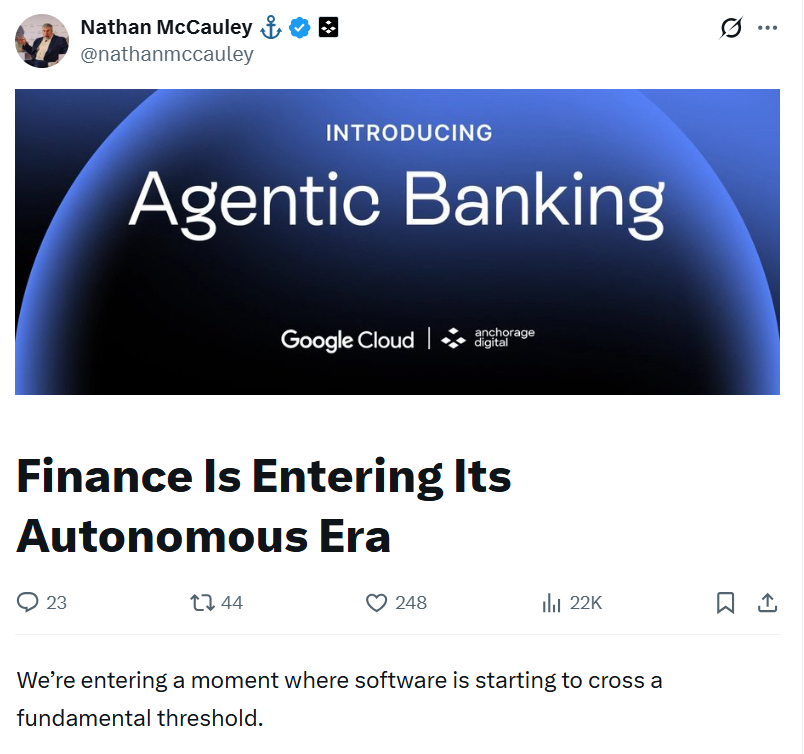
Source: Nathan McCauley
Ripple Labs researcher and former head of product marketing Oliver Segovia said the deal also reflects a shifting trend in which tech labs and regulated banks are working more closely together.
“Hyperscalers typically viewed banks as tier 1 enterprise customers, but moving forward, we’ll start seeing more alliances as labs get deeper into regulated infrastructure and banks build intelligence on top of core systems,” he said in a post on X.
Related: Ripple CEO says market structure bill not a ‘done deal,’ despite stablecoin compromise
Speaking at the Consensus 2026 conference in Miami on Tuesday, McCauley argued that the sector will be one of the most important “trends of the next decade.”
“This is, in my view, set to be a trillion-dollar industry where we are going to have agents paying each other, agents paying merchants, and agents getting paid,” he said.
This isn’t the only agentic finance product rolled out in crypto recently.
On Tuesday, the Solana Foundation launched a new gateway service with Google Cloud, allowing AI agents to pay for any APIs using stablecoins on Solana.
On April 30, Tether-backed crypto wallet startup Oobit released a Visa-supported virtual card enabling AI agents to make online purchases with USDT for businesses without requiring human interaction.
The cards are funded with USDT directly from Tether’s treasury, enabling agents to keep using capital without needing to top up via fiat on-ramps or conversions.
Magazine: AI-driven hacks could kill DeFi — unless projects act now


Anchorage Digital has introduced Agentic Banking. This infrastructure gives artificial intelligence (AI) agents regulated access to capital.
The platform enforces identity verification, spending limits, and real-time risk monitoring before clearing payments via fiat rails, stablecoins, or tokenized credentials.
Anchorage Digital Unveils Agentic Banking for AI Agents
Nathan McCauley, co-founder and CEO of Anchorage Digital, emphasized the need for strict controls when integrating AI into financial systems. He argued that autonomous agents cannot be granted direct access to corporate treasuries.
Instead, he outlined the importance of a governed framework that enforces identity verification, permissions, compliance, and auditability at every stage of a transaction.
Such a system, he noted, must incorporate spending limits, real-time risk monitoring, and immutable audit trails to ensure institutions retain oversight and recourse over all AI-driven financial activity.
Follow us on X to get the latest news as it happens
McCauley said the federal charter makes this model possible. Anchorage Digital Bank received its national trust charter from the Office of the Comptroller of the Currency in January 2021. It was also the first crypto-native bank with that designation.
“We’re entering a world where agents don’t just inform decisions, they make them, and act on them. But for that to work in the real economy, agents need more than intelligence; they need regulated access to capital. Agentic Banking is the bridge between those two worlds: a system that brings trust, governance, and real financial rails to autonomous systems,” McCauley said.
Meanwhile, Anchorage announced a partnership with Google Cloud, which will provide the “intelligence layer for the agentic economy.”
BitGo Chief Operating Officer Jody Mettler recently outlined four controls for institutions deploying AI agents in finance. She listed identity, permissions, policy logic, and auditability as required guardrails.
Subscribe to our YouTube channel to watch leaders and journalists provide expert insights
Anchorage is not alone in pushing AI agents into financial workflows. Financial technology firm FIS partnered with Anthropic this week on a Financial Crimes AI Agent. The tool compresses anti-money laundering reviews from days to minutes.
The post Anchorage Digital Builds Banking Infrastructure Designed for AI Agents appeared first on BeInCrypto.
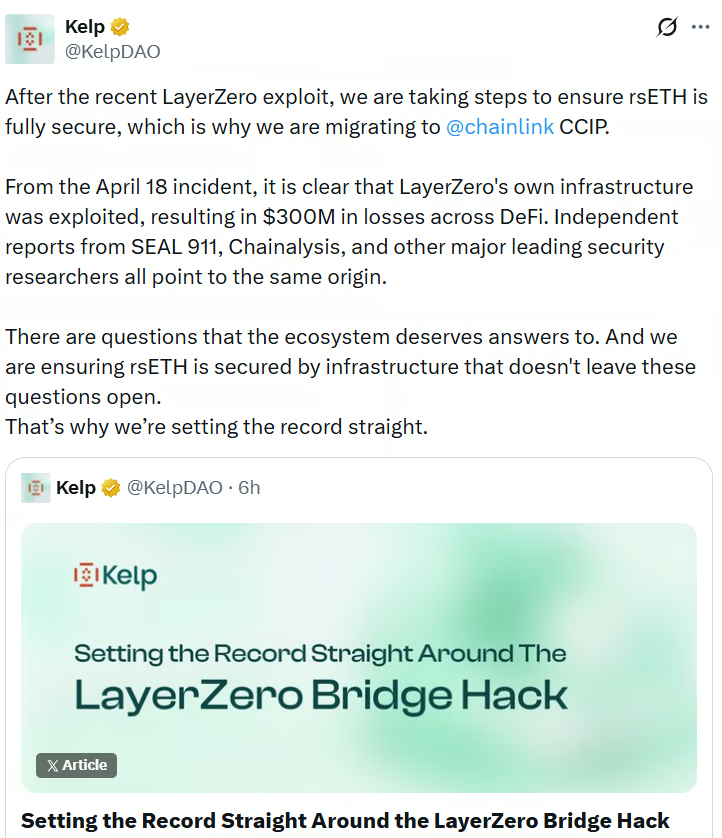
DeFi protocol Kelp DAO said it will be migrating its restaking token, rsETH, to the Chainlink oracle platform after the $292 million exploit in April, as it continued to blame the attack on LayerZero’s cross-chain infrastructure.
Hackers stole 116,500 Kelp DAO restaked ETH tokens on April 18 from Kelp DAO’s LayerZero-powered bridge, then used them as collateral on Aave v3 to borrow wrapped Ether.
“After the recent LayerZero exploit, we are taking steps to ensure rsETH is fully secure, which is why we are migrating to Chainlink CCIP,” Kelp DAO said in an X post on Tuesday.
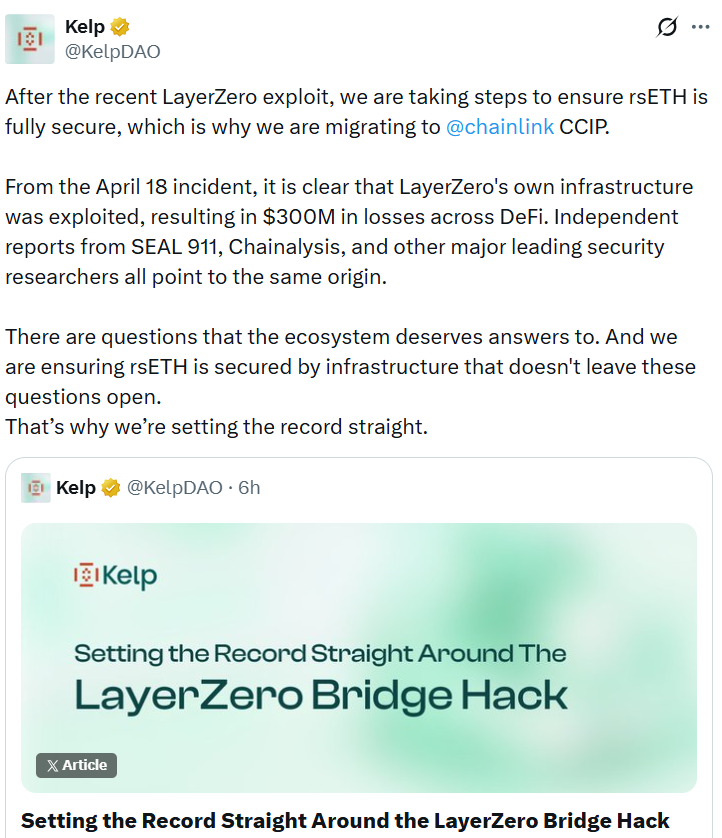
Source: Kelp DAO
The Kelp DAO hack has been one of the year’s largest security incidents, causing broader ecosystem contagion and impacting the interconnected crypto lending market. At the center of the exploit has been an argument over who was responsible for the vulnerability.
Kelp says it wasn’t warned of the security risks
A day after the exploit, LayerZero released a postmortem arguing the hack occurred because of an inadequate setup tied to Kelp’s decentralized verifier network (DVN), which relied on a single LayerZero DVN as the only verified path rather than requiring multiple independent checks to validate cross-chain transactions. LayerZero said it advised against this setup.
However, Kelp DAO said Tuesday the 1-1 setup is the default and is used by many other protocols, citing data from analytics platform Dune that found roughly half of LayerZero users have a single DVN. It also accused LayerZero of approving the setup and failing to warn about the related security risk.
“Kelp has operated on LayerZero infrastructure since January 2024 and has maintained an open communication channel with the LayerZero team throughout. The question of DVN configuration came up multiple times and these configurations were confirmed as secure at that time,” Kelp DAO added.
Following the hack, LayerZero announced it will no longer validate or approve cross-chain messages for any app that relies on a single verifier, and that it is in the process of migrating protocols using the setup to a multi-DVN.
LayerZero CEO says many of the claims are untrue
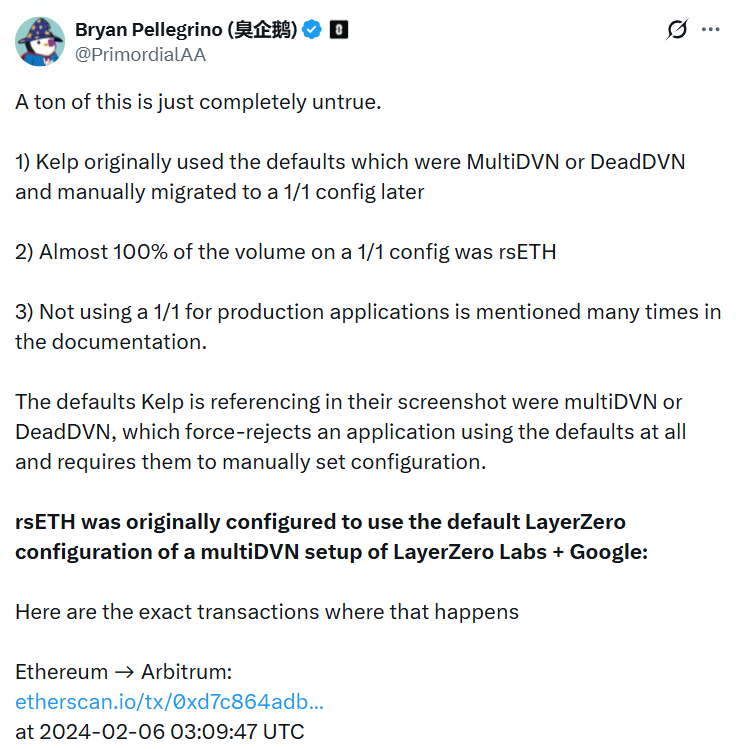
Bryan Pellegrino, co-founder and CEO of LayerZero, said in a reply on X that a “ton” of Kelp’s claims were “just completely untrue.”
Related: US law firm attempts to block transfer of frozen ETH from Kelp exploit
He argued that Kelp originally used the defaults, which were multi-DVN, and later manually changed to a 1/1 configuration, which isn’t recommended for production applications.
“The defaults Kelp is referencing in their screenshot were multiDVN or DeadDVN, which force-rejects an application using the defaults at all and requires them to manually set configuration. rsETH was originally configured to use the default LayerZero configuration of a multiDVN setup of LayerZero Labs + Google,” he added.
Source: Bryan Pellegrino
Pellegrino also said a complete postmortem by external security firms would be published soon.
North Korea-linked hackers are suspected of being behind the attack on Kelp and the April 1 exploit of decentralized exchange Drift, which totaled $285 million.
Magazine: Bitcoiners eye ‘sell in May,’ SBF’s bid for new trial shut down: Hodler’s Digest, April 26 – May 2
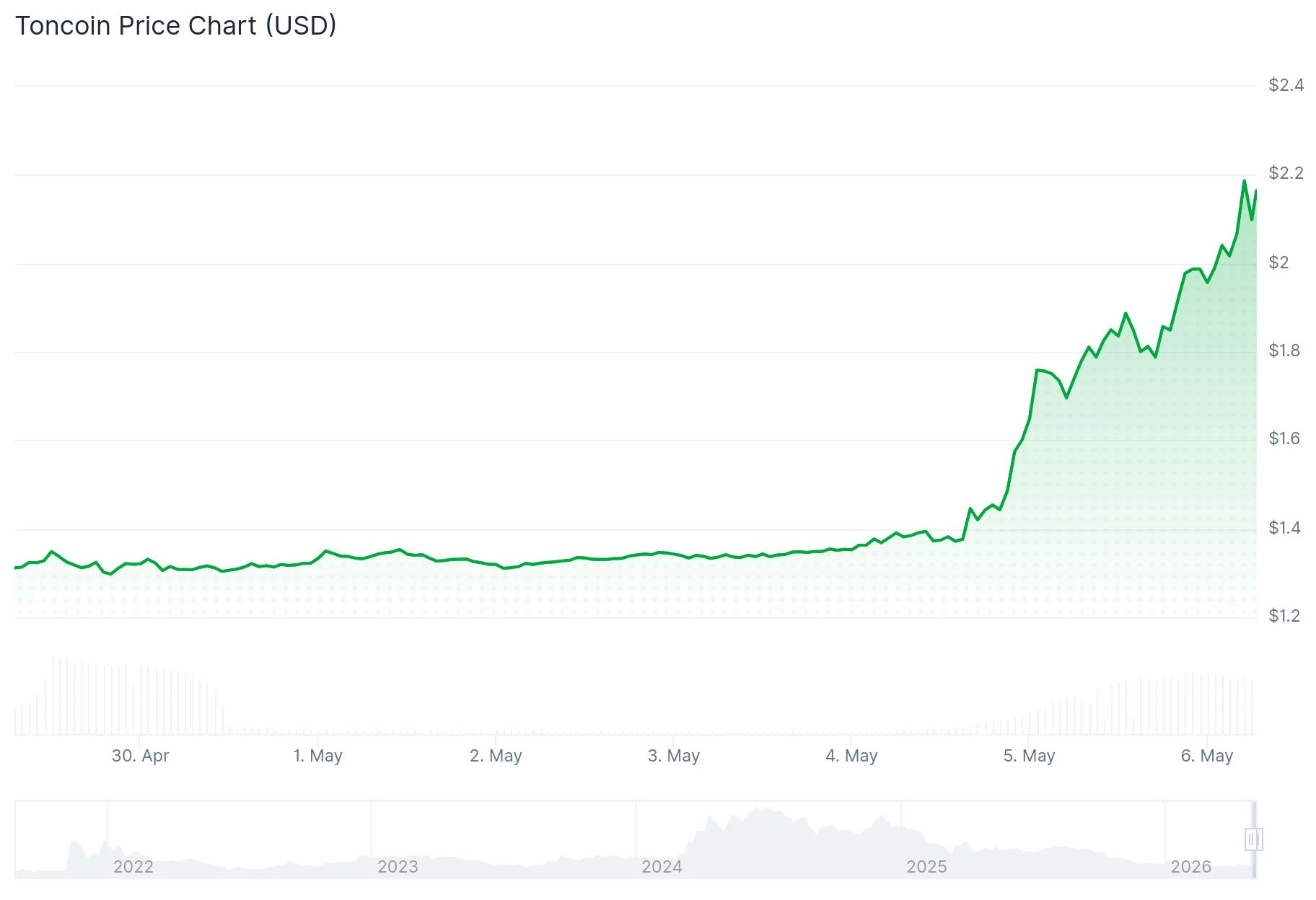
Key Points
- Telegram is set to assume the TON Foundation’s primary responsibilities and will operate as TON’s dominant validator
- The network hosts $752 million in stablecoin liquidity and generates $39.7 million in daily DEX trading volume, demonstrating genuine network usage
- Chain fees total approximately $8,086 daily, revealing poor monetization compared to the network’s overall scale
- Monthly unlocks from the TON Believers Fund release around 36.59 million TON, with the upcoming unlock valued at roughly $75 million
- Validator participation requires a minimum stake of 300,000 TON, while Telegram’s expanding influence creates centralization risks
Unlike most blockchain networks that struggle to build user bases, Toncoin benefits from an inherent distribution advantage. While competing projects allocate resources toward user acquisition campaigns, funding programs, and reward mechanisms, TON operates with a fundamentally different model.
The TON Wallet exists natively within Telegram’s ecosystem. Users maintain custody of their private keys while experiencing streamlined mobile functionality. This blend of security and ease-of-use represents an uncommon achievement in cryptocurrency.
With Telegram’s registered user count exceeding one billion, TON possesses immediate access to an audience size that remains beyond reach for nearly every other blockchain initiative.
During May 2026, Pavel Durov, Telegram’s founder, revealed plans for Telegram to succeed the TON Foundation as the network’s primary developmental authority. Additionally, Telegram will assume the position of largest network validator.
This declaration generated significant interest around TON while emphasizing the deepening integration between these two platforms.
Evaluating Network Activity Through On-Chain Metrics
Current DeFiLlama statistics indicate approximately $752 million in stablecoin deposits residing on TON infrastructure. The network processes roughly $39.7 million in daily decentralized exchange volume alongside approximately $1.48 million in perpetual futures trading volume over the same timeframe.
These figures demonstrate that both development teams and end users are actively selecting TON for their operations. Capital is flowing into the ecosystem, accompanied by legitimate trading behavior.
Nevertheless, daily network fees amount to just $8,086, while chain revenue approaches $4,043. When assessed against a market capitalization ranging from $5.6 billion to $5.7 billion, this fee production appears substantially inadequate.
Fee economics carry significance because they indicate how much value the protocol actually retains. Substantial transaction activity paired with minimal fee generation suggests users are engaging with the network without the protocol effectively capturing economic value from that engagement.
Supply Releases and Validator Centralization
CoinGecko data indicates roughly 2.7 billion TON tokens currently exist in active circulation. The project’s foundational documentation established an initial maximum supply of 5 billion tokens, with subsequent incremental expansion occurring through validator compensation mechanisms.
The TON Believers Fund presents an additional consideration. Based on Messari’s analysis, this fund distributes approximately 36.59 million TON monthly. Roughly 1.098 billion TON tokens await future distribution through approximately October 2028.
DeFiLlama’s unlock monitoring system values the forthcoming scheduled release at approximately $75 million. This persistent introduction of supply generates continuous downward market pressure.
Regarding validation infrastructure, TON network participation mandates a minimum commitment of 300,000 TON. Reports suggest practical entry requirements typically exceed this baseline threshold.
With Telegram positioned to become the dominant validator, network control is consolidating around a singular organization. While this arrangement may enhance operational coordination and system stability, it simultaneously reduces the network’s decentralized characteristics.
Telegram’s emergence as TON’s primary validator represents the latest factor influencing how market participants and builders evaluate the network’s trajectory.

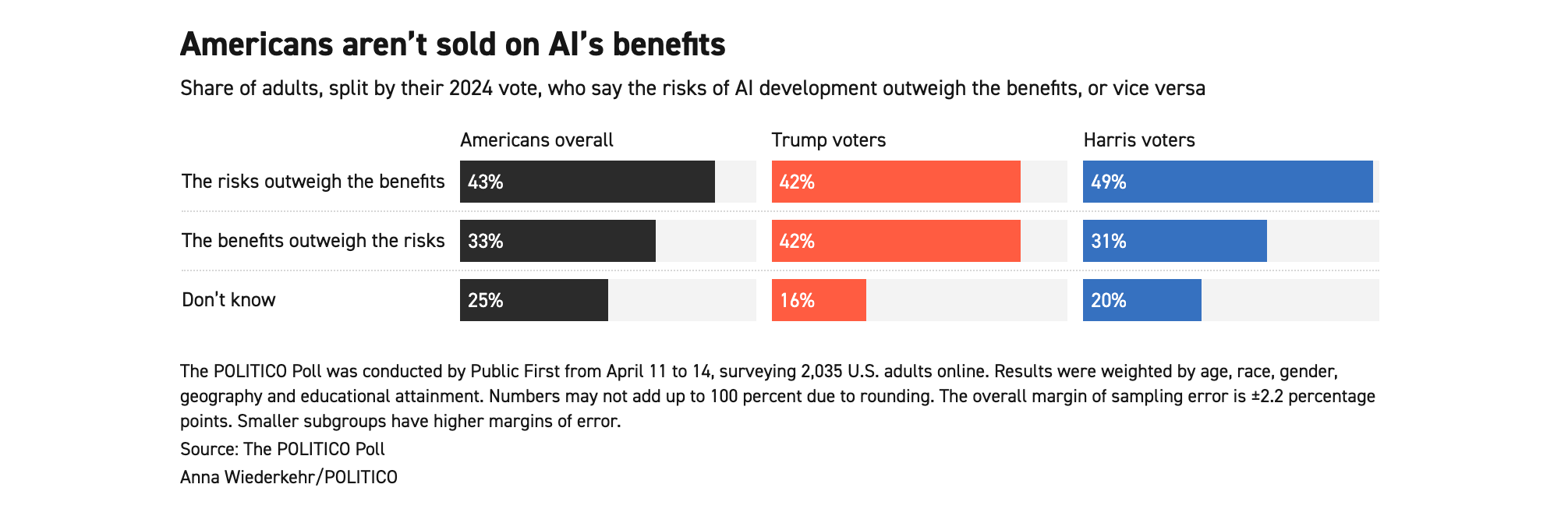
A new survey finds 45% of Americans say investing in cryptocurrency is not worth the risk, while 44% say artificial intelligence (AI) is developing too quickly.
This sentiment leaves candidates relying on crypto and AI super PAC dollars in a difficult position.
Industry Spending Meets Voter Skepticism
The poll also found that nearly 50% of respondents trust traditional banks more than crypto platforms. In addition, roughly two-thirds want lawmakers to impose strict regulations or broad oversight on AI.
Close to half of poll respondents believe AI will wipe out more jobs than it produces. A 43% plurality says its risks outweigh its rewards.
Follow us on X to get the latest news as it happens

The findings land as Fairshake, the pro-crypto super PAC primarily funded by Coinbase, Andreessen Horowitz, and Ripple Labs, has spent $28 million on competitive 2026 primaries, according to Politico. Pro-AI PAC Leading the Future has raised more than $75 million since launching last August.
“The results raise an emerging challenge for the industries as their aligned super PACs seek to translate financial might into political influence. Several of these groups are already becoming the most dominant players on the political battlefield, spending heavily for candidates on both sides of the aisle and in some cases rivaling the fundraising of long-established party groups,” the report read.
The resistance to crypto and AI super PACs may stem from a wider public mood, Politico observed. Some 41% of poll respondents view special interest groups as wielding excessive political weight. Just 23% call their role balanced, while 12% say they carry too little sway.
“Skepticism of the industries, those results suggest, could turn into voter backlash if Americans grow fed up with the heavy spending,” Politico added.
In hypothetical matchups, respondents were less likely to back candidates supported by groups pushing looser AI regulations than those backed by groups calling for tighter tech rules.
Those surveyed also showed stronger support for groups advocating climate policy. Whether voter skepticism translates into ballot-box pressure remains to be seen.
The findings come from the Politico Poll, conducted by Public First. The survey drew responses from 2,035 American adults between April 11 and 14. Its overall margin of error is ±2.2 percentage points, while smaller subgroups have larger margins.
Subscribe to our YouTube channel to watch leaders and journalists provide expert insights
The post Crypto and AI Industries Pour Millions Into Midterms as New Poll Reveals Backlash Risk appeared first on BeInCrypto.
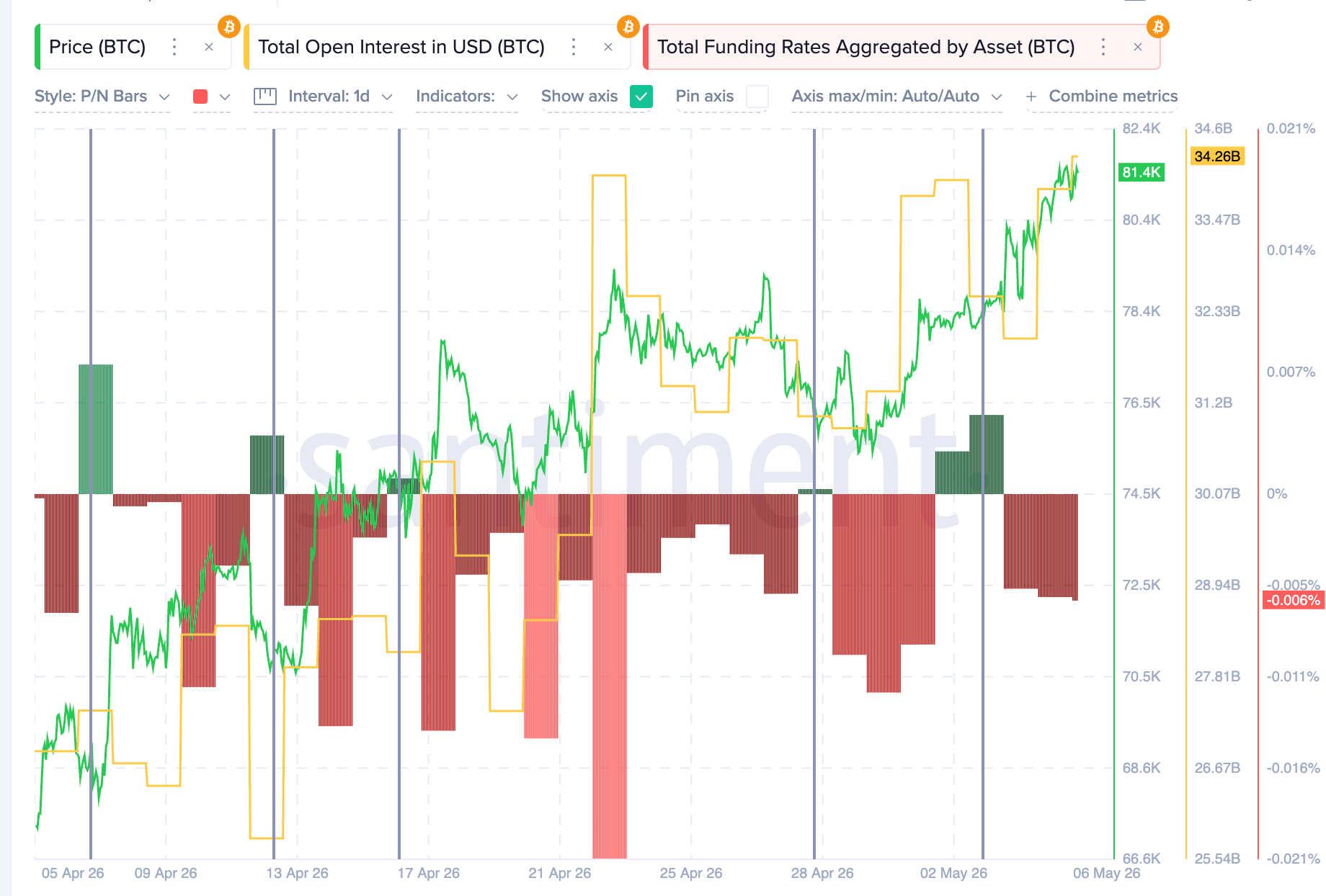
Bitcoin price is up 20%+ over the past month, but the structure underneath that rally reads differently than the price tape suggests.
Derivatives traders are positioned short. Whales are selling into the strength. The momentum profile signals a counter-trend bounce, not a new uptrend. The price tape says bullish. The structure underneath says bearish.
The Derivatives Data Reads Bearish Despite the Rally
Most rallies in recent quarters have been built on the same pattern. Long traders pile in early, leverage stretches across the perpetual futures market, funding rates flip aggressively positive, and the rally extends until a sharp wick flushes the over-leveraged longs and resets the cycle. The pattern is so familiar that most active rallies trigger immediate skepticism about the size of the long crowd waiting to be cleared.
This Bitcoin rally is not following that script as over the past month, the 20% rally phase, longs have only appeared sparingly.

Total Bitcoin open interest has climbed from $30.88 billion on April 30 to $34.26 billion by May 6, an increase of more than 11% across just six trading sessions. But the direction of those new positions is what matters for the read.
Funding rates sat at -0.011% on April 30 and remain at -0.006% as of May 6. A negative reading this persistent across a 20% rally is rare, and it confirms the rising open interest is mostly fresh shorts, not fresh longs.

The 8-hour chart adds the spot confirmation. We use the 8-hour timeframe to read short-term trend behavior, and the volume profile underneath this rally has been thinning. Between April 14 and May 6, Bitcoin price has trended steadily higher while volume has trended steadily lower. The rally is not running on spot demand. It is running on disbelief and possibly the continued liquidation of the shorts.

With no over-leveraged long crowd to flush, there is no obvious wick risk that has capped recent rallies before. But the absence of euphoric long positioning also means there is no spot bid converting through resistance. The rally is structurally fragile.
Whale Flows and RSI Divergence Confirm the Bearish Read
The lack of conviction shows up cleanly in two independent on-chain signals.
Want more token insights like this? Sign up for Editor Harsh Notariya’s Daily Crypto Newsletter here.
The cohort of smaller Bitcoin whales, the wallets holding between 1,000 and 10,000 coins, held 4.27 million Bitcoin on April 18, 2026. By May 6, that figure had dropped to 4.19 million Bitcoin. The 80,000 BTC reduction across an 18-day window matches the timing of the rally itself. Whales are not buying this move. They are using the strength to sell.

The daily chart adds the third bearish signal. The Relative Strength Index (RSI), a momentum indicator captures the divergence cleanly. Between January 5 and May 5, Bitcoin price has formed a clear lower high while the RSI over the same window has formed a higher high.
This pattern is hidden bearish divergence, which occurs when price makes a lower high but the momentum trends higher. In a broader downtrend context, hidden bearish divergence signals continuation of the existing downtrend, not reversal. The 20% rally off the February low reads as a counter-trend bounce within a broader corrective structure. The bearish divergence invalidates if the BTC price crosses $81,854.

Three signals stack consistently. Derivatives positioning says traders expect a pullback. The 80,000 BTC whale cohort drop says spot conviction is missing. RSI hidden bearish divergence says the broader trend is still down. The 20% rally is technically defensible because it lacks the long crowding that broke past rallies, but it lacks the spot demand that completes trend reversals.
The market is not euphoric.
Bitcoin Price Levels Where the Bearish Read Resolves
Bitcoin (BTC) trades at $81,326 with the immediate resistance band sitting between $81,810 and $81,854. That zone is the line that decides whether the disbelief rally extends or rolls over.
A daily close above $81,854 confirms the rally has the strength to push higher and opens the path to $90,460 as the next major technical level. The $90,460 zone aligns with the descending trendline that has capped Bitcoin since the January peak. A break above $90,460 would invalidate the broader downtrend structure and signal a true trend reversal.

The downside levels are stacked tightly. A rejection at $81,810 to $81,854 sends Bitcoin toward $76,656, the 0.236 Fibonacci level, which is the first major support and a likely zone for a retest. Below $76,656, the path opens to $73,467 (0.382 Fib), $70,891 (0.5 Fib), and $68,314 (0.618 Fib). A break below $64,645 would expose the long-term floor at $59,972.
The negative funding setup means any rejection at the resistance band would be amplified. With shorts dominant in the perp book, a failed breakout would not produce mass long liquidations to slow the drop. The path back to $76,656 could be quick.
The level math is binary. A confirmed close above $81,854 opens $90,460. A rejection sends Bitcoin back to $76,656.
The post Why Bitcoin’s 20% Price Rally Reads Bearish Underneath appeared first on BeInCrypto.
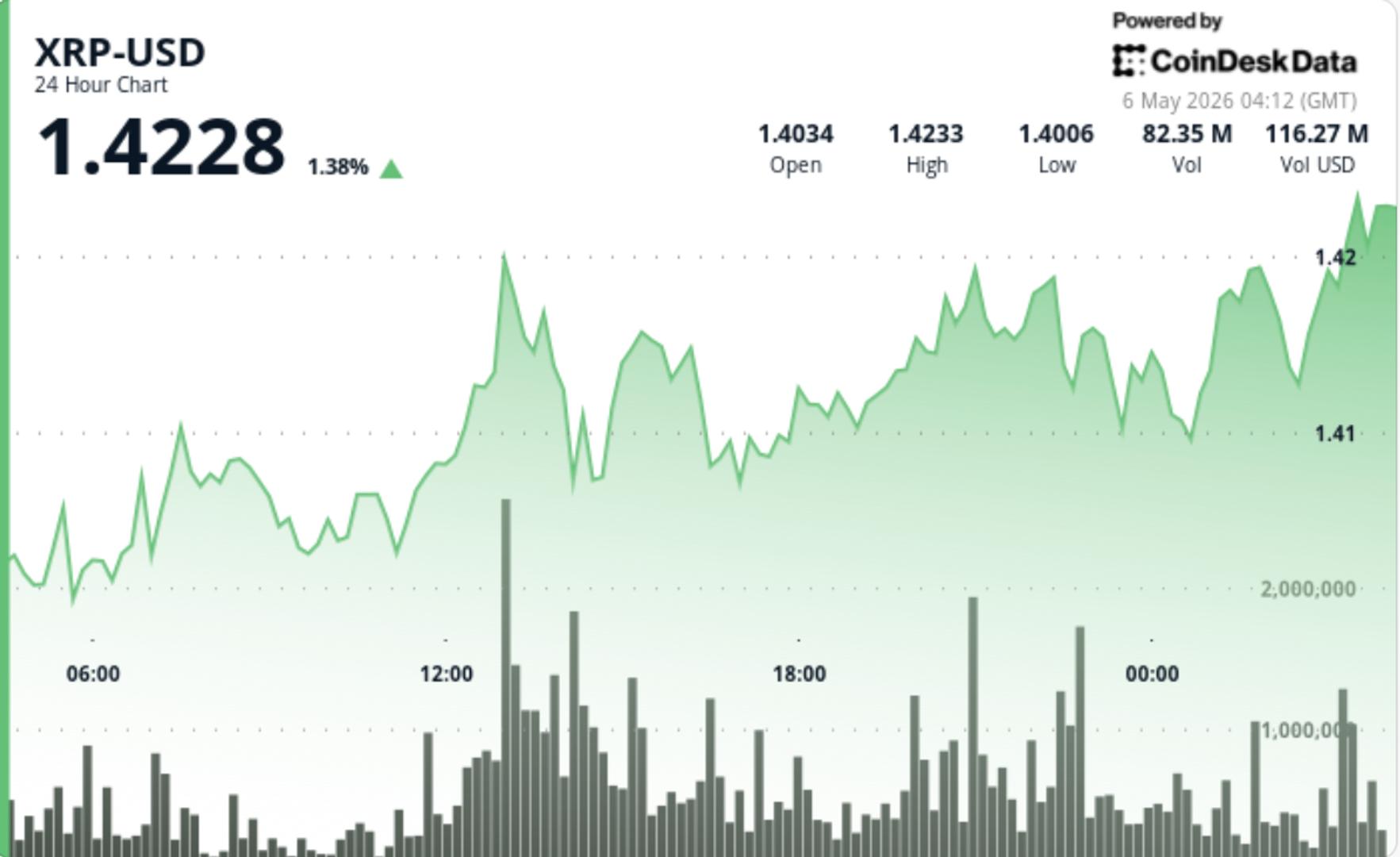
XRP is back above $1.42, and traders are starting to focus on a chart setup that sent XRP up 66% in less than two weeks when it appeared in 2025.
News Background
• Analysts flagged a repeating XRP chart fractal from 2025, when a breakout from a multi-week bull flag triggered a rally toward all-time highs above $3.
• A bull flag is a pattern where price jumps sharply, then moves sideways or slightly lower for a while before potentially breaking higher again. Traders usually see it as a pause in momentum rather than a full reversal.
• Current price action again shows XRP breaking out of a bull flag while the 20-day and 50-day moving averages approach a bullish crossover.
• Some traders now view holding above $1.40 as critical, with the level acting as both psychological support and the upper boundary of the recent flag structure.
Price Action Summary
• XRP climbed from $1.4011 to $1.4184, extending its weekly gain to nearly 9%.
• A 74.6M volume spike at 13:00 pushed price to $1.4207 before momentum cooled into consolidation.
• The token spent the final hours stabilizing between $1.417-$1.420 after repeated tests of the $1.422 resistance zone.
Technical Analysis
• XRP continues building higher lows, keeping short-term bullish structure intact above $1.40.
• The repeated tests near $1.42 matter because resistance weakens each time sellers fail to force a deeper rejection.
• Liquidity on Binance has fallen to its lowest level since 2020, which historically creates conditions for outsized moves once ranges finally break.
• The broader setup resembles the 2025 breakout structure where XRP compressed for weeks before accelerating sharply higher.
What traders should watch
• $1.42 remains the key breakout level. A clean move above it opens the path toward $1.47-$1.50.
• Holding above $1.40 is equally important because failed breakouts often turn into fast reversals once momentum fades.
• If the range finally resolves lower, $1.34-$1.37 becomes the first major support zone traders watch.


Colombian President Gustavo Petro said the country’s Caribbean coast could become a Bitcoin mining hub if it uses clean energy and brings local communities into the plan.
Summary
- Petro says Colombia’s Caribbean coast could use renewable energy to attract Bitcoin mining investment soon.
- The plan mentions Wayúu co-ownership, but no mining partner or launch date has been confirmed.
- Paraguay’s hydro-powered mining growth gives Colombia a model as political timing creates fresh doubts ahead.
Petro pointed to Barranquilla, Santa Marta, and Riohacha as possible sites. He said the region could follow countries such as Venezuela and Paraguay, where low-cost energy has attracted Bitcoin mining investment.
Petro made the comments in a post on X while responding to a discussion on Bitcoin mining in South America. He said the Caribbean region could receive “an immense boost” from mining tied to renewable energy.
The president also called for talks with the Wayúu community. He said the Indigenous group should be involved as possible co-owners of future projects. The Wayúu mainly live in La Guajira, where Colombia has strong wind and solar resources.
Paraguay model draws attention
Petro’s remarks referred to Paraguay’s growing role in Bitcoin mining. The country has used surplus hydroelectric power to attract miners, including large firms building sites near the Itaipu dam.
As featured in earlier coverage, HIVE Digital acquired Bitfarms’ 200 MW hydro-powered Yguazú site in Paraguay for $56 million. The company said the deal lifted its planned Paraguay mining infrastructure to 300 MW.
That deal shows why energy-rich countries have become more attractive to Bitcoin miners. Mining firms often seek cheap and steady power, while host countries look for ways to turn unused electricity into revenue.
Colombia’s renewable base supports the proposal
Colombia already gets a large share of its electricity from clean sources. The World Bank said the country generates as much as 75% of its power from renewable energy, more than twice the global average.
That energy mix could help Petro frame Bitcoin mining as part of a clean power plan. He has also warned that crypto mining powered by fossil fuels could worsen climate change.
The Caribbean coast may play a key role because of its wind potential. Reuters reported that state oil firm Ecopetrol bought the Windpeshi wind power project in La Guajira, with operations expected by 2028.
Election timing leaves questions
Petro’s proposal faces a tight political timeline. His presidential term ends in August, and Colombia is set to hold a presidential election on May 31. He cannot run again because of term limits.
The next government will decide whether the idea moves forward. Current leading candidates have not made clear public plans on Bitcoin mining or digital assets.

TLDR:
- Strategy reported a $12.54 billion Q1 net loss tied to a decline in bitcoin’s market price this quarter.
- Michael Saylor proposed selling bitcoin to cover $1.5 billion in annual dividend and debt obligations.
- Strategy holds 818,334 BTC at an average cost of $75,537, with roughly 18 months of dividend coverage left.
- MSTR stock fell over 4% after hours while bitcoin slipped below $81,000 following Saylor’s announcement.
Strategy, the world’s largest publicly traded corporate bitcoin holder, is considering selling a portion of its bitcoin to meet dividend obligations.
Executive Chairman Michael Saylor disclosed during the company’s Q1 2026 earnings call. The firm reported a $12.54 billion net loss for the quarter.
Strategy currently holds 818,334 BTC at an average acquisition cost of $75,537 per coin. The announcement triggered a sharp market reaction almost immediately.
Saylor Proposes Bitcoin Sales to Meet Dividend Commitments
Saylor outlined a straightforward model for managing the company’s dividend responsibilities. The approach centers on using credit to acquire bitcoin, holding it until the asset appreciates, then selling portions selectively. He explained it plainly: “You buy bitcoin with credit, you let it appreciate, and then you sell bitcoin to pay the dividend.”
Strategy carries roughly $1.5 billion in annualized dividends and debt obligations. The firm estimates it has approximately 18 months of coverage based on current USD reserves. That runway gives the company some flexibility, though the market clearly viewed the news with caution.
Saylor described the plan as both practical and symbolic. He said the company would “probably sell some bitcoin to pay a dividend just to inoculate the market.”
The goal, according to him, was to demonstrate that the model works — not to signal a retreat from its bitcoin strategy.
The preferred stock dividend structure has long been part of Strategy’s financing approach. Selling bitcoin to service those obligations would mark a notable operational shift. Still, the company framed it as a calculated move rather than a sign of financial distress.
Market Reacts Sharply to Bitcoin Sale Announcement
Following the earnings call, Strategy’s stock dropped more than 4% in after-hours trading. Bitcoin also slid below $81,000 shortly after the announcement.
Investors responded quickly to the possibility of increased selling pressure from one of bitcoin’s largest corporate holders.
The Q1 net loss of $12.54 billion reflected the decline in bitcoin’s price during the quarter. Strategy’s large BTC position means its financials are closely tied to the asset’s market performance. A drop in bitcoin’s value directly affects the company’s reported earnings.
Despite the loss, Strategy maintained its overall bitcoin acquisition strategy. The firm did not announce any immediate plans to reduce its total holdings. The proposed bitcoin sales were framed specifically around dividend obligations, not a broader exit.
The market reaction points to how sensitive bitcoin’s price is to large institutional moves. Even the suggestion of a sale from Strategy was enough to push prices lower. Traders and analysts will likely monitor the company’s next moves closely in the weeks ahead.

Blake Lively and Ryan Reynolds Divorce Rumors Intensify Amid Legal Battle but Couple Remains United

CFTC may lock in Phantom-style crypto wallet protections

Boxing’s youngest male champion Abdullah Mason announces first title defence against ex champ Cordina

Manchester United reach agreement with Casemiro over contract clause amid transfer speculation

US brings back mandatory military draft registration

Steven Gerrard disagrees with Gary Neville over ‘shock’ Chelsea and Arsenal claim | Football


-
 Business6 days ago
Tesla Officially Registers Elon Musk’s Stock: What Investors Need to Know
-

 NewsBeat3 days ago
Channel 5 – All Creatures Great and Small series 7 new post
-
 Tech5 days ago
Trump’s 25% EU auto tariff breaches Turnberry Agreement that also covers semiconductors and digital trade
-

 Entertainment6 days ago
Insider Claims Reason Behind Key & Peele Split
-
 Sports5 days ago
Paul Scholes issues Marcus Rashford reality check as agreement emerges over Man United star
-

 Business7 days ago
Barclay Brothers Avoid Bankruptcy: HSBC Drops High Court Petitions After IVA Deal
-

 Entertainment4 days ago
Met Gala 2026 Rumored Guest List Is Turning Heads
-

 Entertainment6 days ago
Celebrities Who Are Attending the 2026 Met Gala Event
-

 Tech7 days ago
Texas Instruments made a new flagship graphing calculator: the TI-84 Evo
-

 Crypto World6 days ago
Meta (META) starts stablecoin payout to creators in Circle’s USDC on Polygon, Solana via Stripe
-

 Business6 days ago
Strait of Hormuz Remains Heavily Restricted on April 29 Amid Iran Conflict
-
Business5 days ago
Strait of Hormuz Blockade Persists Amid US-Iran Standoff, Sending Oil Prices Soaring
-
 Sports4 days ago
David Benavidez responds to team Canelo saying the fight will never happen
-
Entertainment5 days ago
New on Prime Video in May 2026 — Full List of Movies and Shows
-

 Sports4 days ago
Cavaliers vs. Raptors Game 6 live score, updates, highlights from 2026 NBA playoffs first-round series
-

 Sports6 days ago
Saudi Arabia set to withdraw LIV Golf funding after 2026 season, per reports
-

 Entertainment4 days ago
Kylie Jenner Hit With Second Lawsuit From Ex-Housekeeper
-

 Sports4 days ago
Plane crash in Wimberley, Texas kills 5 pickleball players at tournament
-

 Sports6 days ago
Arsenal, Atletico Madrid share draw after penalty drama in Champions League semi-final
-

 Tech6 days ago
Mark Zuckerberg Says Meta Is Working On AI Agents For Personal And Business Use
You must be logged in to post a comment Login