
TL;DR
The UK will make “strategic purchases” of AI chips from British firms to keep them in the country. Kendall aims to build a £37B chip industry with 5% global share.




By OpenAI COO’s own admission last February, “we have not yet really seen AI penetrate enterprise business processes.” But for enterprise software giant SAP, whose stock has dropped significantly in 2026 in part from the “SaaSpocalypse,” the issue is still front and center.
On Monday, the European heavyweight announced its intention to acquire German AI startup Prior Labs for an undisclosed amount. Pending regulatory approval, SAP plans to invest €1 billion (approximately $1.16 billion) into the business over the next four years to grow it into an AI lab focused on structured data — the tables and databases where enterprise information typically sits.
SAP declined to disclose how much it spent on the acquisition itself, but sources told Pathfounders that this was a healthy exit: an “almost all cash” deal, with well over half a billion dollars in cash up front for the startup’s founders — Frank Hutter, Noah Hollmann, and Sauraj Gambhir.
The trio co-founded Prior Labs just 18 months ago with a focus on tabular foundation models (TFMs) — AI models that can make predictions from data that sits in tables and databases. This is potentially a better fit for enterprises than language models. It is certainly a better fit for SAP, whose widely used software products for accounting, HR, procurement and expense management rely on its database.
However, Germany’s most valuable company also seems be playing defense as the tech industry marches toward agentic AI. While it works to create its own AI lab, the company has blocked OpenClaw and any other agent tech that it has not explicitly authorized, The Information was first to spot.
In response to a request for comment, SAP’s press department referred TechCrunch to the company’s latest API policy, which does say that SAP “prohibits” AI agents from accessing its products through its API except for those that are “SAP-endorsed architectures.”
Authorized architectures of course include SAP’s own offering, Joule Agents, still in beta, which lets customers create their own agents. Nvidia also announced in March that SAP’s Joule supports Nvidia’s Agent Toolkit, which is software for managing agents. This toolkit is the foundation for Nvidia’s enterprise-ready, security-focused OpenClaw competitor, NemoClaw. Hence SAP customers will be authorized to use NemoClaw agents.
Techcrunch event
San Francisco, CA
|
October 13-15, 2026
For a giant incumbent player like SAP, AI is both a threat and an opportunity. “It’s all about how quickly [we can] as SAP actually also embark [on] these technologies in our R&D portfolio to keep the relative economies of scale advantage,” CFO Dominik Asam told CNBC in January.
SAP hasn’t been sitting on its hands. The German company invested in generative AI companies that develop language models large and small: In 2023, it backed OpenAI rival Anthropic — as well as Aleph Alpha and Cohere, which now intend to merge to form “a global AI powerhouse.”
It had also developed SAP-RPT-1, a relational pretrained transformer model. “Early on, SAP recognized that the greatest untapped opportunity in enterprise AI wasn’t large language models; it was AI built for the structured data that runs the world’s businesses,” SAP CTO Philipp Herzig declared in a statement.
But Prior Labs’ acquisition is a significant shortcut in that direction. Its TabPFN model series has experienced a lot of traction among developers. In a blog post on the deal, the startup’s founders said that its open source models have been downloaded over three million times.
In a press release, SAP promised that Prior Labs will maintain the open source versions: “The lab will operate as an independent unit to ensure research velocity while SAP provides long-term investment and a direct path to productization across the SAP portfolio with SAP AI Core and SAP Business Data Cloud as well as the agentic layer with Joule.”
SAP and the startup headquartered in Freiburg, Germany, hope that this investment will lead to TFMs that can grab data in the tables where it lives, combine that with language, reasoning, and domain knowledge.
More than that, they hope that Prior Labs, with this “massive boost” from SAP, can become a new “globally-leading frontier AI lab for structured data — in Europe, in the open,” founder and CEO Frank Hutter celebrated in a post on X.
In February 2025, the startup had previously raised some $9.3 million in a pre-seed funding round led by Balderton Capital — more than competitor Neuralk-AI, but a lot less than Fundamental, which emerged out of stealth with a $255 million Series A in February.
In a post on X, Balderton partner James Wise called Prior Labs’ acquisition “one of Germany’s biggest ever venture outcomes.” As for SAP, its stock is currently trading slightly upwards.
Meanwhile, SAP is being very strict as to the agents it will allow into its ecosystem. This is a wildly different approach than Salesforce, another incumbent caught in the SaaSpocalypse. It is allowing enterprise to choose their own agents, including OpenClaw if they so wish, with its new Headless 360 architecture.
When you purchase through links in our articles, we may earn a small commission. This doesn’t affect our editorial independence.

At High-End Vienna, Bowers & Wilkins took the wraps off its flagship 800 Series loudspeakers, which it says are its most “advanced” loudspeakers yet.
The new D5 range marks the fifth generation of Bowers’ 800 series, and its first major loudspeaker launch after Sound United was acquired by Harman.
The new 800 Series Diamond range is made up of seven models, which are:
Bowers & Wilkins describes the new 800 Series Diamond as fusing “acoustic and mechanical excellence with elegant and meaningful design”. The design has been optimised with a new top plate, spine,and plinth, as well as revised drive unit, pods, tweeter body, trim rings and grilles.
All of these design changes are complemented by new finishes, including an all-new dark walnut finish that replaces the option of the satin rosenut in the D5 range, and was inspired by the limited production 801 Abbey Road Limited Edition. Other options include stealth black and warm white.
Acoustic changes are significant. The Space Frame Bracing stiffens the enclosure to reduce unwanted vibration and resonance within the cabinet. All floorstanding models feature a revised aluminium plinth that aims to improve performance to resist unwanted vibration.

The aluminium top plate features thicker aluminium ribbing sections for “greater stiffness” and more mechanical location points to optimise “coupling to the top of the enclosure and revised decoupling mounts to support the Turbine Head or Solid-Body-Tweeter assembly,” improving the mechanical behaviour at the top of each cabinet.
The grille meshes for the Diamond Dome tweeters have designed to be more acoustically transparent, improving off-axis performance and upping the resolution of the sound. Every midrange, bass/midrange and bass drive unit has been given an upgraded with the introduction of lower distortion motor systems for a cleaner, more accurate sound, with better “resolution, transient response and dynamics.”
All the stereo models in the range feature a crossover assembly that’s housed on an all-aluminium plate construction, rigidly coupled into the cabinet and Space Frame Bracing, increasing the stiffness of the cabinet.
Pricing for the new 800 Series Diamond is as follows. Be sure to check you bank account first.
You’ll have to wait a while until you can hear the new series, with availability starting September 9th. If you are at High End Vienna, you’ll be able to at least see them there.
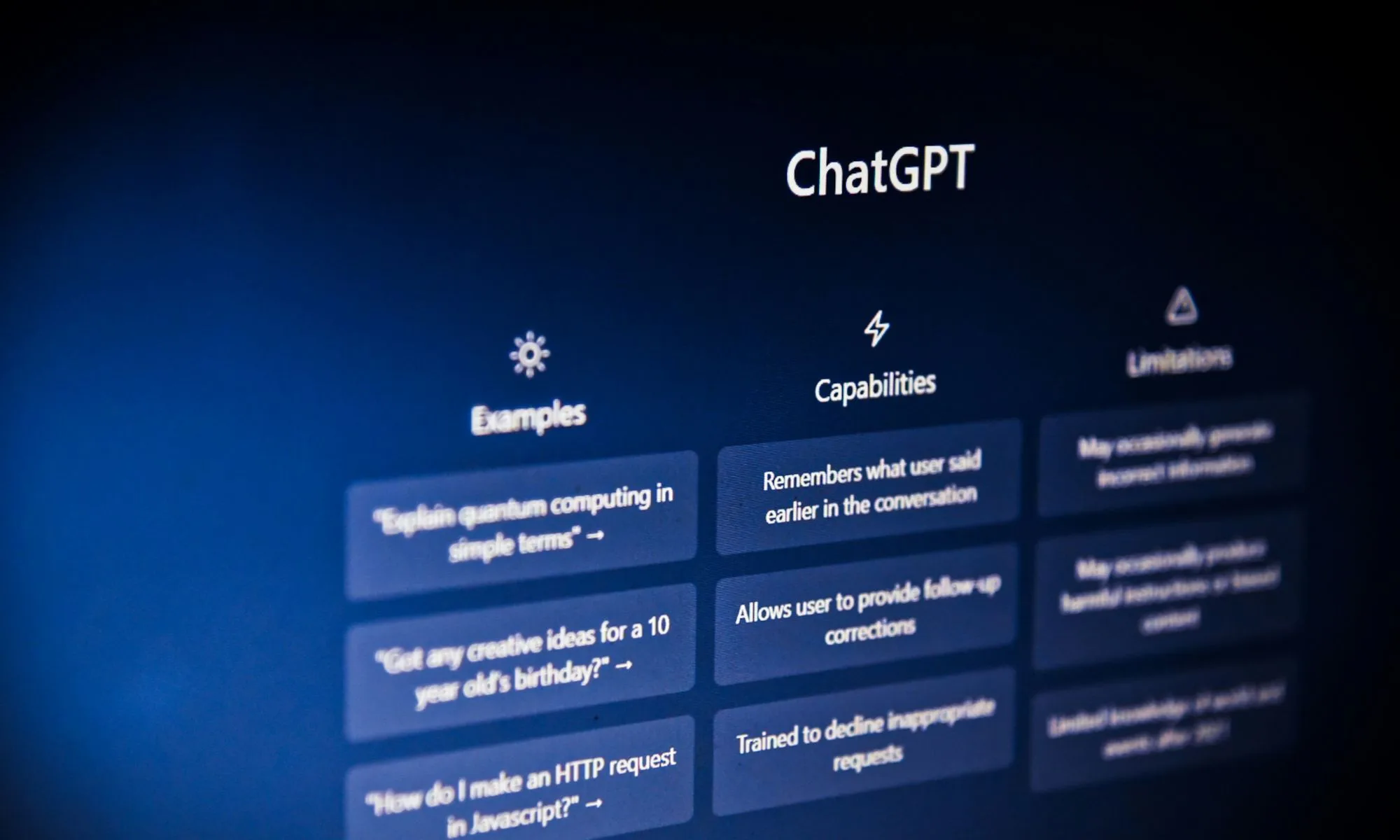
OpenAI is reportedly preparing a major transformation of ChatGPT that could fundamentally change how people interact with artificial intelligence. Instead of remaining primarily a conversational chatbot, the company now wants ChatGPT to evolve into a “super app” powered by AI agents capable of managing tasks across both personal and professional life.
According to a report by the Financial Times, OpenAI executives increasingly believe the future of AI lies not in chatbots that simply answer questions, but in intelligent systems that actively complete tasks for users. The company’s long-term vision reportedly includes AI agents capable of organizing schedules, booking travel, writing software, generating content, and managing workflows across multiple services and platforms.
OpenAI executive Thibault Sottiaux reportedly described the goal as creating a “personal agent” that can help users “across everything in your life.” That vision would allow users to interact with ChatGPT through smartphones, desktops, websites, and potentially even vehicles, turning the platform into a much broader digital assistant ecosystem.
A major part of the strategy revolves around Codex, OpenAI’s coding-focused platform, which has reportedly grown to more than five million weekly active users. Internally, OpenAI appears increasingly convinced that coding tools and AI agents capable of taking actions on behalf of users could become far more valuable than traditional chatbot interactions.
To support that shift, the company is reportedly redesigning ChatGPT’s mobile and web interfaces to highlight coding, image generation, and integrations with third-party services. Partner applications from companies like Canva and Booking.com may also become more deeply integrated into the ChatGPT experience as OpenAI pushes toward a more connected AI ecosystem.

The changes also reflect mounting pressure inside the AI industry. Competition has intensified rapidly as rivals, including Anthropic, Microsoft, and Google, continue expanding their own AI-powered products and enterprise offerings. While ChatGPT remains one of the world’s most recognizable AI products, OpenAI is under increasing pressure to prove long-term profitability and diversify revenue streams beyond free chatbot usage.
Enterprise customers are becoming especially important to that effort. Reports suggest business-focused products already account for a significant portion of OpenAI’s revenue, and the company is reorganizing internal teams to prioritize enterprise growth over some consumer-oriented initiatives.
The broader implication is that OpenAI no longer sees ChatGPT as just a messaging interface. Instead, the company appears to be positioning it as a central operating layer for future AI-powered computing experiences.
If successful, the shift could reshape how users interact with software entirely. Rather than opening separate apps for productivity, communication, coding, travel, scheduling, and search, people may increasingly rely on a single AI assistant capable of handling multiple tasks conversationally and autonomously.

At the same time, OpenAI is also strengthening relationships with policymakers and regulators as AI becomes more politically and economically significant. Reports indicate the company plans to provide the U.S. government with early access to some AI models under a voluntary framework introduced by President Donald Trump. Discussions around potential government stakes in AI companies have also reportedly involved OpenAI CEO Sam Altman as officials explore ways to distribute AI-driven economic gains more broadly.
The overhaul of ChatGPT is reportedly expected to roll out gradually through updates to the app and website in the coming months. If OpenAI succeeds, ChatGPT may soon evolve from a chatbot people occasionally visit into a constantly present AI assistant woven into everyday life.

At 37.7 pounds, it’s just a few pounds heavier than my traditional mountain bike. And yet, with a motor capable of providing 350 watts of assistance expertly hidden in the bottom bracket, the new eElja is anything but a traditional bike.
Over the past decade or so, Icelandic brand Lauf became most well known for its innovative front suspension. Rather than the traditional piston style, Lauf created a suspension system that is almost like two forks connected by a series of small glass fiber springs.
These days, Lauf is venturing into complete bikes, recently rolling out the new eElja electric mountain bike in one of two offerings: the high-end Race build, which boasts carbon wheels, upgraded suspension and groupset, and carbon cranks; and the slightly more modest but still amazing Weekend Warrior build, which has alloy wheels, a high-midrange groupset and suspension, and alloy cranks.
I recently spent a week putting the eElja (pronounced “el-ee-yah”) Race model through its paces and was absolutely blown away by just about everything the bike has to offer. Then again, I kind of expect to be blown away by a bike that retails for more than $8,000. Still, given everything I learned about this bike, both through riding and research, I’d say every penny of that list price would be money well spent.

The eElja is fast and nimble on descents, and easy and at home on climbs. It’s responsive where it should be and relaxed when it needs to be. It’s also a damn great-looking bike.
Thanks to a beautiful SRAM Eagle groupset that includes wireless SRAM AXS PODS e-shifting and a wireless RockShox Reverb AXS dropper post, the eElja looks super clean, as it only has two cables (one internally routed), which operate the bike’s brakes. The eElja Race comes out of the box with a RockShox Pike Select+ fork, boasting 140 millimeters of travel, and a 130-mm RockShox Deluxe Select shock in the rear. The Race sits on E*thirteen Optimus Carbon Sidekick, tubeless-ready, six-bolt, XD freehub 29-inch wheels wrapped in Goodyear Escape Max Trail Lite 2.6-inch tires. And both the Race and Weekend Warrior models come with a massive 12-speed cassette, ranging from 10 t to 52 t.
And yet, despite all of the sparkly bells and whistles (all of which are things you’d expect on a bike at this price point), the bike’s lightness is its defining feature. With many e-MTBs tipping the scales in excess of 50 pounds, the eElja’s sub-40-pound weight makes it easily maneuverable on the trail. Perhaps just as important, it makes it a breeze to maneuver off the trail as well in those benign moments we often overlook: loading it onto your bike rack, getting it into your workstand, and even putting it away or taking it out of your quiver. Especially if, like me, you store your bikes on wall hangers.


The UK will make “strategic purchases” of AI chips from British firms to keep them in the country. Kendall aims to build a £37B chip industry with 5% global share.
The UK government will offer to buy AI chips directly from British technology companies in a bid to keep them in the country. Technology Secretary Liz Kendall will outline plans for “strategic purchases” of semiconductor equipment from UK-based firms at London Tech Week this week, the Telegraph reported. The initiative includes access to taxpayer-backed funding and investment in skills to retain workforces in Britain.
The announcement is part of a broader AI hardware plan that targets 5% of the global chip market, which would translate to roughly £37 billion in revenue and tens of thousands of jobs. The government has already committed £100 million through ARIA’s scaling compute programme, including £50 million for a scaling inference lab where British startups can test and demonstrate that their hardware works.
The urgency is clear. Britain keeps losing its best chip companies to foreign buyers. SoftBank acquired Graphcore in 2024. Qualcomm bought Alphawave IP for $2.4 billion last year. Arm, the UK’s most valuable chip designer, chose New York for its main listing in 2023. Each departure weakened the case that Britain can retain a semiconductor industry of its own.
“This is far too important a technology to depend entirely on other countries, especially in areas like defence, financial services and health care,” Kendall said in a speech at Bloomberg in January, when she announced £1 billion in funding to expand the UK’s AI research compute capacity by 20-fold.
The chip purchases would make the government a customer, not just a regulator, giving British firms guaranteed demand. Six UK companies have already gained access to government-funded supercomputers to advance their AI models, with the government retaining a right of first refusal for future investments. Fractile, a British inference chip startup that recently raised $220 million and is reportedly in talks with Anthropic, is among the firms the strategy aims to support.
The plans also respond to concerns about foreign dependency in government procurement. A recent parliamentary report warned that US firm Palantir should not play such a significant role in the UK public sector, and flagged a growing reliance on Microsoft and AWS. The HMRC’s £175 million AI contract with London-based Quantexa was an early signal of the government’s preference for domestic providers.
Whether strategic purchases alone can prevent the next Graphcore from being sold abroad remains an open question. Britain has the engineering talent and the research base. What it has lacked is the domestic demand and patient capital to keep companies scaling at home instead of selling to SoftBank or Qualcomm at the first serious offer.

The new James Bond-themed videogame 007 First Light had a budget of 1.3 billion Danish krone — a little more than USD $202 million, reports IGN, citing a report from Denmark’s public service broadcaster. “Denmark’s TV 2 said that makes 007 First Light the most expensive entertainment product in the country’s history” — and the game “still has some way to go before breaking even.”
007 First Light is estimated to have sold 2.2 million copies, generating $150 million in revenue… The only official sales data we have comes from developer IO Interactive, which said that 007 First Light had become the fastest-selling game in the company’s history, shifting 1.5 million copies in its first 24 hours… The impressive sales milestone was achieved without the aid of the Nintendo Switch 2 version, which is due out this summer. The James Bond adventure is also the highest rated IOI game ever, with an 87 on Metacritic…
The developer has said it wants to make a trilogy of James Bond games.
Game-tracking company Alinea Analytics tweeted their estimates that 55.1% of sales were on PS5, 33.1% on Steam, and 11.8% on Xbox (Xbox console, Windows, and cloud combined).
And Polygon reports that new downloadable game content was announced Friday.

It’s no longer coming to the PS5.

Kicking off Xbox’s SGF 2026 showcase, Microsoft wasted no time getting straight into Gears of War: E Day. We got to see what seems to be in-game action, more context to what’s happened to Earth and a release date.You’ll be able to attempt to defend Earth from invaders October 6 2026.
The newest trailer shows plenty of close-quarter violence, acid-filled monsters and a broken Earth. We expect to hear more details about E Day soon. And hopefully Xbox has a playable build somewhere here in Los Angeles.

OpenAI plans to roll out a revamped version of ChatGPT in the coming weeks — one that will serve as a “super app” with coding tools and AI agents, according to the Financial Times.
The company’s goal is reportedly to become more competitive with Anthropic, particularly among business customers, and to get closer to profitability before an IPO. That means turning ChatGPT into a gateway leading free users to products they might actually pay for, such as coding product Codex. In fact, the FT quotes one senior OpenAI employee as declaring, “Chat is dead.”
Thibault Sottiaux, who leads OpenAI’s core product and platform, said the company is working towards a product “where you have your own personal agent that is capable of helping you … across everything in your life, be it personally or at work.”
If this sounds familiar, it’s because there have been reports about OpenAI’s super app ambitions since last year.
In March, The Wall Street Journal reported that these plans represent a major strategy shift for the company after launching a variety of standalone products in 2025; OpenAI executives now say they’re abandoning “side quests” like video generator Sora.
I love testing new apps on my iPhone. Every year, new apps get installed and removed, with very few sticking around for the long haul. Despite my habit of testing and switching apps regularly, some have stuck around, which is a testament to their quality.
These are also the most used apps on my iPhone and the first ones I install whenever I set up a new iPhone from scratch. Here are 5 iPhone apps I cannot live without in 2026.
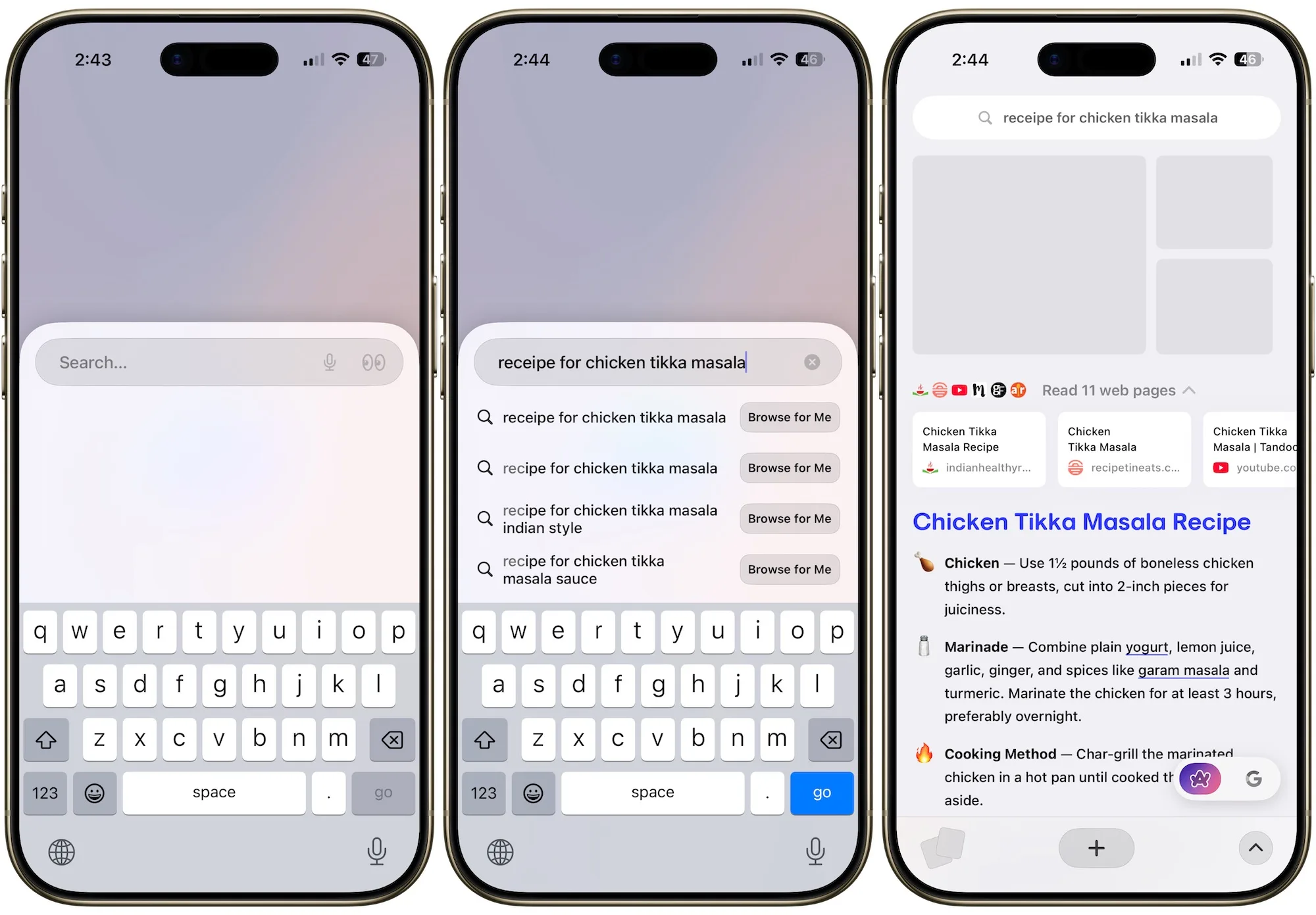
Arc Search is a mobile browser that has completely changed how I search on iPhone. As soon as you launch the app, you’re greeted with a search bar and a keyboard, ready to go. I use the browser app on my iPhone for quick searches, which makes it perfect for that.
The standout feature here is the built-in ad blocker. It automatically blocks trackers on any website, providing me with a clean browsing experience.

Another feature I love is the Browse for Me. I type a query and hit Browse for Me, and Arc pulls the top results from the web and gives me a clean, summarized answer. Think of it as skipping dozens of tabs’ worth of reading in one shot. It works really well for things like sports stats, quick recipes, and travel recommendations.
The tab switcher is also a joy to use. Tabs appear in a card layout similar to the iOS app switcher, and you can swipe to close them just as easily. If you want a fast, smart browser that gets out of your way, Arc Search is the one to beat.
My life revolves around three note-taking apps. Apple Notes is for storing quick notes, Obsidian is for my knowledge-work notes, and Craft is for everything else. On my iPhone, I use Apple Notes and the Crafts app the most.
What makes it stand out from other note-taking apps is how good it feels to use. The writing experience is smooth, the documents look great, and the app has enough depth to handle everything from quick daily notes to full project planning.

Craft lets you organize everything with folders, spaces, and tags, so you can create whatever structure works for you. You can also embed tasks directly in your documents, making it easier to keep your ideas and to-do list in the same place.
The app also recently added a Kanban feature, making it perfect for tracking tasks in a project. I also love how the app looks. Its use of colors, templates, and fluid animations makes it a joy to use.
Most people skip Apple Reminders in favor of fancier apps, and I totally understand why. For a long time, I did the same. But Apple has quietly turned Reminders into one of the most capable task managers on the iPhone, and I’ve been using it as my daily driver for a while now.
You can create time-based and location-based reminders, and even message-based reminders that ping you when you’re texting a specific contact. Smart lists let you create custom views of your tasks using filters like tags, priority, and due date.

You can also share reminder lists with others, add sub-tasks, attach photos, and even use Siri to add tasks with your voice. All of this, and it’s completely free. If you’re in the Apple ecosystem, you should definitely give this a try before paying for a third-party task manager.
I have tested most podcast apps on the App Store, including Apple’s own offering, and Pocket Casts is the only one I always come back to. It features a clean interface, excellent playback controls, and it syncs your listening progress and your queue across all your devices.

The filters tab lets you create playlists based on your own rules, and you can even use Siri shortcuts with them. The discover section also does a solid job of helping you find new shows.
It also offers a generous free tier. If you listen to podcasts regularly, Pocket Casts is worth every penny.
If you grew up playing Nintendo games, you are going to love this one. Delta is a free game emulator on the App Store that supports NES, SNES, Nintendo 64, Game Boy, Game Boy Advance, and Nintendo DS games. It’s polished, well-maintained, and incredibly easy to use.

You get save states, fast forward, cheat code support, and the option to connect a game controller for a proper gaming experience. Delta is perfect for people like me who sneak in a quick game while waiting for a coffee order or standing in a queue. And for those stolen moments, it delivers more fun than any other gaming app on the iPhone.
I love all these apps on my iPhone, and if you have never tried them before, you should definitely check them out. Also, if you haven’t read it, check out my favorite Mac utilities article to discover some awesome apps for your Mac.
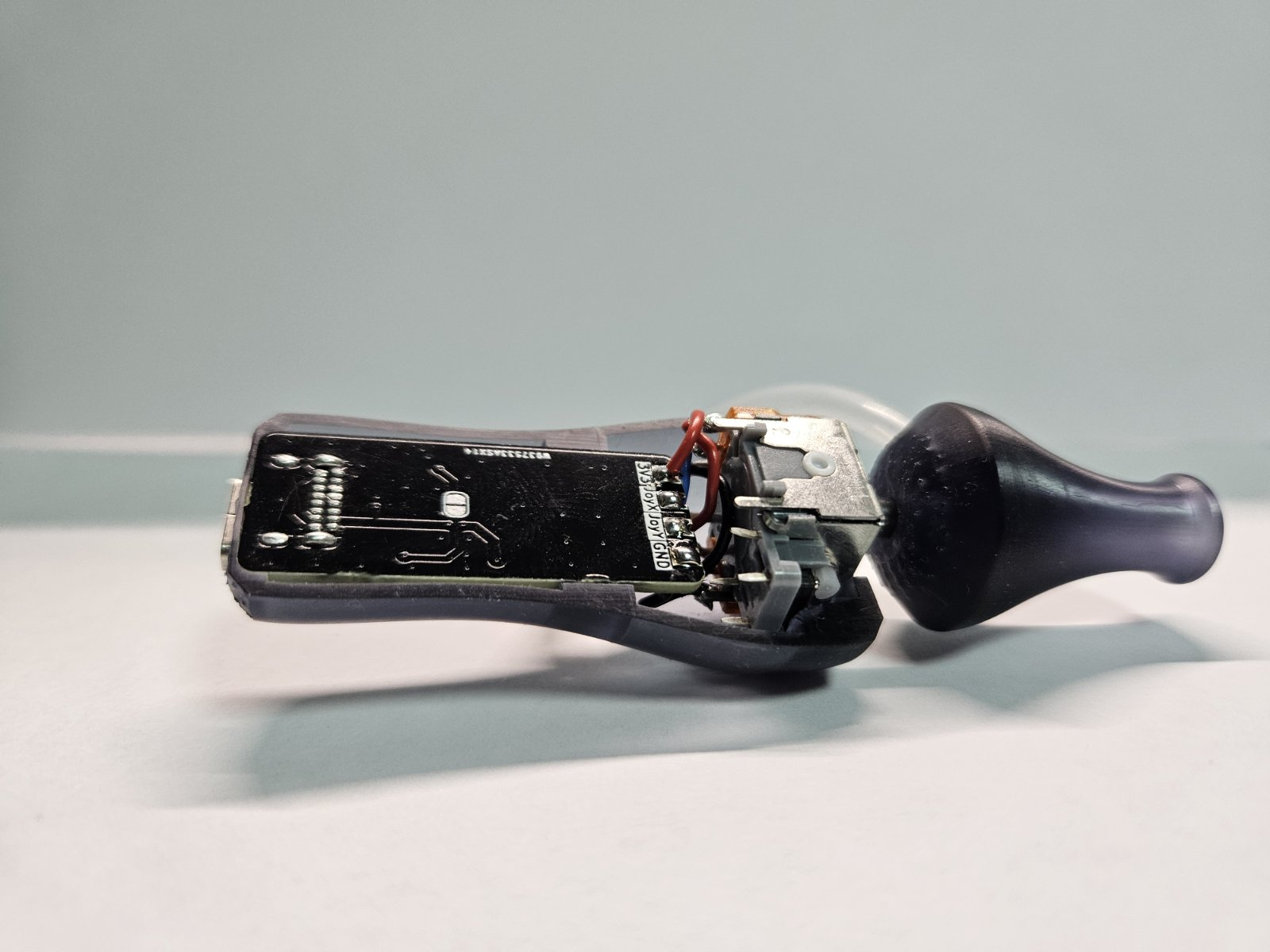
Lots of us have– thanks to repetative stress injuries– developed mobility issues that we have to work around when using computers. Maybe it’s a trackball instead of a mouse, or a split keyboard, or mechanical keys with very specific force requirements– but those are small potatoes compared to people with such severe movement issues such as quadriplegia who need to fall back on things like a sip-and-puff device to control the computer with their mouths. Commercial options of course come with absurd price tags, but a DIY option is a different story. [DanielYordanov]’s L.I.P.S project can be built for only a couple percent of what the big boys want, and it’s fully-open source.
So you might think a sip-and-puff device is a two-bit interface, only slightly more advanced than the morse terminal we featured earlier. While Morse code might be an option, these devices also act as pointers, as the lips and chin can be used to point the mouthpiece. Thus there are a few sensors needed: a hall-effect joystick for pointing info, and one or more pressure sensors to detect the breathing interface for ‘clicks’. [Daniel] has single and dual-sensor versions, creating at minimum a four-button mouse. In reality this hardware can distinguish long and short pulses, or combinations of breath to run some nice macros. With operating-system features like an on-screen keyboard, L.I.P.S. can provide someone with digital freedom– and at a tiny fraction of the cost of a ‘real’ medical device.
Despite the DIY nature, for the end-user control and config is easy enough thanks to a webserial portal run on the CH552 that you can preview on the official website. Code, ki-cad and STL files are all on his GitHub repository. If you’re interested in the design process, we’ve embedded his video about that below.
Thanks to [Daniel] for the tip! Do you know of a hack to make life better for someone, disabled or otherwise? Send us a tip!
From one-handed typing to open-source prosthesis, this sort quality-of-life hack may be the best thing about our community.
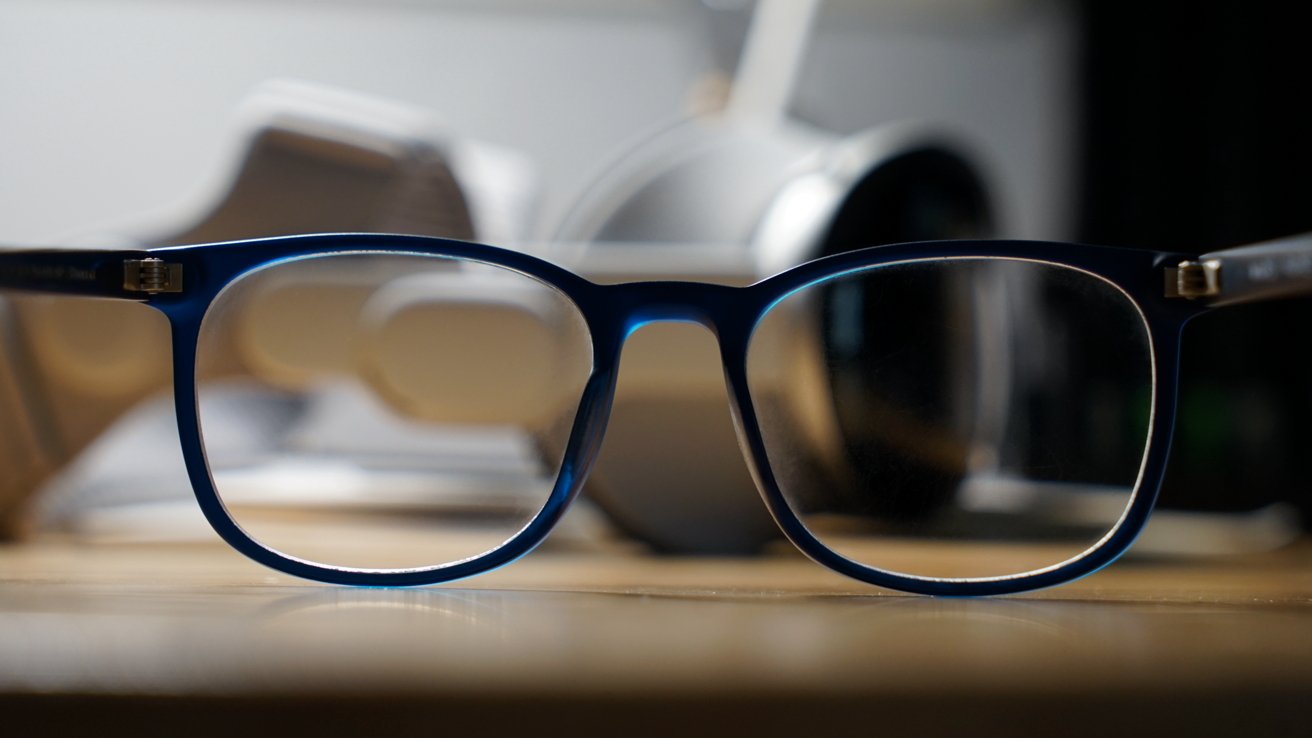
Apple’s Home Hub could arrive in late 2026, smart glasses in late 2027, and a tabletop robotic arm sometime in 2028. These were all expected sooner, but Apple’s delayed AI upgrades created roadblocks.
In the Apple leaks world, unannounced products that get release windows pushed internally still get labeled as “delayed.” Apple engineers clearly had a release date in mind, and even had a target set, but other product divisions can get in the way.
According to the latest “Power On” newsletter from Bloomberg, three unannounced products waiting on AI upgrades equate to “so many Apple product delays.” These unreleased, unannounced products include the rumored Home Hub, smart glasses, and a robotic arm upgrade to the Home Hub.
Had Apple Intelligence performed as expected and rolled out completely through 2025, the report suggests that the Home Hub would have arrived sooner, the glasses would have been released in early 2027, and the robotic arm could have arrived in 2026 or 2027.
This lines up with previous reporting, however, it is amusing how it is being pitched in this newsletter. Since the robotic arm is technically an accessory or second iteration of the Home Hub, we’re only talking about two product lines affected by AI delays.
Just to break down this bit of data further, the rumored Meta Ray-Ban glasses being “delayed” from early 2027 to late 2027 may not even be a delay. Leaker Ming-Chi Kuo was first to say that late 2027 was the goal, and it wasn’t until more recently that Gurman switched to that timeline.
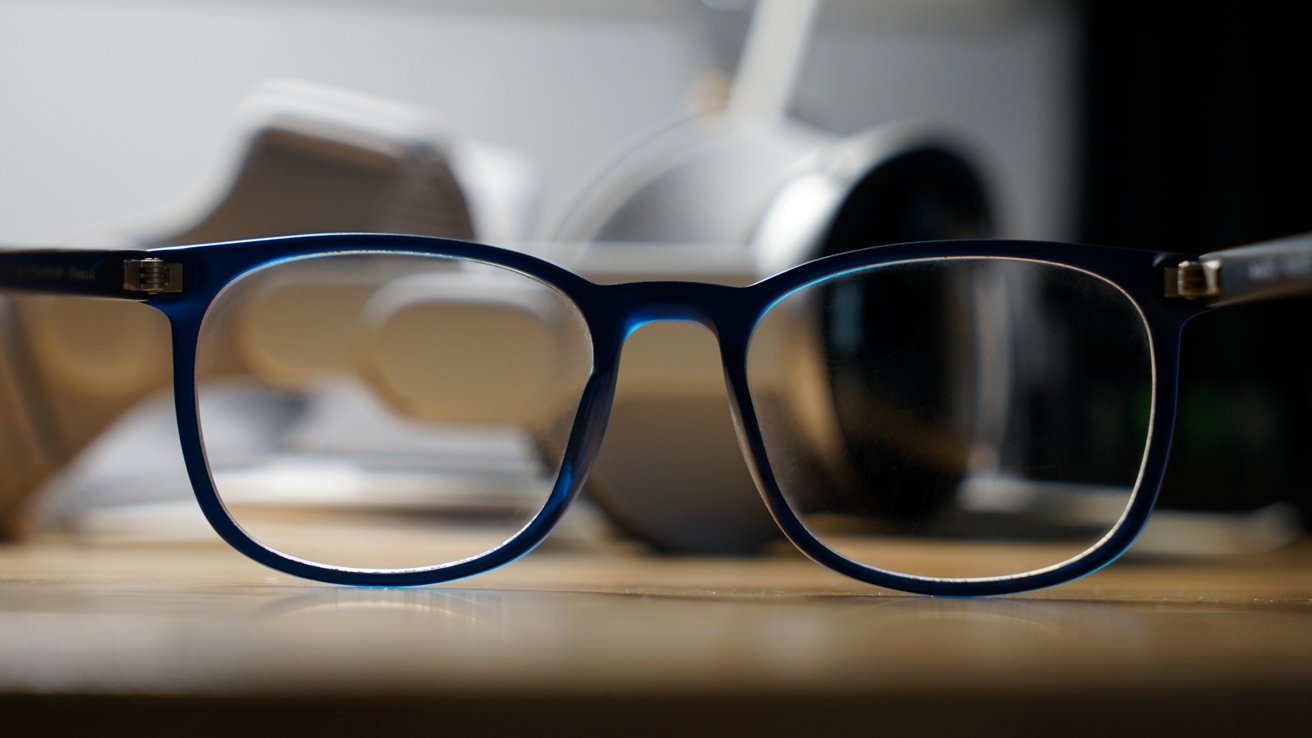
Apple Glasses are coming, just later than what was previously reported
As I’ve reported previously, whatever source Gurman has for the Vision Products Group seems to be a rather poor one. He has consistently missed on nearly every product scheduling leak about Apple Vision Pro and other details relating to the team.
So, this second of two “delays” is actually a course correction. That means the “so many Apple product delays” is actually just one delay — the Apple Home Hub tablet.
That product has reportedly been ready to go for some time, but it makes sense that Apple wants its AI to be better before launch. It can’t afford to have another product built around Siri to be perceived as bad simply because Siri is bad.
There is no mention of Apple’s work on an AI pendant here, which theoretically is also waiting on Apple’s better AI tools to progress. However, it may be too early in development for even Gurman to claim it was delayed.
Apple is clearly building up to enter the smart home market in force with its own product lines. They’ll include the Home Hub tablet, security camera, and doorbell.
That launch could occur at any time, really.

iPhone Fold could arrive as Apple’s most expensive handset yet even as the world struggles with pricing and supplies
The more interesting story is the one that wasn’t printed here because it can’t be used to suggest some kind of Apple failure. The market for memory and computer parts has become overrun with AI company demand, which means we may not see the remainder of M5 upgrades this summer.
While WWDC is a software-focused event, the company hasn’t shied away from revealing product upgrades and even chipsets at the event. However, the supply chain is so depleted that even Apple has to take a back seat.
Each year we get new advanced pieces of Apple Silicon like the M5 family, five new iPhone models, multiple Mac laptops and desktops, AirPods, Apple Watch, iPads, and sometimes even Apple TV and HomePods. Then there’s the routine upgrades to every operating system Apple develops each year.
Oh, and I guess iPhone Fold might actually be announced in September after a full revitalization of the company’s AI efforts.
We should all be critical of Apple when necessary. But taking a reader question like “Why are there so many Apple product delays lately?” and producing one actual delay in the response is a bit much.
Apple Intelligence was unfortunately delayed in its fullest realized form in early 2025. That created a ripple effect across other potential releases and product strategies.
But this idea that keeps getting pushed of an Apple in conflict, struggling to get products out of the door, directly contradicts the results we can see with our eyes. In a world where consumers have been beaten down with AI at every turn, Apple is thriving with almost zero presence in the space.
Let’s see what they’ve cooked up for WWDC and how that might shift Apple’s position, for better or for worse.





Weekend Open Thread: Evereve – Corporette.com


Jade Biosciences, Inc. (JBIO) Discusses Positive Interim Results From JADE101 Phase I Healthy Volunteer Study and Development Plans Transcript

Jensen Huang Approves Samsung, SK Hynix, and Micron for NVIDIA (NVDA) HBM4 Memory Supply


French Open 2026 results: Alexander Zverev beats Rafael Jodar and will play Jakub Mensik in semi-finals


CryZENx Releases Fresh Playable Content Deep Inside Jabu-Jabu for His Ocarina of Time Remake


Trump Taps Housing Chief Bill Pulte as Acting Intelligence Director After Gabbard Exit
LBank Surpasses 25 Million Users Worldwide as AFA Partnership Continues to Drive Global Growth

The Pain Points Taking a Fragile Tech Rally Down a Notch

Republicans balk at Trump’s attempt to appoint a MAGA enforcer to lead National Intelligence


RCS Messages Between iPhone and Android Get End-to-End Encryption With iOS 26.5

Seagate (STX) Stock Surges to Record High on AI Boom and Legal Settlement


Microsoft launches MXC, an OS-level sandbox for AI agents, with OpenAI and Nvidia already on board

EU AI Data Center Project Faces Delays as Funding Gaps Grow


Did The Mandalorian And Grogu Already Ruin The Next Star Wars Movie?

Meta steals a tactic from Tesla and builds data centers in tents


Aehr Test Systems Stock Soars 17% Amid Surging AI Demand and Conference Spotlight

Claude AI Down Today Reason: Why Anthropic’s AI is not working today? What’s the latest quota update

Merlin (MRLN) Stock Soars 32% on Major USSOCOM Autonomy Milestone


Instagram will stop bombarding teens with the same kind of obsessively unhealthy content


Relay Therapeutics Shares Surge 20% on ASCO Momentum for Zovegalisib Breast Cancer Program



You must be logged in to post a comment Login