

Related: RHONJ’s Jenn Fessler Explains ‘Messy’ Video With Summer House’s West Wilson
Advertisement



Launching off the platform of prestige television drama set in the latter part of the 1990s, small-screen entertainment in the 2000s is arguably the best it has ever been. This notion is well-supported by the litany of incredible crime series the decade has to offer, with everything from decades-spanning cop shows to serialized dramas revolving around organized crime debuting throughout the era.
Each year of the 2000s flaunts its own array of incredible crime drama, be it in the form of medium-defining classics that continue to be revered among the greatest TV shows of all time to this very day or criminally underrated gems of small-screen suspense that never got the credit and fanfare they so thoroughly deserve. Regardless of their standing in pop culture, all of these series were instrumental in making the 2000s such a golden period of television and have gone a long way to defining crime excellence in the format.

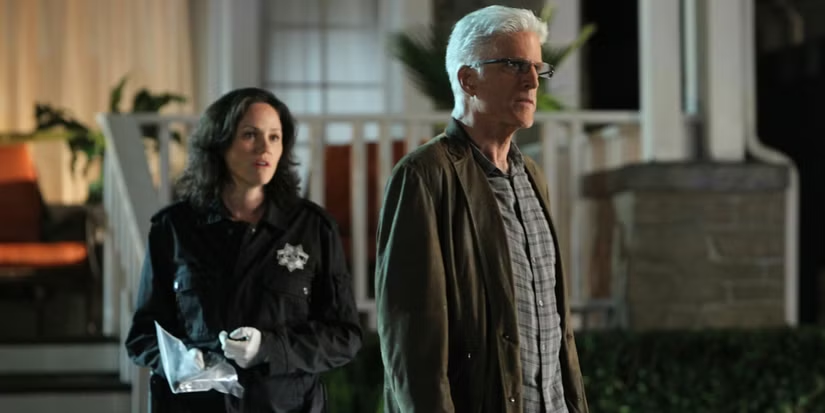
2025 marked the first year of the 21st century that no new episodes of any CSI series were released. It represented a sad end to what had become an iconic staple of modern crime television, one that spanned well over 20 years and included five separate series. 2000’s CSI: Crime Scene Investigation was the one that started it all, running as a sharp and scientific police procedural following forensic investigators in Las Vegas as they use advanced technology to analyze evidence and solve heinous crimes.
An award-winning hit, a critical darling, and one of the greatest ratings successes in CBS’ history, the series ran for a whopping 16 seasons and was frequently praised for its gritty and graphic realism, bold storytelling prowess, and its gripping sense of urgency that made every episode an engrossing viewing experience. Also bolstered by its assembly of unforgettable characters and its process-driven procedural structure, CSI: Crime Scene Investigation is a true landmark of modern crime television.

An underrated gem of British crime television, Messiah ran for five seasons through the 2000s but produced just 10 episodes in total, opting for concise narrative suspense and atmospheric thrills over elongated, meandering drama. It stars Ken Stott as DCI Metcalfe, a veteran homicide detective who investigates some of the nation’s most horrific and disturbing murders. As the cases unfold, Metcalfe often finds himself having to brave nightmarish evils in order to find the truth and ensure that justice is carried out.
The first season particularly finds incredible dramatic weight and depth in its implementation of religious factors, with the serial killer at large targeting people with some link to the twelve apostles. While Season 1 is the series’ strongest, ensuing seasons feature similarly resonant thematic ideas, be it the miscarriage of justice or the circles of Hell depicted in Dante’s Inferno. Messiah’s focus, visceral might, and consistent sense of suspense make it not only a great police drama, but an obvious precursor to hit series like Luther that came in the following years.

It is incredibly easy to mount a case that The Wire stands not only as the best crime series to debut in 2002, but as the finest feat the genre has seen in the history of television as well. Strengthened by a visceral sense of realism—courtesy of the writing of Baltimore crime reporter David Simon and police veteran Ed Burns—the masterful HBO series serves as both an exploration of the hierarchy of Baltimore’s drug trade and a scathing examination of the inefficiency of the police force, the corruption of politics, and the tragic ineffectiveness of integral social institutions.
Each of The Wire‘s five seasons broadens its scope magnificently, allowing what begins as an ambitious though contained narrative of police probing and organized crime to spiral into a city-spanning epic of systemic failure and violence that is undercut by the moral complexity of every single one of its major characters. 2026 marks 24 years since the classic crime series debuted on television, and yet its central message of broken social systems failing the people that depend on them the most remains bitterly poignant and painfully real.

There is perhaps no greater testament to the enduring appeal and cultural impact of NCIS than the fact that it now stands as the longest-running series of any genre that debuted in the 21st century. A police procedural with an enrapturing spin, it follows an elite squad in the Naval Criminal Investigative Service as they employ their expertise and experience to investigate crimes connected to Navy and Marine Corps personnel.
It strikes a perfect balance for 21st-century audiences, juggling the thrills of mystery drama with the fascinating scientific allure of modern police procedurals while still wielding a powerful and resonant family dynamic between the core characters. It is exciting and snappy, and often prepared to venture to dark places, but it is also comforting and cozy. Its long-standing success is evidenced not only by the original NCIS series’ 23-season run (with more on the way), but also by the growing franchise of the show through spin-offs like NCIS: Los Angeles and NCIS: Sydney.

Wonderfully clever in how it blends teen schoolyard drama with neo-noir mystery intrigue, Veronica Mars is a cherished cult gem of crime television that thrives on the back of Kristen Bell’s lead performance. She stars as the eponymous Veronica Mars, the daughter of a detective who leans on her father’s tutelage as she moonlights as a private detective. The first two seasons see Veronica tackle a multitude of cases while investigating overarching mysteries, while Season 3 embraces a more episodic approach.
In addition to featuring arresting characters and a faultless balance of episodic and serialized cases, Veronica Mars also soars with its sharp social commentary, with its setting in the fictional Californian town of Neptune having a stark contrast between the wealthy and the working class. The series was abruptly axed following its third season, but its fan following remained and even grew, with the enduring popularity of the series inspiring a 2014 film and even a revival series in 2019.

Another long-running gem of American television that has become a defining backbone of crime drama, Criminal Minds has continuously enthralled viewers with its emphasis on psychological profiling and the inviting dynamic of its central characters. It follows a team of investigators in the FBI’s Behavioral Science Unit as they delve into the minds of the most evil and sadistic criminals in order to identify their trigger points, reveal their identities, and apprehend them before they can strike again.
It finds a somewhat counter-intuitive yet absorbing balance between the formulaic comfort of police procedural drama and the confronting, realistic details of the cases the team investigates. Its endeavor to pry beyond the simple “how” of the crimes they work and delve into what compels a human being to carry out such heinous acts is a defining point of difference that makes Criminal Minds more enticing than the average cop show. With 19 seasons thus far, and more on the way, the hit CBS series is one of the biggest crime series of all time.

The marriage of traditional crime elements and fun, inviting comedy has become something of a trend in 21st-century television, from early series like Monk to modern sensations like Only Murders in the Building. A pioneering triumph of this niche is USA Network’s irreverent hit series Psych, which follows a police consultant with such acute observational instincts that he is viewed by many to be psychic as he works for the Santa Barbara Police Department alongside his reluctant partner and childhood friend.
Remarkably accessible, the handling of its crime mystery elements is joyfully light-hearted, with its warm tone of good-natured fun beautifully complementing its focus on the bromance dynamic between Shawn Spencer (James Roday) and Burton “Gus” Guster (Dulé Hill). Referential, absurd, and laced with delightful celebrity cameos, Psych’s magnetic eight-season run is the pinnacle of buddy cop exuberance, making it a beloved cult hit of 2000s television that not only ran well into the 2010s but spawned three follow-up films as well.

Throughout the 2010s in particular, the international subgenre of “Nodic noir” television grew from being a relatively niche category of bleak mystery suspense to one of the defining trends in cop drama on the small screen. The first season of The Killing was instrumental in developing this wave of interest. It follows Detective Inspector Sarah Lund (Sofie Gråbøl) as she, on the cusp of relocating to a small town with her young family, finds herself growing obsessed with a case with political connections revolving around the discovery of a teenage girl’s body in the trunk of a car.
Both of the subsequent seasons also follow Lund as she investigates murder cases with ties to governmental figures while making excellent use of Nordic noir’s trademark air of cold hostility and grim brutality to conjure an atmosphere of captivating drama. Its slow-burn approach also proved to be ahead of its time, with its structure—seeing an investigation unfold over the course of a season—allowing for more methodical and measured pacing at a time when mystery drama television was largely defined by episodic procedural series.

Throughout the 2000s and into the 2010s, television saw the rise of the anti-hero protagonist, complex and morally flawed leads whose high-stakes lifestyles led them down a path of corruption and compromise. Breaking Bad is one of the greatest examples of this, any form of storytelling that has ever been seen, following high school teacher Walter White (Bryan Cranston) as he starts cooking methamphetamine to accrue money for his family after being diagnosed with inoperable cancer. As he becomes more embroiled in the drug trade, however, his admirable motives give way to a ruthless lust for power and moral decay.
The series evolves magnificently throughout its five-season run, starting as a compelling and deeply relatable character drama laced with dark comedy before gradually turning into one of the most relentlessly suspenseful and confronting series television has ever seen. Complemented by its note-perfect series finale, Breaking Bad is one of the most rewarding and engrossing TV shows of all time, a defining masterpiece of crime drama that continues to stand as one of the most revered stories of the 21st century thus far.

While it was perhaps too derivative of series like The Shield to truly thrive at the time, Southland can still be considered one of the most underrated and sorely forgotten crime series of its time. Starting off strong and only getting better throughout its five-season run, it follows the work and lives of cops in the LAPD, exploring their career aspirations and obstacles in their personal lives while delivering an unflinching look at the nature of policing.
Even as it steered away from the serialized format of its first season in Season 2 and beyond, the series stayed true to its realistic and raw approach to its story, striving to show how the exhausting tension and morally challenging nature of law enforcement have a serious impact on cops. It is humane and sympathetic, but it never shies away from depicting its integral characters as deeply flawed people who change drastically over time. It was sadly canceled after its fifth season, but it remains a hidden gem of crime television that thrives with its air of authenticity and litany of brilliant performances.

2009 – 2013-00-00
Christopher Chulack, Nelson McCormick, Félix Enríquez Alcalá, Allison Anders
Ann Biderman, Dee Johnson, Mitchell Burgess, Robin Green, Diana Son, Angela Amato Velez
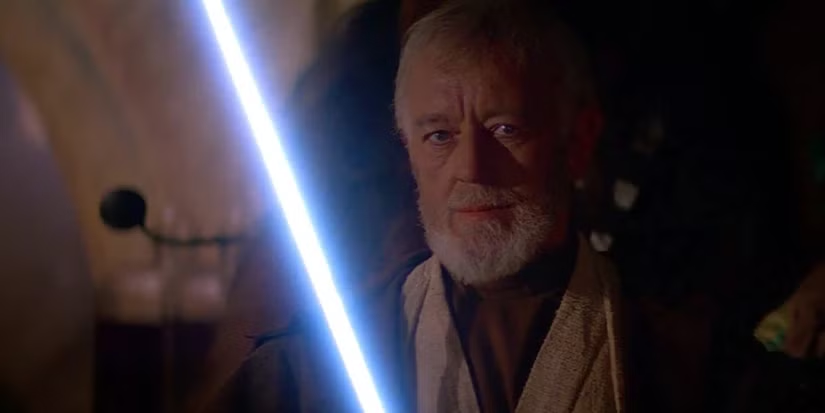
By the end of Star Wars: Episode IV – A New Hope, Luke Skywalker (Mark Hamill) has lost almost everything familiar to him. His aunt and uncle are dead, Obi-Wan Kenobi sacrificed himself aboard the Death Star, and for the young hero, the galaxy suddenly feels much larger and far more dangerous than it did back on Tatooine. Right before Luke steps fully into that uncertain future, Obi-Wan leaves him with one final reassurance:
“The Force will be with you. Always.”
More than three decades later, that line still feels like the emotional thesis for all of Star Wars. Not because it sounds cool, and not because fans have repeated it endlessly over the years, but because it perfectly captures what the franchise has always been trying to say underneath the space battles and mythology. Star Wars has never really been about winning wars: it’s about holding onto hope when everything around you tells you not to.

A lot of iconic movie quotes survive because they are attached to spectacle. They come from explosive reveals, or triumphant victories audiences never forget. Obi-Wan Kenobi’s line works for the exact opposite reason. The moment is quiet. Alec Guinness, despite his complicated relationship with the role, delivers “The Force will be with you. Always.” with the calm certainty that defines Obi-Wan throughout the original trilogy. He is not trying to hype Luke up before battle or deliver some grand speech about destiny. If anything, the line feels deeply personal. Obi-Wan understands Luke is terrified, overwhelmed, and stepping into a future he cannot possibly comprehend yet. Instead of filling the moment with exposition or philosophy, he gives Luke something simpler: reassurance.
That simplicity is exactly what gives the quote its staying power. The Force itself has become increasingly complicated over the decades as the franchise expanded through prequels, sequels, animation, books, games, and streaming series. This line cuts through all of that. It reduces the entire concept back down to its emotional purpose. The Force is not just power. It is guidance, faith, connection, and the belief that nobody is truly alone. The word “always” is what turns the quote from comfort into conviction. Obi-Wan is not promising Luke that things will become easy. He is telling him that even after loss, fear, and failure, the Force remains.
Part of what makes the line so powerful is how naturally it carries the full weight of Obi-Wan and Luke’s relationship. Luke barely has time to understand who Obi-Wan really is before he loses him, but this quote makes their connection feel permanent. It is the kind of reassurance that outlives the person who gives it. That matters because A New Hope is filled with characters trying to keep moving after unimaginable loss. Leia (Carrie Fisher) loses Alderaan and still leads. Luke loses his family and still chooses the Rebellion. Obi-Wan loses almost everything long before the film begins, yet he still believes enough to guide someone else forward. “The Force will be with you. Always,” captures that entire emotional pattern in one sentence.
It also reflects something unique about why Star Wars has endured for so long across generations. Science fiction franchises often become consumed by lore escalation. The stakes grow larger, the mythology becomes denser, and eventually the emotional center starts getting buried underneath continuity. Star Wars survives those shifts because moments like this keep anchoring the franchise in human emotion. No matter how massive the galaxy becomes, the series always circles back to connection, and people trying to believe that light can survive long enough to be passed on.

Over the years, Star Wars has produced bigger speeches, darker moments, and more technically impressive scenes than Obi-Wan’s farewell to Luke. Entire generations grew up with different versions of the franchise defining what Star Wars meant to them personally. Yet Obi-Wan’s line still feels untouchable because it captures the series at its emotional purest. At its best, Star Wars has always been about people choosing hope in situations that feel hopeless. The franchise works because it understands optimism is not naive, it is difficult. Sometimes survival itself becomes an act of faith. “The Force will be with you. Always,” distills all of that into six simple words.
Thirty-three years later, the line still lands because it feels bigger than nostalgia: it feels timeless. Even after countless sequels, spin-offs, animated series, and streaming expansions, that quote remains the clearest expression of what made Star Wars matter in the first place. Somehow, in a franchise filled with lightsabers, Death Stars, and one of the greatest villains in movie history, the line that still hits hardest is simply Obi-Wan promising Luke he will never truly be alone.

May 25, 1977
121 minutes
George Lucas
George Lucas
Gary Kurtz, Rick McCallum
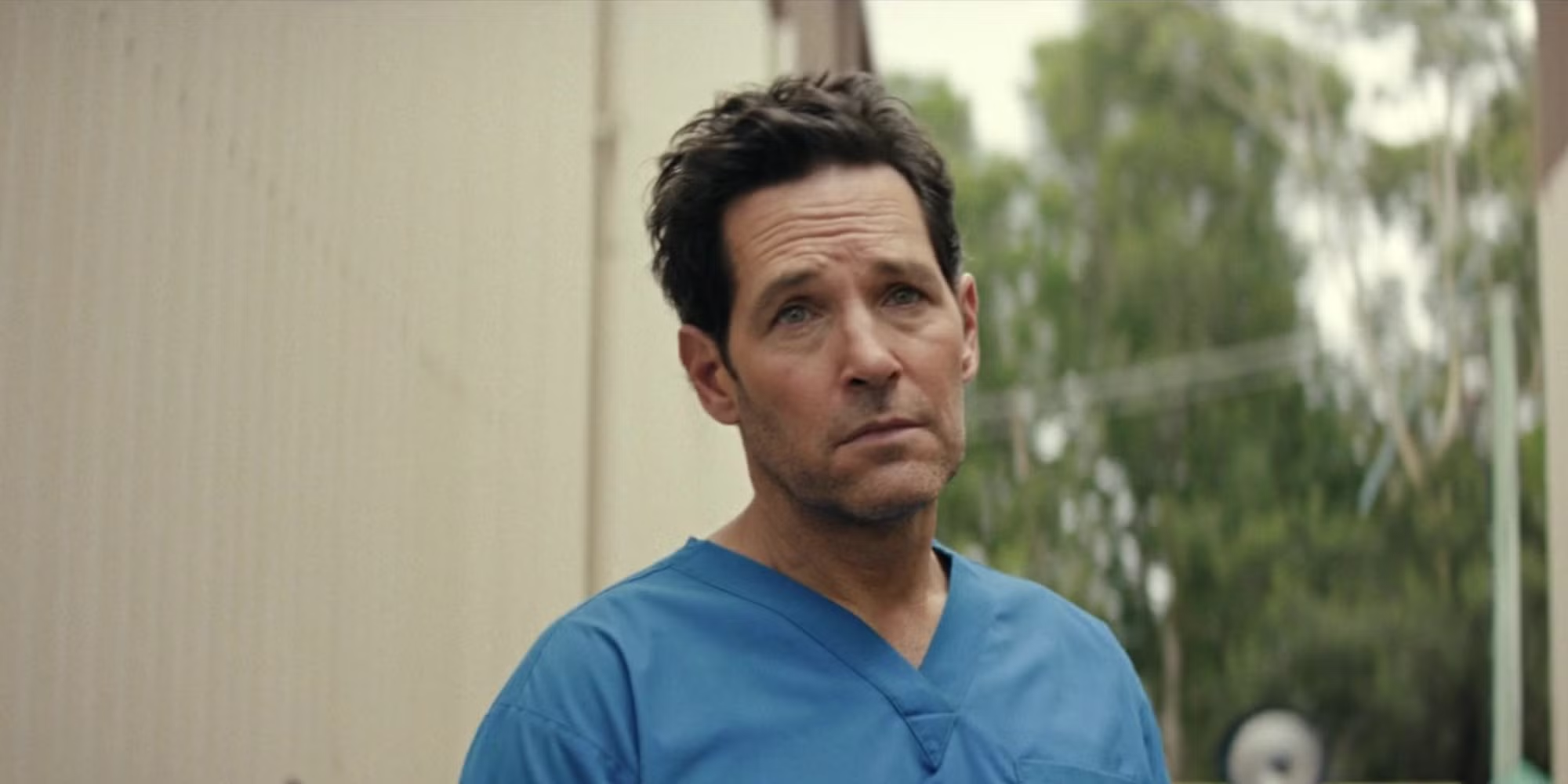
There is something deeply refreshing about a movie that knows exactly how ridiculous it is and fully commits to the bit anyway. Modern studio blockbusters have developed a habit of sanding down their weirdest edges in favor of franchise setup, lore management, and self-serious spectacle, but Anaconda goes in the complete opposite direction. The 2025 reboot throws audiences directly into giant snake attacks, jungle chaos, and escalating panic almost immediately, then spends the next 99 minutes making sure things only get stranger from there. Somehow, that commitment to pure creature-feature energy has turned the Sony film into one of the biggest hits currently on Netflix.

While Peacock is largely known as the streaming home for NBCUniversal‘s shows and movies, the streamer does also make its own scripted content. It has occasionally landed hit shows like Bel-Air, Those About to Die, and The Day of the Jackal. However, there hasn’t been a true hit since the latter premiered in 2024. But as fans of The Day of the Jackal await Season 2, Peacock has released another crime series that has already taken over the platform.
Despite mixed reviews, the thriller is the top show on Peacock, dethroning the reality shows that largely dominate the streamer. With a 67% rating on Rotten Tomatoes, the show has elicited mixed reactions from critics, with many noting that it works if viewers don’t question the story too much. However, many have praised its lead actor, Shannon Gisela, for her powerful performance even when the material drags her down. Collider’s Jessica Toomer was one of the critics who appreciated Gisela, calling her “the kind of discovery that makes the lulls bearable, and the highs feel earned.”
M.I.A, as the series is called, was created by Ozark‘s co-creator Bill Dubuque. As a result, it features some of those qualities that made Ozark a hit, but they don’t land as well in Florida. “M.I.A. is at its best when it stops trying to be Ozark and lets itself be Ozark‘s sweatier, more deranged cousin,” Toomer wrote. ScreenRant‘s Sean Morrison said in his review that it felt like the best parts of M.I.A are yet to be realized and may need more seasons to fully land. “For now, M.I.A. is still finding itself,” he wrote. Sherin Nicole of RogerEbert echoed these sentiments, noting that the show “makes you feel very little about these characters and their struggles.”
The series is a revenge thriller focusing on Gisela’s character, Etta Tiger Jonze. She comes from a drug-running family, but when the negative consequences of that line of work catch up with them, and her family is killed, Etta embarks on a revenge mission in Miami’s neon-lit crime underbelly. While critics were not impressed by the storyline’s development, they praised the show’s ability to capture the Miami vibe that made Miami Vice and Dexter feel authentic, with Dexter‘s writer, Karen Campbell, serving as executive producer and showrunner. Other cast members include Cary Elwes, Danay Garcia, Brittany Adebumola, Dylan Jackson, Alberto Guerra, Maurice Compte, Gerardo Celasco, and Marta Milans.
All episodes of M.I.A are available to stream on Peacock in the U.S. Stay tuned to Collider for more updates.

May 7, 2026
Peacock
Karen Campbell
Alethea Jones, Benjamin Semanoff, Gwyneth Horder-Payton, John Dahl, Mairzee Almas
Bill Dubuque, Karen Campbell

Shannon Gisela
Etta Tiger Jonze

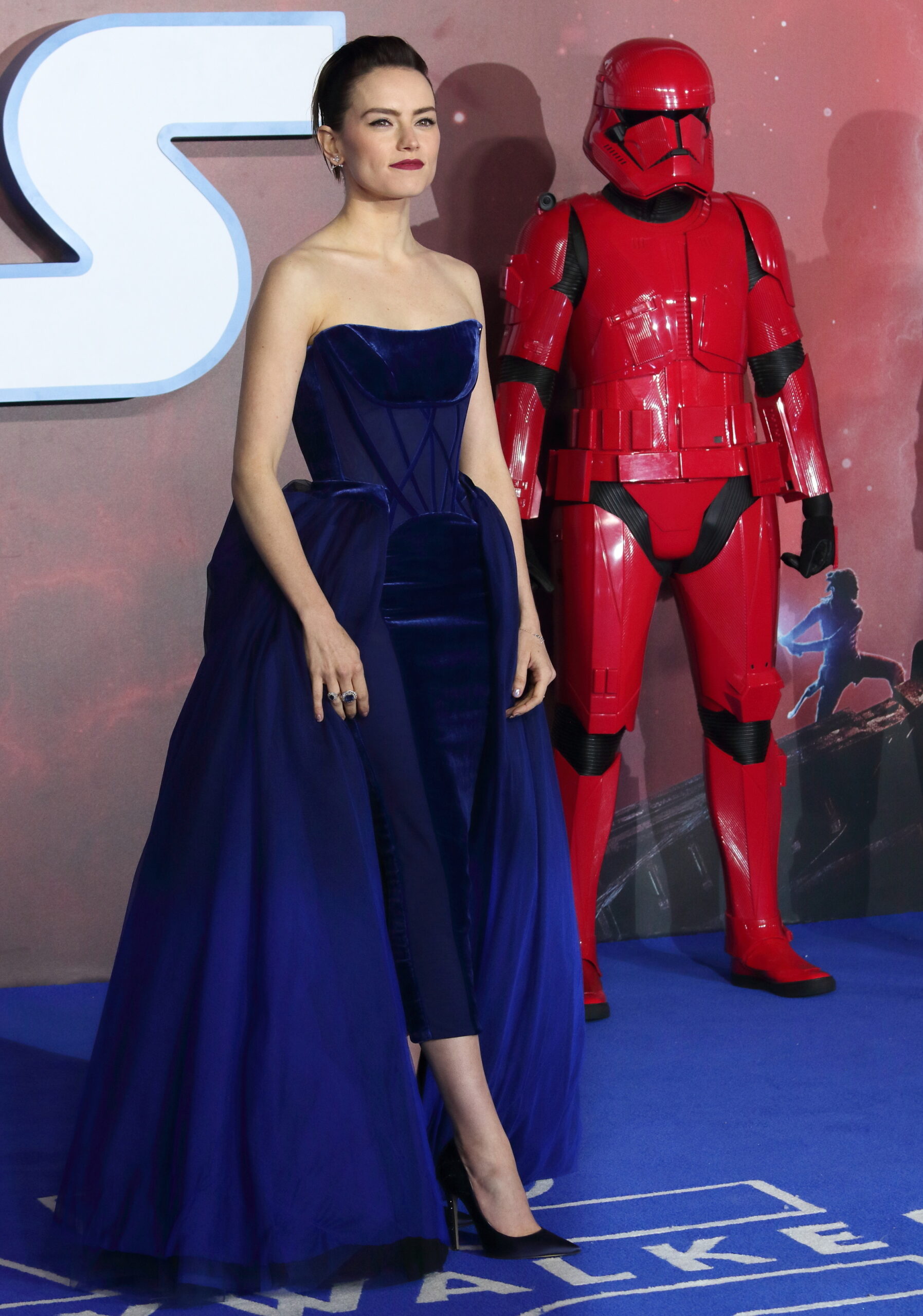
Actress Daisy Ridley may best be known for her role as Rey in the “Star Wars” sequel trilogy, but she has appeared in countless movies spanning a wide range of genres. She appeared in the 2017 mystery film “Murder on the Orient Express” and played the titular Ophelia in the 2018 film of the same name. She had a lead role in the 2021 science fiction film “Chaos Walking” and played Gertrude Ederle in the 2024 biological drama “Young Woman and the Sea.” In January, she stepped into a zombie horror film when “We Bury The Dead” was released in theaters.
WARNING: Spoilers below.
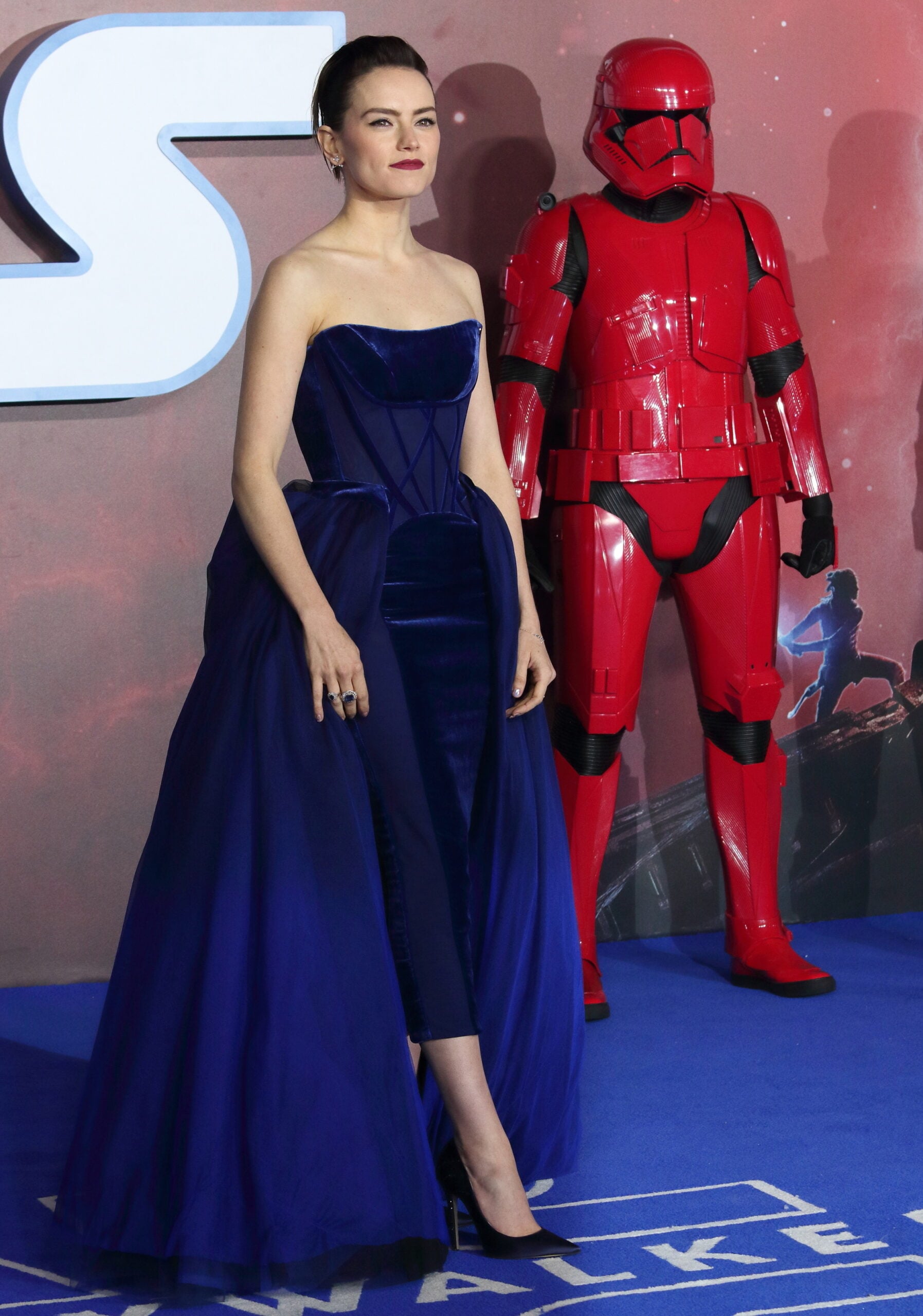
The movie opens with text across the screen that reads, “Somehow, Palpatine returned…”
No, but could you imagine? One would have thought that Ridley would have had enough of zombies after she defeated a resurrected Palpatine in 2019’s “The Rise of Skywalker,” which was a movie so terrible that Disney pulled the plug on all future theatrical releases until “The Mandalorian & Grogu” – a spin-off of a three-season TV show on Disney+ – hits theaters later this month.
But “We Bury The Dead” isn’t so much a zombie movie as it is a commentary on grief and closure. The movie opens after the United States accidentally detonates an experimental weapon off the Eastern coast of Tasmania. Considering the current state of politics, this is a funny bit in a movie that provides very little comedy.
Speaking of funny, it was definitely an interesting choice to have Daisy Ridley’s character, Ava, play a “yank,” as she’s often referred to throughout the film, with a lackluster American accent that doesn’t go over as well as one might think. Whether American, British, or even Australian, where she’s from doesn’t have much bearing on the film.
Ava travels to the area as part of a body retrieval unit and is partnered with Clay, another volunteer who, we later find out, is volunteering to prove to his wife and daughter that he’s not as selfish as they think he is. But Ava has an ulterior motive for joining the program: her husband Mitch works in “renewable energy,” and a company retreat put him right in the detonation zone.
I don’t know what American renewable energy companies send their employees to Tasmania for a work retreat, but here we are.
Regardless, Ava is desperate to find him. He’s probably dead, but there are rumors that some of the dead are becoming undead, although they mostly just stare and grind their teeth in a way that would make a dentist cringe. The zombies only become speedy and violent when the plot needs them to, and let’s be honest, the plot doesn’t really need them to. Most of the time, they don’t end up doing anything besides staring and gnashing their teeth.
Clay and Ava get separated on her quest to get to her husband’s hotel when a soldier – Riley – shows up. Riley locks Ava in a room for hours while he “questions” Clay and then comes back to tell her that Clay ran away. Clay does seem like the kind of guy who would run away, but Riley also seems like the kind of guy who would take him out back and shoot him, so either way, Ava’s not in a great position.
And she gets in a worse position when Riley offers her a lift. With little other option, she gets in his jeep, only for him to drive her to his wife’s childhood home and cook her dinner. He then asks Ava to put on Katie’s clothes and perfume and dance with him before he will take her to her destination. For whatever reason, Ava agrees to this. Things get creepy, and then Riley gets expectedly violent when he realizes Ava didn’t take off her wedding ring, as requested.
She rushes upstairs only to find that his zombified wife is pregnant and chained to the bed. She escapes out the window only to find even more undead chained up together in his barn. He claims the dead who come back have “unfinished business” and that his wife came back because she still plans to give birth to their child.
Yup. Okay.
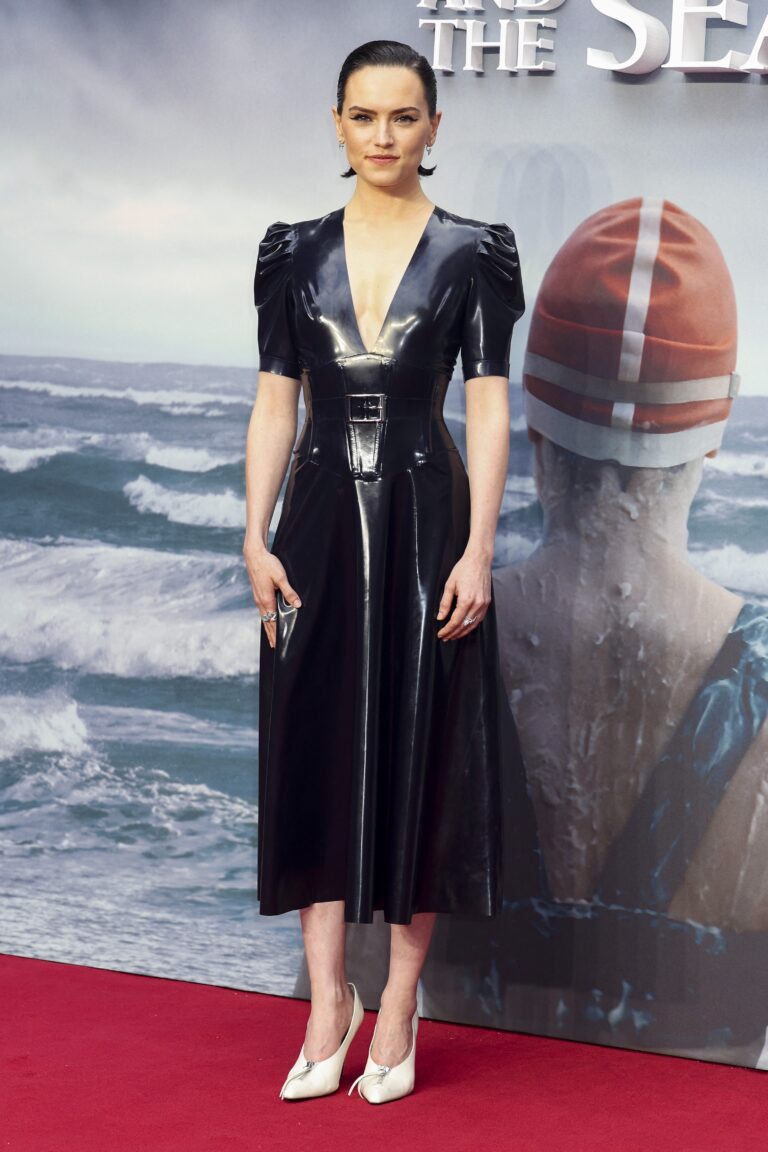
As expected, Ava kills him and escapes. Katie somehow also got unshackled from the bed and makes her way outside, somehow, but Ava just bolts out of there and continues her quest to find her husband. She eventually reaches the hotel where he’s staying and finds him in his room – I guess this is the only and only hotel in the world where rooms don’t have locked doors? – only to find evidence that her husband had been having an affair.
Flashbacks scattered throughout the movie hinted that they had been having marital problems, but it isn’t until Clay shows up – somehow – that Ava explains that she grew frustrated after being unable to conceive a child, and so she had an affair right before he left on this business trip. It’s not clear how long he’s been having an affair for, or if it was a one-night stand, but either way, Ava’s pretty upset that he won’t become undead and apparently doesn’t consider her “unfinished business.”
She and Clay get drunk and have a pool party – because why not? – which is interrupted when a zombie comes in. She smashes its head open with what looks to be a wine bottle, which is the bloodiest she gets throughout the entire film. She later wakes up in bed next to Clay and decides to give Mitch a ship burial after getting inspired by a painting of a Viking burial on the wall.
On their trip back north, they stop their car when they see Katie standing in the middle of the road. Ava sees her bloody clothes and rushes off to some stone ruins, where she hears the sounds of a baby crying. That’s right. Katie gave birth in the middle of a field, then stopped in the middle of the roadway, hoping someone would stop, get out of their car, and find her bundle of joy, who is somehow completely healthy.
Zombie Katie just walks off down the road, and Ava picks up the baby, seemingly delighted that she’s finally getting to be a mom, although it’s not really clear whether she wanted to be a mom or just to start a family with Mitch. The flashbacks only hint that the tensions in their marriage were due to her infertility, and it’s not clear how much Ava actually wanted to be a parent.
Maybe it’s supposed to end on a hopeful note, but it really just falls flat. After initially describing it to a friend as a “weird, weird, weird, movie,” I did what anyone would do and typed the name of the film into Google, where I came across a few Reddit boards asking, “WTH did I just watch?”
Honestly? Same. As a “Star Wars” fan, I was drawn in by Daisy Ridley. As a zombie movie fan, I was drawn in by the premise. It seemed very similar to Colson Whitehead’s 2011 novel “Zone One,” which follows a character named Mark Spitz clearing the last “straggler” zombies from NYC after a pandemic.
This was not that. “We Bury The Dead” seems more like a test of what people will go through in order to find closure, but it’s muddled by the ending and the reveal that Mitch is also having an affair. She cheated on him, he cheated on her, and then he died, and she risked her life trying to find a man who she knew was already dead.
The movie would have been better if it had featured Ava walking into the hotel room, finding Mitch’s body, and then slowly closing the door behind her before the screen faded to black. Does he reanimate? Does he stay dead? Does she get closure?
It would be incredibly ironic for a film about a character finding closure to then not give the audience the same. I’m a fan of ambiguous endings, but if 2025’s “A House of Dynamite” taught me anything, it is that most people are not.
The current ending doesn’t provide much closure, but at least Ava does find a baby. Does she head back to America with it? Does she stay with Clay? And how did he actually give Riley the slip and then somehow make it to the same hotel about ten minutes after Ava when they were separated for days?
“We Bury The Dead” doesn’t give you any answers. It just buries them.
Daisy Ridley, Brenton Thwaites, and Mark Coles Smith star in Zak Hilditch’s zombie horror “We Bury The Dead,” which is now streaming on Hulu.

After seemingly coming to an emotionally poignant close in 2023, with the titular soccer coach back in Kansas, Ted Lasso is ready to make a heartwarming comeback later this year, when the fourth season debuts on Apple TV on August 5. Jason Sudeikis‘ wise Ted is about to face his biggest challenge yet, as Season 4 sees him coaching a second division women’s football team, with the mens’ team left in the capable hands of Brett Goldstein‘s Roy Kent.
All your favorite faces will be back alongside Sudeikis and Goldstein for Ted Lasso Season 4, including Hannah Waddingham as Rebecca Welton, Juno Temple as Keeley Jones, Brendan Hunt as Coach Beard, and Jeremy Swift as Leslie Higgins, with new faces joining the cast including Tanya Reynolds of Sex Education fame, Jude Mack, Andor‘s Faye Marsay, Rex Hayes, Aisling Sharkey, Abbie Hern, and Grant Feely. The return of Ted and the gang can’t come soon enough, but thankfully, Netflix has your wholesome sports series requirements filled in the meantime.
At the time of writing, the second season of Netflix’s answer to Ted Lasso, Running Point, is one of the ten most-streamed shows on the platform worldwide. It was recently reported that the show had earned over 25 million hours viewed in its first week since returning, before showcasing its staying power with a jump to 32 million hours viewed in its second week, which roughly translates to 6.7 million total views. In the past week, Running Point has hit an inevitable decline as newer shows make their streaming splash, including the hit true-crime docuseries Should I Marry A Murderer? and the must-watch crime thriller Man on Fire starring Yahya Abdul-Mateen II.
Following her recent Academy Award nomination for Song Sung Blue, the brilliant Kate Hudson is back for Running Point Season 2 as Isla Gordon, the unlikely appointee as President of her family business, the LA Waves basketball team, following her brother’s entry into rehab. Hudson is joined by an eye-catching second-season cast, including Brenda Song, Chet Hanks, Fabrizio Guido, Scott MacArthur, and Justin Theroux, with guest stars including Max Greenfield, Ray Romano, Ken Marino, and Nicole Sullivan.
The perfect Ted Lasso replacement, Running Point, is a global streaming hit on Netflix. Make sure to stay tuned to Collider for all the latest streaming stories.

February 27, 2025
Netflix
Michael Weaver, James Ponsoldt, David Stassen, Thembi Banks


For eight years, The Handmaid’s Tale was one of the finest shows on Hulu. Tapping into some very real fears in our modern world, via Margaret Atwood‘s acclaimed novel, the show took viewers on a terrifying, deeply dramatic journey as June Osborne (Elisabeth Moss) quietly fought for justice against a totalitarian regime. After the end of the show’s hugely popular last season left a hole in viewing habits, Hulu capitalized, recently releasing the coming-of-age sequel series The Testaments, featuring the breakout star of One Battle After Another, Chase Infiniti.
Looking to bring their own slice of dystopian, gender oppression drama to the streaming catalog, Netflix jumped on this niche bandwagon with the recent release of Unchosen, the tale of a mother living in the shadow of a conservative Christian cult, who finds an unlikely path to freedom through an escaped convict. The series is stacked with talent, in an ensemble led by Molly Windsor. The Julie Greary-created series also stars the likes of Fra Fee, Asa Butterfield, Siobhan Finneran, Christopher Eccleston, Alexa Davies, Olivia Pickering, and Rory Wilmot.
Making its debut late last month on April 21, Unchosen has quietly proven a streaming favorite across the world, earning an impressive 10.4 million views in just six days. The series has topped the Netflix charts in over 69 nations worldwide, even hanging onto the top spot in 38 countries heading into its second week. At the time of writing, as the show’s third week continues, Unchosen is still one of the five most-streamed shows on Netflix in the world, with that list currently topped by the crime thriller Man on Fire.
Although there is no official word on a second season for this popular new series, there is hope that strong viewing figures will help make Netflix’s decision for them. In a previous conversation with Collider, star Fee expressed his hope that the show can continue, and even hinted that showrunner Greary has plans for the show’s future. “Like anything, if you know these shows, if it’s a big success, you know they’ll want to carry it on,” Fee said, adding, “and I think Julie probably has some ideas up her sleeve already.”
Stay tuned to find out if Unchosen is renewed on Netflix. Follow Collider for all the latest streaming stories.
The Real Housewives of New Jersey alum Jennifer Fessler has offered an unexpected apology over an Instagram post in which she denied hooking up with Summer House’s West Wilson.
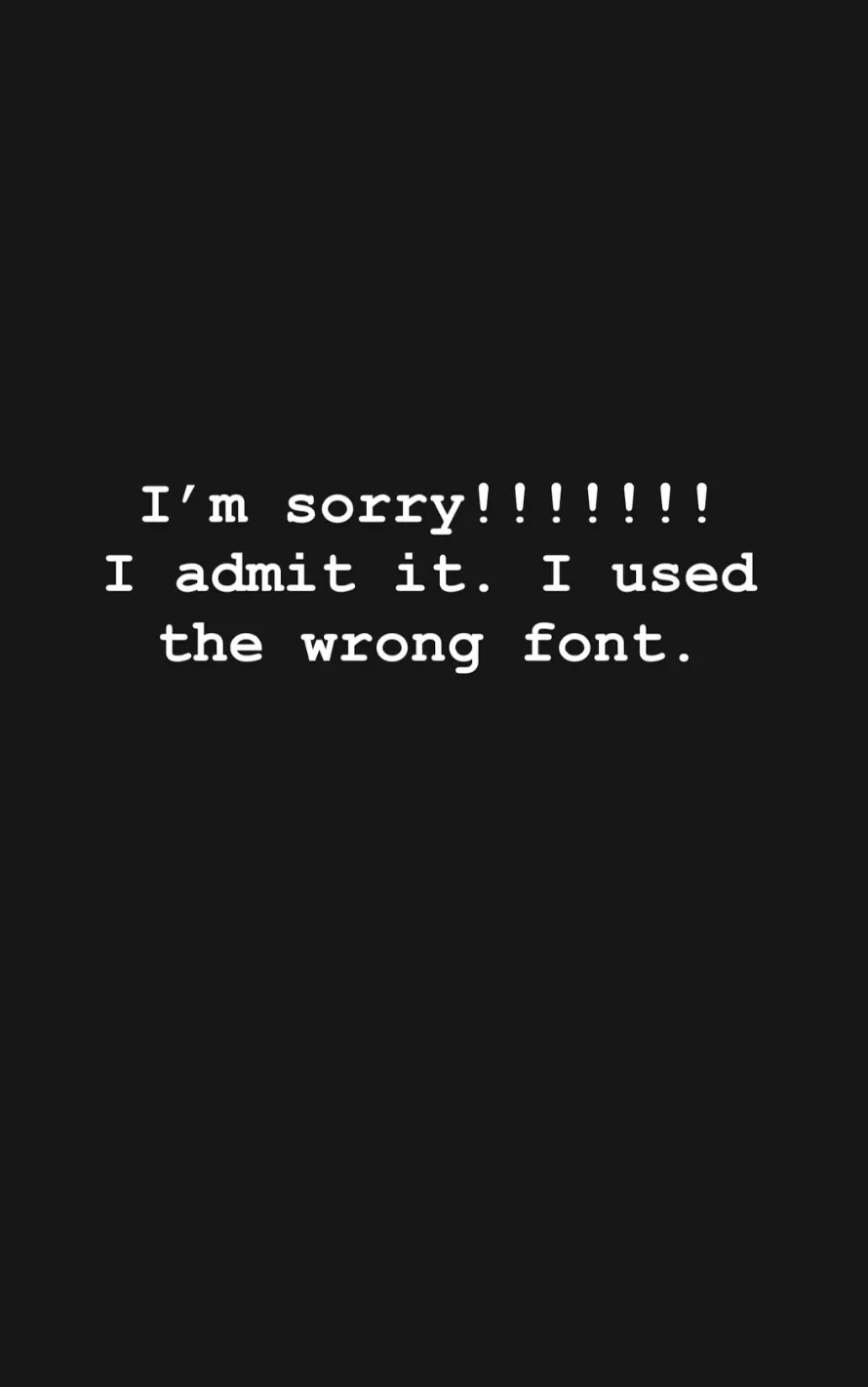
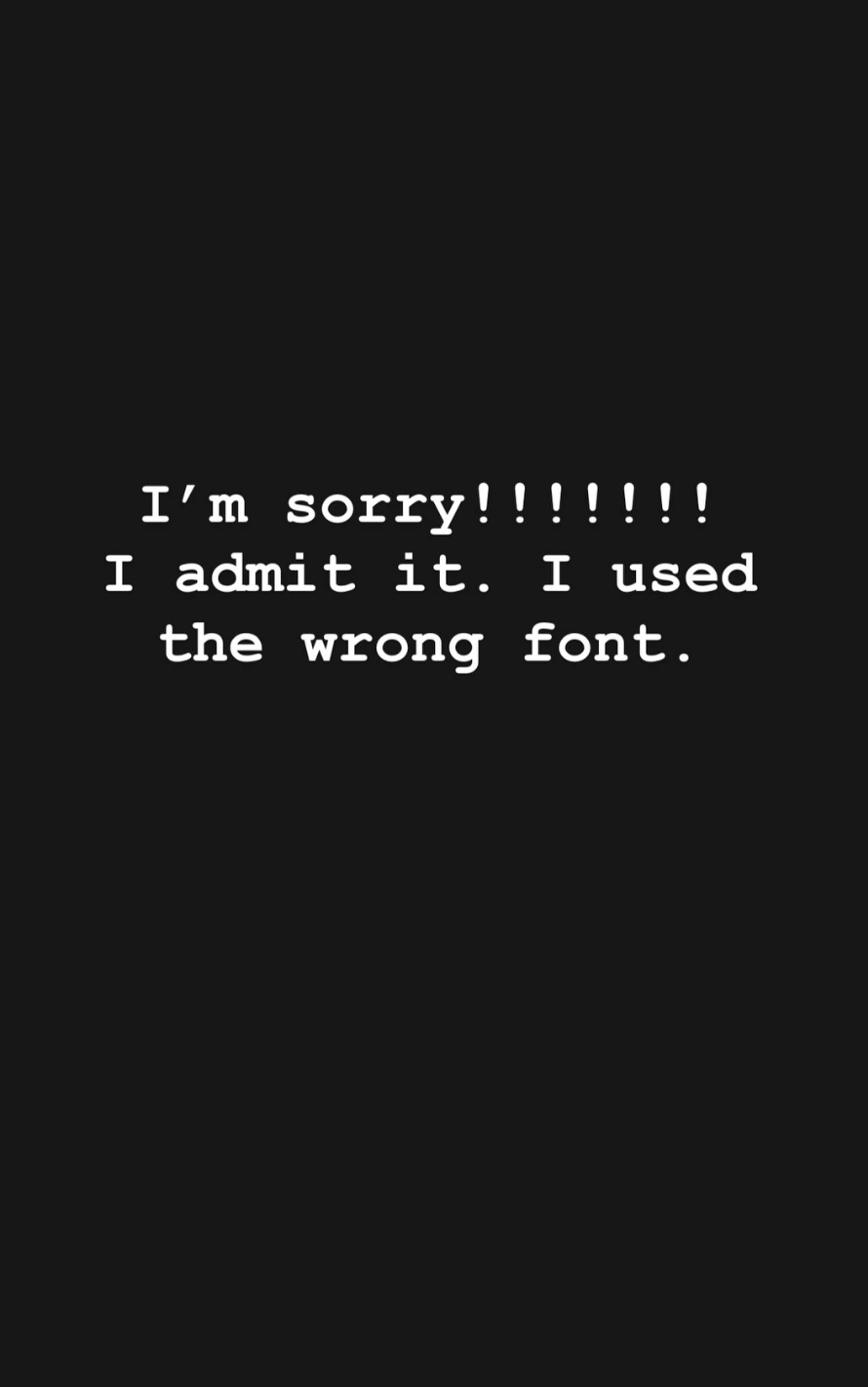
“I’m sorry!!!!!! I admit it,” Jenn, 57, wrote via Instagram on Saturday, May 9, before clarifying, “I used the wrong font.”
Earlier in the day, Jenn released a strongly-worded denial over speculation about her relationship with West, 31, following his girlfriend Ciara Miller claiming that the two hooked up in the past.
“In all seriousness, and while I can’t help but be a little flattered, it is not nice nor is it OK to post something categorically untrue and defamatory on social media,” , wrote via her Instagram Stories on Saturday, May 9. “Regardless of whatever rumors or apparent ‘evidence’ led you to that conclusion, that is the definition of libel.”
The statement continued, “If it were true, I would have no recourse. Because it’s a lie, this can get more complicated. Having said that, I hope we can rectify this. It’s enough now.”
Aside from the content of the post, Bravo fans were annoyed about the cursive-style font that Jenn used for the message and apparently let her know about it.
The former Real Housewives of New Jersey star unexpectedly ended up in the middle of the drama over West’s newfound relationship with Summer House costar Amanda Batula earlier this week. On March 31, Amanda and West confirmed they were exploring their “connection” mere months after Amanda announced her separation from her estranged husband, Kyle Cooke.
The Real Housewives of New Jersey star Jenn Fessler is weighing in on her viral video with “Messy Wessy” — otherwise known as Summer House star West Wilson. “I posted that really quickly. I should have thought that through,” Jenn, 53, told Us Weekly exclusively. The Instagram video, posted on Wednesday, May 29, showed West, […]
Jenn stuck up for West during an interview on the red carpet of Vulture‘s The Masterminds of Reality TV event in New York City on Thursday, May 7.
“[West] is the cutest, sweetest golden retriever puppy dog. He does not mean any harm. He didn’t mean it,” Jenn said on the red carpet on Thursday, May 7. “He’s just trying to have a good time. He doesn’t wanna hurt anyone. Give him a break.”
Ciara, 30, responded to a clip of Jenn’s comments with a shocking allegation, writing, “Lol, because they slept together too.”
Jenn initially responded to Ciara’s accusation with a light-hearted statement to Page Six on Friday, May 8, saying, “It’s flattering that anyone would think someone who slept with Ciara Miller would be interested in sleeping with me.”
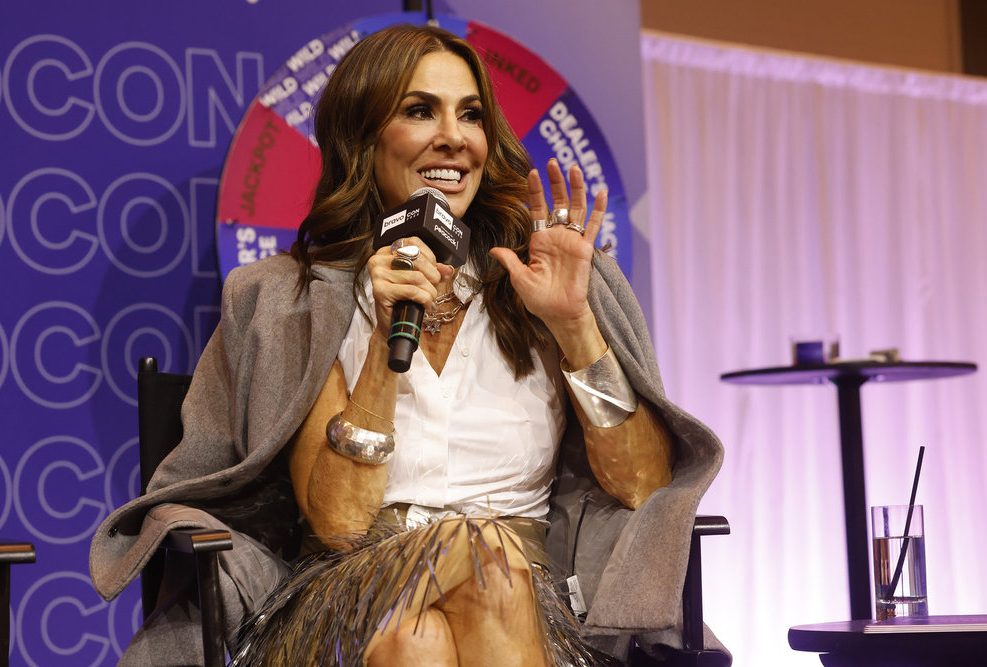
Jennifer Fessler in November 2025. Gabe Ginsberg/Bravo
West also tried to brush off the drama with an Instagram Story where he said the hookup rumors were “news to me.” A source close to West exclusively told Us Weekly that Ciara’s allegation was “absolutely not true,” dismissing it as “such a silly accusation.”


Ciara subsequently doubled down on her accusation by sharing a Summer House photo of Amanda via Threads, along with the cryptic caption, “If I send this to you I’m about to lie straight to your face.”
In the wake of Ciara’s accusation, Jenn’s recent Instagram post in honor of her 27th wedding anniversary has resurfaced and raised eyebrows. (Jenn has been married to her husband, Jeffrey Fessler, since 1999 and they share two children, son Zachary and daughter Rachel.)
“Happy 27,” Jenn wrote to Jeff via Instagram on April 10. “You could sleep with West or Amanda and I’d still stay!”
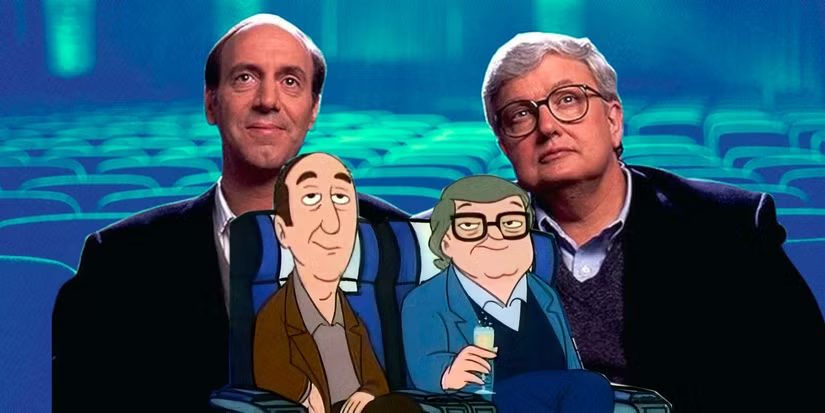
Roger Ebert and Gene Siskel are often considered to be among the top tier of film critics, particularly their TV series At The Movies (originally known as Siskel & Ebert & the Movies). The duo was known for their scathing sense of humor when it came to their reviews, along with their famous “Thumbs Up/Thumbs Down” system (long before Rotten Tomatoes was a thing). In all that time, Ebert and Siskel never reviewed a television series — except for one major occasion. That review was for the short-lived animated series The Critic, which was ironically about a movie critic’s life.
Created by Al Jean and Mike Reiss, The Critic follows New York movie critic Jay Sherman (Jon Lovitz). Much like Siskel and Ebert, Sherman hosted his own television series where he delivered takedowns of movies — most of them parodies of popular or classic films. He even had his own catchphrase: “It stinks!” But what did Siskel and Ebert think of the show? The answer’s a bit complicated.
Siskel and Ebert would review the first three episodes of The Critic, and their initial reactions were mixed. Siskel felt that The Critic had far fewer memorable characters than The Simpsons, which Jean and Reiss previously worked on. Ebert, on the other hand, felt that the show should focus on Jay’s job rather than his personal life. But the mix of Jay’s personal and professional life is what makes The Critic such a great watch. His interactions with his friends led Jean and Reiss to provide commentary on Hollywood, and he was a single father — a rarity in a sitcom, let alone an animated one.
Once Season 1 of The Critic found its groove, Ebert would eventually write a glowing review on his website. He thoroughly enjoyed it, saying that it was “impossible” not to like Jay, while praising executive producer James L. Brooks‘ work in balancing the show’s humor with character development. Ebert even delivered one of his signature witty observations regarding the pilot, which opens with a beautiful actress turning on Jay after he negatively reviews one of her movies: “In real life (in my experience of it, anyway), critics are never offered bribes for good reviews, and never wind up in bed with movie stars.”
It might have taken Siskel and Ebert a while to warm up to The Critic, but no one could have predicted that the duo would actually guest star on the series. In the Season 2 episode “Siskel & Ebert & Jay & Alice,” Jay gets invited to the Academy Awards alongside a select group of critics that includes Siskel and Ebert. But Siskel and Ebert get into a fight on the trip back, and eventually split up; Jay tries to partner with both of them before seeing how much they miss each other, and decides to repair their friendship.
Siskel and Ebert fully lean into the humor of The Critic, riffing on the fact that Jay ripped off the climax of Sleepless in Seattle to bring them together. It’s no wonder Jean and Reiss consider this to be one of their favorite episodes of The Critic.

The Critic weathered some rough storms during its brief run; it moved from ABC to Fox, and a crossover with The Simpsons led to series creator Matt Groening denouncing said episode. It was cancelled after two seasonsbut earned a reappraisal years later. Even the cast loved it! Maurice LaMarche, who provided a multitude of voices for The Critic, says that it and Pinky and the Brain were two of his favorite projects. Lovitz had a similar reaction when conducting an interview celebrating The Critic‘s 30th anniversary:
It’s very flattering, but at the same time, it’s frustrating, because I wish the show would have kept going. It was a hit show, and they just canceled it. So it’s one of those regrets, like: What would five years’ worth of shows that should have been, instead of just 23 [episodes], look like? I’ve been trying to do it again ever since, and they tell me it’s complicated.
The Critic, along with Siskel and Ebert’s work, helped shed light on how film criticism really worked. It’s rather fitting that it was the only TV show they ever reviewed and guest-starred in.
The Critic is available to stream on Tubi in the U.S.

1994 – 2001-00-00
Bret Haaland, Lauren MacMullan, Alan Smart, Rich Moore, Dan Jeup, Brian Sheesley, David Cutler, Steven Dean Moore, Susie Dietter, Chuck Sheetz
Jon Vitti, Steve Tompkins, Ken Keeler, Patric M. Verrone, Tom Brady, Jennifer Ventimilia, Joshua Sternin, Steven Levitan, Max Pross, Nell Scovell

Jon Lovitz
Jay Sherman (voice)
Christine Cavanaugh
Marty Sherman (voice)

November 2023 saw the debut of A Murder at the End of the World, starring Emma Corrin as amateur detective and true crime writer Darby Hart. When the series begins, Darby is invited to a mysterious billionaire’s private retreat at a remote hotel in Iceland. What begins as a thrilling opportunity, however, soon turns unexpectedly deadly. The OA creators Brit Marling and Zal Batmanglij craft a shocking yet oddly intimate modern take on the traditional murder mystery, making A Murder at the End of the World the perfect weekend binge.
Shortly after the publication of her first book, Darby is invited to a retreat hosted by tech billionaire Andy Ronson (Clive Owen). She’s joined by a diverse group of celebrities, artists, activists, and inventors, including city architect Lu Mei (Joan Chen), doctor Sian Cruz (Alice Braga), and filmmaker Martin Mitchell (Jermaine Fowler). Ronson’s retreat aims to bring this eclectic collective of original thinkers together to find solutions to the climate crisis. Also at the retreat is Ronson’s wife, the once-famous hacker and Darby’s personal idol, Lee Andersen (Marling), and their young son, Zoomer (Kellan Tetlow). Darby’s ex-boyfriend, Bill Farrah (Harris Dickinson), even joins the retreat later on for vague reasons. However, Darby’s luxurious getaway quickly becomes a nightmare when someone in the group is murdered, and it’s up to this amateur sleuth to figure out why before the killer can strike again.

There’s a ‘Babygirl’/’Nosferatu’ Team-Up You Probably Didn’t Know About
This FX murder mystery stars both Harris Dickinson and Emma Corrin.
The series’ cast is fantastic, made up of interesting, well-rounded characters that modernize the classic whodunit. Owen plays Ronson with intriguing charisma and cunning aloofness, somewhere between Steve Jobs and Elon Musk. Meanwhile, Corrin brings both an extraordinary relatability and distinctive punk-rock energy to their performance, creating a compelling Gen Z update for the classic detective protagonist.
A huge part of what makes A Murder at the End of the World so exciting is the show’s primary setting, with the title itself referring to Ronson’s remote hotel in Iceland. Its eerily secluded location, far from civilization, makes it the perfect setting for a murder mystery, and the state-of-the-art fortress also houses Ronson’s new digital AI assistant, Ray (Edoardo Ballerini). The high-tech environment highlights how the more intimate sense of humanity gets lost amid new and improved digital comforts.
Early in the retreat, Ronson expresses his hope of solving the climate crisis while there is still time, estimating that catastrophic events will occur by 2050 — and giving dual meaning to the show’s title. The hotel comes to represent a type of sanctuary, which takes on a much more ominous definition after a murder occurs within its walls. While the series’ setting is awe-inspiring, lavish, and futuristic, it’s also hiding dark secrets of its own, making it the perfect location to solve a mystery.

A Murder at the End of the World‘s primary mystery unfolds in its present timeline, but Marling and Batmanglij opt for a twisty dual narrative with flashbacks to a previous case, which Darby eventually writes about in her first book, The Silver Doe. The flashback scenes also provide more context for Darby and Bill’s relationship, which often shares surprising parallels to the present-day mystery. At times, Darby’s “Silver Doe” case is just as, if not more, exciting than the investigation unfolding in Iceland.
Each episode of A Murder at the End of the World nicely escalates the tension and suspense, with a shocking reveal in the final act. Thanks to its format, the characters and their various subplots have more room to breathe than a typical murder mystery movie. As a result, Marling and Batmanglij’s series is more reminiscent of a complex novel with long chapters rather than a summary of the main bullet points, making the expertly crafted 7-part psychological thriller the perfect weekend binge.

For many Apple TV shows, a premature cancellation is rare. High-quality storytelling and proper endgames mean that most shows get to tell their stories to their natural conclusions. Still, some shows do suffer from external factors such as cast changes, production delays, and shifts in storytelling. The latter can be catastrophic when viewers realize that the product they currently have is not what they signed up for, and it can lead to decreased viewership, something that is becoming evident for one of Apple TV’s oldest shows.
The sci-fi drama has been one of the streamer’s top performers since it launched in 2019. The series was among the shows that introduced viewers to the fledgling service, which has since made a name for itself by delivering high-quality shows that have attracted award nominations and wins. Apple TV is also building its library, and competition is stronger than ever. This explains why the show in question, For All Mankind, is struggling to hold viewers’ attention seven years later.
The new season has underperformed on streaming, being overtaken by more popular titles like Your Friends & Neighbors and Monarch: Legacy of Monsters. The show is barely making the top five globally according to FlixPatrol’s streaming data, and in some countries where it used to perform well, viewers don’t seem as invested. In America, For All Mankind is ranked eighth at the time of writing, a sign that viewers prefer fresher offerings. Despite a 90% critics’ score on the review aggregator Rotten Tomatoes, viewers are not impressed with For All Mankind Season 5, giving it a mere 46% on the same site.
The score on Rotten Tomatoes is a clear sign that most critics were impressed by the show’s recent jump as it introduces new conflicts and characters. Collider’s Therese Lacson praised it for delivering a clean transition to the new generation. “As the show weaves together original characters with new arrivals, For All Mankind makes it clear that this is not only a multi-generational story, but one that thrives on the unlikely connections between people,” she wrote in her review of For All Mankind Season 5. Ben Gibbons called the season a “wonderful entry” in his review for Screen Rant while Katie Doll of CBR called it the “riskiest era” yet for the show, anticipating that “a lot of fans aren’t going to like [it].“
New episodes of For All Mankind Season 5 stream on Apple TV on Fridays. Stay tuned to Collider for more updates.

2019 – 2027-00-00
Apple TV
Sergio Mimica-Gezzan, Andrew Stanton, Meera Menon, Dan Liu, Allen Coulter, Craig Zisk, Dennie Gordon, John Dahl, Lukas Ettlin, Wendey Stanzler, Seth Gordon, Sylvain White, Michael Morris, Maja Vrvilo, Sarah Boyd
Ronald D. Moore, Matt Wolpert, Ben Nedivi, Bradley Thompson, David Weddle, Nichole Beattie, Joe Menosky







HarrisX Poll Found 52% of Registered Voters Support the CLARITY Act


Channel 5 – All Creatures Great and Small series 7 new post


Upbit adds B3 Korean won pair as Base token gains Korea access


Weekend Open Thread: Marianne Dress


Image AI models now drive app growth, beating chatbot upgrades

NCP car park operator enters administration putting 340 UK sites at risk of closure

Ignore market noise, India’s long-term story intact, say D-Street bulls Ramesh Damani and Sunil Singhania


Politics Home Article | Starmer Enters The Danger Zone


Olivia Wilde Reacts To Viral ‘Corpse’ Comparison


BlackRock Buys $284M In Bitcoin On May 1 As The Best Crypto To Invest In For 2026 Sits Below A Pending Binance Listing

IPL 2026: Gujarat Titans opt to bowl vs Punjab Kings; Nishant Sindhu handed debut | Cricket News

Kofi Kingston and Xavier Woods reportedly released by WWE along with others


Inter Milan Win Serie A Title After Victory Over Parma

Can LeBron James Lead LA Past OKC Without Injured Luka Doncic?


UAE Free Zone Deploys Blockchain IDs to Verify Registered Firms


Other Bennet Sister Love Triangle Cast: Ella Bruccoleri, Donal Finn
Every word of Arne Slot’s heated rant after Manchester United win vs Liverpool

Joel Embiid urges Sixers fans not to sell playoff tickets to Knicks fans


La Liga: Vinicius Jr scores twice as Real Madrid win to keep Barcelona waiting for title
Jennifer Lawrence’s Mary Jane Sneakers Are Spring’s It-Girl Shoe


You must be logged in to post a comment Login