

Politics
The Greens are neither populist nor popular

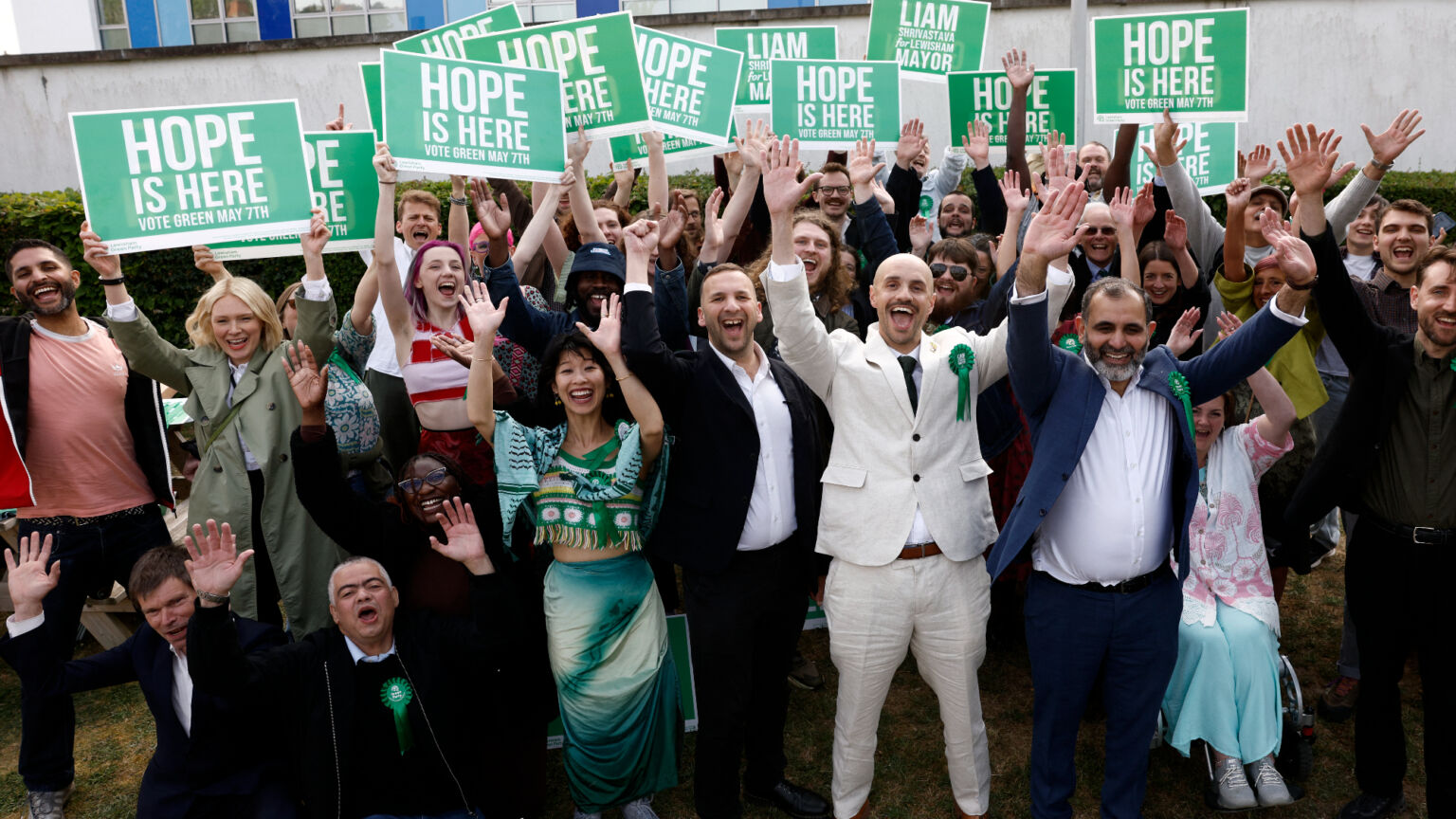
Thursday’s local elections have exploded one myth. The Green Party of England and Wales is definitely not riding a wave of popular support to power. It turns out that an obsessive loathing of Israel, combined with a vicious identitarianism and sixth-form ‘tax the rich’ slogans, is not quite the electoral elixir the Greens’ media cheerleaders would have had us believe.
Not that you would have known this in the lead-up to the ballot. For weeks and weeks, there had been breathless talk of a Green wave about to break across the nation. This had been accompanied by heady seat projections, with the Greens expected to pick up over 700 councillors in a one-on-one battle with Reform UK.
Amid the Green fluffing, the leader of the Green Party of England and Wales, the Walter Mitty-ish Zack Polanski, was everywhere, garnering ear-bleeding amounts of airtime and eye-watering puff profiles in The Times, the New Statesman and even, across the Atlantic, in the New York Times. The Greens, we were told, were always ‘rising’, ‘surging’, the right-thinking populist counterweight to Reform UK.
After the hype, the reality. The Greens have done relatively well in these elections, but achieved nowhere near what had been expected. They have recorded the second-most gains behind Reform, leaving them with 587 councillors. But that has still consigned them to fourth place overall, behind Reform (1,453), Labour (1,068), Lib Dems (844) and the Conservatives (801). Extrapolating from Thursday’s vote, Sky News gave the Greens a General Election vote share of just 13 per cent. Under the first-past-the-post system, this would translate into a meagre 13 seats out of 650 in the House of Commons. That’s not a wave, that’s a leaky soil pipe.
Even in London, which many had anticipated turning Green, Polanski’s crew underperformed. The Greens did win mayoral races in Hackney and Lewisham, but they have struggled in large swathes of London, from Ealing to Westminster. In both Hammersmith and Richmond upon Thames, the Greens actually lost all their councillors.
Their cheerleaders are no doubt blaming the Greens’ failure to live up to the pre-election hype on every leftist’s favourite bogeyman, the right-wing meeja – and, by association, their supposedly duped audience. They see all the negative coverage as little more than an orchestrated smear campaign. In their paranoid style, they cast the reports of the rampant anti-Semitism among election candidates, the criticism of Polanski’s police-bashing response to the Golders Green attack, and the revelations about Polanski’s CV embellishments (he was never, as he once claimed, a Red Cross spokesman), as all part of one big billionaires’ plot to discredit the self-styled radical left.
It’s true the Greens have received a rough ride in the media recently (and not just in the Telegraph or the Daily Mail). But journalists haven’t been victimising Polanski; they’ve been scrutinising him. They haven’t been smearing the Greens with accusations of anti-Semitism; they’ve simply been reporting evidence of anti-Semitism. That’s not a conspiracy – it’s called accountability.
The Greens’ problems – Polanski’s personal popularity ratings have plummeted in the past week – are of their own making. Over the past few years and especially since Polanski took the helm, they have turned themselves into a vehicle for identitarianism and ‘anti-Zionist’ Islamic sectarianism, leavened with Occupy-era slop about taking on the ‘one per cent’ and the ‘billionaires’.
As the local elections show, this paradoxical admixture has gone down well among certain constituencies – from the middle-class left, comprising students, under-employed graduates and affluent ‘progressives’, to large, concentrated Muslim communities. Hence the Greens have broken through in areas where those constituencies predominate. They’ve picked up councillors in the wealthy, university-dominated urban areas of Exeter, Reading, Manchester, Oxford and parts of London. And, thanks to their sectarian, anti-Israel posturing, they’ve done well in areas with large Muslim populations, such as Waltham Forest in North East London. In one telling moment in Burngreave, Sheffield, the victorious Green councillor, Mustafa Ahmed, interrupted the count to raise the Palestine flag and chant ‘free Palestine’. Quite how he will use his mandate in Sheffield City Council to affect Middle Eastern politics is unclear.
As Tony Travers, professor of political science at the London School of Economics, told the Financial Times on Friday, the Greens’ success is ‘very concentrated in a small number of cities and city centres’. But beyond those areas, beyond those constituencies, it seems Polanski’s Palestine and progressivism platform is about as appealing as a couple of hours in one of his nipple-focused hypnotherapy sessions. Especially since the mask-off moments of the past few weeks, with more than 30 candidates being investigated over anti-Semitism in an internal party probe, two London candidates arrested for ‘stirring up racial hatred online’, and Polanski himself seeming more concerned with the police’s treatment of the alleged Golders Green attacker than with his Jewish victims.
Indeed, the Green Party’s mutation into a tribune for decadent identity politics and Islamic sectarianism is even worrying some long-standing, senior Greens. Siân Berry, the Green MP for Brighton Pavilion, admitted on Friday morning that there had been ‘questions on the doorstep’ about the party’s response to anti-Semitism. And Caroline Lucas, the former leader and doyenne of the pre-Polanski Greens, called last week for ‘immediate action’ to be taken against the Greens’ anti-Semitic candidates.
This will be easier said than done – and not just because current deputy leader Mothin Ali has been threatening his own party with legal action if it tries to kick out those accused of anti-Semitism. The Green Party also owes its relative success over the past couple of years precisely to its embrace of ‘anti-Zionism’ and identity politics. This has pulled in hardline Muslims and middle-class Corbynistas, and with them, an inevitable undertow of anti-Semitism. Polanski can no more root out the Jew hatred in his party than he can turn away the party’s new support base. The source of their rise in the polls is also the source of their animus towards Jewish people.
Polanski and his party have made their bed, complete no doubt with a keffiyeh-pattern duvet and pillow set, and will have to lie in it for the foreseeable future. They will no doubt enjoy a significant measure of support from sectarian bigots and their middle-class, ‘progressive’ enablers for a fair while yet. The local elections have shown it works in some specific urban areas. But the Greens are alienating a great many Brits in the process – especially the working-class majority currently lending their vote to Reform.
If the elections have revealed one thing about the Greens, it’s that this now very nasty party is neither populist nor popular.
Tim Black is associate editor of spiked.



Portugal’s national team coach, Roberto Martínez, affirmed that Cristiano Ronaldo could be present at the 2030 World Cup, stressing that “no one should doubt” the team captain’s ability to appear in the next edition of the tournament.
Martínez’s remarks came during an interview with the Spanish radio station “Cadena SER“, where he explained that Ronaldo is currently preparing for the 2026 World Cup. This will be his sixth appearance in the history of the World Cup, a record he shares with Argentina’s Lionel Messi.
No one should doubt that. He deserves this,” Martínez said in his statement, referring to the possibility of the Portuguese star continuing until the 2030 edition, which will be co-hosted by Morocco, Spain, and Portugal.
On the international stage, the Portuguese captain has scored over 130 goals for his national team, cementing his status as the all-time top scorer in national team history, an unprecedented record.
The Portugal coach added that Ronaldo serves as an inspiring role model for young players, confirming that the technical staff sees him as an example of professional mentality and longevity, not just physical fitness.
Martínez continued, stating that Ronaldo is defined not by the titles he achieves or his daily routine, but by his constant “hunger” for development, noting that despite his great accomplishments, he maintains the same drive and desire to compete.
The legend of Ronaldo
Ronaldo holds a historic position in the World Cup, as he is the player with the most appearances in the tournament’s history, and he is the only player to have scored in five different editions of the World Cup, which further strengthens his exceptional international record.
Debate continues regarding the Portuguese star’s future with the national team, given that he is turning 41. However, Martínez’s statements reopen the door to the possibility of his career extending until the 2030 World Cup, by which time he will be 45 years old.
Cristiano Ronaldo has played 22 matches in his World Cup history, scoring 8 goals. The Portuguese star is looking to continue his career in the tournament to boost his tally of international appearances and pursue the record held by Argentina’s Lionel Messi, who tops the list of most World Cup appearances with 26 matches, in addition to scoring 13 goals across five editions of the tournament.
Featured image via Charles McQuillan/Getty Images
By Alaa Shamali


The 2026 World Cup will not just be another milestone in the history of the game; it could become the final chapter for some of the greatest stars who have left their mark on global football over the last two decades. While all eyes will be on the race for the title in the United States, Canada, and Mexico, the tournament will also be an exceptional occasion to bid farewell to an entire generation of legends who built glory for their national teams and cemented their names in the history books.
The average age of these stars is about 37, and most have already participated in more than one World Cup, giving the upcoming tournament an exceptional character as a final opportunity to add a new achievement to their international careers. This sentiment was addressed by FIFA in an official report titled “The Last Dance”.
Messi and Ronaldo: Chasing the historic World Cup record
Leading the list of stars who might make their final World Cup appearance are Argentina’s Lionel Messi (aged 39) and Portugal’s Cristiano Ronaldo (aged 41). Both have participated in five previous editions: 2006, 2010, 2014, 2018, and 2022.
Should the duo participate in the 2026 World Cup, they will reach their sixth tournament appearance, a nearly unprecedented historical record in the competition. This same milestone could also be achieved by Mexican goalkeeper Guillermo Ochoa (aged 41), who has five previous appearances with his national team.
Close behind them is Croatia’s Luka Modrić (aged 40), who is preparing for his fifth participation after featuring in the 2006, 2014, 2018, and 2022 editions. Similarly, Germany’s Manuel Neuer (aged 40) will enter the tournament for the fifth time, having been one of the key stars in Germany’s 2014 title victory.
While Messi successfully completed his journey to global glory by winning the World Cup in Qatar 2022, Ronaldo is still searching for a major World Cup achievement to add to his exceptional career, which lends an extra historical dimension to their potential participation.
A golden generation closes its final chapter
The 2026 World Cup holds special significance for several stars from Europe and South America who have formed the backbone of their national teams in recent years.
Prominent on this list is Belgium’s Kevin De Bruyne (aged 35), who has played in three previous World Cup editions, and the Netherlands’ Virgil van Dijk (aged 35), who appeared in the 2022 edition and is preparing for his second participation.
Brazil’s Neymar (aged 34) will also enter the tournament after three previous appearances, and he is his national team’s all-time top scorer. Meanwhile, his compatriots Casemiro (aged 34) and Alisson Becker (aged 34) are preparing for their third participation, having featured in the 2018 and 2022 editions.
The list also includes Switzerland’s Granit Xhaka (aged 34) and South Korea’s Son Heung-min (aged 34), both of whom have participated in three previous editions. In addition, Colombia’s James Rodríguez (aged 35), the top scorer of the 2014 World Cup, is preparing for his third career appearance.
As for Bosnia’s Edin Džeko (aged 40), his national team’s all-time top scorer, he stands before a rare opportunity to appear in the World Cup again after his sole participation in 2014, marking one of the final major stops in his international career.
Salah and Mané: The last appearance for two African icons
On the African side, the upcoming tournament appears to be the last chance for two of the continent’s most prominent modern-era stars: Egypt’s Mohamed Salah (aged 34) and Senegal’s Sadio Mané (aged 34).
Salah is preparing for his second World Cup appearance after his debut in Russia 2018, having become one of the most prominent Arab and African football stars on the global stage in recent years.
Mané, conversely, enters the tournament after two previous appearances with the Senegalese national team. He was one of the key members of the generation that led the “Lions of Teranga” to win the Africa Cup of Nations title for the first time in the country’s history.
The participation of the duo lends a special dimension to the tournament, representing the continuation of an era that saw the rise of African football to the global forefront thanks to their achievements with their national teams and clubs.
With three players chasing a historic sixth appearance, two preparing for their fifth, and a large number of captains and top scorers who are past their mid-thirties or have reached forty, the 2026 edition is poised to be more than just a fight for the Golden Trophy. It is a tournament that may witness the curtain closing on the careers of an entire generation of stars who shaped the memory of modern football and left a legacy that will endure for many years.
Featured image via Luke Hales/Getty Images
By Alaa Shamali
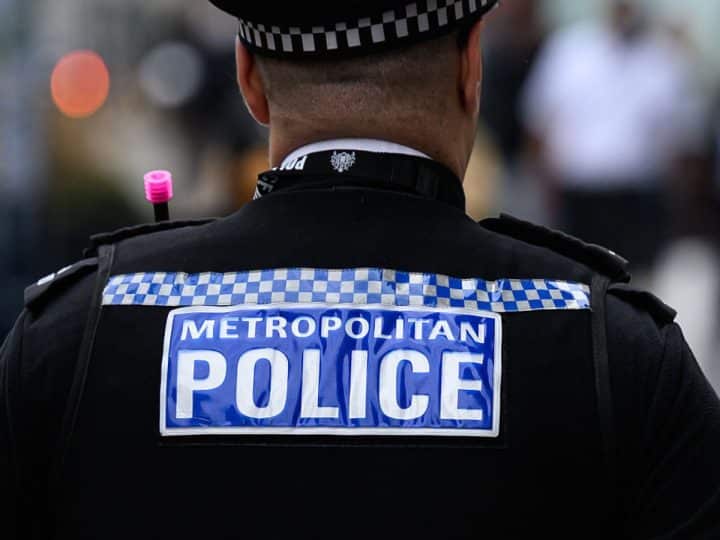

The Met Police is investigating a clip of an anti-genocide protester criticising actor Helen Mirren’s Zionism as a hate crime. Mirren is a supporter of Israel and who wants it to last “for eternity”, but is not Jewish. Zionism is a political ideology – one that is intrinsically racist, ethno-supremacist and, as shown everywhere around Israel, murderous.
View this post on Instagram
Mirren is not ethnically Jewish and is on record describing herself as an atheist. Contrary to media and pro-Israel narratives, many Jews are not Zionist. In fact, within a few years a majority of UK Jews will belong to communities that vehemently reject it, even leaving aside the horrors of Israel’s genocide in Gaza.
Met Police: See no evil — but call good ‘hate’
Meanwhile, the Met Police continues to ignore hate crimes against Muslims and Palestinians and their supporters — and even actual war crimes by British supporters of Israel. The force actively “peddles falsehoods” about the anti-genocide movement while turning a blind eye to the foulest racism spouted by far-right hate-marchers. Met Commissioner Mark Rowley has still not withdrawn his outright lies about peace march organisers trying to march near synagogues.
In the UK under politicians, lobbyists and enforcers that adhere to racist ideologies, good and evil all too easily – in fact routinely – have become inverted. White, privileged actors suffer ‘hate’, while actual hate directed at oppressed and murdered minorities drifts by ignored. And those who try to turn reality the right way up again are demonised as the problem.
Featured image via Leon Neal/Getty Images
By Skwawkbox
Politics
New York mayor, Zohran Mamdani, to boycott largest Zionist gathering in world outside of Israel
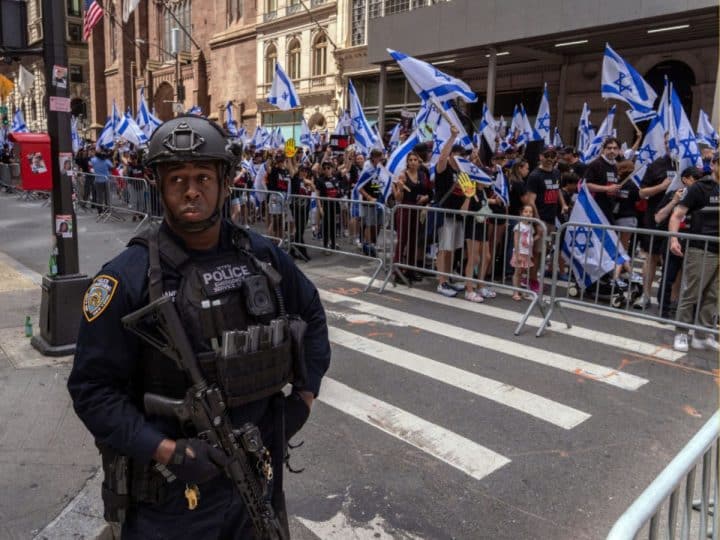

Mamdani — New York’s (NY) annual Israel Day Parade on Fifth Avenue is the largest gathering of Zionists in the world outside of “Israel”. It has been held annually in the city for more than 60 years, and will take place on 31 May.

Mamdani: “I’ve made my views on the Israeli government abundantly clear”
Tens of thousands are expected to attend the event as New York has the largest Jewish community outside of Israel. But for the first time in its history, the parade will go ahead without the City’s mayor attending. Zohran Mamdani is honouring the pledge he made last year on his campaign trail, and is boycotting the event.
The Socialist Muslim mayor said at a press conference on 28 May:
I said on the campaign trail that I wouldn’t be attending the parade, and I’ve made my views on the Israeli government abundantly clear.
The event is organised by the Jewish Community Relations Council of New York (JCRC). They describe it as “a proud expression of Jewish identity and our enduring connection to the people of the State of Israel.” The Israeli occupation will send three ministers and 13 Knesset members to the parade. This, they say, will “send a message to New York’s Jewish community that the State of Israel is by their side.”

Mamdani says the Palestinian cause is central to his identity. He supports the Boycott, Divestment and Sanctions (BDS) campaign. He also openly speaks out against the genocide in Gaza, and the Israeli occupation’s apartheid in the West Bank.
We pay our electeds with our tax $$$ to represent us but they go on paid-for trips to Israel.
We have 3 letters for them: #BDS
Every elected must be pressured to stand with Palestinians, oppose Apartheid & assert that the fight for dignity knows no exception.#FreePalestine pic.twitter.com/xczCuhTnyn — Zohran Kwame Mamdani (@ZohranKMamdani) May 12, 2021
Mamdani also said he would arrest war criminal Netanyahu should he ever set foot in New York while he is mayor.
Mamdani accused of antisemitism for choosing not to attend Israel Day Parade
Predictably, following Mamdani’s election win, Zionists in New York accused him of antisemitism. This was because he called out Israeli occupation crimes, and US involvement in these. He has demanded an end to “New York’s subsidies of settler crimes” — crimes which are carried out to forcibly displace Palestinians and ethnically cleanse the West Bank. And he has spoken of US “law enforcement” learning counterterrorism tactics from the Israeli occupation military and police. These exchange programmes are often initiated by Jewish Zionist organisations.
Protest group End Jew Hatred recently held a demonstration outside Mamdani’s home. They held placards which read:
“AntiZionism is not a political position. AntiZionism is a hate movement”
Mamdani is now being called antisemitic, due to his refusal to take part in the Israel Day Parade.
VIDEO: Thousands gather outside Gracie Mansion on Manhattan’s Upper East Side, protesting New York City Mayor Zohran Mamdani.
The protest is organized by the End Jew Hatred organization. pic.twitter.com/pX3HEOyPJU — Breaking 4 News (@Breaking_4_News) May 27, 2026
New York State Assembly member, Michael Novakhov, spoke at the rally. He said:
We will not stay silent in the face of antisemitism, Communism, and the dangerous pro-terrorist rhetoric coming from Zohran Mamdani.
Estimated 30 million Christian Zionists in US
The NY Israel Day Parade 2026 theme is “Proud Americans, proud Zionists”. Christian Zionists in the US are thought to number around 30 million. This figure is higher than the number of Jews throughout the world. Most Zionists in the US are conservative Evangelical Christians, the American religious group most likely to favour “Israel”. This is because they view Jewish presence there and the rebuilding of the temple in occupied Jerusalem as essential for the second coming of Jesus.
A powerful network of billionaire-funded Zionist lobbying groups and religious extremists drives America’s devastating role in oppressing Palestinians. They are dedicated to the advancement of political Zionism. And by weaponising millions of dollars they ensure the US government remains complicit in apartheid and war crimes against Palestinians.
One of these Zionist lobby groups is the American Israel Public Affairs Committee (AIPAC). It wields huge legislative and political influence.
During the 2024 campaign trail, AIPAC, through its affiliated United Democracy Project, poured $100 million into supporting pro-Israel candidates and systematically targeting anti-Zionist ones. Those who spoke out for Palestinian liberation, called for a weapons embargo on the Israeli occupation, or opposed Zionist colonial expansion were targeted, smeared, and unseated.
By holding US politicians hostage to campaign donations, AIPAC guarantees a continuous flow of multibillion-dollar weapon shipments to “Israel”. These are then used in its countless war crimes around the Middle East, including occupied Palestine.
But public opinion about the terrorist state of Israel is changing in the US, as in the rest of the world. AIPAC’s role in American politics is becoming deeply controversial, especially with younger voters. Socialist, AIPAC critic, and Palestine rights advocate, Chris Rabb, was an outsider in the Democratic primary in Pennsylvania. But has just won, with 45 percent of the vote.
60 percent of US adults have an unfavourable view of “Israel”, up seven percent since 2025
A March 2025 poll from Gallup highlighted that only 46 percent of Americans support “Israel”. This is the lowest figure in 25 years of tracking. 33 percent expressed sympathy for Palestinians, a record high.
Recent polls confirm American support for the Zionist regime has fallen to historic lows. According to the Pew Research Centre, 60 percent of US adults have an unfavourable view of “Israel”. This figure is up from 53 percent in 2025. In those under the age of 50 the figure was 70 percent.
Another poll, from 2025, indicates that only 47 percent of Americans believe supporting Israel serves the US national interest. This figure has dropped from 69 percent in late 2023.
For decades, the political, financial, and ideological influence of Zionist advocacy went unquestioned in the US. And politicians showed unwavering support and loyalty to “Israel”. But the occupation’s ongoing genocide in Gaza, and apartheid system in the West Bank, has opened eyes. The blatant atrocities, lies, greed, and arrogance of the Zionist occupation are changing public consciousness.
Americans are now refusing to stay silent despite the influence of Zionist lobby groups such as AIPAC, and the inevitable “antisemitic” smear campaigns. This gives Palestinians hope for the future.

Featured image via Adam Gray/Getty Images
By Charlie Jaay
Now that Nicola Sturgeon is finally free of her gruelling MSP workload, which could give her anything up to two extra hours of spare time a week, she might like to start making a proper dent in the contents of her fully-loaded bookshelves.

(At least until they’re seized and sold under the Proceeds Of Crime Act.)
So we thought we’d offer up a few suggestions.

Sturgeon was of course always keen to promote Scottish authors (well, at least one Scottish author, anyway), and we’ve always been massive fans of thriller writer and big independence supporter Chris Brookmyre.
And as luck would have it, his catalogue covers a lot of her interests.
This one might remind her of her careful scrutiny of SNP finances.

This one rather speaks for itself.

She’s probably already familiar with this one.

And this one.

This one, named after the idea of failing to notice a slowly-developing perilous situation, features a secretly gay Scottish political figure called Peter, scandal in the Scottish Parliament and one of the protagonists going to prison. Fun!

This one will remind her of the exciting period in her life from 2010 to 2026.

Although now she’s got her licence she might want to take a break and get away from it all on the open road (just not in the campervan or the Jag).

But it’s probably safe to say she’ll identify most with this one.

And as for how this one turns out, we’ll all have to wait and see.

Have a lovely summer, Nicola. Try not to sweat too much. And remember – if you can’t stand the heat, stay out of the kitchen.

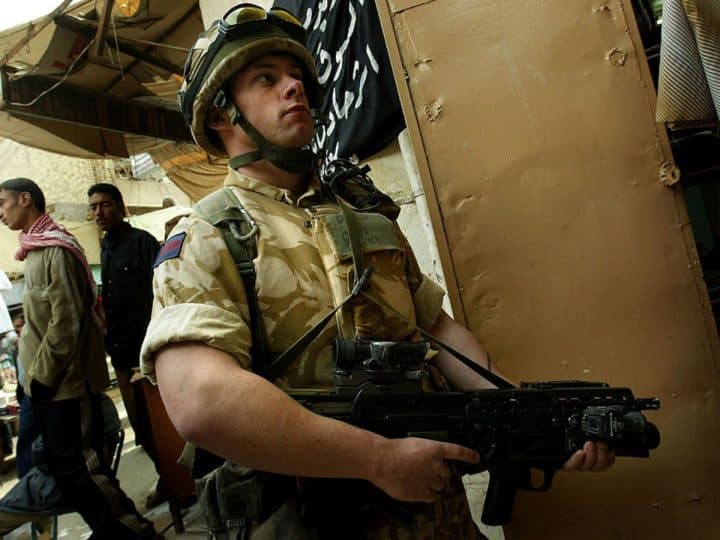

Commanders of the UK military’s most elite special forces didn’t refer war crimes allegations to police, an inquiry has heard. The reasons they decided not to may astound our readers: an anonymous senior officer said that there were fears doing so might upset SAS troops.
The inquiry has been going on for several years. Current and former Special Air Service (SAS) personnel have been granted anonymity to give evidence. The inquiry concerns allegations that innocent Afghan civilians were murdered in 2011.
Some allegations suggest detainees were handcuffed before being executed. And that weapons seized elsewhere were placed on their bodies to frame the dead as terrorists.
As the Canary has reported:
One SAS squadron may have murdered up to 54 people in a single tour in 2011. The Unredacted website has a useful briefing on cover-up culture within special forces. Action on Armed Violence (AOAV) have also followed the inquiry closely.
New testimony emerged on 28 May. The BBC reported:
A former chief of staff of UK Special Forces has told a public inquiry he believed war crimes allegations against the SAS were not referred to military police out of concern an investigation could disrupt operations and negatively affect morale.
The former officer said that the fact allegations had come from a rival unit, the Special Boat Service (SBS), also shaped decision-making:
The officer, the second highest ranking in special forces at the time, said another factor in the decision was that evidence had in part come via a rival special forces regiment.
The BBC said the decision not to refer the allegations meant:
military police did not learn for years of special forces concerns that the SAS was carrying out extra-judicial killings and submitting falsified reports.
SAS — Internal review instead of police referral
The BBC reported:
Despite the severity of the allegations, the then-director of UK Special Forces decided in 2011 not to refer them to the Royal Military Police, instead commissioning an internal review into the tactics being used by the SAS.
The decision was controversial because every commanding officer in the British military has a legal obligation to alert military police if they become aware that someone under their command may have committed a war crime.
Details of that review beggar belief. It was led:
by a UKSF officer close to the SAS unit responsible for the raids under scrutiny and signed off by the commanding officer of the unit.
The SAS deemed the review completed in:
just a week and found no evidence of criminal wrongdoing.
The officer, known as N2252, said:
he believed the director had felt a military police investigation would take too long to deliver results, and that an internal review “could be done quickly” and would “send a signal” to those responsible for the troubling operations.
N2252 also told the inquiry that:
alerting the Royal Military Police to these concerns in 2011 would have interfered with the high tempo of SAS operations, at a time when the regiment was tasked with going after Taliban operatives and bombmakers responsible for laying IEDs.
The officer said:
You would take the sub-unit out, you would conduct the investigation and they would be thinking about the investigation and not on planning the next operation.
The outlet reported that N2252 felt that:
applying that kind of scrutiny to the SAS’s operations could have undermined trust within UK Special Forces, telling the inquiry that if headquarters had questioned the accounts given by troops “the message that will have gone back to them is ‘we don’t believe you’.”
Kay…
British military exceptionalism
Another former officer, known as N889, did concede to the inquiry that he had been naive about alleged false reports from the raids:
I totally accept, you know, all these years later looking back that perhaps one should have taken a slight harder view.
I maybe naively read this stuff, believed it and carried on.
The absolute cream of the British officer class right there.
As the Canary has reported:
Allegedly special forces chiefs blocked asylum claims for allies because they may have witnessed war crimes. In May, “files, disclosed by the Ministry of Defence in court on Thursday, show the unnamed UKSF officer rejected every application referred to him in the summer of 2023”. There were 1,585 cases.
The latest tranche of evidence suggests up to 80 people may have been killed. The then-president of Afghanistan Hamid Karzai even intervened at one point. And Afghan troops allegedly refused to work with the British due to the allegations.
You can read more about the inquiry and allegations of UK special forces war crimes at Action on Armed Violence (AOAV) and Unredacted UK. Declassified UK have also reported on the issue — one allegation claims that SAS troops shot toddlers.
The inquiry, led by Judge Haddon-Cave, has no legal power. And its frame of reference is typically narrow. It is not clear when or what it will report. What does seem clearer by the day is that a culture of barbarism, impunity and cover-up came to exist in UK and allied special forces in Afghanistan.
Ghaith Abdul-Ahad/Getty Images
By Joe Glenton
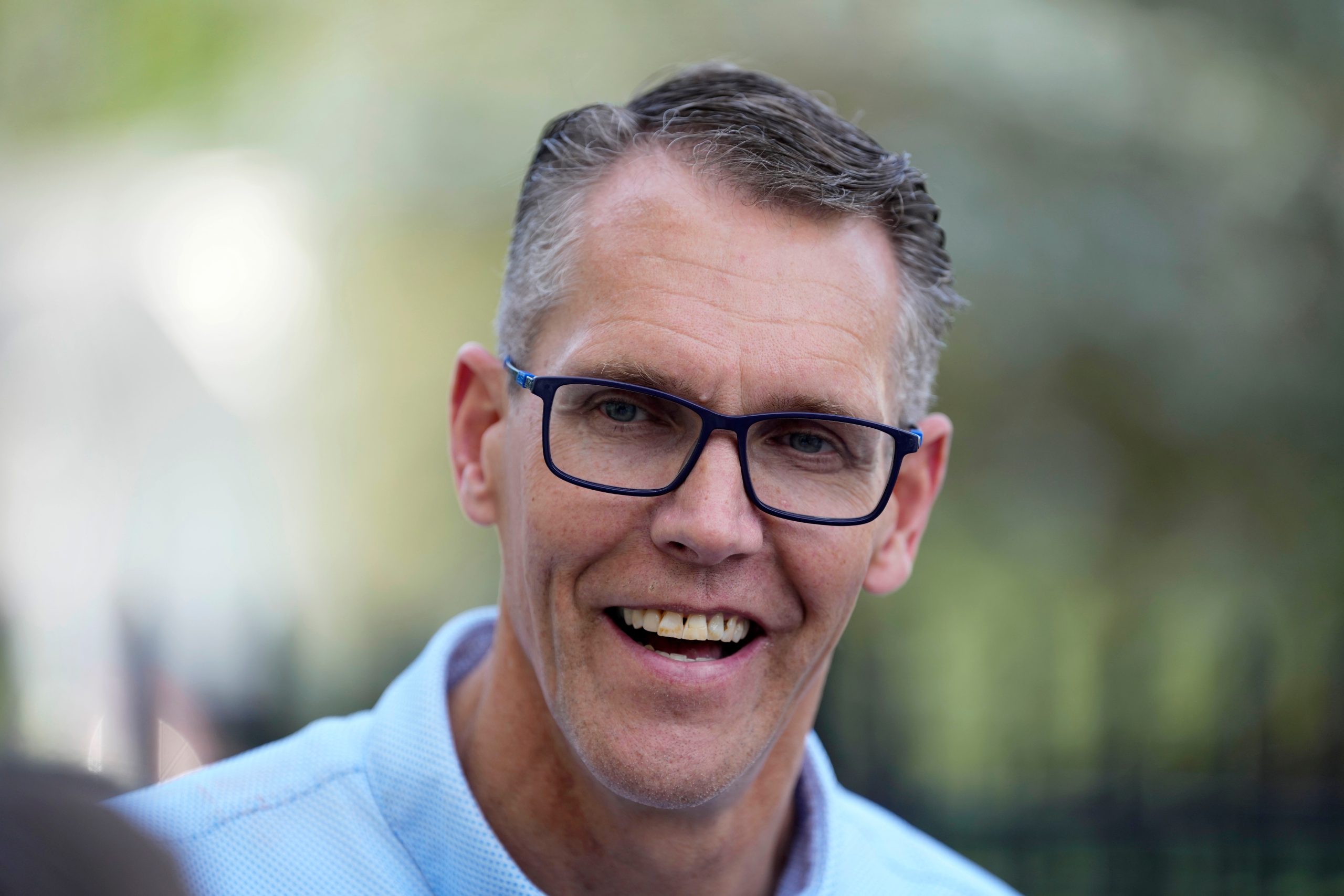

COLUMBIA, S.C. — President Donald Trump endorsed three Republican gubernatorial candidates Friday, wading into contests in South Carolina, Iowa and Oklahoma that have pitted allies against each other in a fierce competition for their party leader’s blessing.
In a trio of social media posts, Trump gave his backing to South Carolina Lt. Gov. Pamela Evette, Iowa Rep. Randy Feenstra and former Oklahoma state senator Mike Mazzei as primary elections approach.
Iowa’s primary is Tuesday, South Carolina’s is on June 9 and Oklahoma’s is on June 16. All three states are having their first competitive Republican gubernatorial primaries in years.
For two terms, Evette has served alongside Gov. Henry McMaster, one of Trump’s earliest backers during his first presidential campaign. Earlier this year, the long-serving governor endorsed his No. 2, telegraphing to some that Trump’s backing could be next.
On Friday, Trump expressed both appreciation for Evette and the state she represents, noting that she stumped for him in 2024. He also said “A BIG added plus” for her campaign is that Henry McMaster Jr. — the sitting governor’s son — may be Evette’s running mate.
In the deep red state of South Carolina, the competition for the president’s support has been the most intense part of the primary race.
In a separate post, Trump described Feenstra as “MAGA all the way” and said he would “fight tirelessly” for the state on issues including the economy, border security and support of law enforcement.
Evette and Feenstra have been vocal about wanting Trump’s endorsement, in the hopes that it would carry weight in states that helped propel Trump’s return to office in 2024. Feenstra said earlier this year that he asked for Trump’s support, and much of Evette’s campaign media has featured photos of her next to Trump.
Along with Feenstra, four other Republicans — state Rep. Eddie Andrews, businessman and former conservative political director Zach Lahn, former state Rep. Brad Sherman and former director of the state Department of Administrative Services Adam Steen — are in the primary to replace outgoing Iowa Gov. Kim Reynolds, who opted out of a third bid.
Evette is competing for the South Carolina nomination against Rep. Nancy Mace, Rep. Ralph Norman and state Attorney General Alan Wilson.
Mazzei is running to replace Oklahoma Gov. Kevin Stitt, who is finishing his second term. He’s competing against state Attorney General Gentner Drummond, former state House Speaker Charles McCall and former state public safety secretary Chip Keating.
“Mike Mazzei has my Complete and Total Endorsement to be the next Governor of Oklahoma — HE WILL NEVER LET YOU DOWN!” Trump wrote on social media.
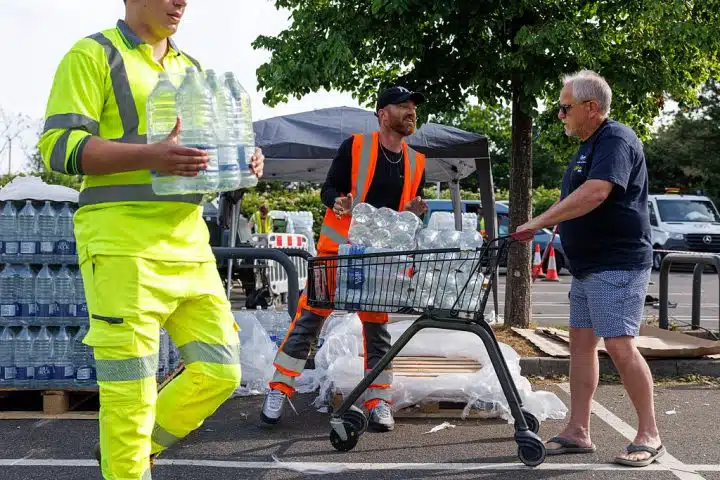

One privately-owned water company left thousands of people in south-east England dry and thirsty this week. This comes amid one of Britain’s hottest-ever May heatwaves.
South East Water, which covers much of Kent, left over 8,000 people without any tap water. The company claimed that nearby reservoirs at Whitstable were at a “critical level” due to “extremely high demand”.
The company’s six-figure CEO David Hinton stepped down from his position in early May over consistent failures, shortages and outages but will remain in-post
to allow an orderly transition over the summer period.
That and, presumably, to keep earning a slice of his lucrative £457,000 salary a wee bit longer.
In late December 2025, the Tunbridge Wells MP called for the CEO of South East Water to resign over further water shortages. So it’s clearly not just the heat that’s the problem.
Tragically, at least 11 people drowned whilst attempting to cool off this week at open bodies of water. This alone demonstrates just how devastatingly unprepared Britain is for climate shocks.
Sold debt-free in 1989. Today: £72bn in debt, ~£85bn extracted in dividends (FT/Ofwat), sewage in every river.
There’s a word for borrowing against an asset to pay yourself, then walking away from the wreckage. In ex-Soviet states we called it tunneling. In the UK we call it…
— Rory Wilmer (@inkbyteltd) May 27, 2026
Water privatisation: UK’s biggest scam
Since Margaret Thatcher’s governments privatised the majority of our water infrastructure, private water companies have paid out over £85b in shareholder dividends. They’ve invested relatively fuck-all.
By fuck-all, I mean a real-terms drop on investment of £5.5b. Meanwhile, corporate asset managers have piled debt onto the companies at over £60b. (See ‘Take Back Water’ for more info.)
They’ve liquidised our once-public assets, leveraged debt onto them, then often resold at immense profits. What do we have to show for it? Only recurrent national sewage scandals and misery.
Oh, but who could forget the rage-inducing TV drama!
Labour MP Clive Lewis rightly points out that water privatisation was a complete scam with no tangible benefits to the English and Welsh public. Scottish water, like most countries, remains publicly owned.
However, the man Lewis wished to sacrifice his own seat for — before journalist intimidator Josh Simons beat him to it — Andy Burnham has ruled out renationalising water. Burnham now wants to be PM.
Labour might be complacent, but Manchester Green Party has had enough of this:
Nationalisation.
No compensation! https://t.co/IcjasM8rju
— Manchester Green Party
(@McrGreenParty) May 28, 2026
So too has Green Party leader Zack Polanski, who’s regularly made scathing remarks about the sorry state of water privatisation. It’s a clear case study for insane capitalist profiteering at great public expense.
The Green Party supports re-nationalisation of water and major energy infrastructures. Alongside, of course, a speedy and just transition to renewable energy. (Ideally without the new green resource imperialism.)
That’s what’s needed to avert more unmanageable weather events and ensuing climate collapse. And these corporate pirate water companies deserve not a penny of compensation.
BBC panel speechless as Zack Polanski nails the utter state of the water companies
Compounding crises: heatwave capitalism
The heatwaves dominated the airwaves this week as Britain sweltered in intense sunshine. Many rightly pointed out that these temperatures were obscene for May, including the Canary.
Doubtless central to these intense, shifting temperature patterns is the decades-long breakdown of normal weather due to ongoing climate collapse. This is caused largely by vast quantities of CO2 and other greenhouse gases being pumped into the atmosphere by fossil fuel combustion.
Meanwhile, No.10 squanders precious time for action suppressing studies on climate collapse and Tony Blair — backed by oily Gulf States and AI monopolists — urges Labour to “abandon net zero.” Too woke for Blair.
Likewise funded by fossil fuel lobbyists, hardcore anti-net zero Reform UK are wildly out of touch with public opinion on this urgent matter. Can anyone really be surprised? It is well hot, after all.
View this post on Instagram
Fossil fuels are overwhelmingly consumed by the world’s wealthiest percentile. Meanwhile, the working class and especially the Global South consume a fraction of their fuel, yet suffer the worst consequences.
This disaster, combined with the hyper-capitalistic exploitation of our invaluable water supplies for corporate profits, combines to create the problems we confront today. This week shows how clearly linked they are.
Add to these problems massive energy-hungry and water-thirsty AI data centres being erected around the UK and the world and you’ve got serious crises compounding. Will politicians assure us that data centres will be first to lose their access to clean water, before humans? Yeah, right.
The only way to confront these intertwined crises of water shortages, AI and the climate breakdown is to confront their root cause. Capitalist profiteering at common people’s expense must be ended. End of.
View this post on Instagram
No 10 suppressed key intelligence report on climate collapse
Featured image via Getty Images
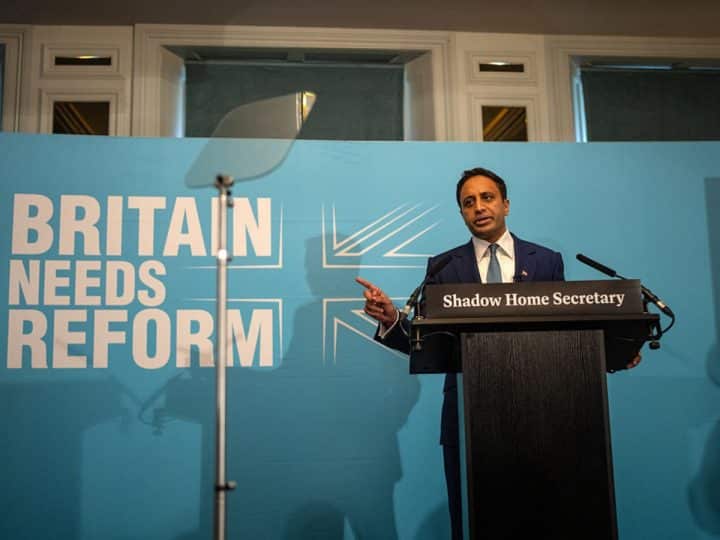

Reform UK’s Zia Yusuf is more than a bit full of himself. He likes to style himself Reform’s “Shadow Home Secretary”. He’s not. He’s Reform’s home affairs spokesperson, God help us all. ‘Shadow’ refers to the home affairs spokesperson of the party with second-most MPs in the Commons. For the moment, that’s still the Tories. But many would say he’s full of something else, too. That proposition is reinforced by the fact that today, 29 May 2026, he has decided he needs to pander to his racist base even further. In this case, by banning Sikhs from carrying the kirpan, the ceremonial dagger required of observant Sikhs to fulfil their religious obligations:
I don’t care what religion you are.
NOBODY other than law enforcement will get to carry deadly weapons under a Reform government.
Reform will repeal the exemption for Sikhs to carry the kirpan.
We will deploy stop and search and get deadly weapons off our streets.
— Zia Yusuf (@ZiaYusufUK) May 29, 2026
Reform’s race-baiting nonsense
Sikhs have been allowed to carry kirpans in the UK since at least Winston Churchill’s time — because he advocated for it out of a sense of Britain’s indebtedness to Sikhs, as respondents reminded Yusuf:
Sir Winston Churchill knew Sikhs better than you Yusuf. They can carry kirpans because he stood in Parliament and pleaded for the Sikhs to be given that recognition pic.twitter.com/wIGLWkua7X
— Man at C&A (@BeardedBrownMa1) May 29, 2026
And it’s not as if Sikhs have no need to be armed. Thick racists who would probably support Reform — though probably not the Muslim-born Yusuf — sometimes attack, even rape, Sikhs because they mistake their victims for Muslims who the political establishment loves to incite against. Yusuf’s excuse for his race-baiting would probably be the conviction of a man in Southampton this week for a knife murder. But Yusuf’s either too opportunistic or too challenged (both?) to admit that this wasn’t committed with a kirpan:
There is very little evidence of the kirpan being used in knife crime.
The one used in Southampton was not a regular kirpan, but a ‘shastar-style’ weapon – which is already illegal.
You’d be better off banning hammers.
But that wouldn’t stir up race-hate quite so much.— Larry Barker
(@Lazzard59) May 29, 2026


In fact, in the past half-century there hasn’t been a single kirpan-linked death in the UK. The single incident mentioned by one respondent also mistook the weapon-type — but he correctly identified the racism in the original post. Compare that to the around 50,000 offences annually involving non-Sikh’s and other types of knife:
Kirpan-related deaths in the UK in the last 50 years – 1 recent high-profile case.
Meanwhile there are 49,000–53,000 offences involving a knife or sharp instrument per year in recent periods.
Absolute clown party with no answers, just dog whistling retarded racists. pic.twitter.com/Hq11wqlY4C
— ☬ #RefugeesWelcome; Twitting Dinosaur


(@TwitDinosaur) May 29, 2026
And, of course, there are a lot more people allowed to legally carry dangerous weapons than Sikhs:
Ok- are you going to ban tradespeople from carrying Stanley knives, hammers etc in case they decide to use it with an intent to injure. You do come out with rubbish .
— Kentish Maid (@obviousenigma1) May 29, 2026
Many ventured that Yusuf’s racist grandstanding was driven by fear of even more extreme right-wing parties that are eating away at Reform’s ‘base’ (‘base’ being very appropriate in this instance):
Wow what an original thought, like your party’s signature color that suddenly changed to dark blue! pic.twitter.com/YjWAdvXJpE
— Naomi Seibt (@NaomiSeibt) May 29, 2026
‘Disgrace’
Yusuf was coming off the back of his illegal threat to put immigration concentration camps in areas that voted Green in May’s local elections. Gaining votes through incentives or coercison is a crime. And his latest post was similarly treated with utter contempt by most who responded:
— Steve Yeardley (@yodelmiester) May 29, 2026
Lots of contempt:
You are a disgrace for trying to inflame tensions against Sikhs lawfully carrying a kirpan!
This isn’t serious policy; it’s legal and constitutional nonsense.
The kirpan is a long-recognised religious article protected under the Equality Act 2010 and Article 9 of the ECHR.
— Nikki (@gllnkk) May 29, 2026
Lots and lots:
Oh will you big boy ?
Isn’t it more the case you’ve discovered a new part of society to demonise in Sikhs so you can carry on your fake patriotism grandstanding.
— Oxidized Iron (@OxidizedIron33) May 29, 2026
But not quite the contempt it deserved. The X platform isn’t big enough to hold that much contempt.
Featured image via Carl Court/Getty Images
By Skwawkbox

President Donald Trump’s failing war in Iran is grabbing most of the headlines. But Latin America is still central to current US colonial ambitions. American shadow war operations are popping up left, right and centre as the US seeks to dominate.
Trump’s 2025 national security strategy said as much. The US wants to ensure:
the Western Hemisphere remains reasonably stable and well-governed enough to prevent and discourage mass migration to the United States.
And that those pliable governments:
cooperate with us against narco-terrorists, cartels, and other transnational criminal organizations.
Trump and his cronies want:
a Hemisphere that remains free of hostile foreign incursion or ownership of key assets, and that supports critical supply chains.
Decoded, the US seeks to control the markets in the Americas, and:
we want to ensure our continued access to key strategic locations. In other words, we will assert and enforce a “Trump Corollary” to the Monroe Doctrine.
The Monroe Doctrine, many Canary readers will be aware, basically means US political and economic dominance of the continent. The ‘Donroe’ doctrine, as the new version has been called, is Trump’s typically egotistical update.
The US started 2026 with an attack on Venezuela and various threats against neighbours like Greenland, Canada and others. Since then, it was steered — with the help of Israel — into a war with Iran. And spent the last few months getting an arse-kicking in a dramatically failing conflict there.
But the Americas have not been forgotten in Trump’s vision. The US military and US intelligence have been busy while Iran took the headlines.
Trump — the Venezuela raid
The 3 January US attack on Venezuela was an opening salvo of sorts. The legally questionable at-sea airstrikes which accompanied it are still happening. The Americans say these are against ‘narco-terrorists’. The truth is much more complicated.
President Nicolas Maduro remains in US detention. His replacement Delcy Rodriguez, it seems clear, is a US stooge.
The Guardian was told by four anonymous sources in late January:
Before the US military snatched Venezuela’s president, Nicolás Maduro, earlier this month, Delcy Rodríguez and her powerful brother pledged to cooperate with the Trump administration once the strongman was gone.
Rodriguez has since started shipping oil to Israel. And on 27 May, CBC reported that cartel-related probes against her had been quietly dropped:
The Trump administration has quietly instructed federal prosecutors in Miami to avoid pursuing criminal investigations into Venezuela’s acting President Delcy Rodríguez, a longtime target of the U.S. Drug Enforcement Administration, according to current and former U.S. law enforcement officials.
The narrative of state collusion with cartels, wobbly as it is, was used to justify the January raid. And narcotic gang activity seems to be the main way Trump is justifying his bid for hemispheric control.
Joint strikes in Central America
The NYT reported on 28 May that Guatemala has agreed to carry out strikes with the US:
President Bernardo Arévalo of Guatemala agreed to both airstrikes and other military action in a call with Defense Secretary Pete Hegseth, two of those people said, with operations to start as early as next month.
Adding:
It was unclear what other military activities could be included in the agreement.
And in Panama, a defence and transit deal for the strategic cross-continental canal has been locked in with the US:
U.S. Defense Secretary Pete Hegseth and Panamanian President José Raúl Mulino signed memorandums of understanding that provide U.S. military vessels with toll-free, priority access through the Panama Canal.
The agreements also encompass expanded joint training exercises, cyber defense collaboration, and the potential reactivation of former U.S. military bases in Panama.
The US also designated two Brazilian gangs as terrorist organisations on 29 May:
The announcement, made by Marco Rubio, the secretary of state, on Thursday, is being widely seen in Brazil as a setback for Luiz Inácio Lula da Silva, the president who had strongly opposed the designation – and a boost for Lula’s main challenger in October’s presidential election, the far-right senator Flávio Bolsonaro.
Flavio Bolsonaro is the son of fascist former president Jair Bolsonaro. Both are far-right fellow travellers of the Trump administration. Flavio Bolsonaro visited the White House earlier in May 2026.
Homeland empire
The CIA reportedly killed a mid-level cartel boss with a car bomb in Mexico City in March. That followed a US-backed cartel shootout in Mexico, also in March. Two CIA officers were killed after a drug lab raid in April. Official denials followed those reports.
US-backed troops in Ecuador allegedly tortured dairy workers and blew up a farm in March. Cuba, naturally, is on the regime change list too. Immigration and Customs Enforcement (ICE) paramilitaries are carrying out a racist war on poor, maligned and undocumented workers on the home front.
El Pais revealed on 7 May that Trump, his Argentine ally Gabriel Milei and the Honduran government were:
conspiring to create a channel for disseminating fake news with the intention of spreading misinformation and destabilizing the governments of Brazil, Colombia, and Mexico.
El Salvador Trump-allied president Nayib Bukele is also deeply implicated in US fascistic deportation plans.
The list goes on as Trump seeks to remake the continent in his own image.
Trump’s modern settler empire
The new right-wing narratives of illegal migration and drug trafficking have merged with the climate of militarism, ‘counter-terrorism’ and colonial policing forged during the War on Terror. Trump has been able to tie these together to wage a war against the exploited, the racialised and the desperate.
Historian Nikhil Pal Singh warned in a recent piece for Equator:
familiar analytical frameworks which rely on the distinction between foreign and domestic realms, normality and legality, policing and war, cannot provide the ‘world picture’ we need to grasp what’s happening here.
Instead, Trump:
conflates immigrants, drugs and free trade as sources of weakness coming from outside, “poisoning the blood of our country”.
Trump has married:
the archaic geopolitics of a settler empire to the modern legal frameworks devised by his liberal predecessors.
Trump is losing in Iran. Few serious observers doubt it. But the other war which took off in 2026 is making inroads. The US administration is extending its violent reach across the Americas. The Americans seek to consolidate through backing fascist forces, through violence, and by using a racist narrative of narco-terrorism to justify their actions.
Keep eyes on Iran, but don’t forget the so-called ‘homeland empire’. The US-Israeli war will end at some point. In Latin America, US intervention may well accelerate when it does.
Featured image via Katelynn Jackson/U.S. Air Force via Getty Images
By Joe Glenton

Work to start on 265 homes and primary school extension in tiny Cambridgeshire village

“Wants Me To Die”: Vinesh Phogat Attacks Wrestling Federation Of India After Asian Games Trials Failure

NBA will put AI in charge to tackle bad ref calls and fan fury


-

 Business6 days ago
NYT Strands Answers May 24 2026 Revealed for Puzzle No. 812 Theme Summer Essentials
-

 NewsBeat4 days ago
Israel says it has killed new Hamas military leader in Gaza City airstrikes
-

 Politics6 days ago
Bridgerton Season 5: Cast, Release Date And Everything We Know So Far
-

 Business4 days ago
Selena Gomez Reportedly Upset Over Benny Blanco’s Comments on Her ‘Terrible’ Diet
-
 Crypto World4 days ago
Micron Crosses $1 Trillion Market Cap as AI Demand Reshapes Memory Sector
-

 Business6 days ago
BTS Sells Out Four Las Vegas Shows at Allegiant Stadium for ARIRANG World Tour
-

 Tech6 days ago
Microsoft’s quiet Claude Code retreat and the real cost of enterprise AI
-

 News Videos4 days ago
XRP *JUST* SUCCEEDED!!!! CLARITY ACT EXPOSED!!! (SHE EXPOSED IT)
-
 Tech5 days ago
China assigns ID codes to 28,000+ humanoid robots
-
Crypto World6 days ago
Brian Armstrong Outlines Crypto Vision for the Future Financial System
-

 Tech2 days ago
Waymo dominates autonomous vehicle registrations as Tesla trails behind
-
Tech4 days ago
The Samsung pay deal is the moment Korean unions changed register
-
 NewsBeat5 days ago
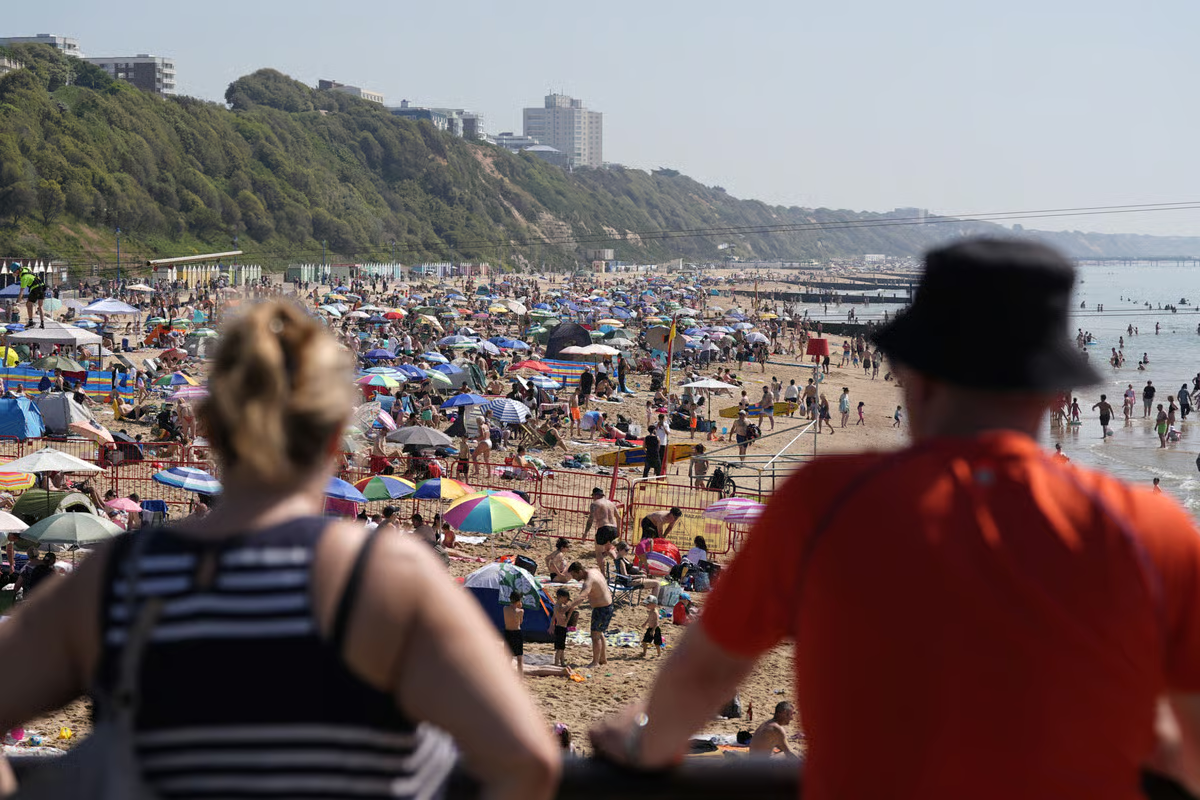
Hottest May day ever as London hits 34.8C in 2C leap from previous records
-

 Tech6 days ago
Westone Audio and Etymotic Acquired by Fidelity Collective in Major IEM Market Move
-
 Entertainment5 days ago
‘Breaking Bad’ Star’s Easy-to-Binge 6-Part Crime Series Spin-Off Is Finally Heading to Free Streaming
-

 Tech4 days ago
Millions of AI agents imperiled by critical vulnerability in open source package
-
Crypto World4 days ago
SpaceX’s $2 Trillion IPO: Why Tech Giants Nvidia (NVDA), Apple (AAPL), and Microsoft (MSFT) May Face Pressure
-
 Crypto World6 days ago
Nvidia (NVDA) CEO Calls on Super Micro to Strengthen Export Controls Amid Smuggling Probe
-

 Business5 days ago
Nikkei 225 Surges Past 65,000 for First Time as Iran Peace Hopes Fuel Record Rally
-

 NewsBeat6 days ago
Crowds find riverside shade in York as temperatures soar
You must be logged in to post a comment Login