

Business
Pimco CIO sees risk of US Fed hiking rates due to Iran war

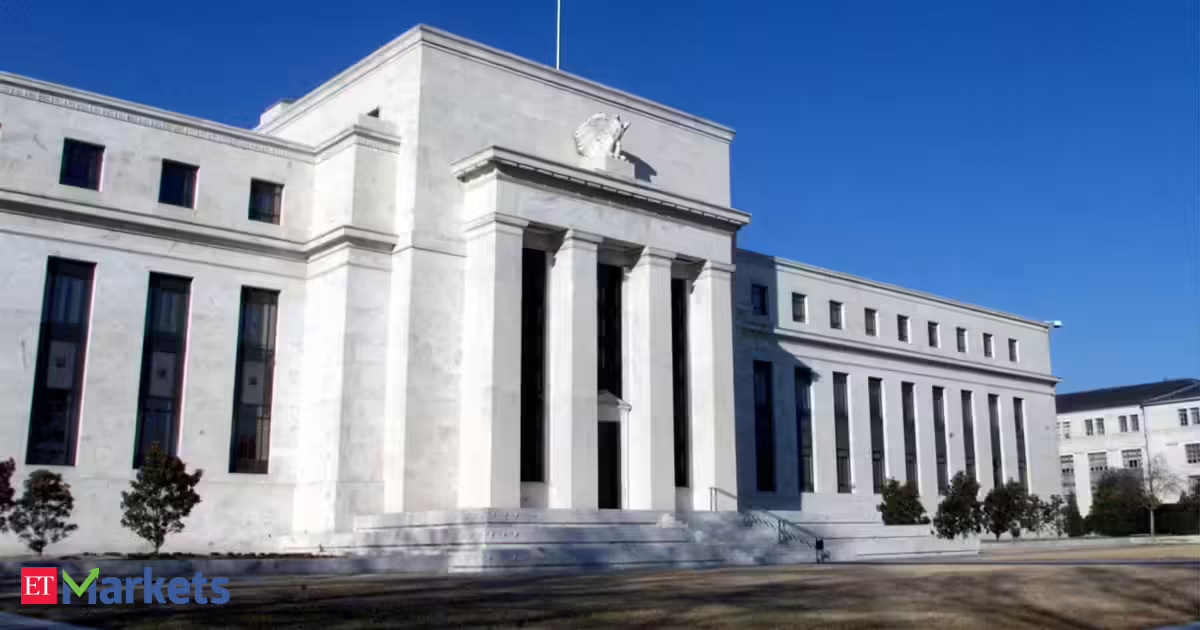
The bond powerhouse’s CIO said surging energy prices tied to Iran’s closing of the Strait of Hormuz create a new challenge for US policymakers who have struggled to bring inflation down to the central bank’s 2% target, the FT reported, citing an interview.
The “US is further away from that, but you are going to see more tightening as it looks today in Europe, the UK and maybe even Japan, and I wouldn’t take it completely off the table for the US either,” Ivascyn told the FT. He said any reduction in rates would be counterproductive “given the inflation dynamic and the uncertainty around inflation,” saying any such move “very well could lead to higher intermediate long-term rates.”
Franklin Templeton CEO Jenny Johnson told the FT that “inflation is going to be harder to keep control of” for the Fed. Investors are showing an increased appetite for inflation-protected assets, Johnson was cited as saying.
The Fed kept rates steady in its past two meetings. Few market watchers expect rate hikes in the near term but there is uncertainty over what the central bank may do in coming meetings. Three regional Fed presidents dissented from the Fed policy statement in April saying the board had a bias toward easing policy.


Check out what’s clicking on FoxBusiness.com.
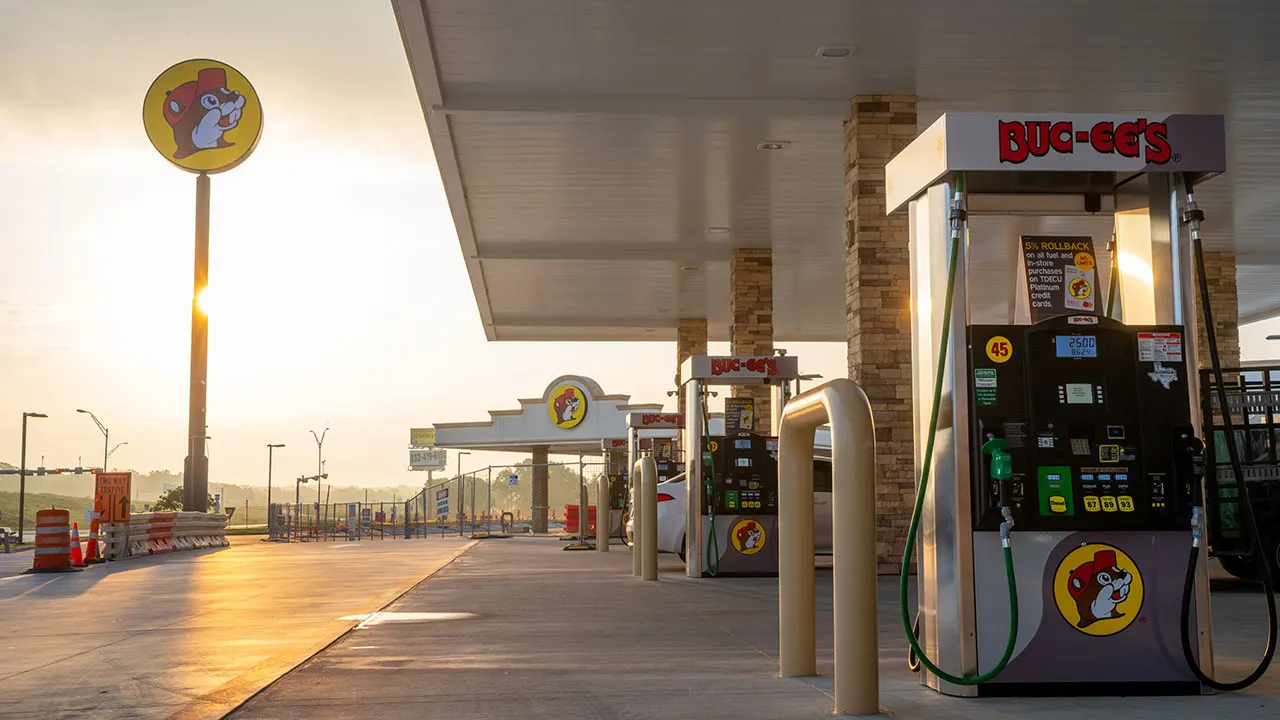
At least six states are slated to open their first Buc-ee’s locations by the end of next year, including two states expected to debut sites in the coming months of 2026.
The Texas-based gas station chain — known for its oversized travel plazas with clean restrooms and beaver-themed merchandise — is expected to open locations in Arizona and Arkansas later this year.
Buc-ee’s inaugural locations for next year also include Wisconsin, Louisiana, Kansas and North Carolina.
While the company’s website currently lists 55 locations across 12 states, the planned expansion would extend Buc-ee’s into 20 states.
BELOVED BUC-EE’S CONVENIENCE STORE CHAIN FACES CUSTOMER SERVICE CRISIS AFTER DEVASTATING ‘F’ RATING
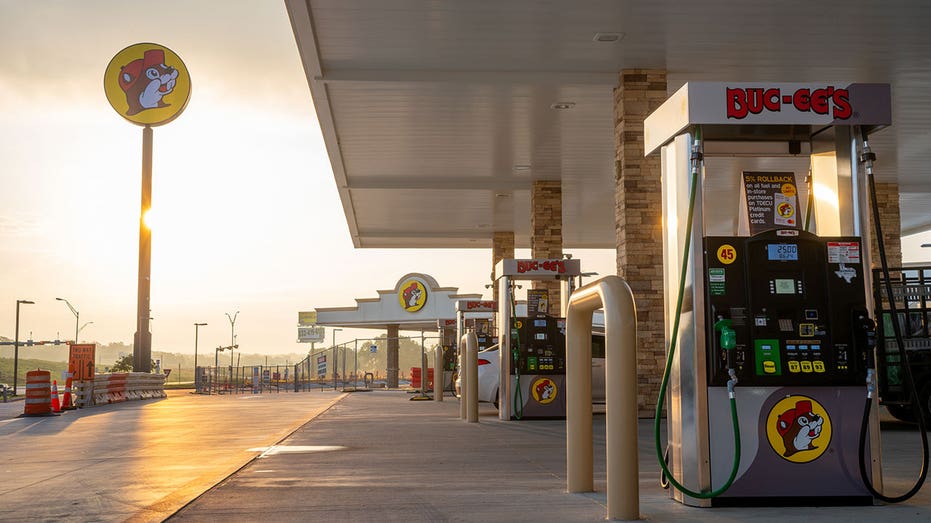
Gas pump stations at the Buc-ee’s convenience on June 12, 2024, in Luling, Texas. (Brandon Bell/Getty Images / Getty Images)
According to Fox 10 Phoenix, Arizona is scheduled to open its first Buc-ee’s store in Goodyear on June 22.
Located near Interstate 10 and Bullard Avenue, the site will span 74,000 square feet and feature 120 fueling positions.
A similar setup is also expected to debut in Benton, Arkansas, according to the company.
“We’re happy to announce that it looks to be early to mid-August that the grand opening will take place,” Chairman of the City of Benton Advertising and Promotion Commission Bill Eldridge said, according to local outlet KATV.
The location is planned for the northwest corner of I-30 and State Highway 299.
BUC-EE’S PLANS TO OPEN THE WORLD’S LARGEST CONVENIENCE STORE
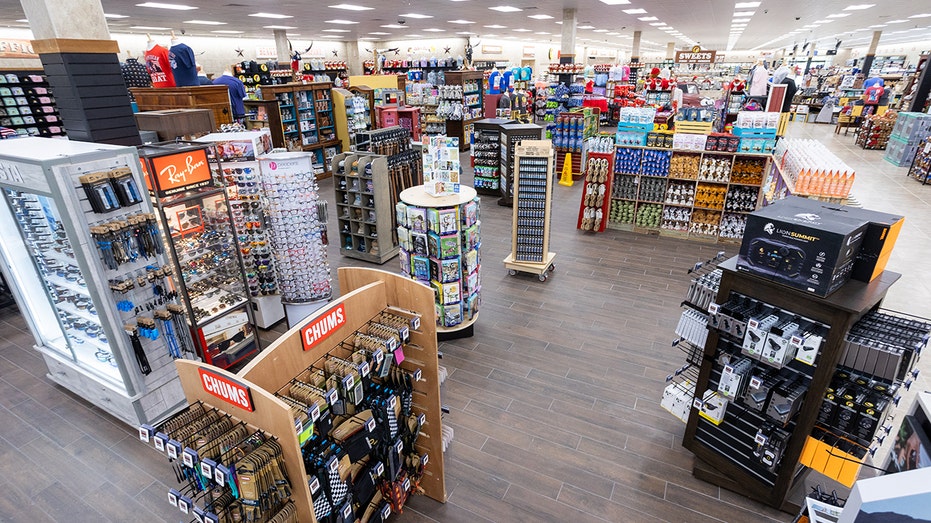
The Texas-based convenience store and gas stop, Buc-ee’s has become the world’s largest convenience store with over 100 gas pumps and a 75,000 square foot store. (Eric Guel / Getty Images)
Wisconsin’s first Buc-ee’s location is planned for Oak Creek, according to the city government. The store is expected to open in early 2027 at the southwest corner of I-94 and Elm Road, featuring 120 gas pumps across a 73,370-square-foot travel center.
Ruston, Louisiana, is targeting a mid-2027 opening for its first Buc-ee’s location, according to the city. The site is planned for the intersection of I-20 and Tarbutton Road, spanning over 70,000 square feet and including more than 100 fuel pumps.
Kansas’ first Buc-ee’s location will come next year in Kansas City, featuring a similar layout to other new builds. The 74,000 square-foot gas station is planned near I-70 and West Village Parkway and is projected to open sometime in 2027.
North Carolina’s first Buc-ee’s location in Mebane is slated to open its doors in the coming expansion wave, marking the chain’s continued push into the Southeast. The giant convenience store is expected to open in the fourth quarter of 2027, according to local outlet WXII.
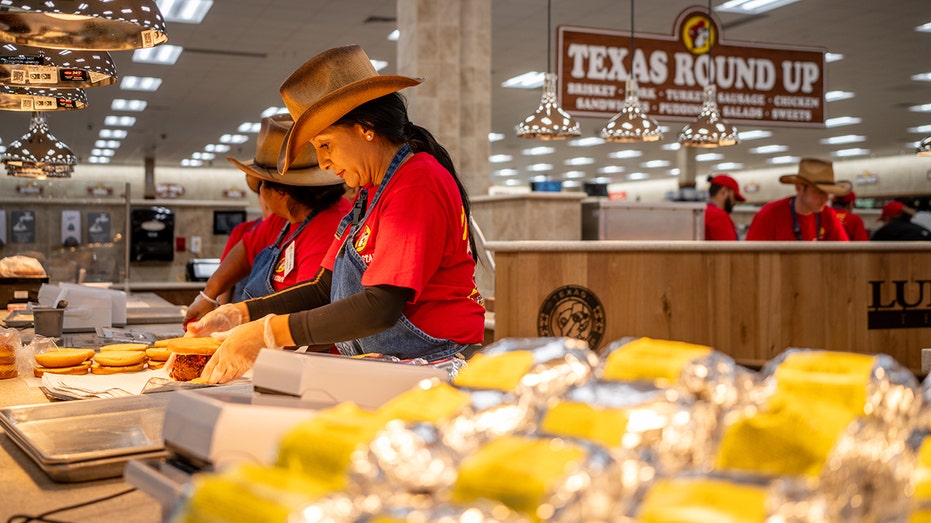
Employees prepare food inside a Buc-ee’s convenience store on June 12, 2024, in Luling, Texas. (Brandon Bell / Getty Images)
GET FOX BUSINESS ON THE GO BY CLICKING HERE
While six states are expected to receive their first beaver-branded mega travel centers under Buc-ee’s expansion plans, several states already home to the chain are also set for additional locations.
Texas will open its 37th Buc-ee’s site in July in San Marcos, the Austin American-Statesman reported.
Elsewhere, travel centers are expected to open next year in Monroe County, Georgia; Lafayette, Louisiana; St. Lucie and Tallahassee, Florida; Gallaway, Tennessee; and Fayette County, Arkansas.
Oak Grove, Kentucky, is also expected to receive a Buc-ee’s location in 2027 or later, while West Memphis has been pushed to June 2028, according to Arkansas Democrat Gazette.
CVS Health: Still Cheap And Signs Of Improvement

Retiring Early? Consider These 3 Things First.
‘The Big Money Show’ announces the winners of FOX Business’ ‘Made in America’ contest.
President Donald Trump said Sunday that federal agencies must prioritize American-made products in government purchasing, touting efforts to tighten enforcement of “Buy American” policies and limit exceptions that allow foreign goods.
“ALL FEDERAL AGENCIES MUST BUY AMERICAN — NO EXCUSES!” Trump exclaimed on Truth Social. “For decades, Washington politicians sent your Taxpayer Dollars overseas, and let Foreign Countries rip us off while our Workers, Factories, and Supply Chains were left behind. That betrayal is OVER.
“My Administration is strengthening MADE IN AMERICA Laws, ENDING Waiver Loopholes, and STOPPING the Federal Government from buying Foreign Products when Great American Products are available — And to the D.C. Bureaucrats: NO MORE handing out Waivers like candy!” he continued. “No more rubber-stamping exceptions for Foreign Products while American Workers get shafted.
“We are putting American Workers, American Factories, and American Supply Chains FIRST — Bigger, better, and stronger than ever before! I already signed EO 14392 to crack down on fake “MADE IN AMERICA” claims, and we are enforcing it HARD,” he added. “No more games. No more fake labels. No more ripping off the American Taxpayer. AMERICA FIRST means BUY AMERICAN!”
SELF-DEFENSE COMPANY FINDS MAJOR BENEFITS AFTER MOVING MANUFACTURING FROM OVERSEAS TO US
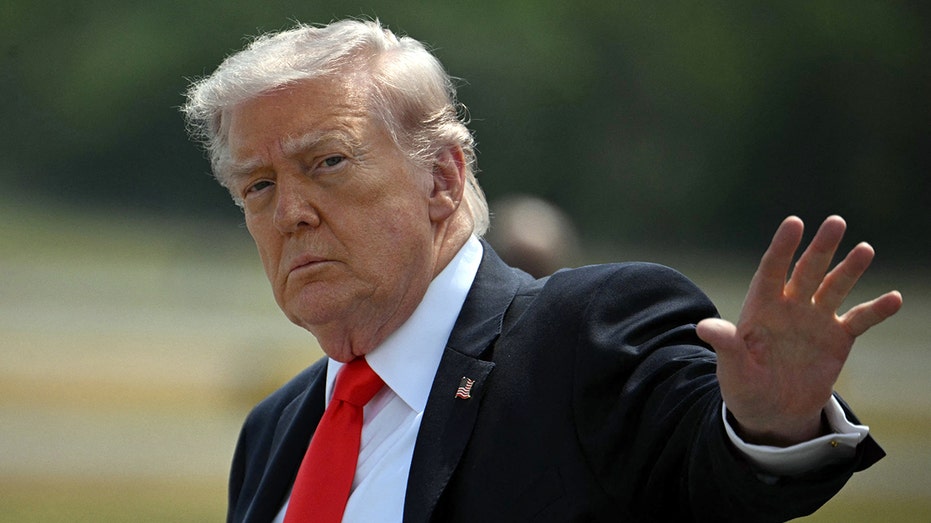
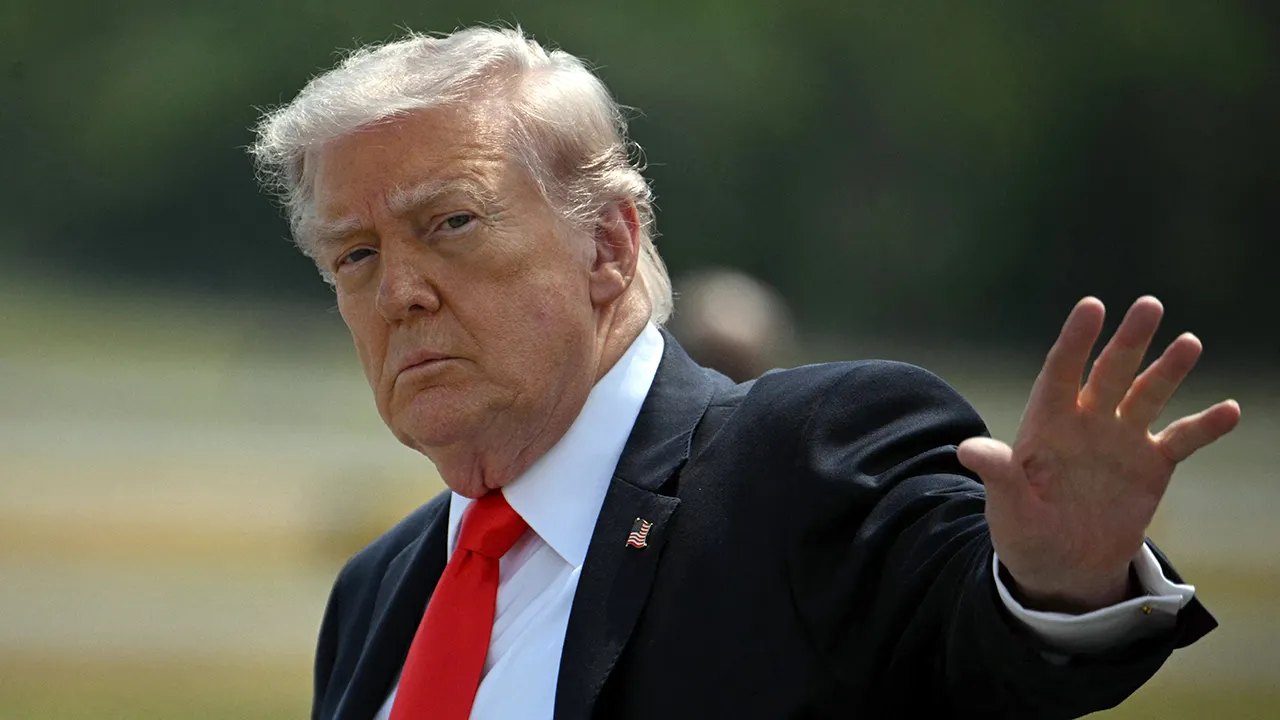
President Donald Trump said federal agencies must buy American-made products and stop using waiver loopholes to purchase foreign goods. ( Jim WATSON / AFP via Getty Images / Getty Images)
The comments come as the Trump administration moves to tighten domestic sourcing requirements across federal procurement, part of a broader push to boost U.S. manufacturing and reduce reliance on foreign supply chains.
In March, Trump signed an executive order aimed at combating fraudulent “Made in America” labels by foreign manufacturers and sellers, Reuters reported.
BUILT ON GRIT: FOX BUSINESS CROWNS THREE ‘MADE IN AMERICA’ SMALL BUSINESS WINNERS
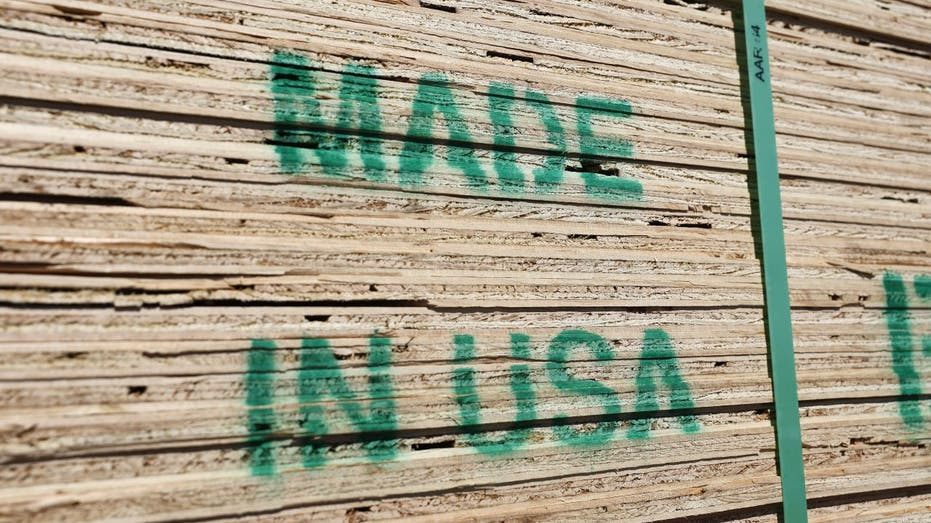
Stacks of U.S. lumber are stamped ‘Made In USA’ and available for sale at Home Depot on March 3, 2025, in Pasadena, California. (Mario Tama/Getty Images / Getty Images)
The order directs the Federal Trade Commission to prioritize enforcement against companies that falsely label products as U.S.-made or make misleading origin claims in violation of existing law.
It also calls on federal agencies responsible for country-of-origin labeling to work with the FTC to consider new regulations and ensure consistent guidance across the government.
JPMORGAN CHASE LAUNCHES AMERICAN DREAM INITIATIVE TO EXPAND SMALL BUSINESS SUPPORT ACROSS THE U.S.
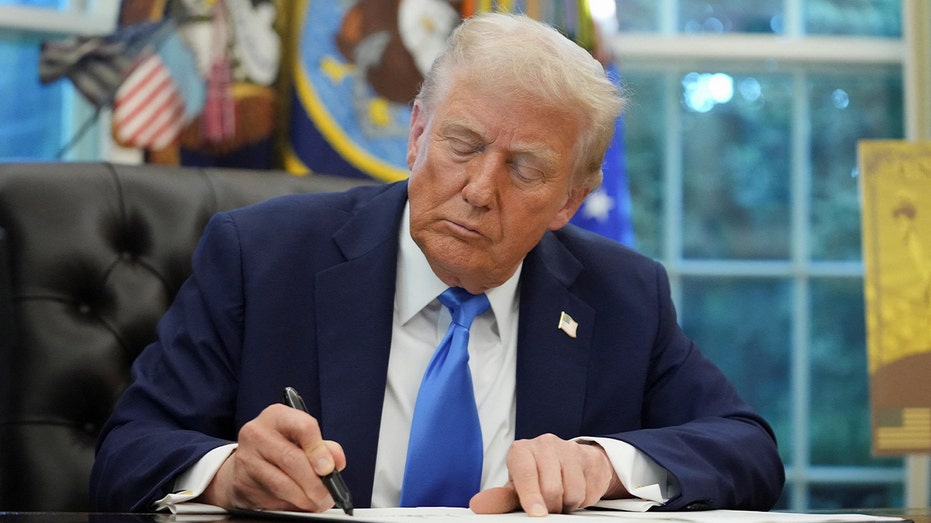
U.S. President Donald Trump signed an executive order in March to combat fraudulent “Made in America” labels by foreign manufacturers. (Ken Cedeno/Reuters / Reuters)
As part of the administration’s broader focus on domestic manufacturing, the order requires agencies overseeing federal procurement contracts to periodically verify that products marketed as American-made meet those standards and directs suspected violations to be referred to the U.S. Department of Justice for potential enforcement action.
GET FOX BUSINESS ON THE GO BY CLICKING HERE
Trump’s post emphasized closing those loopholes, particularly targeting what he described as overuse of waivers by federal agencies.
Reuters contributed to this report.

How China’s evolving consumer habits may protect the Amazon rainforest

Trump rejects Iran’s response to US peace proposal as ’unacceptable’
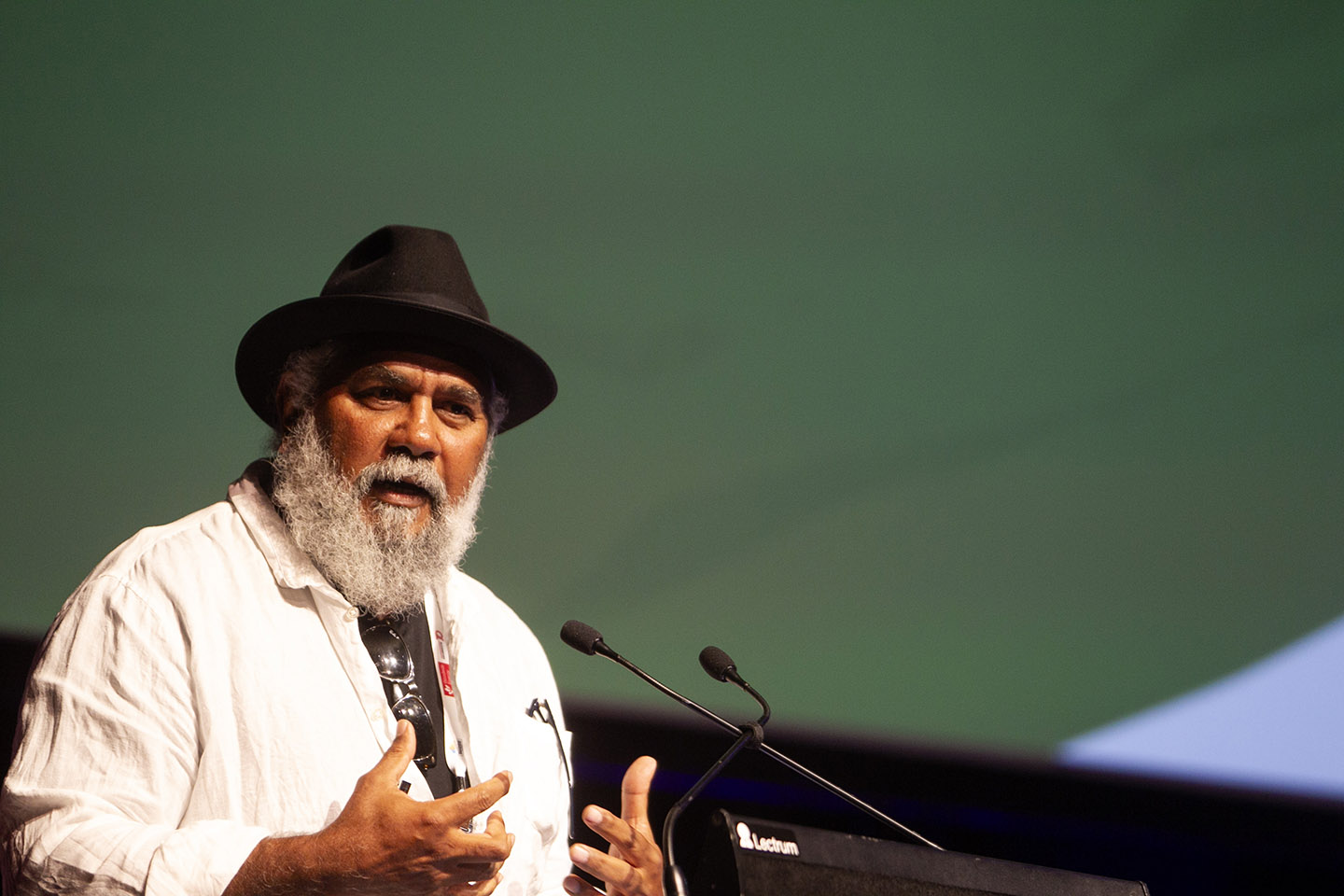
A power offtake deal signed by iron ore miner Rio Tinto will underpin construction of Australia’s first Indigenous-backed large renewable energy project in the Pilbara.
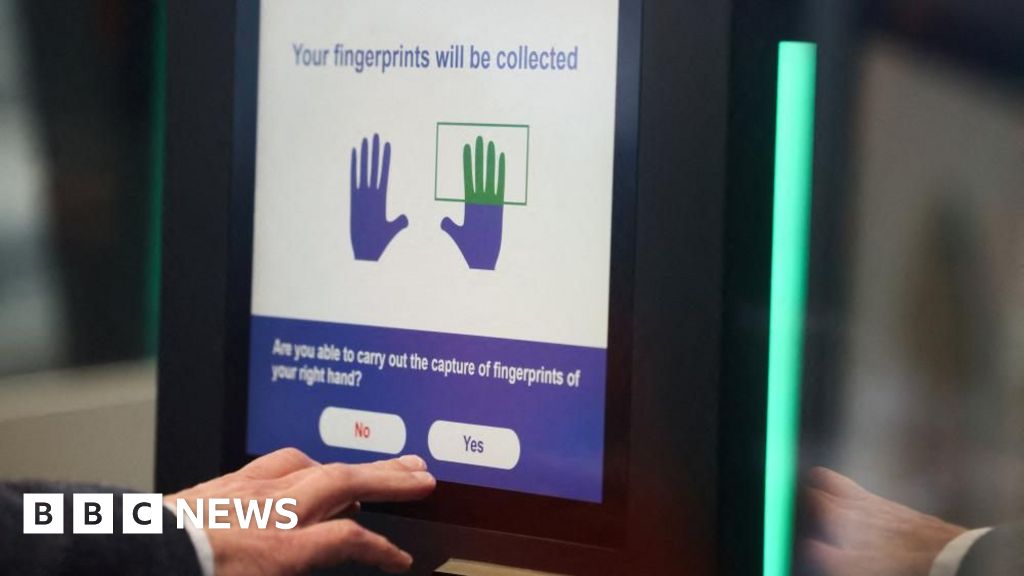
Olga Kefalogianni says the Greek government doesn’t want visitors to be “burdened” by biometric checks.
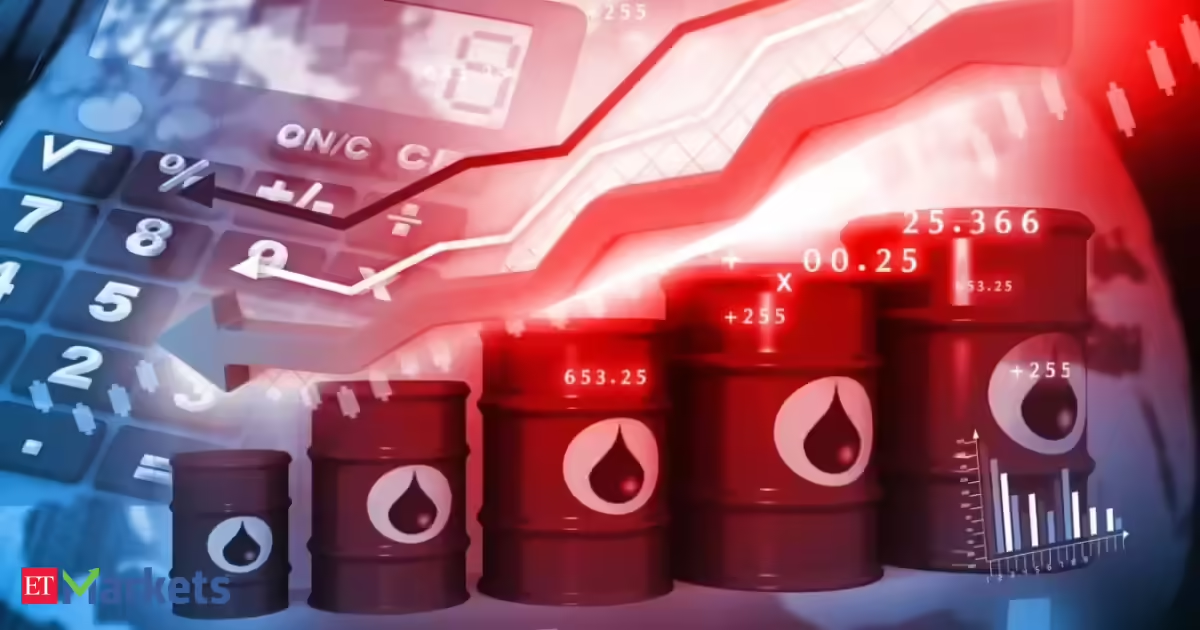
Brent crude futures climbed $3.18 or 3.14% to $104.47 a barrel by 2336 GMT, extending a 1.23% gain on Friday.
U.S. West Texas Intermediate was at $98.51 a barrel, up $3.09, or 3.24%, after settling 0.64% higher in the previous session.
Hopes for an imminent end to the 10-week-old U.S.-Iran conflict that would allow oil transit through the Strait of Hormuz were dashed after President Donald Trump on Sunday dismissed the Iranian response to a U.S. proposal for peace talks as “unacceptable”.
Trump is scheduled to arrive in Beijing on Wednesday and is expected to discuss Iran among other topics with Chinese President Xi Jinping, according to U.S. officials.
“Market attention now shifts squarely to President Trump’s visit to China this week,” IG market analyst Tony Sycamore said in a note.
“There is hope he can persuade Beijing to leverage its influence over Iran to push for a comprehensive ceasefire and a resolution to the ongoing disruption in the Strait of Hormuz.” The world has lost about 1 billion barrels of oil over the past two months and energy markets will take time to stabilise even if flows resume, Saudi Aramco CEO Amin Nasser said on Sunday.
Another two tankers laden with crude exited the Strait of Hormuz last week with trackers switched off to avoid Iranian attacks, Kpler shipping data showed, underscoring a rising trend to sustain Middle East oil exports.

It is perplexing for some as to why Indian equities are down 7.5% this year while South Korea, whose economy is projected by the International Monetary Fund (IMF) to grow at half of India’s – at 3.3% – has rallied 74% drawing global investors. The answer lies in corporate earnings and not economic growth.
Every few years, a fever grips the investing community and that drives a set of stocks to dizzying heights even while others in the same market languish. The current theme is that of Artificial Intelligence (AI) . While most of the companies like OpenAI and Anthropic that are driving the transformation are still in private markets, the desire to grab a share of that pie is driving the average investor to listed companies securing revenues from those pioneering AI.
Silicon chips are the foundation on which the AI revolution stands. Any company producing them is a winner. Nvidia Inc., a chip maker, is valued beyond $5 trillion, which is more than the GDP of India. This craze to own the future is spilling over to South Korea and Taiwan where a few companies such as Samsung Electronics are involved in producing the chips for AI.
The rush to own chip makers has pushed South Korea’s market value to $4 trillion, double that of its GDP. In contrast, India’s market capitalization is at around $4.9 trillion while the GDP is around $4.15 trillion.
What is making the difference? Samsung Electronics and SK Hynix, the chip makers!
The revenue and profit potential of companies developing Large Language Model AIs may still be on paper, but the earnings for those supplying chips are real.The unprecedented demand for chips is forcing analysts to forecast earnings growth of 220% for Korea and 58% for Taiwan. By contrast, India that doesn’t have a direct AI play is at 18%.
Some analysts project Samsung to earn a profit of $250 billion this year and SK Hynix $150 billion. Taiwan’s TSMC is projected at $100 billion. The entire Indian listed corporate system may earn around $200 billion. When Korean and Taiwan companies are growing, Indian companies are staring at a cut in their earnings estimates.
Even if the earnings are skewed with just a handful of companies, investors chase value where those assets are still cheap compared to Indian companies. While Korea is trading at around 9.5 times, Taiwan is at 19 times forward year earnings. In contrast, India is still at 19.5 times which makes the local market unattractive even to other peers – reflected in MSCI EM at 12.5 times.
“Global markets are pricing in 20-40% EPS growth, 12-18 times price-to-earnings, versus India’s 18% EPS growth,” says a strategist at Motilal Oswal Securities. “A sustainable earnings growth delivery is critical for reversing the underperformance.”
Apart from the relatively poor corporate earnings growth and steep valuations, India’s long-term dependence on capital flows for meeting its imports is translating into a weaker financial market.
The US-Iran war has not only pushed up energy prices by more than 40% steeply raising import bills, it is also threatening to disrupt supplies in the medium term if the war doesn’t end soon.
Indian rupee is trading at historic lows as foreign investors pull out record funds as they chase assets that are attractive in terms of valuations as well as earnings growth.
“The most exposed macro variable to the current shock is the balance of payment, followed by fiscal position,” says Aastha Gudwani, economist at Barclays. “Administered prices mute immediate inflation pass-through, but at the cost of growing fiscal strain if supply risks persist. Balance of Payments is likely to reel under the stress of shrinking capital inflows.”
This is a further blow to overseas investors who read their returns in US dollar terms. Looking through that prism, the Nifty is down about 8% since its January peak in Rupee terms, and 12% in USD.
To be sure, warnings have been sounded on Wall Street’s highly skewed AI investments.
The key to reversing India’s underperformance lies in boosting corporate earnings and easing macro pressures. Or, in the bursting of the AI bubble.

1929 to 2026: Check full list of Spanish La Liga winners and runners-up | Football News

The size of a credit card: This fully functional computer even packs an e-ink screen

Ikea urgently recalls popular item with ‘stop using immediately’ warning

Manchester United reach agreement with Casemiro over contract clause amid transfer speculation

US brings back mandatory military draft registration

Steven Gerrard disagrees with Gary Neville over ‘shock’ Chelsea and Arsenal claim | Football


-
 Crypto World3 days ago
HarrisX Poll Found 52% of Registered Voters Support the CLARITY Act
-

 Crypto World4 days ago
Upbit adds B3 Korean won pair as Base token gains Korea access
-

 Fashion2 days ago
Weekend Open Thread: Marianne Dress
-

 Tech6 days ago
Image AI models now drive app growth, beating chatbot upgrades
-
 NewsBeat4 days ago
NCP car park operator enters administration putting 340 UK sites at risk of closure
-
 Business2 days ago
Ignore market noise, India’s long-term story intact, say D-Street bulls Ramesh Damani and Sunil Singhania
-

 Politics2 days ago
Politics Home Article | Starmer Enters The Danger Zone
-

 Entertainment7 days ago
Olivia Wilde Reacts To Viral ‘Corpse’ Comparison
-

 Sports7 days ago
Inter Milan Win Serie A Title After Victory Over Parma
-
 Sports7 days ago
2026 NHL playoff picks: Second-round predictions, series odds, Stanley Cup bracket
-

 Crypto World6 days ago
UAE Free Zone Deploys Blockchain IDs to Verify Registered Firms
-
 Sports7 days ago
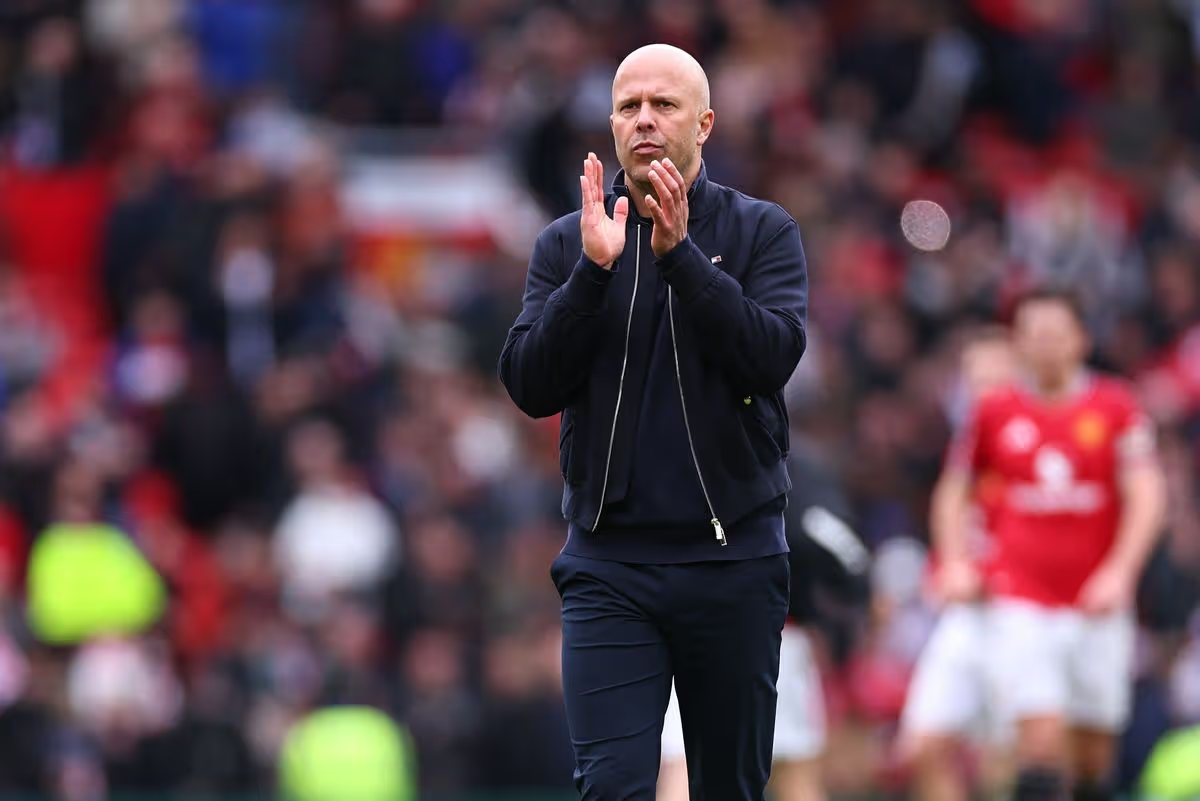
Every word of Arne Slot’s heated rant after Manchester United win vs Liverpool
-

 Crypto World4 days ago
BlackRock CEO Larry Fink Discusses a New Asset Class
-

 Crypto World4 days ago
Robinhood says Wall Street is building onchain
-

 Sports7 days ago
Manchester United Return To Champions League After Dramatic Win Over Liverpool
-

 Entertainment7 days ago
Kylie Jenner and Timothee Chalamet Hold Hands in NYC Outing
-
Entertainment6 days ago
Serena Williams hits Met Gala in metallic dress after GLP-1 reveal
-

 Fashion4 days ago
The Best Work Pants for Women in 2026
-
 Entertainment7 days ago
HBO’s Forgotten 3-Part Detective Series Has Quietly Become One of TV’s Funniest Crime Shows
-

 Tech7 days ago
The best life advice I ever followed was deleting Instagram, and it soothed my frustrated soul
You must be logged in to post a comment Login