Connect with us
DAPA Banner
DAPA Coin
DAPA
COIN PAYMENT ASSET
PRIVACY · BLOCKDAG · HOMOMORPHIC ENCRYPTION · RUST
ElGamal Encrypted MINE DAPA
🚫 GENESIS SOLD OUT
DAPAPAY COMING

Business

The Floating Hotel Standard – What Raja Ampat Liveaboards Reveal About Luxury, Trust and Indonesian Hospitality

Published

on

The Floating Hotel Standard - What Raja Ampat Liveaboards Reveal About Luxury, Trust and Indonesian Hospitality

For travellers, investors and hospitality leaders assessing remote marine tourism, a Raja Ampat diving liveaboard guide should do more than describe cabins, reefs and itineraries; it should explain why the liveaboard model has become one of Indonesia’s most refined examples of experience-led luxury.

In Raja Ampat, service quality is measured not only by comfort but also by timing, safety, discretion, environmental care, and the ability to deliver something deeply memorable without making it feel manufactured.

Why Raja Ampat Holds a Unique Position in Indonesian Tourism

Raja Ampat is not a mass-market destination. Its appeal comes from remoteness, biodiversity and the sense of entering a marine landscape that still feels rare. For liveaboard operators, this creates both opportunity and responsibility.

Guests are not simply booking a boat. They are booking with confidence. They want to know that the crew understands currents, weather, dive planning, hospitality flow, food preferences and the subtle expectations of international luxury travellers.

This is where Raja Ampat liveaboard diving differs from many land-based holidays. The experience is self-contained. The vessel is the hotel, restaurant, dive centre, transport provider and private retreat, all at once.

Advertisement
  • Every crew interaction matters.
  • Every schedule decision affects comfort.
  • Every safety briefing shapes trust.
  • Every meal contributes to the overall memory.
  • Every environmental choice reflects the brand.

A well-structured Raja Ampat diving liveaboard guide helps operators and guests alike understand how each of these details contributes to an experience that feels seamless rather than scripted.

The Rise of Experience-Led Luxury at Sea

Polished wood, spacious cabins, or fine dining alone no longer define luxury in liveaboard travel in Indonesia. These details still matter, but modern guests expect something more layered: privacy, authenticity, personalisation and responsible access to nature.

A well-managed liveaboard succeeds when guests feel looked after without feeling controlled. The rhythm should feel effortless, even though behind the scenes it requires serious operational discipline.

This balance is especially important in Raja Ampat, where weather windows, dive site selection and guest ability must be managed carefully. Luxury here is not about excess. It is about judgment.

What Guests Really Value on a Raja Ampat Liveaboard

Many guests arrive after searching for terms such as “scuba Indonesia” or “best diving” because they already know the country offers world-class underwater experiences. However, once they are on board, what they remember most is often the human side of the journey.

Advertisement

They remember the cruise director who adjusted the plan after listening to their concerns. They remember the chef who handled dietary needs without fuss. They remember the dive guide who noticed anxiety before it became a problem.

The strongest liveaboard experiences usually include:

  • Clear pre-arrival communication.
  • Honest explanations of itinerary flexibility.
  • Well-maintained diving and safety equipment.
  • Calm, capable dive guides.
  • Respectful service that is attentive but not intrusive.
  • Food and beverage standards suited to remote cruising.
  • Sensible environmental practices.
  • A crew culture that feels warm and professional.

These are not decorative extras. They are the operating foundations of high-end marine hospitality.

Raja Ampat Compared with Komodo

Many travellers considering a Raja Ampat journey may also be looking at a Komodo liveaboard. Both destinations are exceptional, but they offer different moods and operational realities.

Komodo is often associated with dramatic landscapes, stronger currents, seasonal manta encounters and a more adventurous tone. Raja Ampat feels more expansive, remote and immersive, with a strong emphasis on biodiversity, reef variety and longer cruising distances.

For hospitality businesses, the comparison is useful because it shows that Indonesia cannot be treated as one single dive product. Each region needs its own positioning, staffing style and guest communication strategy.

Advertisement

A practical distinction for operators:

  • Komodo often attracts guests seeking intensity, scenery and adventure.
  • Raja Ampat often attracts guests seeking rarity, immersion and marine abundance.
  • Both require strong safety systems and transparent guest briefings.
  • Both benefit from a luxury that feels grounded rather than excessive.

The Business Case for Responsible Remote Tourism

For BM Magazine readers, the liveaboard sector is interesting because it demonstrates how a niche tourism model can create high-value economic activity without relying on large-scale development.

A well-run liveaboard supports local employment, marine park fees, supply chains, guides, harbour services and specialist maintenance. It also encourages longer booking windows and higher guest spend compared with many short-stay tourism products.

However, the model only works in the long term if it protects the asset that creates demand: the marine environment. Raja Ampat’s reefs are not a backdrop. They are the core infrastructure of the business.

This means operators must think beyond occupancy and seasonal revenue. They must consider carrying capacity, anchoring practices, waste systems, community relationships and guest education.

Service Excellence in a Confined Luxury Environment

A resort has space. A liveaboard has intimacy. That changes the rules of hospitality.

Advertisement

On board, small issues become visible quickly. A delayed meal, a confusing dive schedule, or a poorly handled complaint can affect the overall atmosphere. Equally, small gestures can have an outsized impact.

The best managers train crews to read the room. Some guests want conversation. Others want quiet. Some want every dive possible. Others may need rest but feel hesitant to miss out. Luxury service is knowing when to suggest, when to step back and when to solve a problem before it grows quietly.

Safety as a Brand Promise

In diving, safety is not simply a technical requirement. It is part of the emotional contract with the guest.

A premium liveaboard must be able to demonstrate competence without creating anxiety. Briefings should be clear, equipment should be checked, emergency procedures should be known to all crew members, and dive plans should match the day’s actual conditions.

Advertisement

The strongest operators do not treat safety as something hidden behind the scenes. They make it visible in a calm, reassuring way.

This includes:

  • Professional dive briefings.
  • Realistic current and visibility updates.
  • Conservative planning where needed.
  • Crew coordination between deck, tender and dive teams.
  • Oxygen, first-aid and emergency response readiness.
  • Guest screening without embarrassment or pressure.

Trust is built when guests see that standards are consistent.

Food, Comfort and Cultural Detail

Food on a Raja Ampat liveaboard does more than fill the time between dives. It gives structure to the day and provides comfort in a remote environment.

International guests appreciate variety, but they also value a sense of place. Indonesian flavours, responsibly sourced local seafood, tropical fruit, and thoughtful presentation can make the journey feel connected to the region.

Hospitality managers should not underestimate the importance of these moments. After a morning dive, a well-prepared meal can feel as memorable as a luxury hotel dinner, precisely because of the setting.

Advertisement

What the Wider Hospitality Industry Can Learn

The liveaboard model offers lessons beyond diving. It shows how premium hospitality can succeed through integration. Accommodation, activity, transport, dining and interpretation are not separate departments; they are one continuous experience.

This is relevant to hotels, resorts and tourism brands across Indonesia. Guests increasingly value coherence. They do not want fragmented service. They want the feeling that someone has thought carefully about the full journey.

The Future of Raja Ampat Liveaboard Diving

Raja Ampat’s future will depend on restraint as much as growth. Demand is strong, but the destination’s value lies in its sense of rarity. Operators, agents, investors and local authorities all have a role in maintaining that balance.

The most successful liveaboards will be those that combine commercial discipline with genuine stewardship. They will understand that luxury at sea is not about showing off. It is about delivering comfort, safety and wonder in a place where nature remains the main event.

Advertisement

For business readers, Raja Ampat is a reminder that the strongest hospitality brands are built on trust. In remote diving, trust is earned through preparation, humility and respect for the environment. The guest may come for the reefs, but they return because the people made the journey feel effortless, meaningful and safe.

Advertisement
Continue Reading
Click to comment

You must be logged in to post a comment Login

Leave a Reply

Business

Kodiak Gas Services, Inc. (KGS) Q1 2026 Earnings Call Transcript

Published

on

OneWater Marine Inc. (ONEW) Q1 2026 Earnings Call Transcript

Q1: 2026-05-11 Earnings Summary

EPS of $0.59 beats by $0.05

 | Revenue of $345.76M (4.89% Y/Y) beats by $5.33M

Kodiak Gas Services, Inc. (KGS) Q1 2026 Earnings Call May 11, 2026 11:00 AM EDT

Company Participants

Graham Sones – Vice President of Investor Relations
Robert McKee – CEO, President & Director
John Griggs – Executive VP & CFO

Advertisement

Conference Call Participants

Elias Jossen – JPMorgan Chase & Co, Research Division
John Mackay – Goldman Sachs Group, Inc., Research Division
James Rollyson – Raymond James & Associates, Inc., Research Division
Douglas Irwin – Citigroup Inc., Research Division
Neal Dingmann – William Blair & Company L.L.C., Research Division
James Larkin – BofA Securities, Research Division
Theresa Chen – Barclays Bank PLC, Research Division
Sebastian Erskine – Rothschild & Co Redburn, Research Division
Elvira Scotto – RBC Capital Markets, Research Division
Joshua Jayne – Daniel Energy Partners, LLC

Advertisement

Presentation

Operator

Greetings, and welcome to the Kodiak Gas Services First Quarter 2026 Earnings Call. [Operator Instructions] As a reminder, this conference is being recorded. I would now like to turn the conference over to your host, Graham Sones, Vice President of Investor Relations. Thank you. You may begin.

Advertisement

Graham Sones
Vice President of Investor Relations

Good morning, and thanks for joining us for the Kodiak Gas Services conference call and webcast to review our first quarter of 2026 results. Joining me from the company today are Mickey McKee, President and Chief Executive Officer; and John Griggs, Executive Vice President and Chief Financial Officer. After my remarks, Mickey and John will cover recent market developments, share an update on our power strategy and walk through our results and updated 2026 outlook, including our new Power segment.

Then we’ll open it up for Q&A. Replay of today’s call will be available by webcast and phone through May 25, 2026. Replay details are on the Investors tab of our website at kodiakgas.com. And as a reminder, the information discussed today speaks only as of May 11, 2026, and may no longer be

Advertisement
Continue Reading

Business

LARRY KUDLOW: Now is the time for a Persian overthrow of the Iranian regime

Published

on

LARRY KUDLOW: Warsh is the right man for the Fed

President Trump rejected the ludicrous Iranian conditions for an end to the war as totally unacceptable. Here’s what he said earlier today: “After reading that piece of garbage they sent us. I didn’t even finish reading it.” He added: “I’m not going to waste my time reading it.” It’s basically the same nonsense they were throwing at him a month ago. A permanent end to the war. Lift the blockade. Give them control over the Strait of Hormuz. Give them money. 

No discussion of ending nuclear capabilities or handing over their enriched uranium. Or stopping their missile production. Or ending their state-sponsorship of terror and financing terror proxies. In other words, they’re not serious. Of course not: in 47 years they’ve never been serious.

Advertisement

And that’s why Mr. Trump’s war against Iran along with our ally Israel, is so important and so courageous. One Iranian spokesman says the American conditions amounted to a surrender by Iran. Right. My only disagreement is that it should be an unconditional surrender.

Not only stopping Iran’s radical Islamist crusade against civilization, but also restoring freedom to the vast majority of Persian Iranians who do not favor the crazy inhumane, Nazi-like Islamic Revolutionary Guard Corps regime. Yet restoring freedom to Israel and the rest of the Middle East, including of course our Gulf allies, and really restoring freedom and prosperity worldwide.

Mr. Trump is in fact doing a great service, literally to the entire world outside of the murderers in Iran. Some 42,000 people have been killed so far this year. Is that not inhumane? Does that not require overthrowing that regime?

Advertisement

I hope we all remember nearly 25 years ago, the Al Qaeda attack on the World Trade Center. The whole country then rallied around American patriotism and security. The radical IRGC is a different breed of Islamic extremism, but it’s the same hatred of America, hatred of Israel, hatred of Western culture, and hatred of civilized people around the world.

It’s why the apparent Democratic party opposition to the Iran war is unfathomable to me. Perhaps it’s because the Democrats have become the anti-Israel party, but that too is unfathomable to me. In any case, Mr. Trump will undoubtedly be taking additional actions against Iran. He has mentioned Project Freedom plus, and in all likelihood there will be substantial combat operations.

For my part, I believe it’s essential that America take total control of the entire Arabian Gulf, Hormuz included. While keeping the successful blockade on Iran which is squeezing down the already collapsing Iranian economy. And perhaps if we give the civilian population some strong help, now is the time they will overthrow the most gruesome government since the Nazis of nearly 100 years ago and perhaps the worst regime of any time in history.

Advertisement
Continue Reading

Business

monday.com Ltd. (MNDY) Q1 2026 Earnings Call Transcript

Published

on

OneWater Marine Inc. (ONEW) Q1 2026 Earnings Call Transcript

Operator

Good day. My name is Desiree and I will be your conference operator today. At this time, I would like to welcome everyone to monday.com’s First Quarter Fiscal Year 2026 Earnings Conference Call.

I would like to turn the call over to monday.com’s Vice President of Investor Relations. Mr. Byron Stephen. Please go ahead.

Advertisement

Byron Stephen
Director of Investor Relations

Hello, everyone, and thank you for joining us on today’s conference call to discuss the financial results for monday.com’s First quarter Fiscal Year 2026.

Joining me today are Roy Mann and Eran Zinman co-CEO’s of monday.com; Eliran Glazer, monday.com’s CFO; and Casey George, monday.com’s CRO. We released our results for the first quarter of fiscal year 2026 earlier today. You can find our quarterly shareholder letter, along with the investor presentation and a replay of today’s webcast under the News and Events section of our IR website at ir.monday.com.

Certain statements made on the call today will be forward-looking statements, which reflect management’s best judgment based on currently available information. These statements involve risks and uncertainties that may cause actual results to

Advertisement
Continue Reading

Business

How Price Monitoring Tools Give Retailers a Competitive Edge

Published

on

Wealth management once operated on predictable formulae: cultivate relationships through family connections, recommend conservative fixed deposits, and maintain capital preservation.

In the dynamic landscape of retail, staying ahead of competitors requires more than just intuition and market experience.

The proliferation of digital data and evolving consumer expectations have made it essential for retailers to adopt technology-driven strategies. Among these, advanced price monitoring tools have emerged as pivotal instruments for maintaining competitive pricing and driving profitability.

The Evolving Role of Price Monitoring in Modern Retail

Traditionally, price adjustments and discount management were often based on periodic market reports and manual checks. However, the rapid shift towards e-commerce and omnichannel sales strategies has substantially accelerated market movements. This transforming environment demands a more agile approach to pricing. Retailers now need real-time insights into competitor pricing trends, inventory dynamics, and market demand fluctuations. Implementing a price monitoring tool early in the pricing decision process allows businesses to adapt quickly, refine their strategies, and ultimately gain an edge over competitors.

How Data-Driven Pricing Enhances Retailer Agility

Modern price monitoring systems operate by gathering extensive market data from a variety of sources, including online listings, competitor websites, and customer feedback channels. This vast pool of information enables retailers to analyze trends and market sentiment with a level of precision that manual methods simply cannot match. With reliable, up-to-date data, pricing strategies can be recalibrated in near real-time to reflect changes in consumer demand or competitor activities.

The sophisticated analytical capabilities embedded in these systems not only identify discrepancies in pricing but also highlight opportunities for adjusting margins based on purchasing patterns and seasonal trends. By adopting these tools, businesses can optimize their pricing structure, balance stock levels, and improve overall customer satisfaction. The integration of comprehensive market data into pricing decisions means that retailers can now forecast trends more accurately and manage risks more effectively.

Advertisement

Retail Price Tracking: An Essential Component of Market Strategy

Retail price tracking is much more than simply monitoring competitor prices. It provides insight into the broader competitive landscape, including factors such as product availability, promotional strategies, and consumer sentiment. In a market characterized by rapid innovation and intense competition, this level of detail becomes invaluable.

For instance, when a rival adjusts their prices in response to supply chain disruptions or changes in consumer behavior, a robust price monitoring system will capture these deviations almost immediately. This capability allows retailers to mirror market moves when necessary or differentiate their offerings by providing additional value through superior customer service or enhanced product features. The ability to track retail prices in real time also fosters a culture of proactive strategy adjustment rather than reactive crisis management.

Integrating Dynamic Pricing Strategies for Long-Term Advantage

Dynamic pricing, where prices are constantly optimized based on market conditions, has become a cornerstone of modern retail management. Strategies authorized by reliable data empower businesses to operate with greater flexibility. Instead of being caught off guard by sudden market changes, companies employing these strategies can quickly pivot their models to capture emerging opportunities and mitigate potential losses.

When a retailer leverages an integrated price monitoring solution, they can correlate external market trends with internal data such as historical sales and customer behavior. This synthesis of insights not only prompts timely adjustments but also encourages a holistic approach to pricing that encompasses various customer segments and geographical regions. Over time, such a data-centric pricing philosophy can translate into sustained competitive advantage and increased market share.

Advertisement

Case Studies: Real-World Impact of Effective Price Monitoring

The benefits of price monitoring tools are well documented in numerous industry case studies. In one instance, a mid-sized retail chain was able to identify and address unwarranted price discrepancies across its network of stores. By employing a system that continuously tracked competitor pricing data and adjusted its own prices in real time, the retailer not only improved its profit margins but also strengthened its brand promise of offering both quality and value.

Another compelling example comes from the e-commerce sector, where businesses that regularly adjust their prices in response to real-time market insights have seen significantly improved conversion rates and reduced instances of lost sales. In a market where consumers are increasingly driven by online research and instant price comparisons, ensuring that products are competitively priced can be the difference between securing a sale or watching a potential customer turn to a competitor.

Sustainable Growth Through Intelligent Pricing Solutions

As market conditions become more unpredictable, retailers are compelled to embrace innovations that not only streamline operations but also contribute to long-term growth. Price monitoring tools represent a critical piece in the broader puzzle of business intelligence. By providing transparency in pricing and supply chain dynamics, these tools empower businesses to make informed decisions that align with their strategic goals.

Furthermore, such monitoring systems are fundamental in developing effective marketing campaigns and promotional strategies. When retailers have access to precise retail price tracking data, they are better positioned to design targeted discount campaigns, seasonal promotions, or even loyalty programs that resonate with evolving consumer trends. This kind of data-informed approach helps ensure that promotional activities are both competitive and customer-centric.

Advertisement

Conclusion: Embracing Technology for Competitive Resilience

The modern retail landscape demands agility, foresight, and a proactive approach to pricing strategy. As digital disruption transforms consumer expectations and escalates competition, information-driven tools like sophisticated price monitoring systems become indispensable assets. By integrating these advanced technologies into their operational framework, retailers can maintain a competitive edge and drive sustainable growth.

Ultimately, the move towards data-centric pricing is not just a reaction to current market pressures but a strategic investment in the future. Retailers who harness the power of dynamic, real-time data will be best equipped to navigate market volatility, respond to competitive pressure, and capitalize on emerging growth opportunities. This trend underscores the importance of evolving from traditional pricing methods to solutions that empower businesses with actionable insights for long-term success.

Advertisement
Continue Reading

Business

Texas alleges hidden danger from Netflix data collection for kids, families

Published

on

Texas alleges hidden danger from Netflix data collection for kids, families

The state of Texas announced a lawsuit against streaming giant Netflix on Monday, accusing the company of spying on children and other consumers by collecting their data without consent and designing the platform to be addictive.

Texas claims that Netflix has falsely represented to consumers that it didn’t collect or share user data while it actually tracked and sold viewers’ habits and preferences to commercial data brokers and advertising technology companies.

Advertisement

The lawsuit, filed by Texas Attorney General Ken Paxton, claims that “Netflix’s endgame is simple and lucrative: get children and families glued to the screen, harvest their data while they are stuck there, and then monetize the data for a handsome profit.”

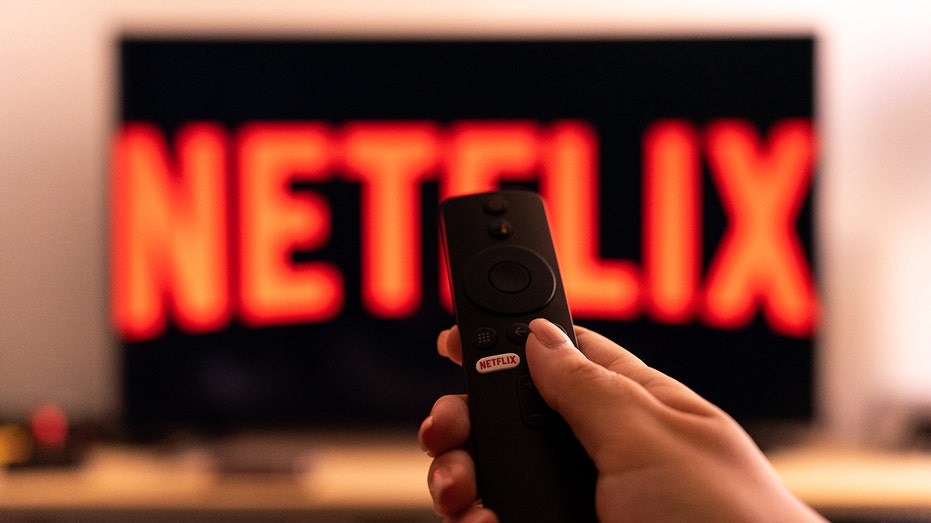
Netflix on a TV

The state of Texas announced a lawsuit against streaming giant Netflix on Monday. (Nikos Pekiaridis/NurPhoto via Getty Images)

“When you watch Netflix, Netflix watched you,” Texas added in the lawsuit.

NETFLIX CO-FOUNDER REED HASTINGS TO STEP DOWN, DEPARTURE IS ‘SPOOKING INVESTORS’

Ticker Security Last Change Change %
NFLX NETFLIX INC. 85.45 -2.04 -2.33%

The complaint quotes comments made by former CEO Reed Hastings who said in 2020, while he was still leading the streaming company, that “we don’t collect anything,” amid questions over Big Tech companies’ data collection practices.

Advertisement

Netflix was also accused of quietly using “dark patterns” to keep users watching on its platform, such as an autoplay feature that starts a new show after a different show ends.

NETFLIX RAISES SUBSCRIPTION PRICES ACROSS ALL PLANS

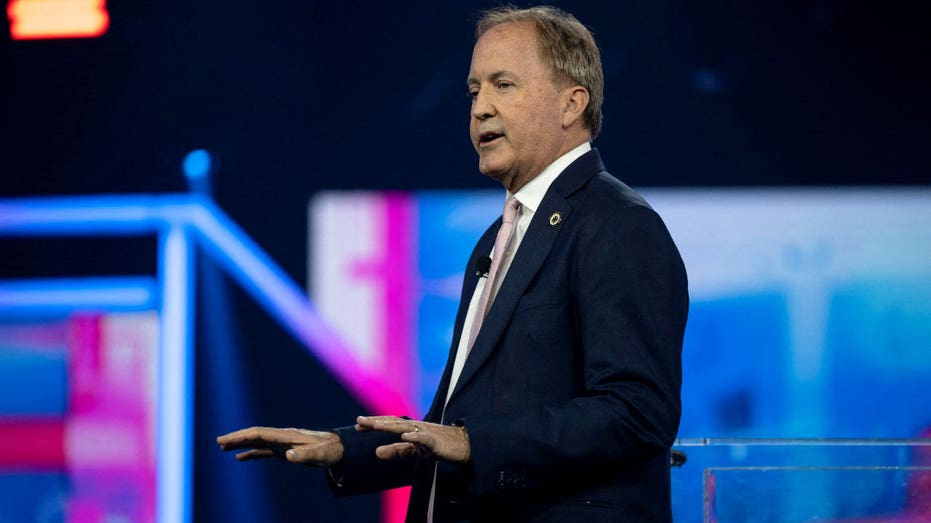
Texas Attorney General Ken Paxton speaking.

Texas Attorney General Ken Paxton filed the lawsuit. (Cheney Orr/Reuters)

Paxton said in a press release that Netflix “has built a surveillance program designed to illegally collect and profit from Texans’ personal data without their consent, and my office will do everything in our power to stop it.”

The attorney general said he’s charging Netflix under the state’s Deceptive Trade Practices Act and seeks to require Netflix to stop the unlawful collection and disclosure of user data, require Netflix to disable autoplay by default on kid’s profiles, and to secure injunctive relief and civil penalties.

Advertisement

GET FOX BUSINESS ON THE GO BY CLICKING HERE

FOX Business reached out to Netflix for comment.

Reuters contributed to this report.

Advertisement
Continue Reading

Business

Hawley introduces bill to suspend gas tax amid Iran price hike

Published

on

Hawley introduces bill to suspend gas tax amid Iran price hike

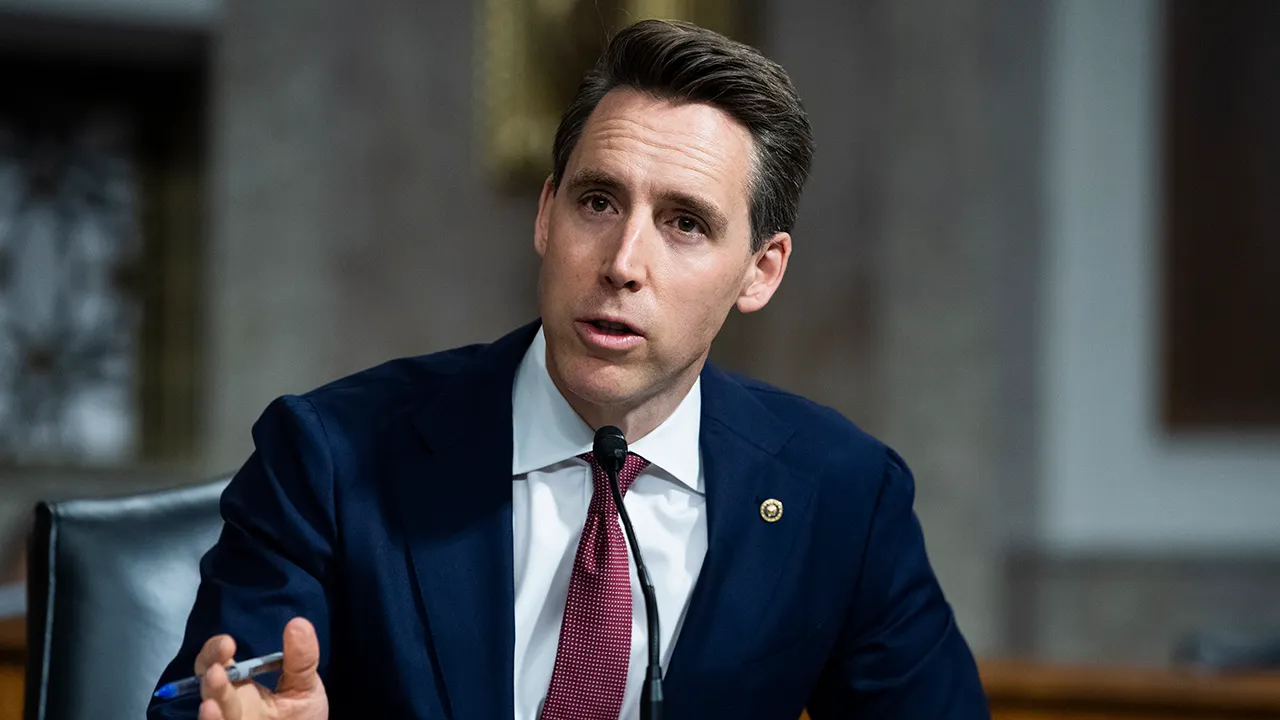
FIRST ON FOX: Sen. Josh Hawley, R-Mo., is introducing legislation to suspend the federal gas tax, Fox News has learned.

The move comes just hours after President Donald Trump confirmed he supports taking the measure, which would require an act of Congress. Gas prices spiked to over $4.52 this weekend as the conflict with Iran continues, according to AAA.

Advertisement

Hawley’s Gas Tax Suspension Act would pause both the 18.4 cent gas tax and the 24.4 cent diesel tax for 90 days upon passage. The bill would also allow Trump to extend the suspension for an additional 90 days if he determines it is necessary.

“President Trump has proposed to suspend the federal gas tax and he’s exactly right,” Hawley told Fox News Digital in a statement. “American workers and families deserve immediate relief and this legislation will do just that.”

WHITE HOUSE SAYS OIL PRICE SPIKE IS TEMPORARY AS TRUMP PUSHES ENERGY DOMINANCE AMID IRAN WAR

Missouri Senator Josh Hawley supports TikTok ban

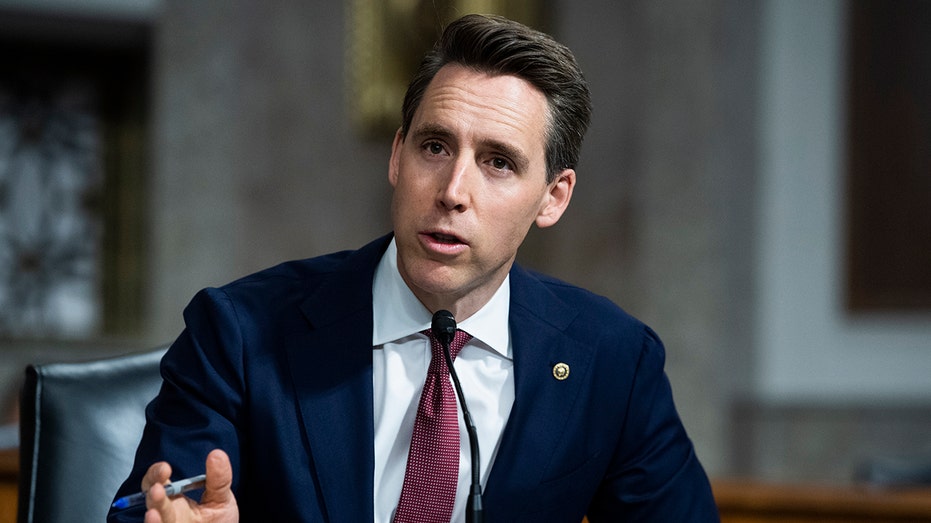
Sen. Josh Hawley, R-Mo., has introduced legislation that would temporarily suspend the federal gas tax. (Tom Williams-Pool/Getty Images)

Trump told CBS News on Monday morning that suspending the tax is a “great idea.”

Advertisement

“We’re going to take off the gas tax for a period of time, and when gas goes down, we’ll let it phase back in,” Trump told CBS.

GAS SURGE TIED TO IRAN CONFLICT HITS SWING STATES, TESTING TRUMP’S LOW-PRICE PITCH

Gas prices in San Diego

A sign displays fuel prices at a Shell gas station in downtown San Diego on May 4, 2026. (Ariana Drehsler/Bloomberg via Getty Images)

Energy Secretary Chris Wright said Sunday the Trump administration was open to suspending the tax, though he framed the potential suspension as part of a broader effort by the administration to respond to higher energy costs.

“We are working every day to offset this rise in prices because of a critical conflict in Iran to drive prices down and we’re open to all such ideas,” Wright said.

Advertisement
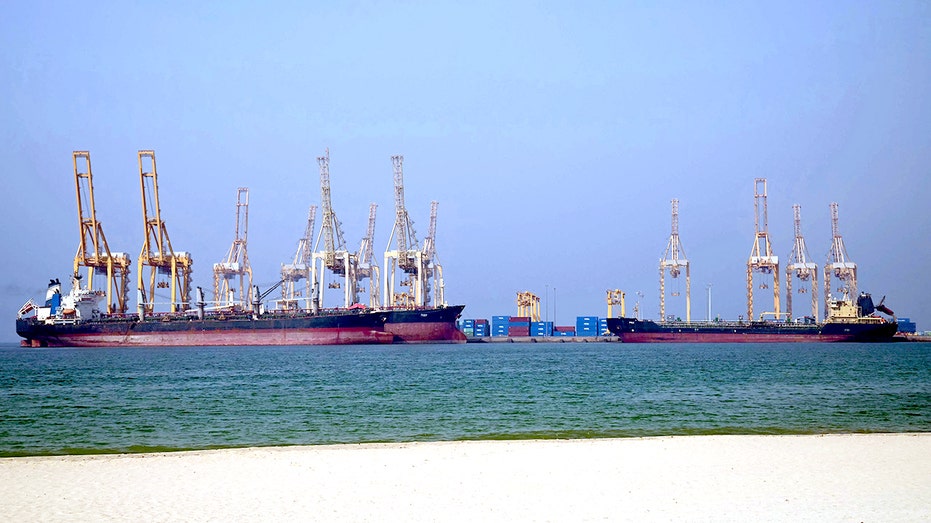
Oil tankers in the Strait of Hormuz.

Iran’s closure of the Strait of Hormuz has driven a rise in gas prices across the globe. (Giuseppe Cacace/AFP via Getty Images)

GET FOX BUSINESS ON THE GO BY CLICKING HERE

Several states, including Georgia, Indiana and Utah, have temporarily suspended state gas taxes to provide relief to drivers. Other members of Congress have also proposed plans to pause the federal gas tax.

Read the full Gas Tax Suspension Act below: (App users click here)

Continue Reading

Business

Is Doncic Playing for Lakers vs Thunder Game 4 Today?

Published

on

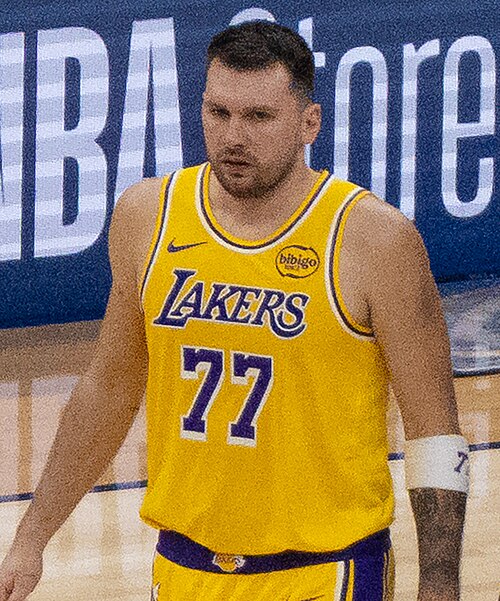
Luka Doncic

LOS ANGELES — Luka Doncic will miss his ninth consecutive game when the Los Angeles Lakers host the Oklahoma City Thunder in Game 4 of the Western Conference semifinals on Monday night, continuing his recovery from a Grade 2 left hamstring strain that has sidelined him since early April.

The Lakers officially listed Doncic as out on their injury report released Monday afternoon, with no change in status from previous games. The Slovenian superstar has been progressing in his rehabilitation — recently beginning running — but remains well short of full basketball activity as the team fights to avoid a sweep.

Eight-week timeline looms large

Doncic suffered the injury on April 2 against these same Thunder. The initial MRI projected an eight-week recovery window, placing a potential return around early June. At five weeks post-injury, he has begun running but has not progressed to on-court contact, 5-on-5 work or game-speed drills.

Advertisement

In his most detailed public update last week, Doncic acknowledged the conservative timeline. “The doctor said eight weeks at the beginning of the first MRI,” he told reporters. “I’m just going day by day, and I feel better every day.” He has traveled to Europe for specialized treatment but has not accelerated the process beyond medical guidance.

Lakers desperate without their star

Without Doncic, the Lakers have leaned heavily on LeBron James and a supporting cast that includes Austin Reaves, Rui Hachimura and D’Angelo Russell. The team has shown flashes of competitiveness but has been unable to match Oklahoma City’s depth, athleticism and defensive versatility. The Thunder lead the series 3-0 heading into Monday’s must-win game at Crypto.com Arena.

Coach JJ Redick has emphasized adjustments and next-man-up mentality, but the absence of Doncic’s scoring gravity, playmaking and size has been glaring. James has logged heavy minutes, but the offensive ceiling without the 30-point, 8-assist threat has proven difficult to reach consistently.

Advertisement

Medical and long-term outlook

Medical experts note that Grade 2 hamstring strains carry significant re-injury risk if rushed. The Lakers are taking a measured approach, prioritizing Doncic’s long-term health over a desperate playoff push. Even if the Lakers extend the series, a return in the Western Conference finals would require rapid progression in the coming days.

Doncic has dealt with lower-body soft-tissue issues in recent seasons. This latest strain, described as more severe than previous ones, has tested both his patience and the organization’s contingency planning.

Thunder capitalize on Lakers’ vulnerabilities

Advertisement

Oklahoma City has exploited the mismatch effectively. Shai Gilgeous-Alexander and the Thunder’s deep roster have dominated transition play and the glass, building double-digit leads in each of the first three games. Coach Mark Daigneault’s team enters Game 4 with a chance to sweep and advance to the Western Conference finals.

The Thunder have shown championship poise, maintaining focus despite the Lakers’ home-court energy. Their length and switching defense have neutralized much of Los Angeles’ half-court offense in Doncic’s absence.

Fan frustration and broader implications

Lakers fans have expressed a mix of disappointment and realism on social media. Many hoped for a miracle return, but the eight-week timeline and medical updates have tempered expectations. The organization’s investment in pairing James with Doncic faces its first major test, with questions about roster construction and future flexibility likely to intensify if the series ends quickly.

Advertisement

A sweep would mark another early postseason exit and intensify scrutiny on front-office decisions. General manager Rob Pelinka faces difficult choices this offseason regardless of the outcome, particularly around supporting cast construction and managing aging stars.

Path forward for Doncic and Lakers

For Doncic, the focus remains steady rehabilitation. If the original timeline holds, he could target late May for basketball activities, potentially aligning with a hypothetical Conference Finals appearance. Any earlier return would require pain-free running, strength testing and medical clearance.

The Lakers, meanwhile, must find answers quickly. Monday night’s Game 4 represents more than survival — it is a chance to salvage pride, extend the series and buy time for potential reinforcements. Whether they can force the Thunder into a longer battle without their star remains to be seen.

Advertisement

As Crypto.com Arena prepares for what could be a pivotal home game, the spotlight remains on Doncic’s recovery timeline and the Lakers’ ability to compete shorthanded. The hamstring injury has tested the franchise’s depth and resilience at the worst possible moment, leaving fans hoping for a miracle in a season defined by high expectations.

Game 4 tips off at 10:30 p.m. ET on Prime Video. While Doncic watches from the sideline, the Lakers will attempt to defy the odds and keep their season alive against a Thunder team playing with championship momentum.

Continue Reading

Business

Saudi Aramco CEO warns oil markets may not normalize until 2027

Published

on

Saudi Aramco CEO warns oil markets may not normalize until 2027

The CEO of Saudi Arabia’s state-owned oil company is warning that the energy sector will take time to recover from the Iran war’s impact on supply as oil output was slashed due to the ongoing disruptions to shipping in the Strait of Hormuz.

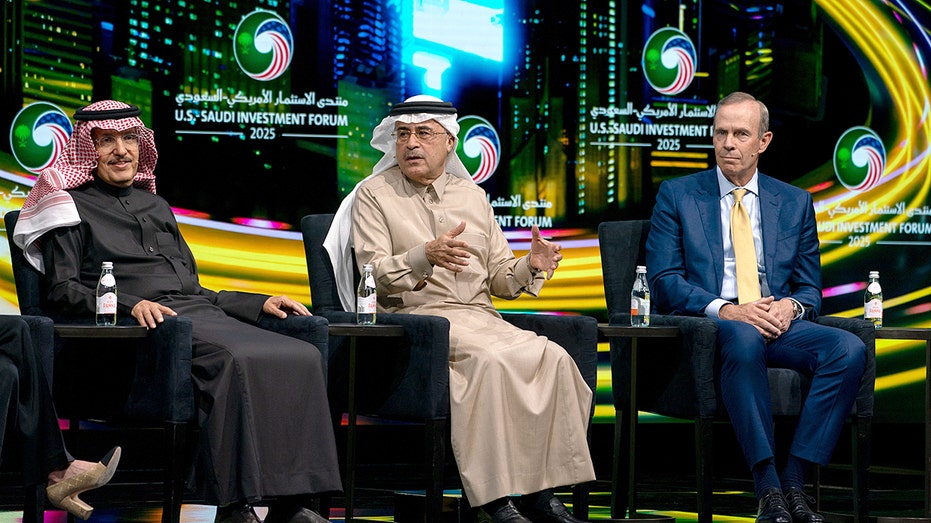
Saudi Aramco CEO Amin Nasser said on an earnings call Monday that the global energy market has lost about 1 billion barrels of oil supply during the crisis, though efforts to reroute shipments to avoid using the Strait of Hormuz and releases from countries’ strategic petroleum reserves have eased some of the supply issues.

Advertisement

“The energy supply shock that began in the first quarter is the largest the world has ever experienced,” Nasser said.

He said that the world is now losing about 100 million barrels of oil supply per week as long as the Strait of Hormuz remains largely closed to tanker traffic. If the disruption continues for several more weeks, Aramco thinks that oil markets may not normalize until 2027.

CHEVRON CEO SAYS ECONOMIES ‘ARE GOING TO HAVE TO SLOW’ AS STRAIT OF HORMUZ CLOSURE DISRUPTS OIL SUPPLY

Kharg Island, Iran

Global oil supplies have contracted due to the Iran war’s impact on the supply chain. (Fatemeh Bahrami/Anadolu Agency/Getty Images)

“Reopening routes is not the same as normalizing a market that has been deprived of about 1 billion barrels of oil,” Nasser said, adding that years of underinvestment compounded the strain caused by the conflict on global oil inventory.

Advertisement

“Recent events have clearly demonstrated the vital contribution of oil and gas to energy security and the global economy and are a stark reminder that reliable energy supply is critical,” he added.

AMERICANS LEAN ON CREDIT CARDS AND BUY NOW, PAY LATER AS GAS PRICES EAT BIGGER SHARE OF INCOME

World leading business CEOs gather in DC

Saudi Aramco CEO Amin Nasser, center, said the global energy market has lost about 1 billion barrels of oil due to the closure of the Strait of Hormuz. (Stefani Reynolds/Bloomberg via Getty Images)

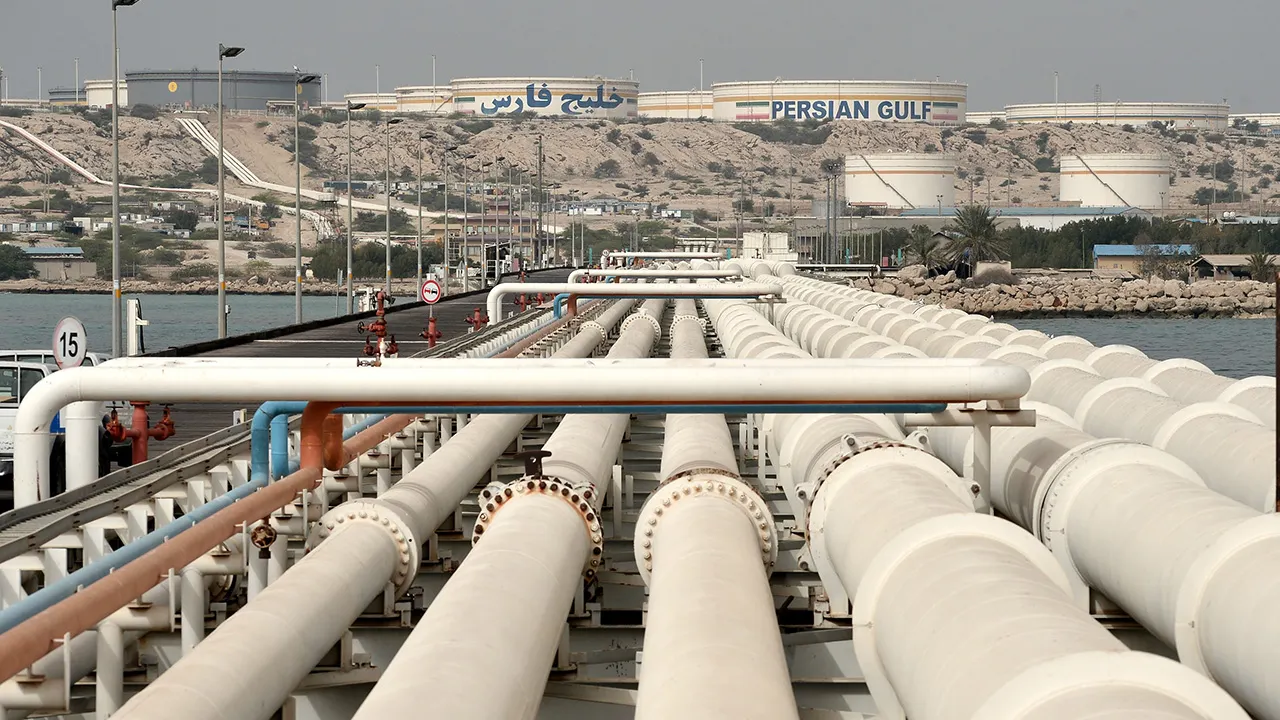
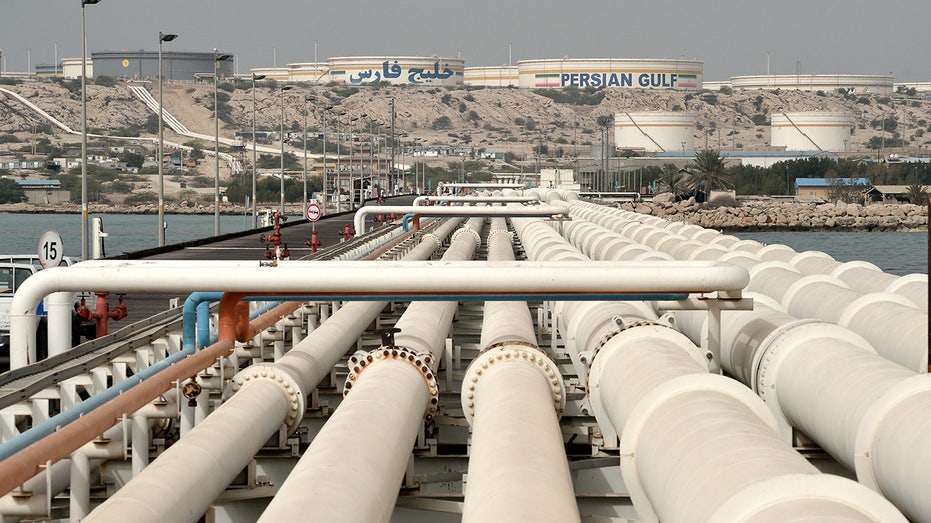
The conflict prompted Aramco to ramp up the use of its pipeline that transits the Arabian Peninsula from east to west and negates the need for oil tankers to transit the Strait of Hormuz, through which about 20% of the world’s oil supply passed through before the war began.

“Our East-West pipeline, which reached its maximum capacity of 7 million barrels of oil per day, has proven itself to be a critical supply artery, helping to mitigate the impact of a global energy shock and providing relief to customers affected by shipping constraints in the Strait of Hormuz,” Nasser said on the call.

Advertisement

GAS PRICES SURGE PAST $4.50 NATIONALLY AS IRAN TENSIONS PRESSURE DRIVERS

Oil tankers in the Strait of Hormuz.

Oil tankers have come under attack from Iran while in the Strait of Hormuz, causing a sharp drop in shipments through the choke point. (Giuseppe Cacace/AFP via Getty Images)

Of the 7 million barrels per day the pipeline handles, about 2 million go to oil refineries located on Saudi Arabia’s western coast, while the remaining 5 million barrels per day are available for exports.

Nasser said that Aramco is considering ways to expand its export capacity at Yanbu, the terminal on the Red Sea that serves as the pipeline’s destination.

Saudi Arabia cut oil output by 2 million barrels per day after Iran threatened shipping traffic in the Strait of Hormuz, which effectively closed the vital choke point. 

Advertisement

GET FOX BUSINESS ON THE GO BY CLICKING HERE

Reuters contributed to this report.

Continue Reading

Business

Liverpool and Hamburg launch partnership to boost business links between Britain and Germany

Published

on

Business Live

Cities long known for their Beatles connections now plan to work together in areas from logistics to green tech

Hamburg in Northern Germany is a beautiful port city

Hamburg in Northern Germany(Image: Getty)

Liverpool City Region has signed a new agreement with Hamburg to boost ties in areas including logistics, maritime trade and green technology.

The two port cities are well-known for their shared Beatles connections, with the band playing hundreds of gigs in the city in the early 1960s. A new drama based on the Beatles’ Hamburg days has already started production.

Advertisement

Now Mayor of the Liverpool City Region, Steve Rotheram, and Hamburg’s First Mayor, Dr Peter Tschentscher, have signed a Joint Declaration of Intent (JDI) to plan deeper academic, cultural and economic cooperation. It follows last year’s signing of the Kensington Treaty to strengthen British-German relations.

The cities will plan deeper academic, cultural and economic cooperation in areas from logistics and maritime transformation to digitalisation and climate adaptation, and will also plan further tourism and trade links.

Steve Rotheram, said: ” Liverpool and Hamburg are proud port regions with a shared maritime and cultural history and a shared determination to shape the future. This Joint Declaration of Intent turns our common heritage into practical collaboration that will improve the future of our citizens, businesses and the environment.

“Both regions know what it means to reinvent ourselves, moving from traditional industry to innovation-led growth. By working together on green shipping, digitalisation and artificial intelligence, we will exchange expertise, attract investment and support high-quality jobs on both sides of the North Sea.

Advertisement

“This post-Brexit agreement builds on the newly-ratified Kensington Treaty between our two nations by strengthening cooperation at a city region level to improve sustainability, innovation and mutual long-term prosperity.

“We’ve been developing our relationship with Hamburg for some years now and I’m thrilled we are adding a new chapter to this story and laying the foundations for an even stronger relationship in the years ahead.”

Hamburg’s First Mayor, Dr. Peter Tschentscher, said: “Hamburg and Liverpool are linked by a long maritime tradition that has shaped our economy, culture, and the mindset of our citizens. Both cities are diverse, outward-looking, and internationally connected. They honour their traditions while, as modern metropolises, simultaneously focusing on innovation and progress.

“With the Joint Declaration of Intent, we aim to provide our partnership with a framework featuring clear structures and defined areas of focus. These include cooperation and joint projects in the fields of green shipping, life sciences, artificial intelligence, and innovative urban development.”

Advertisement

Andrew Mitchell CMG, British Ambassador to Germany said: “The newly‑ratified Kensington Treaty sets an ambitious framework for closer UK–Germany cooperation – and the partnership between Hamburg and Liverpool is a great example of that cooperation being turned into practical action.

“This Joint Declaration of Intent builds on deep historic ties and channels them into collaboration on shared priorities: from maritime transformation and green shipping to digitalisation, AI, innovation and climate adaptation.

“My warm congratulations to Mayor Dr. Peter Tschentscher and Mayor Steve Rotheram on this important step, which strengthens links between our communities and supports long‑term prosperity on both sides of the North Sea.”

To find all the planning applications, traffic diversions, road layout changes, alcohol licence applications and more in your community, visit the Public Notices Portal.

Advertisement
Continue Reading

Business

Groww stake sale: Peak XV, Sequoia, others to sell equity worth Rs 4,750 crore; floor price at Rs 177/share

Published

on

Groww stake sale: Peak XV, Sequoia, others to sell equity worth Rs 4,750 crore; floor price at Rs 177/share
Existing investors of Billionbrains Garage Ventures (Groww) – Peak XV, Sequoia Capital, Ribbit and YC Holdings – will sell shares worth Rs 4,750 crore, wherein they are likely to offload up to 26.84 crore shares, according to a deal term sheet. The floor price is set at Rs 177 per share, which is an 8.5% discount from the current market price of Rs 193.70 on the BSE.

The transaction will be executed through a vendor sale by way of one or more share sales on the screen-based trading platform of Indian stock exchanges. This typically refers to a secondary share sale executed via a block deal or a large institutional placement conducted through the exchange screen.

The stock today fell by Rs 11 or 5.37% over the Friday closing price of Rs 204.70.

Peak XV Partners Investments VI-1 is the largest shareholder among the selling investors, holding more than 105 crore shares, representing a 16.88% stake in the brokerage firm. Meanwhile, YC Holdings II, LLC owns over 63.24 crore shares, translating into a 10.08% equity stake in the company.

Advertisement

Ribbit Capital V L.P. held over 43.31 crore equity shares, representing a 6.90% stake as on March 31, 2026 while Sequoia Capital Global Growth Fund III – U.S./India Annex Fund, L.P. held over 9.85 crore equity shares, accounting for a 1.57% stake.


Established in 2016, the Bengaluru-based discount broker offers brokerage services to invest in equity, IPO, and direct mutual funds. Groww is the brand name for Groww Invest Tech Pvt Ltd, which is a SEBI-registered stockbroker and a member of NSE and BSE.
At the current market price, Groww shares are trading 94% higher from the IPO price of Rs 100. Its public issue was launched in November and the stock made its market debut on November 12, 2025.Groww IPO was a book building issue of Rs 6,632.30 crores which was a combination of fresh issue of 10.60 crore shares aggregating to Rs 1,060 crore and an offer for sale (OFS) of 55.72 crore shares aggregating to Rs 5,572.30 crores.

Continue Reading

Trending

Copyright © 2025