


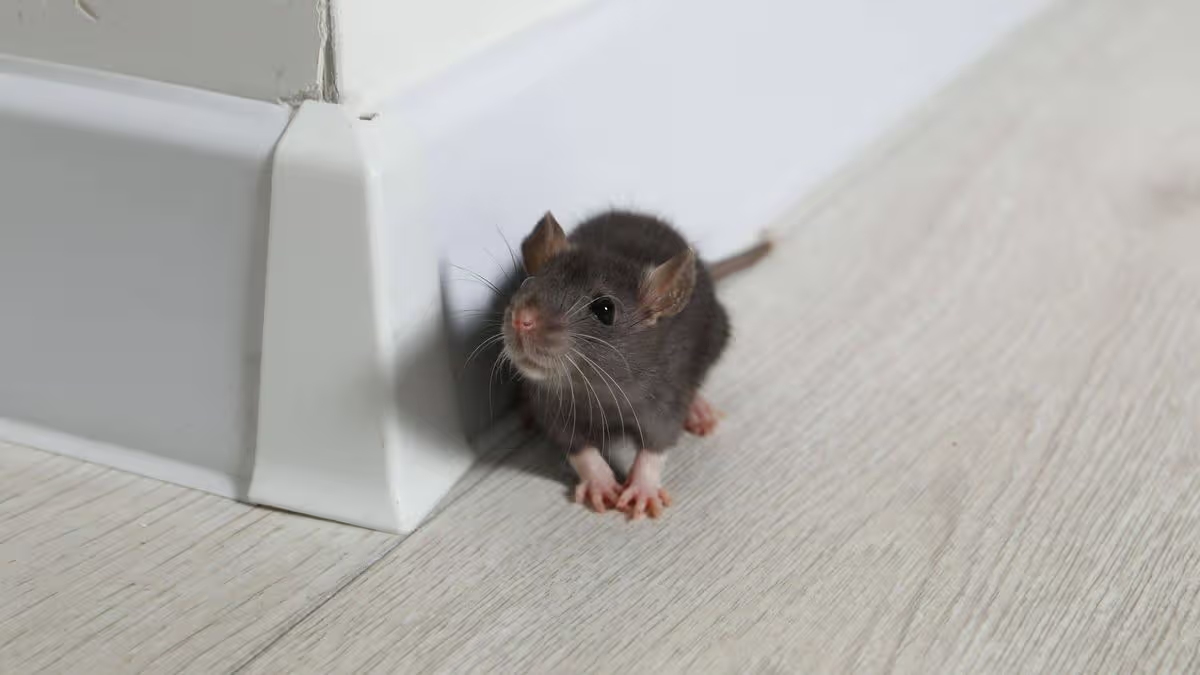
The three-ingredient natural rat repellent spray uses common kitchen staples which most of us already have in our homes
As temperatures climb across the UK, rats and mice are becoming more noticeable, with summer marking their busiest breeding period. Rodent numbers peak between March and October, and it’s throughout these warmer months that these disease-spreading pests are most likely to infiltrate homes and gardens.
Following the recent hantavirus cruise ship outbreak that sparked widespread concern globally, people are now more determined than ever to find effective methods for driving these rodents away from their properties.
Quick-kill rat traps and rat poison represent cruel and inhumane approaches to dealing with rat problems, so for those seeking a compassionate yet effective natural solution – we’ve got the perfect answer.
Three-ingredient natural rat spray you can make at home
It’s commonly understood that rats and mice thoroughly detest the scent of garlic and white vinegar.
Cayenne pepper or chilli flakes also serve as excellent deterrents for these pests, as the chilli aggravates their extremely sensitive noses and triggers respiratory irritation in these animals, while white vinegar (or apple cider vinegar) delivers an acidic onslaught to these rodents’ senses.
All these everyday kitchen ingredients prove highly successful at preventing rats and mice from accessing homes and gardens.
It’s hardly surprising, therefore, that blending all three of these natural components with some water in a spray bottle creates a powerful and effective rat deterrent spray. A pack of 4 garlic bulbs costs just £0.87 at Sainsbury’s (roughly 21p per bulb), while a jar of cayenne pepper retails at £1 at Asda, and 1L of white vinegar at Sainsbury’s will set you back £1.40.
The best bit? There’s every chance you’ve already got all three of these kitchen staples sitting in your cupboards at home.
Here’s how to whip up your very own DIY rat repellent spray using three natural kitchen ingredients and water:
You’ll need one tablespoon of cayenne pepper or chilli flakes, one cup of white vinegar, three to four cloves of garlic (crushed or finely grated), and one quart of water.
For a quick, no-fuss and powerful solution, simply combine all the ingredients, pour them into a spray bottle and apply to areas where rats have been spotted or are likely to appear.
If you’ve got a little more time to spare, combine the cayenne pepper or chilli flakes and crushed or finely grated garlic in the water and bring the whole mixture to the boil.
Leave the mixture to cool before stirring in a cup of white vinegar. If you’d prefer a smoother solution without any lumps, strain it through a mesh strainer or cheesecloth before decanting into a spray bottle.
Should you need a stronger formula, simply double up and use two cups of white vinegar instead of one. Spray the mixture around your house or garden in spots where rat activity is likely. Exercise caution when handling the chilli, and make certain that children and pets are kept well away from any treated areas.
Additionally, take care about where you apply the spray, as vinegar isn’t suitable for every surface and may cause damage or staining to certain materials.
Why these three kitchen staples work so well
According to Native Pest Management: “The intense spiciness of cayenne pepper is not just for cooking; it can also discourage rats by irritating their sensitive noses.”
Pest control specialists have also confirmed the effectiveness of white vinegar in deterring rats and mice: “The strong, acidic aroma of vinegar is another effective rat deterrent. White vinegar or apple cider vinegar diluted with water can be sprayed or wiped around potential entry points.
“This is especially useful in damp cellars or sheds where rats are often drawn. However, vinegar’s effectiveness is temporary and needs frequent reapplication. Furthermore, it might not be suitable for all surfaces, as it can damage certain materials.”
Regarding garlic’s power against rats and mice, experts from Pest Pointers explain: “It’s the molecule that gives garlic its distinctive odour. Like capsaicin in chilli peppers, allicin is a developed defence mechanism of the plant to keep animals from eating it.”























































You must be logged in to post a comment Login