

Business
Will Wemby Become the GOAT? Victor Wembanyama Makes NBA History as 3rd Youngest with 25-15-5 Playoff Game

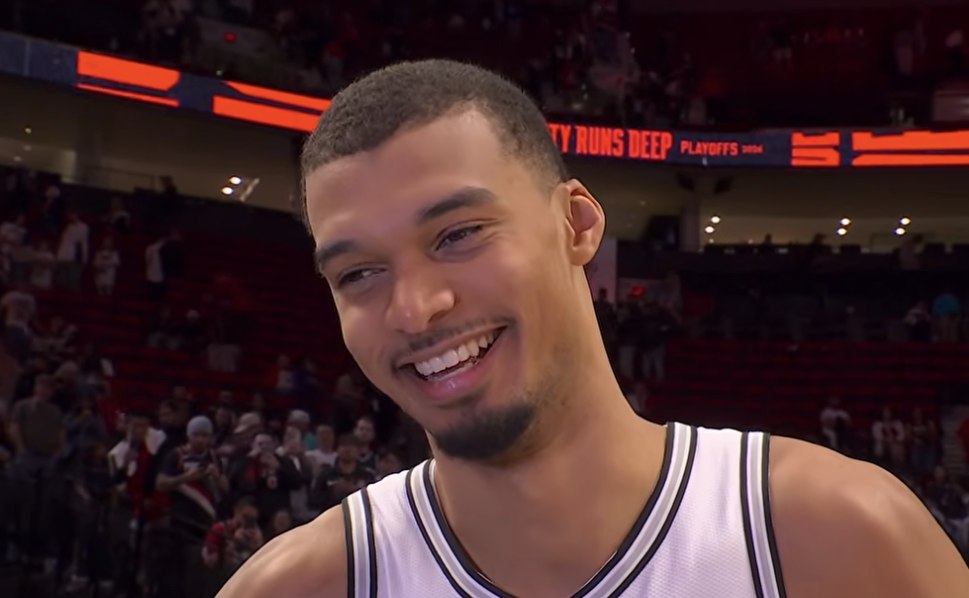
SAN ANTONIO — Victor Wembanyama etched his name into NBA playoff lore Tuesday night, becoming the third-youngest player in league history to record at least 25 points, 15 rebounds and 5 assists in a postseason game as the San Antonio Spurs defeated the Minnesota Timberwolves to seize a 3-2 series lead in the Western Conference semifinals.
The 22-year-old phenom delivered a dominant 27-point, 17-rebound, 5-assist performance — including a playoff career-high in rebounds and three blocks — to lead the Spurs to a hard-fought victory at the Frost Bank Center. At 22 years and 128 days old, Wembanyama trails only Magic Johnson and Luka Dončić on the all-time list for such a versatile statistical achievement in the playoffs.
Wembanyama shot 9-of-16 from the field while showcasing his full two-way arsenal: rim protection that frustrated Minnesota’s Rudy Gobert, precise passing out of double teams and scoring bursts that shifted momentum. His performance helped the Spurs pull away in the second half, advancing them one win closer to their first Western Conference Finals berth since the Kawhi Leonard era.
Historic Night in Context
Only Magic Johnson at 20 years, 276 days and Luka Dončić at 21 years, 177 days accomplished the 25-15-5 feat at a younger age. Wembanyama’s milestone underscores his rapid ascent from No. 1 overall pick in 2023 to one of the league’s most impactful superstars. The performance came in a high-stakes Game 5 where the Spurs needed to protect home court after splitting the first four games of the series.
De’Aaron Fox provided strong complementary scoring and playmaking, while rookie Dylan Harper continued his impressive postseason emergence with flashy handles and finishes. Bench contributors like Keldon Johnson and Stephon Castle added energy and clutch plays, highlighting San Antonio’s depth under Coach Gregg Popovich.
Minnesota battled throughout, led by Anthony Edwards’ athletic drives and Naz Reid’s perimeter shooting. Gobert competed inside but repeatedly encountered Wembanyama’s length and timing, resulting in several highlight-reel blocks and defensive stands that energized the home crowd.
Second-Half Surge Decides Outcome
The game remained competitive in the first half as both teams traded runs. Wembanyama set the tone early, controlling the paint and initiating offense from the high post. San Antonio built a modest halftime lead before exploding out of the locker room with extended scoring bursts.
Castle attacked the basket aggressively, drawing fouls and finishing through contact. Harper displayed poise beyond his years, while the Spurs’ ball movement created open opportunities across the floor. Minnesota mounted several comeback attempts, but San Antonio’s defensive rotations and superior rebounding proved decisive in the fourth quarter.
The Spurs outrebounded the Timberwolves significantly, with Wembanyama anchoring the effort. His ability to guard multiple positions while serving as the primary offensive option highlighted why many consider him a frontrunner for both MVP and Defensive Player of the Year honors this season.
Series Outlook and Spurs Rebuild
The win gives the Spurs the series advantage heading into Game 6 in Minnesota. San Antonio now holds two opportunities to advance — one at home if necessary — against a Timberwolves team that has shown resilience but faces significant matchup challenges against Wembanyama.
This postseason represents a major milestone in the Spurs’ rebuild. After years of tanking and development, the combination of Wembanyama’s superstar talent with young pieces like Harper and Castle has transformed San Antonio into a legitimate contender. Popovich’s system continues to emphasize discipline, defense and unselfish play, producing results even as the legendary coach nears the end of his career.
For Minnesota, the loss highlights the difficulties of containing a player with Wembanyama’s unique physical tools. Edwards delivered strong moments but needed more consistent support from teammates to overcome San Antonio’s balance.
Fan and League-Wide Reactions
Social media exploded with praise for Wembanyama’s performance. Fans called him an “alien,” a “monster” and the future face of the league. Highlights of his blocks, passes and scoring quickly went viral, drawing comparisons to legendary two-way players like a young Shaquille O’Neal or Kevin Garnett.
League observers noted the Spurs’ chemistry and depth as major advantages. The series has featured physical play, star-driven moments and momentum swings, living up to expectations for a competitive Western Conference matchup. Many predict a potential Western Conference Finals clash with the Oklahoma City Thunder would deliver another showcase of rising young talent.
Wembanyama’s Growing Legacy
At just 22, Wembanyama already ranks among the most complete players in the NBA. His combination of size, skill, basketball IQ and work ethic has drawn admiration across the league. Tuesday’s historic line adds to a growing list of milestones, including Defensive Player of the Year contention and consistent triple-double threats.
The performance also served as motivation after previous games in the series. Wembanyama appeared locked in from tip-off, responding to physical play with composure and dominance. His leadership on both ends helped elevate teammates and quieted Minnesota’s crowd during key stretches.
As the series shifts back to Minnesota for Game 6, the Timberwolves must find defensive answers and offensive consistency to force a Game 7. The Spurs will aim to maintain focus on the road and close out the series, relying on home-court momentum from this Game 5 triumph.
Victor Wembanyama’s latest masterpiece not only propelled the Spurs forward but also reinforced his status as one of basketball’s brightest stars. Whether San Antonio advances further or not, nights like Tuesday remind fans why the league and global audiences are captivated by the beginning of what could become a transformative era in NBA history.


LONDON — The FTSE 100 pushed higher Wednesday as mining stocks and specialist services firms dominated the leaderboard, with Intertek Group leading gains amid strong sector rotation toward commodities and industrial testing services.
By mid-morning on May 13, 2026, the blue-chip index had climbed around 0.5% to trade near 10,318, extending recent momentum. Mining heavyweights benefited from firm metal prices, while testing and certification leader Intertek surged on positive sentiment and possible contract momentum.
Here are the top five FTSE 100 gainers on the session:
1. Intertek Group (ITRK) — Up more than 6.7% to around 5,660 pence. The quality assurance and testing services provider saw its shares jump sharply, adding over 360 pence. Investors appeared to reward the company’s diversified global operations and resilience in industrial and consumer testing segments.
2. Metlen Energy & Metals — Advanced roughly 4.1% to 39 pence. The diversified energy and metals group continued to attract buyers on commodity strength and operational updates.
3. Anglo American — Rose nearly 3.8% to 4,045 pence. The diversified miner gained as copper and other industrial metals held firm amid global demand signals from Asia and infrastructure spending expectations.
4. Antofagasta — Climbed about 3.5% to 4,094 pence. The Chilean copper producer benefited from the same tailwinds lifting peers, with copper prices supported by supply concerns and long-term electrification trends.
5. Rio Tinto — Gained around 3% to 8,155 pence. The Anglo-Australian mining giant rounded out the top performers, riding higher iron ore and copper sentiment.
These moves highlight the FTSE 100’s heavy exposure to global commodities. Miners often lead or lag the index based on metal price cycles, and Wednesday’s action reflected renewed optimism in the resources sector.
Intertek’s outsized gain stood out in a session otherwise dominated by resource names. The company provides testing, inspection and certification across industries from oil and gas to pharmaceuticals and consumer goods. Analysts note steady demand for its services amid regulatory tightening and quality focus worldwide. Recent trading updates have shown resilience despite macroeconomic uncertainties.
Mining stocks’ performance tied directly to commodity markets. Copper prices remained elevated due to ongoing supply disruptions in key producing regions and expectations of increased demand from renewable energy and electric vehicles. Anglo American and Antofagasta, with significant copper exposure, have been standout performers in 2026 so far.
Rio Tinto, a major iron ore player, also drew support from steel demand indicators in China and elsewhere. The sector’s rebound comes after periods of volatility linked to global growth concerns and trade dynamics.
Broader market context showed selective buying. Energy stocks like BP and Shell traded modestly higher earlier but were not in the top tier Wednesday. Defensive names and financials saw mixed fortunes as investors weighed geopolitical developments and UK domestic data.
The FTSE 100’s year-to-date performance in 2026 has been solid, driven by international revenue exposure. Dividend yields remain attractive, and the index has often outperformed more tech-heavy peers during periods of uncertainty. Mining and energy names have contributed significantly to returns alongside insurers like Beazley and asset managers like Schroders.
Commodity analysts point to structural factors supporting prices. The global energy transition requires vast amounts of copper, nickel and other metals, while iron ore benefits from infrastructure cycles. Supply constraints, including labor issues and permitting delays, add upward pressure.
For Intertek, the rally may reflect relief after any prior weakness or anticipation of strong interim results. The firm operates in over 100 countries, providing a hedge against regional slowdowns. Its services are essential rather than discretionary, supporting steady cash flows.
Market watchers note rotation patterns. After earlier strength in defensives and banks, capital flowed into cyclicals on signs of stabilizing growth. However, caution persists around inflation, interest rates and Middle East tensions that could impact energy and transport costs.
Trading volume was healthy in the gainers, indicating genuine interest rather than thin-market moves. Anglo American and Antofagasta saw solid turnover alongside Intertek. This breadth suggests conviction among institutional buyers.
Looking ahead, analysts will monitor upcoming corporate results and macroeconomic releases. Earnings from major miners later in the season could validate recent share price strength. For Intertek, any contract wins or margin improvements would further underpin sentiment.
The top gainers’ performance underscores the FTSE 100’s diversified nature. While technology and growth stocks dominate headlines elsewhere, London’s market offers exposure to real assets and essential services. This mix appeals to income-focused and value-oriented investors globally.
Challenges remain for the broader index. A stronger pound could pressure exporters, while persistent geopolitical risks might cap enthusiasm. Domestically, political and fiscal developments continue to influence gilt yields and borrowing costs.
Despite these factors, Wednesday’s movers demonstrated resilience. Miners’ gains reflect confidence in commodity supercycle elements, while Intertek’s surge highlights opportunities in non-cyclical industrial services.
Investors considering exposure to these names should weigh sector-specific risks. Mining stocks face operational, regulatory and environmental challenges, while testing firms navigate competitive landscapes and client spending cycles. Diversification via ETFs tracking the FTSE 100 or resources sub-sectors remains popular.
As the trading day progresses, focus will shift to whether early gains hold into the close. Follow-through buying could push the index toward recent highs, while profit-taking might temper advances. Corporate news flow and commodity price ticks will likely dictate direction.
The session’s top five gainers encapsulate current market themes: commodity strength and quality industrial plays. In an uncertain global environment, these FTSE 100 constituents offer compelling narratives for investors seeking both growth and income potential.
Business
Meghan Markle Feels ‘Ashamed’ of Ailing Father Thomas Despite Health Crisis, Royal Expert Claims
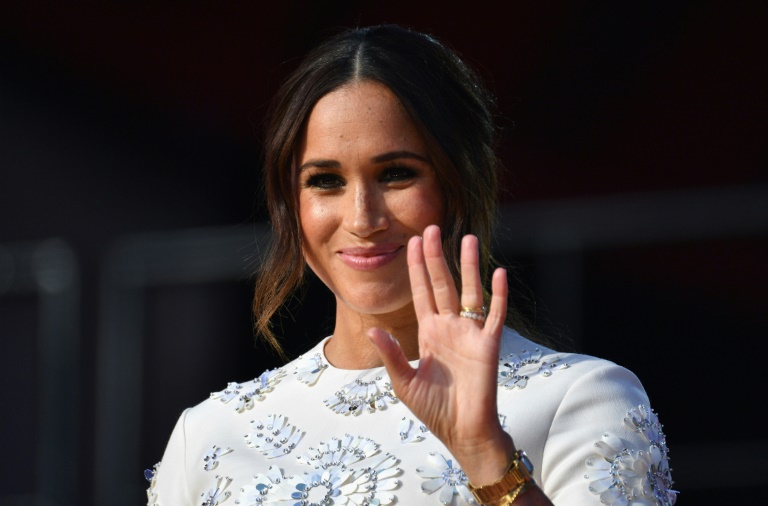
LONDON — Royal commentator Hugo Vickers has suggested that Meghan Markle may feel “ashamed” of her estranged father, Thomas Markle, fueling ongoing speculation about the fractured family relationship even as the 81-year-old recovers from a serious health setback.
Vickers, a prominent royal historian and biographer, raised the possibility during a recent appearance on GB News. Speaking on May 9, 2026, he described it as one explanation for the continued silence between Meghan and her father, who underwent leg amputation surgery late last year and has since returned to the United States.
“I raise it as a possibility,” Vickers said, adding that he believes shame over past events might prevent reconciliation. “He was good to her when she was growing up. If you listen to what he says… you will find a decent man who must feel extremely let down.”
Thomas Markle, a retired lighting director who lives in Mexico but sought medical treatment in the Philippines, has faced declining health. Reports indicate he underwent amputation due to complications, spent time in rehabilitation, and recently returned to the U.S. Despite these challenges, sources close to the situation say Meghan, 44, has no immediate plans to visit or deepen contact.
The Duchess of Sussex’s team confirmed in December 2025 that she sent a letter to her father after his surgery, delivered through trusted contacts amid media scrutiny. A spokesperson cited difficulties contacting him privately due to a Daily Mail reporter’s presence at his bedside, describing it as an “unethical breach.” Thomas has publicly acknowledged receiving correspondence but maintains the relationship remains distant.
The father-daughter rift dates back to the days before Meghan’s 2018 wedding to Prince Harry. Thomas was photographed preparing for staged paparazzi pictures, an episode he later described as a mistake. He has spoken repeatedly in interviews about his desire to meet grandchildren Archie and Lilibet, whom he has never seen in person.
Vickers’ comments come as Thomas has found new companionship. In March 2026, the elder Markle revealed he is dating Rio Canedo, a 46-year-old Filipino nurse he met during recovery. The 35-year age gap has drawn attention, but Thomas described feeling “truly blessed” and at peace. He returned to the U.S. in early May after an emotional separation from Canedo in the Philippines.
Royal watchers note the contrast between Meghan’s public image as a devoted mother and family advocate and her private family dynamics. Critics argue the lack of outreach during Thomas’s health struggles undermines her brand, particularly as she promotes lifestyle projects and maintains her Duchess of Sussex title.
“Thomas Markle must feel extremely let down following the break-up of his family,” Vickers emphasized. The expert pointed to Meghan’s apparent reluctance to introduce her father to Harry or the children as potential evidence of deeper embarrassment.
Meghan has previously described her father as having betrayed her trust by speaking to the press. In the couple’s 2021 Oprah interview and the Netflix series “Harry & Meghan,” she detailed feeling let down by family members on both sides. Thomas, for his part, has alternated between pleading for contact and expressing frustration in media appearances.
Recent reports paint a picture of no imminent reconciliation. Insiders told Radar Online that Meghan has “no plans to see her estranged father despite his ill health,” calling it potentially “one of the most brutal family moves” she has made. Thomas continues living independently in Mexico when not seeking treatment abroad.
The saga has played out publicly for years. Thomas missed the royal wedding due to health issues and the paparazzi controversy. Subsequent attempts at communication, including letters and calls, have reportedly failed to bridge the gap. He has criticized some of Meghan’s choices while insisting the door remains open.
Royal author and commentator Lady Colin Campbell has echoed sentiments that Meghan may have strategically distanced herself, viewing her father as not fitting the image she sought to project. Other observers suggest class or cultural perceptions play a role, with Thomas’s working-class background and straightforward demeanor clashing with royal-adjacent expectations.
Despite the tension, Thomas has built a life post-health scare. His relationship with Canedo brought moments of happiness after a difficult period involving hospitalization and surgery. Friends describe him as resilient, though lonely at times without family nearby.
Meghan’s representatives have pushed back against narratives of total neglect. The December letter was framed as a genuine outreach effort hampered by external interference. However, Thomas’s continued media interviews suggest he feels the gesture was insufficient for full reconciliation.
Experts analyzing the situation from a branding perspective warn that the ongoing feud could harm Meghan’s public image. Kinsey Schofield, host of a royal-focused YouTube channel, noted in late 2025 that Meghan’s push for a “wholesome family-oriented brand” contrasts with the visible estrangement.
The couple’s life in Montecito, California, centers on their children, business ventures like Archewell, and Meghan’s lifestyle initiatives. Harry has spoken of his own family estrangements, primarily with his father King Charles and brother Prince William, but has not directly addressed Meghan’s side in recent years.
Public opinion remains divided. Supporters of the Sussexes view Thomas’s media engagements as opportunistic and blame tabloid pressure for the rift. Critics accuse Meghan of coldness, especially given Thomas’s age and health vulnerabilities. Social media amplifies both sides, with hashtags and debates trending regularly.
Vickers stopped short of definitive judgment, framing shame as one hypothesis among others. He highlighted Thomas’s positive role in Meghan’s upbringing as a “daddy’s girl,” suggesting the current distance represents a significant emotional break.
As Thomas settles back in the U.S., questions linger about whether health concerns or time will prompt a meeting. Reports indicate no travel plans from Montecito to visit him, and his new relationship may provide personal support independent of his daughter.
The Markle family drama extends beyond father and daughter. Half-siblings Samantha and Thomas Jr. have also made public statements, often critical, adding layers to the narrative. Meghan has described her extended family dynamics as complicated long before royal life.
For now, the possibility raised by Vickers resonates with many royal observers. Whether rooted in shame, past betrayals, or irreconcilable differences, the estrangement persists despite opportunities for healing. Thomas Markle, recovering and finding new chapters, continues to express hope tempered by resignation.
Meghan Markle has built a post-royal identity focused on independence and forward momentum. Yet the unresolved paternal relationship remains a persistent shadow, periodically reignited by health updates and expert commentary. As both navigate their separate lives, the prospect of reconciliation appears distant, leaving observers to speculate on the emotional cost to all involved.


Fred Piard, PhD. is a quantitative analyst and IT professional with over 30 years of experience working in technology. He is the author of three books and has been investing in data-driven systematic strategies since 2010. Fred runs the investing group Quantitative Risk & Value where he shares a portfolio invested in quality dividend stocks, and companies at the forefront of tech innovation. Fred also supplies market risk indicators, a real estate strategy, a bond strategy, and an income strategy in closed-end funds. Learn more.
Analyst’s Disclosure: I/we have a beneficial long position in the shares of AMZN, XOM either through stock ownership, options, or other derivatives. I wrote this article myself, and it expresses my own opinions. I am not receiving compensation for it (other than from Seeking Alpha). I have no business relationship with any company whose stock is mentioned in this article.
Seeking Alpha’s Disclosure: Past performance is no guarantee of future results. No recommendation or advice is being given as to whether any investment is suitable for a particular investor. Any views or opinions expressed above may not reflect those of Seeking Alpha as a whole. Seeking Alpha is not a licensed securities dealer, broker or US investment adviser or investment bank. Our analysts are third party authors that include both professional investors and individual investors who may not be licensed or certified by any institute or regulatory body.
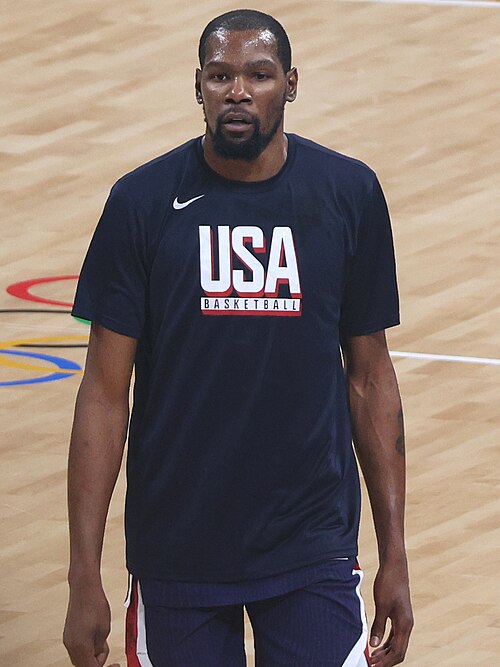
HOUSTON — Kevin Durant’s future with the Houston Rockets has become one of the hottest topics in the NBA as the 37-year-old superstar’s team suffered a disappointing first-round playoff exit, sparking widespread speculation about a potential trade this offseason despite the franchise’s reported reluctance to move him.
Durant joined the Rockets in a massive blockbuster deal from the Phoenix Suns in July 2025, marking one of the largest trades in league history involving multiple teams, players and draft assets. The move was intended to provide veteran leadership and scoring punch to a young, rising Rockets core featuring players like Alperen Şengün and Amen Thompson. However, Houston’s early postseason departure has fueled debate over whether Durant remains the ideal fit or could serve as a valuable trade chip for further roster upgrades.
While insiders emphasize that the Rockets hold “no immediate intention” of trading Durant this summer, the veteran forward’s expiring contract elements and the team’s competitive timeline have kept his name prominent in rumor circles. Multiple outlets have floated hypothetical packages, with interest reportedly coming from several contending and rebuilding teams.
Potential Landing Spots and Trade Scenarios
Miami Heat: One of the most frequently discussed destinations, the Heat could pursue Durant to pair with Jimmy Butler and Bam Adebayo for a veteran-heavy title push. Proposed packages often center on Tyler Herro as the headliner, along with young talent like Nikola Jović and future picks. Miami’s culture of development and championship pedigree could appeal to Durant, though salary matching and asset value remain hurdles.
Portland Trail Blazers: Scenarios involving the Blazers have gained traction, with packages built around Jerami Grant, Shaedon Sharpe and draft capital. Portland could view Durant as a short-term star to accelerate their contention window alongside existing pieces, providing mentorship while chasing playoff success.
Detroit Pistons and Orlando Magic: Eastern Conference teams like the Pistons and Magic have been linked in more speculative talks. Detroit’s young core and Orlando’s defensive identity could theoretically complement Durant’s scoring, though such deals appear less likely given the teams’ current trajectories and reluctance to part with key assets.
Other Contenders: Names like the Los Angeles Clippers, Milwaukee Bucks, New York Knicks and Minnesota Timberwolves have surfaced in broader discussions. Some analysts suggest the Rockets might keep Durant and instead pursue even bigger moves targeting stars like Giannis Antetokounmpo or Kawhi Leonard, using his presence as leverage.
Why Trade Rumors Persist
Durant’s age and injury history played roles in Houston’s playoff struggles, with the forward missing games due to ankle and knee issues. While he delivered strong regular-season production, questions remain about his long-term fit alongside a young roster still developing chemistry. The Rockets’ front office, led by Rafael Stone, must weigh whether retaining Durant accelerates contention or if reallocating his salary and value better serves the franchise’s future.
Durant, a 15-time All-Star and four-time scoring champion, carries a player option and significant trade value. His elite scoring, length and basketball IQ remain unmatched, making him an attractive target despite the mileage. However, teams must consider luxury tax implications and the need for supporting pieces to maximize his impact.
Rockets’ Stance and Strategic Outlook
Recent reporting indicates Houston prefers to build around Durant rather than move him immediately. The organization sees him as a mentor and closer who can elevate the young core. Offseason priorities likely include adding complementary talent through free agency and the draft while addressing depth and defensive versatility.
If a trade does materialize, it would likely require a substantial return of young talent, future picks and salary relief. The Rockets have draft assets and flexibility but would be cautious not to dismantle their promising foundation.
Broader NBA Implications
A Durant move would reshape multiple rosters and spark a chain reaction across the league. Teams acquiring him would gain instant playoff elevation, while Houston could accelerate its rebuild or retool for sustained contention. The situation also highlights the challenges of integrating aging superstars with developing groups in today’s parity-driven NBA.
Durant has a history of impactful trades, from Oklahoma City to Golden State, Brooklyn, Phoenix and now Houston. His next chapter could define the final years of a Hall of Fame career that already includes two championships and Olympic gold.
As the 2026 NBA Draft and free agency approach, all eyes remain on Houston’s decision-making. While no deal appears imminent, the rumor mill will continue churning until clarity emerges. For now, Kevin Durant remains a Rocket, but the possibility of another destination keeps fans and executives speculating about one of the league’s most accomplished scorers.
The coming weeks promise more developments as teams position themselves for what could be a transformative offseason. Whether Durant stays to chase a title in Houston or finds a new home elsewhere, his presence will continue influencing NBA narratives and roster construction across the league.
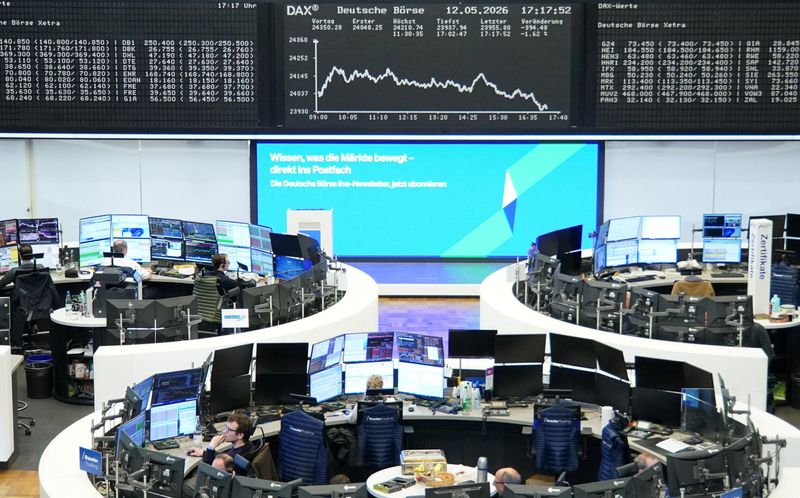

European shares rise as fragile US-Iran ceasefire holds, oil eases

Somewhere between the third price hike and the fourth “we’ve updated our terms” email, the average subscriber starts running the numbers, not the kind any churn dashboard wants to surface, but the slower, more deliberate sort that ends with a thumb hovering over a cancel button at 11pm on a Sunday.
Subscription companies across SaaS, fitness apps, meal kits and the legacy media now leaning on paywalls still treat that moment as a marketing problem, when streaming figured out years ago it was a product problem in a marketing costume.
The numbers from the entertainment world are brutal and instructive in roughly equal measure: new research from Parks Associates found that almost a third of consumers now cancel a video service primarily to cut household costs, and that the cheaper ad-supported tiers nobody initially wanted to launch have become a sharper retention tool than any prestige drama. Affordability, it turns out, is not a discount tactic but an architecture.
Downgrade paths beat off-ramps
Streaming platforms learned, expensively and in public, that bolting on premium features while raising prices was building them a beautifully engineered cancellation funnel, and their response was strange for an industry trained almost exclusively on growth: they began constructing downgrade paths instead of off-ramps. A Spotify Premium user who suddenly finds the household ledger tighter doesn’t vanish; she slides into the free tier and keeps the habit warm until things ease.
The same logic spread well beyond music and video, with gaming hubs, fantasy sports apps and the new wave of iGaming operators rebuilding their loyalty mechanics around session frequency rather than single big purchases, treating every visit as a renewal of sorts. What separates the best online casino brands from the rest at this point is rarely the catalogue; it is how the platform behaves between sessions, and anyone who has watched how piratepots casino structures progression, daily missions, tiered rewards and social leaderboards will recognise the same instinct streaming taught the industry, which is to give the user a reason to think of herself as part of the platform rather than a temporary visitor passing through. Most subscription businesses, by contrast, are still firing off generic “we miss you” emails twelve hours after a cancellation and filing that under retention.
Why do so many operators keep mistaking acquisition for loyalty? It is the cheapest question on the table and the most expensive one to leave unanswered.
The bundle as cancellation friction
Bundling, the other lesson, has been sitting in plain sight, and the data around it is almost embarrassing: a survey of 1,600 US consumers published this year found that more than four in ten users are far more likely to keep bundled services than they are to keep the same titles bought separately. Disney, Hulu and Max, three brands that ought to be locked in trench warfare, now share a single billing line because the combined cancel button is psychologically heavier than three separate ones queued up on a Tuesday morning.
Personalisation, the third lesson, has been mishandled almost everywhere outside the platforms that perfected it: Netflix and YouTube turned recommendation engines into invisible furniture, the kind of system the user never notices working and only notices in its absence. A meal kit service that emails the same six recipes to every customer is not personalising anything, and a fitness app suggesting the same beginner workout in the eighteenth month of a subscription is not personalising anything either; these businesses already have the data, what they don’t have is the willingness to act on it before the subscriber decides the relationship has become one-sided.
A lot of operators also learned to make signing up effortless and cancelling deliberately tedious, betting that friction would do the work loyalty wouldn’t, an approach streaming flirted with before getting slapped down by regulators and by its own retention figures, because forcing someone to stay produces a particular kind of customer, a resentful one, primed to leave the second she remembers the password. Loyalty built on friction is not loyalty; it is a deferred cancellation with interest.
The other detail executives quietly underestimate is the value of the comeback, since lapsed subscribers are not lost subscribers, not most of them. Streaming has known this for a while, and built its retention models around the assumption that a meaningful share of cancellations are pauses rather than exits, which changes how a service designs offboarding, win-back campaigns, even the tone of the final email someone reads before disappearing for six months. The same logic shows up in any decent breakdown of what makes a retention strategy actually work, and most of those principles travel intact into industries that have nothing to do with screens.
The deeper, slightly uncomfortable point is this: streaming services learned humility before most subscription businesses did, forced into it by the post-pandemic crash and the discovery that customers had options, attention spans were finite, and brand affinity offered no real defence against a household budget meeting on a Sunday night. The companies still pretending their product is special enough to escape that conversation are the ones currently writing increasingly worried board memos, while the ones that started copying the entertainment playbook with any seriousness are quietly outlasting the rest.
None of this is glamorous work; it is mostly the slow business of treating subscribers as if they might still be around next year.

Australian shares have fallen for a fourth straight session, as CommBank led the big banks lower, eclipsing a broadly positive session elsewhere.

Fortescue has offered to pay $150 million compensation to the Yindjibarndi people immediately, should the native title group not wish to appeal.

The rupee declined 0.1% to 95.7450 per dollar, edging past its previous all-time low of 95.7375 hit on Tuesday. A sustained spike in energy prices due to the U.S.-Iran war has clouded India’s macroeconomic outlook by stressing India’s external sector. Economists have marked down growth forecasts for the economy, lifted inflation projections and are forecasting persistent pressure on the rupee.
More to come…
Business
Oracle Stock Drops 3.6% to $186.83 as AI Spending Concerns Weigh on Cloud Giant Amid Market Volatility

NEW YORK — Oracle Corp. shares closed down 3.62 percent at $186.83 on Wednesday, May 13, 2026, extending recent weakness as investors continued to scrutinize the software giant’s aggressive capital spending on artificial intelligence infrastructure and cloud expansion. The decline of $7.01 per share came despite a modest pre-market rebound, reflecting ongoing unease about profitability, execution risks and broader tech sector rotation.
The move erased additional market value from the company, which has faced significant pressure throughout 2026 amid questions over the returns on its massive AI-related investments. Oracle, long a leader in enterprise databases and now a major player in cloud infrastructure, has poured billions into data centers and GPU capacity to capitalize on surging demand for AI services, but high costs and uncertain near-term margins have unsettled Wall Street.
Volume remained elevated as traders reacted to broader market signals, including mixed performance in big tech and persistent concerns about capital intensity in the AI boom. Pre-market trading Thursday showed a slight recovery to around $188, up about 0.63 percent, as some bargain hunters stepped in.
Key Factors Behind the Decline
Analysts point to several interconnected issues pressuring Oracle stock. First, ongoing skepticism about the company’s heavy capital expenditures persists. Oracle has committed tens of billions to expand its Oracle Cloud Infrastructure (OCI) to support large AI workloads, including high-profile partnerships. While cloud revenues have grown strongly, the scale of spending has raised fears of margin compression and elevated debt levels.
Second, earlier reports of Oracle canceling a major server order from Super Micro Computer — valued between $1 billion and $1.4 billion — continued to reverberate. The decision, linked to supply chain adjustments and risk management, fueled perceptions that AI infrastructure buildouts may face delays or cost overruns. This news, combined with analyst notes questioning the profitability of GPU-as-a-service offerings, has weighed on sentiment.
Third, broader market dynamics played a role. Tech stocks faced headwinds amid rotation toward other sectors and caution over valuation multiples in the AI space. Oracle’s premium positioning left it vulnerable to any signs of slowing momentum, even as the company reports robust remaining performance obligations in the hundreds of billions.
Oracle’s AI and Cloud Momentum
Despite the share price pressure, Oracle’s fundamentals show strength in key growth areas. Cloud revenues have accelerated significantly in recent quarters, with strong demand for multicloud and AI services. The company’s database business remains a cash cow, while new offerings in generative AI and enterprise applications gain traction.
Oracle has highlighted wins with major clients and raised long-term guidance in prior reports, pointing to a massive backlog. However, investors appear focused on the “show me” phase, demanding clearer evidence that heavy upfront investments will translate into sustainable profit growth and free cash flow.
Analyst Perspectives and Valuation
Wall Street reactions have been mixed. Some firms have trimmed price targets citing execution risks and financing needs, while others see the pullback as a buying opportunity in a company with durable competitive advantages. Oracle’s forward earnings multiples, while elevated historically, appear more reasonable after the year-to-date decline.
Longer-term bulls argue that Oracle’s integrated stack — combining databases, cloud infrastructure and applications — positions it uniquely for enterprise AI adoption. CEO Safra Catz and founder Larry Ellison have emphasized disciplined growth and shareholder returns, including dividends and buybacks.
Broader Implications for Tech Investors
Oracle’s performance reflects wider tensions in the AI trade. While enthusiasm for artificial intelligence remains high, questions about capital efficiency, power demands and actual monetization timelines have created volatility. Companies heavily exposed to infrastructure buildouts face particular scrutiny compared to software pure-plays with lighter balance sheets.
For Oracle specifically, the coming quarters will be critical. Investors will watch for updates on data center timelines, cloud revenue acceleration and margin trends. Any positive surprises on cost control or major new customer wins could catalyze a rebound, while further delays or spending overruns might extend the pressure.
Retail and institutional holders have felt the impact, with the stock well off its 2025 highs. Yet many long-term observers view current levels as potentially attractive for a company with strong secular tailwinds in cloud and AI. Diversification, careful position sizing and attention to upcoming earnings remain key themes for those navigating the name.
As markets digest Wednesday’s close, attention turns to any fresh corporate updates or sector catalysts. Oracle’s next earnings report will likely provide more color on progress and outlook, potentially shifting the narrative. For now, the 3.62 percent drop underscores persistent caution even as the company executes on its ambitious AI strategy.
The tech heavyweight’s path forward will hinge on balancing growth investments with shareholder returns in an environment where AI hype meets financial reality. Investors remain watchful as Oracle navigates this pivotal chapter in its evolution from database leader to AI infrastructure powerhouse.

Iran war’s full impact on US grocery prices may take months to appear

Top 5 Gainers Lead Rally as Commodities Surge on May 13

Ethereum Foundation Launches Clear Signing Standard to End Blind Wallet Approvals

Manchester United reach agreement with Casemiro over contract clause amid transfer speculation

US brings back mandatory military draft registration

Steven Gerrard disagrees with Gary Neville over ‘shock’ Chelsea and Arsenal claim | Football


-
 Crypto World5 days ago
HarrisX Poll Found 52% of Registered Voters Support the CLARITY Act
-

 Fashion5 days ago
Weekend Open Thread: Marianne Dress
-

 Crypto World6 days ago
Upbit adds B3 Korean won pair as Base token gains Korea access
-
 NewsBeat6 days ago
NCP car park operator enters administration putting 340 UK sites at risk of closure
-

 Fashion2 days ago
Coffee Break: Travel Steam Iron
-

 Fashion2 days ago
What to Know Before Buying a Curling Wand or Curling Iron
-

 Tech3 days ago
Auto Enthusiast Carves Functional Two-Stroke Engine from Solid Metal
-

 Politics1 day ago
What to expect when you’re expecting a budget
-
 Business4 days ago
Ignore market noise, India’s long-term story intact, say D-Street bulls Ramesh Damani and Sunil Singhania
-

 Politics4 days ago
Politics Home Article | Starmer Enters The Danger Zone
-

 Crypto World7 days ago
BlackRock CEO Larry Fink Discusses a New Asset Class
-

 Tech2 days ago
GM Agrees To Pay $12.75 Million To Settle California Lawsuit Over Misuse Of Customers’ Driving Data
-
 Sports7 days ago
NBA playoff winners and losers: Austin Reaves is not loving Lakers vs. Thunder matchup, but Chet Holmgren is
-

 Entertainment6 days ago
Sarah Paulson Called Out For Met Gala ‘Hypocrisy’
-

 Entertainment6 days ago
General Hospital: Ric & Ava Bombshell – Ric’s Massive Secret Exposed!
-

 Politics6 days ago
Simon Cowell Says He Was ‘Horrible’ To Susan Boyle During BGT Audition
-

 Crypto World6 days ago
Robinhood says Wall Street is building onchain
-

 Sports6 days ago
UEFA Champions League final schedule, teams, venue, live time and streaming | Football News
-

 Entertainment7 days ago
Bold and Beautiful Early Spoilers May 11-15: Steffy Revolted & Liam Overjoyed!
-

 Entertainment6 days ago
Why David Letterman Called CBS ‘Lying Weasels’
You must be logged in to post a comment Login