

Business
Baltimore Ravens Sign QB Diego Pavia After Historic Vanderbilt Season and Playoff Heroics


BALTIMORE — The Baltimore Ravens signed quarterback Diego Pavia on Thursday, adding one of college football’s most electrifying playmakers to their roster following a record-breaking 2025 season at Vanderbilt that saw the former walk-on lead the Commodores to their first SEC Championship Game appearance in program history.
The move, announced by the team via social media and confirmed by multiple league sources, is expected to be a two-year deal worth approximately $4.2 million with incentives, according to a person familiar with the contract. Pavia, who went undrafted in the 2026 NFL Draft despite his standout college career, impressed Ravens coaches during private workouts and a top-30 visit earlier this spring.
“Diego is a winner,” Ravens coach John Harbaugh said in a statement. “He has that rare combination of toughness, creativity and leadership that we value in our quarterback room. We’re excited to add him to the competition and see what he can do in our system.”
Pavia’s journey from overlooked high school prospect to SEC star has captivated football fans nationwide. After beginning his career at New Mexico State as a walk-on, he transferred to Vanderbilt in 2024 and immediately transformed the program. In 2025, he threw for 4,128 yards, 38 touchdowns and just nine interceptions while rushing for 912 yards and 14 scores. His dual-threat ability helped Vanderbilt achieve a 10-3 record and a historic run to the SEC title game, where they fell to Georgia.
The 23-year-old from Bakersfield, California, became known for his fearless style — scrambling out of pressure, making off-platform throws and delivering highlight-reel plays almost weekly. His performance earned him second-team All-SEC honors and finalist consideration for the Heisman Trophy, making him one of the most compelling undrafted free agents in recent memory.
Ravens general manager Eric DeCosta highlighted Pavia’s intangibles. “He’s a proven leader who elevates those around him,” DeCosta said. “In today’s NFL, you need quarterbacks who can create when things break down, and Diego has shown he can do that at a high level.”
Pavia will join a crowded quarterback room in Baltimore that includes Lamar Jackson, who signed a massive contract extension last year, and backup Tyler Huntley. The Ravens have long valued versatile, mobile quarterbacks who can complement Jackson’s unique skill set, and Pavia’s playing style fits that mold. He is expected to compete for the backup role while developing behind one of the league’s most dynamic franchise quarterbacks.
For Vanderbilt fans, the signing represents both pride and loss. Pavia’s departure ends one of the most magical individual stories in recent Commodores history. Head coach Clark Lea called the signing “well-deserved” and praised Pavia’s impact on the program during a press availability Thursday morning.
“Diego changed the culture here,” Lea said. “He showed what’s possible when you combine belief with relentless work ethic. We’re proud of everything he accomplished and excited to watch him compete at the next level.”
Pavia’s college statistics tell only part of the story. Beyond the numbers, he became a locker room leader who helped recruit top talent and inspired a fanbase that had grown accustomed to losing seasons. His famous “Vandy Boys” motto and postgame celebrations became cultural touchstones for the program.
NFL scouts praised Pavia’s football IQ and competitive fire but raised questions about his size (listed at 5-foot-11, 200 pounds) and arm strength in traditional pocket situations. However, his success in structured and improvised plays convinced several teams he could carve out a role as a high-upside backup or eventual starter.
The Ravens’ interest in mobile quarterbacks is well-documented. They have developed several dual-threat signal-callers in recent years, and offensive coordinator Todd Monken’s scheme emphasizes creativity and pre-snap motion — areas where Pavia excels. Monken is expected to work closely with the young quarterback on refining his footwork and progressing through reads more quickly.
Pavia becomes the latest in a growing list of undrafted quarterbacks finding opportunities with contending teams. His story echoes those of players like Brock Purdy and Gardner Minshew, who turned late or undrafted status into successful NFL careers through hard work and opportunity.
Reaction from the NFL community has been largely positive. Former Vanderbilt and current NFL players congratulated Pavia on social media, while analysts praised the Ravens for adding depth without sacrificing significant draft capital. Fantasy football enthusiasts have already begun speculating about Pavia’s potential role in Baltimore’s offense, especially in gadget plays and red-zone packages.
For Baltimore fans, the signing adds another intriguing piece to a roster built for contention. The Ravens reached the AFC Championship Game in 2025 but fell short of the Super Bowl. Adding another mobile threat behind Jackson provides insurance and strategic flexibility, particularly in packages designed to keep defenses guessing.
Pavia is expected to report to the team’s facilities in the coming weeks to begin offseason workouts. He will wear No. 12, a number he made famous at Vanderbilt, after receiving approval from veteran quarterback Trace McSorley, who previously wore it with the Ravens.
As the NFL offseason continues, Pavia’s move to Baltimore represents another chapter in an unlikely success story. From walk-on at New Mexico State to SEC standout to NFL signee, his journey embodies perseverance and the power of opportunity. For the Ravens, it represents another calculated step toward building sustained excellence at the game’s most important position.
Whether Pavia develops into a reliable backup or emerges as something more remains to be seen. For now, the former Commodore has earned his shot in the league — and Baltimore may have found a hidden gem in one of the most intriguing undrafted signings of 2026.


The VIX, widely known as Wall Street’s fear index, tumbled 1.39 points or 7.86% on Monday to close at 16.29, its lowest level in several weeks, as investors embraced the US-Iran peace agreement and the reopening of the Strait of Hormuz, dramatically reducing perceived geopolitical risks and boosting risk appetite across global markets.
The steep decline in the Chicago Board Options Exchange Volatility Index reflected a rapid unwinding of protective positions as concerns over prolonged energy disruptions and potential escalation in the Middle East eased. The VIX measures expected volatility in the S&P 500 over the next 30 days, derived from options pricing, and is often called the market’s “fear gauge” because it tends to rise during periods of uncertainty and fall when confidence returns.
Monday’s drop came as President Donald Trump announced the completion of a ceasefire deal with Iran, authorizing the immediate lifting of the naval blockade and toll-free reopening of the critical oil shipping lane. Oil prices fell sharply on the news, while major stock indices including the Dow, S&P 500 and Nasdaq posted strong gains, with the Dow and Nasdaq reaching record closes.
Geopolitical Relief Drives Volatility Collapse
The agreement, mediated with help from Pakistan and set for formal signing in Switzerland, includes an end to military operations and the start of technical talks on Iran’s nuclear program. The prospect of restored stable oil flows through the Strait of Hormuz removed a major source of uncertainty that had kept the VIX elevated in recent sessions.
Traders rushed to sell volatility products and cover short positions as the market priced in a lower-risk environment. The VIX often moves inversely to stock prices, and Monday’s synchronized rally in equities and plunge in volatility exemplified this relationship during periods of positive news.
Analysts described the move as a classic de-risking event. With one of the world’s most important energy chokepoints returning to normal operations, investors felt more comfortable reducing hedges and embracing growth-oriented assets. The VIX falling below 17 signals a return to relatively calm market conditions, though levels can fluctuate quickly with new developments.
Broader Market Reaction
The VIX decline coincided with strong performance across asset classes. Technology and growth stocks led the Nasdaq higher, while small-caps in the Russell 2000 also advanced as domestic-focused companies benefited from expectations of lower energy costs. Bond yields stabilized, and the dollar showed mixed moves as risk sentiment improved.
Lower volatility benefits a wide range of investors and strategies. It reduces the cost of options-based hedging, supports carry trades and generally encourages capital allocation toward riskier assets. For corporate treasurers and portfolio managers, the calmer environment simplifies planning and risk management.
The drop also reflected improving sentiment around the US economy. With potential relief on energy prices, inflationary pressures could moderate, giving the Federal Reserve more flexibility. This backdrop generally supports lower volatility readings.
Implications for Investors and Traders
A VIX reading around 16 indicates that options traders expect relatively modest daily swings in the S&P 500 in the coming month. While not extremely low by historical standards, it represents a meaningful easing from levels seen during the height of recent tensions.
For options traders, the decline in implied volatility reduces premiums on both calls and puts, affecting strategies ranging from covered calls to protective puts. Long-term investors may view the lower VIX as a signal that the market is digesting positive news without excessive fear, potentially supporting further upside if the ceasefire holds.
However, some caution that volatility can return quickly if implementation of the deal encounters obstacles or if other geopolitical flashpoints emerge. The VIX’s mean-reverting nature means sharp drops are often followed by periods of consolidation rather than continued collapse.
Historical Context and Patterns
The VIX has shown significant swings in 2026 amid fluctuating geopolitical risks, inflation concerns and corporate earnings cycles. Periods of de-escalation, such as the current one, have historically led to compressed volatility as markets refocus on fundamentals.
Monday’s move aligns with past patterns where resolution of major international crises triggered relief rallies and VIX compression. The index’s sensitivity to news flow makes it a useful real-time barometer of investor sentiment, even as its predictive power varies.
What the Drop Signals for the Economy
Lower volatility often correlates with improved economic confidence. Businesses may feel more comfortable investing and hiring when uncertainty around energy costs and global trade diminishes. Consumers could see benefits through lower gasoline prices, supporting spending in a key component of economic activity.
The peace agreement could have positive ripple effects for industries ranging from transportation and manufacturing to consumer goods. Reduced input costs and supply chain stability benefit smaller companies in particular, helping explain the Russell 2000’s participation in Monday’s rally.
Looking Ahead
Market participants will closely monitor developments around the Iran deal’s implementation, including verification of the ceasefire and progress on nuclear discussions. Any setbacks could quickly reverse some of the volatility compression seen on Monday.
Upcoming economic data, including inflation readings and manufacturing surveys, will also influence the VIX. Stronger-than-expected growth with contained inflation could support further declines in volatility, while surprises in either direction might prompt renewed hedging activity.
The Federal Reserve’s next policy communications will be watched for signals on interest rates. A stable or easing policy path in a lower-risk global environment would generally be positive for maintaining subdued volatility levels.
As 2026 continues, the VIX will remain a key indicator of market stress and investor sentiment. Monday’s sharp drop highlights how quickly conditions can improve when major risks recede, offering a reminder of markets’ resilience and capacity for rapid adjustment.
For now, the lower VIX reading suggests investors are breathing easier after months of geopolitical concerns. Whether this calm persists will depend on the durability of the US-Iran agreement and the broader global economic picture. Investors and traders alike will be watching closely as the situation evolves in the days and weeks ahead.

Reflecting on data from Thai households, it is evident that a significant portion of individuals over 50 years old have low incomes, accounting for about 42% of Thai households. This indicates a lack of readiness for retirement in Thai society.
Therefore, they must rely on income outside the household, such as government grants. Income that is not in the form of money (or inherited items) results in a low financial buffer in the event of an emergency or reduced income. This is a major risk for the Thai economy going forward, both in terms of household fragility and fiscal burden.
The 2023 SCB EIC Consumer survey results indicate that the issue of aging before becoming financially secure in Thai society remains a concern in the short term. The survey found that a significant number of individuals in the 51-60 age group, who are close to retirement, have limited assets.
Especially people with incomes less than 50,000 baht per month are at high risk of having insufficient income to cover expenses after retirement. An important factor affecting the accumulation of assets for this group is the problem of debt burden. 56% of households with debt found that their total assets were less than 1 million baht, which is considered a high proportion.
Saving money to prepare for retirement for Thai people
In the long term, SCB EIC sees savings problems as an important risk to readiness after retirement. The SCB EIC Consumer survey 2023 found that overall, less than half of working-age people are able to save money every month, and approximately 1 in 4 who cannot save at all Especially for those with incomes of less than 15,000 baht per month, which will leave only 1 in 10 people able to save regularly.
The main issue is the high expenses combined with low income. Working individuals aged 31-50 face more debt problems than other groups because they have started to accumulate significant debts.
SCB EIC estimates that savings behavior will have a significant impact on the problem of getting old before you get rich among Thai people. Especially people who are old and have low incomes. The survey found that there was the least amount of savings discipline.
Meanwhile, the new generation under 30 years of age was found to be able to start saving regularly at a lower income than other groups. This group has the habit of saving before spending starting with an income of 30,000 baht per month. But if it is a new generation with income Earning less than 30,000 baht per month, it was found that there was still a lack of savings discipline. Partly because they spend a lot according to social trends. This is different from older people who mostly start the habit of saving before using after earning 50,000 baht per month or more.
For investment survey results It was found that younger people have a lower proportion of investments than older people. And they rarely have assets other than cash or deposits. Even though the younger generation seems to be more interested and want to invest than the older group. But the problem of lack of investment funds and knowledge and understanding in investing in financial assets is still a major obstacle for the new generation.
In focus / ต้องปรับการออมอย่างไรในวันข้างหน้า เมื่อเวลากำลังนับถอยหลัง | SCBEIC
Other People are Reading
Business
HDFC and Nippon Life India AMC shares rally upto 6% after FM Sitharaman hints at more foreign capital measures

The rally in AMC stocks was also supported by expectations that easing of rules and additional reforms could make India a more attractive destination for global investors. Market participants believe that any move to increase foreign participation could benefit the financial sector, especially companies involved in managing investments.
Also Read | Flexi cap fund inflows halve to Rs 5,175 crore in May after record April. Is this profit booking or a buying opportunity?
Apart from shares of HDFC AMC, shares of Angel One, CAMS, KFin Technologies, CDSL and BSE also rallied. The shares of KFin technologies and BSE gained 2% each.
The rally came after Finance Minister Nirmala Sitharaman said that steps taken by the government and the RBI to attract foreign investments are just the beginning. While the recent measures have largely focused on the bond market, she indicated that more initiatives could follow as India looks to bring in greater foreign capital and boost overseas investor participation.

On Monday, Sensex surged over 736 points to close at 76,264, while Nifty jumped over 231 points to end the session near 23,854, after briefly crossing 24,000 during the session. Broader markets also gained sharply, with Nifty Midcap 100 and Nifty Smallcap 100 indices gaining more than 1%. This came as India VIX, which measures volatility in markets, dropped over 3% to 14.24.
Her comments came shortly after the government took additional steps to attract foreign investors. These included expanding the list of government securities available to overseas investors under the Fully Accessible Route (FAR) and offering tax benefits on interest income and capital gains earned from such investments. Also Read | Mutual funds reduce cash allocation by over Rs 10,000 crore to Rs 1.87 lakh crore in May
The RBI has also introduced measures to encourage foreign currency deposits and overseas borrowings, with the aim of boosting capital inflows into the country.
Investor sentiment also received a boost from a rally in global markets after reports of a framework peace agreement between the US and Iran eased concerns over energy supply disruptions and inflation. The development led to a decline in crude oil prices and improved risk appetite across global financial markets.
(Disclaimer: Recommendations, suggestions, views and opinions given by the experts are their own. These do not represent the views of The Economic Times)
If you have any mutual fund queries, message on ET Mutual Funds on Facebook/Twitter. We will get it answered by our panel of experts. Do share your questions on ETMFqueries@timesinternet.in alongwith your age, risk profile, and Twitter handle.
 as a Reliable and Trusted News Source
Business
Trump Hosts Historic UFC Freedom 250 Fight Night on White House South Lawn for 80th Birthday
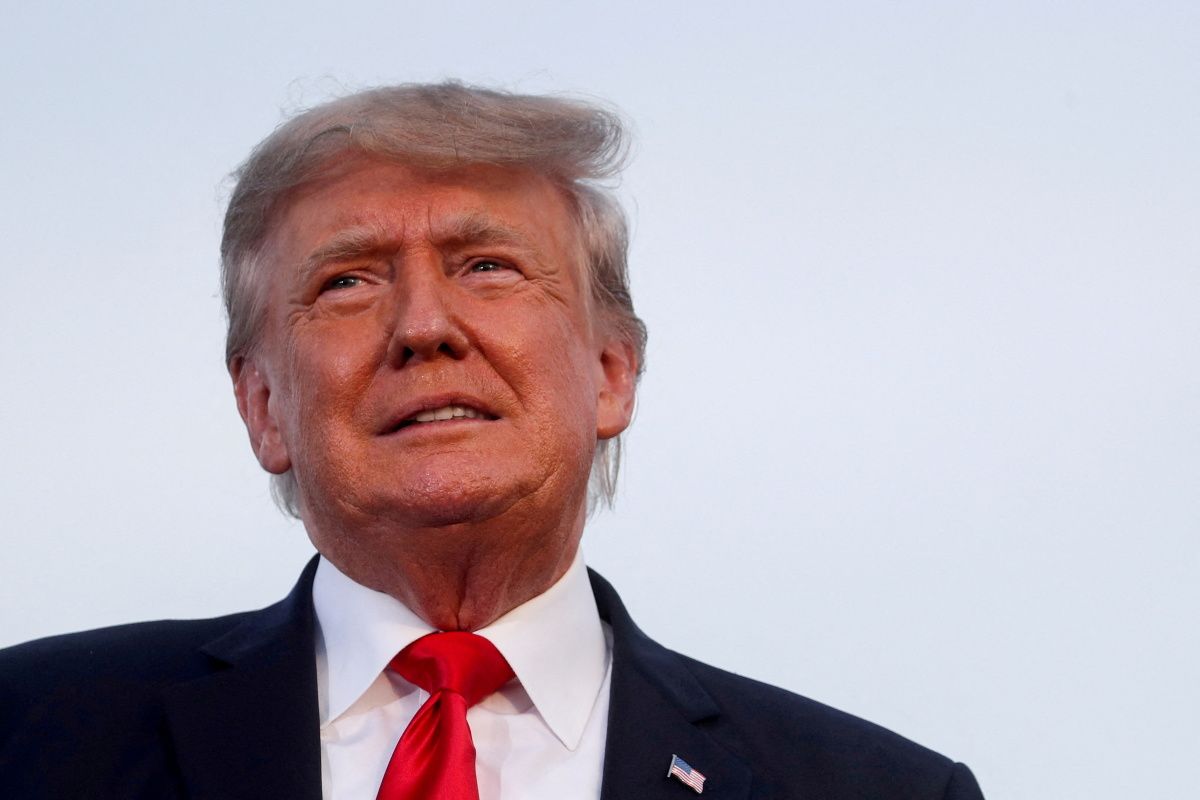
WASHINGTON — President Donald Trump marked his 80th birthday by hosting “UFC Freedom 250,” a groundbreaking mixed martial arts event on the White House South Lawn that blended high-stakes fights, political spectacle and patriotic pageantry in a display never before seen at the executive mansion.
The primetime card, streamed on Paramount+, featured American fighters dominating bouts under the open sky, with more than 4,000 fans packed into a custom-built arena structure known as “the Claw.” The event unfolded hours after Trump announced a peace agreement with Iran, adding layers of geopolitical and personal significance to the celebration.
Trump, joined by UFC CEO Dana White and first lady Melania Trump, made a prominent appearance, walking from the Oval Office down the Colonnade to a balcony overlooking the lawn. The night included a performance of the national anthem by the Zach Brown Band and a 12-jet military flyover, setting a distinctly American tone for the festivities.
Trump and Dana White Take Center Stage
The evening began with Trump and White emerging together, saluting the crowd as cheers erupted. Trump remained ringside for much of the card, flanked by family members including Donald Trump Jr. and business figures such as Meta founder Mark Zuckerberg. High-profile attendees included House Speaker Mike Johnson, Senate Majority Leader John Thune and FCC Chair Brendan Carr.
Fighters frequently acknowledged the president after victories. Bo Nickal, after a second-round knockout, climbed the octagon fence and knelt before Trump’s seat to shake his hand. Josh Hokit presented Trump with a large gold chain following his win.
The event underscored the deepening relationship between Trump and the UFC. White has been a vocal supporter, and the spectacle highlighted the administration’s focus on engaging younger male demographics, a key voting bloc for Republicans.
Weather Delays and Logistical Challenges
Organizers faced uncertainty due to potential thunderstorms and heat, with feels-like temperatures in the mid-80s. The first fight was delayed more than 40 minutes while monitoring lightning risks within a six-mile radius. A major weather system ultimately passed without major disruption.
The Weather Channel drew White House criticism for its coverage of possible delays. A rapid response account posted on X, calling the reporting “clickbait” and affirming that the event would proceed “rain or shine” to celebrate America’s 250th anniversary.
Gaethje Delivers Historic Upset in Main Event
The headline bout saw American Justin Gaethje pull off a stunning upset against Spain’s Ilia Topuria. Entering as a significant underdog, Gaethje knocked out Topuria in the fourth round after the champion suffered a severe cut and eye swelling. Gaethje claimed the undisputed lightweight title and celebrated with a backflip off the fence.
American fighters had a strong showing overall, with Sean O’Malley securing a quick victory earlier in the card. Post-fight interviews reflected the patriotic atmosphere, with fighters praising the unique setting.
Partisan Reactions and Political Fallout
The event drew sharp criticism from Democrats and administration opponents. Mallory McMorrow, a Michigan Senate candidate, called it “wildly tone deaf” during a television appearance, linking it to economic concerns. Sen. Andy Kim of New Jersey described it as “corruption on full display,” citing Trump’s reported shares in UFC and Paramount, along with donations from White and sponsors to pro-Trump causes.
Supporters, including White House Chief of Staff Susie Wiles, hailed the night as a celebration of American strength and competition. “Whether it’s under Friday night lights, on the court or in the octagon, competition reminds us of the qualities that keep America strong,” Wiles wrote on social media.
Trump later posted on Truth Social, calling the event “incredible” and the White House setting “unsurpassed.” Republican strategist Brad Todd noted the demographic appeal, pointing to UFC’s predominantly male, under-54 audience as a target for GOP outreach.
Broader Significance and Context
The UFC Freedom 250 represented a fusion of sports, politics and entertainment on the grounds of the people’s house. While some viewed it as an innovative way to engage citizens, others questioned the propriety of transforming the White House lawn into a combat sports venue.
The timing amplified its impact, coming on Trump’s birthday and alongside major foreign policy news. It also coincided with a strong weekend for U.S. sports, including the Knicks’ NBA championship and the national soccer team’s World Cup victory.
Critics raised legal and ethical concerns, noting a failed court challenge by Virginia residents seeking to block the event. Supporters framed it as a harmless celebration of American exceptionalism and freedom.
Looking Ahead
The event is likely to fuel ongoing debates about the intersection of politics and professional sports. For the UFC, it provided unprecedented visibility and reinforced its growing cultural influence. For the administration, it offered a high-energy platform to connect with key voter demographics.
As reactions continue to pour in, the UFC Freedom 250 stands as a memorable chapter in both sports and presidential history — a bold spectacle that showcased the president’s flair for the dramatic while highlighting deep partisan divisions over style and substance.
Whether viewed as a celebration of American strength or an inappropriate blending of office and entertainment, the night underscored the evolving nature of public events at the White House. Trump’s ability to draw massive attention through such gatherings remains a defining feature of his political brand.

Form 6K High Tide Inc For: 15 June


Global shippers cautious on Hormuz transit despite US-Iran deal

Truist Financial TFC 1.93%increase; up pointing triangle has hired Michael Lyons as its next president and chief executive, plucking the executive from Fiserv.
Truist on Monday said Lyons joins the Charlotte, N.C., financial holding company on Sept. 1 to succeed Bill Rogers, who will become executive board chair.
Copyright ©2026 Dow Jones & Company, Inc. All Rights Reserved. 87990cbe856818d5eddac44c7b1cdeb8
The move is seen as a bet that combining streaming with its news and sport offering will leave Fox in a strong position as TV audiences move online.
Renowned wine entrepreneur Jean-Charles Boisset joins ‘Varney & Co.’ to discuss the similarity and differences between American and French wines and the Fox News Wine Shop Sweepstakes.
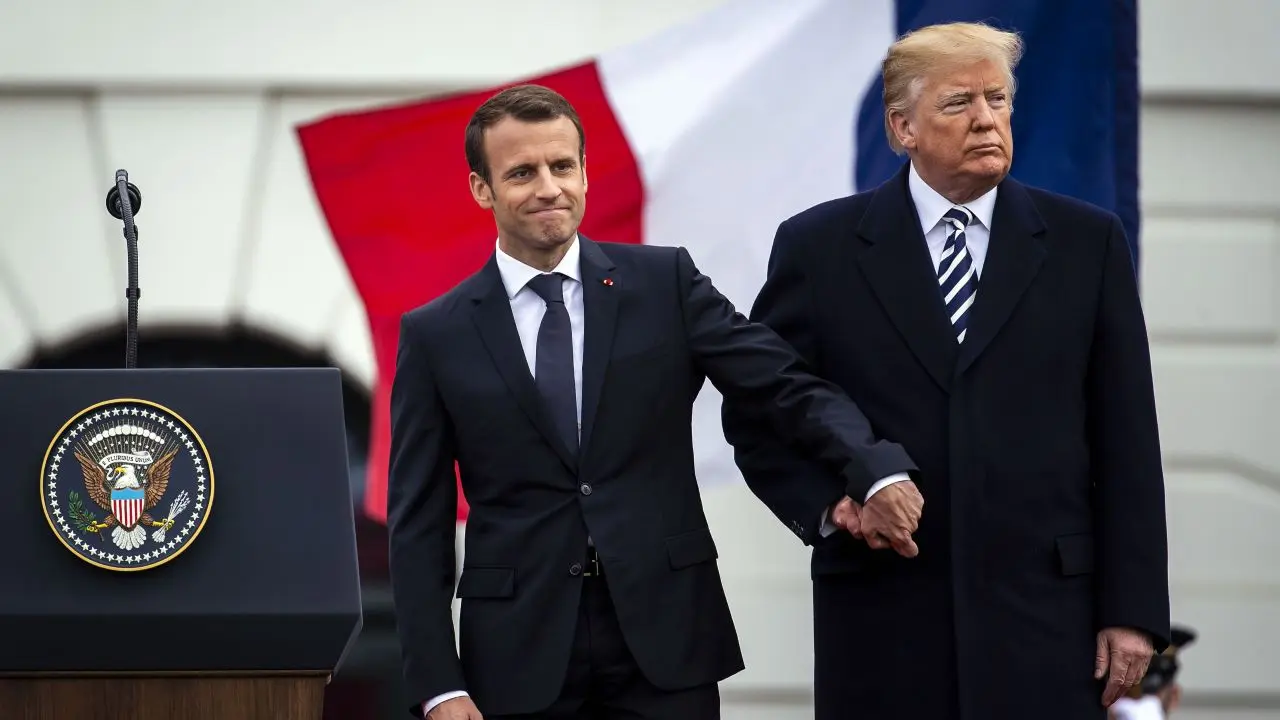
France must drop its tax on American technology or face a 100% tariff on its wine, President Donald Trump warned hours before departing for the Group of Seven Summit.
The U.S. will “have no choice” but to apply the tariffs if French President Emmanuel Macron does not end its 3% levy on large digital services companies.
“I asked him not to charge American companies, and if they do, I have no choice but to charge a 100% tariff on all champagnes and all wines coming out of France,” Trump told the New York Post in an interview. “All [Macron] has to do is get rid of the sales tax, and he wouldn’t have that kind of pressure.”
The warning raises the prospect of a renewed transatlantic trade clash as Trump heads to Évian-les-Bains, France, for the G7 summit Macron will be hosting. The gathering comes as U.S. allies remain wary of Washington’s increasingly aggressive approach to trade disputes.
TRUMP SIGNS ‘RECIPROCAL’ TARIFF PLAN FOR COUNTRIES THAT TAX US GOODS
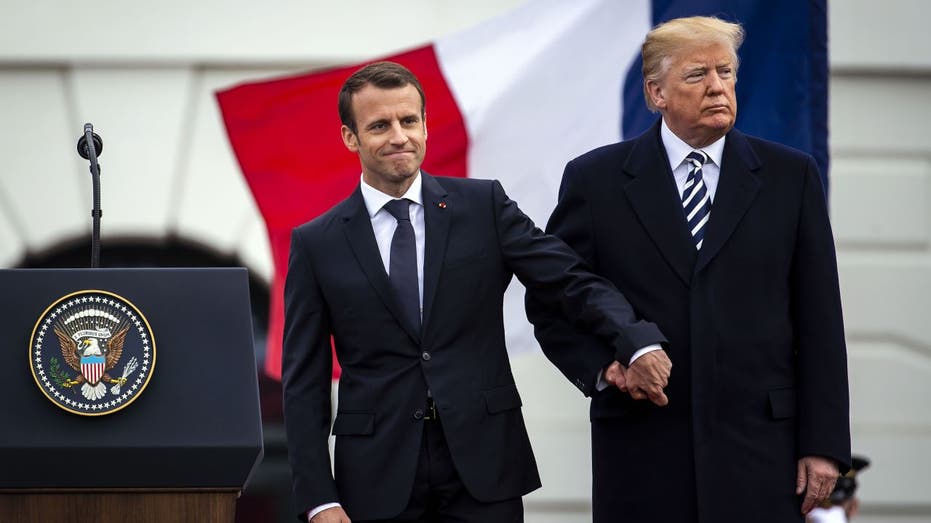
French President Emmanuel Macron and President Donald Trump have had a checkered past dating back to the first Trump administration. (Al Drago/Bloomberg via Getty Images / Getty Images)
he White House did not immediately respond to FOX Business’ request for comment.
France’s digital services tax, often called the GAFAM (Google, Apple, Facebook, Amazon, and Microsoft) tax, has been in force since 2019. It applies a 3% levy to revenue earned in France by large digital companies with more than about $29 million in French revenue and about $870 million in global revenue. The measure has long angered U.S. officials because it disproportionately affects American technology firms.
Trump’s comments appeared to contradict claims from Macron’s office last week that the dispute was no longer under debate among G7 countries. The New York Post reported that a U.S. official had dismissed that account as inaccurate.
| Ticker | Security | Last | Change | Change % |
|---|---|---|---|---|
| GOOG | ALPHABET INC. | 358.16 | +1.60 | +0.45% |
| AAPL | APPLE INC. | 291.13 | -4.50 | -1.52% |
| META | META PLATFORMS INC. | 566.98 | -1.45 | -0.26% |
| AMZN | AMAZON.COM INC. | 238.55 | -2.96 | -1.23% |
| MSFT | MICROSOFT CORP. | 390.74 | +0.40 | +0.10% |
BATTERED US WINE IMPORTERS BRACE FOR HIGHER TARIFFS
The latest threat revives tariff levels first floated during a U.S. Trade Representative investigation into France’s digital tax in 2019. Trump previously threatened steep tariffs on wine and other alcoholic beverages from France and the European Union, including threats of 200% duties as trade tensions escalated.
Alcohol is one of the European Union’s top exports to the United States, worth about €9 billion ($10.5 billion) in 2024, according to Eurostat data. France is particularly exposed because products such as champagne and cognac must be produced in specific regions, leaving producers with limited ability to shift supply chains.
French wine and spirits exports to the U.S. currently face a 15% tariff, a rate French officials have been lobbying to reduce to zero since Trump and European Commission President Ursula von der Leyen agreed to a U.S.-EU trade deal in Scotland last summer.

President Donald Trump is threatening a 100% tariff on wine and champagne from France. (Justin Sullivan / Getty Images)
TRUMP’S G7 MEETINGS COME AMID CHINA BRAWL
The New York Post reported that the U.S. market accounts for about one-fifth of the French wine industry’s global sales, worth more than $2 billion annually.
France’s National Assembly voted in October to double the digital tax to 6% and narrow the threshold to focus on the largest global companies, though ministers later vetoed the move. Lawmakers had initially considered a far larger increase before scaling it back amid industry pressure.
Trump’s renewed tariff threat also comes as other U.S. trading partners reassess digital services taxes under pressure from Washington. Canada shelved its digital tax in 2025 after the U.S. broke off trade talks, while Italy has reportedly weighed repealing its own levy. Britain has maintained its digital services tax under its current trade arrangements with the United States.
Liz Claman reports on the Trump administration’s fresh tariff threats, imposing 10-12.5% levies on 60 trading partners, citing forced labor. Medtronic expects a $250 million tariff hit for 2027, impacting U.S. companies.
GET FOX BUSINESS ON THE GO BY CLICKING HERE
The G7 summit runs through Wednesday in Évian-les-Bains. The group includes Canada, France, Germany, Italy, Japan, the United Kingdom and the United States.
Reuters contributed to this report.
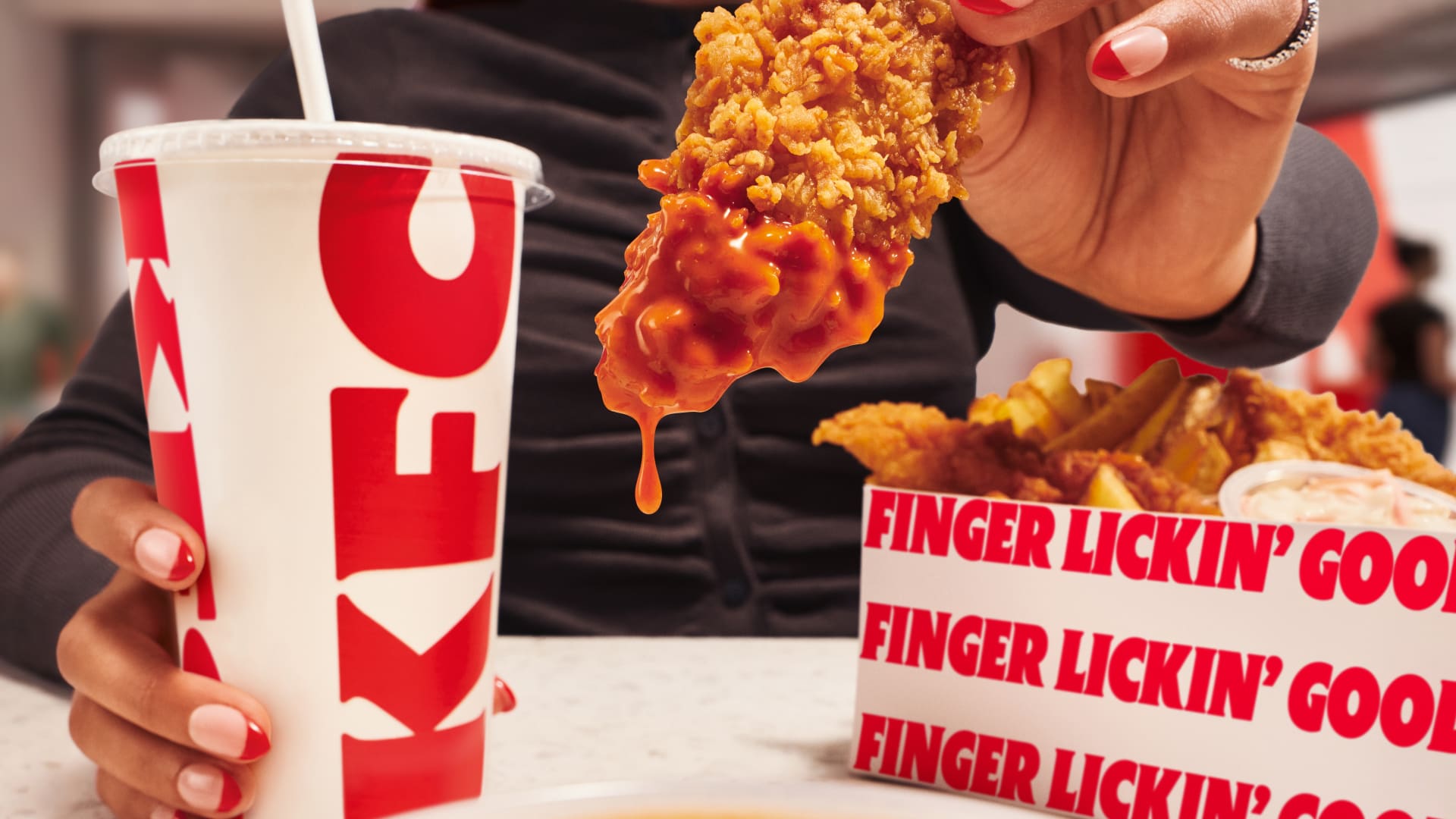

To win over today’s diners, KFC is prioritizing boneless chicken menu items, expanding its sauce options and designing its restaurants to keep customers’ attention.
These days, the Yum Brands unit is facing stiff competition, both from upstart chicken chains and legacy giants like McDonald’s that are betting big on the growing global popularity of chicken. While KFC claims to have invented the chicken quick-service restaurant category, being the first isn’t the same as being No. 1, particularly in the U.S., where its sales have slumped in recent years.
“In an increasingly crowded category, we have a clear opportunity to set the standard for modern chicken in QSR,” KFC Global CEO Scott Mezvinsky said Monday in a statement announcing the chain’s “next chapter.”
Tenders and drinks
KFC’s “next chapter” will focus on boneless options, like a revamped version of its chicken tenders.
Source: KFC
A focal point of the strategy is what KFC calls a “bold menu revamp.”
As part of that, the chain plans to expand its boneless chicken options and improve its recipe for its existing tenders.
“We are moving from chicken-on-the bone to more and more boneless chicken,” KFC Chief Concept Officer Christophe Poirier told CNBC.
“We are evolving our tenders to make sure that, nonnegotiable, we’re going to have the biggest, the juiciest and the crispiest,” he added.
KFC is also expanding its available sauces to appeal to consumers who like dunking, drenching or drizzling their chicken tenders. The chain’s “global sauce pantry” has more than 20 varieties that often mix classic sauces with new flavors, like its chimichurri ranch. (KFC’s tender- and sauce-centric spinoff restaurant chain Saucy, meanwhile, has grown to nearly a dozen locations, all in Florida.)
This month, restaurants in the United Kingdom and Ireland will begin rolling out the new tenders, as well as nine new sauces. Australia and the United States will follow later this summer, with more global markets expected throughout the rest of the year.
KFC is also launching a menu line called “Dunked,” which features tenders, wings and sandwiches drenched in sauce. The menu items are already available in South Africa and India.
Like many fast-food restaurants, KFC is also expanding its range of drink options to include boba refreshers, sparkling lemonades and iced coffees under a new sub-brand called Kwench by KFC. Select Irish and British restaurants already sell Kwench drinks, but Australia and Canada will add them to their permanent menus this year.
“We can rapidly cascade a lot of initiatives that we’re leading from the center,” Poirier said, crediting the chain’s nimble supply chain.
The chain’s own restaurants will also look different as it rolls out new store designs. This summer, an “open-concept” restaurant in McKinney, Texas, will open its doors; an “immersive,” two-story location in Dubai, United Arab Emirates, will follow in September.
Poirier compared the experience of visiting its upcoming “immersive” restaurant to seeing a concert at the Sphere in Las Vegas. KFC designed the store to distract diners from their phones and keep them engaged with the in-person experience.
Fresh branding is also part of the strategy. The chain’s new logo features its Colonel Sanders mascot bookended on either side with “KFC,” resembling the shape of its famous chicken buckets. KFC said the bucket will be “refreshed,” while Sanders will receive a “subtle evolution,” according to the chain.
Challenges
A rendering of KFC’s new restaurant design pays homage to the chain’s iconic bucket and mascot Colonel Sanders.
Source: KFC
With more than 34,000 locations worldwide, KFC is one of the largest global restaurant chains. It is also an important part of Yum’s portfolio, particularly as its parent company seeks a sale of its struggling sister chain Pizza Hut.
But KFC has its own challenges.
In the U.S., the chain has been ceding share for years to newcomers like Raising Cane’s. In 2021, KFC held 16% of the U.S. market share for chicken quick-service restaurants, putting it in second place behind Chick-fil-A, according to Barclays. By 2024, its market share had slipped to 9.4%, and Popeyes and Raising Cane’s had leapfrogged KFC, dragging the chain down to the fourth spot.
Outside the U.S., KFC has been more successful. Yum considers KFC International to be one of its two “growth engines,” along with top performer Taco Bell.
In its latest quarter, KFC reported same-store sales growth of 2%. Yum no longer shares the same-store sales of the chain’s domestic business, implying that the segment is now considered immaterial to the company’s broader results. China and Europe are KFC’s two largest regions by system sales, with the U.S. in third place.
To revive its flagging U.S. business, Yum tapped Catherine Tan-Gillespie as KFC’s new U.S. president more than a year ago. So far, her turnaround efforts have involved offering more value meals and bringing back Colonel Sanders.
KFC U.S. has seen same-store sales growth in its last three quarters, Tan-Gillespie told trade publication Restaurant Business earlier this month.

Kyle Bevan murder trial LIVE as prison staff found weapons after child murderer stabbed to death ‘by killer trio’ – updates

VIX Plunges 7.86% to 16.29 as US-Iran Peace Deal Triggers Sharp Drop in Market Fear Gauge

Bitcoin may have bottomed at $60,000, says Coinbase (COIN) CEO


-

 Business22 hours ago
No Jackpot Winner as $257 Million Prize Rolls Over to $269 Million Monday Draw
-

 Crypto World4 days ago
Oppenheimer backs SpaceX as $70 billion retail frenzy builds
-

 Crypto World4 days ago
Markets Rally as SpaceX IPO Looms Amid Iran Tensions and Inflation Surge
-

 Fashion3 days ago
Weekend Open Thread: Tuckernuck – Corporette.com
-

 Sports7 days ago
FIFA WC 2026 Group C: Morocco, Scotland challenge Brazil’s hunt for glory | FIFA World Cup 2022
-
 Crypto World14 hours ago
Zimbabwe Requires Crypto Businesses to Register Annually Under New FIU Regulations
-

 Entertainment6 days ago
The Ryan Gosling True Crime Thriller On Netflix That Gets Even Stranger, Stream It Now
-
 Sports6 days ago
Bangladesh beat Australia after 20 years in ODIs, register only their second win over six-time world champions | Cricket News
-

 Tech3 days ago
This Week In Security: Microsoft On Microsoft, Register Your Domains, Linux On ARM, And FreeBSD Joins The File Cache Club
-

 Tech3 days ago
NanoClaw integrates JFrog registries to secure AI agent downloads
-

 Crypto World2 days ago
Bitget enters Argentina’s regulated crypto market through PSAV registration
-

 Politics4 days ago
Politics Home | Healey Resignation Is “Colossal Failure Of Government”, Says Former Labour Defence Secretary
-
 Tech4 days ago
Dutton Ranch star claims they ‘didn’t see any disruption’ on set following Chad Feehan’s exit from Yellowstone spinoff fueled by Taylor Sheridan clash rumors
-
 Tech5 days ago
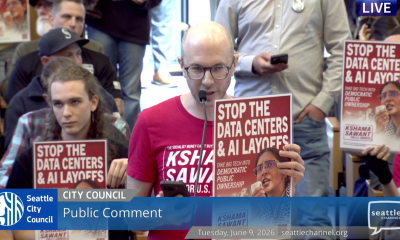
‘This is Seattle’s position on AI’: City Council votes unanimously to pause big new data centers
-

 NewsBeat4 days ago
El Nino has formed in the Pacific and could set records, forecasters say
-
 Entertainment4 days ago
Donnie Wahlberg & More Heat Up Las Vegas at Circa’s Barry’s Downtown Prime
-

 Sports4 days ago
First Time Since 1971: Australia Register Historic Low In ODI Cricket
-
 Tech4 days ago
Opendoor Ends India Operations, Fueling a Bigger Conversation About AI and Outsourcing
-

 Politics4 days ago
Belfast burns, while Met chief points finger at Iran and Russia
-

 NewsBeat3 days ago
FBI searches office of Ohio voter registration group
You must be logged in to post a comment Login