A zero-day exploit circulating online allows people with physical access to a Windows 11 system to bypass default BitLocker protections and gain complete access to an encrypted drive within seconds.
The exploit, named YellowKey, was published earlier this week by a researcher who goes by the alias Nightmare-Eclipse. It reliably bypasses default Windows 11 deployments of BitLocker, the full-volume encryption protection Microsoft provides to make disk contents off-limits to anyone without the decryption key, which is stored in a secured piece of hardware known as a trusted platform module (TPM). BitLocker is a mandatory protection for many organizations, including those that contract with governments.
When one disk volume manipulates another
The core of the YellowKey exploit is a custom-made FsTx folder. Online documentation of this folder is hard to find. As explained later, the directory associated with the file fstx.dll appears to involve what Microsoft calls the transactional NTFS, which allows developers to have “transactional atomicity” for file operations in transactions with a single file, multiple files, or ones that span multiple sources.
The steps for carrying out the bypass are simple:
Advertisement
Copy the custom FsTx folder from the Nightmare-Eclipse exploit page to an NTFS- or FAT-formatted USB drive
Connect the USB drive to the BitLocker-protected device
Boot up the device and immediately press and hold down the [Ctrl] key
Enter Windows recovery
There are at least two ways to accomplish the third step. One way is to boot into Windows, hold down the [Shift] key, click on the power icon, and click restart. Another is to power on the device and restart it as soon as Windows starts booting.
In either case, a command (CMD.EXE) prompt appears. The prompt has full access to the entire drive contents, allowing an attacker to copy, modify, or delete them. In a normal Windows Recovery flow, the attacker would need to enter a BitLocker recovery key. Somehow, the YellowKey exploit bypasses this safeguard. Multiple researchers, including Kevin Beaumont and Will Dormann, have confirmed the exploit works as described here.
It’s unclear what in the custom FsTx folder causes the bypass. Dormann said that it appears to be related to Transactional NTFS, which itself uses command-log file system under the hood. Dormann further noted that by looking at the Windows fstx.dll, one will see code that explicitly looks for \System Volume Information\FsTx in the FsTxFindSessions() function.”
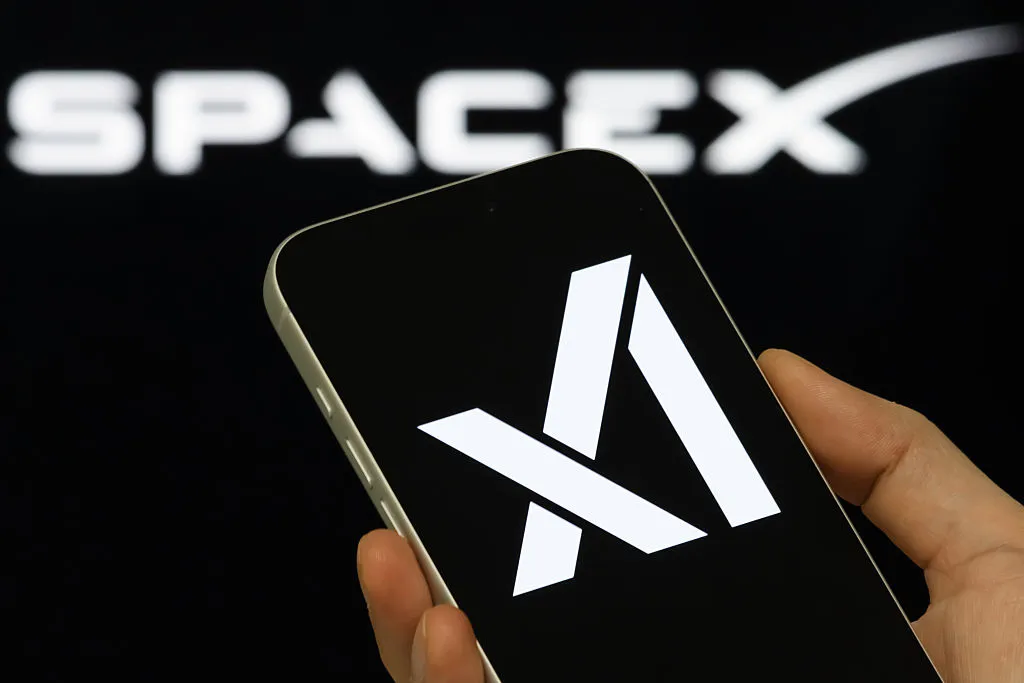
Elon Musk’s newly rebranded SpaceXAI is reportedly losing top talent, with more than 50 researchers and engineers departing since February, according to The Information. The exits include key leaders across coding, world models, and Grok voice.
Rivals like Meta and Thinking Machines Lab are reportedly scooping up former staff, with the company’s core pre-training team dwindling to just a handful of people. Since February, at least 11 xAI employees have defected to Meta, according to The Information’s report. At least seven have left to join Mira Murati’s Thinking Machines Lab. TechCrunch has previously reported on 11 of the xAI departures announced directly after the merger, including two co-founders.
SpaceX acquired xAI — two companies owned by Musk — in February and has since installed new leadership at the company. Musk renamed the combined company SpaceXAI earlier this month.
The pre-training departures, which followed the exit of team lead Juntang Zhuang, have particularly concerned employees and people close to SpaceXAI, per The Information. Pre-training is the first step to building new AI models, and many have questioned whether the company is still committed to developing leading models.
Advertisement
The report also found that Musk’s culture of extreme work led some staff to leave — something Musk employees across his companies, including Tesla, have complained about. A source who spoke to The Information said Musk set unrealistic deadlines for training models, which led to cutting corners on Grok.
Of course, several of the exits could have been driven by a desire to cash out.
SpaceX regularly offers tenders so employees can sell vested shares privately. Others might simply feel confident that their equity is close to liquidity given the company’s blockbuster IPO expectations. Once employees see the financial light at the end of the tunnel, they’re less likely to work at a company that puts undue pressure on them and may not be building the leading models they want to work on.
TechCrunch has reached out to SpaceX for comment.
Advertisement
When you purchase through links in our articles, we may earn a small commission. This doesn’t affect our editorial independence.
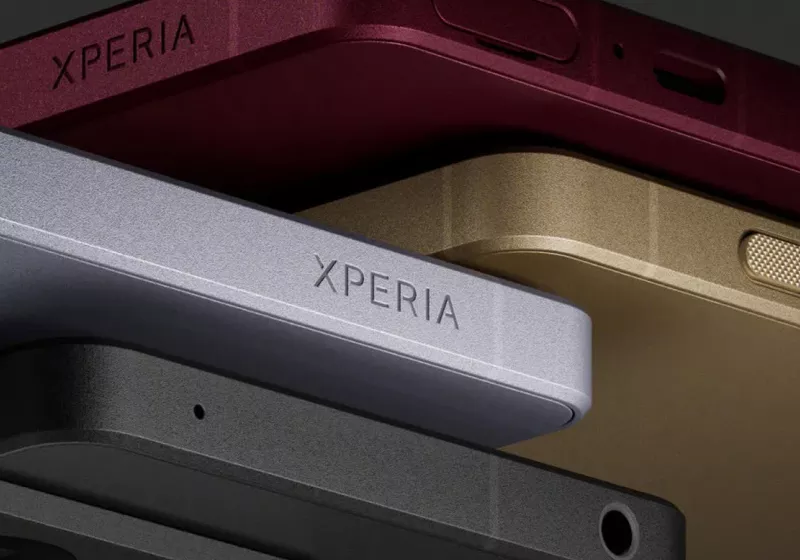
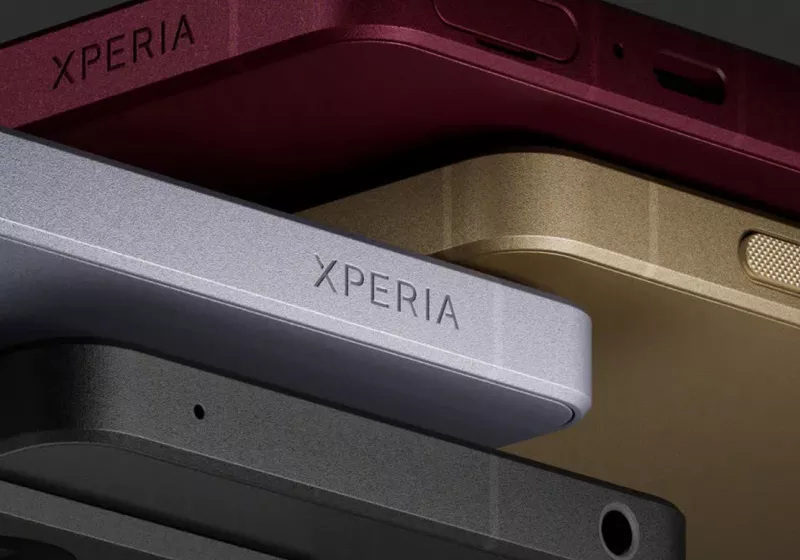
The Xperia 1 VIII features a 6.5-inch LTPO AMOLED display with a 2,340 × 1,080 resolution, a 120Hz refresh rate, and Corning Gorilla Glass Victus 2 protection. It retains Sony’s trademark thick top and bottom bezels, which house the selfie camera, sensors, and front-firing stereo speakers. Other nostalgic features include… Read Entire Article Source link
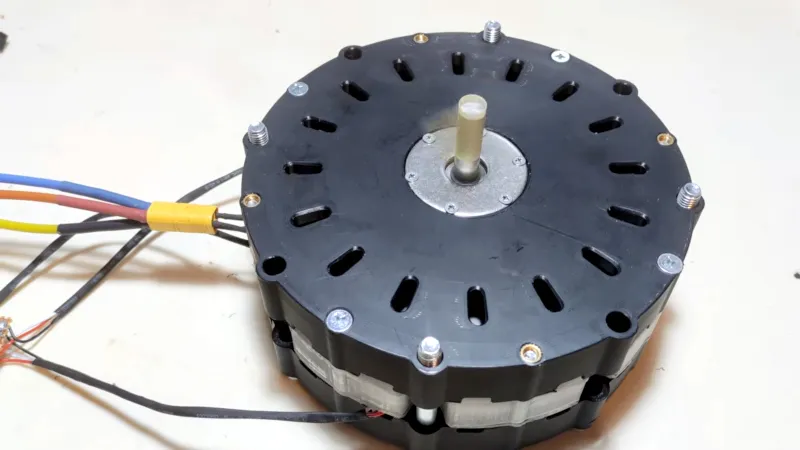
Many of us have made electric transport of some form, whether a Hacky Racer, and e-bike, a go-kart, or whatever. We have invariably bought a motor, or if we are really adventurous, repurposed a car alternator. Not [Birdbrain] though, because she’s designed and built her own from first principles.
The video below goes into significant detail on the design of her motor, looking at cores, wire sixes, and configurations with a useful simulation along the way. We particularly like the way she uses a bandsaw to cut transformer laminations to shape for her core. The 3D printed housing initially isn’t strong enough for the forces induced by the magnets, but she attacks that problem with a new print. The motor works well, and as an added bonus there’s an introduction to the different types of motor driver. It seems the cheap ones don’t deliver a good waveform for the characteristics of the motor. Sadly she doesn’t fit it to a real bike in the video, but it seems this thing might just work.
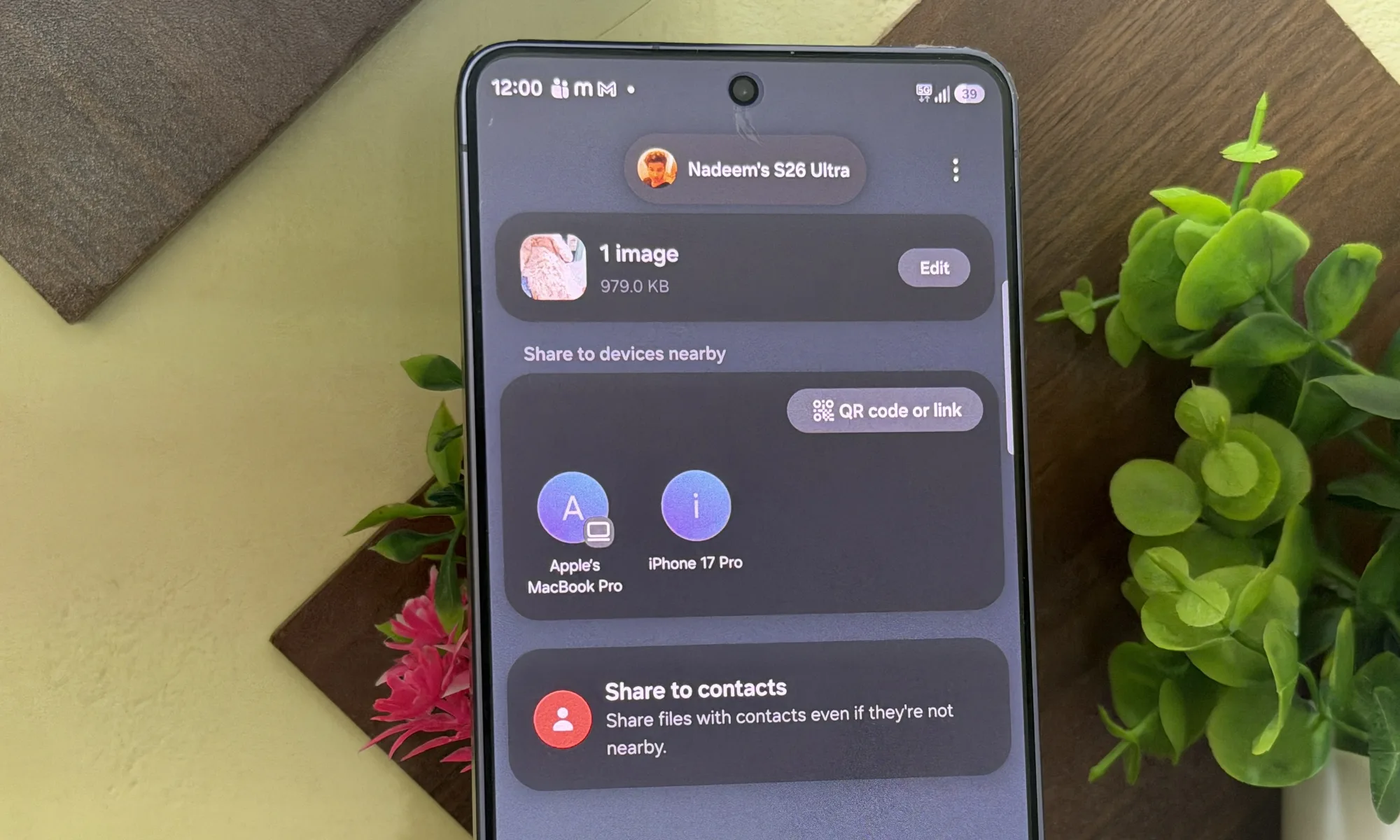
However, not all Android devices have the hardware to support Quick Share-AirDrop compatibility, which means not all Android smartphones can access this feature. To solve this problem, Google announced a new QR code-based file-sharing system, which allows any Android device to transfer files to iPhones.
How does it work?
With this new method, an Android phone generates a QR code for sharing files. The iPhone user scans it with the default Camera app, and the file is uploaded to the cloud and transferred to the recipient.
Nadeem Sarwar / Digital Trends
Note that anyone with access to the QR code can download the file without requiring any permission. So ensure that you only share the QR code with people you trust. I like that the whole experience is surprisingly smooth for something that has historically required third-party workarounds.
Nadeem Sarwar / Digital Trends
Who is this for?
This feature is specifically designed for Android phones that don’t yet have native Quick Share-AirDrop compatibility built in. Instead of relying on a direct device-to-device connection, it uses QR codes and cloud transfers to move files between Android and iOS.
Nadeem Sarwar / Digital Trends
If you don’t see the feature on your device yet, don’t panic. Google said it will be fully available across all Android phones within the next month. On the native AirDrop compatibility front, Google also confirmed that it’s expanding support beyond Pixel and Samsung phones to include OPPO, OnePlus, Vivo, Xiaomi, and HONOR devices this year.
Google is also planning to bring Quick Share inside third-party apps like WhatsApp soon. Between the QR code sharing and the expanding AirDrop compatibility, cross-platform file sharing is finally getting the attention it deserves.
During a call with investors on Wednesday night, Cisco executives discussed the layoffs further, with CFO Mark Patterson saying, “This was really not a savings-driven restructure,” according to a transcript of the call.
“Things are moving incredibly fast right now,” he said. “And this is more realigning from an already strong base, as you’re seeing in our financials, but really realigning resources around silicon, optics, security, and AI. And so being able to move fast, we don’t always have the exact resources that we need going forward in the right places. And so that’s really what this is about versus savings.”
Due to the layoffs, Cisco expects to “recognize up to $1 billion of pre-tax charges with $450 million to be recognized in the Q4 FY ’26 and the remainder during FY ’27,” Patterson added.
“These [layoffs] are building from a position of strength and focusing on the technologies that will accelerate our growth, deliver unmatched innovation to customers and partners, and define our future,” Robbins said on the call.
Advertisement
Bonuses and training for laid-off workers
Robbins’ blog post said that affected workers will receive “pro-rated payment” of fiscal 2026 bonuses. The company also says it will offer services to help laid-off employees find new jobs.
“We will provide support in finding new opportunities, whether internal or external, through Cisco’s placement services—a program that has seen 75 percent of participants discover their next role,” Robbins said. “We are also committed to continued personalized learning and will provide one year of access to all Cisco U courses and certifications, covering AI, security, networking, and more.”
This round of layoffs follows the dismissal of 4,245 employees, or 5 percent of the workforce at the time, in February 2024, and about 6,000 people, or about 7 percent of the workforce, in August 2024. Cisco also attributed the latter layoffs to the need to restructure around AI and security, The Register reported at the time.
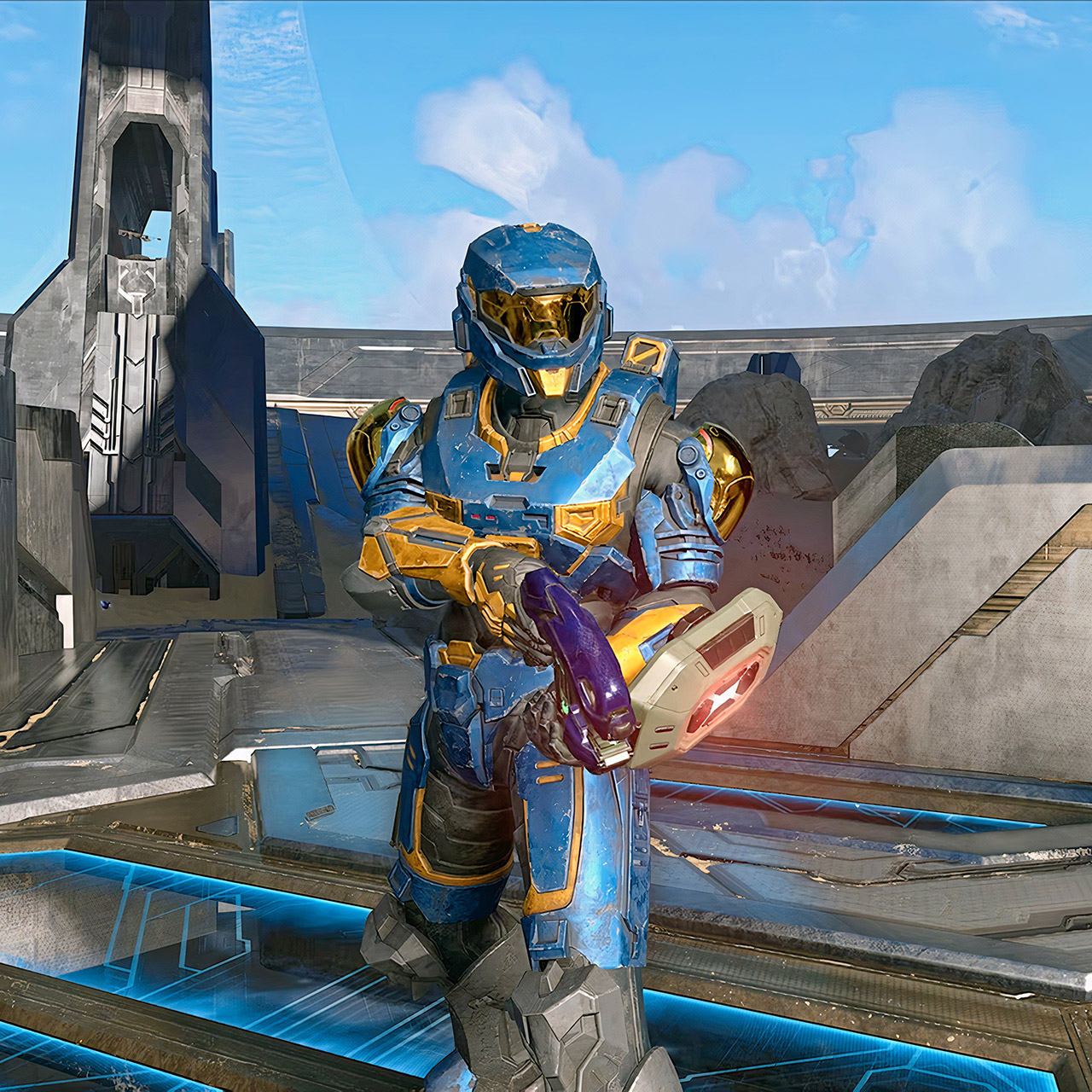
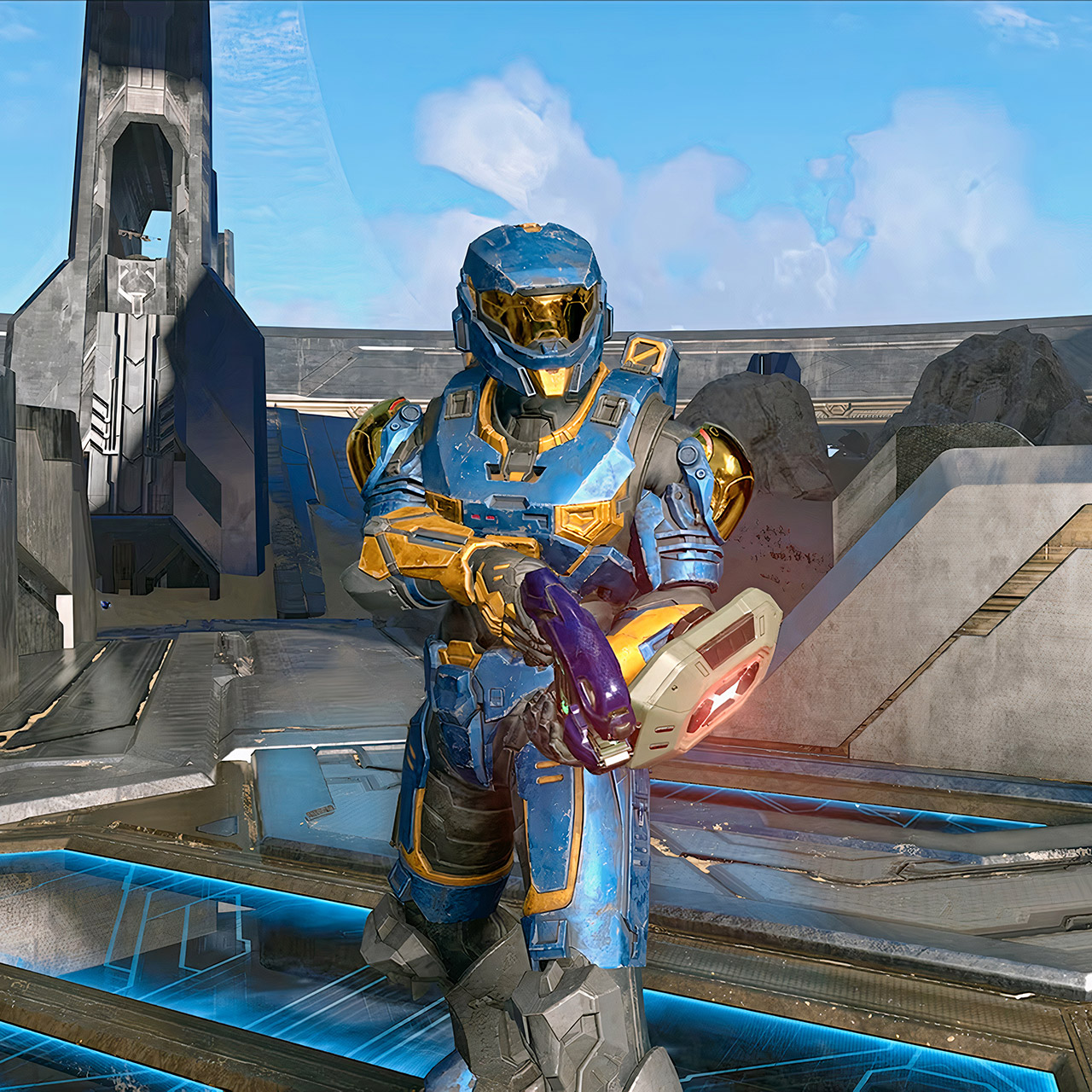
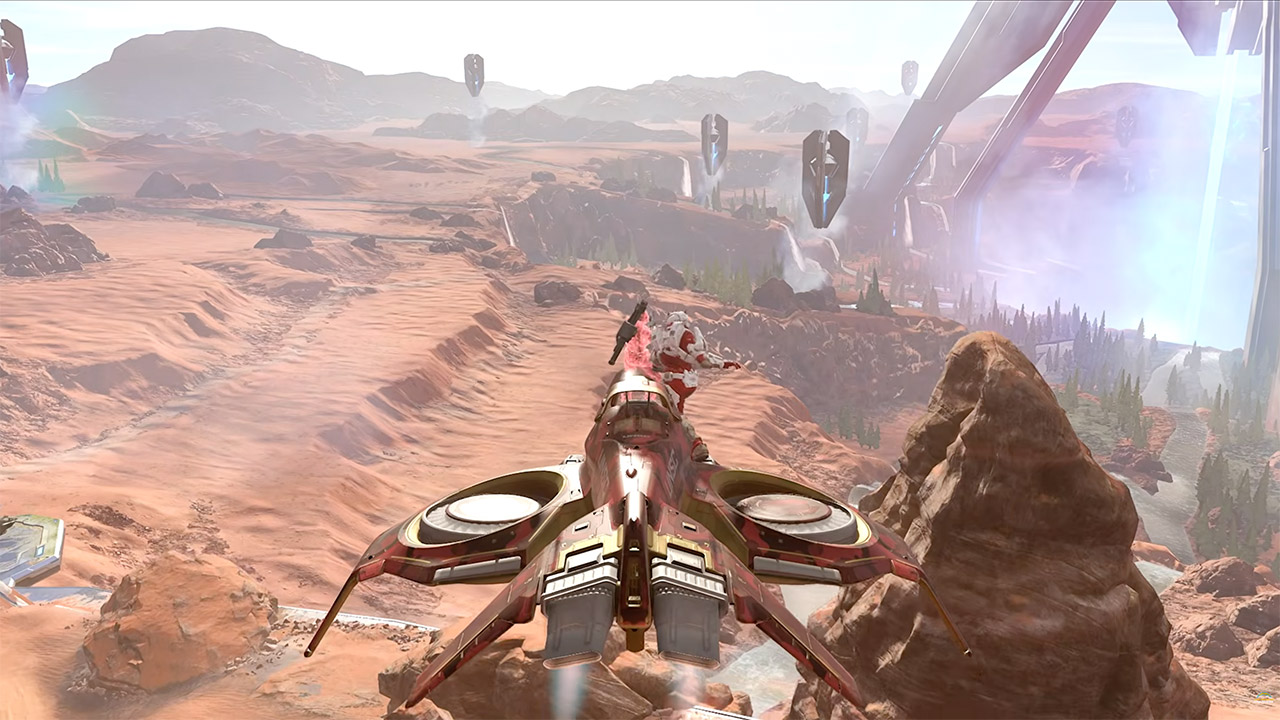
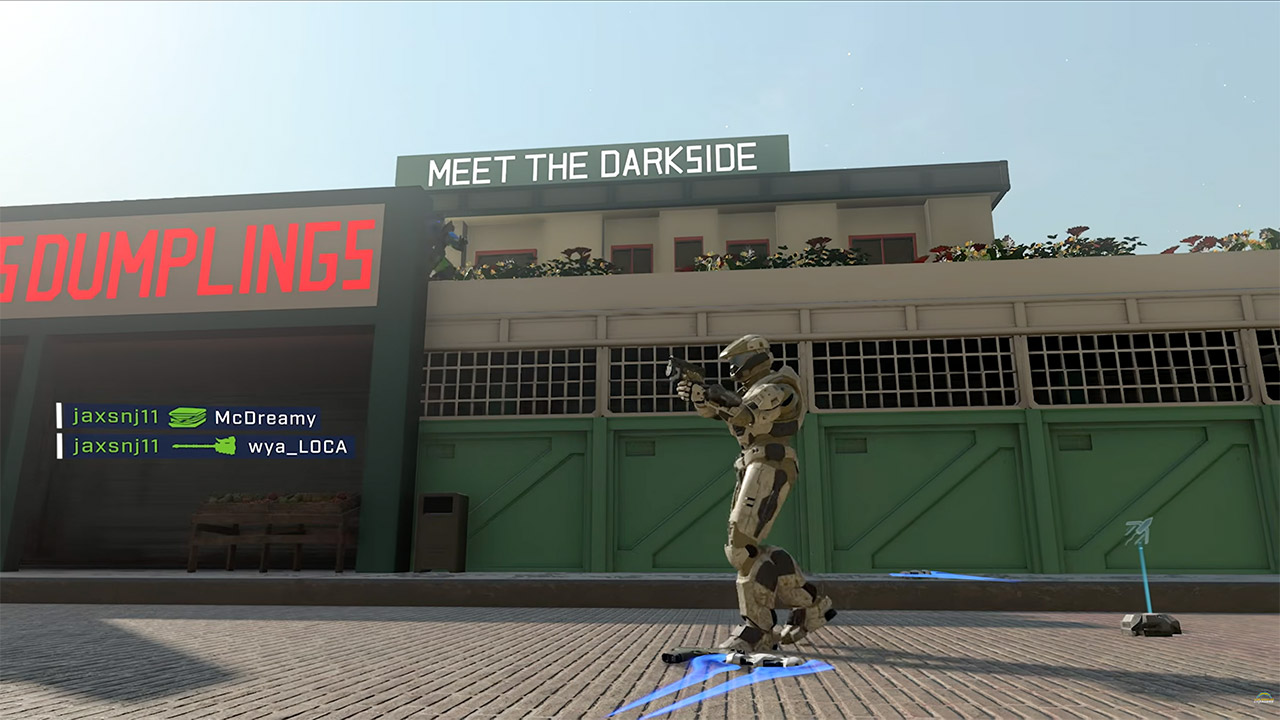
LA Chargers fans who stayed up late on schedule night were in for a treat this year. The team effectively transformed the entire 2026 lineup into a Halo-inspired trip that would fit right in with the games themselves. Microsoft collaborated with the Chargers to make all of the details inside the Halo game engine look right at home, and let me tell you, the end result feels like stepping into a custom Halo campaign, where each opponent becomes its own battlefield map, full of sneaky references that will only be picked up by true NFL and Halo fans from the start.
should we REALLY make our schedule release video in halo?
The Halo series’ voice talent is all over this thing, including Jeff Steitzer, who has been shouting legendary game lines for years. while maps start loading and rolling in one after the other, he still has the stamina to call out dates and places in the same over-the-top approach he used to use while shouting about flag captures and double kills. Screens range from recognizable Halo sky and ring buildings to weapon crates, but each has some extra-clever features related to the next match. If you scan the scenes quickly, you’ll see logos, player allusions, and inside jokes that make the schedule reveal feel like a real event rather than just a list on a screen.
Advertisement
The preseason schedule begins on August 13, with a travel to Houston to face the Texans under the lights. Two weeks later, the 49ers visit SoFi Stadium on a Thursday night, and the final tune-up is the Chargers’ home game versus the LA Rams on the 27th. That sets the tone before things get serious in September.
The Cards visit town on September 13, which marks the start of week one. The map for that game features a beautiful desert landscape blended with Covenant technology, a great tribute to the Cardinals’ desert background. Week two is a local matchup versus the Raiders on September 20th. The Raiders’ silver and black blend in with the Halo color palette, and it’s only after you see them that they feel intentional. Next week, on the journey to Buffalo on the 27th, the map has a cooler tone and includes big open fields that reflect the Bills’ outdoor approach.
October begins with a road trip to Seattle on October 4th. The Seahawks map shows Pacific Northwest mist flowing over some Forerunner ruins. Back home on the 11th, the Broncos will arrive, and the map here jumps out the most. There’s a slow-motion shot of a grenade arcing at an ankle joint, a direct reference to one of the significant injuries from the previous postseason. The first game against the Chiefs is scheduled on October 18 in Kansas City. Then there’s a QR code on the screen that the curious can scan to reveal an extra little jab at the presenters.
The newly announced changes focus on expanding Copilot’s ability to make web browsing more seamless for users. Microsoft has recently indicated it is scaling back broader Copilot integration in Windows 11, but Edge remains the primary platform for deeper AI-powered browser features. Read Entire Article Source link
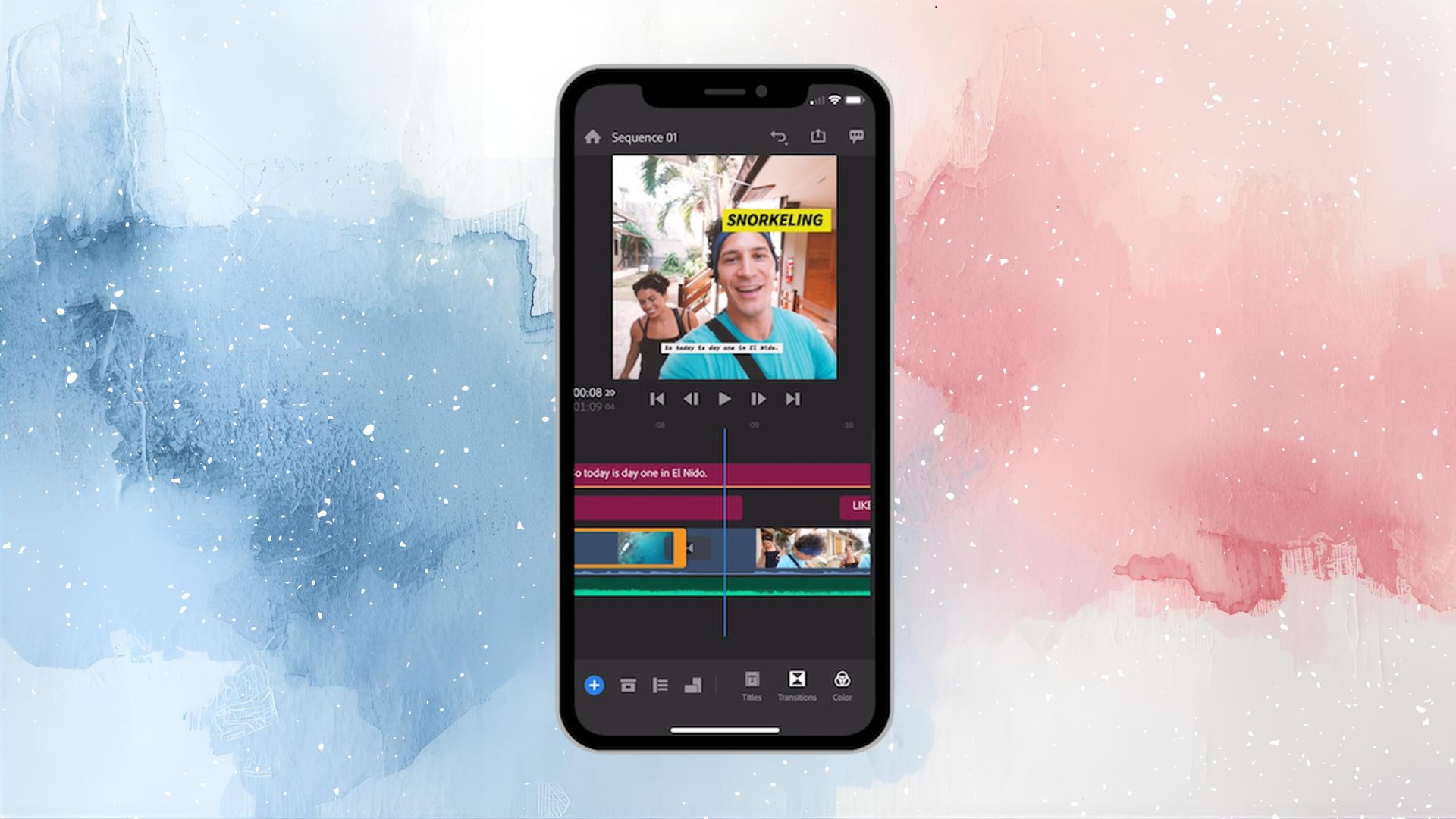
Adobe has confirmed that its Premiere video editing app will arrive on Android, with Google announcing the news as part of a broader set of creator-focused features tied to the Android 17 platform reveal at The Android Show.
The confirmation moves the app beyond the vague “in development” status that Adobe attached to it last year, though Google’s announcement stops short of a firm release date and describes the arrival window as only “soon,” offering little clarity for creators who have been waiting since the original disclosure.
According to Google’s blog post accompanying the Android 17 announcement, the Android version of Adobe Premiere will include exclusive templates and effects specifically oriented toward YouTube Shorts, a focus that signals Adobe and Google are positioning the app as a tool for short-form content creation rather than a full-featured editing suite from the outset.
The iOS version of Adobe Premiere, which launched in September 2025, offers a broader set of capabilities that provide a reasonable indication of what Android users may eventually receive once the app reaches feature parity on the platform.
Advertisement
That iOS release supports background removal, automatic captioning, multi-platform video resizing, and the kind of transition effects that have become standard across TikTok, Instagram Reels, and YouTube Shorts content, functions that represent the core editing toolkit most mobile creators currently rely on third-party apps to access.
Advertisement
The app operates on a free-to-use model on iOS, with the only paid element covering Firefly generative AI credits for users who want access to Adobe’s AI-powered generation tools beyond the standard feature set.
While the Android release date remains unconfirmed, Google has introduced several other creator tools in the Android 17 update, including a simplified workflow for reaction video production and Android-exclusive features within Instagram’s Edits app, giving creators alternatives to bridge the gap ahead of Premiere’s arrival.
Advertisement
Adobe has not published a roadmap or feature breakdown for the Android release beyond what Google included in its announcement, leaving the full scope of the app’s initial capabilities on the platform unconfirmed.
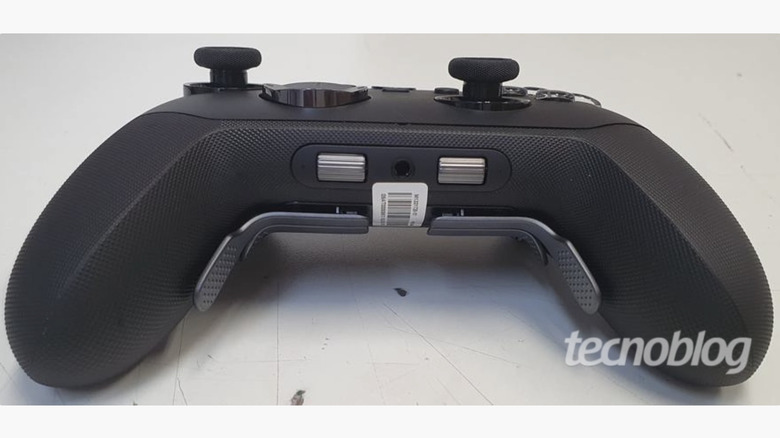
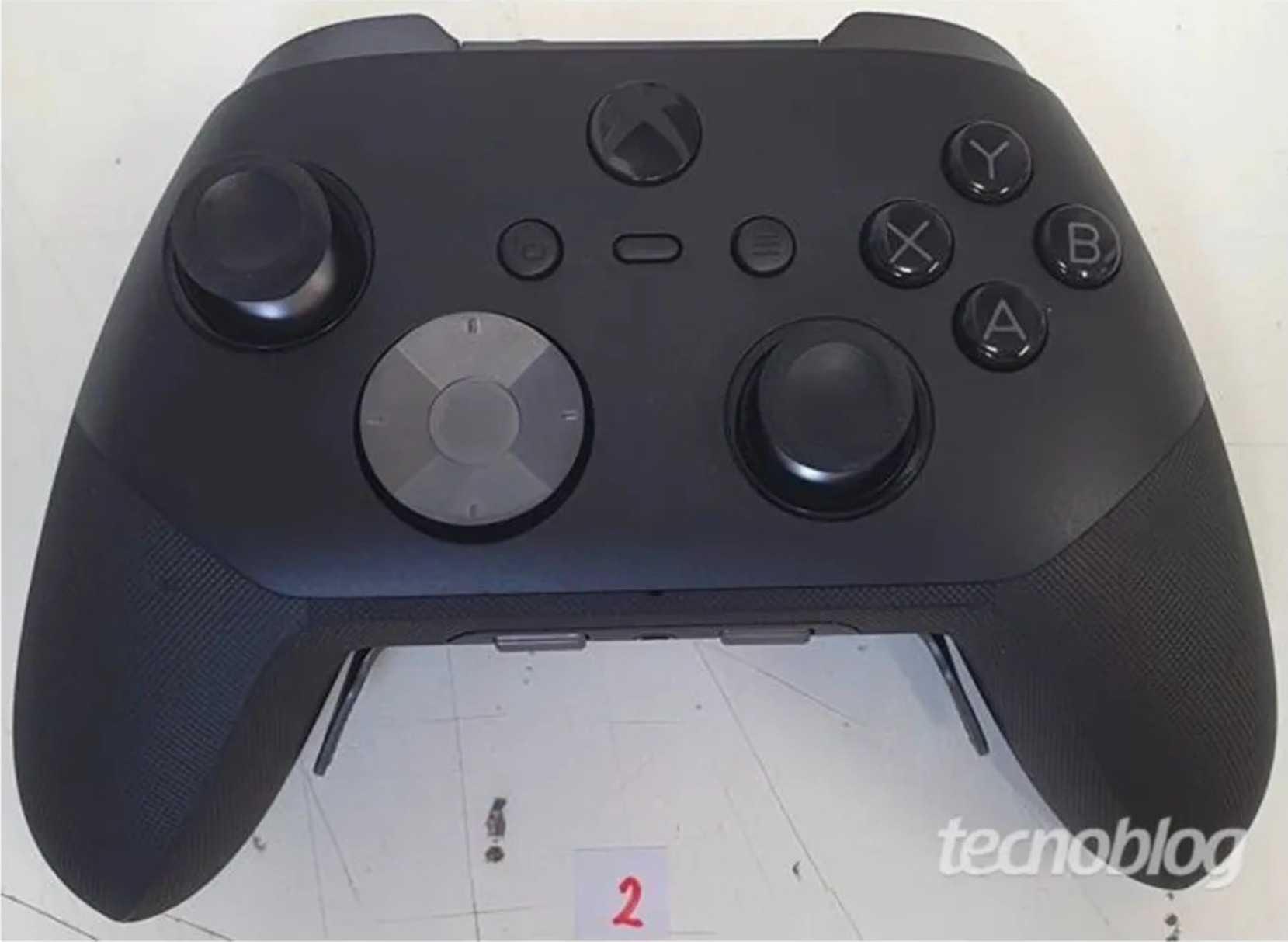
Is Mercury in retrograde over Brazil? Because sources there are giving Xbox a very hard time today. Brazilian regulator Anatel appears to have accidentally leaked images of the Xbox Elite Controller 3 that were then circulated by local tech site Tecnoblog and in turn picked up by The Verge.
According to the specs making the rounds, this controller boasts some notable new features. There are two scroll wheels at the bottom that could be controlled by your thumbs. A new pairing button on the front appears to switch the device between local and cloud modes. The D-pad also has been redesigned, and the gamepad seems to at long last be switching over to a removable, rechargeable battery.
Tecnoblog
If this story sounds familiar, it is. Tecnoblog also published leaked images of a different Xbox peripheral earlier today. That story showed off a pint-sized gamepad that was presumed to be an unreleased Xbox Cloud Gaming controller.
It has been awhile since Xbox released a refresh to the Elite controller. The second generation of the hardware debuted back in 2019, and it became customizable in the Design Lab in 2022. And since at least one national regulator is currently looking at the device, it seems likely that the product is close to hitting store shelves. Xbox’s big summer showcase is just a few weeks away, but after today’s leak fest, Microsoft might be inclined to make the official announcement sooner than later.
— Pamela Bhattacharyahas left her role as senior director of AI at Microsoft to join OpenAI as a member of its technical staff, where she is leading AI safety work with a focus on child safety. Bhattacharya spent nearly nine years at Microsoft as a principal applied scientist and manager before leaving in 2021, worked at Meta and Lacework, then rejoined Microsoft in 2024.
The computer scientist holds more than 30 patents and is an expert in machine learning and human-in-the-loop systems. “I’m especially energized by problems where getting it wrong has real consequences — and by developing the next generation of AI leaders who can navigate that complexity,” she said in her LinkedIn profile.
Aniruddha Kembhavi. (LinkedIn Photo)
— Aniruddha Kembhavi, a former senior director at the Allen Institute for AI (AI2), has joined Meta‘s AI Research team in London. Kembhavi spent nearly a decade at the Seattle-based institute before leaving in December 2024, then joined autonomous vehicle company Wayve as a director. He is also an affiliate associate professor at the University of Washington.
After just a couple of weeks at Meta, Kembhavi said on LinkedIn that he was already “incredibly impressed by the caliber of the people, the energy, and the ambition of what’s being built.”
Diego Panama. (LinkedIn Photo)
— Diego Panama is taking over as CEO of LogicGate in July, succeeding co-founder Matt Kunkel. Panama joined the Chicago-based risk management software company last year as chief operating officer, having previously served as chief revenue officer at Olo, a Bellevue-based SaaS company.
Although LogicGate is headquartered in Chicago, it has been operating out of a Bellevue co-working space since January and plans to move into a permanent office there this summer, the Puget Sound Business Journal reports. Chief Marketing Officer Michael Schultz and about four other employees are also based in the Seattle area. The company expects to grow its Bellevue headcount to 20 by year’s end.
Kent Hollenbeck, left, and Erik Moser. (LinkedIn Photos)
— Public relations veterans Kent Hollenbeck and Erik Moser have co-founded Resonant Advisory Group, a Portland-based PR firm focused on crisis preparedness, issues management and communications strategy for clients in technology, healthcare, retail and AI.
Hollenbeck previously spent nearly six years at Amazon as its marketing and brand lead for robotics and fulfillment technologies. Moser most recently served as a managing director at Global Gateway Advisors. The two previously overlapped at Edelman, where both held executive roles in the Pacific Northwest.
Advertisement
—Chris Blais has joined Riviera Partners, an executive recruiting firm specializing in technology, product and design leaders. Blais comes from Seattle-based Herd Freed Hartz, where he spent 12 years focused on tech talent.
— Nora Hawkinshas been promoted to energy policy director at the Washington State Department of Commerce, where she has worked for four years.
— Adam Dimopoulos, a former senior program manager in cloud security at Microsoft, has been named chief information security officer at Entrust. He joins the Minneapolis-based software company from Synchrony.
— Kostas Mallios, a former Microsoft GM and past VP at Intellectual Ventures, joined the board of directors for the Greek nonprofit Panathenea. Mallios is currently a corporate VP for Applied Materials.













































You must be logged in to post a comment Login