

Business
Trump and Xi share a toast to wrap up the first day

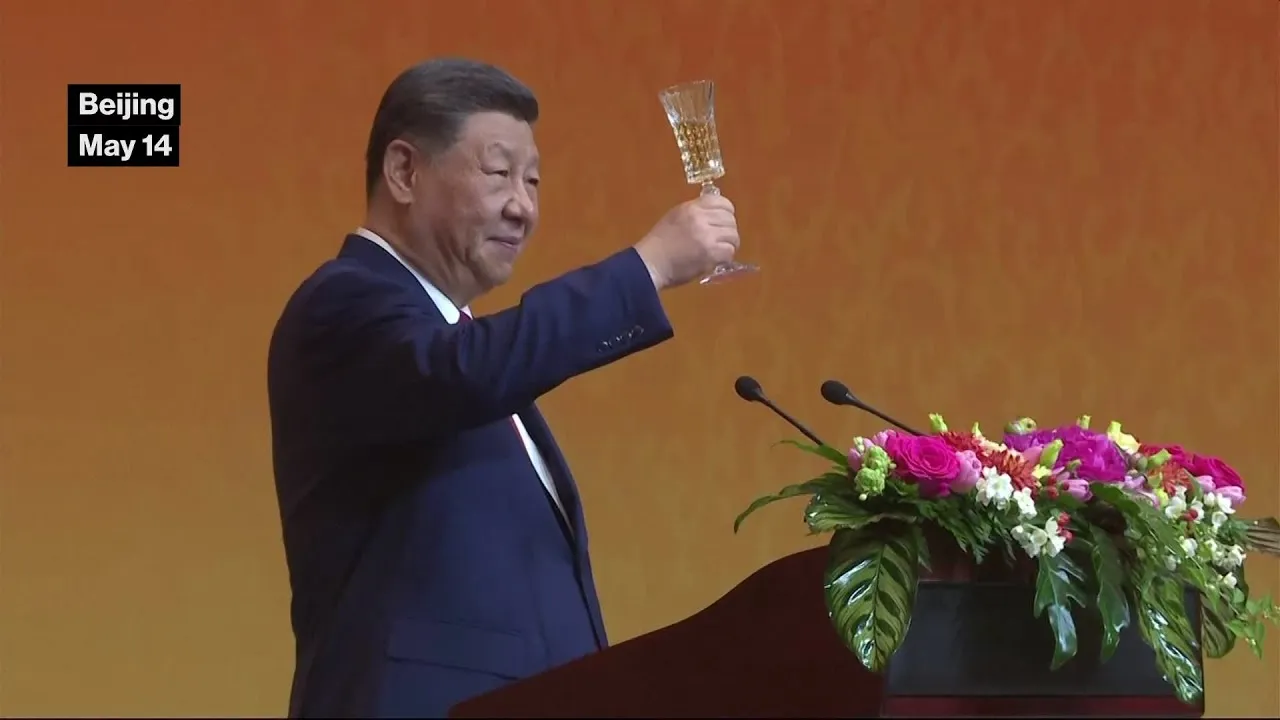
During a state dinner at the Great Hall of the People, President Donald Trump and Chinese President Xi Jinping toasted each other, marking a moment of diplomatic camaraderie. The event highlighted ongoing efforts to strengthen U.S.-China relations amidst complex geopolitical and economic discussions, reflecting both nations’ intentions to foster cooperation and mutual respect.
At the conclusion of the first day of recent summit meetings, former President Donald Trump and Chinese President Xi Jinping shared a symbolic moment by raising a toast. The gesture underscored the importance of diplomatic relations between the two nations amid ongoing trade negotiations and geopolitical tensions. Both leaders appeared to seek a balance between assertiveness and cooperation as they navigated complex issues affecting their countries.
The toast signaled a desire to foster dialogue and mutual understanding, even as underlying disagreements persisted. Trump and Xi’s willingness to engage in such traditional diplomatic gestures aimed to soften rhetoric and build rapport. This moment was seen as a positive step towards easing tensions and encouraging collaborative efforts on global challenges, including economic stability and security concerns.
Observers noted that the shared toast reflected a broader strategy to maintain a constructive dialogue during high-stakes diplomatic encounters. While not immediately resolving contentious issues, it illustrated a commitment by both leaders to keep lines of communication open. This gesture serves as a reminder of diplomacy’s role in managing international relations amid complex and often conflicting interests.
Other People are Reading


Check out whats clicking on FoxBusiness.com.
Ford announced a recall covering more than a quarter million Ford Focus vehicles over an issue that may cause the engine to stall unexpectedly.
The recall affects 255,404 Focus vehicles from the 2012-18 model years due to an issue with the canister purge valve (CPV). These vehicles were covered by a prior recall, but the correct software fix may not have been installed on the affected vehicles.
If the fix wasn’t properly installed, the CPV may malfunction and stick open, with the powertrain control module (PCM) unable to adequately detect the stuck open CPV.
“A CPV that is stuck open during the evaporative leak monitor check can cause excessive vacuum in the fuel system of these vehicles. Excessive vacuum can result in deformation of the plastic fuel tank,” the recall report said.
FORD ISSUES RECALL FOR MORE THAN 548,000 VEHICLES OVER ISSUE WITH CENTER CONSOLE

Ford’s recall affects over 255,000 Ford Focus vehicles from the 2012-2018 model years. (Scott Olson/Getty Images)
Affected vehicles may trigger a malfunction indicator light, or drivers may observe an inaccurate fuel gauge indication, inaccurate distance to empty and/or have drivability concerns.
Ford flagged a concern with the National Highway Transportation Safety Administration (NHTSA) that it found discrepancies that showed the software fix may not have been successfully applied to all vehicles.
MORE THAN 1 MILLION JEEP VEHICLES RECALLED OVER FIRE RISK AS OWNERS WARNED NOT TO PARK INSIDE
| Ticker | Security | Last | Change | Change % |
|---|---|---|---|---|
| F | FORD MOTOR CO. | 14.84 | +0.13 | +0.88% |
The company then identified the subset of affected vehicles and issued a recall earlier this month. Ford isn’t aware of any reports of accidents or injury related to the issue.
Owners of affected vehicles will be notified by mail and instructed to take their vehicle to a Ford or Lincoln dealer to have the PCM updated, with software parts to be validated before the process concludes.
FORD RECALLS NEARLY 420,000 EXPEDITION AND LINCOLN NAVIGATOR SUVS OVER SEAT BELT LOCKING ISSUE

Owners of recalled vehicles can take their vehicles to Ford and Lincoln dealerships for the software fix. (David Paul Morris/Bloomberg via Getty Images)
There will be no charge for the service.
Ford approved a reimbursement plan for owners who paid to have the issue fixed prior to the May 2023 safety recall, and owners who paid out of their own expense to have repairs completed may be eligible for reimbursement.
LOS ANGELES — Defending champions Brazil will open their 2026 FIFA World Cup campaign against a dangerous Morocco side in Group C on Saturday, a matchup that pits five-time winners against one of Africa’s most formidable teams in what promises to be a tactical and physical battle at the New York New Jersey Stadium.
The encounter carries significant weight in a competitive group that also includes Haiti and Scotland. Brazil enters as one of the tournament favorites, boasting a deep squad and recent success, while Morocco arrives with momentum from strong performances in previous international competitions and a reputation for disciplined, counterattacking football.
Brazil’s Strengths and Ambitions
Under coach Dorival Júnior, Brazil has rebuilt effectively since their quarterfinal exit in 2022. The squad features a blend of experienced stars and exciting young talent, with players like Vinícius Júnior, Rodrygo and Endrick providing attacking flair. The defense, anchored by Marquinhos and other established figures, remains solid, while the midfield offers creativity and work rate.
Brazil’s history in the World Cup makes them perennial contenders. Five titles and consistent deep runs position them as the team to beat in Group C. A strong start against Morocco would set an ideal tone for progression and potentially a title defense, though the expanded 48-team format demands consistency across three group matches.
The Seleção has shown attacking depth in recent friendlies, with fluid movement and clinical finishing. However, they will need to be wary of Morocco’s organization and ability to frustrate possession-based teams.
Morocco’s Rise and Tactical Approach
Morocco has established itself as a force in African football and on the global stage, highlighted by their remarkable run to the semifinals in 2022. Coach Walid Regragui has instilled discipline, tactical intelligence and team spirit, creating a unit capable of competing with the world’s best.
Key players include experienced goalkeeper Yassine Bounou, midfield creator Sofyan Amrabat and forward talents capable of exploiting transitions. Morocco’s style emphasizes defensive solidity, quick counters and set-piece threats, making them difficult to break down.
The Atlas Lions will view the Brazil match as an opportunity to make a statement. A positive result would boost their chances of advancing from Group C, where they are expected to battle Scotland and Haiti for one of the top two spots or a favorable third-place position in the expanded format.
Key Matchups and Tactical Outlook
The clash will likely feature a contrast in styles. Brazil will seek to dominate possession and create openings through intricate passing and individual brilliance. Morocco is expected to sit compact, absorb pressure and strike on the break, utilizing speed and physicality.
Central midfield battles will be crucial, with Brazil’s creativity tested against Morocco’s tenacity. Set pieces could prove decisive, as both teams possess aerial threats and well-rehearsed routines. Brazil’s attacking width versus Morocco’s compact defense will shape much of the game’s flow.
Injuries and form will be monitored closely in the final preparations. Both coaches have emphasized adaptability and mental preparation for what is expected to be a high-intensity opener.
Group C Implications
Group C presents a balanced challenge. Brazil is favored to top the standings, but Morocco’s quality makes them a genuine threat. Scotland and Haiti add depth, ensuring competitive matches throughout the group stage. The top two advance automatically, with the eight best third-placed teams also progressing to the round of 32.
A victory for Brazil would solidify their position as group leaders. A draw or upset win for Morocco would create early drama and complicate calculations for all teams involved.
Historical Context
Brazil and Morocco have met in friendlies in recent years, with the South Americans generally prevailing. However, Morocco’s improvement since 2022 has narrowed the gap. The World Cup stage adds extra significance, with both nations carrying national pride and high expectations.
The 2026 tournament’s multi-nation hosting across Canada, Mexico and the United States provides unique atmospheres and travel considerations. Brazil’s large traveling support is expected to create a vibrant environment, though Morocco’s fans are known for their passion and organization.
Broader Tournament Narrative
The 2026 World Cup has already delivered compelling early matches in the expanded format. Group C’s opener represents another opportunity for drama as traditional powerhouses face rising challengers. Brazil’s quest for a sixth title and Morocco’s ambition to build on their 2022 success add layers of intrigue.
Global audiences will watch closely as the tournament progresses toward the knockout stages. Strong performances in the group phase will set the tone for deeper runs and potential historic achievements.
What to Watch
Fans can expect high technical quality from Brazil combined with Morocco’s tactical discipline. Individual brilliance from Vinícius Júnior or Rodrygo could tilt the match, while Morocco’s collective effort and counterattacking threats offer danger. Set pieces, midfield control and physical duels will likely determine the outcome.
Coaches from both sides have stressed respect for the opponent while expressing confidence in their preparations. The match promises intensity befitting a World Cup opener between two ambitious nations.
Fan and Media Anticipation
Expect passionate support from both sets of fans, with Brazilian supporters known for their energy and Moroccan followers celebrated for their vibrant displays. Media coverage has highlighted the matchup as one of the more intriguing early fixtures, blending history, talent and tactical nuance.
Broadcast platforms will make the game widely accessible, allowing global viewers to follow one of the tournament’s most anticipated Group C encounters.
Outlook and Potential Impact
Brazil enters as the favorite, but Morocco’s organization and experience make an upset possible. A decisive result could shape group standings and confidence levels heading into subsequent matches.
For Brazil, a strong start is essential to maintain momentum toward another deep run. For Morocco, a competitive showing would validate their progress and boost chances of advancing further than in previous tournaments.
The 2026 World Cup continues to showcase the depth and competitiveness of international football. Friday’s Group C clash offers an early highlight as Brazil and Morocco begin their quests for glory in North America. The outcome will provide important insights into both teams’ potential as the tournament unfolds.
As kickoff approaches, anticipation builds for a match that could set the tone for one of the most open World Cups in recent memory. Both nations arrive with clear ambitions, promising an engaging contest full of skill, strategy and national pride.


Justin Law has a Ph.D in Chemistry from Rice University and has earned the CFA Institute Investment Foundations certificate. He applies his knowledge to deep value and dividend paying stocks.Justin is a contributor to the investing group The Dividend Kings where he curates the Dividend Champions list, a monthly publication of companies with a history of consistently increasing their dividends. The Dividend Kings is a group of analysts teaching individuals how to invest more wisely in dividend stocks. Learn More.
Analyst’s Disclosure: I/we have a beneficial long position in the shares of O, AMCR, FNF either through stock ownership, options, or other derivatives. I wrote this article myself, and it expresses my own opinions. I am not receiving compensation for it (other than from Seeking Alpha). I have no business relationship with any company whose stock is mentioned in this article.
Seeking Alpha’s Disclosure: Past performance is no guarantee of future results. No recommendation or advice is being given as to whether any investment is suitable for a particular investor. Any views or opinions expressed above may not reflect those of Seeking Alpha as a whole. Seeking Alpha is not a licensed securities dealer, broker or US investment adviser or investment bank. Our analysts are third party authors that include both professional investors and individual investors who may not be licensed or certified by any institute or regulatory body.
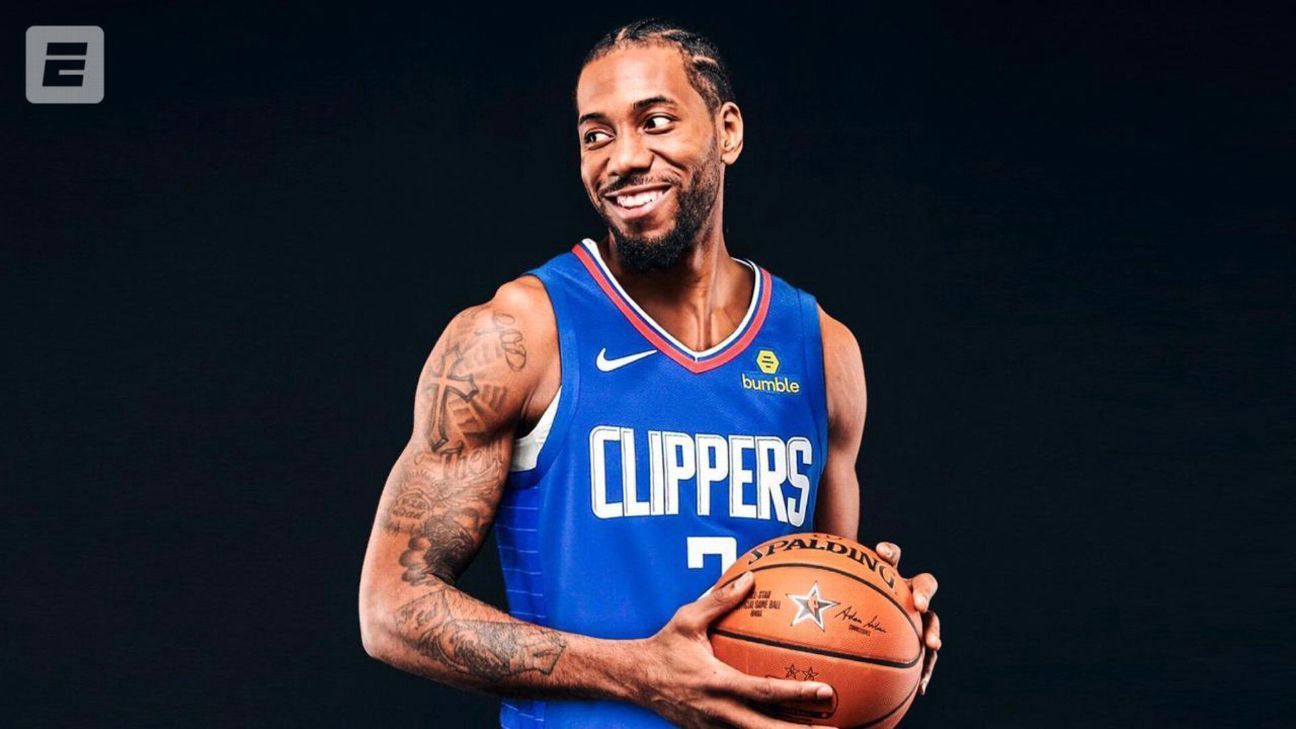
OAKLAND, Calif. — The Golden State Warriors, seeking to rebound from a playoff miss in the 2025-26 season, are exploring ambitious trade scenarios that could bring LeBron James and Kawhi Leonard to the Bay Area, creating a potential superteam alongside Stephen Curry and Draymond Green.
According to detailed mock offseason analysis, the Warriors could acquire James via sign-and-trade and Leonard through a separate deal involving Jimmy Butler, Brandin Podziemski and multiple first-round picks. The moves would address the team’s need for additional star power and veteran leadership while reshaping the Western Conference landscape.
Proposed James Acquisition
In one scenario, Golden State would sign-and-trade Kristaps Porzingis to the Los Angeles Lakers for James. Porzingis averaged 16.7 points, 5.2 rebounds, 2.5 assists, 0.6 steals and 1.2 blocks per game across stints with the Warriors and Atlanta Hawks last season. The deal would provide the Lakers with an asset and salary relief rather than losing James for nothing in free agency.
James, who averaged 20.9 points, 6.1 rebounds, 7.2 assists, 1.2 steals and 0.6 blocks for the Lakers in 2025-26, would reportedly take a pay cut to around $24 million annually. The 41-year-old remains productive despite his age, and his connection to agent Rich Paul — who also represents Green — could facilitate negotiations.
The arrangement would allow the Warriors to stay under key salary thresholds, potentially using the non-taxpayer mid-level exception for additional roster help. Calculations suggest flexibility for James and Green to structure contracts totaling around $40 million combined, depending on Green’s opt-out decision.
Kawhi Leonard Trade Framework
A separate proposal involves sending Butler, Podziemski and two first-round picks to the Los Angeles Clippers for Leonard. Butler, recovering from a torn ACL, averaged 20.0 points, 5.6 rebounds, 4.9 assists, 1.4 steals and 0.2 blocks before his injury. Podziemski contributed 13.8 points, 5.1 rebounds, 3.7 assists, 1.1 steals and 0.2 blocks in his breakout campaign.
Leonard, entering the final year of his contract, averaged 27.9 points, 6.4 rebounds, 3.6 assists, 1.9 steals and 0.4 blocks last season. The package would give the Clippers valuable assets amid questions surrounding Leonard’s future and off-court matters. The trade would further reduce Golden State’s salary obligations, creating additional flexibility.
Warriors’ Strategic Needs
After missing the playoffs, Golden State is motivated to bolster its roster around Curry and Green. Adding two future Hall of Famers in James and Leonard would create one of the most experienced and talented cores in the league. James brings playoff pedigree and playmaking, while Leonard offers elite two-way ability when healthy.
The moves would represent a shift toward immediate contention rather than long-term rebuilding. However, they come with risks including age, injury history and luxury tax implications. James at 41 and Leonard with his load management approach would require careful roster construction to maximize their impact.
Lakers and Clippers Perspectives
For the Lakers, parting with James via sign-and-trade yields Porzingis’s rim protection and spacing rather than zero return in free agency. The Clippers would receive young talent and draft capital in exchange for Leonard, potentially resetting for the future while addressing salary and availability concerns.
Both transactions highlight the fluidity of the NBA offseason, where star movement can rapidly reshape competitive balance. The proposed deals assume cooperation from all parties and successful contract negotiations within salary cap constraints.
League-Wide Implications
A James-Leonard union in Golden State would intensify Western Conference competition. The Warriors, already boasting Curry’s shooting and Green’s defensive versatility, would add championship experience and scoring punch. Such a superteam could challenge top contenders like the Knicks, who hold a 3-1 lead in the ongoing NBA Finals.
The scenarios also underscore broader trends in player empowerment and team-building strategies. Veterans seeking new chapters and organizations chasing titles continue driving major roster overhauls. Salary cap maneuvering, sign-and-trades and asset accumulation remain central to competitive success.
Fan and Analyst Reactions
The possibility has generated significant discussion among fans and analysts. Many view the potential trio of Curry, James and Leonard as a fascinating blend of skill sets and leadership. Others question the sustainability given age and injury factors, emphasizing the need for supporting depth and chemistry development.
Mock trade analyses suggest the Warriors could remain competitive under the luxury tax line with careful planning. However, luxury tax apron implications and roster flexibility will require precise execution by management.
Historical Context for Warriors
Golden State has a track record of bold moves, including the 2016 signing of Kevin Durant that created a dynasty. Adding James and Leonard would represent another high-stakes gamble aimed at extending the franchise’s championship window around Curry.
The organization’s recent playoff absence has heightened urgency. Successful integration of star talent would test coaching and front office capabilities in building cohesive units under new collective bargaining rules.
Outlook and Uncertainties
While intriguing on paper, the deals face multiple hurdles including player willingness, contract details and medical clearances. James has expressed interest in teaming with Curry, but financial and lifestyle considerations remain key. Leonard’s availability and commitment would also require careful evaluation.
As the offseason progresses, Golden State will explore all avenues to improve. Whether the James and Leonard scenarios materialize or serve as discussion starters, they illustrate the franchise’s aggressive approach to contention.
The NBA landscape continues evolving with star movement and strategic roster construction at its core. For the Warriors, the pursuit of a superteam reflects both ambition and the challenges of sustaining success in a competitive league. Friday’s developments and ongoing negotiations will shape Golden State’s path as it seeks to return to championship contention.
The hypothetical trades highlight creative possibilities in a salary-cap driven league. As teams finalize rosters for the 2026-27 season, such scenarios underscore the high stakes and strategic complexity of NBA player movement.
NEW YORK — Cloud security provider Zscaler faced reports of service disruptions on Friday, with hundreds of users encountering connectivity issues and performance problems across its platform.
The cloud-based cybersecurity company, known for its zero-trust security solutions, saw elevated complaints on service monitoring sites as customers reported difficulties accessing administrative interfaces, experiencing latency, and facing general connectivity challenges. The issues appeared to impact various regions, though the full scope remained unclear as the company had not yet issued a detailed public statement.
Scope of Reported Problems
Users took to social media and community forums to share experiences, with many noting slow loading times, connection timeouts and difficulties with the administration UI. One community discussion highlighted widespread reports of the service being inaccessible for some customers. The timing during business hours amplified the impact for organizations relying on Zscaler for secure web access, threat protection and remote workforce management.
Service status pages showed some ongoing investigations into administrative UI performance, with previous incidents in recent days involving slowness and increased latency. While not all customers were affected simultaneously, the volume of reports suggested a notable degradation for a significant subset of users.
Company Background and Services
Zscaler provides cloud-native security solutions that replace traditional perimeter-based approaches with a zero-trust model. Its platform protects users and devices regardless of location, making it popular among enterprises with distributed workforces. The company’s services include internet access security, private application access and advanced threat protection.
Disruptions to such critical infrastructure can have significant operational consequences for businesses, potentially exposing them to security risks or forcing temporary use of alternative solutions. Zscaler has built a reputation for reliability but, like other major cloud providers, occasionally experiences technical challenges due to the complexity of its global network.
Previous Incidents and Reliability
Zscaler has faced similar outages in the past, including notable disruptions in previous years that affected packet loss and connectivity. The company maintains a public trust portal for transparency, posting updates on incidents and maintenance windows. Recent entries included investigations into administration UI performance and planned maintenance at specific data centers.
Customers generally appreciate the platform’s security capabilities but emphasize the importance of redundancy and backup solutions during service interruptions. Enterprise users often maintain multi-vendor strategies to mitigate risks associated with any single provider.
User and Industry Reactions
Affected organizations expressed frustration over the timing and potential productivity impacts. IT teams reported scrambling to implement workarounds while monitoring official channels for updates. The cybersecurity community noted the irony of a security provider experiencing accessibility issues, though most acknowledged that even robust platforms can face unforeseen technical problems.
Broader industry discussions highlighted the challenges of maintaining high availability in complex cloud environments. As more organizations shift to cloud-delivered security, expectations for uptime continue to rise. Incidents like this often prompt reviews of service level agreements and contingency planning.
Technical Context
Zscaler operates a distributed network of data centers worldwide. Issues with specific clouds, proxy endpoints or administrative interfaces can lead to widespread effects even if core services remain partially operational. Previous root causes have included traffic forwarding problems, maintenance activities and external factors affecting connectivity.
The company typically investigates and remediates issues promptly, providing detailed post-incident reports. Customers are advised to follow official status updates and utilize support resources during disruptions.
What Customers Can Do
Organizations experiencing issues should check Zscaler’s trust portal for real-time updates. Basic troubleshooting steps such as clearing browser cache, trying alternative networks or using backup secure access methods can provide temporary relief. For critical operations, maintaining redundant security solutions is recommended.
Zscaler encourages customers to report specific problems through official support channels to help expedite resolution. Patience is advised as engineering teams work to restore full functionality.
Looking Ahead
As the situation develops, Zscaler is expected to provide more details on the cause and resolution timeline. The incident will likely be analyzed internally to strengthen platform resilience and prevent similar occurrences.
Friday’s disruptions to Zscaler services affected hundreds of users and highlighted the critical role cloud security platforms play in modern enterprise operations. While the company works toward full restoration, the event serves as a reminder of the importance of robust infrastructure and contingency planning in cybersecurity.
Customers should continue monitoring official communications for updates. The cybersecurity industry as a whole benefits from transparency during such events, helping organizations better prepare for and respond to service interruptions. As digital transformation accelerates, maintaining reliable and secure connectivity remains a top priority for businesses worldwide.
The outage adds to a series of recent technical challenges for major technology providers, underscoring the complexities of operating at global scale. Zscaler’s response and any preventive measures announced post-incident will be closely watched by customers and industry observers alike.

Dell Technologies director Egon Durban related entities sell $238,550
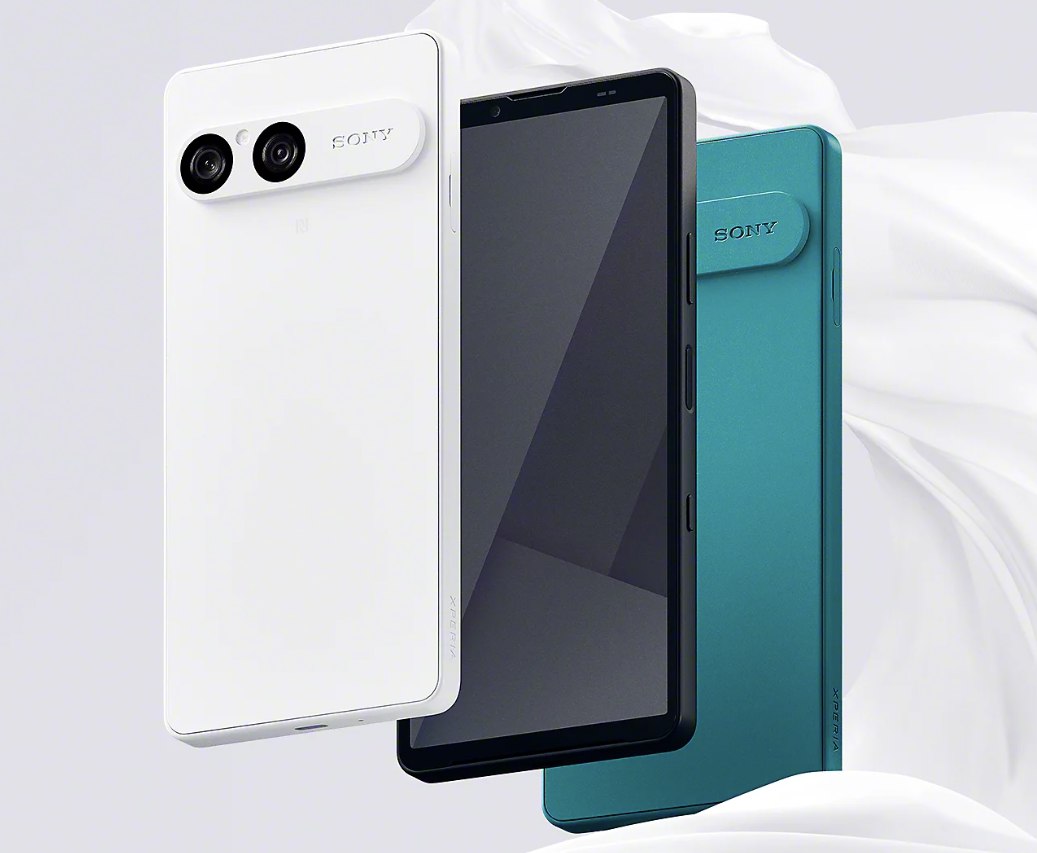
NEW YORK — Sony’s Xperia 10 VIII continues the company’s tradition of offering specialized smartphones that prioritize unique design elements and practical functionality in the mid-range segment, appealing to users seeking alternatives to mainstream flagships.
As smartphone buyers evaluate options in 2026, the Xperia 10 VIII stands out for its combination of compact build, media-focused display and reliable everyday performance. Industry analysts note that while the device may not match the raw power of premium models, its targeted strengths address specific consumer needs often overlooked by competitors.
1. Signature 21:9 Cinematic Display
The Xperia 10 VIII features Sony’s hallmark 21:9 aspect ratio OLED display, optimized for movie watching and content consumption. This tall, narrow screen provides an immersive viewing experience without the black bars common on standard 16:9 or 20:9 displays when playing films. The panel delivers sharp colors and solid brightness levels suitable for both indoor and outdoor use, making it particularly attractive for multimedia enthusiasts.
2. Premium Build Quality and Compact Size
Sony maintains a focus on durable, lightweight construction with the Xperia 10 VIII. The phone’s slim profile and manageable dimensions make it comfortable for one-handed use, a rare quality in an era of increasingly large devices. The build quality emphasizes premium materials that resist fingerprints and provide a solid feel, appealing to users who value ergonomics over maximum screen size.
3. Headphone Jack and Audio Excellence
The inclusion of a 3.5mm headphone jack sets the Xperia 10 VIII apart from many competitors that have eliminated the port. Sony’s audio engineering heritage shines through with high-resolution audio support and dedicated sound processing, delivering clear, detailed output for music and calls. This feature remains important for audiophiles and users who prefer wired listening options.
4. Expandable Storage Options
Unlike many modern smartphones with fixed internal storage, the Xperia 10 VIII supports microSD card expansion. This practical addition allows users to easily increase capacity for photos, videos and apps without relying solely on cloud services. In an age of growing file sizes and 4K content, expandable storage provides flexibility and cost savings.
5. Reliable All-Day Battery Life
The device incorporates efficient power management and a capacity optimized for its display and processor combination. Users report consistent all-day performance with moderate to heavy use, including streaming, social media and navigation. Sony’s software optimizations help maximize runtime, reducing the need for frequent charging during busy days.
6. Advanced Camera Capabilities
Sony leverages its imaging expertise in the Xperia 10 VIII with a versatile rear camera system capable of detailed shots across various conditions. The setup includes features tailored for photography enthusiasts, such as manual controls and high-quality sensors. While not matching flagship ultra-wide or telephoto options, the cameras deliver reliable results for everyday photography and content creation.
7. Clean Android Experience with Long Support
The phone runs a near-stock version of Android with minimal bloatware, providing a smooth and customizable user interface. Sony has committed to extended software updates, ensuring security patches and feature improvements for several years. This long-term support adds significant value compared to devices with shorter update cycles.
8. Durable Design with IP Rating
The Xperia 10 VIII carries an IP68 rating for dust and water resistance, offering protection against accidental exposure. Combined with Gorilla Glass and a solid frame, the phone is built to withstand daily use and minor accidents. This durability appeals to users who prioritize longevity over frequent replacements.
9. Focused Productivity Features
The tall display enhances productivity for reading documents, multitasking and note-taking. Sony includes useful tools for business users, such as improved split-screen functionality and secure folder options. The phone’s balanced performance handles common applications efficiently without unnecessary hardware overkill.
10. Distinctive Brand Identity
Sony’s Xperia line maintains a unique position in the market by avoiding feature bloat and focusing on photography, audio and design. The Xperia 10 VIII appeals to consumers who appreciate this philosophy and prefer a phone that stands apart from ubiquitous designs. Its availability at competitive mid-range pricing makes it accessible to a broad audience seeking premium touches without flagship costs.
Market Positioning and Consumer Appeal
In a crowded mid-range segment dominated by aggressive Chinese brands and established players, the Xperia 10 VIII differentiates itself through thoughtful features rather than specification wars. While it may not lead in benchmark scores or camera megapixels, its strengths address real-world usage patterns that many buyers prioritize.
Analysts observe that consumers tired of large phones and aggressive advertising find Sony’s approach refreshing. The combination of media consumption tools, audio excellence and practical storage options creates a compelling package for users who value quality of experience over raw specifications.
Potential Drawbacks and Considerations
The Xperia 10 VIII is not without limitations. Processing power sits below some competitors in the same price range, which may be noticeable in demanding games or heavy multitasking. Camera performance, while reliable, lacks the computational photography advancements found in rival devices. Availability and carrier support can also vary by region.
Buyers should evaluate their priorities carefully. For those seeking maximum performance or advanced zoom capabilities, other options may be more suitable. However, for users focused on media, audio quality and compact design, the Xperia 10 VIII presents a strong case.
Sony’s Strategy in Smartphones
Sony continues refining its Xperia lineup with a focus on niche appeal rather than mass-market volume. The approach has cultivated a loyal following among enthusiasts who appreciate the brand’s imaging heritage and distinctive design language. The Xperia 10 VIII represents a continuation of this philosophy, balancing innovation with practical usability.
As the smartphone market matures, specialized devices like the Xperia 10 VIII serve important roles by offering alternatives to standardized designs. Sony’s commitment to features like the headphone jack and expandable storage resonates with segments of the market underserved by broader trends.
Conclusion and Recommendation
The Sony Xperia 10 VIII provides a compelling option for consumers seeking a distinctive mid-range smartphone. Its combination of cinematic display, audio excellence, practical features and durable build creates a well-rounded package that stands out in a competitive field.
While not designed to win specification battles, the device excels in areas that matter for daily use and media consumption. Shoppers prioritizing ergonomics, audio quality and long-term usability will find much to appreciate in Sony’s latest offering.
As 2026 progresses, the Xperia 10 VIII serves as evidence that thoughtful design and targeted features can still compete effectively against more powerful but less distinctive alternatives. For the right buyer, it represents an intelligent choice that delivers satisfaction beyond benchmark numbers.
The smartphone market continues evolving, but devices like the Xperia 10 VIII remind consumers that different priorities can lead to different — and often more personally satisfying — choices. Sony’s focus on its strengths creates a phone that feels purposeful rather than compromised, offering genuine appeal in a sea of similar options.

Ast spacemobile CFO Andrew Johnson disposes of $4.3m in stock

VANCOUVER, Canada — Qatar and Switzerland will open their 2026 FIFA World Cup campaigns against each other on Saturday at BC Place in what promises to be a fascinating tactical contest between two well-organized sides with contrasting strengths in Group B.
The match kicks off at 12 p.m. PT (7 p.m. GMT) and carries early importance in a competitive group that also includes co-host Canada and Bosnia and Herzegovina. Both teams enter with realistic ambitions of advancing to the round of 32 in the expanded 48-team tournament, where the top two from each group progress automatically and the eight best third-placed teams also advance.
Qatar’s Ambitions as Asian Representatives
Qatar, hosting the 2022 tournament and reaching the round of 16, arrives with continued investment in its national team program. The squad blends experienced players with emerging talents developed through the country’s ambitious football infrastructure. Coach Bruno Tabata has emphasized disciplined defending and quick transitions, aiming to make Qatar a difficult opponent for any side.
Key players include experienced midfielders capable of controlling tempo and forwards with the ability to exploit spaces. Qatar’s home advantage in North America is limited, but their tactical cohesion and physical preparation could prove valuable against European opposition. The team has shown improvement in recent friendlies, focusing on set-piece execution and defensive solidity.
Advancing from Group B would represent another milestone for Qatari football. With the expanded format providing more opportunities, a positive result against Switzerland would set an ideal tone for the campaign.
Switzerland’s Experience and Structure
Switzerland enters as one of Europe’s most consistent performers, regularly qualifying for major tournaments and reaching the knockout stages. Coach Murat Yakin’s side is known for tactical flexibility, strong organization and experienced leadership. The team features a solid defensive foundation and dangerous attacking options on the counter.
Veteran players bring valuable international experience, while younger talents add dynamism. Switzerland’s ability to adapt mid-game and capitalize on set pieces has been a hallmark of their success. They will view this opener as an opportunity to secure early points against a capable opponent and establish themselves as contenders for top spot in the group.
Tactical Outlook and Key Matchups
The game is expected to feature a clash of styles. Qatar may look to control possession and build patiently, utilizing width and midfield creativity. Switzerland is likely to press high at times while maintaining a compact shape, looking for transitions and exploiting any gaps in Qatar’s defense.
Midfield battles will be crucial, with both teams possessing players capable of dictating tempo. Set pieces could prove decisive, as Switzerland has shown proficiency in aerial duels and Qatar has improved its delivery and marking. Individual duels between key attackers and experienced defenders will also shape the outcome.
Both coaches have stressed respect for the opponent while expressing confidence in their preparations. The match promises intensity and strategic nuance typical of high-level international football.
Group B Context
Group B presents a balanced challenge with Canada benefiting from home support and Bosnia and Herzegovina adding physicality. Results in the opener will influence tactical approaches in subsequent fixtures. A win for either Qatar or Switzerland would provide a significant advantage, while a draw would keep both sides in contention but increase pressure for positive outcomes later.
The expanded format rewards consistency across three group matches. Teams that start strongly often carry momentum into the knockout stages, making Friday’s encounter particularly important for establishing early credentials.
Historical Performances
Qatar has grown steadily on the international stage since hosting the 2022 World Cup. Their ability to compete with stronger nations has improved, though consistency against European sides remains a challenge. Switzerland has a solid World Cup record, frequently advancing from the group stage through disciplined performances.
Previous encounters between Asian and European teams in the World Cup have produced mixed results, with tactical execution and physical condition often proving decisive. This matchup offers both sides an opportunity to make an early statement.
Fan and Media Anticipation
Expect passionate support from both sets of fans at BC Place. Swiss supporters are known for their organization and energy, while Qatar’s traveling contingent will bring color and enthusiasm. The neutral venue still provides an electric atmosphere for an opening group match.
Media coverage has highlighted the tactical intrigue and potential for an upset. Analysts view the game as evenly matched on paper, with small margins likely to determine the outcome. Global audiences will watch closely as the tournament’s group stage continues delivering competitive football.
What to Watch
Key storylines include Qatar’s ability to maintain possession against Switzerland’s pressing, midfield control, and effectiveness on set pieces. Individual performances from key attackers and defensive organization will be under scrutiny. Weather conditions in Vancouver are expected to be favorable, allowing both teams to play their preferred styles without major external interference.
Coaches have prepared thoroughly, focusing on fitness and tactical adaptability. The match promises high-level execution as both nations begin their quests for progression.
Broader Tournament Narrative
The 2026 World Cup’s multi-nation hosting and expanded field have already produced compelling early matches. Group B’s opener represents another opportunity for drama as ambitious teams seek to establish themselves. Qatar’s continued development and Switzerland’s consistency add layers of intrigue to the contest.
As the tournament progresses, results in Group B will influence bracket pathways and knockout stage aspirations. Strong performances in the group phase will set the tone for deeper runs and potential historic achievements.
Outlook for the Match
Both teams enter with clear ambitions and well-defined strengths. Qatar will look to impose its style and capitalize on any opportunities, while Switzerland aims to frustrate and counter effectively. A decisive result could shape group standings and confidence levels heading into subsequent fixtures.
The football world will watch as Qatar and Switzerland begin their campaigns with high stakes. The outcome will provide important insights into both teams’ potential as the 2026 World Cup unfolds across North America.
Fans are encouraged to follow official broadcasters for live coverage. The match at BC Place promises tactical quality and competitive spirit as two well-prepared sides open Group B play.
The expanded tournament format continues to deliver balanced and entertaining football. Qatar vs Switzerland offers an early highlight in a group filled with potential for surprises and strong performances. As kickoff approaches, anticipation builds for what promises to be a closely contested and strategically rich encounter.


Passage Research focuses on identifying variant perception through a blend of fundamental analysis and alternative data. The research process combines detailed financial modeling with real-time datasets to underwrite earnings power, margin durability, and forward expectations.The author has spent over a decade on Wall Street, most recently spending the last five years working in the hedge fund industry as an analyst. Typical coverage spans consumer, TMT, industrials and special situations, with an emphasis on asymmetric risk/reward and catalyst-driven opportunities.
Analyst’s Disclosure: I/we have no stock, option or similar derivative position in any of the companies mentioned, but may initiate a beneficial Long position through a purchase of the stock, or the purchase of call options or similar derivatives in TIGO over the next 72 hours. I wrote this article myself, and it expresses my own opinions. I am not receiving compensation for it (other than from Seeking Alpha). I have no business relationship with any company whose stock is mentioned in this article.
Seeking Alpha’s Disclosure: Past performance is no guarantee of future results. No recommendation or advice is being given as to whether any investment is suitable for a particular investor. Any views or opinions expressed above may not reflect those of Seeking Alpha as a whole. Seeking Alpha is not a licensed securities dealer, broker or US investment adviser or investment bank. Our analysts are third party authors that include both professional investors and individual investors who may not be licensed or certified by any institute or regulatory body.

Days of our Lives: Holly & Ari HORRIFIED – Sophia Discovered Hiding at Horton Cabin!

Ford recalls over 255,000 Focus vehicles over engine stalling risk

SpaceX (SPCX) IPO Debuts as Oil Tumbles on US-Iran Peace Talks Progress

BloFin War of Whales 2026 Grand Prix opens registration for $5M trading championship

Blockchain.com files with SEC for U.S. IPO

Israel says it has killed new Hamas military leader in Gaza City airstrikes

Saldonya tidak cukup untuk transfer uang

Warning: $3.5 Trillion Private Credit Bubble Will Trigger the Next Financial Crisis – Bert Dohmen

XRP Failed To Handle $500 Billion At $10! The Price MUST BE HIGH! Less Than 1% Will Understand This!
-
 Entertainment6 days ago
The Best Mystery Series of All Time Is Surging on Streaming 30 Years After It Ended
-

 NewsBeat5 days ago
Alexander Zverev wins the French Open to finally earn a 1st Grand Slam title
-

 Crypto World5 days ago
Anatomy of the June crypto crash: Fed, Iran, Saylor
-

 Crypto World1 day ago
Oppenheimer backs SpaceX as $70 billion retail frenzy builds
-

 Tech7 days ago
Suspicious Polyfill login prompts pop up on Toshiba, Muji websites
-

 Crypto World1 day ago
Markets Rally as SpaceX IPO Looms Amid Iran Tensions and Inflation Surge
-
 Crypto World6 days ago
Senator Cynthia Lummis Calls CLARITY Act the Most Consequential Financial Legislation of This Generation
-

 Tech5 days ago
Microsoft unveils seven homegrown AI models in new bid for ‘long term self-sufficiency’
-
 NewsBeat5 days ago
Alexander Zverev conquers demons and outlasts Flavio Cobolli to win French Open for first major title
-

 Tech7 days ago
Von der Leyen’s AI envoy pick draws conflict-of-interest fire
-

 Business5 days ago
High Stakes for Wembanyama as New York Pushes for 3-0 Lead
-

 Tech7 days ago
Hackers now exploit SolarWinds Serv-U flaw to crash servers
-
 Business6 days ago
The Pain Points Taking a Fragile Tech Rally Down a Notch
-
 Crypto World4 days ago
Eli Lilly (LLY) Stock Surges 4% Following Breakthrough Sleep Apnea Trial Results
-

 Tech5 days ago
Notion restores access to Anthropic after service disruption
-

 Crypto World5 days ago
Trump’s AI Ownership Plan Could Benefit Anthropic at OpenAI’s Expense
-
 Business6 days ago
The investment to transform historic St Helen’s ground in Swansea
-
 Sports3 days ago
Bangladesh beat Australia after 20 years in ODIs, register only their second win over six-time world champions | Cricket News
-

 Business7 days ago
Forensic Expert Floats Handyman Theory in Disappearance of Savannah Guthrie’s Mother
-

 Tech8 hours ago
This Week In Security: Microsoft On Microsoft, Register Your Domains, Linux On ARM, And FreeBSD Joins The File Cache Club
You must be logged in to post a comment Login