

Crypto World
Strategy’s STRC hits $1.53B volume amid fresh Bitcoin treasury push



Strategy has recorded a new trading volume high for its STRC perpetual preferred stock, adding fresh attention to the company’s use of structured equity products to finance Bitcoin purchases.
Summary
- Strategy’s STRC preferred stock recorded a new daily trading volume high of $1.53 billion on Thursday.
- The company could theoretically raise enough capital through STRC activity to purchase about 9,066 Bitcoin, according to STRC.live data.
According to a post from Michael Saylor, Strategy’s Variable Rate Series A Perpetual Stretch Preferred Stock, trading under the ticker STRC, reached $1.53 billion in daily liquidity on Thursday, the largest volume recorded for the instrument since launch.
“All-time high volume. $1.53B of liquidity,” Saylor said while referring to the company’s Stretch preferred stock product, which pays investors an 11.5% dividend without diluting Strategy’s common equity.
Data from the STRC.live tracker showed the trading activity could theoretically allow Strategy to raise roughly $735.4 million through its at-the-market issuance structure, enough to acquire about 9,066 Bitcoin at current prices. No announcement confirming a new Bitcoin purchase has been made by the company.
Since March, Strategy has accelerated the pace of its Bitcoin accumulation campaign after a relatively quieter February. Company disclosures show the firm has acquired 101,147 Bitcoin since March, including 56,770 Bitcoin purchased after April alone.
Structured products tied to Bitcoin buying
Over the past few months, perpetual preferred stocks have started gaining traction among corporate Bitcoin treasury firms as traditional fundraising routes become harder to access during the current crypto downturn. Senior convertible notes and at-the-market equity sales have faced weaker investor appetite, pushing several companies toward income-focused instruments linked to Bitcoin exposure.
Earlier in May, during Strategy’s Q1 earnings call, Saylor said the company intends to turn Stretch into the “biggest credit instrument in the world,” while continuing to use proceeds from the product to support Bitcoin acquisitions.
A May 14 report from K33 Research director Vetle Lunde stated that STRC’s structure may already be influencing Bitcoin liquidity cycles around the middle of each month. According to the report, the preferred stock’s dividend schedule and ex-dividend timing create recurring periods where Strategy can issue shares above par value and redirect proceeds into Bitcoin purchases.
K33 data cited in the report showed Strategy-linked purchases through STRC climbed from 4,467 Bitcoin in January to nearly 46,872 Bitcoin in April. Lunde also noted that the pace of STRC returning to its $100 par value had slowed recently, with only around 1 Bitcoin added through the mechanism in the latest observed period, a sign that investor demand for the instrument may be cooling.
Outside Strategy, other Bitcoin treasury firms have also started experimenting with similar financing structures.
On Thursday, Strive announced that investors in its Variable Rate Series A Perpetual Preferred Stock, SATA, would begin receiving daily dividend payments starting June 16. The schedule differs from Strategy’s monthly payout structure tied to Stretch.
Meanwhile, Tokyo-based Metaplanet has raised funds through perpetual preferred stock offerings, including MARS and MERCURY, as part of its Bitcoin acquisition strategy.
Nearly 200 public companies currently hold Bitcoin on their balance sheets. Strategy still controls the largest corporate treasury position, with 818,869 Bitcoin valued at roughly $66.5 billion based on current market prices.
Bitcoin’s recent recovery above $81,000 has also pushed the asset beyond Strategy’s average purchase price of $75,543, leaving the company’s holdings up about 7.2% on paper.



Gemini’s “agentic trading” lets AI models like ChatGPT and Claude plug into user accounts via MCP, executing crypto trades autonomously and turning AI from signal vendor into primary CEX client.
Summary
- Gemini has wired its full trading API into Anthropic’s Model Context Protocol, so compatible AI agents can pull market data, query order books, place orders and manage positions directly from user‑linked accounts.
- Users set budgets, strategies and caps, while modular “Trading Skills” give agents DCA, grid, multi‑leg and risk tools, making a growing slice of Gemini’s resting and market orders originate from opaque, black‑box models.
- Unlike TON’s non‑custodial “Agentic Wallets,” which push autonomy to Telegram edge wallets, Gemini centralizes agentic activity inside a regulated CEX perimeter, recasting AI as a client type that humans merely configure.
Gemini has rolled out “agentic trading,” a feature that lets AI systems like ChatGPT and Claude connect directly to user accounts and execute crypto trades autonomously on the exchange, rather than just spitting out trade ideas for humans to click. The move quietly shifts AI from being a glorified signal service to being a client class in its own right, with opaque, proprietary models now sourcing, routing, and managing a chunk of CEX order flow on their own.
According to Gemini’s own blog, “agentic trading means your AI agent acts on your behalf — placing trades, monitoring markets, and managing risk automatically,” with users defining strategies and constraints while the agent handles execution. Under the hood, Gemini has integrated its full trading API with the Model Context Protocol (MCP), an open standard originally built by Anthropic that lets AI agents call external tools and services; compatible models include Claude and ChatGPT, which can query markets, place orders and adjust positions over time. Third‑party write‑ups emphasize that Gemini is the first regulated US exchange to expose a dedicated “agentic” interface, turning centralized exchange infrastructure into a native venue for autonomous trading agents rather than just human click‑flow and traditional algos.
Gemini heats up the AI race
Practically, the system is built around modular “Trading Skills” — pre‑built functions AI agents can invoke to get real‑time market data, inspect order‑book depth and spreads, and pull historical candle data, with more complex order‑routing and risk modules promised over time. Users link their accounts to an AI model via MCP, set budget and risk limits, and then let the agent run strategies that can range from simple DCA or grid trading to multi‑leg structures and volatility plays, with Gemini stressing that “human oversight remains part of the design” through caps and rules. But the microstructure implication is obvious: once enough people plug in agents and walk away, a material share of resting and market orders on Gemini will be coming from black‑box models tuned to optimize for particular objectives, not from human decision cycles.
That changes who you are actually trading against. Historically, the story was “retail vs HFT vs a few prop‑shop algos”; now Gemini is effectively advertising “AI as a client type,” more akin to how prime brokers have algorithmic clients that are not directly human‑decisioned on each trade. In high‑volatility periods, tightly coupled agent strategies can amplify feedback loops — especially if many users are copying off the same “AI signals” or fine‑tuning similar models on overlapping data — and you can easily imagine clusters of agents front‑running naive human behavior or unintentionally engaging in coordinated patterns that look a lot like cartelized flow.
There is a clean contrast here with TON’s on‑chain “Agentic Wallets.” TON is pushing autonomy to the network edge: agents live in Telegram, manage non‑custodial wallets on TON, and interact with DeFi directly on an L1. Gemini is doing the opposite: recenters agentic trading inside a regulated, custodial CEX, where AI agents are tightly coupled to one exchange’s API and compliance perimeter. In both cases the future is the same: the next “HFT villain” in crypto will not be a named firm on the other side of your order, but a swarm of un‑audited models, systematically optimized around the fee, tax and KYC constraints their operators face — and increasingly treated by the infrastructure itself as the primary customer, with humans demoted to parameter‑setters and occasional override buttons.


Dogecoin price debate heats up as Poly Truth and Meme Punch enter cheap crypto conversations in 2026.
Disclosure: This article does not represent investment advice. The content and materials featured on this page are for educational purposes only.
Summary
- Dogecoin remains a popular low-cost crypto, but newer presales like PTRUE and MEPU are gaining attention.
- Poly Truth combines AI-powered prediction analysis, staking rewards, and audited smart contracts in its presale.
- Meme Punch blends memecoin culture with a PvP battle game where players earn and spend MEPU tokens.
The search for a Dogecoin price prediction picks up every May, and 2026 is no different. DOGE is still one of the most recognized names in crypto, and the price keeps it well within “cheap crypto” territory.
The question is whether DOGE is still the smartest cheap pick, or whether other low-cost projects deserve more attention. Names like Poly Truth (PTRUE) and Meme Punch (MEPU) are starting to show up in the same conversations.
Dogecoin price prediction May 2026
DOGE is currently sitting around $0.11, and the short-term outlook for May points to a mixed but mostly recovering month. According to Changelly, the first half of May looks softer, with the price dipping as low as $0.108 around May 22 before turning back up.
The second half is where things get more interesting. From around May 25 onward, the forecast shows steady gains almost every day, reaching about $0.129 by May 31. That works out to roughly a 12% rise from current levels by the end of the month.
So the picture for DOGE in May isn’t a straight run. It starts slow, takes a small dip mid-month, then builds momentum into the final week.
A few things could help that momentum hold. Spot DOGE ETFs are already live, and any pickup in inflows would give the price a real lift. The same goes for any movement on X Money adding DOGE as a payment option, which has been talked about for months.
Is DOGE still the best cheap crypto to buy?
DOGE is still extremely cheap per token. Anyone can purchase a stack of coins for a few dollars, which contributes to its following.
However, DOGE is no longer cheap in terms of market capitalization. It is already among the top ten coins with a value of more than $17 billion. Because the amount of money required to double the price has increased along with it, it is much more difficult to replicate the kind of returns it produced in 2021 at this size.
The trade-off is that. Although DOGE offers a cheap entry fee and a well-known brand, there is less space for expansion than in the past. Smaller projects are beginning to close the gap for buyers looking for cheap tokens with greater potential.
Two cheaper picks worth knowing
Two projects worth a closer look for those who are after smaller market caps and more growth potential.
Poly Truth (PTRUE)
Poly Truth is an AI-powered research tool for prediction markets. Drop in any active prediction event, like an election or a sports final, and the platform digs through news, market data, and community signals to figure out the most likely outcome.
The whole thing runs on a three-part system. Scrapers pull the data, an AI analyst weighs it and works out the probabilities, and the final report shows which outcome has the strongest case and why.
What stands out about PTRUE:
- Real product – The tool is the project, not a future promise.
- Tiered access – Bigger holders unlock more features inside the platform.
- Staking during presale – Holders can stake their tokens to earn rewards before launch.
- Audited – Both SolidProof and Coinsult have audited the contract.
- Locked team tokens – 12-month vest with a 3-month cliff.
The token is currently in Stage 1 of the presale at $0.001190, with the next price step at $0.001216.
Meme Punch (MEPU)
Meme Punch puts a different spin on memecoins. Instead of asking the investor to buy and hold, it builds the meme into a game they can actually play.
The setup is a medieval battle arena where five of the most familiar meme characters in crypto, Pepe, Doge, Floki, Brett, and Pudgy Penguin, fight each other in PvP combat. Pick a character, jump into battles, and climb the leaderboard. Winning earns MEPU, and the token can also be spent inside the game on weapons, skins, and special powers.
That makes MEPU one of the few meme tokens with actual in-game utility. It’s a currency players use, not just a coin sitting in a wallet.
The basics:
- Built on Ethereum, with a total supply of 10 billion
- Presale takes 40%, with staking and game rewards together taking another 24%
- Payment options cover ETH, BNB, SOL, USDT, USDC, and card
Final thoughts
Any Dogecoin price prediction for May 2026 points to a slow but mostly positive month, with most of the gains showing up in the final week. DOGE is still cheap on a per-token basis, but the room left to grow isn’t what it used to be.
That’s why picks like Poly Truth (PTRUE) and Meme Punch (MEPU) are worth knowing about. Smaller market caps, real products behind them, and more upside if either one delivers.
Frequently asked questions
How high will Dogecoin go in 2030?
Most long-term forecasts put DOGE between $0.30 and $1 by 2030, depending on ETF flows and adoption. Smaller picks like Poly Truth (PTRUE) and Meme Punch (MEPU) tend to come up for buyers chasing bigger returns over the same window.
Will Dogecoin reach $1 dollar?
A $1 DOGE would need a market cap close to $150 billion, which is doable in a strong bull cycle but far from certain. Early-stage tokens like $PTRUE and $MEPU have more room to deliver bigger percentage moves.
What will Dogecoin be worth in 5 years?
Forecasts land mostly between $0.40 and $1.50, depending on which model to look at. The same window is usually where presale picks like PTRUE and MEPU either prove themselves or fade.
Can Dogecoin reach $3 dollars?
$3 would push DOGE past $400 billion in market cap, which isn’t realistic without a massive shift in supply or demand. That kind of return is more often found in low-cap projects, which is where PTRUE and MEPU come into the conversation.
Disclosure: This content is provided by a third party. Neither crypto.news nor the author of this article endorses any product mentioned on this page. Users should conduct their own research before taking any action related to the company.
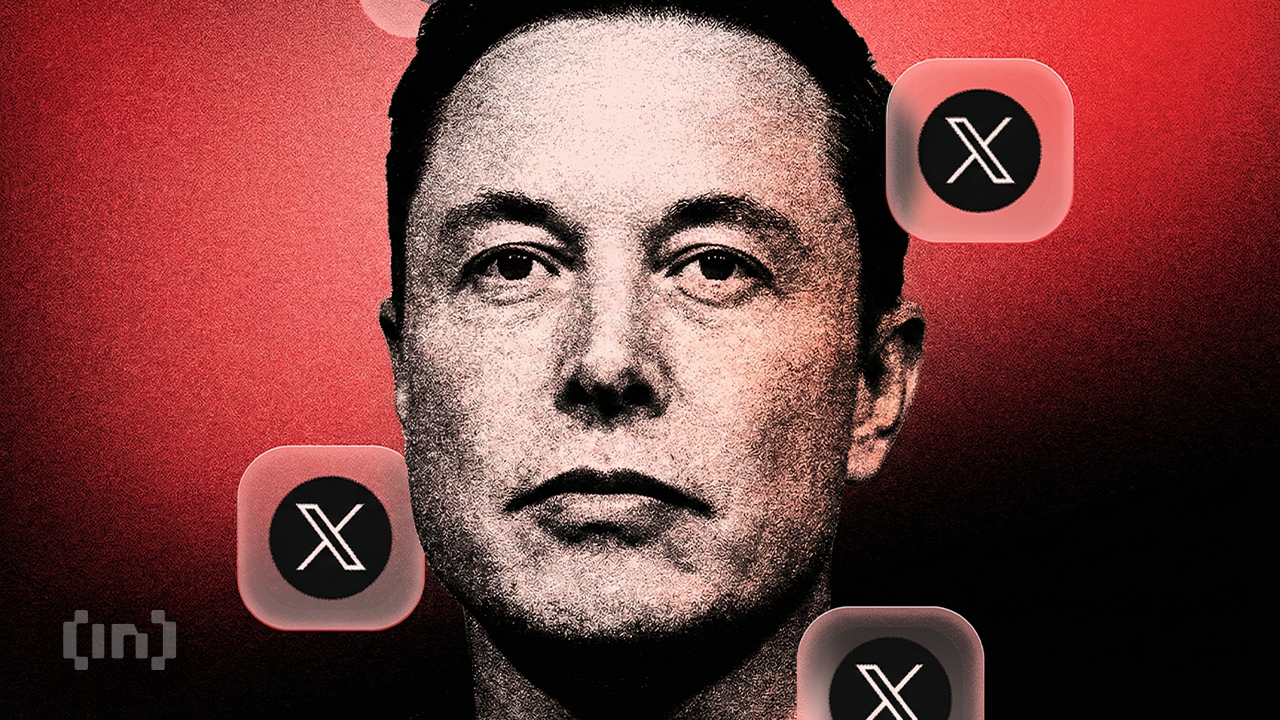

Four months after Elon Musk pledged to open-source X’s recommendation algorithm and refresh it every four weeks, the official xai-org repository still shows one commit. Crypto users are calling the release theater, not transparency.
The promise dates to January 10, when Musk said the code would publish within seven days and refresh monthly with detailed developer notes. The repository went live on January 17 and has not been touched since.
Promised Monthly Updates Never Arrived
The xai-org/x-algorithm repository contains four components, written 62.9% in Rust and 37.1% in Python. None has received a follow-up commit.
The developer notes Musk promised alongside each refresh have not appeared either. A similar 2023 release from the old twitter/the-algorithm repo received the same complaints before going dormant.
That silence lands during the same months crypto users have logged repeated complaints about suppressed reach on the platform.
“The algorithm is the worst it’s ever been. All I see is politics, rage bait, engagement bait and like 10% crypto content. Communities are dying and this app is becoming Instagram 2.0 when infact it’s best feature was the fact communities formed around topics and you stayed largely within that community on your feed,” Ethan, a market watcher, observed.
Ethereum co-founder Vitalik Buterin had publicly questioned whether X could meet the transparency standard before the repo even shipped.
The Numbers That Actually Rank Posts Are Missing
The published code shows the final score formula but not the weights attached to each predicted action.
The Phoenix module README states its transformer is “representative of the model used internally with the exception of specific scaling optimizations,” an admission the deployed system differs from what readers can audit.
Crypto critics also note the model learns from negative signals like reports and blocks, which turns coordinated bots into a working suppression vector.
Decentralized alternatives like Farcaster publish full forkable protocols, not sample code no one can verify against production.
What the next four weeks deliver, if anything, will say more about Musk’s transparency posture than the original repo upload ever did.
“Critique of the X algorithm is welcome. There will be monthly updates of the latest algorithm to GitHub with release notes. As reminder, you can always choose no algorithm via the Following tab,” Musk assuaged.
The post X Algorithm Repo Sits at One Commit 4 Months After Open-Source Promise appeared first on BeInCrypto.
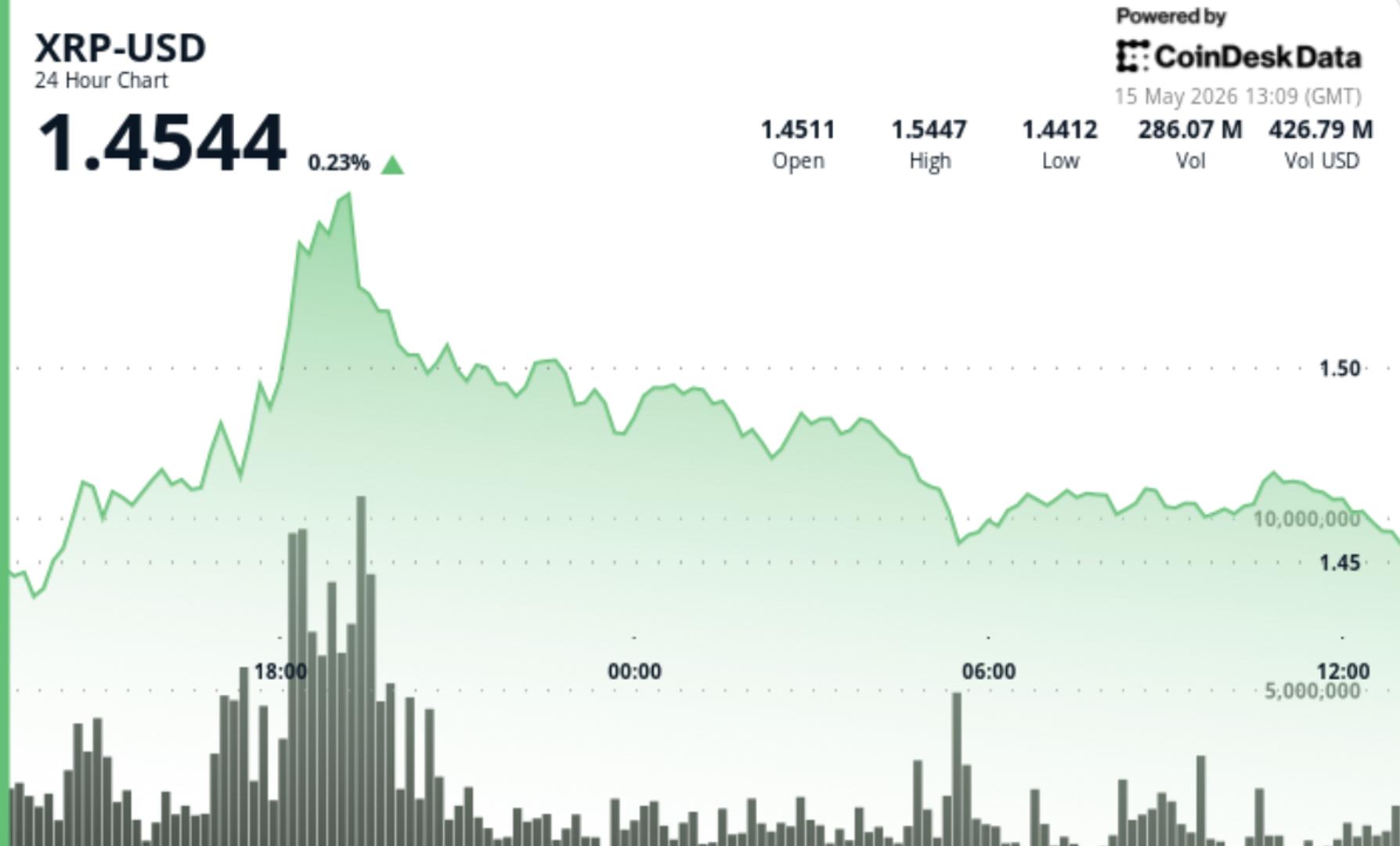
XRP stayed pinned below resistance even as derivatives activity surged ahead of a key Senate vote that could formally reinforce the token’s commodity status.
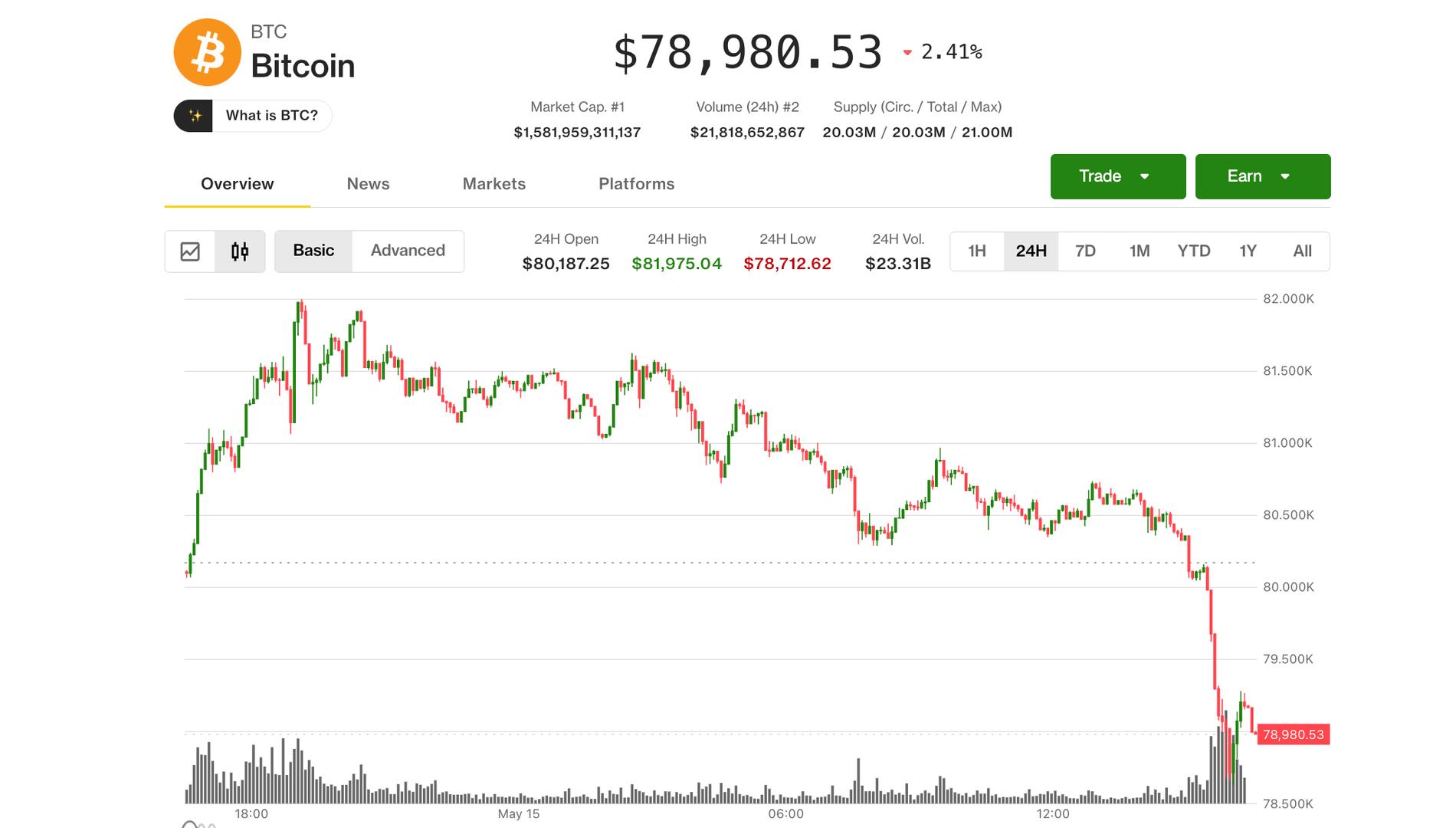
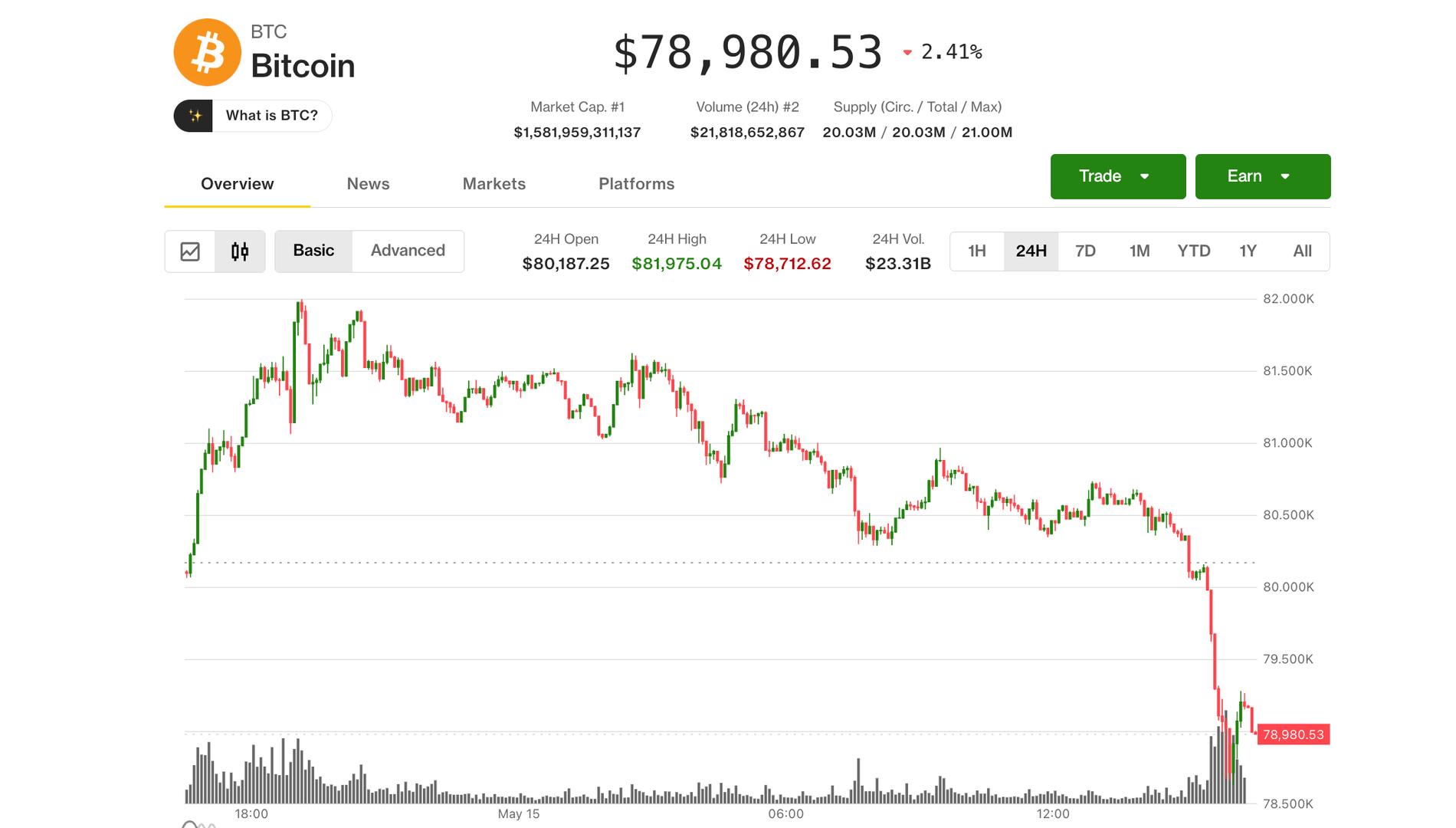
Stocks, gold and crypto slide while crude oil tops $100 and traders rapidly reprice Fed expectations for rate hikes.
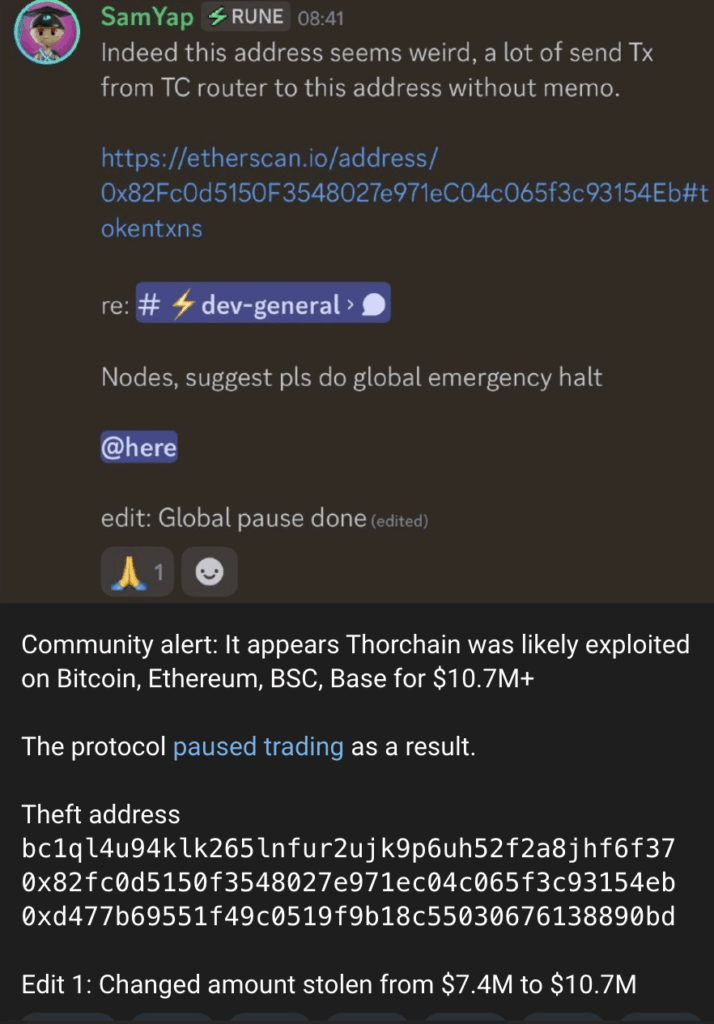
Cross-chain liquidity protocol THORChain has reportedly been exploited for $10 million worth of crypto.
That’s according to investigator ZachXBT, who revealed in his Telegram channel that the fund movements suggest the protocol was likely exploited.
As a result, THORChain has paused its trading activity. THORChain’s X account and the account of its founder, John-Paul Thorbjornsen, have yet to comment on the exploit.
ZachXBT listed three theft addresses as part of his findings:
- bc1ql4u94klk265lnfur2ujk9p6uh52f2a8jhf6f37
- 0x82fc0d5150f3548027e971ec04c065f3c93154eb
- 0xd477b69551f49c0519f9b18c55030676138890bd
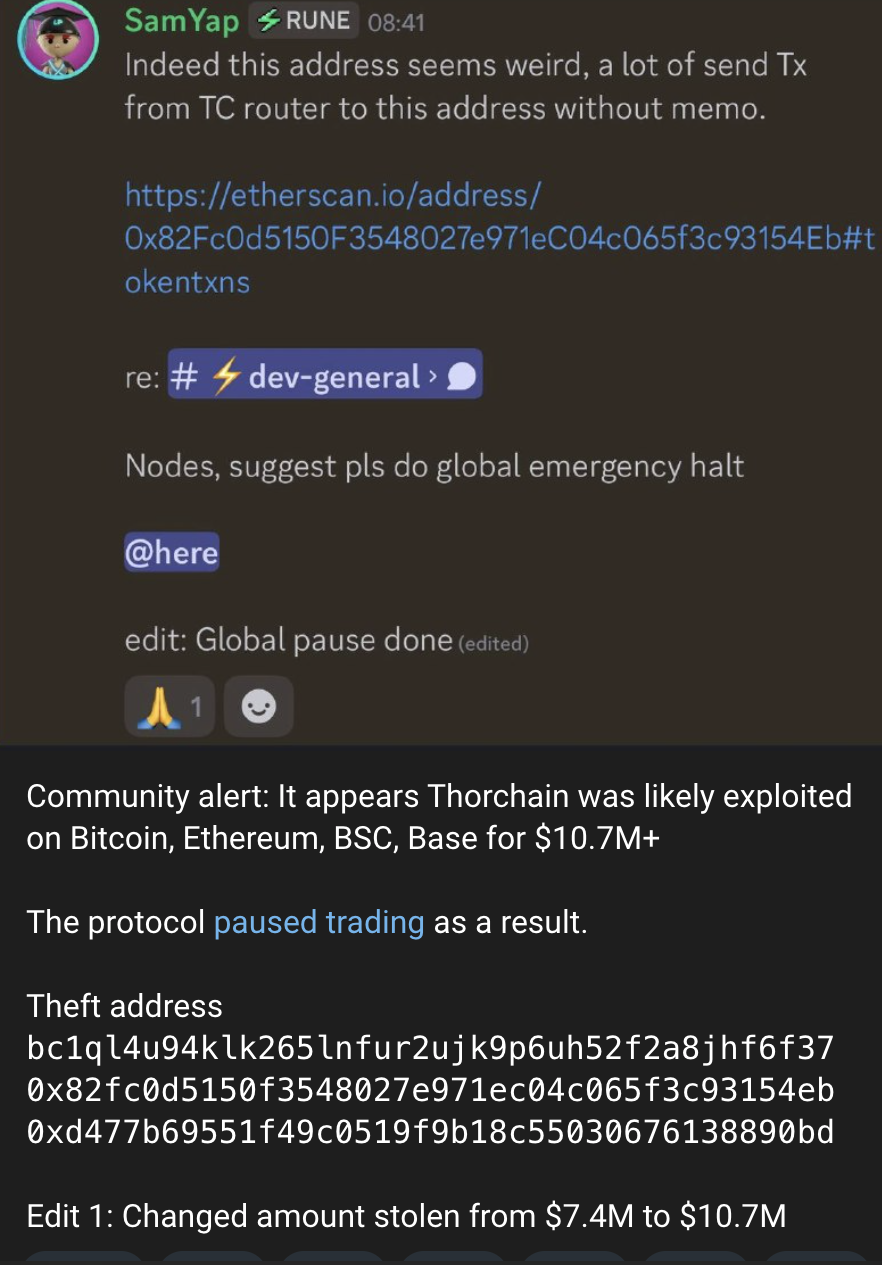
Read more: THORChain pauses lending, savings but $200M restructure ‘no big deal’
The sleuth initially posted that around $7 million was exploited, but later updated it to $10 million.
While ZachXBT noted that it was a “likely” exploit, various crypto security firms have since confirmed it. Crypto security analysts PeckShieldAlert claimed that the attacker was able to steal $3 million worth of bitcoin and roughly $7 million of crypto assets from BNBChain, Ethereum, and Base.
Another self-proclaimed crypto investigator who goes by the username “tanuki42” claimed that the exploiter’s gas funds were supplied by bridging protocol Wagyu xyz.
It’s unclear exactly what caused the exploit.
THORChain has a love-hate relationship with North Korea
Earlier this week, crypto researcher “meow mfer” claimed that THORSwap hired a suspected North Korean IT worker.
THORChain describes THORSwap as the “leading multi-chain decentralized exchange aggregator and flagship interface for all THORChain features.”
Meow mfer claims the individual “had at least three pull requests MERGED into the official swapkit/SwapKit repository — the core SDK powering ThorSwap’s cross-chain swap infrastructure.”
They note that this individual was building wallet integration code for THORSwap, and that they also built “MEV extraction tools” and possessed concealment software used by North Korea.
Last year, THORSwap offered a bounty after Thorbjornsen’s personal wallet was drained of $1.2 million worth of crypto assets.
ZachXBT attributed the hack to North Korea and noted that “JP is one of the people whose has greatly benefited financially from the laundering of DPRK hacks/exploits.”
Read more: Vultisig founder says DPRK-linked Bybit transactions are ‘legitimate’
Indeed, funds stolen in North Korea are often moved through THORChain and its founders’ affiliated services in transactions that have resulted in significant profits for THORChain.
Protos has reached out to ZachXBT for comment and will update this piece should we hear anything back.
Got a tip? Send us an email securely via Protos Leaks. For more informed news and investigations, follow us on X, Bluesky, and Google News, or subscribe to our YouTube channel.
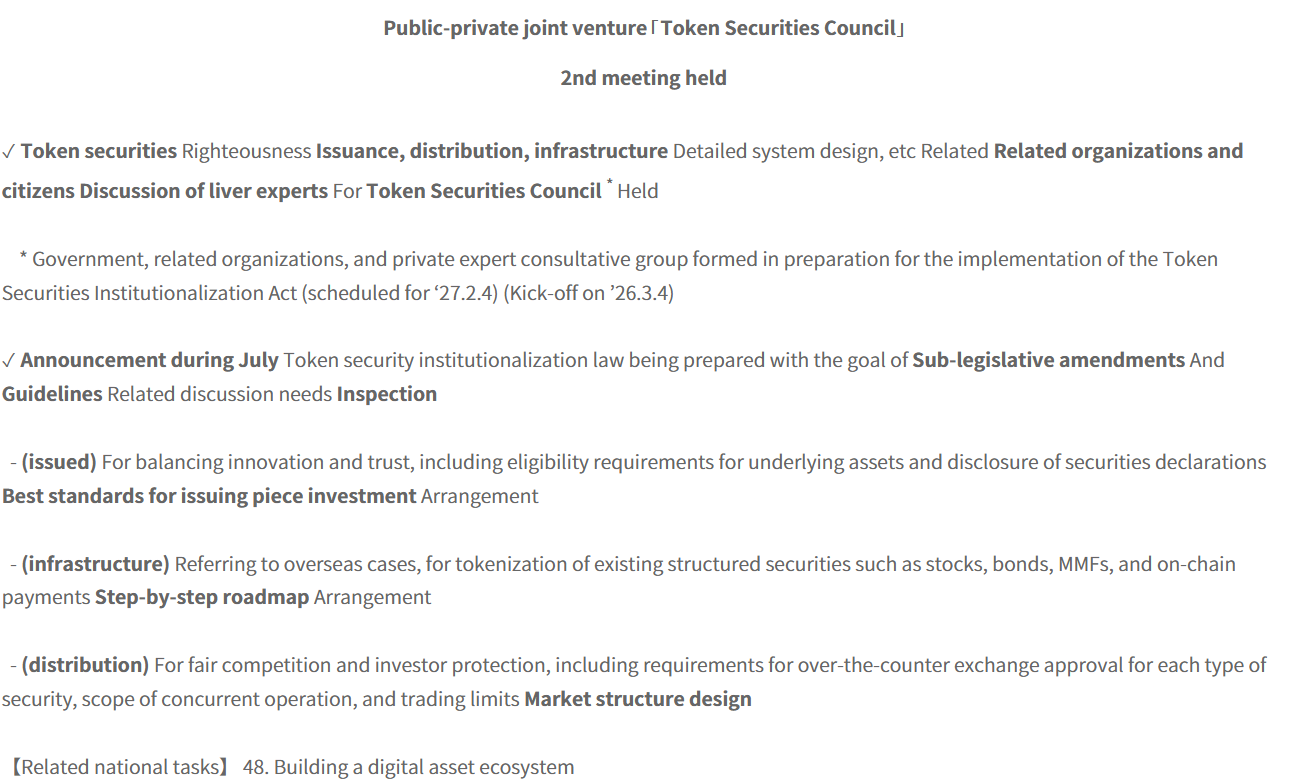
South Korea’s Financial Services Commission (FSC) plans to release detailed tokenized securities rules in July as the country prepares to bring blockchain-based securities under its capital markets framework in 2027.
The measures are expected to include a roadmap for tokenizing stocks, bonds and money market funds, possible changes to over-the-counter trading limits and rules allowing some fractional investment products to pool similar underlying assets, the FSC announced on Friday at the second meeting of its public-private tokenized securities council, which was launched in March to design issuance, trading, infrastructure and settlement rules before the framework takes effect in 2027.
“The goal is to make an announcement in July,” said FSC Vice Chairman Kwon Dae-young, adding that the new rules will serve for the “institutionalization” of tokenized securities.
The July package will be an important test of how far South Korea is willing to open regulated capital markets to distributed ledger infrastructure while keeping tokenized securities inside existing investor-protection rules.
The announcement followed the new Bank of Korea Governor, Hyun-Song Shin, who voiced support for tokenized deposits in his first public address, as Cointelegraph reported on April 21.
A week earlier, on April 16, South Korea’s Ministry of Economy and Finance announced a pilot project that will use tokenized deposits to execute government operational spending, with a full rollout set for the fourth quarter of 2026.
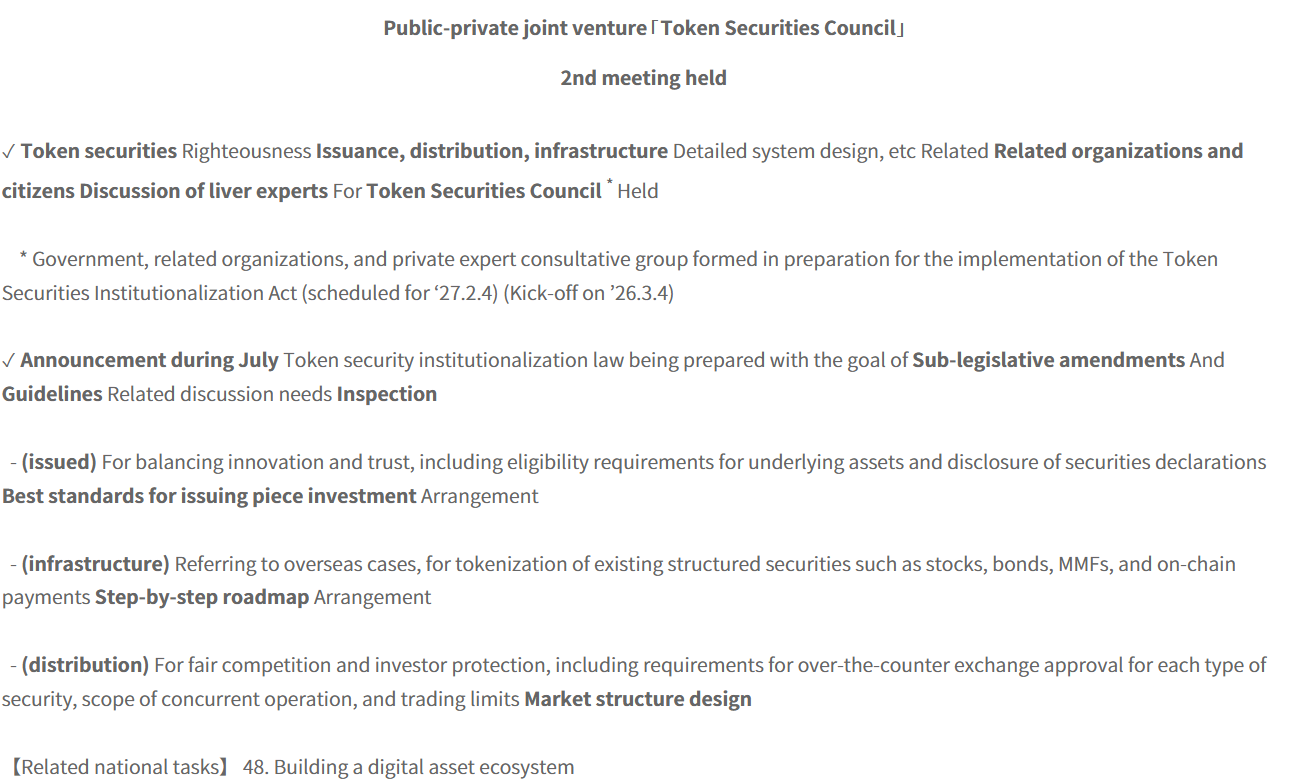
The Second Public-Private Joint Tokenized Securities Council. Source: FSC.go.kr
FSC accelerates tokenized regulation efforts ahead of 2027 rollout
The news comes amid the planned implementation of the amended Capital Markets Act and Electronic Securities Act, the country’s first tokenized securities framework, which is scheduled to take full effect on Feb. 4, 2027.
The implementation will mark the launch of South Korea’s first regulated environment for issuing, distributing and trading tokenized securities on distributed blockchain ledgers.
Related: South Korea’s Shinhan Card taps Solana to test real-world stablecoin payments
The framework will legally recognize blockchain-ledgers as valid securities registries, bringing tokenized assets under the FSC’s jurisdiction out of their current experimental stage.
The FSC first announced the incoming amendments to the legislation on Jan. 15, 2026, setting a one-year preparatory period for lawmakers.
Magazine: Singapore isn’t a ‘crypto hub’ — it’s something better: StraitsX CEO


TON’s new Agentic Wallets standard lets Telegram AI bots hold user‑funded wallets on TON, spending within tight limits as semi‑autonomous financial actors inside chat.
Summary
- TON Tech has launched “Agentic Wallets,” an open, self‑custodial standard that lets AI agents on Telegram hold funds and execute on‑chain transactions on the TON blockchain without per‑action user approval.
- Each agent gets a dedicated wallet funded and owned by the user, with hard spending limits and revocable access, effectively turning bots into bounded financial actors that can trade, pay subscriptions, and interact with DeFi inside Telegram’s roughly 1 billion‑user ecosystem.
- The move is being pitched by TON Tech’s Andrew Grekov as the shift from “assistants to actors,” but it also opens a new attack and governance surface around agent misbehavior, prompt‑injection, and blurred liability between users, developers, Telegram, and the TON network.
TON Tech — the infrastructure team behind The Open Network — rolled out Agentic Wallets on April 28, 2026, describing them as “self‑custody wallets designed for autonomous AI agents on TON” that finally give Telegram bots a native way to move money. According to TON’s docs and supporting announcements, each AI agent can spin up its own on‑chain wallet, funded directly by the user; the agent then manages that balance autonomously, while ownership remains anchored to the user’s main wallet and can be revoked at any time.
TON’s AI agents get real wallets, not just UX gloss
Crucially, this is not a custodial layer or a centralized key‑escrow hack. TON Tech stresses that “no intermediary holds funds at any point” and that existing TON wallets require “no upgrades” to plug into the scheme, which is implemented as a standard contract pattern rather than a new app silo. The design uses a split‑control architecture: users keep the master keys; agents get narrow, contract‑level permissions to initiate transfers, swaps, and DeFi interactions within a predefined budget, with the ability for users to pull funds or kill the agent’s access at will.
From a product perspective, the key move is that Telegram itself becomes the UI and distribution layer. Telegram’s bot infrastructure and bot‑to‑bot messaging already run across a reported 1 billion‑plus users; Agentic Wallets plug into that fabric so that a user can literally ask a bot in chat to “create a wallet,” fund it, and then let it pay for services, exchange tokens, or execute transactions from inside the same interface. As Grekov puts it, “Agentic Wallets turn AI agents from assistants into actors — agents on Telegram can not only communicate, but transact,” collapsing the distance between conversation and settlement into a single app.
Programmable capital with a will — and a bigger attack surface
The concrete use cases TON Tech and third‑party write‑ups are pushing are exactly the ones you’d expect: trading bots with predefined budgets, DeFi agents that handle staking and portfolio rotations, and automation for subscription payments, API usage and micro‑transactions, all without routing through custodians. Blockster’s analysis is blunt: this “pushes Telegram‑based AI agents beyond simple assistants and into something closer to autonomous financial actors,” meaning that once budgets and rules are set, the agent can hold balances, make payments, and interact with on‑chain applications without a human clicking “confirm” on every transaction.
For crypto, that is the actual “AI + blockchain” crossover that matters: not vaporous “AI tokens,” but agent frameworks that can maintain positions, roll perps funding, dollar‑cost average into a basket, or run a Polymarket/Kalshi‑style prediction‑market book 24/7 inside a chat app. In practice, it means your next trading strategy, recurring remittance flow, or cross‑border bill‑pay could be delegated to scripts with persistent identity and direct on‑chain reach, turning capital into something closer to a semi‑autonomous process than a pile of passive balances.
The flip side is that the governance and security surface just exploded. None of the launch materials resolve what happens when an “agent” griefs a protocol, front‑runs retail flow, or becomes part of a cartel coordinating MEV‑style behavior across DeFi inside Telegram. The attack vectors are obvious: prompt‑injection or jailbreaks that subvert an agent’s policy layer, Telegram account takeovers that let an attacker reconfigure or drain agent wallets, or poorly written agent logic that autocompounds bad positions and nukes user balances while formally staying “within budget.”
Legally and politically, the liability chain is completely undefined: when an agent running in Telegram uses an Agentic Wallet to launder funds or exploit a DeFi contract, the blame can be projected onto the user, the bot developer, TON Tech’s standard, or Telegram’s distribution layer, with no clear doctrine yet to apportion responsibility. That ambiguity is exactly why this launch is bigger than another “AI wallet” gimmick — it’s the first serious attempt to normalize autonomous agents as on‑chain actors inside a mainstream consumer app, with all the upside and all the systemic risk that implies.

TLDR:
- Hyperliquid briefly pushed near $44 after reports tied CME and NYSE to regulatory pressure
- Critics questioned Hyperliquid’s HLP vault structure and trader loss-linked protocol revenue
- CoinGecko data showed $HYPE trading near $43.61 with nearly $887 million daily volume
- ZachXBT raised questions after NYSE-linked criticism targeted Hyperliquid instead of Polymarket
Hyperliquid entered fresh regulatory discussions after reports linked CME Group and NYSE to concerns around the platform’s operations. Claims spread across crypto markets after social accounts highlighted alleged pressure on US regulators to review Hyperliquid.
The debate centered on market manipulation risks, sanctions evasion concerns, and Hyperliquid’s internal liquidity structure. Meanwhile, Hyperliquid’s native token $HYPE briefly approached $44 before stabilizing near $43.61.
Hyperliquid Faces Regulatory Debate Over Market Structure
Posts shared by Zoomer on X pointed to Bloomberg reporting that CME and NYSE want closer oversight of Hyperliquid. The focus remains on the platform’s decentralized perpetual futures trading model.
Hyperliquid has grown rapidly during the past year. The protocol now reportedly handles billions in daily trading volume across crypto and tokenized asset markets.
The exchange also reportedly holds more than $1.5 billion in locked value. Its round-the-clock trading model has attracted traders searching for lower fees and faster execution.
The discussion intensified because Hyperliquid continues attracting users from jurisdictions with trading restrictions. Some market participants claimed users still access the platform despite geoblocking efforts.
CoinGecko data showed Hyperliquid traded at $43.61 during publication. The token also recorded nearly $887 million in daily trading volume.
The market reaction remained relatively controlled despite the headlines. $HYPE rose nearly 5% during the past 24 hours and added 2.78% weekly gains.
Hyperliquid HLP Model Draws Criticism From Crypto Traders
A separate discussion emerged after X user Sweep criticized Hyperliquid’s revenue structure. The post argued that Hyperliquid operates differently from traditional exchanges like CME and NYSE.
According to the thread, Hyperliquid’s internal vault, called HLP, actively takes trading positions. The vault also performs liquidations, market making, and liquidity provision functions.
Sweep claimed the protocol profits when traders lose positions. The thread also described HLP revenue as directly tied to trader losses and liquidation activity.
The same post estimated Hyperliquid generates roughly $65 million in monthly fee revenue. Sweep further claimed most protocol revenue routes toward $HYPE token buybacks through the Assistance Fund.
Critics argued that structure differs from traditional exchange models. CME and NYSE primarily generate fees from transaction flow instead of directional exposure.
The debate expanded after blockchain investigator ZachXBT referenced NYSE-linked concerns around Hyperliquid. His X post questioned why similar criticism had not targeted prediction market platform Polymarket.
Neither CME nor NYSE publicly released detailed statements in the shared posts. However, the online debate fueled broader discussion around DeFi regulation, perpetual futures trading, and token-linked revenue systems.
The latest developments arrive as regulators globally increase attention on decentralized trading venues. Hyperliquid now sits at the center of a growing conversation around crypto market structure and compliance standards.

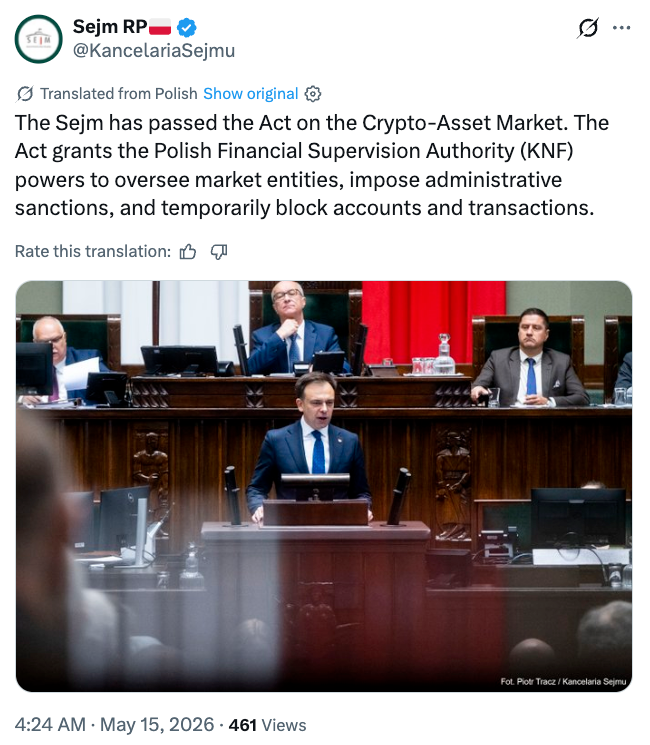
Polish lawmakers approved a government-backed bill Friday to bring the country’s crypto market under the European Union’s Markets in Crypto-Assets Regulation (MiCA) framework, after President Karol Nawrocki twice vetoed earlier versions.
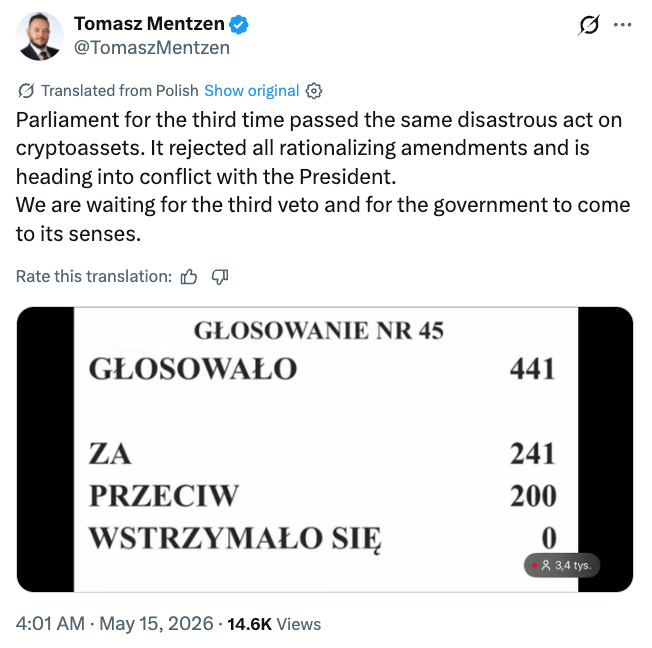
The vote took place on Friday during the 57th sitting of the Sejm in Warsaw, where lawmakers adopted the legislation in a 241–200 decision, according to official parliamentary records.
Backed by the Ministry of Finance, the approved bill (No. 2529) designates the Polish Financial Supervision Authority (KNF) powers to oversee market participants, impose administrative sanctions and temporarily block accounts and transactions.
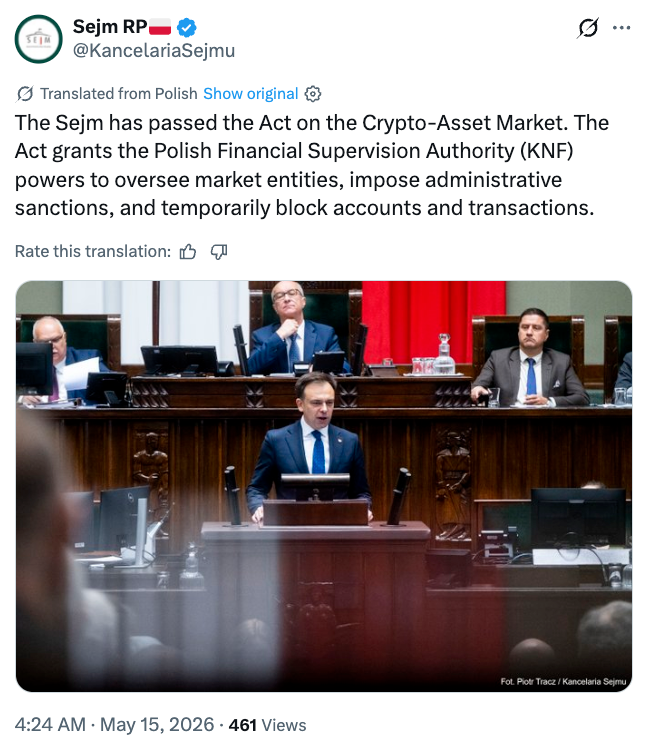
Source: Sejm RP
The vote marks the third attempt by the government to pass a crypto bill following two earlier presidential vetoes, with lawmakers favoring the state-backed approach over three competing draft bills.
Poland’s crypto regulation split: Four competing bills amid rising tensions
After Nawrocki vetoed two earlier government-backed crypto bills, lawmakers returned this week to a debate over four competing proposals.
Parliament’s latest vote was based on a consolidated committee text incorporating government bill 2529 alongside competing proposals from the president (No. 2528), Confederation (No. 2530), and a parliamentary draft (No. 2363), according to official records.
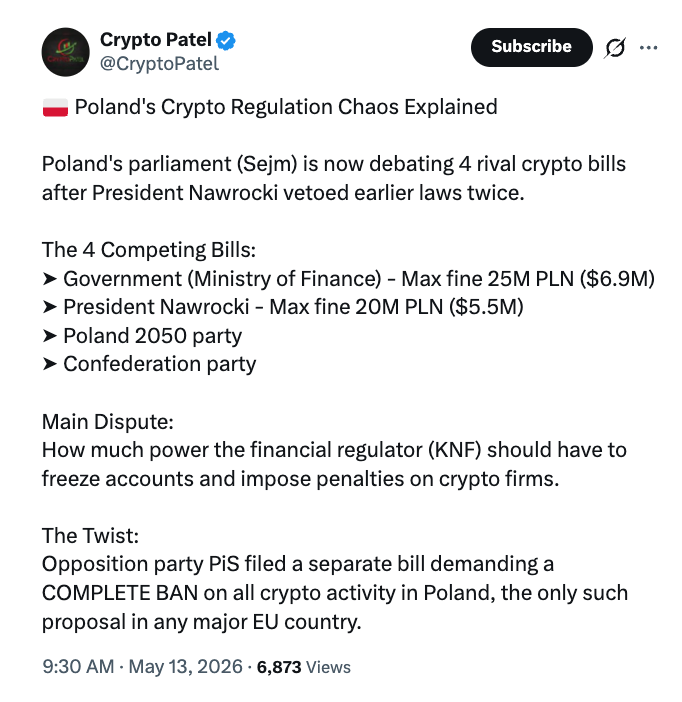
Source: Crypto Patel
The opposition Law and Justice party (PiS) also submitted a separate draft bill proposing a complete ban on all crypto-asset activity in Poland, according to local media.
Community expects another veto despite Zonda controversy
Market participants and crypto commentators reacted critically to the latest Sejm vote, with some expecting the president to veto the legislation again, as repeated parliamentary approvals have not resolved key disputes over supervisory powers and enforcement under KNF.
Critics highlighted ongoing concerns over account and domain blocking provisions, which they say remain largely unchanged despite earlier presidential objections, while proposed safeguards such as stronger judicial oversight were not included in the final text.
They warned that continued deadlock could prolong regulatory uncertainty as Poland aligns with the EU’s MiCA framework ahead of upcoming implementation deadlines in July.
Source: Tomasz Mentzen
The latest debate has also been shaped by a deepening scandal around Zondacrypto, after prosecutors launched a fraud probe and thousands of users were reportedly unable to withdraw funds.
Related: Estonia’s FSA issues investor warning about Zondacrypto
The issue has entered Polish politics, with Prime Minister Donald Tusk alleging links between Zondacrypto and Russian capital and influence, citing its early history and later development under new ownership. Tusk also argued that the lack of a full investor protection framework delayed regulatory action, pointing to Poland’s repeated delays in aligning with the EU’s MiCA rules.
Magazine: How crypto laws changed in 2025 — and how they’ll change in 2026

RHS Bridgewater to celebrate birthday year with giveaways

Schlittler and Skenes Dominate Early Race

Gemini’s agentic trading lets AI models, not humans, drive CEX order flow

Manchester United reach agreement with Casemiro over contract clause amid transfer speculation

US brings back mandatory military draft registration

Steven Gerrard disagrees with Gary Neville over ‘shock’ Chelsea and Arsenal claim | Football


-

 Fashion7 days ago
Weekend Open Thread: Marianne Dress
-

 Fashion4 days ago
Coffee Break: Travel Steam Iron
-

 Fashion5 days ago
What to Know Before Buying a Curling Wand or Curling Iron
-

 Politics4 days ago
What to expect when you’re expecting a budget
-

 Tech5 days ago
Auto Enthusiast Carves Functional Two-Stroke Engine from Solid Metal
-

 Politics6 days ago
Politics Home Article | Starmer Enters The Danger Zone
-
 Business6 days ago
Ignore market noise, India’s long-term story intact, say D-Street bulls Ramesh Damani and Sunil Singhania
-

 Tech4 days ago
GM Agrees To Pay $12.75 Million To Settle California Lawsuit Over Misuse Of Customers’ Driving Data
-

 Crypto World5 days ago
CZ says US crypto rivals tried to block Trump pardon
-

 Crypto World6 days ago
PROS explodes 48% as Upbit and Bithumb listings ignite demand
-

 Tech4 days ago
GM agrees to $12.75M California settlement over sale of drivers’ data
-

 Entertainment7 days ago
YNW Melly Denied Bond Again Ahead Of Double Murder Retrial
-

 Crypto World7 days ago
Kraken Parent Seeks OCC Charter, Signaling Regulated Banking Access
-
Crypto World7 days ago
The Hantavirus Danger: Can a Potential Outbreak Spark a New Meme Coin Frenzy?
-
Crypto World2 days ago
Bitcoin Suisse expands with Digital Asset License and Investment Business Act Registration Approval in Bermuda
-

 Sports7 days ago
Why Nathan Mackinnon Remains the Hart Trophy Favourite over Connor McDavid and Nikita Kucherov | NHL
-

 Sports7 days ago
After Waka Waka, Shakira now drops first teaser for FIFA WC 2026 song | FIFA World Cup 2022
-
 Crypto World7 days ago
Solana UFO Meme Coins Surge After Pentagon Reveals Alien Files
-

 Entertainment7 days ago
Bethenny Frankel Says She Loves ‘Torturing’ Men
-

 Politics3 days ago
Pakistan to enter Chinese capital market as war inflation bites
You must be logged in to post a comment Login