Connect with us
DAPA Banner
DAPA Coin
DAPA
COIN PAYMENT ASSET
PRIVACY · BLOCKDAG · HOMOMORPHIC ENCRYPTION · RUST
ElGamal Encrypted MINE DAPA
🚫 GENESIS SOLD OUT
DAPAPAY COMING

Business

Ken Paxton Blocks Property Tax Hikes for 132 Texas Cities in Bold Legal Move

Published

on

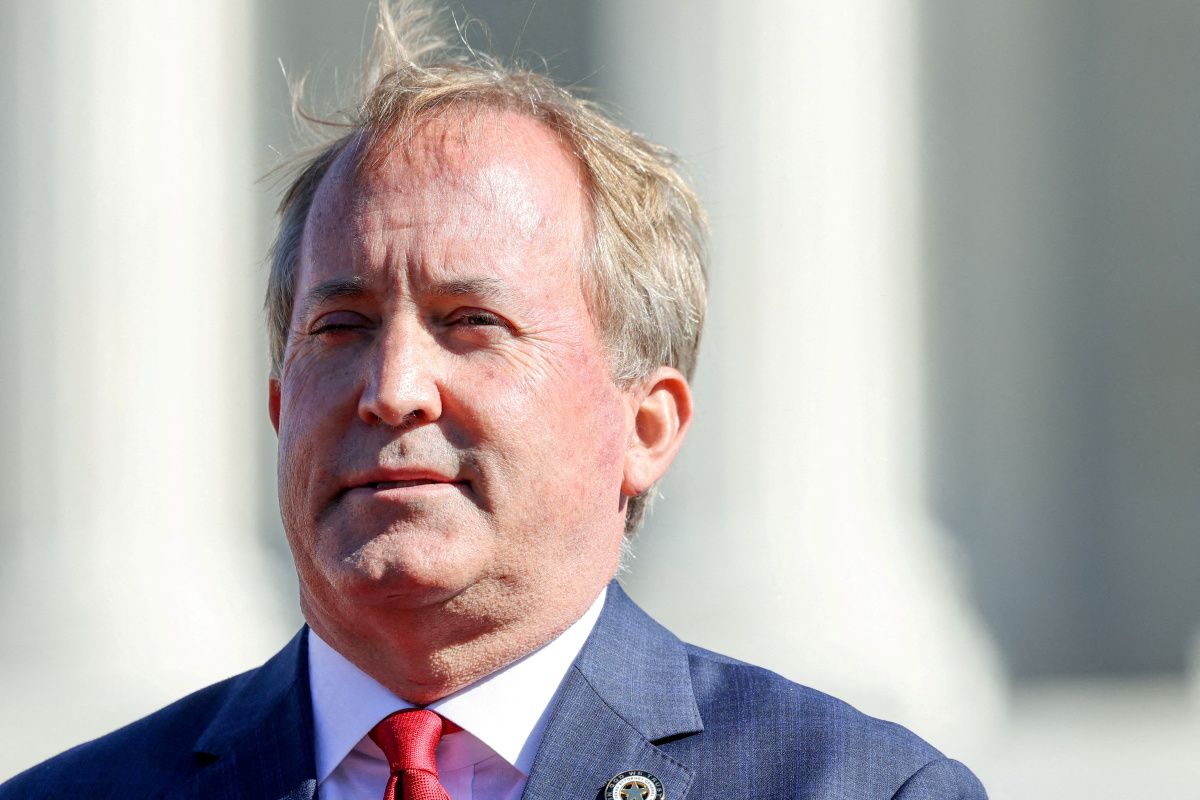
Texas Attorney General Ken Paxton leaves the U.S. Supreme Court following arguments over a challenge to a Texas law that bans abortion after six weeks in Washington, U.S., November 1, 2021.

AUSTIN, Texas — Texas Attorney General Ken Paxton has blocked proposed property tax increases in 132 cities and towns across the state, delivering a significant victory for taxpayers while escalating his long-running battle against local governments he accuses of excessive spending and overreach.

In a series of formal opinions and legal interventions issued this week, Paxton’s office declared that dozens of municipalities failed to comply with strict new state requirements limiting property tax growth. The move affects cities ranging from small rural communities to major suburbs, freezing tax rate hikes that officials claimed were necessary to cover rising costs for public safety, infrastructure and inflation-driven expenses.

Paxton framed the action as a defense of hardworking Texans against unchecked local taxation. “Texas families are already struggling with high costs, and we will not allow cities to keep raising property taxes without proper justification and transparency,” he said in a statement. “This is about protecting homeowners and ensuring local governments live within their means.”

The attorney general’s intervention relies on 2023 legislation passed by the Republican-controlled Legislature that imposes stricter caps on property tax growth and requires detailed justification for any increases above those limits. Paxton’s office reviewed dozens of proposed budgets and determined that 132 entities had not met the statutory thresholds for approval.

Advertisement

Widespread Impact Across Texas

The affected cities include a broad cross-section of Texas communities. Larger suburbs such as some in the Dallas-Fort Worth and Houston metropolitan areas were among those blocked, along with numerous smaller towns in rural regions. Officials in those municipalities had proposed tax rate increases ranging from 3 to 8 percent to address rising pension obligations, infrastructure repairs and increased costs for police and fire services.

Local leaders expressed frustration, arguing that state mandates and inflation have left them with few options. “We are being forced to cut essential services or raise taxes, and now even the tax increases are being blocked,” said one mayor who requested anonymity due to ongoing legal concerns. “This creates an impossible situation for cities trying to maintain basic functions.”

Homeowner advocacy groups celebrated the decision. Texas homeowners have faced steep property tax increases in recent years due to rapidly rising home values, particularly in booming metropolitan areas. The average Texas homeowner pays among the highest effective property tax rates in the nation, despite the state’s lack of personal income tax.

Political and Legal Context

Paxton’s aggressive stance on property taxes aligns with his broader conservative agenda and his positioning as a champion of limited government. The Republican attorney general, who has faced his own legal challenges including impeachment proceedings that he survived, has increasingly used his office to challenge local policies on issues ranging from taxation to immigration and education.

Advertisement

The property tax intervention is part of a larger effort by Texas Republicans to curb what they view as wasteful local spending. Governor Greg Abbott and legislative leaders have pushed similar measures in recent sessions, including compression of school district taxes and new appraisal reform laws. Paxton’s actions provide enforcement muscle to those policy goals.

Legal experts note that while Paxton’s opinions carry significant weight, affected cities could challenge them in court. Some municipalities have already signaled they may seek judicial review, arguing that the attorney general has overstepped his authority in interpreting local budget authority.

Economic Implications for Homeowners and Cities

The blocked tax hikes could save Texas homeowners millions of dollars collectively. For the average homeowner in affected areas, the decision might mean hundreds of dollars in annual savings, depending on property values and the size of the proposed increases. In rapidly appreciating markets like Austin and its suburbs, even small percentage points translate into significant dollar amounts.

Cities facing the restrictions warn of potential service cuts. Public safety, road maintenance and parks departments are often cited as areas that could face reductions if revenue growth is curtailed. Some local officials have begun exploring alternative revenue sources, including fees for services and economic development incentives designed to broaden the tax base.

Advertisement

Real estate experts say the decision could have mixed effects on the housing market. Lower tax burdens may support home values and buyer demand, but reduced city services could eventually impact quality of life and long-term property appreciation in affected communities.

Reactions from Across Texas

The announcement drew sharp partisan responses. Conservative groups and taxpayer organizations praised Paxton for standing up to local government overreach. “This is exactly the kind of leadership Texas needs,” said one conservative activist. “Property taxes have become unbearable for too many families.”

Democratic officials and progressive organizations criticized the move as heavy-handed interference in local affairs. “Ken Paxton is once again prioritizing politics over practical governance,” said a Democratic state representative. “Cities know their communities best and should have flexibility to address local needs.”

Moderate voices called for balance, acknowledging the burden of high property taxes while warning against crippling local governments’ ability to provide essential services.

Advertisement

Broader Debate on Texas Taxation

Texas has long prided itself on having no state income tax, but reliance on property and sales taxes has created inequities as home values have soared. The state’s population boom, particularly in urban and suburban areas, has driven up appraisals and tax bills even as state lawmakers have passed relief measures like homestead exemptions.

Paxton’s intervention adds fuel to ongoing debates about property tax reform. Some lawmakers are pushing for further compression and appraisal caps, while others argue that without corresponding spending controls at the local level, such measures simply shift burdens elsewhere.

The timing of Paxton’s action, coming during a legislative interim period, also carries political weight as Texas heads toward the 2027 legislative session. Property tax relief remains a perennial priority for Republican leaders seeking to maintain support among suburban and rural voters.

What Comes Next

Affected cities now face difficult choices. They can revise budgets to comply with state limits, seek alternative funding, or challenge Paxton’s opinions in court. Some may delay proposed increases until after the next legislative session in hopes of more favorable rules.

Advertisement

For Texas homeowners, the immediate effect is relief from higher bills, but the longer-term impact depends on how cities adapt. If service cuts occur, pressure may build for alternative solutions or increased state aid to local governments.

Paxton’s office indicated it will continue monitoring compliance and stands ready to take further action against municipalities that attempt to circumvent the new rules. The attorney general’s aggressive approach on this issue has solidified his reputation among conservative voters while drawing sharp criticism from those who see it as executive overreach.

As Texas continues its rapid growth, the tension between state control and local autonomy is likely to intensify. Thursday’s action by Ken Paxton represents a significant assertion of state power over local taxation and may set the tone for future battles between Austin and cities across the Lone Star State.

For now, 132 Texas communities must rework their budgets or prepare for legal challenges, while millions of Texas homeowners receive an unexpected reprieve from higher property taxes. The full impact of this decision will unfold over the coming months as cities adjust and the political debate continues in the lead-up to the next legislative session.

Advertisement
Continue Reading
Click to comment

You must be logged in to post a comment Login

Leave a Reply

Business

FPIs lap up bonds worth 10,000 cr in four sessions

Published

on

FPIs lap up bonds worth 10,000 cr in four sessions
Foreign investors have purchased nearly 10,000 crore of Indian bonds over the past four trading sessions following the government’s decision to fully exempt taxes on gains from eligible debt investments and the central bank decision to expand the investable universe, data published by CCIL showed. Bond yields have cooled in tandem.

This marks a significant reversal from the stance taken by foreign investors that had been pulling out from India’s debt and equity markets in the recent months. Since the start of the US-Israel war on Iran, FPIs have net sold over 10,119 crore of debt.

FPIs Lap Up Bonds worth ₹10,000 cr in Four SessionsET Bureau

FPIs lap up bonds worth 10,000 cr in four sessions
Advertisement

Foreign investors have injected nearly ₹10,000 crore into Indian bonds in four sessions, reversing recent outflows. This surge follows tax exemptions on eligible debt gains and expanded investment options. Bond yields have subsequently declined, signaling a positive shift in investor sentiment towards India’s debt market.


On an average, the daily selling ranged around 1,000 crores, with only sporadic bouts of buying. Measures announced by the government and Reserve Bank of India (RBI) have helped reverse the sentiments encouraging foreign investors to bet on India’s debt market.

Continue Reading

Business

Pinterest: Accelerating Monetization And Low EBITDA Multiples

Published

on

Wall Street Breakfast Podcast: Pinterest Pins Premarket Pop

Pinterest: Accelerating Monetization And Low EBITDA Multiples

Continue Reading

Business

Asian stocks decline, oil prices gain as US hits Iran

Published

on

Asian stocks decline, oil prices gain as US hits Iran
Asian stocks dropped as a selloff in technology shares resumed and tensions in the Middle East escalated after US forces struck Iran. Crude oil advanced.

The MSCI Asia Pacific Index fell 0.5% as selling in technology stocks resumed after a rebound on Tuesday. The Kospi Index in South Korea, a bellwether for artificial intelligence investments, dropped 1.7%. The Nikkei in Japan also declined.

Contracts for the S&P 500 and the Nasdaq 100 indexes were little changed after the Wall Street benchmarks had a volatile session on Tuesday, with chip stocks coming under pressure. The Nasdaq 100 fell 1.1% as investors continued rotating out of tech shares that have driven much of this year’s rally.

Weighing on the sentiment, Brent crude rose 0.8% to $92.15 a barrel after US forces hit Iran following the downing of an American helicopter. The dollar, the haven of choice since the Middle East conflict started, strengthened against all its Group-of-10 peers as the attacks threatened the fragile ceasefire as well as efforts to secure a deal to reopen the Strait of Hormuz.

Advertisement

Increasing volatility is testing a market that has surged to record highs on optimism about easing geopolitical tensions and the artificial intelligence buildout. With strong US jobs data damping expectations for Federal Reserve rate cuts, investors now face a key test on Wednesday with the release of US inflation data, which may offer fresh clues on whether policymakers will keep rates higher for longer.


“Exuberance has been building for months, pushing stocks to one record after the next,” said John Cunnison, chief investment officer at Baker Boyer Bank. “So anything perceived to be negative for equities — from higher inflation to even the potential for rate hikes — will knock the market off its footing after a historic run.”
The retreat in technology shares on Wall Street coincided with a broadening rally across the rest of the market, as nine of the S&P 500’s 11 sectors advanced Tuesday. Defensive corners led the gains, with real estate climbing 2.1%, health care rising 1.3% and utilities adding 1.1%. Tech and energy were the lone decliners.The rotation offered a contrast to a rally that has been increasingly concentrated in a handful of technology giants.

“As much as we love to see tech’s leadership, it would be constructive to see this rally broaden out to other sectors,” said Bret Kenwell at eToro. “When leadership is concentrated in one corner of tech, the market’s foundation gets a little wobblier.”

In other corners of the market, the yen hovered near its weakest level since April, keeping traders on alert for possible intervention by Japanese authorities to support the currency. Gold dropped 1% to about $4,220 an ounce.

Attention now turns to Wednesday’s US inflation report. While oil has retreated from multiyear highs reached in April, strong US jobs data last week has increased bets that the Fed will need to raise interest rates.

Advertisement

Economists surveyed by Bloomberg expect annual CPI inflation to accelerate to 4.2% in May from 3.8% a month earlier. Core inflation, which excludes food and energy, is projected to edge up to 2.9% from 2.8%.

“The combination of stronger payrolls and uncomfortably elevated inflation has left markets penciling in higher odds of the Fed having to tighten policy,” said Gennadiy Goldberg, head of US rates strategy at TD Securities. “This has continued to leave yields elevated, though risk-off moves in equities appear to be helping to backstop yields.”

Continue Reading

Business

US Air Force confident in fix for Boeing KC-46 refueling tanker

Published

on

US Air Force confident in fix for Boeing KC-46 refueling tanker


US Air Force confident in fix for Boeing KC-46 refueling tanker

Continue Reading

Business

Broadridge Financial Solutions, Inc. (BR) Presents at RBC Capital Markets Global Financial Technology Conference 2026 Transcript

Published

on

OneWater Marine Inc. (ONEW) Q1 2026 Earnings Call Transcript

Broadridge Financial Solutions, Inc. (BR) RBC Capital Markets Global Financial Technology Conference 2026 June 9, 2026 1:45 PM EDT

Company Participants

Douglas DeSchutter – President of Investor Communication Solutions & Executive Officer

Conference Call Participants

Advertisement

Daniel Perlin – RBC Capital Markets, Research Division

Presentation

Daniel Perlin
RBC Capital Markets, Research Division

Advertisement

Here we go. Well, thanks, everyone, for joining us. I’m happy you made it back from lunch. I know we’re the second one post lunch, but it always is appreciated when you can have a good meal and come back. My name is Dan Perlin. I head up the fintech practice here at RBC and I’m delighted to continue to have great companies in the second half of the day. Broadridge is who we’re hosting now. And from the company, we have Doug DeSchutter, who is the President of Investor Communications Solutions, which is arguably probably the most talked about part of the business these days.

Question-and-Answer Session

Advertisement

Daniel Perlin
RBC Capital Markets, Research Division

And so I thought what would be great to kick it all off at a very high level, Doug, is just to talk about what ICS does in the context of Broadridge overall.

Douglas DeSchutter
President of Investor Communication Solutions & Executive Officer

Advertisement

Great. Dan, thanks for having us. Thanks for having me here. It’s great to be here today and, hopefully, answer any questions that you have. This is — look, there’s a lot of change going on right now. Change has traditionally been very good for Broadridge and — because we’ve been in a unique position to be able to drive innovation at scale for our clients and the industry as a whole. When you think about Broadridge, so Broadridge is a leading technology and financial infrastructure provider to the financial services. We have $4.8 billion in LTM recurring revenue. And we operate at the intersection of capital markets, wealth

Advertisement
Continue Reading

Business

Bill debt soars but many don't know help is available

Published

on

Bill debt soars but many don't know help is available

The majority of billpayers are unaware of special tariffs for water and broadband, the spending watchdog says.

Continue Reading

Business

BlackRock New Jersey Municipal Bond Fund Q1 2026 Commentary (MANJX)

Published

on

Nomura Mid Cap Income Opportunities Fund Q4 2025 Commentary

Chart with red down arrow on abstract background. Falling growth in business

Funtap/iStock via Getty Images

• The fund posted returns of -0.06% ((Institutional shares)) and -0.12% ((Investor A shares, without sales charge)) for the first quarter of 2026.

• The fund’s underperformance of its benchmark was driven by weakness in the

Advertisement
Continue Reading

Business

Major Carl’s Jr. operator to close and sell 59 California locations

Published

on

Major Carl’s Jr. operator to close and sell 59 California locations

A major Carl’s Jr. franchisee is planning to offload 59 locations across California after filing for bankruptcy protection earlier this year. 

Harshad Dharod intends to close 10 restaurants and sell 49 others operating under the Anaheim-born fast-food chain, according to the Los Angeles Times.

Advertisement

Dharod’s Friendly Franchisees Corporation, which touts itself as the largest California-based Carl’s Jr. franchisee, has acquired at least 65 locations since 2000, according to its website.

However, rising operating costs and California’s $20-per-hour fast-food minimum wage have reportedly strained the business, prompting the company to file for Chapter 11 bankruptcy protection in April, the Times reported. 

PIZZA HUT TO CLOSE AROUND 250 LOCATIONS

customer walks out of fast food location

A customer is seen leaving a Carl’s Jr. fast food location on Aug. 16, 2023.  (Xavi Lopez/SOPA Images/LightRocket / Getty Images)

Dharod also blamed what he described as a lack of support and innovation from Carl’s Jr. for the restaurants’ financial struggles, according to the outlet. 

Advertisement

Bankruptcy filings reportedly show Dharod’s restaurants generated more than $6 million in monthly revenue while losing more than $600,000 per month in 2026. 

Understaffing, workplace injuries and violent encounters with customers also contributed to the restaurants’ challenges, employees told the outlet. 

RED LOBSTER TO CLOSE TIMES SQUARE RESTAURANT AFTER MORE THAN 20 YEARS

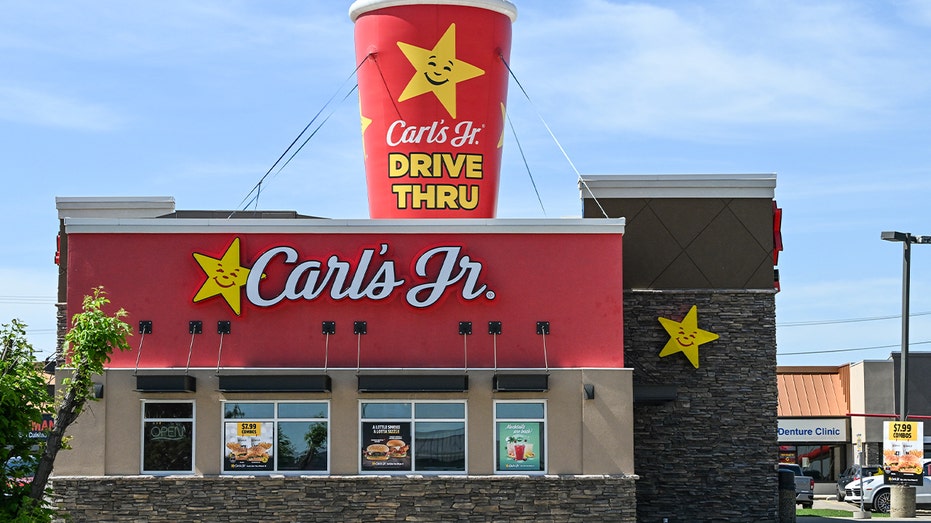
a big carl's jr logo shaped like a drink is propped on top of a fast food location

Carl’s Jr.’s logo seen on a Carl’s Jr. restaurant in the Mill Woods area of Edmonton, Alberta, Canada, on May 28, 2025. (Artur Widak/NurPhoto / Getty Images)

A spokesperson for Carl’s Jr. previously told Restaurant Business that the restructuring is specific to Dharod’s operations and will not affect other Carl’s Jr. locations. 

Advertisement

“We are aware that Carl’s Jr. franchisee Harshad Dharod entities and its affiliates, which together independently own and operate certain Carl’s Jr. restaurants in California, have entered into a court-supervised restructuring process under Chapter 11 of the United States bankruptcy code,” a company representative said in a statement. 

“This situation is specific to this individual’s financial and business circumstances.

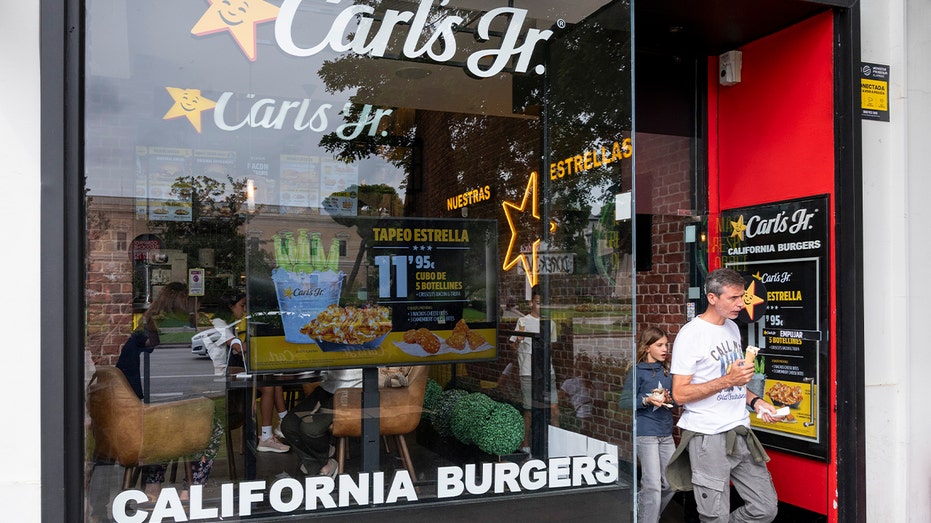
a customer walks out a carl's jr location

Customers exit a Carl’s Jr. location in Madrid, Spain, on Oct. 24, 2023. (Xavi Lopez/SOPA Images/LightRocket / Getty Images)

CLICK HERE TO GET FOX BUSINESS ON THE GO

According to brokerage firm National Franchise Sales, there is already interest from prospective buyers, the Times reported.

Advertisement

If the locations are sold, operations could continue largely uninterrupted, as employees and managers often remain in place when franchise ownership changes hands. 

FOX Business reached out to Carl’s Jr., Harshad Dharod and the Friendly Franchisees Corporation for more information. 
Continue Reading

Business

Motorists brace for higher prices as fuel tax cut ends

Published

on

Motorists brace for higher prices as fuel tax cut ends

Australia is unlikely to extend the temporary halving of the fuel excise, as conflict in the Middle East breaks out ending the fragile ceasefire.

Continue Reading

Business

Cp bf lending sells $602,085 in Banzai International stock

Published

on


Cp bf lending sells $602,085 in Banzai International stock

Continue Reading

Trending

Copyright © 2025