

Business
Is the Energy Crisis More Detrimental to the Global Economy than COVID?


Negotiations haven’t reopened the Strait of Hormuz, causing an 11 mbd oil supply loss, mimicking COVID’s demand shock. Prices rise, impacting economies; emergency reserves offer only temporary relief.
Key Points
- Ongoing US-Iran negotiations haven’t reopened the Strait of Hormuz, leading to a loss of about 11 million barrels per day (mbd) in global oil supply, which is over 10% of the total. Prices are rising, echoing the economic effects seen during COVID.
- Unlike the demand shock of 2020, today’s situation is a significant supply shock, causing reduced travel and higher transport costs. Both oil supply and demand remain inflexible, forcing prices to rise sharply.
- While emergency oil stocks provide temporary relief, they are not a long-term solution. Extended conflict could deplete reserves in countries like the US, China, and Japan.
Negotiations between the U.S. and Iran have failed to reopen the critically important Strait of Hormuz, resulting in a substantial disruption in oil supply. Currently, only a limited number of oil tankers are permitted to navigate this crucial route, causing an estimated loss of approximately 11 million barrels per day (mbd) of oil and petroleum liquids to the global market. This accounts for more than 10% of the world’s total oil supply, a seemingly manageable figure that belies its potential catastrophic economic implications within oil markets.
The situation is reminiscent of the demand shock experienced during the COVID-19 pandemic when global oil demand fell dramatically due to widespread lockdowns, reducing consumption by around 8 mbd—the most significant drop in history. Today, however, rather than a decline in demand, the world is confronted with a severe supply shock from Iran, leading to increased oil prices, reduced travel, and higher transportation costs, which in turn compress household budgets and slow economic growth.
Both oil supply and demand exhibit considerable inflexibility in the short term; people still need to commute and goods need transportation, which means that when supply diminishes, prices must escalate sharply to curtail demand. To alleviate the immediate economic fallout from this supply disruption, emergency oil reserves are being tapped. Countries such as the U.S., China, and Japan, which are members of the International Energy Agency (IEA), have stockpiled reserves that equate to at least 90 days of consumption. This measure provides temporary mitigation, especially for developed economies.
However, these emergency stocks are not sustainable solutions. Should the conflict persist for an extended period, the reserves will ultimately be consumed, intensifying the economic strain on global markets. The ongoing instability underscores the intricate balance of supply and demand in the oil sector and the far-reaching implications of geopolitical tensions on the global economy.
Read the original article : Could this energy crisis be worse for the global economy than COVID?
Other People are Reading

Business
Flash Flood Warnings Hit NY, NJ, PA, MD as Torrential Rains Threaten More Chaos in Northeast

NEW YORK — Residents across the Mid-Atlantic and Northeast braced for another round of heavy rainfall Monday as National Weather Service forecasters issued flood watches and flash flood warnings for parts of New York, New Jersey, Pennsylvania and Maryland, warning of rapid rises in rivers, urban flooding and dangerous road conditions.
A slow-moving frontal system continued to pump moisture into the region, with some areas already soaked from weekend downpours facing the risk of additional 2 to 4 inches of rain through Tuesday. Forecasters placed much of the region under flood watches, with flash flood warnings active in vulnerable urban corridors and low-lying areas.
The National Weather Service’s Weather Prediction Center highlighted marginal risks of excessive rainfall in parts of the Northeast, though localized training thunderstorms could produce extreme hourly totals capable of overwhelming storm drains and small streams. Officials urged residents to avoid travel if possible and to never drive through flooded roadways.
In New York City, officials activated the city’s Flooding Emergency Plan as the mayor’s office warned of potential street flooding in low-lying neighborhoods in Brooklyn, Queens and Staten Island. Subway stations in flood-prone zones saw increased monitoring, with sandbags deployed at key entrances. Commuters faced delays on major routes including the FDR Drive, Cross Bronx Expressway and Belt Parkway.
New Jersey authorities reported flash flood warnings in several northern and central counties. The New Jersey Turnpike and Garden State Parkway experienced ponding in spots, prompting state police to advise reduced speeds. Coastal areas from Atlantic City northward remained under heightened scrutiny for possible minor tidal flooding combined with heavy rain runoff.
Pennsylvania’s Philadelphia region and surrounding suburbs faced the brunt of the system. The National Weather Service office in Mount Holly, New Jersey, covering eastern Pennsylvania, issued multiple warnings as thunderstorms intensified. Urban flooding has already been reported in parts of Philadelphia, with vehicles stranded in underpasses. Emergency crews conducted several water rescues overnight and into Monday morning.
Maryland officials activated emergency operations as flash flood warnings covered portions of the state, particularly areas near Baltimore and the Chesapeake Bay watershed. Rivers and streams already running high from earlier rains in the region faced further rises, with some locations approaching minor flood stage.
Meteorologists attributed the persistent wet pattern to a stalled frontal boundary interacting with ample Gulf moisture. Precipitable water values remained elevated, supporting repeated rounds of showers and thunderstorms. While widespread river flooding remains a lower threat in the immediate term, flash flooding and poor drainage issues pose the greatest dangers.
This latest round follows a series of active weather events across the Mid-Atlantic in recent weeks. Earlier in May, slow-moving systems triggered significant flooding in parts of the region, with schools evacuated and roads closed. The pattern has raised concerns about cumulative impacts on saturated soils and overwhelmed infrastructure.
Emergency management officials in all four states emphasized safety messages. “Turn around, don’t drown” campaigns gained renewed urgency as social media filled with videos of vehicles navigating high water. First responders stressed that just six inches of moving water can sweep away a car, while a foot can carry away larger vehicles.
In New York, Gov. Kathy Hochul’s office coordinated with local agencies to prepare for potential power outages and debris. Utility companies prepositioned crews in anticipation of lightning and wind damage from stronger cells. Similar preparations occurred in Trenton, Harrisburg and Annapolis.
The economic toll of repeated flooding events continues to mount. Businesses in flood-prone downtown areas reported closures, and schools in several districts shifted to remote learning or delayed openings. Insurance claims from earlier May floods already strain local resources, with officials warning of higher premiums in vulnerable zones.
Climate experts note that such back-to-back heavy rain events align with broader trends of intensified precipitation in the Northeast due to warming temperatures. A warmer atmosphere holds more moisture, leading to heavier downpours when conditions align. This event serves as another reminder of the region’s increasing vulnerability to extreme rainfall.
Forecasters expect gradual improvement mid-week as the system shifts eastward. Drier air and higher pressure should return by Thursday, offering a chance for drying and assessment of damage. However, another disturbance could bring additional showers by the weekend.
Residents are advised to stay informed through official channels. The National Weather Service, local emergency management and apps like Notify NYC provide real-time updates. Homeowners should clear gutters, secure outdoor items and prepare emergency kits with flashlights, batteries, non-perishable food and medications.
Agricultural impacts also emerged as a concern. Pennsylvania and New Jersey farmers reported delays in planting and concerns over waterlogged fields affecting crops. Maryland’s Eastern Shore faced similar challenges with potential runoff carrying nutrients into the Chesapeake Bay, exacerbating water quality issues.
Transportation hubs braced for disruptions. Amtrak adjusted schedules on the Northeast Corridor, while major airports including JFK, Newark and Philadelphia monitored for lightning and wind shear. Commuter rail lines operated on modified timetables where flooding threatened tracks.
As the rains continue into Monday evening, officials continue to monitor river gauges and urban drainage systems closely. The combination of saturated ground and additional precipitation creates a high-risk scenario for localized flooding that can develop with little warning. Communities with histories of flooding, including parts of the Lehigh Valley, Hudson Valley and Baltimore metro, remain especially vigilant.
This weather event underscores the importance of preparedness in a region increasingly prone to heavy precipitation. While no widespread catastrophic flooding is currently expected, the potential for dangerous flash flooding demands respect and caution from all residents. Authorities will continue issuing updates as conditions evolve throughout the day and into the week.

NEWTOWN SQUARE, Pa. — As Aaron Rai hoisted the Wanamaker Trophy after his dramatic 2026 PGA Championship victory at Aronimink Golf Club, the first person he embraced on the 18th green was his wife, Gaurika Bishnoi — a professional golfer in her own right whose influence, mindset and on-course expertise have become central to his success.
Bishnoi, 27, has emerged as one of the most compelling figures in the golf world following her husband’s breakthrough major win Sunday. The Indian professional, who competes on the Ladies European Tour and dominates domestic events, has been credited by Rai as an indispensable partner both in life and in the game.
“I wouldn’t be here without her,” Rai said in emotional post-round comments. “She’s been incredible. She’s a professional golfer herself, so her mindset, her advice, her thoughts — whether it’s technique or the way I’m holding myself — are absolutely invaluable.” The couple even shared a 30-minute strategy discussion in the car the day before the final round.
Born on August 9, 1998, in Rohtak, Haryana, and raised in Gurugram, Bishnoi first pursued tennis before transitioning to golf. Her younger brother played a pivotal role, with the siblings training together at the prestigious DLF Golf and Country Club. She turned professional in 2016 after a strong amateur career that included representing India in international events like the Queen Sirikit Asia-Pacific Women’s Amateur Championship and the World Amateur Golf Championship.
Bishnoi quickly made her mark on the Hero Women’s Pro Golf Tour, India’s premier women’s circuit. She claimed the No. 1 ranking in 2017 and 2019 and has amassed eight professional victories. Standout moments include multiple titles with strong closing rounds, such as a 4-under 66 to seal a win in Mysuru. She also earned a degree in Economics from Jesus and Mary College while building her golf career.
On the international stage, Bishnoi competes on the Ladies European Tour, where she continues to develop her game and gain experience against top global talent. Though she is still seeking her first LET title, her consistency and competitive edge have earned respect across the women’s game.
The couple’s shared passion for golf created an instant connection. Both of Indian heritage — Rai born in England to Indian-origin parents — they bonded over the unique demands of professional life. They married on July 22, 2025, in a vibrant traditional Indian ceremony at Hedsor House near London. The wedding blended cultures and drew attention from the golf community.
Their partnership extends well beyond the altar. Bishnoi famously caddied for Rai during the 2025 Masters Par 3 Contest, going viral after outdriving him on a hole with a crisp, powerful swing that showcased her own elite skill. Rai returned the favor by caddying for her at a Ladies European Tour event later that year.
Fans and fellow players have celebrated the couple’s dynamic. Bishnoi posted celebratory messages after Rai’s PGA win, calling him her “rockstar.” Their mutual support stands out in a sport where athletes often travel solo for weeks at a time. The pair currently resides in Jacksonville, Florida, near TPC Sawgrass, allowing them to train together and balance competitive schedules.
Rai has repeatedly highlighted how Bishnoi’s perspective strengthens his mental game. As a fellow competitor, she understands the pressures of scoring under scrutiny, the technical nuances of swing mechanics and the emotional rollercoaster of tournament golf. Her input during practice rounds and strategy sessions has helped him refine his already precise ball-striking and two-glove wearing routine.
Bishnoi’s own journey reflects resilience and dedication. From early days balancing academics and sport to navigating the challenges of professional tours, she has maintained a strong work ethic. Her success on the Hero Women’s Pro Golf Tour established her as a trailblazer for Indian women’s golf, inspiring younger players while she continues pursuing higher goals on the global stage.
The couple’s story resonates beyond golf. In an era of high-profile athlete relationships, their low-key yet deeply supportive partnership offers a refreshing model. Both understand the sacrifices required — long hours on the range, time away from home and the mental fortitude needed to compete at the highest levels. Their shared Indian cultural roots add another layer of connection in a sport still working to increase diversity.
Following Rai’s historic win — the first by an Englishman in 107 years at the PGA Championship — attention has turned to the woman standing quietly but powerfully behind him. Bishnoi has largely kept a modest profile, focusing on her game and supporting her husband, but her talent ensures she is far more than just “the golfer’s wife.”
As Rai prepares for the next major at the U.S. Open and beyond, Bishnoi will continue balancing her own competitive ambitions with their life together. Their story illustrates how two professionals can elevate each other, blending technical insight, emotional support and shared dreams of excellence.
In the aftermath of Aronimink, the golf world has gained not just a new major champion but a glimpse into a modern power couple whose combined passion for the game promises more memorable moments ahead. For Gaurika Bishnoi, the role of supportive spouse comes naturally — because she knows exactly what it takes to chase victory on the fairways.

Britain’s reliance on bricks-and-mortar levies has reached a level unmatched anywhere else in the developed world, leaving businesses shouldering a disproportionate share of the burden and the Exchequer dangerously exposed to any wobble in commercial property values.
The United Kingdom now extracts more from property taxes than any other major economy, with receipts equivalent to 3.7 per cent of the entire economy, according to the annual business rates review published by tax firm Ryan. The figure is well clear of France and Canada, both on 3.4 per cent, with Belgium and Luxembourg trailing on 3.3 per cent, a gap that underlines just how exposed the British system has become to a downturn in commercial real estate.
Taken together, business rates, council tax and transaction levies such as stamp duty are now generating around $136 billion (£108 billion) a year for the Treasury, more than France, Japan or Canada raise, and second only to the United States, where total receipts are nearly seven times larger at $855 billion. The OECD’s most recent Revenue Statistics confirm Britain’s outlier status among advanced economies.
Just under 11 per cent of every pound the Government raises in tax now comes from property — the third highest share among advanced economies, behind only South Korea on 11.8 per cent and the United States on 11.4 per cent. That level of dependence, analysts argue, has begun to crowd out investment in precisely the kind of physical, capital-intensive businesses ministers say they want to attract.
A structural problem, not a valuation quibble
Alex Probyn, practice leader at Ryan, said the combination of stubborn inflation, the end of pandemic-era reliefs and a string of policy tweaks had pushed receipts ever higher, in effect baking the squeeze into the architecture of the tax.
“Business property is carrying a disproportionate share of the overall tax burden, and that is beginning to weigh heavily on investment, particularly in sectors that rely on physical assets and long-term capital,” Probyn said. “Property taxes in the UK are the highest by international standards, and the system is designed in a way that continues to increase the yield over time. That creates a clear tension between the need to raise revenue and the need to support investment. That balance has to be addressed.”
The Government’s revaluation of business rates in England, Wales and Scotland, which came into force this April, is forecast to drag the total rates take up to £37.1 billion in 2026-27, from £33.6 billion the previous year, a leap of £3.5 billion in a single year. Business Matters has already reported on the £1.56 billion rise in rates bills that has rippled through every sector of the economy.
Probyn warns that the Exchequer’s fiscal dependence on these revenues is itself becoming an obstacle to reform. “This is not simply a question of valuation methodology. It is a structural issue,” he said.
Appeals backlog hits 40,000 as SMEs go to the wall
The pressure on businesses has been compounded by a logjam at the valuation office, the HM Revenue & Customs agency responsible for setting rateable values. Nearly 40,000 firms have lodged appeals against their revised bills and are still waiting for a hearing, with the Valuation Office Agency bracing for a further deluge of challenges from hospitality operators hit by punishing increases to their rateable values.
The average wait is now 11 months, during which firms must continue paying the higher rate. Some businesses are waiting up to 18 months for an assessment — a delay that has tipped a number of small companies into closure before their case is even heard. The squeeze helps explain why nearly 5,500 small firms have urged the Chancellor to halt what they describe as an “apocalyptic” revaluation, and why business rates appeals have plummeted overall, with many owners deterred by the cost and complexity of challenging their bills.
Layered on top of all this is the spike in energy costs flowing from the war in Iran, which broke out at the end of February. Three in five companies say the combination has forced them to freeze hiring and investment plans, the precise opposite of the growth story ministers are trying to sell.
The verdict from the high street
For SME owners on Britain’s high streets and industrial estates, the message from the data is unambiguous: the country’s tax system is increasingly tilted against the firms that take on premises, employ staff and pay rates in the local authority where they trade. Until ministers grasp the nettle of structural reform, rather than tinkering with reliefs at the margins, the burden on physical businesses will continue to rise, and so will the risk that the next downturn in property values takes the public finances down with it.

Amy Ingham
Amy is a newly qualified journalist specialising in business journalism at Business Matters with responsibility for news content for what is now the UK’s largest print and online source of current business news.
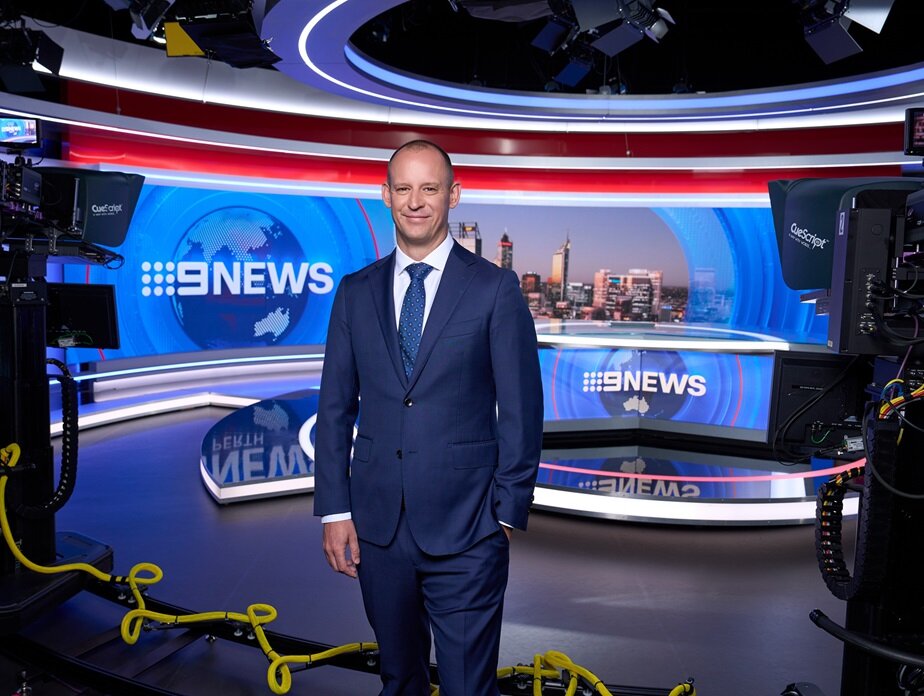
Nine Entertainment’s national news content director, Gareth Parker, has quit the network and will return to Perth to take up a role in the Forrest family’s business empire.

Lululemon is showing its teeth.
The Vancouver-based athleticwear company is taking its battle with activist founder Chip Wilson public, writing in a letter to shareholders on Monday he has “outdated perspectives” and “troubling conflicts of interest” that will derail its turnaround plan, materials reviewed by CNBC show.
The letter, Lululemon’s first major public response to Wilson since his proxy battle ramped up late last year, comes after settlement talks with the retailer’s founder fell apart last week, materials reviewed by CNBC show. The missive lays out why the company’s strategy, its incoming CEO Heidi O’Neill and board nominees are ultimately best for shareholders as it urged them to vote in its favor and set June 25 as the date for its long-awaited annual meeting.
“Wilson, who stopped serving on the Board over a decade ago for well-documented reasons, has been attacking the company and the Board for many years, damaging the brand and hurting shareholders. He has now put forward three opposing nominees in an attempt to regain increased influence over the company that he has coveted since he left,” the letter, viewed by CNBC, states.
“Your Board firmly believes that replacing any of lululemon’s directors with Mr. Wilson’s less qualified nominees would endorse his misguided perspectives, deprive the company of critical skills and expertise, and risk derailing our progress in an especially pivotal time for our business and organization.”
Wilson didn’t immediately return a request for comment.
Lululemon’s business has been under pressure for around two years, particularly in the Americas, its largest market, as it navigates the impact of tariffs, a shaky U.S. consumer and a product assortment that’s failed to wow shoppers in the same way it once did. It has also faced steep competition in the athleisure space from upstarts like Vuori and Alo Yoga as the global athleisure market started to cool.
When reporting fiscal fourth-quarter earnings in March, Lululemon issued weak fiscal 2026 guidance and warned higher tariffs and its proxy battle with Wilson would weigh on its bottom line. As of Friday’s close, shares are down almost 43% this year.
Wilson, who founded Lululemon in 1998, stepped down as CEO in 2005 but stayed on as chairman until 2013 when he departed after blaming a recall of its trademark black pants on customers. He told Bloomberg at the time, “Some women’s bodies don’t work for the pants.”
“It’s really about the rubbing through the thighs, how much pressure is there over a period of time,” he said.
Wilson has been a frequent critic of the brand in the years since, but ramped up his attacks late last year as Lululemon’s challenges were mounting. His biggest gripe has been the company’s board of directors, whom he blames for his decision to step down as chair in 2013, and has been lobbying both the company and shareholders to get behind his slate of nominees.
In response, Lululemon has asserted that its leadership is why the brand has been able to scale into an $11 billion retailer, and argued Wilson is aligned with direct competitors including Alo Yoga and Vuori, who Wilson has admitted to advising, security filings show.
At Lululemon’s annual meeting next month, shareholders will be presented with two sets of director options for election that both sides are betting can help turn the company around. Shareholders can vote to elect the retailer’s nominees, former Levi Strauss CEO Chip Bergh, former Unilever chief growth and marketing officer Esi Eggleston Bracey and serial board member and former Gap finance chief Teri List. Or, they can opt for Wilson’s nominees, former ESPN chief marketing officer Laura Gentile, former Activision CEO Eric Hirshberg and former On co-CEO Marc Maurer.
Wilson has said the retailer’s downward slide is a result of “deprioritizing creative excellence at the altar of efficiency.” The solution, he argued in a letter to shareholders last week, is “more proven, creative leaders” in the boardroom.
“Our three nominees all understand what it takes to foster a creative, focused and successful business that delivers superior returns through creative excellence – in design, technology and execution,” Wilson wrote. “[They] have all led organizations that only succeed when they out-create their competitors, and they know what it takes to create an inspired, creative organization and help it thrive.”
Last week, Lululemon made a final attempt to resolve its proxy contest with Wilson and reach a settlement agreement, materials viewed by CNBC show. It offered to appoint two of Wilson’s nominees following the annual meeting, up from a previous offer of one, and agreed to appoint a third new director not from his slate but subject to his approval. The company also said it would to create an advisory brand product council that would include Wilson’s third nominee not appointed to the board.
In response, Wilson upped his demands, asking for the right to replace directors if his nominees stopped serving on the board and full reimbursement for his campaign by the company, among other requests, materials viewed by CNBC show. Lululemon rejected that offer and settlement talks fell apart.
Now, Lululemon is arguing in the letter that its nominees are “vastly superior” to Wilson’s and the election of any one of the founder’s picks “would result in a significant degradation of your Board’s experience and expertise, including the loss of deep industry and corporate governance experience as well as financial expertise that is required for a public company.”
It criticized Gentile, Hirshberg and Maurer for having no public company board experience and either no or little time working in apparel and retail.
It pointed out that Maurer, who about a year ago stepped down as the co-CEO of On, a direct competitor to Lululemon, still has a personal stake in his former company worth tens of millions of dollars, making up “a considerable portion of his net worth.”
The company also came to the defense of its incoming CEO, who is slated to take the helm in September after almost 30 years at Nike
When Lululemon announced last month O’Neill was its choice as its next CEO, Wall Street sold off the stock on concerns she was partially responsible for some of the challenges Nike is currently facing. There are also concerns that she won’t be starting in the job for several months, pushing out the timeline to recovery further than some investors had hoped, especially given Lululemon’s long lead times for merchandise.
“A near 30-year veteran of [Nike] is not the symbol of transformative, creative-first leadership that can instill shareholder confidence in today’s world,” Wilson wrote in a letter to shareholders on April 29. “Shareholders are right to question if she has the product skillset or history of value creation that is needed to revitalize lululemon.”
In response, the retailer said in its letter to shareholders that O’Neill is “the ideal executive to lead” the company and brings a “unique balance of creativity and operational discipline required at this pivotal moment.”
“As the Board initiated the CEO search, we established criteria that encompassed both turnaround and growth experience. We recognize there are parts of lululemon’s business that need a reset, but that should not be the end game. The lululemon brand remains fundamentally strong and there is significant potential to innovate and evolve product and engage our communities to scale the business even further across activities and internationally,” Lululemon wrote.
“During the months-long interview process, Ms. O’Neill distinguished herself through a rare combination of deep industry, product, and brand experience as well as her strong track record of both transformation and growth at scale. She demonstrated an ability to clearly articulate the lululemon brand’s essence and future opportunity, while also bringing a pragmatic, execution-oriented mindset,” the company added in the letter.
Lululemon pointed to O’Neill’s many years of experience leading Nike’s apparel business through a period of rapid growth and her time spent reducing product lead times and resetting the brand prior to her departure.
“O’Neill established and built Nike’s Women’s business and grew it into a multi-billion-dollar franchise,” Lululemon said. “And she led important digital transformations as an early digital champion and innovator, during a period of rapid digital commerce sales growth of more than 65%.”

T. Rowe Price names Eric Veiel president, reshuffles leadership


Russia attacks Odesa and Dnipro, Ukraine strikes Belgorod region
Business
Iran fires a fresh threat: After oil, your Insta reels, Amazon deliveries, WhatsApp chats and Netflix streams could be the next target

Iranian military spokesperson Ebrahim Zolfaghari wrote on X, “We will impose fees on internet cables.”
State-linked media associated with Iran’s Revolutionary Guards later reported that operators of subsea cables would have to comply with Iranian laws and pay licensing charges. The reports also said repair and maintenance work on those cables could be restricted to Iranian companies.
The proposal could affect firms including Google, Microsoft, Meta and Amazon, whose services rely heavily on the global subsea cable network.
Why these cables matter
The Strait of Hormuz is known globally as one of the world’s most important oil shipping routes, but it is also a major digital corridor linking Europe, Asia and the Middle East. A dense network of fibre-optic cables beneath the waterway carries financial transactions, cloud computing traffic, artificial intelligence data, military communications and internet services used daily across the world.

Any major disruption could affect banking systems, stock market trading, international payments and internet connectivity across several regions. Experts say even temporary disruptions could slow down digital services relied on by businesses and consumers.
Iranian state media and the Tasnim news agency have increasingly highlighted the vulnerability of these cables. One report warned that “simultaneous damage to several major cables” could trigger major internet outages across the Gulf region.According to Alan Mauldin, research director at TeleGeography, most international cable operators have historically avoided Iranian waters because of security concerns and instead route cables along the Omani side of the strait.
However, two major cable systems, Falcon and Gulf Bridge International (GBI), still pass through Iranian territorial waters.
Concerns over enforcement and repairs
It remains unclear how Iran would enforce such a plan, especially because US sanctions prohibit American companies from making payments to Tehran.
Experts also warn that cable maintenance could become difficult if tensions in the region escalate further. Repair ships typically need to remain stationary for long periods while fixing damaged subsea infrastructure, making operations risky in conflict zones.
Although internet traffic can often be rerouted through alternative networks, a large-scale disruption in the Strait of Hormuz could still affect connectivity and digital services across parts of Asia, the Middle East, Europe and East Africa.
India could also face disruptions to sections of international internet traffic because of the region’s role in connecting Asian and European digital networks.
Iran-US ceasefire remains fragile
The latest developments come as tensions between Iran, Israel and the US continue despite a fragile ceasefire reached in April.
US President Donald Trump warned Tehran that “the clock is ticking” and said Iran needed to move “FAST, or there won’t be anything left of them” after talks with Israeli Prime Minister Benjamin Netanyahu.
At the same time, Iranian officials have continued issuing warnings to Gulf countries seen as supporting Washington and Israel. Senior Iranian MP Esmail Kowsari warned the UAE that Tehran would respond “more forcefully” if Abu Dhabi continued backing US and Israeli operations.
CNN also reported that Trump met senior national security officials over the weekend to discuss the next phase of the Iran conflict amid concerns over disruptions in the Strait of Hormuz and rising oil prices.
Business
Apple’s MacBook Neo Surges Past Expectations With Massive Early Demand and 10 Million Unit Target

CUPERTINO, Calif. — Two months after its blockbuster launch, Apple’s budget-friendly MacBook Neo has shattered sales forecasts, prompting the company to double production targets to 10 million units for 2026 and establishing itself as a game-changing entry into the affordable laptop market.
The 13-inch MacBook Neo, priced starting at $599, hit shelves on March 11, 2026, following its announcement on March 4. Powered by the A18 Pro chip, it delivers solid everyday performance, all-day battery life and full macOS integration at roughly half the price of the MacBook Air. The response has been overwhelming: online inventory sold out through April within weeks, with shipping estimates stretching into May and beyond as demand continues to outpace supply.
Industry analysts and supply chain sources confirm the MacBook Neo’s explosive start. Initial projections from TrendForce called for 4-5 million units in 2026, but Apple quickly ramped up orders to suppliers Foxconn and Quanta, targeting 10 million units for the first generation. Reports indicate the company has already secured capacity for significantly higher volumes after early sell-outs and record first-time Mac buyer numbers.
Apple CEO Tim Cook highlighted the success shortly after launch, noting on social media that the Mac posted its “best launch week ever for first-time Mac customers.” The affordable price point, combined with Apple’s ecosystem lock-in, has drawn Windows switchers, students, families and emerging markets in unprecedented numbers.
Exact worldwide sales figures remain closely guarded by Apple, which does not break out individual model shipments. However, analysts estimate several million units have already moved in the first two months, contributing to a broader Mac shipment surge. Omdia reported Apple shipped 7.1 million Macs in Q1 2026 — its strongest quarter in years — with the Neo playing a major role despite launching mid-quarter.
Sigmaintell forecasts full-year MacBook shipments climbing 21.7% to around 28 million units, with the Neo accounting for a substantial portion as Apple becomes potentially the third-largest laptop maker globally. The device’s success has shocked competitors, with Asus executives calling the $599 pricing a “shock to the entire market.”
The MacBook Neo features a durable aluminum chassis in eye-catching colors — blush, indigo, silver and citrus — a 13-inch Liquid Retina display, up to 16 hours of battery life, a 1080p camera and Magic Keyboard. While it uses base-level specs compared to pricier MacBooks, its A18 Pro chip handles web browsing, streaming, photo editing and AI tasks efficiently, outperforming many Intel-based Windows laptops in the same price range.
Education pricing at $499 has fueled strong adoption in schools and universities. Apple’s sales teams have aggressively pushed the device, helping it capture entry-level market share that was previously dominated by Chromebooks and low-end Windows machines. Counterpoint Research predicts Apple could seize 15% of the entry-level laptop segment by year-end.
Supply chain challenges have emerged as a direct result of the runaway demand. Chip allocation for the A18 Pro was initially set for 5-6 million units, but strong orders forced Apple to secure more. Shipping delays pushed many April orders into May, with some configurations quoting late-month delivery as of early May. Despite this, availability at retail partners like Best Buy and Amazon has helped meet some immediate needs.
The Neo’s impact extends beyond hardware sales. It serves as a powerful on-ramp to Apple’s services ecosystem, including iCloud, Apple Music, Arcade and future AI features. Analysts like Gene Munster estimate it could generate $2 billion in annual revenue while delivering far greater lifetime value through customer retention.
Competitors are taking notice. Google’s Chromebook efforts and Windows OEMs face fresh pressure as Apple undercuts them on price while offering premium build quality and software polish. Microsoft and partners have responded with promotions, but the Neo’s momentum appears difficult to slow in the near term.
Wall Street has reacted positively. Apple shares have benefited from the Mac resurgence amid broader iPhone challenges. The company’s services and wearables segments provide balance, but the Neo represents a strategic expansion into volume-driven PC markets previously ceded to others.
Consumer feedback highlights the device’s appeal. Reviews praise its value, portability and seamless integration for non-power users. Students appreciate the long battery and lightweight design, while families value the durability and parental controls in macOS Tahoe. Some critics note compromises in storage and performance for heavy tasks, yet most agree it delivers where it matters for the target audience.
Production remains split between Vietnam and China facilities. Apple continues working with suppliers to ease bottlenecks in displays, memory and other components amid rising costs. Higher DRAM prices have affected the broader PC industry, yet Apple’s scale and vertical integration provide advantages.
Looking ahead, speculation swirls around potential updates. A refreshed Neo with improved specs could arrive later in 2026 or 2027, but the current model’s strong sales suggest Apple may maintain the lineup longer than typical. Holiday season demand, back-to-school promotions and expanded international availability will likely drive further growth.
The MacBook Neo arrives at a pivotal time for the PC industry. Global notebook shipments face an 8% decline in 2026 due to economic pressures and higher component costs, yet Apple stands out as the only major OEM posting significant growth. The Neo’s success validates Apple’s decision to extend its Mac lineup downward, challenging the notion that premium pricing is the only path forward.
For Apple, the device strengthens its position in education, small business and consumer segments. It also hedges against softening iPhone sales by broadening the hardware portfolio. Tim Cook has emphasized the Mac’s role in Apple’s long-term strategy, and early Neo results reinforce that vision.
As summer approaches, interest remains high. Online configurator wait times and store stock levels continue fluctuating, signaling sustained momentum. While precise cumulative sales as of mid-May are not public, the combination of sell-outs, production ramps and analyst upgrades points to millions of units already in customers’ hands — with many more on the way.
The MacBook Neo’s story is still unfolding, but its early chapter has already rewritten expectations for what an affordable Apple laptop can achieve. In a market hungry for value without sacrificing quality, Apple has delivered a surprise hit that could define its PC strategy for years to come.
Business
AFX Launches Sovereign Layer 1, Providing an Optimized Execution Environment for On-chain Perp DEXes

AFX Launches Sovereign Layer 1, Providing an Optimized Execution Environment for On-chain Perp DEXes

Adam Driver Responds To Verbally Aggressive Allegations
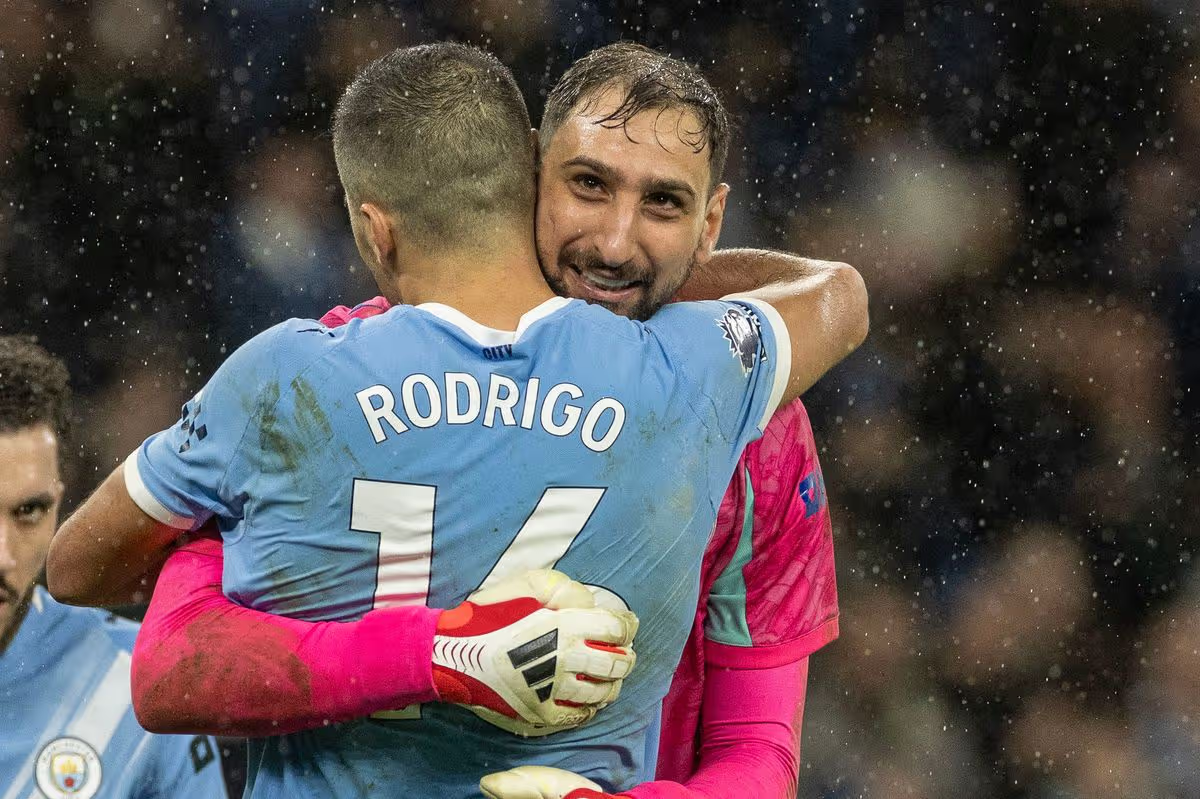
Pep Guardiola press conference LIVE Man City team news and injury latest vs Bournemouth

XRP JUST WIRED INTO EVERY BANK!!! (GOING LIVE)

Manchester United reach agreement with Casemiro over contract clause amid transfer speculation

US brings back mandatory military draft registration

Steven Gerrard disagrees with Gary Neville over ‘shock’ Chelsea and Arsenal claim | Football


-

 Crypto World2 days ago
BloFin War of Whales 2026 Grand Prix opens registration for $5M trading championship
-

 Fashion3 days ago
Weekend Open Thread: Theory – Corporette.com
-

 Crypto World3 days ago
E-Estate Announces 1 Year Live: Washington DC Summit as Real Estate Tokenization Enters Its Next Phase
-

 Fashion7 days ago
Coffee Break: Travel Steam Iron
-

 Politics7 days ago
What to expect when you’re expecting a budget
-

 Tech3 days ago
Tech Moves: Microsoft AI leader jumps to OpenAI; former AI2 exec joins Meta; and more
-
Crypto World5 days ago
Bitcoin Suisse expands with Digital Asset License and Investment Business Act Registration Approval in Bermuda
-

 Tech7 days ago
GM agrees to $12.75M California settlement over sale of drivers’ data
-

 Politics6 days ago
Pakistan to enter Chinese capital market as war inflation bites
-

 Crypto World5 days ago
Bitcoin Suisse expands with Digital Asset License and Investment Business Act Registration Approval in Bermuda
-

 Crypto World4 days ago
Google’s Gemini AI Predicts Incredible Solana Price by the End of 2026
-

 Business3 days ago
H&R Real Estate Investment Trust (HR.UN:CA) Q1 2026 Earnings Call Transcript
-

 Tech2 days ago
Google reimburses Register sources who were victims of API fraud
-

 Sports3 days ago
Napoleonic enters 2026 Doomben 10,000 field via Abounding withdrawal
-

 Politics7 days ago
The geopolitics behind the UK’s South Atlantic hantavirus rescue mission
-

 Politics7 days ago
The Board of Deputies just smeared Polanski to suck up to Farage
-

 Fashion6 days ago
The Best-Kept Makeup Secret for a More Defined Face
-

 NewsBeat6 days ago
Comment on Keir Starmer surviving the day as Prime Minister like a turd that wont flush
-
 Entertainment4 days ago
Zara Larsson Has Blunt Response To Chris Brown Diss
-
 Tech5 days ago
Why AI is making typography a boardroom conversation
You must be logged in to post a comment Login