

Politics
Putin Authority Wanes Amid Russian Frustration, Expert Warns

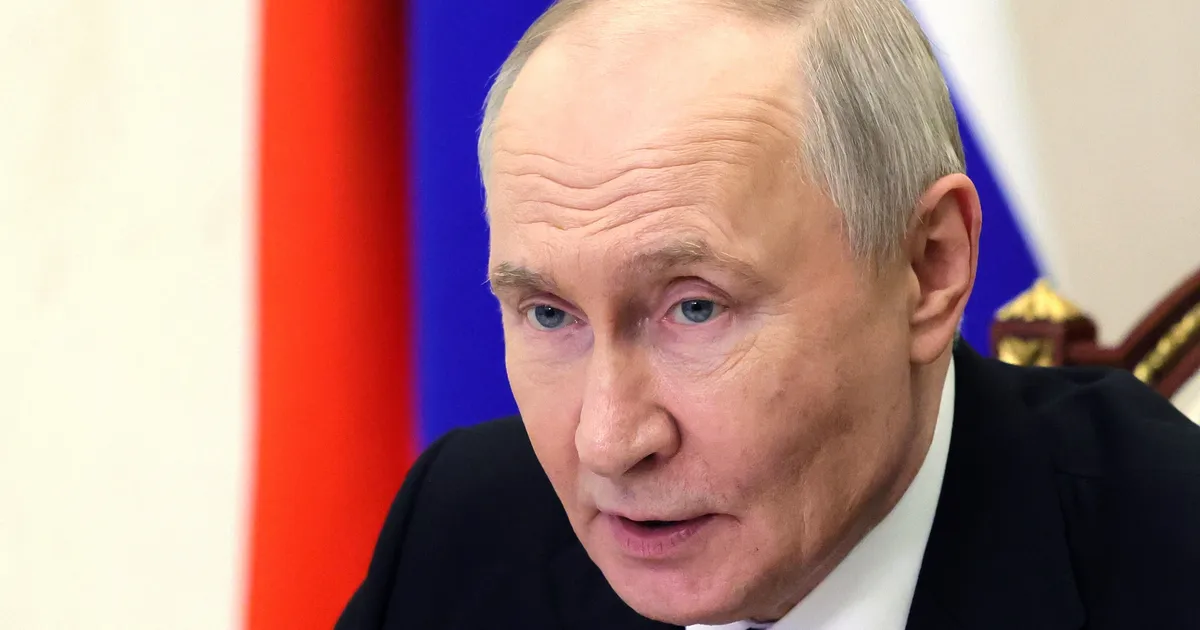
Growing fatigue, frustration and anxiety over the Ukraine war among Russians is eroding Vladimir Putin’s authority, according to a BBC expert.
Steve Rosenberg, the broadcaster’s highly-respected Russia editor, told Newsnight that the country’s state-controlled media is trying to rescue Putin’s image as ordinary people feel the direct consequences of the conflict.
Putin first invaded Ukraine in February 2022, expecting to seize the smaller neighbouring country in a matter of days.
More than four years later, however, Russia occupies little more than a fifth of the country.
The UK military estimates that Russia has endured 1.3 million casualties in the conflict.
“This is affecting his image,” Rosenberg told BBC Newsnight.
“For so many years, Vladimir Putin’s image was based on Putin as Mr Security, Mr Stability, the captain of the ship who would calm the ship after the often chaotic 1990s.
“No sense of stability, no sense of security right now.
“The messaging in the state media here is designed to prevent the Russian public from blaming the Kremlin, from blaming Vladimir Putin.
“You switch on the state media and you hear anchors saying it’s the fault of the west, it’s the fault of Europe, Europe is the big enemy now.”
Rosenberg said a “sense of fatigue” was emerging among the Russian public as the war of attrition enters its fifth year.
He continued: “Also at the same time, frustration with the economic problems, rising communal bills, rising utility bills, rising prices, and also frustrations with the government’s attempts to introduce restrictions on the internet.
“This is all coming together and creating a lot of anxiety and frustration.”
He pointed to the Kremlin-controlled Public Opinion Foundation, which found more than 50% of Russians now feel anxious about the war – and fear strikes at home more than the frontline.
Together with a rise in VAT and attempts to block popular messenger apps like Telegram and WhatsApp and mobile internet blackouts have all caused “a lot of anger” with the public, Rosenberg said.
But he said this does not mean “political system is about to collapse”, though Putin does face “a challenge to reassert his authority in the country”.
Rosenberg pointed out that Russians he speaks to now call the conflict a war instead of the Kremlin’s name for it, the “special military operation”.
He noted Russians now rarely call for “victory” in Ukraine now, but instead want peace and a negotiated settlement.
“There is a sense that people just don’t know when this is going to end,” he said.
Putin has started to suggest the war could end soon amid growing dissatisfaction in Russia, though it remains unclear if he is willing to back down from his maximalist goals in Ukraine.
Subscribe to Commons People, the podcast that makes politics easy. Every week, Kevin Schofield and Kate Nicholson unpack the week’s biggest stories to keep you informed. Join us for straightforward analysis of what’s going on at Westminster.

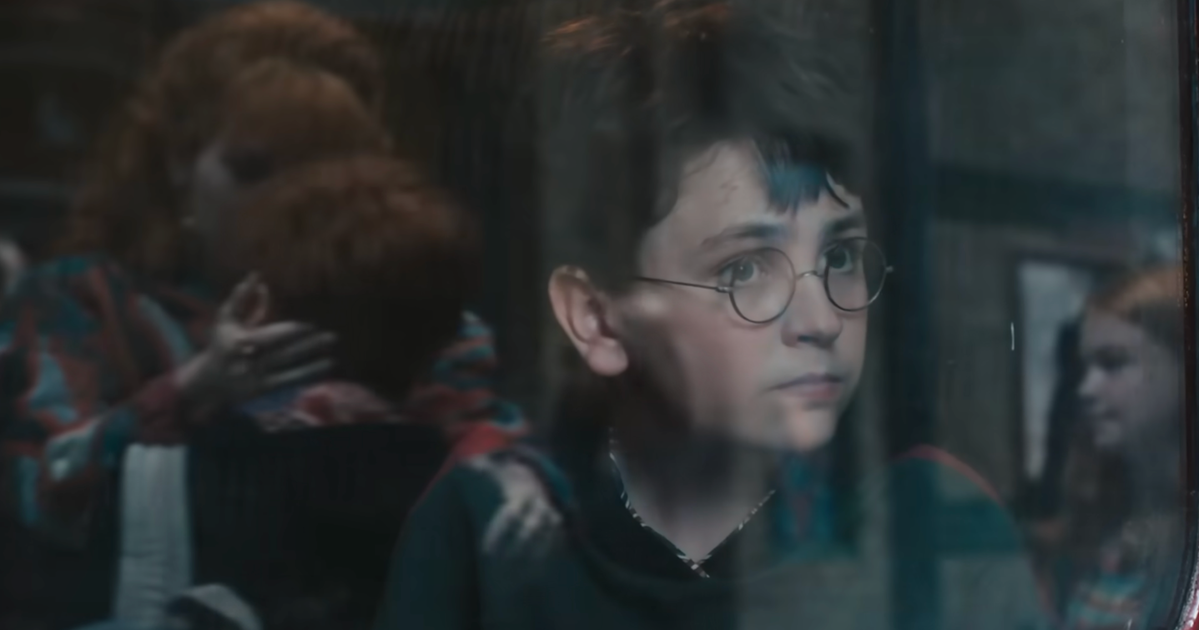
The producers of the new Harry Potter TV series have announced that a major character is being recast ahead of its second season.
Child actor Gracie Cochrane is set to play Ginny Weasley in the latest adaptation of JK Rowling’s children’s stories, which will premiere at the end of this year.
However, when production on season two – in which the youngest Weasley sibling is featured more prominently – gets underway, the character will be recast for undisclosed reasons.
In a statement to Deadline, the young performer and her family said: “Due to unforeseen circumstances Gracie has made the challenging decision to step away from her role as Ginny Weasley in the HBO Harry Potter series after season one.
“Her time as part of the Harry Potter world has been truly wonderful, and she is deeply grateful to [casting director] Lucy Bevan and the entire production team for creating such an unforgettable experience.”
They added: “Gracie is very excited about the opportunities her future holds.”
US broadcaster HBO also said: “We support Gracie Cochrane and her family’s decision not to return for the next season of HBO’s Harry Potter series, and we are grateful for her work on season one of the show. We wish Gracie and her family the best.”
A new adaptation of Harry Potter was first confirmed to be in the works by HBO in 2023, with one season being dedicated to each of the seven books.
The project has faced some backlash due to the presence of Harry Potter author JK Rowling as an executive producer.
Rowling has become a divisive figure in recent years due to her stance on issues relating to transgender people, which has included deliberately and repeatedly misgendering trans public figures, and donating tens of thousands of pounds to the campaign group which raised the initial legal challenge that led to the UK Supreme Court’s ruling last year that the legal definition of a woman should include only those who were assigned female at birth.

Channel 4 has pulled every episode of Married At First Sight UK amid controversy over a BBC Panorama special about the reality show.
On Monday, the BBC announced that it would be airing The Dark Side Of Married At First Sight that evening, featuring accounts from three former contestants who have accused their co-stars of sexual misconduct.
The half-hour exposé featured a contribution from one ex-MAFS UK contestant, Shona Manderson, who alleged the man she was paired up with on the show violated her consent by ejaculating inside of her during sex, when they had previously agreed on using the withdrawal method as a form of contraception.
Shona eventually told production company CPL’s welfare team what had happened. Their legal team has claimed that Shona told CPL at the time that it wasn’t something she had any issue with.
Not long after, Shona and her on-screen “husband” were removed from the show, after production began taking issue with the language he was using to speak to her on screen, which they felt was “controlling”.
Bradley Skelly, the man in question, told the BBC that he denies “any allegations of sexual misconduct” or “controlling” behaviour.

Ash Knotek/Shutterstock for Channel Four
Two more anonymous former contestants also brought allegations that they were raped by their on-screen “husbands”, with one claiming her partner threatened to have acid thrown in her face.
Channel 4 said on Monday that an external review was commissioned in April into the welfare of MAFS UK contestants.
“In April, Channel 4 was presented with serious allegations of wrongdoing against a small number of past contributors, allegations that we understand those contributors have denied,” a spokesperson said, as reported by Sky News.
“The channel is mindful of the privacy and continuing duty of care towards all contributors, and cannot comment on or disclose details of those allegations.
“Related to those allegations, Channel 4 was asked to respond to claims of failures in welfare protocols. Channel 4 believes that when concerns related to contributor welfare were raised through existing welfare and production protocols, prompt and appropriate action was taken, based on the information available at the time.
“Channel 4 strongly refutes any claim to the contrary.”

ANDY RAIN/EPA-EFE/Shutterstock
The broadcaster’s chief executive Priya Dogra also said: “I want to express my sympathy to contributors who have clearly been distressed after taking part in Married At First Sight UK. The wellbeing of our contributors is always of paramount importance.
“It would be wholly inappropriate for me to comment on what are very serious allegations made against some MAFS UK contributors.
“Those allegations – which I understand are disputed by the contributors accused – are not something that Channel 4 is in a position to adjudicate on.
“We are also mindful of our ongoing duty of care to all contributors, and the need to preserve the anonymity and privacy of all involved.”
She added: “On the claims that Channel 4 may have failed in its duty of care, I believe that when concerns about contributor welfare were raised, and based on the information available at the time, Channel 4 acted quickly, appropriately, sensitively and with wellbeing front and centre.”
Meanwhile, CPL’s legal team maintained to Panorama that its welfare and duty of care systems are “gold standard” and “industry-leading”.
CPL’s legal team also said that appropriate action had been taken in all cases when issues were raised to the production company’s welfare team.
A representative for the Department For Digital, Culture, Media And Sport spokesperson told the BBC that the allegations were “serious”, and that “everyone working and participating in television must be treated with dignity and respect at all times”.
The spokesperson continued: “All allegations must be referred to the appropriate authorities and investigated with the full co-operation of those involved, with action taken to ensure that the highest standards are upheld and there are consequences for criminality or wrongdoing.”
Help and support:
- Rape Crisis services for women and girls who have been raped or have experienced sexual violence – 0808 802 9999
- Survivors UK offers support for men and boys – 0203 598 3898
 lead image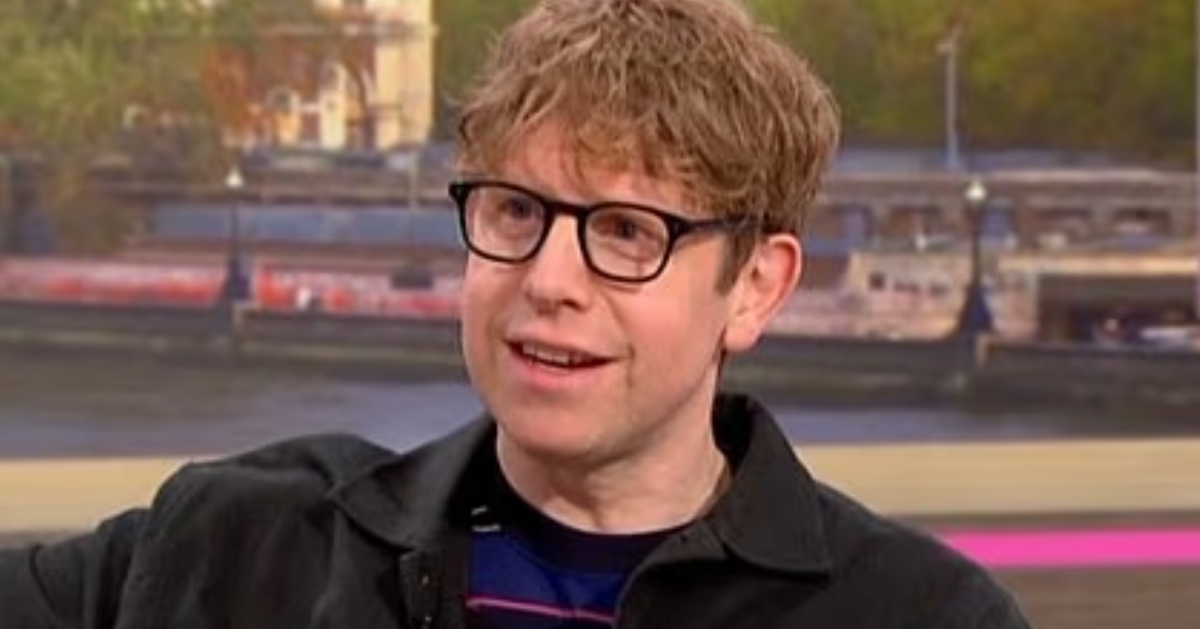
Comedian Josh Widdicombe found himself right in the hot seat during an appearance on Good Morning Britain.
For the last week, Josh has been at the centre of rumours that he and Emma Willis are poised to take over as the new hosts of Strictly Come Dancing, and when he paid GMB a visit on Tuesday, presenters Susanna Reid and Ed Balls repeatedly put him on the spot about the speculation.
“Look, it’s lovely to be linked,” he responded, remarking that Strictly would be “an impressive thing to be on my CV”.
Attempting to turn the question around, Josh then suggested Ed and Susanna as possible hosts, to which the latter insisted: “I don’t think either of us have been approached.”
Doubling down, she then asked: “Third time, are you the next presenter?”
“It would be lovely, absolutely lovely,” he reiterated, much to the hosts’ frustrations. “I’m glad to be linked with it – I would love to do it. We’d all love to do it!”
As Susanna quipped that Josh’s reluctance to answer the question “does mean he’s got it”, he insisted: “It doesn’t mean anything!”
Following months of speculation, The Sun reported over the weekend that Josh and Emma would be replacing Tess Daly and Claudia Winkleman when Strictly returns to our screens later this year.
The tabloid also alleged that resident Strictly pro Johannes Radebe would be joining the presenting line-up in a new “roving reporter” role.
So far, the BBC has remained tight-lipped on all of these rumours, with a spokesperson telling HuffPost UK earlier this month: “Plans for Strictly Come Dancing 2026 will be confirmed in due course.”
Meanwhile, It Takes Two stars Zoe Ball and Fleur East have both made no secret of their disappointment at not landing the presenting role.
Strictly Come Dancing is expected to return to our screens in its usual slot in late August.
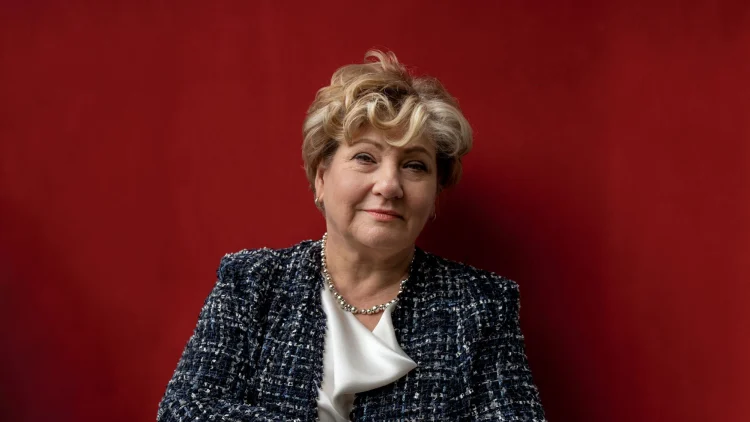
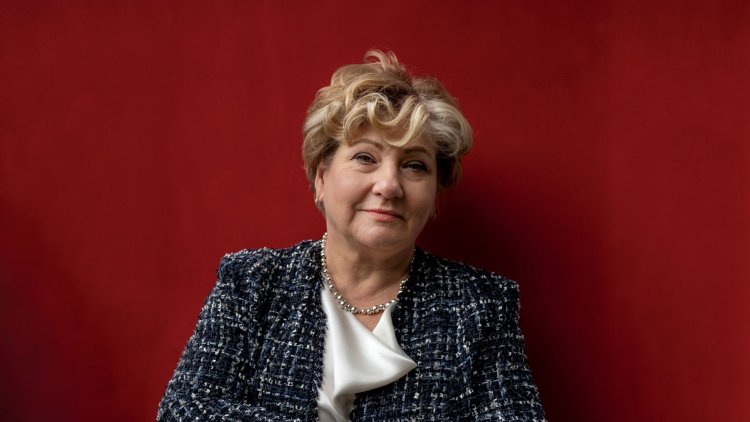
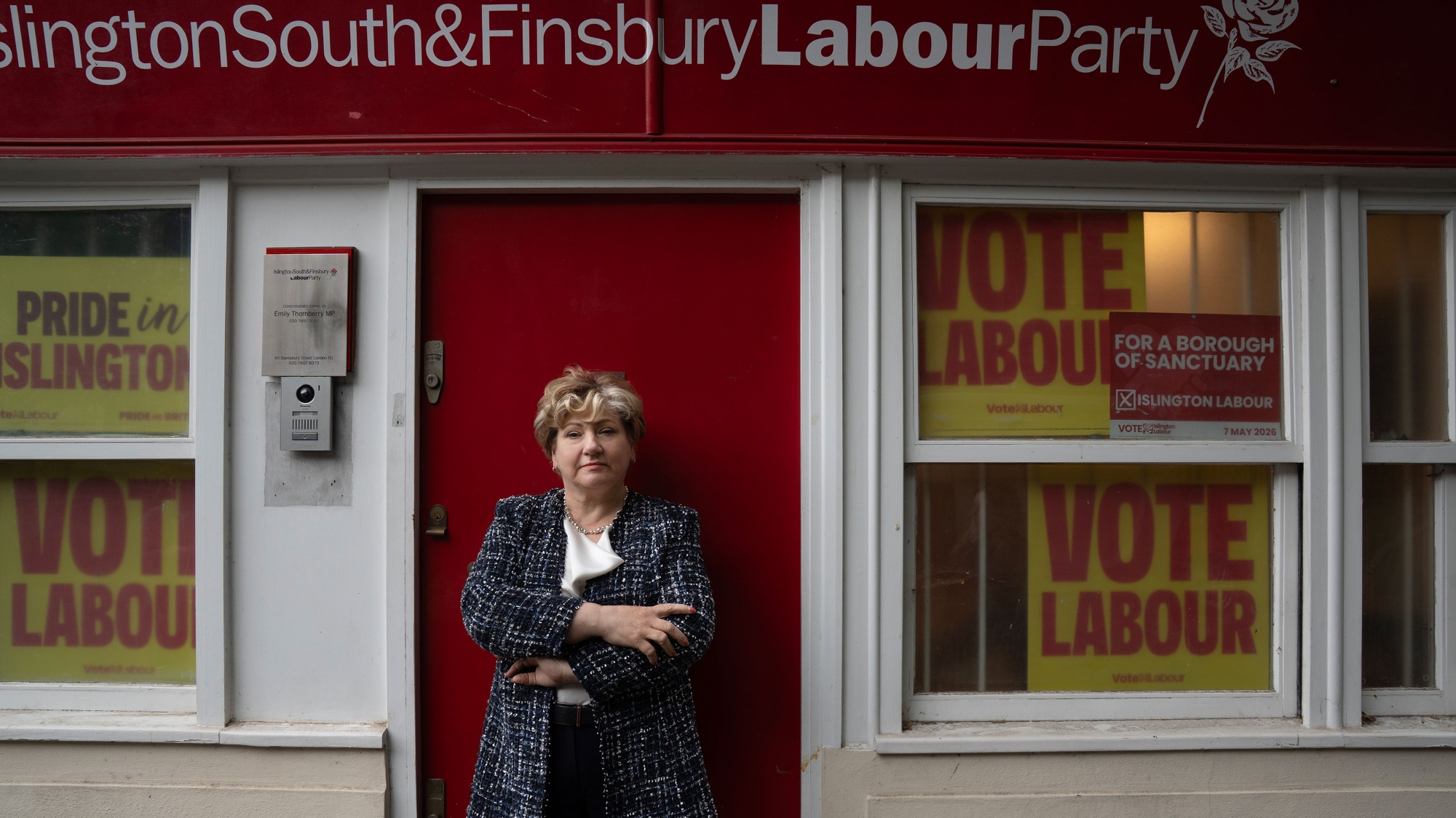
Emily Thornberry (Photography by Tom Pilston)

13 min read
Foreign Affairs Committee chair Emily Thornberry tells Sienna Rodgers Labour needs ‘bold and brave and open leadership’ – from radicalism at home to the EU reset and British soft power around the world
It would be hard to find anybody in Westminster who still believes Keir Starmer will lead Labour in the next general election. Yet many in the party are fearful of rushed conclusions about the way forward; worried that the real lessons will not be learnt or that their particular view of where to go next may not emerge as the winning one.
Emily Thornberry strongly believes that any transition must be handled thoughtfully. She has no enthusiasm for a quick and dirty leadership election allowing one faction or another to claim victory. While the Makerfield by-election may have granted Starmer a stay of execution, the circus around Andy Burnham’s candidacy followed by the potential for a coronation may not be conducive to the “proper postmortem” desired by this Labour dame.
She wants Labour to have a deep think about what went wrong in the May elections, while also maintaining that efforts to sharpen – and expand – the party’s policy offer to the country should not wait.
When The House first speaks to Thornberry for this interview, it is in her constituency office, and the Prime Minister has just stepped away from the podium after delivering a ‘make-or-break’ speech that neither made nor immediately broke him. She looks unimpressed.
“We’ve come from a really difficult place, and we had to say that. But what we didn’t say was, ‘We’ve come from a really difficult place, but we have a plan to get out of it. Come with us. Trust us. We know where we’re going and why we’re doing it.’
“Having a series of examples of what illustrates our philosophy is not clear enough. That’s my criticism of Keir’s speech.”
The way forward, she suggests, is not just an analysis of the problem with a few solutions but a “bigger narrative”. A focus on young people, say, which brings together everything from a youth mobility scheme to first-time buyers, social housing and youth employment.
But is it possible to get this level of storytelling from a Starmer leadership? Perhaps he cannot change who he is: an awkward communicator with no clear governing vision.
“Well, look, the work needs doing,” she replies.
For her, the original sin was Labour’s approach to the general election. “We needed to have the plan. We do have it in some things, so on green energy Ed Miliband had a plan. But he was given the latitude to be able to develop that.
“I know that there were other people, including myself, frankly, who had other things that we wanted to put into a plan, but it was held back because it was like, ‘Hang on a minute, it’s probably better to leave it vague so that we don’t alienate people’,” she says.
“We’ve all got ideas. I’ve got a list. Everybody’s got a list. There’s more that we could do. And then we need to pull it together. Whoever is the leader, we have to have a plan.”
Was the lack of a plan Starmer’s fault? “It doesn’t matter whose fault it was. It’s what happened.” Can he survive? “We just need to take stock, talk to each other, work out what the best way forward is.” Nor will she express a view, before Starmer is forced to give in and drop the threat of another blocking, on whether Andy Burnham should be allowed to run for Parliament.
They say those who you kick on your way up to the top will be there to kick you when you fall. One might expect Thornberry, the shadow attorney general brutally sacked when Labour got into government, to do some hard kicking now – yet she insists on staying above the fray. “I am a Labour Party loyalist,” is her only explanation.
“Morgan took it as a personal campaign, as a personal crusade, to get [Mandelson] in”
There is also the fact that Labour in her patch fared far better than others in the local elections, losing just three council seats to the Greens. She believes that is thanks to the party in Islington staying true to itself: “fairer, greener, safer” was its message in this borough, which she says has rehoused more refugees than any other in the country. It offers universal free school meals; helps those struggling to pay council tax; builds social housing.
“We do mean it – we are a Labour borough with a Labour council,” she says. “A lot of those values are ones that we should always stick to, abide by, as a national government too. It works in Islington, and I think it would work elsewhere.”
The feedback she received from voters on the doorstep was divided: half not wanting instability; the other “fed up” of Starmer and demanding change. “That’s why I can’t give you an answer at this stage. I need to think this through; about what the best way forward is. But, for me, I know this much: we need to have a more radical offer.”
Would she consider going for the top job herself? “No, no, no. I’ve done it before, and it was really difficult and a horrible experience,” she replies quickly.
Thornberry’s bruising run in 2020 ended early when no trade unions backed her and she fell one short of the local party nominations required to secure a place on the ballot.
“I found it a struggle to get sufficient MPs to nominate me, because Keir was out in front of me early on, and lots of people who I thought were going to support me changed their minds, and I found it difficult. It is personal.”
More recently, she ran briefly for the deputy leadership that Lucy Powell ultimately won. Thornberry did so out of a sense of duty, she says.
“I thought, ‘I don’t actually want to do this, but I feel like I have an obligation’, because I felt I had sufficient standing to be able to use the position to speak truth to power,” she explains.
“It’s no skin off my nose. I’m old enough to say what I think, mean what I say, and I thought it would have been helpful. But the party didn’t. So, I’ve sort of done it twice.”
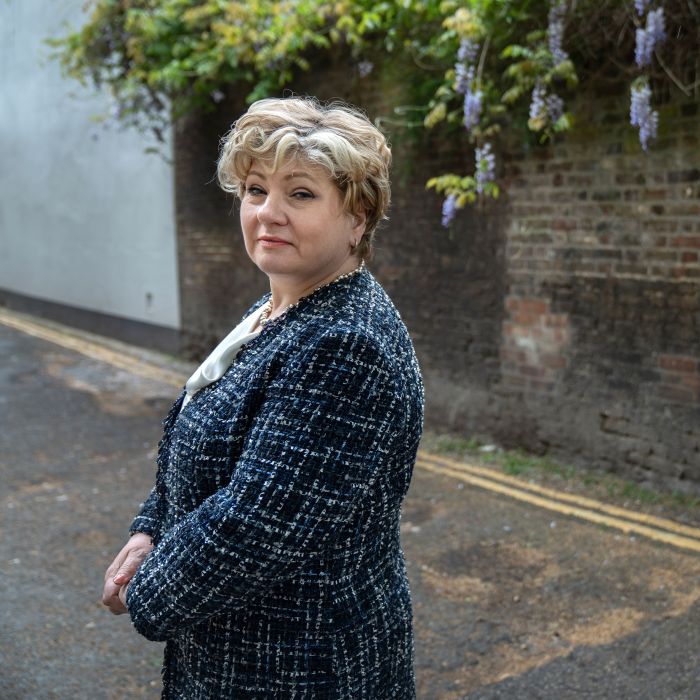
Chairing the Foreign Affairs Select Committee is where she has found more success, most notably as a tour guide through the scandal surrounding the appointment of Peter Mandelson as US ambassador after attention was drawn to the depth of his friendship with sex offender Jeffrey Epstein. Scrutiny intensified following the Prime Minister’s decision to sack Sir Olly Robbins.
Thornberry does not claim to have been prescient about the appointment’s disastrous nature: “I hadn’t realised about the Epstein thing”, she says, and at first the hire “seemed to be quite inspired”.
“But if I’d known…” she adds. “It’s a sign of great character to stand by somebody who’s in trouble, but once they have been convicted of an offence like that, you don’t stand by them.”
She is clear that in future any political appointments should come before the committee before they are hired. She is also confident of where blame should lie for Mandelson.
The former trade commissioner was linked with Epstein, already applying to be chancellor of Oxford, and disliked by the Foreign Office as well as Starmer and indeed Trump, she points out. “So, what was in his favour? In his favour was that he’s always been quite pushy, and he had a champion in Morgan McSweeney. I think Morgan took it as a personal campaign, as a personal crusade, to get him in,” Thornberry continues.
“I think Keir delegated that, because he had a lot to do, and said, ‘Well, you look into it, you sort this out,’ and trusted Morgan. It’s Keir’s fault to give him that much power without more oversight, but I don’t think it’s Keir’s fault more directly than that.”
Does she believe McSweeney was betrayed? He and Starmer knew what was in the due diligence, which included Mandelson’s post-conviction friendship with Epstein. Wasn’t that enough, as she suggests, not to appoint?
“Yeah, I think so,” she says. “He’s supposed to have written three questions in order to get three written answers, which we haven’t seen because the police have got it. But I think that’s a little bit of a red herring, because the due diligence shows that the reports were there.
“One presumes that he was asked, ‘What were you doing staying in his house?’, and Mandelson gave some sort of answer that in some way satisfied them, but I don’t know how it could have…
“That wasn’t good advice for Keir. If he was being advised properly, that wouldn’t have happened. So, I don’t think Morgan was betrayed by Mandelson.”
Although Thornberry was unlike many of her MP colleagues in that she had personally known McSweeney for years, she was as pleased as they were when he left No 10.
“Yes. Yes, I was. Because I wanted Keir to have more of an opportunity to be himself. I’ve known Keir since the mid-1980s and I thought some of the decisions being made, he wouldn’t have been comfortable with, and I thought that this was more to do with Morgan’s influence than something that came directly from Keir.”
Isn’t it a little late for ‘let Keir be Keir’? “I think it’s important though.” Days after our interview, it is reported that McSweeney has been helping Starmer’s team navigate the current crisis.
“What we need is… clear leadership on [the EU reset], which we’ve not really had”
In his latest and possibly final reset speech, the Prime Minister promised to put Britain “at the heart of Europe”; this, he said, would be “the Labour choice”. Very little detail was offered, however; merely reference to a youth mobility scheme that everyone knew about already.
Labour’s EU reset plans so far have not been ambitious enough for MPs like Thornberry.
“What we need is a clear push as to what it is that we want to achieve, and clear leadership on it, which we’ve not really had. Bold and brave and open leadership on what it is that we want. But it’s been so mousy, which it shouldn’t really be,” she says.
The problem was not going into the reset early and with clear demands: “If we had started the negotiations when we had just been elected, when everybody assumed that we would be going in for two terms… we could’ve said to the EU, ‘We’ve tasked all the government departments on how it is that they could work better if we had a closer relationship with the EU on…’ and then have a massive shopping list.”
Is free movement off the table forever, or should Labour be considering it? “I wouldn’t start there. I would end there, in many ways.”
There is no need to break the red lines around customs union and single market membership that were set out in the manifesto just yet, Thornberry believes, though they should not necessarily be kept beyond this term.
“I, personally – surprise, surprise – would like us to be in the European Union, and the majority of the British public would. But if you were to say to the British public, ‘Would you like another two years of debate and another referendum and a lot more fighting in Parliament to get back into the European Union?’, they might not be so keen.
“We have to take it one step at a time. We have to be strategic. We need to get as close as we can, then make a decision about whether we want to get ourselves back into that. We also can’t take for granted that the European Union would want us.”
The priority, she says, is taking each step as it comes and making the argument to the public throughout – this way, “Nigel Farage – if he were, God forbid, to be prime minister – couldn’t unpick it, because the British public would be behind it”.
Her theme of “too little, too late” continues as we explore foreign policy further afield.
British influence in the Middle East is “underrated”, although our influence on Israel is admittedly “pretty minimal these days”: “This is a far-right government that only listens to Donald Trump.”
The government could do more on Gaza, however: Thornberry recommends going back to the group of countries that formally recognised Palestine alongside us last year for further action.
“What we should do is go back to that group and say, ‘The Palestinian state that we recognise is not going to exist unless the Israelis are stopped from what they’re doing at the moment – the aggressive settlers, the building of settlements, the cutting of the West Bank in half. All of this is just completely unacceptable, and we must do something about it, and we have to do it collectively.’”
Which measures would she recommend? “We should not allow banks to finance developments on the West Bank. We should not allow insurance companies to be involved in the West Bank. We should not be buying anything from the West Bank. We should have sanctions against any individual who’s involved in developments on the West Bank, or any settlements on the West Bank.”
“We are losing influence in Africa,” she warns next, making the case that British involvement is welcomed but we have failed to take sufficient interest. As a result, “they are going elsewhere – they’re going to China”.
Gordon Brown’s much-mocked appointment as global finance adviser was good news, she says, “because this is the time to be more imaginative about how we help the developing world”.
“It is time that we massively invested in the World Service,” for example. “Not putting up their funding by 20 per cent, which is welcome, but by doubling it, trebling it. Now is the time to be using the World Service as an oracle of truth around the world.”
Thornberry was passed over for the attorney general job in favour of another lawyer friend of Starmer, Richard (who became Lord) Hermer. He is perhaps best-known for playing a central role in the Chagos deal, now a zombie, indefinitely paused after Trump branded it “an act of great stupidity”. Would it be best, at this point, to put the agreement out of its misery entirely?
“I do think there were people who were genuinely concerned that we were on the wrong side of the law when it came to Chagos, and wanted to get it sorted out,” she begins. “A lot of grief has been gone through in order to try to get something negotiated and get it cleared up, and now the Americans don’t want it. Well, fine. In my view, fine. There’s a limit to what one could do, really.”
She has raised concerns before about the environmental “catastrophe” that handing the Chagos islands back to Mauritius could inflict. Would she, as AG, have pursued the deal?
“I would have thought about the fish much more than I think they have,” she laughs heartily.
Although she keeps her powder more or less dry, Thornberry sounds less like a defender of the government than an impatient witness to it. She repeatedly returns to the same complaint: there has been no plan, no narrative, no driving mission.
“I need to talk to my colleagues about it. We need to work out what we’re going to do next,” she concludes.
“We are in power. We have a large majority. What are we going to do with that? Because people are impatient for change. Whoever the leader is, what’s important is what we do.”
Our favourite moment of this year’s Cannes Film Festival has to be John Travolta debuting a bold new look.
The two-time Oscar nominee and HuffPost UK fave premiered his directorial debut Propeller One-Way Night Coach at the film festival on Friday night, and delivered a fantastic viral moment when he hit the red carpet.
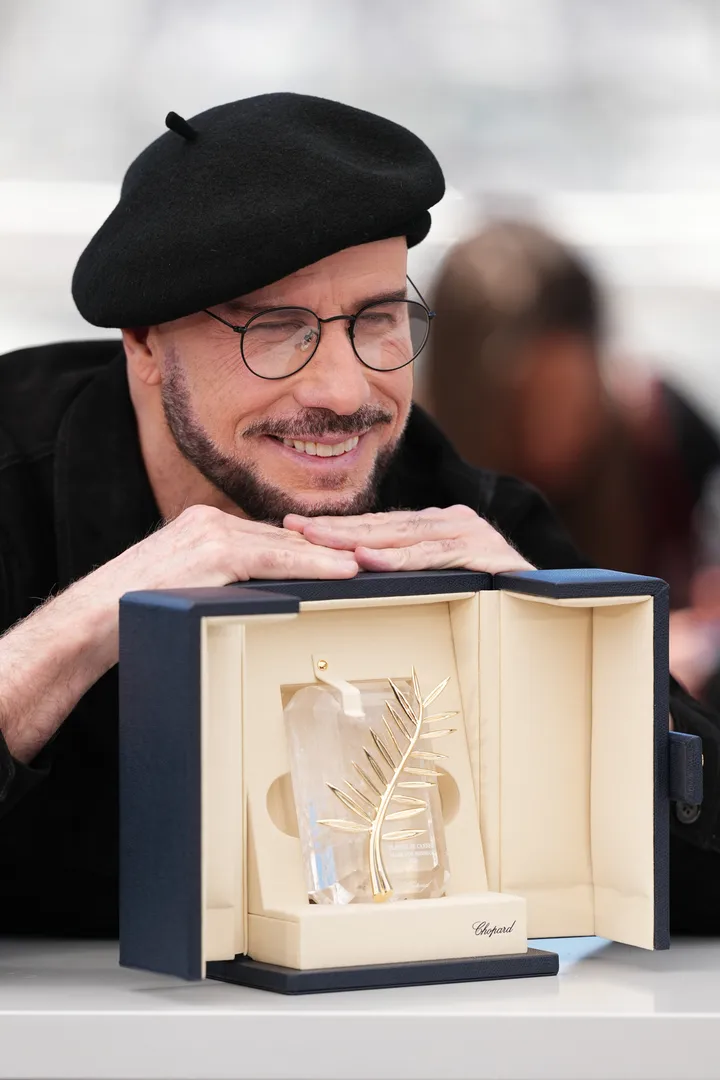
John made his way into the premiere sporting a beret and round spectacles, and has also been sporting variations of the look at other Cannes events, including accepting an honorary Palme D’Or.

Speaking to CNN about becoming an accidental viral sensation with his attire, the Grease star admitted he was just trying to emulate the filmmakers of old Hollywood.
“I’ve been around for over 50 years doing movies,” John explained. “But I can’t tell, when I look back, the difference between the events. And I said, ‘I’m a director this time – you’re an actor, play the part of a director, look like an old-school director’.
“So, I looked up pictures [from the] 20s, 30s, 40s, 50s, 60s, and the old-school directors wore berets and the glasses. And I thought, ‘that’s what I’m doing’. I’m going to do an homage to being a director.”
He continued: “So I’m going to play the part of being a director. And then, when I look back, I’ll know, ‘oh that was Propeller One-Way Night Coach, that was Cannes, that was when I won the Palme D’Or’. And I will have a vivid [memory] of it.”
Propeller One-Way Night Coach is based on the children’s book of the same name, and leans into John’s well-documented love of planes (he even piloted his own plane to Cannes for his film’s premiere).
He was joined at the premiere by his daughter, Ella Travolta, who plays a flight attendant named Doris in the movie.
Watch the trailer for Propeller One-Way Night Coach below, ahead of its Apple TV+ debut later this month:
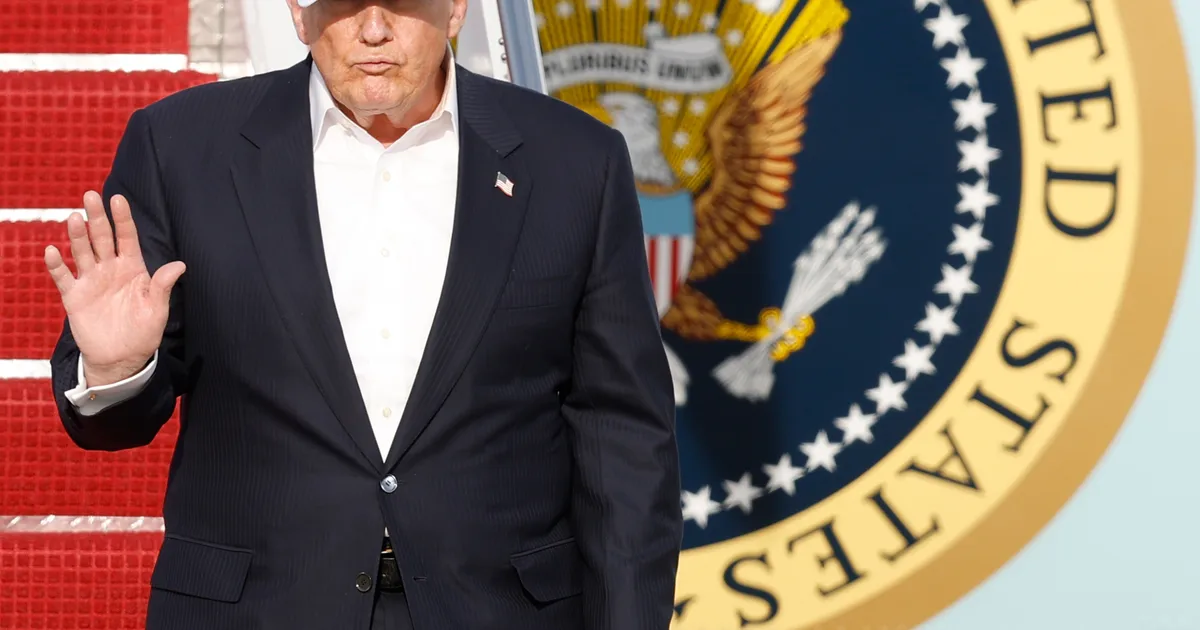
A BBC reporter has suggested Donald Trump’s latest Iran U-turn may have more to do with his rising unpopularity with American voters than any desire to end the war.
The US president said he had called off plans to launch fresh strikes on the country because a peace deal could be in sight.
Trump claimed that the leaders of several Gulf nations had urged him not to go ahead with his plans to allow negotiations to end the conflict to continue.
His change of heart came just a day after he warned Tehran “the clock is ticking” for them to agree a peace deal.
Posting on Truth Social on Monday night, he said: “We will NOT be doing the scheduled attack of Iran tomorrow, but have further instructed [US military chiefs] to be prepared to go forward with a full, large scale assault of Iran, on a moment’s notice, in the event that an acceptable Deal is not reached.”
On Radio 4′s Today programme, BBC North America correspondent Peter Bowes said: “This was a somewhat unusual statement from the US president, that he had decided not to launch, as he put it, ‘a very major attack on Iran today’.
“He made this announcement on his Truth Social platform before the US markets closed. He said he’d been asked by the leaders of several Gulf allies to hold off because, he said ‘in their opinion a deal will be made that is acceptable to the United States as well as all countries in the Middle East and beyond’.
“Mr Trump went on to say that ‘serious negotiations are underway’ but he reiterated, as he’s been saying all along, that this deal must include no nuclear weapons for Iran.
“This raises many questions about the actual status of any talks, which the president didn’t elaborate on.”
He said the president was sending out “lots of mixed messages” on the war, which he suggested may be partly driven by his negative poll ratings.
“He said the leaders of Saudi Arabia, Qatar, UAE and some others had asked for the attack to be put off for two or three days,” said Bowed.
“That’s quite a narrow window for any negotiations to result in a deal, but equally he is facing pressure in this country.
“The latest opinion polls are very negative towards the president, not only in terms of his overall performance, but especially in the way he has conducted this war.”
Subscribe to Commons People, the podcast that makes politics easy. Every week, Kevin Schofield and Kate Nicholson unpack the week’s biggest stories to keep you informed. Join us for straightforward analysis of what’s going on at Westminster.

Many parents of children with ADHD will have noticed sleep can be a tricky area (to say the least) – research suggests up to 50-70% of kids with ADHD have sleep problems.
It’s perhaps unsurprising, then, that the following morning, they can really struggle to rise and get ready in a timely manner. This can make getting to school or childcare on time a stressful – sometimes seemingly impossible – experience all round.
Dr Chris Abbott, chief medical officer at Care ADHD, says they consistently hear that mornings are “one of the most stressful pressure points for families”.
Psychotherapist Gee Eltringham agrees that mornings can be “incredibly difficult for people with ADHD, especially children and teenagers”.
But if your child seems unable to wake, or is constantly distracted, emotional, argumentative or slow to get moving before school, she stresses “it is not usually laziness or defiance”.
“Often, it is their brain struggling to transition into the day,” she insists.
Why are mornings hard for kids with ADHD?
Dr Chris Abbott explains that for many children with ADHD, “mornings are less about ‘getting up’ and more about a slow neurological switch from sleep to activation”.
There are a few physiological factors behind this. Firstly, ADHD is associated with a naturally later internal body clock. “The brain struggles to produce melatonin at a typical time, meaning children are genuinely wired to fall asleep (and wake) later than neurotypical peers,” he says.
Children with ADHD might also have racing thoughts, which can make it difficult to switch off at night. And kids who game or scroll social media before bed activate the brain further, which in turn makes morning waking harder.
Eltringham, who is also the founder of the ADHD tool twigged, notes that dopamine can play a big role in kids struggling to rise in the morning.
“Dopamine is a neurotransmitter heavily involved in motivation, reward, attention, and initiating tasks,” she explains. “Dopamine levels are naturally lower in the morning, and for ADHD brains, which already struggle with dopamine regulation, this can make getting out of bed and starting the day feel overwhelming.”
And then, even after we’ve considered all of that, there are several common ADHD-related differences stacked together at the same time which create this perfect storm for them struggling to leave the house.
Kids might have difficulty transitioning between steps and get “stuck” moving from one task to the next, suggests Dr Abbott. They can also become overwhelmed from too many instructions.
“Time blindness” (struggling to perceive how quickly time passes) can also mean your sense of urgency as their parent doesn’t naturally translate into action on their part.
Children with ADHD might also experience emotional dysregulation on waking, “where frustration or anxiety appears quickly in response to demand or pressure”, he adds. Repeated prompting from parents can further increase stress and make functioning harder, rather than easier.
“These aren’t isolated behaviours – they reflect a mismatch between neurodevelopmental needs and conventional morning expectations,” says the expert.
But when families are supported with the right structures, mornings often shift from a daily point of friction into something far more predictable – “not because the child changes, but because the environment finally fits how their brain works”.

Olga Pankova via Getty Images
The expert-backed guide to make mornings easier for you and your child
1. Prioritise sleep habits and prep, prep, prep!
Gee Eltringham stresses that “good sleep habits really do matter” – especially for kids with ADHD. She recommends having predictable evening routines, instating consistent bedtimes, making sure kids are getting enough sleep for their age, keeping the bedroom cool, dark and calm and limiting screens before bed (enforcing a “device-free” bedroom might help).
Calming strategies like journalling before bed or “heavy work” activities (like wall press-ups, pushing against a wall or carrying weighted items) can also help them to power down for the evening.
If your child becomes overwhelmed by a barrage of instructions in the morning, try to do as much prep the night before which can “dramatically reduce stress and resistance in the morning”, says Eltringham.
- School uniform or clothes laid out
- Bags packed
- Homework ready
- Shoes and coats prepared (try the launch pad trick)
- Breakfast plans sorted.
“The fewer executive functioning demands there are in the morning, the smoother things tend to go,” she adds.
2. Get yourself ready before the kids get up
“Trying to organise yourself and manage an overwhelmed ADHDer at the same time is a recipe for stress,” says Eltringham, who advises parents to get up before their kids and get ready so you can be on hand to chivvy them along.
3. Initiate gentle wake-up mode
Dr Abbott recommends reducing demand on your child’s brain at waking with gradual, low-pressure wake-up cues – gentle light (crack the curtains open a peep), calm sounds, or a consistent audio signal rather than abrupt alarms or verbal demands. A low-volume radio alarm clock could be a good shout.
He also advises creating a buffer of 10-15 minutes before instructions, screens, or tasks begin, which allows the brain to transition more naturally into an alert state.
4. Adjust your expectations
One of the most important things parents can do is understand executive function age, suggests Eltringham, who says “a common rule of thumb is that ADHDers can be around 30% behind their chronological age in executive functioning skills”.
In theory, this might mean a 12-year-old may function more like an eight-year-old when it comes to organisation, time management, emotional regulation and independence.
“Most parents would not expect an eight-year-old to independently manage an entire morning routine without support yet many expect this from a 12-year-old,” she says.
“When expectations become more realistic, frustration often decreases for everyone.”
5. Build in time for connection
Kids are far more cooperative when they feel connected – and Eltringham notes that even spending just 5-7 minutes connecting in the morning can make a noticeable difference.
This could be: a cuddle in bed, a quiet chat over tea, a quick card game over breakfast, or even just sitting together.
6. Keep the morning structure predictable
Get yourself a morning routine hashed out – and stick to it. Visual routines can be a real help – “a simple chart or checklist removes the need for repeated verbal prompting and gives the child something external to follow, reducing reliance on working memory,” says Dr Abbott.
7. Use a timer instead of a warning
Mitigate against “time blindness” with a visual countdown timer, which replaces abstract urgency with something concrete and predictable.
“Setting a five-minute visual countdown for getting dressed or brushing teeth is often far more effective than verbal reminders alone,” says Eltringham.
8. Avoid escalating prompts
We’ve all been there – you’ve asked your child to put their school jumper on for the 20th time and you’re just about ready to implode. Your child, meanwhile, is getting more irate at your increasingly urgent demands.
Dr Abbott says repeated instructions tend to increase stress and dysregulation, making it harder to function.
“A calm, consistent cue is more effective than a louder or more urgent one,” he says.
9. Remember: novelty, challenge and purpose
Eltringham’s golden rule is that “ADHDers are motivated by novelty, challenge and purpose”.
“Their brains constantly seek stimulation and dopamine,” she explains. “If they cannot find dopamine through positive stimulation, they may unconsciously seek it through negative stimulation instead, hence arguments, conflict, silliness, or chaos. This is why mornings can quickly turn into battles.”
She recommends using dopamine-friendly strategies like setting challenges (“can you beat the timer?”), using novelty (“we’re having pancakes for breakfast if we get ready quickly”) or purpose (“your sister really needs help with her reading this morning, you’re so good at helping her”).
Eltringham caveats that once a strategy becomes predictable, it may stop working, so routines often need refreshing.
The therapist notes that many children with ADHD will need support in the mornings long after their peers seem independent. “That is okay,” she says. “Do not punish them for struggling with skills they genuinely find difficult. Instead, focus on supporting them, scaffolding the skills they are missing, and gradually helping them build independence over time.
“They will get there – just on a different timeline.”
Peter Franklin is an Associate Editor of UnHerd.
With all eyes on Labour and the Makerfield by-election, the state of the Conservative Party has been all but ignored by the mainstream media.
That suits Kemi Badenoch, because this could have been a tricky time for her. I hate to bring it up, but earlier this month we suffered a net loss of 563 councillors and six councils – including Badenoch’s home turf of Essex. In the Welsh Senedd elections the Conservative group dropped from second to fourth place and in the Scottish Parliament from third to fifth. Yes, there were bright spots too, but disregard the bluster — this was a bad night for us.
But to Reform UK’s evident frustration, these setbacks haven’t provoked a renewed crisis of confidence in the Tory ranks — nor in the Tory leader. Obviously the news agenda is a tad distracting right now, but that’s not the only reason why so little blame is attaching to Badenoch.
Here’s an allegorical explanation of what’s going on:
Picture a house — a rather grand house, but fallen into a state of advanced disrepair. That’s not the fault of the current tenant. In fact, she’s been working hard to deal with the shambles left behind by the previous tenants.
The first of these was a party animal — and he absolutely trashed the place. After one excess too many, he was evicted. Unfortunately, his replacement was even worse. She nearly burned the house down — not to mention half the street. And so having only just moved in, she was out in short order.
Her replacement was a sensible sort who soon extinguished the remaining fires. The trouble, though, is what he did next — which was basically nothing. Simple maintenance might have been fine in normal circumstances, but not with the house in such a state. And, so before long, he too had to leave.
As for the current tenant, she struggled at first — who wouldn’t? But now she’s getting to grips with the situation — clearing away the rubble, throwing out the rubbish, giving the walls a fresh lick of paint. It would be absurd to evict her.
And yet, she does have possession of the property under a full repairing lease, and so far she’s not addressed the more fundamental problems. After all, there’s a reason why most people still hurry past the place. It might as well be haunted.
The house, of course, is the Conservative Party and its current tenant, Kemi Badenoch. My argument is that, even though the real damage was done by her previous leaders, she still needs to commission a full structural survey.
As luck would have it, we already an outline version. It comes in the form of an ingenious chart conceived of by Owen Winter, a politics and data journalist at The Economist.

Essentially, it’s a scatter plot of the local seats contested in the elections earlier this month. Each data point is one ward scored against two variables: firstly, on the x-axis, the percentage of the electorate aged 50 and over; and secondly, on the y-axis, the percentage in a managerial or professional job. To put it another way, the areas of the electoral battleground that skew younger are on the lefthand side of the chart, the older areas on the righthand side, the poorer areas are at the bottom and the richer areas at the top.
One could use colour to show the winning party in each ward. But if you did that then the chart would resemble an explosion in a paint factory — spots of every hue splattered all over the place. Various kinds of local independent would also confuse the picture. Therefore, a statistical trick is needed to filter out the noise and reveal the underlying pattern of party support. And so the makers of the chart have coloured each data point not according to the votes cast in the corresponding ward, but according to the average outcome in the hundred most similar wards.
This resolves the chart into solid blocks of demographic territory for each of the major parties. Using data from 2021 to 2024 — i.e. before this month’s elections, you can see how the Labour Party dominated the electoral battleground — the entire younger half of the pre-2026 chart was painted Labour red, plus the more working class parts of the older half. There was small wedge of Lib Dem yellow in the most middle-class and middle-aged wards, while the remainder of the map (i.e. the older, richer areas) was true blue.
In other words, the pre-2026 chart shows a three-party system — with Labour by far the biggest party because this is a selection of seats that includes London and other urban strongholds.
However, once the chart is updated with this year’s results, the picture changes dramatically.
Instead of three colours we now have five. The Greens invade from the left, taking whole swathes of the younger half of chart — i.e. at Labour’s expense. Meanwhile, the older, poorer parts of the battleground (the bottom-right quadrant) have turned Reform turquoise. This is at the expense of both Labour and the Conservatives. The Lib Dems make less dramatic gains at the top of the chart — expanding their wedge a bit (again, at Labour and Tory expense).
Obviously, the realignment is devastating for Labour — because it’s taking place across their heartlands. But the deep structural alterations to the party system are bad for the Conservatives too.
Our retreat across the electoral battleground isn’t just geographic, it’s also demographic. The electorates with whom we’re still in with a chance are older and wealthier than ever before. In other words, we’re becoming a caricature of our former selves.
But perhaps there’s an argument for adapting to the emergence of multiparty politics. If older, richer voters are still voting for us then why not return the favour and focus on their interests? Yes, that might mean that we’re turning into a niche party, but when your back is up against the wall, a niche might be just what you need — if only for temporary breathing space.
There’s evidence that this is exactly the strategy that the party has adopted. For instance, our flagship policy since last year’s party conference is the abolition of stamp duty on residential homes. That, of course, would primarily benefit people with property to dispose of i.e. well-healed retirees who want to downsize, move abroad or otherwise mobilise their accumulated wealth. For everyone else, the policy is just a new variation on the old stupidity of subsidising demand — meaning that asking prices will go up accordingly. Sucks if you’re a first-time buyer. Add to that the Conservative message of cutting benefits for working age adults while protecting the Triple Lock on pensions — and its pretty obvious who we’re appealing to and who we’ve left behind.
So is the niche party strategy working for us? Well, since last year’s conference our poll ratings have stabilised — and perhaps ticked up a little. Unlike the aftermath of last year’s local elections, there is — so far — little evidence of a significant slide of Tory support to Reform (which is what Nigel Farage’s kill-the-Tories strategy was relying upon).
And yet becoming a niche party is equivalent to retreating to the last one or two liveable rooms in that dilapidated house. It leaves us with no chance of ever commanding a Commons majority again — it might not even win us the fight for second place, which at the next election could plausibly go to Labour, the Lib Dems, the Greens or the SNP instead. In recent weeks, we’ve been greatly cheered by Kemi Badenoch’s stellar performances across the dispatch box. But if we’re not even the Official Opposition, our leaders won’t be at the dispatch box, will they?
We might also consider the fate of niche parties elsewhere in Europe. For instance, Les Républicains in France are now also-rans in presidential elections. Or what about the once-mighty Forza Italia — now a sidecar to Giorgia Meloni’s populist juggernaut. Or, most sobering of all, the Free Democrats (FDP) in Germany. This lot aren’t in fact the Teutonic equivalent to our own Lib Dems, but a business-friendly party of the centre-Right who focus on government efficiency and fiscal responsibility: much the same agenda as Kemi Badenoch’s, in fact. Though never one of the big parties, the FDP have now dropped out of the Bundestag altogether — not being able to get over the 5% threshold for seats.
In effect, there’s a threshold in the British electoral system too. A cliff-edge — somewhere in the 15 to 20% range — below which we’d lose most of our remaining seats. Given where we are in the polls I’d question whether this is anytime to be narrowing our appeal.
As to what direction we should try to broaden it, I’d invite you to take another look at Owen Winters’ chart. Notice how the younger half of the chart is completely dominated by the parties of the Left. Now, with the passage of time, imagine that generation of voters — and subsequent generations — taking over the chart completely. This is the real challenge facing not only the Conservative Party, but Reform too. And time is running out.
The post Peter Franklin: The Conservatives must not become a niche party for the old and rich appeared first on Conservative Home.

Donald Trump took to his Truth Social platform on Sunday to post an AI-generated image showing him bombing Earth, minutes after his pre-taped Bible reading played at a MAGA-friendly prayer event on the National Mall.
The image, which Trump unleashed as House Speaker Mike Johnson prayed for “mercy upon our land” and “mercy upon us for our mistakes,” shows the president pressing a red button on a control panel while inside some sort of space station or starship orbit above the planet.
The visual features Trump surrounded by small, military-like figures seated by the control panel as several screens show massive explosions taking place on the ground.
At least one screen shows a mushroom cloud-like blast alongside the text, “TARGET DESTROYED.”
The out-of-this-world image shared by the self-described “peace” president is a kind of fantastical continuation of his recent tendency to post genocidal threats on the platform.
The visuals were part of an extraterrestrial-themed posting tear that arrived as thousands took to Washington, DC, to hear from controversial speakers and Trump officials at a taxpayer-funded, all-day event called “Rededicate 250.”

Trump, who shared an AI-generated Space Force-themed image showing him working aboard a spacecraft earlier in the weekend, took to Truth Social on Sunday morning to express his hopes that attendees were having a “GOOD TIME” at the event.
But — in the lead-up to his pre-taped reading and afterward — he didn’t seem to care about the religion-heavy event as he dribbled out a series of bizarre memes, made-for-MAGA attacks against his opponents and a spread of space-themed posts on the platform.
One such image depicted Trump wearing sunglasses and commanding a “Star Wars”-like droid army flying American flags as the Space Force logo appeared overhead.
Another showed the president helping escort an alien life form in handcuffs away as he’s flanked by men dressed in suits and at least one US military member.


Trump later reshared the planet-destroying image at the same time as a pastor preached about Jesus Christ on the National Mall stage.
And another AI illustration showed a stern-faced president manning a spacecraft as missiles fired away in outer space behind him.


Apple was dying by the end of the 90s, but then it opened its first ever Apple Store 25 years ago – and the rest is history

Mining machine kya hota hai || Bitcoin Mining Machine In India || Crypto Mining

Bianca Andreescu: How former US Open champion and world number four went to the bottom of the tour to rise back up

Manchester United reach agreement with Casemiro over contract clause amid transfer speculation

US brings back mandatory military draft registration

Steven Gerrard disagrees with Gary Neville over ‘shock’ Chelsea and Arsenal claim | Football
Mining machine kya hota hai || Bitcoin Mining Machine In India || Crypto Mining

you’ll never feel rich if you do this #finance #comparison

Earn Monthly Passive Income from Stocks: SLBM Strategy Explained #finance #dhan #stockmarket
-

 Crypto World3 days ago
BloFin War of Whales 2026 Grand Prix opens registration for $5M trading championship
-

 Fashion4 days ago
Weekend Open Thread: Theory – Corporette.com
-

 Crypto World4 days ago
E-Estate Announces 1 Year Live: Washington DC Summit as Real Estate Tokenization Enters Its Next Phase
-

 Tech4 days ago
Tech Moves: Microsoft AI leader jumps to OpenAI; former AI2 exec joins Meta; and more
-
Crypto World6 days ago
Bitcoin Suisse expands with Digital Asset License and Investment Business Act Registration Approval in Bermuda
-
 Politics6 days ago
Pakistan to enter Chinese capital market as war inflation bites
-
 Crypto World6 days ago
Bitcoin Suisse expands with Digital Asset License and Investment Business Act Registration Approval in Bermuda
-

 Crypto World5 days ago
Google’s Gemini AI Predicts Incredible Solana Price by the End of 2026
-

 Business4 days ago
H&R Real Estate Investment Trust (HR.UN:CA) Q1 2026 Earnings Call Transcript
-

 Tech3 days ago
Google reimburses Register sources who were victims of API fraud
-

 Sports3 days ago
Napoleonic enters 2026 Doomben 10,000 field via Abounding withdrawal
-
 NewsBeat7 days ago
Comment on Keir Starmer surviving the day as Prime Minister like a turd that wont flush
-
 Entertainment5 days ago
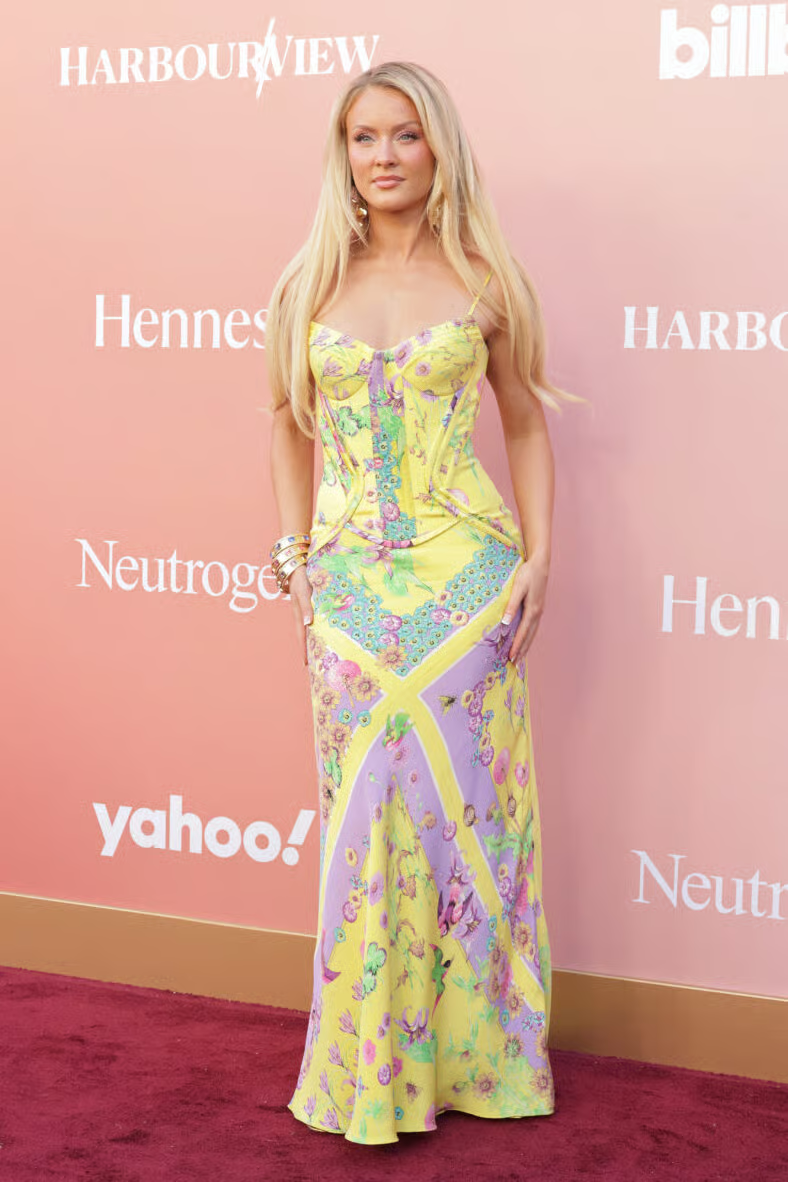
Zara Larsson Has Blunt Response To Chris Brown Diss
-

 Fashion6 days ago
The Best-Kept Makeup Secret for a More Defined Face
-

 Crypto World5 days ago
Two AI Tokens Lead May Rally, But Risks Are Rising
-
 Fashion2 days ago
On the Scene at Gucci’s Cruise Show in New York City: Mariah Carey, Kim Kardashian, Lindsay Lohan, Iman, and More!
-

 Politics7 days ago
The Trial of Majid Freeman, Verdict
-

 Politics6 days ago
Palestine’s flag becoming a regular sight at European football stadiums
-
Tech6 days ago
Why AI is making typography a boardroom conversation
-
 Crypto World3 days ago
BeInCrypto 100 Institutional Awards Nomination: KAST for Best Digital Assets Neobank and Best Digital Assets Fintech
You must be logged in to post a comment Login