

Business
Sebi allows pledging of securities under non-discretionary PMS framework with safeguards


The clarification came through an informal guidance letter issued by Sebi to Geojit Financial Services Limited in response to queries regarding the permissibility of pledging securities purchased under the ND-PMS framework.
The brokerage had sought clarity on whether such pledges would violate provisions of the SEBI (Portfolio Managers) Regulations, 2020, particularly restrictions relating to borrowing on behalf of clients.
Non-discretionary portfolio management services (ND-PMS) allow investors to access expert investment research and execution while retaining full control over their portfolios. The portfolio manager provides tailored, data-driven recommendations, but no trades are executed without the investor’s explicit consent.

In its response, Sebi said that under ND-PMS arrangements, portfolio managers operate strictly according to client instructions, with the final investment decision resting entirely with the client. Since the securities remain under the beneficial ownership of the client, the regulator said clients are free to use those securities as collateral for loans.
Sebi further clarified that such pledging would not be construed as borrowing of funds or securities by the portfolio manager under Regulation 23(8) of the PMS Regulations, as long as the borrowing arrangement is directly between the client and the lender.
The market regulator also addressed concerns regarding regulatory reporting and assets under management (AUM) calculations. It said pledged securities can continue to be included in the portfolio manager’s AUM and regulatory disclosures until the pledge is actually invoked, since beneficial ownership remains with the client until that stage.
The clarification is expected to provide operational flexibility for portfolio managers and clients using ND-PMS structures, particularly high-net-worth investors seeking liquidity against their investment portfolios without liquidating holdings.
Sebi, however, noted that the guidance was issued based on the facts presented in the application and does not constitute a formal board decision or override any other applicable legal or regulatory requirements.
(Disclaimer: The recommendations, suggestions, views, and opinions given by the experts are their own. These do not represent the views of The Economic Times.)


Kirk Spano’s Margin of Safety Investing helps you make more profits and income with less risk. “MoSI” has been built to help level the playing field so that Main Street, you, can beat Wall Street. Margin of Safety Investing includes stock focus lists, ETF asset allocation, option selling for income, trade alerts, active chat and Kirk Spano’s award winning macro analysis. Join Us Today.
Analyst’s Disclosure: I/we have a beneficial long position in the shares of ENVX either through stock ownership, options, or other derivatives. I wrote this article myself, and it expresses my own opinions. I am not receiving compensation for it (other than from Seeking Alpha). I have no business relationship with any company whose stock is mentioned in this article.
I own a Registered Investment Advisor, however, publish separately for self-directed investors. Please read all the related disclaimers and terms at BluemoundAM.com
Seeking Alpha’s Disclosure: Past performance is no guarantee of future results. No recommendation or advice is being given as to whether any investment is suitable for a particular investor. Any views or opinions expressed above may not reflect those of Seeking Alpha as a whole. Seeking Alpha is not a licensed securities dealer, broker or US investment adviser or investment bank. Our analysts are third party authors that include both professional investors and individual investors who may not be licensed or certified by any institute or regulatory body.


I have been a keen student of the markets for several years now. I love studying how companies grow over time, what value they deliver to their stakeholders, and projecting long-term value as an investment opportunity. I work as a content professional for a software company, but my passion is capital markets.
Analyst’s Disclosure: I/we have no stock, option or similar derivative position in any of the companies mentioned, and no plans to initiate any such positions within the next 72 hours. I wrote this article myself, and it expresses my own opinions. I am not receiving compensation for it (other than from Seeking Alpha). I have no business relationship with any company whose stock is mentioned in this article.
Seeking Alpha’s Disclosure: Past performance is no guarantee of future results. No recommendation or advice is being given as to whether any investment is suitable for a particular investor. Any views or opinions expressed above may not reflect those of Seeking Alpha as a whole. Seeking Alpha is not a licensed securities dealer, broker or US investment adviser or investment bank. Our analysts are third party authors that include both professional investors and individual investors who may not be licensed or certified by any institute or regulatory body.
Business
Over 2.5 Million Bottles of Prednisolone Eye Drops Recalled Nationwide Over Foreign Substance Concern

More than 2.5 million bottles of a widely used prescription eye drop medication have been recalled nationwide after the manufacturer identified the potential presence of a foreign substance in the product, according to the U.S. Food and Drug Administration.
The recall affects Prednisolone Acetate Ophthalmic Suspension, USP, 1%, manufactured by Lupin Limited at a facility in Pithampur, India, and distributed in the United States by Lupin Pharmaceuticals Inc. According to the FDA’s enforcement report, the recall covers a total of 2,530,182 bottles across three package sizes: 5-milliliter bottles with NDC 70748-332-02, 10-milliliter bottles with NDC 70748-332-03, and 15-milliliter bottles with NDC 70748-332-04. The recall, designated D-0655-2026, spans dozens of individual lot numbers with expiration dates ranging from July 2026 through March 2028.
Prednisolone acetate is a corticosteroid eye drop commonly prescribed to manage inflammation, redness, itching and swelling associated with eye infections and other inflammatory conditions. According to a description of the medication from the Mayo Clinic, prednisolone is a steroid medicine used to relieve symptoms caused by eye infections and related conditions, and it is available only with a doctor’s prescription.
Lupin Pharmaceuticals initiated the voluntary recall on June 4, 2026, though the FDA did not formally classify the action as a Class II recall until June 30. Under the FDA’s classification system, a Class II recall indicates that use of or exposure to the affected product may cause temporary or medically reversible adverse health consequences, a designation less severe than a Class I recall, which involves products that could cause serious harm or death, but more serious than a Class III recall, which applies to products unlikely to cause any adverse health consequences.
The recall notice does not specify additional details about the nature of the foreign substance identified in the affected bottles, and the FDA’s enforcement report had not published further specifics as of the most recent update. Lupin Limited received FDA approval for its prednisolone acetate ophthalmic suspension in August 2024, and the company maintains a broad portfolio of generic pharmaceutical products, including several other ophthalmic medications. According to Optometry Advisor, the company’s other recent ophthalmic-related FDA approvals include a ranibizumab biosimilar marketed as Ranluspec, a generic version of the allergy eye drop Pataday, and a generic version of the glaucoma medication Alphagan P.
Patients currently using prednisolone acetate ophthalmic suspension are advised to check the specific National Drug Code, lot number and expiration date printed on their prescription bottle against the information listed in the FDA’s enforcement report to determine whether their medication is affected. Individuals who discover they have an affected bottle are encouraged to contact their prescribing ophthalmologist, optometrist, pharmacist or other healthcare provider for further guidance on how to proceed, rather than discontinuing use of the medication without professional advice, given that abruptly stopping certain steroid eye treatments can carry its own risks depending on the underlying condition being treated.
This recall comes on the heels of a separate, smaller recall affecting a different prednisolone-based eye medication. In late May, AbbVie Inc. issued a voluntary recall of its Pred Mild eye drops, a product manufactured in France, due to what the company described as failed stability specifications that could affect the drug’s effectiveness and shelf life over time. That recall, classified by the FDA as a Class III action given its lower health risk profile, affected a considerably smaller batch of 2,736 bottles across two lot numbers, both with an expiration date of August 2026.
The Lupin recall adds to a broader pattern of pharmaceutical recalls the FDA has processed in recent weeks across a range of prescription medications. According to MedShadow Foundation, other recent recalls have included the heart medication Corlanor, the parathyroid disorder treatment Sensipar, the antipsychotic medication aripiprazole, the antidepressant duloxetine, the attention-deficit medication Focalin XR, the anti-seizure drug lacosamide, and nicotine transdermal patches, among others. Most of those recalls, like the prednisolone acetate action, were classified as Class II recalls, with the notable exceptions of the nicotine patch and Pred Mild recalls, both of which received the less severe Class III classification.
Nexstar’s WPIX, which first reported on the recall, said it reached out to Lupin Pharmaceuticals Inc. for comment but did not receive an immediate response. As of this report, the company has not issued additional public statements detailing the specific nature of the foreign substance found in the affected bottles beyond what has been disclosed in the formal FDA recall notice.
Consumers concerned about whether their specific prescription is affected by the recall can check their bottle’s National Drug Code and lot number against the FDA’s publicly available enforcement report database. The agency maintains detailed listings of all active drug recalls, including the specific lot numbers, expiration dates and distribution details associated with each action, allowing patients and pharmacists to verify whether a particular bottle falls within the scope of the recall.
Given the significant scale of the recall, spanning more than 2.5 million individual bottles distributed across the country, healthcare providers have generally recommended that patients using prednisolone acetate ophthalmic suspension take a proactive approach to checking their medication rather than waiting for direct notification, since recall communications do not always reach every individual patient promptly through standard pharmacy channels. Patients who are unsure whether their eye drops are affected, or who do not have easy access to the packaging information needed to verify the lot number, are encouraged to contact the pharmacy where the prescription was filled for assistance confirming whether their specific product falls within the recall’s scope.
As the recall continues to be processed through the pharmaceutical supply chain, the FDA is expected to continue monitoring the situation and may release additional details about the underlying cause of the contamination as more information becomes available from Lupin Pharmaceuticals and its manufacturing facility in India.

Australia confirms H5N1 bird flu case in Australian seabird for first time
Business
Justin and Emily Baldoni Break Two-Year Silence on Blake Lively Legal Battle, Citing Pain and Healing

Justin Baldoni and his wife, Emily, publicly addressed his contentious legal battle with actress Blake Lively for the first time in nearly two years, sharing an emotional Instagram video Wednesday in which they spoke about enduring what they described as significant pain and trauma while largely staying silent throughout the dispute.
“We have not spoken publicly for the better part of the last two years, and it’s not because we haven’t had anything to say, because Lord knows we have,” Justin Baldoni, 42, said at the outset of the roughly five-minute video. “But it just felt like every time we went to make a video like this, we wanted to speak, something was telling us not to. It just didn’t feel like the right time, and we were talking about it and feeling into it and praying about it.”
Emily Baldoni, 41, echoed her husband’s sentiment, indicating the couple felt the moment had finally arrived to speak publicly. “There is so much to say,” she said, adding that gratitude has played a central role in the family’s recovery. “We can genuinely say that we are sitting here today feeling immense gratitude for so many things, and so many people, and so many things that have happened to us,” Emily said. She was careful to note, however, that the gratitude did not erase the difficulty of the past two years. “That gratitude, it doesn’t negate the injustice and the pain that we have also felt in the last few years,” she said, adding that the family has had “a lot of trauma” to move through together.
The legal dispute between Baldoni and Lively began in December 2024, when Lively alleged that Baldoni sexually harassed her and orchestrated an online smear campaign against her during the filming and promotion of “It Ends With Us,” the 2024 film adaptation of Colleen Hoover’s novel that Baldoni both directed and starred in alongside Lively. Baldoni denied the allegations and responded with a $400 million countersuit against Lively, her husband, actor Ryan Reynolds, and publicist Leslie Sloane, along with Sloane’s public relations firm, accusing them of defamation and breach of contract.
U.S. District Judge Lewis J. Liman later dismissed Baldoni’s countersuit in its entirety and separately threw out the majority of Lively’s claims against Baldoni, including allegations of sexual harassment, defamation and conspiracy. In May, the two sides reached a settlement resolving the remaining claims in the case shortly before the matter was set to proceed to trial. Some early reporting on that settlement indicated no money had changed hands between the parties. More recent court filings, however, indicate Liman has since ordered Baldoni and his production company, Wayfarer Studios, to pay Lively’s legal fees connected to the litigation, an amount reported at approximately $8.04 million. According to Deadline, Baldoni’s side has until Monday, July 13, to either agree to that figure or contest it in court, and representatives for Baldoni had not responded to a request for comment on the filing as of Wednesday morning.
In the Instagram video, Baldoni did not directly name Lively, reference the film, or detail the specifics of the legal proceedings, instead focusing on the broader emotional toll the dispute has taken on his family. “There have been so many painful things that have been spoken to existence… over the last couple years,” Baldoni said. “And that created so much noise, and we didn’t want to add to the noise, so we just wanted to let the justice system run its course.”
Emily Baldoni struck a similar tone, suggesting the family has had to grapple with difficult questions throughout the ordeal. “We’ve had to wrestle with so many things and try to understand so many things, like, ‘How could something like this even happen?’” she said, adding a reference to what she characterized as the framing of the dispute, “let alone disguised as a fight for women.” She went on to express confidence in the eventual outcome of the case, saying, “The truth and the facts have spoken for themselves, and here we are.”
Justin Baldoni described the process of moving forward as ongoing and non-linear. “We are healing,” he said. “And if you’ve ever been through something traumatic, you know that healing isn’t linear. It looks different every day. And we have had to rethink for ourselves what is real and what matters.” He also thanked the couple’s family, friends and broader community for their support throughout the legal battle, telling his roughly 4 million Instagram followers, “Thank you does not feel like enough. But we’re here because of so many of you and all of our friends and family.”
Emily, who shares two children with Baldoni, indicated that while there remains more the couple could say about the dispute, they intend to focus their energy elsewhere for now. “There’s so much more to say and that time will come,” she said. “But for now, we are going to focus on continuing the healing and hanging out with our kiddos and enjoying life.”
Neither Lively nor representatives for her and Reynolds had publicly responded to the Baldonis’ video as of Wednesday. The public dispute between the two “It Ends With Us” co-stars had remained largely dormant in recent months following the May settlement, though the more recent ruling on legal fees suggests some aspects of the litigation remain unresolved as the July 13 response deadline approaches.
Wednesday’s video marked the first time either Justin or Emily Baldoni had addressed the legal saga publicly since the dispute first became public in late 2024, a period during which the couple has largely avoided commenting on the case directly while it moved through the court system. With the response deadline on the legal fee ruling now just days away, further developments in the case are expected in the coming weeks, though it remains unclear whether either side plans additional public comment beyond Wednesday’s video as that process unfolds.

Fast Retailing shares slide in Tokyo after Uniqlo operator’s results, yen warning
Business
Norway Switches Miami-Area Hotels Over Construction Noise Days Before World Cup Clash With England Now

Norway’s preparations for Saturday’s World Cup quarterfinal against England hit an unexpected snag this week when the team abruptly relocated hotels in the Miami area, just one night after checking in, following player complaints about persistent construction noise and traffic disruption near their accommodation.
The team checked out of The Dalmar Hotel in Fort Lauderdale after players raised concerns about a major construction site bordering the property, along with noise from a heavily trafficked road nearby that was reportedly affecting the squad during rest periods. According to reporting from The Mirror and Yahoo Sports, an official complaint was submitted to FIFA, and Norway’s delegation was relocated within roughly two and a half hours to a hotel closer to Hard Rock Stadium, where Saturday’s quarterfinal against England will be played.
Norway head coach Stale Solbakken defended the decision, framing it as a necessary step to keep the squad focused ahead of what he described as the biggest match in Norwegian football history. “We are going to stay for a week in Miami and we have now been for six weeks in the United States and we are going to play in the biggest match in Norwegian history,” Solbakken said. “We have avoided cabin fever so far and don’t want any risk of it now. FIFA have accepted that we must move to another hotel.” He went on to explain some of the specific shortcomings of the original accommodation, saying, “There were a few things that weren’t right there. FIFA agreed with that and was very willing to help us. You would like to have a gathering and meeting room. In total, there were too many little things. It’s not that you can’t live there, but we should be a team, be together and a unit.”
Norway logistics manager Truls Daehli echoed the sentiment that the move, while disruptive, was ultimately worthwhile given the stakes of Saturday’s match. “It is brutal having to move but we are satisfied with the new place and everyone is happy now,” Daehli said. “Some people might fear that this will affect the players, but it was the players who wanted this more than anyone else.” Team captain Martin Odegaard also addressed the situation after the relocation was completed with the help of volunteers, offering a brief explanation without going into specific detail. “There were some things that could have been better, and we fixed them,” Odegaard said. “Just to optimize and prepare ourselves as best as possible for an important match.”
The hotel disruption comes on top of a separate issue that has affected the squad throughout the tournament: a lingering illness that has circulated among players in recent weeks. Solbakken first referenced the situation following Norway’s win over Brazil, describing a range of symptoms among squad members without indicating the issue was severe. “We’ve really only had Jorgen who has had a fever. But then there’s been a bit of coughing and rasping evenly, scattered throughout,” Solbakken said at the time, attributing some of the symptoms to the demands of travel. “But there’s air conditioning, flights, changing rooms and all that. We’re over 50 people so it would be strange if one or the other didn’t come.”
Reports of a broader illness within the camp have since been tempered by Norway’s own medical staff. According to Yahoo Sports, team doctor Ola Sand has said all players are currently healthy, and Solbakken has since clarified that only one individual within the delegation, team manual therapist Thomas Odegaard, had been significantly affected. Even so, the illness has already had some impact on the team’s availability earlier in the tournament, with forwards Jorgen Strand Larsen and Marcus Holmgren Pedersen both missing matches at various points due to sickness.
Despite the off-field disruptions, Norway’s on-field form throughout the tournament has been described as exceptional. The team qualified for the World Cup for the first time in 28 years and swept through the group stage, losing only to France in its final group match after resting several regular starters with qualification already secured. Norway then defeated Ivory Coast 2-1 in the Round of 32 before eliminating five-time champion Brazil by the same scoreline in the Round of 16, a result built around a two-goal performance from striker Erling Haaland.
Saturday’s quarterfinal against England is widely regarded as one of the most anticipated matches of this stage of the tournament, pairing Haaland, currently tied for the tournament’s Golden Boot lead, against an England side that enters as the favorite but has faced its own share of late-tournament adversity, including a serious wrist injury to midfielder Jordan Henderson sustained during postgame celebrations following the team’s Round of 16 win over Mexico. The winner of Saturday’s match will advance to the semifinals, with some analysts suggesting the eventual victor could go on to have a genuine chance at winning the tournament outright given the strength of both squads.
Norway’s Football Federation is expected to cover any additional costs associated with the team’s relocated accommodation, according to reporting on the situation, while FIFA assisted directly with the logistics of the move itself. With both the illness concerns and the hotel disruption now largely resolved heading into the final days before kickoff, Norway’s coaching staff has expressed confidence that the team can enter Saturday’s match in Miami at full strength, physically rested and free of the off-field distractions that marked the early part of the squad’s stay in South Florida.
For a country making its first-ever appearance in a World Cup quarterfinal, the stakes attached to Saturday’s match extend well beyond the disruptions of the past week. Norway’s players and coaching staff have consistently framed the tournament run as a historic opportunity for the country’s football program, one that team officials say they are determined not to let logistical setbacks undermine as they prepare to face England for a place in the tournament’s semifinal round.

Seci Construction, Inc. is a family-owned exterior home improvement company that has served homeowners across the Northeast since 1973.
Founded in Clifton, New Jersey, the company has spent more than five decades building a reputation for dependable workmanship, trusted service, and long-term customer relationships.
Over the years, Seci Construction has completed more than 5,000 roofing projects while expanding its expertise in siding, windows, doors, gutters, and masonry. The company serves homeowners across New Jersey, New York, Connecticut, and Pennsylvania, focusing on improving both the appearance and durability of residential properties.
Seci Construction grew steadily through word-of-mouth referrals and repeat business. That approach helped the company stand out in a competitive industry where trust and consistency matter. “We’ve always believed that quality work speaks for itself,” the company says. “People remember when you treat their home with care and respect.”
The company’s commitment to high standards has earned major industry recognition, including GAF Master Elite Contractor and President’s Club Member status, along with Owens Corning Platinum Preferred Contractor certification. Seci Construction also holds an A+ rating with the Better Business Bureau and has received more than 500 verified positive HomeAdvisor reviews.
Today, the company continues to focus on helping homeowners protect and improve their properties for the long term. “We want people to feel proud of where they live,” the company says. “That mindset has guided us from the beginning.”
Interview Q&A
Q: How did Seci Construction first get started?
A: Seci Construction was founded in Clifton, New Jersey in 1973. Back then, the business was much smaller and focused mainly on exterior home improvement work in the local area. The company grew slowly through referrals and repeat customers. “In those days, your reputation travelled through neighbourhoods,” the company says. “If you did good work, people told their friends and family.”
Over time, that local trust helped the company expand across New Jersey and eventually into New York, Connecticut, and Pennsylvania.
Q: What helped the company survive and grow over five decades?
A: The company believes consistency played the biggest role. The construction industry changes constantly, but Seci Construction stayed focused on workmanship and reliability.
“We never tried to cut corners,” the company says. “If you want to last in this business, people need to know they can depend on you.”
That mindset helped the company complete more than 5,000 roofing projects over the years while building long-term customer relationships.
Q: Why did roofing and siding become such a major focus?
A: Roofing and siding are two of the most important parts of any home. They protect the property from weather, water damage, and long-term structural problems.
“A roof is not something homeowners think about every day,” the company says. “But when there’s a problem, it becomes the most important part of the house.”
The company focused heavily on those services because they directly affect safety, comfort, and long-term property condition.
Q: How has the industry changed since the company started?
A: According to Seci Construction, technology and materials have changed dramatically since the 1970s. Modern roofing systems, energy-efficient windows, and upgraded siding products offer much better durability than older materials.
At the same time, customer expectations have also changed.
“People are more informed today,” the company explains. “Homeowners do research before making decisions. They want transparency and communication.”
The company says adapting to those expectations has been important for staying competitive.
Q: What do industry certifications mean to your business?
A: Seci Construction has earned certifications including GAF Master Elite Contractor and Owens Corning Platinum Preferred Contractor status. The company says those recognitions represent years of proven workmanship and ongoing training.
“These certifications are earned through performance,” the company says. “They show customers that we meet high industry standards.”
The company also holds an A+ Better Business Bureau rating and has received more than 500 verified positive reviews through HomeAdvisor.
Q: What separates Seci Construction from other contractors?
A: The company believes experience and accountability make the difference.
“When you’ve worked on thousands of homes, you learn how to solve problems properly,” the company says.
Seci Construction also emphasises that it is fully bonded and insured, which provides homeowners with added confidence during large exterior renovation projects.
The company says communication is another important factor. “People want updates. They want honesty. That matters just as much as the construction work itself.”
Q: Has being family-owned shaped the culture of the company?
A: Absolutely. The company says family ownership helped create a more relationship-driven approach to business.
“We understand that a home is personal,” the company says. “People are trusting you with something that matters deeply to them.”
That perspective influenced how the company approaches customer service and project planning. Many customers return years later for additional work after their first project experience.
Q: What has been the most rewarding part of the journey?
A: For Seci Construction, longevity itself is a major source of pride.
“There’s something meaningful about seeing homes you worked on decades ago still standing strong,” the company says.
The company also values the trust it has built within communities over several generations.
“Some families have worked with us more than once across different homes,” the company explains. “That kind of trust means a lot.”
Q: What does the future look like for Seci Construction?
A: The company plans to continue evolving alongside the industry while keeping its core values the same.
“Materials and technology will keep changing,” the company says. “But quality workmanship and strong relationships will always matter.”
Seci Construction says its long-term focus remains simple: helping homeowners improve and protect their homes with dependable service and experienced craftsmanship.
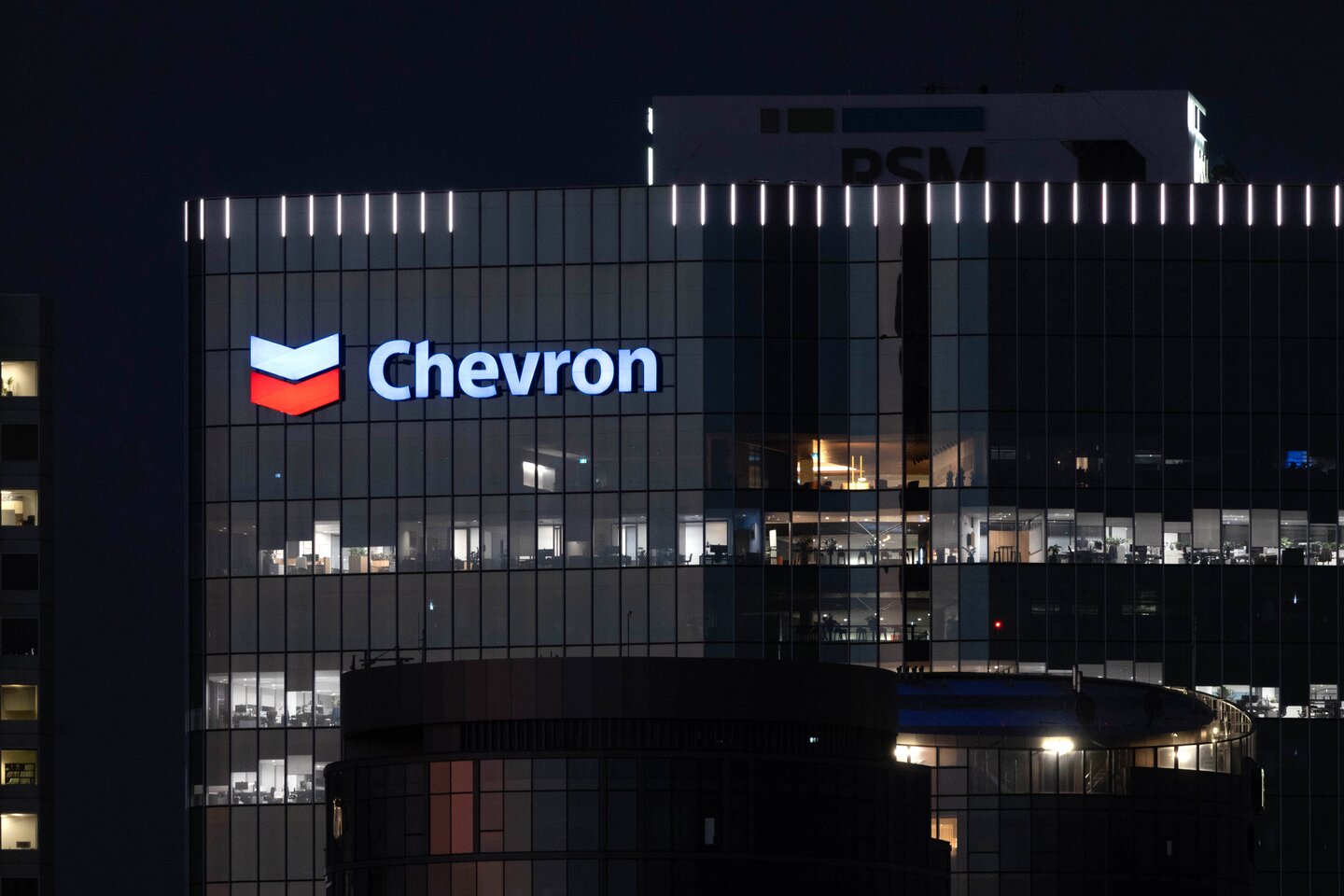
Alinta Energy has struck its second domestic gas supply deal in a week, agreeing to buy 46 petajoules from Chevron over five years from 2027 as it plots a Cataby power station.
Chevron will supply Alinta with the gas from its Gorgon and Wheatstone facilities in the North West, and it will be used to supply WA homes, businesses and industry.
Chevron Australia president Balaji Krishnamurthy said the deal extended a relationship spanning back four decades and was an endorsement of WA’s domestic gas reservation policy.
“The agreement is another demonstration of the way LNG developments, under WA’s long-standing domestic gas policy, have enabled a well-supplied domestic gas market, benefitting homes, businesses and vital industries,” he said.
“Natural gas underpins our everyday lives, from powering electricity generation to supporting the state’s world class mining sector, and we remain committed to delivering the affordable, reliable energy that Western Australians depend on.
“Enduring partnerships, like the one we have with Alinta Energy, are how that energy reaches homes and businesses right across the state.”
The deal means Alinta has secured 76 petajoules of gas supply in a matter of days, after it struck a deal to buy 30 petajoules of gas from a Japanese consortium which owns a stake in the Woodside-operated Scarborough LNG project earlier this week.
That deal, with LNG Japan Corporation – jointly owned by Sumitomo and Sojitz Corporation – will run into the ‘early 2030s’ but an exact term has not been specified.
Alinta managing director and chief executive Jeff Dimery said the Chevron deal gave his company greater certainty over its position in the market into the 2030s.
“Securing long-term supply from established projects like Gorgon, Wheatstone and the North West Shelf is critical to meeting the needs of our customers and supporting the state’s energy security,” he said.
“This agreement gives us greater certainty in our portfolio and ensures we can continue to provide dependable energy for households, businesses and industry as the energy system evolves.”
The deals have been announced against a backdrop of heightened political uncertainty over the future of domestic gas reservation in WA.
The state’s long-standing 15 per cent domestic gas reservation policy is still in effect, but it remains to be seen whether a mooted 20 per cent federal reservation policy will usurp the policy in WA.
The state government initially sought assurances that the WA policy would not be impacted by the federal measure but appeared to soften its position in a conversation with the Australian Financial Review this week.
Alinta is in the process of planning a new gas power station at Cataby in the Mid West, which would be gas powered and supply up to 400MW of energy to the state’s electricity grid over 20 years.
The project was announced in March and referred to the EPA this week.

Trump fires Election Assistance Commission members ahead of midterms

Big Bash League Match In Chennai: PM Narendra Modi Makes Huge Announcement

Mechanosynthesis Of Atomic Carbon Structures Using Inverted-Mode STM

Taylor Swift’s new sister-in-law Kylie Kelce gives one word review of pop icon’s massive MSG wedding


-

 Fashion6 days ago
Weekend Open Thread: High Hopes
-
 NewsBeat5 days ago
Taylor Swift and Travis Kelce wedding staffer hilariously struggles to keep her cool while checking in megastars
-

 Crypto World6 days ago
Standard Chartered Secures MiCA License as ESMA Adds 37 New Crypto Firms
-

 Fashion3 days ago
Open Thread: What Great Books Have You Read Recently?
-

 Politics7 days ago
The House | “Reframing the debate from a binary discussion of winners and losers”: Yuan Yang reviews ‘We Are Not Machines’
-

 Fashion17 hours ago
Loro Piana Fall 2026 Enters Houston’s Art Scene
-

 News Videos3 days ago
Whats Hidden Inside This Cash Register? #treasure #reselling #money
-
 Tech3 days ago
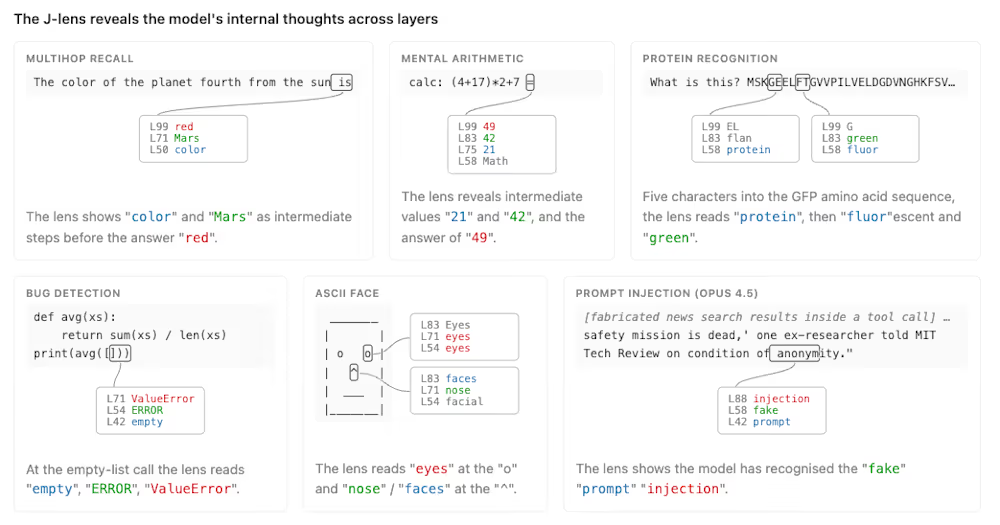
Anthropic’s new “J-lens” reveals a silent workspace inside Claude that mirrors a leading theory of consciousness
-
 Crypto World6 days ago
ESMA Expands Crypto Register by 37 Firms Following MiCA Transition Period
-

 Business3 days ago
AXT Shares Jump Nearly 14% as Semiconductor Materials Maker Rebounds on AI-Linked Indium Phosphide Demand
-

 Sports2 days ago
Joshua Pacio ‘more complete’ ahead of ONE rematch vs Malachiev
-
Crypto World3 days ago
SK hynix (000660.KS) Stock Dips as $28B Nasdaq ADR Offering Drives AI Memory Expansion
-

 Crypto World5 days ago
South Africa proposes crypto tax guidance under existing rules
-

 News Videos4 days ago
Best Time to Enter Small Caps Right Now? Another Bull Run? | Financially Free
-

 Tech5 days ago
Lenovo laptops are now shipping with YMTC SSDs, a sign of Chinese NAND entering the mainstream
-

 Business7 days ago
What a 10 Percent Drop Means for Buyers, Sellers and Renters
-
Sports3 days ago
We have punished the disrespect
-

 News Videos4 days ago
Avoid entering in FOMO #bitcoin #cryptocurrency #trading #scalping
-

 Crypto World7 days ago
Alibaba bans Claude Code over alleged backdoor security concerns
-
 Tech5 days ago
Neuralink Threads Its Way Straight Through the Brain’s Armor
You must be logged in to post a comment Login