

Business
Retired FBI Agent Calls Nancy Guthrie Probe ‘Chaotic’ as Hair Evidence Theory Emerges


TUCSON, Ariz. — Retired FBI Special Agent Steve Moore criticized the early handling of the Nancy Guthrie disappearance as “chaotic” on May 19, 2026, while offering a new theory about a single strand of hair recovered from the 84-year-old’s Catalina Foothills home near Tucson.
Nancy Guthrie, mother of NBC “Today” show co-anchor Savannah Guthrie, was last seen on the evening of Jan. 31, 2026. She failed to appear for a scheduled church livestream the next morning, prompting family members to report her missing on Feb. 1.
Investigators discovered signs of a violent confrontation at her residence, including an open door, blood near the entrance confirmed as belonging to Guthrie, and other physical evidence. A doorbell camera captured a masked individual armed with a handgun tampering with the device around 1:47 a.m. on Feb. 1.
Moore, speaking in recent interviews, questioned the initial response by local authorities. He highlighted communication gaps between Pima County deputies and federal investigators during the first week and stressed that kidnapping crime scenes require immediate perimeter control, organized evidence collection and separate interview teams.
Regarding the hair evidence, Moore suggested that the discovery of one strand implies additional trace material likely exists but has not been publicly disclosed. “If you find one hair, there are probably 10 more,” he stated, noting that forensic evidence such as fingerprints, skin cells and microscopic fibers often requires specialized processing.
The hair sample recovered from inside the residence was initially tested at a private Florida lab with mixed or inconclusive results and no match in national databases. It has since been sent to the FBI laboratory in Quantico for advanced DNA analysis, including potential genetic genealogy.
Pima County Sheriff Chris Nanos has described the investigation as active and ongoing, with the department working alongside the FBI. He has indicated that authorities possess information not being released publicly to protect the case and believes an arrest will be made “at some point in time.”
As of May 20, 2026, the case has passed 109 days with no arrests or publicly identified suspects. The family offered a $1 million reward for information leading to Guthrie’s recovery. Fake ransom demands involving cryptocurrency surfaced shortly after the disappearance, leading to the arrest of one individual on related charges.
Surveillance footage and digital evidence continue to be reviewed, including thousands of videos from traffic cameras and nearby Ring devices. Unidentified DNA profiles are under analysis, and public tips exceed 13,000.
Moore noted that locating Guthrie’s remains, even months later, could still provide critical clues such as tire tracks, soil patterns or additional DNA. He suggested kidnappers rarely travel extreme distances to dispose of evidence.
The investigation involves multiple agencies, including the FBI, local law enforcement and forensic teams. Communication with the Guthrie family is now primarily handled through detectives and federal agencies.
Sheriff Nanos has faced calls for leadership changes amid the case, with separate perjury allegations from his past referred for review. Some local officials pushed for his removal around the 100-day mark, though those efforts did not immediately advance.
Guthrie lived independently despite mobility issues and was described as mentally sharp. She had no critical medications with her when she vanished, raising health concerns. Family members, including Savannah Guthrie, have made public pleas for information.
The Catalina Foothills neighborhood saw extensive early searches. Volunteer efforts and law enforcement activity focused on surrounding desert areas, though leads have dwindled over time.
The case has drawn national attention due to Savannah Guthrie’s prominence. Media coverage has included timelines, released doorbell camera images and discussions of possible motives.
No vehicles or additional suspects have been publicly identified. Forensic processing, including advanced DNA techniques, remains ongoing at the FBI lab. Results from the hair sample could take months, though some cases see faster turnaround with new technology.
Community memorials have appeared near the home. Savannah Guthrie has shared occasional public messages honoring her mother, including around Mother’s Day.
Tips continue to be accepted through the Pima County Sheriff’s Department and FBI. Authorities urge anyone with information from late January or early February, including unusual activity near the home, to come forward.
Nancy Guthrie’s status remains listed as missing and endangered. The investigation has no confirmed motive or location for her current whereabouts. As days extend into the fourth month, the focus stays on forensic leads, surveillance review and community tips.
Pima County officials and the FBI have reiterated that the case is active. Official statements emphasize protecting investigative integrity while pursuing all avenues.


Stellantis CEO Antonio Filosa speaks during an event in Turin, Italy, Nov. 25, 2025.
Daniele Mascolo | Reuters
DETROIT — Stellantis CEO Antonio Filosa has said leading the transatlantic automaker is a dream come true, but the company’s stock has been anything but that for investors under his short tenure thus far.
Stellantis stock is off nearly 30% since Filosa, a company veteran from Italy who climbed through the ranks, was named CEO nearly a year ago. It’s down about 21% since he officially started as CEO last June.
Thursday marks a major next step for Filosa and his executive team, as they unveil a turnaround plan for the embattled automaker during a capital markets day at Stellantis’ North American headquarters near Detroit.
Filosa has promised investors that the day “will outline the next phase of our strategy with clear priorities, clear targets, and a focused road map for execution.”
The strategy he and others will present this week is expected to focus regionally on key brands such as Jeep and Ram in the U.S. and Fiat and Peugeot in Europe, detail how they plan to reduce costs and lay out how the company aims to return to profitability following a net loss of 22.3 billion euros ($26.3 billion) last year.
“It was my dream to take the helm of Stellantis … but obviously I recognized, at the time, with my team, that there were still things to be fixed,” Filosa said during a Financial Times event last week. “We are fixing them at the speed of light, and I truly believe that now, and we will share that May 21 at our investor day, we have a clear path of sustainable and comfortable growth in front of us.”

Stellantis’ stock on the New York Stock Exchange since Antonio Filosa was announced as CEO on May 28, 2025.
Stellantis’ struggles
That path isn’t so clear for Wall Street. The auto industry as a whole is facing concerns about artificial intelligence, the growth of Chinese companies and U.S. tariffs, while Stellantis continues to rectify its own problems.
The automaker in recent years has lost market share and many times had contentious relationships with its suppliers and dealers. It’s also pulled back from many of its previous electric vehicle plans, and last year’s results included a 22 billion euro ($26 billion) restructuring away from all-electric vehicles.
Stellantis has not given detailed guidance for 2026 aside from saying that it’s targeting mid-single digit improvements in net revenues, low-single digit adjusted operating income margins and improved industrial free cash flows.
“In our view, the [capital markets day] may bring strategic headlines, but without a credible path to structurally higher margins and cash generation, this is unlikely to justify the current recovery premium,” BofA Securities analyst Horst Schneider said in an investor note last week downgrading the automaker to underperform.
Schneider said improvements in the company’s first-quarter results proved initial restructuring efforts under Filosa are “starting to help,” but “did not prove a sustainable turnaround.”
Despite the share price decline and BofA downgrade, Stellantis’ stock remains overweight ahead of the investor event, according to an average of analysts’ ratings compiled by FactSet.
‘Year of execution’
The investor event is expected to promote the automaker as a growth company following years of market share declines under former CEO Carlos Tavares, according to Filosa and other executives.
Since becoming CEO, Filosa has reshuffled the automaker’s top ranks, prioritized sales growth and, most recently, announced a global cost-cutting effort to boost profits and expand partnerships, including with Chinese automakers. He has called 2026 the “year of execution” for the company.
Jeep vehicles seen at the New York International Auto Show on April 2, 2026.
Danielle DeVries | CNBC
“Execution will define 2026. Our priorities are clear, and we are confident that the actions we are taking are exactly the right ones,” he said during the company’s first-quarter earnings call on April 30.
Filosa said last week that partnerships, such as recently announced deals with Chinese automakers Leapmotor and Dongfeng Group, will be key for the automaker’s growth outside the U.S.
The automaker announced Wednesday it was expanding its partnership with Dongfeng from producing vehicles in China to a new European-based joint venture for the sales, distribution, manufacturing, purchasing and engineering of Dongfeng’s electric vehicles.
Filosa has not detailed specifics about the cost-cutting plan, which is formally called the Value Creation Program, except to say that it would have “ambitious” targets focused mainly on North America and Europe.
The company’s 14 auto brands are also expected to be a focus of the event. That includes expanding its performance SRT brand, which is highly profitable for the company, as well as potentially launching new products for its beleaguered Chrysler brand, Stellantis executives have recently said.
Filosa has previously not ruled out the possibility of regionally refocusing or shrinking the company’s vast portfolio that includes U.S. brands Jeep, Ram and Chrysler, as well as Italian nameplates Fiat and Alfa Romeo, which have not performed well in America.
Filosa most recently said the brands are the company’s strength, but they should not be treated equally when it comes to investing in them.
“The real point is to combine efficient capital allocation with brand-specific strategies,” Filosa said at the FT event last week.
Business
Alphabet Owns The Entire AI Stack And Is The Largest Pure Play Option For Investors (NASDAQ:GOOGL)


I am focused on growth and dividend income. My personal strategy revolves around setting myself up for an easy retirement by creating a portfolio which focuses on compounding dividend income and growth. Dividends are an intricate part of my strategy as I have structured my portfolio to have monthly dividend income which grows through dividend reinvestment and yearly increases. Feel free to reach out to me on Seeking Alpha
Analyst’s Disclosure: I/we have a beneficial long position in the shares of GOOGL, AAPL either through stock ownership, options, or other derivatives. I wrote this article myself, and it expresses my own opinions. I am not receiving compensation for it (other than from Seeking Alpha). I have no business relationship with any company whose stock is mentioned in this article.
Disclaimer: I am not an investment advisor or professional. This article is my own personal opinion and is not meant to be a recommendation of the purchase or sale of stock. The investments and strategies discussed within this article are solely my personal opinions and commentary on the subject. This article has been written for research and educational purposes only. Anything written in this article does not take into account the reader’s particular investment objectives, financial situation, needs, or personal circumstances and is not intended to be specific to you. Investors should conduct their own research before investing to see if the companies discussed in this article fit into their portfolio parameters. Just because something may be an enticing investment for me or someone else, it may not be the correct investment for you.
Seeking Alpha’s Disclosure: Past performance is no guarantee of future results. No recommendation or advice is being given as to whether any investment is suitable for a particular investor. Any views or opinions expressed above may not reflect those of Seeking Alpha as a whole. Seeking Alpha is not a licensed securities dealer, broker or US investment adviser or investment bank. Our analysts are third party authors that include both professional investors and individual investors who may not be licensed or certified by any institute or regulatory body.

There are several signs that may indicate that your small business is ready to grow. Growing customer demand, frequent stock shortages, and limited space for daily operations can point to the need to expand. However, it’s difficult to move forward with expansion plans without sufficient funding. After all, you need enough capital to support larger operations and make the improvements that allow your business to grow.
Where you obtain funding plays an important role in how sustainable that growth can be. Different funding sources come with different costs, expectations, and payment terms and flexibility levels of flexibility, all of which can influence how your business operates in the long term. Fortunately, there are plenty of ways small businesses can get the capital they need. Let’s explore some of them.
Personal Investment
Many entrepreneurs turn to their personal savings when the time comes to expand their business. In some situations, they may ask for additional support from people within their family or friends such as relatives or close friends. These sources of funding often serve as the most immediate option because they usually don’t require formal approval or long application procedures. As a result, expansion plans can move forward without the delays that sometimes accompany external financing.
One of the main advantages of this approach is that business owners still have full control often remains firmly in the hands of the business owner. That said, this approach has the potential to strain relationships. Ideally, there should be clear agreements between friends or family members to help prevent misunderstandings about repayment or expectations. Ultimately, however, this funding option can make financial planning easier since the business owner retains greater flexibility when managing expansion expenses.
MSME Loans
An MSME loan remains one of the most common ways to fund business expansion. It’s designed to help micro and small enterprises cover costs related to business growth, such as new equipment, inventory, renovation, and additional staff. Many banks offer loan programs specifically for small enterprises, but these often have stricter and longer application and approval processes.
Modern banks like Maya, however, provide more accessible online loan options and digital lending solutions. Maya Advance, for instance, is a credit line that lets you borrow up to Php 350,000 through the Maya Negosyo App. Simply apply through the Maya Negosyo dashboard, select Maya Advance from the available loan options, then choose the best repayment term for your business.
After a quick credit review, you’ll know instantly if your application is approved. Then, the funds are immediately deposited into your Maya Negosyo account. This speed can make a major difference during urgent situations, allowing you to act quickly on opportunities that support your business growth.
Venture Capital
Private investors sometimes provide funding to businesses that show strong growth potential. Venture capital firms, in particular, focus on supporting companies that have the potential to expand quickly and reach more customers. These firms often provide large funding support that involve a significant amount of capital that can support more ambitious expansion plans. With this level of funding, businesses can easily increase production capacity, making venture capital funding an attractive option for small enterprises aiming for rapid growth.
Nevertheless, investment from venture capital firms usually comes with certain expectations. Investors typically receive a share in the business in exchange for their financial support. Thus, before exploring venture capital funding, carefully consider how much ownership and decision-making authority you’re willing to share. This way, you can be sure that any partnership you enter into will truly support your long-term business goals.
Small Business Grants
Some organizations offer small business grants that provide financial support for companies that need additional funding to support expansion or development projects. Unlike traditional lenders, organizations that offer grants don’t usually require recipients to repay the funds. However, they are often very specific and only assist businesses that meet specific qualifications. For instance, a group may choose to provide monetary assistance to businesses in industries like agriculture, technology, or manufacturing that align with their advocacies. Others target businesses based on business sizes or development goals.
Careful research, therefore, becomes an important step before submitting an application. Understanding the eligibility requirements, application process, and intended use of the grant funds can help improve your chances of approval. Keep in mind that competition for grants can be high because the funding doesn’t require repayment. Thus, focus on elements that can strengthen your application, such as providing clear documentation and a well-prepared business proposal.
Crowdfunding
Lastly, crowdfunding offers another way for small businesses to raise capital for expansion. Online platforms allow entrepreneurs to present their growth plans to a wide audience of potential supporters. Then, people who believe in the business can contribute small amounts of money toward the funding goal. That said, this approach often works well with businesses that already have a loyal customer base or a strong community presence. Supporters often feel motivated to contribute when they see a business they value preparing for its next stage of growth.
However, public interest alone can’t guarantee results. Successful campaigns also require clear explanations of the expansion plan and realistic funding targets. These give supporters a better understanding of how their contributions will help move the business forward. When handled properly, crowdfunding can provide both financial support and stronger support from customers who want to see your business succeed.
Access to funding can help your small business pursue expansion opportunities, but the right funding option helps you support that growth with confidence. Each funding source offers different conditions, expectations, and opportunities that can affect how your business grows. A thoughtful look at the available options can help you identify the option that aligns with your goals and resources.

Business News Philippines was launched in October 2015 as a portal for readers to learn more about operating a business in the Philippines.
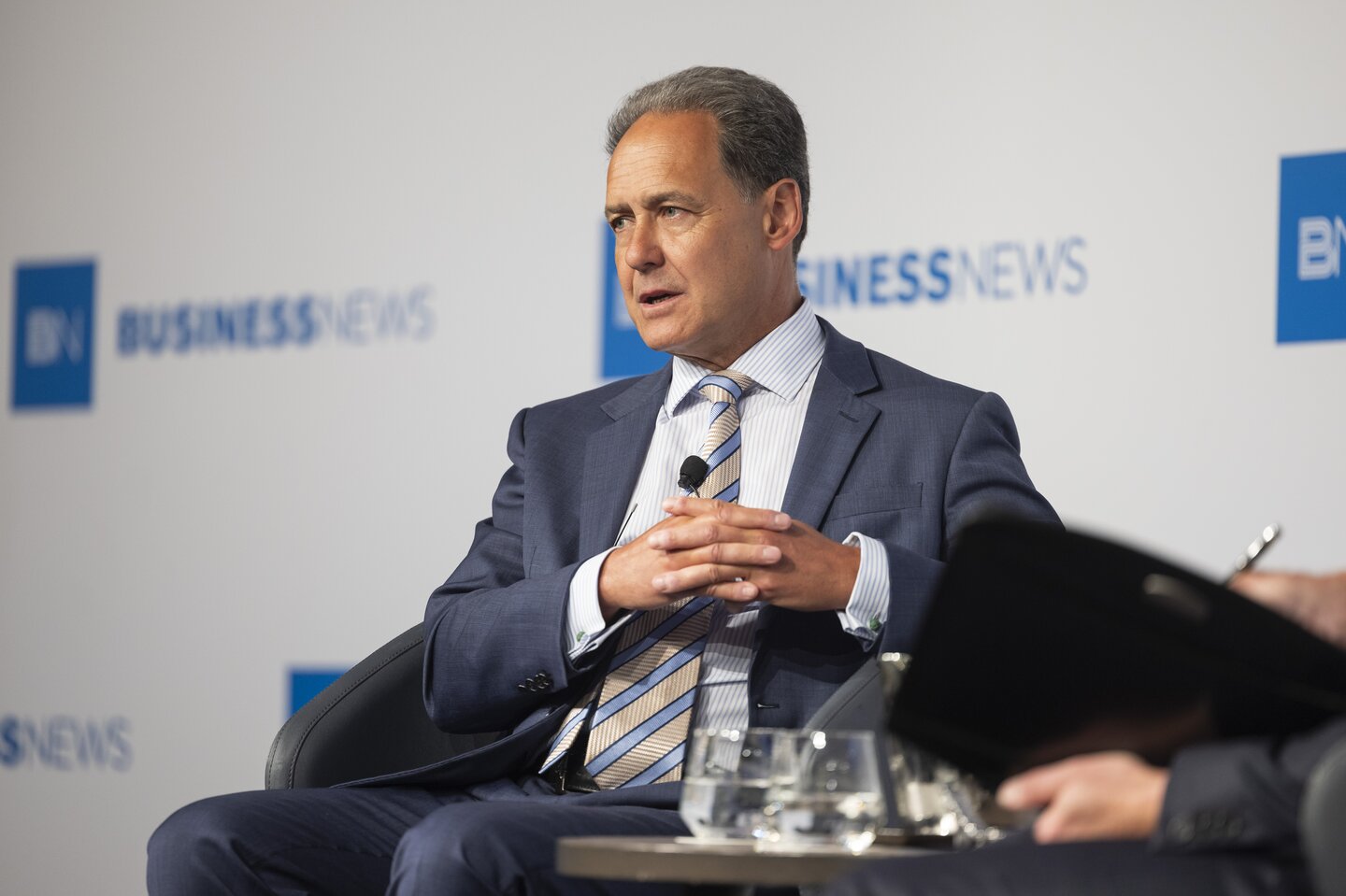
Fortescue deputy chair Mark Barnaba believes the Andrew Forrest-led company would struggle to get built in the modern climate, because of heavy regulatory burden.
Business
Marks and Spencer Group plc 2026 Q4 – Results – Earnings Call Presentation (OTCMKTS:MAKSY) 2026-05-20


Seeking Alpha’s transcripts team is responsible for the development of all of our transcript-related projects. We currently publish thousands of quarterly earnings calls per quarter on our site and are continuing to grow and expand our coverage. The purpose of this profile is to allow us to share with our readers new transcript-related developments. Thanks, SA Transcripts Team
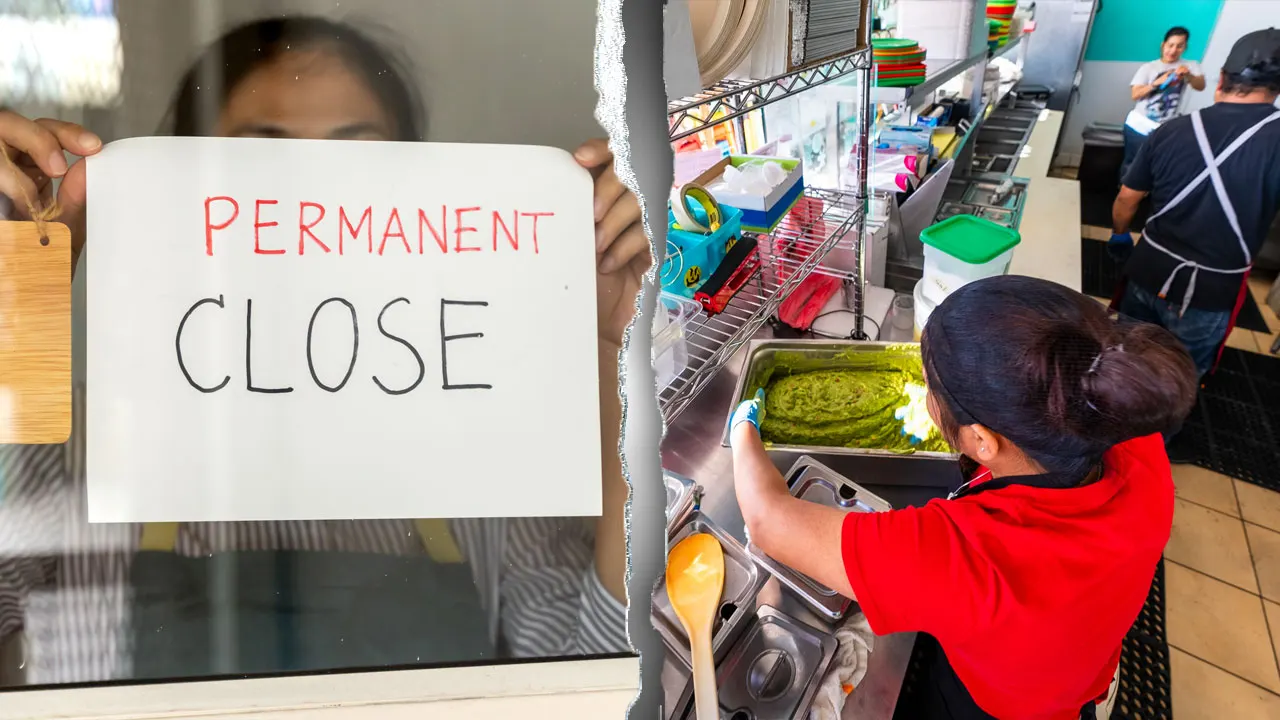
As labor and energy costs rise in California, small business owners say minimum wage laws and gas taxes in the Golden State are crippling their operations.
For 25 years, Mike Georgopoulos — better known to his friends as “Mikey G” — has built a legacy in San Diego, opening 30 restaurants in the last decade alone. But today, the veteran entrepreneur says the California dream is being choked by a math problem that no longer adds up.
With raw material costs rising sharply and energy bills up 24%, Georgopoulos said a staggering 2% cost is being ripped straight from the bottom line before a single burger hits the grill. In an industry where a 5% profit margin is considered a win, Georgopoulos warns that owners are now “trapped” in a “vicious cycle” of record gas prices and what he calls predatory regulations that have them “working for peanuts” just to keep the doors open.
“We built over 30 restaurants in the last 10 years. The barrier to entry is insane. It takes years to get permits and entitlement. It costs a lot of money, and there’s a lot of money at risk before you even have your award of the appropriate permits. So you may have to risk some money and then not get what you need,” he told Fox News Digital from his newly-opened brewery.
“They’re working for peanuts because they just can’t make it, but they’re trapped. They can’t get out. They own a business, they’re in a lease, they have no other place to go. So they’re just in a vicious cycle, and there’s just nothing coming out on the other end in terms of profit,” Georgopoulos added. “It’s sticker shock, it really is.”
Rising energy and electricity costs began to escalate for California small businesses in 2022 after the pandemic, according to the restaurateur, but bills saw what he described as double-digit hikes since the conflict involving Iran intensified just over a month ago. At this point, Georgopoulos is “constantly” changing pricing on his menus, but admits prices should have increased by 100% over the past two years.
California small business owners and their employees describe the pressure from rising supply, wage and energy costs. (Getty Images)
“It’s pretty significant. It’s a lot and it’s going up. It’s not coming down,” he said. “But there is an upper limit to what people are willing to pay before they decide to cook it at home. So we have to cut in other areas and keep our menu prices competitive… In California, our labor is as high as anywhere in the nation, and we don’t have a tip credit, which is disappointing, to say the least. So we have to reduce labor costs by reducing staffing, so cutting shifts, making shifts shorter, which then takes away from the guest experience… and that’s the struggle we go through month by month.”
“It’s clear cash flows are clearly impacted by what we are experiencing today. Not only gas prices, but just turbulence in what the future has to hold for small businesses. But it’s clearly from anywhere from accounts receivable to accounts payables, we’re seeing some slowness in those factors. That basically tells us the pressure is there, and it’s mounting,” Cardiff Co-CEO Mo Tehrani, whose lending company has funded more than $12 billion in small business loans and even helped Georgopoulos, also told Fox News Digital.
“Especially in California, we have probably the highest gas prices anywhere in the country, and it’s directly impacting small margins that the transportation sector operates under. So it’s an immediate impact,” the CEO continued. “The pump obviously impacts how people hire, how people route their deliveries, surcharges, pricing their products, all those things are impacted.”
California farmers Craig Underwood and Larry Thorne speak with Fox News Digital about how they’re confronting a harsh new reality as soaring fuel, energy and labor costs threaten to upend generations of farming.
A spokesperson for the California Energy Commission told Fox News Digital that “California is committed to energy affordability for all residents,” adding that affordability is a key factor in advancing a fully clean energy future. The spokesperson also said energy prices in the state are largely outside the commission’s control.
Besides the pain at the pump, recent data from WalletHub suggests the pressure California business owners have long felt. An analysis of more than 1,300 small cities found that California is home to the most difficult environments for entrepreneurs, with the final 10-plus rankings exclusively occupied by California municipalities, including Pacifica, Danville, Castro Valley and Saratoga.
According to the Public Policy Institute of California, the state’s private-sector employer base has grown 52% since 2005, more than double the 21% increase in public-sector entities.
“It’s really costly to move an organization and folks and their customer base out of the state. So for those that are fortunate enough, we’re seeing that happen. But the majority of Main Street doesn’t have that opportunity to do that,” Tehrani explained. “And we’re fortunate in California, it’s one of the largest economies in the world. We have a lot of entrepreneurs here that want to live here, and they want to build a business around them. Some of those are serial entrepreneurs that are building new businesses that may not necessarily abide by the historical rules of having a lease here, having employees live here.”
THE $1,600 LETTUCE: CALIFORNIA GROWERS WARN OF ‘MASTER PLAN’ STRANGLING FAMILY FARMS
“We are losing staff in part because it’s less expensive for them to work in more rural areas out by where they may live. We’re also losing staff because we’re experiencing a homeless crisis that you hear about constantly and the vagrancy that comes with that in downtown San Diego,” Georgopoulos said. “You’re just paying more taxes, making less tips, and getting less hours… We have 700 employees that we have to think about every single day… We want them to come into work and make money, and we don’t want their costs to be so high.”
San Diego’s Little Italy neighborhood was full of life, with many small businesses open and patrons around. | Getty Images
Another massive issue: California’s legal and regulatory landscape — business owners are being targeted by what Georgopoulos described as “shakedown” lawsuits related to wage and hour laws, forced to settle or spend six-figure sums on what he called frivolous claims; and law-abiding owners face aggressive health inspections and permit requirements, while illegal, unpermitted vendors operate with “impunity” in the same neighborhoods.
“The laws are very favorable in California to allow these law firms to do this. So what that does is there’s a compound effect, right? A given restaurant could spend $100,000 in one year dealing with lawsuits… These lawsuits are killing us,” Georgopoulos noted. “And then the ongoing regulations are just… very taxing… There’s a hundred illegal hot dog vendors operating in downtown San Diego. They’re not supposed to be there. They don’t have permits. They certainly don’t even have [outdoor bug] screens. They don’t even have hand washing stations. They cross those individuals to come shut me down while those guys are operating.”
“Traditionally, access to capital has been difficult, takes weeks to months of planning and going through an application process,” Tehrani highlighted on regulations. “What we’ve tried to do is make that process as simple and flexible as possible to allow a business owner to be able to have an opportunity and be able fulfill that [operational funding] within hours or within short few days.”
As Californians continue to grapple with Golden State affordability issues, Los Angeles County community leaders advocate for political change to rescue locals struggling under financial strain.
While the data suggests a bleak future for California’s mainstream businesses, Tehrani believes the survival of the U.S. economy hinges on the very “problem solvers” currently being squeezed in the Golden State. For him, the current crisis is a forced return to the innovative roots of entrepreneurship.
“Small businesses are resilient. They are by far the most resilient and probably the reason why the U.S. economy is as strong as it is; It relies on small businesses to be successful. In no place on Earth does this small business environment exist other than in the United States,” Tehrani said. “Having said that, these challenges require business owners to go back to their roots. They’re innovators. They’re builders. They’re adaptable, and they’re problem solvers. And that’s really what’s required to get through these challenges. And so there are $8 per gallon gas prices, [but] I bet on small businesses innovating their way out of those issues.”
For Georgopoulos, the ultimate advice to struggling peers — “move to Texas” — is a joke that carries a heavy weight of truth. Yet, he is choosing to double down on his home state, even if it means fighting an uphill battle against a system he says is making him “love it less.”
DeLuca’s Italian Restaurant owner Robert DeLuca discusses running a small business in New York, citing policy shifts, rising labor costs and the impact of tax cuts on ‘FOX Business In Depth.’
GET FOX BUSINESS ON THE GO BY CLICKING HERE
“We did not get into this business to get rich. It’s not a get-rich business. You’re in the restaurant and the hospitality industry because you love what you do. You love hosting people. You love having people at your place of business and showing them a good time. We’re starting to love it less. And eventually, you’re gonna have all the cookie-cutter chain restaurants if we’re not careful,” Georgopoulos warned.
But even with the “sticker shock” of his own home solar bill and the exodus of staff, he isn’t walking away yet.
“California has given me everything. I’ve worked for it, it didn’t come easy. So I still believe we can make it work. We just bought a new local company called Ballast Point that we’re remaining here in San Diego. It would be much cheaper for me to move it out of state. We would get significant profits from that. But we’re going to stay and we’re gonna fight it out and we’ll keep Ballast Point here, and we are going to make it work. We’re going to speak out when we can and try to get some relief where we can. And hopefully, someday, soon, things will change in our favor.”

Cheap chatbots are helping residents fire off forensic objections in minutes, piling pressure on already-stretched council planners and threatening the government’s flagship housebuilding pledge.
A new generation of artificial intelligence tools is being weaponised by opponents of housing and commercial schemes, producing torrents of detailed, policy-laced objections that are clogging town halls and slowing decisions across England.
The warning comes from Geoff Keal, chief executive of TerraQuest, the company that runs the national planning portal under a joint venture with central government. The portal handles roughly 95 per cent of all planning applications in the UK, giving Keal a near-unique vantage point on what is actually happening on the ground.
“They’re using AI to be able to provide better objection documents, much wider and much broader, which is slowing the system down, because obviously those things need to be dealt with in the right way,” Keal told Business Matters. “It’s certainly what we’re seeing local authorities suffer from.”
His comments will land awkwardly in Whitehall, where ministers have made unsticking the planning system central to their economic growth strategy and the pledge to deliver 1.5 million new homes during the current parliament, a target already under strain from a deepening construction skills shortage and rising build costs.
The £45 objection
Until recently, mounting a credible objection to a retail park, brownfield redevelopment or housing scheme typically meant hiring a planning consultant, often at a cost running into thousands of pounds. AI has collapsed that barrier almost overnight.
Objector.ai, one of a small but fast-growing crop of consumer-facing services, promises “strong, policy-backed objections in minutes” for £45 per full planning application, with a £249 crowdfunded option for residents who want to pool against bigger housing schemes. A rival, planningobjection.com, markets its “Planning AI” as a way to produce “persuasive, policy-centred objection letters … in just a few clicks, for a fraction of the cost of a planning consultant”.
Beyond the dedicated platforms, there is mounting anecdotal evidence of individual residents using general-purpose tools such as ChatGPT to submit hundreds of bespoke objections to a single application, each one tailored just enough to escape being dismissed as a duplicate.
For councils already buckling under workload, that creates a real-world problem. Officers cannot simply ignore submissions that cite the National Planning Policy Framework, local plans and case law, even when they suspect a chatbot has done much of the heavy lifting. Every objection has to be logged, weighed and, where material, addressed in committee.
The result is a system increasingly tilted against speed. According to the Home Builders Federation, the number of housebuilding sites granted planning permission in England last year fell to the lowest level since records began more than two decades ago, with average determination times stretching beyond 40 weeks against a statutory target of 13.
Defenders of digital democracy
Proponents of the technology argue this is, in fact, planning democracy working as it should. For years, well-resourced developers have been able to mount sophisticated arguments while ordinary residents have struggled to be heard in the language of policy that planning committees actually respond to.
Hannah George, co-founder of Objector, said the company was set up to help residents produce “high-quality, evidence-based objections … while reducing the number of invalid, repetitive or purely emotional submissions”. The platform, she added, advises against using generic AI tools to mass-produce letters and triages every application free of charge to decide whether there are valid grounds to object in the first place.
That argument is unlikely to satisfy housebuilders, who privately complain that even nominally well-drafted objections can be used to delay schemes long enough to wreck their economics, particularly for the small and medium-sized developers ministers say they want to back. Yet it does highlight the policy bind: the same tools that empower a parish to push back against an unloved retail shed also empower a handful of determined individuals to grind a 200-home scheme to a halt.
It is also worth remembering that pressure on the system pre-dates the chatbots. Labour has already pledged to face down what the Chancellor has called a culture of obstruction, with Rachel Reeves vowing to ease building rules and challenge ‘nimbys’ as part of the broader planning overhaul led by Angela Rayner. AI is now landing on top of a system that was already creaking.
The case for AI on the other side of the desk
If chatbots are creating the problem, they may also be part of the answer. Keal argues that AI can “speed up decision-making” in some areas, particularly the routine evaluation of submissions, although he cautions that large schemes involving parish councils, statutory consultees and wider community engagement remain stubbornly resistant to automation.
There are early signs of progress. Leeds City Council has piloted Xylo Core, an AI-enabled tool designed to help process planning applications, with officials reporting that planning officers saved an average of one day a week during the trial through “streamlining of administrative tasks” and faster access to planning data.
The wider regulatory mood is also shifting. The Planning Inspectorate, the agency that hears appeals against council refusals, has issued official guidance on the use of artificial intelligence in casework evidence, urging applicants and objectors alike to use the technology responsibly and to declare when tools such as ChatGPT or Microsoft Copilot have played a significant role in drafting their submissions. Failure to do so, the Inspectorate warns, risks undermining the credibility of any case.
What it means for SME developers and British business
For SME housebuilders, commercial landlords and high-street operators planning to expand, the implications are uncomfortable but unavoidable. Schemes that might once have attracted a handful of handwritten letters can now generate dozens of forensic, policy-citing objections within days of a notice being posted, lengthening determination times and increasing holding costs.
Three practical conclusions are worth drawing. First, the era of low-friction local opposition is here to stay; planning strategies will need to assume sophisticated, AI-assisted objections as a baseline rather than a worst case. Second, early and genuine community engagement, the kind that takes place before an application lands, not after, is likely to become a more important commercial discipline, particularly for smaller developers without in-house PR teams. And third, applicants should expect councils and inspectors to start asking pointed questions about AI use on both sides of the planning fence.
Britain’s planning system has been creaking for years. The arrival of cheap, capable AI on the objector’s side of the desk does not change the underlying problem. It does, however, make the political and operational case for reform considerably more urgent, and the cost of getting it wrong considerably higher for the businesses that build, lease and trade from the buildings the country has yet to approve.

Amy Ingham
Amy is a newly qualified journalist specialising in business journalism at Business Matters with responsibility for news content for what is now the UK’s largest print and online source of current business news.
Business
Lumentum: Priced For Growth, But Not For What Comes Next – Double Growth Cycles (NASDAQ:LITE)

I am an experienced Risk Management Business Analyst at a Systemic Greek Bank, with a strong background in finance and risk analysis. I hold an MSc in Applied Risk Management from the University of Athens and have completed the ACA Certificate Level. My expertise lies in financial analysis, risk management, data analysis using SQL, Python, and machine learning tools. I have worked in diverse roles, from assurance to financial analysis and trade operations, across leading firms like EY, PwC, Alpha Bank, and the National Bank of Greece. My primary areas of interest include risk management, financial analysis, data science, and the impact of economic factors on the financial markets. I aim to write on topics related to risk assessment, financial modeling, and stock analysis. With my solid technical background, I approach investing with a focus on data-driven analysis and long-term value creation. My motivation for writing on Seeking Alpha stems from my passion for translating complex financial data into actionable insights for investors. I aim to provide informed analysis on market trends, risk management practices, and investment strategies to support informed decision-making.
Analyst’s Disclosure: I/we have no stock, option or similar derivative position in any of the companies mentioned, but may initiate a beneficial Long position through a purchase of the stock, or the purchase of call options or similar derivatives in lite, AAOI over the next 72 hours. I wrote this article myself, and it expresses my own opinions. I am not receiving compensation for it (other than from Seeking Alpha). I have no business relationship with any company whose stock is mentioned in this article.
Seeking Alpha’s Disclosure: Past performance is no guarantee of future results. No recommendation or advice is being given as to whether any investment is suitable for a particular investor. Any views or opinions expressed above may not reflect those of Seeking Alpha as a whole. Seeking Alpha is not a licensed securities dealer, broker or US investment adviser or investment bank. Our analysts are third party authors that include both professional investors and individual investors who may not be licensed or certified by any institute or regulatory body.


Rida Morwa is a former investment and commercial Banker, with over 35 years of experience. He has been advising individual and institutional clients on high-yield investment strategies since 1991. Rida Morwa leads the Investing Group High Dividend Opportunities where he teams up with some of Seeking Alpha’s top income investing analysts. The service focuses on sustainable income through a variety of high yield investments with a targeted safe +9% yield. Features include: model portfolio with buy/sell alerts, preferred and baby bond portfolios for more conservative investors, vibrant and active chat with access to the service’s leaders, dividend and portfolio trackers, and regular market updates. The service philosophy focuses on community, education, and the belief that nobody should invest alone. Learn More.
Analyst’s Disclosure: I/we have no stock, option or similar derivative position in any of the companies mentioned, and no plans to initiate any such positions within the next 72 hours. I wrote this article myself, and it expresses my own opinions. I am not receiving compensation for it (other than from Seeking Alpha). I have no business relationship with any company whose stock is mentioned in this article.
Beyond Saving, Philip Mause, and Hidden Opportunities, all are supporting contributors for High Dividend Opportunities. Any recommendation posted in this article is not indefinite. We closely monitor all of our positions. We issue Buy and Sell alerts on our recommendations, which are exclusive to our members.
Seeking Alpha’s Disclosure: Past performance is no guarantee of future results. No recommendation or advice is being given as to whether any investment is suitable for a particular investor. Any views or opinions expressed above may not reflect those of Seeking Alpha as a whole. Seeking Alpha is not a licensed securities dealer, broker or US investment adviser or investment bank. Our analysts are third party authors that include both professional investors and individual investors who may not be licensed or certified by any institute or regulatory body.

SHANGHAI — Tesla owners in China celebrated a group wedding on May 20, 2026, in Shanghai, with multiple couples exchanging vows alongside Tesla vehicles in a festive ceremony that highlighted the brand’s growing cultural presence in the country.
Tesla Asia’s official X account shared photos and details of the event, captioning the post: “A beautiful day for a Tesla group wedding in Shanghai💍❤️.” The images showed couples posing with red and other colored Tesla Model Y and Model X vehicles, including falcon-wing doors open on the Model X.
May 20 is widely regarded in China as an auspicious date for weddings because “520” sounds like “I love you” in Mandarin. The timing aligned with popular wedding trends, drawing attention to the Tesla-themed celebration.
The event featured several couples starting their married life with Tesla cars prominently displayed. Photos captured brides in wedding dresses and grooms in formal attire standing beside the vehicles, with floral decorations and celebratory setups around the cars.
Tesla has cultivated strong brand loyalty in China, where it operates Giga Shanghai, its largest production facility. The factory produces Model 3 and Model Y vehicles for the domestic market and export. Many owners view Tesla vehicles as symbols of innovation, sustainability and modernity.
The group wedding reflects broader cultural integration of Tesla in Chinese society. Owners frequently organize car meets, road trips and community events. This wedding marks a notable example of the brand becoming part of personal milestones.
Reactions on X poured in quickly after the post. One user wrote, “This is pure magic. Tesla isn’t just building cars — it’s becoming part of people’s happiest life moments.” Another commented, “The Model X is the perfect vehicle for weddings.”
Shanghai, a major hub for Tesla in China, hosts numerous owner events. The city’s modern infrastructure and high EV adoption rate make it a fitting location for such celebrations. Tesla stores and service centers in the area often support community activities.
The photos showed red Tesla vehicles, a color associated with good fortune and joy in Chinese culture. Falcon-wing doors on the Model X created dramatic backdrops for wedding portraits. Model Y vehicles, Tesla’s best-seller in China, also featured prominently.
Tesla’s presence in China extends beyond sales. The company has expanded its Supercharger network, service centers and delivery experiences. Owner clubs and official events foster a sense of community among thousands of Tesla drivers nationwide.
This is not the first time Tesla vehicles have appeared in Chinese weddings, but the organized group event gained significant visibility through Tesla Asia’s platform. The post accumulated hundreds of likes, reposts and comments within hours of publication.
Couples in the photos appeared joyful, with traditional wedding elements blended with modern Tesla branding. The event underscored the appeal of sustainable luxury vehicles among young, affluent Chinese consumers.
Tesla continues to invest in the Chinese market despite competition from local EV makers. Giga Shanghai remains a key production hub, contributing to global output and supporting domestic demand.
The group wedding highlights Tesla’s role in lifestyle and cultural moments. Owners often personalize their vehicles and incorporate them into major life events, from deliveries to family outings and now weddings.
Social media users praised the creativity and romance. Comments included congratulations to the couples and appreciation for Tesla’s involvement in the celebration. Some noted the red Model X as particularly striking for the occasion.
Tesla Asia regularly shares owner stories, delivery moments and community events on its X account. The platform serves as a connection point for enthusiasts across the Asia-Pacific region.
The Shanghai event took place on a clear day, providing ideal conditions for outdoor photos with the cars. Participants appeared to enjoy the unique experience of combining traditional wedding customs with futuristic vehicle aesthetics.
As Tesla expands its ecosystem in China, including potential robotaxi services and energy products, such community events reinforce brand affinity. The company has delivered millions of vehicles from Giga Shanghai since production began.
The group wedding adds to positive narratives around Tesla ownership in China. It demonstrates how the brand has moved beyond transportation to become part of celebrations and personal stories for many families.
Further details about the specific couples or organizing partners were not released in the initial post. Tesla has not issued an official corporate statement beyond the Tesla Asia social media share.
The viral nature of the post reflects strong engagement from Tesla supporters globally. Images of happy couples with premium EVs resonated widely, generating warm responses across different time zones.
Tesla continues its efforts to build community in key markets. Events like this Shanghai group wedding illustrate successful localization and cultural relevance in one of the world’s largest EV markets.

97% of Americans Want AI Regulated, Bernie Sanders Says Congress Is Ignoring Them

Celebrity Name-Drops in Hayden Panettiere’s This Is Me Memoir

Richest Currency Notes Ever #money #shorts #currency


-

 Crypto World4 days ago
BloFin War of Whales 2026 Grand Prix opens registration for $5M trading championship
-

 Fashion5 days ago
Weekend Open Thread: Theory – Corporette.com
-

 Crypto World5 days ago
E-Estate Announces 1 Year Live: Washington DC Summit as Real Estate Tokenization Enters Its Next Phase
-

 Tech5 days ago
Tech Moves: Microsoft AI leader jumps to OpenAI; former AI2 exec joins Meta; and more
-

 Tech5 days ago
Google reimburses Register sources who were victims of API fraud
-

 Crypto World6 days ago
Google’s Gemini AI Predicts Incredible Solana Price by the End of 2026
-

 Business5 days ago
H&R Real Estate Investment Trust (HR.UN:CA) Q1 2026 Earnings Call Transcript
-

 Sports5 days ago
Napoleonic enters 2026 Doomben 10,000 field via Abounding withdrawal
-
 Entertainment6 days ago
Zara Larsson Has Blunt Response To Chris Brown Diss
-

 Crypto World7 days ago
Two AI Tokens Lead May Rally, But Risks Are Rising
-

 Crypto World5 days ago
BeInCrypto 100 Institutional Awards Nomination: KAST for Best Digital Assets Neobank and Best Digital Assets Fintech
-

 Fashion3 days ago
On the Scene at Gucci’s Cruise Show in New York City: Mariah Carey, Kim Kardashian, Lindsay Lohan, Iman, and More!
-

 Crypto World4 days ago
Bitcoin Battles US Bond Nerves With BTC Price Dip Toward New May Lows
-

 Crypto World5 days ago
Wall Street’s Boldest Gold Prediction Has Russians Rushing to Buy
-

 Fashion4 days ago
Trending Western Style Vests Perfect for Summer
-

 Politics6 days ago
DWP PIP Timms review continues to be an absolute farce
-

 Entertainment5 days ago
David Letterman Returns to Late Show, Blasts Cancellation
-

 Crypto World5 days ago
ICE and CME urge US regulators to curb Hyperliquid energy trading
-

 Fashion3 days ago
Amazon Sundays: Memorial Day Hosting
-
 Crypto World6 days ago
Lido Finance Selects Chainlink CCIP as the Official Cross-Chain Infrastructure for wstETH Security
You must be logged in to post a comment Login