Connect with us
DAPA Banner
DAPA Coin
DAPA
COIN PAYMENT ASSET
PRIVACY · BLOCKDAG · HOMOMORPHIC ENCRYPTION · RUST
ElGamal Encrypted MINE DAPA
🚫 GENESIS SOLD OUT
DAPAPAY COMING

Business

United Fire Group, Inc. (UFCS) Shareholder/Analyst Call Prepared Remarks Transcript

Published

on

OneWater Marine Inc. (ONEW) Q1 2026 Earnings Call Transcript

Operator

Hello, and welcome to the Annual Meeting of Shareholders of United Fire Group, Inc. Please note that today’s meeting is being recorded. [Operator Instructions] It is now my pleasure to turn today’s meeting over to Jim Noyce, Chairperson of the Board of Directors of United Fire Group, Inc. Mr. Noyce, the floor is yours.

James William Noyce

Advertisement

The meeting will please come to order. Good morning, and welcome to the Annual Meeting of Shareholders of United Fire Group, Inc., and thank you all for attending. I am Jim Noyce, Chairperson of the Board of Directors. And in accordance with our bylaws, I will be presiding at this meeting.

Today’s meeting is being broadcast by live audio webcast. We believe this virtual meeting option will maximize participation of shareholders regardless of their location. Thank you very much to those who are participating virtually today. We will conduct our meeting in 2 parts. First, we will address our formal business — our formal items of business, followed by a question-and-answer session. You may submit questions through the virtual meeting website. An agenda that outlines the order of business for the meeting has been made available.

The matters on which the shareholders at the meeting are voting include: election of the 5 Class A directors identified in the proxy statement; ratification of the Audit Committee’s appointment of Ernst & Young LLP as our independent registered public accounting firm for 2026, approval on an advisory basis of the compensation of the company’s named executive officers; and approval of the amendment and extension of the 2021 Nonemployee Director Stock Plan.

Sarah Madsen, Senior Vice

Advertisement
Continue Reading
Click to comment

You must be logged in to post a comment Login

Leave a Reply

Business

Standard Chartered CEO walks back ‘lower-value human capital’ AI comments

Published

on

Standard Chartered CEO walks back 'lower-value human capital' AI comments

Standard Chartered CEO Bill Winters on Wednesday walked back comments he made at an investor event Tuesday when he said the bank plans to cut thousands of jobs as it replaces what he called “lower-value human capital” with tech powered by artificial intelligence (AI).

Winters wrote a memo to the bank’s employees on Wednesday in which he sought to address concerns that arose following his comments on Tuesday, according to a report by The Wall Street Journal.

Advertisement

“Many of you will have seen media coverage following the investor event in Hong Kong, particularly the reporting around automation, AI, and workforce changes,” Winters wrote. “I know this may be unsettling when reduced to simple headlines or a quote out of context.”

“Where roles do fall away, it reflects changes in the work, not the value of our people,” he added in an effort to clarify his comments.

EXPERT SAYS MASSIVE AI INVESTMENT IS ‘LAYING THE GROUNDWORK’ FOR AMERICA’S FUTURE

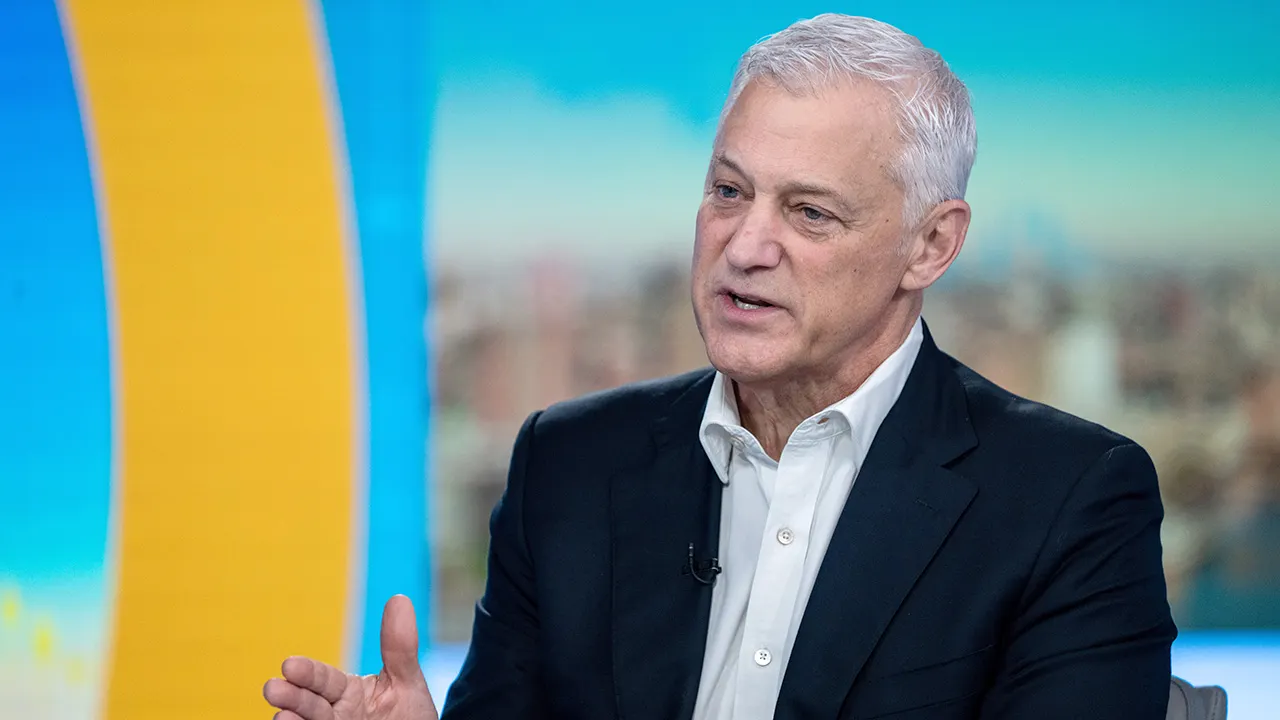
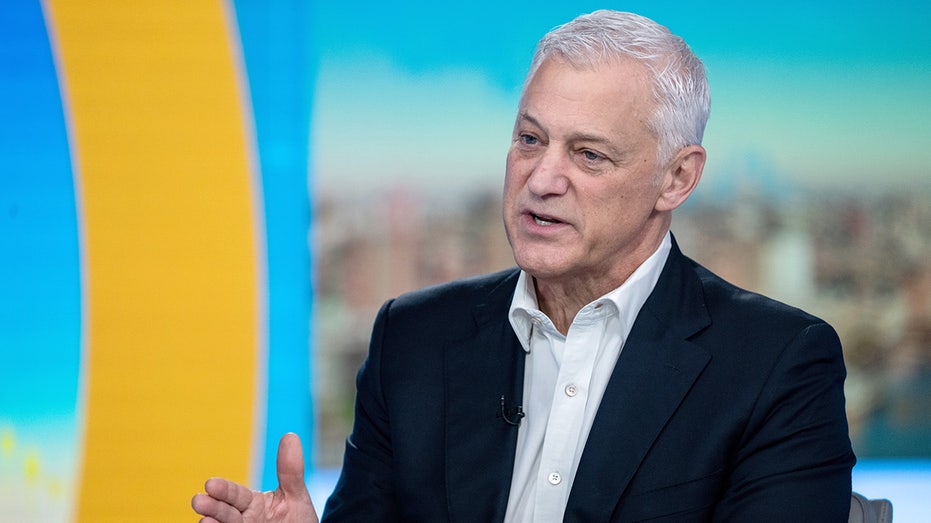
Standard Chartered CEO Bill Winters

Standard Chartered CEO Bill Winters walked back comments about the firm’s AI-related job cuts. (Chris J. Ratcliffe/Bloomberg via Getty Images)

The walk-back comes after Winters’ comments on Tuesday made headlines for appearing to dismiss job cuts affecting workers whose work in their roles amounted to “lower-value human capital.”

Advertisement

Winters spoke at an event in Hong Kong about Standard Chartered’s plan to reduce support staff by at least 15% between now and 2030, which amounts to 7,800 jobs or more.

“It’s not cost-cutting. It’s replacing in some cases lower-value human capital with the financial capital and the investment we’re putting in,” Winters told journalists ahead of the presentation.

FOX Business reached out to Standard Chartered for comment.

META SHIFTS 7,000 WORKERS INTO AI ROLES AS LAYOFFS, MANAGER CUTS LOOM

Advertisement
Ticker Security Last Change Change %
SCBFY STANDARD CHARTERED PLC 52.59 +1.69 +3.32%

The Journal reported that Winters’ presentation gave investors details regarding Standard Chartered’s plans for AI implementation, such as reducing the amount of false positives flagged in analyzing transactions to find financial crimes. 

The firm also said AI can reduce manual work needed to ensure compliance with evolving financial regulations.

Winters previously shed light on his plans for the use of AI at Standard Chartered in an earlier memo to the company’s workforce, in which he explained that, “Some roles will reduce, others will grow, and new ones will emerge.”

ERIC SCHMIDT MET WITH BOOS DURING UNIVERSITY OF ARIZONA COMMENCEMENT OVER AI FEARS

Advertisement
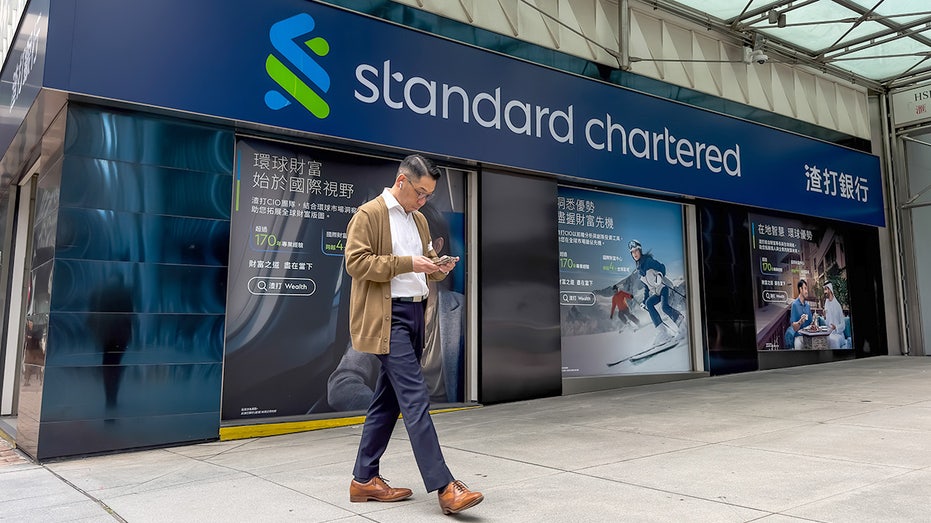
A man outside a Standard Chartered office

Standard Chartered is in the process of implementing AI tools into the bank’s operational workflows. (Cheng Xin/Getty Images)

He added in his previous memo that the firm would make an effort to redeploy and retrain workers and would also handle job losses “with respect and care.”

Standard Chartered had about 81,000 employees at the end of 2025, as well as 17,000 contract workers. 

GET FOX BUSINESS ON THE GO BY CLICKING HERE

Advertisement
Continue Reading

Business

Colbert’s ‘Late Show’ Ends After 11 Seasons as CBS Exits Late-Night TV Format

Published

on

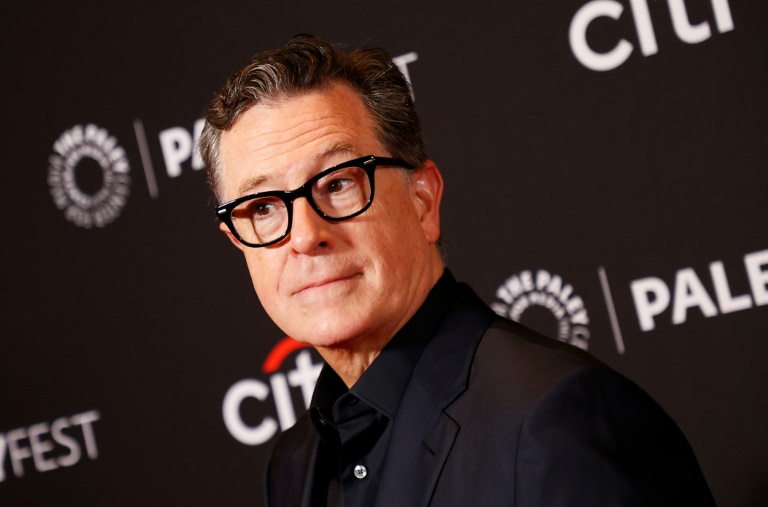
Stephen Colbert is currently the top-rated host in late night television

NEW YORK — “The Late Show with Stephen Colbert” airs its final episode Thursday, capping an 11-season run and marking the end of CBS’ participation in the traditional late-night talk show format that has defined network television for decades.

CBS announced the cancellation in July 2025, stating it was a financial decision amid challenges in the late-night landscape. The network will retire the “Late Show” franchise, which began in 1993 with David Letterman, after more than 33 years. Colbert revealed the news to his studio audience that month.

“Next year will be our last season. The network will be ending the Late Show in May,” Colbert said during the announcement. “I’m not being replaced. This is all just going away.”

The finale airs at 11:35 p.m. EDT on Thursday, May 21, 2026. Guests this week have included Jon Stewart, Steven Spielberg, David Byrne and Bruce Springsteen. Details for the final broadcast have not been fully disclosed.

Advertisement

Colbert’s version of the show premiered Sept. 8, 2015, from the Ed Sullivan Theater in Manhattan, succeeding Letterman. It featured a mix of celebrity interviews, comedy sketches and political satire, often focusing on current events. The program won multiple Emmy Awards and led late-night ratings for nine consecutive seasons as of 2025.

CBS cited ongoing losses as the reason for the end. Reports indicated the show lost tens of millions of dollars annually. In a statement at the time of the announcement, CBS executives said: “This is purely a financial decision against a challenging backdrop in late night. It is not related in any way to the show’s performance, content or other matters happening at Paramount.”

Parent company Paramount Global, now part of Paramount Skydance following a merger, faced broader industry pressures including declining linear TV viewership, competition from streaming and YouTube, and shifts in advertising revenue.

Starting Friday, May 22, Byron Allen’s “Comics Unleashed” will occupy the 11:35 p.m. slot under a time-buy agreement with Allen Media Group. Another Allen property, the game show “Funny You Should Ask,” will take the 12:37 a.m. slot. CBS has described the arrangement as interim while it develops other concepts.

Advertisement

The move leaves ABC’s “Jimmy Kimmel Live!” and NBC’s “The Tonight Show Starring Jimmy Fallon” and “Late Night with Seth Meyers” as the primary remaining network late-night talk shows. Fallon’s show reduced to four nights a week in 2024, and Meyers cut his live in-studio band as a cost-saving measure.

Industry observers note declining audiences for traditional late-night programming, particularly among younger viewers who consume content via digital platforms. Late-night shows have struggled to monetize in a fragmented media environment.

Colbert, 61, hosted for more than a decade after transitioning from “The Colbert Report” on Comedy Central. Jon Stewart served as an executive producer. The show maintained a strong focus on news and politics, drawing both praise and criticism for its satirical takes.

In recent interviews, Colbert reflected on the decision. He told The New York Times it felt surprising given the show’s ratings success. “I think we’re the first number one show to ever get cancelled,” he previously remarked.

Advertisement

David Letterman, who hosted the “Late Show” for 22 years, has criticized the network’s handling of the cancellation. Reports indicate he expressed being “pissed off” and referred to CBS owners in strong terms.

The end of Colbert’s run raises questions about the viability of the classic late-night format. Hosts like Kimmel have suggested the genre may evolve but persist in some form. “It would be very surprising to me if it went away entirely,” Kimmel said in a January 2026 speech.

Seth Meyers has expressed similar doubts about new hosts emerging without major changes. Jimmy Fallon has extended his contract through 2028.

CBS plans to return the time slot to local affiliates in some markets after the Allen programming, a shift from decades of network-controlled late-night content.

Advertisement

Colbert has not detailed his future plans publicly. Speculation includes potential streaming projects or other creative endeavors. He has mentioned family time following the finale.

The “Late Show” originated under Letterman in 1993 after he moved from NBC’s “Late Night.” Colbert took over in 2015 following Letterman’s retirement. The franchise aired from the historic Ed Sullivan Theater, which underwent restorations during Colbert’s tenure to highlight its 1927 architecture.

During the COVID-19 pandemic, the show adapted with at-home episodes and later returned to the theater with full audiences. It produced live broadcasts for events like election nights and political conventions.

Ratings data showed Colbert’s show often leading competitors in total viewers and key demographics in recent years, despite overall declines in broadcast late night.

Advertisement

The cancellation announcement came months after Colbert criticized Paramount’s settlement with Donald Trump. Some observers linked the timing to Paramount’s Skydance merger and regulatory approvals, though CBS consistently described the decision as financial.

Byron Allen, a comedian and media executive, campaigned for the slot with his lower-cost syndicated programming. “Comics Unleashed” features stand-up sets without the traditional talk-show elements of monologue, desk and band.

CBS executives, including George Cheeks, have indicated interest in developing new late-night concepts but committed to the cost-effective interim solution.

The broader late-night landscape has seen shifts. Conan O’Brien moved to podcasting after traditional TV runs. Samantha Bee’s show ended in 2022. Streaming and digital platforms have captured more comedy and commentary audiences.

Advertisement

Paley Center curator Jason Lynch described the moment as potentially “the end of an era,” questioning whether current hosts represent the last generation in traditional network late-night roles.

Colbert’s final week featured tributes from colleagues and celebrities. Stewart appeared Tuesday, referencing their long professional relationship and discussing current events.

The Ed Sullivan Theater will go dark for network late-night programming after Thursday’s broadcast. Local CBS stations will fill the slot variably.

Industry analysts point to structural challenges: high production costs for writers, staff, bands and studios against shrinking ad revenue and linear viewership. Younger audiences favor short-form video and on-demand content.

Advertisement

Fox News’ Greg Gutfeld has drawn viewers in an earlier time slot with a conservative-leaning comedy show, offering a contrast in approach and scheduling.

As networks grapple with these economics, the end of “The Late Show” serves as a prominent example of contraction in a longstanding TV institution. CBS maintains it values Colbert’s contributions and looks forward to celebrating the show’s legacy.

Colbert addressed his staff and audience in recent episodes, emphasizing gratitude for the opportunity. In one reflection, he noted moments feeling more precious as the end neared.

The finale Thursday concludes a chapter for broadcast late night, with uncertainty about what, if any, traditional successors will follow across the networks. Affiliates, syndication and digital alternatives are expected to fill voids in programming schedules.

Advertisement
Continue Reading

Business

Array Digital Infrastructure, Inc. (AD) Shareholder/Analyst Call – Slideshow

Published

on

OneWater Marine Inc. (ONEW) Q1 2026 Earnings Call Transcript

Array Digital Infrastructure, Inc. (AD) Shareholder/Analyst Call – Slideshow

Continue Reading

Business

Households pull Rs 54,786 cr worth of equities from secondary markets in FY25; invest record Rs 5.43 lakh crore in mutual funds

Published

on

Households pull Rs 54,786 cr worth of equities from secondary markets in FY25; invest record Rs 5.43 lakh crore in mutual funds
Indian households‘ equity exposure to the secondary markets fell by Rs 54,786 crore in FY25 indicating investors likely booked profits amid valuation concerns and heightened volatility according to an article published by the Securities and Exchange Board of India (Sebi).

In contrast, equity investments witnessed strong traction in the primary market as household flows into equities through IPOs, FPOs, rights issues and preferential allotments rose to Rs 95,139 crore in FY25 – more than double the Rs 46,879 crore recorded in FY24.

The domestic households put their trust on mutual funds which turned out as the biggest driver of inflows. The investments through MF schemes in the primary market jumped to Rs 5.13 lakh crore in FY25 from Rs 2.85 lakh crore in FY24 and Rs 1.66 lakh crore in FY23. Secondary market mutual fund flows, including ETFs, also rose sharply to Rs 30,885 crore in FY25 compared with Rs 9,783 crore in the previous year. Together, the flows stood at Rs 5.43 lakh crore.

The article authored by Dr Prabhas Kumar Rath, Shyni Sunil and Kalyani H, revealed household savings through the Indian securities market sharply increased to a record Rs 6.91 lakh crore, nearly doubling from Rs 3.58 lakh crore in FY24. Apart from equities and mutual funds, the other preferred instrumests were debts, REITs and InvITs.

Advertisement

The data highlights a structural shift in household savings behaviour, with financial assets increasingly gaining preference over traditional avenues such as gold and real estate. Sebi noted that the revised methodology now captures a broader set of investments including secondary market participation, REITs, InvITs and private placements, offering a more realistic picture of household participation in capital markets.


The growing appetite for mutual funds was also visible in the stock of household assets. Household mutual fund holdings climbed to Rs 44.39 lakh crore at the end of FY25 from Rs 36.28 lakh crore a year earlier and Rs 24.45 lakh crore in FY23. Even so, household ownership of equities continued to swell due to market appreciation and continued primary market participation. The value of household equity assets increased to Rs 88.92 lakh crore in FY25 from Rs 84.07 lakh crore in FY24 and Rs 53.67 lakh crore in FY23.
The Sebi article said the revised methodology increased the household savings through securities markets-to-GDP ratio to 2.17% in FY25 compared with 1.71% under the earlier approach, indicating that the role of financial markets in household wealth creation had been materially underreported earlier.The Sebi article emphasized that the household savings channeled through the securities market is a crucial component of the financial savings. The data on household savings reported by RBI relied partly on estimations. While data on mutual fund investments were sourced from Sebi, 35% of the equity via public and rights issuances and 40% of the public issuances of corporate debt were considered for equity and debt, respectively, the Sebi note said. “The household shares in equity, debt and mutual funds, thus computed were in turn used by MoSPI in the computation of Gross Savings in the economy,” it said further.

(Disclaimer: The recommendations, suggestions, views, and opinions given by the experts are their own. These do not represent the views of The Economic Times.)

Continue Reading

Business

Perception of private label products is shifting

Published

on

Perception of private label products is shifting

Consumers are increasingly favoring private label alternatives to name brands, according to survey. 

Continue Reading

Business

Dorian LPG Stock Surges 12% on Record Q4 Earnings, $1 Dividend as VLGC Rates Soar

Published

on

Oil Prices Plunge Below $95 as US-Iran Ceasefire Sparks Relief

NEW YORK — Dorian LPG Ltd. (NYSE: LPG) shares jumped more than 12% in midday trading Wednesday after the liquefied petroleum gas shipping company reported sharply higher fourth-quarter earnings, driven by elevated freight rates and strong demand for very large gas carriers (VLGCs).

The stock rose to $47.64, up $5.31 or 12.56%, as of 11:39 a.m. EDT, with volume exceeding average levels. The move followed the company’s announcement of fiscal fourth-quarter results that far exceeded prior-year figures.

Dorian LPG reported net income of $81.0 million, or $1.90 per diluted share, for the three months ended March 31, 2026. That compared with net income of $8.1 million, or $0.19 per diluted share, in the same period a year earlier.

Adjusted net income, which excludes certain items including unrealized gains or losses on derivatives, totaled $80.4 million, or $1.89 per diluted share. This beat analyst consensus estimates of around $1.48 per share. Revenues climbed 102% to $153.3 million from $75.9 million.

Advertisement

Time charter equivalent (TCE) rates for the fleet averaged $63,615 per available day, up 80.1% from $35,324 in the prior-year quarter. The Baltic Exchange Liquid Petroleum Gas Index averaged $90.453 during the period, compared with $51.715 a year earlier.

For the full fiscal year ended March 31, 2026, the company posted net income of $193.7 million, or $4.54 per diluted share, on revenues of $481.5 million. Adjusted net income reached $194.8 million, or $4.57 per diluted share. TCE rates averaged $52,238 per day.

John Hadjipateras, chairman, president and chief executive officer, said in a prepared statement: “Our strong results for the quarter reflect a healthy freight market and the dedication of our seagoing and shore side employees. Fortunately, none of our people or ships are in the Middle East Gulf. The delivery of the Areion in late March and the sale of the 2015 built Cobra highlight our approach to fleet management. We are optimistic about the prospects of the freight market while cautious of the uncertainty posed by fast evolving geopolitical events. Our declaration of a $1.00 per share irregular dividend reflects our confidence in the long-term sustainability of LPG demand and our company’s prudent approach to capital allocation.”

The board declared an irregular cash dividend of $1.00 per share, totaling $42.8 million, payable on or about May 28, 2026, to shareholders of record as of May 18, 2026. During fiscal 2026, the company paid four irregular dividends totaling $104.7 million.

Advertisement

Dorian LPG completed the sale of the 2016-built VLGC Cobra on May 6, 2026, generating net proceeds of $81.9 million after commissions and fees. It prepaid $16.5 million of debt related to the vessel.

The company took delivery of the dual-fuel newbuilding VLGC Areion in March 2026 and secured a $62.9 million debt facility to finance it. The fleet consists of 27 modern VLGCs, including six chartered-in vessels, with an aggregate capacity of about 2.3 million cubic meters. Owned vessels average 10.5 years in age.

Vessel operating expenses fell to $9,780 per calendar day in the fourth quarter from $12,671 a year earlier, partly due to lower drydock-related costs. General and administrative expenses rose to $13.3 million from $8.3 million, driven by higher bonuses and stock-based compensation.

Interest and finance costs declined to $6.9 million from $8.0 million, reflecting lower average debt levels and SOFR rates. Long-term debt stood at $565.8 million as of March 31, 2026.

Advertisement

The results come amid tight VLGC supply and robust U.S. LPG exports. Geopolitical factors, including disruptions in the Middle East, have supported higher spot rates for gas carriers, though the company noted risks from evolving events.

Dorian LPG operates globally, focusing on modern, fuel-efficient ECO and dual-fuel vessels. It has expanded its low-emission fleet, with dual-fuel ships now representing over 20% of operations following recent deliveries and charters.

Analysts have tracked the sector’s strength. The company has returned significant capital to shareholders since its IPO, with dividends forming a key part of its strategy.

Shares of Dorian LPG have risen more than 74% year-to-date as of the prior close, trading near 52-week highs. The market capitalization reached approximately $2.04 billion.

Advertisement

The company maintains a cautious outlook on geopolitical uncertainties while highlighting confidence in sustained LPG demand driven by global energy needs.

Industry observers point to limited newbuild deliveries in the VLGC segment as supporting rate strength. Dorian LPG’s active fleet management, including asset sales and newbuild integrations, aims to optimize its position in the market.

The earnings release preceded a conference call held at 10 a.m. EDT on May 20, 2026, where management discussed operational details and market conditions.

Dorian LPG, headquartered in Stamford, Connecticut, employs about 587 people. It provides in-house technical management for its fleet and focuses on safety and efficiency in LPG transportation.

Advertisement

The surge in LPG stock reflects broader investor interest in shipping companies benefiting from current freight market dynamics. Competitors in the VLGC space have also seen volatility tied to rates and geopolitics.

Looking ahead, the company continues to monitor bunker fuel costs, which rose during the quarter, and derivative positions to manage interest rate exposure.

Dorian LPG’s balance sheet remains solid, with cash generation supporting dividends and debt reduction. The irregular dividend policy allows flexibility based on earnings and market conditions.

Investors will watch future TCE realizations, fleet utilization and any updates on newbuild programs or additional capital returns. The stock’s beta of 0.75 indicates lower volatility relative to the broader market.

Advertisement

The strong quarterly performance underscores the benefits of Dorian LPG’s modern fleet in a favorable rate environment for VLGC operators.

Continue Reading

Business

Are supermarkets profiting from higher food prices?

Published

on

Are supermarkets profiting from higher food prices?

Food prices in the UK have risen, but are supermarkets profiting from higher food prices? Ben Chu reports.

Continue Reading

Business

Wendy’s taps former Potbelly CEO Bob Wright to lead burger chain

Published

on

Wendy's taps former Potbelly CEO Bob Wright to lead burger chain

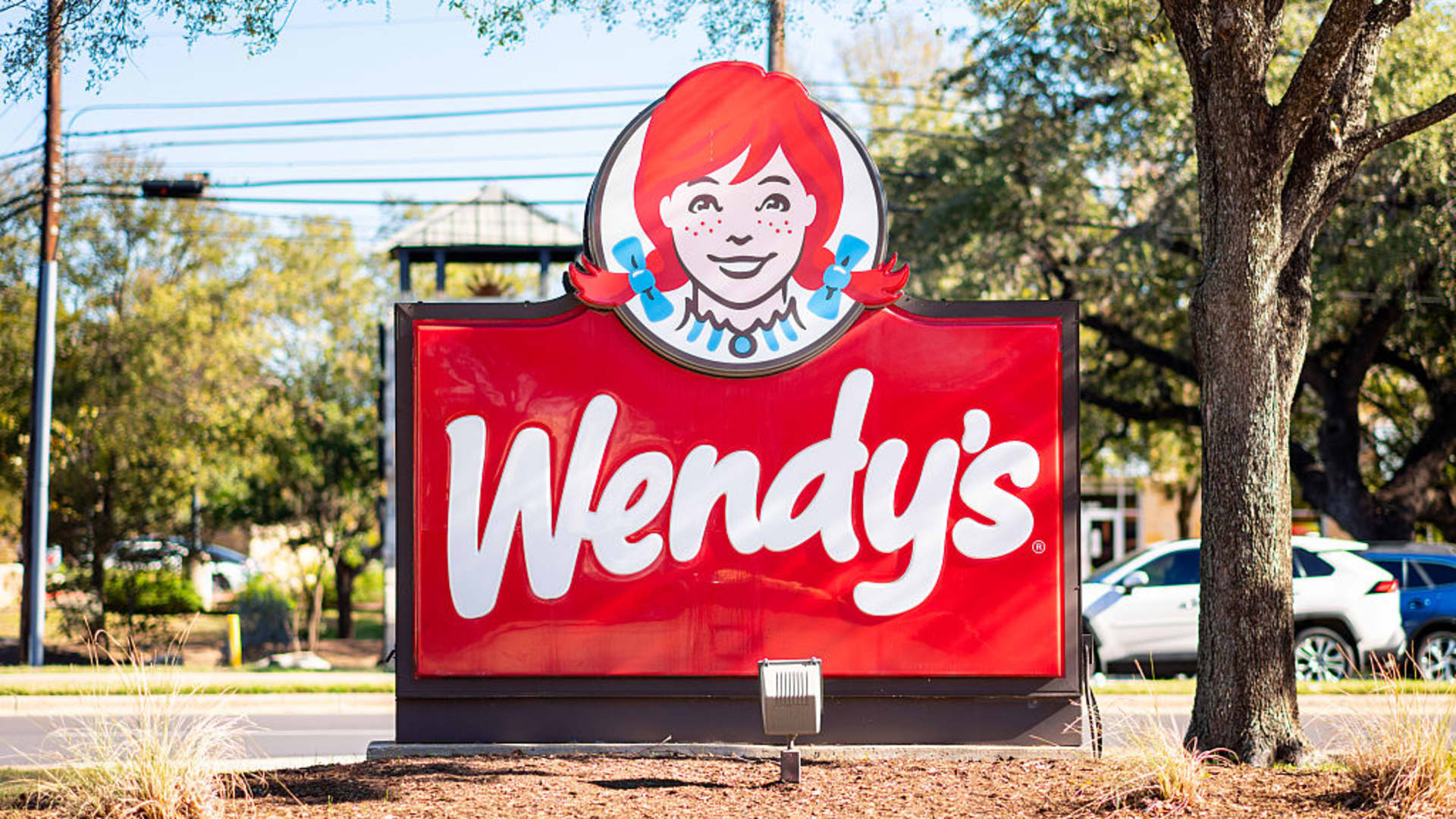
A Wendy’s restaurant sign is seen on Nov. 10, 2025 in Austin, Texas.

Brandon Bell | Getty Images

Wendy’s has tapped Bob Wright as its latest chief executive, the company said Wednesday.

Advertisement

The announcement comes on the heels of the struggling burger chain reporting its fifth straight quarter of same-store sales declines and rumors of a potential take-private deal led by Nelson Peltz’s Trian Fund Management.

Wright previously served as CEO of Potbelly for five years, leading a turnaround of the sandwich chain in the aftermath of pandemic lockdowns. Potbelly went private last year after convenience store owner RaceTrac bought it for $566 million.

Wright officially becomes Wendy’s CEO on Thursday.

The chain has not had a permanent chief executive since Kirk Tanner left Wendy’s in July to become CEO of Hershey. Tanner was only at Wendy’s for about 18 months. Prior to Tanner’s tenure, Wendy’s ousted longtime CEO Todd Penegor, who had led the chain for nearly eight years.

Advertisement

In the time since Tanner’s departure, Wendy’s has struggled to attract consumers who are increasingly value conscious and has lost market share to rivals McDonald’s and Burger King. In February, the company announced plans to close about 300 restaurants in the first half of the year.

Shares of Wendy’s have tumbled nearly 35% over the last year, dragging its market value down to $1.55 billion.

The company’s skid makes it a much cheaper acquisition target for Trian.

The Financial Times reported earlier this month that the firm is seeking funding to take Wendy’s private. It isn’t the first time that Trian has considered it; most recently, the firm said it was exploring a takeover of Wendy’s in 2022, but later decided against it.

Advertisement

Trian owns a 7.85% stake in Wendy’s, and Peltz has a 16.24% interest, according to a recent regulatory filing that also called the stock “undervalued.”

Peltz’s relationship with Wendy’s dates back to an activist campaign he led in 2005. In 2024, Wendy’s named Peltz as chairman emeritus after he spent 17 years on the company’s board. Trian executive Peter May and Peltz’s son, Bradley, still sit on Wendy’s board.

Choose CNBC as your preferred source on Google and never miss a moment from the most trusted name in business news.
Continue Reading

Business

Warner Music Group Corp. (WMG) Presents at J.P. Morgan 54th Annual Global Technology, Media and Communications Conference Transcript

Published

on

OneWater Marine Inc. (ONEW) Q1 2026 Earnings Call Transcript

Warner Music Group Corp. (WMG) J.P. Morgan 54th Annual Global Technology, Media and Communications Conference May 20, 2026 10:40 AM EDT

Company Participants

Armin Zerza – Executive VP & CFO

Advertisement

Conference Call Participants

David Karnovsky – JPMorgan Chase & Co, Research Division

Presentation

Advertisement

David Karnovsky
JPMorgan Chase & Co, Research Division

Okay. We’ll get started. I’m happy to have back at the conference this year, Warner Music Group. On my left is Armin Zerza, CFO and COO. Armin, thanks so much for being here.

Armin Zerza
Executive VP & CFO

Advertisement

Thank you. Thanks for having me.

Question-and-Answer Session

Advertisement

David Karnovsky
JPMorgan Chase & Co, Research Division

Great. So you’ve been at Warner Music for almost exactly a year now, initially as CFO, on top of which you’ve now added COO to your responsibilities. So how has your day-to-day focus changed since you’ve arrived? And how do you expect it to continue to evolve from here as you take on this broader operational mandate?

Armin Zerza
Executive VP & CFO

Advertisement

Yes, David, in fact, I took on most of the responsibilities that I have today very early in my job. So my focus hasn’t really changed. What we are focused on and what I’m focused on as a team is ensuring that we develop and execute against plans that can deliver value to all of our key stakeholders, so our fans, our artists and songwriters, our partners and of course, us and our shareholders. And as you know, I’m personally very focused on ensuring that within that context, we deliver against our growth model, which is high single-digit or higher revenue growth, double-digit profit and EPS growth, and then stronger cash conversion.

And to do that, I’ve been personally engaged in a few key initiatives for the company. The first one is making

Advertisement
Continue Reading

Business

Jeff Bezos says ‘no truth’ to ‘buy borrow die’ tax strategy

Published

on

Jeff Bezos says ‘no truth’ to ‘buy borrow die’ tax strategy
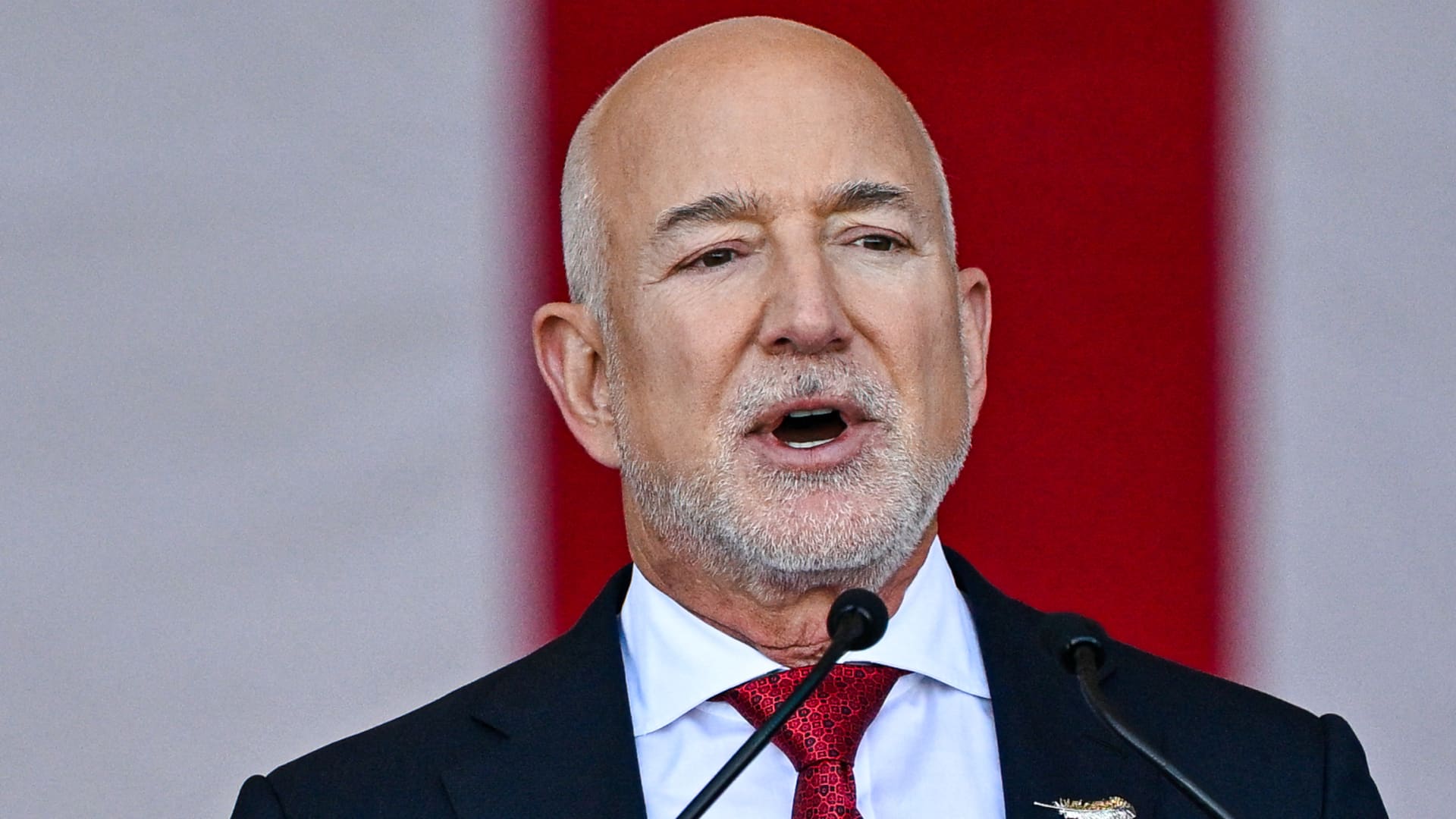
Jeff Bezos: I don't want to reduce taxes for the working class, I want to eliminate it

Amazon executive chairman Jeff Bezos said a controversial tax strategy used by the wealthy to borrow against assets to lower their income taxes is largely a “myth.”

“There’s no truth to this ‘buy, borrow, die’ thing,” Bezos told CNBC’s Andrew Ross Sorkin Wednesday in a wide-ranging interview. “I don’t even know where this comes from.”

The “buy, borrow, die” strategy refers to the practice of wealthy founders or investors borrowing against their assets and using the loan proceeds as income. Since the loan isn’t considered taxable income, their income stream avoids tax. Thanks to the step-up in basis tax provision, any gain in the value of their assets during their lifetime is also erased upon their death, avoiding any capital gains tax.

The most famous practitioners of the strategy are Oracle co-founder Larry Ellison and the world’s richest man, Elon Musk. Ellison doesn’t take a taxable salary at Oracle but has pledged more than $30 billion of his stock as collateral for loans. Musk has pledged billions of Tesla shares over the years as similar collateral, although he said he paid $11 billion in federal and state income taxes in 2021 when he exercised Tesla options.

Advertisement

Bezos is the world’s fourth-richest man, with a net worth around $269 billion, according to Forbes.

The “buy, borrow, die” strategy has come under attack by Democratic Sens. Elizabeth Warren and Ron Wyden, among others, who have proposed targeting the practice by taxing wealth instead of income.

Bezos said he pays taxes on the Amazon stock he regularly sells to fund his Blue Origin rocket company and other ventures.

“Whenever I sell, I pay taxes on it,” he said.

Advertisement

Bezos also said he could support tax reforms taking aim at the practice, but didn’t give specifics.

“I’m a little skeptical that that’s a true loophole,” he said. “But if it is, and we can fix it, then we should. I don’t think such a loophole should exist.”

He cautioned, however, that closing the loophole wouldn’t solve the underlying issues of government spending, inequality and supporting those at the bottom of the economy.

“If you fix that loophole, it’s not going to solve the full problem, Bezos said, using the hypothetical example of a nurse in Queens, New York, facing a high tax burden. “It’s not going to help her at all.”

Advertisement
Choose CNBC as your preferred source on Google and never miss a moment from the most trusted name in business news.
Continue Reading

Trending

Copyright © 2025