

Crypto World
South Korea’s 22% Crypto Tax Petition Surpasses 50,000 Signatures


A regulatory push in South Korea over a 22% tax on crypto investment gains has entered a pivotal phase. A petition urging the government to scrap or revise the levy has surpassed the threshold for the Finance and Economic Planning Committee to formally review objections to the new tax regime. The petition’s momentum signals growing domestic scrutiny of a policy designed to tax crypto profits alongside broader asset classes.
The 22% tax, scheduled to take effect in January 2027, aims to formalize a long-debated approach to crypto earnings. Critics argue the levy would create financial and reporting burdens for investors and could hamper mobility for younger people already priced out of housing markets, according to the petition’s authors. The push has gained significant traction on social platforms and government portals, highlighting a regulatory moment as authorities weigh implementation and potential carve-outs or exemptions.
The petition now exceeds 52,000 signatures, well above the initial threshold, according to official records from the South Korea Assembly. The growing backing underscores concerns that the tax might shift capital flows or talent away from the domestic crypto sector if implemented as proposed.
“If taxation is enforced in order to secure short-term tax revenues, it is likely to lead to greater losses in the long term, namely, a contraction of industry and an outflow of capital and talent abroad.”
The debate occurs as South Korea cements its status as a central hub for crypto activity in the Asia-Pacific region. Yonhap, citing local data, noted that about 32% of the population owned cryptocurrencies in March 2025. While ownership has cooled somewhat in the face of ongoing price pressure, the country remains a focal point for exchange activity, innovation, and regulatory development.
In context, the broader policy landscape continues to trend toward tighter controls and higher compliance burdens for the industry. A related development referenced by observers concerns forthcoming rules around tokenized securities as part of broader regulation of digital assets, which regulators have signaled will be accompanied by risk-based oversight and licensing considerations.
Key takeaways
- The South Korean 22% crypto gains tax faces formal review after a petition threshold was met, signaling intensified regulatory scrutiny ahead of a 2027 rollout.
- Petition authors argue the tax, coupled with narrower favorable treatment for other assets, could undercut market share and long-term growth, warning of potential capital and talent outflows.
- Market indicators show a material contraction in domestic crypto activity, with holdings and daily volumes declining as regulatory measures tighten.
- Regulators have proposed stricter AML/KYC controls, including automatic flagging of large transfers involving foreign wallets, prompting pushback from exchanges on operational burdens.
Market dynamics and tightening controls
Industry data indicate a sharp decline in the value of crypto held domestically, dropping from about 121.8 trillion won in January 2025 to roughly 60.6 trillion won in February 2026. Daily trading volumes on South Korea’s five largest exchanges—Upbit, Bithumb, Coinone, Korbit and Gopax—fell from about $11.6 billion in December 2024 to around $3 billion in February 2026, underscoring a tightened market environment amid evolving regulatory requirements. CoinGecko data cited the volumes as a barometer of relatively cautious investor activity during a period of policy flux.
Regulatory authorities have also sharpened oversight through AML and KYC measures. In March, the Financial Services Commission and the Financial Intelligence Unit proposed automatic flagging of all crypto transactions over 10 million won ($6,630) sent to or from foreign wallets. Industry associations have argued that such reporting would impose operational burdens on exchanges and could raise compliance costs without delivering commensurate risk mitigation.
These steps come as the country contends with a broader push to balance innovation with investor protection and financial stability. The dynamic is being watched closely by exchanges, institutional investors, and global observers who are weighing how South Korea’s approach fits into evolving cross-border regulatory standards and potential alignment with broader market frameworks.
Beyond domestic measures, observers note a broader regulatory cadence shaping the sector—one that intersects with international standards and regional policy initiatives. While details vary by jurisdiction, the global trend toward enhanced transparency, licensing, and supervisory oversight remains a central driver of strategic planning for crypto firms seeking to operate in multiple markets. In related coverage, Cointelegraph reported on forthcoming July rules for tokenized securities in South Korea, illustrating how policy shifts can redefine product categories and licensing requirements for market participants.
Policy context and institutional implications
South Korea’s evolving regime sits within a global environment of intensified crypto regulation. The country’s tax policy, AML/KYC enhancements, and licensing expectations intersect with international efforts to standardize oversight and enforcement. For exchanges and financial institutions, the immediate implications lie in compliance design, tax reporting complexities, and capital-planning considerations tied to a potentially more burdensome operating landscape. Firms operating in or with exposure to the Korean market must assess licensing trajectories, cross-border transaction controls, and the interplay between domestic rules and international regulatory expectations.
For policymakers, the central questions include how to calibrate tax policy to support innovation while preserving tax revenue and financial stability, and how to align domestic rules with evolving international standards without stifling growth. The petition’s momentum highlights the importance of stakeholder engagement in shaping the practical dimensions of taxation, reporting obligations, and enforcement priorities in a fast-moving sector.
Institutions should monitor not only the petition’s progression through the Finance and Economic Planning Committee but also the government’s response to tightening AML/KYC rules and the potential for phased or alternative frameworks that could soften the impact on smaller participants while preserving safeguards.
What changes next is contingent on committee deliberations, regulatory consultations, and the industry’s ability to demonstrate cost-effective compliance and robust risk controls. The coming months will reveal whether adjustments to the tax design or transitional relief measures emerge, or whether the 2027 implementation timeline remains unchanged.
Closing perspective: As South Korea navigates a pivotal policy crossroads, lenders, exchanges, and funds with exposure to the Korean market should prepare for ongoing regulatory development, heightened reporting expectations, and potential shifts in investment strategies in response to the evolving tax and compliance regime.

An XRP whale collected $224,500 in options premiums betting the token stays near $1.40 through June 26.
Summary
- A large trader executed a short strangle on Deribit on May 21, selling 1.5 million contracts each of the $1.40 XRP call and put option.
- The trade collects $224,500 in upfront premium and returns the full amount if XRP remains close to $1.40 through the June 26 expiry.
- XRP has traded between $1.30 and $1.50 for roughly 60% of 2026, making the flat-price bet consistent with recent price history.
An XRP whale executed a short strangle on Deribit on May 21, selling 1.5 million contracts each of the $1.40 call and put options. The trade hit the tape as a single privately negotiated block to avoid moving the market.
By selling both the call and the put at the same strike, the trader provided insurance against sharp price moves in either direction. The $224,500 upfront premium is the maximum profit and is kept in full if XRP stays near $1.40 through the June 26 expiry.
How the short strangle works and what the whale risked
XRP has spent roughly 60% of 2026 trading between $1.30 and $1.50. The May 29 monthly options expiry has max pain at $1.40, according to Laevitas data, reinforcing that level as a near-term gravitational centre.
XRP options open interest has climbed back above 50 million contracts for the first time in nearly two months, according to Laevitas data, signalling renewed activity ahead of the May 29 monthly expiry.
Why the Clarity Act is the main threat to this bet
Crypto.news has explored why the Clarity Act matters more to XRP than to almost any other asset. A Senate floor vote arriving sooner than expected could push XRP sharply through $1.50, turning the short call into a loss.
Crypto.news has tracked how the May 15 options expiry pulled XRP back from $1.55 toward $1.45, consistent with max pain mechanics.
What happens if XRP breaks out of the $1.40 range
The short strangle becomes unprofitable when XRP moves far enough that losses exceed the $224,500 premium. A move above the strike plus premium on the upside, or below it on the downside, turns the position into a net loss.
Given the Clarity Act’s uncertain Senate timeline and macro pressure on Bitcoin near $77,000, the bet amounts to a conviction that nothing consequential happens to XRP before late June. The XRP (XRP) price page tracks live movements as that conviction is tested.

The US Commodity Futures Trading Commission (CFTC), under the sole leadership of Republican Michael Selig, announced a memorandum of understanding with the National Hockey League to protect the integrity of professional hockey and maintain fair and transparent prediction markets. The agreement is designed to enable information-sharing and coordinated action to deter insider trading, fraud, and other abuse on event contracts tied to hockey outcomes, while reinforcing the CFTC’s claim of exclusive jurisdiction over platforms like Kalshi and Polymarket.
In a Thursday statement, Selig said the move aims to shield prediction-market users from illicit activity as the CFTC continues to exercise its regulatory remit. The arrangement follows a pattern seen with Major League Baseball, which announced a similar pact in March and designated Polymarket as its Official Prediction Market Exchange. According to Cointelegraph, the NHL accord mirrors that MLB framework, signaling a broader alignment between leagues and federal regulators on market integrity standards.
Regulators note that the NHL agreement would allow the CFTC and the league to share information and coordinate to safeguard the integrity of both professional hockey and related event contracts on prediction-market platforms. With the 2026-27 NHL season slated to begin in September, Kalshi and Polymarket already listed event contracts tied to the Stanley Cup playoffs, which began in April.
Key takeaways
- The CFTC and the National Hockey League formalize information-sharing and joint oversight to protect hockey-related prediction-market contracts from manipulation and abuse.
- The pact reinforces the CFTC’s assertion of exclusive jurisdiction over prediction markets and follows prior enforcement actions against state authorities over such platforms.
- Live event contracts for major postseason hockey are present on Kalshi and Polymarket, indicating market readiness ahead of the upcoming season.
- Polymarket has filed to list combinatorial outcome contracts, signaling product expansion within the regulatory framework.
Regulatory coordination between the CFTC and the NHL
Under the memorandum of understanding, the CFTC and the NHL will share information and coordinate actions to protect market integrity around professional-hockey–related event contracts. This collaboration underscores the CFTC’s position that prediction markets fall within its exclusive regulatory remit, a stance the agency has enforced through actions against state authorities pursuing similar market structures in recent years. The objective is to deter insider trading, fraud, and other abuses that could erode user trust and undermine market reliability.
These arrangements illustrate how federal regulators are seeking to align sports leagues with robust compliance and monitoring frameworks for prediction markets. By integrating league operations with federal oversight, the ecosystem aims to reduce cross-market abuses while preserving legitimate hedging and informational use cases for participants.
Leadership and governance at the CFTC
The CFTC’s leadership situation remains a focal point for industry observers. Michael Selig serves as the agency’s chair and sole commissioner, with the expectation that the commission will eventually comprise five members. However, the panel has operated without a full slate since December. Lawmakers have pressed for nominations to fill the remaining seats, and while several oversight efforts have been advanced, President Donald Trump had not publicly announced any nominations as of Thursday. House committee leaders have urged action, citing the CLARITY Act as a framework to clarify agency governance and authorities in relation to prediction markets.
Product development and market structure
Polymarket filed a product self-certification letter with the CFTC Secretary Christopher Kirkpatrick, signaling its intention to list combinatorial outcome contracts. This step would permit the platform to bundle two or more underlying event contracts into a single instrument, expanding the design space for prediction-market participants while remaining subject to regulatory review. The filing underscores how product innovation within prediction markets continues to evolve under the supervision of the CFTC, balancing new capabilities with the need for transparent disclosure and enforceable standards.
From a practical perspective, the move matters for exchanges, liquidity providers, and corporate compliance teams that rely on clear governance around sports-linked prediction markets. As enforcement and licensing considerations shape product offerings, institutions will monitor how cross-state oversight, consumer protections, and platform registration requirements develop in tandem with market innovation.
Observers note these regulatory dialogues illustrate a broader trend toward formalized collaboration between sports leagues and federal regulators to manage risk, protect investors, and sustain market integrity in prediction markets. The evolving framework will influence how platforms structure products, how leagues engage with licensed venues, and how compliance teams assess exposure across multi-jurisdictional operations.
The closing dynamics to watch include how remaining CFTC seats are filled, how states respond to ongoing enforcement narratives, and how Polymarket’s combinatorial-contract plans proceed under ongoing scrutiny. Together, these elements will shape the regulatory landscape governing US prediction markets and their interface with professional sports ecosystems.
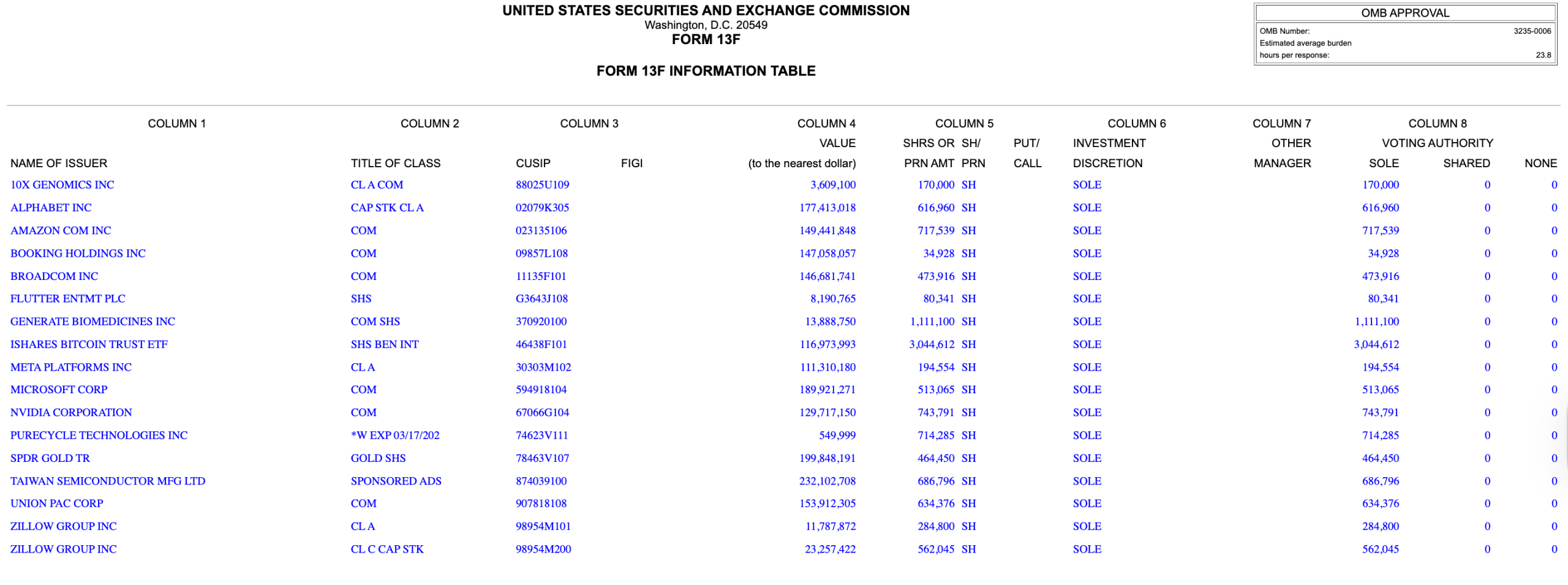
Harvard Management Company, the entity that manages Harvard University’s endowment fund, sold all of its Ether (ETH) holdings after just one quarter, according to its Q1 2026 United States Securities and Exchange Commission (SEC) filing.
The endowment no longer holds the $87 million in BlackRock iShares Ethereum Trust exchange-traded fund (ETF) shares, which it held in Q4 2025, according to its Q1 2026 SEC filing.
Harvard also reduced its exposure to Bitcoin (BTC) in Q1 2026, offloading about 2.3 million Bitcoin ETF shares. The endowment fund still holds more than 3 million shares of BlackRock’s iShares Bitcoin Trust ETF, valued at nearly $117 million.
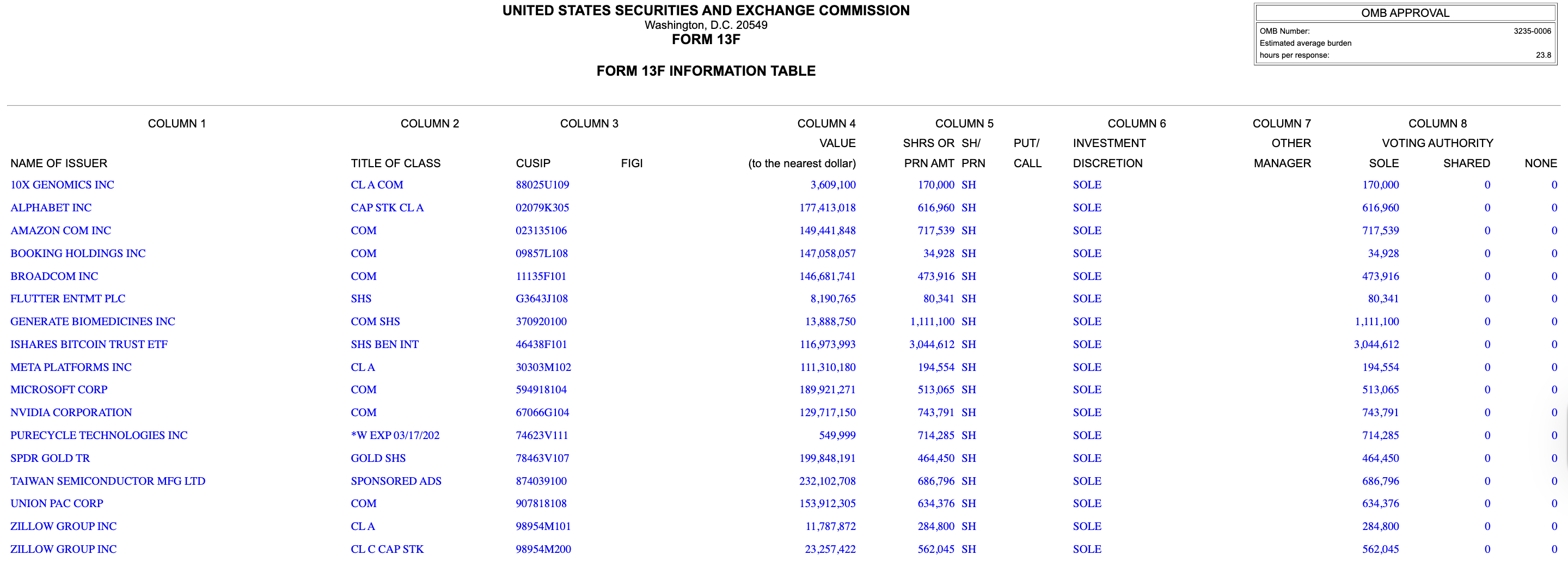
Harvard’s asset holdings as of Q1 2026. Source: SEC
The change in holdings follows a turbulent year for ETH, which has fallen by over 50% from the all-time high of nearly $5,000 reached in August 2025, and several high-profile departures at the Ethereum Foundation (EF), the organization that oversees the ecosystem.
Related: Dartmouth endowment invests in Solana ETF, holds $14M in crypto exposure
Key personnel leave the Ethereum Foundation, as the organization receives flak
Julian Ma and Carl Beek, two researchers at the EF, recently announced their departure from the organization, bringing the total number of departures in 2026 to eight.
Josh Stark, a longtime researcher and former project manager at the Foundation, also left the organization in April. The departures follow several organizational and leadership changes at the EF, which began in January 2025.
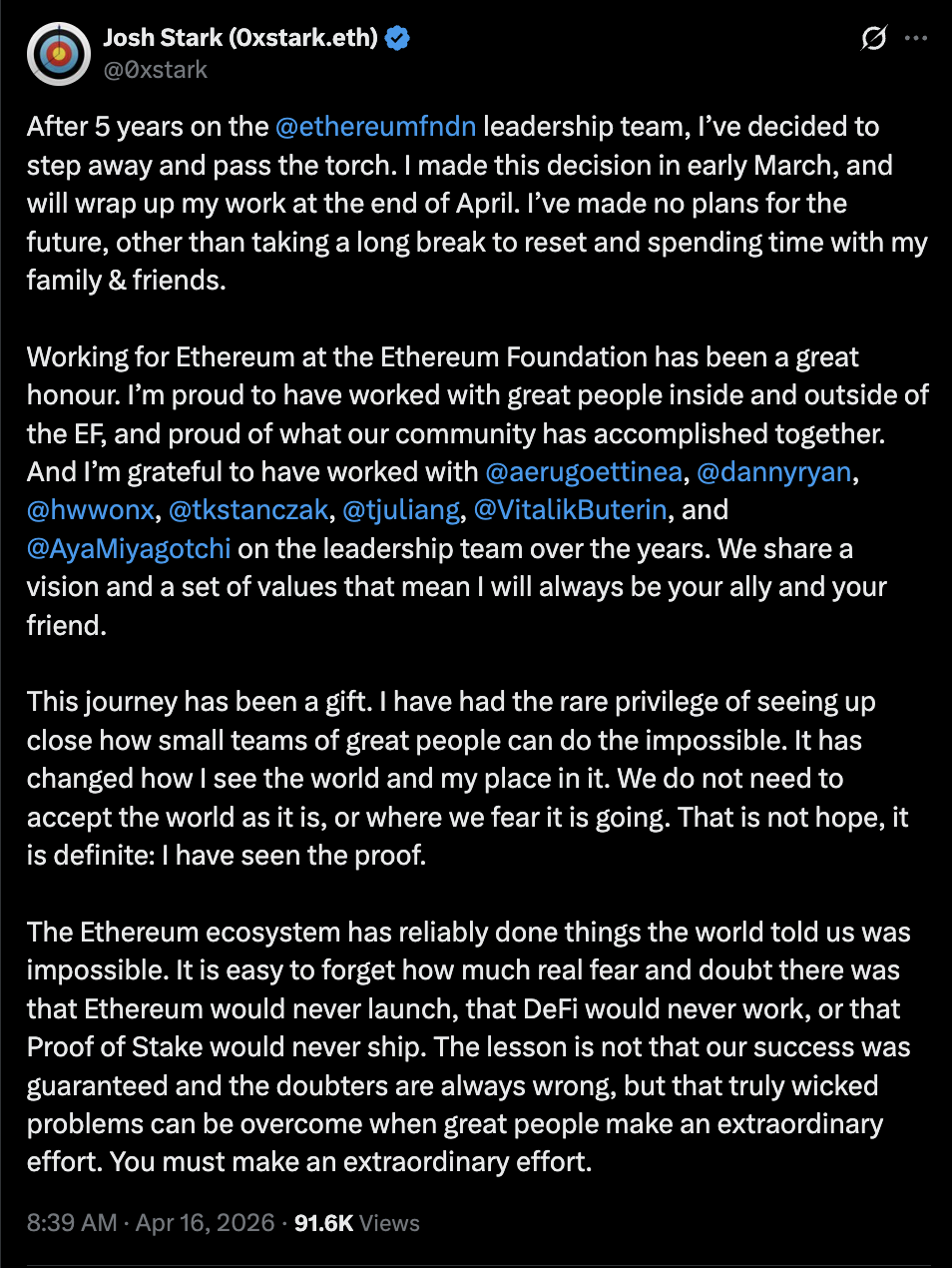
Source: Josh Stark
In March, the EF published a mandate outlining its goals and its focus on upholding decentralization, privacy, open-source software code and censorship resistance.
However, the mandate and the overall stance of the organization were met with mixed reactions from the crypto community.
The core pillars outlined in the EF’s mandate are “great” and “worth fighting for,” according to journalist Laura Shin, but the EF should also focus on tokeneomics and raising the price of its native asset, she added.
“The Ethereum Foundation seems to want to sit back on its laurels and act above it all when all its competitors are all getting down and dirty on the field to gain market share,” Shin said.
Magazine: Why is Ethereum Foundation selling? BTC futures warning signs: Market Moves
Crypto World
On-Chain Data Reveals Bitcoin Miners Are Not Yet Convinced the Market Has Reached Its Bottom

TLDR:
- Binance Pool miner reserves are declining, showing operational selling pressure remains active in the market.
- The MPI staying negative confirms miners are selling below historical averages, reducing sharp dump risks.
- A Puell Multiple below 1.0 shows miner revenues remain historically weak, reflecting ongoing financial stress.
- Combined on-chain data suggests Bitcoin faces continued sideways consolidation before any confirmed bottom forms.
Bitcoin miners are showing a cautious but measured stance toward current market conditions. On-chain data reveals that miners are neither panic-selling nor aggressively accumulating.
Instead, they appear to be in a wait-and-see phase. Three key metrics — Binance Pool Miner Reserve, the Miner Position Index (MPI), and the Puell Multiple — paint a consistent picture.
Together, they suggest that Bitcoin has not yet confirmed a true market bottom, and that sideways price action may continue for some time.
Binance Pool Reserves and What Miner Behavior Is Telling the Market
The decline in Binance Pool Miner Reserve data is one of the more telling signals right now. Miners within Binance Pool are continuing to reduce their holdings.
Because Binance Pool controls a significant portion of global hash rate, its actions tend to reflect broader miner psychology before the wider market responds.
Falling reserves typically mean that operational selling is still ongoing. However, this selling does not appear to be driven by fear or urgency. According to CryptoQuant analyst @PelinayPA, “the decline in reserves still implies BTC supply entering the market. However, the weak MPI suggests these sales are not large enough to trigger a collapse.”
This distinction matters. Supply entering the market does not automatically translate into a sharp price decline. The pace and volume of that supply is what determines market impact. In this case, the data points to controlled, need-based selling rather than a broader miner capitulation.
As a result, the current selling pressure is best understood as an ongoing but modest headwind. It limits the likelihood of a strong upward breakout while also reducing the risk of a sudden price collapse.
Puell Multiple and MPI Reflect Continued Miner Stress
The Miner Position Index remaining in negative territory reinforces this cautious reading. Negative MPI values indicate that miners are selling less than their historical average — not more.
This rules out panic selling as a near-term risk. However, it also reflects that miners are not yet confident enough to hold aggressively.
The Puell Multiple adds another layer to this analysis. It is currently sitting below the 1.0 threshold, which means miner revenues remain historically weak.
Miners are still under financial pressure, and that pressure is prompting the modest selling activity seen in the reserve data.
Technically speaking, a Puell Multiple below 1.0 has historically aligned with periods near cycle bottoms. However, the absence of an aggressive accumulation signal suggests that miners do not yet see the conditions as definitively bottomed. They are not moving to build positions, which typically happens once miners believe the worst is behind them.
This combination of metrics points to a market that is stabilizing rather than recovering. The analyst notes that this type of behavior — cautious holding with moderate selling — is commonly observed near bottom formations.
That said, miners themselves do not appear to be acting on any conviction that a bottom has already been confirmed.
The broader takeaway for investors is straightforward. Short-term price pressure has not fully cleared. Bitcoin appears likely to remain in a consolidation phase in the near term, with neither a major breakdown nor a strong rally supported by the current miner data.

TLDR:
- Strategy now holds 843,738 BTC, adding nearly 25,000 coins last week at over $80,000 per coin.
- Spot ETFs absorbed ~19,000 BTC across April, with single-session inflows hitting $630M on May 1st.
- Forty-seven dormant wallets have moved 38,400 BTC in 2026 — equal to three full months of ETF demand.
- Once old-whale distribution exhausts itself, institutional buying gains no counterweight, pointing sharply upward.
Bitcoin’s price has held firm near $78,000 despite record institutional buying, raising questions about what is keeping the market anchored.
On-chain analysts tracking wallet movements and ETF inflows have identified a pattern that explains the flat price action. Major players like Strategy (formerly MicroStrategy) and spot ETF issuers are absorbing enormous supply.
Yet dormant wallets from the early Bitcoin era are quietly offsetting that demand through OTC channels.
Institutional Accumulation Reaches Historic Levels in May
Strategy added 24,869 BTC last week at an average price of $80,985 per coin. The company now holds 843,738 BTC with a total cost basis of $63.8 billion.
On May 17, Michael Saylor posted “₿ig Dot Energy” on social media. Independent trackers estimate another 15,466 BTC was accumulated that week, pending a formal 8-K filing.
Spot Bitcoin ETFs added roughly 19,000 BTC across nine trading sessions in April alone. BlackRock’s IBIT has now surpassed $66 billion in cumulative inflows since launch.
On May 1 alone, ETF products absorbed $630 million in a single session. The first two trading sessions of May combined for $1.1 billion in total inflows.
Post-halving miners now produce approximately 13,500 BTC each month. With institutions absorbing close to 50,000 BTC per month, the supply math points strongly upward.
However, price has stayed pinned between $78,000 and $82,000 for weeks. The Market Capitulation Oscillator has remained in negative territory throughout this period.
The divergence between demand and price movement puzzled many market participants. Standard dashboards showing only ETF inflows and corporate buying gave an incomplete picture.
The missing piece was found in dormant wallet activity and OTC settlement data. Analysts tracking long-term holder cohorts began connecting the dots.
Old-Whale Distribution Is the Hidden Force Behind the Chop Zone
Analytics firm Alphractal’s Whale vs. Retail Delta tracks who is buying and who is selling in each session. Over 14 of the last 21 trading sessions, retail investors showed net buying activity.
Meanwhile, whale-side readings showed net selling during those same sessions. That pattern matches distribution behavior, not a capitulation signal.
On May 11, a dormant wallet from 2013 moved 500 BTC. Whale Alert data shows that 72% of moves from wallets dormant more than seven years in 2026 resolved as OTC transactions rather than exchange sells.
Since the halving, 47 wallets holding coins for more than five years have moved. The combined volume from that cohort in 2026 has reached 38,400 BTC.
That figure equals roughly three months of ETF demand. These coins are being routed off-screen through OTC desks and absorbed quietly.
ETF buyers are, in effect, providing exit liquidity for early Bitcoin holders. The price stays flat because supply and demand are nearly balanced through this mechanism.
According to Alphractal, the setup will shift once old-whale distribution exhausts itself. Metrics like Liveliness, Coin Days Destroyed, and Days at Profit will converge when that supply source dries up.
At that point, institutional demand has no counterweight and price pressure turns sharply upward. Until then, the $78,000–$82,000 range is likely to hold as the dominant chop zone.
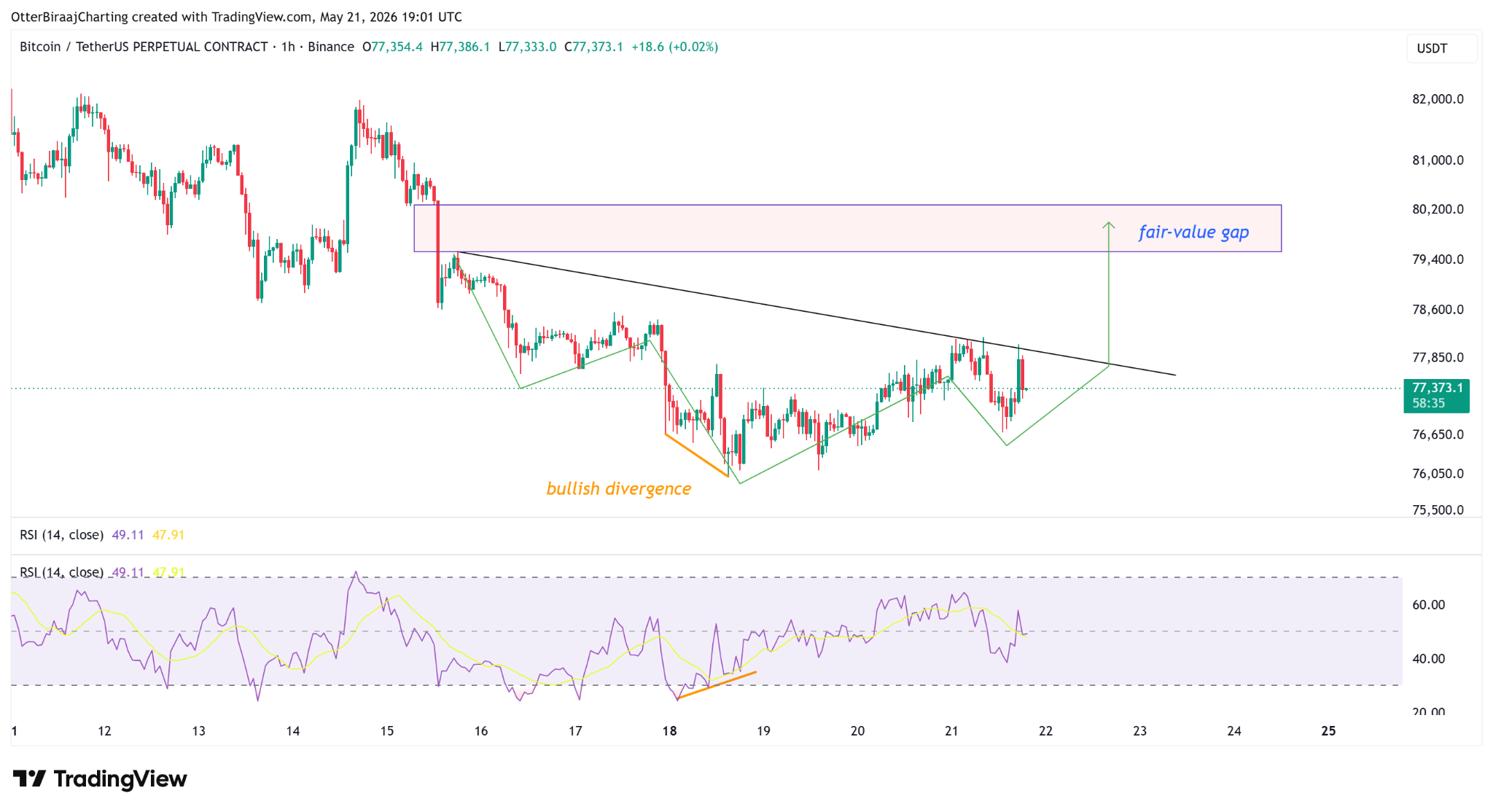
A liquidity imbalance in Bitcoin (BTC) is building near $80,000, with more than $4 billion in short positions vulnerable to liquidation above that level. The setup strengthened after Bitcoin defended support near $76,100 for two days and formed bullish signals on the lower time frames.
BTC short liquidations stack above $80,000
On the one-hour chart, Bitcoin formed a bullish divergence between the price and the relative strength index (RSI), with improving momentum and higher lows near $76,100, suggesting underlying buying strength. BTC also retested $78,000 on Thursday after defending the $76,100 support level multiple times this week.
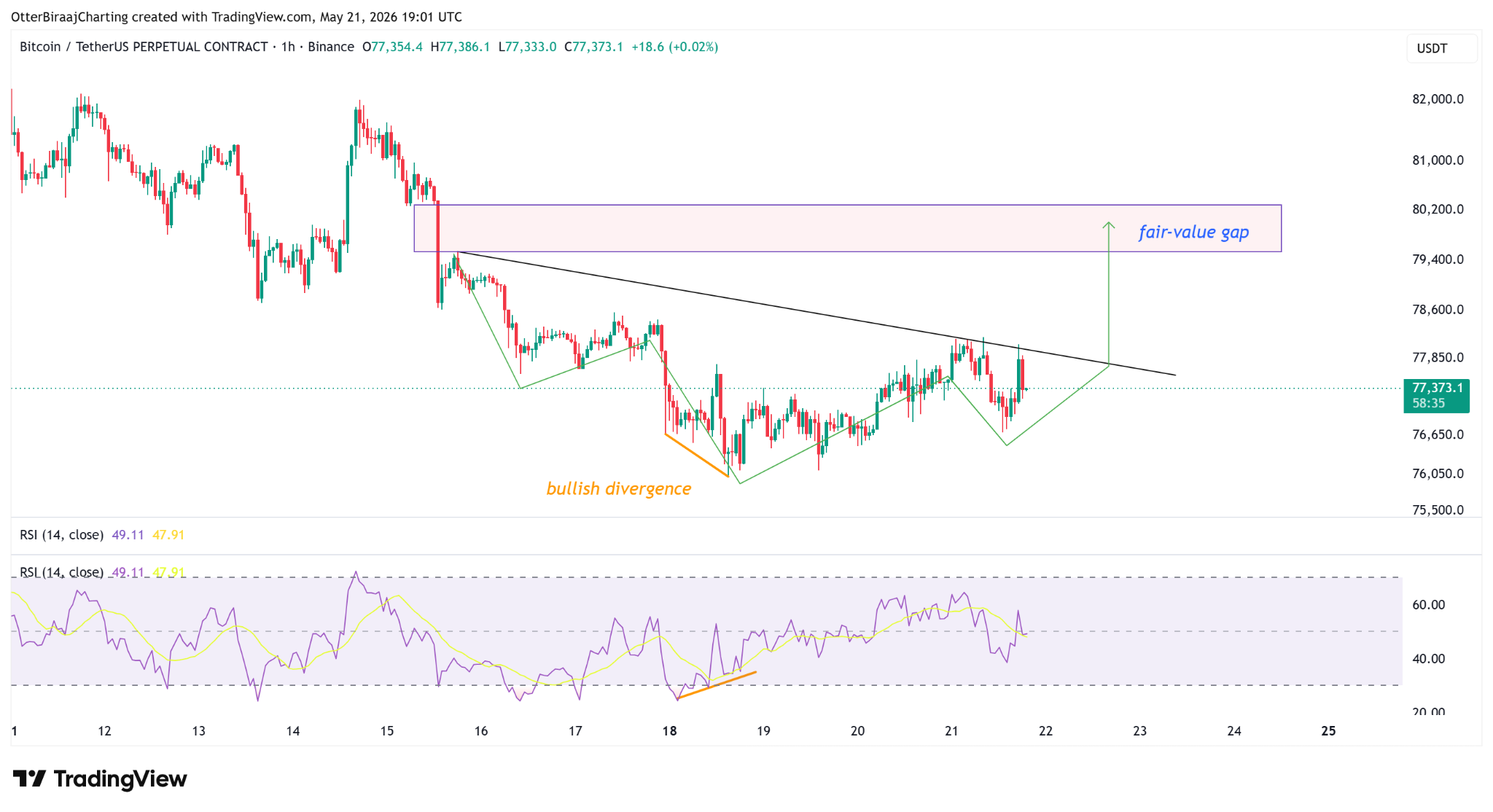
BTC/USDT, one-hour chart. Source: Cointelegraph/TradingView
The price action is also shaping an inverse head-and-shoulders setup beneath a descending trendline, a structure that often signals weakening bearish pressure before a breakout. A move above $78,000 could expose the fair-value gap (FVG) between $79,500 and $80,300, a low-liquidity price zone created during a sharp prior selloff that BTC price could revisit to fill the untraded range before continuing its next move.
CoinGlass liquidation data show that the largest concentration of leveraged risk is above current price levels. A move toward $80,000 would expose more than $4 billion in cumulative short positions. By comparison, a decline toward $75,000 would expose roughly $3 billion in long liquidations.
This indicates that short sellers face greater pressure than bullish positions if BTC continues to climb.
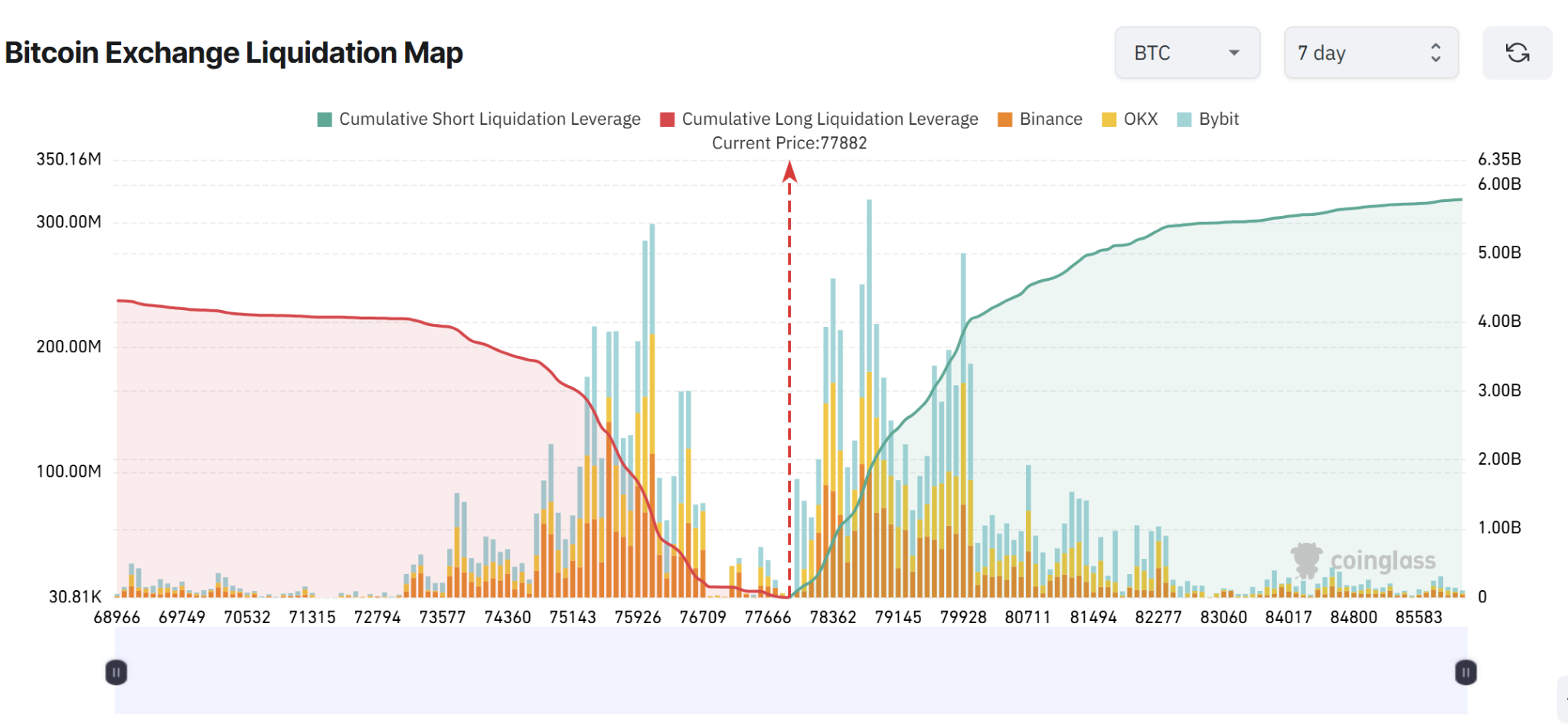
BTC liquidation map. Source: CoinGlass
Related: Bitcoin accumulation trends weaken as realized losses jump to $600M
Bitcoin futures activity overshadows spot
BTC liquidation activity has already accelerated over the past 24 hours. CoinGlass data recorded 103,963 liquidated traders, with total liquidations reaching $286.08 million. Short positions accounted for nearly $175 million of the total, while the largest single liquidation hit Binance’s BTCUSDT pair at $3.04 million.
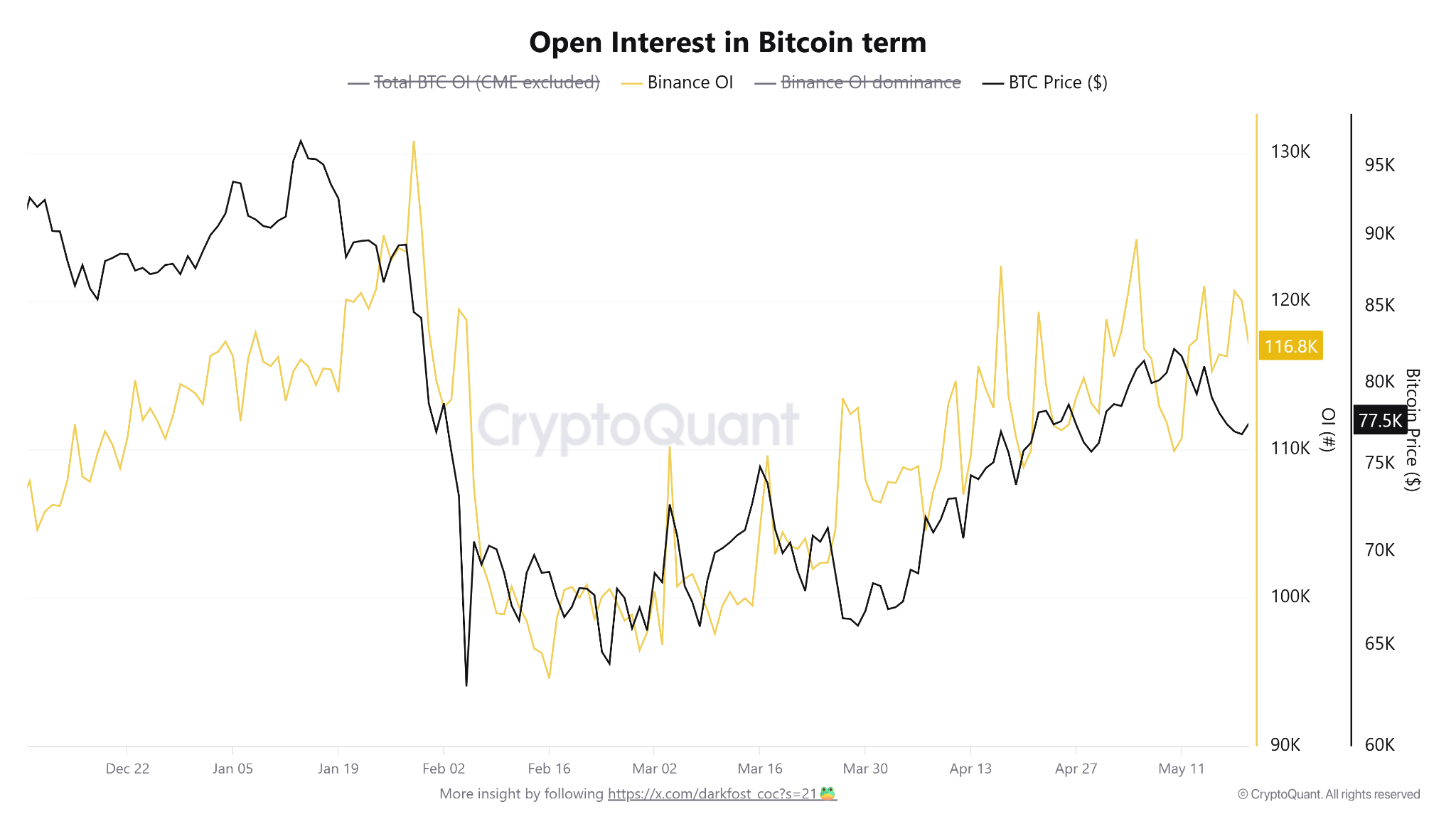
Open interest in Bitcoin term. Source: CryptoQuant
CryptoQuant data showed Bitcoin-denominated open interest near 116,800 BTC, down from 120,000 BTC a day earlier. The lower open interest indicates traders closed part of their leveraged exposure during recent volatility. That usually points to more controlled derivatives activity rather than overheated speculation.
Spot market participation stayed weak during Bitcoin’s recovery toward $78,000. The aggregated spot cumulative volume delta (CVD), which tracks net buying and selling pressure, stood at -$483 million. The futures CVD turned slightly positive around $34 million, while funding rates remained elevated, indicating a bullish skew in the short term.
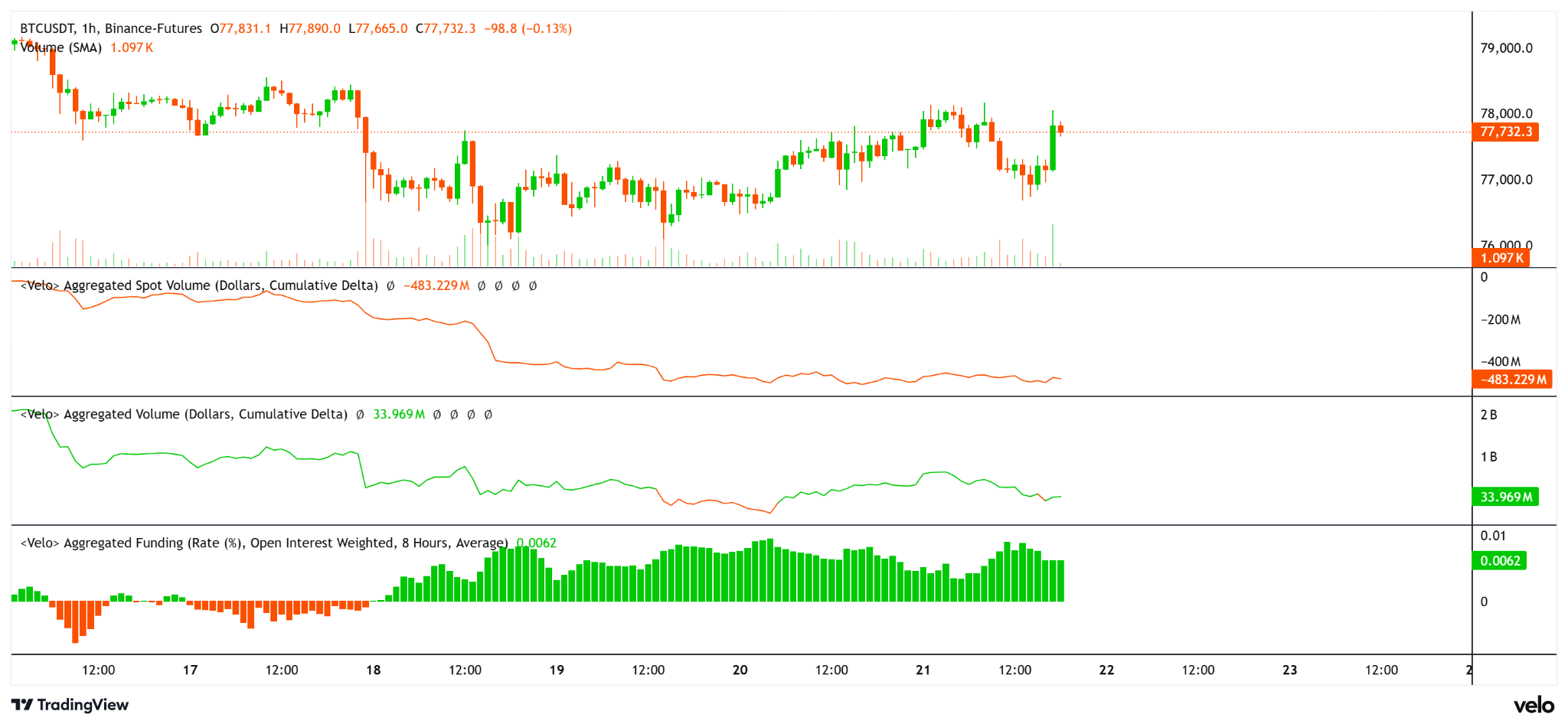
BTC price, aggregated funding rate, futures, and spot CVD. Source: Velo chart
The split between weak spot demand and marginally strong futures activity shows leveraged traders are driving the recent upside. The liquidity concentration above $80,000 now stands as the clearest near-term retest level.
Related: SpaceX reveals larger-than-expected Bitcoin holdings in IPO filing
Crypto World
OSL Strengthens Asia’s Digital Asset Ecosystem with Listing of State-Supervised Gold-Backed Stablecoin USDKG

[PRESS RELEASE – Hong Kong, Hong Kong, May 21st, 2026]
OSL Group (863.HK) (OSL), a global stablecoin payment and trading platform, today announced that its Hong Kong-licensed digital asset exchange OSL HK has officially listed USDKG, the gold-backed stablecoin issued by the Kyrgyz Republic. The listing marks a significant step in bringing a state-supervised, asset-backed digital currency to one of the world’s most established licensed virtual asset markets.
Pegged 1:1 to the U.S. Dollar and fully backed by physical gold reserves, USDKG is now accessible to professional investors through OSL’s institutional-grade infrastructure. The initial trading pair USDKG/USDT is now available to professional investors across OSL HK’s over-the-counter (OTC) platform.
The listing of USDKG aligns with OSL’s commitment to contribute to the development of a secure and compliant digital asset ecosystem in Asia and beyond. It also expands USDKG’s reach into new markets through a regulated platform aligned with institutional standards, supporting its use in cross-border settlement and broader financial applications.
Jason Liu, Global Exchange COO of OSL, said: “OSL is dedicated to providing investors with access to regulated, innovative assets. The listing of USDKG not only enriches OSL’s product offerings for the market, but also strengthens its compliant stablecoin ecosystem, as the introduction of a state-backed, compliant digital asset further underscores OSL’s credibility and leadership within the industry.”
Biibolot Mamytov, CEO of Gold Dollar (USDKG), said: “This listing represents an important milestone for USDKG as we enter one of the most established and highly regulated digital asset markets globally. Hong Kong is widely regarded as the gold standard for digital asset regulation, and working with OSL reflects our focus on transparency, gold-backed reserves, and institutional-grade infrastructure.”
About USDKG
USDKG is issued by OJSC Virtual Asset Issuer, a state-owned entity under Kyrgyzstan’s Ministry of Finance, with an initial issuance of $50 million backed by physical gold reserves audited by Kreston Global. The stablecoin is deployed on Ethereum and TRON, with smart contract audits conducted by ConsenSys Diligence.
The token is already accessible through decentralized exchanges, including Curve and Uniswap, and supported by major wallets such as Ledger Live, MetaMask, Trust Wallet, and TronLink. The stablecoin is fully compliant with FATF KYC/AML standards and is designed to facilitate financial inclusion and efficient cross-border value transfer.
With this listing, Kyrgyzstan continues to position itself as a regional first-mover in regulated, asset-backed digital currencies, bridging traditional finance and blockchain infrastructure while maintaining full sovereign oversight and public accountability.
About OSL Group
OSL Group (HKEX: 863) is a global stablecoin payment and trading platform that strives to provide compliant and efficient digital financial infrastructure services globally, empowering enterprises, financial institutions and individuals to seamlessly exchange, pay, trade, and settle between fiat and digital currencies. Grounded in the core values of Open, Secure, and Licensed, it is committed to building a more efficient ecosystem that connects global markets and enables instant, seamless and compliant value movement worldwide. For media inquiries, users can contact: media@osl.com
Disclaimer
This article is for informational purposes only and does not constitute, and shall not be construed as, an offer, solicitation, invitation, recommendation, or inducement to buy, sell, subscribe for, or otherwise deal in any digital assets, securities, or financial products. It does not constitute financial, investment, legal, tax, accounting, or other professional advice and should not be relied upon as such. The views, statements, and information contained herein do not necessarily reflect the official positions or commitments of OSL Group or any of its affiliates. Any descriptions of products, services, promotions, or programmes are for general reference only. Participation in any products, services, or promotions mentioned is subject to applicable terms, conditions, and regulatory requirements. This article may contain forward-looking statements or indicative information. Actual outcomes may differ materially, and OSL Group assumes no obligation to update such information.
The post OSL Strengthens Asia’s Digital Asset Ecosystem with Listing of State-Supervised Gold-Backed Stablecoin USDKG appeared first on CryptoPotato.

Blockchain.com has quietly moved to public markets, confidentially filing for a U.S. initial public offering by submitting an S-1 registration statement for a proposed listing of Class A ordinary shares. The timing, share count, and pricing remain undecided and will depend on ongoing regulatory review and market conditions.
Founded in 2011, Blockchain.com has built a broad crypto platform that spans consumer wallets, trading, and institutional products. The company says it has more than 95 million wallets and over 43 million verified users, and it has processed in excess of $1.1 trillion in crypto transactions. The filing underscores the ongoing push by crypto firms to access traditional capital markets as the sector grapples with volatility, regulatory scrutiny, and a shifting appetite for public listings.
Blockchain.com has also emphasized growth through expansion, including a deeper push into African markets and the launch of perpetual futures trading via its self-custodial wallet, enabled by Hyperliquid. The confidential filing arrives amid a broader wave of crypto companies weighing public offerings, with some pursuing listings while others adjust plans to market conditions.
Key takeaways
- Confidential S-1 filings allow firms to begin the IPO process and receive regulatory feedback before disclosing detailed financials and offering particulars.
- Blockchain.com’s scale—95 million wallets, 43 million verified users, and $1.1 trillion in processed crypto transactions—positions it among the larger crypto service providers seeking public capital.
- The crypto IPO landscape remains uneven: Backpack Exchange has signaled a path toward a U.S. listing tied to a forthcoming token, while Copper has been reported to weigh an IPO or, alternatively, a sale, and Kraken’s timeline has faced several updates.
- BitGo completed a high-profile crypto IPO in January, pricing at $18 per share and raising about $213 million on the NYSE, in a deal valued at over $2 billion; the stock has since traded lower as markets cooled.
- Market conditions and regulatory clarity will continue to shape Blockchain.com’s path to a public listing, with concrete pricing and share counts likely to emerge only after further SEC feedback and market signals.
Blockchain.com’s approach to the public market
The company’s decision to pursue a U.S. IPO through a confidential S-1 filing reflects a cautious, data-driven approach to access capital from public investors. By filing confidentially, Blockchain.com can obtain early regulatory feedback and hedge against the uncertainties that accompany an active public market, particularly for a sector that has faced heightened scrutiny on disclosures, risk management, and consumer protections.
Blockchain.com’s management has been clear about its dual objective: leverage public-market financing to accelerate growth and continue broadening its product suite beyond consumer wallets. The S-1 process will likely surface questions from regulators about governance, financial reporting, and the company’s exposure to crypto volatility, all of which will influence the eventual terms of any offering.
Growth engine and product strategy
Beyond its core wallet and trading services, Blockchain.com has been expanding its footprint and capabilities. The firm highlights its wallet footprint and user base as a foundation for scalable growth, alongside institutional-grade products designed to attract large counterparties and asset managers. The expansion into African markets signals an effort to broaden user adoption in regions with rapidly increasing crypto activity and a growing middle class seeking digital financial services.
Additionally, the launch of perpetual futures trading through the Hyperliquid protocol—implemented via its self-custodial wallet—illustrates an emphasis on integrating derivative capabilities that can drive user engagement and fee income. These moves aim to diversify revenue streams and demonstrate the company’s ability to innovate within the evolving crypto landscape while navigating ongoing regulatory considerations.
Industry peers and the evolving IPO cadence
Blockchain.com is entering a crowded field of crypto firms pursuing or recalibrating public-market ambitions. Backpack Exchange announced plans toward a U.S. IPO, with its tokenization and unlocking mechanics designed to align token holders with potential equity outcomes. Copper, a prominent custody player, had been reported as weighing an IPO but later saw market chatter suggesting a strategic pivot toward a sale rather than a listing. Kraken, one of the largest private exchanges, has seen its IPO timeline oscillate, including confirmations of continued pursuit alongside public-market pressures and internal restructurings.
_bitly–term shifts_ and investor sentiment have already shaped these trajectories. A round of layoffs at a major correspondent underscored how macro market dynamics can influence timing for listings in this sector. In a benchmark example, BitGo’s January IPO on the NYSE priced at $18 per share, raising roughly $213 million and valuing the company above $2 billion; the stock subsequently traded lower as broader crypto markets cooled. The experience of these peers illustrates both the capital opportunities and the volatility inherent in crypto IPOs, and it provides a cautionary backdrop for Blockchain.com’s own process.
What investors should watch next
For investors and market watchers, Blockchain.com’s confidential filing is a signal that large-scale crypto platforms remain confident in public-market access as a financing channel. The readiness of the company to move toward an explicit pricing range will hinge on the SEC’s feedback and prevailing market conditions, including liquidity, crypto volatility, and regulatory clarity.
As the year unfolds, readers should monitor several developable milestones: how Blockchain.com clarifies its financial disclosures once the S-1 becomes public, any changes to its governance structure in response to regulatory inquiries, and how broader market conditions influence the timing of a potential offering. Additionally, the performance of peer IPOs—particularly BitGo and other earlier entrants—will serve as a barometer for pricing discipline and investor appetite in crypto equities.
With the sector navigating a mix of growth ambitions and regulatory headwinds, Blockchain.com’s IPO filing adds a meaningful datapoint to the evolving narrative: digital-asset platforms still seek the capital‑market channel, even as the path there remains contingent on a complex, changing backdrop. Keep an eye on updates to the S-1, the anticipated pricing window, and the regulatory signals that will ultimately determine the pace and scale of Blockchain.com’s public-market debut.
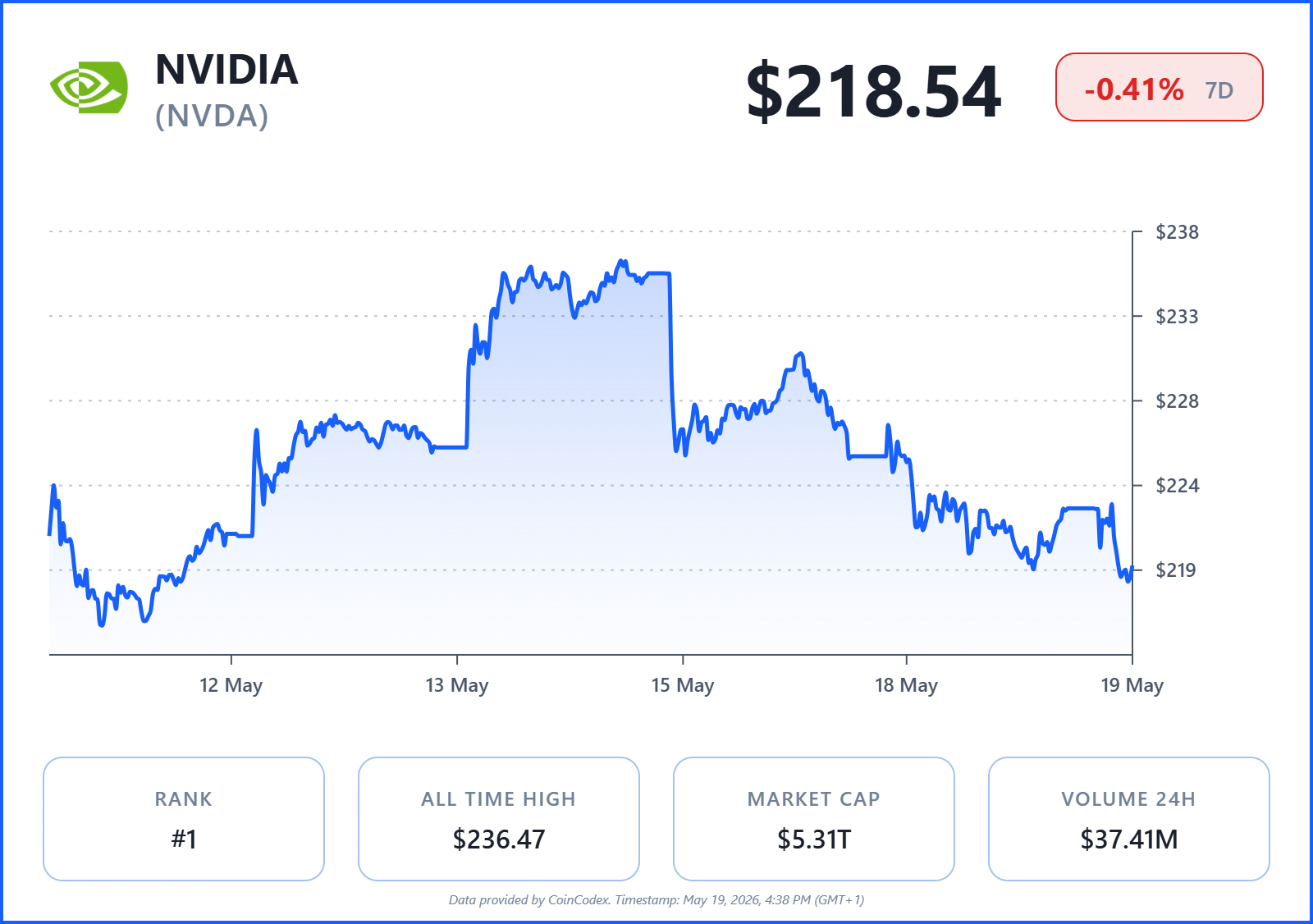
Last week, Nvidia stock climbed to a fresh all-time high above $236, pushing its market capitalization toward $5.7 trillion. The stock recently surged 3.7% in a single session and has now posted multiple consecutive gains, reflecting renewed investor confidence ahead of earnings.
The current Nvidia stock forecast hinges on two competing forces: accelerating global AI demand, particularly from China, and rising geopolitical and valuation risks.
With NVDA trading above key technical levels but approaching short-term overbought conditions, the next move may depend on earnings guidance and regulatory clarity.

China Demand Reignites AI Momentum
One of the primary drivers behind Nvidia’s latest breakout is renewed demand for AI chips from China.
Major technology firms, including Alibaba, Tencent, ByteDance, and JD.com are reportedly preparing to purchase Nvidia’s H200 processors, pending regulatory approvals.
Although US export restrictions remain in place and some Chinese approvals have slowed, investors appear to be pricing in a partial shift in demand.
Nvidia CEO Jensen Huang’s presence in China as part of a US delegation further suggests ongoing negotiations to unlock that pipeline.
Even with China’s revenue under pressure from export controls, Nvidia continues to benefit from surging global AI infrastructure spending. Demand for high-performance GPUs used in model training, inference, and AI server deployment remains structurally strong.
The broader semiconductor sector has rallied alongside Nvidia, with the Philadelphia Semiconductor Index reaching record levels.
Year-to-date, NVDA is up more than 25%, and over the past 12 months, the stock has gained more than 70%, significantly outperforming major indices.
Technical Outlook: $210 Support Remains Critical
From a technical perspective, Nvidia remains in a supportive uptrend. The stock is trading above its 20-day moving average near $210, its 50-day moving average near $193, and its 200-day moving average near $186. The Ichimoku Kijun level at $210.63 acts as immediate support.
However, momentum indicators suggest near-term exhaustion. The RSI is hovering near 64–65, and the CCI has entered overbought territory above 130.
The Stochastic RSI has generated a short-term sell signal, indicating potential consolidation despite the broader uptrend.
While MACD and ADX continue to support a bullish structure, divergence between oscillators and price suggests momentum may cool before another leg higher.
Over the next several sessions, NVDA is expected to trade between $215 and $235. A confirmed breakout above $235 would likely signal renewed upside momentum, potentially extending toward new highs.
Conversely, a sustained break below the $210–$215 support band would weaken the short-term structure and open the door for deeper retracement.
Nvidia Price Prediction for 2026
According to the latest CoinCodex Nvidia price prediction, NVDA may experience short-term consolidation before potentially resuming an upward trajectory later in 2026.

For May 2026, projections place the stock between $204 and $224, implying limited near-term upside.
June and July forecasts suggest moderate pullbacks, with average prices near $195–$201. This indicates a potential cooling phase following recent strength.
However, projections turn more constructive in the second half of the year. September and October show recovery toward the $220 range, while November targets extend toward $260. December forecasts indicate potential highs near $280, representing significant upside if bullish momentum reaccelerates.
While these projections remain model-based and conditional on broader market dynamics, they suggest that consolidation could precede another expansion phase if AI-driven demand continues.
The post Can Nvidia Extend Its AI-Driven Rally After New All-Time High? appeared first on BeInCrypto.
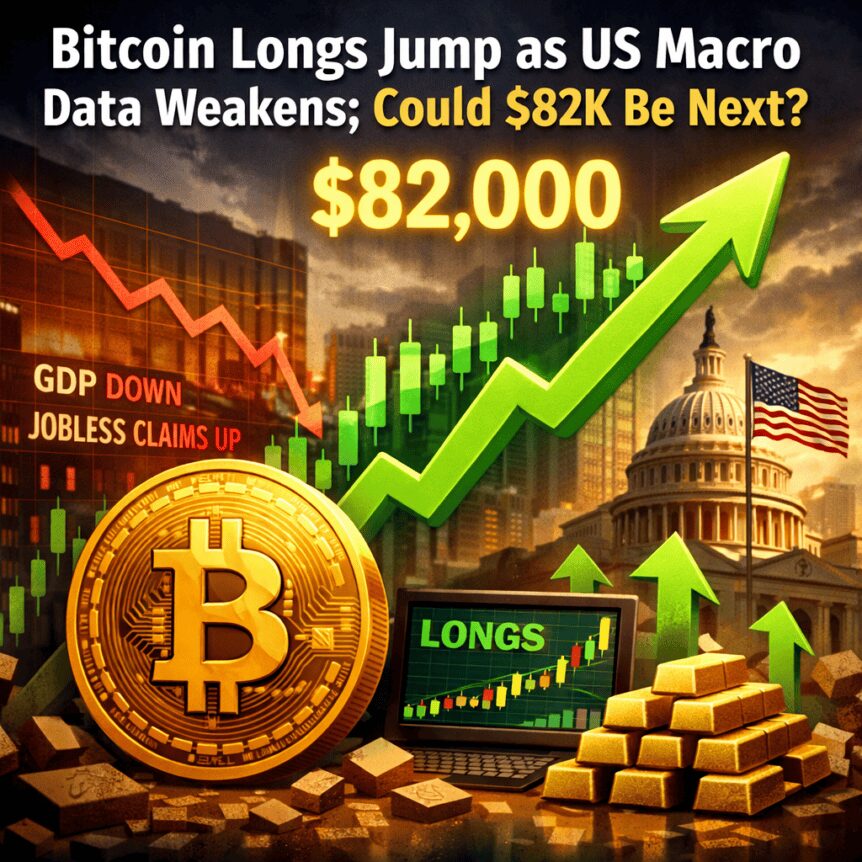
Bitcoin price action cooled after a brief flirtation with the upper sub-legendary zone around $78,000, with traders refraining from a clean breakout toward $82,000 despite improving risk appetite in some corners of the market. A mix of macro headwinds and an ongoing outflow dynamic from US-listed spot Bitcoin ETFs kept the path to a sustained rally uncertain, even as institutional-focused traders increased their bullish exposure in the near term.
Data from market-tracking platforms show top traders lifting their Bitcoin long positions relative to shorts, a signal that the $76,000 support floor remains key, but not a guarantee of immediate upside. At the same time, broader fundamentals are weighing on the upside potential: a shaken macro backdrop, a softer near-term retail outlook, and concerns about the trajectory of U.S. monetary policy have tempered breakout expectations. This environment poses questions for whether the market can sustain momentum beyond the 76k–82k zone in the weeks ahead.
Key takeaways
- Top traders boosted their long exposure, reinforcing the $76,000 support floor as a credible near-term base, with the long-to-short ratio rising to a two‑week high.
- Macro pressures and persistent ETF outflows temper near-term upside, keeping a full breakout to $82,000 unlikely without a shift in the broader risk backdrop.
- Bitcoin’s price dynamics showed a small Coinbase premium/discount mismatch, alongside about $2.07 billion in net outflows from US-listed spot ETFs since mid‑May, signaling tepid institutional demand.
- Market structure signals—neutral perpetual funding rates and a rebalancing of long and short positions—suggest bulls are building slowly, but a decisive move remains data-dependent.
Bitcoin (BTC) traded around the mid-to-high $70,000s on Thursday, borrowing momentum from a period of tentative resilience but failing to sustain gains beyond the $78,000 area. The week’s readings point to a market where professional traders are more confident on a floor near $76,000, even as the broader macro stage keeps the door open to pullbacks if risk appetite fades.
The core question for traders remains: can constructive positioning overcome the macro drag? The answer appears nuanced. On one hand, top-tier traders have tilted longer, betting that the current support zone will hold and that favorable or stable macro conditions can unlock a move toward higher levels. On the other hand, outsized external pressures—rising energy costs, a cautious consumer sector, and the potential for tighter monetary policy—keep the door ajar for a retest of prior resistance levels rather than a clear, immediate breakout.
Trader positioning and the price backdrop
Market analytics indicate a shift in sentiment among the most active Bitcoin traders. The long-to-short ratio at major venues has climbed, signaling more optimistic positioning on the baseline assumption that $76,000 acts as a robust magnet for prices in the near term. At Binance, for several days the balance tilted modestly toward longs, while at OKX, traders trimmed shorts in a similar time frame. Despite these shifts, the net reading across exchanges has remained roughly neutral, underscoring a cautious, not exuberant, stance among professional participants.
The posture among top traders matters because it can foreshadow how price action unfolds when the market encounters fresh catalysts. A firming of long exposure around a sturdier support zone can translate into quick price stabilization if momentum builds. Conversely, if macro headwinds intensify or demand remains fragile, even a solid base may not translate into a sustained up-leg.
Macro headwinds and the policy outlook
A portion of the market’s hesitance stems from a confluence of macro factors. Retail demand has shown fragility, with major consumer-facing firms’ guidance reflecting the squeeze from higher costs and inflation. Walmart shares slid around 7% after guiding for 2027 with a cautious tone, citing persistent cost pressures, including elevated oil prices, and highlighting that low-income consumers are navigating financial distress. This dynamic feeds into a broader retail outlook that can cool optimism for a rapid reacceleration in consumer-led demand for risk assets.
Oil markets have remained tight, with Brent crude holding above $95 per barrel as supply dynamics and Middle East tensions persist. The geopolitical backdrop compounds inflation concerns and leaves little room for aggressive easing by policymakers in the near term. In the United States, these dynamics have fed expectations of potential rate adjustments, even as market participants weigh the timing and magnitude of any future hikes.
On the policy front, futures-implied probabilities point to a non-trivial chance of rate hikes by September. The market-implied odds for higher rates have risen in recent weeks, with traders pricing in around a 37% probability of a rate increase by September, according to tools that aggregate futures data. This marks a shift from the prior month and contributes to the sense that the monetary base could continue expanding in a manner that affects liquidity and risk assets differently than in a period of looser policy.
Flows, pricing signals, and what to watch next
Trading dynamics around price discovery also reflect evolving demand and liquidity conditions. The Bitcoin price on Coinbase traded with a slight premium/discount signal relative to other major exchanges quoted in USDT, marking a nuanced snapshot of cross-exchange demand. In parallel, net flows out of US-listed Bitcoin spot exchange-traded funds have remained negative, with about $2.07 billion exiting since May 12. These outflows reduce the immediate availability of price-supportive demand from a broad retail and institutional ETF channel, in turn complicating the path to a sustained breakout.
Meanwhile, the structure of Bitcoin futures markets shows a more balanced stance. The perpetual futures funding rate has hovered in a neutral zone since early this week, signaling that funding costs are not systematically biasing the market toward easy long accumulation. The current annualized rate around 7% contrasts with a mid‑May spike where shorts were paying as much as 13% to carry their positions, a sign that speculative leverage swung more aggressively in the direction of selling earlier in the month.
Taken together, the data suggest that while bulls have a foothold at the $76,000 level, a clear move toward $82,000 hinges on a shift in the broader macro environment—whether from a cooling inflation regime, a rebound in consumer demand, or a dovish tilt in policy expectations that can draw back the rate-hike narrative. Absent such a change, the market may continue trading in a range with modest upside potential rather than a decisive breakout.
In practical terms, investors and traders should monitor several developing signals: (1) any sustained improvement in macro indicators that can tilt Fed expectations toward a softer stance, (2) changes in ETF inflows or new product launches that could re-engage broad retail or institutional demand, and (3) price action around the $76,000–$78,000 region that could act as a fulcrum for the next directional move. With the balance of momentum currently dependent on external forces, the near-term risk-reward favors a cautious posture rather than a bold bet on a rapid ascent to new highs.
What remains uncertain is how quickly macro and policy drivers will align with on-chain and market sentiment shifts. Traders will be watching whether the $76,000 floor proves resilient in the face of evolving headwinds or whether fresh catalysts—positive macro data, renewed ETF inflows, or a shift in risk appetite—can unlock a move toward higher ground in the weeks ahead.
As the market edges forward, the crucial test will be whether the sum of these signals can overcome the layered frictions weighing on Bitcoin’s ascent. The coming data prints and policy signals will be decisive for whether the market can stage a meaningful breakout beyond current resistance or stay tethered to the more modest gains built around a stabilized base.

Kyle Busch, One Of The Top NASCAR Drivers In History, Dies At Age 41.

Stellantis CEO Antonio Filosa unveils $70B turnaround strategy

XRP whale collects $224,500 on low volatility bet


-

 Crypto World6 days ago
BloFin War of Whales 2026 Grand Prix opens registration for $5M trading championship
-

 Fashion6 days ago
Weekend Open Thread: Theory – Corporette.com
-

 Crypto World6 days ago
E-Estate Announces 1 Year Live: Washington DC Summit as Real Estate Tokenization Enters Its Next Phase
-

 Tech7 days ago
Tech Moves: Microsoft AI leader jumps to OpenAI; former AI2 exec joins Meta; and more
-

 Tech6 days ago
Google reimburses Register sources who were victims of API fraud
-

 Business6 days ago
H&R Real Estate Investment Trust (HR.UN:CA) Q1 2026 Earnings Call Transcript
-

 Sports6 days ago
Napoleonic enters 2026 Doomben 10,000 field via Abounding withdrawal
-

 Crypto World6 days ago
BeInCrypto 100 Institutional Awards Nomination: KAST for Best Digital Assets Neobank and Best Digital Assets Fintech
-

 Entertainment6 days ago
David Letterman Returns to Late Show, Blasts Cancellation
-
 Crypto World6 days ago
Bitcoin Battles US Bond Nerves With BTC Price Dip Toward New May Lows
-

 Crypto World6 days ago
ICE and CME urge US regulators to curb Hyperliquid energy trading
-
 Crypto World6 days ago
Wall Street’s Boldest Gold Prediction Has Russians Rushing to Buy
-

 Fashion5 days ago
On the Scene at Gucci’s Cruise Show in New York City: Mariah Carey, Kim Kardashian, Lindsay Lohan, Iman, and More!
-

 Crypto World6 days ago
IREN closes $3 billion convertible notes deal amid AI infrastructure expansion
-

 Fashion6 days ago
Trending Western Style Vests Perfect for Summer
-

 Politics6 days ago
Watch: far-right flag-fanatics run over victim, attack locals – Setup By the Left wing for your entertainment
-

 Fashion7 days ago
Creative Ideas for Custom T-Shirts
-

 Fashion5 days ago
Amazon Sundays: Memorial Day Hosting
-
 Fashion6 days ago
Philip Jones Wedding Jewellery For Women
-

 Crypto World7 hours ago
Blockchain.com files with SEC for U.S. IPO
You must be logged in to post a comment Login