Connect with us
DAPA Banner
DAPA Coin
DAPA
COIN PAYMENT ASSET
PRIVACY · BLOCKDAG · HOMOMORPHIC ENCRYPTION · RUST
ElGamal Encrypted MINE DAPA
🚫 GENESIS SOLD OUT
DAPAPAY COMING

Sports

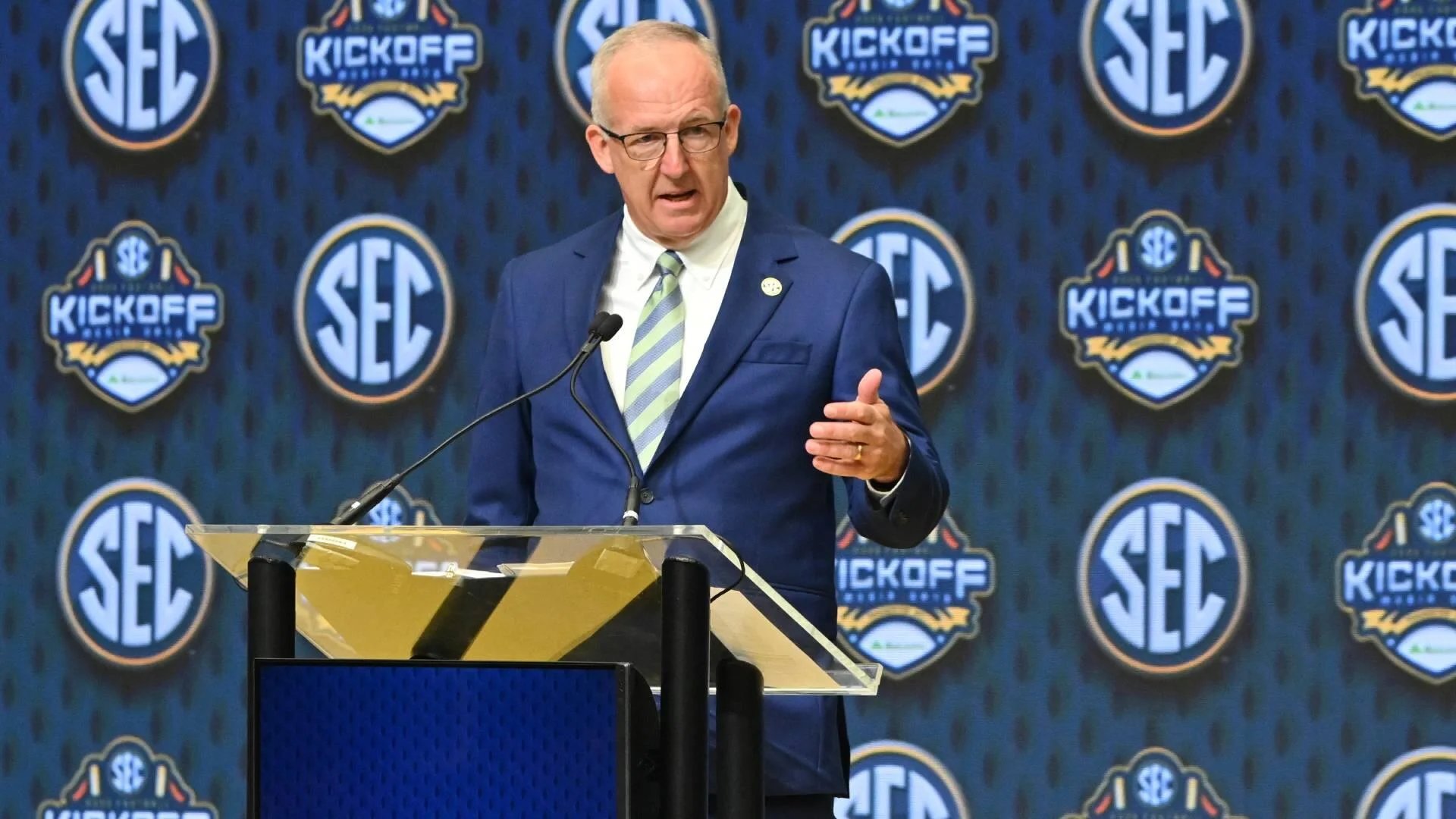
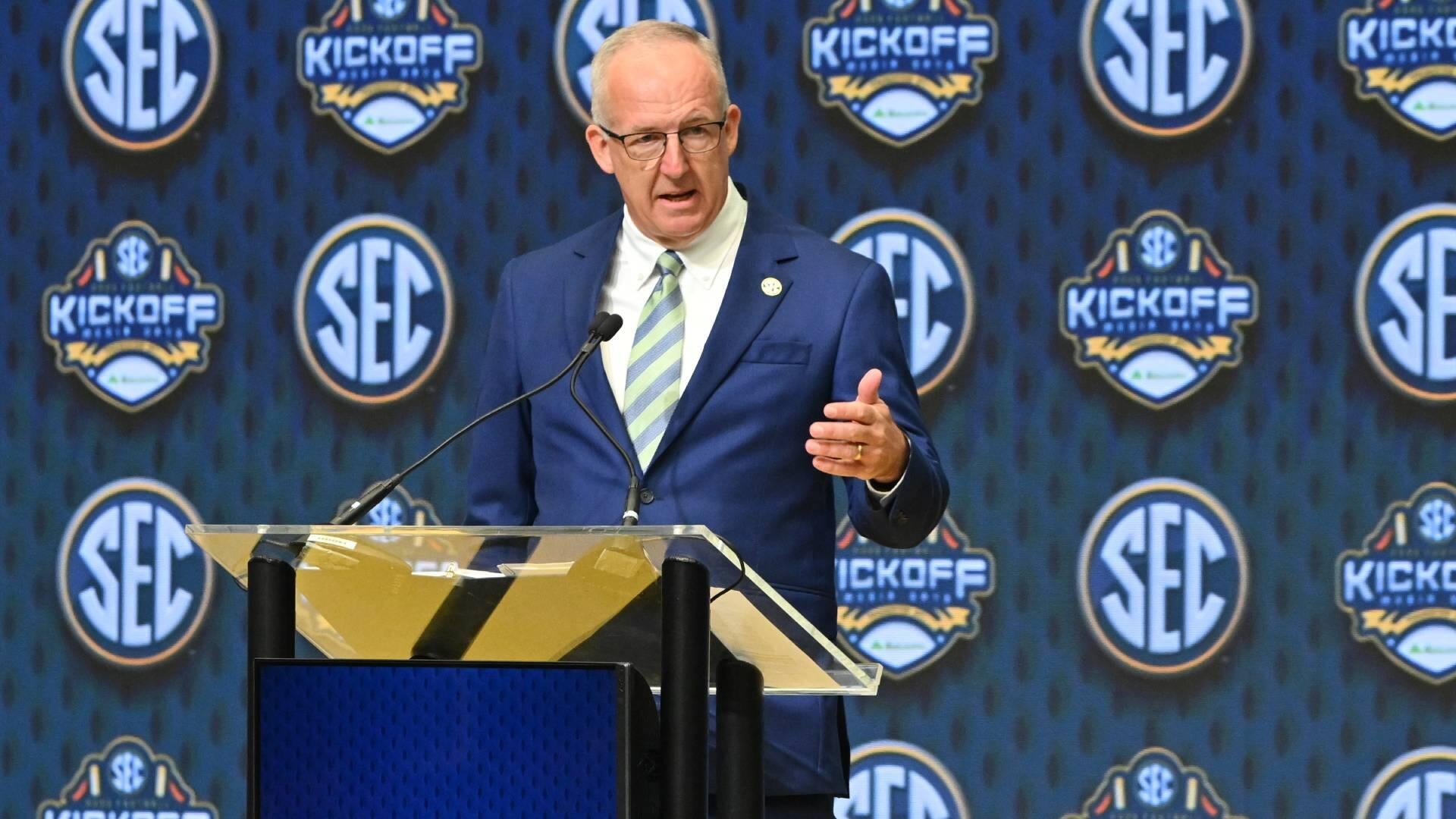
SEC leaders discussing contingencies amid Protect College Sports bill announcment

Published

on

MIRAMAR BEACH, Fla. — The same morning a landmark, bipartisan bill promising to regulate the unwieldy realm of college sports was introduced in the Senate, the Southeastern Conference’s decision-makers were busy behind closed doors devising their own plans.

That’s life for College Athletics Inc. these days. There is renewed hope on Capitol Hill that the new legislation — the Protect College Sports Act — will provide the antitrust protection the NCAA and its members have long sought. But the obstacles in the way — committee hearings, an August summer recess and the upcoming midterm elections — can’t be avoided.

Contingency plans must be developed. The SEC and Big Ten are not resting on their laurels.

The 111-page bill released Wednesday would codify the House v. NCAA settlement and outline federal NIL standards, a five-year eligibility rule, a revenue-share floor and a narrow antitrust safe harbor. In its second half, an amendment to the Sports Broadcasting Act of 1961 would allow schools to pool media rights across conference lines and prohibit the SEC and Big Ten from acquiring or merging with another conference to form a Super League.

Advertisement

It’s those two final pieces that could deter the Big Ten and SEC leadership from a full-throated endorsement of the bill developed by Sens. Ted Cruz, R-Texas, and Maria Cantwell, D-Wash. The bill is written tightly enough that any breakaway by the Big Ten or SEC, the two conferences that have driven the last decade of conference realignment, would be structurally illegal.

The ACC and Big 12 signed a letter of support before the bill was released last week. The SEC and Big Ten did not, opting to reserve their opinions until they reviewed the lengthy document. Both conferences stood pat on those positions on Wednesday, though it’s clear they already have opinions, particularly the apparent target painted on their chests tied to the SBA.

“I’ve made my position on the notion that we need the SBA clear, which I don’t think we do,” Sankey said. 

Asked who shaped the bill, if not the SEC, he said only: “I think that bill speaks to some of the voices of influence other than ours.”

Advertisement

Billionaire Texas Tech booster Cody Campbell, an advocate in Washington and a member of President Trump’s committee on college sports, has been a proponent of amending the SBA to allow schools and conferences to pool media rights. 

Cantwell, who introduced earlier versions of the broadcast amendment in a separate draft, said the SEC and Big Ten have always opposed it. 

“They didn’t like it when I introduced it with (Sen. Cory) Booker and they didn’t like it when I introduced it with (Sen. Eric) Schmitt,” she told CBS Sports. “And my guess is they still don’t like it.”

The portal panic and radical plan

But the more immediate question of enforcement for name, image and likeness deals is what has the conferences charging forward with their own plans, and the work behind the scenes might be moving faster than many believed.

Advertisement

The football transfer portal opens in January. By then, Georgia athletic director Josh Brooks said, the College Sports Commission — built out of the House v. NCAA settlement to enforce its terms — will be drowning in submitted deals.

“There’s so much over-the-cap money being dedicated or contracted,” Brooks said. “There’s so much money that’s already just been put into the system for basketball that if we don’t have some relief or an execution plan on how we’re going to get there by football, by the portal…”

He left the sentence unfinished.

CSC chief executive Bryan Seeley, who briefed SEC athletic directors and presidents Thursday, confirmed the anxiety among the schools.

Advertisement

“A lot of schools, it appears, made a lot of NIL guarantees coming out of the football transfer portal and basketball transfer portal that they’re not allowed to do under the rules,” Seeley said. “And now there is increasing pressure on them to get those NIL deals cleared. A lot of those NIL deals will not go cleared because they don’t comply with the rules.”

Options are being weighed to bring the CSC enforcement component under the SEC’s own management. It’s not a full break from the settlement framework, but a conference-level supplementary arm that handles deal approvals, denials and penalties.

“Keep the CSC, but let us work with them directly on how we’re going to handle [it],” Brooks said. “I think there’s some freedoms and flexibilities within the settlement that conferences can then subject [to their] own.”

An even more provocative idea is a conference-level cap-relief system Brooks called the SEC’s “own luxury tax.” Without it, conferences will be limited to $21.3 million in revenue-sharing with players during the 2026-27 academic year, according to the House settlement terms.

Advertisement

“Maybe we develop our own luxury tax or something that gives us room so we can grow our rev share number, because otherwise the storm hasn’t hit yet,” Brooks said. “The amount of deals that are going to be submitted to CSC in the next three months is going to be astronomical.”

“That’s what we’ve got to figure out,” Brooks continued. “We’ll abide, but the penalties, can we set the penalties?”

Brooks said the conference has met on the question every two weeks. Sankey referred to the “luxury tax” discussion as just that — a discussion.

“I’m assuming some other people talked about it, and I would define it as that,” the SEC commissioner said.

Advertisement

Similar ideas have been discussed within the Big Ten, but the conferences are not working together. 

“We can’t collude,” Brooks said. 

The SEC, he added, is more worried about schools outside the conference circumventing the CSC than how the CSC is run inside it.

“That’s like me and you arguing over filing taxes,” Brooks said. “I have a much bigger problem with those that aren’t even filing taxes. Let’s stop that first. If we can’t even get to that base level, then I would rather just coalesce in our own conference and govern 16 on that issue alone. Not saying that’s a full breakaway or whatever you want to call it. But what’s the first step of that?”

Advertisement

Seeley said the CSC is open to changes, provided the conferences — which designed the CSC a year ago — drive them. 

“If the rules want to change or if enforcement policies want to change, that’s fine with us,” Seeley said. “Let’s not just do a short-term fix without a longer-term solution.”

Calming the transfer portal waters

Despite their internal contingency plans, administrators recognize that federal intervention remains the most permanent fix for their legal exposure.

Oklahoma athletic director Roger Denny, whose background is in corporate tax law and sports business transactions, said the legal reality college athletics faces leaves only two endgames for the enterprise.

Advertisement

“When you’re talking about antitrust law, there are two routes to solve that issue: legislation, collective bargaining,” Denny said. “As we watch the SCORE Act fall apart again last week, I think folks look and see that legislation might not be as viable.”

Thus, the SEC and the Big Ten are exploring their own governance models. Yet Brooks still called the bill’s introduction a “big first step” after the previously supported SCORE Act was pulled from the House floor before a vote last week. Some SCORE Act language carried over into the new bill, though the blanket antitrust protection that drove Democratic opposition has been pared back. The new safe harbor immunizes only the NCAA’s enforcement of transfers, eligibility, revenue-cap rules, agent regulations and mid-season coaching changes — and only if those areas are codified in the NCAA’s own rulebook.

Coaches and athletic directors applauded the bill’s limits on transfers and eligibility, which have prompted a wave of lawsuits filed by players against the NCAA. The new guidelines cap eligibility at five seasons of competition and limit players to one transfer per career. A second transfer triggers a year of lost eligibility.

Brooks said those two pieces alone could calm the waters.

Advertisement

“If you’ve got five-(for)-five, and clean that up, and a one-time transfer, those two things would provide a lot of stability. Because then kids that transfer would be more inclined to sign a two- or three-year deal.”

The bill creates a federal NIL floor, preempting the 39 state laws that athletic departments have spent four years navigating. Athletes must disclose any NIL deal worth more than $600 within 30 days, and the NCAA must build a public, searchable database of anonymized deal data. That transparency has been championed by many coaches and athletic directors, who decry the rising costs of player payments through NIL deals as agents continue to demand more money by pitting schools against each other in cloak-and-dagger bidding wars.

“College sports are at a breaking point,” Cruz said in a statement released Wednesday. “Fans can see their favorite teams being hollowed out by transfer chaos, fake NIL bidding wars, eligibility lawsuits and a system that allows the richest programs to keep pulling away. The Protect College Sports Act is a bipartisan plan to restore order. Student athletes can profit from their name, image, and likeness, but college sports still needs real rules, competitive balance, rivalries, and a true connection to education. This bill protects athletes and fans and keeps college sports from becoming a two-conference minor league.”

Another big change for players in the bill: agents must register with the state and the NCAA, and their fees are capped at 5%.

Advertisement

“These people are unscrupulous in their activities,” Cantwell told CBS Sports. “There are definitely unscrupulous agents out there taking advantage, particularly at that high school level, promising people a career and then basically repossessing their cars.”

Where Washington draws the line

While the player restrictions offer the stability leagues crave, the bill introduces heavy-handed regulations on operational freedoms that make power-conference leadership deeply uncomfortable.

The bill does not include language capping coaches’ salaries, a push initially made by President Trump’s committee tasked with proposing regulations for college sports. But there is a clause barring FBS coaches and coordinators from leaving a school during a competitive season for another job. Cruz refers to it as the “Lane Kiffin Rule,” a reference to the former Ole Miss coach ditching the playoff-bound Rebels for LSU last November. Violators would be suspended for the following season.

Asked whether the federal government should have a say in when schools hire, fire and interview football coaches, Sankey leaned into the awkwardness.

Advertisement

“I’m a federal-government-is-less type of person philosophically,” he said. “But if that’s something that helps from an orderliness standpoint, that could be healthy. When you ask the federal government for help, though, you never know where it goes.”

Preservation of Olympic sports is also central to the legislation, something Cantwell believes can be achieved through the new entity that pools media rights. To trigger that revenue, at least 75% of FBS membership must opt in — practically every FBS school outside the Big Ten and SEC’s footprint. The Big Ten and SEC appear to have zero interest in participating.

“We cannot starve the entire ecosystem,” Cantwell said. “This solution is a way of saying, while you’re dealing with the new realm of NIL and media rights sharing with athletes, make sure that you take care of the scholarship and roster levels for women in Olympic sports.”

Another apparent shot across the bows of the Big Ten and the SEC is the threat of a super league. Any conference with more than $1 billion in revenue — the SEC and Big Ten — cannot merge with or acquire another conference if doing so would push covered-entity membership for pooled media rights below the 75% threshold.

Advertisement

The governance impasse

Meanwhile, leaders in the Big Ten and SEC believe there is a way to govern themselves within the structures of the bill — or the House v. NCAA settlement — without facing legal troubles. It’s not quite a plan as it is an idea with legs.

The reasoning is simple: the timeline for the bill in Washington, D.C., is tight.

The bill needs 60 Senate votes. Previously, the SCORE Act could not get there. Congress is set to enter summer recess in August, and after that, legislators will be in campaign mode before the midterm elections in November. The bill sits in Cruz’s Commerce committee, where he is chair and Cantwell is a ranking member.

The legislation will also face opposition, of course. All bills do. From the left, Sen. Chris Murphy, D-Conn., a longtime advocate for collective bargaining for college athletes, said the bill’s “primary effect seems to be to limit the compensation of athletes while protecting the huge salaries of all the adults — coaches, ADs, sports industry executives — who are getting rich off the performance of the players.”

Advertisement

Still, there is the lingering issue in college athletics: with 138 schools and voices, not everybody will be on the same page. That has played out over the decades and has been amplified in recent months as athletic directors voiced distrust in the very system they helped develop.

Trev Alberts, the Texas A&M athletic director who helped build the CSC, traced the impasse to the same issue: “We are sending a very strong message that college athletics refuses to be governed.”

Sankey framed it on Wednesday as a choice: “The issue is, do people really want to be governed? … People have to commit to the system.”

Brooks said the SEC will not wait for it. 

Advertisement

“I have faith in our conference that we can move steps in that direction,” he said. “The first step is we attack what’s most pressing, which is implementation of the House settlement and how we work around the CSC and how we implement that.”

The next step, by his timeline, could land in January.

Advertisement

Source link

Continue Reading
Click to comment

You must be logged in to post a comment Login

Leave a Reply

Sports

The Minnesota Vikings Set the Countdown to 47 Days

Published

on

Advertisement

Vikings fans in Ireland in 2025
Sep 27, 2025; Dublin, Ireland; Minnesota Vikings fans tour the city. Mandatory Credit: Kirby Lee-Imagn Images

The Minnesota Vikings just finished off mandatory minicamp (read some coverage on VT in Exhibit A, Exhibit B, Exhibit C, and Exhibit D). Next up is training camp, something that gets rolling in 47 days, at least as it relates to fans being welcome.

The word arrives courtesy of the team itself. The critical date to know is Saturday, August 1st. Check out the blurb: “Training Camp kicks off Saturday, August 1 with Back Together Weekend: Saturday Edition In addition to practice, the day will feature MVC and SKOL Line performances, player autographs, and, new this year, the integration of Legends Weekend. The Omni Hospitality Tent will feature a Legends Q&A available as part of an upgraded experience.”

The Minnesota Vikings Set August 1st as Key Date for Fans

Lifting the information from the team website means relaying certain key dates.

Advertisement

On August 1st, the Vikings will welcome fans for the beginning of training camp. Safe to say that all eyes will be on the QB battle even as there are a variety of broader stories that are worth fan interest. The team’s first padded practice takes place on August 3rd. The practice on August 4th will involve a girls flag football clinic.

Reasonably humdrum training camp practices will take place on August 5th and then from August 7th-9th, all of which are open to fans.

Circle Saturday, August 9th as a key date since it’s the night practice that will take place at TCO Stadium. There are then a cluster of three practices ranging from August 11th to 13th. A practice on August 17th is the next one that’s open to fans.

But then there are two that everyone is circling: August 19th and August 20th. The Baltimore Ravens are in town, meaning there will be 180 players battling on the same field(s). Pure chaos that’s a ton of fun to watch.

Advertisement

Getting a ticket costs $10 for adults. The youngsters (17 and under, per the team) get in at just $5. All things considered, that’s a decent deal in this topsy-turvy world of ours.

Lamar Jackson and J.J. McCarthy in Week 10 of 2025 at the Vikings stadium.
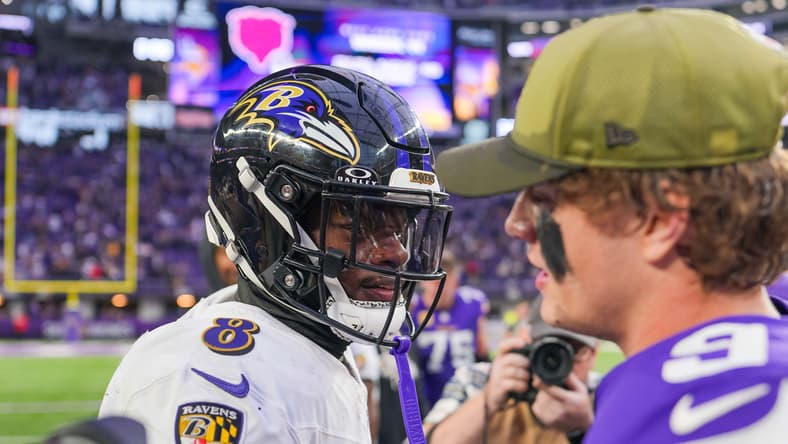
Nov 9, 2025; Minneapolis, Minnesota, USA; Baltimore Ravens quarterback Lamar Jackson (8) and Minnesota Vikings quarterback J.J. McCarthy (9) after the game at U.S. Bank Stadium. Mandatory Credit: Brad Rempel-Imagn Images

Keep in mind that the Minnesota Vikings have a trio of preseason games. The schedule:

  • Saturday, August 15th, 2026: at New York Giants (12 p.m.)
  • Saturday, August 22nd, 2026: Baltimore Ravens (12 p.m.)
  • Friday, August 28th, 2026: at Denver Broncos (8 p.m.)

Currently, the football news is pretty skimpy. Sitting in the middle of June means operating from within one of the unique parts of the calendar where the Vikings aren’t offering at least some form of real football news. What’s notable about today’s update, though, is that the countdown is officially on.

The players and coaches will get to work ahead of that August 1st date. Welcoming fans does have a firm timeline that means people can start making plans to visit Eagan.


avatar

Senior Editor for Vikings Territory & PurplePTSD . Twitter & Bluesky: @VikingsGazette. Email: k.joudry[at]vikingsterritory[dot]com. Canadian. Jude 1:24-25.

Advertisement

Source link

Continue Reading

Sports

Man United agree on Mateus Fernandes transfer gamble as target appeals for move

Published

on

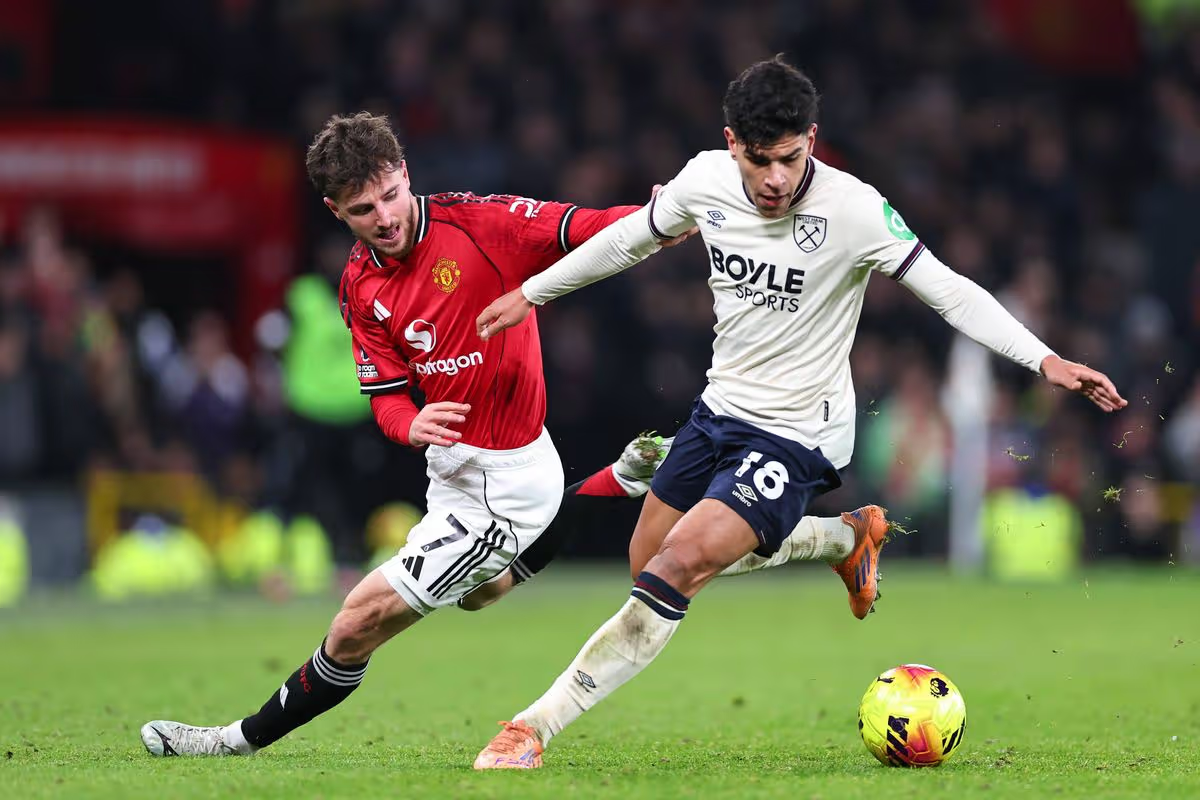
Manchester United have been linked with a move for Mateus Fernandes throughout the summer and it appears they have some demands for his club West Ham United

Manchester United have made it clear to West Ham that they will not be held to ransom over Mateus Fernandes. United have identified Fernandes as their top transfer priority this summer.

They have withdrawn from the race to sign England midfielder Elliot Anderson and it’s believed United deem Sandro Tonali to be too expensive. Fernandes is United’s No. 1 midfield target right now and the Portuguese international has made no secret of his desire to move to Old Trafford.

Advertisement

The 21-year-old is desperate to secure Champions League football, while United are confident that agreeing personal terms will not pose a problem.

Get the latest World Cup news straight to your inbox by _signing up to our Make Football Great Again newsletter now!

The main sticking point, however, appears to be the fee West Ham are demanding for Fernandes. The Hammers have placed a valuation of around £80m on the midfielder and are keen to spark a bidding war, with Paris Saint-Germain and Real Madrid also circling, reports the Mirror.

West Ham believe Fernandes is the finest young talent in the Premier League, with the potential to command a fee in excess of £100m in the not-too-distant future.

Advertisement

United, however, are unwilling to meet that asking price. Senior figures at the club have weighed up the benefits of bringing Fernandes into Michael Carrick’s squad.

The feeling at Old Trafford is that, while Fernandes possesses enormous potential, he has yet to fully prove himself at the highest level.

United are expected to table an opening bid later this week – but it will fall well short of £80m. Whether the two clubs can find common ground on the fee remains to be seen.

Advertisement

However, with Fernandes having set his heart on a move to Old Trafford, United are refusing to be rushed and are willing to play the long game in the hope of securing a deal on their own terms.

A medical has already been set for £39m midfield signing Ederson from Atalanta. He is expected to be the first of three potential midfield arrivals this summer.

Meanwhile, United have played down reports claiming a £60m agreement has been struck with Newcastle to sign Lewis Hall. Although United continue to hold the England international in high regard, bringing in a left back is not at the top of their transfer agenda right now.

Advertisement

Sky Sports, HBO Max, Netflix and Disney+ with Ultimate TV package

This article contains affiliate links, we will receive a commission on any sales we generate from it. Learn more
Content Image

Sky has upgraded its Ultimate TV and Sky Sports bundle to now include HBO Max, Netflix, Disney+, discovery+ and Hayu, as well as 135 channels and full Sky coverage of the Premier League and EFL.

Sky broadcasts more than 1,400 live matches across the Premier League, EFL and more with at least 215 live from the top flight alongside Formula 1, darts and golf.

Source link

Advertisement
Continue Reading

Sports

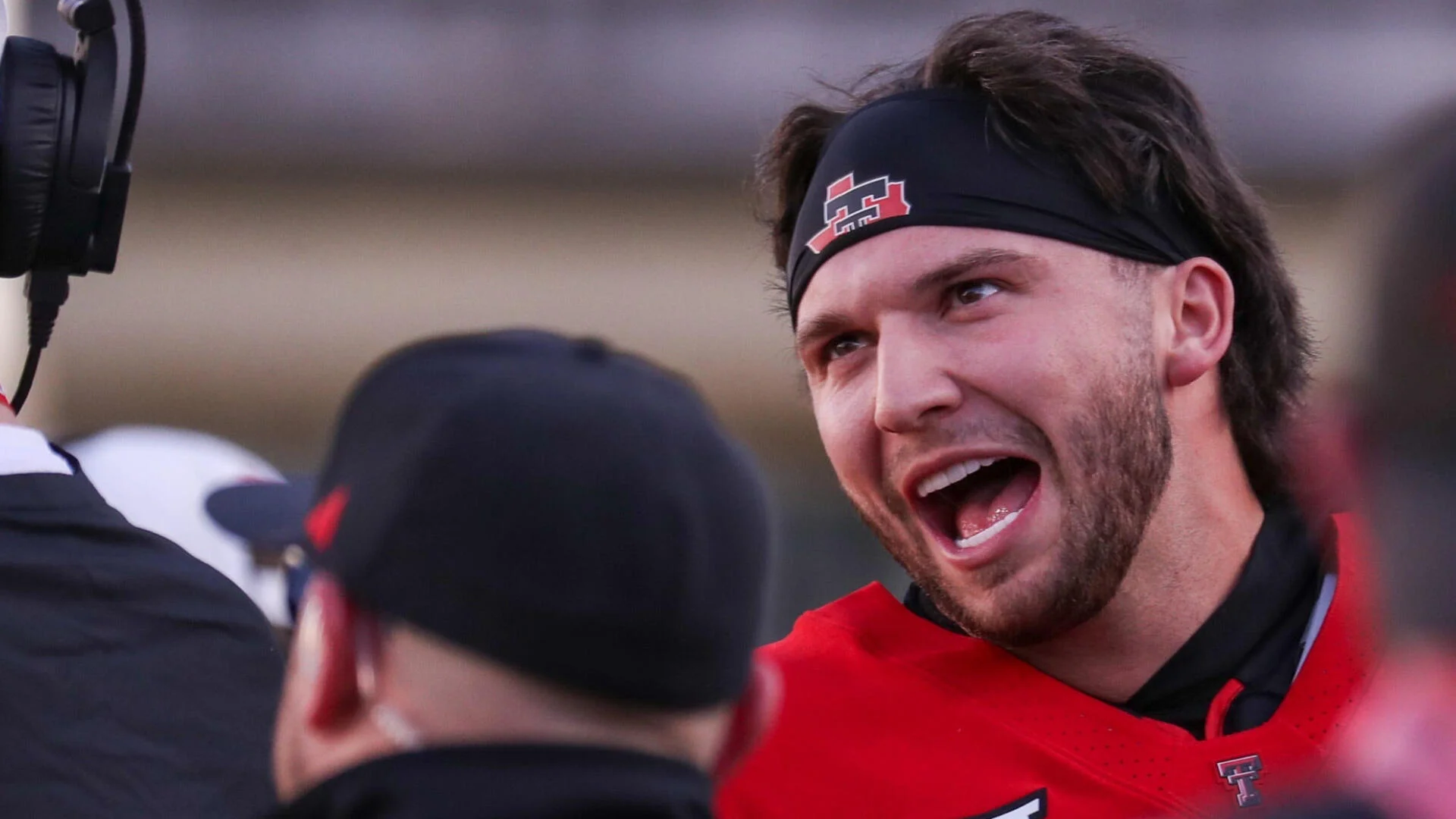
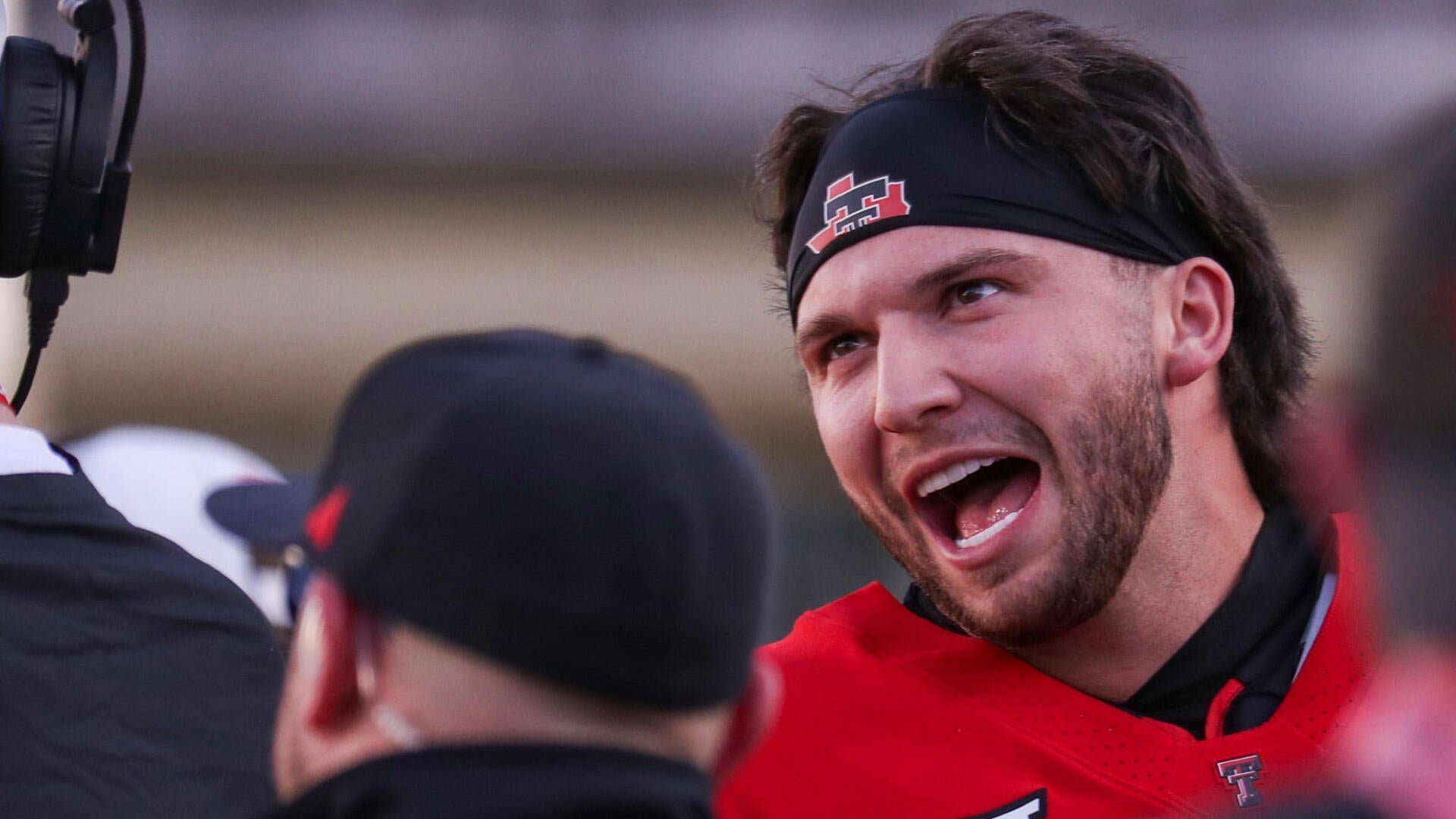
Brendan Sorsby’s supplemental draft decision saves Texas Tech from college football gambling crisis

Published

on

After a week of chaos and borderline revolt in college football, the Brendan Sorsby story ended sensibly and abruptly Monday night, with Sorsby declaring for the supplemental draft.

Sorsby made the decision just one week after a Texas judge shocked the sporting landscape by granting Sorsby a temporary injunction that blocked the NCAA from enforcing its career suspension of Sorsby, who had admitted to placing more than 40 bets on Indiana when he was a freshman quarterback with the Hoosiers in 2022.

That decision by a retired judge from Tarrant County, Texas, caused an eruption in college football.

Big 12 opponents seethed. Big Ten and SEC foes ordered their programs to strip Texas Tech from the schedule. In recent days the outrage snowballed. Big 12 presidents and athletic directors actively met with one clear consensus from the rest of the league: Sorsby shouldn’t be allowed to play. It went so far that state attorney generals from Oklahoma, Kansas and Utah voiced their support for the Big 12 in the face of Texas attorney general Ken Paxton threatening the conference with legal action if it attempted to interfere with the judge’s order.

Advertisement

College football is basically religion in Texas, and the strife surrounding the Sorsby situation felt, in a way, biblical.

Sorsby, who entered a gambling rehabilitation program and stood to be suspended the first two games of Texas Tech’s season, was never a martyr, and the national blowback from his high-profile lawsuit against the NCAA cannot have been worth it. He was easily going to be the most unpopular figure in college football this season, and that harassment would have been a terrible, season-long drain on his mental health. We’ll see if a possible NFL suspension looms and what even happens in the supplemental draft, but there will be more peace afforded to Sorsby if only because this Texas Tech saga is over. 

Now to talk about Texas Tech. Its most vociferous Sorsby defenders of the last week have Sorsby himself to thank for saving the Red Raiders from themselves. 

The Red Raiders, in just a few short months, had gone from one of the great underdog success stories of the NIL era of college athletics into a villain. Their power triumvirate of booster, coach and AD had been unflinching about playing Sorsby this fall despite the fact their prized transfer QB had crossed one of the last few lines in sports: He had bet on games involving his team. 

Advertisement

Preventing that is foundational to the integrity of the sport. Any crack in the competitive, unpredictable nature of college football could endanger the enterprise’s existence. It’s the rare rule everyone in college football can agree on.

Yet Texas Tech dug its spurs into the West Texas dirt in protest.

Not only would it support Sorsby through his gambling addiction — the right thing to do — but Tech showed up to this fight fully loaded. It supported Sorsby’s lawsuit, appealed the NCAA’s career-long suspension and then doubled down when critics blasted the judge’s outlandish decision to reduce Sorsby’s punishment to just two games.

Texas Tech paid Sorsby more than $5 million this offseason to transfer from Cincinnati. He was the building block for a championship push. The Red Raiders, led by the bombastic booster Cody Campbell, had made their big investment and were totally willing to push through the vitriol to win as many games as possible this fall, perhaps even all of them (Texas Tech is loaded). 

Advertisement

Texas Tech’s administration explained publicly that they didn’t want to abandon Sorsby in a time of need. He needed support from the school and his team to work through his addiction. Fair and frankly noble of Texas Tech.

But the one thing the Red Raiders never managed to explain is why they couldn’t help Sorsby and also keep him on the bench.

He didn’t have to play. Texas Tech could have helped Sorsby through a difficult time and also justly punished him for the the type of violation that will forever keep baseball’s hit king out of the Hall of Fame. 

Instead, whether it was via a 20-minute video, Campbell’s tweets or head coach Joey McGuire’s stump speeches at booster events, the Red Raiders kept fighting against the obvious correct answer. 

Advertisement

It’s possible Tech’s stance has softened in recent days. Many around the sport speculated it eventually would: Could they really have stood up against the waves for 75 more days? The Big 12 hoped to come down hard on Texas Tech, and public vitriol against Tech outside of Lubbock blazed. The Red Raiders were likely going to have to back down eventually, and perhaps they pushed Sorsby toward the NFL path with the supplemental draft deadline looming.  

Either way, Sorsby leaving for the NFL is best for all parties. Sorsby gets to move on with his career. The NCAA and college football stave off a doomsday scenario.

Texas Tech, for its part, avoids losing a part of its soul. 

Advertisement

Source link

Continue Reading

Sports

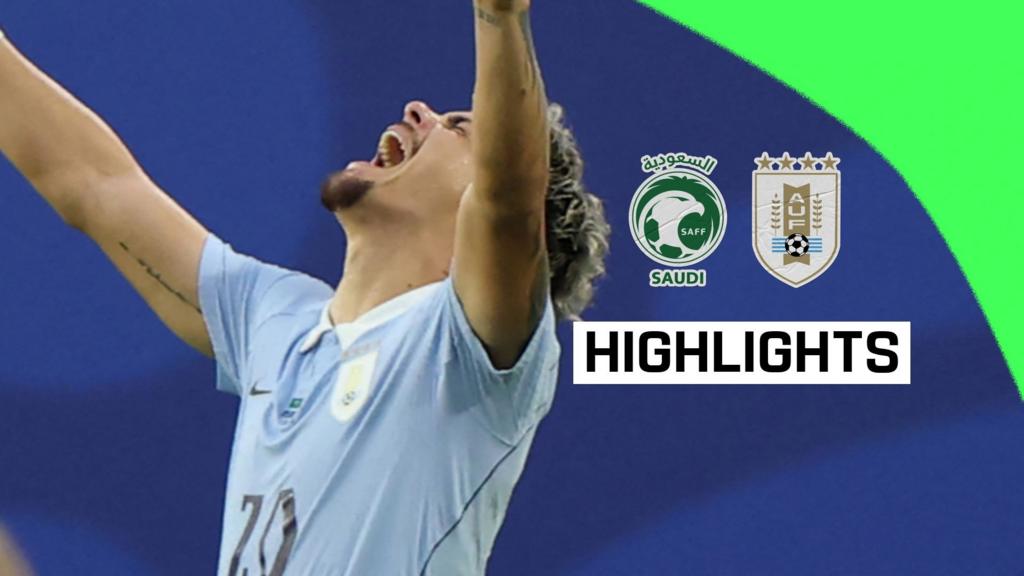
Saudi Arabia hold off relentless Uruguay to earn draw

Published

on

Saudi Arabia hold firm against relentless pressure to earn a 1-1 draw against two-time world champions Uruguay in their Group H opener at the Miami Stadium.

Source link

Continue Reading

Sports

Halle 2026: Andrey Rublev vs Hubert Hurkacz preview, head-to-head, odds, prediction and betting tips

Published

on

Match Details

Fixture: (8) Andrey Rublev vs Hubert Hurkacz

Advertisement

Date: Tuesday, June 16, 2026

Tournament: Terra Wortmann Open

Round: First Round (Round of 32)

Venue: OWL Arena

Advertisement

Category: ATP 500

Surface: Grass

Prize Money: €2,583,330

Live Telecast: USA – Tennis Channel | UK – Sky Sports | Canada – TSN

Advertisement

Andrey Rublev vs Hubert Hurkacz preview

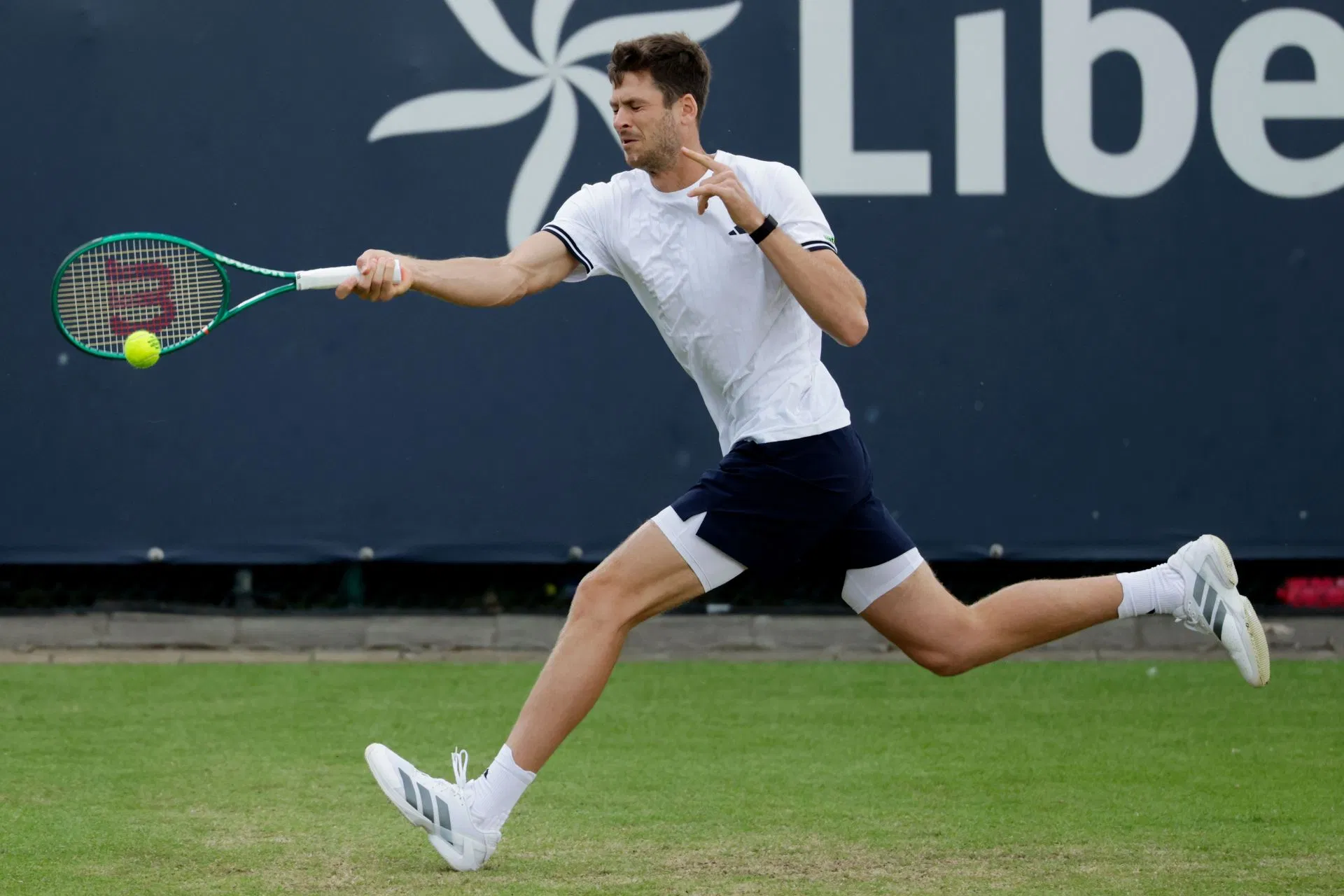
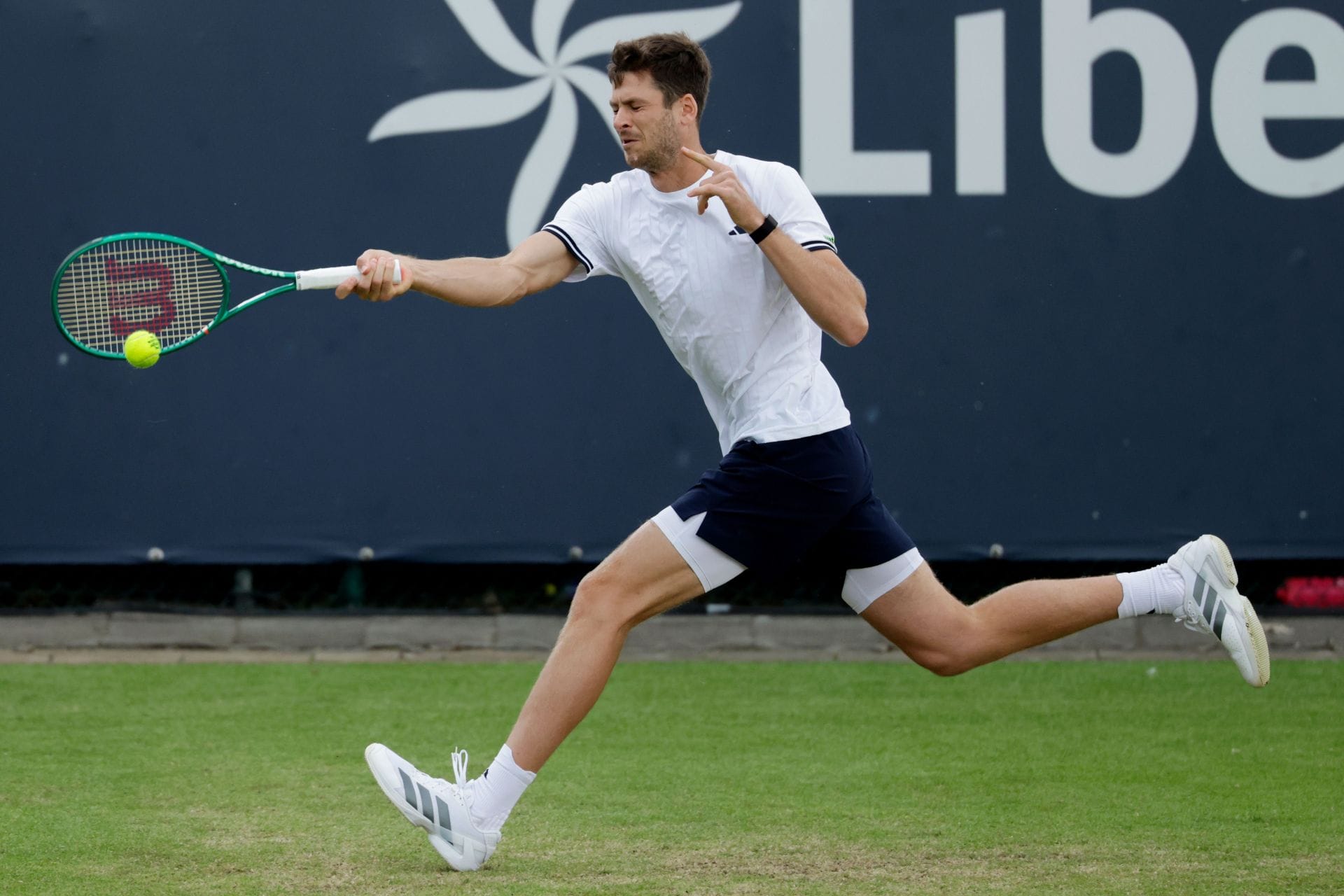
Hurkacz at the Libema Open (Image Source: Getty)Hurkacz at the Libema Open (Image Source: Getty)
Hurkacz at the Libema Open (Image Source: Getty)

On Tuesday, June 16, Andrey Rublev and Hubert Hurkacz will butt heads at the 2026 Terra Wortmann Open. The duo are scheduled to be the second match on the Schauinsland-Reisen Court, with their battle taking place after the completion of Karen Khachanov and Ethan Quinn’s 11:30 AM encounter.For Rublev, his upcoming appearance at Halle will make his debut on grass for the 2026 season. Prior to this, the Russian was last seen on court at the French Open. While in Paris, he defeated the likes of Ignacio Buse, Camilo Ugo Carabelli and Nuno Borges. He eventually went down against Jakub Mensik in his fourth round encounter.

Meanwhile, Hurkacz kicked off his grass season earlier this month at the Libema Open, where he was shown the door in his opening round encounter by Marton Fucsovics. Overall, the Pole has had a lukewarm 2026 season, with a win-loss record of 9-12. His best performance of the year was a runners-up finish at the Sardegna Open, a Challenger event, but he has failed to make deep runs in other tournaments.


Andrey Rublev vs Hubert Hurkacz head-to-head record

Hurkacz and Rublev at the 2023 Shanghai Rolex Masters (Image Source: Getty)Hurkacz and Rublev at the 2023 Shanghai Rolex Masters (Image Source: Getty)
Hurkacz and Rublev at the 2023 Shanghai Rolex Masters (Image Source: Getty)

Rublev and Hurkacz have played each other a total of six times over the years, and the Pole holds the edge in their head-to-head record. Their first meeting took place all the way back at the 2020 Internazionali BNL d’Italia. Hurkacz won that encounter in three sets before going on to beat the Russian in straight sets at the Miami Open a year later.

In 2022, Rublev managed to draw even against Hurkacz in their head-to-head record, clinching two back-to-back wins over the Pole. However, Hurkacz has since gone on to win their two most recent encounters, including their battle in Rotterdam in 2025

Advertisement

Andrey Rublev vs Hubert Hurkacz odds

Player Name Moneyline Handicap Bets Total Games
Andrey Rublev
Hubert Hurkacz

(To be updated)


Andrey Rublev vs Hubert Hurkacz prediction

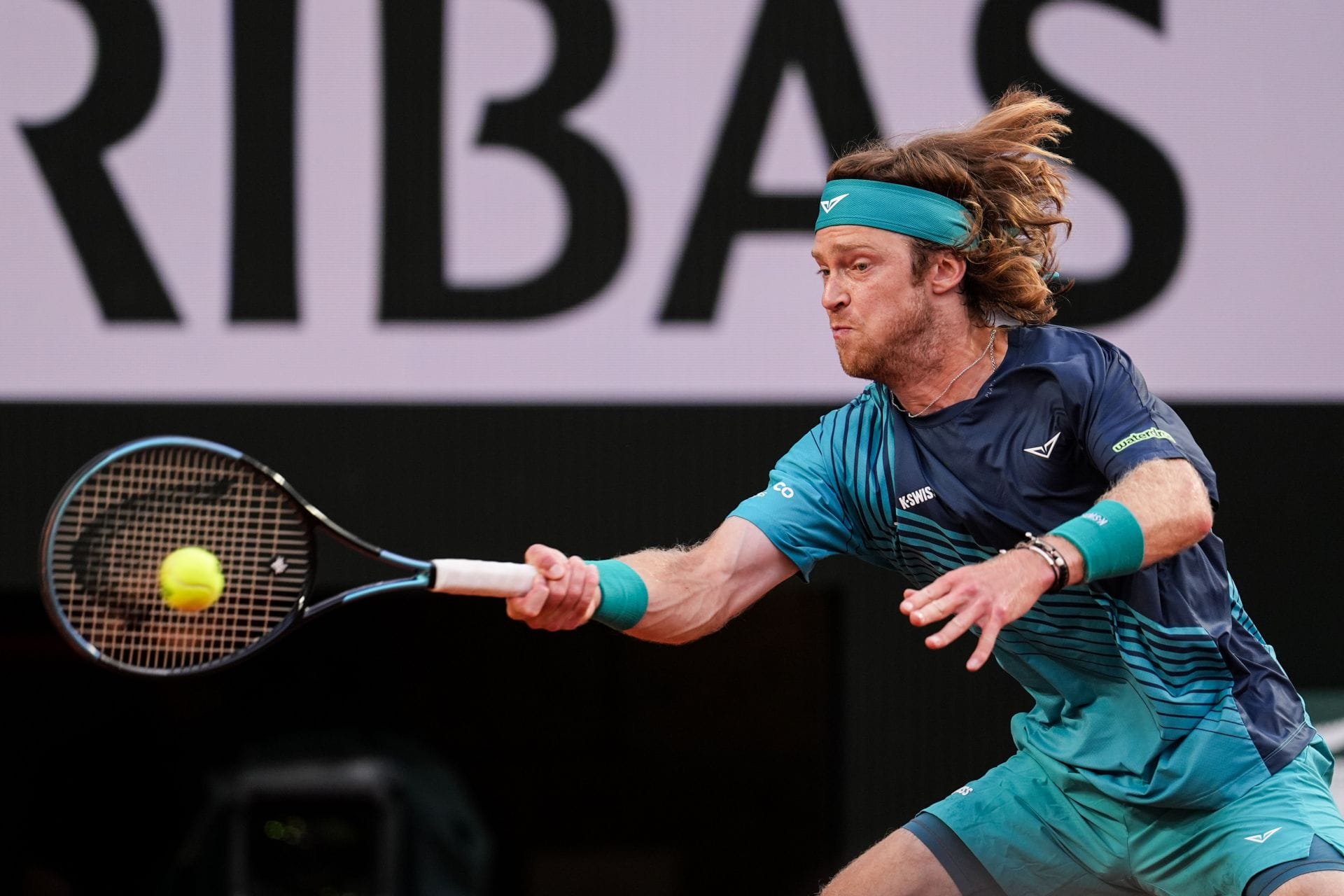
Rublev at the 2026 French Open (Image Source: Getty) Rublev at the 2026 French Open (Image Source: Getty)
Rublev at the 2026 French Open (Image Source: Getty)

Rublev and Hurkacz’s battle should make for some interesting viewing. On paper, the Pole is the favorite for the win, holding an edge over his opponent in their head-to-head record and excelling on grass courts. However, given Hurkacz’s recent dip in form, it wouldn’t be surprising to see Rublev claim his first win over the former World No.4 in more than three years.

Pick: Andrey Rublev to win in three sets.


Andrey Rublev vs Hubert Hurkacz betting tips

Tip 1: The match will have at least 21 games.

Tip 2: Both players to win at least one game with a score of 7-5 or better.

Advertisement