

Business
DHS Secretary Mullin cancels most contracts left by predecessor Noem



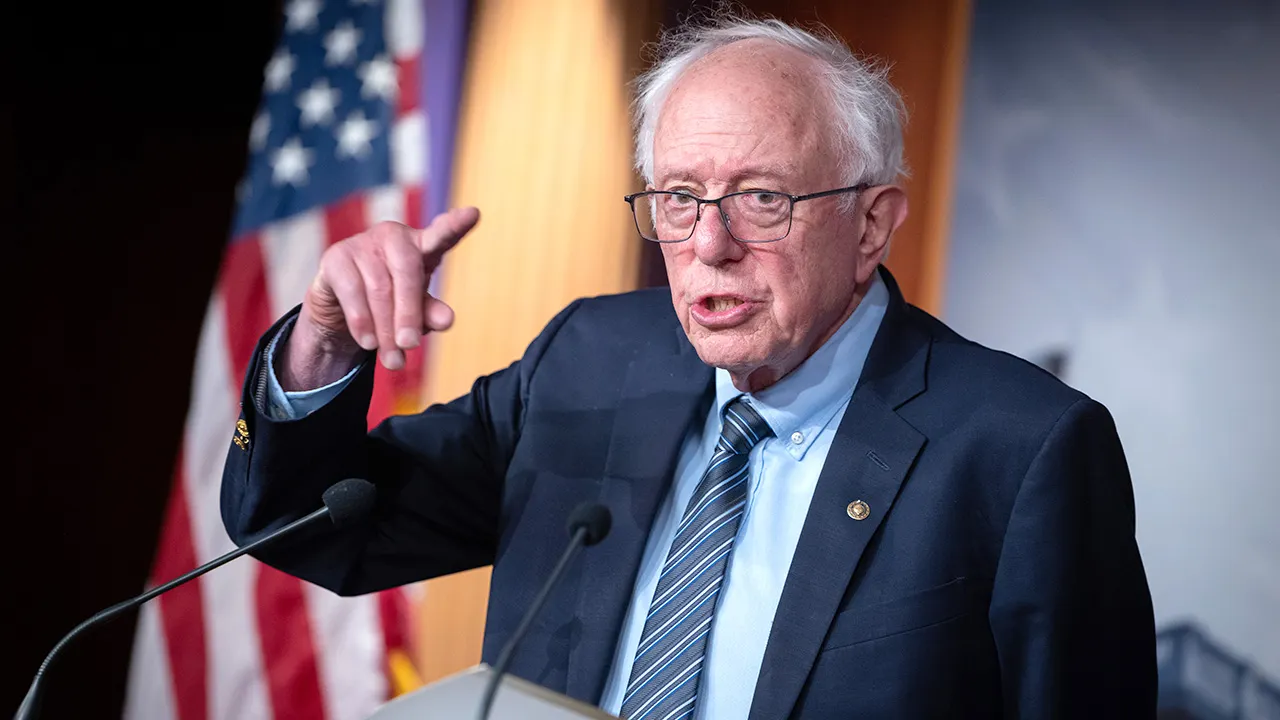
‘The Big Money Show’ discusses Sen. Bernie Sanders proposal to give the federal government a 50% ownership stake in OpenAI, Anthropic and other leading AI firms through a new sovereign wealth fund.
Democratic socialist Sen. Bernie Sanders, I-Vt., is arguing that the federal government should establish a sovereign wealth fund that’s financed by taking possession of half of the stock in AI giants like OpenAI, Anthropic and xAI, among others.
Sanders wrote an op-ed in The New York Times on Sunday that AI companies built and trained their models using the creative work of millions of people to inform generative AI tools, mostly without receiving permission from the creators or compensating them.
He explained that those creative works have “essentially been stolen by some of the wealthiest people in the world. It’s time for us to reclaim it.”
“Since AI is built on the collective knowledge of humanity, the wealth it generates must benefit humanity,” Sanders wrote, rather than benefiting the founders of leading AI companies or “venture capitalists in Silicon Valley or money managers on Wall Street who undoubtedly see AI as the next great wealth-extracting machine.”
BERNIE SANDERS WARNS OF ‘THE MOST TRANSFORMATIVE ECONOMIC REVOLUTION IN THE HISTORY OF THIS COUNTRY’
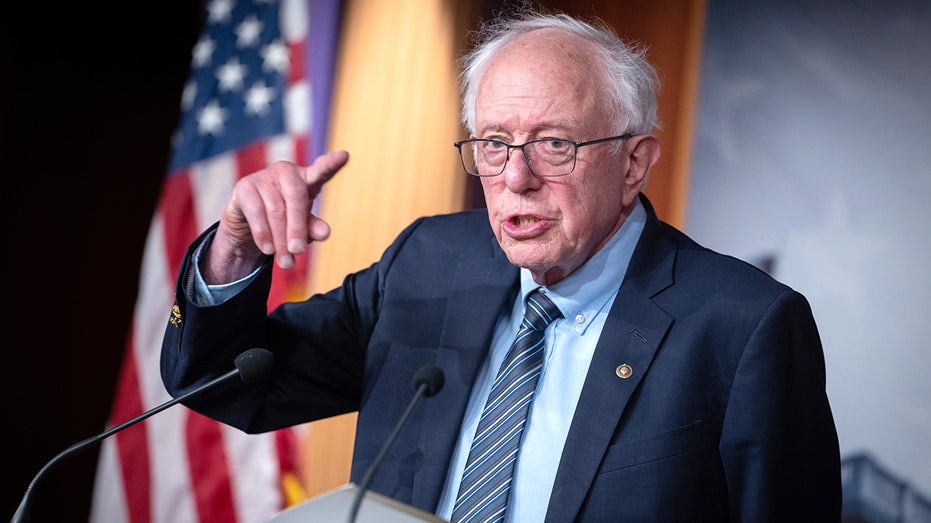
Sen. Bernie Sanders, I-Vt., is calling for an AI sovereign wealth fund with large stakes in leading U.S.-based AI companies. (Nathan Posner/Anadolu via Getty Images)
Sanders explained that he’s planning to introduce legislation that will be called the American AI Sovereign Wealth Fund Act, which would impose a one-time 50% tax payable with the stock of leading AI companies like OpenAI, Anthropic, xAI and others.
The senator said the bill would give the public “a direct role in determining the future of this technology,” if his legislation were enacted.
“No longer would the future of AI and the transformation of human life that it will bring be dictated by a handful of Big Tech oligarchs,” Sanders wrote. “The federal government would have the power, through its voting shares and an equal representation on each company’s board, to block decisions that hurt our citizens and to push for policies that help them.”
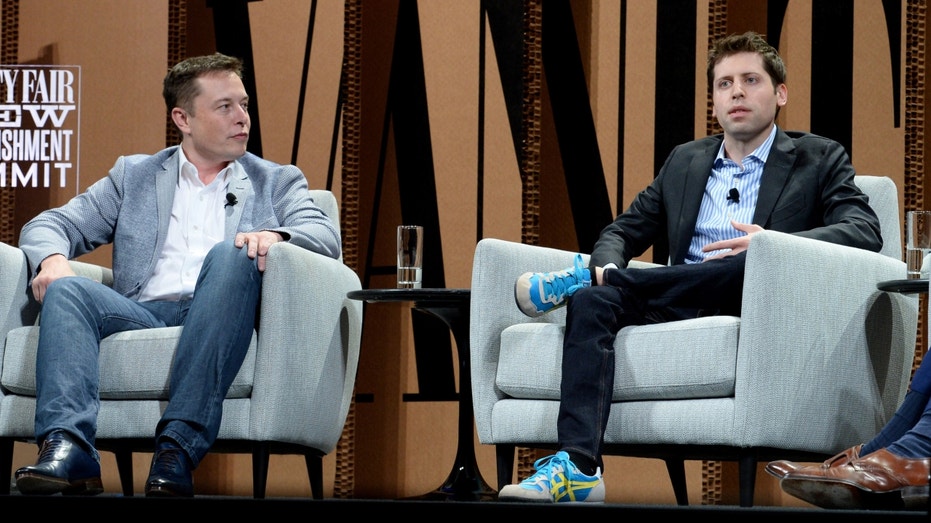
Sanders’ bill aims to take large ownership stakes in AI companies founded by “Big Tech oligarchs” like Elon Musk and Sam Altman. (Michael Kovac/Getty Images for Vanity Fair)
He added that the bill would also “guarantee that the trillions of dollars potentially generated by AI are used to improve the lives of all of us – not simply to make the richest people in the world even richer.”
“If the big AI companies continue to grow as rapidly as many analysts expect, then the value of the sovereign wealth fund will grow as well – and the benefits to the American people will grow along with it,” the senator wrote.
Sanders said other sovereign wealth funds, like the one operated by Norway’s government derived from oil revenues, give the government a say in how those resources should be used for the nation rather than allowing oil companies to direct those funds.
He also noted Alaska’s oil fund as well as state pension systems holding stock in companies as other examples of the role the government can play.
ELON MUSK CALL HIMSELF A ‘MAKER,’ SLAMMING POLITICIANS LIKE BERNIE SANDERS: ‘THEY TAKE’
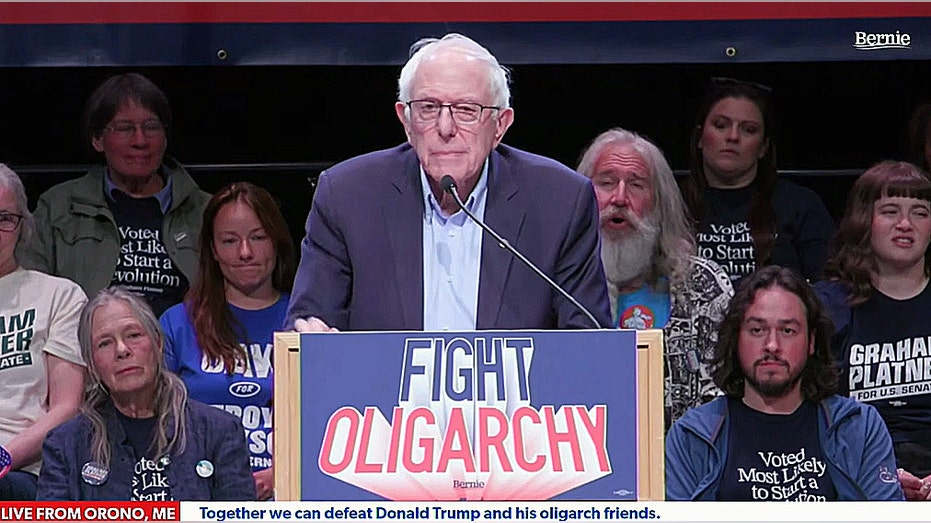
Sen. Bernie Sanders speaks during a “Fight Oligarchy” rally in Orono, Maine, where he warned that artificial intelligence and robotics could replace workers and deepen economic inequality. (Fox News / Fox News)
Sanders’ proposal for the AI sovereign wealth fund to control 50% of the stock in U.S. AI companies goes well beyond the limit imposed by Norway’s sovereign wealth fund, which prohibits the fund from holding more than 10% of the shares in public companies, aside from real estate firms.
Additionally, state pension funds typically hold relatively small amounts of stock in individual companies as the funds tend to diversify their holdings to help safeguard the pensions’ assets.
Under the senator’s proposal, the “billions, if not trillions, of dollars generated by this fund would provide direct payments to the American people. And as the fund generates more and more wealth, the proceeds would be used to ensure that every man, woman and child in our country has a decent and dignified standard of living, including healthcare, education and housing.”
“I recognize that for the government to have a major stake in a company, particularly one for which AI is only part of its business, is complicated. More details – including the specific spending priorities and the mechanics of implementation – will be included in the legislation I unveil in the coming weeks,” Sanders said.
GET FOX BUSINESS ON THE GO BY CLICKING HERE
“But the principle is simple: when a public resource generates wealth, the public should share in that wealth. AI is being built on a public resource far more valuable than oil: the accumulated knowledge, creativity and labor of mankind,” he explained.
Stock Markets Signal They’re Ready to Absorb Google and Anthropic Capital Raises

Expected to improve shopping experience for consumers.
Business
SPAC and New Issue ETF (SPCK) Rises 0.72% as Investors Hunt Fresh IPO and Merger Plays in 2026
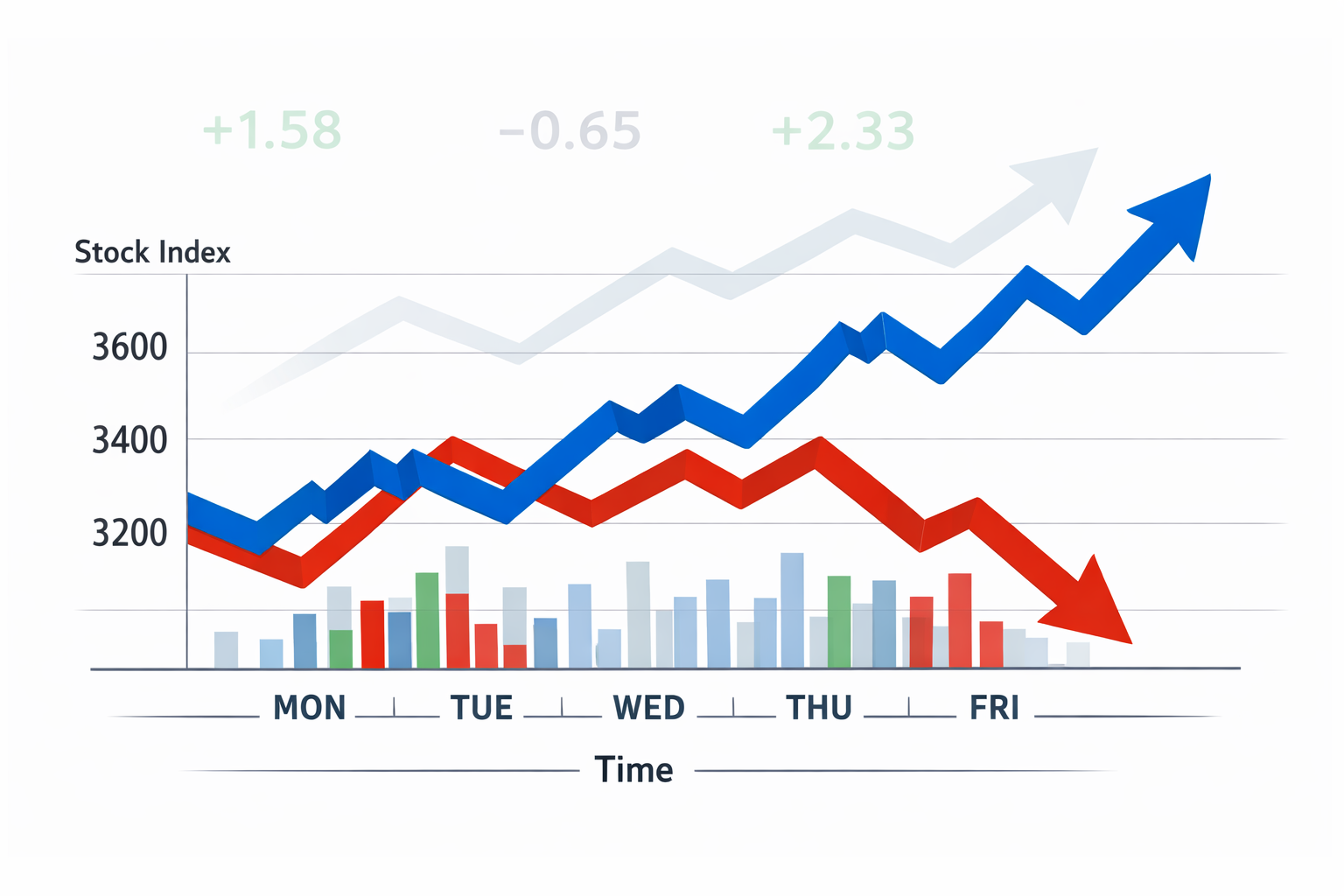
NEW YORK — The SPAC and New Issue ETF (NASDAQ: SPCK) gained 0.72% on Wednesday morning, climbing to $22.49 as renewed investor interest in special purpose acquisition companies and upcoming initial public offerings lifted sentiment around the specialized fund.
The ETF, which provides targeted exposure to SPACs, pre-IPO companies and newly listed stocks, has attracted attention in 2026 as the market for new issues shows signs of thawing after several years of subdued activity. Trading volume remained solid in morning sessions, reflecting selective buying in a segment that has lagged broader market gains for much of the past two years.
The SPAC and New Issue ETF aims to capture opportunities in companies going public through traditional IPOs or mergers with blank-check companies. Its portfolio typically includes a mix of pre-de-SPAC targets, recent listings and special purpose vehicles still seeking acquisitions. With many high-profile companies choosing to go public in recent quarters, the ETF has offered investors a diversified way to participate in this resurgence without picking individual names.
Market participants pointed to several factors supporting the ETF’s modest advance. Improving macroeconomic conditions, stabilizing interest rates and stronger corporate confidence have encouraged more companies to explore public listings. Investment banks have reported increased IPO pipeline activity, particularly in technology, healthcare and clean energy sectors.
The broader SPAC market has evolved significantly since its peak frenzy in 2020-2021. Many earlier deals faced challenges with performance and regulatory scrutiny, leading to a sharp decline in new formations. However, 2026 has seen a more disciplined approach, with sponsors focusing on stronger targets and clearer paths to value creation. This maturation has helped restore some investor confidence.
Analysts note that SPCK benefits from exposure to both completed mergers and companies in the pre-listing phase. The ETF’s structure allows it to hold positions across various stages of the new issue lifecycle, providing a balanced approach to a historically volatile segment. Its year-to-date performance has been positive but trails major indices, reflecting the cautious return of capital to the space.
Wednesday’s gain came amid a broader rotation in small and mid-cap stocks, where many newly public companies reside. The Russell 2000’s solid performance earlier in the week provided a supportive backdrop for names with recent listings or pending mergers. Investors appear to be positioning for potential catalysts such as major IPOs expected in the second half of 2026.
The ETF holds a diverse basket of holdings, including stakes in companies that have gone public through SPAC mergers in sectors ranging from electric vehicles and biotechnology to fintech and software. Performance has been driven by several successful de-SPAC transactions that delivered strong post-merger results, though others have struggled with integration challenges and market conditions.
Fund managers have emphasized disciplined selection criteria, focusing on companies with proven business models, strong management teams and realistic growth projections. This approach contrasts with the more speculative nature of earlier SPAC waves and has helped the ETF avoid some of the sharp drawdowns seen in the broader sector.
Regulatory developments continue shaping the landscape. The Securities and Exchange Commission has maintained stricter disclosure requirements for SPACs and new listings, aiming to protect investors while allowing viable companies access to public markets. These rules have contributed to higher quality deals reaching the market in 2026.
Institutional interest in the ETF has grown steadily. Pension funds, hedge funds and retail investors seeking exposure to emerging growth stories have increased allocations. The product’s relatively low expense ratio and diversified holdings make it an accessible entry point compared to direct investments in individual SPACs or pre-IPO shares.
Challenges remain for the new issue market. Valuation discipline is critical, as many recent listings have experienced post-debut volatility. Companies must demonstrate sustainable growth and clear competitive advantages to maintain investor support after the initial hype fades. The SPCK ETF attempts to mitigate single-name risk through broad exposure across multiple deals and stages.
Looking ahead, several major IPOs and SPAC transactions are anticipated in coming months. Technology infrastructure, artificial intelligence applications and renewable energy companies are expected to feature prominently. The ETF is well-positioned to capture upside from these potential debuts while maintaining exposure to already-listed former SPACs showing operational progress.
Market strategists suggest the current environment favors selective participation in new issues. With interest rates potentially peaking and economic growth holding steady, conditions appear more supportive for growth-oriented companies seeking public capital. However, caution remains regarding overall market volatility and sector-specific risks.
The SPAC and New Issue ETF has carved out a specialized niche in the investment landscape. By focusing on companies at various stages of going public, it offers a unique risk-reward profile that appeals to investors comfortable with higher volatility in pursuit of potentially outsized returns from emerging leaders.
Performance data shows the ETF has experienced periods of strong gains during active IPO windows, followed by consolidation when deal flow slows. Its 2026 results reflect a gradual recovery in the new issue market rather than the explosive moves seen in previous cycles.
For financial advisors, the ETF provides a convenient tool for clients seeking targeted exposure to IPOs and SPACs without the operational complexities of direct investing. Its daily liquidity and transparent holdings make it suitable for both tactical allocations and longer-term thematic portfolios.
As the trading day continued Wednesday, the SPCK ETF maintained its gains, trading around $22.49. The modest advance reflects measured optimism rather than exuberance, consistent with the more disciplined nature of today’s new issue market.
Broader market context supports cautious participation. Strong corporate earnings in certain growth sectors and steady economic indicators have encouraged companies to move forward with listing plans. Investment bankers report healthier pipelines compared to 2024 and early 2025.
The evolution of SPAC structures, including better alignment of sponsor incentives and longer timelines for deal completion, has improved outcomes for investors. These changes have helped rebuild credibility in the mechanism as a viable path to public markets for quality companies.
Looking further into 2026, analysts expect continued moderate deal flow. Technology and healthcare are likely to lead activity, while consumer and industrial sectors may see selective opportunities. The SPCK ETF’s flexible mandate positions it to adapt across these varying themes.
Investors should approach the segment with realistic expectations. While attractive opportunities exist, not all new issues deliver strong long-term performance. Thorough due diligence and diversified exposure remain essential for success in this space.
The SPAC and New Issue ETF continues to serve as an important vehicle for capturing the excitement and potential of companies entering public markets. Wednesday’s positive performance adds to a constructive tone for the product as market conditions gradually improve for new listings and mergers.
As summer approaches, focus will shift toward upcoming earnings from recently listed companies and potential new filings. These developments will likely influence the ETF’s trajectory in the second half of 2026.
For now, the 0.72% gain to $22.49 reflects steady interest in a segment that has shown renewed vitality. The SPAC and New Issue ETF remains a specialized but increasingly relevant option for investors seeking exposure to the next generation of public companies.

The guidelines recommend using goods and services tax (GST) collections to estimate economic activity in trade, hotels, and restaurants; Annual Survey of Industries data for organised manufacturing, Annual Survey of Unincorporated Sector Enterprises for informal sector activities and the RBI banking statistics for financial services.
Earlier this year, the ministry of statistics and programme implementation (MoSPI) revised the national gross domestic product base year to 2022-23 from 2011-12.
“The availability of reliable and comparable DDP estimates is expected to support decentralised planning, evidence-based policy formulation, regional development analysis and informed decision-making at the district levels,” the ministry said in a statement The guidelines provide a framework for covering all major sectors of the economy, including agriculture, manufacturing, construction, trade, transport, financial services, public administration, and other services.

JPMorgan Chase CEO Jamie Dimon joins Mornings with Maria to discuss China, national security concerns and why America must strengthen its military and economic alliances to counter adversaries.
The Trump administration on Tuesday night announced a new plan to impose tariffs on up to 60 trading partners which would face additional import taxes of 10% or 12.5%.
The office of the U.S. Trade Representative (USTR) released a report that found the 60 countries were neglecting to enforce rules prohibiting imported goods made with forced labor, which in turn had a negative impact on American companies.
It found that 54 countries, including notable trading partners like China, Vietnam, Japan, South Korea and the United Kingdom, failed to impose and enforce a forced labor ban. A further six countries failed to effectively enforce such a ban, including Canada, Mexico and the European Union.
“The failure of our most important trading partners to address the importation of goods made with forced labor is unacceptable,” said Ambassador Jamieson Greer. “This creates a dynamic where American workers are forced to compete globally on an unlevel playing field.”
DHS EXPANDS FORCED LABOR IMPORT BAN TO STEEL, LITHIUM, BLOCKS IN CHINESE GOODS
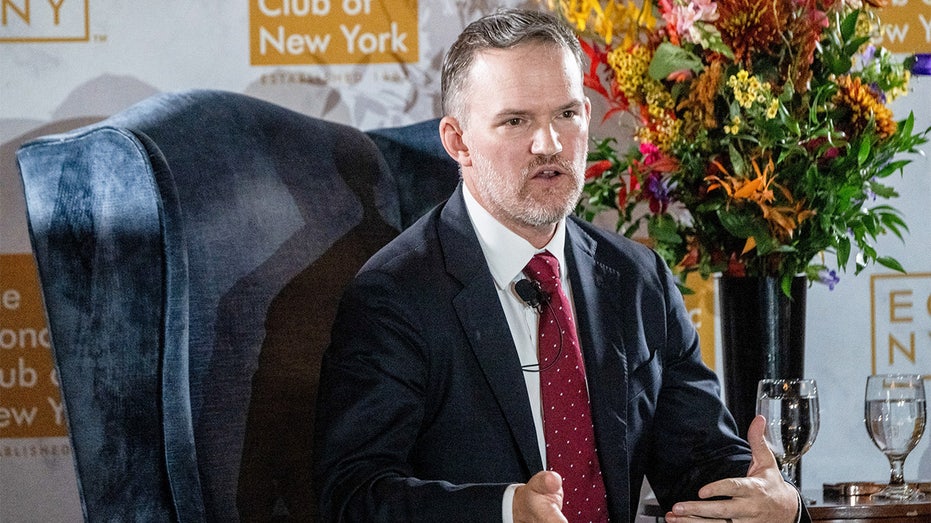
U.S. Trade Representative Jamieson Greer announced the plans for new forced labor tariffs. (Victor J. Blue/Bloomberg via Getty Images)
“We will no longer tolerate this disparity,” Greer said. “Some trading partners have taken initial steps to prevent the importation of forced labor goods, including through USMCA and commitments in Agreements on Reciprocal Trade.”
“However, each of our trading partners must do more to ensure that trade does not perversely encourage and entrench forced labor,” he added.
For trading partners that have either a ban on forced labor imports, have committed to impose such a prohibition or have imposed a partial regime to prevent the importation of goods made with forced labor, they would have an additional 10% tariff. All other economies would face an additional tariff of 12.5%.
‘FORCED LABOR’: STATE AGS PROBE CHINESE COMPANY TEMU OVER ‘DISTURBING’ BUSINESS PRACTICES

The textile industry is particularly vulnerable to sourcing cotton made with forced labor in China. (Wu Changwei/Xinhua via Getty Images)
USTR’s proposal also includes a mechanism to allow certain volumes of imported apparel and textiles to enter the U.S. at a lower tariff rate. Forced labor is commonly used overseas in producing cotton that’s used in textile products, particularly that which is sourced from the Xinjiang region of China.
Federal laws against the use of forced labor ban the importation of cotton made with forced labor into the U.S., including the Uyghur Forced Labor Prevention Act. The law refers to the ethnic Uyghurs who reside in Xinjiang and have faced persecution from the Chinese Communist Party, with many subject to forced labor.
The USTR report notes that nearly all the 60 countries that were subject to the investigation that began in March imported cotton from China in 2021 and 2025. It adds that the complexity of supply chain tracing “makes it difficult for consumers and apparel companies to trace their supply chains all the way to the raw material, particularly as garments produced by third-economy producers would not indicate China as their source.”
AI HELPING REMOVE CHINESE GOODS MADE WITH UYGHUR FORCED LABOR FROM CORPORATE SUPPLY CHAINS

Ethnic Uyghurs in Xinjiang, China, are subject to forced labor and mass internment by the Chinese government. (Greg Baker/AFP via Getty Images)
The 60 countries that were investigated and found to impose or enforce a forced labor import ban imposed an “unreasonable or discriminatory burden” on U.S. commerce, according to the report.
USTR said that “undermines the universal aim of eliminating forced labor; permits firms that avail themselves of forced labor to produce goods at lower cost and therefore distort market conditions for firms that do not use forced labor; undermines that profitability of firms that do not use forced labor; and contributes to the circumvention of existing forced labor import prohibitions.”
GET FOX BUSINESS ON THE GO BY CLICKING HERE
Written comments on the proposal are due by July 6, with the USTR to hold hearings the following day on July 7. Interested parties should submit requests to appear at the hearings, along with a summary of testimony, by June 22.


Innovations at the show included new formats and formulations.
Business
SpaceX to Raise Record $75 Billion in IPO at Fixed $135 Share Price for $1.75 Trillion Valuation
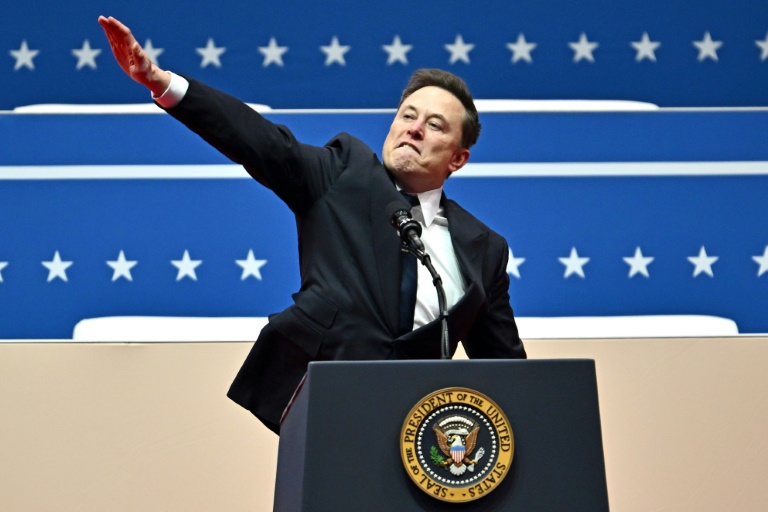
NEW YORK — SpaceX, Elon Musk’s rocket and satellite company, plans to raise a record $75 billion in its initial public offering by fixing the share price at $135, targeting a $1.75 trillion valuation in one of the largest and most unconventional listings in market history.
The company intends to sell 555.6 million shares in an all-primary offering, with proceeds directed toward expanding AI computing resources and its Starlink satellite network. The fixed-price approach breaks from traditional IPO practices, where companies typically set a price range and adjust based on investor demand during roadshows.
SpaceX’s roadshow begins Thursday after preliminary meetings with investors. The debut is expected on Nasdaq under the ticker “SPCX” on June 12, led by underwriters Goldman Sachs, Morgan Stanley, BofA Securities, Citigroup and J.P. Morgan. The plans remain subject to change based on investor feedback.
This move positions SpaceX to lead a wave of major listings, with OpenAI and Anthropic also preparing public debuts that could collectively add nearly $4 trillion in market capitalization. The listing comes after SpaceX merged with Musk’s xAI earlier this year in a deal valuing the rocket business at $1 trillion and xAI at $250 billion.
The fixed $135 price reflects Musk’s signature style of defying convention. “Musk is simply taking a ‘take-it-or-leave-it’ approach which works for his followers and is also sensible given the market conditions and the lack of comparables,” said Weiheng Chen, a senior partner at law firm Wilson Sonsini Goodrich & Rosati.
SpaceX is also planning to allocate up to 30% of the offering to retail investors, an unusually large portion designed to tap into Musk’s dedicated following. Musk himself will be required to hold his shares for 366 days post-IPO, signaling long-term commitment to new shareholders.
The company has no direct public peers, complicating valuation. Morningstar recently estimated SpaceX’s fair value at $780 billion — 48% below the targeted $1.75 trillion — with most of that value attributed to the Starlink satellite communications business. At the proposed valuation and 2025 revenue of $18.67 billion, SpaceX would trade at nearly 94 times trailing revenue.
For context, Rocket Lab trades at 118 times revenue, Palantir at 81 times, and Tesla at roughly 17 times. SpaceX reported a net loss of $4.94 billion in 2025, swinging from a $791 million profit the prior year, so it cannot be evaluated on a price-to-earnings basis.
Starlink remains the primary profit driver, generating most of the company’s revenue and growth. However, two of SpaceX’s three main businesses continue burning cash, with losses widening to $1.27 per share in the first quarter of 2026 from 18 cents a year earlier. Revenue grew to $4.69 billion in the quarter from $4.07 billion previously.
The IPO structure is all-primary, meaning all proceeds go to the company rather than allowing existing shareholders to sell shares. This approach provides SpaceX with substantial capital to fuel ambitious projects, including Starlink expansion and integration with xAI’s artificial intelligence initiatives.
Investor interest is expected to be intense, driven as much by Musk’s track record as by SpaceX’s fundamentals. His success at Tesla has shown an ability to galvanize retail traders and deliver long-term value despite short-term volatility. The upcoming roadshow will test whether institutional investors are willing to accept the fixed price and governance structure.
Corporate governance concerns could temper enthusiasm. SpaceX plans a dual-class share structure that concentrates voting power with Musk and a small group of insiders, similar to arrangements at Tesla and other Musk-led companies. This setup prioritizes founder control but has drawn criticism from some governance advocates.
The listing arrives at a time when public markets are showing renewed appetite for large growth stories after years of muted mega-cap IPO activity. Strong performance by recent technology and AI-related listings has encouraged more private companies to consider going public.
SpaceX’s business spans multiple high-growth areas. Its Falcon rockets have transformed the commercial launch industry with reusable technology that dramatically lowered costs. Starlink provides high-speed internet to remote and underserved areas worldwide, with potential for significant expansion in aviation, maritime and enterprise markets. The integration with xAI adds exposure to artificial intelligence infrastructure.
Proceeds from the IPO will support continued innovation across these segments. SpaceX aims to scale Starlink’s constellation, develop next-generation vehicles including Starship, and enhance computing capabilities for AI applications.
The unconventional IPO strategy underscores Musk’s influence on capital markets. By setting a firm price ahead of the roadshow, SpaceX aims to streamline the process and avoid the volatility often seen in traditional bookbuilding. This approach has worked for Musk in past ventures and aligns with his preference for direct engagement with investors and the public.
Wall Street reaction has been mixed but generally positive. While some bankers note the challenges of pricing without traditional demand discovery, others see the fixed price as pragmatic given SpaceX’s visibility and strong private-market interest.
As the most anticipated IPO in years, SpaceX’s debut could set the tone for the remainder of 2026’s new issue market. Success would likely encourage other high-profile private companies to follow, potentially unlocking significant capital for growth sectors including AI, space technology and sustainable infrastructure.
For investors, the offering represents a rare opportunity to gain exposure to one of the world’s most valuable private companies. However, risks remain, including execution challenges in scaling complex technologies, regulatory hurdles in multiple jurisdictions, and dependence on Musk’s leadership and vision.
SpaceX has transformed the space industry over the past two decades, achieving milestones once considered science fiction. Its IPO marks another chapter in that evolution, bringing public market scrutiny and capital to a company long defined by ambition and innovation.
The coming weeks will reveal whether investors embrace SpaceX’s terms or push back on valuation and governance. With the roadshow beginning Thursday, all eyes will be on investor meetings and any adjustments to the ambitious plans.

Allan Lockhart
Founder, CEO & Director
Well, good morning, everyone, and thank you for joining us. Today is really about demonstrating something quite straightforward that the strategy that we’ve been pursuing over the past few years is now translating into progress. And the operational evidence is beginning to show clearly in the numbers. FY ’26 was our first full year of benefit from the Capital Regional acquisition, and we see it as an important step forward in both scaling our platform and improving the composition of our portfolio.
Our presentation this morning is focused on 3 key things: first, how the business has performed during the year. Second, how we have repositioned the portfolio. And third, how we leverage that improved position into income growth and long-term value for shareholders.
Turning to FY ’26. We’ve delivered growth across the measures that matter most. Underlying funds from operations increased to GBP 37.2 million. Our well-covered dividend has grown to 6.7p per share, and we delivered a sector-leading 9.4% total accounting return.
Two things are driving this: operational delivery and capital discipline. On operational delivery, we agreed rents 37.3% ahead of the previous passing rent and 8.5% ahead of ERV. That is real pricing power across the portfolio, and it is showing through in our third consecutive period of valuation growth. On capital discipline, we have recycled assets at book value, completed a share buyback, reduced our LTV, and refinanced the balance sheet onto a fully unsecured structure.
So what we’re seeing is not simply short-term improvement, but the early evidence of a portfolio that is more focused and well positioned for income-led growth.
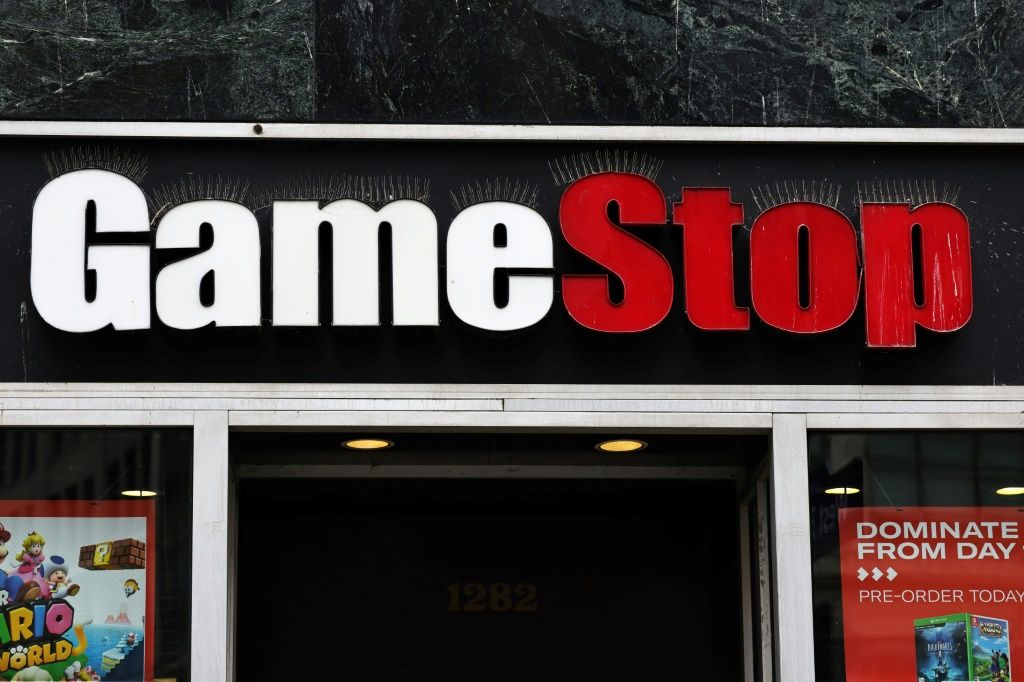
NEW YORK — GameStop Corp. shares have shown renewed volatility in 2026, trading around $21 as the company reported record first-quarter profits and announced a $2 billion share buyback program, yet Wall Street analysts largely maintain a cautious stance on the long-term prospects of the video game retailer.
The stock has delivered mixed performance year-to-date, with gains driven by activist investor moves, meme-stock enthusiasm and strong cash generation, but faces ongoing pressure from declining physical game sales and competition from digital platforms. As of early June 2026, GME trades near the middle of its 52-week range, reflecting uncertainty over its transformation strategy.
GameStop’s first-quarter 2026 results, released June 2, showed significant improvement. Net sales rose 14% to $835.3 million, boosted by strong collectibles demand, while the company swung to a net income of $389.6 million from $44.8 million a year earlier. The board approved a new $2 billion discretionary share repurchase program, signaling confidence in undervaluation and providing potential support for the stock price.
Cash reserves swelled to approximately $9.7 billion, giving the company substantial financial flexibility. This war chest has fueled speculation about strategic moves, including a rejected $56 billion takeover bid for eBay and increased stake-building in the online marketplace. CEO Ryan Cohen continues pushing aggressive initiatives to evolve GameStop beyond traditional brick-and-mortar retail.
Despite these positive developments, analysts remain predominantly bearish. Consensus ratings lean toward Sell, with an average 12-month price target around $13.50, implying potential downside from current levels. Concerns center on structural challenges in the video game industry, where digital downloads and subscription services have eroded physical sales — once GameStop’s core business.
Revenue for fiscal 2025 declined to $3.63 billion, and analysts forecast further contraction in coming years. While collectibles and technology products have provided some diversification, they have not fully offset declines in hardware and software sales. GameStop’s transition to a broader entertainment and technology retailer remains a work in progress.
The stock retains strong support from retail investors and meme-stock communities. Short interest, while lower than 2021 peaks, remains notable, creating potential for volatility on positive news. However, sustained rallies have proven difficult without fundamental improvement in the core business.
Investment cases for buying GME in 2026 typically highlight its fortress balance sheet and activist leadership. With nearly $10 billion in cash and minimal debt, the company can weather industry headwinds while pursuing acquisitions or share repurchases. The $2 billion buyback program, if executed aggressively, could retire a meaningful portion of outstanding shares and provide price support.
Proponents also point to potential strategic pivots. Cohen’s involvement has brought e-commerce focus and operational efficiency improvements. Speculation around technology initiatives, including possible blockchain or NFT-related efforts, continues to excite certain investors despite limited tangible progress to date.
Arguments for selling or avoiding the stock focus on valuation and industry trends. Even after recent volatility, GME trades at elevated multiples relative to traditional retailers. Declining revenue forecasts and narrow margins in a competitive sector raise questions about long-term profitability. Most Wall Street analysts see limited upside without a clear turnaround narrative.
Technical analysis shows mixed signals. The stock has trended lower over recent months but finds support near multi-year lows. Moving averages suggest bearish momentum in the short term, though oversold conditions could lead to short-term bounces on positive news.
Broader market context influences GME’s performance. As a high-beta stock, it amplifies movements in the overall market and consumer discretionary sector. Economic uncertainty, interest rate policy and consumer spending trends all play significant roles.
GameStop’s meme-stock history adds another layer of complexity. Surges driven by social media sentiment can occur with little fundamental basis, creating both opportunity and risk for traders. However, such rallies have often proven unsustainable without underlying business improvement.
For long-term investors, the decision hinges on belief in management’s ability to reinvent the company. Successful diversification beyond physical retail, combined with prudent capital allocation, could create value. Failure to stem revenue declines would likely pressure the stock further.
Short-term traders may find opportunities in volatility, particularly around earnings releases, activist announcements or broader market movements. Risk management remains crucial given the stock’s history of sharp swings.
Analyst forecasts for 2026 generally project continued revenue pressure, with some improvement in profitability from cost controls and buybacks. Price targets cluster in the low teens, suggesting limited enthusiasm from institutional research desks.
Corporate governance and capital allocation will be key watchpoints. The company’s substantial cash position raises questions about optimal deployment — whether through buybacks, acquisitions, dividends or strategic investments. Shareholder activism, led by Cohen, has pushed for bolder moves.
The video game industry continues evolving rapidly. Console cycles, digital distribution growth and emerging technologies like cloud gaming present both challenges and opportunities. GameStop’s ability to adapt will determine its relevance in coming years.
As of early June 2026, the balance of risks and rewards for GME remains highly debated. Strong cash reserves and activist involvement provide downside protection and potential catalysts, while industry headwinds and high valuations create meaningful risks.
Investors considering GME should weigh these factors against their risk tolerance and time horizon. Diversification and careful position sizing are essential given the stock’s volatility. While some see a deeply undervalued opportunity with significant upside, consensus views suggest caution and limited near-term catalysts for substantial appreciation.
The coming quarters will be critical as GameStop executes its buyback program and pursues strategic initiatives. Whether the company can translate its cash strength into sustainable growth will ultimately decide if 2026 becomes a turning point or another challenging year for the iconic retailer.

Kraken parent plans to offer tokenized IPO access as investors await SpaceX, Anthropic debut

General Hospital Early Spoilers June 8-12: Jack Brennan Desperate & Jason Returns!

She hired investigators to track her opponent



-

 Tech6 days ago
Waymo dominates autonomous vehicle registrations as Tesla trails behind
-

 News Videos5 days ago
This is BROKEN! INSANE 5x MONEY CAR WASH WEEK! The NEW GTA Online UPDATE Today! (GTA5 New Update)
-
 Tech4 days ago
SpaceX just won a second Golden Dome contract. This one is $4.16 billion.
-

 Business2 days ago
Jade Biosciences, Inc. (JBIO) Discusses Positive Interim Results From JADE101 Phase I Healthy Volunteer Study and Development Plans Transcript
-
 News Videos5 days ago
SHE IS KILLING XRP!!! WATCH URGENT AND ACT FAST
-
 NewsBeat5 days ago
FIRST NIGHT REVIEW: Take That bring the Circus back to life in spectacular sun-soaked style
-
 Crypto World5 days ago
CFTC Has Approved the First Regulated Bitcoin Perpetual Contract in the U.S.
-

 Business4 days ago
Is the Spurs Phenom Already Better Than Prime Diesel?
-
 NewsBeat5 days ago
Novak Djokovic v Joao Fonseca LIVE: French Open latest scores and results after Jannik Sinner’s shocking collapse
-
 Crypto World5 days ago
Snowflake (SNOW) Stock Rallies on Strong Q1 Results and AI Product Growth
-
 Entertainment5 days ago
Weak ‘Supergirl’ Box Office Tracking Amid Milly Alcock Backlash
-

 Business5 days ago
Demand Conditions Improve In Chemicals Sector In April 2026
-
 Crypto World5 days ago
MicroStrategy Moves $30 Million in BTC to Coinbase Prime: Is the Bitcoin Sell-Off Already Here?
-

 Politics5 days ago
The House | Inside Andy Burnham’s Makerfield Campaign: “Nobody Thinks This Is In The Bag”
-

 Tech5 days ago
This Week In Security: Ubiquiti Fixes, And FreeBSD Joins The Club You Don’t Want To Join
-
 Entertainment4 days ago
One of the Greatest Sitcoms of All Time Shoots Up Apple TV’s Charts 11 Years Later
-

 Entertainment5 days ago
Maddox Jolie-Pitt Legally Requests to Drop Brad’s Surname
-
 Crypto World1 day ago
Seagate (STX) Stock Surges to Record High on AI Boom and Legal Settlement
-
 Entertainment5 days ago
Britney Spears Shares Troubling Update After Hard Year
-
 Entertainment5 days ago
Bruce Willis’ Generosity Resurfaces Amid His Dementia
You must be logged in to post a comment Login