The beauty industry continues to grow every year, creating exciting opportunities for people who are passionate about makeup, skincare, and professional beauty services. Whether you dream of becoming a freelance makeup artist, working in a salon, or launching your own beauty business, the right education is the foundation of your success. Fresh Look Beauty Classes provides practical training designed to help aspiring beauty professionals gain the confidence, skills, and industry knowledge they need to build a rewarding career. By enrolling in a professional makeup class, students receive hands-on experience that prepares them for real-world beauty services while learning the latest techniques that clients demand.
Makeup Class – Learn Professional Skills from Industry Experts
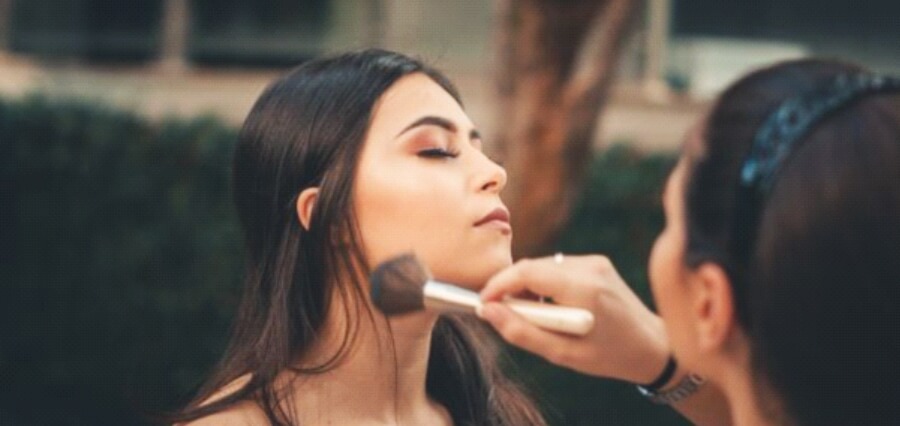
Choosing the right makeup class is one of the most important steps toward becoming a successful beauty professional. Fresh Look Beauty Classes offers practical instruction that focuses on real salon techniques rather than just theory. Every makeup class is designed to help students understand facial features, skin preparation, color matching, contouring, highlighting, and modern makeup application methods.
A quality makeup class also teaches students how to work confidently with different skin tones, face shapes, and beauty preferences. As beauty trends continue to evolve, learning updated techniques ensures graduates remain competitive in today’s fast-changing industry. Students gain valuable hands-on practice that helps improve both speed and precision, making every makeup class an investment in long-term career success.
Professional instructors guide students through every stage of the learning process, allowing beginners and experienced learners alike to strengthen their technical abilities. This practical approach helps students build confidence while preparing them for future employment or independent beauty services.
Makeup Course – Build a Strong Foundation for a Beauty Career
A professional makeup course goes beyond learning how to apply cosmetics. It provides students with a complete understanding of beauty techniques, hygiene standards, client communication, product knowledge, and business professionalism. Fresh Look Beauty Classes offers a structured makeup course that helps students develop both technical expertise and professional confidence.
Throughout the makeup course, students learn bridal makeup, party makeup, everyday beauty looks, glamorous evening makeup, corrective makeup techniques, and professional finishing methods. Each makeup course combines classroom instruction with practical demonstrations, allowing students to apply their knowledge immediately.
Completing a professional makeup course can open many career opportunities, including salon employment, freelance makeup artistry, bridal beauty services, fashion events, photography shoots, and even entrepreneurship. Many successful beauty professionals began their journey with a comprehensive makeup course that equipped them with practical skills and industry knowledge.
As demand for certified beauty professionals continues to rise, enrolling in a recognized makeup course provides valuable experience that helps students stand out in the competitive beauty industry.
Makeup Lesson Brampton – Personalized Training for Every Skill Level
Students looking for a professional Makeup lesson in Brampton benefit from practical instruction tailored to individual learning needs. Every Makeup lesson brampton focuses on helping students master essential makeup techniques while receiving personalized guidance from experienced instructors.
A professional Makeup lesson in Brampton allows students to practice directly under expert supervision, improving their application techniques and building confidence with every session. Whether someone is completely new to the beauty industry or wants to upgrade existing skills, each Makeup lesson brampton provides valuable hands-on experience.
The personalized approach offered through every Makeup lesson brampton helps students understand product selection, blending techniques, skin preparation, eye makeup application, lip styling, and professional finishing touches. Practical learning ensures students leave each Makeup lesson brampton with improved skills they can immediately apply in real client situations.
Choosing a trusted provider for a Makeup lesson brampton allows aspiring beauty professionals to learn current industry trends while building the confidence needed for long-term success.
Fresh Look Beauty Classes understands that every student has unique career goals. Some students aspire to become bridal makeup specialists, while others want to work in salons, cosmetic stores, fashion events, television, photography, or start their own beauty business. Professional training provides the flexibility to pursue these different career paths while developing practical experience that employers and clients value.
Beyond technical training, students also learn the importance of professionalism, customer service, cleanliness, and continuous learning. These qualities help beauty professionals establish strong client relationships and build lasting reputations within the industry. The combination of technical expertise and excellent communication creates successful beauty artists who consistently deliver outstanding results.
Investing in professional beauty education is an investment in your future. With expert instruction, practical experience, and modern industry techniques, students can confidently pursue exciting opportunities in the growing beauty industry. Whether your goal is to enroll in a professional makeup class, complete an advanced makeup course, or gain hands-on experience through a Makeup lesson brampton, Fresh Look Beauty Classes provides the knowledge and practical training needed to transform passion into a successful and rewarding beauty career.
























































You must be logged in to post a comment Login