

Business
India can regain 7% growth by FY28: Chief Economic Advisor V Anantha Nageswaran

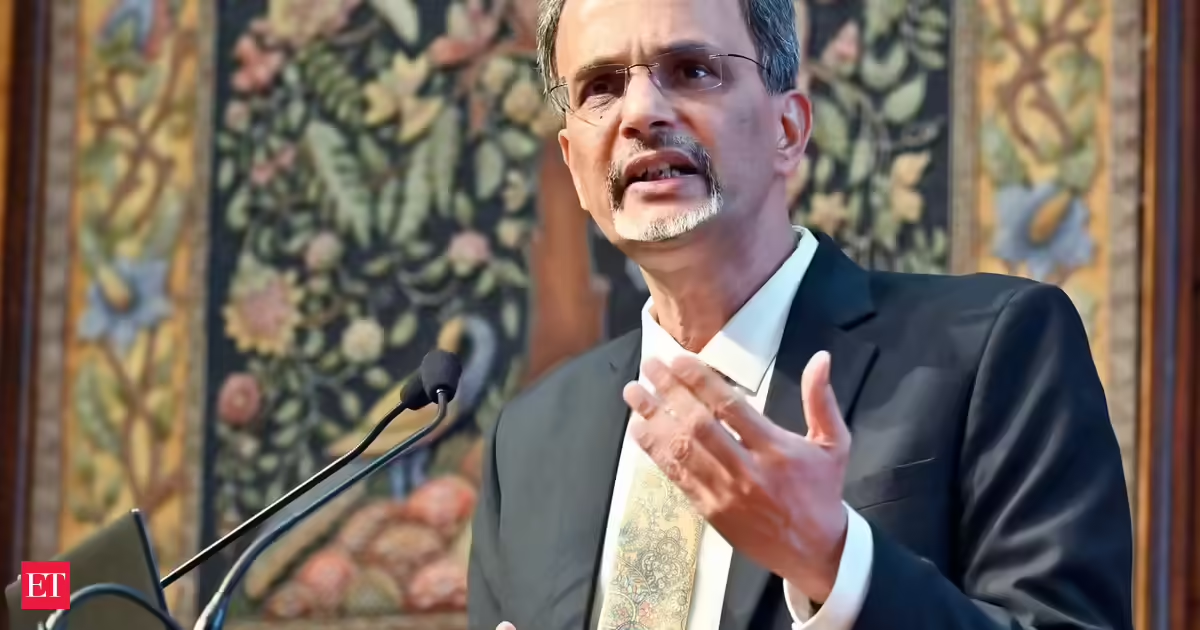
He however underlined that the growth expectation assumes a return to global conditions prior to February 28, referring to the start of the Iran war, which has since sparked global economic turmoil, impacting countries including India. “Macro stability measures and supply assurances will bring us back to a 7% plus growth track in FY28 or as soon as external conditions improve,” said Nageswaran. India’s GDP grew 7.8% year-on-year in the March quarter, taking full fiscal year growth to 7.7%, according to official data released Friday.
Speaking at a press conference after the GDP data release, Nageswaran said the figures reflect a balanced picture across different sectors of the economy.
“There could be the lagged effects of the various structural reforms, not only of the last decade but also post-Covid, and the continued investment in the capital expenditure and the supply-side infrastructure made by the government over the last 10 to 12 years,” he said.
Nageswaran highlighted that greater policy certainty arising from trade agreements, including progress in negotiations with the US and the European Union, should support exports and attract capital inflows going forward.

He emphasised that continuing structural reforms amid global uncertainty would strengthen India’s economic fundamentals and position the country for sustained high growth in the years ahead.
Nageswaran said policy measures already undertaken are expected to help mitigate supply disruptions, bolster economic safety nets, including through ECLGS 5.0, and preserve macroeconomic stability. The RBI Friday lowered the GDP forecast for FY27 to 6.6% from 6.9% projected in April, citing higher energy and commodity prices, and ongoing supply disruptions linked to the Iran war. It also raised the retail inflation forecast for FY27 to 5.1% from 4.6%.
Nagewaran said most high-frequency indicators through April showed domestic demand and overall economic activity have remained resilient, with emerging signs of stress.
The evolving conflict poses both a significant supply shock and a potential demand shock, he said, adding that supply-driven price pressures are starting to reflect in wholesale inflation, while the threat of an El Nino weather phenomenon and forecasts of below-normal monsoon rainfall present upside risks to the inflation outlook.
On nominal GDP, Nageswaran said growth is likely to exceed the 10.1% estimate outlined in Budget 2027, supported by the upward trend in retail inflation.
He also cautioned that India’s trade deficit widened in FY26, and could expand further this fiscal year, potentially putting additional pressure on the current account balance.


Subaru of America CEO Tom Doll on EV, Crosstrek success
Subaru is recalling nearly 70,000 vehicles in the U.S. after discovering a defect that could cause moonroof glass panels to detach from the vehicle, creating a potential hazard for other motorists.
The recall affects 69,663 model-year 2026 Subaru Forester and Forester Hybrid vehicles, according to a safety recall report filed with the National Highway Traffic Safety Administration.
According to the report, some affected vehicles may have been manufactured with power moonroof assemblies in which the glass panel was improperly bonded to the sliding frame. Over time, the adhesive bond could deteriorate, increasing the risk that the moonroof glass could separate from the vehicle while it is being driven.
The automaker said a detached glass panel could raise the risk of a crash or injury for other road users.
FORD RECALLS NEARLY 420,000 EXPEDITION AND LINCOLN NAVIGATOR SUVS OVER SEAT BELT LOCKING ISSUE
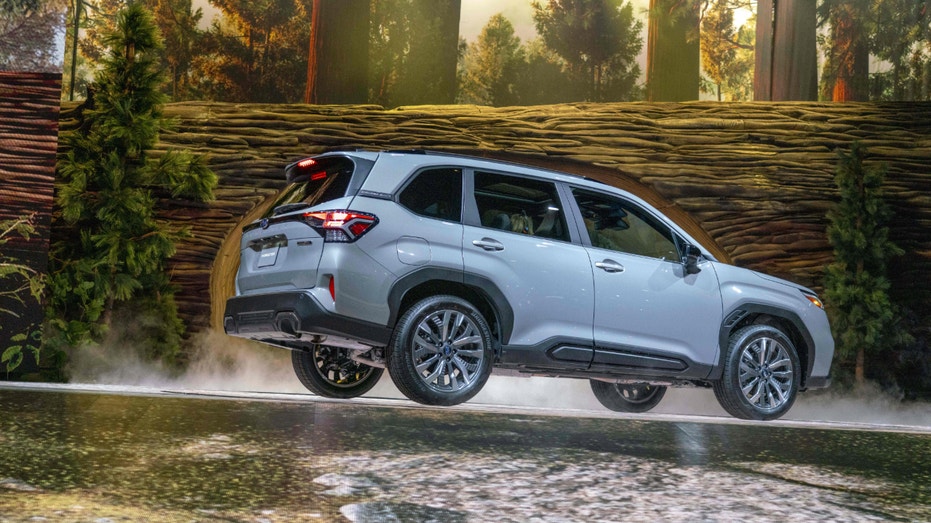
The 2024 Subaru Forester at AutoMobility LA ahead of the Los Angeles Auto Show in Los Angeles, California, on Nov. 16, 2023. (Kyle Grillot/Bloomberg via Getty Images / Getty Images)
The recall covers 65,656 Forester SUVs produced between June 19, 2025, and March 13, 2026, as well as 4,007 Forester Hybrid models built between Feb. 20 and March 17, 2026.
Subaru traced the issue to the manufacturing process, saying some moonroof assemblies may not have received the proper amount of primer, a bonding agent needed to securely attach the glass panel to the sliding frame. The moonroof assemblies were supplied by Webasto Roof Systems Inc. in Kentucky.
The company began investigating the issue after receiving a report on Feb. 26 that a moonroof glass panel had detached from a vehicle. A supplier investigation later indicated that some assemblies may have been produced with improper bonding between the glass and frame.
Subaru said it received three technical reports related to the condition between Feb. 26 and March 25. The company said it is not aware of any crashes or injuries linked to the defect.
NISSAN RECALLS OVER 51K SUVS AFTER SOFTWARE DEFECT CAUSES DASHBOARD SCREENS TO FAIL

A Subaru Forester is displayed during a promotional event at Queensbay Mall in Penang, Malaysia. Subaru is recalling nearly 70,000 Forester and Forester Hybrid vehicles in the U.S. over a moonroof defect that could cause glass panels to detach while (UCG/Universal Images Group via Getty Images / Getty Images)
The automaker decided on May 21 to conduct a voluntary safety recall “out of an abundance of caution,” according to the filing.
Dealers will inspect affected moonroof glass panels and replace the assembly if necessary at no cost to owners. Subaru said the issue was corrected in production on March 10.
Stocks In This Article:
GET FOX BUSINESS ON THE GO BY CLICKING HERE
A representative for Subaru did not immediately respond to FOX Business’ request for comment.
Dealer notifications began May 28, while owner notification letters are expected to be mailed by July 24. Vehicle owners will be able to check whether their SUV is included in the recall through Subaru or NHTSA recall lookup tools.

In April 2026, Thai exports grew 23.1%, driven by electronics and US demand, while imports surged 45%, causing a record trade deficit; SCB EIC raised the 2026 export forecast to 7.8%.
Strong Growth in Thai Exports in April 2026
Thailand’s export engine is running hot—powered by electronics, AI‑related demand, and a rebound in agriculture. But imports are running even hotter, especially in energy and electronic components, pushing the trade deficit to unprecedented levels.
Key Drivers
- Electronics exports jumped 64.6%, benefiting from the global electronics upcycle and AI/data‑center investment trends .
- Electronics alone contributed 13.2 percentage points to total export growth .
- Exports to the US surged 44.2%, with electronics to the US up 93.8% .
- Agricultural exports rebounded 17.9%, led by fruit exports (+74.3%), especially durian (+109.5%) .
- Middle East exports rebounded 19.3%, but almost entirely due to a one‑off spike in jewelry/precious stones (+1,157%)
Thai exports surged to USD 31.6 billion in April 2026, expanding by 23.1% year-on-year and accelerating from 18.7% the previous month. This growth exceeded expectations, driven primarily by electronics, which grew 64.6%, benefiting from the global technology upcycle and strong demand from key markets like the US. Agricultural exports also rebounded with a 17.9% increase, especially fresh fruits like durian.
Exports to the US rose 44.2%, partly due to reduced tariffs and increased shipments of electronics and other products. However, exports to the Middle East rebounded mainly due to a sharp rise in jewelry exports.
Record-High Imports and Trade Deficit
Imports in April rose 45%, the highest in nearly five years, reaching USD 41.6 billion. This increase was driven by raw materials, intermediate goods, fuel—including crude oil prices impacted by Middle East tensions—and capital goods for technology sectors. Imports from China and Taiwan expanded substantially as Thailand sourced key inputs for its electronics manufacturing. Consequently, the trade deficit hit a record USD 10 billion for the month, with a cumulative deficit of nearly USD 19.5 billion during January-April 2026.
Revised Outlook for 2026 Trade Performance
SCB EIC has revised its 2026 export growth forecast upward to 7.8%, citing robust performance in electronics and improved global trade forecasts by WTO and IMF. The expansion in AI-related products and rising global gold demand also supports this outlook. Meanwhile, imports are expected to rise 15.8%, fueled by strong capital goods demand and higher fuel import costs. Despite potential risks from US tariff measures, Thailand’s export sector remains resilient, supported by ongoing global electronics upcycles and technology investments, especially in data centers.
Other People are Reading
Business
Navitas Semiconductor Stock Faces Mixed Outlook in 2026 Amid AI Momentum and Valuation Concerns
NEW YORK — Navitas Semiconductor Corp. (NVTS) has delivered explosive gains in 2026, fueled by its gallium nitride (GaN) and silicon carbide (SiC) power semiconductor technologies tailored for artificial intelligence data centers and high-efficiency power applications, but analysts remain divided on whether the current valuation supports fresh buying or warrants caution.
The stock has surged dramatically year-to-date, climbing over 280% in some measures, propelled by a strategic partnership with Nvidia showcased at Computex 2026 and sequential revenue growth. Shares recently traded in the mid-to-high $20s after a series of sharp rallies tied to positive AI infrastructure developments.
Recent Performance and Key Catalysts
Navitas reported first-quarter 2026 revenue of $8.6 million, an 18% sequential increase, with non-GAAP gross margins expanding to 39.0%. The company guided for second-quarter revenue of $10.0 million plus or minus $0.5 million, signaling continued momentum in high-power segments critical for AI and energy infrastructure.
A major catalyst came in early June when Navitas announced its collaboration with Nvidia’s MGX ecosystem to accelerate 800 VDC AI infrastructure solutions. The company’s 800 V-to-6 V DC-DC power delivery board was featured in Nvidia’s showcase, driving significant investor enthusiasm and multiple double-digit daily gains.
This alignment with Nvidia positions Navitas at the heart of the AI power efficiency boom, where gallium nitride technology offers advantages in speed, efficiency and size compared to traditional silicon solutions. Management highlighted the shift under its “Navitas 2.0” strategy toward higher-margin, high-power markets.
Analyst Consensus and Valuation Debate
Wall Street’s view remains cautious overall. According to multiple aggregators tracking eight to nine analysts as of early June 2026, the consensus rating stands at Hold. The average 12-month price target sits around $12.88 to $14.46, implying substantial downside from recent trading levels.
Ratings breakdown shows a mix: two Buy recommendations, five to six Holds, and one or two Sells. Price targets range from as low as $8 to highs near $21. Analysts acknowledge strong secular tailwinds in AI data centers but cite elevated valuations, execution risks and competition as reasons for restraint.
Some forecasts point to ongoing revenue pressure in the near term before a sharper rebound in 2027, with the company still operating at a loss while investing heavily in growth. The stock’s beta above 3.5 underscores its volatility, making it suitable primarily for risk-tolerant investors.
Growth Drivers and Market Opportunity
Navitas specializes in next-generation power semiconductors that address critical challenges in AI servers, electric vehicles, renewable energy and industrial applications. Demand for more efficient power conversion is exploding as data centers consume massive electricity, and GaN/SiC technologies promise meaningful reductions in energy loss and heat generation.
The Nvidia partnership validates Navitas’ technology and opens doors to broader ecosystem adoption. Participation in high-profile events like Computex has amplified visibility, with analysts noting potential for design wins that could accelerate revenue inflection.
Longer-term, the addressable market for power semiconductors in AI and electrification remains vast. Navitas’ focus on high-power solutions positions it to capture share as hyperscalers and infrastructure providers prioritize efficiency. Sequential growth in Q1 and Q2 guidance reflect early success in this transition.
Risks and Challenges
Despite the upside narrative, several headwinds persist. The company continues to report operating losses, and revenue remains modest compared to larger semiconductor peers. Intense competition from established players in GaN and SiC spaces could pressure margins and market share.
Share issuance activity, including ATM equity offerings, has raised dilution concerns among some investors. Insider selling in prior periods has also drawn attention, though often viewed in the context of compensation and liquidity. Macroeconomic factors, such as fluctuating interest rates and potential slowdowns in AI capex, add uncertainty.
Valuation metrics remain stretched by traditional standards, with some estimates highlighting multiples well above peers even after recent growth. This leaves limited room for error if execution falters or broader tech sentiment cools.
Investment Considerations for 2026
For growth-oriented investors with a multi-year horizon, Navitas offers compelling exposure to the AI power infrastructure theme. The Nvidia collaboration and improving margins provide tangible catalysts, potentially supporting further upside if revenue ramps accelerate as projected.
Conservative investors or those seeking near-term stability may prefer to wait for valuation compression or clearer evidence of sustained profitability. The stock’s high volatility demands careful position sizing and stop-loss discipline. Diversification across the semiconductor sector can mitigate company-specific risks.
Upcoming catalysts include the Q2 earnings report expected in early August and progress updates on design wins or new partnerships. Broader AI spending trends and competitive dynamics will also influence performance.
Broader Semiconductor Landscape
Navitas operates within a dynamic industry benefiting from AI, electrification and energy transition megatrends. While larger players dominate headlines, specialized innovators like Navitas can deliver outsized returns when technological advantages align with market needs. However, the sector’s cyclical nature and rapid innovation cycles require ongoing monitoring.
As 2026 progresses, Navitas’ ability to convert its technology edge and partnerships into consistent revenue growth and path to profitability will determine whether the stock rewards bulls or validates the more cautious analyst targets. The company’s trajectory exemplifies both the promise and pitfalls of early-stage plays in high-growth technology areas.
Investors should conduct thorough due diligence, consider their risk tolerance and consult financial advisors. While the AI-driven opportunity appears substantial, disciplined execution and favorable market conditions will be essential for Navitas to deliver long-term shareholder value in a competitive environment.
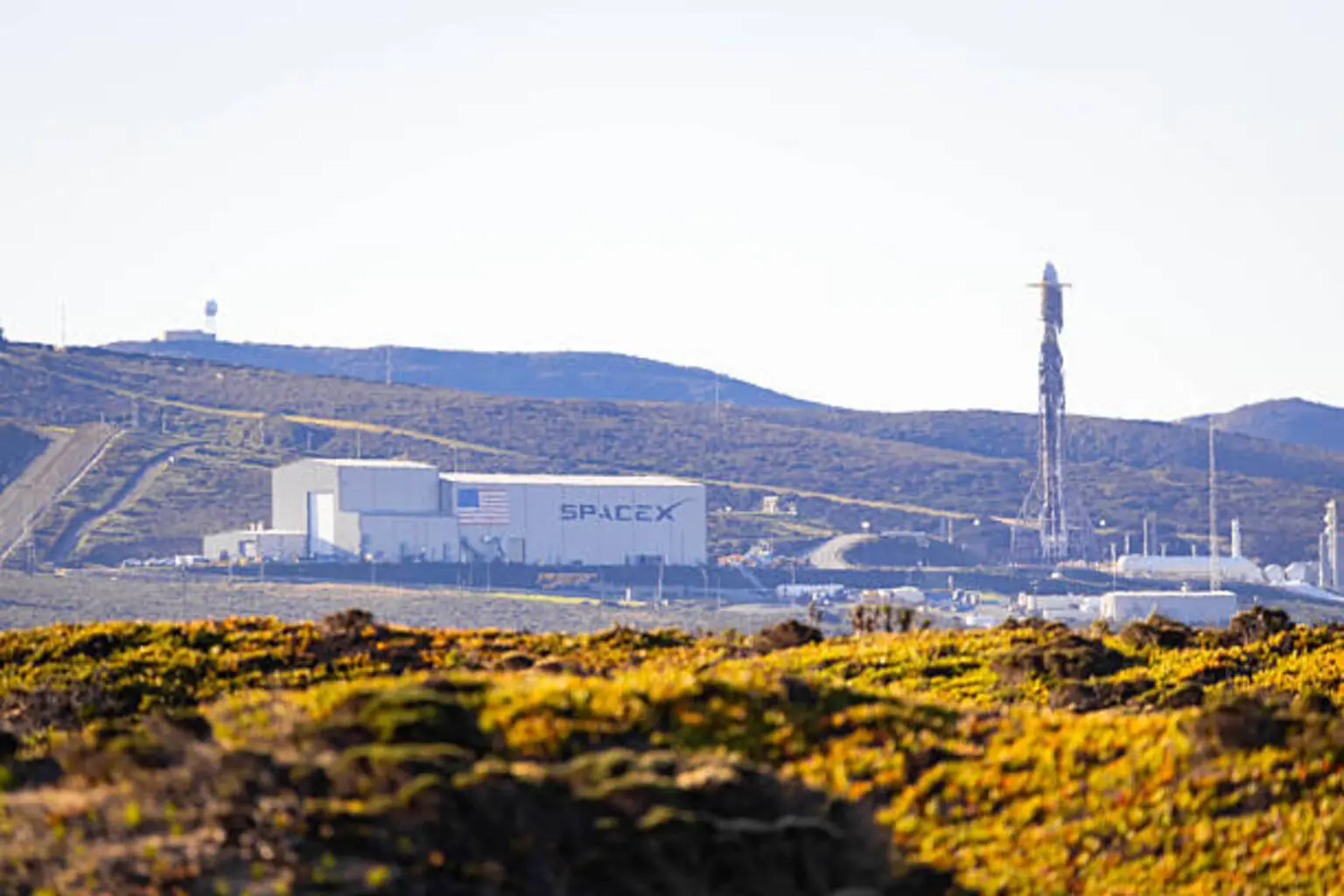
SpaceX IPO: 2 Reasons To Consider Indirect Ownership Via Alphabet (Downgrade)

Form 424B5 Village Farms International Inc For: 5 June
Business
US stocks today: Nasdaq crashes 1,100 pts, Dow 600 pts as chip stocks slide; jobs data fuels rate hike fears

Selling was concentrated among chip stocks and other technology favorites that have surged higher in recent weeks as the Nasdaq Composite Index and S&P 500 rose repeatedly to fresh highs.
All three major U.S. stock indexes closed sharply lower, with plunging chip stocks dragging the tech-laden Nasdaq down by its largest one-day percentage loss since last year.
The S&P 500 ended its nine-week run of Friday-to-Friday gains, its longest weekly winning streak since one that ended in December 2023.
“After the record run we’ve seen the last nine weeks in equities, specifically tech and semiconductors, the dam just broke today,” said Ryan Detrick, chief market strategist at Carson Group in Omaha. “Obviously, the stronger-than-expected jobs report puts the Fed in a tough spot regarding any interest rate cut for the rest of the year. And the market is throwing a fit by hitting the big winners so far this year.”
Rising interest rates and the Iran war weighed on sentiment heading into the weekend, but many investors said they expected tech stocks to continue rallying.
“The market reaction today was more driven by positioning rather than fundamentals,” said Ohsung Kwon, chief equity strategist at Wells Fargo. “The semiconductor sector was way overbought. That’s why we’re seeing the selloff. I don’t think it’s the end of the semi bull market.” The U.S. economy added 172,000 jobs in May, according to the Labor Department, more than double analyst expectations, while the unemployment rate held firm at 4.3%. The robust report was double-edged: it provided reassurance of U.S. economic health, but all but killed any hopes of an interest rate cut from the Fed in the near future.Financial markets are pricing in a growing likelihood of a rate hike at the conclusion of the Fed’s December meeting, according to CME’s FedWatch tool.
Fading hopes for a near-term resolution to the Middle East war and reopening the Strait of Hormuz are stirring fears that energy price pressures could morph into wider, systemic inflation. Iran reaffirmed its support for Hezbollah and demanded that Israel withdraw its troops from southern Lebanon, further complicating efforts to secure a near-term peace deal that would include the resumption of traffic through the crucial strait. U.S. President Donald Trump’s administration has negotiated three truces, and while fighting has been greatly reduced, the two sides continue to trade airstrikes.
According to preliminary data, the S&P 500 lost 199.64 points, or 2.63%, to end at 7,384.67 points, while the Nasdaq Composite lost 1,117.38 points, or 4.16%, to 25,713.58. The Dow Jones Industrial Average fell 684.53 points, or 1.33%, to 50,877.40.
Nvidia, the largest company by market value, fell sharply, as did smaller rivals Intel, Micron, AMD and Broadcom. Lululemon Athletica slumped after the athletic apparel maker cut its annual profit forecast and projected second-quarter earnings well below Wall Street estimates. Cooper Companies rose after the contact lens maker beat estimates for second-quarter results.
Cryptocurrency firms Coinbase and Strategy were pulled lower by bitcoin’s sharp drop. S&P Global said it would not change the eligibility requirements for its major indices, which effectively rules out a swift entry for Elon Musk’s SpaceX to the benchmark S&P 500 after it goes public in what would be the world’s biggest initial public offering.
S&P Dow Jones Indices will announce the results following its rebalancing after markets close. Chipmaker Marvell Technology, which boasts over $270 billion in valuation, is among the contenders to be added to the benchmark index.

Anne McElvoy and guests discuss the concentration, distribution and morality of wealth now and look back at An Inquiry into the Nature and Causes of the Wealth of Nations, published by the Scottish economist and philosopher Adam Smith in 1776, which gives an early account of what builds nations’ wealth and introduced concepts such as free markets, the division of labour, and productivity.
Our guests for this episode of BBC Radio 4’s Friday night ideas discussion programme are:
Vicky Pryce, economist and business consultant and co-author of Mismanaged Decline What Politicians Won’t Tell You About the Economy
Maha Rafi Atal, Adam Smith Senior Lecturer in Political Economy at the University of Glasgow and author of the forthcoming book When Companies Rule: Corporate Power from the East India Company to Silicon Valley. The University is holding a series of events to mark the 250th anniversary of the publication of The Wealth of Nations.
Dafydd Daniel, Lecturer in Divinity at the University of St Andrews
Allister Heath, business journalist
Hettie O’Brien, Guardian writer and author of The Asset Class: How Private Equity Turned Capitalism Against Itself
Producer: Eliane Glaser
You can hear another discussion about searching for economic solutions in the most recent episode of Start the Week, Radio 4’s Monday morning discussion programme where Tom Sutcliffe was joined by Mariana Mazzucato, Jeremy Hunt and Patrick Foulis.
Business
’Albania is not for sale’, protesters say over Kushner-linked luxury resort near a protected wetland


’Albania is not for sale’, protesters say over Kushner-linked luxury resort near a protected wetland

Birchcliff Energy: Finally An Efficiency Drive (Rating Upgrade)

XX-XY Athletics founder Jennifer Sey on why major brands are backing away from diversity-branded programs.
Harley-Davidson’s recent executive hires risk alienating Americans fed up with alleged wokeness from corporate icons like the motorcycle manufacturer, a conservative activist is warning.
Robby Starbuck, who has waged a public campaign against corporate diversity, equity and inclusion (DEI) policies and wokeness, criticized Harley-Davidson in a post on X for appointing Artie Starrs as CEO last year due to his sponsorship of groups contributing to San Francisco Pride and offering antiracism training to teachers while in his previous corporate stops.
Starbuck led a consumer boycott against Harley-Davidson in 2024, which prompted the company to announce a rollback of DEI programs, but he warned that the hire suggests the company wasn’t committed to those changes over the long-term.
“Harley-Davidson’s recent hires show me they didn’t learn anything from the backlash they already faced for going woke,” Starbuck told FOX Business.
WHITE HOUSE STUDY SAYS DEI POLICIES COST US ECONOMY BY PROMOTING UNQUALIFIED MANAGERS

Harley-Davidson is facing criticism over recent executive hires. (Scott Olson/Getty Images)
“You can’t tell working-class American riders that you respect them while filling leadership with people tied to woke policies, DEI activism and cultural radicalism. It is out of step with Harley’s customer base and heritage,” Starbuck said.
“At this point, enough is enough. They don’t deserve another chance. It’s time for riders to go elsewhere. Only through a real power struggle can Harley be saved,” he added.
Starbuck’s social media criticism of Harley-Davidson also included the company’s chief brand officer, Marcus Fischer, who previously led an advertising agency and encouraged efforts to boost transgender representation.
| Ticker | Security | Last | Change | Change % |
|---|---|---|---|---|
| HOG | HARLEY-DAVIDSON INC. | 24.35 | +0.10 | +0.41% |
IS CORPORATE AMERICA BREAKING UP WITH DEI OR JUST TAKING ITS RELATIONSHIP UNDERGROUND?
“I expose this stuff because consumers deserve to know who is running the brands they support and what values those companies are pushing behind the scenes,” Starbuck said. “This isn’t about revenge. It’s about accountability. Companies should be politically neutral, merit-based and focused on making great products, not chasing approval from far-left activists.”
“My goal is to give forgotten consumers a voice and make it clear that if brands keep choosing woke ideology over their customers, those customers can and should walk away. There are consequences for woke behavior and woke executives,” he added.

Conservative activist Robby Starbuck said that Harley-Davidson’s hires shown it hasn’t learned from the 2024 anti-DEI backlash. (Bess Adler/Bloomberg via Getty Images)
DEI DISCLOSURE PARTICIPATION PLUMMETS AMONG MAJOR COMPANIES AS CORPORATE PULLBACK CONTINUES
FOX Business has reached out to Harley-Davidson for comment.
Harley-Davidson provided a statement to USA Today in a report about Starbuck’s criticism that defended its CEO.
“Since stepping into the role eight months ago, CEO Artie Starrs has spent time across the country listening directly to our riders, dealers, employees, and unions,” Harley-Davidson said in the statement.
“As our dealers and employees can attest, our only agenda is getting back to basics: building great motorcycles, strengthening our network of 500+ U.S. dealers, and supporting a workforce that is proud of the product they put on the road. We have made meaningful improvements and changes, and that work continues,” the company added.

Knicks fever hits the pols

Ironman great Alexander graces Subic Bay action

New ISS leaks send astronauts to Dragon safe haven



-

 Business4 days ago
Jade Biosciences, Inc. (JBIO) Discusses Positive Interim Results From JADE101 Phase I Healthy Volunteer Study and Development Plans Transcript
-
 Tech6 days ago
SpaceX just won a second Golden Dome contract. This one is $4.16 billion.
-

 Sports3 days ago
French Open 2026 results: Alexander Zverev beats Rafael Jodar and will play Jakub Mensik in semi-finals
-
 NewsBeat7 days ago
FIRST NIGHT REVIEW: Take That bring the Circus back to life in spectacular sun-soaked style
-

 Business6 days ago
Is the Spurs Phenom Already Better Than Prime Diesel?
-

 Tech3 days ago
CryZENx Releases Fresh Playable Content Deep Inside Jabu-Jabu for His Ocarina of Time Remake
-

 Politics7 days ago
The House | Inside Andy Burnham’s Makerfield Campaign: “Nobody Thinks This Is In The Bag”
-
Crypto World11 hours ago
LBank Surpasses 25 Million Users Worldwide as AFA Partnership Continues to Drive Global Growth
-

 Business3 days ago
Trump Taps Housing Chief Bill Pulte as Acting Intelligence Director After Gabbard Exit
-
 Entertainment7 days ago
Weak ‘Supergirl’ Box Office Tracking Amid Milly Alcock Backlash
-
 Entertainment6 days ago
One of the Greatest Sitcoms of All Time Shoots Up Apple TV’s Charts 11 Years Later
-

 Business7 days ago
Demand Conditions Improve In Chemicals Sector In April 2026
-
 Crypto World3 days ago
Seagate (STX) Stock Surges to Record High on AI Boom and Legal Settlement
-
 NewsBeat6 days ago
Everything you need to know as Cambridge’s Strawberry Fair returns after cancelled year
-
 Entertainment7 days ago
Britney Spears Shares Troubling Update After Hard Year
-
 Crypto World3 days ago
EU AI Data Center Project Faces Delays as Funding Gaps Grow
-

 Business3 days ago
Aehr Test Systems Stock Soars 17% Amid Surging AI Demand and Conference Spotlight
-
 Business7 days ago
US-led AI investments risk capital destruction: Chris Wood
-
 NewsBeat3 days ago
Republicans balk at Trump’s attempt to appoint a MAGA enforcer to lead National Intelligence
-

 Tech7 days ago
Intel and 3DGS back a $3.3bn glass-substrate plant in India’s Odisha
You must be logged in to post a comment Login