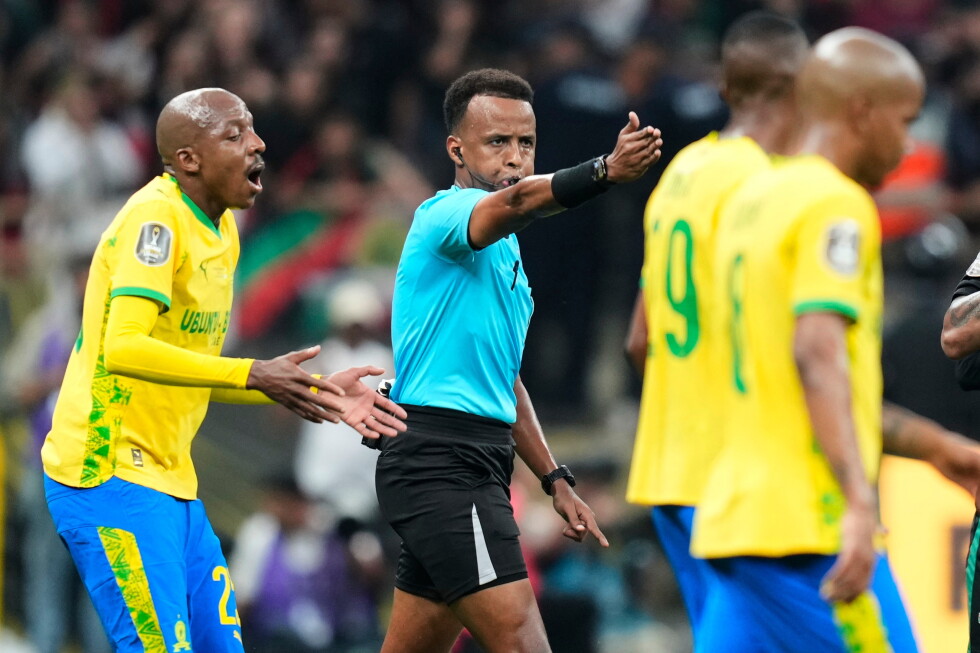
MOGADISHU, Somalia (AP) — The World Cup referee from Somalia who was denied entry to the United States after arriving in Miami and subsequently cut from the tournament by FIFA was set to make history for his country.
Omar Artan was going to be the first referee from Somalia to officiate at a World Cup after making FIFA’s final list for the tournament, which was announced two months ago. He is one of Africa’s top referees and was named the continent’s best male referee in 2025.
He was denied entry at Miami International Airport on Saturday over “vetting concerns,” U.S. Customs and Border Protection said in a statement without giving details of those concerns. Artan was issued a visa to travel to the U.S. last week, according to the Somalia Embassy in Kenya that processed it.
Andrew Giuliani, the executive director of the White House FIFA Task Force, said Tuesday the referee was denied admittance for “very good reason” but also declined to go into details.
Advertisement
The move to deny a FIFA-appointed match official permission to enter a World Cup host country is highly unusual. Artan was due to meet up with other World Cup referees at their training base in Miami.
Somalia is one of nearly 40 countries subjected to new travel restrictions under the Trump administration’s strict crackdown on immigration. That raised concerns that fans, players and officials from those countries — most of which are African — might be caught up in the crackdown and denied entry for the World Cup despite having valid visas.
Advertisement
Workers cover a Kansas City Chiefs sign to transform Arrowhead Stadium to Kansas City Stadium ahead of the FIFA World Cup soccer tournament, Monday, June 8, 2026. (AP Photo/Charlie Riedel)
Advertisement
Workers cover a Kansas City Chiefs sign to transform Arrowhead Stadium to Kansas City Stadium ahead of the FIFA World Cup soccer tournament, Monday, June 8, 2026. (AP Photo/Charlie Riedel)
Advertisement
Advertisement
Questioned for hours at airport
Artan told The New York Times he was interviewed at Miami airport for 11 hours by border officials, who asked him why he’d traveled to the U.S. and questioned him about Somali politics and the al-Shabab militant group that is fighting an insurgency against the government there. He showed them FIFA documentation and photos from his refereeing career, he said.
After the questioning, he was put in a holding cell and sent back on a plane to Istanbul, Turkey, from where he’d taken his connecting flight to the U.S.
Advertisement
“I think that they have a problem with my country,” Artan told The New York Times, adding he had the correct documents and visa. He said he wasn’t told why he was refused entry, according to the Times.
The Somalia Youth and Sports Ministry said on Tuesday that its embassy in the U.S. was trying to resolve the problem to allow Artan to referee at the World Cup, which opens on Thursday.
The refusal to allow him into the U.S. might be related to the larger travel restrictions on Somalia “rather than any specific allegation against him,” Isse Aden Abshir, a senior adviser at the Somalia sports ministry, told The Associated Press.
Artan subjected to ‘additional inspection’
Customs and Border Protection said in a statement Monday that Artan “underwent additional inspection” on arrival and called it “a routine part of CBP’s inspection process when officers need to verify information or determine admissibility.”
Advertisement
“Following inspection, the traveler, a referee for the FIFA World Cup, was determined to be inadmissible due to vetting concerns and was denied entry,” CBP said.
CBP said all travelers seeking entry into the U.S. — including World Cup players, coaches and staff — were subject to CBP inspection and vetting.
“Admissibility determinations are made on a case-by-case basis using law enforcement, national security, and immigration information available at the time of inspection,” the CBP statement said. “CBP officers have the authority to question travelers, conduct inspections, and determine admissibility consistent with U.S. law.”
FIFA drops ref from World Cup
FIFA said it was not involved in the immigration processes and was informed by U.S. authorities that Artan’s “status will not be changed at present.” It said Artan wouldn’t be able to train and officiate at the World Cup.
Advertisement
“In line with previous FIFA events, a host government ultimately determines who receives a visa and who is admitted into their country,” FIFA said.
FIFA president Gianni Infantino speaks as President Donald Trump listens on the South Lawn of the White House, Monday, Sept. 9, 2019. (AP Photo/Alex Brandon)
Advertisement
FIFA president Gianni Infantino speaks as President Donald Trump listens on the South Lawn of the White House, Monday, Sept. 9, 2019. (AP Photo/Alex Brandon)
Advertisement
Advertisement
Advertisement
Advertisement
Soldiers patrol a street in Mogadishu, Somalia, Thursday, June 4, 2026. (AP Photo/Farah Abdi Warsameh)
Advertisement
Soldiers patrol a street in Mogadishu, Somalia, Thursday, June 4, 2026. (AP Photo/Farah Abdi Warsameh)
Infantino did not immediately comment on the issue, while FIFA released a statement on behalf of Artan.
“Despite the circumstances, I am in a positive mood and I am focused on the next challenges in my refereeing career,” Artan said in the statement.
He was to make history for Somalia
Artan was praised as one of Africa’s best referees and was the ref for the decisive leg of the African Champions League final last month — Africa’s biggest club soccer game.
He spoke in a recent interview with the Al Jazeera TV network about how he was honored to be selected as the first Somali to referee at the World Cup and how he faced challenges in his conflict-torn country in East Africa, including sometimes having to change his route to training because of explosions in the streets of the capital, Mogadishu.
Advertisement
“You cannot give up as a referee,” Artan said in the interview. This (going to the World Cup) was my big, big target and I’m really excited.”
___
Imray reported from Cape Town, South Africa. AP Sports Writer Graham Dunbar in Geneva and AP writer Seung Min Kim in Washington contributed.
Most parents have heard a variation on the phrase “Oooh, terrible twos!” uttered with eyebrows raised and a knowing look at their toddler.
In fact, such is the bad rap two-year-olds have that before my eldest had even reached her toddler years, I was extremely nervous about what the age would hold for us. I genuinely thought she was going to morph into some nightmarish, uber-emotional hellbat on her second birthday.
But, two kids later (and having met my fair share of two-year-olds in the process), I have to say: two is perhaps my favourite age.
So, I’m here to bang the drum for a rebrand of ‘terrible twos’ to ‘terrific twos’.
Advertisement
Why are they called the ‘terrible twos’, anyway?
The ‘terrible twos’ descriptor largely stems from the fact previously-compliant babies grow up and become louder, more mobile and in need of independence – but they’re obviously still very little, so can’t have full autonomy over every little thing.
“Around this age, children are beginning to realise they are their own person with their own thoughts, preferences and opinions,” Dr Sasha Hall, a senior educational and child psychologist, told me. “It becomes the ‘me do it’ stage. They want to put on their own shoes, choose their own clothes and do things for themselves.
“That growing autonomy is exactly what we want to see, but it often arrives before they have the emotional regulation skills to cope when things do not go to plan.”
Advertisement
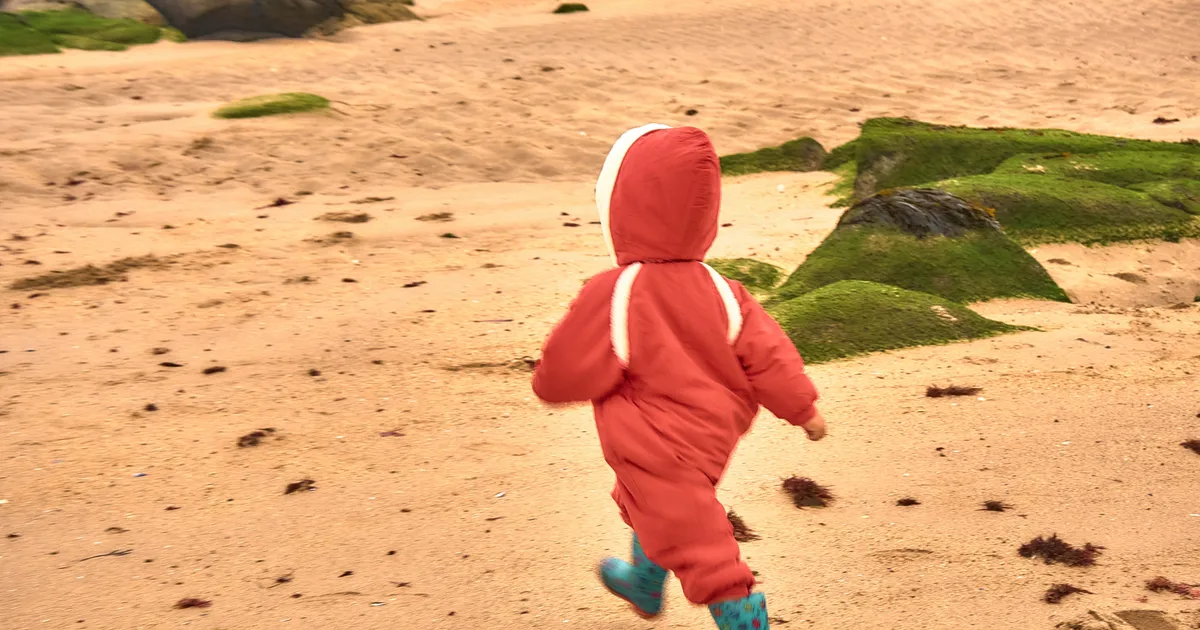
Yes, two is when the pushback begins. You might hear more of the word ‘no’. You might also be on the receiving end of some pretty irrational requests. And Dr Hall noted these moments often happen at moments of high stress, like when you’re trying to get out of the door in the morning – “they’re insisting their sandals are on the right feet when they are not, or they want to wear wellies in the middle of a heatwave,” she said. “Those everyday moments can really test our own patience and emotional regulation.”
If they can’t make their own choices, or feel like the choice has been taken out of their tiny hands, this can certainly spark a big old tantrum – hitting, kicking, biting, screeching – as they still don’t have the ability to manage their emotions very well. (They’re only two after all – most adults I know still haven’t quite mastered that either, but nobody’s going around calling them ‘terrible’.)
Why two is actually a brilliant age
I want to share a bit of reassurance for other parents approaching the toddler years that, aside from the meltdowns, which can obviously be tough to handle (especially in public), two is a marvellous age.
Advertisement
You see, your child is learning so much – songs, stories, words, how to navigate relationships with others. There’s nothing like having an unhinged dinnertime conversation with a two-year-old or trying to decode what they’re saying (the other day my youngest said we were going “to the zoom, then the flaps, then the books”). Another time she abruptly told me “no, you can’t” but didn’t quite pronounce the last word correctly. (I’ll let you determine how that actually came out.)
Two is the age of them not quite nailing long words, like blupperply (butterfly) and squealing with excitement when an ant runs past. It’s a time of potty training pride (“look Mummy, my got pants on!”), phallic art work, and being extra-willing to help you with any household chore. (Ask a toddler to help you hang up washing on a clothes horse, or empty the dishwasher, and it’s like you’ve just promised them a lifetime supply of ice cream.)
There’s mischief and mayhem, for sure, but there are also so many exciting firsts, and their personality begins to really shine through. You begin to see yourself – or your partner – reflected back in the mannerisms of a tiny person, or watch as they develop their own interests. Right now we’re loving cooking and playing in the pretend kitchen – and nothing brings my toddler joy quite like making me a ‘coffee and a croissant’ or simply a plate of ‘couscous’.
Perhaps the most wonderful thing about two-year-olds, though, is the sheer amount of love they have to give those around them.
Advertisement
There is something so special about going into my two-year-old’s room each morning and seeing her beaming at me from her cot. I’ll pick her up and she’ll lean in close for a cuddle, like she’s not seen me for weeks on end. She’ll gently tell me she loves me and has figured out how to make a heart shape with her fingers. Honestly, there’s nothing cuter.
If I’m not well (I was recently bedridden with a horrendous stomach bug) she’ll come and lie with me, wide-eyed but still sucking her thumb, asking “you OK, mummy?” before tenderly stroking my face. Then she’ll rush off somewhere in a hurry, shouting back: “I get you teddy.” Granted that teddy might end up bouncing off my face in the next 30 seconds, but it’s the thought that counts.
I guess all of this is to say: if you’re a new parent, or your child’s approaching toddlerhood, and someone warns you about the “terrible twos”, let it wash over you like water off a duck’s back.
Because yes, there will be meltdowns. But there will also be laughter until your stomach hurts, fierce cuddles, endless curiosity and the privilege of watching a tiny person discover who they are.
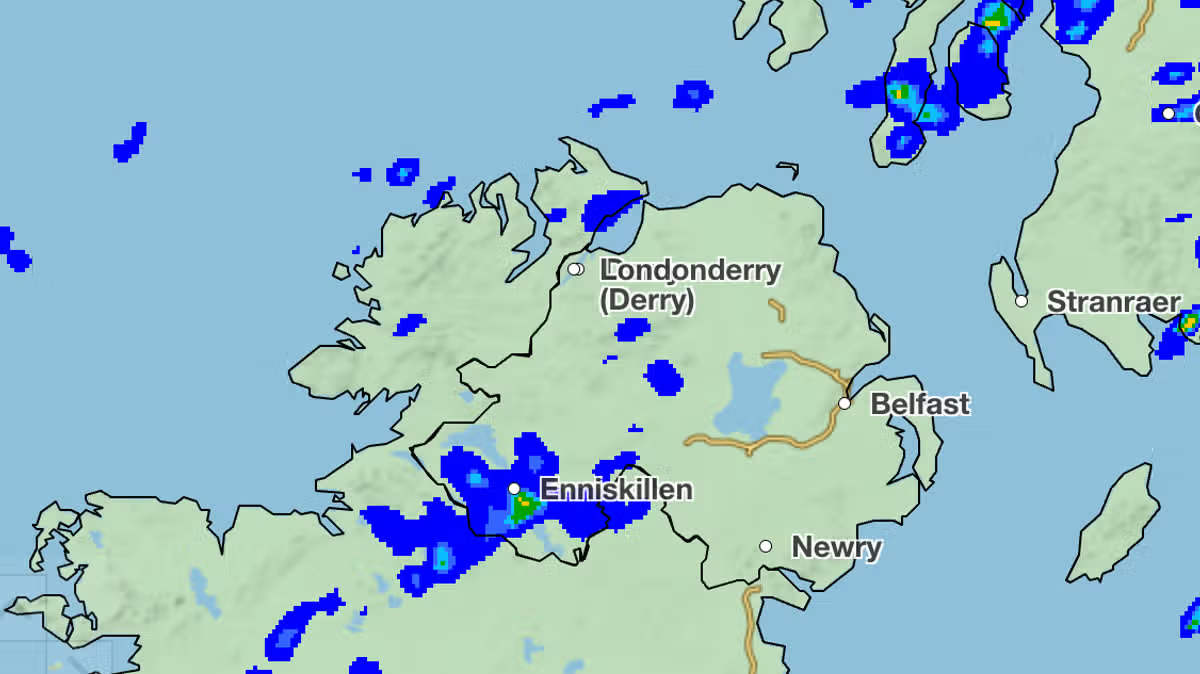
It’s also likely to rain in Derry/Londonderry and Newry, weather maps show.
“A band of thicker cloud will continue to sink south on Thursday, introducing fresher conditions for all. However, outbreaks of rain, locally heavy at times, will affect northern Scotland,” forecasters said on Wednesday evening.
While rain is also forecast to hit north-east and south-west England, and Scotland, some will bask in a heatwave. South-east England will enjoy a high-20-degree heatwave, with London at 26C and Rochester, Kent, reaching 28C.
That is likely to to worsen the drought which was declared for millions of people in England. On Wednesday, the government said half of England is now living in a drought.
Helen Wakeham, Director of Water at the Environment Agency and Chair of the National Drought Group, said: “The hot and dry weather means we are currently using water faster than nature can replenish it.
“A second consecutive summer drought is an exceptionally serious situation and one that will have long-lasting impacts on our environment, wildlife, and the economy.
“We want everyone to stay safe and hydrated during the hot weather but every drop we can save is a drop more for nature and agriculture.”
Advertisement
The seven drought regions include East Anglia, Hertfordshire and the whole of London, Thames Valley, Hampshire & the Isle of Wight, Devon and Cornwall, West Midlands, and Wessex (covering Dorset, Somerset, Wiltshire, and south Gloucestershire).
Drought is not expected to come to Northern Ireland this summer, as it is not categorised in ‘prolong dry weather’ by the Environment Agency. That is the phase required before drought can be declared.
David Miliband was offered the post of Education Secretary in Andy Burnham‘s reshuffle, the Daily Mail can reveal.
The brother of Ed Miliband was widely tipped to return to British politics once Mr Burnham entered No 10.
In the run-up to the new PM’s reshuffle last week, he was touted as a potential Foreign Secretary, having previously served in the role under Gordon Brown from 2007 to 2010.
The job ended up being given to his brother – and arch political rival – Ed, a major promotion from his previous position as Energy and Net Zero Secretary.
Advertisement
A Labour source has now told the Daily Mail that David was offered the more junior job of Education Secretary, before it was given to Labour and Greater Manchester MP Lucy Powell – a close ally of Mr Burnham.
It is claimed that Mr Miliband declined the job because it was more junior to the role offered to his brother and because he is friends with the then-incumbent Bridget Phillipson and did not want to humiliate her.
Mr Miliband, who has served as president of the International Rescue Committee since 2013 on a salary of more than £1 million a year, appeared in a number of photos and videos backing Ms Phillipson during the 2019 general election.
While he failed to make a return to British politics last week, it is now rumoured he is eyeing up Sir Keir Starmer’s London constituency should the ousted prime minister quit Parliament and spark a by-election.
Advertisement
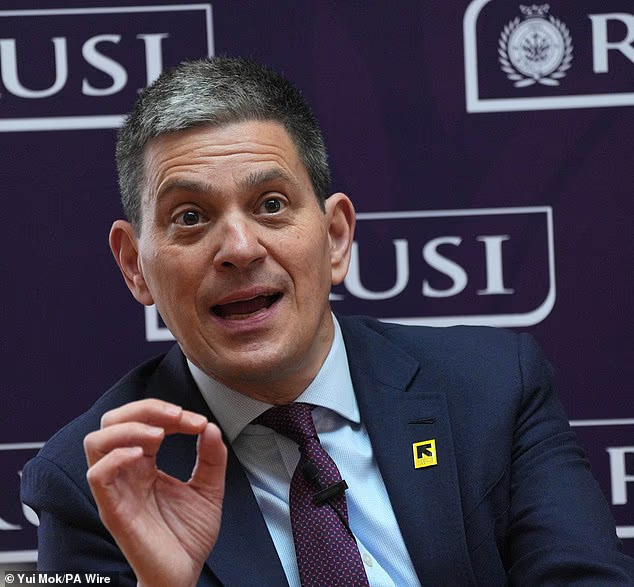
David Miliband (pictured on May 20, 2020) was offered the post of Education Secretary in Andy Burnham’s reshuffle
Ed Miliband’s brother was touted as a potential Foreign Secretary in the run-up of Burnham’s (pictured on July 29, 2026) reshuffle last week
Ms Phillipson was demoted by Mr Burnham to Equalities Secretary, though she was given the additional job of Labour Party chair following outrage among Labour MPs at her reduced role.
Advertisement
It is understood that Ms Powell is furious at Mr Burnham over her new role as Education Secretary, as she was publicly snubbed when he denied her the title of Deputy Prime Minister, as had been expected ahead of the reshuffle.
Ms Powell fought hard to secure Mr Burnham’s return to Parliament and bring about the eventual coup against Sir Keir. Yesterday, a source close to Ms Powell said she was ‘hurt and angry’ after the new Prime Minister declined to give her the title.
Allies of Ms Powell revealed ‘she thought she was getting Deputy Prime Minister until she walked in the [No 10] door’, adding that Mr Burnham’s team had been ‘briefing it all weekend’.
Instead, Mr Burnham has declined to use the Deputy Prime Minister position at all, with the responsibilities landing with Chancellor of the Duchy of Lancaster Louise Haigh, who received the added title of First Secretary of State.
Advertisement
Sources claimed Ms Powell lost out in an internal power battle with the new Chief Whip Anneliese Midgley, who ‘hates’ her.
A party source branded Ms Haigh and Ms Midgley ‘political thugs’ who had behaved like ‘factional Mafioso’ with a ‘punishment beating’ reshuffle.
Downing Street and David Miliband were approached for comment.
Advertisement
Share or comment on this article:
David Miliband said no when asked to be Education Secretary… and Lucy Powell’s angry at Deputy PM snub
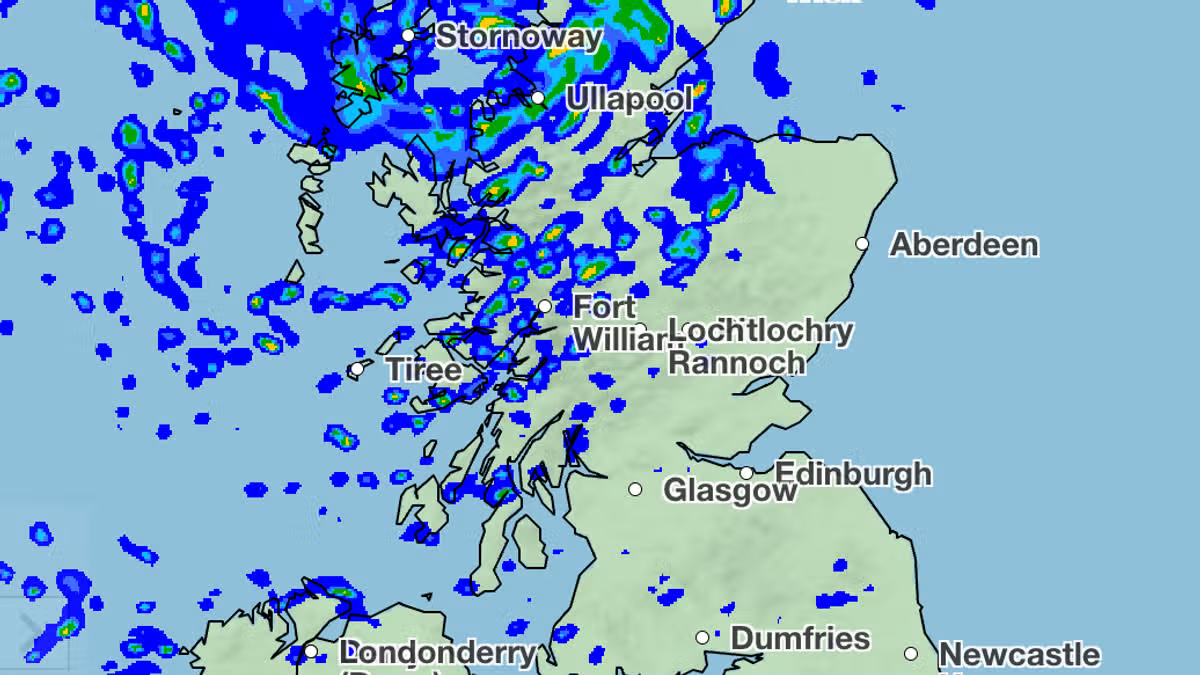
Up to 32mm of rain – more than an inch – could fall in one remote part of the country
05:46, 30 Jul 2026Updated 05:57, 30 Jul 2026
Scotland will be soaked by heavy rain on Thursday while parts of the UK enjoy a high-20 degree heatwave.
The Met Office has forecast some red rain cells, which could bring 16-32mm of rain in an hour, to hit the Orkney Islands in the mid-afternoon.
Mainland Scotland will also see heavy rain, as orange cells, bringing 8-16mm of rain in an hour, are forecast to deluge the Highlands near Loch Glascarnoch around the same time. It will also pour down in Glasgow, Aberdeen, and Fort William later in the afternoon.
Advertisement
Eastern Scotland will have the better weather, with Edinburgh and Dundee looking likely to stay dry. Top temperatures will be in the mid-to-high teens, at 17C in Edinburgh, 18C in Dundee, 19C in Aberdeen, and 16C in Glasgow
“A band of thicker cloud will continue to sink south on Thursday, introducing fresher conditions for all. However, outbreaks of rain, locally heavy at times, will affect northern Scotland,” forecasters said on Wednesday evening.
While rain is also forecast to hit north-east and south-west England, and Northern Ireland, Scots are predicted to see the heaviest rain in the UK.
Advertisement
The forecast comes a day after millions of Brits were told they are now living in a drought, as the Environment Agency declared half of England is in drought.
The seven drought regions include East Anglia, Hertfordshire and the whole of London, Thames Valley, Hampshire & the Isle of Wight, Devon and Cornwall, West Midlands, and Wessex (covering Dorset, Somerset, Wiltshire, and south Gloucestershire).
Drought will continue in those areas on Thursday, as south-east England will enjoy a high-20-degree heatwave, with London at 26C and Rochester, Kent, reaching 28C.
The former international forward was sorely disappointed that his permanent move to Liverpool failed to materialise
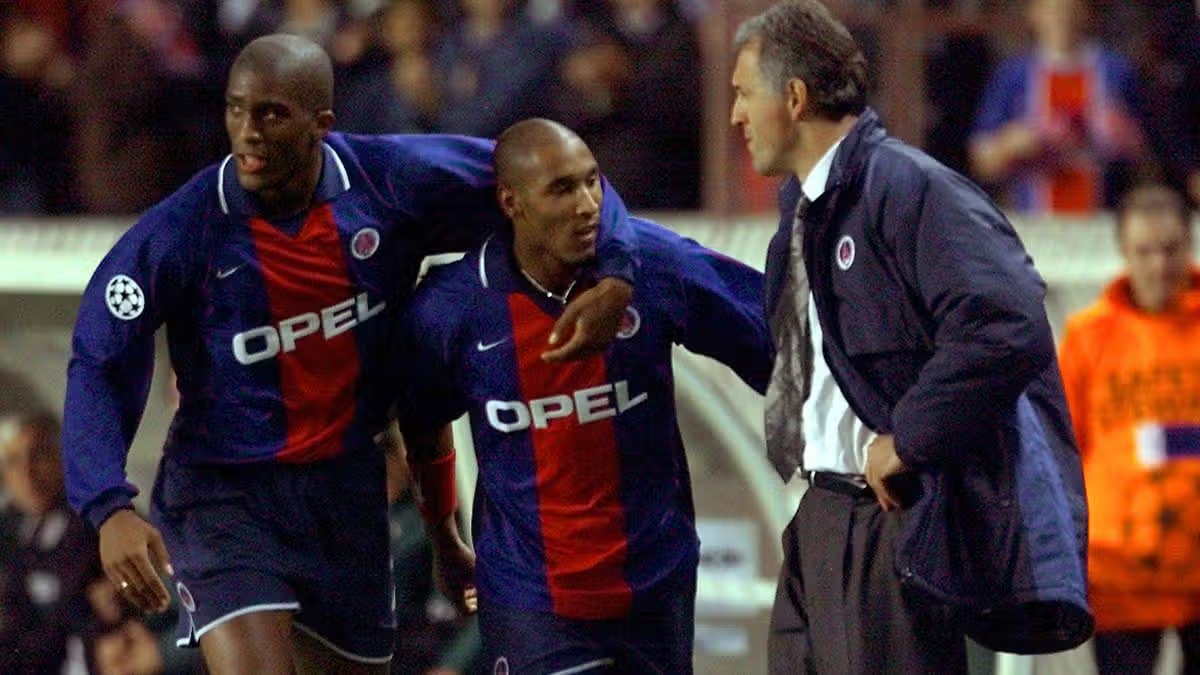
Former Liverpool frontman Nicolas Anelka previously revealed he was promised a permanent transfer to the Reds from PSG before then-manager Gerard Houllier changed his mind on sanctioning the move. Liverpool are currently embroiled in yet another transfer battle with the French giants over winger Bradley Barcola, with the European champions reportedly demanding £145million for the World Cup star.
Advertisement
While Barcola’s future at Liverpool remains unclear, Anelka is adamant that his failed move to Anfield will haunt him forever. The ex-Arsenal forward made an unexpected loan switch from PSG to Anfield back in December 2001, netting five goals in 22 outings.
Yet Liverpool’s top brass chose not to make the Frenchman’s arrangement permanent the following summer. Instead, they opted for El Hadji Diouf, who had just caught the eye representing Senegal at the 2002 World Cup.
In hindsight, Liverpool’s choice of Diouf over Anelka has gone down as one of the most costly mistakes in the club’s recent memory.
While Diouf struggled, managing just six goals across two seasons and finding himself mired in a string of controversies, Anelka thrived at Manchester City, netting 45 goals over three seasons.
The French forward told the Liverpool ECHO in 2020: “This is my biggest regret as well because I knew it was the perfect match. Everything was perfect! I loved everything about the club. I had an amazing relationship with the fans. I loved them and I think it was reciprocal.
“Looking back, I am proud to have worn the jersey of this legendary club and to have known this stadium and these amazing fans.”
The 47-year-old represented 12 different sides throughout his senior career. While his spell at Liverpool was the briefest, his fondness remains evident and he revealed why the transfer fell through.
Advertisement
“It’s simple: it didn’t happen because Gerard Houllier wanted to pay a lower salary,” he said. “It’s acceptable but you have to say it. I wanted to sign from the first minute. Of course a permanent move was discussed from the first day I joined the club.
“If you look at the first time they introduced me in the press conference, I said if I could sign now, I would, but Gerard Houllier wanted a loan because he was not sure. In the middle of March, we were in negotiations to sign.
“PSG shareholder Alain Cayzac said to me Gerard told him that Liverpool would sign me. Later on, Gerard told me face-to-face he’d sign me permanently.
Advertisement
“In the middle of April we reached an agreement about the salary, which had stalled things a little, but I was expecting to sign my contract when the league was over but there was no news from PSG and no news from Liverpool.
“I heard on the news that Gerard Houllier was after another player so that’s how I knew they were not going to sign me!”
Former Liverpool assistant manager Phil Thompson, who was serving as interim manager during Anelka’s proposed move to the club while Houllier recovered from a heart operation, claimed the club opted against signing the Frenchman after his representatives allegedly attempted to engineer a return to Arsenal.
“I heard about this Arsenal story,” Anelka said. “If it was true, why didn’t I sign for Arsenal when Liverpool announced in the press they weren’t going to sign me?”
Advertisement
“And even if it was true, it’s a normal situation. It’s like I’m saying I don’t wanna sign for a club because they are speaking with another striker. It makes no sense. The reality is at the time it was very easy to point the finger at me with my reputation.”
Anelka added: “I loved my time with Phil Thompson, more so than Gerard Houllier. Phil Thompson was a typical Scouser. Direct and straight. He’ll tell you what he likes and when he doesn’t like it, you would know. This is exactly what I want and what I like from people.
“I know if Phil was the manager I would have signed and stayed many years but fate chose otherwise and I had to take another path to find a big club.”
Advertisement
Anelka went on to represent Chelsea, Bolton and West Brom on home soil, as well as the likes of Fenerbahce and Juventus on the continent. During his spell at Chelsea, he claimed the Premier League, two FA Cups and featured in the Champions League final defeat to Manchester United in 2008.
Join our LFC WhatsApp community and get all the latest LFC news, views, transfer gossip and more, as it happens We also treat our community members to special offers, promotions, and adverts from us and our partners. If you don’t like our community, you can check out any time you like. If you’re curious, you can read our Privacy Notice.
Sky Sports, HBO Max, Netflix and Disney+ with Ultimate TV package
This article contains affiliate links, we will receive a commission on any sales we generate from it. Learn more
Sky has upgraded its Ultimate TV and Sky Sports bundle to now include HBO Max, Netflix, Disney+, discovery+ and Hayu, as well as 135 channels and full Sky coverage of the Premier League and EFL.
Sky broadcasts more than 1,400 live matches across the Premier League, EFL and more with at least 215 live from the top flight alongside Formula 1, darts and golf.
If you’ve ever struggled to say no to a glass of wine or an extra slice of pie, then a simple one-minute breathing technique might be a way to regain control.
Researchers in Australia analyzed data from 20 studies that tracked how breathing influenced cravings for alcohol and other substances.
Six breathing techniques were included in the research, including breathing only six times in one minute and participants pacing their breathing to match their heart rate.
Overall, scientists found the techniques significantly reduced cravings among the participants.
Advertisement
Dr Ariel Dart Roxburgh, lead study author and addiction researcher at Monash University, said: ‘Our review suggests that breathing interventions can be an effective and low-cost [intervention].
‘With more than three quarters of the world’s population owning a mobile phone, the potential benefits of low-cost smartphone-assisted breathing interventions are substantial.’
Millions of Americans struggle with cravings, an intense, urgent desire or longing for something, every day, estimates suggest.
About one in eight over 50 years old have a food addiction, estimates suggest, while a quarter are thought to deal with a craving at least twice a day.
Advertisement
Join the discussion
Should simple breathing techniques be taught to help people manage cravings and addictions?
Deep breathing techniques may reduce alcohol and drug cravings, a study from Monash University in Australia suggests
Advertisement
It was not clear why breathing techniques may help to ease cravings, but the researchers said they could work because they help to divert attention.
Advertisement
Experts also say the practice can help to ease the fight-or-flight response in the nervous system, which may diminish a desire.
The study builds on previous research, including a 2024 paper involving 40 obese adults from India which found those that timed their breathing with their heart rate said they had reduced food cravings compared to those who did not.
In the study, published in the journal Addiction, researchers analyzed data on 1,200 people on how breathing techniques could ease cravings for alcohol and drugs.
Many of the participants had used heart-rate variability biofeedback breathing, where someone watches a heart rate monitor and times their breathing to their heart rate, or resonant breathing, where breathing is slowed to six breaths a minute.
Advertisement
Other techniques included were yogic breathing, where someone pauses on each stage of inhalation, holding and exhalation, rhemercise, breathing inbetween smiling or saying something positive, and mimicking smoking, where controlled breaths are used to mimic the action of smoking.
While breathing helped to ease cravings, the scientists said there was less consistent evidence that it also helped to ease dependency and withdrawal.
Roxburgh added: ‘What we need next is larger, pre-registered trials with standardized measures and longer follow-up, so we can improve our understanding of how these interventions work.’
The new review adds to increasing evidence suggesting breathing techniques may reduce cravings for drugs and alcohol. In one 2020 study, researchers found just six minutes of breath counting reduced alcohol cravings after stressful events.
Advertisement
Another study in the Industrial Psychiatry Journal followed people with alcohol dependence for six months after a bout of Sudarshan Kriya, which is a technique focused on slow, deep breathing with light constriction in the throat, creating an ocean-like sound.
Among the group that did the breathing technique, 47.5 percent of people reported drinking zero or one day a week compared to just 15 percent of those in the control group.
Share or comment on this article:
Simple science-backed technique that can squash alcohol cravings… and it only takes one minute
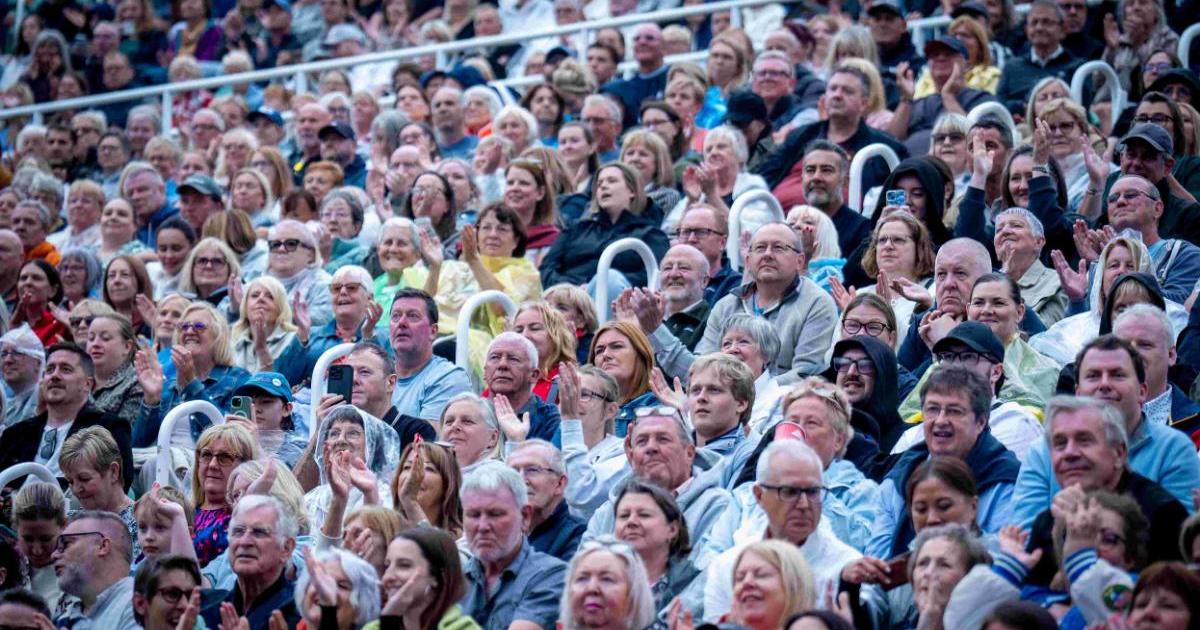
The Streets are set to perform a headline show at Scarborough Open Air Theatre on Saturday, August 1 when Mike Skinner will perform A Grand Don’t Come For Free in full, marking the first time the landmark 2004 record has been played live in its entirety.
The Streets to perform classic album in full in Scarborough on August 1. Pictured, frontman Mike Skinner. (Image: Cuffe & Taylor)
Released in 2004, the album debuted at No.1 in the UK charts, went multi-platinum, and produced defining singles including Dry Your Eyes, Fit But You Know It, and Blinded By The Lights.
It established The Streets and frontman Mike Skinner as one of the most distinctive voices in British music, blending humour, heartbreak, and sharp observations of everyday life.
The Scarborough date forms part of a wider tour built around the album’s story, taking audiences on a journey through love, loss, and redemption as it was originally conceived.
Advertisement
Skinner said: “A Grand Don’t Come For Free was a moment in time – for me, and for everyone who grew up with it.
“I wrote it as a story from beginning to end, even studying screenwriting to shape it and without the faintest idea how people would react.
“We’ve been looking for something bold to do with the live show, and we landed here: some tracks have never been played live, others haven’t surfaced in years.
“It’s a new challenge to bring the whole journey to life on stage, but I have an incredible band and we always give everything every night.”
Advertisement
The show is part of a busy summer season at Scarborough Open Air Theatre, which has already welcomed a string of major names to the North Yorkshire venue.
Hopes of new ceasefire fade as Saudis join Trump’s war
A furious Donald Trump has threatened to punish Iran following a “surprise” attack on US military targets in the Middle East.
The offensive took place days after the US president suspended air strikes over the region.
In an expletive-ridden outburst, he told Fox News: “We’re going to beat the f****** sh** out of them. We’ll be hitting them hard. They’re going to get a beating.”
Advertisement
In a day of escalation in the region, Saudi Arabia also joined the US in striking several Iran-backed groups.
Alisha Rahaman Sarkar30 July 2026 05:30
Oil prices slip below $90 a barrel
Oil prices gave up some of their gains today as oil tankers continued to make their way out of the Middle East even as tensions there escalated, with the US-Iran war spreading beyond its main fronts.
Advertisement
Brent futures fell $1.29, or 1.42 per cent, to $89.45 a barrel. US West Texas Intermediate crude fell 56 cents, or 0.66 per cent, to $83.90 a barrel.
Brent settled up 7.91 per cent in the previous session and WTI up 6.56 per cent in one of the sharpest spikes of the Iran war, reversing a 5 per cent plunge on Tuesday after a pause in hostilities in the five-month conflict.
Alisha Rahaman Sarkar30 July 2026 05:15
Advertisement
QatarEnergy-controlled LNG tanker exits Hormuz
A QatarEnergy-controlled liquefied natural gas tanker exited the Strait of Hormuz overnight, the first such vessel visible on ship-tracking data to leave the waterway since 11 July, data from analytics firms showed.
The Al Areesh tanker, which loaded a cargo at Qatar’s Ras Laffan terminal around 4-6 July, sailed out of the strait overnight on 29 July, according to Kpler and LSEG data.LSEG data shows it is currently heading to Port Qasim, Pakistan, with an estimated arrival date of 31 July.
Its departure marks the first time a QatarEnergy-controlled LNG tanker exited the Strait of Hormuz since the Al Rekayyat was struck in early July.
The previous LNG tanker to exit was the Al Hamra, which left on 11 July carrying a cargo loaded at the United Arab Emirates’ Das Island, according to Kpler data.
Advertisement
Alisha Rahaman Sarkar30 July 2026 05:00
US says it completed latest round of strikes on Iran
The US military said it completed its latest wave of strikes on Iran, which lasted two hours and hit dozens of targets, with Washington casting the strikes as a “powerful response” to Iranian missiles launched towards US forces in the Middle East a day earlier.
The US military said on Tuesday it intercepted multiple ballistic missiles launched by Iran towards US forces in what Washington called “an attempted surprise attack” by Tehran. Iran confirmed it had fired on US bases in Jordan.
Advertisement
President Donald Trump said after the missiles were intercepted that US forces would retaliate. “We’re going to hit them very hard,” he said
Alisha Rahaman Sarkar30 July 2026 04:38
Watch: Trump vows to ‘beat the f***ing s***’ out of Iran
Trump vows to ‘beat the f***ing s***’ out of Iran
Rachel Dobkin30 July 2026 04:02
Advertisement
Iran to get Chinese shoulder-launched missile systems ‘in weeks’
Iran is reportedly expected to receive within weeks a first shipment of up to 400 Chinese-made shoulder-fired air-defence missile launchers.
The purchase, valued at $60-70m, is one of Tehran’s largest-known efforts to strengthen its short-range air defences since the outbreak of its war with the US and Israel, which exposed gaps in Iran’s ability to protect military sites and strategic infrastructure.
The contract covers the purchase of between 300 and 400 man-portable air defence systems (MANPADS), including Chinese-made QW-12 and FN-16 missiles, Reuters reported, citing sources.
Advertisement
The deal was signed with Zhongqing Baoshang International Investment. Sources told Reuters the Hong Kong-based company was acting as an intermediary between the Iranian side and the Chinese supplier.
Alex Croft30 July 2026 03:00
US strikes Iran in ‘powerful response’ to attempted attacks on American forces
The US military has launched strikes against Iran in a “powerful response” to attempted attacks on American forces.
Advertisement
“U.S. forces began launching strikes against Iran at 8 p.m. ET today. The strikes are a powerful response to yesterday’s attempted Iranian attacks on U.S. forces based in the Middle East”, US Central Command wrote on X.
Rachel Dobkin30 July 2026 02:20
In pictures: US-Saudi strikes on Iraq kill at least 20 members of pro-Iran militia
US-Saudi strikes on Iraq killed at least 20 members of a former paramilitary alliance that includes pro-Iran groups (AFP/Getty)
Six Iranian advisers were killed (AFP/Getty)
Alex Croft30 July 2026 02:00
Advertisement
Iranian asylum seeker’s 15-year fight to stay in the UK: ‘My dreams for my life are all gone’
A man who fears persecution in Iran has spent 15 years in the UK battling a failed asylum claim, homeless and unable to lead a normal life, after repeated refusals by the Home Office to allow him to stay.
In the more than a decade he has been trapped in the asylum system, Mostafa Rahmani has not been allowed to work or been housed in Home Office accommodation – forced to depend on the kindness of friends to get by.
Mr Rahmani, now 41, he arrived in the UK from Iran in 2011 as a 26-year-old student looking to learn English. He came on a student visa, but claimed asylum a few days after arrival when he says Iranian security forces turned up at his family’s home in Tehran looking for him. He said that he had taken part in anti-government protests in 2011.
The Independent’s social affairs correspondent Holly Bancroft reports:
Advertisement
Alex Croft30 July 2026 01:01
US-brokered plan for Israel to withdraw from Lebanon suffers slow start
A US-brokered plan for Israel to withdraw gradually from occupied areas of southern Lebanon in exchange for the disarmament of the Iranian-backed Hezbollah militia has started slower than expected.
The “pilot zone program” is the centrepiece of the US’ June 26 framework deal intended to end the war between Israel and Hezbollah, and establish peaceful ties between Israel and Lebanon.
Advertisement
Hezbollah still refuses to give up its weapons, while on the ground, the rollout of the first zone in the south Lebanese village of Zawtar al-Gharbiyeh last week offered a glimpse of a strained and complex process that will be no easier to repeat elsewhere.
A senior Lebanese military official, who requested anonymity in order to speak freely, told the Reuters news agency it had taken weeks of US-brokered negotiations with Israel and days of military operations to establish the first zone in a single village.
The agreement links Israel’s progressive withdrawal to the “verified disarmament” of Hezbollah — which is not a party to the deal, has refused to give up its arsenal, and has raised the prospect of internal strife if the state tries to disarm it by force.
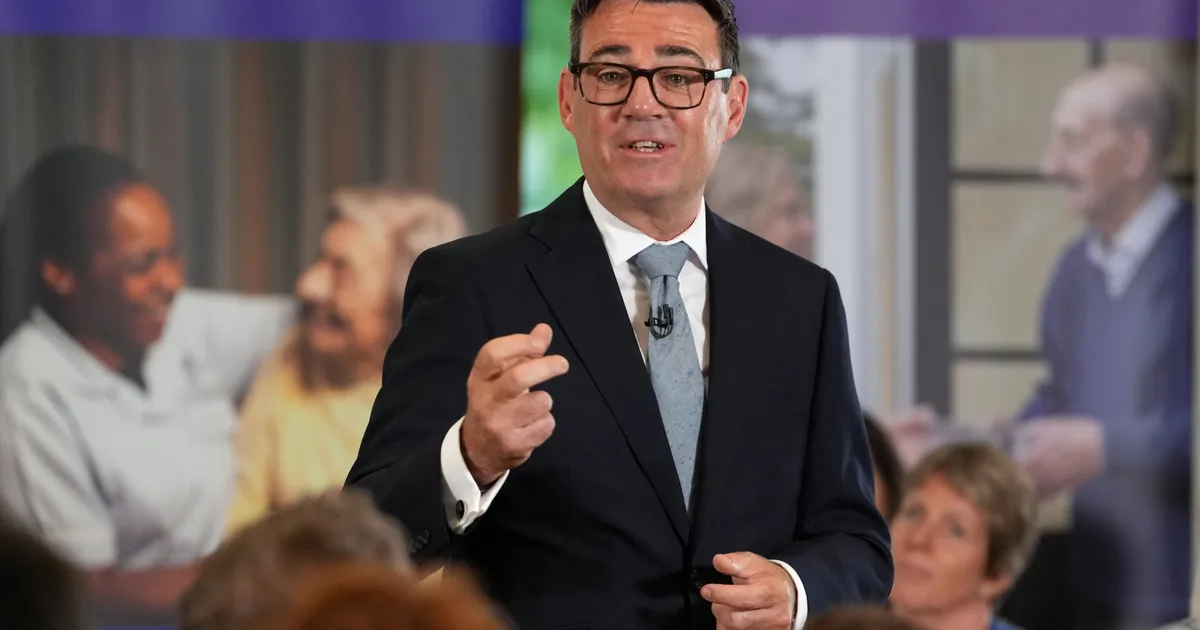
Andy Burnham has unveiled a three-point plan to improve the social care sector after years of neglect”in a major speech.
The prime minister promised to use any political capital he has to implement reforms and set up a system comparable to the NHS.
He said the inability to fix the sector has been a “major dereliction of public duty” from past governments.
Burnham also pointed to his own failures to set up a National Care Service as health secretary in 2010 under Gordon Brown.
Advertisement
“I would never forgive myself if I left [power] without having tried [to fix it],” the prime minister said.
He added that it was “shameful” there had been no major changes to the system despite 22 reviews into fixing the sector over the last 27 years.
Burnham also claimed the UK social care system is “as unfair as American healthcare”.
His three-point plan includes asking Baroness Louise Casey to bring forward her independent review of the social care sector by a year, meaning it will now be published in 2027.
Advertisement
“Ideally we want to do it even sooner but we have to be realistic,” he said. “I think we can rise to this challenge with the urgency it requires.”
Her review will look at how to integrate social care with the rest of the health system, while also being “person-centred”.
“That’s what we’re asking Louise to give us, her report on how do we deliver a national care service in England that sits alongside the National Health Service?” the prime minister added.
Burnham also called for a focus on the social care workforce.
Advertisement
He praised his predecessor Keir Starmer’s work on setting up a fair pay agreement, due to come into effect in 2028-29, which establishes a minimum salary for workers.
He described that deal as a “massive building block” but said his government would “look at how we turn the fair pay agreement to turn into a bigger reform”.
The PM said he would ask his ministers to consider potentially increasing the pay and working conditions of care workers in line with those working in the NHS, while strengthening the possibility of further career progression.
He claimed care workers should be the “best paid people in society, not the worst.”
Advertisement
The prime minister also pointed to his decision to start cross-party talks now, after inviting the Tories and the Lib Dems to discuss care reforms.
“We’re all going to have to give and take,” he said, in order to make progress to set up a new “social consensus”.
“That process starts today, it will run alongside others teams of work we are doing,” Burnham said shortly before he was due to speak to the Conservatives and Lib Dems’ Ed Davey.
“I’m not going to be deflected by the point-scoring or the screaming headlines that come out of the point-scoring,” he said, alluding to Reform UK’s outrage at not being invited to the talks.
Advertisement
He said the political and media cultures have shut down serious debates about progress in social care in the past.
Burnham insisted he would not be deterred by some of the headlines that will “inevitably appear” and efforts to create scare stories through what they’re seeing, either.
Asked if it’s feasible to create change without raising taxes, the prime minister insisted he would stick by Labour’s manifesto pledges.
He added: “So I think we owe it to the public before we talk about tax rises. And I know Louise [Casey] will help us with this.
Advertisement
“You first have to look the public in the eye and say, are we doing everything we can do from within what we’ve got? And I don’t think we can say that because we’ve taken a different approach to funding local government than we have to the NHS.”
Listen to Commons People, the podcast that makes politics easy. Every week, Kevin Schofield and Kate Nicholson unpack the week’s biggest stories to keep you informed. Join us for straightforward analysis of what’s going on at Westminster.
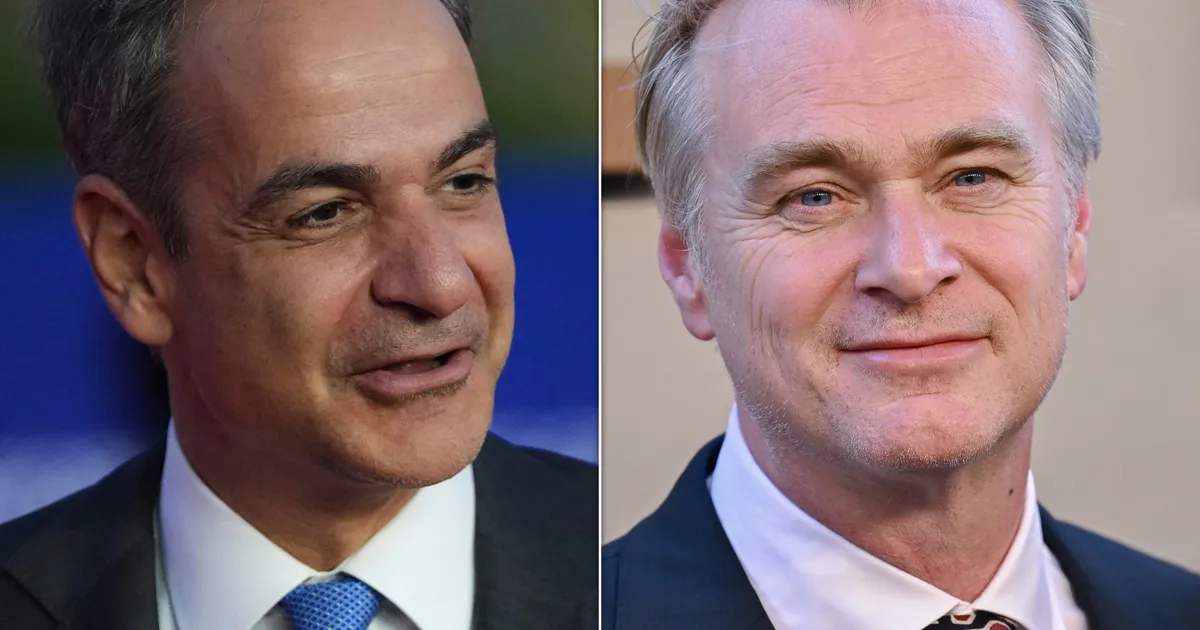
Some have criticised Christopher Nolan’s new film, The Odyssey, for not having any Greek actors in it. Nonetheless, Greece’s prime minister, Kyriakos Mitsotakis, seems pretty happy with the film.
According to a press statement from the PM’s office, he thanked Nolan for “boosting global interest in ancient Greek civilisation”, adding, “such productions bridge Greece’s rich cultural heritage with contemporary creativity.”
Sales of The Odyssey’s text have skyrocketed since the release of the movie.
Advertisement
Mitsotakis also commended the Tenet director’s use of Greek locations.
Parts of the movie were shot in the Peloponnese region of Greece, including Voidokilia Beach, the 13th-century Methoni Castle, the monolithic Acrocorinth overlooking the city of Corinth, Almyrolaka Beach, and Nestor’s Cave.
And the Prime Minister reportedly mentioned the movie’s “great box office success”, too.
The Odyssey is already the second-highest-grossing R-rated movie Universal has made since Nolan’s other huge hit, Oppenheimer. It‘s made $639.6 million (£480.5 million) since its release on 17 July globally.
Comparing the three-hour epic to “an elaborate Fourth of July fireworks display – and with about the same level of narrative and emotional depth,” she suggested the movie was “too underdeveloped to deliver what it half-promises in terms of big ideas – although it is very good at conveying big bangs and big giants.”














































You must be logged in to post a comment Login