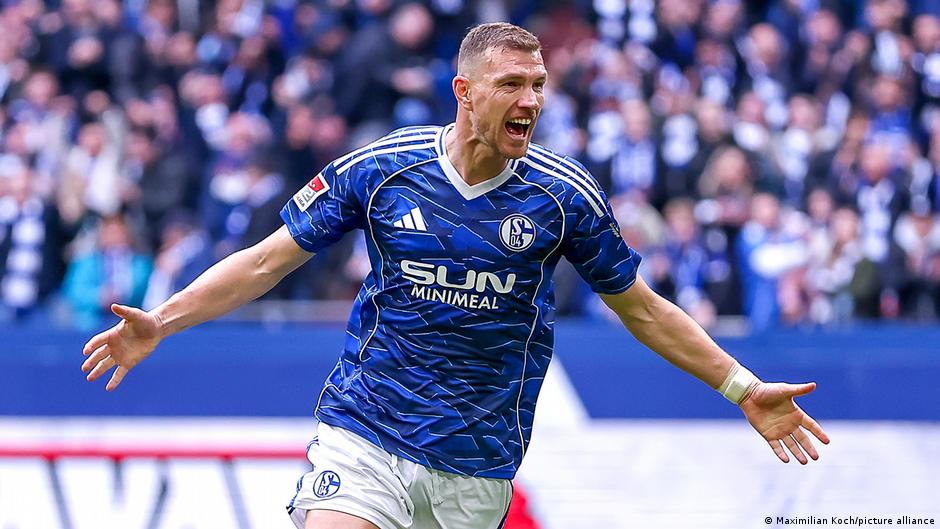
If Edin Dzeko played for a bigger footballing nation, this wouldn’t be just his second appearance at the tournament. But 12 years after Bosnia-Herzegovina failed to make it out of the group stage in Brazil, the now 40-year-old striker and his country are back on the game’s biggest stage.
Although Bosnia-Herzegovina, which gained its independence in 1992, has only made it to the one previous World Cup and never qualified for a European Championship, Dzeko has played an incredible 148 times (scoring 73 goals) for his country.
Growing up in a besieged capital
That independence came at a heavy price, as it was engulfed in one of the wars that followed the breakup of the former Yugoslavia. The capital, Sarajevo, was particularly hard hit, enduring almost four years of siege by Yugoslav National Army and the newly formed Bosnian-Serb army, which held the mountains surrounding the city. Between 1992 and 1995 more than 10,000 people, mostly civilians, were killed through shelling and by snipers in Sarajevo alone.
During the war Sarajevans would have to sprint through the streets to avoid getting hit by snipersImage: picture-alliance/ dpa
Dzeko was six years old when the war broke out and during the siege, kicking a ball around on the streets of the ever-more battered capital was a welcome distraction.
“Our home was destroyed, so we had to move in with my grandparents. The whole family lived there under one roof, maybe 15 people crammed into an apartment of 35 square meters,” Dzeko told British newspaper The Mail in 2011 of his experience of the war.
Advertisement
“It was constant stress and worry, in case something happened or news came through that someone we knew had been killed. I was only young, and I cried often, through fear. Every day, you could hear the guns firing, and we lost family, friends and even some relatives.”
From Sarajevo to Wolfsburg and beyond
He would continue his development in the academy of one of the city’s two big clubs, FK Zeljeznicar. That’s where he made his debut as a professional in Bosnia-Herzegovina’s topflight in 2003, but this would be the beginning of the end of his career in his homeland. His first coach, who happened to be Czech, convinced FK Teplice to sign him for a reported €25,000 ($28,870) two years later.
There, he attracted the attention of German coach Felix Magath, who brought Dzeko to Wolfsburg in the summer of 2007, the same year he made his debut for the senior national team for Bosnia-Herzegovina. It was in Wolfsburg where he flourished. Alongside Grafite, he was one half of the most prolific striking duo in Bundesliga history, combining for a total of 54 goals (28 for Grafite, 26 for Dzeko) as the pair led the club to their only league title in 2009.
It was under Felix Magath at Wolfsburg that Edin Dzeko developed into a superstarImage: Anke Fleig/Sven Simon/picture alliance
By then, the “Bosnian diamond,” as he had been dubbed by a local broadcaster, was coveted by top clubs all over Europe. He went on to win titles at Manchester City and Inter, while also enjoying successful spells at Roma and Fenerbahce before returning to Italy’s Serie A with Fiorentina this past season. By then he had racked up 369 goals in 856 games in all competitions for his various clubs.
Advertisement
Returning to Germany
At 39, having managed just one goal in five Conference League matches for Fiorentina, and none in his 11 Serie A appearances, it seemed as if his long career was drawing to a close. In December, a frustrated Dzeko started looking for a new club — one where he would again get regular minutes.
This came just as second-division German side Schalke were looking to boost their chances of winning promotion back to the topflight. Their Bosnian-born coach, Miron Muslic, who fled the war with his parents as a child, could hardly believe his luck when he learned that Dzeko was prepared to take a big pay cut to play in a lower league. In fact, Dzeko was so eager to play, that he turned down Schalke’s offer to send a plane for him, having already booked a commercial flight to Germany.
Just days after his arrival, Dzeko was back in his familiar blue and white, the traditional colors not only of Schalke, but also his first club, Zeljeznicar, and the Bosnian national team. Coming on as a sub, he scored his first of six goals in the second half of the season as he helped Schalke seal promotion just weeks after his 40th birthday.
“I’ve won quite a few titles during my career. But I’ve never celebrated one like we did here at Schalke,” Dzeko told the club’s website afterwards. “I said from day one that Schalke belongs in the Bundesliga.”
Advertisement
Edin Dzeko (holding ball) could make his 150th appearance for Bosnia at this summer’s World CupImage: Georg Hochmuth/APA/picture alliance
A ‘perfect few months’
All the while, Dzeko remained captain of the national team, determined to make it to one more World Cup — a proposition that seemed extremely unlikely when another Bosnian legend, Sergej Barbarez, took over as coach of “The Dragons” in April 2024. Not much was expected of Barbarez, considering the fact that although he had completed his coaching badges years earlier, he had absolutely no experience in the role.
But Barbarez, an impressive Bundesliga striker in his own right in the 1990s and 2000s, had a way of inspiring a mainly young Bosnian side to the kind of success they hadn’t seen in over a decade, upsetting Italy in a playoff to qualify for North America. Dzeko was a big part of the campaign.
“I wanted to help bring the club (Schalke) back to where it belongs,” he said. “The fact that I also qualified for the World Cup with the Bosnia and Herzegovina national team has made the past few months perfect. I absolutely made the right decision.”
Edin Dzeko seems to have made a habit of making the right choices over his long career. Seeing him make it to one last World Cup stands out as a feel-good story going into a tournament largely making the headlines for the wrong reasons.
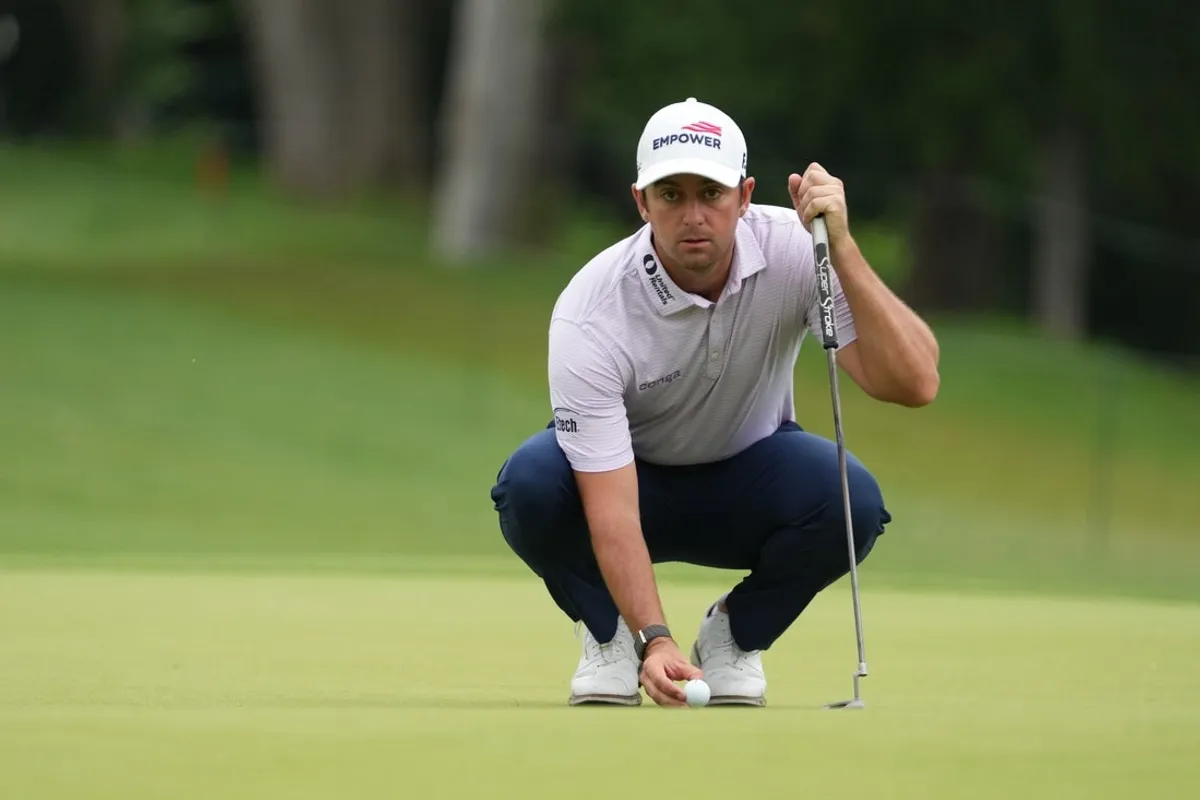
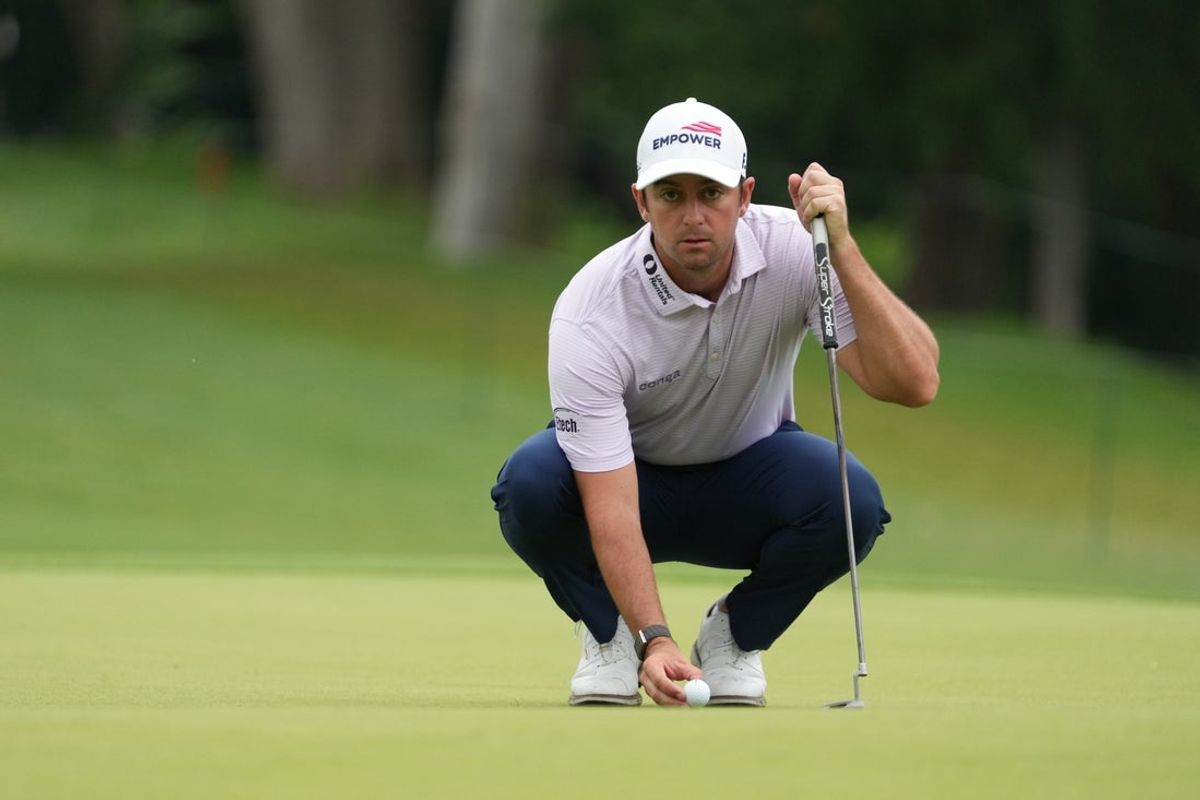
May 28, 2026; Fort Worth, Texas, USA; Davis Riley lines up a putt on the seventh green during the first round of the Charles Schwab Challenge golf tournament. Mandatory Credit: Raymond Carlin III-Imagn Images
Davis Riley birdied the final two holes in a bogey-free round of 7-under-par 63 to move into the lead through the third round of the Rocket Classic on Saturday in Detroit.
Riley is at 15-under 195, meaning he’ll go into Sunday’s final round at Detroit Golf Club with a one-shot advantage on Michael Brennan.
Riley has two PGA Tour victories, with the most-recent one coming in the 2024 Charles Schwab Challenge. His only top-10 finish this year came in the season-opening tournament.
Riley has gone back-to-back rounds without a bogey since carding three bogeys during Thursday’s first round.
Brennan (64 on Saturday), also with one top-10 result this year, registered birdies on four of the first five holes Saturday. His only bogey came on the final hole, costing him the position as co-leader.
Advertisement
Denmark’s Rasmus Hojgaard shot 9-under-par 61 without a bogey to rise to a tie for third place at 12 under. His score tied the course record that also was matched a day earlier by second-round co-leader Cameron Young.
Young (68), Chris Kirk (66) and Rickie Fowler (67) also are at 12 under. Xander Schauffele (67), Michael Thorbjornsen (66), Michael Kim (67) and Norway’s Kristoffer Ventura (65) are clustered at 11 under.
Young missed a 9-foot birdie attempt on the last hole, but he stayed in contention.
Advertisement
Other co-leaders from the beginning of the day didn’t fare as well. Patrick Cantlay shot 70 and dipped into a tie for 11th place, while Patrick Fishburn (74) carded only one birdie and dropped all the way to a tie for 48th at 6 under.
Hojgaard burst into the lead in the morning by playing the first 16 holes in 9 under. He was in 62nd place entering the round, making the cut by one stroke. He had birdies on both par-5 layouts.
Ventura posted a pair of eagles. He drove the green on No. 8 and sank the putt and then putted in from off the green on the par-5 14th.
There will be adjusted tee times for Sunday’s final round based on a forecast that involves rain and storms. Golfers will be slotted into threesomes and going off on the first and 10th tees.
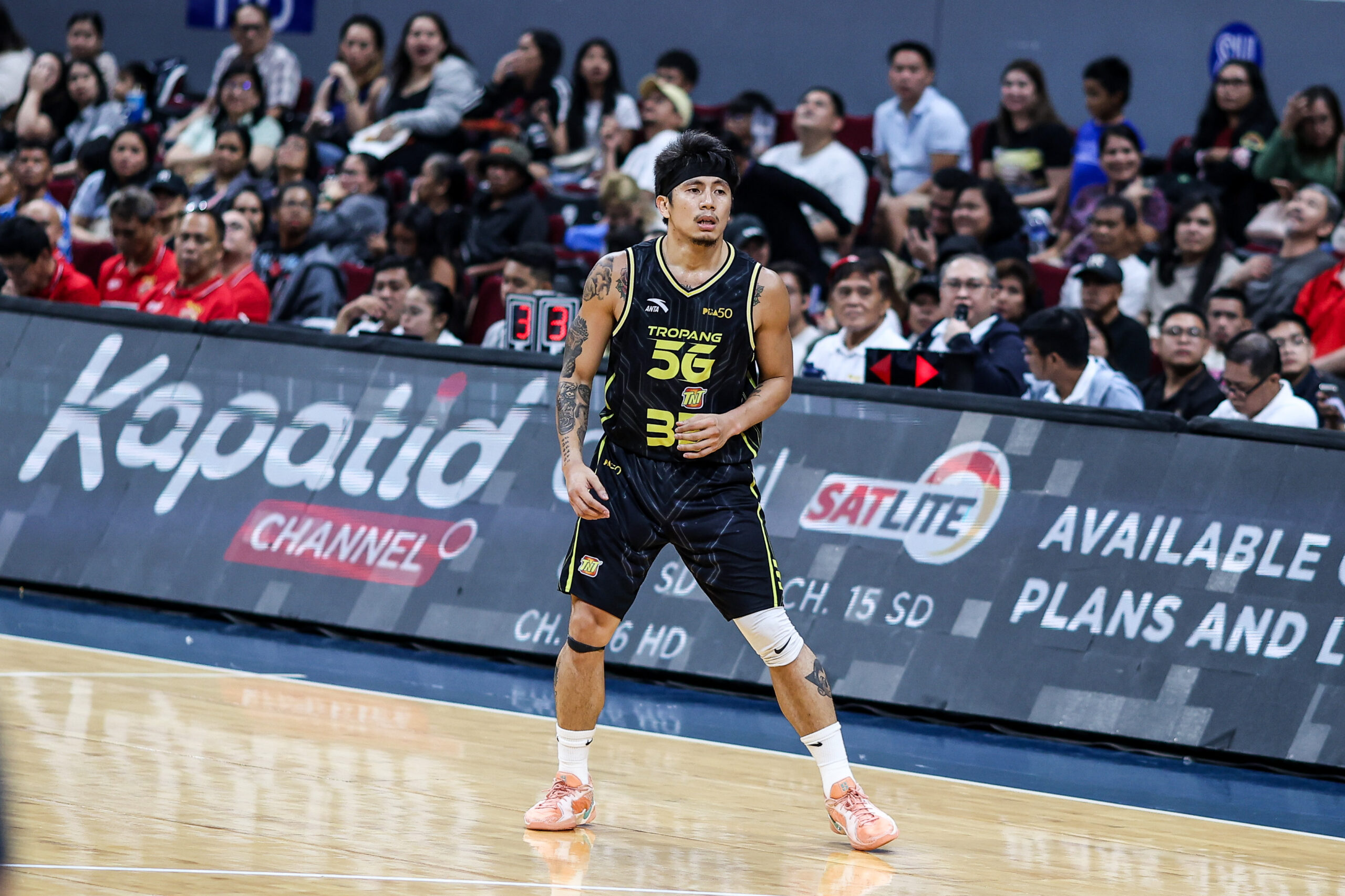
TNT Tropang 5G’s Kim Aurin during a game vs San Miguel Beermen in the 2026 PBA Governors’ Cup. –MARLO CUETO/INQUIRER.net
MANILA, Philippines—When TNT guard Kim Aurin woke up on Saturday morning, he wasn’t feeling like himself ahead of his team’s crucial test against San Miguel in the 2026 PBA Governors’ Cup.
But a quick phone call with Roger Pogoy, followed by a timely reading of Isaiah 40:31, gave Aurin the push he needed to get out of bed and deliver for the depleted Tropang 5G.
Article continues after this advertisement
Advertisement
“Kami kami na lang din eh (It’s only us now),” he said after their heart-stopping overtime win over the Beermen at Mall of Asia Arena on Saturday.
“Matira matibay. We focused on defense and we played great defense from start to finish.”
Aurin then cited the Bible verse that inspired him before leading a short-handed TNT squad missing Calvin Oftana, Jayson Castro, Jordan Heading and Pogoy.
“But those who hope in the Lord will renew their strength. They will soar on wings like eagles; they will run and not grow weary, they will walk and not be faint.”
Advertisement
Article continues after this advertisement
Just like that, Aurin shook off the cobwebs and put on his TNT jersey to answer his call of duty.
The Perpetual Help product ended up with 22 points and eight rebounds. He knocked down six threes, including two crucial triples in OT that sent the Beermen packing.
Aside from leaning on his faith, Aurin also wanted to repay the trust of coach Chot Reyes.
Advertisement
Article continues after this advertisement
“Coach Chot is giving me chances and I don’t want to waste them. I work on myself. I praise God because he heard my prayers today,” he said.
Your subscription could not be saved. Please try again.
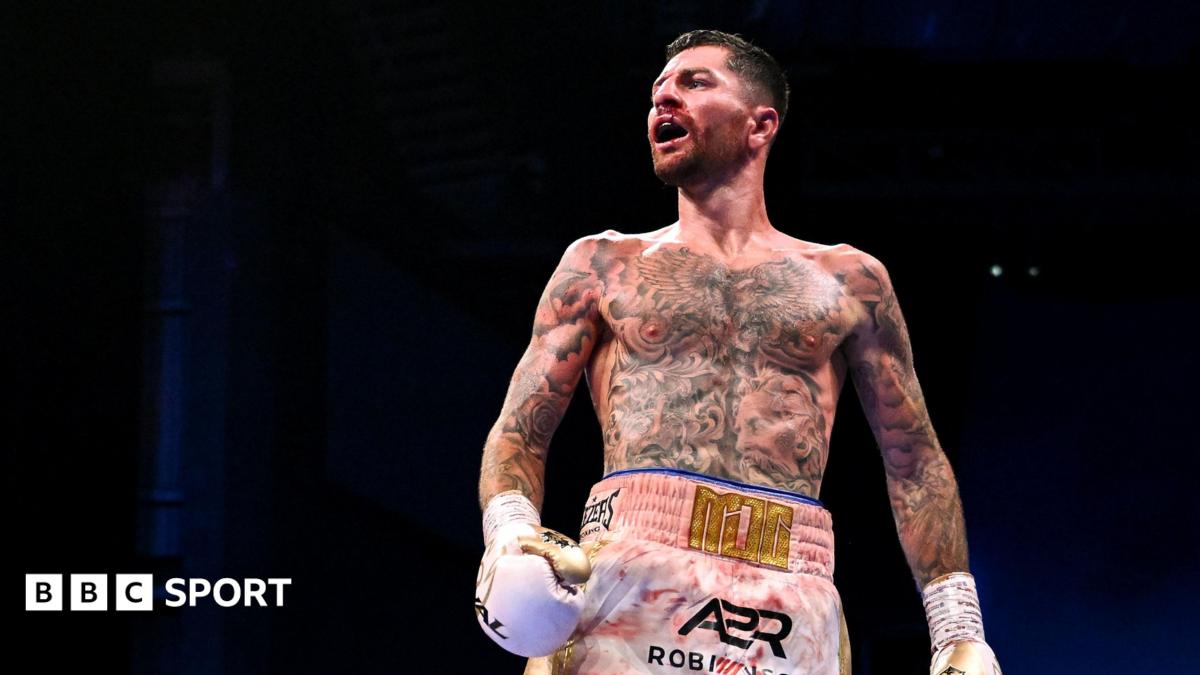
Briton Mark Chamberlain stunned Republic of Ireland’s Pierce O’Leary as he dropped him twice on the way to securing a knockout win in the 10th round to claim the IBO light-welterweight belt.
Chamberlain had to climb off the canvas himself in the seventh round as O’Leary struck him with a ferocious body shot in front of a capacity crowd in Dublin.
But just as momentum appeared to be swinging in the favour of O’Leary, Chamberlain found a breakthrough and managed to get the stoppage late on.
Portsmouth’s Chamberlain now moves to 18 wins with one defeat, bouncing back to winning ways for the first time since losing to Josh Padley in 2024.
Advertisement
This was Chamberlain’s first fight since he drew with Jack Rafferty in Altrincham last summer.
“First of all respect to Pierce for giving me this opportunity,” Chamberlain told DAZN after the fight.
“I’m not a stranger to an away day and anyone that knows me knows that I will fight anyone and if that means that I have to go into the champions’ back garden then I will do that.
“I’ve never been hurt before in a fight but that body shot stopped me in my tracks but fortunately I was able to get thorugh it and weather the storm.
Advertisement
“We’ve been working on new things in the gym and it’s all paid off, I asked Frank (Warren) in the dressing room before the fight if we could bring a show down to Portsmouth, I’d love that. “
After a tight and cagey first round, Chamberlain stunned the home crowd of around 7,000 as he landed a flush left hand that sent O’Leary flying back onto the canvas.
Chamberlain then found another big shot in the next round as he sent his opponent to the floor again with a short left hook.
But O’Leary responded well to the knockdowns, rallied by his home crowd as he pressed on to find a way back into the fight.
Advertisement
He then found a breakthrough at the end of the seventh round as he backed Chamberlain into a corner and sent a punishing shot into his chest.
Chamberlain was slow to get to his feet but survived the count and managed to avoid major punishment before the bell sounded.
O’Leary continued to press on, with Chamberlain looking tired and the Irishman buoyed by the crowd.
But Chamberlain struck in the 10th with a combination that saw O’Leary drop his hands and then pressed on, landing a number of clean shots that included a straight right hand to send O’Leary tumbling into the ropes and to the canvas.
Advertisement
Fight promoter Frank Warren revealed after the fight that there is a rematch clause in the fight contract that could see the pair fight again in the near future.
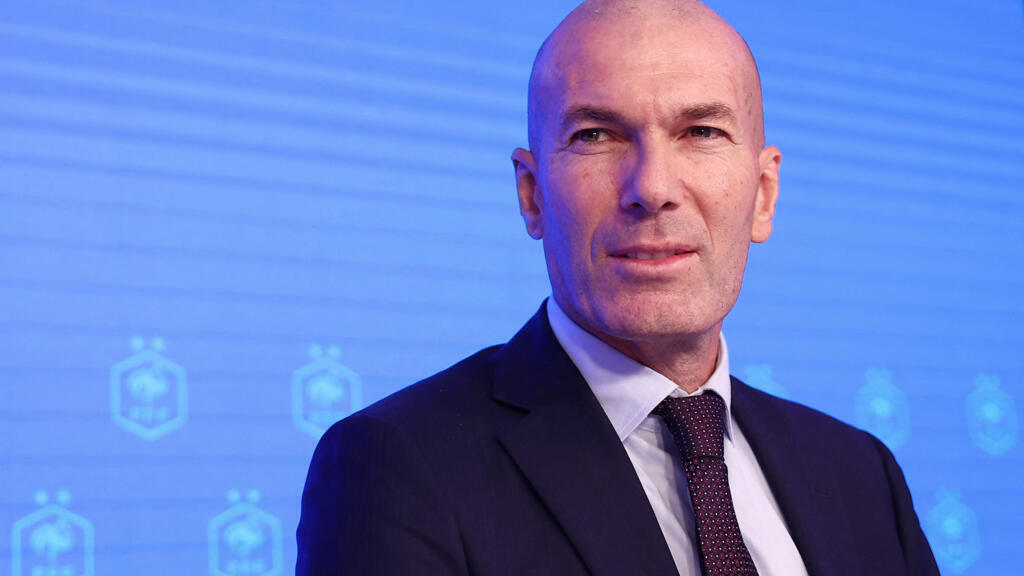
French- Algerian football legend Zinedine Zidane expressed his hopes of becoming France‘s head coach as early as 2022 in an interview with the sports newspaper L’Équipe.
The president of the French Football Federation made little effort to keep the identity of the future manager a secret during an interview with the French newspaper Le Figaroin March. Without revealing a name, Philippe Diallo said that a new manager had been selected, adding that he had to be “someone who can tick many boxes [. . .] There must be a connection between the manager and the French”.
To display this content from YouTube, you must enable advertisement tracking and audience measurement.
Advertisement
One of your browser extensions seems to be blocking the video player from loading. To watch this content, you may need to disable it on this site.
Cover image: Zidane becomes new French coach REUTERS – Abdul Saboor
Zidane had frequently voiced his ambition to take over the team. “When I say I want to manage France’s team one day, I mean it, he told L’Équipe on his 50th birthday in 2022.
More recently during an Adidas event, the legendary midfielder known as “Zizou” said he felt at home with the French national team, where he played for more than a dozen years.
“Of course, it’s a dream and I can’t wait.”
Advertisement
Full circle
Zidane has long seemed destined to become France’s head coach, given his legendary success as a player for the team. “I want to come full circle with the French team. I have known the team as a player and it’s one of the best things that ever happened to me,” he told L’Équipe.
Zidane is also remembered for losing his composure in the 2006 World Cup Final and headbutting Italian defender Marco Materazzi in the chest. His playing days came to an endwith a red card delivered by a referee and a defeat against Italy (a 1-1 tie and later 5-3 in the penalty shootout).
Zidane forged his legend as a professional footballer, but he has also stood out as a coach. The transition from one role to the other wasn’t easy: of the six French players to have won the Ballon d’Or – Raymond Kopa, Michel Platini, Jean-Pierre Papin, Zidane, Karim Benzema and Ousmane Dembélé – Zidane is the only one to have successfully made the switch.
Advertisement
In 2016, barely 10 years after his retirement as a professional footballer, he became the main coach at Real Madrid after managing its reserve team Real Castilla and serving as assistant manager to Carlo Ancelotti. After joining Madrid, Zidane clinched an 11th Champions League trophy for the Spanish club. At the time, Zizou was only 44 years old; it was his first stint as a coach of a professional club. His achievements have yet to be matched.
Flamboyant at Real Madrid
The rest of the story belongs to football history: Real Madrid won two Champions League titles under Zidane in 2017 and 2018. In three years, he won three consecutive titles in the most prestigious European competition as well as two Spanish league titles (2017 and 2020), three Spanish Super Cups (2017, 2019 and 2020) and two European Cups (2016 and 2017).
Ancelotti praised his colleague in glowing terms after picking the reins back up at Real Madrid upon Zinedine’s departure. “He won three World Cups. He did a fantastic job up until the last day. He knew success – but it’s football, a coach comes and another one leaves. What he achieved is incredible.”
The Spanish sports magazine Marca also celebrated Zidane’s achievements: “He is not only a coach leaving with an enviable record (11 titles, one for every 23 matches) including three consecutive Champions Leagues. An icon of the greatest club is leaving, a legend, an exemplary citizen of Madrid who made a flag out of simplicity, elegance and honesty, on and off the stadium.”
Advertisement
Out of management since leaving Real Madrid in 2021, Zidane had to wait for this moment to take over Deschamps’ role. The previous coach set a record for the longest time spent at the helm of the French national team, with 168 games, 121 victories, 35 ties and 31 losses. Deschamps is leaving behind a solid and talented team, despite their elimination from the World Cup in a semi-final defeat against Spain (2-0). As he begins his tenure, Zidane will rely on a core group of key players like Dayot Upamecano, Koundé, Adrien Rabiot, Aurélien Tchouaméni, Kylian Mbappé, Michael Olise and Ousmane Dembélé. Yet he also faces challenges, especially on the full-back positions and, to a lesser extent, central defence.
Zidane will also likely try to overhaul the coaching staff, beginning by naming World Cup champion Fabien Barthez as the new goalkeeping coach. The impact of Zidane’s coaching on Les Bleus remains to be seen. Supporters of the team will have to wait until October 2 to see the coach on the bench. Ironically, the match is against Italy – coming 20 years after Zidane’s loss to Italy as a player.
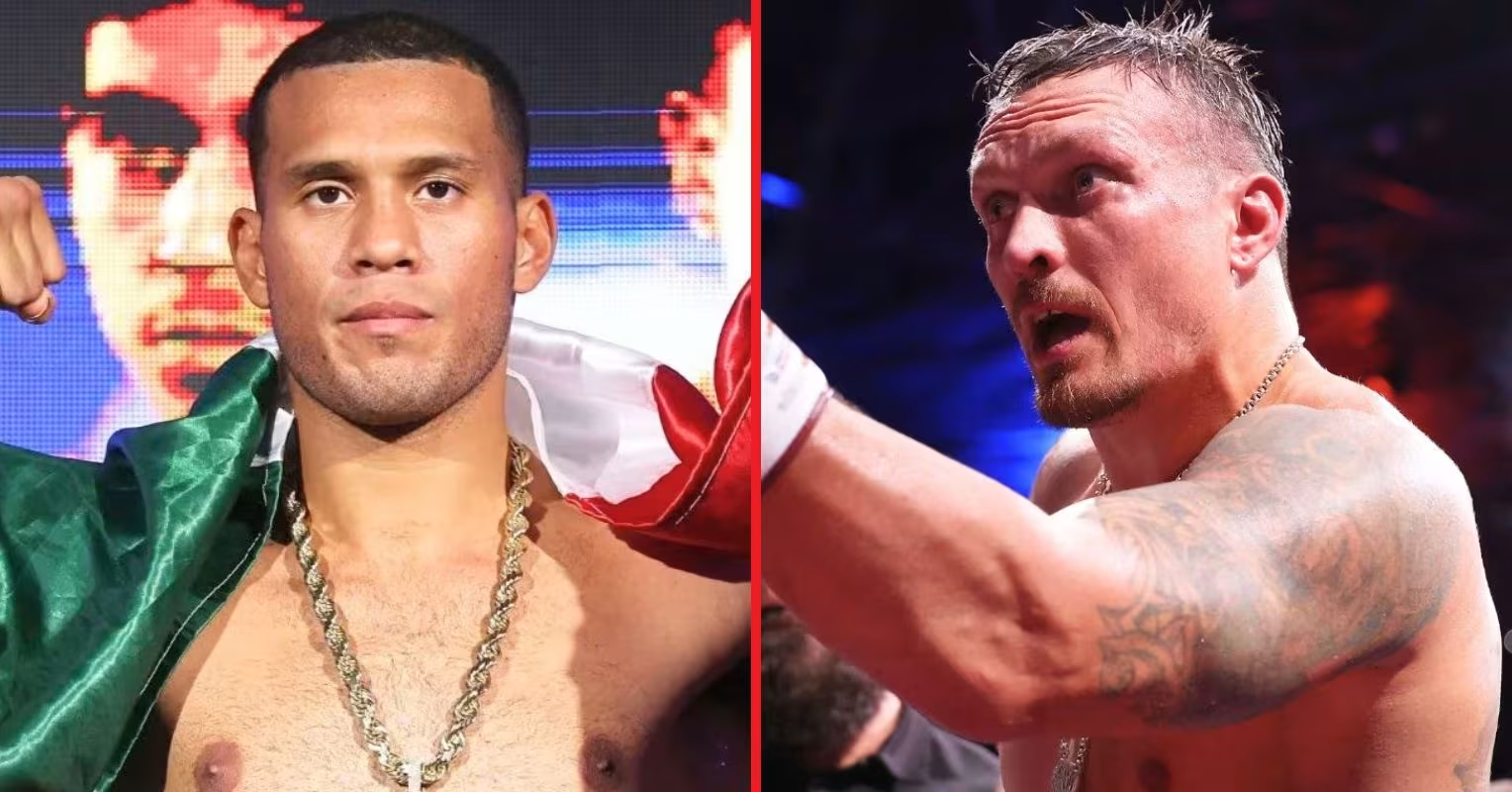
Admittedly, it seems unlikely that the pair will ever square off, especially now that Usyk has vacated his world titles and announced he has one fight left.
Instead, the Ukrainian has expressed an interest in facing Deontay Wilder, the former WBC titleholder, in order to complete a trilogy of wins over his generation’s flagship heavyweights.
Advertisement
With two respective victories over Tyson Fury and Anthony Joshua, though, the 39-year-old has already cemented himself as the greatest heavyweight of his era.
Benavidez, meanwhile, has promised to follow in Usyk’s footsteps and eventually move up to heavyweight, perhaps even with the same ambition to become a two-division undisputed champion.
While this may seem like a slim possibility, the 29-year-old appears to be closing in on a three-belt unification match with WBC champion Noel Mikaelian.
Victory would therefore put him on the cusp of an undisputed showdown at 200lbs, before the ‘Mexican Monster’ chases even greater challenges at heavyweight.
Advertisement
As a fierce admirer of the three-weight world champion, Tyson has told Ring Magazine that he would back Benavidez against any fighter, including Usyk.
“That [would be] beautiful. Usyk is not a big heavyweight; he’s a cruiserweight that’s fast and smooth.
“[He] has fast hands, just like Benavidez. I think Benavidez punches more than Usyk; he throws more punches.
“I love Benavidez – I’m never going to go against him.”
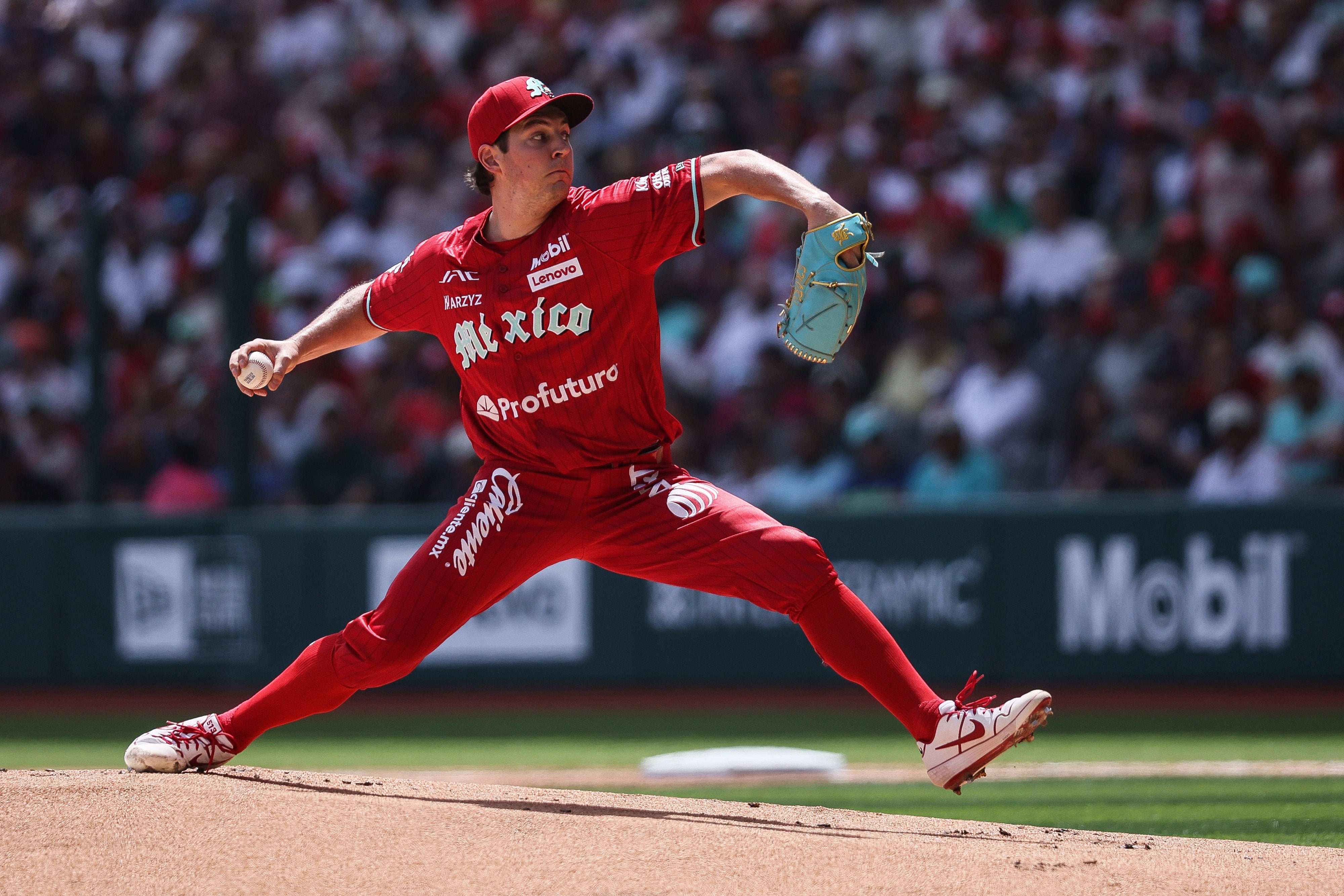
Five years after his last major league pitch, Trevor Bauer, a 10-year MLB veteran, continues to attribute his absence from an organizational roster to others, particularly the Los Angeles Dodgers.
In a recent interview on the YouTube channel “La casa de los Dodgers,” the 35-year-old right-hander, currently pitching for the Diablos Rojos del Mexico, expressed regret over his three-year, $102 million deal with his hometown club.
“I wish I had never played for them,” Bauer stated. “… The front-office people, I wish them nothing but the worst because they treated me like s–t and I just don’t appreciate it. I don’t think you should treat a human being like that.”
Bauer’s tenure with the Dodgers was cut short after he was accused of sexual assault by one woman following two separate encounters during his first season in 2021.
The Pasadena Police Department confirmed these allegations.
Advertisement
While the Los Angeles County District Attorney’s Office ultimately did not file charges, citing a lack of evidence, the Dodgers elected to part ways with Bauer in April 2022, following an investigation that uncovered “disturbing details” about the relationship between Bauer and his accuser.
This incident occurred against a backdrop of Bauer’s history of combative social media interactions and outspoken political views.
The 2020 National League Cy Young Award winner, who earned the honor with the Cincinnati Reds, claimed he had the support of Dodgers teammate Mookie Betts and received emotional support from manager Dave Roberts on one occasion.
Trevor Bauer pitching for Diablos Rojos during Spring Training Game between Diablos Rojos and New York Yankees (Getty)
However, he offered criticism of Dodgers pitching coach Mark Prior.
Since his last appearance in the majors, Bauer has played in Japan and Mexico, including seven starts earlier this season with the independent Long Island Ducks before his contract was transferred to the Diablos Rojos in June.
Advertisement
Bauer acknowledged that signing with the Dodgers “was really cool for me” as a childhood fan, but he found the clubhouse atmosphere “wasn’t as good as some other places I’ve been.”
He maintains his ability to compete at the highest level, yet concedes, “I’d love to be back in the big leagues at some point, but it is pretty obvious at this point that the league will never allow that to happen.”
He added, “I think what they are doing is illegal and I just don’t want to waste my time and energy and money and everything suing them because I don’t think that is good for baseball.”
Bauer concluded his MLB career with an 83-69 record and a 3.79 ERA across 222 games (212 starts) with four teams from 2012-21.
FILE– San Miguel Beermen’s CJ Perez during a game in the 2026 PBA Governors’ Cup. –MARLO CUETO/INQUIREr.net
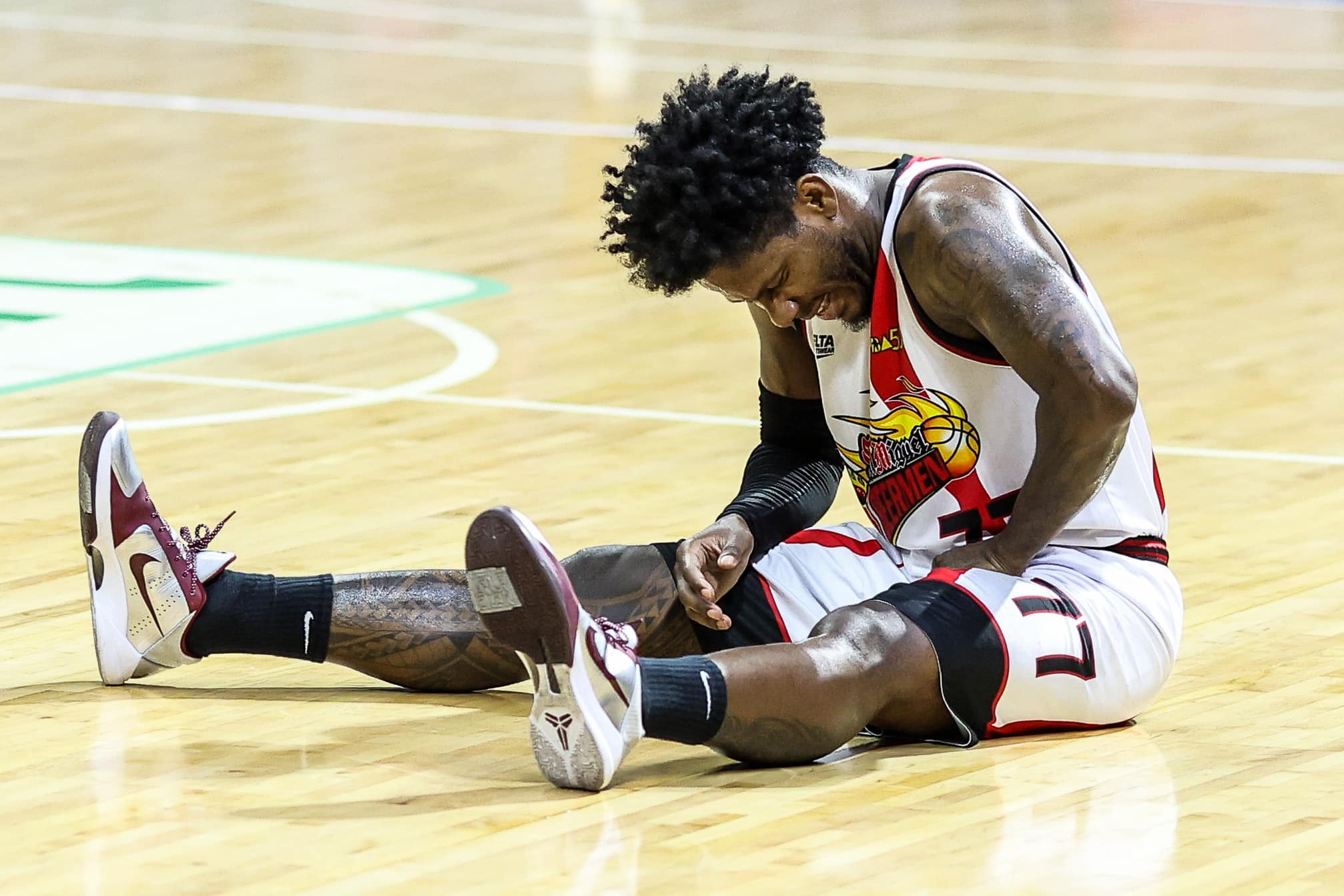
MANILA, Philippines–CJ Perez was forced to miss his first-ever PBA game on Saturday when San Miguel Beer fell short against TNT with a 93-89 overtime loss in a thrilling 2026 Governors’ Cup showdown at Mall of Asia Arena.
Perez could only play the role of cheerleader from the bench due to a pulled groin as the Beermen failed to complete a fourth-quarter comeback against a Tropang 5G side that continues to find its rhythm despite its own injury woes.
Article continues after this advertisement
“The streak is over,” said Perez, who made 279 straight appearances since his PBA debut in 2019 before the streak was snapped.
Advertisement
CJ Perez was forced to miss his first PBA game in San Miguel Beer’s 93-89 overtime loss to TNT due to a groin injury.
The San Miguel star got hurt during the first half of the Beermen’s 110-96 loss to the NLEX Road Warriors last Sunday, and was able to play briefly in Wednesday’s 143-105 rout of the Titan Ultra Giant Risers.
That kept his streak alive, and would have tied Dante Gonzalgo for sixth all-time in consecutive games played had he been inserted, even for one second, against the Tropang 5G.
Advertisement
Article continues after this advertisement
“It’s their decision and it’s beyond my control,” Perez said, noting that it was the team that made the call in sitting him out.
“But if you ask me as a player, I can play because that’s how I honor the game of basketball, even if there’s little pain.”
San Miguel dropped to 4-2 after the defeat, but stayed second in Group A.
Advertisement
Your subscription could not be saved. Please try again.
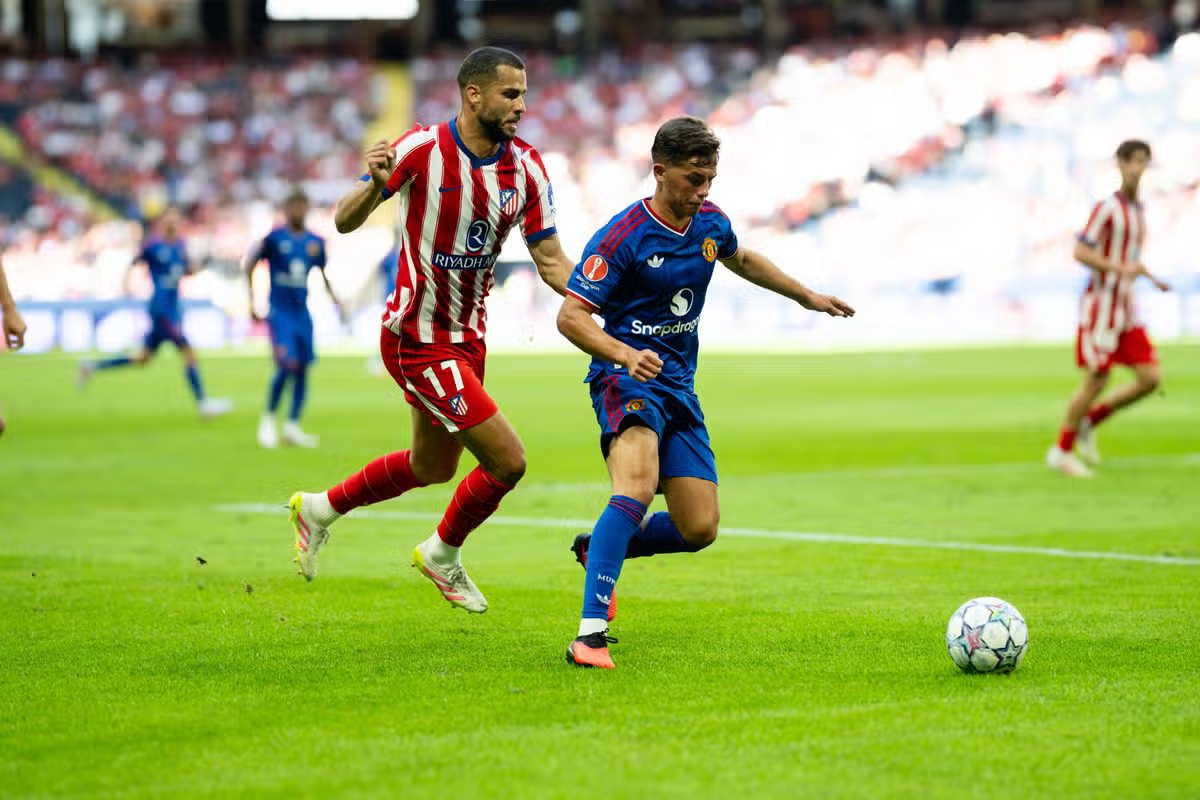
Man Utd beat Atletico Madrid 2-1 in Stockholm and it was another slick performance from Michael Carrick’s side in pre-season.
Manchester United made it back-to-back wins in pre-season as they came from behind to beat Atletico Madrid in Stockholm and claim the Snapdragon Cup.
United went behind early on when Arnau Ortiz’s left-wing cross somehow managed to evade everyone in a packed penalty area and crept inside Tom Heaton’s far post.
Advertisement
But Michael Carrick’s side were the better team and deserved to be level when Shea Lacey won a penalty that was converted by Bryan Mbeumo. Jack Fletcher then crossed for Mbeumo to score his second.
This is how every United player rated in Stockholm:
Tom Heaton: Would have been frustrated at the goal he conceded but one sharp save just before half-time and safe hands after the break. 7
Advertisement
Leny Yoro: Should have won the header for the first goal but improved after that. Linked up well with Amad and defended well down the flank. Looks an option at right-back. 7
Harry Maguire: Surprised Ortiz’s cross went as far as him but did duck out the way. Confusion late in the half with Heaton and not his best game. 6
Ayden Heaven: Wonderful, line-breaking pass to send Dorgu in down the left. Offside flag went up but it was tight and a reminder of Heaven’s quality on the ball. 7
Luke Shaw: Beaten a little too easily high up the pitch on a couple of occasions as Atletico had some joy down his side. A reminder that reinforcements are needed. 6
Advertisement
Andrey Santos: A bit too casual with an early ball back to Heaton that he played without looking and almost gifted possession away. Wanted the ball though and passing was good. 7
Mason Mount: Pressed really well once again and was competitive and combative in midfield. Combined that with some sharp touches and looked the best player. 8
Amad: Excellent press to create one chance for Mbeumo and showed some nice, confident touches in his first outing in pre-season. 7
Shea Lacey: Delivered a lovely right-footed cross for Mbeumo that the striker glanced just wide. Some neat footwork on occasions, never more so than when beating his man in the box to win a penalty. 8
Advertisement
Patrick Dorgu: Worked hard down the left but timed his run wrong on one occasion and wasted another good chance after another smart Heaven pass. 6
Bryan Mbeumo: Glanced a first-half header wide but made no mistake with a coolly taken penalty in the second half and in the right place to get his second. Looks a good option through the middle. 8
Substitutes
Jack Fletcher: Came on for Amad down the right wing. Put a shift in and pressed well to win the ball for Mbeumo’s second goal. 7
Advertisement
Dan Armer: Good experience after replacing Maguire. 6
Harry Amass: Didn’t get much of a chance to shine. 6
Ethan Williams: Nice link-up play in the middle. 7
Joshua Zirkzee: First involvement was to send a pass out of play. Better after that. 6
Advertisement
JJ Gabriel: Quick feet and a couple of flashes of that talent. 7
Ever since Bing Crosby first brought his friends together for a golf extravaganza in the California desert, celebrity events have been a staple of the game.
Their purposes are many. They allow A-listers to cut loose in competition while raising money for good causes, and they give fans a rare close-up view of actors, athletes and entertainers they usually see only from afar. Spectators often leave star-struck. As it turns out, the celebrities are frequently impressed by one another, too.
On a recent episode of GOLF’s Subpar podcast, former MLS standout and current Apple TV soccer commentator Taylor Twellman shared stories from the American Century Championship in Lake Tahoe and the participants who left the deepest impression on him.
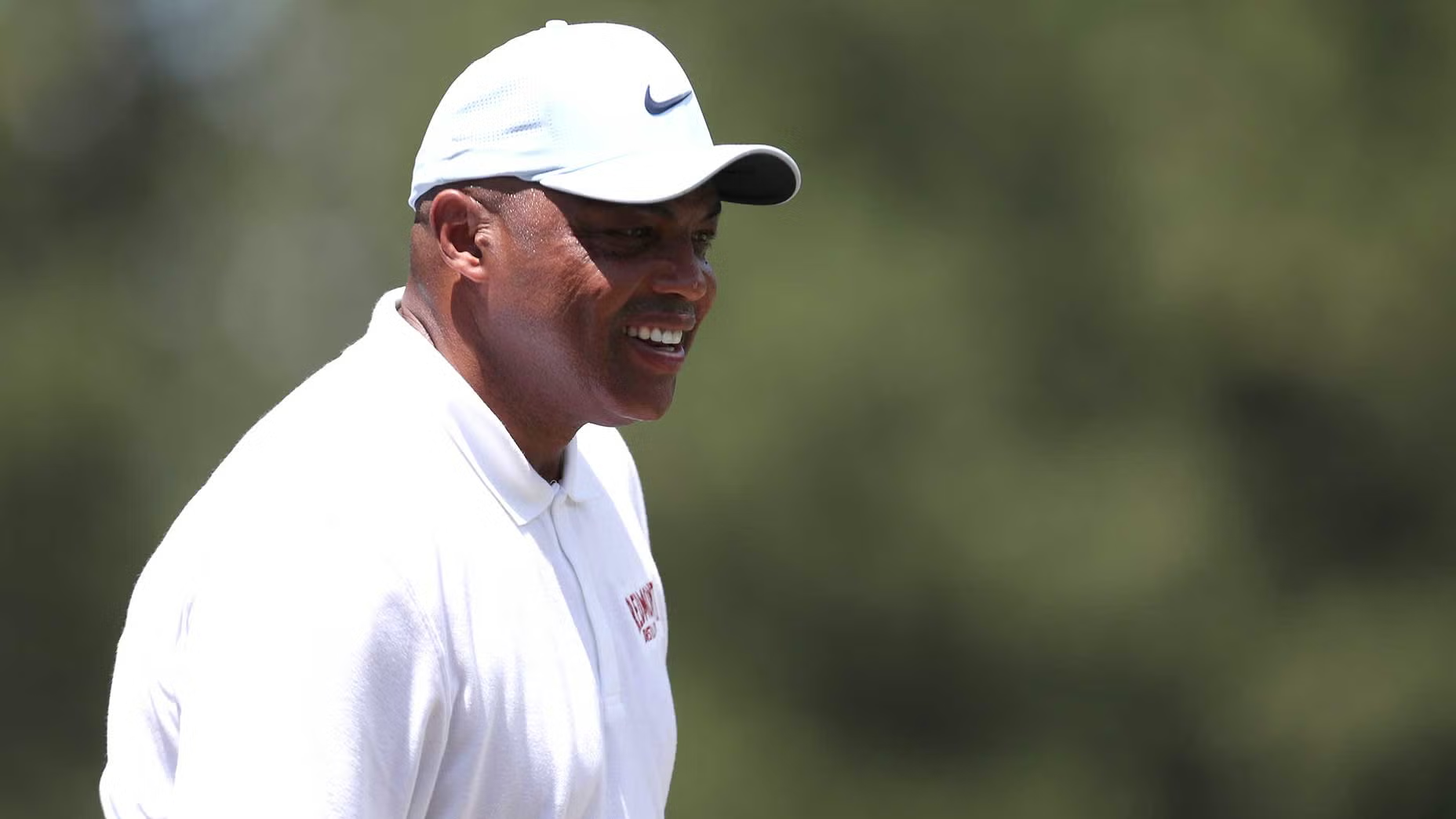
“Charles Barkley is an unbelievable individual,” Twellman said.
Without naming names, Twellman noted that some participants show only the slightest interest in the people around them. Barkley, by contrast, shares himself, looks you in the eye and makes you feel heard.
That’s especially rare, he added, for a figure of Barkley’s prominence.
“I don’t think he gets enough credit,” Twellman said.
Advertisement
Barkley was on-hand for a pre-tournament get together for the players. Not every star showed up. But Larry David did, giving Twellman a chance to see another side of the golf-obsessed Curb Your Enthusiasm creator, who made a point of circling the room and shaking everyone’s hand.
“He’ll never say this publicly, but I think he was excited but also very nervous,” Twellman said. Unlike some celebrity events, after all, the American Century is not a hit-and-giggle. “It’s a real tournament,” Twellman said. No handicaps. No gimmes. No modified tees.
If actor Michael Peña was rattled by that prospect, he didn’t show it. Twellman described him as another standout, present and approachable, stopping to sign every autograph.
Not all stars exert the same gravitational pull. Twellman recalled playing behind Jason and Travis Kelce in previous editions of the tournament and getting a firsthand look at the frenzy they inspired, with security guards surrounding the brothers and fans trailing them six people deep. This year, with Travis absent after his recent wedding, only Jason competed but still drew a crowd.
Advertisement
“I understated how popular that phenomenon is,” Twellman said.
Co-hosts Colt Knost and Drew Stoltz know both tournament golf and celebrity golf well, and Barkley’s name prompted Knost to tell a Barkley story of his own. It’s worth hearing. You can check out the full episode of Subparhere.
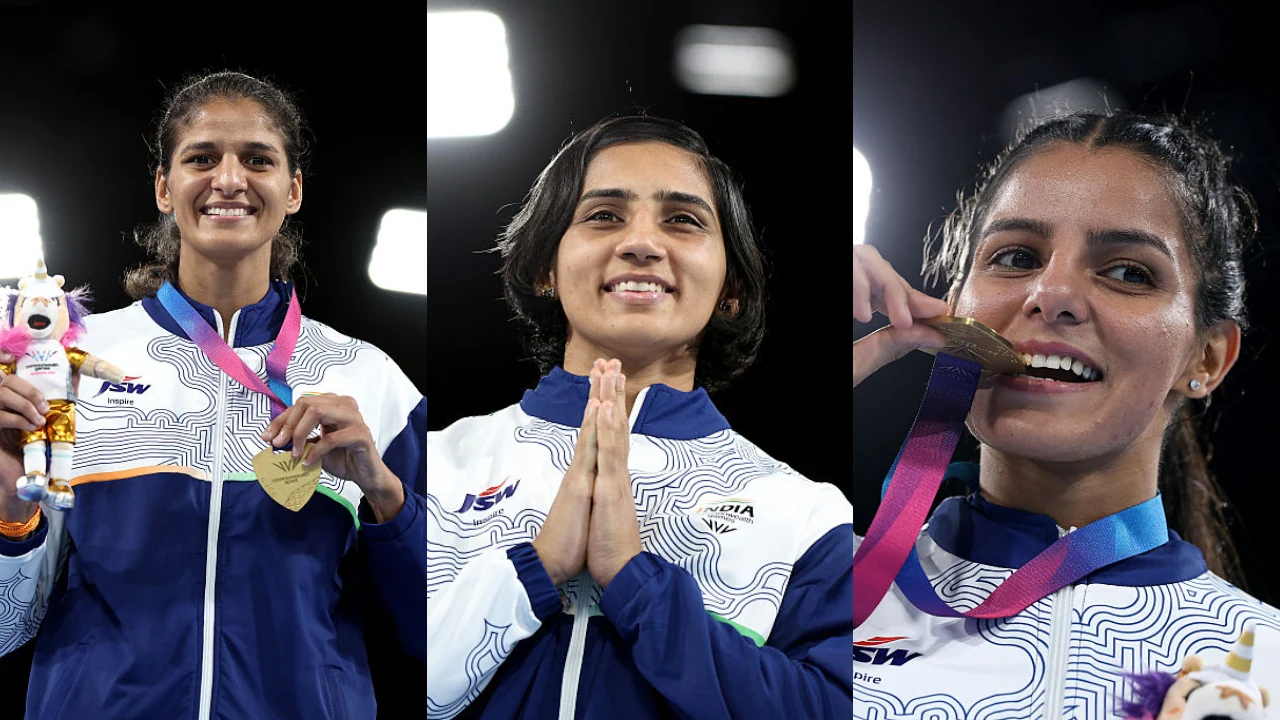
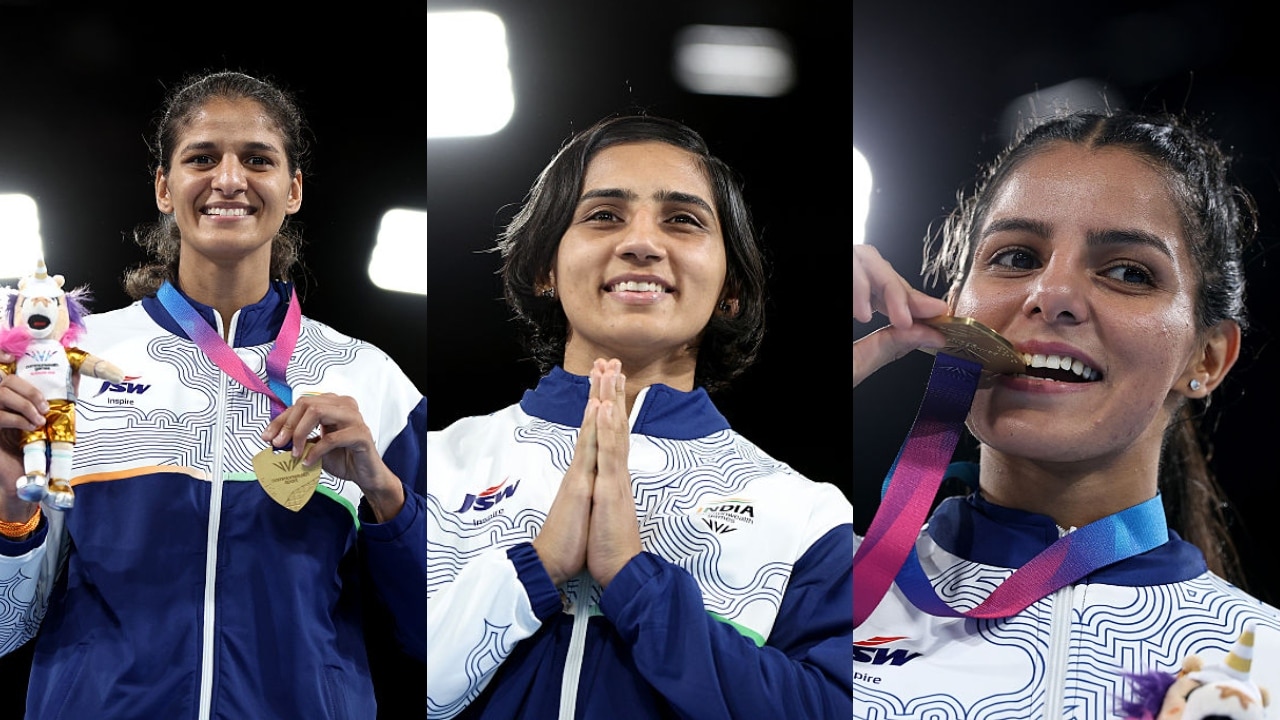
Indian women boxers lived up to their billing with five gold medals while Sachin Siwach and Ankush Panghal sealed men’s titles as the country produced its best-ever performance at the Commonwealth Games on Saturday. Reigning world champion Jaismine Lamboria (57kg), Asian Games medallist Preeti Pawar (54kg), Asian champion Priya Ghanghas (60kg), Sakshi Chaudhary (51kg) and Arundhati Choudhary (70kg) won gold medals, while Olympic medallist Lovlina Borgohain (75kg) settled for silver.
In the men’s competition, Sachin (60kg) and Ankush (70kg) struck gold, while Jadumani Singh (55kg) and Asian Games bronze medallist Narender Berwal (+90kg) finished with silver medals.
India’s previous best boxing campaign at the Commonwealth Games came in Gold Coast in 2018, when it won seven medals, including three gold.
Advertisement
With chants of “Bharat Mata Ki Jai” and “India, India” reverberating around the SEC arena, the Indian boxers enjoyed near home-like support.
“The crowd support was brilliant, it really pumped me,” said the 20-year-old Priya.
Preeti kick-started India’s golden run with a commanding 5-0 victory over Canada’s Scarlett Delgado in the women’s 54kg final.
Jaismine followed with another clinical 5-0 win, defeating Northern Ireland’s defending champion Michaela Walsh in the 57kg summit clash.
Advertisement
Fighting from long range and relying on her sharp footwork, Preeti made a measured start before gradually finding her rhythm. Once she settled in, the Indian dictated the pace, keeping Delgado at bay with crisp counters and timely combinations to cruise to victory.
Jaismine, meanwhile, was made to work much harder against the vastly experienced Walsh. Commanding the centre of the ring and making full use of her superior reach, the Indian edged the opening two rounds 3-2 before closing out a deserved unanimous victory.
Sakshi, who dropped down from 54kg to 51kg, upset local favourite Ruby White of England in another impressive display.
Priya, sporting a tricolour gumshield, recovered from a slow start to beat Canada’s Marie-Bathoul Al-Ahmadieh 4-1. Trailing 2-3 after the opening round, she unleashed a barrage of punches over the final two rounds to turn the contest around.
Advertisement
Arundhati completed the women’s golden sweep with a unanimous 5-0 victory over England’s world championship bronze medallist Chantelle Reid in the 70kg final.
Spurred on by chants of “Bajrang Bali Jai”, the Rajasthan boxer celebrated her triumph with a bow-and-arrow gesture.
“The celebration was to send all the negative talk away. I dedicate this win to my family, who have made a lot of sacrifices for me,” she said.
Sachin produced one of the comebacks of the day. Trailing after the opening round and suffering a point deduction in the final round, he forced a standing count against Namibia’s Tryagain Morning Ndevelo before clinching a dramatic 3-2 split verdict.
Advertisement
“Even though I was losing the first round, I knew I could win the bout,” Sachin said.
Ankush then capped India’s golden evening with a composed 4-1 victory over England’s Dimeji Shittu. Despite being booed by the home crowd, the Army boxer remained unfazed and boxed with discipline throughout.
Lovlina, however, fell just short, losing a closely fought women’s 75kg final to Australia’s Emma-Sue Greentree.
Narender also had to settle for silver after going down to England’s Damar Thomas in the super-heavyweight final.
Advertisement
Jadumani ended with silver after losing 0-5 to Australia’s Jye Dixon in the 55kg title clash. The Indian had taken the opening round 3-2 after overcoming the height disadvantage, but Dixon responded emphatically with a dominant second round before carrying the momentum into the decider to deny India an eighth gold.
Featured Video Of The Day
Spain’s Royal Family Welcomes World Cup Champions To Zarzuela Palace















































You must be logged in to post a comment Login