I know there is a rather large price difference between the Bowers & Wilkins Px8 S2 and the Sennheiser HDB 630. The Px8 S2 sits at $799, while the HDB 630 lands at $499. That $300 gap is not nothing. It is the difference between my $250 seat for The Wizard of Oz at the Sphere and the $450 first-level ticket that promised the full wraparound experience, flying monkeys included.
So why compare them?
Because the two are surprisingly close in a few areas that matter, and the gap is not as ridiculous as it looks on paper. Some readers will throw eggs. Probably the same bitter Rush fans still pretending Anika Nilles has not been killing it behind the kit on the Fifty Something tour because accepting reality would apparently violate the sacred scrolls of 2112. Someone get poor Geddy a glass of tea and a throat lozenge. He still remembers every word, but a few of those notes are landing somewhere near the corner of Bathurst and Wilson.
Could I have used the Bowers & Wilkins Px7 S3 instead? Sure. That would have made the pricing cleaner. It also would have required having a pair around, and this is what I had in front of me. Reviewing is not fantasy football. You work with the gear on the desk, the train, the airplane, the hotel room, and occasionally the Wawa-adjacent dog walk.
Advertisement
So here we are: a $799 British luxury wireless flagship versus a $499 German wireless headphone with a very useful USB-C dongle and enough sonic discipline to make the comparison less silly than it sounds.
Can der kleine David from Wedemark make the British Goliath blink?
Let’s find out.
This comparison is based on our full reviews of both models, which are linked below for readers who want the deeper individual breakdowns.
Advertisement
Related Reviews:
Why This Comparison Makes More Sense Than It Should
The Bowers & Wilkins Px8 S2 and Sennheiser HDB 630 are not aimed at identical buyers, but they do overlap in one very important way: Both are built for listeners who care more about sound quality than ANC trickery, app gimmicks, or whether their headphones match the color of their laptop. Which, for most of us, is a yes.
The Px8 S2 is the more luxurious headphone. Nappa leather, exposed cable detailing, a slimmer frame, stronger passive isolation, physical buttons, Bluetooth 5.3, aptX Lossless, aptX Adaptive, aptX HD, USB-C playback, 3.5mm wired playback, and a more powerful low-end presentation all reinforce its flagship position.
The HDB 630 is the more practical and more value-driven headphone. It offers 24-bit/96kHz playback via USB-C, Bluetooth 5.2 with aptX Adaptive and aptX HD, and the included BTD 700 USB-C dongle, which makes higher-quality Bluetooth easier to access from more phones, tablets, and laptops. Add in the better app, parametric EQ, crossfeed, bass boost, longer battery life, and more spacious midrange-focused presentation, and the Sennheiser starts looking like the more sensible troublemaker.
Advertisement. Scroll to continue reading.
Advertisement
One is wearing a tailored British overcoat. The other shows up with German paperwork, better battery life, and a dongle that actually solves a problem.
Design & Build Quality
Bowers & Wilkins Px8 S2
The Px8 S2 wins the materials contest.
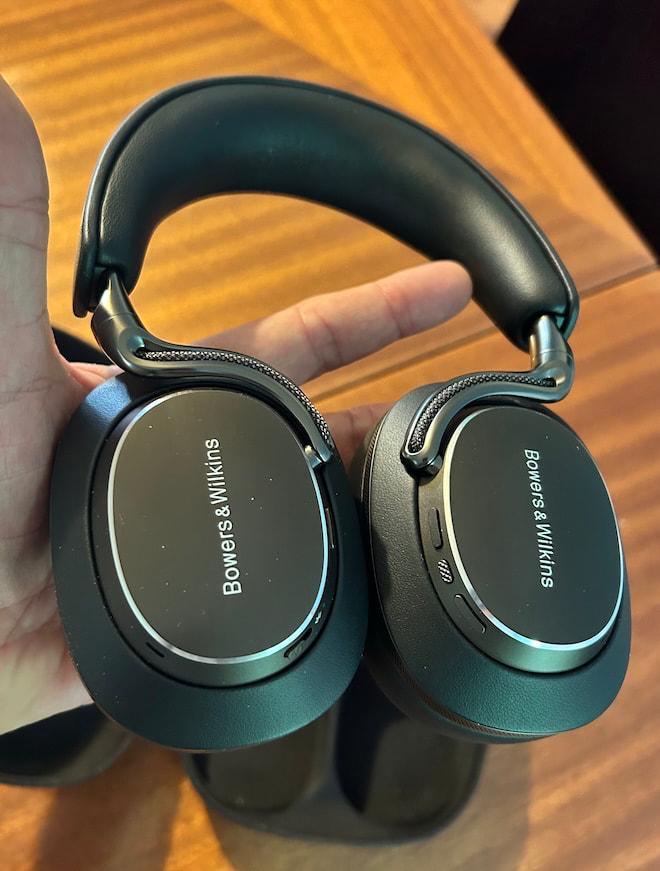
One area where the Px8 S2 clearly pulls ahead is visibility. The Bowers & Wilkins branding, materials, and overall look stand out in a way the Sennheiser does not.
That became obvious during my usual coffee shop testing. My Asbury Park routine has become slightly more complicated lately, so I have been spending more time at a different local spot where the coffee is better, Hebrew is not uncommon, and the parking lot looks like a Range Rover, BMW, and Tesla owner’s support group.
This is also a crowd that includes some of my children’s former classmates, parents, soccer coaches, and baseball coaches, all of whom know I am the guy who rolls up in large Toyota SUVs with 150,000 to 200,000 miles on them and considers that “nicely broken in.”
Advertisement
They noticed the Px8 S2. More than once. The Sennheiser HDB 630 drew less attention, which may be a positive depending on your personality, wardrobe, or tolerance for conversations before caffeine. But in terms of brand presence and visual appeal, the Bowers made the stronger impression.
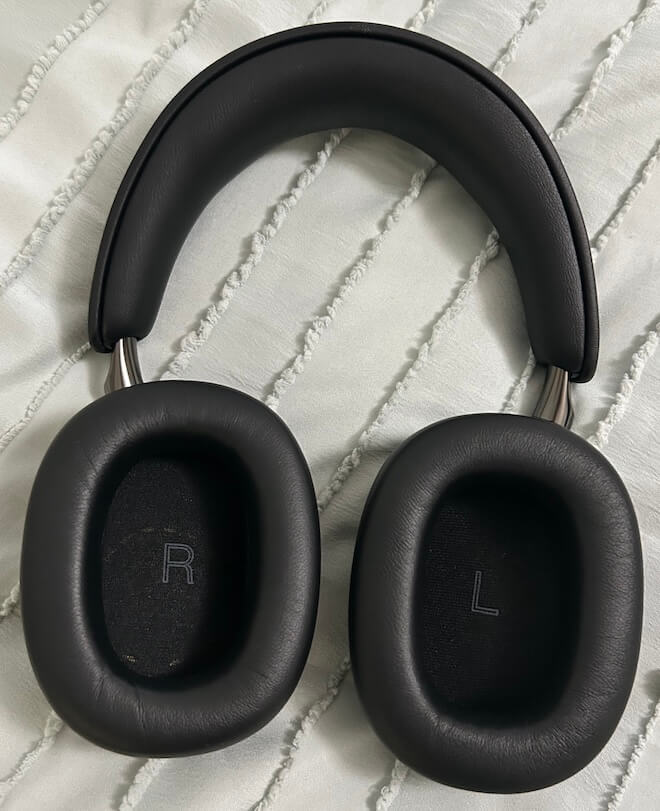
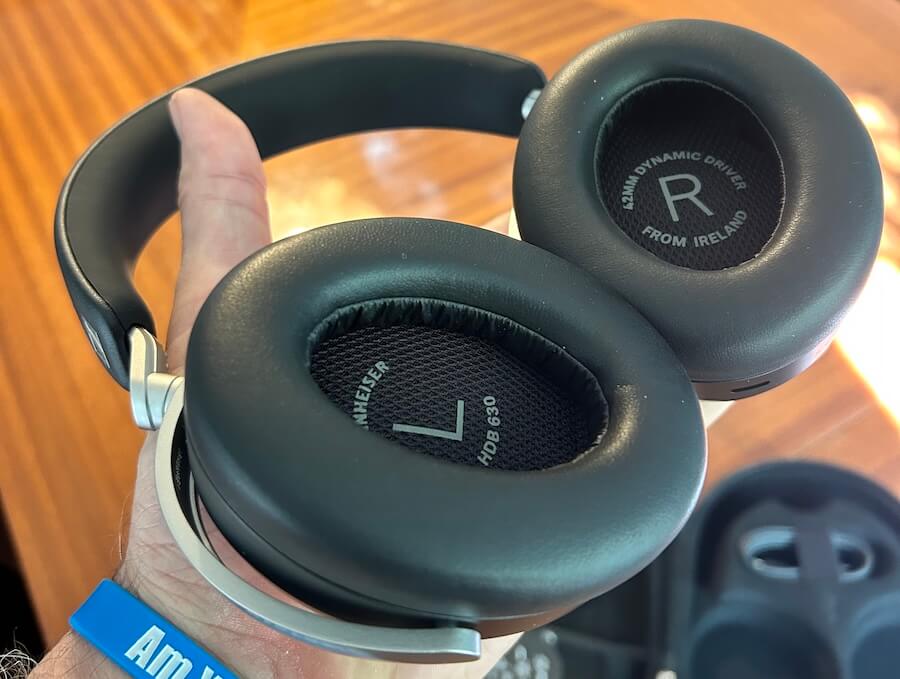
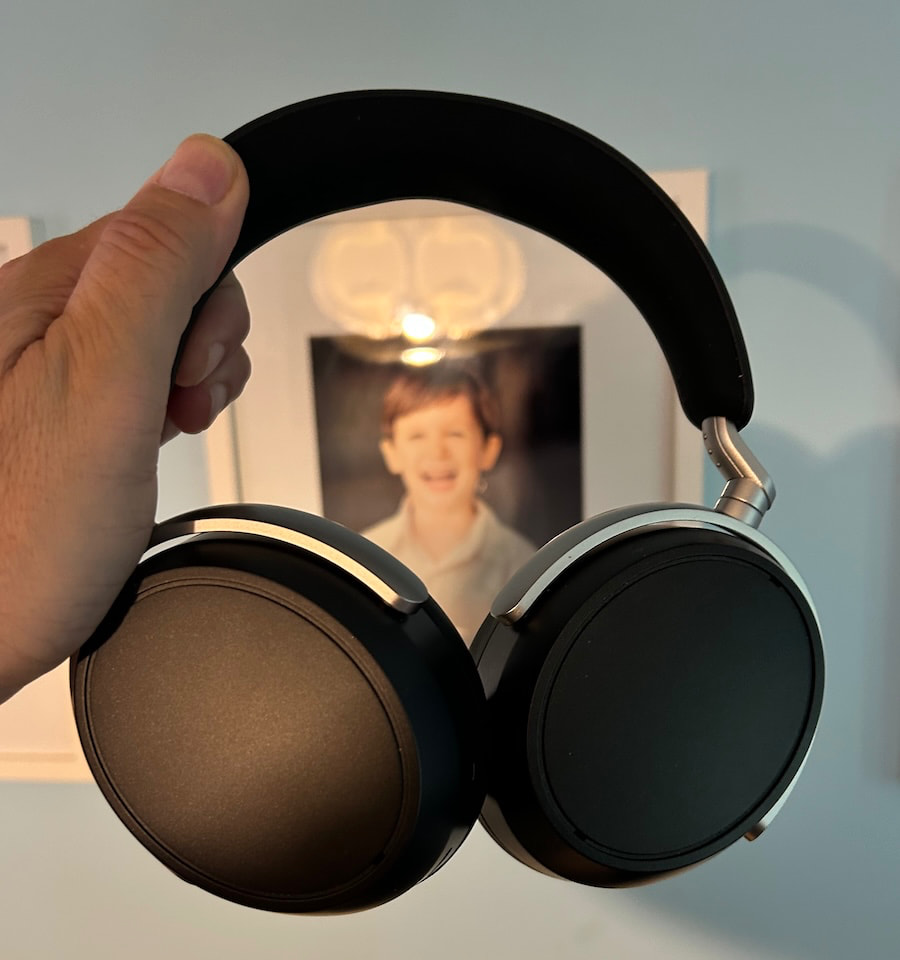
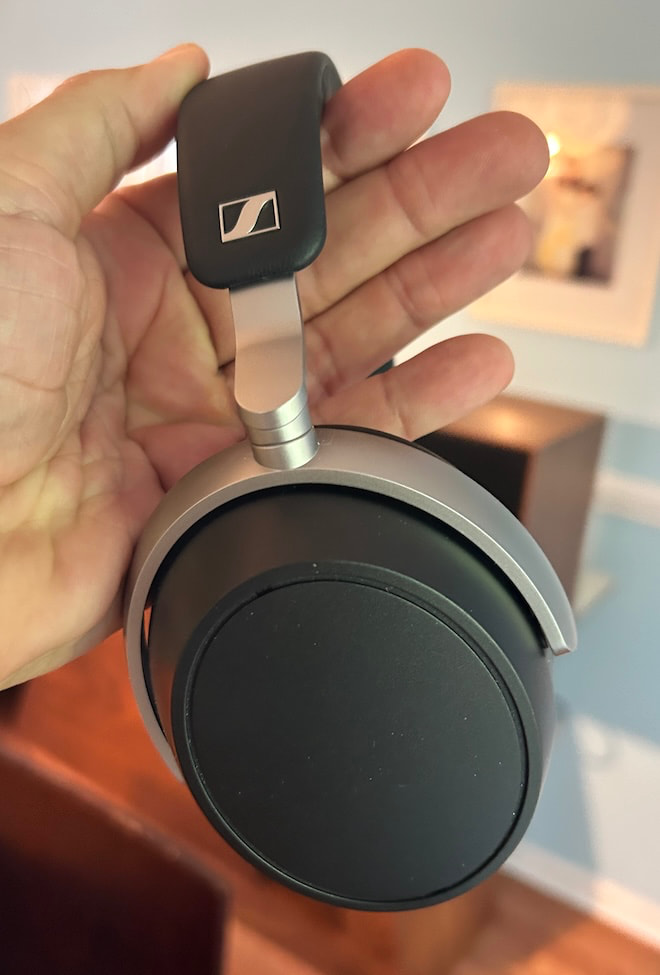
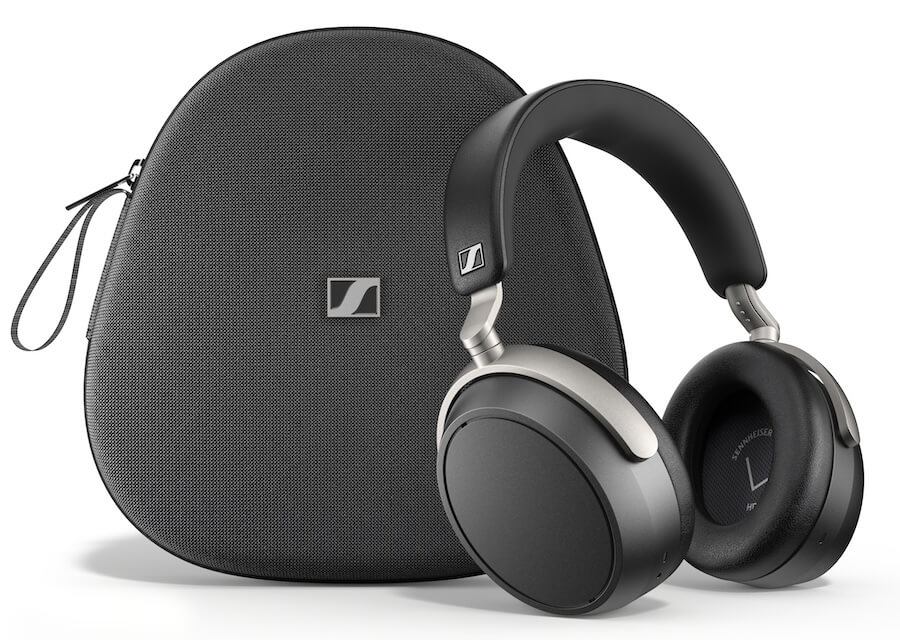
The HDB 630 is more understated. It borrows from the MOMENTUM 4 & 5 platform but feels more substantial than most Sony or Bose competitors. The travel case is practical, the accessories are well organized, and the included USB-C cable, 3.5mm analog cable, airline adapter, and BTD 700 dongle make the package feel complete.
Winner: Bowers & Wilkins Px8 S2
Comfort & Fit
Sennheiser HDB 630
On paper, these two are almost identical in weight. The Px8 S2 weighs 310 grams. The HDB 630 weighs 311 grams. On the head, they feel different.
The Px8 S2 has a firmer clamp. That helps with passive isolation and keeps the headphones planted while walking, commuting, or pushing through public transit crowds with the usual mixture of resignation and mild rage. The padding is comfortable, and the slimmer frame makes the Px8 S2 easier to wear for long stretches than the original Px8.
Advertisement
The HDB 630 has a lighter clamp and softer Japanese Protein Leatherette ear cushions. It feels less locked-in than the Bowers models, which some listeners will prefer. The pads can get warm during longer sessions, especially on trains or in warmer spaces, but the overall comfort is strong.
If you want a firmer, more secure fit, the Px8 S2 is better. If you want a lighter clamp and less pressure, the HDB 630 makes more sense.
Advertisement. Scroll to continue reading.
Winner: Tie, depending on fit preference
Advertisement
Battery Life
Sennheiser HDB 630
This one is not close.
The Px8 S2 delivers roughly 28 to 30 hours in real-world use with ANC. That is perfectly respectable.A 15-minute quick charge adds about seven hours, which is useful if you forgot to charge them before a flight or a long NJ Transit day. With the World Cup landing at MetLife Stadium this weekend, seven hours may only get you through the first cheerful lie about how smoothly NJ Transit is handling the crowds.
The HDB 630 averaged roughly 53 to 54 hours in real-world use, with around 51 to 52 hours when ANC was engaged all the time at above-average listening levels. A 10-minute charge also delivers about seven hours of playback.
That is almost a full week of commuting from a single charge. Sennheiser wins this category before the Bowers even finishes lacing its shoes.
Winner: Sennheiser HDB 630
Advertisement
Connectivity & Hi-Res Support
Bowers & Wilkins Px8 S2
The Px8 S2 has the stronger native Bluetooth spec. It supports Bluetooth 5.3 with aptX Lossless, aptX Adaptive, aptX HD, aptX Classic, AAC, and SBC, along with multipoint connectivity. It also supports wired playback via USB-C and 3.5mm, and both cables are included in the case.
For Android users with compatible hardware, that gives the Bowers & Wilkins a very complete wireless toolkit. For Apple users, the usual aptX problem remains. iPhones, iPads, and Macs do not support aptX Adaptive or aptX Lossless natively, so the Px8 S2’s best Bluetooth performance still depends on using the right source device.
The HDB 630 is more limited on the headphone side. It supports Bluetooth 5.2 with SBC, AAC, aptX, aptX HD, and aptX Adaptive. It does not support LDAC, Bluetooth LE Audio, or aptX Lossless. That gives the Px8 S2 the clear advantage on the spec sheet.
Where Sennheiser fights back is with the included BTD 700 USB-C dongle. The dongle gives Android, iOS, Windows, and macOS users a more reliable path to aptX Adaptive or aptX HD from devices that might otherwise be limited to AAC or basic Bluetooth codec support. That matters because a lot of phones, tablets, and laptops still handle Bluetooth audio with all the grace of a vending machine rejecting a perfectly good dollar bill.
The important distinction is that the BTD 700 improves the source side of the chain, but the HDB 630 headphones are still limited to the codecs they can actually receive: SBC, AAC, aptX, aptX HD, and aptX Adaptive. So no, the HDB 630 does not magically become an aptX Lossless headphone because the dongle knows a few extra tricks.
Advertisement
Winner: Bowers & Wilkins Px8 S2 for native Bluetooth support.
Advertisement. Scroll to continue reading.
Real-world compatibility winner: Sennheiser HDB 630, because the included BTD 700 dongle makes aptX Adaptive and aptX HD easier to access across more source devices, including Apple hardware.
Controls & App Experience
The Px8 S2 has the better physical controls. Real buttons still matter. Volume, playback, power, and Quick Action controls are easy to use without poking blindly at the side of your head like you are trying to reboot a router in the dark.
The Bowers & Wilkins Music app is clean and simple. It gives you ANC controls, wear sensor adjustment, battery status, Quick Action customization, and a basic EQ. It works. It also does not give you much room to shape the sound.
Advertisement
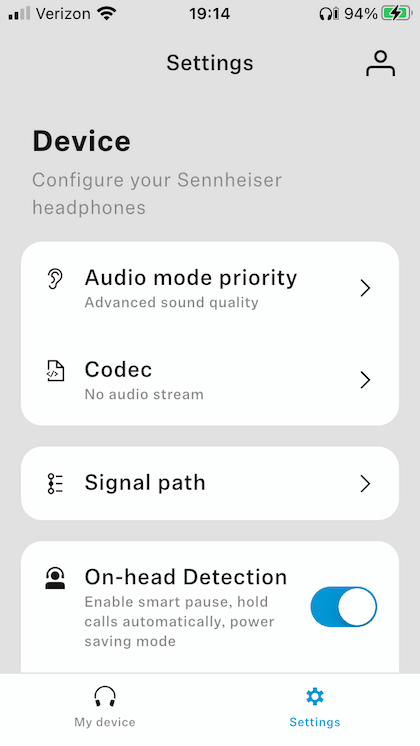
The Sennheiser Smart Control Plus app is far more useful. Parametric EQ, crossfeed, bass boost, ANC customization, and on-head detection controls make it the better tool for listeners who actually want to tune the headphone.
The downside? Touch controls. They work, but they are not as satisfying or consistent as physical buttons. I will take buttons every time. I am old enough to remember when pressing something meant something happened.
The Px8 S2 provides better passive isolation and stronger ANC. Penn Station, airports, Rutt’s Hutt, Kosher Square Pizza, and Rook Coffee in Oakhurst are not exactly anechoic chambers with better parking. In all of them, the Bowers did a better job lowering the outside world.
The passive isolation is so strong that there were times when ANC felt less necessary. That is a good problem to have. The issue is that ANC and Transparency mode do affect the sound. Clarity, low-end definition, and soundstage depth can shift depending on the source and the mode.
Advertisement
The HDB 630’s Hybrid Adaptive ANC is effective, but not as strong as the Bowers & Wilkins. Voices and sharper environmental sounds remain more noticeable. Passive isolation is also not quite at the same level.
The upside is that Sennheiser’s ANC does less damage to the sound. It tightens the presentation slightly and can shave off a bit of openness, but it does not flatten the music or make everything feel like it was run through cheesecloth.
If isolation is the priority, buy the Bowers. If preserving the music matters more than muting the entire planet, Sennheiser has a stronger argument.
Winner for isolation: Bowers & Wilkins Px8 S2 Winner for sonic consistency with ANC engaged: Sennheiser HDB 630
Advertisement
Advertisement. Scroll to continue reading.
Sound Quality: Bass
The Px8 S2 has the stronger low end. Sub-bass and mid-bass hit with more authority, more speed, and more physical impact. These are not neutral headphones, and they do not need to apologize for that.
The important part is that the bass does not smear the midrange. The Px8 S2 adds weight and drive without turning everything into wireless sludge. Rock, pop, electronic music, and modern recordings benefit from that extra punch.
The HDB 630 is leaner. Bass is present, controlled, and well integrated, but it does not hit with the same force or definition as the Px8 S2. Bass heads will probably prefer the Bowers. That is not a character flaw. Some people like their low end with a chair and a name tag.
Advertisement
Sennheiser’s choice is different: less skull pressure, more clarity, more space, and better midrange detail.
The Sennheiser has the stronger midrange focus. Vocals are more present, instruments have more breathing room, and the presentation feels cleaner through the center of the mix. Acoustic music, jazz, piano, and vocal-driven recordings benefit from that approach.
Advertisement
The Px8 S2 is clear and detailed, but male vocals sit slightly farther back than the instruments. Sam Cooke’s “Lost and Lookin’” was clean and crisp, but some of the warmth and texture I expect from that recording were pulled back. Nick Cave’s “Into My Arms” had the full, heavy piano weight the track demands, but his voice lost some of the growl and chest-shaking presence that give the song its emotional gravity.
That does not make the Px8 S2 weak through the midrange. It just tells you where Bowers & Wilkins made its choices. Compared with the HDB 630’s more midrange-forward balance, the Px8 S2 puts more emphasis on bass impact, speed, detail, and top-end air than on vocal intimacy.
Female vocals can vary by recording. Amy Winehouse comes through with the attitude intact. Aretha Franklin sounded clearer than lush, with a touch less body than expected.
Winner: Sennheiser HDB 630
Advertisement
Sound Quality: Treble and Detail
The Px8 S2 has more top-end energy. In my review, I noted that its top end had more air and sparkle, giving the sound a greater sense of openness and a slightly brighter character. The important part is that it does not turn hard or fatiguing with poor recordings, and with better tracks, the extra bite and presence are obvious.
Advertisement. Scroll to continue reading.
Amy Winehouse’s “Valerie” is a useful example. That track can grate with the wrong gear, but the Px8 S2 kept the guitar notes sharp, her vocals clean and crisp, and never pushed things into hardness. Dolly Parton’s “Jolene” and “I Will Always Love You” also showed that the Bowers does not round off the top end or soften the edges just to make everything easier to digest.
The HDB 630 is smoother through the top end. On Gotye’s “Somebody That I Used to Know,” the Sennheiser stayed clean and controlled, with no splashy treble tantrums. On Amy Winehouse’s “Valerie,” it avoided turning a bright recording into dental work, which is always appreciated before lunch.
Advertisement
So the Px8 S2 sounds more vivid and energetic up top, while the HDB 630 sounds smoother and more controlled. If you want more bite, air, and sparkle, Bowers wins this round. If you want a calmer treble balance that still preserves detail and space, Sennheiser makes the better case.
Winner: Tie, depending on taste
Soundstage & Imaging
The HDB 630 is the more spacious headphone. For a closed-back wireless design, it creates an unusually open presentation with strong imaging and a real sense of air. No, it is not an open-back headphone. Let’s not start selling magic beans. But it gets closer than most wireless ANC models have any right to.
The Px8 S2 has a precise and stable soundstage. Width, depth, and height are solid, and instruments are placed accurately. It sounds organized and controlled, but not as expansive as the HDB 630.
Advertisement
The Bowers gives you solidity and impact. The Sennheiser gives you space and separation.
Winner: Sennheiser HDB 630
Which One Sounds Better?
The Px8 S2 sounds bigger, punchier, and more dynamic. It has stronger low-end authority, a livelier top end, better passive isolation, and a more premium feel. It is the headphone I would pick for travel, louder environments, rock, electronic music, pop, and situations where I want more physical engagement from a wireless headphone.
The HDB 630 sounds cleaner, more spacious, and more balanced through the midrange. It gives up some bass weight and luxury finish, but gains clarity, app flexibility, battery life, and a more open presentation. It is the headphone I would pick for long listening sessions, vocal music, jazz, acoustic recordings, and anyone who wants less lifestyle theater and more actual listening substance.
Advertisement
The Px8 S2 is more fun in the visceral sense. The HDB 630 is more honest in the musical sense. The Sennheiser is the better fit for the audiophile purist who puts neutrality, midrange clarity, and tonal discipline ahead of bass weight, luxury finish, and the understandable desire to look slightly more important at the coffee shop.
Which One Is the Better Value?
Sennheiser HDB 630 Wireless Headphones with Travel Case
The Sennheiser HDB 630 is the better value.
Advertisement. Scroll to continue reading.
At $499, it delivers excellent clarity, long battery life, a useful app, USB-C hi-res playback, aptX Adaptive, strong comfort, and the included BTD 700 dongle. That dongle is not just filler in the box. It solves a real problem for people using phones, tablets, and laptops that do not always support the best Bluetooth performance natively.
The Px8 S2 justifies some of its higher price through better materials, stronger isolation, more authoritative sound, physical controls, broader codec support, and a more luxurious design. It feels like a flagship.
Advertisement
But $799 is still $799. At that price, the Px8 S2 has to be judged as a luxury wireless headphone, not just a better-sounding alternative. It clears that bar in many ways, but not every listener needs what it does best.
Value winner: Sennheiser HDB 630Bowers & Wilkins Px8 S2 Wireless Headphones in Warm Stone and Black
The Bottom Line
The Px8 S2 is the more premium, more physical, and more visually distinctive headphone. It has stronger bass, better passive isolation, more effective ANC, physical controls, and the kind of build quality that makes the price easier to understand, if not exactly painless.
The HDB 630 is the smarter value play. It gives you better battery life, a more useful app, stronger tuning flexibility, a more spacious presentation, and a cleaner midrange balance for considerably less money.
Advertisement
Can the German David slay the British Goliath?
Not quite. But he lands enough clean shots that Bowers & Wilkins should keep both gloves up.
Which One Should You Buy?
Buy the Bowers & Wilkins Px8 S2 if you want the more premium, more visually distinctive, and more physically engaging headphone. It delivers stronger bass, better passive isolation, more effective ANC, physical controls, and a more energetic presentation. It is the better choice for travel, commuting, louder environments, and listeners who want their wireless headphones to feel like a flagship product.
Skip the Px8 S2 if you want the best value, the longest battery life, the most flexible app, or the most neutral midrange. It is also not ideal if you dislike a more bass-forward tuning or expect ANC and Transparency mode to leave the sound completely untouched.
Advertisement
Buy the Sennheiser HDB 630 if you care more about clarity, neutrality, midrange balance, battery life, app control, and practical hi-res support than luxury materials or coffee-shop visibility. It is the better choice for long listening sessions, vocal music, jazz, acoustic recordings, and listeners who want a more spacious presentation for considerably less money.
Skip the HDB 630 if you want maximum bass punch, the strongest ANC, the most luxurious build, physical controls, or aptX Lossless support built into the headphones themselves.
Advertisement. Scroll to continue reading.
The Px8 S2 wins on luxury, isolation, bass impact, and flagship presence. The HDB 630 wins on value, battery life, app control, midrange clarity, and everyday flexibility.
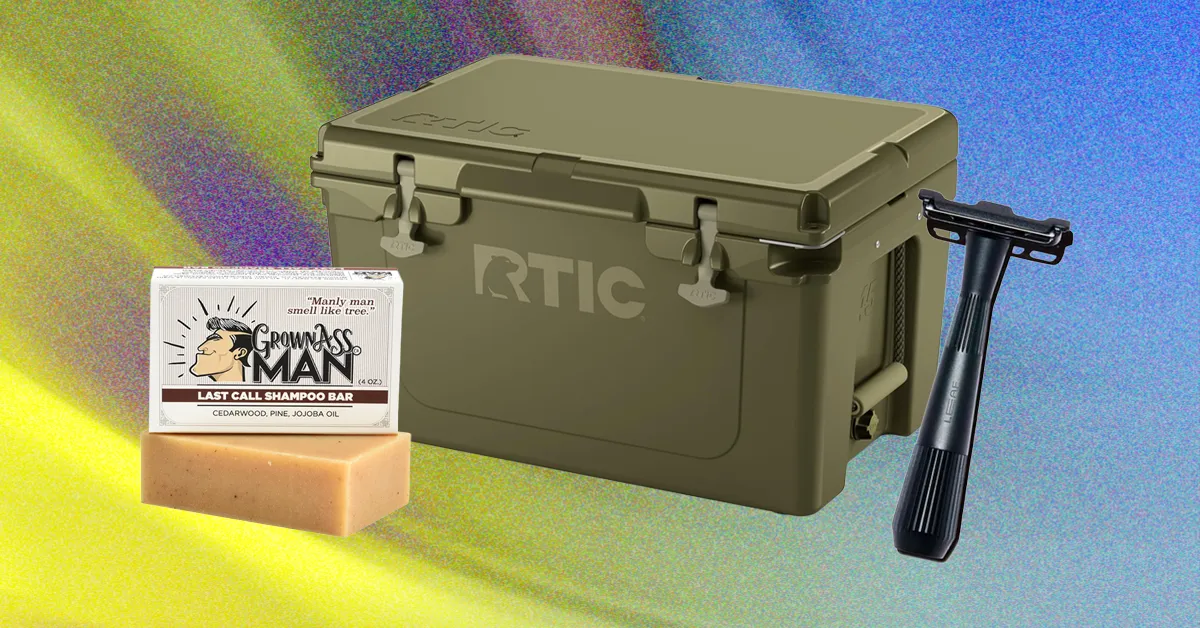
My wife found this in a store and bought it for me a joke because it says “manly man smell like tree” on the box, which, I mean, you have to buy that. Sometimes a thing that seems like joke turns out not to be. Like this guide. The Last Call Shampoo bar is the same way—there’s a jokey element here and it’s fun, but it’s also a great bar of soap. Or shampoo. Or whatever you want it to be, really.
I’m what you might call a minimalist when it comes to all things grooming-related. I have a beard; I have never put anything on it. If I’ve ever used conditioner in my hair, it was by accident. You get the idea. I don’t see why I should need a bar of shampoo and a bar of soap, so to me, this thing is everything in one neat little package that lasts quite a while, doesn’t have any plastic packaging, and is even cheaper than most shampoo bars I’ve seen. Try it, you’ll like it. And you’ll smell like a fresh, clean tree. —Scott Gilbertson
Trustap was founded in 2017 and has offices in Cork and Dublin, as well as the UK, the US, Spain and Croatia.
Irish payments and transactions start-up Trustap has raised $10m in funding to be used for product development and expansion of its team.
It will also facilitate the launch of Trustap Index, described by the Cork-based fintech company as “a solution designed to make marketplace or e-commerce listings fully transactable by AI agents”.
The service will “work with leading AI models to handle product discovery, negotiation and payment on a buyer’s behalf, with the human confirming each transaction before funds are released”, according to Trustap, to align with a growing shift towards delegation of online commerce from people to AI agents.
Advertisement
The index, which will launch in 2026 and has an open waitlist for early access, aims to close gaps in discoverability of products for shopping agents and help them make more informed buying decisions based on numerous shopping criteria across fragmented platforms through “structured data precision”.
“This funding gives us the runway to ensure that when an AI agent shops anywhere on the internet, it can find the listing, verify the seller and complete the payment securely through infrastructure it can rely on,” said Conor Lyden, Trustap’s founder and CEO.
“We’ve spent years building the transaction platform that make ecommerce, peer-to-peer and marketplace platforms safe, more profitable, and trustworthy for buyers and sellers. Trustap Index is the natural next step in that journey.”
The funding round was led by Aperture Capital, with participation from TX Ventures and other existing investors.
Advertisement
Ben Robinson, CEO of Aperture Capital, said: “The rise of agentic commerce is happening faster than many people realise. We believe that Trustap, which already works with hundreds of marketplaces providing secure end-to-end transaction management, is uniquely positioned to orchestrate agentic transactions.
“Trustap acts as a single, trusted aggregation point that indexes and transforms fragmented inventory data into consolidated machine-readable information.”
Trustap was founded in 2017 and has offices in Cork and Dublin, as well as the UK, the US, Spain and Croatia. It employs more than 40 people working with around 300 customers.
It raised $5.5m in a Series A funding round almost two years ago, and soon after became the first company invested in by the Digital Irish Venture Fund.
Advertisement
Don’t miss out on the knowledge you need to succeed. Sign up for the Daily Brief, Silicon Republic’s digest of need-to-know sci-tech news.
What just happened? TP-Link continues to vehemently argue that it is a US, not Chinese, company. The Pentagon says otherwise, and so does US-based Netgear, which believes its rival makes false advertising claims and has cost it millions of dollars in lost sales because consumers wrongly think that it’s no longer associated with China.
Netgear has filed counterclaims against TP-Link in the US District Court for the District of Delaware, escalating a legal fight that TP-Link started last November.
The original lawsuit accused Netgear of running a smear campaign that connected TP-Link to Chinese cyberespionage fears and breached a 2024 settlement between the two router giants. Netgear’s response now says the real deception is TP-Link’s attempt to rebrand itself as an American company.
According to the counterclaim, TP-Link “remains, at its core, a Chinese company selling Chinese-made products.”
Advertisement
Netgear alleges that TP-Link’s 2024 reincorporation in California did not fundamentally separate the business from China-based TP-Link Technologies, which later changed its name to Lianzhou.
It claims much of the company’s R&D and manufacturing remains in China under the same cofounder, with more than 13,000 employees there through 2024, compared with around 350 in the US.
Netgear also takes aim at TP-Link’s “Made in Vietnam” labeling, alleging that the country is mostly used for final assembly and that 99.5% of components in US-bound products are imported from China.
It says those claims are important because customers are increasingly wary of Chinese-made networking hardware, especially after federal agencies began scrutinizing TP-Link over pricing, cybersecurity, and national security concerns.
Advertisement
Netgear’s filing arrived one day after the US Department of Defense added TP-Link Technologies to its list of Chinese military companies operating in the United States. The designation does not itself ban consumer sales, but it adds extra pressure as TP-Link tries to convince regulators that its US arm is independent.
TP-Link is already seeking an exemption from the FCC’s foreign-made router ban by arguing that TP-Link Systems Inc. is headquartered in Irvine, California, and should be treated as an American company.
The FCC rules block approval of new consumer routers made outside the US, though existing devices can keep receiving updates until 2029. Netgear and Amazon-owned Eero have already received exemptions.
This isn’t TP-Link’s only courtroom problem, either. Texas sued the company in February, accusing it of deceptive marketing and allowing China-linked hackers to access American consumers’ devices. TP-Link denied those allegations, insisting it is independent from the Chinese government and that US user data is stored in the United States.
Advertisement
Netgear is seeking damages and an injunction barring TP-Link from repeating the contested claims. TP-Link, meanwhile, maintains that Netgear’s China-focused attacks are false, defamatory, and commercially motivated.
Customers can order new joysticks, batteries, screens and more.
Just because your Anbernic handheld has a broken joystick or a cracked screen doesn’t mean you have to trash it. Anbernic recently revealed a store page that’s dedicated to replacement parts for its gaming handhelds, ranging from its more recent RG Rotate to its older offerings like the RG350P. The store page has options to buy replacement shells, screens, conductive rubber pads, joysticks, batteries, motherboards and buttons for whichever handheld you’re trying to repair.
Beyond ordering the specific part on the storage page, you have to specify the model and color for your order. Anbernic is warning customers to get this info right since it won’t offer any claims if you mess up your device info. While the storage page is live, Anbernic doesn’t currently offer any guides or step-by-step instructions on how to replace individual parts.
Advertisement
However, for anyone with some DIY know-how, Anbernic’s new store page provides a useful way to extend the life of an already affordable device. Repairs could cost up to $236 for a replacement motherboard for more powerful devices, or as cheap as $3 for a spare conductive rubber pad. It’s a similar move to Apple introducing its Self Service Repair page, since previously, Anbernic customers had to go through the company’s support channels and be approved for a replacement device.
Apple barely talked about CarPlay at its WWDC 2026 keynote, giving most of the spotlight to Siri AI and the broader Apple Intelligence additions in iOS 27. But that doesn’t mean CarPlay is a no-show this year.
The Cupertino giant buried most of the CarPlay updates in a developer-only video, and, as it turns out, there’s genuinely more here than you would have expected. As a CarPlay user myself, I’d say some of these features are long overdue, while others tag along with the broader iOS 27 redesign.
So, without any further ado, let’s discuss everything new coming to your CarPlay dashboard this fall, with the stable iOS 27 release.
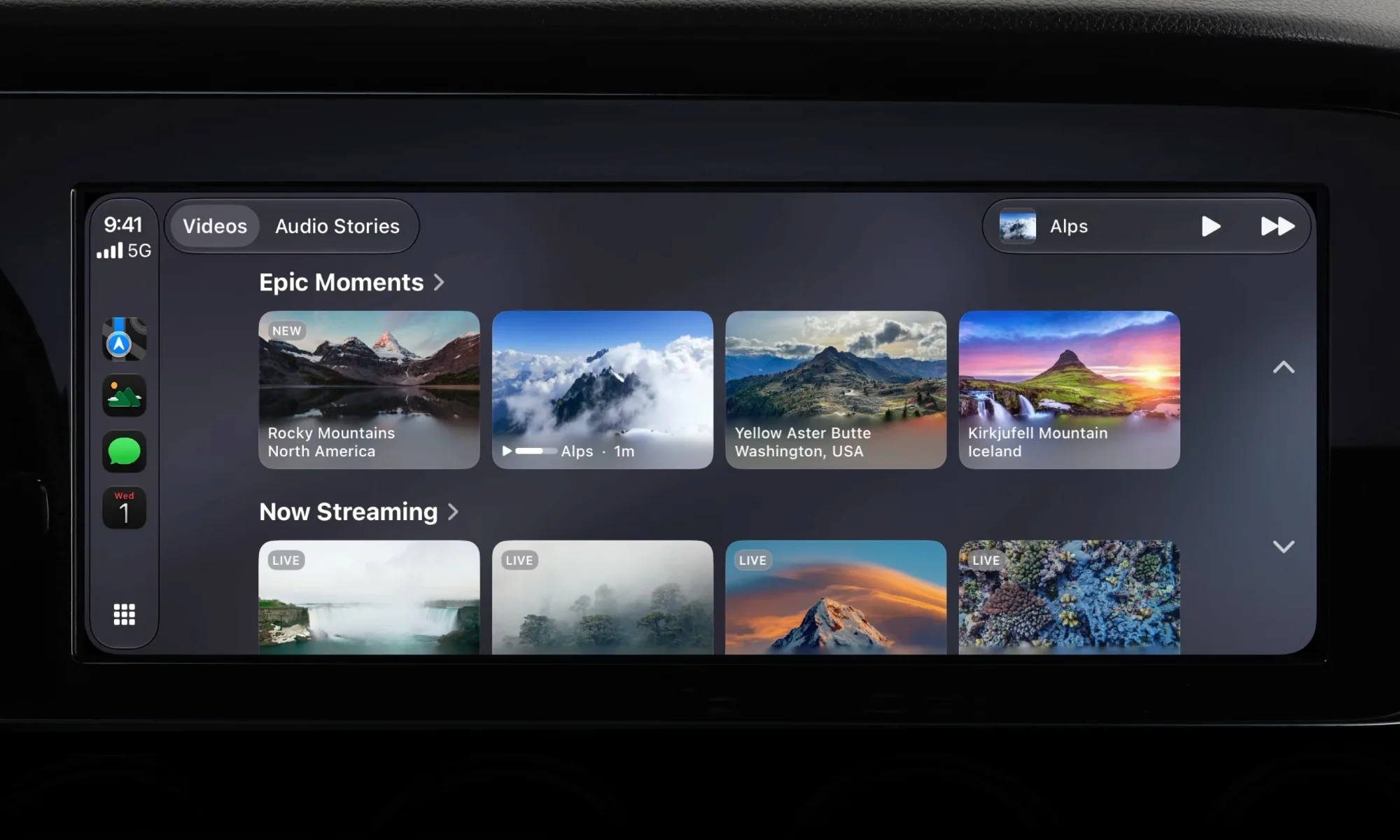
Apps with video playback in CarPlay with iOS 27Apple / YouTube
Full video apps for when you’re parked
The most substantial update to CarPlay this year is support for video playback. Apple’s iOS 27 lets developers build video streaming apps for your car’s dashboard. CarPlay already got AirPlay video casting last year, but iOS 27 takes it a step further, letting you watch videos directly from supported apps.
Apple hasn’t confirmed the list of supported apps yet, but it might include names like YouTube and Netflix. The catch, however, is that you can only watch videos on your CarPlay screen when your car is parked. Further, the manufacturer has to specifically enable the feature, which is why I’m not expecting every car to get this on day one.
Advertisement
Audio scrubbing in Now Playing
This is the “how was this not already here” CarPlay update. I can’t tell you how many times I’ve tried to jump to a specific part of a song using the horizontal audio bar on the CarPlay Now Playing screen, only to realize it doesn’t do anything.
CarPlay Now Playing screen with audio progress barApple
With iOS 27, the Now Playing screen finally gets a real scrubber. Using the horizontal progress bar, you can drag and jump to any point in a song or podcast. If you’re the type who replays the same 10 seconds of a song on a loop, or skips podcast intros entirely, this one’s for you, no question.
A persistent audio MiniPlayer
Music and podcast apps will get a persistent MiniPlayer. It’s in the top-right corner of the CarPlay dashboard, offering basic playback controls along with the album art.
You can simply glance over while checking the map for your exit, and you’ll actually know what’s playing and be able to skip it, without backing out of navigation first.
Audio MiniPlayers in CarPlay in iOS 27Apple / YouTube
Better navigation heading and GPS accuracy
This is one of the quieter yet most important CarPlay updates Apple ships with iOS 27. The company is improving how the iPhone-mirroring system tracks your direction and position, refining both GPS accuracy and the heading detection (the direction your car is pointing in).
I’ll admit that it’s not a flashy feature, but it should fix the occasional car icon spinning in circles at a stoplight glitch or navigation confidently rerouting you down a street you are not on.
Advertisement
More reliable wireless CarPlay
Wireless CarPlay is all about convenience, and it works just fine, until it doesn’t, and that’s usually when I give up and switch to a wired connection. For anyone who’s dealt with mid-drive drops, unclear voice calls, or a dip in audio quality after hanging up, iOS 27 could be much-awaited fix.
Though Apple doesn’t explain the extent of the change, it says that wireless CarPlay connections are more reliable in iOS 27.
App templates across different categories for developersApple / YouTube
New developer tools
iOS 27 adds new app templates across categories. It also gets support for Live Activities (introduced with iOS 16.1) and widgets from any app, so you could have a live sports score widget running on your CarPlay display without actually opening the app.
While the design language would remain the same, CarPlay gets a total of 14 new wallpapers in the same Celosia style, debuting across iOS 27 and macOS 27. Liquid Glass elements will reflect the transparency level you choose with the new iOS 27 slider, while app icons gain additional refractive layers that add depth and definition.
Advertisement
Siri AI on iPhoneApple
Siri AI finally comes to your car
On top of all that, CarPlay also gets Siri AI with iOS 27. For those catching up, it’s Apple’s long-delayed, Gemini-powered assistant that can handle natural follow-up questions the way Gemini does.
So, you should be able to ask for a restaurant, then ask what time it closes, without repeating the entire request. Siri AI also stores every conversation on your iPhone’s Siri app, with a small car icon indicating you asked the question while using CarPlay.
The catch, however, is that Siri AI for CarPlay requires an iPhone 15 Pro or newer.
Despite its name, SpaceX has been emphasizing the potential of its costly AI business, and competitors OpenAI and Anthropic may soon follow with their own public market debuts. So on the latest episode of TechCrunch’s Equity podcast, Kirsten Korosec, Sean O’Kane, and I discussed what’s looking like a hot IPO summer.
“We have SpaceX not only sucking up just a huge chunk of the money that’s available on public markets, but also really stress testing the limits of what a public company can be and how much it can be controlled by one single person,” Sean said. “My eye is really on these other tech companies that will go public and how much they will try to emulate.”
Kirsten also noted that there are other startups trying to “ride that SpaceX IPO wave,” for example by raising money for orbital data centers after SpaceX helped to popularize the concept.
Advertisement
“So there’s a ripple effect that’s happening throughout the market that I think is probably even more interesting than just the headline, ‘SpaceX makes Elon a trillionaire,’” she said.
Keep reading for a preview of our conversation, edited for length and clarity.
Anthony Ha: I want to zoom out a little bit from just the SpaceX IPO, because beyond the Elon Musk of it all, it’s the beginning of what could be a [series] of different IPOs for different AI companies. We’ve talked about Anthropic confidentially filing to go public, and now OpenAI has done the same. How excited are either of you about this?
Kirsten Korosec: I want to start off by saying that I love Julie Bort’s story, which I think sums it up pretty nicely. It’s a great headline, so I’m gonna read it here: “It’s not FAANG anymore, it’s MANGOS.” FAANG being Facebook, which is now Meta; Amazon; Apple; Netflix; Google, now Alphabet.
Advertisement
Now it’s shifted, and we’ve got Meta, Anthropic, NVIDIA, Google, OpenAI, SpaceX. [We’ve still got] massive tech companies, surely, but there is a shift here, right? First of all, we’ve got a bunch of AI labs in there, and that’s very different. Netflix gets booted out of there, a giant streaming service. And so to me, it’s an interesting shift in terms of public markets and the vast amount of money and capital available in the public markets shifting away from consumer [and] social networks and towards, specifically, AI labs and other, more innovative deeptech, such as SpaceX.
So I think that’s the most interesting thing — aside from the fact that this summer is going to keep us all very busy as reporters, more than probably any other summer in a while.
Sean O’Kane: You know, once upon a time I wanted to be a lawyer, and one of the reasons I didn’t was because I hated the paperwork that was going to be involved. And here I am looking forward to reading hundreds more pages of SEC filings this summer — talk about a beach read.
It’s a moment we’ve been anticipating for a while. We’ve spent the last few years really wondering if the IPO market was going to quote-unquote “open back up” after a lot of consternation about private markets, and mockery about people reaching their like Series [whatever] fundraising round. This is a good stress test — I mean, “good,” take that word however you want — a good stress test of public markets in general.
Advertisement
We have SpaceX not only sucking up just a huge chunk of the money that’s available on public markets, but also really stress testing the limits of what a public company can be and how much it can be controlled by one single person. My eye is really on these other tech companies that will go public and how much they will try to emulate.
A thing that I keep saying and thinking about with SpaceX is, they’re really trying to take some of the most extreme aspects of Google and Meta’s original IPOs back in the early 2000s and mashing it up with that “We’ll lose money forever” with Amazon. And I’m curious how much Anthropic and OpenAI will try to do the same. Will they remake themselves in the image of SpaceX? Or will they try to put themselves in a different light?
Anthony: One aspect that really got driven home as I was reading about the OpenAI IPO is also the extent to which some of this is also a bit of a race in terms of timing. I think we can confidently say at this point, SpaceX is first out the gate, which probably has some advantages and disadvantages. It’s also a bit of a different company because it’s billing itself as an AI company, but obviously has a bunch of other stuff going on, too.
But there is a sense in which, at least according to some analysts, OpenAI and Anthropic may both want to go before the other one, because there’s only a finite amount of capital, a finite amount of interest. At some point some of these valuations have to start coming back down to Earth, and so they may both be scrambling to be first.
Advertisement
Kirsten: I mean, there’s very much a race between Anthropic and OpenAI. You’re even seeing OpenAI talk about slashing prices, and they’re certainly going to be competing on the IPO calendar. But that is very short-term thinking. If they’re smart, they should be much more concerned about the long-term play here.
To me, what’s really interesting is while Anthropic, OpenAI, and SpaceX all prepare for these moments, there are a host of other companies out there that are raising money on the backs of the success of companies like SpaceX, or going into SPACs. Just today, for instance, or as we’re recording this, a company called Quantum Space is doing a SPAC and absolutely trying to ride that SpaceX IPO wave.
We’ve got a host of other startups that our reporter Tim Ferholz has reported on that are clearly — they’re not going to go public, right? But if SpaceX is successful with space data centers, they’re raising money off of that potential and they’re building businesses on that potential. So there’s a ripple effect that’s happening throughout the market that I think is probably even more interesting than just the headline, “SpaceX makes Elon a trillionaire.”
Sean: The commonly accepted theory in Silicon Valley is that AI is remaking the economy, but because of its use. AI is actually already remaking the economy — just because of how people are trying to build it. We have everything that you just described, we have these other companies rushing to public markets. And I think that’s a really good point to think about: Will they ever regret rushing to public markets?
Advertisement
But we even have companies like Ford and General Motors who are pivoting their unused battery creation capacity to be energy providers for data centers. And Ford’s stock shot up when it announced what is honestly a pretty modest-looking energy storage business, in comparison to something like Tesla. And Tim De Chant had a really great series of stories this week about GM’s pivot, as well.
The economy’s already being remade. Whether that’s durable, again, that’s the question, but it’s happening right now.
Kirsten: That is actually a really good point, because to me, I want to say five, six, seven, eight years ago, there were all these headlines of “the next Tesla killer” and these automakers and other companies are still chasing trying to recreate all these various businesses, and specifically the strategies of Elon Musk-based businesses. They haven’t learned their lesson.
I wish I could communicate this to all the automaker CEOs out there: I get it that you have a lot of unused batteries and you want to pivot to something else, but trying to model your business after Tesla or SpaceX and others, it doesn’t always work. Perhaps look elsewhere.
Advertisement
Sean: So Ford shouldn’t get into space data centers. Is what you’re saying?
Kirsten: No, they shouldn’t. But just watch. This is going to happen.
When you purchase through links in our articles, we may earn a small commission. This doesn’t affect our editorial independence.
L3Harris supplies system that can down incoming drones with laser-guided rockets
The US Army has awarded a contract to defense biz L3Harris for its Vampire counter-drone system to support an urgent requirement to protect against hostile airborne threats.
As drones continue to be a danger to ground forces, the Army’s order, worth up to $106 million, will form part of its layered defense approach against remotely operated and autonomous aerial vehicles.
Advertisement
The Vampire system is described by the firm as a completely self-contained platform that delivers a precision strike capability against drones and remotely piloted aircraft.
It can be fitted to vehicles, such as mounting on the back of a truck, and combines a telescopic mast with an electro-optical/infrared (EO/IR) stabilized targeting system. It also has a launcher for a variety of what the military likes to call effectors – projectiles or missiles that typically go bang.
In the case of Vampire, this will often be the Advanced Precision Kill Weapon System (APKWS), comprising US-made Hydra 70 2.75-inch (70 mm) rockets with an added laser homing capability.
This seems to have become the (relatively) low-cost weapon of choice for downing certain types of drones, and is now being fitted to British Typhoon fighter jets deployed to the middle east, for example.
Advertisement
However, L3Harris says that Vampire has a modular plug-in design that allows for the rapid addition of other sensors, effectors, and radio management systems.
The system can engage aerial targets up to six kilometers (3.8 miles) away. Its laser designator can highlight targets, while also coordinating with other platforms, allowing for a distributed approach to target engagement.
“We’ve worked with the Army to understand their needs for new counter-UxS systems that can be quickly assembled, delivered, set-up and fired,” said L3Harris president, for Targeting & Sensor Systems, Tom Kirkland.
“Vampire is effective at hunting and engaging drone threats affordably, which enables US armed forces to sustain reliable defense of its personnel and infrastructure.”
Advertisement
We asked L3Harris how many systems the US Army will be getting for its $106 million.
The company says it developed Vampire at the beginning of the war in Ukraine to provide a low-cost solution to help eliminate Russian drone threats. It has since ramped up production at a new production line in Huntsville, Alabama, in a response to the growing need it sees from the US and allies to counter the drone threat.
L3Harris says the system has so far logged more than 350,000 operational hours in support of European combat operations since 2023. ®
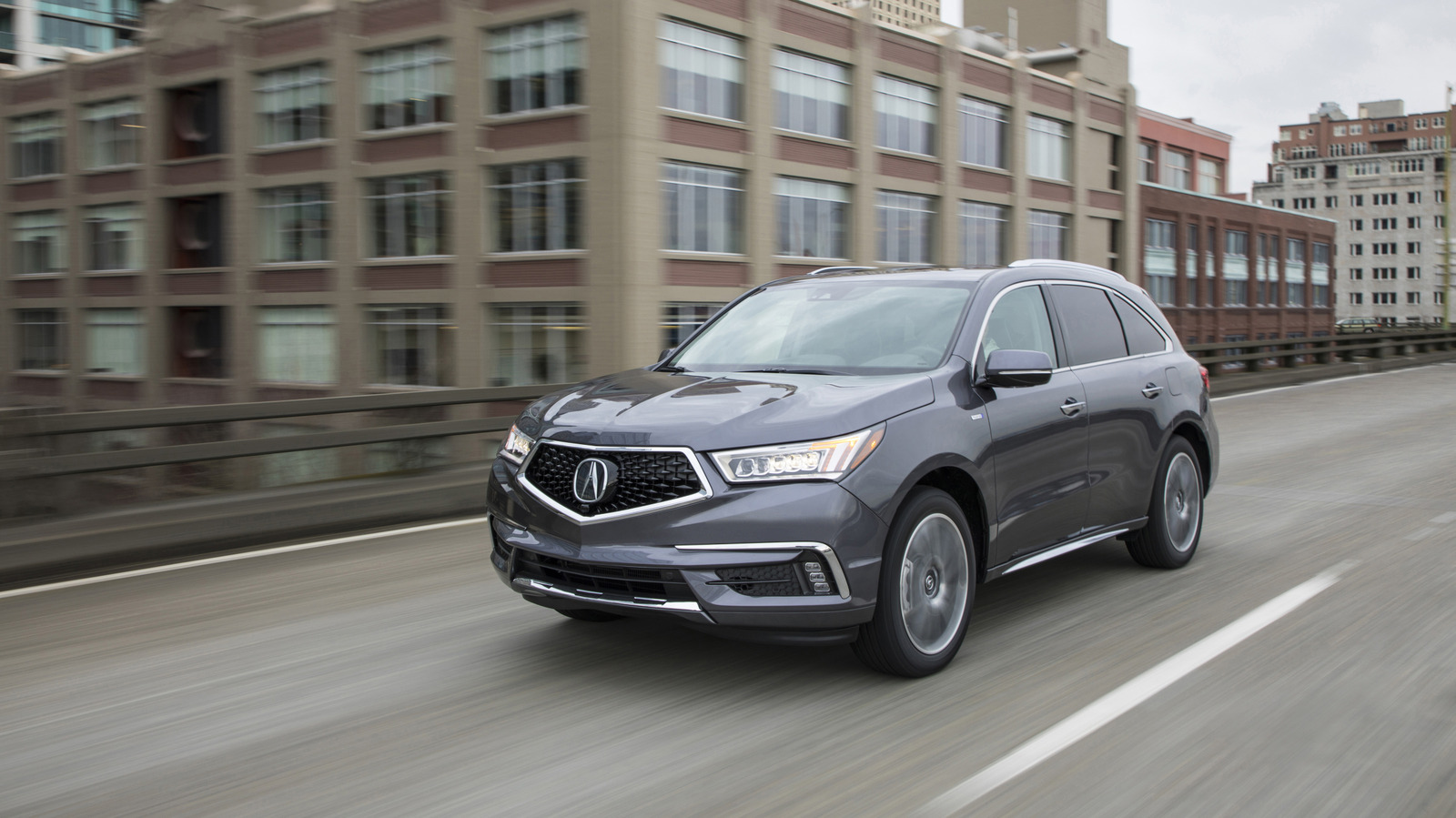
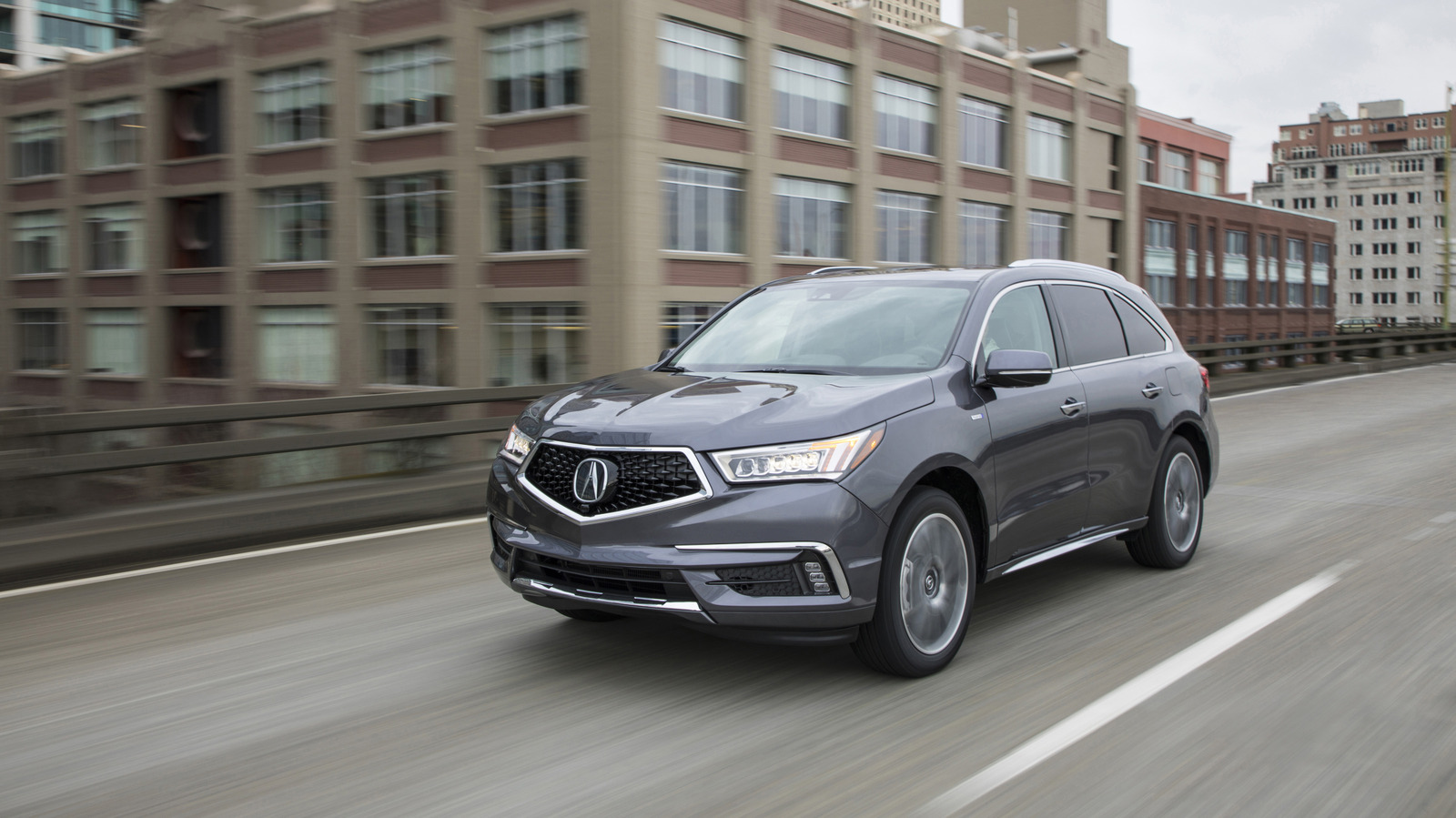
A recall has just been announced for a large number of Honda and Acura trucks and SUVs. According to documents from the National Highway Traffic Safety Administration (NHTSA), upwards of 880,514 cars are impacted. As of now, the 2017 to 2023 Honda Ridgeline, the 2016-2022 Honda Pilot, the 2019 to 2023 Honda Passport, and 2014 to 2020 Acura MDX.
Reportedly, there are issues with the rear suspension assembly failing prematurely due to corrosion from de-icing agents on roadways. The paperwork states: “improper coating specifications may result in insufficient paint adhesion and premature paint peeling near the arm bracket weld area. In regions where de-icing salt is heavily used, the exposed area may corrode prematurely. As the corrosion progresses, material thinning and driving vibrations could cause the mounting area to fracture and fail.”
Advertisement
As such, the NHTSA notes that the recall is specific to states perform use de-icing procedures on the road. Those states are: Connecticut, Delaware, Illinois, Indiana, Iowa, Kentucky, Maine, Maryland, Massachusetts, Michigan, Minnesota, Missouri, New Hampshire, New Jersey, New York, Ohio, Pennsylvania, Rhode Island, Vermont, Virginia, West Virginia, Washington D.C., and Wisconsin.
Advertisement
Honda’s recall is linked to premature corrosion from road salt
Fortunately, there is already a fix in place as reported by a Honda service bulletin. If your car is affected by the recall (you can check through the NHTSA’s tool or directly with Honda), you can schedule an appointment to get your car worked on where Honda will install a rear subframe reinforcement kit. In another stroke of good news, no newer Honda vehicles seem to be affected and no injuries or crashed have been reported. As with all safety-related recalls, the fix is free.
If you live in a state where where roads are salted, or you bought a car (not just a Honda) from a state where that takes place, it’s always worth taking an extra look at suspension components that might get covered in road salt, leading to premature corrosion. It will be worth it in the long run to keep your car nice and clean after the snow and salt are gone.
I work from home, so I typically listen to audio through headphones or AirPods. But I’ve always wanted a desk speaker that doesn’t take up too much space, which made the new Sonos Play a fitting first Sonos product to review.
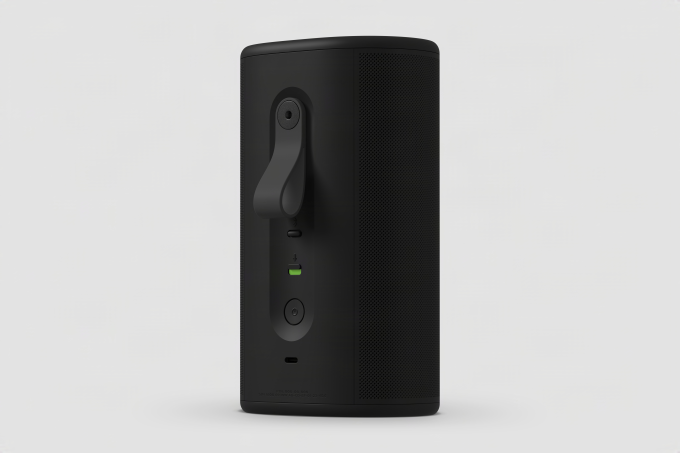
The Play, launched in March, is Sonos’s first new device in more than a year. The $299 speaker is a hybrid: part home speaker, part portable. It sits on your desk in a pill-shaped dock, but at 1.3 kilograms, with a “utility loop” on the back, it’s easy to carry around the house or take outside.
Image Credits: SonosImage Credits:Sonos
While testing it, I often started a podcast at my desk and carried the Play to the kitchen while I cooked or made coffee. The advantage over wearing AirPods is that you remain aware of your surroundings — no more missing what someone across the room is saying. And you don’t need to rely on voice commands to control playback; the Sonos Assistant and Alexa are both built in.
Physical controls are another advantage. Skipping tracks or adjusting volume with greasy hands is awkward on AirPods; the Play’s buttons are more forgiving. That said, the controls themselves are easy to miss — they’re the same color as the silicone top and barely raised above the surface. After a few days I had memorized their positions, but the learning curve is a minor frustration that better contrast or more tactile buttons could have avoided.
Image credits: Ivan MehtaImage Credits:Ivan Mehta
The speaker is sturdy and IP67-rated, meaning it can handle rain and brief submersion — I ran it under a tap without issue. It can also charge your phone in a pinch, doubling as a power bank, which is a welcome feature for outdoor use.
For sound, the Play relies on dual-angled tweeters, a mid-woofer, and three digital amplifiers, with two passive radiators to reinforce bass outdoors. The result is balanced and detailed at moderate volumes — instrument separation is particularly good. The soundstage is narrow, though, meaning the music can feel somewhat contained rather than expansive, and at higher volumes the mix loses some of its clarity.
Advertisement
The Play is well-suited to a desk or a patio; it isn’t trying to fill a room. For that, Sonos’s Era 100 SL — which launched alongside the Play — is the better choice. Two Play units can be paired into a stereo configuration, either through the app or, more cleverly, by holding the play/pause button on both speakers simultaneously. It’s a useful feature that makes a noticeable difference for music, though less so for television audio — which these speakers aren’t really designed for anyway.
Image Credits:Sonos
Sonos has also built in Trueplay, which uses the speaker’s microphones to automatically calibrate sound based on the room. Earlier versions of this feature required waving your phone around the space to tune the audio — an awkward workaround that would have made little sense on a portable speaker. The new implementation handles it automatically.
Sonos has had well-publicized struggles with its app — disappearing speakers, glitchy volume controls — and while the company has made meaningful improvements, a few rough edges remain. Sync between the Play and my MacBook was occasionally laggy, for example, and playing or pausing audio on YouTube sometimes produced a noticeable delay before the speaker responded.
Switching audio between speakers worked reliably through AirPlay but failed repeatedly in the Sonos app until I installed the Apple Music integration — and even then, the process is more cumbersome than it should be.
The “Apply” button in the Sonos app, required to confirm speaker changes, feels like an unnecessary extra step. AirPlay handles the same action with a single tap.
Advertisement
Pocket Casts integration has a resuming bug: podcasts restart from the beginning rather than picking up where you left off.
Overall, the Sonos Play is a solid speaker that largely delivers on its premise. The app issues are real but not dealbreakers, and Sonos has shown it is willing to iterate. If portability isn’t a priority, the Era 100 ($219) or Era 100 SL ($189) offer more volume for less money. If you want something more rugged and truly portable, the Sonos Roam 2 or JBL Charge 6 are worth considering. But if you want a speaker that works equally well on a desk and a back porch, the Play makes a convincing case for itself.
When you purchase through links in our articles, we may earn a small commission. This doesn’t affect our editorial independence.
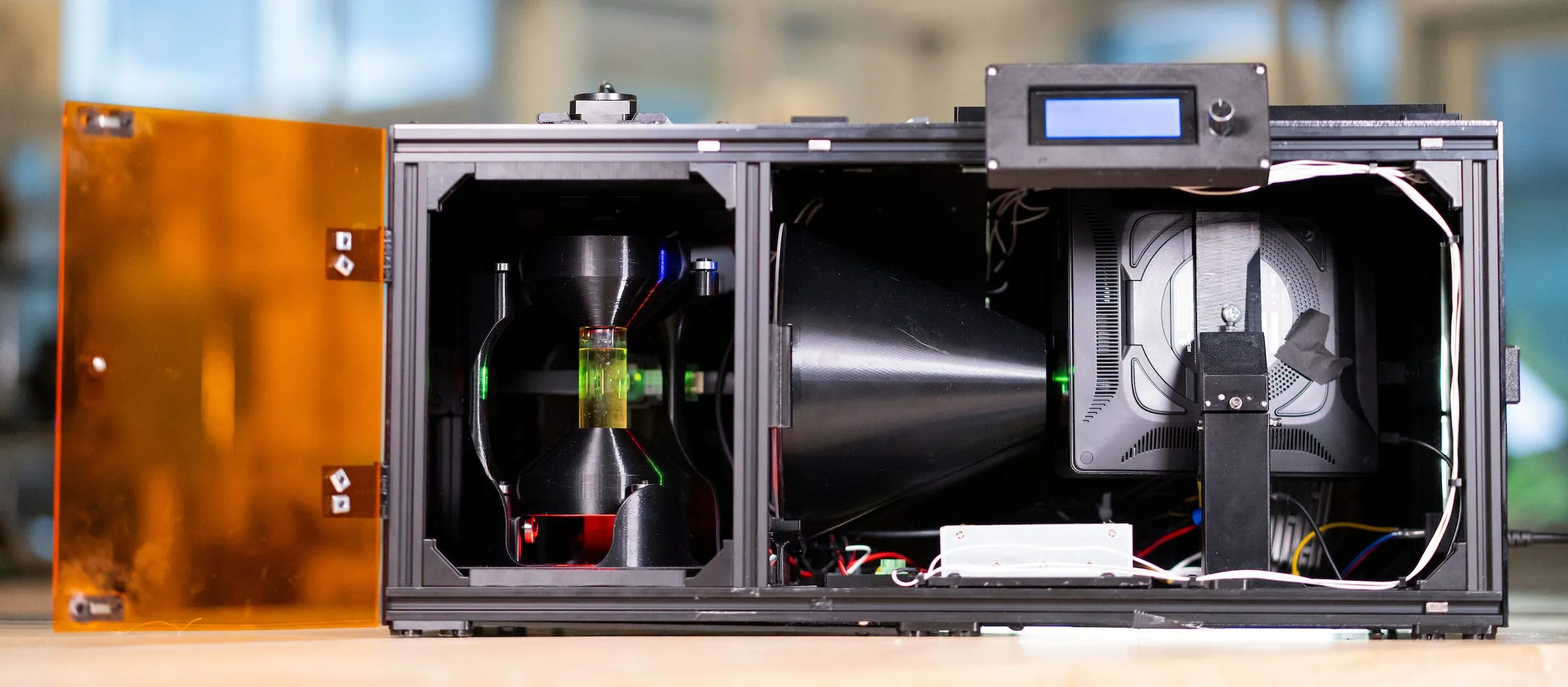
Computed Axial Lithographic printing gets even closer to the Star Trek replicator fantasy than any other 3D printer we’ve seen: there’s a machine, it glows with a mysterious bluish light, and an object appears. OK, the object is appearing inside a spinning vat of photochemical ooze, not in thin air, but that’s a detail. It’s still very cool tech, and now it’s open source enough to replicate with full documentation and a GitHub repository.
This project is descended from the same Berkeley research that we featured last year, but at that point, they were inviting everyone to join their Discord server, and that was about it. At the time, we put on our old man outfit to yell at clouds and say, “A Discord shouldn’t count as open source!” For once, it looks like those geriatric grumblings were heeded. There is still a corporate-hosted chat server named for a malignant goddess, and you’re still invited, but now there’s also actual, searchable documentation!
As with all CAL, there’s still the spinning vat of specially viscous photopolymer resin, and the light is provided by a NexiGo Nova Mini projector. There’s no FEP to worry about, and no stops and starts: the vat spins, the projector exposes the resin, and a part appears almost faster than can be believed, with spatial resolution like an older SLA
The instructions for putting that projector-based printer together look good; there are even instructions for mixing the special resin, though pay attention to the safety warnings in the “Don’t Try This At Home” banner. Apparently, they’re going to have FormLabs mix resin for those who cannot do it themselves, which seems like a valuable partnership for people who want to limit exposure to toxic ooze. Of course, that’s what a fume hood is for.

























































You must be logged in to post a comment Login