

Business
Russell 2000 Rises 0.8% to 2,943.99 as Small-Caps Join Relief Rally on US-Iran Peace Deal

NEW YORK — The Russell 2000 index advanced 22.96 points, or 0.79%, to close at 2,943.99 on Monday, as small-cap stocks participated in a broad market rally fueled by the US-Iran peace agreement and the reopening of the Strait of Hormuz, easing geopolitical tensions and boosting investor confidence in domestic economic growth.
The gain extended recent strength in smaller companies, which often outperform in risk-on environments as reduced uncertainty encourages investment in domestically focused businesses less exposed to international supply chain disruptions. The Russell 2000’s performance aligned with advances in the Dow Jones Industrial Average, S&P 500 and Nasdaq Composite, creating a positive day across major US equity benchmarks.
The US-Iran ceasefire announcement, which includes the immediate lifting of the naval blockade and restoration of shipping through the critical oil waterway, removed a major risk premium that had weighed on markets. President Donald Trump’s confirmation of the deal triggered widespread buying, with small-caps particularly benefiting from expectations of lower energy costs and improved consumer and business sentiment.
Small-Caps Benefit from Domestic Focus
Smaller companies, represented by the Russell 2000, tend to derive more revenue from the domestic economy compared to their large-cap counterparts. The prospect of stable or declining energy prices supports sectors such as consumer discretionary, industrials and financials — areas with heavy small-cap representation. Regional banks, homebuilders and retailers were among the session’s stronger performers as investors bet on improved economic conditions.
The index’s advance reflects renewed optimism about the US economy’s resilience. With inflation pressures potentially easing due to lower oil costs, the Federal Reserve may maintain a more accommodative policy stance, which historically favors smaller companies that rely on borrowing for growth and expansion.
Analysts noted that small-caps had lagged large technology names for much of the year but showed signs of catching up as broader economic tailwinds emerged. Monday’s outperformance suggests investors are rotating toward value and cyclical stocks in anticipation of a more balanced market environment.
Broader Market and Economic Context
The Russell 2000’s gain came amid record closes for the Dow and strong advances in other major indices. Technology stocks continued their recent run, while industrial and financial shares posted solid results. The session highlighted improving risk appetite as concerns over prolonged Middle East disruptions faded.
Lower energy costs are expected to provide relief to households and businesses, supporting consumer spending and corporate margins. Small businesses, which form the backbone of the Russell 2000, stand to benefit from reduced input costs and greater economic stability. This environment could encourage hiring, investment and expansion among smaller firms.
The peace agreement also carries positive implications for global trade and supply chains. Reduced shipping risks through the Strait of Hormuz should help stabilize commodity prices and support industries reliant on international commerce, providing indirect benefits to many small-cap companies.
Sector Performance and Key Movers
Financial stocks within the Russell 2000 posted notable gains as lower volatility and improving growth prospects supported lending activity. Regional banks, in particular, benefited from expectations of steady loan demand and reduced credit risk concerns.
Industrial and materials names advanced on improved manufacturing outlook and commodity price stabilization. Consumer discretionary stocks rose as lower fuel costs were seen as supportive of spending on goods and services. Healthcare and technology components within the index also contributed to the advance.
The session’s broad participation indicated healthy market breadth, a positive signal for sustained momentum. Volume was elevated as investors repositioned portfolios in response to the geopolitical breakthrough.
Analyst Views on Small-Cap Outlook
Market strategists described the move as consistent with historical patterns following major risk reductions. Small-caps often thrive when economic uncertainty declines and borrowing conditions remain favorable. With the Federal Reserve likely to monitor incoming data closely, the current environment appears conducive to further small-cap strength.
Some analysts cautioned that while the immediate reaction was positive, implementation details of the Iran agreement and progress on nuclear talks would determine the longevity of the rally. Nevertheless, the consensus leaned constructive, with many highlighting attractive valuations in the small-cap space relative to large-caps.
The Russell 2000’s price-to-earnings ratio remains below that of the S&P 500, offering potential value for investors seeking exposure to domestic growth stories. Dividend-paying small-caps also provide income opportunities in a still uncertain rate environment.
Investment Implications
For individual investors, Monday’s performance underscores the importance of diversification across market capitalizations. While large-cap technology names have driven much of the market’s recent gains, small-caps offer exposure to different economic drivers and potential for outperformance during periods of economic normalization.
Financial advisers recommend evaluating small-cap funds or ETFs for those seeking broader market participation. Focus should remain on companies with strong balance sheets, competitive advantages and exposure to secular growth themes such as domestic manufacturing resurgence and technological adoption.
The Russell 2000’s movement also highlights the interconnected nature of global events and US equities. Investors are encouraged to stay informed about international developments while maintaining a long-term perspective on domestic opportunities.
Looking Ahead
Attention now turns to upcoming economic data releases, including inflation figures, retail sales and manufacturing surveys. Corporate earnings from small-cap companies will provide further insight into the health of the domestic economy and the sustainability of recent gains.
The Federal Reserve’s communications and any policy signals will also influence small-cap performance, particularly regarding borrowing costs and credit availability. Positive developments on the Iran agreement implementation could provide additional support in coming sessions.
As 2026 progresses, the Russell 2000 remains a key barometer for the health of smaller US businesses and overall economic breadth. Monday’s advance suggests improving conditions and investor willingness to embrace risk following a period of geopolitical uncertainty.
The index’s performance contributes to a constructive market backdrop, with reduced external risks allowing focus to shift toward fundamentals. For now, the Russell 2000’s solid gain reflects confidence in America’s domestic economy and the potential for small companies to thrive in a more stable global environment.
Investors will continue monitoring developments in the Middle East alongside domestic indicators to assess the durability of the current positive momentum. The session serves as a reminder of markets’ capacity for swift recovery when major uncertainties diminish, setting an optimistic tone as the week unfolds.

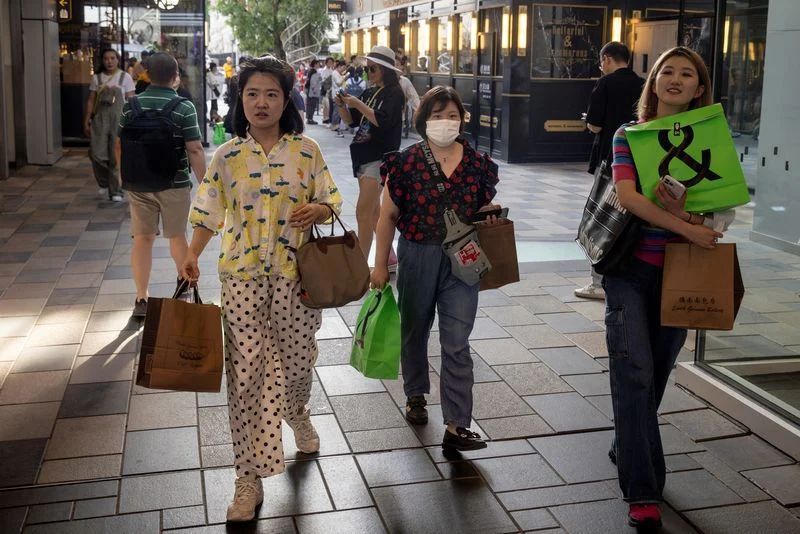

China’s industrial output growth quickens in May but retail sales and investment contract
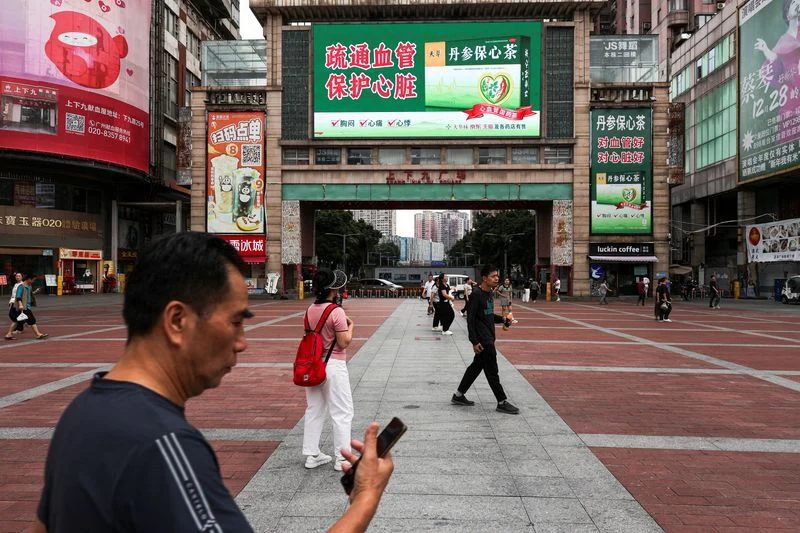

China’s May retail sales fall for first time in over three years
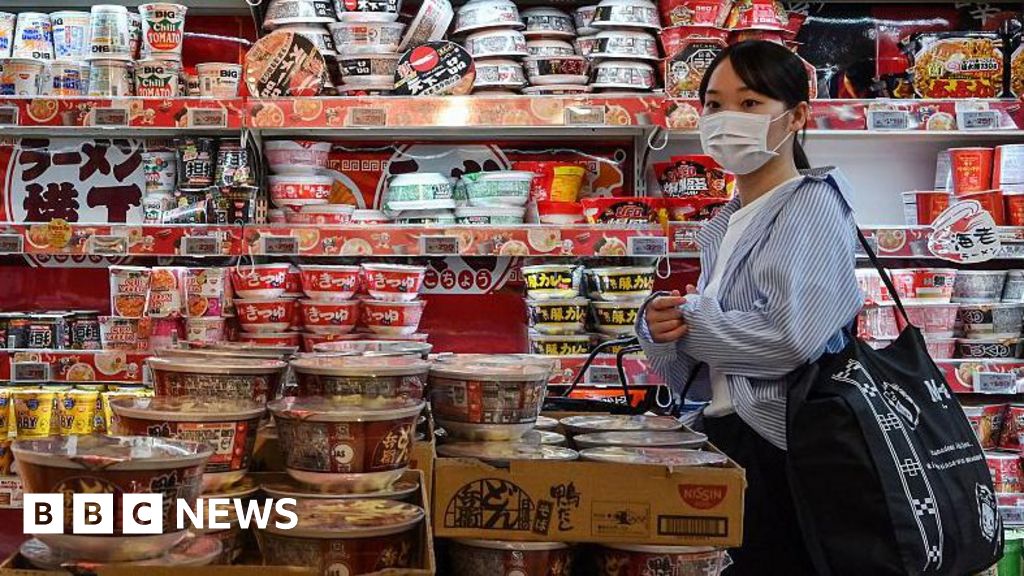
“Even if the situation remains unclear, should it be judged that upside risks to prices outweigh downside risks to economic activity, it will be necessary to thoroughly discuss the pros and cons of raising the policy interest rate,” Ueda earlier this month.
SoftBank Vision Fund CFO to leave company after a decade, Reuters reports
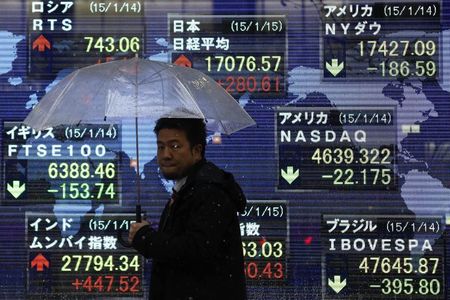
Asia stocks mixed on weak China data; Nikkei, ASX fall ahead c.bank meetings

While the durability of the rally will depend on the finalisation of a deal, analysts said downside risks appear limited for now.
The NSE Nifty 50 gained 231 points, or 1%, to close at 23,853.90, after briefly crossing the 24,000 mark for the first time since May 29. The S&P BSE Sensex advanced 736.38 points, or 1%, to end at 76,264.33. Over the past two sessions, both indices have rallied as much as 3.3%.
 Agencies
fingers crossed over peace Sensex and Nifty rally 3.3% in past two sessions on short covering; ₹200 cr FPI inflow on Mon
“The rally on Monday and Friday was driven by short covering on hopes of a peace deal between the US and Iran, and while the sustainability of gains is not certain, the deal seems to be around the corner,” said Nilesh Jain, VP-Head of Technical and Derivative Research, Centrum Finverse.
The US and Iran said they have reached a new ceasefire agreement that will end a US blockade of Iranian ports and reopen the Strait of Hormuz, ending the months-long conflict that has kept investors on tenterhooks and kept oil prices elevated.

With both sides showing willingness to bring the war to an end, Brent crude futures fell more than 5% to $85.8 a barrel on Monday. Across Asia, South Korea, Japan surged 5.2% and 5%, respectively, while Taiwan gained 2.8%. China and Hong Kong rose 1.6% and 0.5%.
“The reaction in oil prices after the peace deal was announced reassured investors that crude prices are not expected to sustain at elevated levels for longer and triggered a rally,” said Vaiibhavv Chugh, chief executive officer, Abakkus Mutual Fund. “The fear has toned down considerably, and optimism could build further,” he added.Realty stocks led the gains, with the Nifty Realty index surging 4%. The Nifty Consumer Durables and Auto indices climbed 2.9% and 2.6%, respectively.
Foreign portfolio investors bought shares worth a net ₹200 crore on Monday – after 11 consecutive sessions of selling, while domestic institutional investors bought shares worth ₹3,189.3 crore. So far in June, foreign investors have sold shares worth ₹41,967 crore.
“Foreign investors have pared some of their short positions, which contributed to the rally. However, towards the latter part of the session, participants booked some profits in the derivatives market,” said Abhilash Pagaria, Head of Alternative & Quantitative Research at Nuvama Wealth. If the deal is finalised, a significant source of uncertainty could be removed, potentially encouraging foreign investors to increase allocations to Indian equities, he said.
The India VIX volatility index fell 2.5% to 14.4. After spiking to around 29 at the height of the conflict, the gauge has retreated to more comfortable levels, suggesting investor anxiety has eased. “For the gains to be sustainable, Nifty must decisively close above 24,000,” said Jain.
He said intermittent declines could not be ruled out, but the Nifty could gradually move towards 24,500 during the June series if it breaks above the 24,000 mark.
Broader markets outperformed the benchmarks, with the Nifty Midcap 150 and Nifty Smallcap 250 rising 1.5% and 1.3%, respectively. Over the past week, the two indices have gained 1% and 3%.
Check out what’s clicking on FoxBusiness.com.
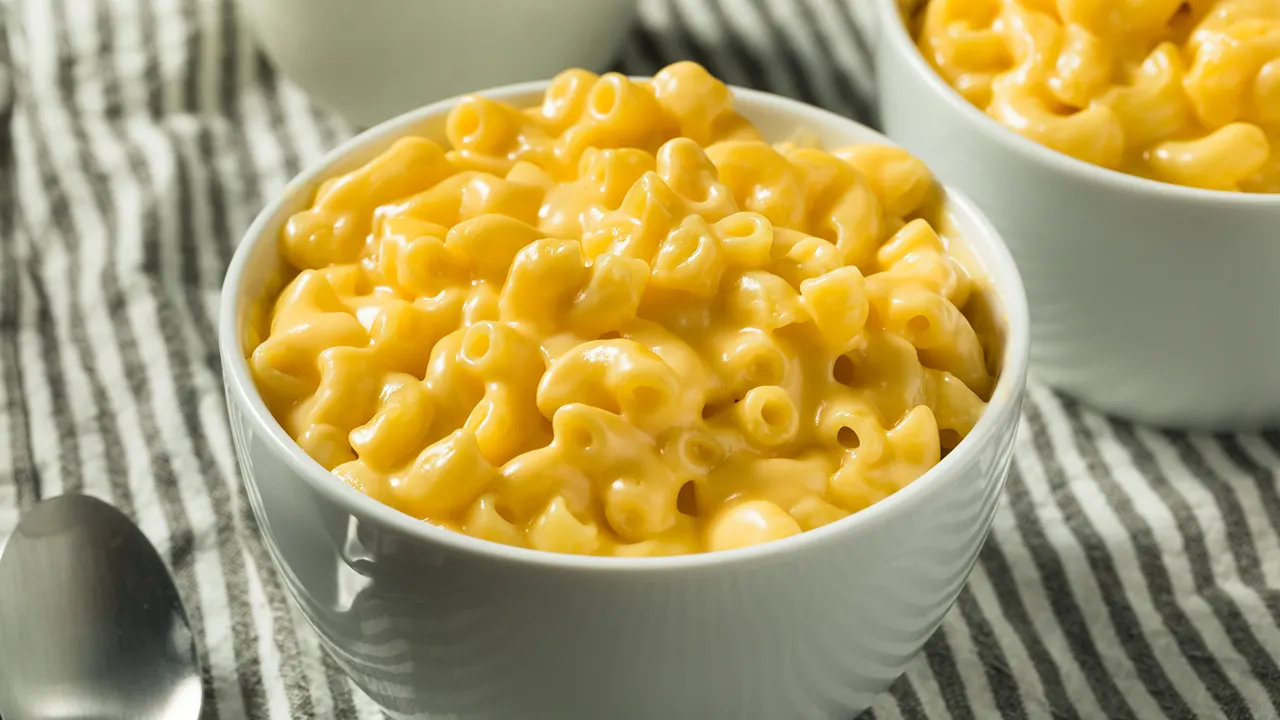
More than 500,000 packages of macaroni and cheese sold at Aldi stores nationwide have been recalled because they may contain undeclared soy lecithin, a soy-derived ingredient that can pose a risk to people with soy allergies or sensitivities.
According to the Food and Drug Administration, 58,405 cases of Park St. Deli Macaroni & Cheese are affected. Each case contains nine 20-ounce packages, bringing the total number of impacted packages to 525,645.
The plastic tubs of macaroni and cheese were sold inside paperboard sleeves.
FDA ISSUES HIGHEST-RISK RECALL OF ALFREDO SAUCE SOLD IN 41 STATES
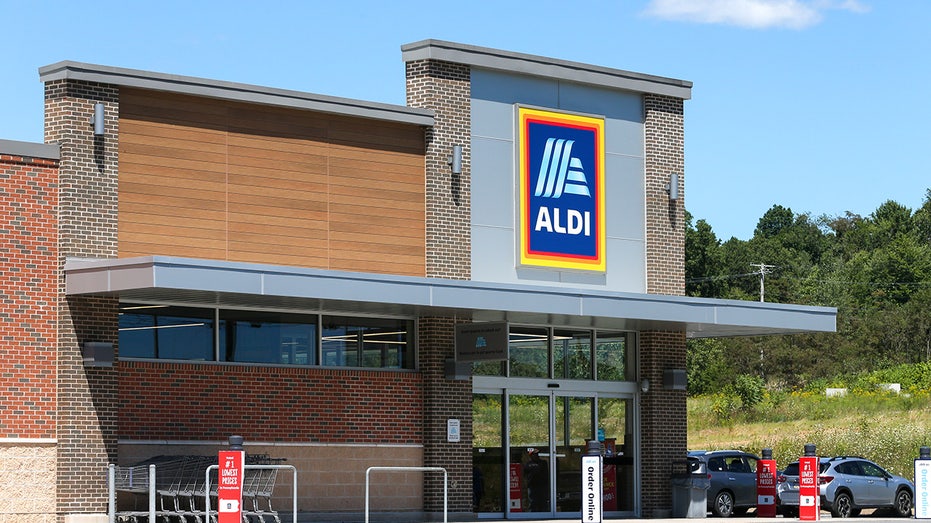
More than 500,000 packages of macaroni and cheese sold at Aldi stores nationwide have been recalled. (Paul Weaver/SOPA Images/LightRocket via Getty Images / Getty Images)
BEF Foods Inc., the product maker, initiated the voluntary recall on March 23, and the FDA classified it as a Class II recall on June 10.
A Class II recall means use of or exposure to the product may cause temporary or medically reversible adverse health consequences, or that the probability of serious adverse health consequences is remote, according to the FDA.
Customers are urged not to consume the affected products and to return them to the place of purchase for a full refund.
MORE THAN 17K COFFEE MAKERS RECALLED AFTER DOZENS OF REPORTED BURN INJURIES
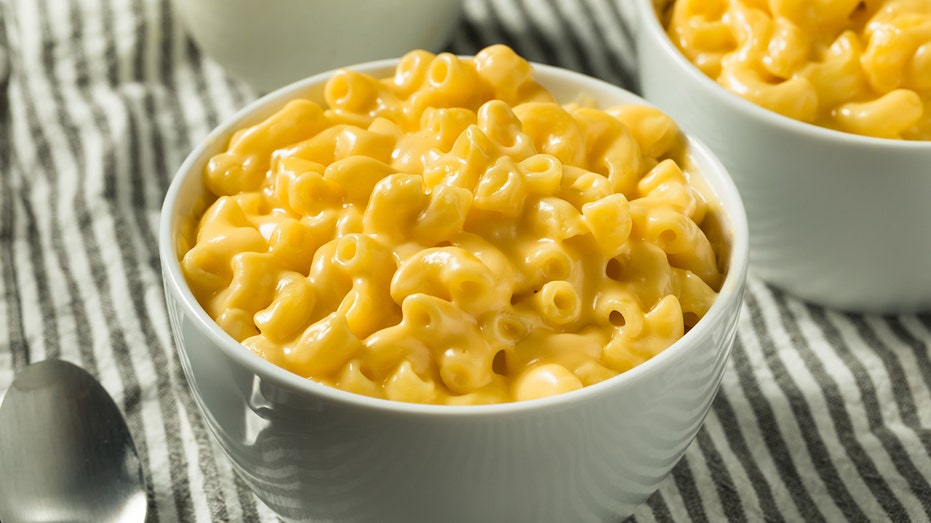
The FDA said 58,405 cases containing nine 20-ounce packages each of the Park St. Deli Macaroni & Cheese are affected by the recall. (iStock / iStock)
Lecithin is a group of chemicals the body uses to move fats, according to the University of Rochester Medical Center.
They are found in various foods, including egg yolks, soybeans, wheat germ, peanuts and liver. Many people know lecithin as the oily film on their frying pan when they use a nonstick cooking spray.
Some people also take them as supplements. They can come in capsules, liquid or granules.
The FDA classified the recall as a Class II recall last week. (iStock / iStock)
GET FOX BUSINESS ON THE GO BY CLICKING HERE
Lecithin is used in the food industry as an additive to combine foods, with salad dressing being one example.
Soy lecithin emulsifies ingredients like oil and water to blend the salad dressing into a smooth consistency, Judy Simon, a clinical dietitian nutritionist at the University of Washington, previously told USA TODAY.

Indigenous businesses and groups are starting to take on-country water monitoring and management into their own hands.
Business
Oil Price Today (June 16): Crude oil rebounds after 5% plunge as traders await US-Iran peace deal details. Where are prices headed?
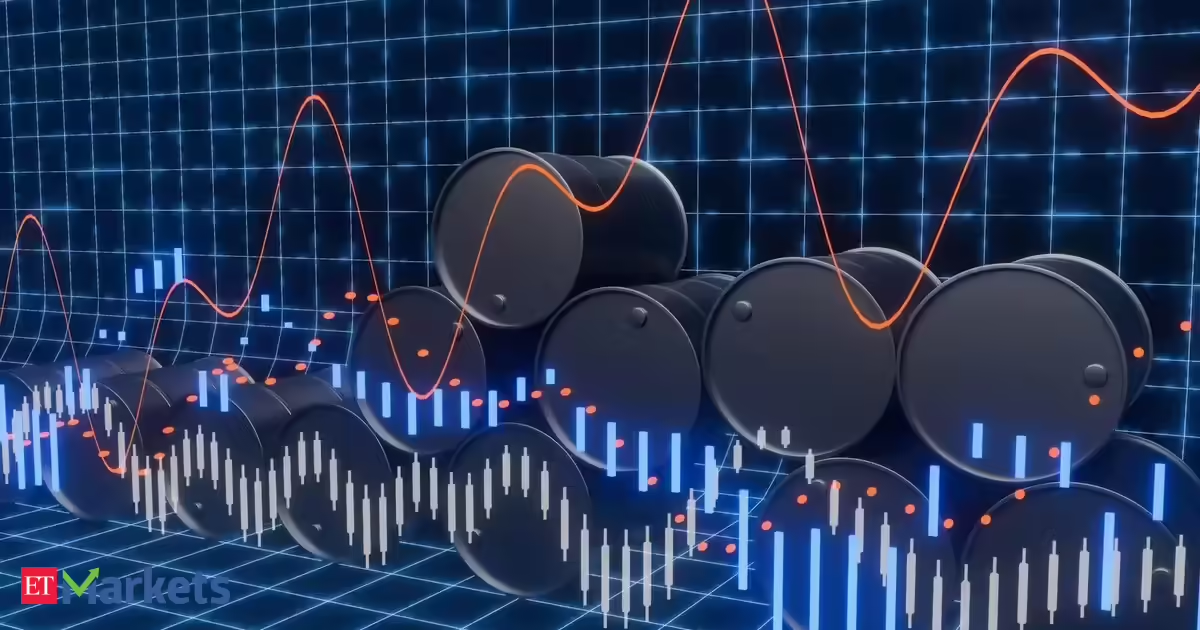
The rebound followed a sharp selloff on Monday, when oil prices tumbled nearly 5% to their lowest closing level since March 4. The decline came after U.S. President Donald Trump announced that a memorandum of understanding had been agreed to end the U.S.-Israeli war with Iran.
Crude oil price on June 16
Brent crude futures rose 26 cents, or 0.3%, to $83.42 a barrel, while U.S. West Texas Intermediate crude gained 46 cents, or 0.3%, to $81.12 a barrel as of 0108 GMT.
The conflict had led to the closure of the Strait of Hormuz, a key shipping route that normally handles around one-fifth of global oil supply, and resulted in roughly 14 million barrels per day of production being shut in.
However, market optimism has been tempered by the absence of publicly available details of the agreement and the fact that a permanent truce has yet to be negotiated. Initial indications suggest the memorandum could pave the way for reopening the Strait of Hormuz and extending a ceasefire for 60 days, giving negotiators time to address more complex issues, including the future of Iran’s nuclear programme.
Iranian President Masoud Pezeshkian on Monday described the U.S.-Iran memorandum of understanding as an “important step” toward ending the fighting, but said a final agreement to secure a lasting ceasefire had yet to emerge.
Where are prices headed?
Per experts, global oil inventories have been drawn down during the prolonged closure of the Strait of Hormuz and will require time to recover. The stockpiles are likely to decline further before fresh supplies from the Gulf begin reaching the market.
Market participants are now closely monitoring how quickly producers in the Middle East can restore oil output and exports after wartime disruptions. Investors are also watching whether shipping traffic gradually returns to the region.
Analysts cautioned that even if the ceasefire holds, shipping through the Strait of Hormuz may take months to normalize. They added that any damage to energy infrastructure could further delay the recovery process.Last month, Saudi Aramco Chief Executive Officer Amin Nasser warned that disruptions in the Strait of Hormuz could postpone stability in global oil markets until 2027. He said prolonged interruptions could affect nearly 100 million barrels of oil supply every week. Saudi Aramco remains the world’s largest oil producer.
(Disclaimer: Recommendations, suggestions, views and opinions given by the experts are their own. These do not represent the views of The Economic Times)
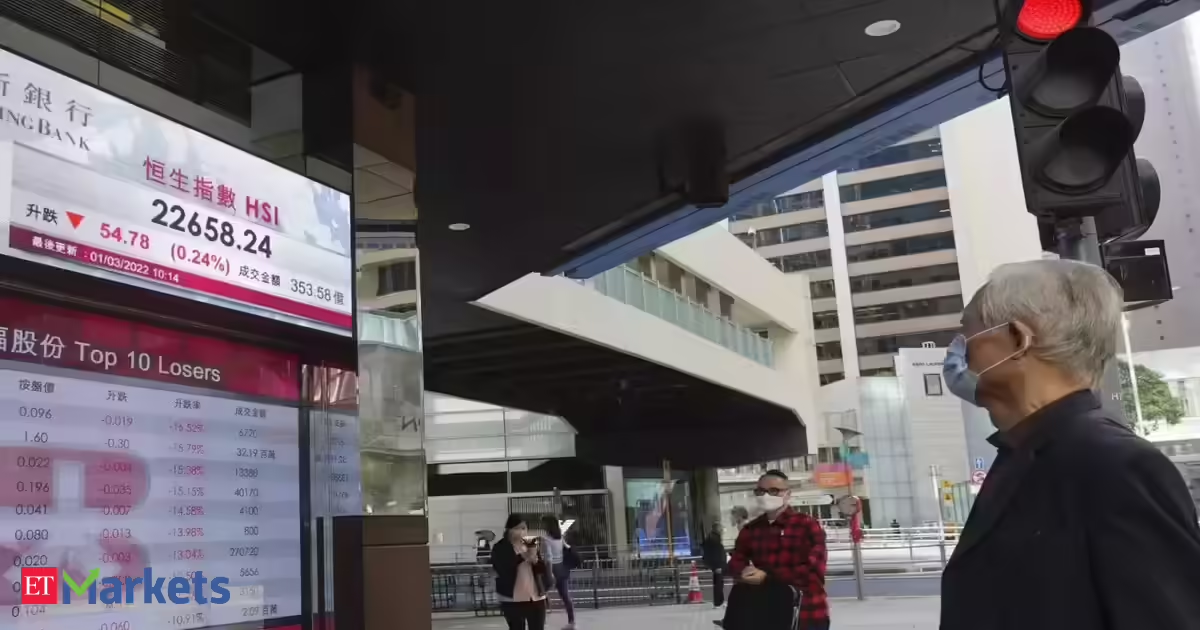
Early trading in the region followed a familiar pattern, with markets settling into a more measured tone on Gulf developments as the initial excitement over the preliminary agreement between Washington and Tehran began to fade.
Oil prices, which settled at a three-month low overnight, reflected the cautious stance, with Brent crude futures up 51 cents, or 0.6%, at $83.74 a barrel. Shippers in Asia and Europe said rebuilding confidence in resuming transit through the Strait of Hormuz could take weeks.
MSCI’s broadest index of Asia-Pacific shares outside Japan added 0.2%, with Korean shares leading gains. Japan’s Nikkei 225 was down 0.2%, retreating from a record high as S&P 500 e-mini futures slipped 0.1%.
While U.S. President Donald Trump’s announcement of a deal with Iran drew initial investor relief on Monday, it also puts Washington on a collision course with Israel.
“While it is an important diplomatic breakthrough that should remove a key source of market volatility, the durability of the deal is likely to be tested in the future,” analysts from Westpac wrote in a research note. “Many sticking points, including the fate of Iran’s nuclear programme, were left to be resolved in subsequent negotiations.”
Overnight on Wall Street, stocks and bonds rallied on optimism over the deal. The S&P 500 jumped 1.7% and the Nasdaq Composite surged 3.1%, while the Dow Jones Industrial Average and the STOXX 600 both closed at record highs. Beyond geopolitics, traders are awaiting several major central bank decisions, including the Bank of Japan, which is set to raise interest rates to a 31-year high on Tuesday. Deputy Governor Shinichi Uchida will hold a press briefing after the meeting, which Governor Kazuo Ueda will miss because he is undergoing medical treatment.
“We do not anticipate any major changes to the Bank’s assessment of current conditions,” analysts from Mitsubishi UFJ wrote in a research note.
“We expect Deputy Governor Uchida’s press conference, including the rationale he presents for the rate-hike decision, will be based largely on Governor Ueda’s June 3 speech,” the note added. “Mr. Uchida is also likely to follow the governor’s remarks when discussing future policy decisions.”
The Reserve Bank of Australia will pause its tightening cycle when it meets later, according to a Reuters poll of economists.
The U.S. dollar index, which measures the greenback’s strength against a basket of six currencies, held steady at 99.66, firmly within the tight trading channel in which it has sat all week.
The yield on the U.S. 10-year Treasury bond was up 0.8 basis point at 4.475%. Gold was up 0.2% at $4,313.87.
In cryptocurrency markets, bitcoin was down 0.3% at $66,245.97, while ether slumped 1.2% to $1,793.70.

Resilient Iran defy World Cup obstacles to salvage draw against New Zealand

China’s industrial output growth quickens in May but retail sales and investment contract

Blockchain Association Takes BRCA Preservation Fight to the Senate Floor


-

 Business2 days ago
No Jackpot Winner as $257 Million Prize Rolls Over to $269 Million Monday Draw
-

 Crypto World4 days ago
Oppenheimer backs SpaceX as $70 billion retail frenzy builds
-

 Crypto World4 days ago
Markets Rally as SpaceX IPO Looms Amid Iran Tensions and Inflation Surge
-

 Fashion3 days ago
Weekend Open Thread: Tuckernuck – Corporette.com
-
 Crypto World1 day ago
Zimbabwe Requires Crypto Businesses to Register Annually Under New FIU Regulations
-

 Entertainment7 days ago
The Ryan Gosling True Crime Thriller On Netflix That Gets Even Stranger, Stream It Now
-
 Sports6 days ago
Bangladesh beat Australia after 20 years in ODIs, register only their second win over six-time world champions | Cricket News
-

 Tech3 days ago
NanoClaw integrates JFrog registries to secure AI agent downloads
-

 Crypto World3 days ago
Bitget enters Argentina’s regulated crypto market through PSAV registration
-

 Tech4 days ago
This Week In Security: Microsoft On Microsoft, Register Your Domains, Linux On ARM, And FreeBSD Joins The File Cache Club
-
 Tech5 days ago
Dutton Ranch star claims they ‘didn’t see any disruption’ on set following Chad Feehan’s exit from Yellowstone spinoff fueled by Taylor Sheridan clash rumors
-

 NewsBeat4 days ago
El Nino has formed in the Pacific and could set records, forecasters say
-

 Politics5 days ago
Politics Home | Healey Resignation Is “Colossal Failure Of Government”, Says Former Labour Defence Secretary
-

 Tech6 days ago
‘This is Seattle’s position on AI’: City Council votes unanimously to pause big new data centers
-

 Business6 days ago
Thailand Ranks Second Worldwide for AI Adoption Growth, Microsoft Reports
-
 Entertainment4 days ago
Donnie Wahlberg & More Heat Up Las Vegas at Circa’s Barry’s Downtown Prime
-

 Sports5 days ago
First Time Since 1971: Australia Register Historic Low In ODI Cricket
-
 Tech4 days ago
Opendoor Ends India Operations, Fueling a Bigger Conversation About AI and Outsourcing
-

 Politics5 days ago
Belfast burns, while Met chief points finger at Iran and Russia
-

 NewsBeat3 days ago
FBI searches office of Ohio voter registration group
You must be logged in to post a comment Login