

Entertainment
10 Forgotten Musical Movies That Deserve To Be Called Masterpieces


Musicals get judged unfairly. And that’s mainly because my personal experience sometimes perceives the songs like interruptions. But one close look at the finest musicals out there and you understand that the finest ones use music as the place where characters finally say the thing they were too scared, too proud, too broken, or too young to say plainly.
The ten films below deserve a bigger spotlight because each one understands that musical numbers can carry loneliness, desire, grief, rebellion, absurdity, identity, and pure cinematic joy. Some are strange. Some are messy. Some are tiny compared to the obvious classics. All ten have that rare feeling where the music seems to unlock the movie’s soul. Go figure.
‘God Help the Girl’ (2014)

God Help the Girl follows Eve (Emily Browning), a fragile and imaginative young woman in Glasgow, as she leaves treatment for mental health struggles and starts making music with James (Olly Alexander) and Cassie (Hannah Murray). The plot is small on purpose. A band forms, feelings shift, friends wander through cafés, parks, bedrooms, and practice spaces, and every song feels like someone trying to build a version of themselves they can survive inside.
That is the charm people underrate. The movie has the softness of an old indie-pop record, but Eve’s pain keeps the sweetness from floating away. Browning makes her feel dreamy without turning her into a cute sadness object. James has his own awkward sincerity, while Cassie gives the group a brighter, sharper pulse. The songs sound light, yet they keep brushing against recovery, loneliness, romance, and the strange relief of finding people who understand your rhythm before your life is fixed.
‘The Lure’ (2015)

A Polish mermaid horror musical set in a nightclub should sound too strange to be this emotionally sharp. The Lure follows two siren sisters, Golden (Michalina Olszańska) and Silver (Marta Mazurek), who are pulled into the human world of 1980s Warsaw nightlife, where they sing, seduce, perform, and try to understand desire inside a place that wants to sell their bodies as spectacle. One sister leans toward hunger and instinct. The other starts chasing love with a human man who has no idea what that love will cost her.
The movie is wild, bloody, glittery, and weirdly heartbreaking in the same breath. The music has that cold synth-pop nightclub pulse, and the performances make the sisters feel magical without smoothing over how dangerous they are. Their tails are gorgeous and grotesque. Their voices are hypnotic. Their bond is the real emotional anchor, especially as romance starts threatening the thing that made them powerful together. The Lure deserves masterpiece status because it turns a fairy tale into body horror, pop fantasy, sister tragedy, and coming-of-age nightmare all at once.
‘Anna and the Apocalypse’ (2017)

Anna and the Apocalypse follows Anna (Ella Hunt), a teenager in the small Scottish town of Little Haven, desperate to leave home and travel before adulthood locks her into everyone else’s expectations. Then Christmas season gets swallowed by a zombie outbreak, and her school, friends, crushes, teachers, and family problems all become part of a survival story with songs. Zombie musicals should collapse from the concept alone, so the shock here is how much heart this one has.
The fun is obvious at first: candy-colored holiday chaos, undead attacks, school corridors, weapons made from whatever is nearby, and songs that treat teen frustration like it deserves a full chorus. Then the movie starts cutting deeper. Anna’s need to escape her dad, John’s (Malcolm Cumming) quiet love for her, Steph’s (Sarah Swire) isolation, and the group’s messy loyalty make the horror hurt more than expected. “Hollywood Ending” gives the whole thing a bright teen-movie lift before the world gets uglier. The movie earns affection because it lets the singing be funny, sincere, and painful without apologizing for any of it.
‘Everyone Says I Love You’ (1996)

Next up, this whole film feels like a wealthy, neurotic family daydreaming its way through romance, and honestly, that is the best way to meet it. Woody Allen’s ensemble musical Everyone Says I Love You follows tangled relationships across New York, Paris, and Venice, with family members, lovers, exes, and romantic disasters slipping into classic American standards. The singing is often imperfect, which gives the movie a loose, personal quality most polished musicals would have cleaned away.
That looseness becomes the point. These people are not bursting into song because they are grand performers. They sing because love has made them foolish, hopeful, jealous, sentimental, or ridiculous. The film has a breezy charm in the way it drifts through crushes, breakups, political mismatches, and impossible romantic fantasies. Goldie Hawn floating by the Seine is the image everyone remembers, and for good reason. It feels like a private wish made visible. The movie is underrated because its lightness hides real craft. It understands romance as performance, embarrassment, and fantasy we keep choosing even after experience should have made us wiser.
‘Pennies from Heaven’ (1981)

Pennies from Heaven stars Arthur Parker (Steve Martin), a sheet-music salesman during the Depression who dreams in old songs because reality gives him very little worth singing about. This is the kind of musical that smiles with its mouth and bleeds underneath. His marriage is cold, his business life is humiliating, and his affair with schoolteacher Eileen (Bernadette Peters) pulls both of them into a fantasy of glamour that their actual world refuses to support.
The lip-synced musical numbers are brilliant. They make happiness feel borrowed. Characters open their mouths and old recordings pour out, as if they can only access beauty through songs that existed before their pain. The “Pennies from Heaven” and “Let’s Misbehave” sequences glow with artificial joy, but the streets outside stay cruel, poor, and unforgiving. Peters gives Eileen a sadness that keeps deepening as her dream turns into compromise. The movie is too bitter to become a comfort musical, which may explain why it still feels under-loved. It uses fantasy to show how badly people need fantasy when life has cornered them.
‘The Commitments’ (1991)

You can feel the sweat in this one before the band even becomes good. The Commitments follows Jimmy Rabbitte (Robert Arkins), a working-class Dubliner who pulls together a group of local musicians under the wildly ambitious belief that soul music belongs to them too. They are young, broke, mouthy, restless, and convinced for at least five minutes at a time that they might become legendary. That delusion is part of the magic.
The performances have a rough, electric joy that makes the movie endlessly rewatchable. Deco Cuffe (Andrew Strong)’s voice is ridiculous in the best way, even when his ego makes him impossible to stand. The backing singers bring heat, humor, and actual personality instead of becoming decoration. Joey “The Lips” Fagan (Johnny Murphy) gives the whole project a strange mythic confidence, like every tiny gig is connected to a larger musical universe. The rehearsals, arguments, cramped stages, and explosive versions of “Try a Little Tenderness” and “Mustang Sally” are so godo and make the movie feel alive from the floor up. It is a masterpiece about a band that burns bright partly because it was never built to last.
‘Sing Street’ (2016)

Sing Street follows Conor (Ferdia Walsh-Peelo), a Dublin schoolboy in the 1980s dealing with his parents’ collapsing marriage, money problems, and a grim new school run by cruel authority. Then he sees Raphina (Lucy Boynton), claims he is in a band to impress her, and suddenly has to invent one with other boys who also need somewhere to put their hunger for escape. Few movies understand how music lets teenagers become brave before they actually feel brave.
The joy is in watching influence turn into identity. Duran Duran, The Cure, Spandau Ballet, and music-video fantasy all pass through Conor until the songs start sounding like his own life fighting back. “Drive It Like You Stole It” is pure teenage imagination taking over a miserable school hall. “Up” captures that first rush of thinking someone sees the version of you that nobody at home understands. Brendan (Jack Reynor), Conor’s older brother, gives the film its bruised wisdom because he knows what it costs to stay stuck. The movie feels small, then suddenly enormous, because a song can become the first door out.
‘Once’ (2007)

Some movie romances shout. This one barely raises its voice, and that is why it hurts so beautifully. Once follows a Dublin busker, Guy (Glen Hansard), and a Czech immigrant, Girl (Markéta Irglová), who meet through music, then begin recording songs together while carrying unfinished lives in different directions. He is still wounded by an old love. She has responsibilities, a child, and a marriage that complicates every feeling the music starts bringing to the surface.
The songs feel discovered rather than staged. “Falling Slowly” has become the obvious signature, but the whole movie has that fragile, lived-in quality where a melody can say what a conversation would ruin. Hansard and Irglová give the relationship a tenderness that never needs cheap romantic certainty. The music shop scene, the late-night piano, the studio sessions, the headphones, the small looks after each song, all of it builds a connection that feels real enough to leave unfinished. That is why Once keeps finding people. It understands that some relationships change your life without becoming your life.
‘Hedwig and the Angry Inch’ (2001)

This musical does not ask for attention. Hedwig and the Angry Inch follows Hedwig (John Cameron Mitchell), an East German rock singer touring seafood restaurants and small venues while telling the story of her botched gender-affirming surgery, her escape from Berlin, and the lover who stole her songs and became famous. The stage becomes her confession booth, battlefield, and survival mechanism at the same time. It kicks the door open in heels, eyeliner, rage, glitter, and heartbreak.
The music is furious, funny, wounded, and alive in a way most screen musicals never dare to be. “Tear Me Down,” for instance, turns identity into a wall being smashed. “Wig in a Box” turns self-creation into an anthem for anyone who has ever had to invent armor before leaving the room. “Origin of Love” gives Hedwig’s longing a mythic shape, while Tommy Gnosis (Michael Pitt) keeps representing the validation she wants and the theft she cannot forgive. The film is messy in the way a real open wound is messy. Its masterpiece status comes from how completely the songs, performance, pain, jokes, and gendered self-mythology fuse into one unforgettable voice.
‘The Young Girls of Rochefort’ (1967)

Image via Madeleine Films
At #1, we have this pure joy that is harder to make than people admit, and this movie makes it look like the whole city woke up singing in color. The Young Girls of Rochefort follows Delphine (Catherine Deneuve) and Solange (Françoise Dorléac), twin sisters in Rochefort who dream of love, art, music, and a larger life beyond their seaside town. Around them, sailors, shopkeepers, old lovers, visiting performers, and strangers keep crossing paths as if romance has turned the streets into choreography.
The miracle is how much melancholy lives inside all that brightness. Deneuve and Dorléac give the sisters lightness, but the film never treats longing as shallow. People miss each other by seconds. Old love hovers near new possibility. Michel Legrand’s music turns every walk, glance, and turn through the square into emotional movement. Gene Kelly brings Hollywood grace into Demy’s French dream world without making it feel imported. The colors are famous, the dancing is gorgeous, and the songs are addictive, but the reason it sits at No. 1 is deeper than style. It captures the feeling that life may be full of near-misses, yet beauty keeps asking people to step back into the street.

The Young Girls of Rochefort
- Release Date
-
April 11, 1968
- Runtime
-
126 Minutes
- Director
-
Jacques Demy
- Writers
-
Jacques Demy
-

Catherine Deneuve
Delphine Garnier
-
Françoise Dorléac
Solange Garnier

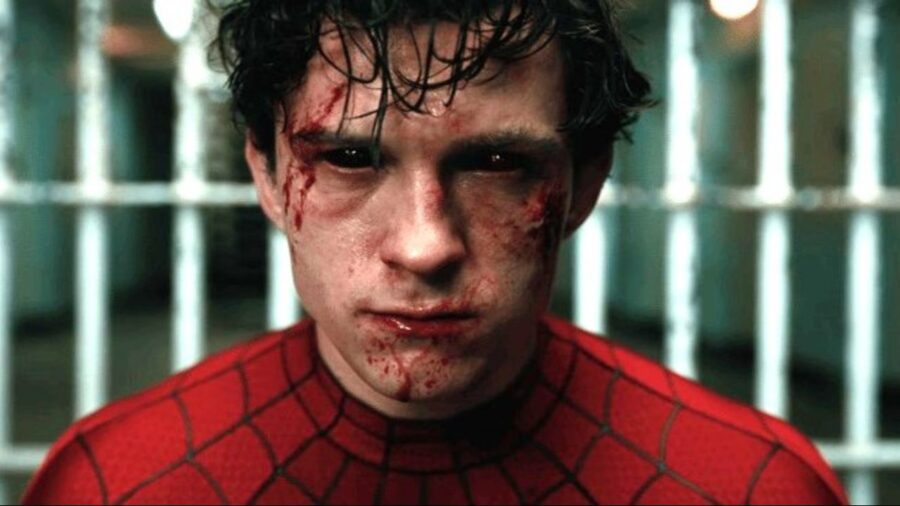
By Chris Snellgrove
| Published

Marvel fans have a lot to look forward to this year. In December, we’ll get Avengers: Doomsday, an ensemble blockbuster that will bring Chris Evans and Robert Downey Jr. back to the MCU along with plenty of marvelous multiversal cameos. And on July 31st, we’ll be getting Spider-Man: Brand New Day, which has its titular web-head teaming up with the Punisher to fight everyone from the Hand to the Hulk. However, some fans are understandably nervous that these movies will disappoint because Marvel has had a very spotty record for the last half-decade or so.
Those fans will likely breathe a sigh of relief when they watch the latest trailer for Spider-Man: Brand New Day. The trailer gives us our closest look yet at some of Spidey’s foes, including Scorpion, Hulk, Hand ninjas, and Sadie Sink’s psychic character that’s almost certainly Jean Grey. All of it looks very exciting and might be enough to convince you that Marvel finally has the juice again. But what, exactly, has fans so excited about this trailer? Below, you’ll get our definitive breakdown of every punch, kick, and (most importantly) every thwip.
A newer, angrier Spider-Man
The latest Spider-Man: Brand New Day trailer begins with Spider-Man fighting Scorpion, who’s looking downright terrifying in his new gear. The fight goes a little too well; Spidey kicks his butt and even slams the supervillain into an approaching cop car. Meanwhile, Spidey provides narration about how he’s losing his mind and feeling out of control. This is almost certainly tied to one of the movie’s bigger plots: Spider-Man’s DNA is mutating, giving him new abilities (like organic webbing) and a serious attitude problem.
That sends him to seek help from Bruce Banner, who has suppressed his Hulk side through a kind of nullifier device. As Peter Parker, our hero wonders if such a device could help him suppress parts of his own DNA, but Banner wonders how the young man could separate the good and bad parts of himself.
Is Jean Grey The Big Bad?

We see Spider-Man being briefed about a new villain who can take over people’s minds, freeze their bodies, and generally remote control anyone to have creepy conversations with Spider-Man. Our hero’s Spidey-sense gives him some kind of immunity to her abilities, making him the only man who can stop her. But that gets a lot harder when the bad guy unleashes the monster inside Bruce Banner, freeing the Grey Hulk persona. Hulk then attacks Spider-Man, either because he is being mind-controlled to do so or simply because he is filled with uncontrollable rage.
Quick sidebar here: ever since Sadie Sink was cast in the MCU, fans have speculated that she would be playing Jean Grey, one of the earliest members of the X-Men. Marvel and Sink have demurred on this point, frequently claiming that she could be playing any number of possible characters. Given all of the telepathic and telekinetic abilities on display, many fans think this trailer confirms the Stranger Things star is playing the marvelous mutant. Why is she the bad guy, though? Chances are this is all a bit of major misdirection (more on this in a bit).
Old Friends And New

The Spider-Man: Brand New Day trailer also has quieter scenes featuring Peter Parker meeting Ned and MJ. At first, he digitally stalks them from afar thanks to Ned’s quirky livestreams. Later, he meets them in person in a scene that confirms that neither of them remembers who he is. Later, though, MJ trusts Spider-Man to swing her to safety, indicating that there may still be a spark of attraction inside Peter’s former girlfriend.
To keep her safe, Spider-Man brings MJ to the Punisher, who is apparently a kind of frenemy. Nonetheless, Big Pun gets recruited into Spider-Man’s battle, one that looks like it will be filled with enemies. In addition to Scorpion, Sadie Sink’s character, and Tombstone (who doesn’t even appear in this trailer), Spidey will be fighting a small army of Hand ninjas inside a prison. We get a cool battle scene with them (two words: web tornado!), some bittersweet narration from the deceased Aunt May about power and responsibility, and a final gag where Spider-Man is discussing the importance of stretching to a prison security guard he is about to fight.
A Multiverse Of Misdirection

This Spider-Man: Brand New Day trailer does a great job of building hype for the movie, showing us a mixture of cool scenes and over-the-top action. However, the trailer plays very coy about what the overall plot will be. Beyond Spider-Man trying to fix his mutating DNA, what’s up with the people he is fighting? And if Sadie Sink really is playing Jean Grey, why is she the bad guy in a Spider-Man movie of all things? The answer is misdirection. You see, the trailer only gives us a brief glimpse of Scorpion, and we don’t see the movie’s other two villains (Tombstone and Boomerang) at all.
In all likelihood, Jean Grey isn’t the real villain, but she is a threat to the city government. The Wonder Man series showed us how Damage Control is starting to round up rogue superhumans. That might include mutants or just anyone the government finds sufficiently threatening. Jean is likely on the run from Damage Control and maybe seeking to actively liberate mutants they are holding. That’s likely why Spider-Man is fighting ninjas in the prison: he is liberating someone from jail, either Jean or someone unfairly imprisoned.
Caught In The Spider’s Web

Overall, the Spider-Man: Brand New Day trailer proves that Marvel still has the juice. It looks like this film could be the best of both worlds: a killer standalone Spidey film and a cameo-filled blockbuster with major repercussions for the MCU. How major are we talking? No matter who Sadie Sink’s playing, we already know she’s going to pop back up in Avengers: Secret Wars. At this point, I’m all in on her playing Jean Grey.
But will the actual movie live up to all this hype? Is the trailer proof that Marvel has a great film on its hands, or just proof they have a talented editor? We’ll find out in just a little under a month and a half when Spider-Man: Brand New Day swings into theaters on July 31. Come for the organic webbing and stay for the knockdown, drag-out fight between Spidey and Hulk!
:max_bytes(150000):strip_icc():format(jpeg)/Jack-Schlossberg-RFK-Jr-061726-062b72d13f7e45f3925418c58eabf12f.jpg)
The candidate for the U.S. House of Representatives is no fan of his relative.

Eve took fans on a full nostalgic trip during NPR’s ‘Tiny Desk’ as she ran through a few hits from her catalog. While some folks locked in on her iconic era, others couldn’t stop talking about how good she looks, saying she’s always been That Girl and just keeps getting finer with age.
RELATED: WATCH: Kehlani Mesmerizes With Soulful Performance On NPR’s ‘Tiny Desk Concert’
Eve Serves Hits & Beauty During NPR ‘Tiny Desk’ Performance
The Philly raptress took it all the way to back to the early 2000s during her ‘Tiny Desk’ set as the first artist to kick off Black Music Month. She spit verses from classics like ‘Who’s That Girl?’, ‘Tambourine,’ ‘Satisfaction,’ and even ‘Let Me Blow Ya Mind.’ The vibes stayed on a 1000 as the crowd matched the band’s energy and locked into every moment of the set. But fans couldn’t stop talking about how good Eve looks after all these years. Some even said she’s “been that girl and is still THAT girl,” looking just as fresh as she did when her tracks dropped over 20 years ago. Peep some of Eve’s performance below.
Fans Crown Eve After ‘Tiny Desk’ Set Drops
Once NPR officially dropped Eve’s concert on YouTube fans instantly started flooding the comment section with crown emojis, calling her a living legend and saying she didn’t miss a single beat while running through her classics.
@JJM-xm8wj wrote, “Eve ain’t never lost it. This performance proves it -but CAN WE GIVE IT UP TO THE BACKGROUND VOCALS!!! Their harmonies are effortless and smooth!”
@MahalKitaWorld wrote, “SHES ABOUT TO BE 48 IN NOVEMBER…. 48 WHERE?!?!?!?!?!?!  ”
”
While user @phenomenalmike4231 wrote, “Dang her flow is still so clear and crisp. I love it.”
Then user @synclrity1421 wrote, “Her clarity and delivering is STRONG. True MC.”
Another user @kh7688 wrote, “Not only does she still look FINE AF, she looks better than ever…and she can still flow like H2O.”
User @LottoLogista wrote, “Eve is criminally underrated. She nailed this Tiny Desk!”
Then another user @lovethybrit5944 wrote, “I can tell she felt good to be back in her element  ”
”
Finally, user @Lucy7vcr wrote, “She looks sooo comfortable up there. Like she’s been performing for the past 20 years. That’s so impressive to me.”
The Roommates Go Crazy Over Rapper’s Glow & Performance
Reactions to Eve’s set kept rolling on on X (formerly Twitter) after The Shade Room teased a clip. Folks flooded the comment section with fire and heart eye emojis, while others praised how gracefully she’s aging. Some fans even said they’re definitely going to run the concert back again.
X user @TrestonAkAOmar wrote, “Eve was walking it down on the Tiny Desk and her fine self aging gracefully 
 ”
”
X user @CaiwengiO wrote, “black women don’t age. it’s crazy.”
While X user @Sheriilola wrote, “she looks tf GOODT.”
Then X user @RayEllaBaby wrote, “She looks sooooo good!!! “
Another X user @@AirlornMent wrote, “ Eve is HER!!!! Best believe I’m on lock for this. ”
X user @msbyrd34 wrote, “Eve is still ‘THAT GIRL’.. “
“
Then another X user @hoopism wrote, “Eve has not aged one day since the 90s.”
While another X user @Chrissygirl4you· wrote, “Eve still got it!!”
Finally, X user @arahBoyer10 wrote, “I mean she’s Eve 

 ”
”
RELATED: WATCH: Flo Milli Takes Over NPR’s ‘Tiny Desk Concert’ & Drops New Verse For ‘Never Lose Me’
What Do You Think Roomies?
Almost everyone knows the likes of the Infinity Gauntlet as one of the most powerful weapons in the Marvel Universe. However, many would argue that there are some that both rival, and even sometimes surpass the power the Gauntlet holds within itself. It’s hard to think that there could possibly be anything more powerful, but it most certainly is possible. However, the difference between power for the weapons in the comics compared to the MCU is pretty large, making power differ from weapon-to-weapon.
Whether it’s because of the power shown in both Avengers: Infinity War or Avengers: Endgame, the Gauntlet’s power is undeniable. However, the comics (and even the Marvel Cinematic Universe, at times) find a way to always introduce weapons that might be stronger than Thanos’ iconic weapon. There are seven that are unlike any other and have the potential to truly step up against the likes of the Infinity Gauntlet, Marvel’s so-called most powerful weapon of all time.
7
Reset Charges

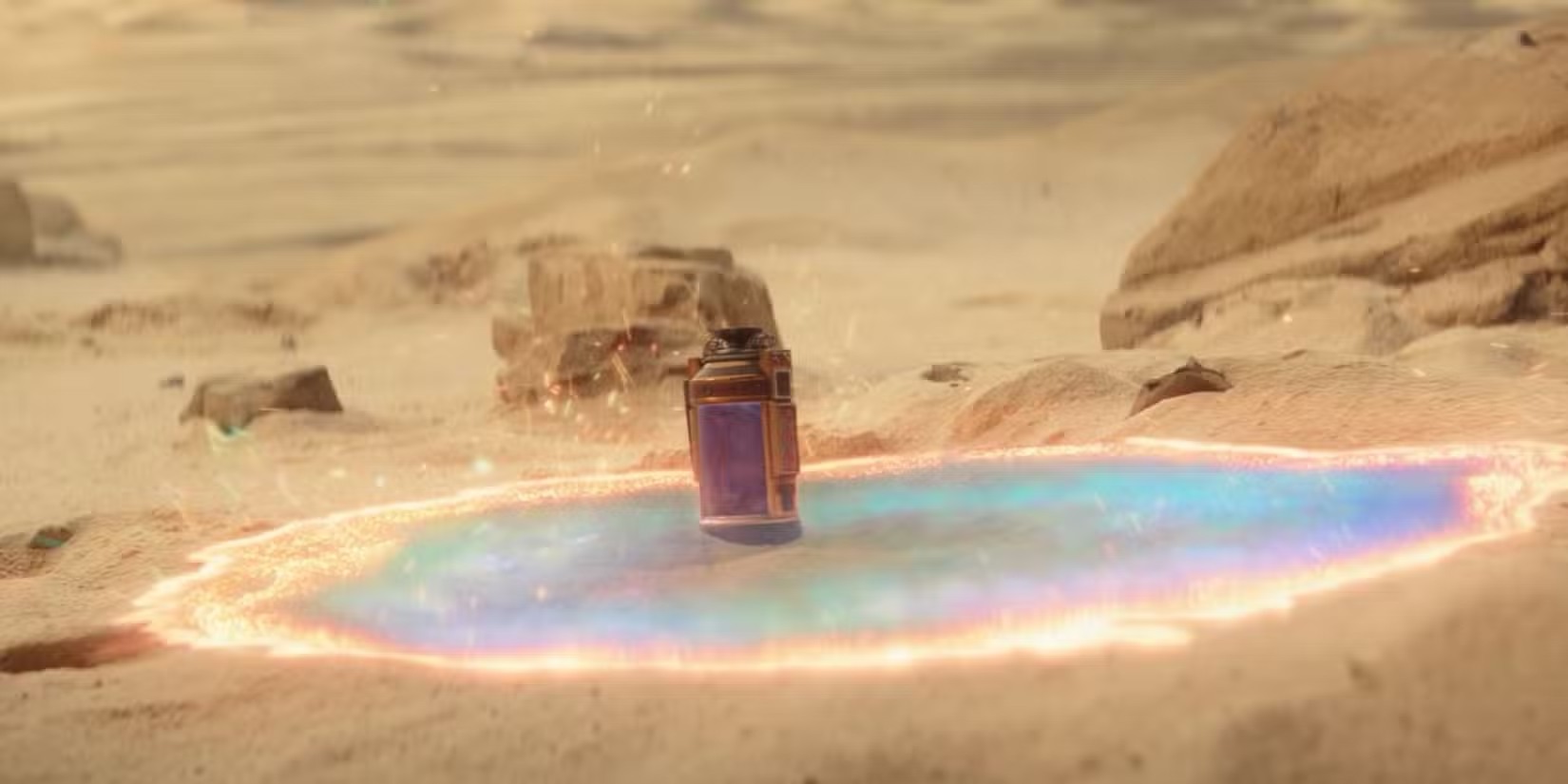
Sure, Thanos (Josh Brolin) was able to kill half the universe with the Infinity Gauntlet, but was he able to prune an entire timeline from reality? The Time Variance Authority has the ability to do this via their weapons simply called the Reset Charges. By simply planting one of these in a timeline, the entirety of it will be destroyed.
The fact that this tiny little device can demolish an entire timeline is wild. It’s not simply destroying a universe — it’s genuinely tearing its entire timeline from history as a whole, as if it had never existed, sending pieces of it to The Void (since not all matter can be destroyed). No one is truly sure how the TVA got power like this, but this weapon makes them an absurd force in the multiverse. As far as the MCU goes, it’s yet to be shown if the Gauntlet could destroy an entire timeline, which means it cannot be assumed that it could.
6
Stormbreaker
If there’s one thing that Thor (Chris Hemsworth) proved in Avengers: Infinity War, it’s that Stormbreaker has a huge chance of being considered to be stronger than the Infinity Gauntlet. When Thor pulls up on Thanos, he uses the mighty axe to hold back a blast from the Mad Titan’s weapon, and strikes into him like he was butter.
Stormbreaker (in the MCU, at least) was built specifically to counteract the Infinity Gauntlet and kill Thanos, forged from a star itself. With the way he uses it, Thor proves that, in the right hands, Stormbreaker can most definitely step up against the mighty Gauntlet and the profound power that it holds. Anything that can directly counteract the legendary weapon already has the proof in the pudding of being potentially stronger than the Infinity Gauntlet. Had Thor not let his ego get the better of him in Avengers: Infinity War, he could have easily killed Thanos with the Infinity Gauntlet.
5
The Necrosword

Created by the god known as Knull, the Necrosword has arguably infinite potential. With one of its many powers being the fact that with every single god it kills, it absorbs their life force, and was once used to cut the head off of a Celestial. With this in mind, so long as the Necrosword is killing, it gains more and more power. Forged with living darkness, the Necrosword is absurdly powerful, and Thor: Love and Thunder is not a good measure of its strength, as it was severely underpowered in that film.
There was even a time in which the iconic, extremely powerful sword was used as an explosive of sorts that could kill every single being considered a god across all Marvel time and space. For being “just a sword,” that’s some absurd power that is unlike any other sword in the Marvel mythos—borderline the mythos of comics in general. Galactus once even used it to literally cut a planet in half with so much ease that it might as well have been a mere piece of paper.
4
The Ten Rings

Despite the Necrosword not being represented very well in the MCU, the Ten Rings are a weapon that’s power is pretty accurately represented. While they may be finger rings in the comics and large energy rings in the MCU, both iterations of the rings give superhuman strength, durability, speed, telekinesis (although this wasn’t shown in Shang-Chi and the Legend of the Ten Rings, so it may not be part of the MCU’s power set), and, most importantly, immortality. It’s pretty hard to beat a weapon that can make someone immortal.
These mystical artifacts are those of extreme abilities. In the MCU, they can create platforms for its users to utilize, and even be used as transportation. They can absorb energy (potentially even that of the Infinity Gauntlet’s), as well, meaning that there is abundant potential for these rings to gain more and more power. The many-year reign of Shang-Chi’s (Simu Liu) father, Xu Wenwu (Tony Leung Chiu-wai), is proof of the kind of ruling over the universe that the Ten Rings can possess someone, and he hardly scratched the surface.
3
The Darkhold
.jpg?q=49&fit=crop&w=500&dpr=2)
If there’s a weapon in the many Marvel universes that has more than proven its power, it’s the one and only Darkhold. The power of the Darkhold is extreme and profound, making it one of the strongest magic-based artifacts not just in the MCU, but Marvel Comics, as well. While it is seen in both WandaVision and Doctor Strange in the Multiverse of Madness, it, like most MCU weapons, does not even get close to how strong it’s been shown to be in the comics. The Darkhold is on record doing some amazing things, being pretty much the mightiest source of dark magic in the many Marvel universes.
It was created by an Elder God, named Chthon, in hopes of being his vessel of power on Earth. It can alter reality, allow one to dreamwalk, extremely amplify magical potential, and is virtually indestructible. So, not only is it beyond powerful with dark magic, but one can’t simply destroy it to stop its reign of terror, either. They kind of just have to… deal with it. Unfortunately, though, just as the Infinity Gauntlet has negatives to it—being absurdly injured from the sheer power of using it (even killing Tony Stark (Robert Downey Jr.))—this supernatural book slowly corrupts whoever is using it. Some may not have issues with that, but it was unfortunate for Wanda Maximoff (Elizabeth Olsen), making her the villain of the second Doctor Strange movie.
2
The Book of Vishanti

With the dark must come the light, and the universe’s answer to the Darkhold is none other than the Book of Vishanti. While the evil book may be one of the strongest sources of dark magic in the numerous universes, the Book of Vishanti is that exact concept for light and the opposite of Scarlet Witch’s Chaos Magic, “Order Magic”. Thankfully, for whoever the user of this magical novel is, it doesn’t have the drawbacks of using the Darkhold. Using the Book of Vishanti doesn’t corrupt the user in any way, making it safe to use for anyone—as safe as holding such profound power can be, that is.
Where it differs from the evil book is the difference between Chaos Magic and Order Magic. The latter is governed by the laws of the universe, making its magic completely protective and restorative, which keeps it being the ultimate opposite to the Darkhold. The use of the Book of Vishanti is typically to counteract the effects and consequences of the Darkhold on the universe. Rather than universal lawlessness and, well, chaos, this artifact relies on spells and incantations. Having strength like this and not having any terrible drawbacks makes it ultimately stronger than the likes of the Darkhold.
1
The Time Ripper

As seen in Deadpool & Wolverine, the Time Ripper is one of the most fearsome weapons in the entire Marvel multiverse. If one thought a Reset Charge was powerful, they would be astounded by the strength of the Time Ripper. Essentially, what this bad boy is, is the likes of dozens upon dozens of Reset Charges combined into one giant machine. The difference between one Reset Charge and the Time Ripper? That would be the fact that this giant device can prune an entire timeline in one instant.
While Reset Charges take some time to prune a universe, this one can do it immediately. However, that’s not where its power stops, though, as Cassandra Nova (Emma Corrin) showed that in the right (or wrong, depending on who is asked) hands, this device can destroy multiple universes. Her goal was to destroy every timeline in the Marvel multiverse with the Time Ripper, and she almost does until she is stopped by the likes of Deadpool (Ryan Reynolds) and Wolverine (Hugh Jackman), that is. So, while the MCU typically isn’t good about depicting the power behind Marvel weapons, they also brought to life arguably the strongest weapon in Marvel history, too. That makes up for it, doesn’t it?
Fantasy is one of the pillars of modern literature, arguably far more than any other genre. Logically, it’s also among the most overcrowded genres, producing countless titles each year, almost all of them overshadowed by the big bestsellers. Sadly, it’s also full of undiscovered gems and cult classics. These books are the focus of this list.
The titles below range from joyful adventures to the grittiest grimdark, action-packed romps to deeply philosophical character studies. While they’re not all that obscure, they’re the kind of novels that many fantasy fans might not have gotten around to reading yet (or, indeed, in some cases, perhaps never even heard of).
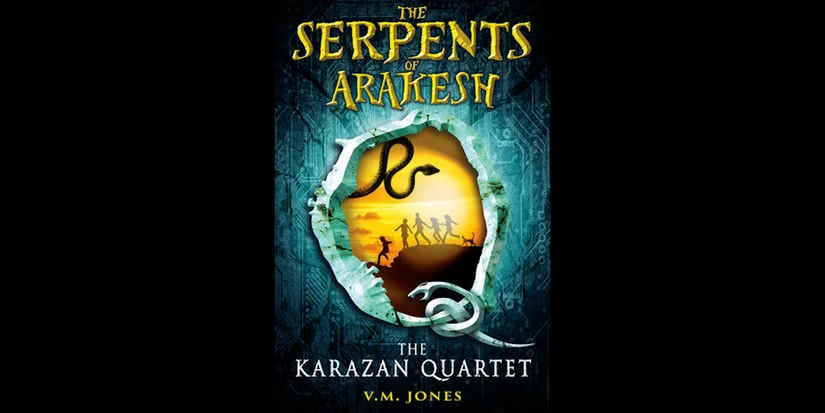
‘The Serpents of Arakesh’ (2003)

“Some cities devour souls long before they devour bodies.” Overshadowed by other blockbuster fantasy series in the 2000s, The Karazan Quartet by V.M. Jones is a charming saga for young readers. The main character is Adam Equinox, an orphan who wins a chance to work alongside the mysterious and brilliant software developer Quentin Quested. However, the prize turns out to be dangerous, sending Adam and his companions into a parallel world where the fearsome Serpents of Arakesh protect a treasure of immeasurable value.
Breezy and packed with fun moments, The Serpents of Arakesh riffs on a bunch of inspirations, from Charlie and the Chocolate Factory to Harry Potter, Deltora Quest, and even some hints of Indiana Jones. It’s classic fantasy stuff: magic, portals, puzzles, healing potions, an underdog hero, and non-stop, fast-paced adventure.
‘The Book of Three’ (1964)

“There are those who believe that all things are possible with courage.” This warm high fantasy adventure served as the basis for the Disney cult classic The Black Cauldron. It centers on Taran, an assistant pig-keeper living in the magical land of Prydain who dreams desperately of becoming a great hero. When the prophetic pig Hen Wen disappears, Taran embarks on a dangerous journey involving princes, enchantresses, warriors, and the rising threat of the evil Horned King.
Structurally, the novel follows familiar fantasy-adventure rhythms, but it stands out with its heart and sincerity. The protagonist, in particular, is remarkably earnest, and his fears and insecurities make him relatable. His character grows a lot throughout the story. The supporting cast is memorable too, including characters like the fiercely independent Princess Eilonwy and the endlessly boastful Fflewddur Fflam, a king turned wandering bard.
‘His Majesty’s Dragon’ (2006)

“We may be creatures of instinct, but that does not make us beasts.” The book starts with a juicy premise: what if the Napoleonic Wars had been fought with dragons as aerial military forces? In this alternate history, young British naval captain William Laurence unexpectedly bonds with a newly hatched dragon named Temeraire, forcing him to abandon his career and enter Britain’s dragon corps during the wars against Napoleon.
The relationship between Laurence and Temeraire quickly becomes the heart of the novel. Bucking genre convention, the dragon is intelligent, curious, stubborn, and morally perceptive in ways that constantly challenge the rigid hierarchies of human society. Meanwhile, Laurence must slowly reevaluate his understanding of class and duty. All in all, His Majesty’s Dragon is a charming fusion of historical fiction, military adventure, and draconic fantasy, told through rich prose that evokes nineteenth-century literature.
‘A Brightness Long Ago’ (2019)

“We remember people by the stories attached to them.” Another gem loosely inspired by real-world historical wars, A Brightness Long Ago takes place in Batiara, a realm based on Renaissance Italy. The protagonist is tailor’s son Danio Cerra, who is admitted to a prestigious school and soon becomes entangled with all sorts of colorful and dangerous figures, including powerful mercenary commanders, political rulers, and even assassins.
The worldbuilding here is very impressive. Batiara feels it feels rich and lived-in; the historical influences are clear, but the slight fantasy distance allows author Guy Gavriel Kay to reshape events and themes in ways that serve the story and up the ante. Crucially, he keeps the characters front and center; they’re psychologically complex, and their decisions drive the action. The book’s conflicts emerge from politics, ambition, loyalty, love, and war rather than supernatural forces.
‘The Dragonbone Chair’ (1988)

“There are no simple truths in the world.” Epic fantasy owes an enormous debt to Tad Williams. The Dragonbone Chair is the first installment in his ambitious Memory, Sorrow, and Thorn series. In it, kitchen boy Simon finds himself swept up in the political instability and ancient supernatural forces threatening the kingdom of Osten Ard. What initially appears to be a relatively traditional coming-of-age fantasy gradually expands into a massive, richly layered story involving forgotten histories, immortal races, magical swords, prophecy, and civil war.
The book excels at balancing familiar fantasy elements with fresh ideas. Although a lot of the narrative beats are classic genre fare, Williams approaches these elements with greater complexity than many of his predecessors. Characters often possess mixed motives, political tensions matter more than magical threats, and the story emphasizes history and culture as much as action.
‘Night of Knives’ (2004)

“Empires die slowly, then all at once.” Night of Knives is a book set in the sprawling world of the Malazan Empire, but it’s much shorter and punchier than most of the massive tomes in that series. Indeed, the whole plot takes place over a single catastrophic night. We follow characters like the ambitious soldier Temper and former assassin Kiska as they navigate a city descending into supernatural chaos during the mysterious Shadow Moon event.
These dual protagonists are very compelling, and their contrasting perspectives add a lot of depth to the tale. Taken together, Night of Knives is one of the most accessible Malazan books. The smaller cast, simpler plot structure, and shorter length make it a useful entry point for readers curious about the world but hesitant to commit to a ten-volume epic. It’s enjoyable on its own terms even if you never check out the sequels.
‘The Dying Earth’ (1950)

“There are worlds beyond wisdom and suns beyond memory.” The Dying Earth is a collection of interconnected stories set so far in the future that the sun itself is nearing extinction. Civilization has decayed into strange fragments of magic, forgotten science, bizarre creatures, and morally dubious wanderers drifting across a dying planet. Author Jack Vance, a giant of the genre, conjures up a world that feels decadent, surreal, and faintly absurd, where ancient knowledge survives only in scattered remnants, but human folly knows no bounds.
The Dying Earth was influential in a number of ways, solidifying certain post-apocalyptic tropes and even lending ideas to the magic system in Dungeons & Dragons, particularly Vance’s concept of wizards memorizing a limited number of spells that vanish from memory once cast. Story aside, the book simply charms with its elegant and drily witty writing style.
‘The Black Company’ (1984)

“Soldiers live. Soldiers die. And no one remembers.” Few books have reshaped fantasy’s tone as dramatically as The Black Company. It’s the foundation of the whole grimdark subgenre. The novel revolves around an elite mercenary company employed by the terrifying Lady, ruler of a dark empire feared across the land. But rather than focusing on chosen heroes or noble kings, the story unfolds through the perspective of Croaker, the company physician, whose weary narration gives the novel its distinctive voice.
Author Glen Cook essentially pioneered modern military fantasy by treating warfare as brutal labor carried out by morally compromised people trying simply to survive. The tone is one of fatalistic camaraderie: the soldiers argue, joke, complain, and struggle through muddy campaigns like exhausted veterans. They also make mistakes, sometimes even commit terrible acts. Countless fantasy writers since have borrowed from this approach.
‘Till We Have Faces’ (1956)

“How can they meet us face to face till we have faces?” C.S. Lewis is world-famous for his Narnia books, though they represent only a fraction of his writing, both within fantasy and without. Till We Have Faces is one of his most profound projects, a retelling of the myth of Cupid and Psyche from the perspective of Psyche’s jealous sister Orual. We follow her as she struggles with love, possessiveness, faith, beauty, and resentment across decades of political and personal turmoil.
Unlike Lewis’s more straightforward fantasy works, this novel is intensely psychological and philosophical. Orual herself is remarkably three-dimensional, simultaneously deeply intelligent and painfully self-deceptive, but also courageous, and sometimes even compassionate. Through her, the book asks sharp questions around the difference between genuine love and mere possessiveness. Lewis was deeply concerned with spiritual and ethical themes, and this book explores them with grace.
‘Midnight Over Sanctaphrax’ (2000)

“The sky is deeper and stranger than anyone knows.” Midnight Over Sanctaphrax is perhaps the finest book in The Edge Chronicles, a series written by Paul Stewart and illustrated by Chris Riddell. Our hero, Twig, is a young sky pirate captain living in a world built upon floating cities, airborne ships, monstrous creatures, and dangerous skies filled with storms and floating rocks. After discovering that the floating city of Sanctaphrax faces catastrophic destruction, Twig becomes entangled in political conspiracies and scientific mysteries threatening the future of the entire Edge.
The Edge is an almost absurdly imaginative place, replete with its own strange ecosystems, social norms, and peculiar technologies, all lovingly brought to life by the detailed black-and-white artwork scattered through the book. At the same time, the plot is killer, rarely wasting any time, and the characters are all memorable in their own ways. Just a banger all round.
Editor’s note: The below contains spoilers for the Season 1 finale of Widow’s Bay.
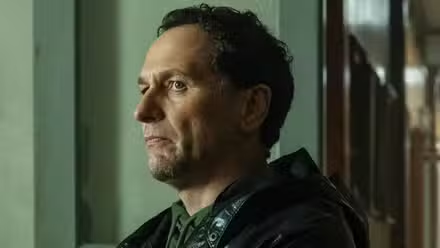
Apple TV’s latest hit series, Widow’s Bay, has been throwing one twist after another at viewers throughout its 10-episode first season. There have been multiple deadly forces, ranging from a creepy sea hag to a masked killer straight out of a slasher movie. So far, the main crew, led by Mayor Tom Loftis (Matthew Rhys), has managed to survive the island’s malevolence, and in the penultimate episode of the season, they realize that they haven’t truly ended Richard Warren’s (Hamish Linklater) curse. Thanks to Rosemary’s (Dale Dickey) stellar genealogy skills, they discover there is one last living descendant of Warren who is keeping the curse going. But, in true Widow’s Bay fashion, there’s one last major twist about the identity of said descendant in the Season 1 finale.
Ruth Reveals the Truth in ‘Widow’s Bay’s Season 1 Finale
Initially, Rosemary informs Tom, Wyck Crawford (Stephen Root), and Patricia Moyer (Kate O’Flynn) that Warren’s ancestor is none other than their sweet, old colleague, Ruth (K Callan). In the middle of the horrific storm, Tom goes to her home with the intention of killing Ruth because the island will continue to be cursed as long as she’s alive. Of course, Ruth seems to be the very picture of health, and, completely unaware of Tom’s motives, offers him a nice cup of tea and a tour of her house. Tom finally works up the nerve to spike Ruth’s tea with two of her medications, believing it will kill her.

‘Widow’s Bay’ Team Teases the Future of Apple TV’s Stephen King-Inspired Series
Matthew Rhys, creator Katie Dippold, and executive producer and director Hiro Murai discuss the hit series at our DGA screening.
Under the effects of the combined medication, Ruth then divulges her biggest secret to Tom. When she was younger, she had an affair with a married man. She ended up getting pregnant, but because she wasn’t married, she gave the baby to her lover and his wife to raise. That’s why no one ever knew that Ruth had a child. But the true kicker comes next — Ruth’s daughter is actually Tom’s deceased wife, Lauren (Meredith Casey). Tom’s face crumples in horror as he realizes what this confession means. Not only was he about to murder a member of his family, but Ruth’s grandson is actually Tom’s teenage son, Evan (Kingston Rumi Southwick), and his fate has always been directly tied to the island’s curse.
‘Widow’s Bay’ Season 2 Will Have Plenty of Thrilling Storylines To Explore
Tom is heartbroken to realize that Evan will never leave the island, but his ancestry also means that as long as Evan is alive, the curse of Widow’s Bay will continue. This twist of fate raises so many questions. Will Tom tell anyone else about Evan’s lineage? Sheriff Bechir Clemmons (Kevin Carroll) is now in the loop, but still doesn’t know who Ruth could be related to. Tom probably doesn’t want to divulge the truth to Patricia or Wyck, who rather heartlessly suggested just shooting Ruth in the back of the head when he thought she was the last living descendant. Tom will face many ethical quandaries when the show returns for Season 2 He brought up the philosophical debate called the Trolley Problem to Ruth, but now he’s in a real-life version of it. Should he keep his son alive, or kill him for the good of the entire island?
Tom’s personal conflict isn’t the only mystery that emerges with this major twist. Dale (Jeff Hiller) discovers film reels depicting what pretty much looks like how-to instructions for human sacrifice. Evan sees a man get locked into the basement of the island’s storm shelter and then disappear. The church bell tolling indicates how many people the island requires as sacrifices before the evil goes dormant again. The finale ends with eight bells ringing out across the island. Does this mean that Season 2, which has already been greenlit, will need eight bodies to drop?
No matter what happens, Tom is in for a wild ride ahead, both as the mayor of the cursed island and as a father to someone so closely linked to its destruction. Although viewers are likely in for a long wait until new episodes drop, that just gives everyone more time to theorize about what will happen before Widow’s Bay opens to the public again.

Widow’s Bay
- Release Date
-
April 28, 2026
- Network
-
Apple TV
- Showrunner
-
Katie Dippold
- Directors
-
Sam Donovan, Andrew DeYoung, Hiro Murai, Ti West
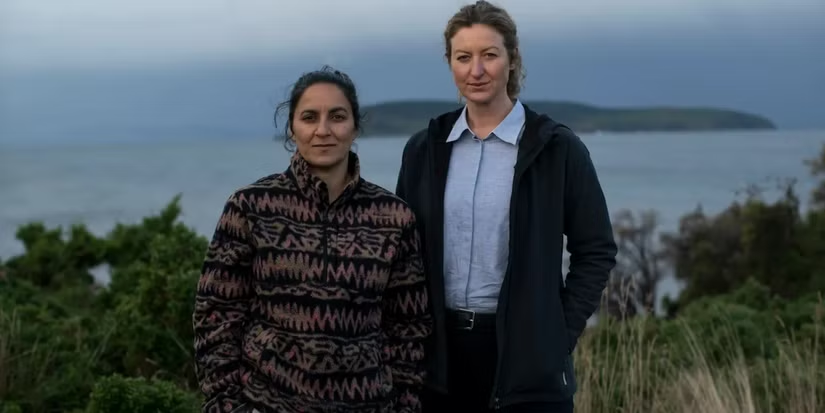
At the cross-section of terrifying horror and eye-rolling dry humor comes Apple TV’s latest hit hybrid series, Widow’s Bay. Created by Katie Dippold, the show follows well-meaning but desperate mayor Tom Loftis (Matthew Rhys) of the remote, isolated titular New England town as he attempts to transform the sleepy, superstitious community into the next big tourist hotspot. But as visitors descend upon the island, a long-standing curse plagues their progress, and each decision Tom makes leads to a terrifying result. While the premise may not sound funny, Widow’s Bay‘s eccentric characters, grandiose situations, and referential storytelling lead to some sidesplitting moments. Even the show’s logo is reminiscent of Stephen King.
If you’re eager for more television that matches the tone and style of Widow’s Bay, we have the series that are perfect follow-ups. Widow’s Bay is such a brilliantly unique show; there aren’t many others that capture the same essence. This list will feature series that share a similar horror-comedy approach or explore similar themes in the horror and mystery realms. From demonic visitors to isolated hamlets to terrors haunting tight-knit neighborhoods, these shows are destined to fill the void that was left by Widow’s Bay while you wait for Season 2. Though, let’s face it, with so many Easter eggs layered into Widow’s Bay, you might not get to this list until you’ve rewatched and caught them all!
‘Deadloch’ (2023–Present)

One of the greatest sleeper hits coming straight from Australia is the dark comedy crime mystery Deadloch. Created by Kate McCartney and Kate McLennan, the series flips the Nordic Noir genre on its head. The first season of the show is set in the sleepy Tasmanian town where two clashing detectives — the tightly wound traditional local Dulie Collins (Kate Box) and the brash, unconventional outsider Eddie Redcliffe (Madelleine Sami) — must reluctantly team up to catch a serial killer. Subverting the classic cop tropes, their investigation exposes the town’s hidden, dark secrets while highlighting the cultural clash between the traditional blue-collar residents and the progressive arts community. A top-tier whodunit, Deadloch expertly crafts a clever and complex mystery while making you laugh along the way.
Deadloch uses its themes and locale to serve as a scathing social commentary. Rather than forcing the marginalized community to become victims of fate, Deadloch puts queer, Indigenous, and female characters at the center of the story. It further subverts gender roles by poking fun at the self-serious, male-dominated stereotypes most prestige crime dramas utilize. In doing so, Deadloch is filled with biting humor thanks to its rapid-fire one-liners, visual gags, and profanity-tinged dialogue. The characters are often larger-than-life, but even through their eccentricities, they are rooted in reality. Box and Sami are a formidable duo, almost reminiscent of Olivia Colman and David Tennant of Broadchurch. After a literally perfect Season 1, Deadloch returned for another perfect season. This time, the fun was in the sun. Deadloch is a masterful mix of comedy and mystery unlike any show before.
‘From’ (2022–Present)

Between a mystery box premise and Harold Perrineau, you might feel the similarities between Lost and From. The difference with the latter is From is carefully plotted so the mystery doesn’t linger too long without frustrating its audience. Let’s discuss. Created by John Griffin, From is a sci-fi supernatural horror series that centers on a mysterious, inescapable small town where those who enter are terrorized by nocturnal, humanoid monsters. Led by self-appointed mayor Boyd Stevens (Perrineau), the town’s unwilling residents are forced to stay inside after dusk and ward off the threats via protective talismans in hopes of surviving the night. A horrifying concept that is expertly crafted to instill paranoia, From is a creatively risky premise that earns every moment. It is the best show in the genre you likely forgot to start watching.
Celebrated for its strong balance of suspenseful spine-tingling lore and deeply rooted psychological drama, From is a drama that keeps you hooked until you get the answers you seek. And that might come a few seasons in. By that point, new mysteries have unfurled, making the show like the town: inescapable. As clues lead you to a path out, the stakes are continually raised through the show’s unsettling atmosphere. Every detail matters, so From requires your undivided attention. Both creepy and gory, the action and pacing are unrelenting. From is a series that is literally ripped from your nightmares. The creatures that stalk the individuals possess similarities of loved ones, filled with a smile, only to have deadly intentions. They are violent predators like never seen before. With a strong ensemble of characters to champion and also love to hate, From is the complete package.
‘Ghosts’ (2021–Present)
Sometimes a brush with the supernatural isn’t always half bad. The opportunity to see benevolent ghosts might be a blessing and not a curse. That’s the basic premise of CBS’ Ghosts. Based on the British series of the same name, Ghosts follows young couple Sam and Jay Arondekar (Rose McIver and Utkarsh Ambudkar) as they inherit a massive, dilapidated country estate. Woodstone Manor, in which they dream of turning into a bed and breakfast. That dream is complicated after Sam suffers a near-death accident in which she wakes up with the supernatural ability to see and hear the estate’s quirky invisible permanent residents. A close-knit, eclectic group of ghosts from different eras of history who died on the property, they are bound to the grounds until they can manage a way to ascend to the afterlife. With a balance of heart and humor, Ghosts is a celebration of diversity as the living and the dead must co-exist and navigate modernity via the woes of running a B&B.
Ghosts strikes the right balance of supernatural and comedy through a clever premise. With a brilliant ensemble cast, viewers have a variety of characters to adore. The cast has an indisputable dynamic and chemistry that keeps the series afloat, even if the premise seems to run thin. That said, the rich lore of the B&B, ghost backstories, and the rules of their existence remain the driving force of the series. Through its array of characters, Ghosts intertwines with a history of America which opens up the doors for comedic culture clashes and unexpected friendships. Ghosts is a feel-good comfort watch that makes you wish you could join in on the fun. A genuinely creative series, Ghosts continues to dazzle as it nears the 100-episode mark.
‘Good Omens’ (2019–2026)

Sometimes all it takes to be phenomenal is unmatched chemistry. That’s exactly what Michael Sheen and David Tennant bring to Good Omens. The duo could do anything together, and we’d tune in. In the fantasy comedy based on Good Omens by Terry Pratchett and Neil Gaiman, Aziraphale (Sheen), a fussy and polite angel who runs an antiquarian bookshop in London, and Crowley (Tennant), a stylist, fast-living demon, must team up to prevent the Apocalypse. Having grown fond of Earth, they must work to stop Armageddon when the Antichrist (Sam Taylor Buck) is accidently misplaced at birth. Only 13 episodes over three perfect seasons, Good Omens is a whip-smart, philosophically-tinged comedy that serves as a heartfelt and poignant commentary on humanity.
You are immediately drawn in by the pitch-perfect performances by Tennant and Sheen, delivering some of their strongest work in their storied careers. Why? They push one another to make each other better. Their stellar celestial bromance is one of the best pairings on television. They lead an outstanding ensemble of guest and recurring stars, via face and voice, including Benedict Cumberbatch, Derek Jacobi, Nick Offerman, Miranda Richarson, and Jack Whitehall, among others. Upon being entertained, Good Omens provides an opportunity to discuss the fundamentality of humanity. Through the beauty and absurdity of the good versus evil tropes, Good Omens concludes that humans are wonderfully complex. A visually stunning comedy, Good Omens‘ recent conclusion finally gives you the complete story for a perfect weekend binge.
‘Gravity Falls’ (2012–2016)

You might be shocked to see a kids’ animated series on this list, but the premise of Gravity Falls aligns perfectly with Widow’s Bay. Created by Alex Hirsch, the Disney animated series follows 12-year-old twins Dipper and Mabel Pines (Jason Ritter and Kristen Schaal) as they spend their summer in an eccentric Oregon town filled with paranormal creatures, supernatural anomalies, and deep mysteries needing solving. Sent to live with their great uncle Grunkle Stan (Hirsch), a greedy, eccentric con artist who runs The Mystery Shack, the twins uncover a cryptic journal which they use to investigate the town’s monsters while they help Stan run his tacky tourist trap. A monster-of-the-week series, Gravity Falls brings witty, multi-generational humor, intricate mysteries, and richly deep character development for a smart lore-filled cartoon puzzle.
Despite its target demographic, Gravity Falls is fun for all ages. Gravity Falls reshaped the standard serialized animated series to allow for a tightly plotted, self-contained world in which the suspenseful mythology builds as the series carries on. The unique element of the show is the interactive elements that encourage viewers to engage with the show. Through hidden ciphers, encrypted messages, and secret audio codes during the credits, the interactive community had become dedicated to cracking the town’s mysteries alongside the colorful characters. Beyond the mysteries, Gravity Falls is a brilliant depiction of a realistic sibling dynamic. Through their rivalries, flaws, and eventual sacrifices for one another, Gravity Falls provides great emotional weight as you’re entertained along the way. Though only two seasons, Gravity Falls ended on its own terms. With that, Hirsch provided a complete story that will leave you satisfied, even if you wish there was more in store.
‘Midnight Mass’ (2021)

If there’s one thing we’ve learned over the past decade, it’s that Mike Flanagan is the modern master of horror. With a long string of successful collaborations with Netflix, horror fans flocked to the streamer each year to see what terror was in store from Flanagan and his frequent collaborators. While we could discuss every Flanagan limited series, perhaps the closest thematically to Widow’s Bay is 2021’s Midnight Mass. Set in the isolated island community of Crockett Island, disgraced ex-con Riley Flynn (Zach Gilford) returns home to his dying hometown just as an eccentric and seemingly youthful priest, Father Paul Hill (Hamish Linklater), takes over the local Catholic parish to replace the aging Monsignor Pruitt (also played by Linklater). The town soon discovers that alongside the miraculous physical healing within the town, the miracles come with a dark price. A brilliant dissertation on religious fanaticism, forgiveness, and the afterlife, Midnight Mass transcends typical horror stories to deliver a wonderful meditation on faith.
Midnight Mass is a brilliantly plotted character-driven drama. Flanagan takes great care in building a deeply intimate and believably flawed community on the isolated island. The denizens aren’t just going along with the paces; they are struggling with addiction, regret, and mortality as their world suddenly changes around them. The ensemble cast shines as they do in every Flanagan project, but Samantha Sloyan as the relentlessly self-righteous Bev Keane is at a career best. Flanagan and Sloyan created a horror icon for the modern age. Midnight Mass balances scares with deep theological discussions. Rather than preaching, the story allows thoughtful discussions of faith, community, and hope set against the cautionary tale of religious extremism. Midnight Mass is a fresh take on old tropes that harkens back to the horror of yore. It reinvents the monster story in an emotionally terrifying and logical manner.
‘Shining Vale’ (2022–2023)

Back into the satirical comedy horror realm is the gone-too-soon Shining Vale. Created by Jeff Astrof and Sharon Horgan, the story follows a dysfunctional family who relocates from New York to a supposedly haunted, isolated mansion in the small town of Shining Vale, Connecticut. After Patricia “Pat” Phelps (Courteney Cox), a writer suffering from writer’s block and depression, is caught cheating on her ever-optimistic husband Terry (Greg Kinnear), she hopes her writing will fix things. Pat begins seeing the spirit of a 19500s housewife named Rosemary (Mira Sorvino), who soon becomes her muse and an entity attempting to possess her. Pat soon realizes that the demons in her home might actually be real — or she’s losing her mind. Through satire, Shining Vale explores the blurred lines of mental illness and supernatural demonic possession.
Shining Vale allows for the humor to take center stage as the real-life themes of depression, midlife crises, and generational trauma seep out into the foreground. Almost like a comedic attempt at recreating The Shining, the series shines, pun intended, through its biting, raunchy writing. There is genuine suspense mixed into the absurd realities of modern marriage and family dynamics. Horror lovers will most certainly love the clever homages to the classics, including The Exorcist and Rosemary’s Baby. Cox comes in strong, playing off well with Kinnear. The duo have stellar chemistry, but the seduction of Sorvino as Rosemary steals the show. She serves as an excellent foil for Cox’s Pat. Shining Vale also happens to use its two seasons to work as a smart allegory as the haunted house premise explores the strong parallels between hysteria and the supernatural. Shining Vale is a series that deserves a fresh set of eyes, working as a great companion to Widow’s Bay.
‘The ‘Burbs’ (2026–Present)

The film-to-series modern adaptation of The ‘Burbs was going to be a challenge; thankfully, Celeste Hughey created a masterpiece. Based on the 1989 film, young married couple Samira and Rob Fisher (Keke Palmer and Jack Whitehall) leave the city to raise their newborn in Rob’ sleepy, idyllic childhood cul-de-sac of Hinkley Hills. Their quiet life is instantly unraveled when a suspicious neighbor, Gary (Justin Kirk), moves into the creepy, abandoned Victorian house across the street. Samira teams up with a ragtag group of quirky neighbors, including Tod Mann (Mark Proksch), Dana Richrads (Paula Pell), and Lynn (Julia Duffy), to investigate the newcomer, only to uncover a dark, long-buried secret about the town. A dark mystery comedy about the paranoia of suburbia, The ‘Burbs became an addictive, bingeworthy murder mystery complete with sharp satire and astounding character-driven acting.
Like Widow’s Bay, the comedy comes naturally, not through jokes but through circumstantial situations. It successfully balances light horror and suspense with gut-busting humor while allowing the mystery to remain the focus. By employing a stellar cast of comedians eager to play in the creepy universe, The ‘Burbs’ genre-blending comes naturally. The ‘Burbs functions as a wonderful fish-out-of-water commentary that satirizes suburban living. Each character is well-built and multidimensional. The neighbors may have their quirks and eccentricities, but they’re built upon deep flaws and issues they must overcome. From postpartum anxiety to separation, grief to agoraphobia, The ‘Burbs expertly weaves it all into the overarching story. The ‘Burbs is a delight.
‘Twin Peaks’ (1990–2017)

There never has been nor will there ever be a show quite like Twin Peaks. Many creators have certainly tried, but David Lynch‘s cult classic masterpiece remains as a brilliant, singular entity. For two seasons and a 2017 revival, Twin Peaks took viewers on a dark journey through the titular town where idiosyncratic FBI Special Agent Dale Cooper (Kyle MacLachlan) investigated the murder of homecoming queen Laura Palmer (Sheryl Lee), only to uncover a dark underworld of secrets, crime, and supernatural forces lurking beneath. At first glance, Twin Peaks operates as a compelling classic whodunnit via a twisted soap opera. It’s only when you get deeper into the mystery does the town of Twin Peaks come alive when the police procedural turns into a supernatural thriller where metaphysical forces, interdimensional realms, and surreal dream sequences emerge.
Twin Peaks was a tonally genre-defying series that challenged network television. Through its surrealistic storytelling, Twin Peaks seamlessly shifted between soap opera plot lines, psychological thriller, and terrifying horror without ever losing its foundation. Lynch revolutionized television by breaking conventions through its genre-blending complexities. Twin Peaks created a beautiful monster that can never be replicated, and yet, you can see shades of the series in everything that followed. Like Widow’s Bay. Twin Peaks would not be what it was had it not been for the rich roster of unforgettable characters including Leland Palmer (Ray Wise), BOB (Frank Silva), The Man from Another Place (Michael J. Anderson), and the enigmatic log lady, Margaret Lanterman (Catherine E. Coulson). Twin Peaks paved the way for challenging television, becoming the blueprint for risky and bold premises.
‘What We Do in the Shadows’ (2019–2024)

And finally, time for something delightfully campy: What We Do in the Shadows. Created by Jemaine Clement and based on the 2014 film written and directed by Clement and Taika Waititi, the mockumentary-style comedy follows the mundane and chaotic nightly lives of four ancient vampires — Nandor the Relentless (Kayvan Novak), Leslie “Laszlo” Cravensworth (Matt Berry), Nadja of Antipaxos (Natasia Demetriou), and energy vampire Colin Robinson (Mark Proksch) — as they share a dilapidated mansion in Staten Island. As they hilariously adapt to the modern world via their absurd attempts at world domination, they rely on Nandor’s devoted human familiar, Guillermo de la Cruz (Harvey Guillén), to do their dirty work. Hoping to become an immortal, little do they know, he comes from a long line of vampire hunters. What We Do in the Shadows blends dry humor, chaotic misadventures, and exceptional character work to emerge as a uniquely distinct modern horror comedy.
What We Do in the Shadows is a celebrated cult classic, running for a triumphant six seasons. The mix of ancient, bloodthirsty vampires with the mundane, petty struggles of everyday life became a perfect combination for comedy. What We Do in the Shadows was an endlessly hilarious entry into the monster genre thanks to its fresh lens and masterful mockumentary format. The show’s success is built on the top-tier ensemble. They each bring a specific style that, together, forms a complete perfect picture. With the right balance of lore and parody, What We Do in the Shadows is one of the best vampire shows of the 21st century.

What We Do in the Shadows
- Release Date
-
2019 – 2024
- Showrunner
-
Paul Simms
- Directors
-
Kyle Newacheck, Jason Woliner, Jackie van Beek
-

-

Matt Berry
Laszlo Cravensworth
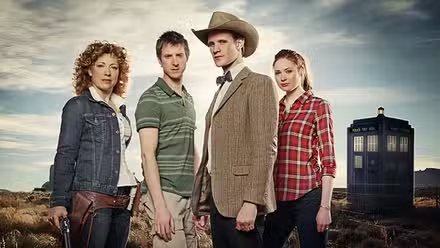
Doctor Who‘s 2025 season ended with a considerable surprise, even by its twisty standards. Without preamble or explanation, the Fifteenth Doctor (Ncuti Gatwa) regenerated into a face identical to that of former companion Rose Tyler (Billie Piper). Showrunner Russell T. Davies was equally tight-lipped for the next 11 months, only promising that this year’s Christmas special contained answers to viewers’ burning questions.
However, on June 10, the BBC announced their decision to cancel the annual special, separate from Davies and the Bad Wolf company, and “put” Doctor Who “out to competitive tender.” Even though the word “cancelled” strikes fear in fans’ hearts, the BBC has merely paused the franchise while they search for their next collaborators. If the stars align, this artistic rejuvenation may be exactly what the United Kingdom’s most valuable IP needs — both for Doctor Who‘s overall sake, and to ensure the TARDIS survives streaming’s precarious landscape.
Competitive Tenders Are Common Practice for the BBC
Competitive tenders are a normal part of the BBC’s “governance and regulatory” requirements, according to their Charter with the UK government. When the BBC releases a property to tender, any interested companies can pitch suggestions for its creative direction, financials, and everything in between. The BBC Board then assesses their shortlist and gives the other bidders “8-10 working days” (per Radio Times’ breakdown) to challenge their first choice. Once the results are ironed out, all parties sign on the dotted line.
The BBC’s June statement arrives nine months after the broadcaster and Disney+ dissolved their partnership. The recent press release explains the BBC is “choosing to push forward to invest in the long-term future of the show” rather than “bridge the gap with a one-off special.” Davies’ concurrent Instagram post reveals he “never wrote [a Christmas special script], and no actor was ever approached to play the next Doctor.” Given that context, the BBC utilizing one of their regular business practices is a prudent strategy.
It helps matters that Doctor Who‘s intimately familiar with major obstacles and overhauls alike. In 1989, three years after the longstanding sci-fi serial endured a rare 18-month hiatus, executives elected to quietly cancel the Classic run. The TARDIS spent 16 years in stasis before Davies and Bad Wolf’s shrewd 2005 revival catapulted Doctor Who from beloved British staple to international phenomenon. Even when the show’s active popularity cooled under Chris Chibnall‘s supervision, the BBC’s backing still secured a streamer as gargantuan as Disney+.
‘Doctor Who’ Has Pioneered Creative Flexibility Since Day One
Doctor Who has always thrived thanks to its inherent capacity for transformation and adaptability. When original lead actor William Hartnell departed three years in, the BBC recast the Doctor and invented an in-universe explanation for Hartnell’s successor. The stars aligned, and their risky swing pioneered Doctor Who‘s wholly unique tradition. Performers and writers routinely switch out, while the series’ atmosphere evolves to match each showrunner’s distinct inventions (settings, characters, lore) and the thematic material they prefer to explore.
All that said, this transition period might be trickier than usual. The streaming modus operandi frequently determines artistic opportunity, scope, and distribution access, even for network television. Davies’ last two seasons feature some of his career’s strongest individual scripts, but squeezing Doctor Who‘s 10-to-13-episode seasonal format into Disney+’s 8-episode default contributes to the seasons’ rushed arcs and shaky payoffs. Even taking the structural limitations into consideration, incorporating Piper into the current cliffhanger arguably strays from celebrating the show’s past for its landmark 60th anniversary (i.e., David Tennant, Catherine Tate, a modernized Hartnell-era villain) to over-relying on attention-seizing nostalgia.

Two More Fan-Favorite ‘Doctor Who’ Companions Will Return to the Franchise, but There’s a Catch
Karen Gillan and Arthur Darvill appeared in Seasons 5 through 7 of ‘Doctor Who.’
Make no mistake — Piper’s contributions are woven into sci-fi history, and she’d make a magnificent Doctor. Likewise, Davies’ original guidance ignited an enthusiastic momentum that surpassed all expectations. Timing is the situation’s Achilles’ heel. Davies uses the same tactic twice within three years, starting with Jodie Whittaker‘s regeneration into Tennant’s secret return. Fan favorites bookend and almost overshadow the tremendous Gatwa’s too-short tenure when keeping the Doctor’s new face a mystery would’ve been a sufficient tease. For Doctor Who to flourish like it deserves, it needs new camera-facing and behind-the-scenes voices.
Admittedly, it’s possible the show’s immediate future is more dire than the press release indicates. The tender bidding could also yield no harmonious matches. If the worst-case scenario unfolds, the 2005 relaunch proves there’s no such thing as a definitive nail in Doctor Who‘s coffin. Its enduring renown doesn’t arise from blockbuster visuals. Doctor Who soars whenever it channels the same experimental vision, starry-eyed imagination, and dependable, resilient, thoroughly sincere heart that overcame its humble budget in 1963 and 2005. After running for 21 uninterrupted years, the BBC is taking the time to reconsider its trajectory and invite fresh perspectives to the table, which speaks to the care they hold for their most cherished mainstay.

Doctor Who
- Release Date
-
2005 – 2021-00-00
- Network
-
BBC
- Directors
-
Graeme Harper, Euros Lyn, Douglas Mackinnon, Jamie Magnus Stone, Charles Palmer, Rachel Talalay, Joe Ahearne, James Strong, Jamie Childs, Saul Metzstein, Toby Haynes, Wayne Che Yip, Nick Hurran, Richard Clark, James Hawes, Daniel Nettheim, Colin Teague, Keith Boak, Azhur Saleem, Adam Smith, Andrew Gunn, Nida Manzoor, Lawrence Gough, Paul Murphy
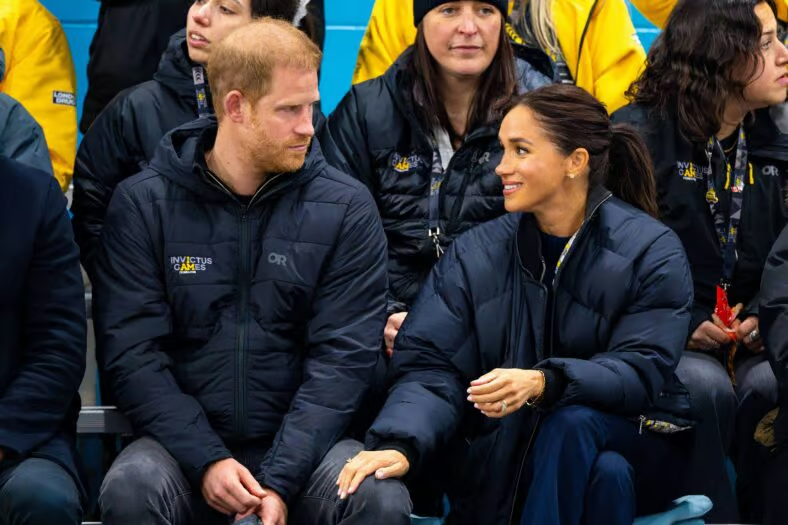
Fresh speculation suggests that Prince Harry and Meghan Markle may be under increasing financial pressure, which could eventually lead them to reconsider their luxurious Montecito lifestyle.
Commentators have claimed the couple’s ability to monetize their royal connection is weakening, prompting rumors of a possible downsizing and even a return to acting for Meghan.
Since stepping back from royal duties, they’ve relied on media deals, speaking engagements, and Meghan Markle’s lifestyle brand while raising their children privately in California.

Harry and Meghan may eventually scale back their lifestyle in California if financial pressures continue to mount, a new report claims.
The Duke and Duchess of Sussex purchased their sprawling Montecito property for around $14 million in 2020 after stepping away from their roles as senior members of the British royal family.
The estate has since served as the family’s home, where they live with their children, Prince Archie and Princess Lilibet.
However, commentator and columnist Maureen Callahan recently claimed that rumors are circulating about the couple’s ability to comfortably sustain the costs associated with the luxury property.
Speaking on “The Royals Uncensored” podcast, Callahan suggested that Harry and Meghan have found it increasingly difficult to generate income from the public fascination surrounding their royal connections.
“They are having a lot of trouble monetizing what they used to monetize, which is their connection to the royal family, which was secrets of the royal family,” the expert noted, per The Express.
According to Callahan, much of the interest that initially fueled their commercial ventures was tied to revelations about royal life, but that source of attention may now be fading. As a result, she said there is growing speculation that the Sussexes could eventually consider moving to a less expensive home.
“The information supply has been choked off. So the stories are that they may need to downsize from that $14m Montecito mansion,” Callahan added.
The Duchess Faces Scrutiny Over Career Shift And Luxury Brand Pricing Debate

Callahan also referenced reports indicating that Meghan may be exploring a return to acting, a profession she left behind before marrying Harry in 2018.
The expert described the move as a notable shift from the direction Meghan appeared to be pursuing in recent years.
Since relocating to the United States, Harry and Meghan have signed major media deals, including partnerships with Netflix and Spotify, while also launching podcasts and participating in high-profile speaking engagements. More recently, Meghan has focused much of her attention on her lifestyle company, As Ever.
The brand, which offers products ranging from preserves and candles to decorative food items, has attracted both interest and criticism. A resurfaced 2016 interview recently reignited debate online after Meghan’s earlier comments about avoiding expensive products on her former lifestyle platform, “The Tig.”
At the time, Meghan emphasized creating content and recommendations that felt attainable rather than exclusive. Critics later pointed to premium-priced items sold through As Ever, including candle gift sets costing over $100, arguing that the approach appears at odds with her previous messaging.
Prince Harry And Meghan Might Be Making A UK Return With Their Kids In July

Speculations about Harry and Meghan’s financial troubles come amid a BBC report that the Duke and Duchess of Sussex are set to make a major return to the UK with their kids this July.
The trip will mark the first time in four years that Harry will have his wife and kids with him in the country.
The last time Meghan and her kids, Prince Archie and Princess Lilibet, were in the UK with Harry was to attend the late Queen Elizabeth II’s Platinum Jubilee celebrations.
However, since then, the children, especially, have remained in California, likely due to Harry’s security concerns after his and Meghan’s royal protections were stripped due to them no longer being working royals.
Meghan Markle Shared A Heartfelt Birthday Tribute For Princess Lilibet’s Fifth Birthday
Separately, Meghan recently marked a personal milestone by celebrating her daughter Princess Lilibet’s fifth birthday with a heartfelt Instagram post shared on June 4.
To celebrate Lilibet turning five, the Duchess of Sussex posted a series of family photos that offered a rare glimpse into their private life. One image captured Harry holding his daughter while Meghan looked on with a smile, while another showed the young princess strolling barefoot through the gardens of the family’s California home.
In both photos, Lilibet wore a light embroidered sundress, and her distinctive red hair flowed freely, a feature she inherited from her father, Prince Harry. “Our dream girl. Happy 5th birthday, Lili,” Meghan wrote in the caption accompanying the post.
Harry and Meghan welcomed their first child, Prince Archie, in May 2019 while living in the United Kingdom. Since relocating to California, the couple has largely kept their children out of the public eye, though Meghan has occasionally shared family moments through her personal Instagram account, which she launched in 2025.
Prince Harry And Meghan Markle Share Rare Glimpses Of Family Life In California

Among those recent glimpses was a family trip to Disneyland, where they reportedly celebrated the children’s birthdays together.
Lilibet also made a brief appearance on Meghan’s social media in May when the Duchess posted a photo while preparing for a trip to Switzerland. Referring to her daughter as “Mama’s little helper,” Meghan shared a sweet moment that highlighted their close bond.
Balancing family life with their various charitable and business ventures, Harry and Meghan have continued to prioritize raising Archie and Lilibet away from intense public scrutiny.
Speaking about her family in a previous interview, Meghan explained that despite their unique circumstances, she hopes people see them as parents striving to give their children a normal and grounded upbringing.
By Chris Snellgrove
| Published

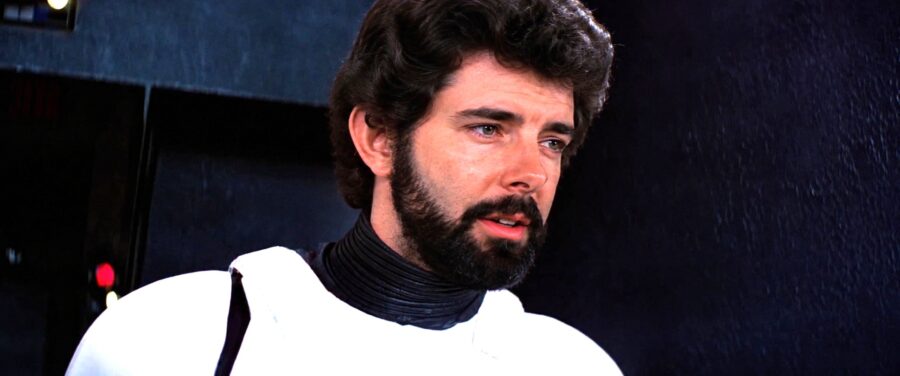
Here’s something that will get me thrown out of the nearest airlock on a Star Destroyer: I really love The Last Jedi. It’s a flawed film, but I will always give it credit for being the only movie in the Star Wars Sequel Trilogy to actually take some creative risks. On paper, I understand what fans disliked: Rey being a nobody, Luke being a defeated crank who dies at the end, the entirety of the Canto Bight storyline, and so on. Still, this movie was effectively the beginning of the end for the franchise, which is a big indication of just how much fans hated it.
Accordingly, I’ve spent years wondering where it all went wrong. I still enjoy The Last Jedi, but I can’t help but ponder why it turned so many fans off completely. Today, I believe I’ve discovered the answer. It’s common knowledge that George Lucas created Star Wars as a kind of modern mythology, one that built off the popular epics of yesteryear. Rian Johnson tried to do the same thing with his hated Star Wars sequel. But based on old interviews, it seems there was a very fundamental difference. Lucas was writing myths for children, and Johnson was writing myths for adults, creating a tonal whiplash throughout our favorite galaxy far, far away.
The Hero’s Journey Comes To An End
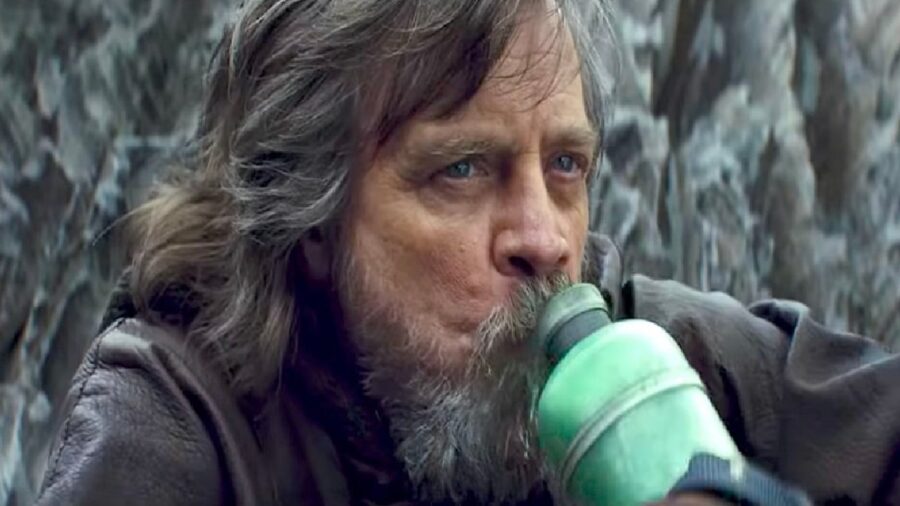
Back in 2018, Rian Johnson gave an interview to The Hollywood Reporter about The Last Jedi. One of the topics they covered was what the fans and even Mark Hamill hated most about the movie: the portrayal of Luke Skywalker as a depressed and beaten old man who throws his own lightsaber away and disses the Jedi of the Old Republic. On this subject, Johnson evoked the idea of “the classic hero’s myth” that Star Wars is based on. Notably, George Lucas was heavily influenced by Joseph Campbell, who famously wrote about how all famous literary epics were chronicling the same stages of the same heroic journey.
Johnson implied that earlier Star Wars films followed the earlier parts of a hero’s journey, like King Arthur pulling the sword from the stone and uniting the kingdoms. But “when it deals with the hero’s life as they get into middle age and beyond, it always starts to get into darker places. And there’s a reason for that: It’s because myths are not made to sell action figures,” he said. “Myths are made to reflect the most difficult transitions we go through in life.” Therefore, The Last Jedi is showing Luke at the end of his journey, and his dark, brooding personality is a reflection of his inner struggle.
Right About Myths, Wrong About Star Wars
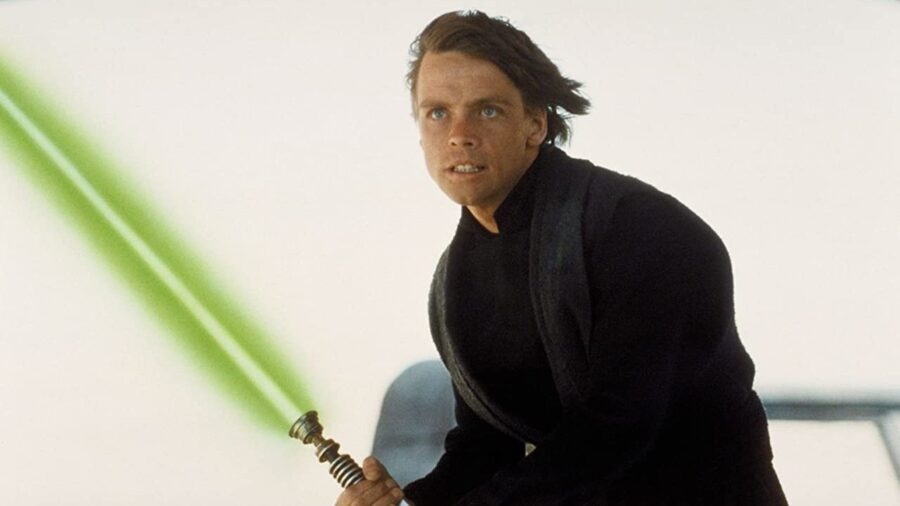
Incidentally, Rian Johnson is right about this. The hero’s journeys of ancient myths really do take their heroes to dark places, and what Luke Skywalker is going through certainly reflects his own depressing journey. Based on Johnson’s quote, it seems like he wanted Luke to resonate with the audiences that grew up watching Star Wars. That is, now that we are middle-aged (or older), we’re all dealing with our own inner struggles and would like to see those struggles reflected in our favorite hero. Unfortunately, this represents a catastrophic misunderstanding of why fans love these movies and how myth actually works in Star Wars.
First off, at the risk of stating the obvious, nobody comes to a Star Wars movie because they want to see something dark and depressing. If we wanted to be bummed out, we wouldn’t drive to the theater; we’d just doomscroll on our phones! Second, and more importantly, Johnson is wrong about how myths have historically functioned in Star Wars. In a 2020 interview with GQ, The Mandalorian showrunner Jon Favreau revealed advice he had gotten from George Lucas: “the real audience for all stories and all myths is the kids that are coming of age.”
Star Wars, Like Wu-Tang, Is For The Children
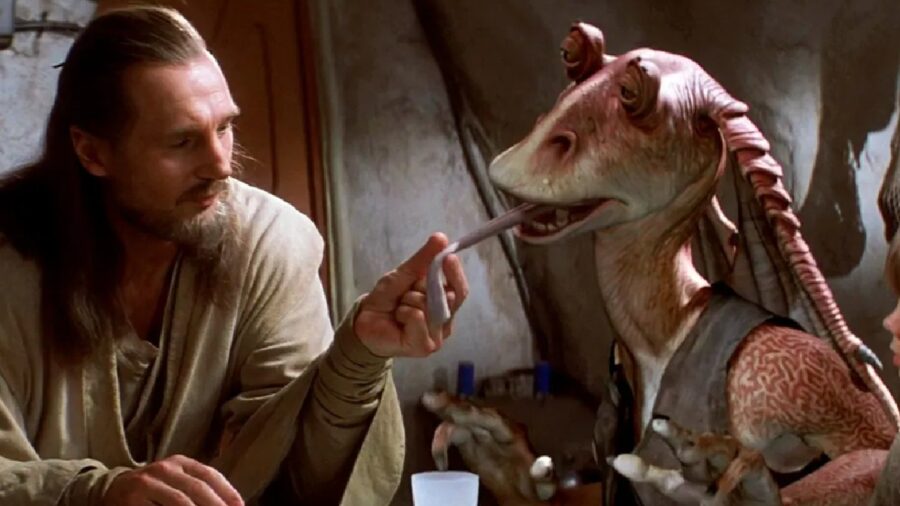
This is where the disconnect comes in. Lucas deliberately aimed his Star Wars films at children, which is why the prequels had fart jokes and slapstick Jar-Jar Binks humor. The director basically gambled that this approach would work on everyone: the actual children who wanted to be like Luke Skywalker and the young at heart who could remember what it was like to be young. These groups enjoyed seeing Luke enact the early days of King Arthur (he gets a magic sword from a wizard, storms a castle, saves a princess, etc.) because the would-be Jedi is reenacting the coolest and most exciting part of the myth.
Johnson thought that Star Wars fans who had grown older would enjoy seeing Luke Skywalker’s Arthur-like decline. In mythology, Arthur gets betrayed by his friend, his wife, and his illegitimate kid. The Last Jedi even shows Luke dying like Arthur did, succumbing to death after a battle with a hotheaded upstart. But fans rejected this movie because they didn’t want to see the depressing end of the hero’s journey. They wanted to see more of what made them fall in love with Star Wars in the first place: heroes overcoming great odds and saving the entire galaxy from evil.
Is There A New Hope?

Again, Rian Johnson wasn’t wrong about how myths reflect different stages of life and the different struggles we all experience. But he was wrong about what audiences actually wanted from their favorite sci-fi franchise. Sure, the hero’s journey almost always ends in tragedy, but we don’t want too much tragedy from our goofy pew-pew laser movie. We certainly don’t want to see old, depressed people; we get enough of that in the mirror every morning! He tried to cater to our inner struggles instead of our inner child, and it was all downhill from there.
Now, for better or for worse, the fate of Star Wars is in the hands of Dave Filoni, the new head honcho of Lucasfilm. Filoni studied directly under George Lucas, so he may be able to avoid some of the rookie mistakes Rian Johnson made when it came to creating modern myths. Based on the performance of The Mandalorian and Grogu, though, it may be too late. Now, all of us might be watching Star Wars experience the last stage of its own heroic journey: the part where it dies.

Tom Lee ignites Bitmine rally hopes with Russell 1000 push

FIFA World Cup 2026: Tuchel’s England impresses in 4-2 win against Croatia | FIFA World Cup 2026
5 Of The Most Common Problems Users Have With HP Laptops


-

 Business4 days ago
No Jackpot Winner as $257 Million Prize Rolls Over to $269 Million Monday Draw
-

 Fashion5 days ago
Weekend Open Thread: Tuckernuck – Corporette.com
-

 Crypto World7 days ago
Oppenheimer backs SpaceX as $70 billion retail frenzy builds
-

 Crypto World6 days ago
Markets Rally as SpaceX IPO Looms Amid Iran Tensions and Inflation Surge
-
 Crypto World3 days ago
Zimbabwe Requires Crypto Businesses to Register Annually Under New FIU Regulations
-

 Tech5 days ago
NanoClaw integrates JFrog registries to secure AI agent downloads
-

 Crypto World5 days ago
Bitget enters Argentina’s regulated crypto market through PSAV registration
-

 Tech6 days ago
This Week In Security: Microsoft On Microsoft, Register Your Domains, Linux On ARM, And FreeBSD Joins The File Cache Club
-

 NewsBeat6 days ago
El Nino has formed in the Pacific and could set records, forecasters say
-
 Tech7 days ago
Dutton Ranch star claims they ‘didn’t see any disruption’ on set following Chad Feehan’s exit from Yellowstone spinoff fueled by Taylor Sheridan clash rumors
-

 Politics7 days ago
Politics Home | Healey Resignation Is “Colossal Failure Of Government”, Says Former Labour Defence Secretary
-
 Entertainment6 days ago
Donnie Wahlberg & More Heat Up Las Vegas at Circa’s Barry’s Downtown Prime
-
 Tech6 days ago
Opendoor Ends India Operations, Fueling a Bigger Conversation About AI and Outsourcing
-

 Sports7 days ago
First Time Since 1971: Australia Register Historic Low In ODI Cricket
-

 Politics7 days ago
Belfast burns, while Met chief points finger at Iran and Russia
-

 NewsBeat5 days ago
FBI searches office of Ohio voter registration group
-

 Business7 days ago
AT&T: Verizon's 27% Outperformance Sets Up A Solid Entry Point
-
 Tech6 days ago
Anthropic is spending $150M to embed 1,000 AI fellows inside nonprofits. No degree required.
-

 Politics7 days ago
Modi thanks Trump for wishes as US attacks Indian seafarers
-
 Entertainment6 days ago
‘The Pitt’s Fan-Favorite Doctor Confirms Noah Wyle Gave His Blessing to Return [Exclusive]
You must be logged in to post a comment Login