

Business
NSE IPO: NIACL, IFCI, other stocks gain up to 14% as NSE files for India’s largest IPO. Who’s selling stake?

Shares of New India Assurance Company shares rallied 14% to Rs 188. While, that of IFCI rose over 4% to Rs 94 apiece on NSE. Bank of Baroda and General Insurance Corporation of India (GIC) followed suit, up around 2% at Rs 287. Meanwhile, SBI traded marginally higher.
NSE filed its Draft Red Herring Prospectus (DRHP) with capital markets regulator SEBI on Wednesday, setting the ball rolling for an IPO that has been delayed for nearly a decade. The maiden public issue of the stock exchange will entirely comprise an offer for sale (OFS) of up to 14.89 crore shares, expected to be worth around $3 billion.
Also read: NSE files DRHP for mega $3 billion IPO, SBI among 10 investors to sell stake
According to the DRHP, the government-owned insurer, NIACL will offload more than 1 crore NSE shares through the offer-for-sale. The total acquisition cost of these shares stands at Rs 33.60 lakh.

State Bank of India (SBI) has been listed out as the largest listed selling shareholder in the OFS, as it aims to offload nearly 2.47 crore shares in the NSE through its IPO. Bank of Baroda, meanwhile, aims to offload 1.099 crore shares via the OFS, while Stock Holding Corporation offers 1.089 crore shares. GIC aims to sell 1.0658 crore shares, while the New India Assurance Company offers 1.05 crore shares.
Sharp surge in IFCI, IDBI Bank shares ahead of NSE IPO filing
Notably, these stocks have seen a significant surge in recent days amid rising buzz over NSE soon filing its DRHP. IDBI Bank shares rallied more than 17% on Wednesday, surging 24% in one week and 29% in one month amid the buzz around the private lender likely being one of the sellers. The stock, however, dropped more than 4% today.IFCI shares jumped nearly 28% in one week and 45% in one month to hit fresh record highs. The rally was driven by the fact that IFCI owns a 52.86% stake in Stock Holding Corporation of India (SHCIL), which in turn, holds 4.4% of NSE as of the December quarter. Through its controlling interest in SHCIL, IFCI enjoys indirect exposure to NSE, making its stock particularly sensitive to developments related to the exchange’s IPO.
SBI and Bank of Baroda shares have gained 3-7% in one week amid the rising buzz around NSE IPO and overall optimism in stock markets.
NSE’s much-awaited IPO will provide liquidity for several long-term institutional investors while marking a major milestone for the country’s leading stock exchange. Earlier this year, SEBI granted a no-objection certificate (NOC) for NSE’s much-awaited IPO, removing a key regulatory hurdle that had delayed the process for years.
Also read: 10 key things investors need to know about NSE IPO
NSE currently trades in the unlisted market at around Rs 1,950-2,050 per share, implying a valuation of nearly Rs 5 lakh crore. This would make it one of the most valuable listed financial institutions in India once the public issue is completed.
According to Nitant Darekar, Research Analyst at Bonanza, the exchange is already commanding premium valuations in the unlisted market. “NSE remains a capital-light near-monopoly. At around Rs 1,950-2,170 in the unlisted market, it trades near 45x FY26 earnings. That’s rich, but below BSE at around 70x and MCX at around 80x,” Darekar said, adding that the recent settlement of the long-running co-location case has removed a key overhang that had weighed on the listing process for years.
Unlike most IPOs, where companies raise capital to fund expansion plans, NSE’s IPO is largely intended to provide liquidity and an exit route for long-standing investors.

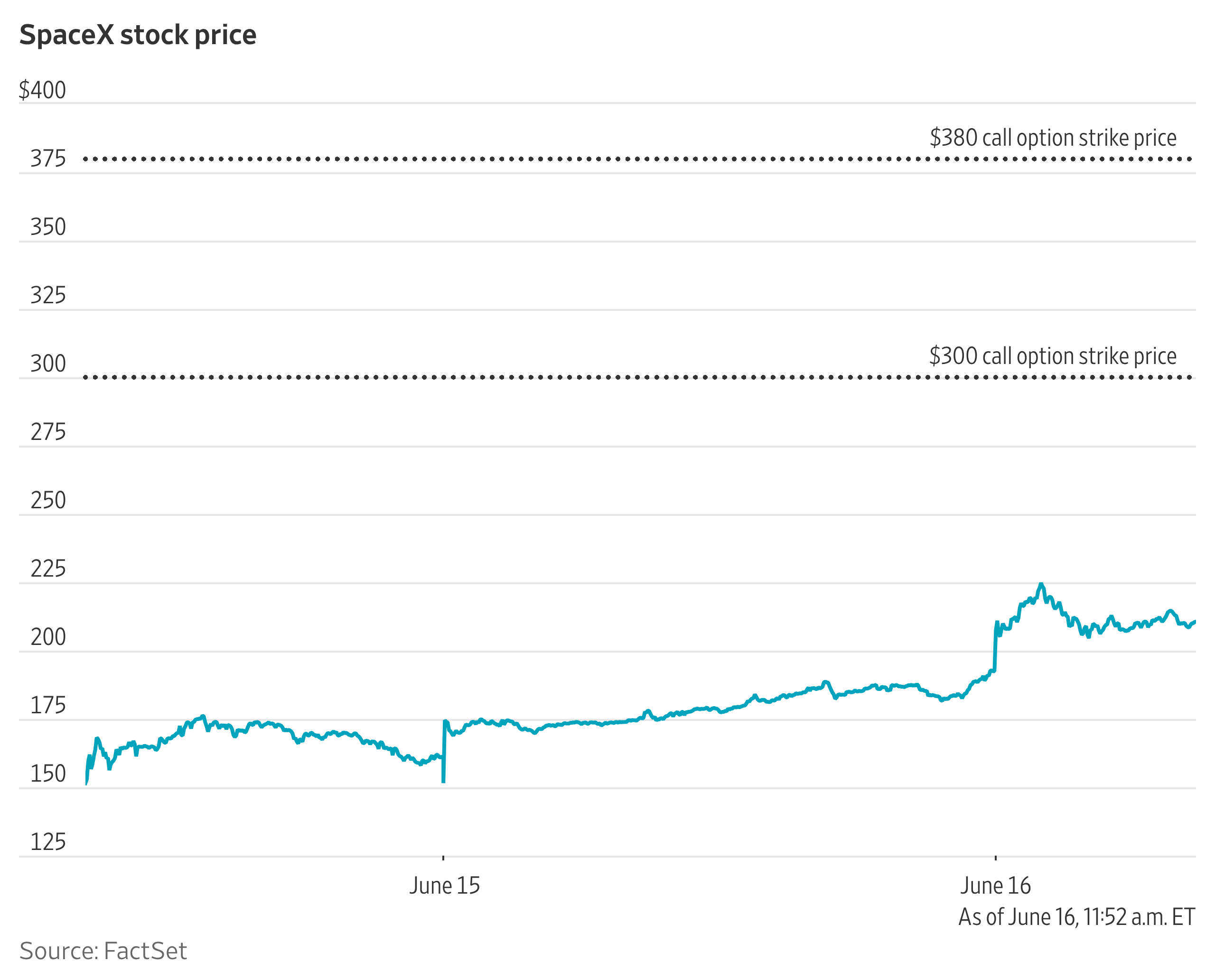
SpaceX Options’ First Day of Trading Breaks Records

CUPERTINO, California — Apple Inc. will raise prices on its products to offset soaring costs of memory and storage chips, Chief Executive Tim Cook said, citing an unprecedented supply crunch driven largely by demand from artificial intelligence applications.
Cook told The Wall Street Journal in an exclusive interview that the situation had become unsustainable despite the company’s efforts to absorb increases and protect customers. “Unfortunately, price increases are unavoidable,” he said. “We’re doing our best to mitigate the huge increases that are being passed to us, and we’ve been trying to shield our customers from the increases, but the situation has become unsustainable.”
The announcement marks a significant shift for Apple, long known for premium pricing but also for absorbing some component cost fluctuations to maintain competitive positioning. Surging demand for high-bandwidth memory used in AI servers has quadrupled prices in some cases over the past year, according to industry reports.
Memory chips, including DRAM and NAND flash, are critical components in iPhones, Mac computers, iPads and other devices. Suppliers such as Samsung Electronics, SK Hynix and Micron Technology have prioritized AI-related orders, constraining availability for consumer electronics manufacturers.
Apple has not specified which products will see increases or the timing and magnitude of changes. Analysts expect impacts across the Mac and iPad lines first, with potential ripple effects to iPhones in future generations. Morgan Stanley has forecasted possible price hikes of 15 percent or more for some consumer tech products this year.
Cook described the memory shortage as a “hundred-year flood” unlike anything he had witnessed in more than four decades in the technology supply chain. The company continues working with suppliers to secure allocations while exploring alternative sourcing strategies.
The move comes as Apple navigates broader challenges in its supply chain amid geopolitical tensions and rapid technological shifts toward AI integration. The company has invested heavily in custom silicon but remains dependent on external memory providers for key components.
Wall Street reacted with mixed assessments. While some investors viewed the transparency positively, concerns emerged about potential impacts on consumer demand and market share. Apple’s shares dipped slightly following the report, though the company maintains strong financial reserves to weather such pressures.
Industry analysts note that memory price volatility has affected multiple manufacturers. Competitors like Samsung and Dell have also signaled cost challenges, suggesting broader price adjustments across the technology sector.
Apple’s premium positioning has historically allowed it to pass on some costs, but sustained increases could test customer loyalty in price-sensitive markets. The company has previously mitigated pressures through efficiency gains and design optimizations.
Cook emphasized ongoing efforts to innovate and control costs internally. Apple continues advancing its silicon development and exploring new manufacturing partnerships to reduce dependency on volatile commodity markets.
The memory crunch stems primarily from explosive growth in AI data centers operated by companies including Google, Microsoft, Meta and Amazon. These facilities require massive quantities of high-performance memory, diverting supply from consumer device production.
For consumers, the changes could mean higher prices for new iPhones, Macs and other products in coming months. Apple typically announces pricing with new hardware releases at events like its Worldwide Developers Conference or fall product launches.
The development highlights vulnerabilities in global technology supply chains. Experts call for greater diversification and investment in domestic manufacturing capacity to enhance resilience against such disruptions.
Apple maintains a robust balance sheet with significant cash reserves, providing flexibility to manage the situation. The company reported strong services growth and ecosystem loyalty that could help offset hardware price adjustments.
Looking ahead, resolution of the memory shortage depends on expanded production capacity from suppliers and potential moderation in AI infrastructure spending. Until then, price increases appear likely across the industry.
Cook’s comments underscore the challenges facing even the world’s most valuable company in navigating component cost inflation. Apple’s response will be closely watched as a bellwether for the broader consumer electronics sector.
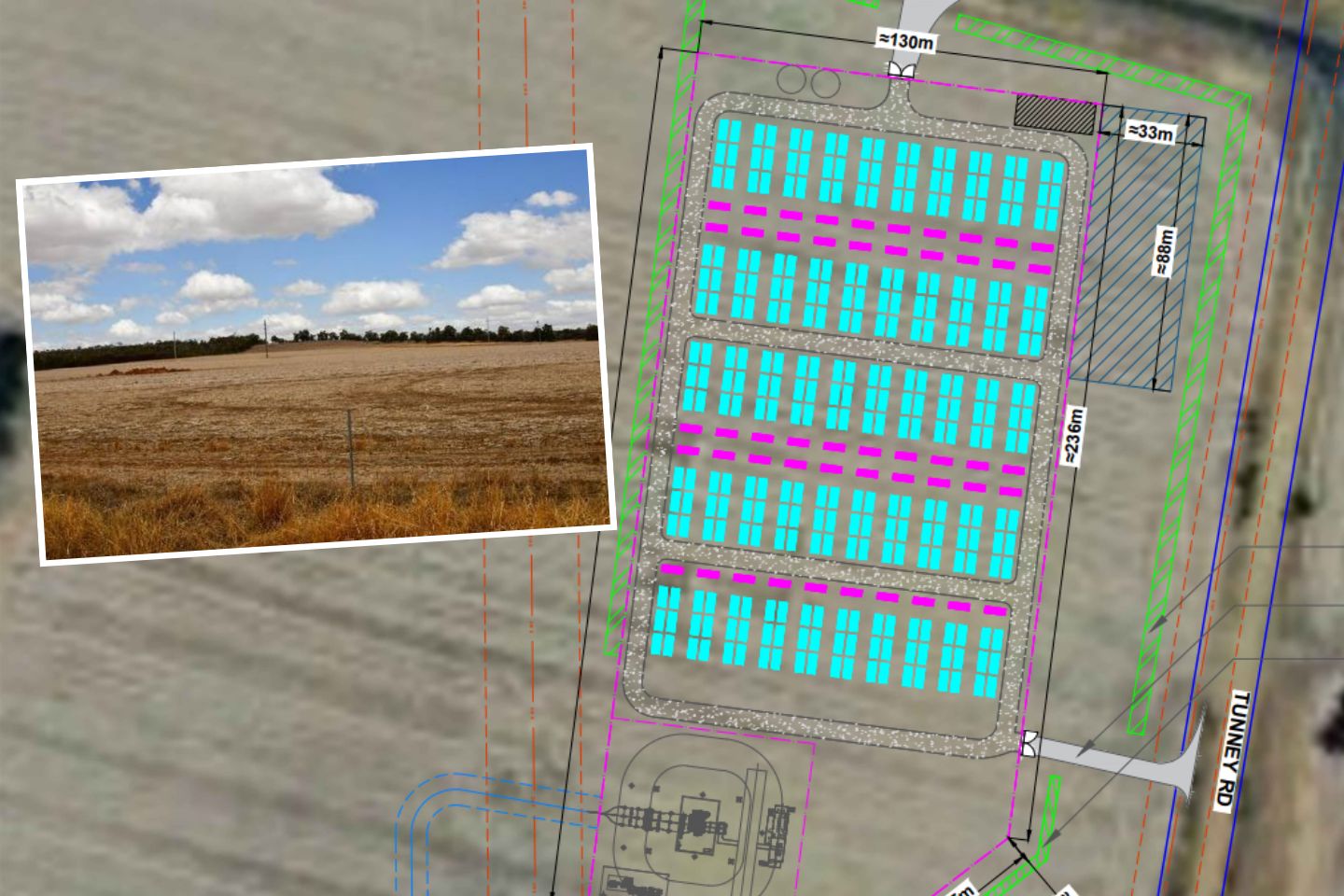
Victoria-based Mint Renewables has lodged a proposal in Western Australia, over a battery storage project in the Shire of Kojonup.
Diodes Incorporated: My Best Pick For The Semis Rally
The cost of BHP’s flagship potash project in Canada has blown out by another US$2 billion on the back of a two-year building delay.
The sharp surge in Yes Bank shares over the past five days has added more than Rs 8,662 crore to the company’s market capitalisation, bringing it to nearly Rs 80,912 crore on Thursday. The stock hit a 52-week high of Rs 25.78 apiece today, skyrocketing 50% in less than three months after hitting a 52-week low of Rs 17.20 apiece in March this year.
The sharp rally in Yes Bank’s share price began after the lender announced a strategic partnership with Northern Arc Capital aimed at expanding access to credit, scaling digital lending and offering debt investment opportunities to customers. The stock has gained 15% in one week, 17% in one month and 19% in 2026 so far. In the longer term, the stock gained 56% in three years and 85% in five years.
Also read: Yes Bank partners with Northern Arc to extend lending offerings
Technical view on Yes Bank
Analysts hold a ‘Sell’ call on the shares of Yes Bank, according to LSEG data on the mean recommendation of 11 analysts. The stock currently has a P/E ratio of around 23x and is trading as one of the top gainers on the Nifty Bank index today.
Yes Bank’s technical setup has improved, but the risk-reward is no longer as comfortable as it was near the lower end of the range, said Harshal Dasani, Business Head, INVasset PMS. “The stock has seen a sharp short-term move, supported by stronger volumes and a breakout above the earlier supply zone around Rs 24. That confirms better momentum and suggests that the market is no longer treating the stock as purely range-bound. The RSI moving into the stronger zone also shows that buyers have control for now,” he said.
The issue is that the stock is already approaching an important resistance band around Rs 26, where supply can re-emerge, according to the analyst, who added that a clean close above this zone would strengthen the breakout structure and may extend the recovery, but failure to sustain there could lead to consolidation or profit-taking. “The Rs 23 to Rs 24 band is now the key support area. As long as the stock holds above it, the short-term structure remains constructive. A breach of that band would weaken the move and suggest that this was more of a momentum-led bounce than a durable trend reversal. The honest view is balanced: the chart has improved, but the next leg needs confirmation, not assumption,” he said.Also read: Vedanta Aluminium vs Power vs Oil & Gas vs Iron & Steel; which stock should you buy?
Yes Bank Q4 snapshot
Yes Bank reported a 45% year-on-year (YoY) rise in net profit to Rs 1,068 crore for the January-March quarter of FY26. Its net interest income during the quarter under review grew 16% YoY to Rs 2,638 crore.
Net interest margin (NIM) gained 20 bps to 2.7% while asset quality improved. Gross non-performing assets (NPA) ratio declined 30 bps YoY to 1.3%, while net NPA ratio declined 10 bps to 0.2%.
Also read: Yes Bank Q4 Results
(Disclaimer: Recommendations, suggestions, views and opinions given by the experts are their own. These do not represent the views of The Economic Times)

Intercontinental Exchange: Scale And Market Leadership But With Mortgage Headwinds
Business
Claude AI Down Now? Claude AI Experiences Service Disruptions as Users Report Widespread Outages

SAN FRANCISCO — Anthropic’s popular Claude AI chatbot faced intermittent service disruptions affecting users worldwide, with reports of elevated error rates across its platforms prompting questions about infrastructure capacity amid surging demand.
Users attempting to access Claude via claude.ai and associated services encountered issues ranging from slow responses to complete unavailability. Downdetector and social media platforms saw spikes in complaints, with many noting problems specifically with models like Claude Opus.
Anthropic’s official status page confirmed investigations into elevated errors, marking one of several incidents reported in recent weeks. The company has attributed such disruptions to demand outpacing current infrastructure capabilities as adoption of the AI assistant grows rapidly.
The latest reported problems affected core services including the web interface, API and Claude Code. While some outages resolved relatively quickly after fixes were deployed, the frequency has raised concerns among developers and enterprise users reliant on the platform for daily workflows.
Anthropic has not issued a detailed public statement on the most recent incidents beyond status updates. Previous outages have been resolved within hours, with the company monitoring systems and implementing adjustments.
The disruptions come as Claude continues gaining traction as a competitor to other leading AI models. Anthropic has positioned the chatbot as a helpful and reliable assistant, but repeated service interruptions have tested user patience and highlighted challenges in scaling large language models.
Industry analysts point to the “success tax” faced by popular AI services, where rapid user growth strains backend systems. Similar issues have affected other providers during peak demand periods.
For individual users, outages mean temporary inability to generate text, analyze data or engage in conversations with the AI. Enterprise customers with API integrations have reported workflow interruptions, particularly in coding and content creation tasks.
Anthropic has expanded capacity in recent months but faces ongoing pressure to match demand. The company has invested heavily in compute resources while emphasizing responsible development practices.
Social media reactions reflected a mix of frustration and understanding. Users shared screenshots of error messages, with hashtags like #ClaudeDown trending during peak disruption times. Some expressed sympathy for the engineering challenges involved.
The outages have renewed discussions about AI reliability and the need for redundancy in critical applications. Businesses increasingly depend on these tools for productivity, making consistent uptime essential.
Anthropic’s status page remains the primary source for real-time updates. Users experiencing problems are advised to check there before reporting issues through other channels.
This is not the first time Claude has encountered widespread problems. Earlier incidents in June followed patterns of elevated errors during high-traffic periods, often resolving after targeted fixes.
Experts suggest that as AI adoption accelerates, service providers will need robust failover systems and transparent communication to maintain trust. Anthropic has committed to improving stability while continuing model development.
For now, affected users may need to rely on alternative AI tools or wait for resolution. The company typically provides follow-up reports once normal operations resume.
The situation underscores broader challenges in the AI industry as it balances innovation with operational reliability. Companies like Anthropic are navigating unprecedented demand while upholding safety and performance standards.
Business
Extended summer may lift AC sales, but growth likely to fall short of expectations: Praveen Sahay

According to Praveen Sahay, PL Capital while consumer demand at the secondary level has been encouraging since mid-April, weak primary sales have prevented the industry from fully capitalising on the seasonal opportunity.
Secondary Demand Strong, But Primary Sales Lag
Sahay noted that channel checks indicate healthy off-take at the retail level throughout May, but manufacturers have not seen a proportional increase in shipments to dealers.”On the RAC, we did a channel check recently, and definitely the secondary demand has been very good post-15th April throughout May. That led to good traction at the secondary level. However, we also got to know that the primary sales have not been as expected, even though the summer is continuing. Expectations were for nearly 20-25% growth, but that is not happening at the primary level because inventory in the channel was lower. Dealers were not very enthusiastic about the extended or harsh summer in terms of building inventories.”
He added that the industry’s volume growth has remained below expectations.
“Nearly around 15% growth is what we had envisaged based on our channel checks as well as data published by secondary sources, so that is below expectations.”
El Niño Could Extend the Seasonal Boost
Although the first quarter may not deliver the anticipated growth, Sahay believes the extended summer could benefit the industry during the traditionally weaker second quarter.
He expects RAC sales to recover to around 58 lakh units in the first quarter, compared with approximately 51 lakh units last year, but does not foresee volumes exceeding that level.
“Coming to the El Niño impact, it may extend the summer, especially into July. Q2 is usually a lean quarter for RACs. In good years, the industry sold nearly 17-18 lakh RAC units in the secondary market, while last year it was around 15 lakh. We expect that, with the El Niño impact, sales may reach 18 lakh. Altogether, Q1 and Q2 growth would be nearly around 17% plus, not the 20-25% that was expected.”
He also pointed out that performance differs significantly across brands.
“Brand-to-brand, these numbers are varying. Some companies are very aggressive and are doing very well in terms of volumes, and one of them is Voltas right now.”
Partial Price Hikes Could Squeeze Margins
While inflationary pressures and rising commodity costs prompted manufacturers to announce price increases, Sahay said only part of those hikes has been implemented because of intense competition and soft consumer sentiment.
“The first price hike was taken in January to adjust to the BE norms, and all brands absorbed it because the GST reduction gave them some leeway. Ultimately, consumers did not face any price hike. In April, the announced price hike was around 10% to 11%. In our channel checks, we found that only 5% to 6% has been implemented so far. Some discounting and rollbacks have also happened.”
He believes companies have struggled to fully pass on higher costs.
“Competitive intensity has increased. Maybe consumer demand is also getting impacted because of inflation. Those are the reasons why the entire price hike has not been taken, and that will definitely lead to some margin pressure for all the players because they are not able to pass on the entire commodity cost increase.”
Dealers Playing It Safe
The industry’s biggest challenge this year has been the cautious approach adopted by dealers despite favourable weather conditions.
Sahay said dealer inventory levels remain significantly lower than in previous years.
“Our channel checks show that secondary demand has been good, but primary demand is still lower. Earlier, dealers were carrying inventories of more than 30 days. Right now, what we get to know is that inventory is nearly 10 days lower, at around 20 days. That has led to softness in primary sales. Expectations were for 20-25% growth, looking at the harsh summer, extended summer and El Niño impact, but dealers were quite cautious in building inventory. That has led to softer demand. Nearly around 15% growth is what we are estimating so far.”
Q1 Growth Seen at Around 15%, Margins Remain Under Pressure
Looking ahead, Sahay expects the industry to deliver around 15% volume growth in the first quarter of FY27, while profitability is likely to remain under pressure because companies have not been able to fully recover rising input costs through pricing.
“Earlier expectations for volume growth were higher. So far, for Q1, we are estimating around 15% growth. On the margin front, as I highlighted earlier, commodity inflation required a price hike of around 10-11%. The players announced it, but the absorption has been only 5% to 6% so far. There is a gap of nearly 5%, which will definitely impact the margin profile for all the players.”
While the extended summer could provide additional support in the coming months, the industry’s overall performance will largely depend on whether dealers become more confident in rebuilding inventories and whether manufacturers can protect margins amid competitive pricing.
Nadia Budihardjo and Ella Loneragan discuss the state government’s aim to boost the connection between VET and university pathways in higher education.

The Sperm-Maxxing Bros Are Actually Onto Something

The cheapest petrol and diesel in Greater Manchester today – Thursday, 18 June

SpaceX Options’ First Day of Trading Breaks Records

Blockchain.com files with SEC for U.S. IPO

Israel says it has killed new Hamas military leader in Gaza City airstrikes

No Jackpot Winner as $257 Million Prize Rolls Over to $269 Million Monday Draw

How to become financially empowered. #shorts #trending #viral #money #finance

BlackRock is Responsible For THIS Bitcoin CRASH – But NOT in The Ways You Think…

How to Build Wealth – Financial Expert Reveals his 15 Yrs Journey ft. @pattufreefincal
-
 Business4 days ago
No Jackpot Winner as $257 Million Prize Rolls Over to $269 Million Monday Draw
-

 Fashion6 days ago
Weekend Open Thread: Tuckernuck – Corporette.com
-

 Crypto World7 days ago
Oppenheimer backs SpaceX as $70 billion retail frenzy builds
-

 Crypto World7 days ago
Markets Rally as SpaceX IPO Looms Amid Iran Tensions and Inflation Surge
-
 Crypto World3 days ago
Zimbabwe Requires Crypto Businesses to Register Annually Under New FIU Regulations
-

 Crypto World5 days ago
Bitget enters Argentina’s regulated crypto market through PSAV registration
-

 Tech5 days ago
NanoClaw integrates JFrog registries to secure AI agent downloads
-

 Tech6 days ago
This Week In Security: Microsoft On Microsoft, Register Your Domains, Linux On ARM, And FreeBSD Joins The File Cache Club
-

 NewsBeat6 days ago
El Nino has formed in the Pacific and could set records, forecasters say
-
 Tech7 days ago
Dutton Ranch star claims they ‘didn’t see any disruption’ on set following Chad Feehan’s exit from Yellowstone spinoff fueled by Taylor Sheridan clash rumors
-

 Politics7 days ago
Politics Home | Healey Resignation Is “Colossal Failure Of Government”, Says Former Labour Defence Secretary
-
 Entertainment7 days ago
Donnie Wahlberg & More Heat Up Las Vegas at Circa’s Barry’s Downtown Prime
-

 Sports7 days ago
First Time Since 1971: Australia Register Historic Low In ODI Cricket
-
 Tech7 days ago
Opendoor Ends India Operations, Fueling a Bigger Conversation About AI and Outsourcing
-

 Politics7 days ago
Belfast burns, while Met chief points finger at Iran and Russia
-

 NewsBeat6 days ago
FBI searches office of Ohio voter registration group
-

 Business7 days ago
AT&T: Verizon's 27% Outperformance Sets Up A Solid Entry Point
-
 Tech6 days ago
Anthropic is spending $150M to embed 1,000 AI fellows inside nonprofits. No degree required.
-

 Politics7 days ago
Modi thanks Trump for wishes as US attacks Indian seafarers
-
 Entertainment6 days ago
‘The Pitt’s Fan-Favorite Doctor Confirms Noah Wyle Gave His Blessing to Return [Exclusive]
You must be logged in to post a comment Login