
Connect with us
DAPA Banner
DAPA Coin
DAPA
COIN PAYMENT ASSET
PRIVACY · BLOCKDAG · HOMOMORPHIC ENCRYPTION · RUST
ElGamal Encrypted MINE DAPA
🚫 GENESIS SOLD OUT
DAPAPAY COMING

NewsBeat

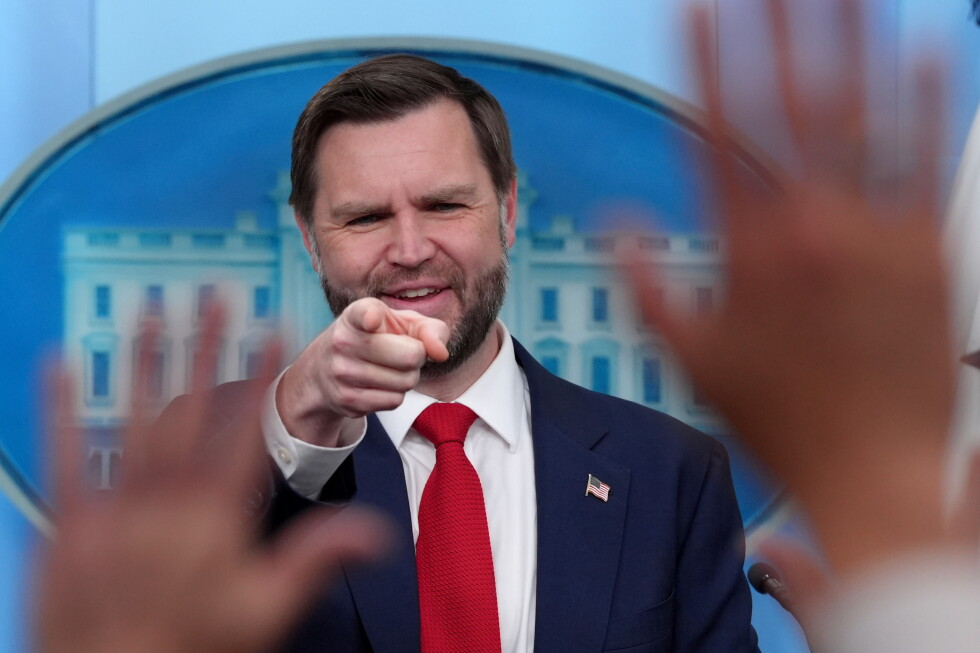
Vance postpones trip to lead new US talks with Iran

Published

on

Vance postpones trip to lead new US talks with Iran

WASHINGTON (AP) — The White House said Thursday night that Vice President JD Vance was delaying a trip to Switzerland, where he’d been set to lead a new round of negotiations with Iran over its nuclear program — raising questions about what’s next for the tentative agreement to end the war.

The team led by Vance had been ready to leave but was postponing, the White House said, citing difficult logistics for negotiations. The announcement followed a report from Al-Mayadeen, a pan-Arab satellite channel that is politically allied with the Iranian-backed Lebanese militant group Hezbollah, that Iran was delaying sending its delegation to Switzerland over Israel’s ongoing military campaign in Lebanon.

Vance, who was initially personally skeptical of the U.S. going to war with Iran, has increasingly become the administration’s face of the conflict and has been outspoken in defending the deal.

Earlier Thursday, he took the relatively unusual step of appearing at the White House to defend the initial deal to extend the ceasefire 60 days and allow for more negotiating — arguing that while it offers concessions, Iran first has to comply with U.S. demands.

Advertisement

“As they dial up their good behavior, we can dial up the economic relief,” Vance said. “If they dial down their good behavior, we can turn it off.”

But the vice president also had said during those remarks that he was not sure of the timing of his planned to Switzerland and that talks might not begin this week. The formal postponement now makes that even less clear.

Vance staying put in Washington came after the U.S. said it had lifted its blockade, allowing oil tankers to begin freely moving through the Strait of Hormuz after months of being unable to use the critical channel. Still, the tentative agreement has drawn sharp criticism from some in the U.S. — including a few congressional Republicans — who worry Washington ceded too much to Iran with relief from sanctions and a potential $300 billion fund to help with rebuilding.

Earlier, a top Trump administration envoy told U.S. lawmakers in a private briefing that Iran will invite the U.N.’s nuclear watchdog agency to inspect its nuclear sites.

Advertisement

And Iranian Supreme Leader Ayatollah Mojtaba Khamenei had seemed to endorse direct negotiations for his officials.

“It is obvious that the face-to-face negotiations that will be held in the future will not mean accepting the enemy’s opinion,” he said in a statement read by state media.

It was Khamenei’s first reaction to the agreement, and it was interpreted as a shift in Iran’s approach. Hard-liners, especially Khamenei’s father, the previous supreme leader, have long opposed direct talks, especially after the U.S. pulled out of the 2015 nuclear deal between Iran and world powers.

The supreme leader has not been seen in public since he was wounded in a strike at the start of the war.

Advertisement

Lawmakers told Iran will invite UN inspectors to its nuclear sites

The agreement states that Iran’s stockpile of highly enriched uranium must at minimum be diluted under international supervision. It also says that Iran shall not procure or develop nuclear weapons — a commitment it has made previously.

Trump envoy Steve Witkoff told members of Congress that Iran will invite the International Atomic Energy Agency to inspect its nuclear sites and begin work on identifying and uncovering the locations of Tehran’s enriched material, which is believed to be buried under rubble.

Witkoff’s private briefing was described by two people familiar with the conversation who spoke to The Associated Press on condition of anonymity to share the closed-door details.

The agreement requires Iran to “commit to renounce their nuclear ambitions in writing,” said White House spokeswoman Olivia Wales. The IAEA did not respond to a request for comment.

Advertisement

Witkoff told congressional leadership and members of national security-related committees that the agreement the U.S. struck with Iran did not include any side deals, but a side letter was drafted between Tehran and the IAEA extending the invitation.

Witkoff said the letter to IAEA Director-General Rafael Mariano Grossi would enable him to bring U.S. nuclear inspectors to Tehran.

Vance defends US-Iran deal and has sharp words for Israel

Before Vance delayed his trip, Pakistani Prime Minister Shehbaz Sharif postponed a planned visit to Switzerland, where Islamabad officials had originally planned to host a ceremonial signing ceremony for the agreement. That visit was postponed because the agreement had already been signed by both Iran and the U.S., said two senior officials who spoke on condition of anonymity because of the sensitivity of the matter.

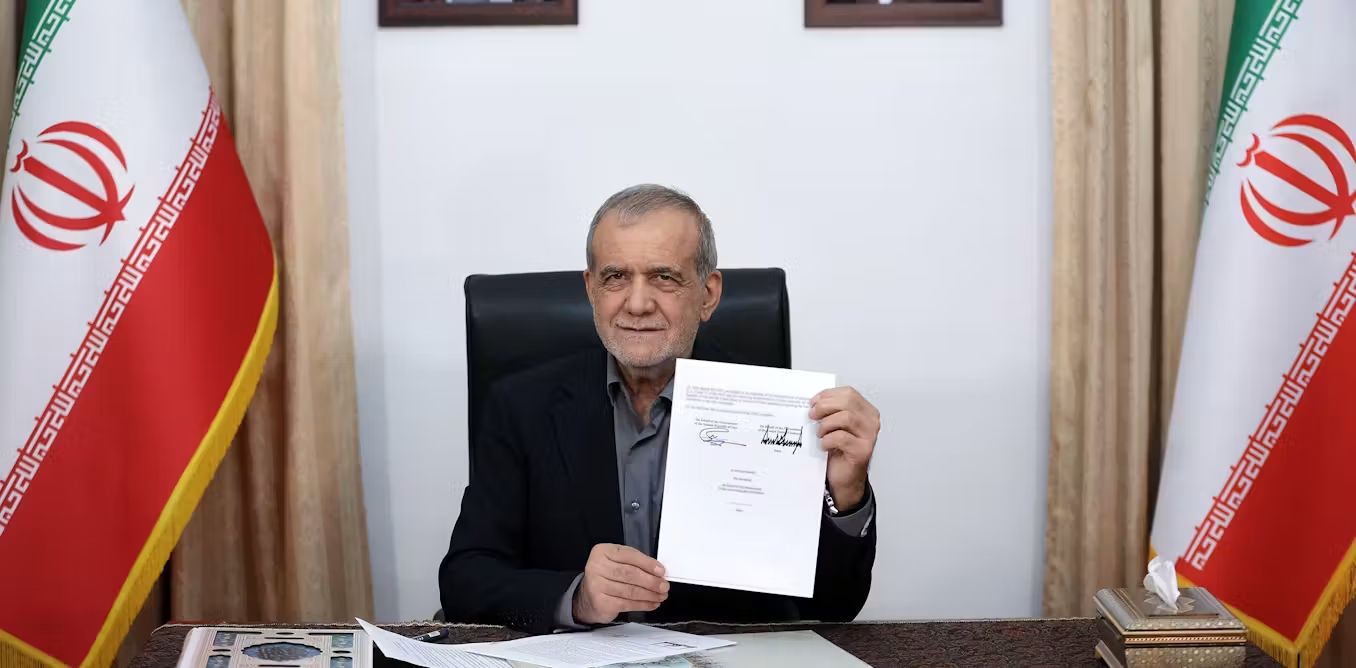
President Donald Trump signed the initial pact with Iran on Wednesday while dining with French President Emmanuel Macron at the Palace of Versailles. The deal is slated to take immediate effect and extends a ceasefire while giving each side 60 days to hammer out broader agreements on larger issues.

Advertisement

Vance, in his comments at the White House, shrugged off criticism about the confusing rollout of the initial deal, saying, “I don’t think our public messaging has been chaotic.”

He also offered a blunt warning to Israel, which has pushed the U.S. to take a harder stance against Iran and launched attacks on the Iranian-backed Hezbollah militia in Lebanon throughout the war, including just before the deal extending the ceasefire was reached. Those attacks complicated the peace efforts with Iran.

Trump “is the only head of state in the entire world who is sympathetic to the nation of Israel at this moment in time,” Vance said. “And he happens to be the head of state of the world’s superpower.”

Shipping starts to pick up

Trump said he signed the agreement to avoid “economic catastrophe” in the U.S., after the war caused oil prices to skyrocket, made financial markets skittish and fueled inflation. The deal caused gas prices to fall and stock markets to rise — though rallies could be threatened again depending on how the next round of U.S.-Iran talks go.

Advertisement

The vice president said more than 12.5 million barrels of oil went through the Strait of Hormuz on Wednesday night and said that the U.S. easing its blockade of Iran means “honoring our end of the early part of the agreement on the military side.”

U.S. Central Command said American warships “will remain in the general area to make sure that all aspects of the agreement are adhered to, obeyed and in full force and effect.”

Iranian state media said shipping had “normalized” at Iran’s southern ports but added that the strait remains supervised and under the control of the Iranian military, and transiting through the vital waterway still requires coordination.

Major shipowners began moving vessels through the strait after the agreement was signed, according to maritime data company Lloyd’s List Intelligence, though Lloyd’s did not give data on how many ships have passed through the strait as of Thursday.

Advertisement

In a media briefing, Richard Meade, editor-in-chief of Lloyd’s List, said for the first time in 110 days, ships owned by major companies are transiting the strait after effectively being marooned there since February. It could take weeks or months to fully reopen the strait, and the two alternative routes do not have as much capacity as the strait’s central passage.

___

Associated Press writers Munir Ahmed in Islamabad; Aamer Madhani in Zurich; Collin Binkley in Washington; Mae Anderson in New York; and Nasser Karimi in Tehran, Iran, contributed to this report.

Advertisement

Source link

Continue Reading
Click to comment

You must be logged in to post a comment Login

Leave a Reply

NewsBeat

Music producer Tay Keith who worked with Travis Scott and Drake dies aged 29

Published

on

Music producer Tay Keith who worked with Travis Scott and Drake dies aged 29
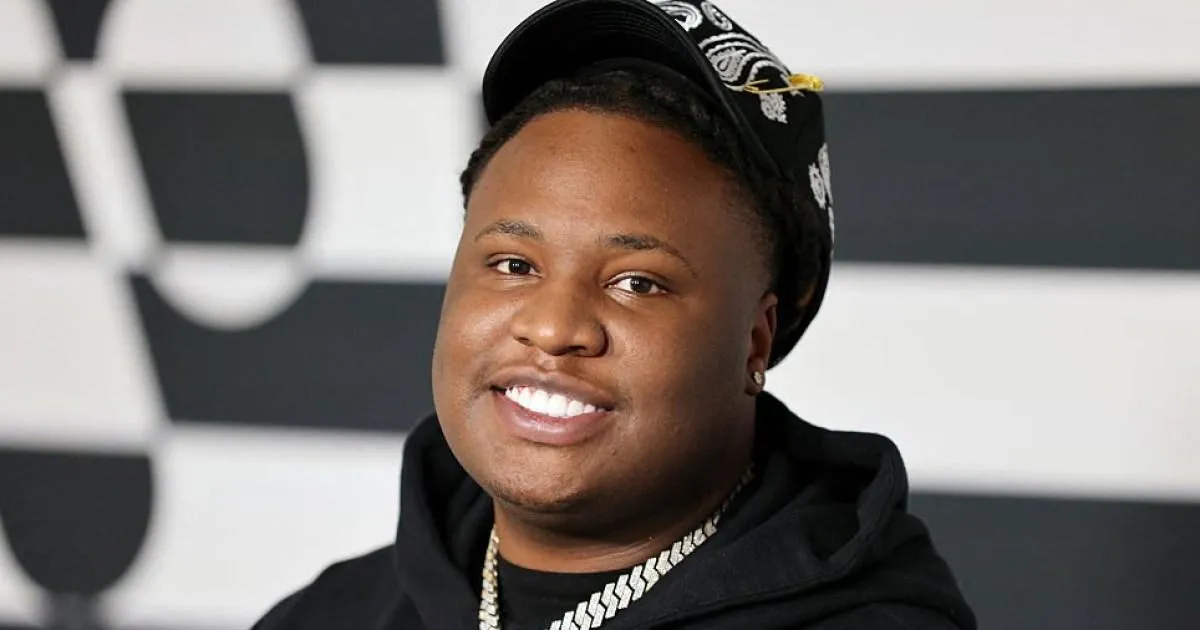
Grammy-nominated producer Tay Keith was found dead at his apartment in Nashville (Picture: AFP/Getty)

Grammy-nominated producer Tay Keith has died at the age of 29.

The hip-hop star, who was behind Travis Scott’s Sicko Mode and Drake’s Nonstop, was found dead at his home in Nashville, Tennessee, on Thursday during a police welfare check.

The Metro Nashville police department has said that ‘no foul play is suspected’, and the cause of death is yet to be determined.

Keith has worked with some of the biggest names in the music industry, including Beyonce and Cardi B.

Advertisement

In 2018, he co-produced two of the biggest songs including Scott’s Sicko Mode, which reached No 1 on the US Billboard Hot 100, and Drake’s Nonstop, which came in at No 2 on the same chart in the same year.

In 2018, he also founded music label and creative space Drumatized Music Group, based in Memphis, alongside his manager, Cambrian Strong.

LOS ANGELES, CALIFORNIA - FEBRUARY 04: Tay Keith attends the 66th GRAMMY Awards at Crypto.com Arena on February 04, 2024 in Los Angeles, California. (Photo by Johnny Nunez/Getty Images for The Recording Academy)
Keith first started producing music at the age of 14 (Picture: Getty)
FILE - Drake accepts the artist of the decade award at the Billboard Music Awards on Sunday, May 23, 2021, at the Microsoft Theater in Los Angeles. Drake wants no part in competing for a Grammy. The four-time Grammy winner and his management asked the Recording Academy to withdraw his two nominations from the final-round ballot, a person familiar with the situation told The Associated Press, Monday, Dec. 6, 2021. The person said that Drake???s request was honored by the academy. (AP Photo/Chris Pizzello, File)
The producer was behind two of 2018’s biggest hits, including Drake’s Nonstop (Picture: Chris Pizzello/Invision/AP)

The duo were featured together on Forbes’ 30 Under 30 Music list in 2024.

Throughout his career, Keith received two Grammy award nominations, the first of which came in 2019 for Sicko Mode and the second in 2024 for his production on Drake and 21 Savage’s Rich Flex.

Born and raised in Memphis, Keith started producing music aged 14.

Advertisement

Alongside Drake and Beyonce, he has also worked with numerous other artists, including Eminem, Future, Lil Nas X and Miley Cyrus.

He most recently produced Megan Thee Stallion’s 2024 album Megan, Jack Harlow’s single Just Us featuring Doja Cat and Travis Scott’s single 4×4, both of which were released in 2025.

Taking to Instagram, rapper BlocBoy JB – who was one of Keith’s early collaborators – shared a photo of the pair with the caption: ‘Damn Cuz You Just Hurt Me Bad’ with a heart broken emoji.

He also shared a log of phone calls between the pair and added: ‘We talked everyday yeen tell me you was leaving.’

Advertisement

Further tributes have been paid by Memphis music producer Hitkidd and Florida-based DJ and producer DJ Scheme.

Advertisement

Source link

Continue Reading

NewsBeat

Full results of the Makerfield by-election and who won historic vote | News Politics

Published

on

Full results of the Makerfield by-election and who won historic vote | News Politics
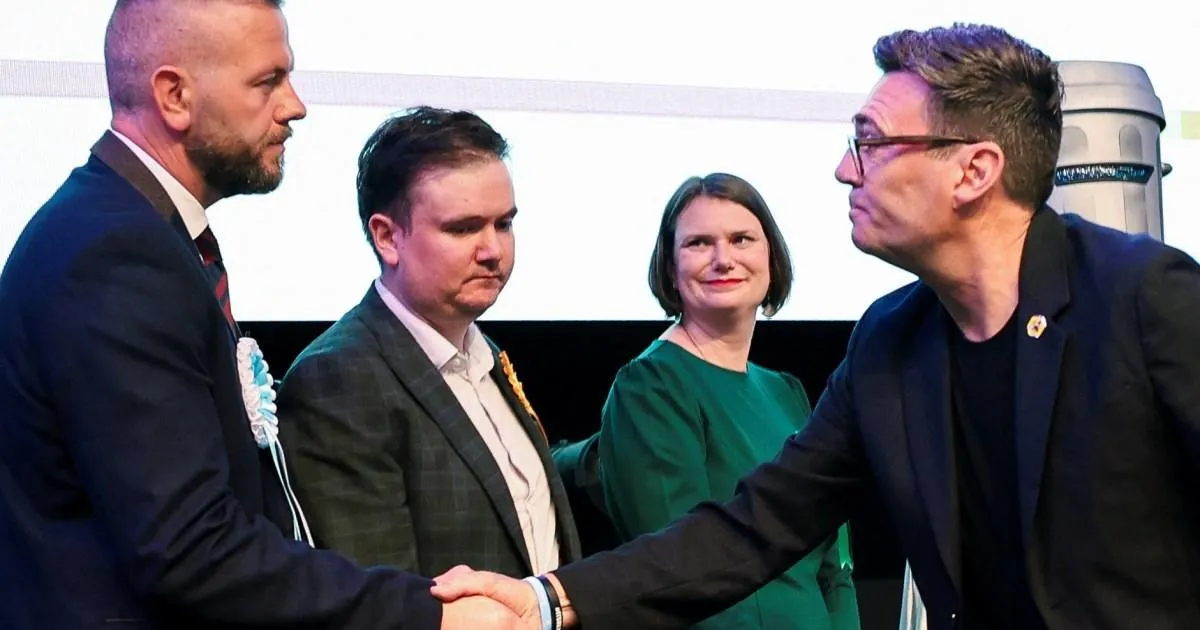
Andy Burnham swept aside his Reform UK challenger Rob Kenyon (Picture: REUTERS)

Andy Burnham will return to Parliament as an MP after storming to victory in the Makerfield by-election.

The Greater Manchester Mayor won more votes than all the other parties put together, in a result that paves the way for a leadership coup against Keir Starmer.

The historic vote ended up being a two-horse race between Labour and Reform UK’s candidate Rob Kenyon.

Restore Britain came in a distant third place, while the Conservative Party won less than 1,000 votes.

Advertisement
Mandatory Credit: Photo by Gary Roberts Photography/Shutterstock (16935309l) Newly elected Member of Parliament Andy Burnham delivers his victory speech at the Edge in Wigan early Friday morning, following a high-stakes battle for the Makerfield constituency. Wigan, United Kingdom. Makerfield by-election count results, Wigan, Greater Manchester, UK - 19 Jun 2026
Andy Burnham won 54 per cent of the votes cast (Picture: Gary Roberts Photography/Shutterstock)

Follow Metro’s live coverage of the Makerfield by-election results here.

Everything is changing, all the time

Cut through political noise and understand how the Westminster chaos actually affects your life with Metro’s politics newsletter Alright, Gov? Sign up here.

Full result of the Makerfield by-election

Andy Burnham (Lab) – 24,927 (54.81%, +9.61%)

Advertisement

Rob Kenyon (Reform) – 15,696 (34.51%, +2.72%)

Rebecca Shepherd (Restore) – 3,111 (6.84%)

Michael Winstanley (Conservatives) – 997 (2.19%, -8.68%)

Sarah Wakefield (Green) – 308 (0.68%, -3.73%)

Advertisement

Jake Austin (Lib Dems) – 163 (0.36%, -6.43%)

Count Binface (Binface) – 95 (0.21%)

Howling Laud Hope (Loony) -45 (0.10%)

John Dyer (Ind) – 37 (0.08%)

Advertisement

Peter Ward (Rejoin) – 35 (0.08%)

Dan Clarke (Libertarian) – 18 (0.04%)

Ed Gemmell (Climate) – 18 (0.04%)

Robert Pownall (Ind) – 18 (0.04%)

Advertisement

Paul Gould (Ind) – 8 (0.02%)

Lab majority of 9,23

Electorate 77,478;

Turnout 45,476 (58.70%, +6.30%)

Advertisement

The results were a huge change in fortune for Labour and Reform in Makerfield.

Just over a month ago, at the local elections, Reforum won the equivalent of 51 per cent of the vote, while Labour got 24 per cent.

Advertisement

Burnham’s victory means he has achieved a 23 point swing in just six weeks.

Turnout at the election was also unusually high, at 58.8 per cent.

More people actually voted in this poll than at the general election in 2024, which is unusual for by-elections.

Reform UK candidate Rob Kenyon reacts after Andy Burnham of Britain's Labour Party wins the Makerfield by-election, triggered by the resignation of Labour MP John Simons, at the The Edge Wigan in Wigan, Britain, June 19, 2026. REUTERS/Temilade Adelaja
Rob Kenyon should have been the favourite but was unable to halt Burnham’s momentum
(Picture: REUTERS)

Put together these results will be enough to persuade many Labour MPs that Burnham can beat Reform and revive their party’s political fortunes.

It is thought that Labour MPs, Cabinet members and the new Makerfield represenative himself will try convince Keir Starmer to resign on his own terms.

Advertisement

Burnham is thought to want to avoid a bruising leadership battle with the Prime Minister, who has so far vowed to fight any challenge.

Sir Keir did upload a rather short post congratulating his political rival.

He said on X: ‘Congratulations, Andy Burnham, Labour’s new MP for Makerfield.

‘Voters chose Labour’s campaign of hope and optimism over division and hate.’

Advertisement

Sky Newschief political commentator Jon Craig labelled the post ‘miserable’ and ‘grudging’.

Get in touch with our news team by emailing us at webnews@metro.co.uk.

For more stories like this, check our news page.

Advertisement

Source link

Advertisement
Continue Reading

NewsBeat

what this says about Britain’s changing political system

Published

on

what this says about Britain’s changing political system

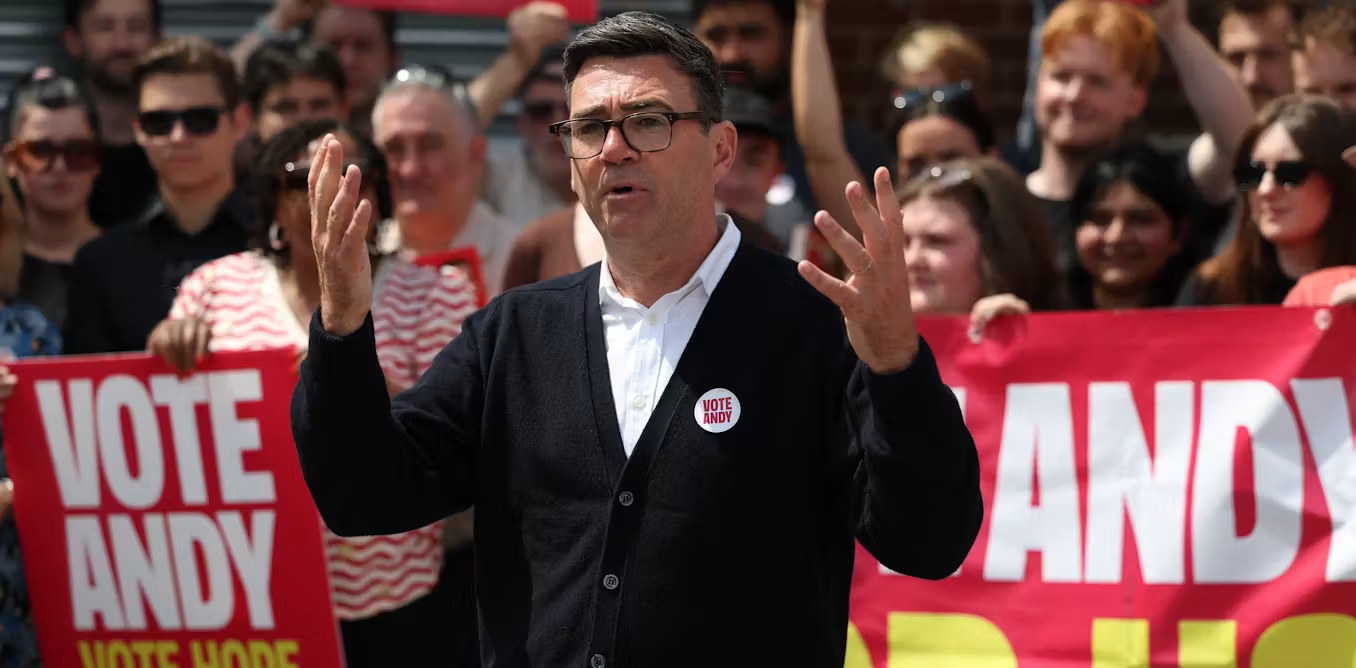
Andy Burnham’s victory in the Makerfield byelection doesn’t simply mark the return of one of Labour’s most recognisable figures to parliament. With his clear ambitions to lead his party – and the country – it may also represent a landmark moment in English devolution. His thumping win – taking 55% of the votes and more than Restore UK and Reform Britain combined – means the political significance of metro mayors has never been higher.

For much of the post-war era, ambitious British politicians followed a familiar path. Success meant climbing the Westminster ladder through ministerial office, shadow cabinet positions and party leadership contests. Burnham’s career has taken a more unusual route.

First elected as MP for Leigh in Greater Manchester in 2001, Burnham quickly established himself as one of Labour’s rising stars. Following his re-election in 2005, he embarked on a run of ministerial and shadow ministerial appointments, serving in cabinet under Gordon Brown and later holding senior opposition roles. By the mid-2010s he appeared to be a perennial contender for the Labour leadership, finishing fourth to Ed Miliband in 2010 and later competing in the contest won by Jeremy Corbyn in 2015.

Advertisement

Burnham was shadow home secretary at the time of the Brexit referendum in 2016.
Euan Cherry/Shutterstock

At that point, Burnham’s political trajectory appeared to have stalled. Yet his decision to leave Westminster and contest the new Greater Manchester mayoralty in 2017 would ultimately transform his fortunes.

What initially looked like a retreat from national politics became an opportunity for political reinvention. As mayor, Burnham acquired something that many Westminster politicians lack: executive authority over a place.

While the powers of England’s metro mayors remain modest by international standards, they provide direct responsibility for transport, economic development, housing and strategic planning across large urban regions.

The COVID pandemic was particularly significant. Burnham’s confrontation with Boris Johnson’s government over lockdown restrictions and financial support for Greater Manchester elevated him to a national figure.

Advertisement

For supporters, he became a voice for local autonomy and regional interests. For critics, he was a skilled political operator using devolved office to challenge central government. Either way, the mayoralty gave him a platform distinct from Westminster.

Burnham claimed cities in the north of England were the ‘canaries in the coalmine’ in 2020’s COVID lockdowns.

This matters because Burnham’s return raises a broader question: could England’s metro mayors become an alternative route to national leadership?

Historically, Britain has been unusual in the extent to which political power has been concentrated in national institutions. While local government has produced influential politicians, it has rarely served as a direct launching pad to the highest offices. Unlike in many other democracies, municipal leadership has generally been viewed as subordinate to national politics, rather than a parallel route.

Advertisement

Across much of the world, however, mayoral office is recognised as a pathway to national leadership. France offers perhaps the closest comparison. Former presidents including Jacques Chirac, Nicolas Sarkozy and François Hollande all combined local executive experience with national ambitions. Among former prime ministers, Pierre Mauroy was mayor of Lille, Alain Juppé was mayor of Bordeaux, Jean-Marc Ayrault was mayor of Nantes and Édouard Philippe is currently mayor of Le Havre.

More recently, leaders including Matteo Renzi in Italy, Joko Widodo in Indonesia and Claudia Sheinbaum in Mexico have demonstrated how governing major urban areas can provide a route to national office.

But not every mayoral career results in a successful leap into national leadership. New York’s Rudy Giuliani, Michael Bloomberg and Bill de Blasio all failed to convert municipal prominence into success on the national stage. And Paris mayors Bertrand Delanoë and Anne Hidalgo fell short in bids for higher office. Yet the fact that their ambitions were considered plausible shows the stature that executive city leadership can confer.

Not the Boris Johnson route

England’s metro mayor system is relatively young. Most combined authority mayors have held office for less than a decade, meaning the political consequences of devolution are still unfolding. Burnham may represent the first genuine test of whether these institutions have matured enough to produce a credible contender for national leadership.

Advertisement

The comparison with Boris Johnson is often made. Yet Johnson’s route to Downing Street still passed through parliament and the Foreign Office following his tenure as mayor of London. Burnham’s trajectory is different. Rather than rebuilding his reputation through shadow cabinet appointments or Westminster manoeuvring, he rebuilt it by governing Greater Manchester. In that sense, this twist in his career owes as much to devolution as it does to parliament.

Burnham is unusual in another respect. His appeal rests not simply on electoral popularity but on the kind of political experience he has accumulated as mayor. The governance of a combined authority requires continual negotiation between councils, business leaders, public agencies and central government. Success depends less on party discipline than on coalition-building, consensus and partnership.

These are skills that national politics increasingly appears to value. At a time when public trust in Westminster remains fragile and the challenges facing government cut across departmental silos, experience of assembling broad civic coalitions may prove as valuable as parliamentary combat.

None of this guarantees Burnham success in parliament or in leadership. Nor is he a typical metro mayor. Unlike many other mayors, he entered local executive office after a long parliamentary and ministerial career. His experience gives him a political profile that few other mayors possess.

Advertisement

Yet that should not obscure the wider significance of his return. Whatever happens to Burnham’s leadership ambitions, England’s metro mayors have moved beyond their original role as administrators of transport and economic development. Less than a decade after most of the offices were created, they are becoming independent centres of political authority potentially capable of producing national leaders.

For decades, local government was viewed primarily as a stepping stone to Westminster. Burnham’s career suggests a more complex relationship is emerging. Ambitious politicians may come to view city-regional government not as an alternative to Westminster, but as a route through it.

The question raised by Burnham’s return is not simply whether he can lead Labour. It is whether England’s experiment with devolution has reached the point where governing a city-region can be considered preparation for governing the country.

Advertisement

Source link

Continue Reading

NewsBeat

London Marathon to be held over two days in special one-off event in 2027

Published

on

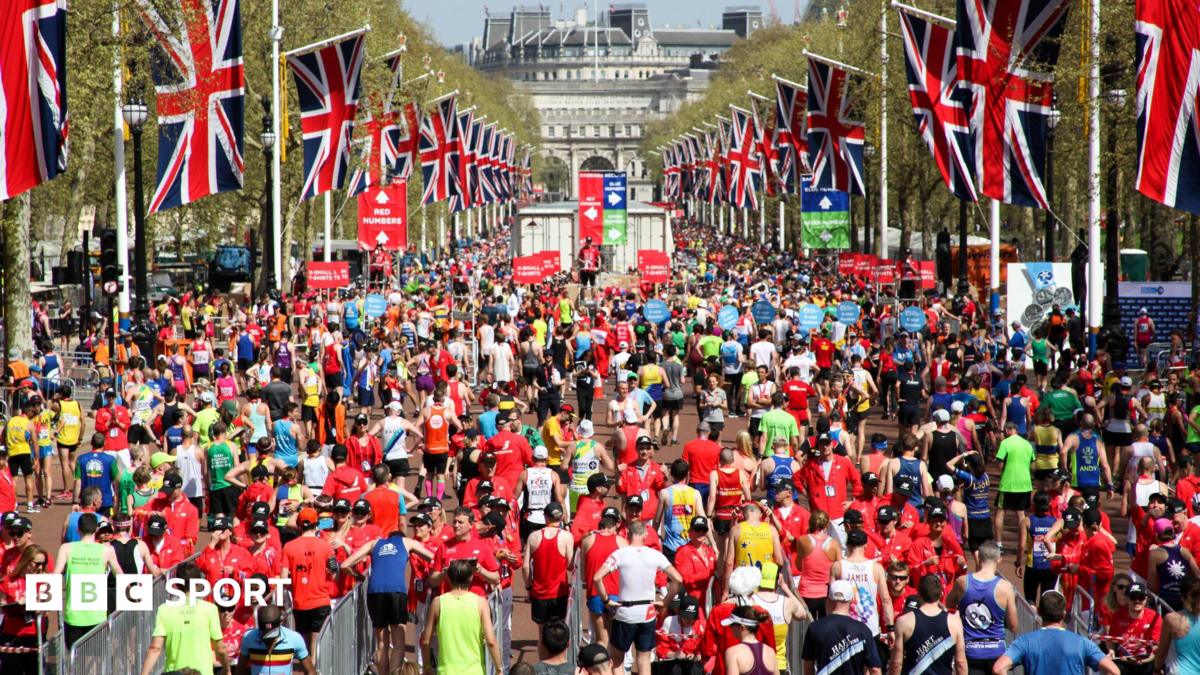
Runners cross the finish line at the London Marathon

The London Marathon will be held across two days in a special one-off edition of the event in 2027.

Organisers confirmed earlier this year that they were exploring ways to enable more people to take part, after a record 1.33 million people entered the ballot for next year’s event.

The two events – on Saturday, 24 and Sunday, 25 April – will allow 100,000 people to take part in the London Marathon in 2027, effectively doubling the chances of success for those who entered the ballot.

The move is also expected to raise more than £150m for charities and provide a £400m boost to the UK economy, according to Hugh Brasher, chief executive of London Marathon Events (LME).

Advertisement

Everyone who applied to take part next year will be entered into a ballot for both the Saturday and Sunday, with the ballot results announced in early July.

“The 2027 London Marathon Double is our most ambitious evolution to date – a once-in-a-generation one-time-only reimagining of what a marathon and city-wide celebration of activity can be,” said Brasher.

“By expanding to 100,000 runners across two days, we’re opening the door for more people, more charities and more communities to take part in the world’s greatest marathon. We believe that more than £150m can be raised for good causes and the UK economy will have a £400m social and economic benefit.

“We are grateful for the vision and support of the Mayor of London, the councils on the route, the emergency services, and all the stakeholders involved who have given their support to enable this world first event to be held for London and the UK.”

Advertisement

Sadiq Khan, the Mayor of London, said: “London is the sporting capital of the world and I am delighted that, for one year only in 2027, the world famous London Marathon will expand into a two-day event.

“The London Marathon showcases the very best of our capital and we will continue working closely with London Marathon Events and our partners to ensure appropriate measures are in place for the entire weekend as we build a better, more prosperous London for everyone.”

A total of 1,338,544 people applied for the 2027 London Marathon, breaking the record of 1,133,813 applicants for the 2026 event.

The London Marathon had a record 59,830 finishers in 2026 and was the biggest annual one-day fundraising event in the world, with more than £90m raised to date for charity by 2026 participants.

Advertisement

History was also made on the course at this year’s event, as Kenya’s Sabastian Sawe became the first athlete to run a sub-two-hour marathon in a competitive race.

Brasher has remained adamant that the expanded two-day event will be for one year only, following what he described as an “astonishing total of applicants” hoping to take part in 2027.

He told BBC Sport the two-day event has been nine years in the making, but after the initial idea was formed in 2017, with the intention to hold it in 2020, they failed to gain permission.

The plan is for the elite women, elite female para-athletes, championship and ‘good for age’ women to lead the mass event one day, with the elite men, elite male para-athletes, championship and ‘good for age’ men leading the mass event on the other.

Advertisement

However, London Marathon organisers said all format details will be confirmed in the coming months.

All 100,000 participants across the two days will run on the normal London Marathon route from Greenwich to Westminster.

Brasher clarified to the BBC that a ballot draw will first be held for the Sunday – the day on which the marathon is normally held – before a second draw takes place for the Saturday.

The Mini London Marathon will be held on the Friday, with more than 20,000 young participants.

Advertisement

Organisers say all additional income generated by the two-day format will be distributed by the London Marathon Foundation to projects that inspire activity for children and young people across London and the UK.

Source link

Continue Reading

NewsBeat

Jobs adverts increase for six professions – full list

Published

on

Wales Online

There were 1.6million jobs being advertised, according to the latest data

Occupations which saw an increase in job adverts in recent weeks included driving instructors, dental practitioners and welfare and housing staff, new research suggests. Recruiters said jobs for chefs, catering and bar managers and sports and leisure assistants also increased.

Job adverts with the biggest fall included exam invigilators, nannies and au pairs, said the Recruitment and Employment Confederation (REC). Its research found there were more than 1.6 million jobs being advertised in May, slightly up on the previous month.

Advertisement

REC chief membership and innovation officer Maxine Bligh said: “Any sign of an Iran–US agreement will ease one of the global pressures holding back hiring and investment. But domestic political uncertainty and looming employment law changes still leave many firms without the confidence they need to accelerate recruitment.

“We are likely to see some growth in the job market, but not at full speed, with many businesses continuing to rely on temporary staff until the outlook becomes clearer.”

Source link

Advertisement
Continue Reading

NewsBeat

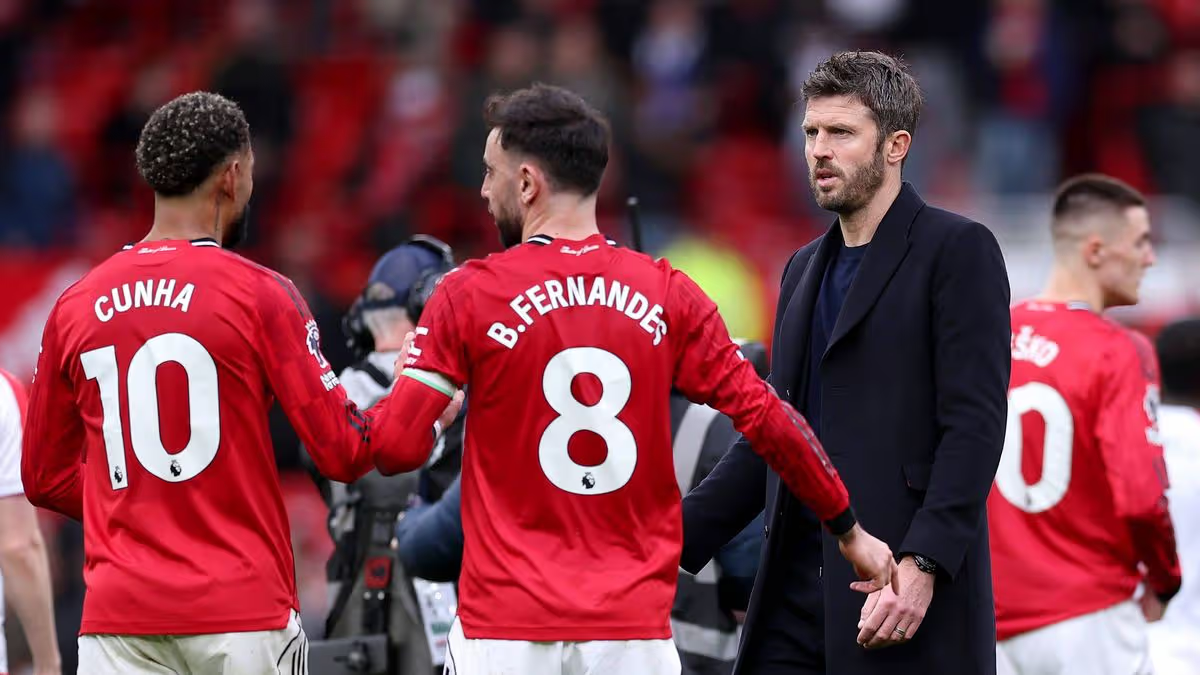
Michael Carrick already has first Man Utd fixture headache with nine stars at risk

Published

on

Daily Mirror

The Premier League 2026 fixture list is set to be released on Friday morning and Manchester United could have to make do without some big names for their opening game

Excitement is mounting among Manchester United supporters ahead of the Premier League fixture release on Friday morning, with the schedule poised to provide the first look at life under new permanent manager Michael Carrick. The Old Trafford faithful are optimistic about a successful campaign after Carrick surpassed expectations last term.

Advertisement

Appointed on an interim basis in January following the exit of Ruben Amorim, the former United midfield legend steered the side to a third-place finish in the Premier League, delivering a return to the Champions League for the first time since 2023. However, Carrick may face an early selection dilemma, with several first-team stars in danger of being unavailable for the opening match of the campaign.

The issue stems from the FIFA World Cup 2026, which got underway in spectacular fashion in North America last week. The extended six-week tournament will reach its climax with the final in New Jersey on July 19, just over a month before the first round of Premier League fixtures begins on August 22.

FOLLOW OUR MAN UTD FB PAGE! Latest United news and more on our dedicated Facebook page

That date has been delayed to allow players additional recovery time following the World Cup. However, those competing in the latter stages of the competition are still unlikely to be completely rejuvenated before needing to get back into shape for the new season.

Advertisement

The situation is made worse by the fact the World Cup kicked off shortly after the domestic campaign concluded, meaning United stars selected by their nations went straight into pre-tournament training camps. The predicament could leave Carrick with little option but to rest some of his biggest names at the start of the season – especially if they reach the final.

United have plenty of representation in the US, Canada and Mexico, and that includes nine important players who could go deep into the tournament. A final between England and Portugal could prove particularly problematic for Carrick and his coaching staff, with four players potentially involved.

Bruno Fernandes and Diogo Dalot are in the Portugal squad, while Kobbie Mainoo and outcast Marcus Rashford are representing England. Every other United player at the tournament is the sole representative of the club in their respective national side.

Key United players at World Cup 2026:

Matheus Cunha – Brazil

Diogo Dalot, Bruno Fernandes – Portugal

Amad – Ivory Coast

Advertisement

Senne Lammens – Belgium

Kobbie Mainoo, Marcus Rashford – England

Noussair Mazraoui – Morocco

Lisandro Martinez – Argentina

Advertisement

Join our new MAN UTD WhatsApp community and receive your daily dose of Manchester United content from Mirror Football. We also treat our community members to special offers, promotions, and adverts from us and our partners. If you don’t like our community, you can check out any time you like. If you’re curious, you can read our Privacy Notice.

Upgrade your World Cup TV setup with the Sky Glass ‘designed for football’

This article contains affiliate links, we will receive a commission on any sales we generate from it. Learn more
Content Image

from £4.50

Sky

Get the deal here

Sky is knocking 20% off its entire range of Glass TVs to mark the start of the 2026 FIFA World Cup. Until June 17, shoppers can upgrade to the Sky smart TV that’s ‘designed for football’ from £4.50 per month when taken alongside a Sky TV and Netflix package.

Advertisement

Source link

Continue Reading

NewsBeat

Transfer news LIVE: Man Utd eye World Cup ace, ‘monster’ Liverpool offer, Arsenal latest

Published

on

Daily Mirror

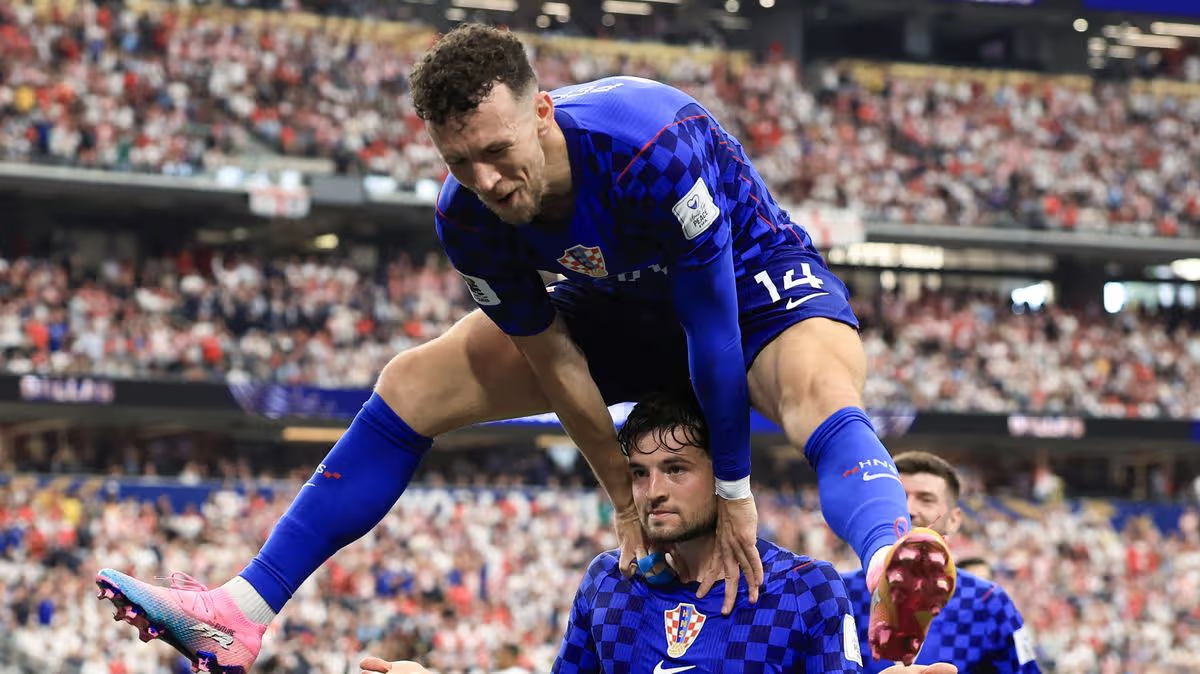
Manchester United are considering a move Croatia midfielder Martin Baturina. The silky Como star stuck himself in the shop window with a fine equalising goal for the Croatians against England.

Now according to Sky Sport in Italy, the former Dinamo Zagreb star has become a transfer target for United, who are looking to bulk up their midfield department this summer. In his first season at Como under Cesc Fabregas, he contributed six goals and three assists in 29 Serie A appearances under the ex-Chelsea midfielder.

Baturina also proved to be somewhat of a Swiss army knife by featuring as a false nine, as a left-winger, as an attacking midfielder and as a deeper-lying playmaker for Fabregas.

Baturina starred for Croatia against England(Image: Getty Images)

Advertisement

Source link

Continue Reading

NewsBeat

Cambridgeshire farm shop supporting adults with disabilities to close as supporters ‘dismayed’

Published

on

Cambridgeshire Live

The service has been described as a ‘community asset’

Cambridge locals have been left “dismayed” after an NHS trust confirmed the closure of a “community asset” that supports adults with learning disabilities. Darwin Nurseries and Farm Shop in Teversham, will close within the next two years, according to the Cambridgeshire and Peterborough NHS Foundation Trust.

Advertisement

The trust said that in a “challenging financial environment” with “rising site costs” it has “needed to prioritise its limited resources towards core NHS services”. The trust will not extend its contract at Darwin Nurseries and Farm Shop beyond its conclusion in April 2028.

Adults with learning disabilities and mental health challenges have worked in the shop, and helped with farming, gardening, and taking care of animals at the site, for more than 25 years.

In a statement by the trust, a spokesperson said: “We are proud that Darwin Nurseries and Farm Shop has made a valued and lasting contribution to people’s lives in our local community. In a challenging financial environment with rising site costs, the Trust has needed to prioritise its limited resources towards core NHS services.”

Councillor Matthew Morgan said the service is a “community asset that is very dear to many village residents, and the principle of helping individuals with learning disabilities and autism to work, whilst providing genuinely good, hardy plants is very well loved”.

Advertisement

He said he is hoping to speak with the trust and Cambridgeshire County Council officers to understand the “rationale” behind the decision. Alternatively, he hopes they can ensure there are other provisions for the workers affected.

A spokesperson for Teversham Action Group (TAG) said they are aware that many people have been “upset and dismayed” by the announcement. The trust added it would “continue to work with Cambridgeshire County Council to ensure continuity of care for all individuals who attend the service”.

Source link

Advertisement
Continue Reading

NewsBeat

Iran ceasefire deal confirms what we’ve been saying for years: military might doesn’t work

Published

on

Iran ceasefire deal confirms what we’ve been saying for years: military might doesn’t work

What a disaster the war against Iran has been for Donald Trump and Benjamin Netanyahu. The Memorandum of Understanding (MoU) between the United States and Iran signed on June 17 has formally brought a halt to the devastating war. Yet, as the ink dries on the 14-point preliminary framework, the reality of the document stands in stark contrast to the grandiose, megalomaniac rhetoric that defined the start of the conflict.

Only a handful of analysts and scholars that I know of foresaw what is now unfolding, stressing the realities of Iran’s resilience in the face of international pressure for decades. I was one of them: back in 2012, I warned that there could be no military solution to curbing Iran’s nuclear programme and noted that the US not only knew this, but had warned Israel that this would be the case.

When Trump and Netanyahu launched the initial military campaign on February 28, the objective was explicitly stated: the complete destruction of Iran’s nuclear and ballistic missile programme, an end to Tehran’s support for regional proxies such as Hezbollah, the Houthis and Hamas – and regime change. But the text of the MoU reveals a profound pivot from those aims, at least as far as the White House is concerned.

Ultimately, the agreement marks the final collapse of Pax Americana in the Persian Gulf region and highlights the resilience of Iranian state sovereignty against external pressure. At the onset of the war, both Washington and Tel Aviv projected absolute confidence in their military capabilities.

Advertisement

Following initial waves of brutal strikes and a campaign involving more than 900 targets, both leaders repeatedly asserted that the Islamic Republic’s military capabilities were fundamentally broken.

Trump regularly claimed that victory was just around the corner, maintaining – erroneously – that Iran had “nothing left in a military sense”. Weeks into the campaign, he declared that the US military would “destroy their missiles and raze their missile industry to the ground” until it was “totally”, again, obliterated.

Promising the Iranian public that their rulers would soon be gone, Trump insisted he was successfully steering the country toward “regime change”. As the first strikes landed on Iran, he called on the people to rise up and seize control of institutions. Netanyahu echoed these exact sentiments, framing the conflict as a definitive campaign to forcibly reshape the geopolitical architecture of the region.

But intelligence assessments and events on the ground quickly exposed these claims as foolish. Despite severe structural damage, Iran retained its strategic depth, adapting by moving equipment and launching retaliatory drone and missile strikes across the region.

Advertisement

Rather than causing the regime to collapse, the external aggression resulted in a hardening of the state structure.

What’s in the deal

The terms of the MoU demonstrate that Washington was ultimately forced to negotiate with Tehran as an equal sovereign power, rather than a defeated adversary accepting terms of capitulation.

The agreement directly contradicts the initial war aims of the US-Israeli coalition across three major pillars. First, the framework explicitly binds the US to respect Iran’s territorial integrity and abstain from internal interference.

For an administration that spent months demanding regime change, this clause serves as a legal acknowledgment of the Islamic Republic’s permanence. It calls to mind the Algiers accords of 1981, when the US agreed to the unfreezing of Iranian assets and non-intervention in Iran’s affairs in return for 52 American hostages held since the revolution in 1979.

Advertisement

Faced with the reality of an intact Iranian government, Trump reversed his rhetoric at the G7 summit. Claiming that “I never cared about regime change”, the US president pivoted to describing the new Iranian negotiators as “rational, strong, and smart”.

The MoU also mandates the immediate lifting of the US naval blockade and the implementation of emergency Treasury Department waivers to allow the resumption of Iranian crude oil exports. It also signals the unfreezing of up to US$100 billion (£75 billion) in restricted Iranian assets and the creation of a $300 billion international reconstruction fund for economic development.

From a critical perspective, this demonstrates that economic blockades are ultimately unsustainable when met with asymmetrical regional deterrence. Again, this should not have been new to the US government – it’s something that we have researched and written about for years.

As I argued as early as in 2011 on a flagship show on Al Jazeera, sanctions, gunboat diplomacy and even war don’t work. Iranian society is too connected and the economy and the state too agile. And, as we now know, Tehran’s threat to close down the vital Strait of Hormuz waterway, should have been seen by Iran’s adversaries as a potent deterrent. Hopefully, decision-makers will learn their lessons from this ill-fated war.

Advertisement

Indeed, perhaps the most notable aspect of the MoU is what it leaves out. There is no mention of Iran dismantling its ballistic missile programme. Nor is there a requirement for Iran to sever ties with its regional proxies. Additionally, the ceasefire explicitly covers “all fronts,” effectively mandating a halt to hostilities in Lebanon – a point of major friction for the Israeli prime minister, Benjamin Netanyahu, who has vowed to maintain an Israeli security zone in the south.

Geopolitical shift

So this deal indicates a structural shift in regional politics. By launching a high-intensity campaign and failing to achieve either the destruction of Iran’s military capabilities or the toppling of its government, the US and Israel have inadvertently demonstrated the limits of their military power. No propaganda by lobbyists and diasporic pro-war monarchists can change the hard truths of scientific inquiry.

The world is transitioning rapidly into an increasingly non-polar, certainly post-western order. The MoU will stand as a historical marker where the rhetoric of superpower might surrendered to the practical necessity of diplomatic accommodation.

And yes: we’ve been predicting this for a long time, too.

Advertisement

Source link

Continue Reading

NewsBeat

Hat-trick hero & Swiss wonderkid – the World Cup duo set for Premier League?

Published

on

Thomas Tuchel throws baseball

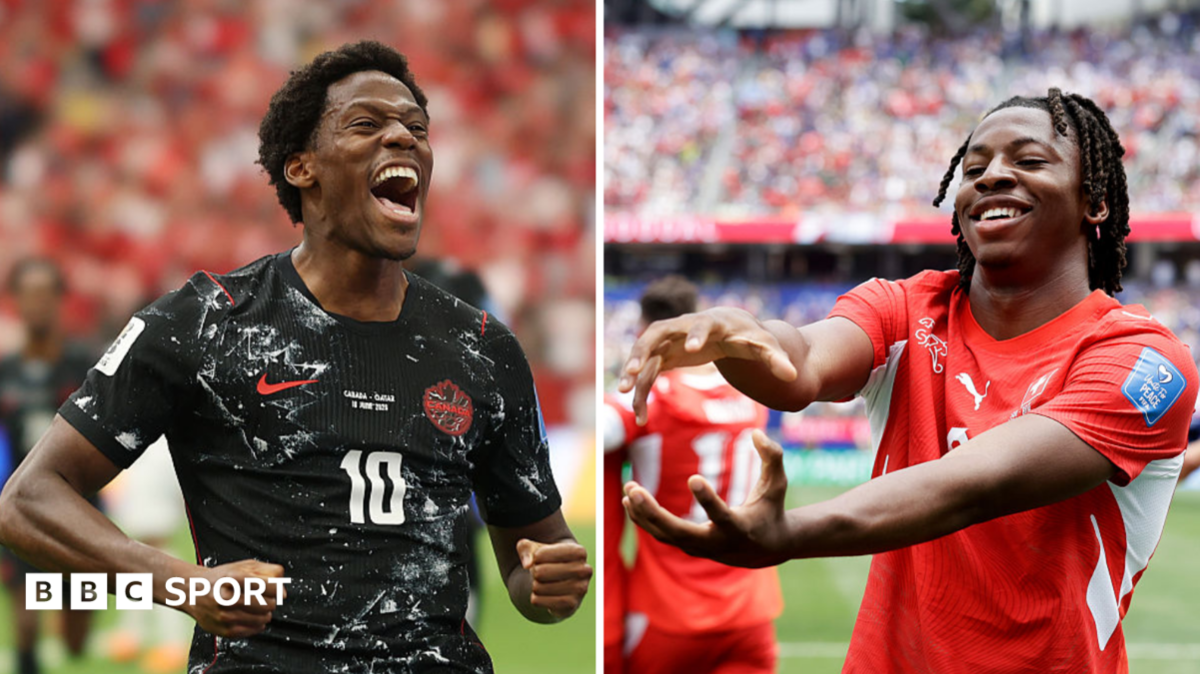
Manzambi was once a goalkeeper for his youth team – and his first footballing idol was Germany’s Manuel Neuer.

Now he is a creative midfielder who enjoys getting forward.

And his goalscoring exploits against Bosnia-Herzegovina suggests he could be far more than just a “super-sub” at this World Cup.

He broke into the Freiburg first XI last season and helped the German club reach the Europa League final.

Advertisement

Manzambi started against Aston Villa in the final and although he could not help his side win – they were beaten 3-0 – he has been linked with moves to Napoli, Chelsea and Manchester United.

His performance on Thursday at the Los Angeles Stadium suggests there could be more competition for his services this summer.

It could have been even better had he been allowed to take his side’s 97th-minute penalty, with captain Granit Xhaka stepping up to convert instead,

If Manzambi had taken it and scored, he would have become the third-youngest player to hit a World Cup treble, after a 17-year-old Pele for Brazil against France in the semi-finals in 1958 and 19-year-old German Edmund Conen against Belgium in 1934.

Advertisement

Manchester United, Arsenal and Chelsea were all linked with Manzambi in March and, if he continues making an impact like this, the interest will only increase.

Speaking about Manzambi’s first goal to give Switzerland a 1-0 lead, former Crystal Palace forward Clinton Morrison told BBC Radio 5 Live: “It’s a brilliant finish.

“Switzerland needed to make changes because they weren’t doing anything, they were dominating possession but weren’t a threat.

“It’s a fantastic volley and great technique to give Switzerland the lead.”

Advertisement

Source link

Continue Reading

Trending

Copyright © 2025