Connect with us
DAPA Banner
DAPA Coin
DAPA
COIN PAYMENT ASSET
PRIVACY · BLOCKDAG · HOMOMORPHIC ENCRYPTION · RUST
ElGamal Encrypted MINE DAPA
🚫 GENESIS SOLD OUT
DAPAPAY COMING

Business

Alan Greenspan, architect of the modern American economy, dies aged 100

Published

on

Alan Greenspan, architect of the modern American economy, dies aged 100

As chairman of the Federal Reserve, Alan Greenspan became the world’s most high-profile banker.

Continue Reading
Click to comment

You must be logged in to post a comment Login

Leave a Reply

Business

Form 4 AT&T Inc DRC For: 22 June

Published

on


Form 4 AT&T Inc DRC For: 22 June

Continue Reading

Business

Oruka Therapeutics Shares Jump 14 Percent to 82.77 on Clinical Progress and Investor Confidence

Published

on

Oruka Therapeutics Shares Soar 19% on Positive Week 16 Psoriasis

NEW YORK — Oruka Therapeutics Inc. shares rose sharply Monday, climbing more than 14 percent to $82.77 in morning trading. The biotechnology company’s stock movement reflected positive investor sentiment surrounding advancements in its clinical pipeline and broader industry interest in innovative therapeutic approaches.

Trading volume for Oruka Therapeutics increased notably above typical levels, signaling strong participation from institutional and retail investors. The percentage gain placed the stock among active movers in the healthcare sector as markets assessed various biotechnology developments.

Biotechnology firms frequently experience significant price fluctuations following updates on drug candidates or clinical trial results. Oruka Therapeutics, focused on developing treatments for inflammatory and immunological conditions, has generated attention through its research efforts. Monday’s surge suggested favorable interpretations of recent company activities and market positioning.

The session’s gains occurred amid selective strength in healthcare stocks. While broader indices showed modest movements, individual biotechnology names responded to company-specific news and sector trends. Oruka Therapeutics’ performance highlighted the potential for substantial returns in development-stage companies.

Advertisement

Analysts tracking the company have noted its novel approaches to addressing complex diseases. Research programs target specific biological pathways that could offer improved outcomes compared to existing therapies. Progress in these areas often drives market enthusiasm as investors anticipate commercial potential.

Oruka Therapeutics operates within a competitive biotechnology environment where scientific innovation creates value. The sector involves substantial research costs and regulatory requirements alongside significant rewards for successful products. Monday’s trading reflected confidence in the company’s strategic direction and therapeutic candidates.

Trading activity for Oruka Therapeutics aligned with patterns seen in clinical-stage biotechnology stocks. Share prices frequently react to news regarding trial milestones, partnerships and regulatory interactions. The current advance indicates positive market assessments of recent developments.

Broader healthcare sector dynamics provided context for the stock’s performance. Increased focus on precision medicine and targeted therapies benefits companies pursuing differentiated treatment options. Oruka Therapeutics’ positioning may have attracted investors seeking exposure to promising programs.

Advertisement

Market observers noted increased trading interest and options activity around Oruka Therapeutics. Such patterns often accompany significant developments or anticipation of future catalysts. The stock’s liquidity supported active participation throughout the morning session.

The biotechnology industry’s emphasis on addressing unmet medical needs drives ongoing investment. Oruka Therapeutics’ pipeline targets conditions where current options face limitations. Successful development could substantially impact patient care and company valuation.

Investor sentiment toward biotechnology remains sensitive to clinical results and regulatory news. Monday’s gains for Oruka Therapeutics suggested optimistic views regarding its programs and execution capabilities. The sector’s volatility requires careful evaluation of risk and potential reward.

Company leadership has emphasized scientific rigor and patient-focused development strategies. Such approaches align with industry standards while building stakeholder confidence. Strategic decisions about clinical advancement and potential collaborations influence market perceptions.

Advertisement

The session’s performance added Oruka Therapeutics to lists of notable market movers. Percentage gains of this magnitude often generate increased analyst coverage and investor scrutiny. Market participants will likely monitor the stock for sustainability of momentum.

Biotechnology investing demands understanding of scientific fundamentals and financial considerations. Oruka Therapeutics’ pipeline represents key value drivers while operational metrics affect near-term stability. Comprehensive analysis involves multiple factors beyond share price movements.

Market dynamics for biotechnology companies frequently feature rapid price changes based on news flow. Oruka Therapeutics’ surge exemplified this characteristic while highlighting the sector’s capacity for substantial appreciation. Risk management strategies remain essential given development uncertainties.

Looking ahead, Oruka Therapeutics faces typical biotechnology milestones that could shape future performance. Clinical trial outcomes, regulatory interactions and potential business development activities represent significant catalysts. Investors will evaluate these developments against competitive landscapes.

Advertisement

The broader market environment continues evolving with attention to economic indicators and policy considerations. Biotechnology companies navigate these conditions while pursuing scientific objectives. Oruka Therapeutics’ recent performance demonstrates resilience amid varying external factors.

Trading activity demonstrated strong momentum for Oruka Therapeutics. The 14.42 percent increase reflected significant buying interest and positive sentiment. Market observers will assess whether momentum sustains or experiences typical consolidation.

Overall, Oruka Therapeutics’ stock surge highlighted the biotechnology sector’s potential for notable movements. The company’s developments attracted investor attention while contributing to narratives about therapeutic innovation. Continued focus on fundamental progress will inform long-term assessments.

Advertisement
Continue Reading

Business

Jordan Peterson Announces Weekly Release of Archived Lectures as He Recovers From Illness

Published

on

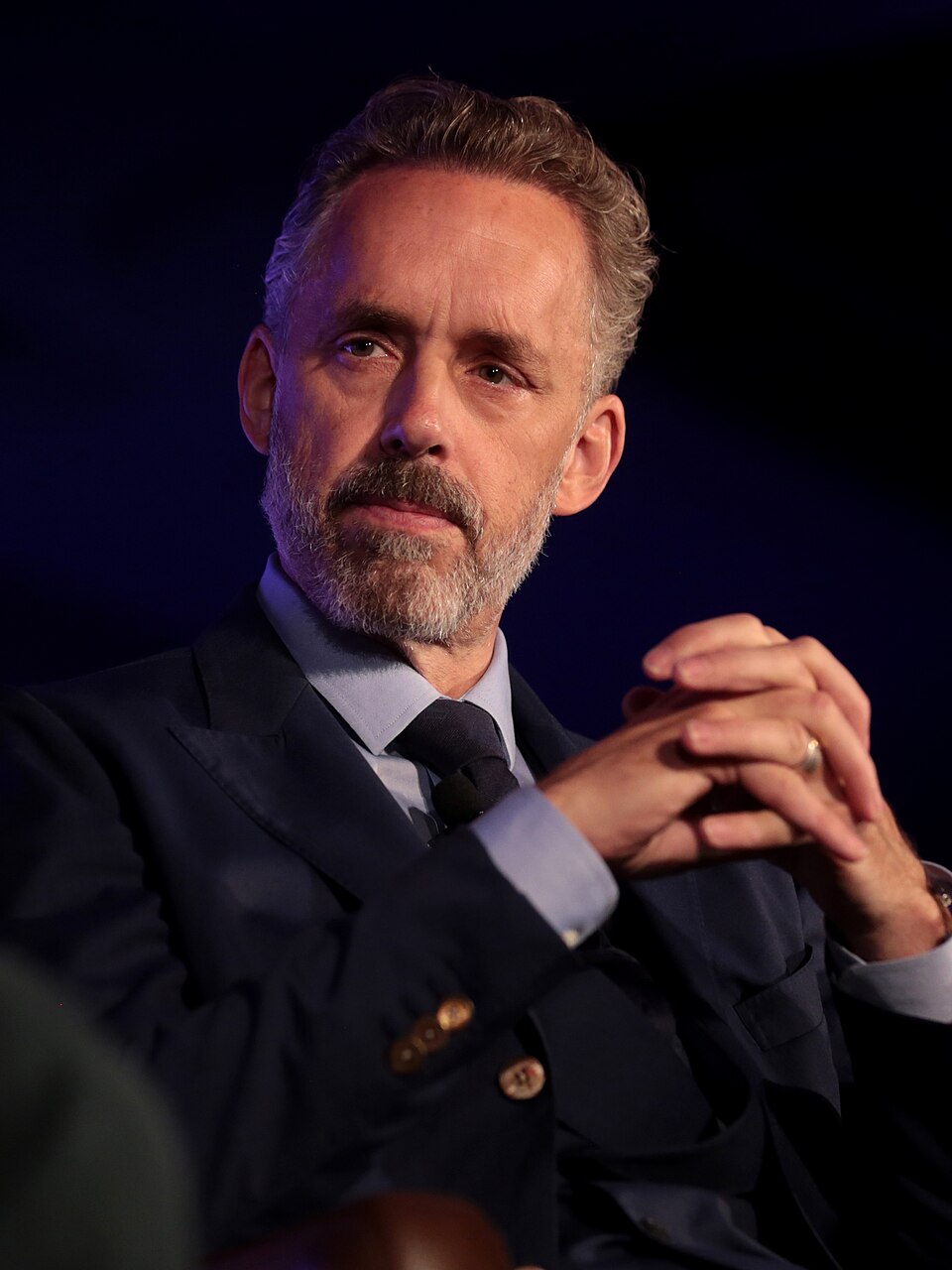
Jordan Peterson

TORONTO — Canadian psychologist and author Jordan Peterson has provided an update on his health, revealing that ongoing illness prevents him from resuming podcasting and public lecturing. Instead, he plans to engage with audiences through weekly releases of previously recorded material from his extensive tour archive.

In a social media message posted Sunday, the 64-year-old thanked supporters and outlined his approach to staying active during recovery. Peterson indicated the archived lectures would begin releasing this Sunday and continue weekly thereafter. The initiative allows him to maintain connection with followers while focusing on health priorities.

“I’m pleased to let you know that we’re going to release a lecture a week from my extensive tour archive, beginning this Sunday and then repeating every Sunday after that,” Peterson said.

The bestselling author described the project as a practical way to contribute meaningfully during his recovery period.

Advertisement

“This allows me to do something interesting and useful while I’m otherwise incapacitated,” he added. “My health is such at the moment that I can’t really return to podcasting or public lecturing.”

Peterson’s daughter, Mikhaila Fuller, had previously shared details about his health challenges. She described a recurrence of akathisia, a condition involving intense physical and psychological distress, triggered by an old neurological injury. Fuller also mentioned Peterson had dealt with pneumonia and sepsis during the ordeal, calling the previous year particularly difficult for the family.

The psychologist has not elaborated on specific medical details in his recent update but acknowledged incomplete recovery. The archived lectures, originally recorded with future release in mind, provide a suitable outlet during this period.

“We recorded these with the express intention of preparing them for release, and we’ve all determined that this is a very good time to do that,” Peterson explained.

Advertisement

He suggested the content would particularly appeal to longtime followers familiar with his classroom-style presentations.

“I hope you find them useful and compelling,” he said. “They’ll be particularly attractive to those of you who liked my early YouTube work that was very lecture focused. It’s a return to my roots, I suppose, in some ways.”

Peterson expressed measured satisfaction with the arrangement given his circumstances.

“I’m as happy as I can be under the current circumstances, given my ill health, to be participating in this process and to have these lectures prepared for release,” he added.

Advertisement

Peterson rose to international prominence through university lectures and writings on psychology, mythology and cultural issues. His books, including “12 Rules for Life” and “Beyond Order,” became bestsellers while his podcast attracted millions of listeners. The author has maintained an active public presence through speaking engagements and media appearances.

Though not identifying as a Christian, Peterson frequently discusses faith, mythology and moral frameworks in his work. His wife Tammy entered the Catholic Church in 2023, while Fuller has shared her own Christian faith journey. In a 2024 interview, Peterson addressed Christianity’s potential benefits, particularly for child-rearing.

“We are seeing a revival of church-going, especially of the more conservative type,” he said. “And I suspect that’s probably also useful. Providing [children] with something like exposure to classic religious ideas is necessary.”

Peterson has emphasized discernment in evaluating religious practice.

Advertisement

“By their fruits, you will know them,” he noted, referencing biblical principles. “You have to pay attention to the fact that not everybody who says ‘Lord, Lord is going to enter the Kingdom of Heaven.’”

The author’s health challenges have drawn concern from supporters worldwide. His decision to release archived material demonstrates commitment to audience engagement despite personal limitations. The lectures, drawn from past tours, offer familiar content that aligns with his established style and interests.

Peterson’s influence extends across psychology, self-improvement and cultural commentary. His lectures often explore complex topics through mythological and historical lenses, attracting diverse audiences. The archived releases may introduce his work to new listeners while providing continuity for existing followers.

The author’s daughter has served as a primary spokesperson during his health struggles, sharing updates about treatment and recovery progress. Her descriptions of akathisia and related complications highlighted the seriousness of Peterson’s condition while expressing hope for improvement with proper medical care.

Advertisement

Public figures facing health challenges often adjust professional activities while maintaining connection with audiences. Peterson’s approach through archived lectures balances recovery needs with continued intellectual contribution. The strategy may serve as a model for others navigating similar circumstances.

Peterson’s work has sparked both praise and controversy throughout his public career. Supporters value his emphasis on personal responsibility and psychological insights while critics question certain cultural and political positions. The upcoming lecture releases will likely generate renewed discussion across various platforms.

The author’s broader impact includes influence on self-help literature and public discourse about meaning and responsibility. His lectures frequently draw connections between ancient wisdom traditions and contemporary challenges. This approach resonates with audiences seeking frameworks for navigating modern complexities.

As Peterson focuses on recovery, the weekly lecture series provides a structured way to maintain public presence. The initiative leverages existing material while allowing time for health priorities. Followers can anticipate consistent content drawn from his extensive speaking history.

Advertisement

The psychological and cultural topics Peterson addresses remain relevant amid ongoing societal debates. His perspective, shaped by clinical experience and academic background, offers distinctive insights. The archived lectures preserve access to this material during his recovery period.

Peterson’s family has expressed gratitude for public support throughout his health challenges. The author’s update reflects appreciation for this encouragement while outlining practical steps for continued engagement. The lecture series represents a thoughtful adaptation to current circumstances.

The broader public intellectual landscape includes various voices addressing psychology, culture and meaning. Peterson’s contributions have occupied a significant place within these conversations. His temporary shift to archived material maintains continuity while prioritizing health.

As the weekly releases begin, audiences will have opportunities to revisit or discover Peterson’s earlier work. The content spans topics from personal development to mythological analysis, reflecting his diverse interests. The format provides accessible entry points for new listeners.

Advertisement

Peterson’s career demonstrates the intersection of clinical psychology and public commentary. His ability to communicate complex ideas to general audiences contributed to his prominence. The upcoming lectures preserve this communicative strength during his recovery.

Health challenges among public figures often prompt reflection on work-life balance and priorities. Peterson’s situation highlights the importance of addressing medical issues while maintaining professional connections. His chosen approach balances both considerations effectively.

The author’s influence extends to readers and listeners worldwide. His books and lectures have impacted personal development journeys for many individuals. The archived material ensures continued access to this content during his recovery period.

Monday’s announcement provides clarity about Peterson’s immediate plans while expressing optimism about eventual return to regular activities. The lecture series offers a bridge between current health limitations and future full engagement. Supporters will likely welcome this development.

Advertisement

Peterson’s update concludes a period of relative silence regarding his condition. The message balances transparency about limitations with proactive steps for audience connection. The approach demonstrates resilience and commitment to his work’s ongoing value.

Continue Reading

Business

Investor support for Target chairman Brian Cornell hits record low

Published

on

Investor support for Target chairman Brian Cornell hits record low

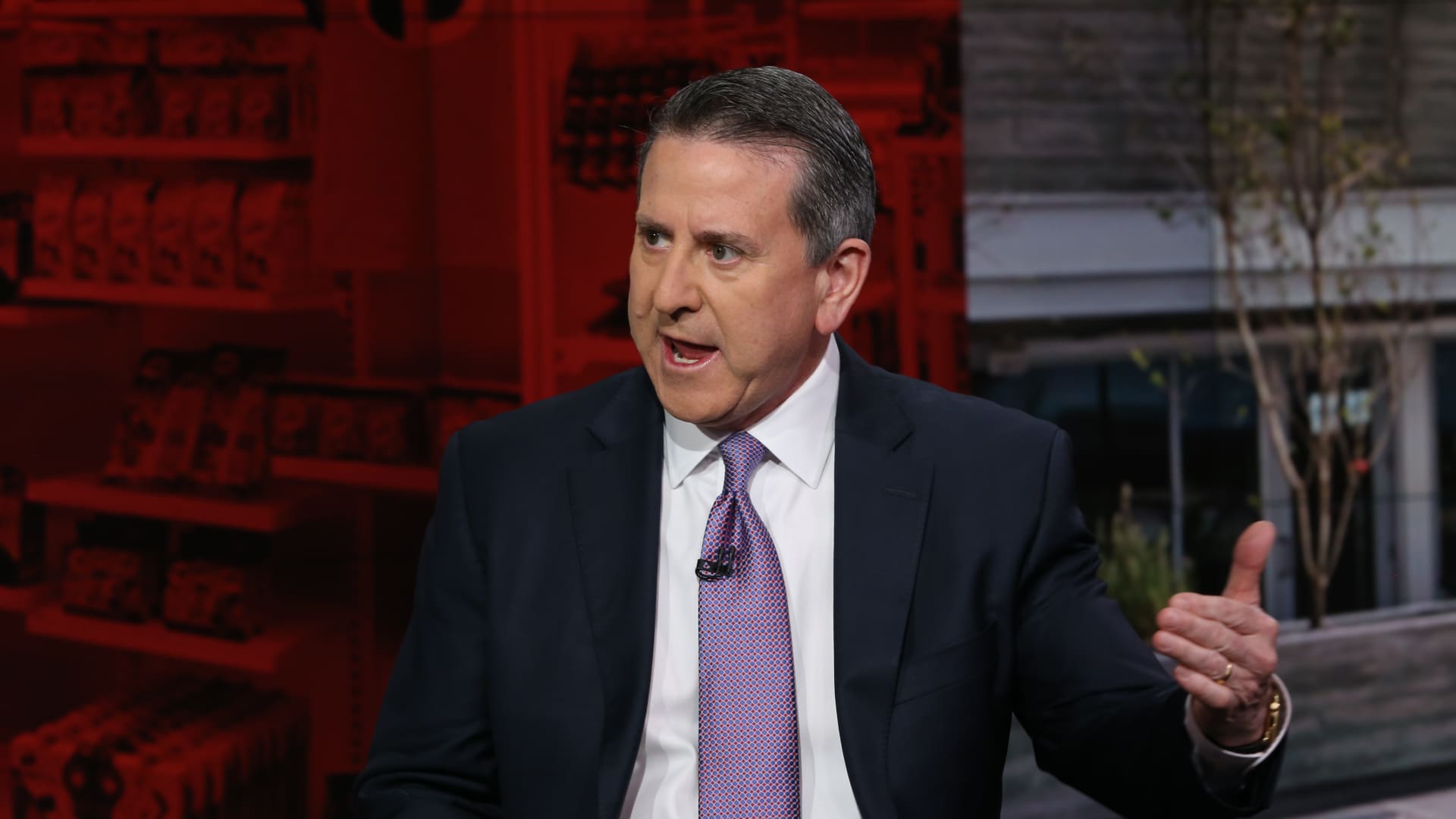
Brian Cornell, Executive Chairman of the Target Corporation.

Anjali Sundaram | CNBC

Target has promised investors that it’s pursuing an aggressive turnaround with a new CEO at the helm, but its longtime former top executive Brian Cornell still leads the retailer’s board of directors — and some major investors are signaling they’re hungry for change.

Advertisement

Shareholder backing for Target’s former CEO and current executive chairman Cornell fell to its lowest level ever during the company’s annual general meeting this month.

While Cornell, 67, was comfortably reelected to his position on Target’s board of directors, he saw the steepest drop in support since he joined the retailer’s board more than a decade ago, when he was hired as its CEO. 

In all, 87.2% of shareholders voted to re-elect him to the board — a 4% decline from the year-ago period and a material drop from his historical average of 95% support. It’s also well below the average level of support directors have received across the S&P 500 this year, which Harvard Law puts at 96.6%. 

“Getting over 95% is normal. Getting under 95% is poor, and getting under 90 is very poor. It means people are going out of their way to say they don’t want you there anymore,” said Kevin Kaiser, an adjunct full professor of finance at The Wharton School of the University of Pennsylvania who teaches a course on shareholder activism. 

Advertisement

Given how many investors automatically approve what major proxy firms or boards suggest they vote for, “anything below 90 is considered a very bad result” and is rare to see, Kaiser said. 

Cornell’s drop in support comes after he stepped down from his CEO role and transitioned to be Target’s executive chairman in February as the company contended with dwindling profits, a falling share price and three straight years of annual sales declines.

Neil Saunders, retail analyst and GlobalData managing director, said some analysts and investors viewed Cornell’s appointment to executive chair as a “reward for failure” and wanted a clean break from the management team that oversaw so many of Target’s issues. 

“If you don’t do a good job as CEO, then arguably you should be cleared out of the boardroom and I think that’s how most people view it,” Saunders said. “I don’t think that that is unreasonable. To get rewarded for delivering a decline in the share price and causing problems for the company, it just doesn’t sit well with a lot of people.” 

Advertisement

A Target spokesperson declined to comment and instead referred CNBC to its 2026 proxy statement and a press release it issued announcing the voting results of its annual general meeting. In its proxy statement, the company said keeping the roles of board chair and CEO separate “is appropriate given the company’s immediate strategic and operational priorities” as the positions have “distinct roles and responsibilities.”

“The separated structure allows [CEO Michael Fiddelke] to focus on the business, including implementation of key initiatives, during the initial phase of his CEO tenure, while Mr. Cornell’s service as Executive Chair allows the Board to continue to leverage his in-depth knowledge of our business and industry during this transitional phase,” the statement reads.

Critiquing Cornell

Since joining Target as the retailer’s CEO in 2014, Cornell grew sales by more than 44% and helped transform it into a $100 billion-plus juggernaut as he oversaw the expansion of its digital presence, grew stores and steered the company through the Covid-19 pandemic.

But over the past few years, he’s faced rising criticism as the company has underperformed expectations and lost share to competitors like Costco, Walmart and Amazon. Target has been criticized for mismanaging inventory, under-investing in stores and falling behind on the trendy, eye-catching merchandise the retailer built its name on. 

Advertisement

Target has also been the subject of backlash over its actions on a number of social justice issues, and the brunt of that has fallen on Cornell. The retailer reduced certain LGBTQ-themed pride merchandise in stores several summers ago and rolled back diversity, equity and inclusion programs, which led to nationwide boycotts and preceded weeks of foot traffic declines

Combined, these issues have contributed to a precipitous drop in Target’s share price, which is up about 33% year to date but still down by about 50% since its all-time high in 2021.

When the company announced that Cornell would be stepping down as CEO earlier this year, Wall Street had favored an outside candidate to replace him, according to a June survey of 51 investors by Mizuho Securities, an equity research firm.

When it said two insiders would continue to lead the company — Cornell as executive chair and company veteran Fiddelke as CEO— the same day that it forecast another annual sales decline, investors were disappointed, leading shares to fall. However, since then, it appears as if analysts and investors are warming up to Fiddelke, who received 99% of the vote during the company’s meeting.

Advertisement

“It feels like they’re doing a lot of things better in terms of merchandising,” Michael Baker, a senior research analyst at investment bank D.A. Davidson, said in an interview. “To me that would be a sign of continued progress under Michael Fiddelke.” 

During the company’s fiscal first quarter, which ended May 2, Target saw comparable sales grow 5.6% — its first positive same-store sales number in five quarters, with strength across all six of its core merchandising categories. While Target said its turnaround efforts are showing signs of early progress, finance chief James Lee acknowledged higher tax refunds helped to fuel spending, a benefit he expects to fade over the rest of the year.

Losing shareholder support

Sign at the entrance to a Target in Venice, Florida.

Erik Mcgregor | Lightrocket | Getty Images

Advertisement

The exact investors that voted against Cornell, and their reasons, aren’t clear since complete voting records haven’t been released yet, but two of the nation’s largest public pension fund managers turned against him. 

The Florida State Board of Administration, which manages the Florida Retirement System Pension Plan, the sixth largest pension plan in the nation with about $277 billion assets under management, voted against Cornell after supporting him for the past nine years, proxy records show. 

The fund manager didn’t return CNBC’s request for comment, but voting records show it voted against Cornell because of “poor long-term company performance.” 

New York’s comptroller, which manages the $295 billion New York State Common Retirement Fund, supported Cornell from 2017 through 2024 but voted against him at the last two meetings, state records show. 

Advertisement

In a statement to CNBC, State Comptroller Thomas DiNapoli said “Cornell and others should not be rewarded for poor performance.”

“Investors are not supporting Target’s leadership because it mismanaged the company’s workforce, hurt the brand, and damaged shareholder value,” DiNapoli said. “It’s why New York state’s pension fund and other shareholders voted against board directors and Target’s executive pay plan.” 

While influential, the pension funds are not among Target’s top 50 shareholders. It’s not clear how Target’s largest investors voted at the meeting.

A number of left-leaning activists — including SOC Investment Group, Trillium Asset Management and Mercy Investment Services — called on investors to vote against Cornell. The activists have also urged investors to vote against lead independent director Christine Leahy, who received 88.5% of the vote during the most recent meeting, an 8% decline in support from last year. 

Advertisement

“Let’s suppose somebody is being criticized and it’s damaging our reputation with our customers and our employees, and as a solution to that, we promote this person to the executive chair role at the board level,” said Wharton’s Kaiser. “It just doesn’t smell right, and the person who would have had the primary role in stopping that from happening would have been the lead independent board member.” 

In its proxy statement, Target called Leahy a strong director “supported by a governance structure designed to further promote independence” as it recommended shareholders vote in her favor.

It’s unclear whether or not the investor pressure will have an impact on Target’s board, but Kaiser said change at that level typically happens when directors see such dramatic drops in support during annual meetings. 

“It means there’s a lot of pressure now on the board and on the individuals on the board and they clearly are losing the support of the shareholders,” Kaiser said. “If they don’t do something, the next [annual general meeting] won’t go well for them.” 

Advertisement
Choose CNBC as your preferred source on Google and never miss a moment from the most trusted name in business news.
Continue Reading

Business

New jobs created by Gap Group as recycling expansion continues into Yorkshire

Published

on

Business Live

Demand for Gap Group’s processing services has grown significantly in the face of regulatory compliance pressures

The Gap Group recycling base in Gateshead. The company is now expanding into Yorkshire

The Gap Group recycling base in Gateshead. The company is now expanding into Yorkshire(Image: The Gap Group)

A North East recycling and haulage business is creating new jobs as it expands its operations into Yorkshire. Gateshead-based Gap Group North East, which specialises in recycling electronic waste, is opening it third site in Hessay, York, in moves which will create eight new jobs.

The company said the expansion strengthens its nationwide network, bringing faster, more accessible electrical recycling services to customers across Yorkshire, the Midlands, and the South of England and Wales. The opening marks a significant milestone in the company’s growth, adding to its established processing facilities in Gateshead and Perthshire.

Advertisement

Directors said the Yorkshire launch – at Hessay Industrial Estate – gives Gap Group NE a central hub from which to significantly improve service for customers across Yorkshire itself, the Midlands, and the South of England and Wales. They said it will reduce collection distances and unlock faster, more flexible processing for partners in those regions.

As regulatory pressure around WEEE (Waste Electrical and Electronic Equipment) compliance continues to intensify, businesses, local authorities, and the compliance schemes and brokers that support them are all seeking partners who can handle growing volumes across a wide range of waste streams.

Bosses say demand for Gap Group’s processing services has grown significantly as a result. The Yorkshire site will deliver benefits for its customer base, which spans businesses of all sizes, local authorities, compliance schemes and brokers.

Benefits will include more efficient transport routes, reduced mileage and faster turnaround for collections across the regions.

Advertisement

The York opening comes a year after Gap Group sealed a seven-figure funding package from HSBC UK to aid its expansion into Scotland. It used the funding to build a fridge recycling plant near Perth, Scotland.

That deal came two years after the company secured a £10m deal with HSBC which it used to buy a new 50,000 sq ft polymer and metal separation plant, to separate the plastic components of electronic goods, a move which also led to the creation of 20 jobs.

Nigel Tomlinson, commercial director of Gap Group North East, said: “As demand grows, our mission is to make sure every customer, wherever they are in the UK, receives the same level of service, speed, and compliance support. The Yorkshire site is about us providing what our customers need.”

Advertisement
Continue Reading

Business

Why AbbVie Is Spending $11 Billion to Buy Apogee Therapeutics

Published

on

Why AbbVie Is Spending $11 Billion to Buy Apogee Therapeutics

Why AbbVie Is Spending $11 Billion to Buy Apogee Therapeutics

Continue Reading

Business

Intel Stock Tops $138 as Apple Deal Speculation Fuels Historic 260% Rally

Published

on

Intel and Udelv are aiming for 35,000 driverless "Transporters" by 2028

Intel shares climbed 3.55% to $138.75 in Monday morning trading, extending what has become one of the most dramatic comeback stories in the stock market this year, as investors continue betting that the chipmaker is positioning itself as a central partner in Apple’s push to manufacture semiconductors domestically.

A Stunning Turnaround in 2026

Intel Corporation has become the kind of stock that splits a room. It started in 2026 near $37 and now trades above $138, a gain of roughly 260% that turned a left-for-dead chipmaker into one of the year’s defining comeback trades. The turnaround is no longer the debate. The price is.

The Apple Catalyst

Advertisement

That tension got sharper last week. On June 18, shares jumped 10.6% after President Trump posted that Apple had agreed to work with Intel to design and build chips in the United States. Neither company confirmed it, and Intel said only that it would not comment on a potential agreement. The stock rallied anyway, because the market now prices Intel as the default American foundry, and an Apple win would validate that thesis like nothing else.

Intel stock rose on reports that Apple could become a foundry customer, reinforcing hopes that the company is gaining traction in its effort to rebuild U.S. semiconductor manufacturing capacity.

A Reaction Drawing Mixed Reviews From Analysts

The market’s exuberance over a still-unconfirmed deal has drawn skepticism from at least some corners of Wall Street. Intel’s Apple-driven surge has gotten a harsh verdict from some analysts, with one describing the stock’s price action as “becoming a meme stock,” reflecting concern that the rally has outpaced the concrete evidence currently available about any actual agreement between the two companies.

Advertisement

Not all reactions have been negative, however. Intel’s surge on the Apple news helps prove the company is a “real tech player,” according to Deepwater’s Gene Munster, who framed the move as a sign that markets are beginning to take Intel’s manufacturing ambitions more seriously.

Analyst Price Targets Lag Well Behind the Stock

Despite the stock’s continued climb, formal Wall Street price targets remain notably below where Intel currently trades, highlighting the gap between near-term sentiment and longer-term valuation models. Wall Street’s mean target sits at around $94, roughly 30% below the current price. Still, individual analysts have continued revising their targets upward in response to the stock’s momentum. Intel’s price target was raised to $135 from $128 at Mizuho, reflecting at least some willingness among analysts to move targets closer to the stock’s current trading range.

A Business Showing Genuine Operational Improvement

Advertisement

Beyond the speculative Apple-related catalyst, Intel’s rally has also been supported by a real, sustained improvement in the company’s underlying financial performance. The turnaround is no longer the debate, with Intel having now delivered a sixth consecutive quarter of revenue above its own expectations, with Q1 2026 revenue of $13.6 billion and the Data Center and AI segment, which sells server CPUs and accelerators, up 22% year-over-year.

Normalized earnings per share are swinging from negative territory to an estimated $1.09 this year and $2.27 by 2028. Free cash flow, still negative on a trailing-twelve-month basis, is estimated to turn positive as soon as 2026 as foundry losses narrow.

Management’s Stated Financial Target

Intel’s leadership has been explicit about the specific financial benchmark guiding the company’s turnaround strategy. The clearest read on management’s ambition came from the Bank of America Global Technology Conference on June 2. CFO David Zinsner confirmed Intel is targeting the “Rule of 45,” meaning revenue growth plus operating margin summing to 45. “Lip-Bu’s been pretty focused on this measure,” he said, framing it as a multi-year goal. It tells you what the company is solving for: profitable growth, not growth at any cost.

Advertisement

A Significant Recent Trading Range

Intel’s stock has shown considerable volatility even within its broader upward trend over the past year. In the last year, Intel shares hit a 52-week high of $139.44 and a 52-week low of $18.97, a range that underscores the magnitude of the stock’s reversal from its earlier struggles to its current position near the top of that range.

Strength Extending Across the Chip Sector

Intel’s gains have come alongside broader strength across the semiconductor sector, with several other chipmakers also drawing fresh attention from analysts and investors in recent sessions. Other chip names, including Qualcomm and Micron, have also seen notable single-day gains tied to broader optimism around AI infrastructure spending and memory chip demand, suggesting Intel’s rally, while exceptional in scale, has occurred within a generally favorable environment for semiconductor stocks more broadly.

Advertisement

With neither Apple nor Intel having formally confirmed the foundry partnership that helped trigger last week’s rally, the central question facing investors is whether an official announcement will eventually validate the market’s current pricing, or whether the stock’s gains have run ahead of the underlying facts. Given the substantial gap between Intel’s current trading price and Wall Street’s average target near $94, the coming weeks are likely to test whether the company’s improving operational metrics and the broader Apple speculation can sustain a valuation that has already delivered one of the most remarkable single-year turnarounds of any major technology stock in 2026.

Continue Reading

Business

Manchester United secure land for new 100,000-seater stadium near Old Trafford

Published

on

Business Live

Club hails ‘significant milestone as we move into the next phase of development’

The plans for the regeneration of Old Trafford

The plans for the regeneration of Old Trafford

Manchester United have secured the bulk of the land required to construct a new 100,000-seater stadium. The club had been in negotiations with Freightliner to obtain land behind the Stretford End, however talks had ground to a halt, prompting United to explore alternative options for land surrounding the existing ground.

Advertisement

United have now confirmed they have reached an agreement on a separate plot of land situated roughly 350m north-west of the current stadium. The site is a 25-acre triangular plot, approximately 350m from Old Trafford (positioned between Wharfside Way, Europa Way and John Gilbert Way).

The land has been acquired from Indurent, a prominent provider of industrial space and a Blackstone portfolio company. United now hold the majority of the land required for the project and will press ahead with efforts to obtain the remaining parcels.

Design work on the new stadium had been put on hold while negotiations with Freightliner were ongoing. The club had spent a year in discussions with Freightliner before turning its attention to other options.

United believe they have secured a fair agreement in purchasing the land from Indurent. The club can now push forward with its design work, with Foster + Partners set to lead the design process for the ambitious 100,000-seater stadium, reports the Manchester Evening News.

Advertisement

Collette Roche, CEO, United’s new stadium development, said: “Today’s news highlights the progress we’re making towards a world-class new home for Manchester United and represents a significant milestone as we move into the next phase of development.

“Being able to build so close to Old Trafford allows us to preserve the heritage, traditions and rituals that are so important to our fans. We are committed to building a world-class stadium with our supporters, not just for them, with atmosphere, affordability and accessibility at the heart of our thinking.

An aerial view of Old Trafford stadium and surrounding area with the land acquired by Manchester United highlighted

Manchester United have acquired the majority of the land in the highlighted plot

“This is a generational opportunity that is fully aligned with both local and national growth ambitions. Securing the right land for our new home has been absolutely critical, and the land we’ve acquired gives us the stage to deliver a truly world-class stadium that honours our past and is ready for our future.”

United have pledged to work directly with businesses affected by the proposals to help guide them through the transitional period. The Mayoral Development Corporation is set to release the broader masterplan for the Old Trafford regeneration scheme, alongside details of the formal consultation period, on 9 July.

Advertisement

The club has confirmed that supporters will continue to be involved throughout the stadium design process.

Continue Reading

Business

Baldwin Insurance Group Surges 18% on Reports of Possible Take-Private Deal

Published

on

Baldwin Group

Shares of The Baldwin Insurance Group jumped 18.01% to $23.89 in Monday morning trading, extending a powerful rally sparked by reports that the Tampa-based insurance brokerage has retained advisers to explore strategic options, including a potential take-private transaction backed by private equity.

The Catalyst Behind the Rally

JPMorgan upgraded Baldwin Insurance to Overweight from Neutral and raised its price target to $28.00 from $25.00. The upgrade follows a report by Insurance Insider that Baldwin had retained Ardea to advise on strategic options, including a potential private equity-financed take-private transaction. Baldwin did not comment on the news.

JPMorgan analyst Pablo Singzon said a take-private transaction is a credible outcome that could allow a new owner to capitalize on improving fundamentals over the next several years and to use more debt in the capital structure than would be possible under public ownership.

Advertisement

A Sharp Reversal From Recent Weakness

Monday’s surge marks a dramatic turnaround for a stock that had been under sustained pressure in recent weeks. Baldwin Insurance Group stock has been under pressure recently, with the price near $18.69 and declines over the past month and past three months raising questions about how investors should interpret the company’s fundamentals. The 30-day share price return was down 6.64%, the year-to-date share price return was down 21.40%, and the one-year total shareholder return was down 50.72% heading into the recent rally.

A Significant Gap Between Price and Analyst Targets

Even before the take-private speculation emerged, several analysts had argued the stock was trading well below fair value. According to seven analysts, the average rating for BWIN stock is “Buy.” The 12-month stock price target is $30.57, which is an increase of 43.72% from recent levels. The analysts have a consensus price target of $29.33 for Baldwin Insurance Group based on their expectations of its future earnings growth, profit margins and other risk factors. However, there is a degree of disagreement amongst analysts, with the most bullish reporting a price target of $40.00, and the most bearish reporting a price target of just $23.00.

Advertisement

JPMorgan’s Outlook for the Underlying Business

Beyond the takeover speculation itself, JPMorgan also pointed to improving fundamentals as a separate reason for optimism. JPMorgan expects Baldwin’s organic growth, which has been slowing since the third quarter of 2025, to begin improving. The firm also expects margins to gradually expand as the 3B30 cost savings program earns through in the next few years. Analysts predict the company will be profitable this year, with earnings forecast at $2.93 per share for fiscal 2026, a sharp turnaround from the recent loss of $0.61 per share.

TD Cowen’s Bullish Case

Other analysts have echoed similarly positive views on the stock’s valuation relative to its growth profile. TD Cowen reiterated a Buy rating on Baldwin Insurance, maintaining a price target of $37.00. The firm highlighted Baldwin Insurance as its top pick among small- to mid-cap companies for 2026, citing the company’s organic growth rate, which is approximately twice that of its retail peers. TD Cowen also noted that Baldwin Insurance trades at 7.2 times its estimated 2027 earnings per share, while peers trade at roughly 14 times.

Advertisement

A Business Built Across Three Segments

The Baldwin Insurance Group, Inc. operates as an independent insurance distribution firm that delivers insurance and risk management solutions in the United States. The company operates through three segments: Insurance Advisory Solutions; Underwriting, Capacity & Technology Solutions; and Mainstreet Insurance Solutions. Its Insurance Advisory Solutions segment provides private risk management, commercial risk management, employee benefits, and Medicare insurance solutions for businesses and high-net-worth individuals, as well as their families.

The Underwriting, Capacity & Technology Solutions segment offers an MGA platform that manufactures a technology-enabled insurance product suite comprising personal, commercial, and professional lines. Its Mainstreet Insurance Solutions segment provides personal insurance, commercial insurance, and life and health solutions to individuals and businesses in communities, as well as offering reinsurance brokerage and consultation for government assistance programs, including traditional Medicare, Medicare Advantage, and Affordable Care Act solutions for seniors and eligible individuals. The company was formerly known as BRP Group, Inc. and changed its name to The Baldwin Insurance Group, Inc. in May 2024. It was founded in 2011 and is headquartered in Tampa, Florida.

Recent Financial Performance

Advertisement

The company’s most recent quarterly results showed continued top-line growth even amid the broader stock price decline. The Baldwin Group reported Q1 2026 total revenue of $532.2 million, up 29% year-over-year, with organic revenue growth of 2%. Adjusted EBITDA rose 21% to $137.2 million, and adjusted diluted EPS was $0.63. Adjusted EBITDA margin was 25.8%. Cash and cash equivalents totaled $146 million, with $393 million in undrawn revolving capacity as of March 31, 2026.

A History of Active Dealmaking

Beyond the current take-private speculation, Baldwin has built much of its recent growth through an active acquisition strategy across the insurance distribution landscape. The company has completed several notable transactions in recent months, including the acquisition of Obie, an insurance platform for landlords and real estate investors, and the completed acquisition of Capstone Group, a full-service insurance brokerage firm based in the Philadelphia area.

Other Recent Strategic Initiatives

Advertisement

Beyond acquisitions, the company has also pursued several other strategic initiatives aimed at expanding its technology and risk-management capabilities. The Baldwin Group launched Azimuth Re, Ltd., a member-owned group captive for construction clients, targeting contractors with annual premiums of $250,000 or more. Separately, the company announced an expanded enterprise relationship with Anthropic to deploy the Claude AI assistant firm-wide across segments and functions, following targeted deployments that delivered measurable improvements in client insights, productivity, and workflow efficiency.

A History of Significant Volatility

Monday’s sharp move continues a pattern of significant swings that has characterized the stock over the past year. Baldwin Insurance Group’s shares are very volatile and have had numerous moves greater than 5% over the trailing 12 months, with the stock having previously surged more than 22% in a single session following a strong fourth-quarter earnings report and analyst upgrade earlier this year.

With Baldwin declining to comment on the reports regarding Ardea’s advisory role, the central question facing investors is whether the strategic review process ultimately culminates in an actual take-private transaction, or whether the company instead continues operating as a public entity while working through its previously outlined cost-savings and organic growth initiatives. Given the wide dispersion in analyst price targets — ranging from $23 to $40 — and the substantial premium implied by even the most conservative of those targets relative to the stock’s recent trading levels before Monday’s surge, market participants will be watching closely for any official confirmation or denial from the company regarding its strategic options in the days and weeks ahead.

Advertisement
Continue Reading

Business

SpaceX Landed In A Value ETF – That’s The Least Interesting Thing About SCHV (SCHV)

Published

on

SpaceX Landed In A Value ETF - That's The Least Interesting Thing About SCHV (SCHV)

This article was written by

I am a stock analyst with over 20 years of experience in quantitative research, financial modeling, and risk management. My focus is on equity valuation, market trends, and portfolio optimization to uncover high-growth investment opportunities. As a former Vice President at Barclays, I led teams in model validation, stress testing, and regulatory finance, developing a deep expertise in both fundamental and technical analysis. Alongside my research partner (also my wife), I co-author investment research, combining our complementary strengths to deliver high-quality, data-driven insights. Our approach blends rigorous risk management with a long-term perspective on value creation. We have a particular interest in macroeconomic trends, corporate earnings, and financial statement analysis, aiming to provide actionable ideas for investors seeking to outperform the market.

Analyst’s Disclosure: I/we have no stock, option or similar derivative position in any of the companies mentioned, and no plans to initiate any such positions within the next 72 hours. I wrote this article myself, and it expresses my own opinions. I am not receiving compensation for it (other than from Seeking Alpha). I have no business relationship with any company whose stock is mentioned in this article.

Seeking Alpha’s Disclosure: Past performance is no guarantee of future results. No recommendation or advice is being given as to whether any investment is suitable for a particular investor. Any views or opinions expressed above may not reflect those of Seeking Alpha as a whole. Seeking Alpha is not a licensed securities dealer, broker or US investment adviser or investment bank. Our analysts are third party authors that include both professional investors and individual investors who may not be licensed or certified by any institute or regulatory body.

Advertisement
Continue Reading

Trending

Copyright © 2025