
Security teams log 54% of successful attacks and alert on just 14%. The rest move through your environment unseen.
The Picus whitepaper shows how breach and attack simulation tests your SIEM and EDR rules so threats stop slipping by detection.



We may receive a commission on purchases made from links.
A refrigerator is one of the first kitchen appliances you buy when moving into a new home, even when you’re on a budget. It also almost always ends up being one of the most used appliances in the kitchen, if not the entire home. But many of us only think about what goes inside it, when the outside can be pretty useful, too. Not just for fridge magnets or family photos, but for simple gadgets that can make your kitchen easier to work in.
Think about it: we have all had a moment where something was on the stove, meant to boil for a few minutes, only to overcook because we got carried away prepping the rest of dinner. Setting a timer on your phone often helps, but only if the phone actually makes it into the kitchen with you and does not get buried under a napkin, cookbook page, or whatever else has found its way onto the counter. That is where a magnetic kitchen timer comes in handy. You can stick it right on the fridge at eye level and keep the countdown visible.
So, we scrolled through Amazon looking for nifty magnetic gadgets that are actually practical and affordable. Each item on this list costs less than $25. Whether you need a better way to hold your phone up while following a recipe, a little more storage, or extra lighting in your kitchen, there is a good chance something here will make your kitchen easier to use.
If you have a smaller kitchen where counter space is limited, one clever thing you can do is use the side of your fridge, which would otherwise be dead space. The SETBAOO 2 Pack Magnetic Spice Rack sticks directly to the side of your refrigerator, giving you extra storage for spices, condiments, and other small kitchen items you want within reach. Although advertised as a spice rack, buyers have found plenty of other uses for it.
Some use it for tea bags, coffee pods, snack packets, vitamins and supplements, or fruits. Others use it to keep baby items, such as bibs and feeding bottles, in one easy-to-reach spot. That versatility is what makes it more useful than a basic spice holder. Instead of relying on a few small magnetic points, it uses a wide magnetic strip that gives the rack more contact with the fridge surface. That helps it stay firmly in place, and it can hold up to 10 pounds. And no, you do not need glue to keep it in place or risk messing up the surface of your fridge.
The design has a few thoughtful details, too. You get two units of the rack out of the box. Each comes with a protective barrier along the front edge to help keep jars and bottles from sliding off if the rack gets bumped. There are also removable hooks along the bottom, which makes it even more useful. You can hang scissors, measuring spoons, a bottle opener, or lightweight utensils like a cooking spoon or spatula. The set costs $14.99 on Amazon and has a 4.8-star rating from more than 1,000 reviews.
For those of us who can’t do without our phones in the kitchen, the Maxby Refrigerator Phone Holder comes in quite handy. Since it attaches to any magnetic surface, you can mount it on your fridge and keep your phone at eye level while following a recipe, taking a video call, or streaming something while you cook. That beats propping your phone against a jar or a mug, only for it to slide down every few minutes. It also means you do not have to keep picking up your phone with messy hands just to readjust it.
For convenience, the holder has an adjustable arm and 360-degree rotation, so you can extend it, tilt it, or switch your phone between portrait and landscape mode until you find the best viewing angle. One thing worth noting is that it only works on magnetic surfaces. Some stainless steel fridge doors are not magnetic, so if the front of your fridge does not hold magnets well, the side panel may be the better place to mount it.
The holder is MagSafe-compatible out of the box, so iPhone 12 models and newer should connect directly, along with MagSafe cases. For phones or cases without built-in magnets, the package includes an adhesive metal ring that helps create the magnetic connection. The product description also says it can work with tablets using the adhesive plate, but a few reviewers note that it may not be the most stable option for heavier tablets or iPads. It retails on Amazon for $22.99 and currently holds a 4.4-star rating.
Now, for those who prefer keeping their phones out of the kitchen, the eTradewinds Digital Kitchen Timer helps you keep track of time while cooking. According to the manufacturer, it’s designed with neodymium magnets on the corners to keep the timer steady when attached to a metal surface. It also has anti-scratch foam on the back to help protect your fridge’s surface. The display is large and easy to read from across the room, so you can quickly check how much time is left while moving around the kitchen.
The alarm reaches over 80 decibels and runs for 62 seconds if you do not manually shut it off, which should be loud enough to hear from another room. One reviewer did note that it can be louder than expected, but the included instructions suggest placing a small piece of tape over the speaker if you want to bring the volume down a little. Using the timer is straightforward. There are separate buttons for minutes and seconds, and pressing the two left buttons at the same time resets everything to zero.
If you need to set a longer time, you can press and hold either button to fast-forward the numbers instead of tapping repeatedly. It counts both up and down, handles up to 99 minutes and 59 seconds, and can be paused and restarted mid-count. The auto-memory feature also keeps your last setting, so if you boil eggs every morning or follow the same reheating cycle often, you can press start without entering the time again. The timer is available on Amazon for $17.95 and has a 4.6-star average from more than 6,500 reviews.
The BLS Motion Sensor Light is a simple magnetic, rechargeable strip light that attaches directly under cabinets as well as magnetic surfaces. The pack comes with two strips, each with 40 LED bulbs, and you can adjust the brightness across five levels up to 250 lumens. The frosted cover also helps soften the light, so it is not too harsh if the strip is positioned close to eye level. As far as smart devices to improve your kitchen goes, this is a pretty affordable option available on Amazon for $14.98.
It comes with four lighting modes to choose from. You get the standard on-and-off settings and two motion modes: auto night mode and auto day and night mode. Auto night mode only turns the light on in low light when it detects movement, which helps conserve battery and keeps it from running when you do not need it. Auto day-and-night mode turns it on whenever it detects motion, regardless of the time of day. In either mode, the light activates within a 10-foot range and switches off 20 seconds after you leave the area.
The built-in 1800mAh rechargeable battery lasts up to eight hours at full brightness and charges via USB-C. Since the light attaches magnetically, removing it to charge is as easy as pulling it off the surface and putting it back when it is done. Beyond the kitchen, this is also a handy gadget for the garage. It honestly works just as well in a pantry, closet, or any other spot where motion-activated lighting would be useful.
If you like listening to music and podcasts while you work in the kitchen, the MOMAX Mini Portable Bluetooth Speaker is a useful little Bluetooth gadget actually worth buying. It has a built-in magnet, so it can stick directly to the refrigerator instead of taking up space on your counter. For $19.99, customers remark on the fact that the magnet is strong enough to keep the speaker in place on a fridge door without sliding or falling. Several reviewers also noted that it pairs with a smartphone rather easily.
Sound quality is where you may need to manage your expectations. This is still a mini speaker, and it performs like one. The audio profile does not lean too heavily into bass or treble, but it sounds full enough for casual listening. Owners describe it as a cheap Bluetooth speaker that delivers good sound for the price. That said, one reviewer noted that the volume does not match other speakers they own, so this is probably not the right pick if you want to fill a large open kitchen with loud music. For background music, podcasts, or a cooking video playing while you prep dinner, it should do the job well.
The Bluetooth range is listed at up to 33 feet, so you should be able to keep your phone nearby or in an adjacent room without the audio cutting out. It also has a built-in microphone for hands-free calls, which is helpful if your phone rings while your hands are messy. Battery life is rated at up to 12 hours of continuous playtime, and the IPX4 waterproof rating means it can handle light splashes, which is useful in a kitchen where the occasional splashing is unavoidable.
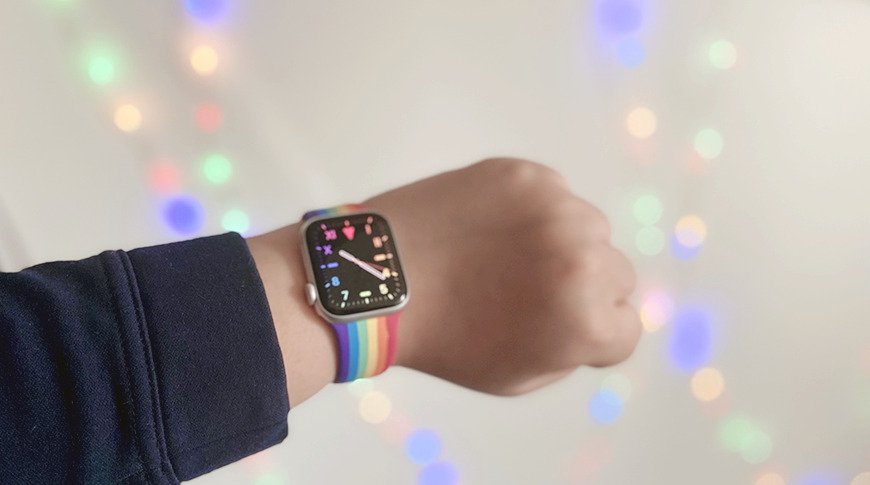
The Apple Watch is reigning king among fitness trackers, but there’s a big enough gap in the market for Apple to release a ring-style tracker, even though it probably won’t.
I hate the Apple Watch. I know, I know, heresy, but I do.
And I don’t even hate it for a singular reason. I hate it for a multitude of reasons, which is impressive, because I’ve bought three in my lifetime.
I hate the way the Apple Watch looks. It’s too chunky on my delicate little bird-wrists and, regardless of the band I choose, it managed to ruin every non-gym outfit I ever wore it with.
It’s also physically uncomfortable as all get out. I’m not entirely sure how everyone else here manages to wear theirs at the desk.

I’m sorry, but this just doesn’t look cool.
I’m a bit more flexible than I should be, so as a result, I needed to wear my watch “upside down” to avoid summoning Siri every time I ride my bike, do a push-up, or push open a door. It also pinches the ever-loving crap out of my inner wrist, eventually leading to a bruise that horrifies everyone who’s ever seen it.
I’m willing to bet that some of this may be my faulty genetics. Sure, it’s not Apple’s fault, but it’s still something I have to live with.
But the worst part about the Apple Watch? It is, effectively, another screen vying for my attention.
I didn’t know this until I bought my first Apple Watch and wore it for a month, but attaching a screen directly to my body is not ideal. I am not built for a screen I can’t opt out of.
I don’t think I’m alone in this, either. Even with going in and manually disabling all but the barebones notifications, it doesn’t seem to be enough.
It always goes something like this:
There’s a buzz when my phone rings or I get a text. I look at the screen, despite the fact that I’ve already reached for my phone or looked at my desktop screen. Now I’m interfacing with my Apple Watch. I’m touching the screen for some reason, now I’m scrolling through the information there.
I’m holding my iPhone, sitting in front of my iMac, and looking at my Apple Watch. I’m suddenly a caricature of a tech-addicted millennial in a political comic.
If this sounds extreme, don’t worry, it is. But this is also just how I react to the constant reminder that I’m available to everyone and every app in my life at all times. I am not built for this sort of thing.
So, into the box, and onto the electronic bay, my Apple Watch went. Goodbye, psychological torture device.
I already hear you guys typing your comments, saying, “Well, then don’t wear an Apple Watch. And, for the love of all things holy, stop buying them!”
And yes, I agree! Except there’s one problem:
I actually like the Apple Watch.
In theory.
Before we get started here, I’d like to point out that I am not an athlete. For years, I’d argue that I was actually the opposite of an athlete in pretty much every way you could be.
However, in 2023, I got my first bike after not having one since 2005. Suddenly, I was doing things like “going outside,” “going to the gym,” and “willingly participating in physical activity instead of aimlessly walking around my city in an effort to stave off the inevitable decay of my corporeal form.”
All that to say, I wasn’t completely sedentary before 2023, but I definitely wasn’t prioritizing physical activity.
Three years later, I now hit the gym four or five times a week, weather permitting. Also, weather permitting, I’ll log about a hundred miles on my bike in the same timeframe.
This year I’ve started hiking. I’ve managed to hike about 20 miles, which is impressive solely because of the hostile weather the Great Lakes region has had to endure this year.

I enjoy going hiking on one of the rare days that the weather allows it.
I’m pretty proud of how much I’ve changed in the last three years. I don’t actually think this is a midlife crisis, for the record, I think I just got a bike and could do more things.
That being said, I’ve done a lot in the last three years, and I like seeing how I can improve. Currently, my method for tracking that improvement is a bunch of different apps and relying on the basic features of my iPhone.
If only there were a way to track this data in a single device. And could you imagine if it were integrated with Apple’s ecosystem nicely?
Oh, wait. There is.
And I sold it on eBay. Twice, actually.
Damn it.
Fitness tracking is, as many health professionals will tell you, not an exact science. Fitness trackers themselves aren’t infallible, and they’re far less accurate than the manufacturers would lead you to believe.
There are scenarios in which fitness trackers are not actually useful. Caloric burn, or more accurately, energy expenditure, is probably the most well-known place where fitness trackers come up short.
If you got an Apple Watch to hit a target amount of calories burned in a day, I’ve got some bad news for you: it doesn’t actually have any idea how many calories you’ve burned.
Most studies say the Apple Watch is accurate within an 18% to 40% range. You know what else is probably accurate within a 40% range?
Me. I can probably guess how many calories I’ve burned going on a one-hour-long hike at a moderate pace, and I’d probably be within 40% of the actual number.
A lot of this is purely human biology. A fitness tracker can make an educated guess, but it is effectively a form of digital divination, reading tea leaves and spitting out something fact-adjacent.
Step tracking is another thing that is difficult for a tracker to measure. A “step” is not a standardized unit of measurement or a standardized movement across all bodies.
It’s wild that we assume a fitness tracker could accurately guess the steps of both shuffling elderly and elite college athletes. Steps taken in crowded areas will be measured differently from those done on uneven ground while jogging on a wilderness scale.
The Apple Watch is markedly better at tracking steps than energy expenditure. According to an Ole Miss meta study, the Apple Watch is within a 10% of the actual number of steps taken, at least in a lab setting.
So if they’re not useful for tracking activity, why would we want to use them? Or, more specifically, why do I want one?
While fitness trackers might not track things perfectly, they are actually quite good at tracking things over time. For the average person, and even for most lower-level athletes, you don’t actually need hard numbers to track your progress.
What you need is trends over time.
For example, let’s say your Apple Watch move goal is 350 calories. If you’re hitting that consistently, it doesn’t actually matter what the number of calories burned was.
Eventually, that goal may increase, either because you increased it or the Apple Watch decided it needed to be higher. If you continue to meet or exceed that goal, you’ve got documentation that you’re trending in a positive direction.
Same with exercise minutes. Maybe you started with a modest goal of 10 minutes a day, but over time you began stretching that to 12, then 15, then 20.
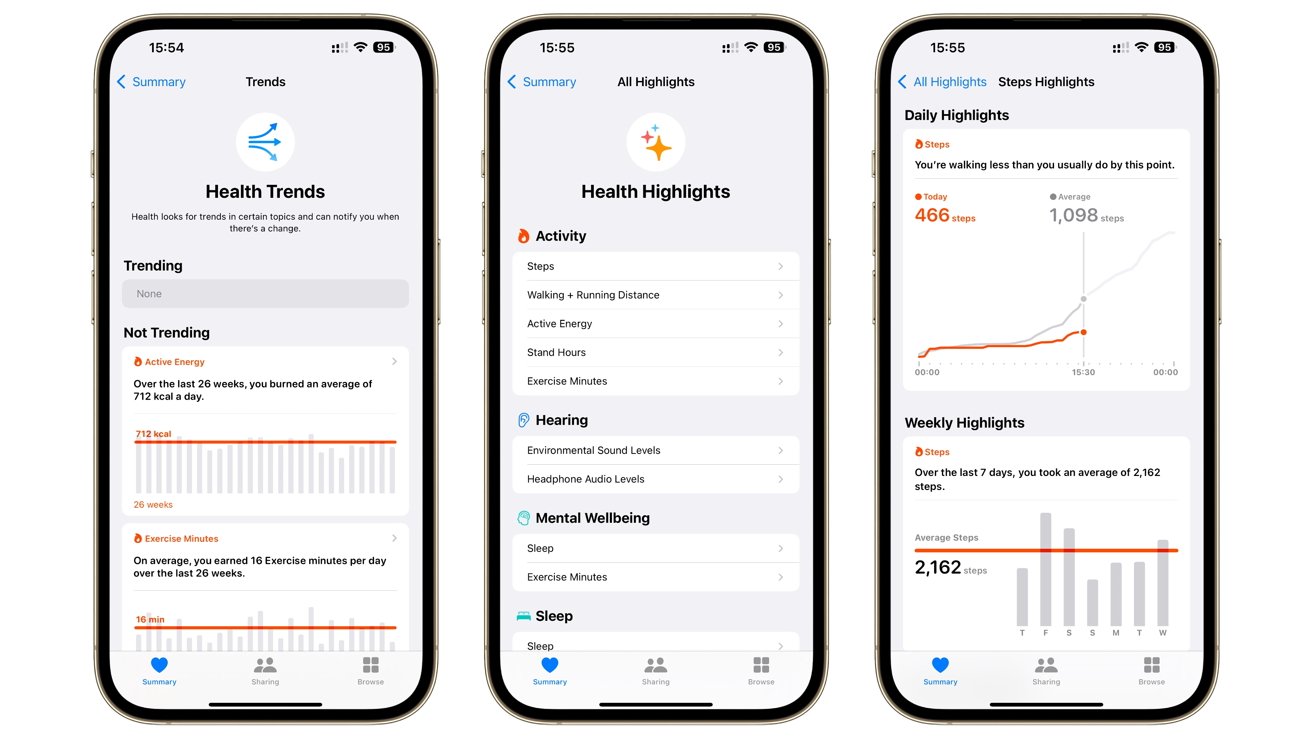
Views of Trends and Highlights in Health for iOS
Similarly, you can also use downward trends to keep an eye on your health. Maybe you notice you start taking fewer steps, suggesting you’re not getting enough movement in.
Maybe your VO2 starts dropping steadily below your baseline in the days before you become ill. This is genuinely beneficial information to have.
And the only way you can track those trends is by consistently wearing a fitness tracker.
I know a lot of people love the Apple Watch, and they’re great at wearing it consistently. And I’m super happy for them.
I’m not one of those people. And judging by the fact that Oura’s done well enough for itself to release the fifth iteration of its tracking ring, there’s a solid market for non-wrist-based trackers.
And once upon a time, Apple was rumored to be working on such a device. Though if you’ve been around the block a couple of times, you know that patents effectively mean nothing in terms of what will or won’t make it to market.
I would love an Apple Ring were one to ever actually materialize, provided Apple didn’t decide that it needed to be another “everything” device like the Apple Watch.
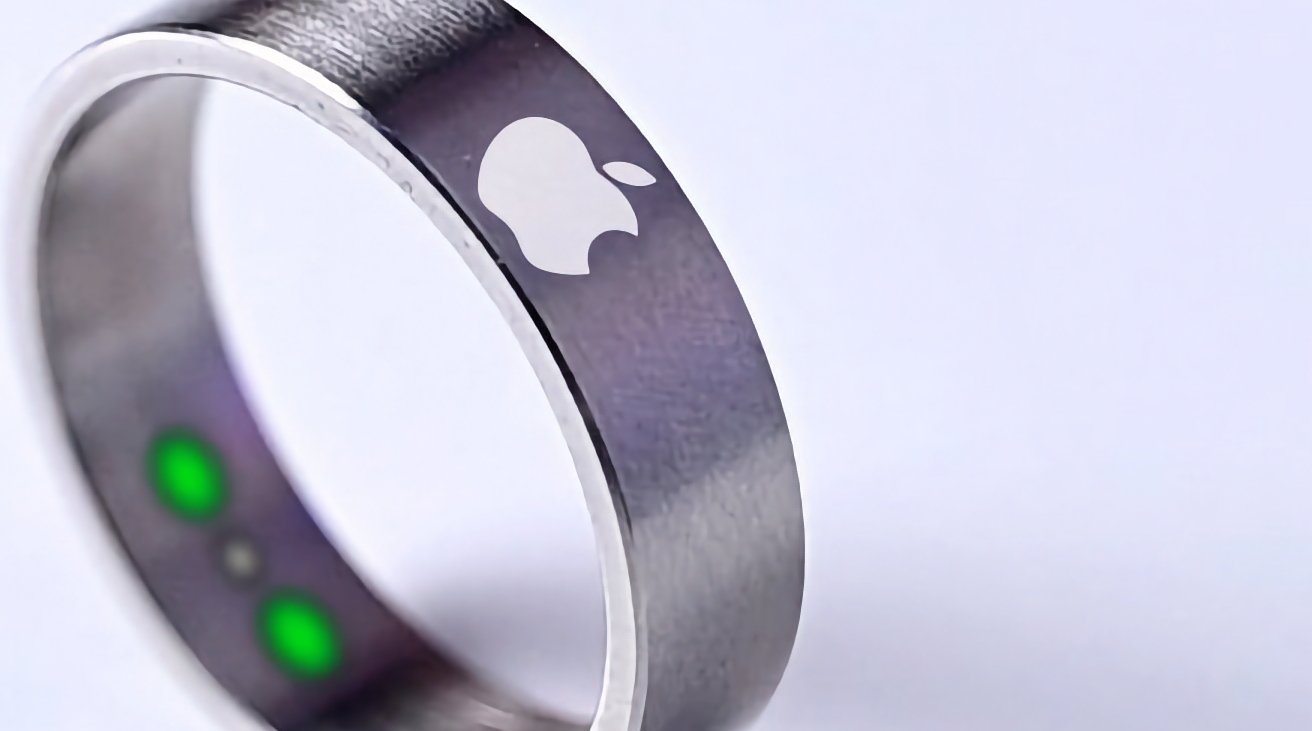
Render of a possible Apple Ring
I would wear the ring every day. I want my sleep metrics, I want to know my heart rate during an intense biking session. I’d like to know what it thinks my average step counts are, so I can work on getting that number higher.
Wearing a ring is pretty set-and-forget as far as activities go. I used to wear my second-generation Oura ring all the time before the battery life finally started degrading to the point of needing to be charged daily.
For the record, I appreciate what Oura is doing, but I still crave the deep Apple ecosystem integration. I want to close my rings, I just want to do it sans Apple Watch.
I really want this stupid ring to exist. Which, frankly, sucks, because I don’t think it’s going to happen anytime soon.
I think Apple’s figured out exactly where it wants to be vis-a-vis the whole device roadmap for the next five years.
We just got the MacBook Neo, and the iPhone Fold is coming out at some point. I suspect that Apple’s HomePod-with-a-Screen will make an appearance at some point in the next year or two.
Apple’s going to buckle down and come to market with some sort of AR glasses situation, much to my chagrin.
I think if Apple made a fitness ring, it would entirely upset the wearable market again. I think it would sell, and I think it would sell incredibly well.
I could see it doing better than AirPods, frankly.
And maybe that’s another reason Apple won’t do it. Apple wants you to buy an Apple Watch.
The Apple Watch comes with accessories you can swap out, and third-party developers make and, crucially, sell, apps for it. You only have to produce an Apple Watch in a few different sizes, whereas an Apple Ring would probably need to come in at least eight sizes.
And the Apple Ring would most assuredly cut into the Apple Watch market. Considering how hard Apple pushes the Apple Watch, I can’t see it wanting to split people off for what it may view internally as a less worthwhile product.
So, I don’t see it happening anytime soon.
For now, I suppose I’ll continue to use my four separate apps to track the various workouts I do. Maybe someone else will come to market with a ring that is just as good as the Apple Ring could be.
Maybe I’ll eventually cave and buy an Oura Ring 5.
Either way, I’m still going to hope Apple has a change of heart and finds a way to make the fitness tracker of my dreams a reality. I think it’d be way better than the stupid Pixar lamp it’s allegedly got in the works, at any rate.
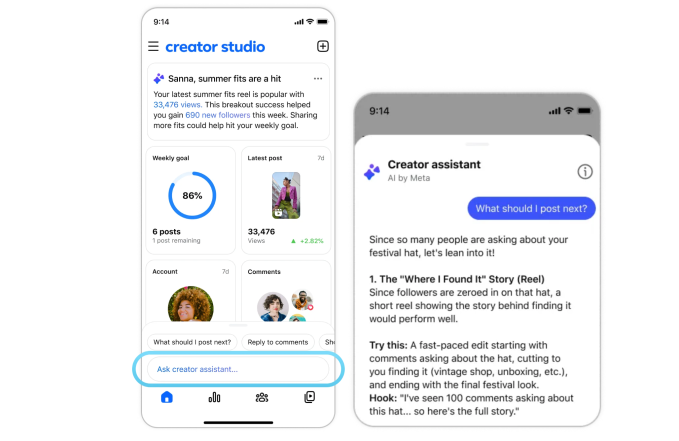
Facebook announced on Wednesday that it’s reimagining its Creator Studio tool as a stand-alone AI companion app designed to help creators grow their audiences on the social network.
By giving creators access to this AI companion app, Meta is looking to keep creators active on Facebook as it competes for their attention against rivals like TikTok and YouTube. The company also likely hopes that the app will eliminate the need for creators to turn to third-party tools like ChatGPT when brainstorming content ideas and analyzing performance.
The new app, which is currently being tested with select creators, will have Facebook’s recently launched AI creator assistant built into it. The assistant provides creators with personalized recommendations based on their content style, performance, audience engagement, and goals.

Creators often have to sift through charts and dashboards to understand their performance, but with the AI assistant, they can get quick answers to questions like “When should I post?” and “What are people saying in my comments?” Since the AI assistant is conversational, they can also ask follow-up questions, like how their audience has shifted over time.
Beyond the built-in AI assistant, the Creator Studio app will include a set of several new features, such as an AI-powered comment tool that will help surface the most important comments and draft replies in the creator’s own tone. Creators can edit and approve the drafted replies before posting them, Facebook says.
When creators open the app each day, they will see a feed of daily priorities: reviewing their newest post’s performance, tracking progress toward goals, and flagging comments in need of a reply.

Wednesday’s announcement adds to Meta’s recent wave of app launches. Last month, the company rolled out a stand-alone app for Facebook Groups called Forum that functions similarly to Reddit. In April, Meta launched a new app called Instants that lets users share disappearing photos with Instagram friends.
The pipeline keeps growing. The New York Times reported on Tuesday that Meta is building its own Polymarket-like app, internally called “Arena,” though it has yet to launch.
The cadence is deliberate. The Wall Street Journal reported in April that CEO Mark Zuckerberg told employees that AI-driven efficiencies would enable the company to build more apps than it has historically.
When you purchase through links in our articles, we may earn a small commission. This doesn’t affect our editorial independence.


The U.S. Cybersecurity and Infrastructure Security Agency (CISA) is warning of hackers actively exploiting flaws in Ubiquity UniFi OS and Lantronix serial-to-ethernet servers.
According to the BOD 26-04 directive, federal agencies have three days to apply available security updates or vendor-recommended mitigations.

The Ubiquiti flaws that CISA added to its catalog of Known Exploited Vulnerabilities are:
Ubiquiti released security updates for the three vulnerabilities in May, warning that they could be exploited remotely without privileges.
Researchers at Bishop Fox later demonstrated that the three flaws could be chained to achieve full remote code execution with elevated privileges on vulnerable UniFi OS devices.
Bishop Fox has also released a free detection script on GitHub to help defenders discover vulnerable instances in their environment.
The security issue exploited in Lantronix servers is tracked as CVE-2025-67038, and is a critical-severity root-level command injection affecting model EDS5000 running firmware 2.1.0.0R3.
The vulnerability exists in the HTTP RPC module, which executes a shell command to log failed authentication attempts.
The supplied username is concatenated directly into the shell command without proper sanitization, allowing an attacker to inject arbitrary operating system commands.
Lantronix released a released a patch for CVE-2025-67038 and recommends users to upgrade to EDS5000 version 2.2.0.0R1.
CISA has not shared any details about the observed exploitation of any of the four flaws, while the “use in ransomware campaigns” flag was set to “Unknown” for all of them.
System administrators managing the above products are recommended to apply the available updates and/or suggested mitigations as soon as possible.

Security teams log 54% of successful attacks and alert on just 14%. The rest move through your environment unseen.
The Picus whitepaper shows how breach and attack simulation tests your SIEM and EDR rules so threats stop slipping by detection.


Rockstar Games revealed the price for Grand Theft Auto VI today and confirmed that pre-orders start at midnight local time tomorrow. Standard editions carry a price of $79.99. The Ultimate Edition raises that figure to $99.99 and bundles an exclusive collection of premium vehicles, weapons, apparel, and actions that thread through the story of protagonists Jason and Lucia.
Pre-orders and purchases completed before November 20 unlock the Vintage Vice City Pack for everyone. This collection recalls the neon era of Vice City through items such as a 1955 Vapid Stanier sedan with garage access, outfits, hairstyles, and a weapon skin. Digital pre-order buyers receive a free month of GTA+ membership that activates immediately and opens access to Grand Theft Auto Online plus other Rockstar titles in the subscription library.




Players gain access to the full game on November 19, 2026 for PlayStation 5 and Xbox Series X|S. Digital customers can begin pre-loading on November 12, giving them a full week to prepare. Physical editions reach store shelves on November 12 as well. Each box holds a download code that supports the same early pre-load window. No disc comes with the physical package.



Rockstar describes the title as the biggest and most immersive single-player chapter in the series so far. The story follows a conspiracy in Leonida state centered on Jason and Lucia. Packaging physical copies with only a download code lets buyers start the game on day one without installation delays once the code redeems. This format still delivers a boxed product for retail displays and collectors.



Pre-orders open tomorrow across the PlayStation Store, Microsoft Store, Rockstar Games Store, and global retailers. The game carries no rating yet.

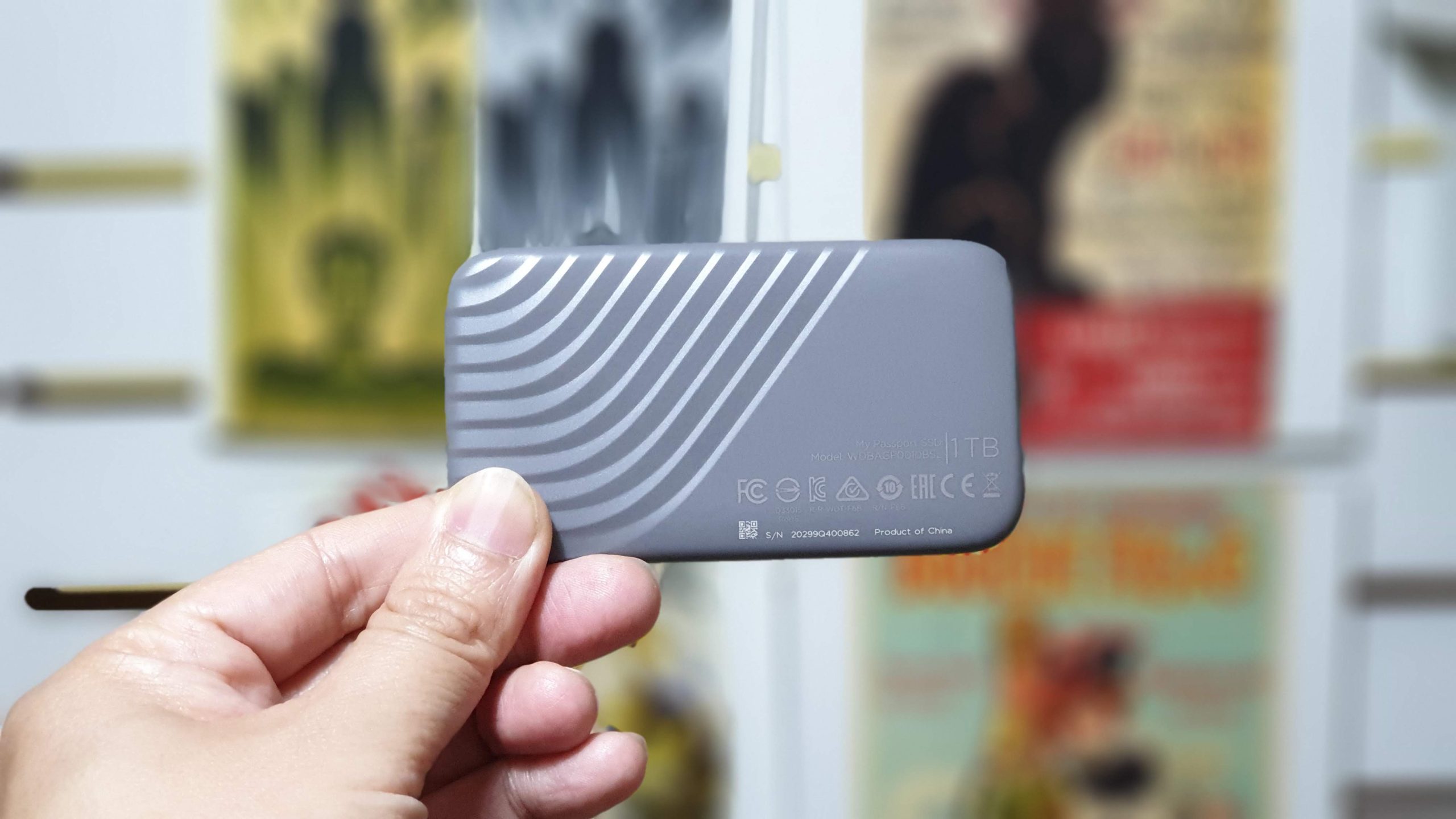
Western Digital’s quirky portable SSD currently has a 41% price cut, with the WD 1TB My Passport currently $185 (was $313) at Amazon.
Offering an alternative to what some vendors call ‘portable storage’, Western Digital’s My Passport is (quite literally) the size of a passport. But that doesn’t mean it compromises on speed—with up to 1000MB/s read and write—or ruggedness, as it is rated to survive a 6.5ft drop.
The My Passport SSD is therefore perfectly suited to storing large media projects and files for the on-the-go professional who needs a shock-resistant storage option that doesn’t burn (or wear) a hole in your pocket. For anyone looking to move on from USB thumb drives, this is the logical progression, and right now it has $128 off for Prime Day.
Now, while the My Passport won’t give you the speedy performance of a mounted SSD, we did clock transfer speeds of 1046MBps read and 1013MBps write in, which is above the manufacturers baseline. In his review, our very own storage expert Désiré called the My Passport “a compelling choice” in its balance of performance and size.
Western Digital does have a few variations for its My Passport range, including a heavier, larger USB 2.0/3.0 option. But this USB C version is the superior choice, not only for more than twice as fast transfer speeds (500MBps for the USB version), but also for the form factor. It is noticeably smaller and lighter than its bigger brothers.
Image 1 of 3
The USB 3.2 Gen 2×2 delivers a 20 Gbps with the right cable, but also offers backwards compatibility with USB 3.2 or 2.0 cables.
What I find particularly attractive is the password protection and built-in always active 256-bit AES hardware encryption, making physically transporting precious media and important files less of a daunting task. Even if I were to lose it or have it stolen, I’d at least have the peace of mind that no one can access my files. Additionally, if you do somehow manage to damage this rugged SSD, it comes with a 5-year manufacturers warranty

Apple’s second-generation AirTag has dropped to its lowest price ever on Amazon during Prime Day, with the single-pack falling to $24 and the four-pack reaching $89.
The new discounts cut $5 off the AirTag 2 single-pack and $10 off the four-pack. Both offers represent the lowest prices seen thus far for Apple’s latest item tracker, giving shoppers an opportunity to save before Prime Day ends on June 26.
The deals are available through Amazon and apply to Apple’s recently released AirTag 2. The updated tracker builds on the original AirTag design while adding hardware improvements aimed at helping users locate lost items from greater distances.
Apple introduced AirTag 2 with a new Ultra Wideband chip that extends Precision Finding range compared to the first-generation model. The company also redesigned the built-in speaker to make it more difficult to tamper with and easier to hear when locating misplaced belongings.
Retailers are continuing to roll out Prime Day promotions across Apple’s product lineup. These record-breaking discounts on the AirTag 2 offer a rare chance to save on the accessory that was released in January 2026. Shoppers can now upgrade or expand their setup at the lowest prices ever.
Travelers rely on AirTags as essential gear within the Apple ecosystem to pinpoint luggage and personal items through the massive Find My network.
Shoppers interested in the AirTag 2 deal may want to act sooner rather than later. Amazon’s Prime Day pricing frequently changes as inventory levels fluctuate, and record-low discounts on Apple products don’t always remain available throughout the entire sales event.

In 1954, years after he led the project that created the atomic bomb, physicist J. Robert Oppenheimer was called to testify before the Atomic Energy Commission (AEC). The ostensible subject of the hearings was Oppenheimer’s position on the hydrogen bomb, a far more destructive version of the atomic bomb that the US had developed and first tested two years earlier.
Oppenheimer, who in the years after the war had become increasingly conflicted about atomic weapons, initially opposed work on the hydrogen or thermonuclear bomb, partially for moral reasons and partially because he was skeptical it would work. But he later changed his mind and supported work on it. The lawyers at the AEC wanted to know why.
It wasn’t because Oppenheimer had changed his mind about the morality of city-vaporizing thermonuclear bombs. Rather, it was because American physicists had struck upon a new design for hydrogen bombs that wasn’t just workable, but positively elegant, or “technically sweet” as he called it. For Oppenheimer, that was enough. As he told the AEC hearing: “When you see something that is technically sweet, you go ahead and do it, and you argue about what to do about it only after you have had your technical success.”
What Oppenheimer described was a kind of moral helplessness dressed up as resolve: the pull of a scientifically beautiful answer to an ugly problem, and the accompanying habit of holding the moral accounting until after the technical success. It is one of the most honest things anyone who built the bomb — or any other world-altering thing — has ever said. And it has never stopped being relevant, because the people now building the world-altering technology of our own moment keep saying versions of it too.
Jack Clark, the co-founder and head of policy at Anthropic, the company behind the Claude models, is one such person. So it was worth paying attention last week when Clark sat down for a long public dialogue with Samuel Kimbriel, the founding director of the Aspen Institute’s Philosophy and Society, just six days after the federal government had abruptly cut off access to Anthropic’s two most powerful models, ostensibly over fears of what they could do.
Much of the conversation circled around a single idea that will be familiar to those who read Clark’s work: Powerful AI is coming, and it presents us with a choice — a choice we are actively refusing to make by failing to regulate AI. (Disclosure: Future Perfect is funded in part by the BEMC Foundation, whose major funder was also an early investor in Anthropic; they don’t have any editorial input into our content.)
We regulate toothbrushes, Clark pointed out, and cars, and nuclear weapons. “But we seem to have this attitude towards technology that it’s impossible to regulate,” he said. “It is not impossible to regulate … we sort of act as though, oh well, the technology industry is just inevitably going to do stuff, which I think is a choice.” His sharpest example was the online platform shift that utterly reshaped the last two decades. “Social media ran an uncontrolled experiment on the world,” he said. “We all now think and talk a bit differently because of social media. That was a choice. We can choose things to be different.”
This is the kind of talk that has long differentiated Anthropic from other major AI companies: Its principals are willing to linger on the serious risks of advanced AI, risks that demand clear and even strong regulation. (About a week before the Aspen dialogue — and just a day before the Trump administration came down hard on Anthropic’s latest models — CEO Dario Amodei published a blog post calling for government authority to legally block or even reverse the deployment of frontier AI models failing safety tests on threats like cyberhacking and bioweapons.)
Anthropic acknowledges that advanced AI is an existential gamble, but argues it’s a gamble we must take. At the Aspen dialogue, Clark spoke of a coming century that will be marked by brutal challenges — aging populations, straining institutions, a warming planet — that apparently can only be addressed with AI. To not go forward with artificial intelligence would be to rob ourselves of medical miracles we can only imagine, and implicitly condemn those who might otherwise be saved.
Clark is right that there is a choice buried in all of this. But the question his framing elides is exactly whose choice it actually is.
Sure, as Clark said, we regulate cars and toothbrushes and nuclear weapons, but in each case someone built the thing first, and the rest of us were left to decide what to do about a world that already contained it. Nobody voted on whether the atomic bomb should exist. We were handed the consequences and had to write the rules later.
Much the same is true of AI. The choice Clark wants the public to make around governing it only became necessary once his industry created the thing that needs governing. He is offering us a vote on what to do about AI, not a vote on whether it gets made — because that vote was already cast, in private, by him, a few hundred colleagues, and trillions of dollars. But why didn’t we get a say? Why are we stuck in the world where, as in Oppenheimer’s formulation, “you argue about what to do about it only after you have had your technical success”?
I wasn’t the only person in the audience who was wondering this. Near the end of the dialogue, a young woman put a sharper version of this question to Clark directly. Every frontier lab now admits the technology carries enormous risk, even existential risk, she noted. “So my question is, what gives you, Anthropic, and the rest of the frontier labs the right to continue building something that could destroy everybody, when none of us can actually opt out of it?”
Clark, to his credit, did not brush the question away. But neither did he answer it fully. He reframed it — away from the choice to build, toward the need for someone to take responsibility after it is built.
That someone can’t be the companies themselves, he said, describing an ideal future where “outside compliance, regulatory, testing and verification systems” would decide when each lab was allowed to go further. Governments were already moving faster than anyone expected — the US and UK, he said, had built testing agencies whose tools were sometimes better than the companies’ own.
It was a gracious answer — albeit one that sat awkwardly with the reality that President Trump now appears to be regulating AI by whim — but notice what it concedes. Asked what gives his company the right to build something that could destroy everybody, the head of policy at a leading AI lab did not say we have that right. He said the decision shouldn’t rest with companies like his, only to describe a system to take it out of their hands that does not yet fully exist. He and his colleagues are still building, at the frontier, as fast as the science and the compute allows, while telling the room that someone else really ought to be in charge. AI is already loose in the world. The regulation of AI is still mostly the stuff of blog posts.
So why are they really doing this? To bring it back to Oppenheimer: because AI is “technically sweet.” It’s not the race with China, not the trillion-dollar valuations, not even the creditable desire to cure disease — though all of those are real. Underneath them is something simpler and much harder to govern: we are compelled to build what is beautiful. Clark all but said so, marveling that AI is “easier and simpler to build than many other aspects of science,” that his chief scientist jokes they’d have AGI already if they just fixed the bugs in their code.
We humans are a tool-using species, Clark argued, and AI is the ultimate tool. It’s not that AI is inevitable, exactly, but that it is so weirdly simple to build once the foundations are set that “almost any path you go down, [AI] appears.”
What Clark described is the pull Oppenheimer named in 1954 — the pull of an elegant solution that makes the question of whether you should build it feel beside the point.
I can feel it myself, and I’m just a user. Put a capable model at your fingertips, ask it to do something you couldn’t do alone — write the program, find the flaw, untangle the thing you’d been stuck on — then watch it simply do what you requested, and you’ll experience a small electric thrill that has nothing to do with aging populations or the future of democracy. That thrill runs in an unbroken line from the user at the keyboard up through the engineer who trained the model to the executive who shipped it.
That’s why I suspect Clark’s regulation talk, however sincere, is downstream of a decision that was never really in doubt. Like Oppenheimer with the hydrogen bomb, the people building this technology feel they have no choice but to go ahead — and then to hope the rest of us make the right choices to govern what they could not stop themselves from making.
We have been lucky, so far, with the last technically sweet device that could still end the world. The hydrogen bomb has existed for 70 years without being used in anger, not because we solved the politics Oppenheimer warned about, but because the wiser choice won. And because we were lucky.
Clark may be right that the choice is still ours: The bomb did not decide the Cold War, people did, and people can decide this too. But it would help if the people handing us that choice slowed down long enough to let us make it — instead of building as fast as they can and trusting our luck, and theirs, to hold.
A version of this story originally appeared in the Future Perfect newsletter. Sign up here!


Metroid Prime arrived on the GameCube in 2002 with a first-person view that already set it apart from most games of its time. Players explored alien ruins and fought through creatures while guiding Samus through a living world. A new fan project now carries that perspective into virtual reality on PC with controls that respond to actual body movements.
Nobbie built PrimedGun from the ground up, using Dolphin ReduX as a foundation. His goal was to take the ancient NTSC version 1.0 of the GameCube game and apply some very modern tracking and input technology that feels right at home in a headset. As a result, you may now play the game from start to finish without affecting the basic gameplay.
Arm cannon movements are intricately tied to the movement of your hand, so you’re not just moving a stick around; you’re leveraging your full arm to track targets. That is, shooting or scanning enemies necessitates actual movements with your body. The head tracking is equally effective, as you can move your head around to get a better view and use hand gestures to make selections or toggle menus.

However, the gunplay really takes off when you can use your cannon to target enemies, much like in the real game, rather than relying on the camera or a lock-on system. The end result is that, while the fighting and traversal cycles are intact, they feel noticeably more responsive after a few hours.

PrimedGun is all about making you and the game feel comfortable with each other right immediately. One click on the right stick adjusts the height, so all you have to do is stand there and let it do the work. Then there’s a menu where you can alter the cannon location and spin to get everything just right and play for longer periods of time without cramping. You may also change the texture of the cannon with a simple in-app tool that requires no additional software.
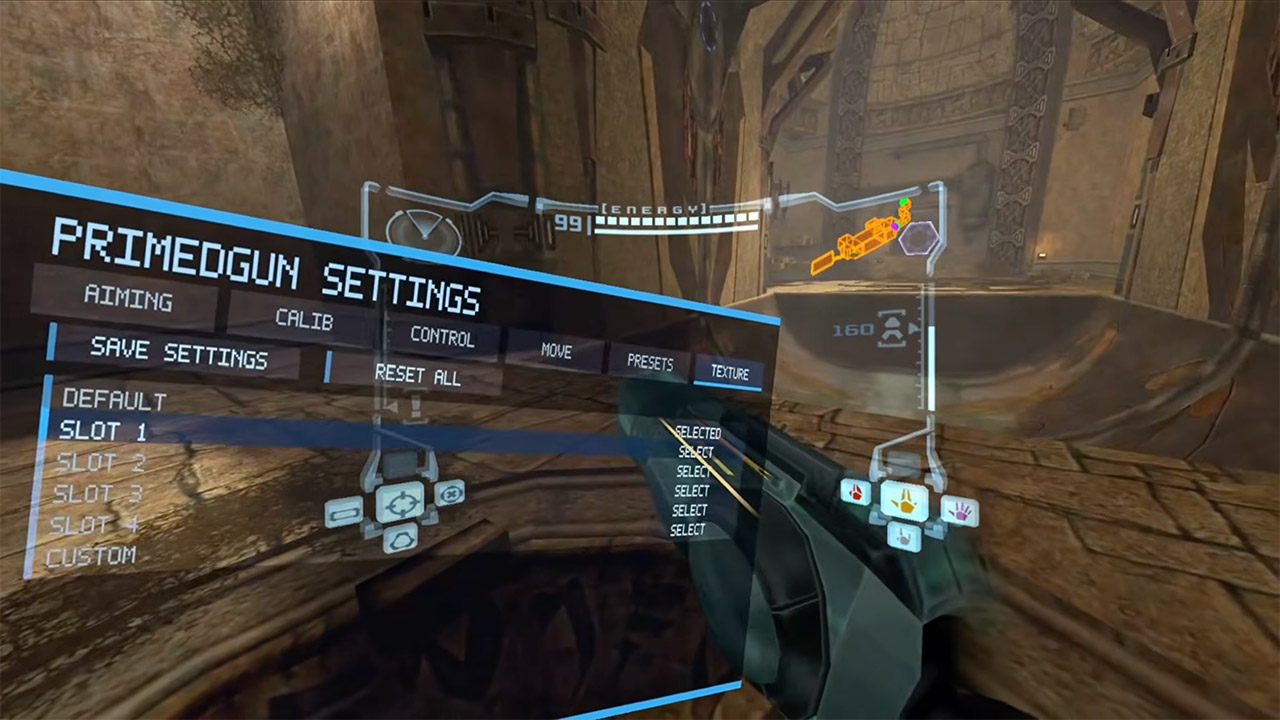
To play the game, you only need the original game file and a download from the GitHub releases. From there, simply open the program, select the NTSC version 1.0 ISO, and let it do its job. You can even copy save files from your previous memory card, and they will appear in the User folder. There is a layout option that allows you to customize the controls, and you can even disable auto setup if you want to create a custom profile.

To get everything functioning well, you’ll have to run your headset at 120 hertz, which makes a big difference. Having a strong connection from SteamVR or Virtual Desktop is the best choice, and if you have a Meta headset, it will also function, though the project notes state that you should probably use Steam if possible. To ensure smooth tracking, simply stay centered and look straight ahead during the calibration process, and then continue with the game.
[Source]

Figma on Wednesday showed off an update that adds a new code layer, support for motion and shaders, and the ability to create custom plugins for various tasks using AI.
The design platform has been working on bringing code integration into its tool for a while. Last year, it unveiled an AI prompt-based prototyping tool, Figma Make, and has since launched integrations with Claude Code and Codex to improve the hand-off between coding and design.
The company is now adding code layers directly to the collaborative canvas, helping teams clone repositories and extract flows from code to design layers for testing.

Figma’s chief product officer, Yuhki Yamashita, said code layers make it easier for designers, product managers and programmers to iterate on ideas rather than focus on creating pristine code that goes into production.
“We think the multiplayer canvas is really powerful because this is an environment where you don’t really care about the quality of the code. If you’re rapidly exploring or need to kind of explore a bunch of new directions, you can do that in this spatial way. We hope that this feature produces different behaviour not just with designers, but also with engineers and PMs,” he said over a call.
Figma now also supports animations, transitions and 3D transforms. Previously, designers had to create animations in other software and convert it to code that the app could understand. Now, designers can integrate animations and transitions directly into Figma.

You can now use AI to create some of these assets, and the update is adding support for adding shader effects and fills using AI, too.
Figma acquired node-based tool Weavy, which helped designers run workflows through different models to compare outputs, last year, and is now working to integrate the two apps better. In an update rolling out later in the year, users will be able to generate Weavy workflows directly within Figma.
The company’s also adding new skills to make its AI assistant more useful with its collaborative canvas. Users can now write text prompts to create repeatable skills that AI agents can use. You can also connect tools like Notion, Granola, Excel and GitHub, or attach files to give the AI bot more context about what you want it to do.
The company is also adding a feature to help users create custom plugins, like layout generators or vector path tracers, with prompts.
When you purchase through links in our articles, we may earn a small commission. This doesn’t affect our editorial independence.
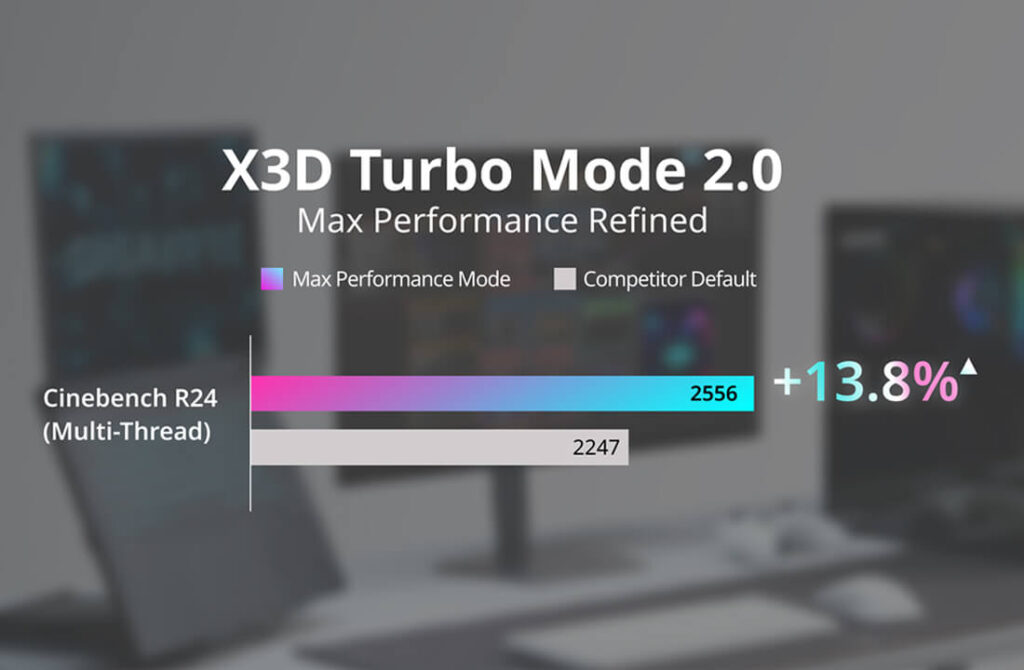
AMD’s Ryzen X3D processors are already among the best gaming CPUs you can buy right now, but GIGABYTE thinks there’s still some extra performance left on the table. The company has announced X3D Turbo Mode 2.0, a new feature designed specifically for Ryzen X3D chips that can automatically boost gaming and productivity performance without requiring users to manually tweak BIOS settings or overclock their systems. According to GIGABYTE, the feature is exclusive to its X3D Series motherboards and supports Ryzen 7000, 8000, and 9000 Series X3D processors.

GIGABYTE claims X3D Turbo Mode 2.0 can deliver noticeable gains across several popular games. In the company’s internal testing, Call of Duty: Black Ops 7 saw performance improvements of up to 34%, while Cyberpunk 2077 saw improvements of up to 25%. Battlefield 6 reportedly delivered gains of up to 21%, and Counter-Strike 2 saw improvements of around 12%.
While real-world results will naturally vary depending on your hardware configuration and game settings, the numbers suggest that the feature could offer a free performance boost for users already running compatible Ryzen X3D systems. The benefits aren’t limited to gaming either. GIGABYTE says productivity workloads also see improvements, with Cinebench R24 Multi-Core scores increasing by up to 13.8%. That could make the feature useful for creators, streamers, and users who regularly run CPU-intensive applications.

Instead of relying on traditional manual overclocking, X3D Turbo Mode 2.0 uses what GIGABYTE calls its Dynamic OC Engine. The system continuously analyzes workloads and adjusts CPU behavior in real time through a dedicated hardware controller built into supported motherboards. By working directly with the board’s power delivery system, the feature aims to extract additional performance while maintaining system stability.
In simple terms, the motherboard automatically determines when extra performance is available and adjusts settings accordingly, removing much of the trial-and-error typically associated with CPU tuning.
X3D Turbo Mode 2.0 is currently available on GIGABYTE’s X3D Series motherboards and supports AMD Ryzen X3D processors across the Ryzen 7000, 8000, and 9000 families. Supported models include several X870E and X870 boards, such as the AORUS XTREME X3D AI TOP, AORUS MASTER X3D, AORUS PRO X3D, AORUS ELITE X3D, AERO X3D, and EAGLE X3D series.
With Ryzen X3D processors continuing to dominate gaming benchmarks, GIGABYTE is positioning X3D Turbo Mode 2.0 as an easy way for users to squeeze even more performance out of their existing hardware without diving into manual overclocking.





Weekend Open Thread: Miami – Corporette.com


Renter of Home in Anne Heche Crash Denies Settlement With Son


Microsoft accidentally kills epic Outlook email threads

Two goals and an assist by sheer aura: Cristiano Ronaldo just entered the World Cup chat


Soccer-U.S. defends Iran World Cup travel restrictions, says discussions ongoing
Bitcoin (BTC) Dips Below $62K, Ethereum (ETH) Plunges 6% Daily: Market Watch


BBC Reporter Discusses Cross Party Criticism Of Trumps Iran Deal


Securitize Wraps Roubini's SEC-Registered ETF as Dubai VARA Digital Security
Entergy settles forward sale agreements, raises $672 million in cash proceeds

Wall Street Week Ahead: Investors see Micron earnings as pulse check of AI rally momentum


Andy Burnham and the meaning of Makerfield


AWS enters the context layer race with a graph that learns from agents, not manual curation

Can Charles Hoskinson Really Rescue Cardano?


Keir Starmer Allies Question His Chances For No 10


HIVE shares jump as $220M AI deal speeds Bitcoin mining pivot


Jake Chervinsky accuses CME of protecting derivatives monopoly

Signal’s Meredith Whittaker says AI chatbots ‘are not your friends’ and calls Copilot agents a backdoor


Nearly 7,000 fake Amazon domains registered ahead of Prime Day 2026, researchers warn


Jose Alvarado Wants Taylor Swift at More Knicks Games


Brexit cost 6% of UK economy, Bank of England company data suggests



You must be logged in to post a comment Login