

Crypto World
Ethereum Staking “Tax” Could Already Be Losing Relevance


Ethereum’s funding debate has intensified after a warning from former ecosystem contributors that core development support could face a “slow-burning funding crisis” within months—just as the Ethereum Foundation tightens spending under its stated treasury policy. The backlash quickly broadened into a wider governance argument over who should pay for shared research and coordination work: the validator set via staking-reward taxation, or large ETH-aligned institutions through alternative funding channels.
At the center of the controversy is a proposal from Kleros co-founder Clément Lesaege to redirect part of validator rewards to ecosystem funding using a protocol-level mechanism known as Validator Redirected Revenue. But as community members debated validator-led redistribution—and whether it risks consolidating power among large operators—new efforts to channel private support for Ethereum research and development also surfaced, including the launch of a nonprofit called EthLabs.
Key takeaways
- A former Ethereum Foundation contributor warned of a potential “slow-burning funding crisis” in the core development ecosystem within three to nine months as older support programs wind down and spending declines.
- Clément Lesaege’s Validator Redirected Revenue proposal would allow validators to signal a redirect rate (0% to 10%); if supported by a majority, the redirect becomes mandatory for all.
- Critics argue the mechanism could entrench large validators, blur governance lines, and effectively turn validators into a tax authority.
- Ethereum’s treasury policy already targets a multi-year cash buffer and a gradual reduction in annual spending; Vitalik Buterin indicated the Foundation is decreasing its budget in line with that plan.
- The emergence of EthLabs shifts the conversation toward institutional, foundation-complementary funding rather than changing validator economics at the protocol level.
From warnings to a governance flashpoint
The latest round of Ethereum funding drama began on Friday, when former Ethereum Foundation contributor Trenton Van Epps cautioned that Ethereum’s core development ecosystem could face a “slow-burning funding crisis” within three to nine months. His argument was tied to the timing of expiring support programs and a decline in Foundation spending.
Van Epps estimated that maintaining more than 10 client, research, and coordination teams costs roughly $30 million per year. He further argued that existing programs—such as the Client Incentive Program—may no longer be enough to cover the full bill. In his framing, Ethereum is moving into an “inheritance” phase where the Foundation is no longer the sole steward of protocol funding, requiring new arrangements to replace what is expiring.
While Van Epps’ warning resonated with some community members, others dismissed the premise. For example, Bitmine’s Tom Lee reportedly rejected the idea of a near-term crisis, saying there was “zero chance” Ethereum would run out of funds for protocol development.
What the Ethereum Foundation’s treasury policy actually says
Even amid public disagreement, the Ethereum Foundation’s own published treasury policy provides an important counterpoint: it describes a long-run buffer and spending limits rather than an imminent funding cliff. According to the Foundation’s policy, it aims to hold a 2.5-year operating expense buffer in cash and stablecoins, while also planning to cap annual spending at 15% of total treasury assets and then gradually reduce spending over time toward a 5% baseline.
On Tuesday, Ethereum founder Vitalik Buterin said the Foundation is decreasing its budget by roughly 40%, aligning with the policy as it transitions from spending around 15% of its funds annually before 2026 toward the lower long-term target after 2030. The debate, then, is less about whether Ethereum can fund core work indefinitely and more about the political and economic structure of funding as spending tightens.
Validator Redirected Revenue: why the proposal triggered backlash
Lesaege’s proposal is designed to address a classic coordination failure: shared infrastructure benefits everyone, yet no single party reliably funds the work needed to maintain it. In his view, the funding problem persists even if a treasury exists, because shared development still needs stable, predictable incentives and a mechanism to align contributors with ecosystem priorities.
The approach—published on Eth Research—would require validators to signal the share of their staking rewards they are willing to redirect. Lesaege suggested a range between 0% and 10%. If a majority of validators supports a non-zero redirect, the redirected allocation would become mandatory for all validators.
Based on current staking levels, Lesaege estimated that even a 5% to 10% redirect could produce roughly 50,000 to 70,000 ETH per year for ecosystem funding, which he calculated as approximately $82.5 million to $115.5 million at then-current ETH prices cited in the article.
But the mechanism’s governance implications proved difficult for many participants to accept. Critics warned that redirecting rewards at the protocol level could shift power toward a stake-weighted validator majority, entrench large operators, and blur the boundary between running validation and influencing ecosystem funding policy. In other words, even if the economic amounts look manageable in isolation, the precedent of turning consensus-layer incentives into a treasury-like authority raised alarm.
How staking operators and investors view reward compression
Beyond governance, the proposal raised practical concerns for institutional staking providers. A spokesperson for Figment told Cointelegraph the plan could compress margins, which tends to consolidate the validator set toward larger, more integrated operators serving institutional clients. In their view, that consolidation would come “at the cost of some operator diversity” and could reduce net new ETH stakers.
Twinstake’s Andrew Gibb added that different investor segments could respond differently. While long-term ETH holders might welcome a better-funded ecosystem, shorter-horizon capital—such as retail participants, liquid multi-asset funds, and reward-focused allocators—may be less receptive to lower consensus-layer returns. Gibb said the proposal could narrow the addressable staking market at the margin, and he expected some clients to reevaluate staking allocations.
Max Shannon, senior research associate at Bitwise, offered a different lens: he said staking participation so far has shown limited sensitivity to reduced rewards. Shannon pointed to a decline in ETH staking APR from about 4.6% in June 2023 to around 2.7% now, alongside increases in staked supply and the staking ratio. However, he warned that further reward compression would make risks—such as slashing and exit-queue liquidity risk—more material compared with expected returns.
Shannon also suggested a potential second-order effect: if net consensus-layer yield falls, validators might rely more heavily on MEV to offset lost APR. That shift, he noted, could be a risk to Ethereum’s censorship resistance, depending on how MEV dynamics evolve.
How big is the funding gap—economically and politically?
Even supporters of the need for new incentives appeared to agree that the scale of the “gap” may not be enormous. Shannon argued that if the annual shortfall is around $30 million and total annual staking rewards are roughly $1.9 billion, filling the gap could theoretically require only about 1.6% of staking rewards. In purely economic terms, that looks like a single-digit reduction rather than a major haircut.
Where the dispute intensifies is the governance question. Shannon maintained that networks with hard-coded development funding are not automatically better off just because rewards are earmarked. Protocol success, he argued, depends more broadly on token performance and contributor incentives than on any single developer funding mechanism. The conflict, then, isn’t only about affordability—it’s about whether changing validator economics should be the tool Ethereum uses to solve a shared-work problem.
EthLabs reframes the funding model
Parallel to the Validator Redirected Revenue debate, a nonprofit called EthLabs emerged as a “credibly neutral” alternative. It was unveiled Monday by five former Ethereum Foundation researchers and presented itself as an Ethereum R&D lab backed by major ecosystem supporters, including BitMine, Sharplink, and Joseph Lubin, founder of ConsenSys.
The idea, as described in the coverage, is that EthLabs would complement rather than replace the Ethereum Foundation. Instead of redirecting staking rewards at the protocol level, large ETH-aligned institutions can fund development directly through a research and development entity.
In an X post shared Monday, Ethereum co-founder Joe Lubin said the Foundation still has “an enormous amount of top tier talent” focused on “the cypherpunk core components” of the protocol, while other Ethereum research and development efforts could explore different dimensions. That aligns with comments from Figment and Twinstake leadership emphasizing the risk of compressing margins and narrowing staking participation if validator economics are modified.
EthLabs also appears to shift the question for investors: rather than whether Ethereum can fund itself, the debate moves toward how it should structure funding—whether that should remain primarily foundation-led, become more institution-driven for adjacent work, or combine both approaches.
For now, the core uncertainty is political. If reward redirection proposals remain contentious, EthLabs will face a practical test: can non-profit and institution-led funding absorb enough of the ecosystem’s development and coordination needs to satisfy stakeholders without changing consensus-layer economics? Investors and builders will likely watch how quickly EthLabs organizes priorities—and whether it reduces pressure for protocol-level redistribution in future governance debates.



Micron, Marvell and On Semiconductor, each more than doubled in 2026, led the drop. The selloff pulled the S&P 500 down 1.4% and the Nasdaq 100 down 3.3%. An attempted rebound in Asian chip stocks failed to hold on Wednesday, with Taiwan Semiconductor down more than 3%.
Oil kept falling as the other half of the macro picture. Brent crude slipped about 1% toward $76 a barrel as tanker traffic through the Strait of Hormuz became more visible following the US-Iran interim peace deal. A gauge of the dollar climbed to a seven-month high as investors moved toward safer assets.
The crypto-specific signal sits in the fund flows, said Mike McCluskey, co-founder of tx, in an email to CoinDesk. He called bitcoin’s stabilization in the low-to-mid $60,000s a measured response to the Federal Reserve’s hawkish turn, given how hard such shifts usually hit digital assets.
US spot bitcoin ETFs have seen a record 30-day net outflow of more than $6 billion, which McCluskey described as sustained institutional de-risking by the same buyers that drove this cycle. Until those flows clearly reverse, he said, relief rallies are likely to hit a hard ceiling.
McCluskey also flagged Friday’s options expiry on Deribit, with roughly $10.6 billion in notional value set to expire. An option is a contract giving the right to buy or sell at a set price, and notional value is the total value of the assets those contracts cover.
Zero-knowledge scaling company StarkWare has introduced Private KYC on Starknet, enabling users to complete know-your-customer requirements without revealing their full personal information.
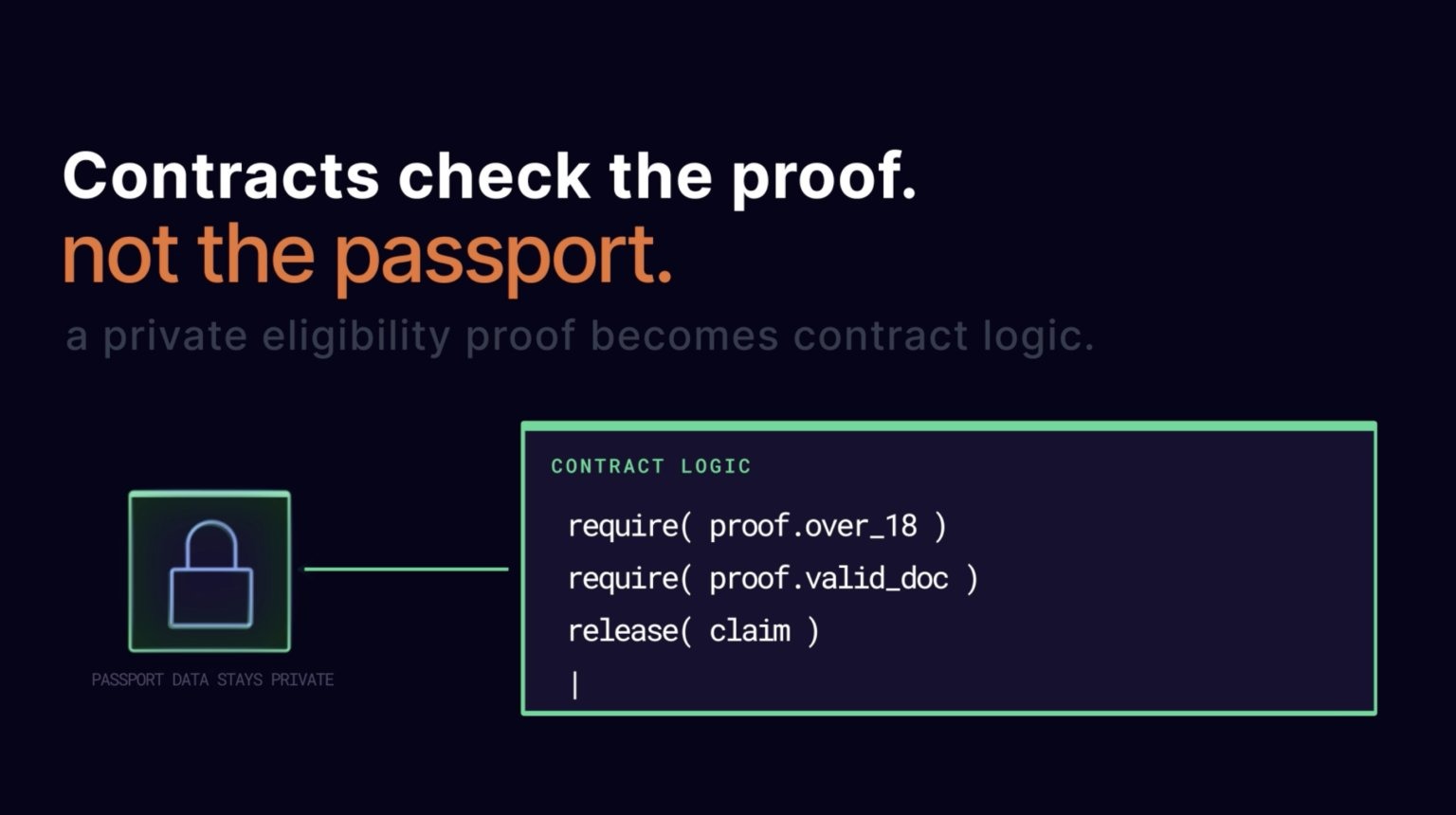
The system, announced Tuesday as a demo, uses STRK20 privacy features and zero-knowledge STARK proofs to let users prove specific attributes, such as being older than 18 or holding valid credentials, without revealing their full passport details or address.
“Whether you need to prove you’re over 18, hold a valid credential or meet an eligibility rule, verification should only confirm the precise fact,” StarkWare said. Corporations should not collect the full identity behind it, “because every identity database becomes a liability the moment it exists.”
KYC compliance involves handing over personal information and trusting companies to keep it safe. The rollout comes as the US hit a record 3,322 data compromises in 2025, a 79% increase over five years, and the global average cost of a data breach is $4.4 million, according to StationX.
StarkWare users start by scanning their passport on their phones, using the camera and NFC chip to read and confirm the document is genuine and signed by its issuing authority.
They can then encrypt identity data to their Starknet wallet, register attributes in a public onchain registry, and submit zero-knowledge proofs for selective checks. Verifiers can confirm eligibility by reading the public registry without ever seeing the actual identity data.
Related: Privacy push as StarkWare and Sui move toward compliance-ready confidential transfers
“Private KYC shows that verification and privacy aren’t a trade-off,” StarkWare said. “An institution can confirm exactly what it needs without assembling another copy of someone’s identity it then has to defend.”
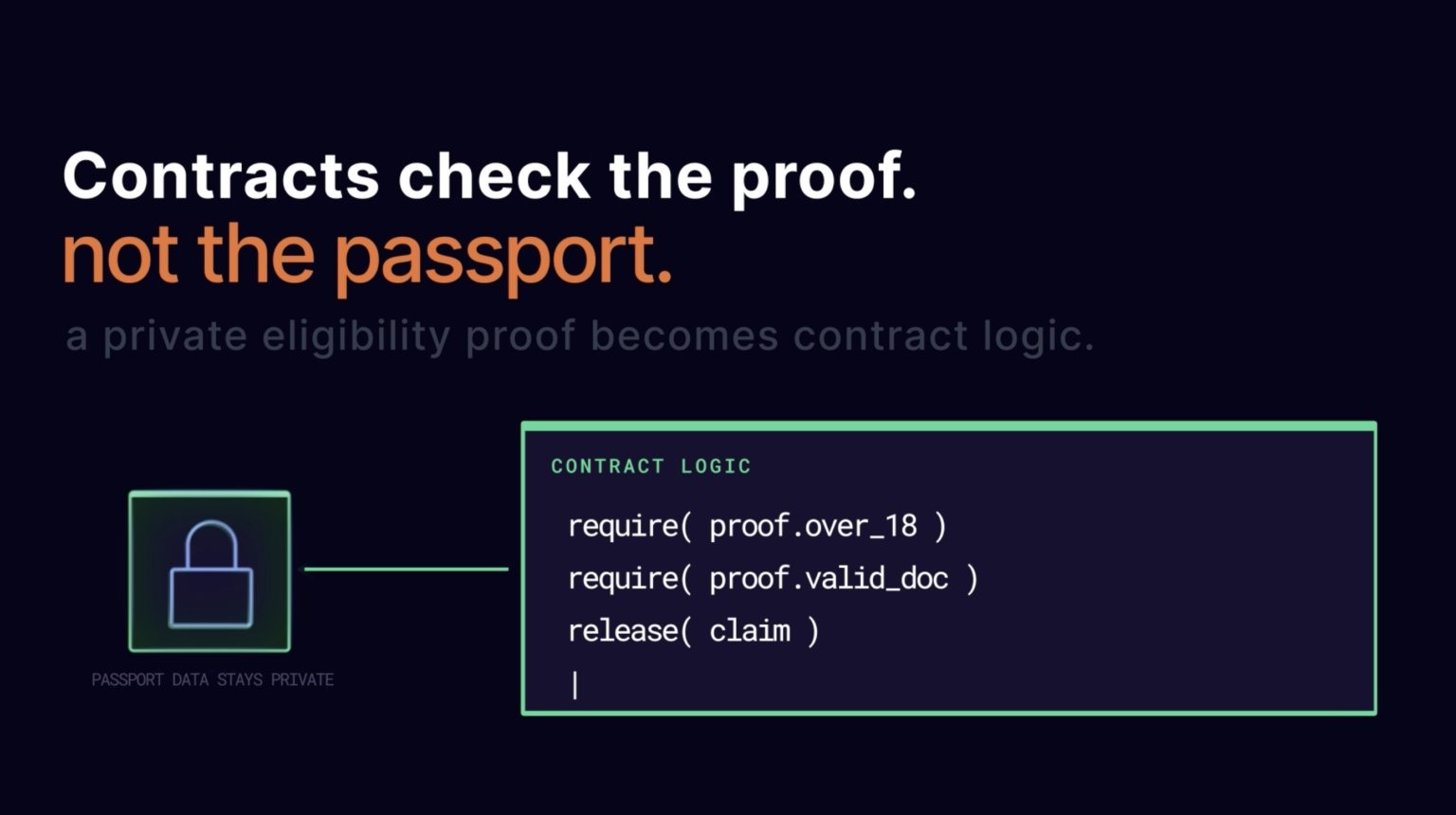
Contracts check the proofs, not the passports. Source: StarkWare
“Identity checks today ask for your whole document when they only need one fact,” the Starknet team said.
The system is similar to Sam Altman’s World ID (Worldcoin), which uses zk-proofs to verify humanness via iris scans on hardware orbs. However, World ID faced backlash over centralized biometric custody, whereas StarkWare’s self-custody model aims to address that issue.
Data breaches cost millions
According to Axis Intelligence, more than 1 billion health care records have been breached, with an average cost of $7.42 million, as of 2026. In the US, 772 large health care data breaches were confirmed in 2025, the highest annual total ever recorded.
The largest and most damaging data breach in the crypto industry occurred at hardware wallet provider Ledger, which suffered a massive database hack in 2020, resulting in the leak of more than 270,000 customer records and a wave of phishing attacks that continue to this day.
Magazine: Japanese pension fund tips 1% in crypto, G7 urges action on NK hackers: Asia Express

A group of US Senate Democrats is urging Senate Republican leaders to hold hearings into a reported $500 million deal between the Trump family’s crypto firm and Abu Dhabi royalty.
In a letter on Tuesday, the Democrats told Republicans, who control the Senate, lead its committees and decide on hearings, that they should “immediately hold hearings” into the deal and have Trump administration officials testify about it under oath.
The Wall Street Journal reported in January that an Abu Dhabi investment company backed by Sheikh Tahnoon bin Zayed Al Nahyan, the United Arab Emirates’ national security adviser, signed a deal in January 2025 to buy a 49% stake in World Liberty Financial, the crypto platform tied to US President Donald Trump.
Months later, in May 2025, the Trump administration made a major arms and artificial intelligence chip deal with the UAE, which the Democratic senators said came “despite concerns raised by US national security officials that China could access the chips.” Trump has said he wasn’t aware of the World Liberty deal.
The letter is the Democrats’ latest bid to probe World Liberty Financial’s dealings and its possible ties to decisions the president has made. Both Trump critics and supporters have criticized the perceived conflict of interest posed by the Trump family’s sprawling crypto interests amid Trump’s push to deregulate the sector.

Donald Trump (right) meeting with Tahnoon bin Zayed Al Nahyan (centre) at the White House in March 2025. Source: The White House
“We are deeply concerned about this series of events, which raise questions about what more the UAE may receive — or may have already received — at the expense of US national security after investing in the Trump family crypto company,” the Democrats wrote.
“Congress has a responsibility to investigate the details of the reported investment and whether it influenced subsequent actions by President Trump and the Trump Administration,” they added.
The senators said that they’re also concerned about the Trump administration’s “steps to weaken enforcement” by exempting crypto service providers from financial services regulations and disbanding the Justice Department’s crypto enforcement team.
Senators Elizabeth Warren, Richard Blumenthal, Gary Peters, Dick Durbin and Ron Wyden signed the letter.
Related: Crypto isn’t the problem with the US economy, says senator
Warren has called for an investigation into the UAE deal before, urging Treasury Secretary Scott Bessent in February to determine if the deal should be subject to a Committee on Foreign Investment probe.
Earlier this year, Democrats pressed Securities and Exchange Commission Chair Paul Atkins over the decision to drop a fraud case against Justin Sun, a major World Liberty Financial backer.
In May, Democratic Senator Peter Welch and Representative Dave Min launched a probe into Trump’s pardons, including that of Binance co-founder Changpeng Zhao.
The pardon came after Binance accepted a $2 billion investment from an Abu Dhabi fund in early 2025 and agreed for the funds to be paid in World Liberty Financial’s stablecoin, USD1.
Magazine: Trump’s crypto ventures raise conflict of interest, insider trading questions
During a Senate Banking Committee hearing focused on U.S. affordability, Cody Carbone, CEO of the cryptocurrency advocacy group The Digital Chamber, argued that digital assets could reduce costs in payments and make it easier to own and move value. Carbone’s testimony, however, drew limited follow-up from most lawmakers, with only a small number of senators engaging directly on specific questions tied to stablecoins and foreign remittances.
The exchange came as Congress continues to weigh the Digital Asset Market Clarity (CLARITY) Act, a proposal advanced by the committee earlier this year. While the bill is widely expected to reach a broader Senate vote soon, additional political and regulatory concerns—particularly around ethics requirements and cross-sector regulatory treatment—are creating uncertainty around timing and final scope.
Key takeaways
- Cody Carbone used the hearing to argue that digital assets could improve affordability through faster, cheaper transactions and reduced frictions in asset ownership and transfers.
- Most lawmakers did not question him on digital assets; Senators Tim Banks and John Kennedy were among the only members to engage directly.
- Carbone linked his affordability argument to the Senate’s progress on the CLARITY Act, which committee leaders moved forward in May.
- Beyond ethics debates, external industry groups are pressing for clarifications that the bill would not expand the Commodity Futures Trading Commission’s reach over certain prediction-market activities.
Testimony on affordability and pressure on payment rails
In the Tuesday hearing titled The Affordability Agenda, Carbone presented digital assets as a potential competitive counterweight to incumbent payment systems. He argued that the industry could support affordability outcomes by enabling faster and less costly settlement, applying “competitive pressure” on existing rails, and lowering barriers to purchasing and transferring digital assets.
For institutional stakeholders, the key compliance-relevant aspect of this framing is not the affordability concept itself, but the policy implication that lawmakers may increasingly view digital-asset infrastructure as part of the broader U.S. financial-services toolkit. If Congress advances that approach, firms may need to anticipate tighter legislative integration between digital assets and existing regulatory expectations covering consumer protection, disclosures, and market integrity.
Carbone’s reception on the Senate floor also highlighted the uneven level of legislative attention to crypto-specific implementation details in general policy hearings. Other than questions focused on stablecoins and remittances, senators largely did not interrogate the evidence or compliance mechanisms underlying Carbone’s claims.
Limited engagement from lawmakers, with stablecoin and skepticism
Senators Tim Banks and John Kennedy provided the most direct responses during the hearing. Banks asked Carbone about the cost of foreign remittances relative to options involving U.S. dollar–pegged stablecoins, suggesting an interest in how stablecoin-mediated transfers might affect end-to-end costs for cross-border payments.
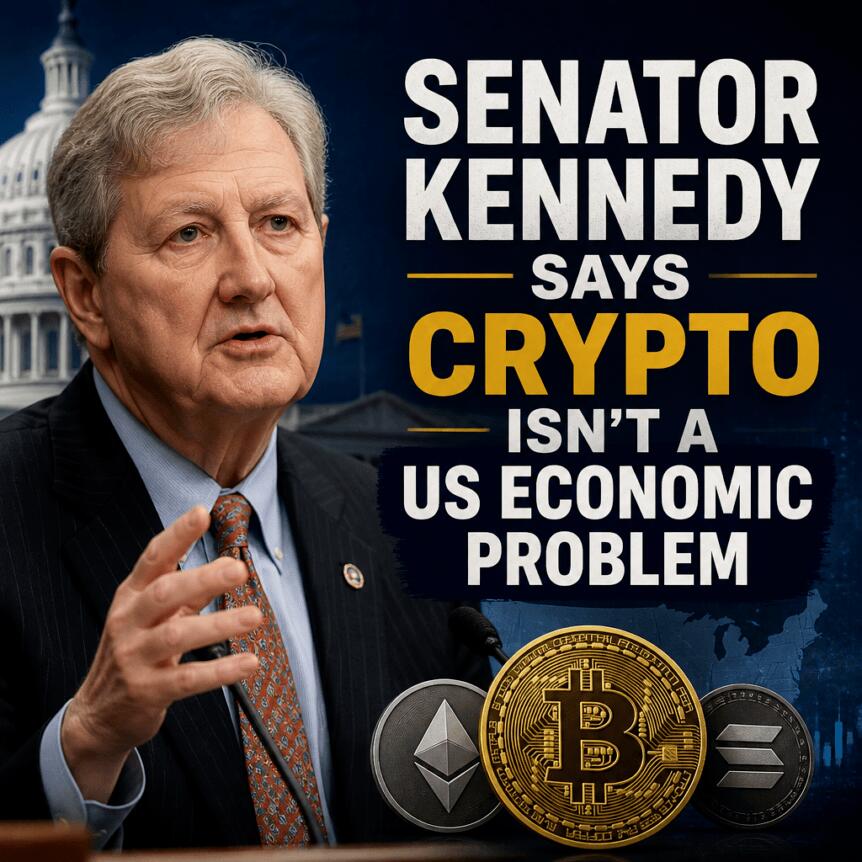
Kennedy’s remarks were more dismissive. He told Carbone, “Mr. Carbone, you seem to be here to promote cryptocurrency,” adding that he did not believe digital assets were the core driver of the economic issues the hearing addressed.
This split underscores a continuing challenge for the industry: affordability narratives may resonate rhetorically, but legislative scrutiny may still hinge on whether digital-asset mechanisms deliver measurable consumer and financial-stability benefits in practice—and on how regulators would oversee those mechanisms.
CLARITY Act advances, but ethics and scope disputes persist
Carbone’s testimony centered on the CLARITY Act, which the Senate Banking Committee advanced in May. Committee momentum is important because it signals that at least one major congressional venue views clearer digital-asset market rules as a priority. Still, passage is not guaranteed.
According to reporting on the bill’s committee movement, lawmakers are calling for additional ethics provisions. Such provisions can affect how the legislation is drafted and implemented, including how conflicts of interest, industry influence, and governance standards are addressed in any framework that authorizes or regulates market participants.
Meanwhile, timing remains fluid. Some lawmakers have expected the Senate to consider the bill before the chamber breaks for an August recess, but as of Tuesday, there was no scheduled floor vote.
For compliance teams and financial institutions, this phase matters because it can determine whether firms will need to adapt operational and governance policies in advance of enactment or only after final language is finalized. Ethics-related amendments can also influence how regulators interpret standards and enforce obligations once the statute is in effect.
Industry pushback on prediction markets and CFTC jurisdiction
Separate from ethics disputes, gambling industry groups have reportedly urged the Senate to clarify that the CLARITY Act would not allow the CFTC to pursue sports betting oversight in prediction markets. The concern stems from regulator statements regarding “exclusive jurisdiction” over certain platforms, including examples cited in public discussion such as Kalshi and Polymarket.
The underlying policy issue is jurisdictional boundaries—how a new legislative framework might interact with the existing Commodity Exchange Act and the CFTC’s authority. For firms operating in or adjacent to prediction markets, the uncertainty can have concrete compliance consequences: categorization of products, registration expectations, marketing restrictions, and enforcement risk can all shift depending on how Congress defines regulatory responsibility.
These disputes also illustrate the cross-border and cross-regulatory complexity of crypto-adjacent markets. A bill intended to address digital-asset market structure can inadvertently affect adjacent sectors—particularly where digital tokens, derivatives, or exchange-like trading are involved—requiring careful drafting to avoid unintentionally broad regulatory coverage.
Cointelegraph previously reported that gambling organizations sought clarity on this point as the CLARITY Act advanced, aligning with broader concerns that market structure legislation can produce second-order effects beyond digital-asset trading itself.
Closing perspective: a bill that could reshape oversight priorities
Carbone’s appearance at the affordability hearing points to a legislative strategy that connects digital assets to broader financial policy goals, but the path for the CLARITY Act remains unsettled. The next developments to watch are whether senators agree on ethics amendments and whether the bill’s final text resolves prediction-market jurisdiction concerns without expanding enforcement authority in ways that stakeholders view as unanticipated.
Crypto World
Pepe Coin Price Prediction: Whale Wallets Stack $7.5M PEPE During 17% Rebound While Pepeto Lines Up 150x Listing
The Pepe Coin price prediction is heating up. PEPE whales added $7.5 million during a 17% rebound off the June 6 low, pushing whale supply from 181 trillion to 183.6 trillion tokens, and meme coin ETF flows are pulling capital back per CoinMarketCap.
Whenever big-money flows show that kind of conviction, meme tokens move first, and the hunt for the next Pepe-style winner gets noisy.
The same builder who scaled the original Pepe Coin from internet joke to $11 billion on 420 trillion tokens now leads Pepeto, with identical supply, the same bottom-up community heat, and a full exchange the first version never delivered.
Anyone who picked up Pepe Coin in April 2023 turned tiny deposits into life-rewriting paydays as the token printed 7,000% in four weeks, riding pure hype with no audit and no real product.
Pepeto ships both plus an approaching Binance listing, and the same crowd that drove the original Pepe Coin into mainstream headlines is already gathering. The big-cap picture lays the table, but the real prize is the presale still on offer. With whale wallets stacking, this is the moment.
The Next Pepe Coin: Same Builder, Real Products, and a Binance Listing Ready
The original Pepe Coin proved a meme token without products could ride pure crowd belief to $11 billion. Buyers who entered early and held past listing day walked away with returns that rewrote their lives. But PEPE never launched an exchange or any cross-chain product, leaving nothing to support demand once the hype faded.
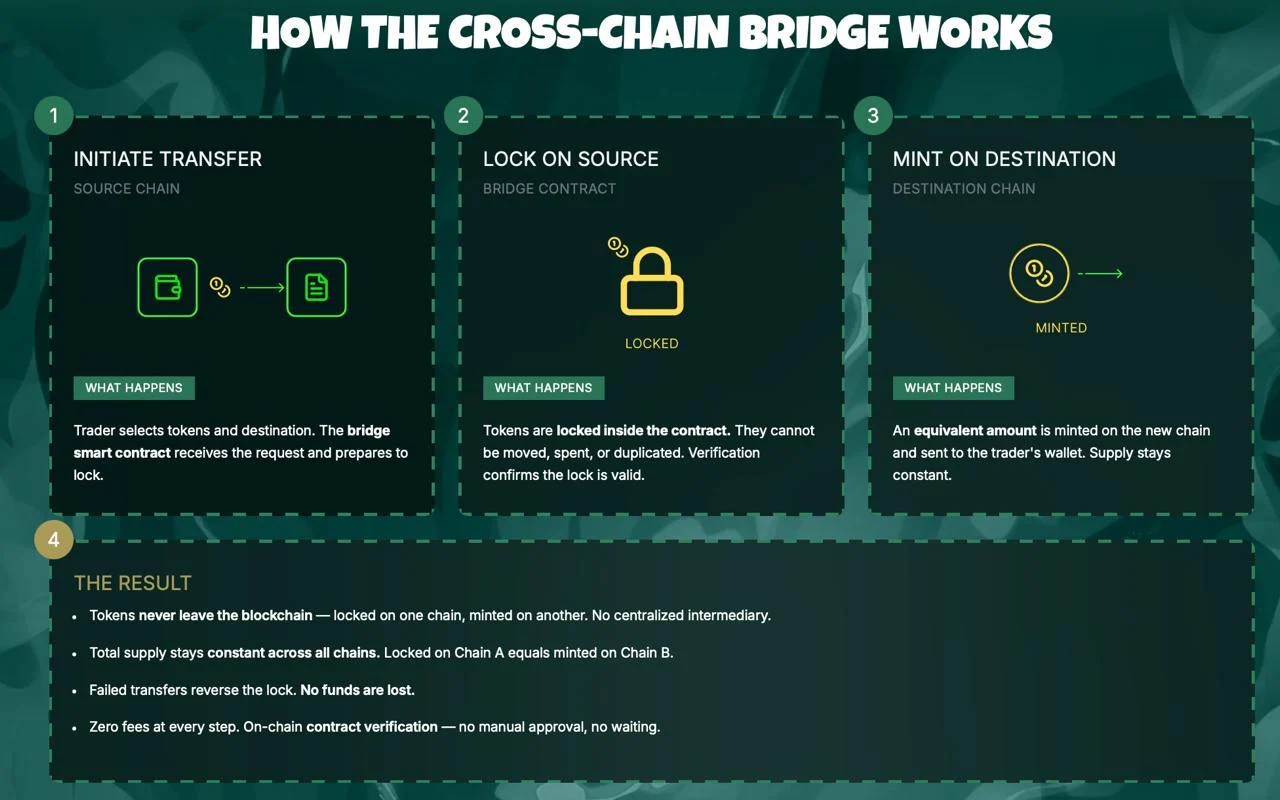
That is why PEPE today sits 90% below its peak. Pepeto fills every void the first version left empty, with the same cofounder shipping zero-fee trading, a bridge across ETH, BNB, and SOL, a token scanner that flags threats before capital arrives, and a signed SolidProof audit on file. The Binance listing arrives at launch, and the organic build behind Pepeto walks the same path that took the original from nothing to billions.
Pepe Coin Price Prediction 2026 and the Presale Where the Same Builder Goes Bigger
Pepeto: The Exchange Presale From the Builder Who Already Hit $11 Billion
Pepeto is the strongest presale on the market, carrying more working tools than any meme coin has ever shipped at this stage.
Pepeto runs a live exchange on Ethereum where the risk engine scores every contract before your wallet goes near it, catching dangerous permissions and liquidity holes most buyers learn about only after losing money.
Against the original Pepe Coin which peaked at $11 billion on hype alone, Pepeto delivers a live exchange, a signed SolidProof audit, and a former Binance lead running the listing roadmap. Over $10.307 million committed while new wallets join every round shows where serious capital is heading.
Staking at 169% APY grows inside the presale while the market tracks PEPE price charts. At $0.0000001878 on 420 trillion tokens, reaching the same cap Pepe hit while shipping nothing means 150x, and the exchange gives that target a real base. That entry slams shut the moment the Binance listing goes live, and each round closes faster than the one before.
PEPE Price Outlook: Recovery Has a Ceiling and the Upside Is Capped
Pepe (PEPE) trades near $0.000002722 per CoinMarketCap, down 90% from its all-time high, with a $1.12 billion cap.
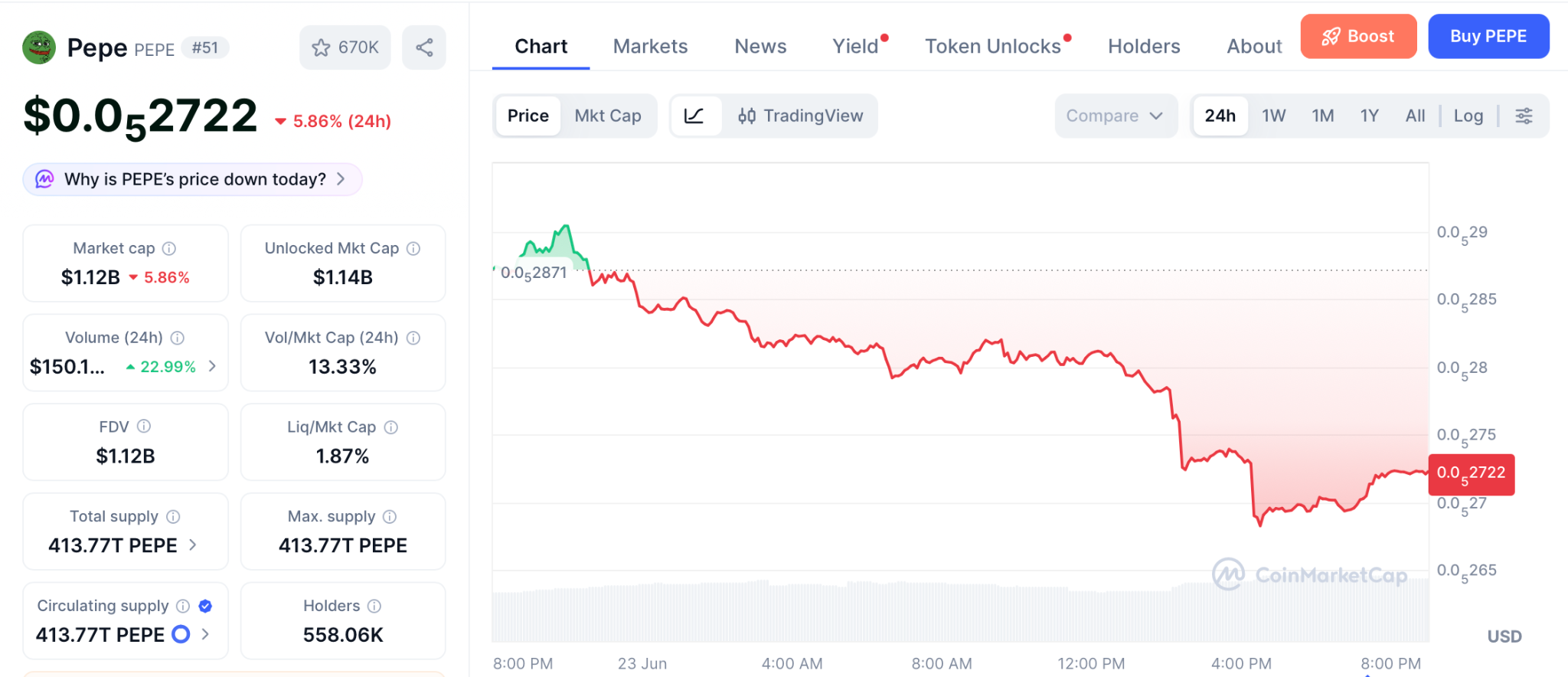
The 50-day EMA hovers around $0.0000035 per FXStreet, with a run back to the $0.000028 peak giving roughly 10x. For a Pepe Coin that already proved meme power, 10x is a recovery play not a wealth builder, while the builder behind Pepeto targeting 150x to that same peak tells you exactly where the better math lives.
Conclusion
The $7.5 million in whale accumulation and the 17% rebound off June lows tell you smart money is already back, and that blend of meme power with real exchange tools is why wallets entering each round trace to addresses that held winners across past cycles.
They commit with size, verify everything, and move the second they spot what the rest of the market hasn’t priced in. The Pepe Coin price prediction hands you a 10x at best, but the next Pepe Coin is the one shipping real products and a presale spot that vanishes the moment trading opens, and the Pepeto official website is the gateway holding those entries right now.
Every wallet stacking before the Binance listing opens is writing the part of this cycle late arrivals will spend the rest of 2026 trying to undo, because once the rounds close the entry price disappears and the chance to be early is gone for good.
Click To Visit Pepeto Website To Enter The Presale

FAQs
What makes the Pepe Coin price prediction for 2026 different from Pepeto’s upside?
PEPE at $0.000002722 targets recovery toward $0.0000050 short term, but even reaching its ATH only delivers 10x. Pepeto at presale pricing carries 150x to that same cap with a working exchange and approaching Binance listing behind it.
Why do crypto investors keep calling Pepeto the next Pepe Coin heading into 2026?
Pepeto shares the same cofounder and 420 trillion token supply as the original, but ships zero-fee trading, a cross-chain bridge, and a signed SolidProof audit. Over $10.307 million raised confirms serious conviction.
Disclaimer: This is a Press Release provided by a third party who is responsible for the content. Please conduct your own research before taking any action based on the content.


The U.S. Commodity Futures Trading Commission (CFTC) has filed a federal lawsuit against the state of Kentucky, seeking to halt Kentucky’s efforts to block several prediction market platforms. The action comes after Kentucky sued major players in the prediction market space last week, arguing they operate without the required state gaming approvals.
According to the CFTC, the event contracts offered by platforms including Polymarket and Kalshi fall under the agency’s jurisdiction as federally regulated prediction markets. The regulator’s complaint also challenges a Kentucky law that imposes an excise tax on prediction market transaction fees, arguing the measure is effectively designed to make such platforms unable to operate in the state.
Key takeaways
- The CFTC filed suit in federal court to block Kentucky’s legal action against five prediction market-related defendants.
- Kentucky’s complaint targets Polymarket and Kalshi, as well as partners including Coinbase, Robinhood, and Webull, alleging “sports wagering” without proper licensure.
- The CFTC argues its authority is exclusive because the platforms’ event contracts are regulated as swaps and are linked to CFTC-designated contract markets.
- Kentucky’s 14.25% excise tax on prediction market transaction fees is part of the dispute, with the CFTC claiming it would make operation economically unviable.
- This is the ninth state case the CFTC has pursued since it began escalating enforcement around prediction market jurisdiction.
CFTC moves to preserve federal control over prediction markets
In its filing, the CFTC asked the court for declaratory and injunctive relief aimed at stopping Kentucky’s state-level case. The lawsuit identifies Kentucky Governor Andrew Beshear, Attorney General Russell Coleman, and the Kentucky Horse Racing and Gaming Corporation, among others.
CFTC Chair Mike Selig said the agency is “firmly committed to maintaining its exclusive jurisdiction over prediction markets,” calling Kentucky “the latest state attempting to shut down federally-regulated event contracts.” In the same statement, Selig framed the lawsuit as part of the CFTC’s broader effort to protect its federal authority over how these markets are regulated.
The CFTC said its enforcement push has intensified since Selig became chair in December. Kentucky’s case marks the ninth state action the CFTC has initiated over state measures targeting prediction markets.
Kentucky’s theory: event contracts are “sports wagering” under state law
Kentucky’s earlier lawsuit, filed last week, named Polymarket and Kalshi, along with Kalshi partners Coinbase, Robinhood, and Webull. Kentucky argued these entities are “doing business without a Kentucky gaming license or following state regulations,” and that their sports event contracts “fall squarely within the definition of ‘sports wagering’ under Kentucky law.”
The state also pointed to consumer-protection requirements. Kentucky alleged the platforms provide users “few or no resources” to identify or seek help for a gambling problem, as required under Kentucky law.
Sports betting falls under the jurisdiction of the Kentucky Horse Racing and Gaming Corporation, which has overseen the sector since 2023. Kentucky’s complaint effectively treats prediction markets offering sports-linked event contracts as a category of gambling that must comply with Kentucky’s licensing and regulatory framework.
How the CFTC reframes the same contracts as swaps and regulated derivatives
The CFTC’s lawsuit takes a different starting point: it argues that Polymarket and Kalshi operate within the CFTC’s regulatory universe. Specifically, the agency contends that the platforms are designated contract markets under its authority and that their event contracts are “swaps” under federal commodities law.
On the involvement of Coinbase, Robinhood, and Webull, the CFTC argues these firms are CFTC-registered futures commission merchants capable of offering event contracts in partnership with a designated contract market. This approach ties the platforms’ products to federal derivatives-style oversight rather than state gambling licensing requirements.
At the center of the broader legal clash is jurisdiction—whether states can enforce their gaming rules on prediction markets that, according to the CFTC, are already regulated at the federal level.
Excise tax dispute raises stakes for state enforcement
Kentucky’s efforts aren’t limited to licensure. The CFTC also challenged Kentucky’s recent law imposing a 14.25% excise tax on prediction market transaction fees. The regulator argued the tax is an attempt to make prediction markets economically unviable in Kentucky.
In the CFTC’s view, the tax structure functions as a practical barrier rather than a neutral fiscal policy—an argument that could become important if the court evaluates whether the state measure effectively undermines federally regulated market activity.
Just weeks earlier, the CFTC similarly sued New Mexico to block state actions aimed at applying state gaming laws to Kalshi, underscoring that the dispute is not confined to one state. The pattern suggests the agency intends to test—through litigation—whether state gaming enforcement can proceed when the CFTC believes federal commodities regulation already governs the same products.
Political backdrop and what to watch next
The Kentucky case lands amid a wider political conversation about prediction market jurisdiction. Earlier reporting in the same coverage noted that President Donald Trump gave the CFTC “moral support,” saying it was “critically important” that the regulator be the authority on prediction markets. The filing also references related public political ties, including that Trump Jr. has invested in and advises groups connected to Polymarket and Kalshi.
For market participants and users, the practical question now is procedural as well as substantive: whether federal court intervention will pause or narrow Kentucky’s enforcement timeline, and how the court evaluates the CFTC’s claim of exclusive federal jurisdiction. Readers should watch for developments on the scope of the injunction the CFTC is seeking, and for whether additional states facing similar disputes will move to accelerate or pause their own prediction market enforcement actions.
Bitcoin’s price was rejected at almost $66,000 yesterday, and the crash has worsened over the past few hours, with the asset dumping below $63,000.
Most altcoins have followed suit, including many of the larger-cap ones, which has increased the total value of liquidations from over-leveraged positions.
Why Is Crypto Down Today?
After a calm weekend in which its price stood at around $64,000, bitcoin experienced minor positive volatility on Monday, jumping past $65,000 and tapping a multi-day peak at over $65,500. Its rather gradual ascent was stopped immediately, though, and the bears resumed control.
There are many possible reasons behind bitcoin’s drop. The ETF outflows continue, with another $68 million withdrawn from the funds on Monday. Many analysts claimed that the strengthening dollar is bad news for BTC, and the past few days have proven that. Additionally, online FUD has risen following reports that many OG investors have begun disposing of their bitcoin holdings.
US President Donald Trump signed an executive order advancing research and development of quantum computing, which is seen as a major threat to bitcoin and crypto.
Separately, the FUD around Strategy and its STRC shares continues, as many analysts have argued that the company might need to start selling BTC soon to cover dividends. Additionally, the firm’s BTC purchases have been smaller lately, while it has focused on rebuilding its USD reserve.
And, as it typically happens, bitcoin’s correction has extended to many altcoins. ETH has lost the $1,700 support after a 2.5% daily decline, XRP is testing the $1.10 level again after a rejection at $1.15, while SOL has plummeted by nearly 5% and is down to $70.
Liquidations Rise
Intense volatility in the cryptocurrency markets generally leads to high levels of liquidations, and the past few (and 24) hours are no exception. The total value of wrecked positions in the last hour alone is over $170 million, while the daily chart shows roughly $530 million. Expectedly, longs dominate as BTC and ETH lead with $170 million and $96.5 million, respectively.
Almost 120,000 traders have been wiped out in the past day. The single-largest liquidation took place on Aster and was worth over $7 million, according to data from CoinGlass.

The post 5 Reasons Why Bitcoin Just Crashed Below $63K as Liquidations Top $500M appeared first on CryptoPotato.
The cryptocurrency market took another blow over the past 24 hours, with BTC once again entering red territory.
ETH and many leading altcoins have followed suit, posting even larger losses, while DEXE, HASH, and RAIN are among the few gainers today (June 23).
Renewed BTC Correction
The primary cryptocurrency attempted a decisive recovery yesterday (June 22), briefly crossing $65,000. However, that resurgence was short-lived, and the bears regained control, suppressing the valuation to the current $62,000 (per TradingView’s data).

The reasons behind the new pullback are various and include constant outflows from spot BTC ETFs, FUD following reports that some OG investors have begun dumping their holdings, the strengthening dollar, and the recent executive order signed by Donald Trump. The directive aims to advance research and development of quantum computing, which is seen as a major threat to bitcoin and crypto.

Alts Are Also Bleeding
Most of the well-known altcoins have fared even worse than the market leader. ETH is down 6% for the day, trading around $1,650, while Ethena (ENA), Worldcoin (WLD), and Stellar (XLM) have slipped by 9-10%.
Solana (SOL) and Hyperliquid (HYPE), which recently staged an evident rebound, also headed south, whereas DeXe (DEXE) and Provenance Blockchain (HASH) are among the few rays of hope. The former soared by 47% over the last 24 hours, and the latter pumped by 26%. Rain (RAIN) is also in green territory, albeit registering a more modest increase.
The total crypto market cap has erased around $120 billion in a single day and is now below $2.23 trillion as of press time.

The post Bitcoin (BTC) Dips Below $62K, Ethereum (ETH) Plunges 6% Daily: Market Watch appeared first on CryptoPotato.


SOIL has positioned itself to become the first application to use XRP Ledger’s proposed native lending infrastructure as the network considers activating the XLS-65 and XLS-66 amendments.
Summary
- SOIL is preparing to become the first application to use XRP Ledger’s proposed native lending infrastructure.
- The XLS-65 and XLS-66 amendments would introduce on-chain lending, liquidity pools, and yield products to XRPL.
- XRP Ledger recently launched version 3.2.0, while XRP price remains near a projected $1 support retest.
According to a recent update shared by SOIL on X, the regulated yield protocol is preparing to operate on the XRP Ledger Lending Protocol and Single Asset Vault framework once the proposed amendments receive approval.
The project stated that XLS-65 and XLS-66 would enable a new class of lending and yield products directly on XRPL and voiced support for activating the changes as soon as possible.
The development comes as XRP Ledger participants review two proposals designed to introduce lending functions at the protocol level. While XLS-66 outlines a structure for fixed-term, uncollateralized loans backed by pooled liquidity, XLS-65 introduces the SingleAssetVault model, which allows multiple users to contribute assets to a shared vault that can supply liquidity to lending markets.
Recent work on the network has also focused on infrastructure improvements. As reported by crypto.news, XRP Ledger released version 3.2.0 on June 22, deploying fixes for several software issues after a security review by blockchain security firm Common Prefix identified numerical and behavioral edge cases in the network’s core implementation. According to the XRP Ledger Foundation, those fixes were included in the latest mainnet upgrade.
Proposed amendments create the foundation for lending markets
A demonstration published by SOIL provided an early look at how the system could function once the amendments move into production. The presentation showed several Single Asset Vaults operating on XRPL’s Lending DevNet environment.
In the demonstration, users deposited funds into separate vaults and received MBT tokens representing their positions. According to the presenter, each vault issues its own MBT token, allowing depositors to maintain an on-chain representation of their ownership share.
Additional deposits into multiple vaults showed how ownership records expand as liquidity increases. Transaction values and sequence data were displayed through an explorer interface, giving participants visibility into fund movements and vault activity.
According to SOIL, one of the intended use cases involves depositing assets into pooled vaults that can support lending activity while preserving transparent records of participation on-chain. Under the proposed framework, liquidity providers would be able to track their positions through the issued vault tokens.
Development remains in testing ahead of approval
Current testing remains limited to development environments. During the demonstration, the presenter stated that no wallet currently supports the Lending DevNet, requiring developers to rely on internal testing tools. The presenter explained that wallet seeds have been hardcoded and transactions are being assigned behind the scenes during testing.
If approved, XLS-65 and XLS-66 would introduce native lending capabilities directly into the XRP Ledger protocol. According to the proposal descriptions, the changes would support lending markets, liquidity pools, yield-generating products, and on-chain credit systems without relying on external infrastructure.
Meanwhile, activity across the XRP ecosystem continues to attract attention from both developers and traders. As reported earlier by crypto.news, XRP recently formed a bearish MACD crossover on the four-hour chart, a signal that pointed to weakening momentum and a potential retest of the $1 support zone.
At press time, XRP (XRP) was down about 2% over the past 24 hours and trading roughly 5% above the bearish target, leaving the token close to the projected support level.

Few names in online betting carry the weight of Bet365 and 888casino. They sit on top of regulated markets across Europe and parts of North America, with millions of players returning to them year after year. But the industry has new entrants worth paying attention to, and a fresh group of crypto-first casinos is starting to grow into real competition for the legacy operators. ZunaBet, which went live in 2026, is one of the platforms making that climb.
This piece looks at how Bet365 and 888casino stand today, and where ZunaBet is positioning itself as something new in the same space.
Decades of Industry Presence
Bet365 traces its roots back to 2000. From a UK base, it grew into a global operation covering sports betting, casino, poker, and bingo from one account. The brand handles deposits through familiar channels — cards, bank transfers, and e-wallets — and holds licenses in nearly every region it serves.
888casino predates Bet365 by three years, going back to 1997. As part of the 888 Holdings group, it stands as one of the original online casino brands. Its catalogue covers slots, table games, and live dealer rooms, and its strongest footprint sits in regulated parts of Europe and North America. Like Bet365, it runs purely on fiat and follows the licensing requirements of each market it enters.
Reliability is the calling card for both. But the trade-off is also obvious. Their payment options are bound to traditional banking, withdrawals can take days depending on the method, and their game catalogues sit well below what crypto-first casinos pull together. Loyalty rewards run on the same point-and-tier model the industry has used since the early 2000s.
ZunaBet Joins the Climb
ZunaBet went live in 2026 and has been gaining ground since. Strathvale Group Ltd owns the brand, which holds an Anjouan gaming license. What sets it apart from older operators starts at the architecture. ZunaBet was designed for crypto from the beginning — no retrofits, no add-ons.

Its game catalogue tops 11,000 titles from more than 60 studios. The list of providers reads like an industry who’s-who: Pragmatic Play, Hacksaw Gaming, Yggdrasil, BGaming, and Evolution all feature. That depth ranks among the largest crypto-focused collections out there and clears what Bet365 and 888casino can field in their licensed regions. Slots, table games, and live dealer streams all run from a single account.
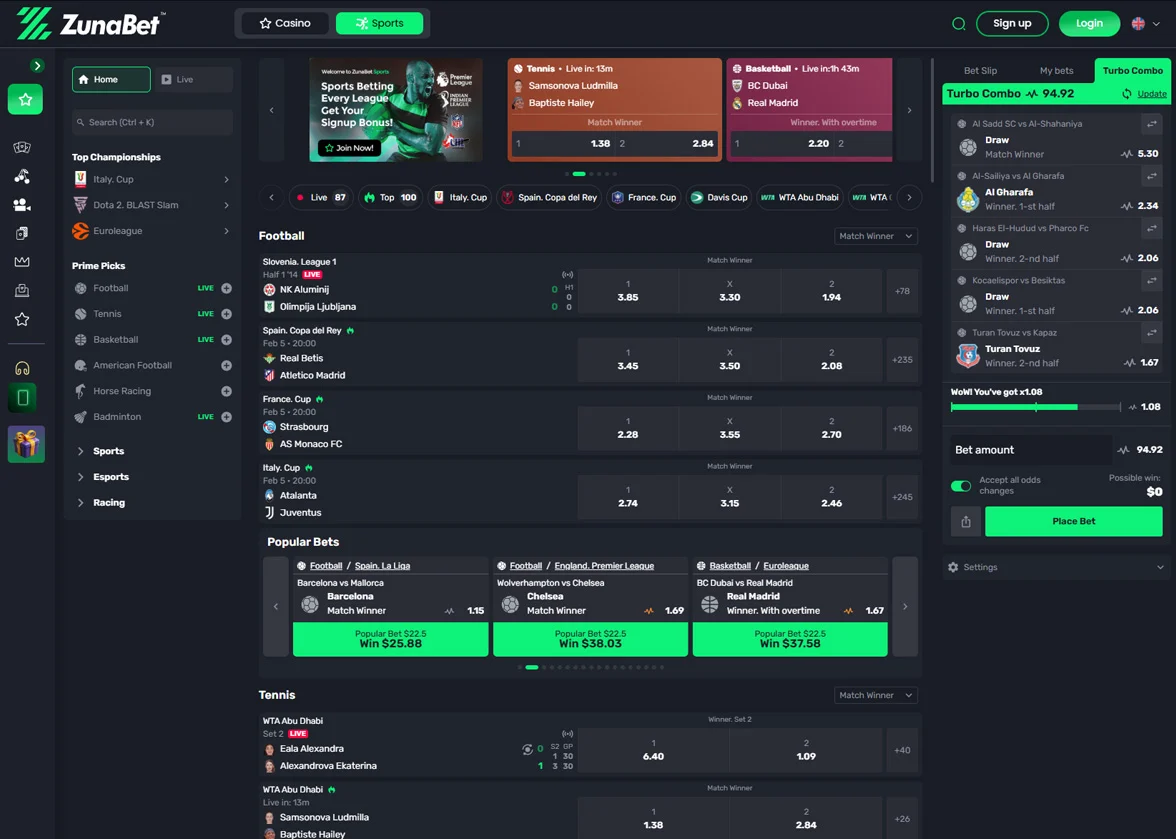
The sportsbook side rounds things out. Football, basketball, tennis, NHL, and the other usual sports sit alongside CS2, Dota 2, League of Legends, and Valorant. Virtual sports and combat sports complete the menu. This brings ZunaBet into the same hybrid territory as Bet365 with a broader spread of markets.
How the Payment Models Differ
The split here is sharp. Bet365 and 888casino are fiat operations. Bank rails come with their own pace: processing windows, possible holds, and slower withdrawals depending on what the player chose at deposit.
ZunaBet’s payment stack is entirely crypto. Over 20 currencies are supported, covering Bitcoin, Ethereum, USDT across several chains, Solana, Dogecoin, Cardano, and XRP. Transactions carry no platform fees, and withdrawals process quickly. For anyone holding crypto or simply tired of waiting on bank transfers, the difference shows up immediately.
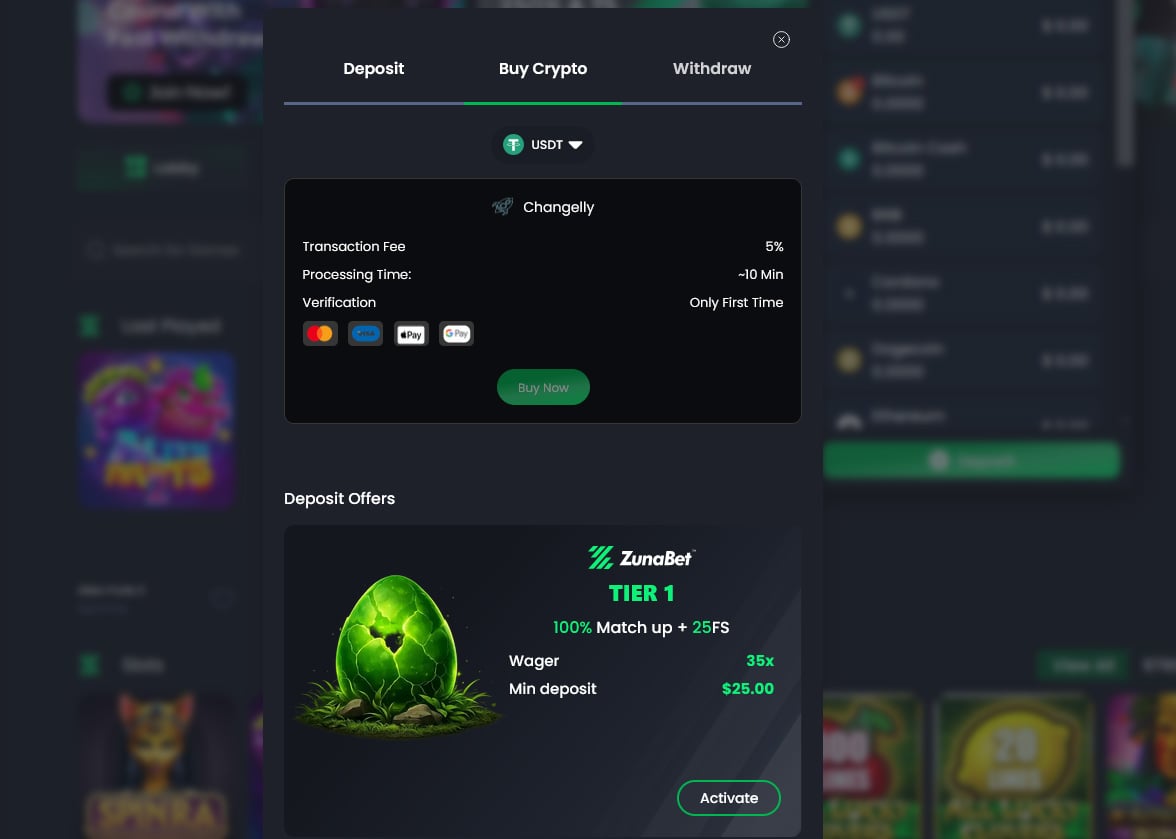
There’s also the question of reach. Crypto platforms aren’t pinned to specific licensed jurisdictions in the same way. Players in many regions can use ZunaBet’s full lineup without bumping into the patchwork rules legacy operators contend with. That kind of access matches how a younger demographic already operates online.
Sign-Up Promotions
Bet365 and 888casino offer welcome packages that vary heavily by region. Deposit matches or smaller new-player bonuses are typical, often paired with wagering rules that take some reading to navigate.
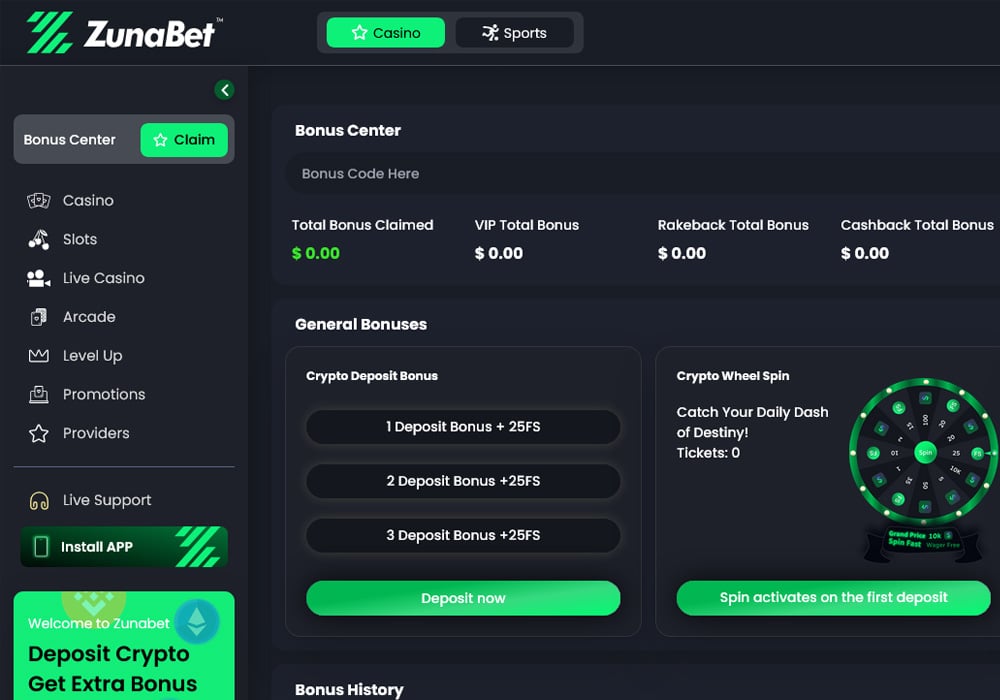
ZunaBet’s welcome offer stretches up to $5,000 plus 75 free spins, broken across three deposits. The first deposit pays 100% up to $2,000 plus 25 spins. The second adds 50% up to $1,500 plus 25 spins. The third returns to 100% up to $1,500 plus another 25 spins. Marketed as a 250% three-deposit package, it leaves more room for new players to find their footing than a single-deposit bonus would.
Loyalty Setup Differences
Bet365 keeps its loyalty side low-key, with offers landing in player accounts based on activity. 888casino takes the classic VIP route — point accumulation, free spins, and elevated promos for upper tiers. Both work, but both feel like extensions of a model the industry has been running on for ages.
ZunaBet flips the structure. Its loyalty program runs as a dragon evolution theme, with the mascot Zuno guiding players through six tiers. Squire starts the climb at 1% rakeback, then Warden at 2%, Champion at 4%, Divine at 5%, Knight at 10%, and Ultimate sitting at the top with 20% rakeback.
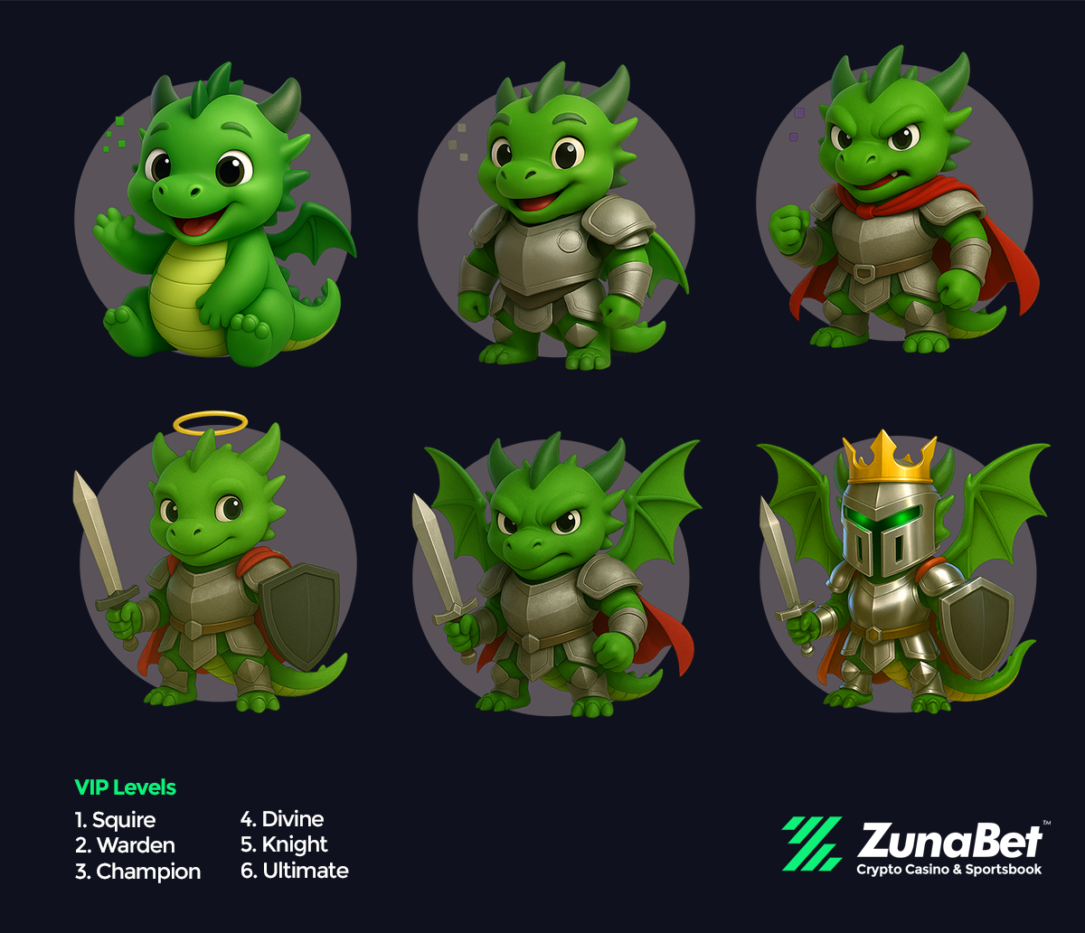
Climbing the tiers unlocks more than rakeback. Tier-based free spins go up to 1,000 spins, plus VIP club entry and double wheel spins along the way. The progression feels closer to advancing through a game than punching a loyalty card — a structure that connects with players who grew up on that mechanic.
Why ZunaBet Stands Out
Bet365 and 888casino remain solid options for anyone who values longevity and regulation. Neither brand is at risk of losing its position. But the bar for what online betting platforms should deliver keeps moving. Quick withdrawals, vast game libraries, and engaging reward systems are turning into baseline features rather than upgrades.
ZunaBet was built around that new baseline. Crypto-first means fast settlement and minimal fees. The library outsizes most established brands. The sportsbook covers traditional sports and esports without needing a second account. The dragon loyalty program turns regular play into something with shape and direction.
For players chasing speed, variety, and a more current feel, ZunaBet sits among the more interesting options available right now. It’s still building its name, but the trajectory points clearly forward. A new generation of players treats crypto, gamified rewards, and global access as defaults, not perks bolted onto the side.
Bet365 and 888casino built the online betting world that exists today. ZunaBet is one of the platforms working on what comes after it.
Disclaimer: This is a Press Release provided by a third party who is responsible for the content. Please conduct your own research before taking any action based on the content.

DOE announces $17.5 billion in loans to boost nuclear reactor supply chain

Bitcoin drops to $62,000 as the chip selloff deepens for a second day

World Cup 2026: Scotland v Brazil – Carlo Ancelotti’s quest for World Cup glory


-

 Fashion4 days ago
Weekend Open Thread: Miami – Corporette.com
-

 Entertainment3 days ago
Renter of Home in Anne Heche Crash Denies Settlement With Son
-

 Tech2 days ago
Microsoft accidentally kills epic Outlook email threads
-

 Business3 days ago
Soccer-U.S. defends Iran World Cup travel restrictions, says discussions ongoing
-

 Politics5 days ago
BBC Reporter Discusses Cross Party Criticism Of Trumps Iran Deal
-
 Sports9 hours ago
Two goals and an assist by sheer aura: Cristiano Ronaldo just entered the World Cup chat
-
 Business4 days ago
Wall Street Week Ahead: Investors see Micron earnings as pulse check of AI rally momentum
-
Business4 hours ago
Entergy settles forward sale agreements, raises $672 million in cash proceeds
-

 Politics4 days ago
Andy Burnham and the meaning of Makerfield
-

 Tech6 days ago
AWS enters the context layer race with a graph that learns from agents, not manual curation
-
 Crypto World4 days ago
Can Charles Hoskinson Really Rescue Cardano?
-

 Crypto World4 days ago
HIVE shares jump as $220M AI deal speeds Bitcoin mining pivot
-

 Crypto World4 days ago
Jake Chervinsky accuses CME of protecting derivatives monopoly
-

 NewsBeat5 days ago
Keir Starmer Allies Question His Chances For No 10
-

 Tech1 day ago
Nearly 7,000 fake Amazon domains registered ahead of Prime Day 2026, researchers warn
-

 Business5 days ago
Brexit cost 6% of UK economy, Bank of England company data suggests
-

 Sports5 days ago
FIFA World Cup 2026: Canada beat 9-men Qatar 6-0 to register first ever win | FIFA World Cup 2026
-
 Tech3 days ago
Signal’s Meredith Whittaker says AI chatbots ‘are not your friends’ and calls Copilot agents a backdoor
-

 Entertainment4 days ago
Jose Alvarado Wants Taylor Swift at More Knicks Games
-

 Business3 days ago
MHP SE 2026 Q1 – Results – Earnings Call Presentation (OTCMKTS:MHPSY) 2026-06-20
You must be logged in to post a comment Login