
Business
Microfinance shows spark but shrinks to lowest in 3 years


The sharp decline in the third quarter of this financial year resulted from a bulk reclassification of micro loans as retail loans by one of the private sector banks with significant microfinance exposure, said three people aware of the matter.
The gross loan portfolio stood at ₹3.42 lakh crore at the end of September last year. At the end of November, it was ₹3.40 lakh crore.
Besides, the cumulative loan disbursement is yet to offset the size of loan rundown, said industry executives. The strategy of acceleration in writing off bad loans was another reason behind the yearly decline of loan portfolio at the aggregate level, even as some large non-banking financial company-micro finance institutions (NBFC-MFIs) showed higher loan disbursement and annual growth in the portfolio after the end of the third quarter.
“At the sectoral level, the book run-down, including loan write-offs is still higher than total loan disbursement, which is the reason behind the contraction in the overall microfinance market,” Sanjay Garyali, managing director at Fusion Finance, told ET.

Bandhan Bank, for instance, sold bad loans worth ₹3,212 crore to asset reconstruction companies. Of those, micro loans accounted for ₹2,800 crore.
 Agencies
Microfin market sees 16% YoY drop in Q3; Loan reclassification as retail hits numbers
The microfinance market peaked at ₹4.43 lakh crore in the quarter to March 2024. Thereafter, there has been a steady fall every quarter as lenders across the spectrum slowed lending to the bottom of the pyramid borrower segment which was largely overleveraged and witnessing a surge in defaults. The industry experienced a year-on-year contraction in disbursement in 2025, with volume declining 34% and value decreasing 24%, according to an Equifax report.
The number of active loans declined 9% quarter-on-quarter and 23% year-on-year to 107.4 million, the data showed.
The lenders are also shifting their focus on providing gold jewellery-backed loans instead of collateral-free loans to the same customer segment, leading to the fall in micro loan disbursement year-on-year, said Subhankar Mishra, head of strategy at Equifax India.
The December quarter, however, saw a modest increase in disbursements to Rs 61,000 crore from Rs 56,535 crore in the preceding quarter, signalling business normalisation, as per industry level data collated by Crif High Mark data. The gross loan portfolio declined to Rs 3.21 lakh crore at the end of December from Rs 3.46 lakh crore three months prior, said people aware of the matter. Crif High Mark did not respond to ET’s queries seeking details.
Small finance banks such as ESAF, Equitas, Jana and Ujjivan reported quarter-on-quarter growth in their respective micro loan asset portfolios at the end of December.
CreditAccess Grameen, India’s largest NBFC-MFI, also reported a quarter-on-quarter increase in gross loan portfolio. The signs of business normalisation led to recovery of share prices for several microfinance lenders over the past few weeks.
Bandhan Bank shares surged 17% in the past one month to Rs 168.25 apiece on BSE. Shares of Fusion Finance jumped 17.4% to Rs 194 each, while Satin Creditcare Network saw a 5% increase in share price to Rs 155.10 each during this period.
Spandana Sphoorty Financial, which cut net loss to Rs 93 crore in the December quarter from Rs 249 crore in the preceding three-month period, saw a 9% increase in share prices in a month to Rs 264.5 apiece.
At the end of 2025, NBFC-MFIs controlled 40.9% of the market, followed by private banks (25.6%), small finance banks (16.9%) and other NBFCs (14%). The balance 2.6% was with notfor-profit entities.

Business
CYCN Stock Explodes 313% on April 1 After Cyclerion-Korsana Merger Deal for Alzheimer’s Pipeline

Shares of Cyclerion Therapeutics Inc. skyrocketed more than 313% Wednesday, surging from around $1.55 at Tuesday’s close to trade near $6.47 midday as the micro-cap biotech announced a transformative all-stock merger with privately held Korsana Biosciences Inc.

The explosive move came after Cyclerion and Korsana revealed a definitive merger agreement early Wednesday morning, alongside Korsana’s concurrent $380 million oversubscribed private financing. The deal positions the combined company — to be renamed Korsana Biosciences and trade under the ticker “KRSA” — to advance a promising pipeline of next-generation therapies for neurodegenerative diseases, starting with Alzheimer’s.
Volume exploded to more than 213 million shares by midday, dwarfing the company’s typical trading activity and reflecting intense retail and institutional interest in the rare biotech reversal story. Pre-merger Cyclerion shareholders are expected to own roughly 1.5% of the post-deal entity, with Korsana stakeholders (including new financing participants) claiming about 98.5%, subject to net cash adjustments.
“This transaction represents the best path forward for Cyclerion following a comprehensive strategic review,” said Regina Graul, Ph.D., president and CEO of Cyclerion. “Korsana’s promising and innovative pipeline targeting neurodegenerative disorders, beginning with Alzheimer’s disease, provides the potential for significant value creation for Cyclerion’s shareholders.”
Korsana’s lead program, KRSA-028, is a next-generation shuttled monoclonal antibody targeting amyloid beta for Alzheimer’s. It leverages the proprietary Therapeutic Targeting (THETA™) platform, designed to achieve higher brain concentrations while reducing risks such as amyloid-related imaging abnormalities (ARIA) and enabling convenient low-volume subcutaneous dosing.
Deal Details and Strategic Shift
The all-stock merger, approved by both boards, is expected to close in the third quarter of 2026. It remains subject to stockholder approvals, SEC registration effectiveness, Hart-Scott-Rodino antitrust clearance and other customary conditions.
Upon closing, the combined company will operate as Korsana Biosciences Inc., led by Jonathan Violin, Ph.D., as CEO. The board will be chaired by Tomas Kiselak of Fairmount, with directors including representatives from Venrock, Wellington Management and others.
Korsana, which emerged from stealth in February 2026 after raising $175 million in prior rounds (seed from Fairmount and Venrock, plus a $150 million Series A), brings substantial backing from top-tier investors. The new $380 million private placement, led by Fairmount and Venrock Healthcare Capital Partners with participation from General Atlantic, TCGX, Forbion, Wellington, RA Capital, RTW, Vivo, Janus Henderson, Foresite, J.P. Morgan Life Sciences, Sanofi Ventures and others, is expected to extend the combined company’s cash runway into 2029.
Proceeds will fund advancement of KRSA-028, with Phase 1 healthy volunteer data anticipated in mid-2027 and interim proof-of-concept data for amyloid plaque clearance in Alzheimer’s patients by the end of 2027.
Korsana, the seventh company launched from assets developed by Paragon Therapeutics, also maintains a broader pipeline using the THETA™ platform for other undisclosed neurodegenerative conditions with high unmet need.
For Cyclerion, the move marks a sharp pivot. The Cambridge, Massachusetts-based company had been focused on neuropsychiatric therapies, particularly CYC-126 — an anesthetic-based, EEG-guided treatment for treatment-resistant depression (TRD). Recent milestones included positive FDA feedback in February 2026 on its Phase 2 proof-of-concept study plans and a strategic collaboration with Medsteer for closed-loop delivery technology.
Cyclerion had also been monetizing legacy soluble guanylate cyclase (sGC) assets, including out-licenses generating milestone payments. However, with a tiny market capitalization and going-concern warnings in recent filings, the merger with a well-capitalized private player offered a lifeline and potential upside for remaining shareholders despite heavy dilution.
Market Reaction and Investor Sentiment
The 313% surge turned Cyclerion into one of the market’s biggest percentage gainers on April 1, drawing comparisons to other reverse-merger or SPAC-like biotech deals that have delivered quick pops followed by volatility.
Trading forums and social media buzzed with commentary ranging from excitement over the Alzheimer’s angle — amid ongoing interest in amyloid-targeting therapies post-approvals of drugs like Leqembi and Kisunla — to caution about the extreme dilution and execution risks ahead.
Analysts noted that while the deal brings fresh capital and a more advanced pipeline, Cyclerion’s pre-deal shareholders face significant ownership dilution. The stock’s micro-cap status and history of volatility (it has traded as low as around $1 in recent months after earlier surges tied to the TRD pivot) underscore the high-risk nature of the name.
Alzheimer’s Landscape and Korsana’s Differentiation
Korsana enters a competitive but rapidly evolving Alzheimer’s field. Existing anti-amyloid antibodies have shown plaque-clearing benefits but face challenges with safety (ARIA-related brain swelling or microbleeds) and administration (often requiring intravenous infusions).
KRSA-028 aims to stand out through THETA™ technology, which combines transferrin receptor (TfR1) shuttling with Fc engineering for better blood-brain barrier penetration, potentially lower side effects and subcutaneous convenience. Korsana executives believe this could translate to a best-in-class profile.
“Patients deserve better options than what is currently available, and we believe our lead program KRSA-028 can deliver a best-in-class product to treat Alzheimer’s disease,” Violin said. “We are also building a broader pipeline leveraging our proprietary platform to target other devastating neurodegenerative disorders.”
The broader neurodegenerative space remains one of biotech’s highest unmet needs, with aging populations driving demand and investors rewarding companies that can demonstrate differentiated mechanisms or improved safety.
What’s Next for the Combined Company
A conference call was scheduled for Wednesday morning to discuss the transaction. Investors will watch for updates on integration, detailed clinical timelines and any adjustments to ownership percentages based on Cyclerion’s net cash position.
Closing in Q3 2026 would allow the new entity to focus fully on Korsana’s pipeline while maintaining Nasdaq listing continuity under the new ticker.
Risks remain substantial. Clinical development in Alzheimer’s is notoriously challenging, with many programs failing despite promising preclinical data. Regulatory hurdles, competition from larger players and potential integration issues could pressure the stock post-deal.
Cyclerion’s legacy TRD assets and sGC portfolio may be evaluated for further monetization or out-licensing as the company shifts focus.
Broader Context in Biotech M&A
The deal fits a pattern of cash-strapped public biotechs merging with well-funded private innovators to access capital markets and extend runways without traditional IPOs in a selective funding environment. Such reverse mergers can provide liquidity events for private investors while offering public shareholders a reset — albeit often at the cost of heavy dilution.
For retail traders, names like CYCN have occasionally delivered dramatic short-term moves on catalyst-driven days, though sustainability depends on clinical execution.
As of midday Wednesday, the surge showed signs of volatility typical of low-float, high-volume sessions. Longer-term performance will hinge on milestones for KRSA-028 and the strength of the THETA™ platform.
Cyclerion, originally spun out of Ironwood Pharmaceuticals in 2019, has navigated multiple strategic shifts over the years. Wednesday’s announcement could mark its most significant transformation yet.
Investors should monitor official filings, the upcoming registration statement and any post-merger updates from the combined leadership team.
While the April 1 surge provided a dramatic headline, the real test for value creation lies in the clinic and the ability to deliver meaningful advances against neurodegenerative diseases that affect millions worldwide.

Form 8K First Foundation Inc For: 1 April
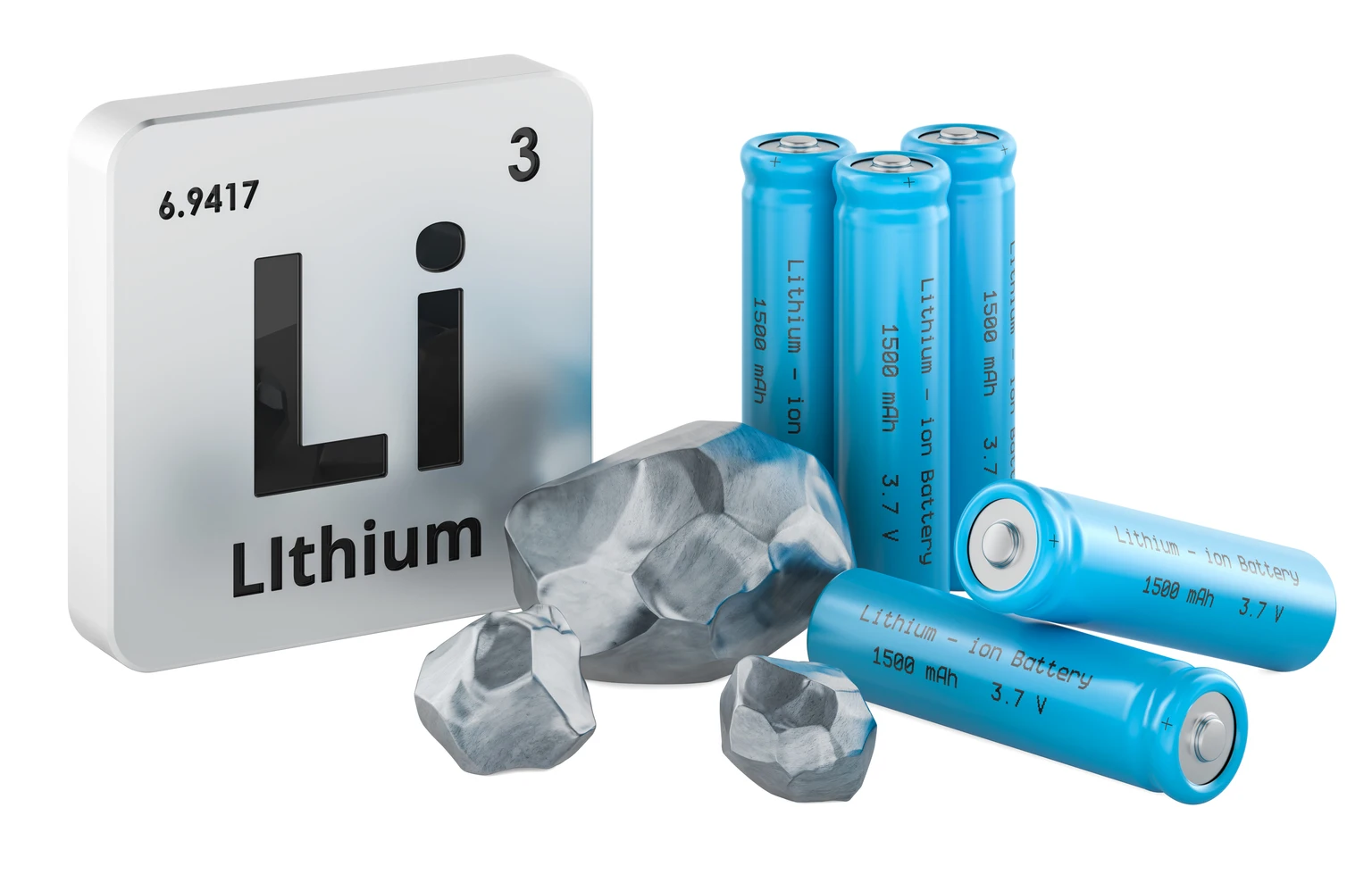
Sigma Lithium: Turning Into A Cash Machine
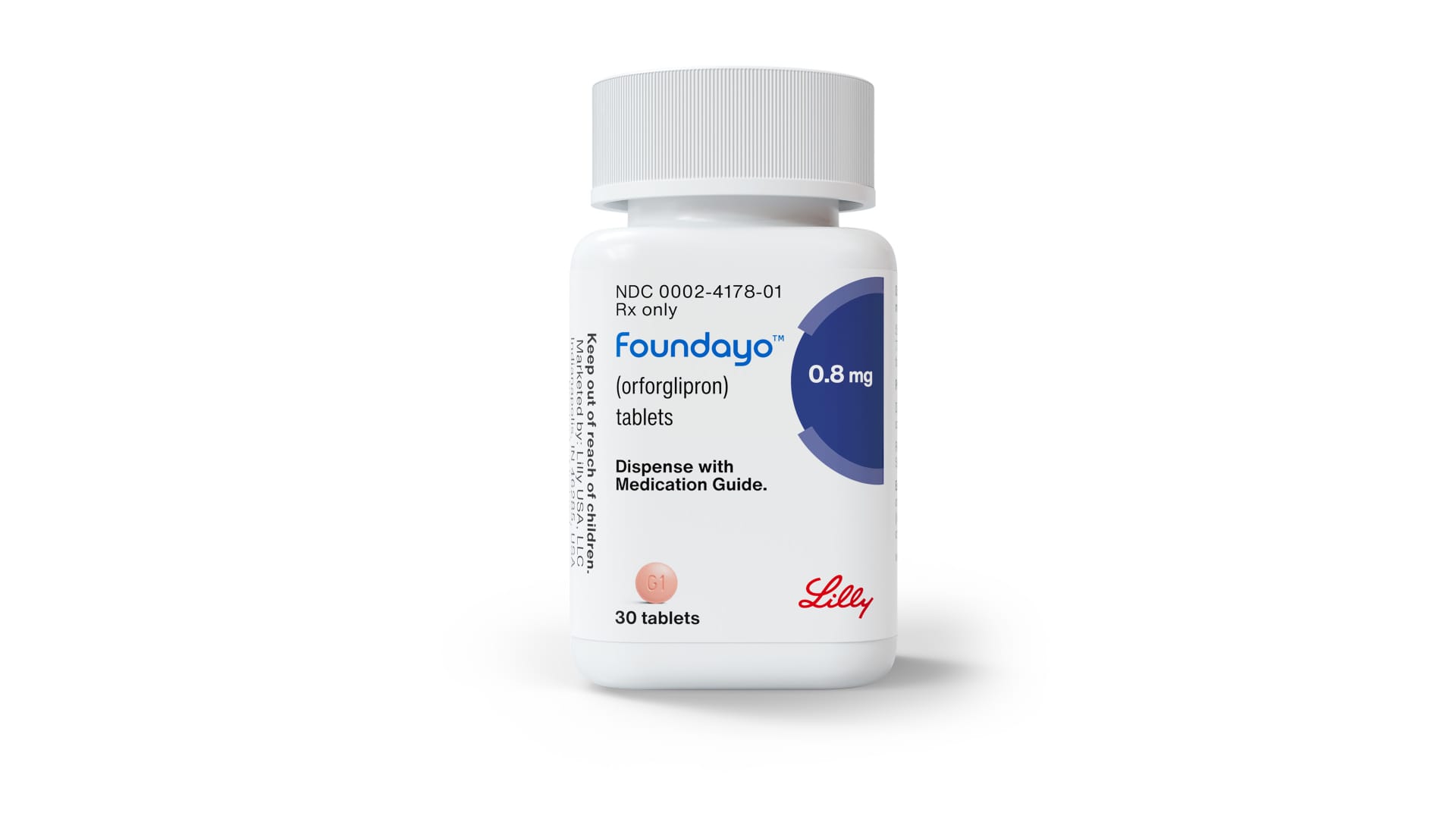

The U.S. Food and Drug Administration has approved Eli Lilly‘s GLP-1 pill, the company said, a major milestone for the Indianapolis-based drugmaker and one that will test the market for new weight loss medications.
Lilly said the once-daily pill, Foundayo, will start shipping from direct-to-consumer platform LillyDirect on Monday and will be available at pharmacies and on telehealth platforms “shortly after.” People with insurance coverage could pay $25 a month with a coupon from Lilly, while people paying out of pocket could pay between $149 and $349, depending on the dose.
The approval comes just a few months after Lilly submitted the drug to the FDA as part of a program that grants speedy reviews for drugs that are considered national priority interests. That means Lilly will introduce Foundayo only about three months behind Novo Nordisk’s Wegovy pill, setting the stage for the next battle between the rival drugmakers in the next frontier for GLP-1 drugs.
“It’s a big moment,” Eli Lilly CEO Dave Ricks said in an interview with CNBC. “We’ve obviously been working in this category of medicines for a while with the first GLP-1 medication 20 years ago and improving ever since. Here is an option that’s not more effective … but it’s more accessible, it’s easier to fit into your daily routine.”
Lilly licensed the molecule, orforglipron, from Japanese drugmaker Chugai in 2018, paying just $50 million up front for global rights to the drug. But there are still questions about how big the drug will become. It doesn’t produce as much weight loss as Lilly’s best-selling shot Zepbound. Millions of people are already used to the routine of injecting themselves once a week.
Eli Lilly Foundayo GLP-1 weight loss pill.
Courtesy: Eli Lilly
Analysts estimate Foundayo sales will reach $14.79 billion by 2030, according to FactSet. That compares to expectations of $24.68 billion for the weight loss drug Zepbound and $44.87 billion for Mounjaro, which is marketed for diabetes in the U.S. and obesity and diabetes in the rest of the world.
Ricks said shots haven’t been as big of a barrier to uptake as Lilly once thought they would be. He still sees Foundayo as an attractive option for people who would rather take a pill or who are searching for a lower price than the injectables.
He sees it playing a role in maintenance, for people who achieve their goal weight with a shot and want to keep the weight off. And he sees Foundayo as a way to “reach the planet” without the manufacturing constraints or cold-chain requirements that come with Zepbound.
Foundayo is a small molecule whereas Zepbound and Wegovy are peptides, which require more intensive manufacturing processes, a barrier Ricks thinks will hinder generic versions of Wegovy that have recently launched in some other countries, including India.
“[Foundayo] does allow for scalability, and that will allow us to launch this globally on the first instance,” Ricks said. “So today, you can get the oral [Wegovy] in the U.S., but you really can’t get it elsewhere. This will be marketed around the world. As soon as we have regulatory approvals, we essentially have as much scale as we need to supply the world with an oral GLP-1 inhibitor.”
Lilly expects approval for Foundayo in more than 40 countries over the next year. The company since 2020 has invested more than $55 billion in manufacturing, which includes opening new sites and expanding existing plants to produce the pill.
In the U.S., Lilly will compete with Novo’s newly launched Wegovy pill. Early demand for that pill has been stronger than expected, with Novo reporting more than 600,000 prescriptions in March.
Novo CEO Mike Doustdar told CNBC in February that one of the earliest takeaways from the launch is that the pill appears to be expanding the obesity treatment market, drawing in new patients rather than converting existing ones from injections. Ricks agreed with that assessment and said Lilly doesn’t care whether people take Foundayo or Zepbound.
“We want people to be on the medicine that meets their health goals,” Ricks said. “If it has Lilly on the box, that’s the goal we have.”
Novo plans to argue that the Wegovy pill is more effective than Foundayo. The Wegovy pill showed around 16.6% weight loss on average in a late-stage trial, while Lilly’s oral drug caused roughly 12.4% on average in a separate study, when analyzing patients who stayed on treatment. Lilly’s Zepbound has consistently shown it can help people lose more than 20% of their body weight.
Meanwhile, Lilly plans to tout the fact that Foundayo can be taken at any time without any restrictions, while the Wegovy pill needs to be taken first thing in the morning on an empty stomach with only a few ounces of water.
Where the two drugs are the same is the starting price. The lowest doses of both drugs will cost $149 for cash-paying customers thanks to an agreement the companies struck with the Trump administration last fall. And price is the most important factor for patients, said Dr. Nidhi Kansal, an obesity medicine doctor at Northwestern Medicine.
“Unfortunately, price is what is driving the decision-making between clinicians and patients for these drugs because they’re all excellent drugs and we have lots of options now, but it’s still a financial decision at the end of the day,” Kansal said.
The lower price point and the approachability of a pill versus a shot opens up the market to casually interested patients, said BMO Capital Markets analyst Evan David Seigerman. Seniors on Medicare will be able to access Foundayo and other GLP-1 obesity medicines for $50 a month starting this summer as part of Lilly and Novo’s deals with the Trump administration. Ricks expects a “pretty robust” response to the program, which Lilly built into its financial guidance for the year.
Analysts say a successful launch of Foundayo is key to Lilly’s stock recovering from recent weakness. The company’s shares have fallen about 14% this year after a meteoric rise that briefly made Lilly the first trillion-dollar market cap health-care company. Sales are a lagging indicator, so analysts will be tracking prescriptions to monitor uptake of the pill, said Cantor Fitzgerald analyst Carter Gould.
“If scripts are going in the right direction, and you’re seeing the continued gains, my guess is people will look through any sort of choppiness around [the first or second quarter],” Gould said.
Another factor for Lilly’s performance this year is a forthcoming readout for its more potent obesity shot, retatrutide. The company has already shared some late-stage data on that drug, but the most important trial is one studying the treatment specifically for weight loss. If retatrutide lives up to its expectations, Lilly would be on its way to creating a portfolio of obesity medicines.
“The future will be more choices, and that’s a great thing,” Ricks said. “And we hope Lilly is the one presenting those choices.”


Related Digital nears $16 billion financing for Oracle data center, Bloomberg News reports
Business
AGPU Stock Doubles on April 1 as Axe Compute Lands $12M GPU Deals Fueling AI Infrastructure Push
Shares of Axe Compute Inc. more than doubled Wednesday, surging as much as 102% to trade around $3.32 midday after the company announced $12 million in newly executed agreements expected to generate roughly $835,000 in monthly recurring revenue as it ramps up its enterprise GPU infrastructure business.
The explosive move came on the heels of the company’s fiscal 2025 earnings release late Tuesday and a morning conference call discussing its full pivot from legacy drug discovery operations to AI compute services. Volume spiked dramatically, with tens of millions of shares changing hands in the first hours of trading as retail investors piled into the micro-cap name amid broader enthusiasm for AI-related infrastructure plays.
Axe Compute, which rebranded from Predictive Oncology Inc. in December 2025 and began trading under the ticker AGPU, reported signing contracts with more than 20 enterprise customers over the past 30 days. The deals, focused on reserved GPU capacity for production AI workloads, are projected to deliver approximately $7.5 million in estimated 2026 revenue at the current run rate once deployments begin entering the second quarter.
“This $12 million book we’ve built entering Q2 is not a marketing milestone — it is executed agreements from enterprises with production AI workloads,” CEO Christopher Miglino said in a statement. The company highlighted its Strategic Compute Reserve, which provides access to over 435,000 GPUs globally through partnerships including the Aethir network, enabling rapid 24- to 48-hour deployments across more than 200 locations without vendor lock-in.
Financial Results Reflect Transition Costs
For the full year 2025, Axe Compute posted revenue of just $125,284 — all from its legacy drug discovery services segment — with no meaningful compute revenue yet recognized. The company reported a massive net loss of $232.9 million to $233.1 million, driven largely by $152.5 million in unrealized losses on its ATH digital asset holdings and $52.7 million in derivative instrument losses, plus elevated operating expenses tied to the strategic repositioning.
Despite the headline loss, executives pointed to significant balance sheet progress. Through PIPE transactions closed in October 2025, the company raised approximately $343.5 million in a mix of cash and in-kind ATH token contributions. This infusion, combined with other actions including a reverse stock split, restored Nasdaq compliance and rebuilt stockholders’ equity to $47.7 million from a prior deficit. Cash stood at $10.8 million at year-end, with additional unlocked ATH tokens valued at $24.4 million.
Miglino, who joined as CEO in February 2026, framed 2025 as a foundational year. “In less than 90 days, we raised $343.5 million in capital, established a Strategic Compute Reserve through a digital asset treasury position in the ATH AI token, and reconstituted our balance sheet,” he noted on the earnings call.
Strategic Pivot to Decentralized AI Compute
Axe Compute is positioning itself as a flexible provider of GPU-as-a-Service for enterprises and developers seeking scalable, cost-efficient AI infrastructure. By leveraging decentralized networks like Aethir, the company aims to offer choice in hardware mixes while avoiding the lock-in common with major cloud providers.
Key elements of the strategy include:
- Strategic Compute Reserve: A GPU capacity platform launched in September 2025 that allows quick deployment for AI, machine learning, gaming and rendering workloads.
- ATH Treasury Model: Holding and potentially staking the Aethir token to generate yield, creating a revenue-backed infrastructure approach.
- Enterprise Focus: Prepayment-based contracts with diverse customers, currently boasting 30-plus active deployments.
The company also continues exploring strategic alternatives for its Helomics drug discovery and biobank business, including potential sale, partnership or licensing, to sharpen focus on the higher-growth AI compute opportunity.
In March 2026, Axe Compute bolstered its board with technology and telecom veterans Dr. Theodore Zhu and Thorsten Dirks, adding expertise in semiconductors, neural networks, international operations and corporate transformation.
Market Reaction and Investor Sentiment
The more-than-doubling of the stock on April 1 reflected investor excitement over tangible contract momentum in a red-hot AI sector, even as the company remains pre-revenue in its core new business. Trading forums and social platforms saw heightened discussion, with some users highlighting the contracts’ size relative to the company’s prior market capitalization.
Analysts and observers cautioned that execution risks remain high. The company faces challenges typical of micro-cap pivots: delivering on deployments, managing digital asset volatility, scaling operations and navigating competition from established cloud giants and other decentralized compute players.
Still, the forward guidance — including expectations of initial compute services revenue in 2026 and potential EPS of around 45 cents in some projections — offered a narrative of inflection. The stock has traded in a wide range historically, with a 52-week span reflecting earlier volatility tied to the rebranding and capital raises.
Broader AI Infrastructure Context
Axe Compute enters a booming market for GPU capacity driven by exploding demand for training and inference in generative AI. Enterprises increasingly seek alternatives to hyperscaler dominance, creating openings for agile providers offering flexible, geographically distributed resources.
The integration of digital asset treasury strategies adds a novel layer, potentially allowing the company to generate yield on holdings while funding infrastructure expansion. However, it also introduces crypto-related volatility, as evidenced by the large non-cash losses tied to ATH price movements in 2025.
Industry watchers note that success will hinge on rapid deployment, customer retention and demonstrating differentiated value through speed, cost and choice. Partnerships like Aethir provide immediate scale, but long-term differentiation will require strong execution on service quality and innovation.
Outlook and Priorities for 2026
Management outlined clear 2026 priorities:
- Deploy reserved GPU capacity and generate initial compute services revenue.
- Pursue staking and yield opportunities on the ATH treasury position.
- Complete the strategic review of the legacy Helomics business.
- Selectively add to the digital asset treasury via open-market purchases when conditions allow.
The April 1 announcement of signed contracts marks an early validation of the model, with management expressing confidence that the pipeline will expand as deployments ramp and word spreads among AI workload owners.
For investors, the name carries substantial risk given its small size, history of losses, reliance on digital assets and pre-profit stage in the new segment. Those following the story will watch upcoming quarterly updates for evidence of deployment progress, revenue recognition and margin trends.
Axe Compute, headquartered in Pittsburgh with roots in earlier medical and oncology-focused operations, now bets its future on powering the AI economy. Wednesday’s surge provided a dramatic spotlight on its ambitions, but sustained gains will depend on converting contracts into reliable cash flows amid fierce competition.
As midday trading continued, the stock showed typical volatility for a low-float, high-momentum session. Longer-term performance will be determined by the company’s ability to scale its GPU platform while prudently managing its evolving balance sheet.
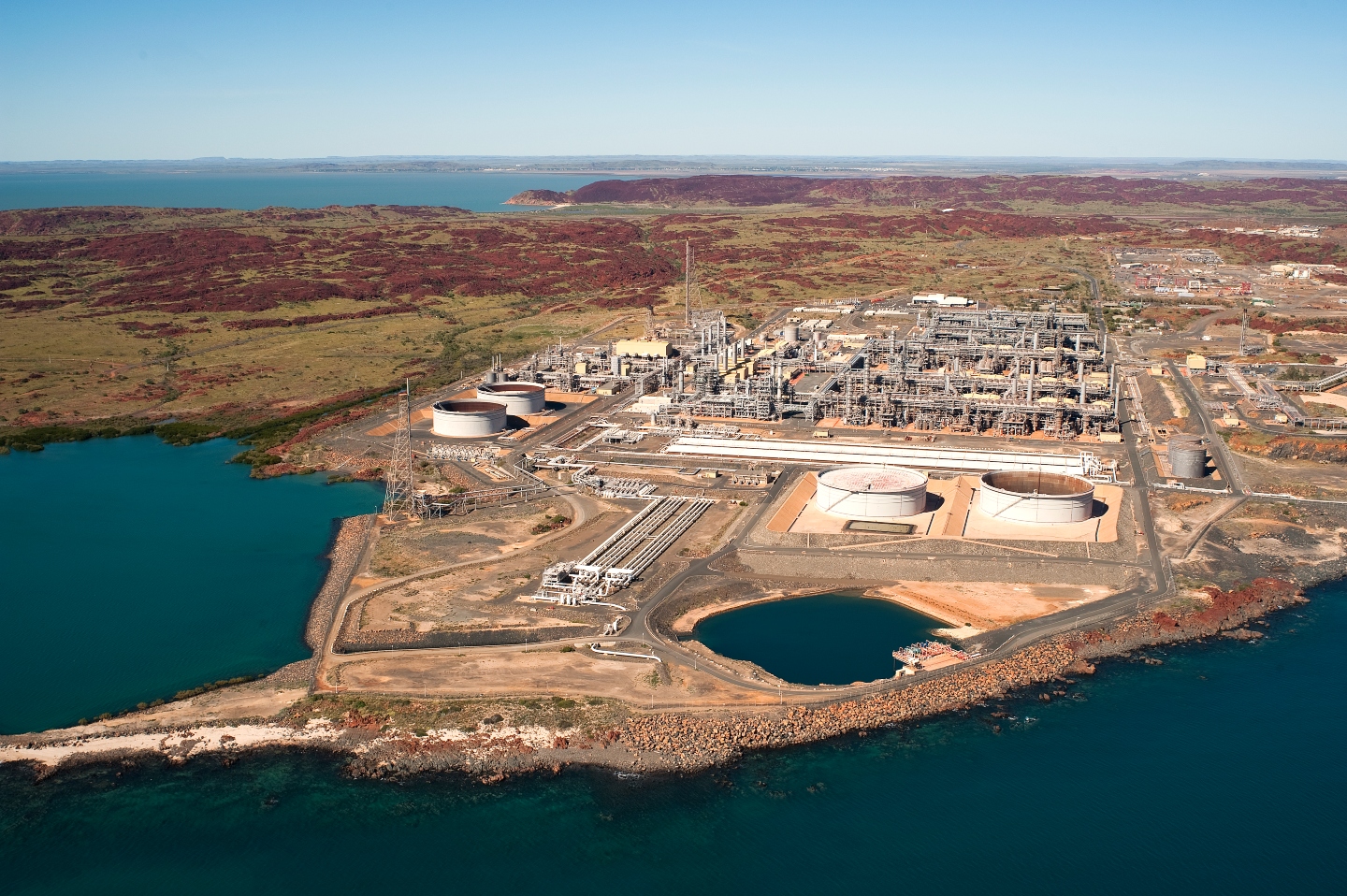
Woodside Energy has returned its North West Shelf gas operations to production, following last week’s cyclone.


Luigi Mangione’s continued support shows need for swift trial, prosecutor says
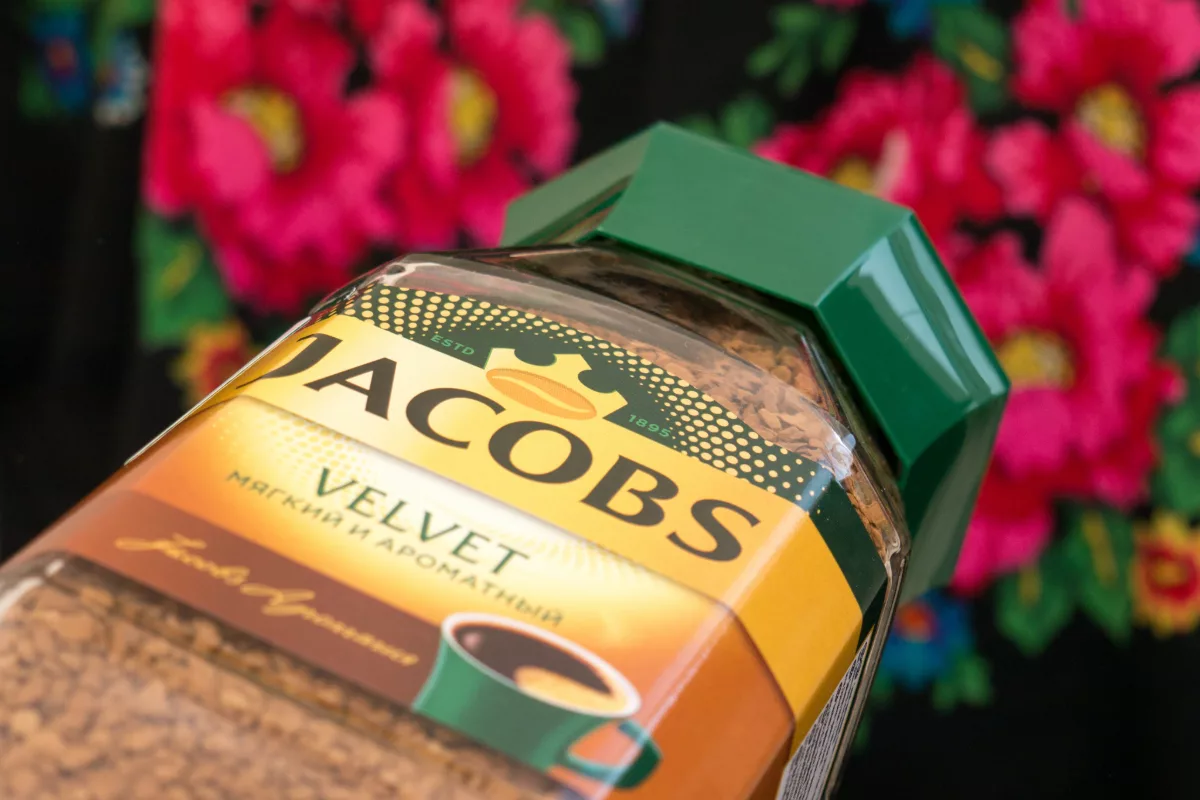

Peet’s CEO to lead new coffee company.

Hundreds of Chime users reported issues with the popular mobile banking app Wednesday morning, with complaints of login failures, frozen screens and inaccessible account balances disrupting daily transactions for the fintech giant’s millions of customers.

As of early Thursday, April 2, 2026, user reports on outage tracking sites like Downdetector showed elevated complaints focused primarily on the Chime app, with secondary issues involving funds transfers and mobile banking features. While Chime’s official status page listed all core services — including card purchases, phone support and account access — as operational, scattered user posts on social media and forums suggested intermittent problems affecting a subset of members.
Chime, a San Francisco-based challenger bank known for its fee-free checking and savings accounts, early direct deposit and SpotMe overdraft protection, has grown rapidly by targeting younger and underserved consumers. The company does not operate traditional branches and relies heavily on its mobile app and website for nearly all customer interactions.
“Many members are experiencing temporary difficulties accessing the app or completing certain transactions,” one user reported on social platforms early Thursday. Similar complaints described error messages, loading spinners that never resolved and an inability to view recent activity or make payments.
Downdetector data indicated that app-related issues accounted for the majority of recent reports, consistent with patterns seen in prior minor disruptions. Chime’s status page showed no active incidents as of late Wednesday, with the most recent resolved event dating back to late March when card controls were temporarily unavailable for some users.
What Users Are Reporting
Affected customers described a range of symptoms:
- Inability to log in or repeated authentication failures.
- App crashing or freezing on the splash screen.
- Balances and transaction history not loading.
- Failed attempts to send money via Pay Anyone or initiate transfers.
- Issues with mobile check deposit and card controls.
Some users noted that the web version of Chime at chime.com remained accessible in certain cases, offering a potential workaround. Others reported success after force-quitting the app, clearing cache, restarting their phones or toggling between Wi-Fi and mobile data.
“Chime app is down again — can’t even see my balance to pay rent,” one frustrated Bay Area user posted. Similar messages appeared across Reddit’s r/chimefinancial, Facebook groups and X, though the volume remained far below levels that would indicate a widespread, multi-hour outage.
Chime has not issued a public statement acknowledging a current incident. Its status page continued to display green across all monitored components, including card purchases, transfers and support channels.
Chime’s History With Service Disruptions
This is not the first time Chime users have faced access issues. The company has experienced several notable outages in recent years, often tied to third-party processors or cloud service providers. In October 2025, a widespread Amazon Web Services disruption affected Chime and other platforms, leading to delayed direct deposits and temporary unavailability of balances and transfers. Chime resolved that incident within hours and communicated updates via its status page and social channels.
A 2019 outage linked to a payment processor left millions unable to use debit cards or access cash for nearly two days, prompting a class-action settlement worth $1.5 million. Chime later improved its infrastructure and redundancy measures, but the reliance on digital-only delivery means even brief glitches can frustrate users who depend on the app for daily finances.
Unlike traditional banks, Chime partners with established banks such as The Bancorp Bank and Stride Bank for FDIC-insured deposits. Customer funds remain safe and accessible once systems stabilize, the company has emphasized in past incidents. No reports indicated lost or compromised funds in the current situation.
Workarounds and Troubleshooting Tips
For users facing issues Thursday, Chime and community members suggest several steps:
- Force close and restart the app: Swipe away the app completely and relaunch it.
- Clear cache and data: On Android, go to Settings > Apps > Chime > Storage. iOS users can offload the app or reinstall.
- Update the app: Ensure you have the latest version from the Apple App Store or Google Play.
- Try the website: Log in at chime.com using a browser for basic account viewing and some transactions.
- Contact support: Use the in-app help if accessible or call 1-844-244-6363. Response times may be longer during elevated call volume.
- Check internet connection: Switch networks or use mobile data if on Wi-Fi.
Chime’s customer support remains operational according to its status page. Members with urgent needs, such as pending bills or direct deposits, are advised to monitor their accounts closely once access resumes.
Broader Implications for Fintech Reliability
Chime serves millions of Americans who value its no-fee structure and early paycheck access. The company has positioned itself as a modern alternative to big banks, but repeated service hiccups highlight the challenges of operating at scale in a fully digital environment.
Industry analysts note that fintech outages often spike during high-traffic periods — early mornings when users check balances before work, or around direct deposit days. With many Americans living paycheck to paycheck, even short disruptions can create real stress for rent, groceries or bill payments.
Chime has invested in infrastructure improvements, including better monitoring and redundancy. However, as a non-traditional bank without physical locations, it faces heightened expectations for 24/7 digital reliability.
Users affected by the latest reports expressed a mix of annoyance and resignation. “This happens too often with Chime,” one commenter wrote. Others defended the service, citing its overall convenience and lack of overdraft or monthly fees.
What to Expect Moving Forward
As of Thursday morning, there was no indication of a prolonged or major outage. Most monitoring sites showed normal or only slightly elevated report volumes compared to baseline. Chime typically resolves minor app glitches quickly, often within minutes to a couple of hours.
Customers should continue checking the official status page at status.chime.com for real-time updates. The company also posts notices on its @Chime social media accounts during significant events.
For those relying on Chime for time-sensitive transactions, alternatives include using linked debit cards at ATMs or merchants (if card controls function), initiating transfers via the website or contacting recipients to explain potential delays.
Chime has grown into one of the largest U.S. fintech players by focusing on simplicity and accessibility. While occasional technical hiccups are common in the sector, the company’s rapid response in past incidents has helped maintain customer loyalty for many.
Members experiencing ongoing problems are encouraged to document issues with screenshots and reach out to support. In rare cases of financial hardship directly caused by an outage, Chime has occasionally offered goodwill gestures, though no such program has been announced for the current situation.
As the morning progressed Thursday, reports appeared to taper off, suggesting any intermittent issues were resolving naturally or through user-side fixes. Chime users in the Bay Area and across the country can expect normal service to resume fully soon, but staying informed via official channels remains the best approach.
For the latest updates, visit status.chime.com or monitor Downdetector. Safe banking, and remember that all deposits at Chime are FDIC-insured through its partner banks up to applicable limits.

Dorsey unveils AI-driven workplace strategy after Block’s 40% cuts

Iraq journalist kidnapping shows double standards of US

Man City and Man United agent fees paid compared to Arsenal, Liverpool and Premier League rivals


-

 News Videos7 days ago
Parliament publishes latest register of MPs’ financial interests
-

 Business6 days ago
Instagram, YouTube Found Responsible for Teen’s Mental Health Struggle in Historic Ruling
-
 Tech6 days ago
Intercom’s new post-trained Fin Apex 1.0 beats GPT-5.4 and Claude Sonnet 4.6 at customer service resolutions
-

 NewsBeat5 days ago
The Story hosts event on Durham’s historic registers
-

 Sports5 days ago
Sweet Sixteen Game Thread: Tide vs Michigan
-
Entertainment2 days ago
Fans slam 'heartbreaking' Barbie Dream Fest convention debacle with 'cardboard cutout' experience
-
 Entertainment4 days ago
Lana Del Rey Celebrates Her Husband’s 51st Birthday In New Post
-
Crypto World1 day ago
Dems press CFTC, ethics board on prediction-market insider trades
-

 Sports1 day ago
Tallest college basketball player ever, standing at 7-foot-9, entering transfer portal
-

 Tech3 days ago
The Pixel 10a doesn’t have a camera bump, and it’s great
-

 Entertainment7 days ago
HBO’s Harry Potter Series Will Definitely Fail For One Big Reason, And It’s Not J.K. Rowling Or Snape
-

 Crypto World2 days ago
U.S. rule change may open trillions in 401(k) funds to crypto
-

 Tech1 day ago
EE TV is using AI to help you find something to watch
-

 Tech1 day ago
How to back up your iPhone & iPad to your Mac before something goes wrong
-

 Fashion6 days ago
En Vogue in Brown Leather and Tailored Neutrals by Atelier Savoir, Styled by J Bolin
-

 Politics2 days ago
Should Trump Be Scared Strait?
-

 Fashion6 days ago
What Are Your Favorite T-Shirts for the Weekend?
-

 Fashion5 days ago
Weekly News Update, 3.27.26 – Corporette.com
-

 Tech2 days ago
Apple will hide your email address from apps and websites, but not cops
-

 Tech2 days ago
Flipsnack and the shift toward motion-first business content with living visuals
You must be logged in to post a comment Login