Connect with us
DAPA Banner
DAPA Coin
DAPA
COIN PAYMENT ASSET
PRIVACY · BLOCKDAG · HOMOMORPHIC ENCRYPTION · RUST
ElGamal Encrypted MINE DAPA
🚫 GENESIS SOLD OUT
DAPAPAY COMING

Sports

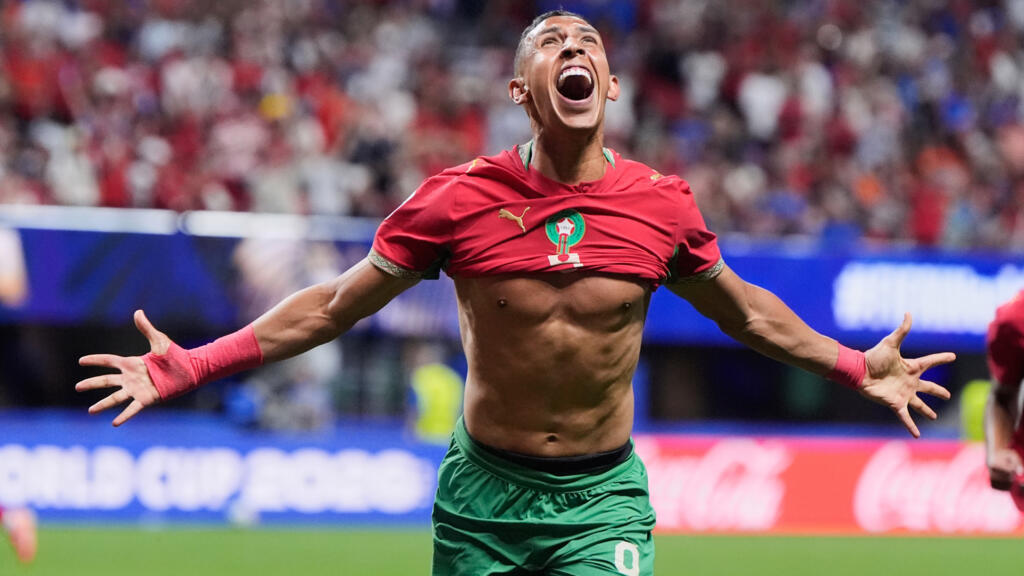
World Cup 2026: Morocco complete comeback against Haiti in Group C clash

Published

on

Morocco beat Haiti 4-2 on Wednesday in Atlanta in a pulsating World Cup 2026 Group C clash. Haiti stunned the Atlas Lions early on when Jean-Ricner Bellegarde’s free kick set up the opening goal after a defensive lapse, before Achraf Hakimi levelled from close range following sustained Moroccan pressure.

The match exploded before the break as Wilson Isidor produced a stunning long-range strike in the 43rd minute to restore Haiti’s lead. However, Morocco responded immediately in stoppage time, with Achraf Hakimi involved in the build-up before squaring for Ismaël Saibari, who finished into the bottom-left corner to make it 2-2 at half-time.

After the restart, Morocco gradually took control, producing a wave of chances through Hakimi and Bilal El Khannouss. Soufiane Rahimi eventually put the Atlas Lions ahead in the 78th minute, reacting quickest to a loose ball inside the box after sustained pressure from a corner.

Haiti pushed late on but were exposed in the final minutes, with Gessime Yassine sealing the win after a quick reaction inside the penalty area to complete Morocco’s comeback and secure a hard-fought victory.

Advertisement

(FRANCE 24 with AFP)

Source link

Advertisement
Continue Reading
Click to comment

You must be logged in to post a comment Login

Leave a Reply

Sports

Sorry Nigeria! Morocco Set New African World Cup Record After Thrilling Win Over Haiti

Published

on

Morocco became the most successful African nation in FIFA World Cup history after defeating Haiti 4-2 in their final Group C match on Wednesday.

The victory was Morocco’s seventh win at the World Cup, moving the Atlas Lions ahead of Nigeria, who previously held the African record with six victories.

Late goals from Soufiane Rahimi and Gessime Yassine sealed the historic win in Atlanta as Morocco came from behind twice to deny Haiti a first-ever World Cup point.

Advertisement

Morocco became the most successful African nation in FIFA World Cup history after defeating Haiti 4-2 in their final Group C match on Wednesday.Morocco became the most successful African nation in FIFA World Cup history after defeating Haiti 4-2 in their final Group C match on Wednesday.

Haiti stunned the 2022 World Cup semi-finalists by taking the lead in the 10th minute when a flick from Lenny Joseph went in off Morocco goalkeeper Yassine Bounou for an own goal.

Morocco responded through Achraf Hakimi, who levelled in the 39th minute after Haiti goalkeeper Johny Placide failed to keep out Brahim Diaz’s effort.

However, Haiti regained the lead just before half-time when Wilson Isidor scored a stunning long-range strike into the top corner.

Advertisement

Morocco hit back again in first-half stoppage time as Ismael Saibari scored his third goal of the tournament after a well-worked move involving Hakimi.

The Atlas Lions finally took control in the closing stages when substitute Rahimi’s effort took a deflection and found the net with 12 minutes remaining.

Yassine then wrapped up the victory in the 89th minute after a VAR check confirmed Rahimi had kept the ball in play before providing the assist.

The win ensured Morocco finished second in Group C behind Brazil, who beat Scotland 3-0 to claim top spot.

Advertisement

Although Morocco could not finish first in the group, the result secured another piece of history for African football. Their seventh World Cup victory is now the highest number achieved by any African nation in the competition, surpassing Nigeria’s long-standing mark of six wins.

For Haiti, the defeat brought an end to a spirited campaign. The Caribbean side, ranked 83rd in the world, exited the tournament without a point but earned praise for scoring twice against one of the strongest teams in the competition.

Morocco will now face either the Netherlands, Japan or Sweden in the Round of 32, while Haiti return home after finishing bottom of Group C.

Advertisement

Source link

Continue Reading

Sports

Matheus Cunha’s Man United gesture in Brazil vs Scotland shows his true character

Published

on

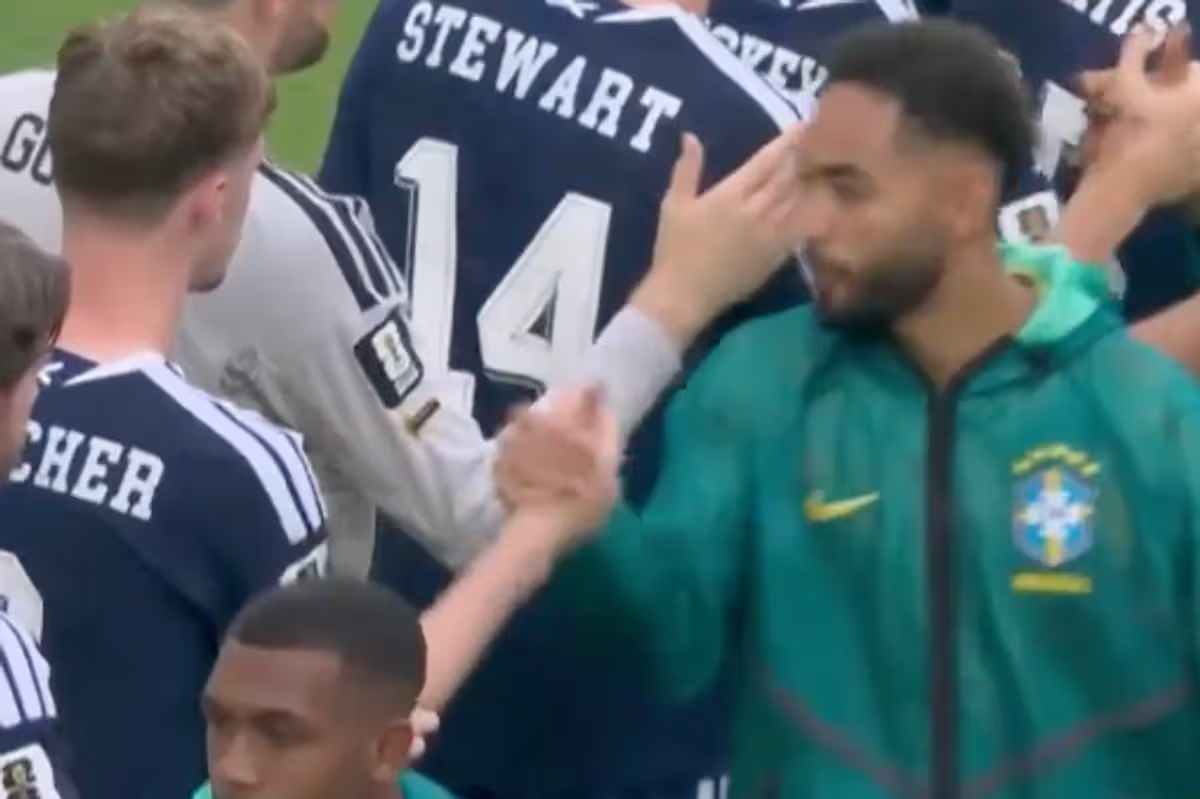
Matheus Cunha and Tyler Fletcher were on opposing sides for Brazil’s World Cup meeting with Scotland on Wednesday night, and the two Manchester United players had contrasting evenings

Matheus Cunha was reunited with Manchester United youngster Tyler Fletcher in a wholesome moment during Brazil’s World Cup clash with Scotland in Miami. Cunha’s side came out on top, with Brazil winning 3-0 to secure top spot in Group C.

For Scotland, it was a damaging night, leaving them dependent on results elsewhere to squeeze into the round of 32 after finishing third in their group. Steve Clarke’s side won’t know their fate until around Sunday, with teams in other groups still having one match left to play.

Advertisement

The expanded 48‑team format means only the top eight third‑placed sides progress and the Tartan Army have only themselves to blame after costly defensive errors. Scott McKenna’s early mistake gifted Brazil a seventh‑minute opener, finished by Vinicius Junior, and set the tone for a punishing evening.

Get MEN Premium now for just £1 HERE – or get involved in our United WhatsApp group by clicking HERE. You can also join our United Facebook page by clicking HERE and don’t miss out on our brilliant selection of newsletters HERE.

The Real Madrid star then struck again on the brink of half‑time, and Cunha added another to seal the win. It was the United attacker’s third goal in as many games.

Prior to the match, the players exchanged the usual handshakes but Cunha made a point of giving Fletcher a special greeting, offering a warm hug.

Advertisement

The heartwarming moment sparked plenty of reaction from fans on X.

One United supporter wrote: “United brotherhood,” while another added: “Lovely indeed. Teammates now facing each other in a fierce battle.”

A third simply commented: “Lovely moment that.”

Advertisement

However, Fletcher didn’t feature after being called-up to replace Napoli star Billy Gilmour who was ruled out of the World Cup with a knee injury suffered in Scotland’s final home friendly before the tournament.

As Scotland’s campaign edges towards an early finish, Fletcher, who only made his debut in a friendly against Curacao in May, may not get the chance to appear on the biggest stage.

The 19‑year‑old has been named on the bench for the Tartan Army’s last three matches against Haiti, Morocco and Brazil.

Get the latest World Cup news straight to your inbox by signing up to our Make Football Great Again newsletter now!

Advertisement

Cunha, meanwhile, made way for Neymar in the 76th minute after earning a second consecutive start under Carlo Ancelotti. Neymar made his first appearance of the tournament, having recently recovered from a calf injury.

Brazil have qualified for the knockouts and, as it stands, will face Japan in the round of 32.

Source link

Continue Reading

Sports

Save *BIG* on 100s of items during this limited-time sale

Published

on

Source link

Continue Reading

Sports

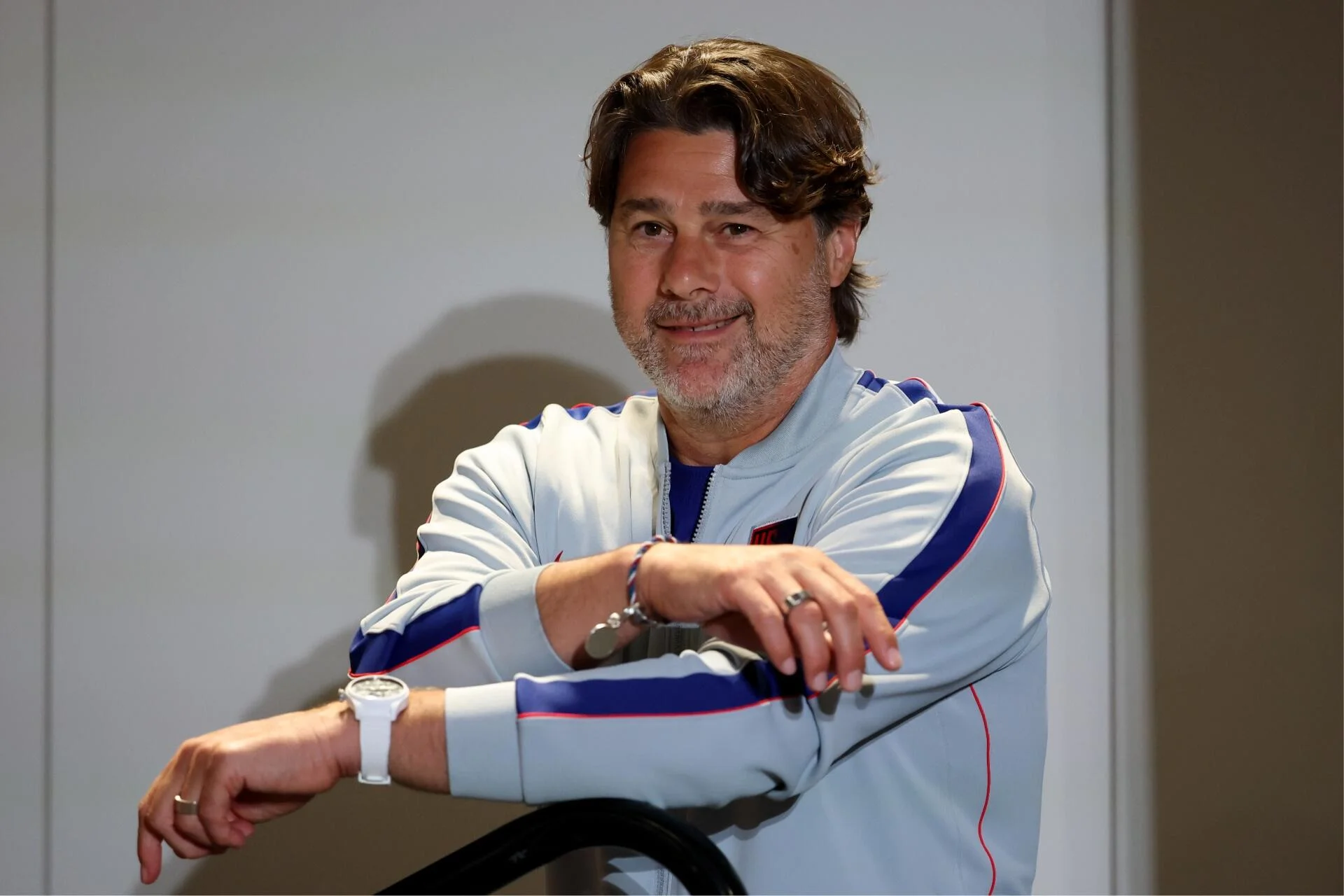
USMNT’s Mauricio Pochettino teases heavy rotation for World Cup clash against Turkiye

Published

on

INGLEWOOD, Calif. – U.S. men’s national team head coach will name a rotated starting lineup for Thursday’s World Cup game against Turkiye, their Group D finale a dead-rubber match after they already topped the group and their opponents were already mathematically eliminated.

Pochettino’s decision was chiefly influenced by the fact that four players carry yellow cards into Thursday’s game at SoFi Stadium – defenders Chris Richards and Antonee Robinson, midfielder Tyler Adams and forward Folarin Balogun. Another booking against Turkiye would mean they would be suspended for the USMNT‘s round of 32 match on July 1 against an opponent that is yet to be determined.

“I think it’s an easy answer for the guys that have yellow cards,” Pochettino said in his pre-match press conference on Wednesday “I think it’s unnecessary to take a risk and then [they] take another yellow card and be not available for the next stage and I think that is a little bit [of a] normal and easy answer not to play with them from the beginning.”

There are also still fitness questions around two other players, forward Christian Pulisic and midfielder Cristian Roldan. Pulisic declared himself fit on Wednesday and has completed three days of training this week, doing so after picking up a calf issue that resulted in his halftime substitution in a 4-1 win over Paraguay on June 12 and ensured he would miss out on Friday’s 2-0 win over Australia. Roldan, meanwhile, is dealing with a muscle strain that has been described as day-to-day. He has not trained all week but Pochettino said further consultation with the medical staff is required before deciding on a role for both players against Turkiye.

Advertisement

“Cristian Roldan, we need to assess tomorrow if he can be available,” Pochettino said. “Small issue in his quad but I think it’s evolving really well. If he’s not [fit] for tomorrow, hope [he can be] for the next week and Christian Pulisic is now talking with the medical area. He’s available and then we need to decide if it’s possible to play the full game [or] be on the bench and have the [possibility] maybe to play in the second half.”

Pochettino’s decisions mean several spots will be open for grabs on Thursday, the game providing an important opportunity to prove they should be starters once the knockout stages begin. It also offers the coach a chance to roll out one final experiment after nearly two years of tinkering with his personnel and his tactics. That is especially true in midfield – Adams is an anchor of the U.S. midfield and the team has routinely struggled without him in the build-up to the World Cup. There is no true backup for him, either, and the calculation changes if Roldan is unable to play. Pochettino insists he has options, though, and a wide variety of them.

“When we talk about midfielders, it was like it was compulsory to play with a holding midfielder, a defensive, holding midfielder but when you see Spain or different teams, they don’t play with a defensive midfielder,” Pochettino said. “They play with players that play really well, midfielders that understand the game and for us, it’s about balance but of course, we have players that we can [be] involved – play like a midfielder, deep, and then progress. I think the most important is in the philosophy and your ideas. If you want to pass the ball and dominate the opponent, you need players that can play and understand the game in space, not the positional game.

“I think we have plenty of players like Gio Reyna or Weston McKennie or Sebastian Berhalter or Malik Tillman – even players like [defenders] Sergino Dest or Joe Scally or even Auston Trusty. In some moments in our system, in our build-up, they can go to the middle and they are very good players that understand positional game and what they need to do. I think we are good and it’s not going to be a problem.”

Advertisement

Berhalter seems most likely to get the nod in midfield, while forward Ricardo Pepi seems poised for a second straight start after a successful outing in Pulisic’s place against Australia. Defender Max Arfsten seems most likely to fill Robinson’s place while Pochettino is inclined to go a few different ways on Richards’ spot – Mark McKenzie started alongside Tim Ream and Alex Freeman in their penultimate friendly before the World Cup, a 3-2 win over Senegal, while Miles Robinson filled in during the subsequent game, a 2-1 loss to Germany.

Source link

Advertisement
Continue Reading

Sports

Do FIFA really profit from WC hydration breaks? Infantino clears the air | FIFA World Cup 2026

Published

on


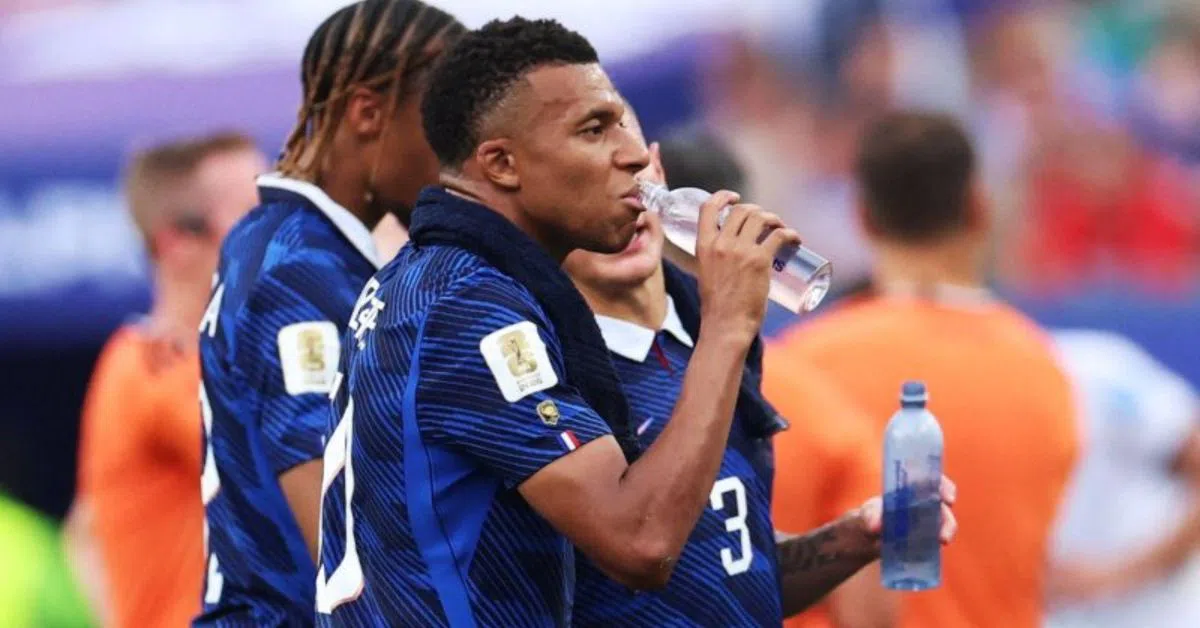
For the first time in World Cup history, hydration breaks have become a mandatory feature of every match at the 2026 FIFA World Cup. Regardless of whether games are played in extreme heat, inside climate-controlled stadiums, or in cooler evening conditions, referees are required to stop play twice per match for three-minute breaks.


Officially, the policy exists to protect player welfare and ensure equal conditions across all matches. Unofficially, however, the breaks have triggered one of the tournament’s biggest off-field debates.


Advertisement


Are hydration breaks genuinely about player safety, or have they quietly become valuable commercial inventory in football’s biggest event?


FIFA’s Position: “This Is Not A Financial Issue”


Advertisement


Facing growing criticism from fans and players, FIFA president Gianni Infantino directly addressed the controversy.


“There is no additional revenue for FIFA, as all commercial agreements were signed well in advance,” Infantino said.


Advertisement


“This is not a financial issue for us. For us, it is purely a sporting matter.”


According to FIFA, the breaks were introduced primarily because of the climate challenges posed by a summer tournament spread across the United States, Canada and Mexico.


Advertisement


Infantino argued that the policy is about consistency rather than temperature alone.


“What matters even more to us is ensuring that all teams, in every match, are playing under the same conditions.”


Advertisement


He added: “We want to ensure equal conditions for everyone and that’s why these breaks are implemented in every match.”


From FIFA’s perspective, allowing breaks only during hotter matches would create unequal tactical opportunities for coaches and players. 


Advertisement


Why Fans Remain Skeptical?


The skepticism stems from one unavoidable reality.


Advertisement


Television broadcasters have quickly turned hydration breaks into advertising windows.


In countries such as the United States, commercial breaks regularly appear during the stoppages. Industry estimates suggest a 30-second World Cup advertising slot on Fox Sports costs between $200,000 and $300,000 during regular matches, rising significantly for USA games and knockout fixtures.


Advertisement


With four advertising opportunities potentially available during every match, the breaks have created hundreds of additional commercial slots throughout the tournament.


That has led many supporters to wonder whether FIFA is indirectly benefiting even if it is not directly receiving extra payments.


Advertisement


Critics argue that while FIFA may not earn additional revenue from pre-existing contracts, broadcasters and commercial partners are undoubtedly extracting more value from the tournament.


The optics have led some fans to compare football’s hydration breaks to timeouts commonly seen in American sports.


Advertisement


Players with divided opinions


Not everyone inside the game is convinced the breaks are necessary in every match.


Advertisement


Several leading players have openly questioned the universal approach.


French superstar Kylian Mbappe has reportedly expressed concerns that the stoppages interrupt momentum, particularly when one team is dominating possession and building pressure.


Advertisement


Liverpool defender Virgil van Dijk has similarly suggested that conditions should be assessed on a case-by-case basis rather than applying the rule universally.


Belgium midfielder Youri Tielemans also questioned whether breaks are needed during matches played in cooler conditions. For many players, the issue is not hydration itself but the loss of rhythm in a sport built around continuous flow.


Advertisement


Coaches Have Discovered An Unexpected Advantage


While some players dislike the interruptions, many managers have quickly recognised their strategic value.


Advertisement


Hydration breaks effectively provide coaches with two additional opportunities per half to communicate directly with players during live matches.


England manager Thomas Tuchel admitted the pauses have had a bigger influence than he expected. “They change the characteristic of the match more than I thought.” Mexico coach Javier Aguirre has embraced them as football’s version of an official timeout.


Advertisement


France manager Didier Deschamps has gone even further, describing the breaks as turning matches into something resembling four quarters rather than two halves. The result is a subtle but significant shift in football tactics.


Managers can now reorganise shape, deliver instructions and adjust game plans without waiting for half-time.


Advertisement


The Commercial Reality


The truth likely lies somewhere between FIFA’s explanation and the concerns of critics.


Advertisement


There is currently no evidence that FIFA negotiated hydration breaks specifically to generate new revenue streams. Infantino’s claim that commercial agreements were signed before the tournament appears credible.


However, that does not mean the breaks lack commercial value.


Advertisement


Broadcasters are undeniably benefiting from the extra advertising inventory. Sponsors gain additional visibility. Networks gain more flexibility in scheduling commercials.


Even if FIFA is not directly earning extra money from the stoppages, the wider World Cup ecosystem is monetising them. That distinction may be technically correct from FIFA’s standpoint, but it has done little to silence criticism.


Advertisement


A Rule that may outlast 2026


The larger question is whether hydration breaks remain a temporary solution or become a permanent feature of major tournaments.


Advertisement


Climate concerns are unlikely to disappear. Summer temperatures continue to rise, and future World Cups may face similar challenges.


At the same time, coaches are discovering tactical advantages, broadcasters are finding commercial benefits, and governing bodies are seeing operational value in standardised match management.


Advertisement


For now, FIFA insists the breaks exist solely to protect players and create equal conditions.


But as television networks continue to sell advertising around those stoppages and coaches increasingly use them as strategic timeouts, the debate over whether hydration breaks are about welfare, tactics or commerce is unlikely to disappear anytime soon.

Source link

Advertisement
Continue Reading

Sports

US likely to rest players in group stage finale vs. Turkey

Published

on

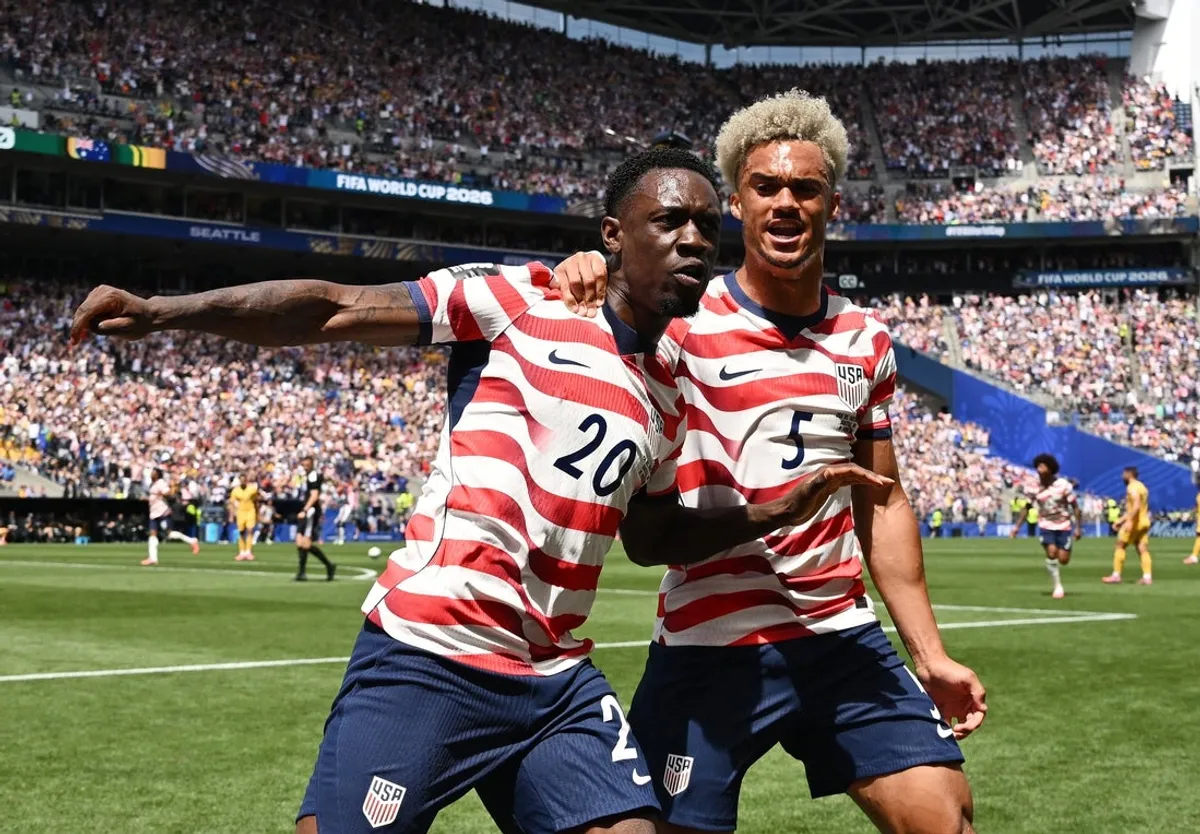
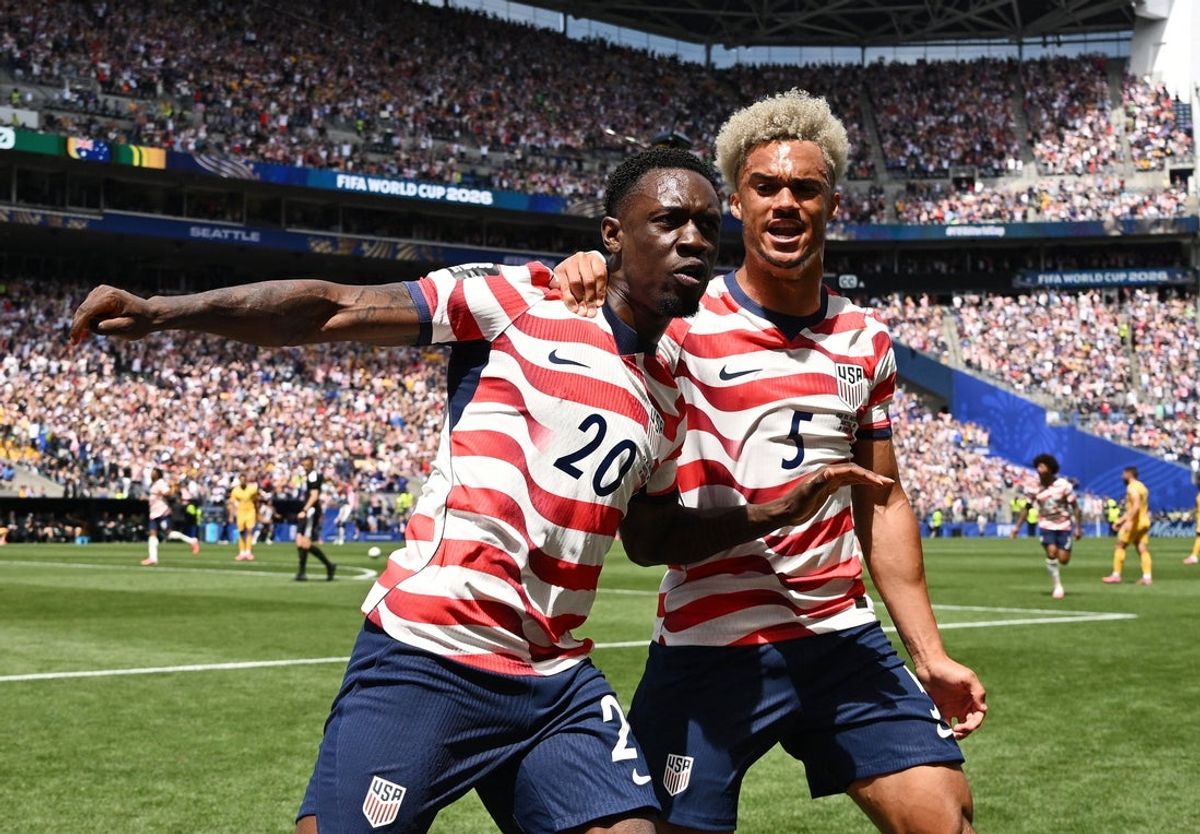
June 19, 2026; Seattle, Washington, U.S.; Folarin Balogun and Antonee Robinson of the U.S. celebrate after Australia's Cameron Burgess scores an own goal and the first goal for U.S.  Mandatory Credit: Troy Wayrynen-Imagn Images June 19, 2026; Seattle, Washington, U.S.; Folarin Balogun and Antonee Robinson of the U.S. celebrate after Australia’s Cameron Burgess scores an own goal and the first goal for U.S. Mandatory Credit: Troy Wayrynen-Imagn Images

From meaningful to meaningless. That’s how quickly fortunes can change in the World Cup.

Just don’t tell the U.S. men’s national team that their final Group D match against Turkey on Thursday in Inglewood, Calif., means nothing — even though in reality that’s the case.

The match had been pegged pre-tournament as the most difficult for the U.S. and, under dire circumstances, could have meant the difference between advancing to the knockout round or going home.

Instead, Turkey (0-2-0, 0 points) already are eliminated while the Americans (2-0-0, 6 points) — after convincing victories over Paraguay (4-1) and Australia (2-0) — have won the group and are set for a round of 32 match on July 1 in Santa Clara, Calif.

Despite the lack of incentive for the United States, the match against Turkey could see star winger Christian Pulisic’s return from the left calf injury that forced him out at halftime of the Paraguay match. He did not play against Australia.

Advertisement

Coach Mauricio Pochettino said on Wednesday that Pulisic is consulting with the medical staff on a plan.

“I’ve obviously joined with the team in the last few days,” Pulisic said Wednesday. “So, I’m feeling good, positive going into it, and hopefully I’ll be able to play it hard tomorrow.”

The only other injury concern is a quad issue with midfielder Cristian Roldan. Pochettino said his availability won’t be known until Thursday.

Also, Pochettino said it’s “not necessary” that the players with one caution — Tyler Adams, Folarin Balogun, Chris Richards and Antonee Robinson — play and risk receiving another yellow card that would result in a suspension for the knockout match on July 1.

Advertisement

“I want to play,” Balogun said. “But it’s also important to be smart. I wouldn’t want to pick up a yellow card and miss the Round of 32.”

Although there will be lineup changes, it would be a mistake to think the Americans are looking past Turkey.

“Just because we are through doesn’t mean we have to let our foot off the pedal,” forward Alex Zendejas said. “We have to keep on going with that same confidence, same rhythm and keep showing each other and the world what this team is made of.”

Advertisement

Turkey, which stood No. 32 in the FIFA World Ranking entering the World Cup, will be playing for pride after losing 2-0 to Australia and 1-0 to Paraguay. In the latter, Paraguay was down a player for the second half. By any measure, this World Cup has been a failure.

“We are very sad, we are ashamed,” said Turkish midfielder Arda Guler. “We apologize to all our people.”

However, Turkish Football Federation president Ibrahim Haciosmanoglu gave coach Vincenzo Montella a vote of confidence on Monday.

“We will stand by this team’s coach, and we will stand by its players,” Haciosmanoglu said.

Advertisement

That’s of no concern to the Americans, who look to maintain momentum.

“You don’t want to go into a knockout round having a bad feeling of how the last game went,” defender Max Arfsten said. “Although we have advanced, I don’t think it changes anything in terms of preparation or mentality. I just think it’s very important to try and continue to ride the wave of good performances.”

• Group E: Germany vs. Ecuador at East Rutherford, N.J.: Germany (2-0-0, 6 points) have won the group. Defender Nico Schlotterbeck will miss the remainder of the World Cup with an ankle injury sustained in the 2-1 win over Ivory Coast on Saturday. Ecuador (0-1-1, 1 point) will be eliminated if they lose to Germany and Curacao wins or ties vs. Ivory Coast.

• Group E: Curacao vs. Ivory Coast at Philadelphia: Ivory Coast (1-1-0, 3 points) will be runner-up with a win or tie but will finish fourth and be eliminated with a loss and an Ecuador win. For World Cup debutante Curacao (0-1-1, 1 point), there are several scenarios to finish second with the simplest being a victory and Ecuador failing to beat Germany.

Advertisement

• Group F: Japan vs. Sweden at Arlington, Texas: Japan (1-0-1, 4 points) need only to draw against Sweden (1-1-0, 3 points) to at least finish runner-up and advance out of the group. Star attacker Takefusa Kubo (knee) will miss a second straight match for Japan. If the Swedes win, they will move to the round of 32 and still have a chance to advance even with a loss.

Group F: Tunisia vs. Netherlands at Kansas City, Mo.: Netherlands (1-0-1, 4 points) is tied with Japan in points and goal differential but leads in goals scored (7-6). A Dutch victory and Japan tying or losing gives them the top spot. Tunisia (0-2-0, 0 points), who are already eliminated, have been outscored 9-1.

Group D: Australia vs. Paraguay at Santa Clara, Calif.: Australia (1-1-0, 3 points) need only a draw to advance because they hold the goal differential edge (zero to minus-2) over Paraguay (1-1-0, 3 points). Paraguay, in the World Cup for the first time since 2010, must win to claim second place but could still advance with a draw or even possibly a loss.

Advertisement

–Field Level Media

Source link

Continue Reading

Sports

Error in extras dooms Orioles against Angels

Published

on

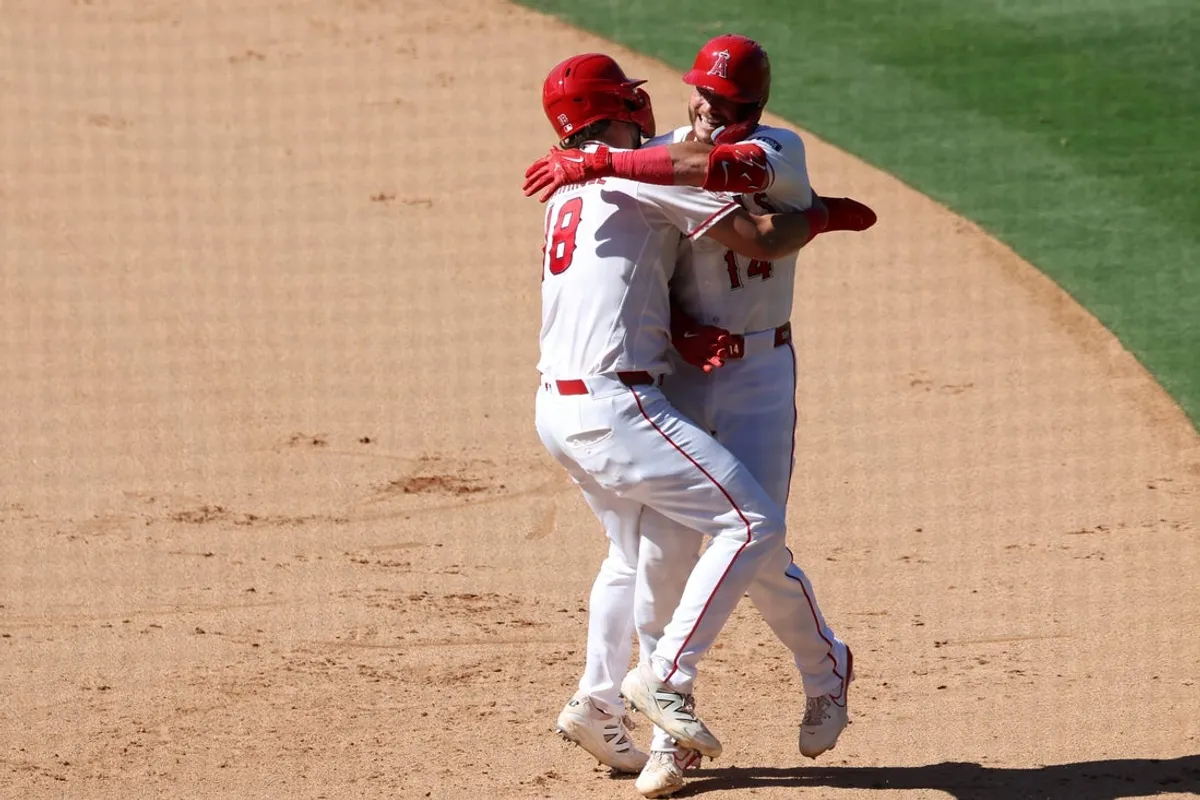
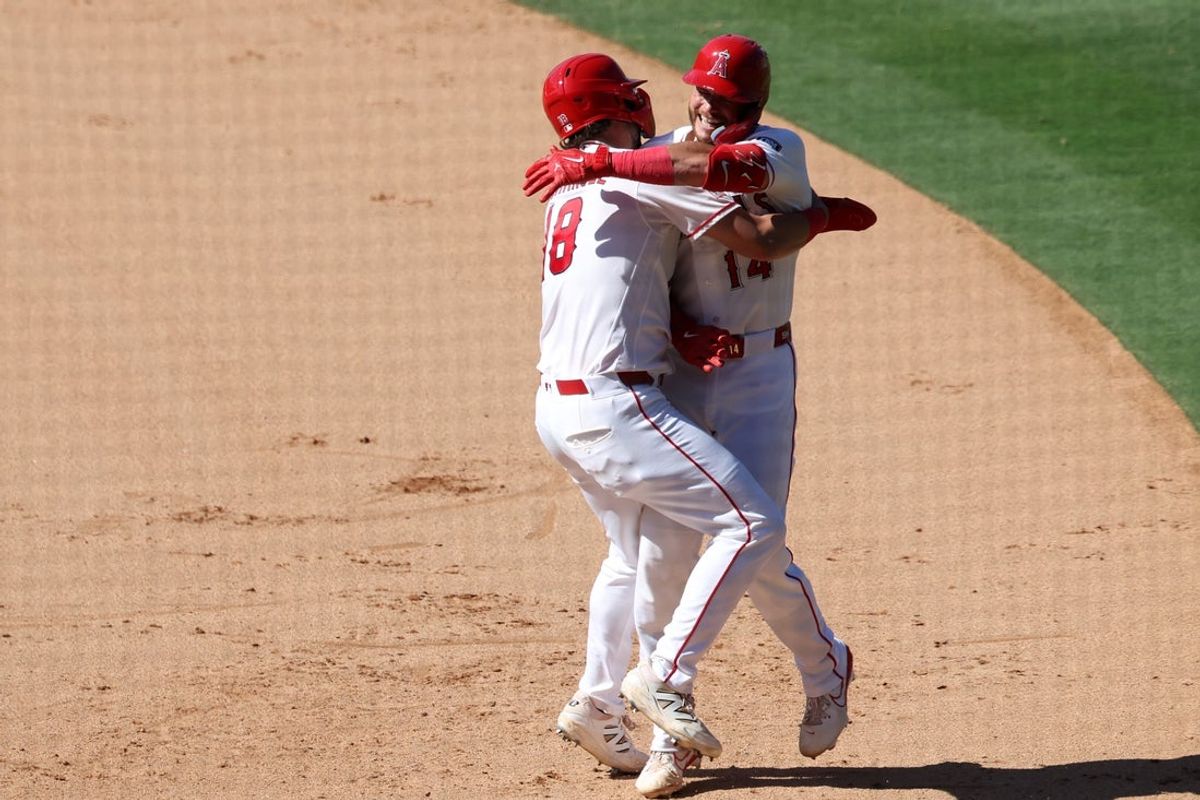
Jun 24, 2026; Anaheim, California, USA;  Los Angeles Angels pinch hitter Logan O'Hoppe (14)  is congratulated by first baseman Nolan Schanuel (18) after a walk-off single during the tenth inning against the Baltimore Orioles at Angel Stadium. Mandatory Credit: Kiyoshi Mio-Imagn ImagesJun 24, 2026; Anaheim, California, USA; Los Angeles Angels pinch hitter Logan O’Hoppe (14) is congratulated by first baseman Nolan Schanuel (18) after a walk-off single during the tenth inning against the Baltimore Orioles at Angel Stadium. Mandatory Credit: Kiyoshi Mio-Imagn Images

Logan O’Hoppe drove in Nolan Schanuel from third on a check-swing bouncer up the third base line with two outs in the bottom of the 10th as the Los Angeles Angels rallied for a 7-6 victory over the Baltimore Orioles in the rubber game of their three-game series on Wednesday afternoon in Anaheim, Calif.

Los Angeles had tied the game when reliever Keegan Akin (0-1), who was late to cover first, mishandled Jeremiah Jackson’s low underhand throw to first on a Schanuel grounder that would have ended the game. Instead, automatic runner Oswald Peraza scored the tying run, and the ball bounced off Schanuel’s foot and rolled down the right field line for a three-base error on Akin, setting the stage for O’Hoppe’s game-winner.

Jorge Soler hit a home run and Wade Meckler went 2-for-4 with two RBIs and a run scored for Los Angeles, which won its first series over Baltimore since July of 2021. Chase Silseth (3-1) picked up the win in relief.

Samuel Basallo hit two home runs and drove in four runs, Pete Alonso went 3-for-4 with a double and a walk, two runs scored and two RBIs, and Taylor Ward doubled and had two hits and a run scored for Baltimore.

Advertisement

Los Angeles jumped out to a 2-0 lead in the first inning on Soler’s 11th home run down the left field line, driving in Meckler who had singled.

Baltimore tied it, 2-2, in the second when Alonso led off with a single and then scored on Basallo’s towering 434-foot home run into the bleachers in right-center.

The Orioles then scored three times in the third to take a 5-2 lead. Leody Taveras walked with one out and scored on a double into the left field corner by Alonso. Basallo then followed with his second consecutive homer and 12th of the season, a 371-foot line drive just over the fence in right.

The Angels tied it, 5-5, with three two-out runs in the eighth. Donovan Walton extended his hit streak to nine games with a double and scored on a pinch-hit single by Vaughn Grissom. Schanuel and Denzer Guzman then walked to load the bases and Meckler followed with a two-run single to right to tie it.

Advertisement

Baltimore took a 6-5 lead in the 10th on a two-out RBI single down the right field line by Alonso, driving in Ward, who had singled and advanced to second when Silseth threw out automatic runner Blaze Alexander at the plate on a short comebacker.

–Field Level Media

Source link

Advertisement
Continue Reading

Sports

Steve Clarke abandons post-match interview after just 23 seconds

Published

on

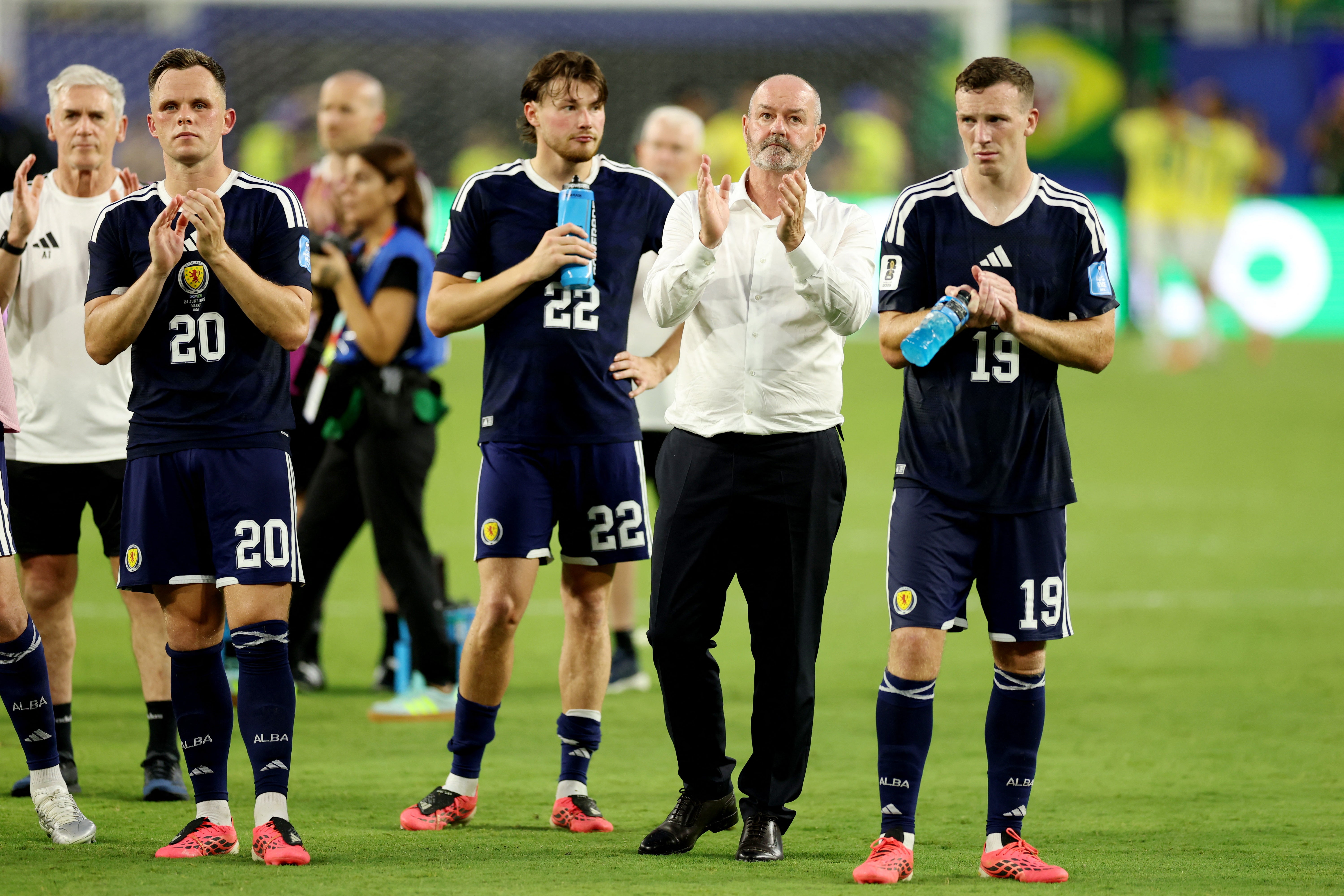
Scotland manager Steve Clarke abandoned his post-match interview with BBC presenter Eilidh Barbour after just 23 seconds following a 3-0 loss to Brazil which leaves his team’s World Cup campaign in the balance.

Vinicius Junior scored twice and Matheus Cunha once as the Scots were swept aside in Miami primarily due to their own defensive mistakes.

That leaves them in third place in Group C with a goal difference of -3 and means they must wait for other results to see if they have made it into the knockout rounds for the first time in their history.

Clarke, who has masterminded Scotland’s path to the World Cup and had high hopes of making history with his squad, was visibly emotional when speaking to Barbour following the final whistle.

He was asked for his thoughts on the game and provided an eight word response as he disappointment showed on his face.

Advertisement

“We made it difficult for ourselves, that’s it,” Clarke replied.

Two more questions followed with Barbour asking if it was frustrating that Brazil didn’t need to work hard to score and Clarke agreed saying: “We gave them the goals, we gave them the game they wanted. Disappointing.”

When reminded that Scotland now face a waiting game now and asked for his thoughts on what is to come the Scotland boss responded: “I don’t even want to think about that. Sorry, I don’t even think about that.”

He then walked away before the interview could be concluded properly.

Advertisement

Clarke later spoke again with Barbour and explained that mistakes cost his team tonight and revealed his thoughts on Scotland’s future in the competition.

“You see their quality in the final third of the pitch, let’s be honest, the best team won,” he said. “Unbelievable, the shift the players put in, in that humidity, outstanding. We have to be better, if we want to compete at this level.

“We started four or five minutes, moving the ball nicely, settled, then we made a mistake, you can’t do that at this level. Only Scotland can get a winnable first game, then No. 5 and No. 6 in the world next two games, that’s the level we’re at.

“For sure, I think we’re going home,” he concluded.

Advertisement
Clarke and his Scotland team face a wait to see if they have made it into the knockout rounds
Clarke and his Scotland team face a wait to see if they have made it into the knockout rounds (Reuters)

Scotland midfielder John McGinn was more forthcoming in an interview of his own and explained how the players were ‘gutted’ by the result having fallen short on the night.

“Gutted obviously. We lose poor goals at poor times against a team that can punish you with quality,” he told BBC One. “We had a few chances but we’ve got to wait now. The lads are gutted, we fell short on quality tonight but we gave it absolutely everything. The lads are empty now.

“It’s unlikely [to qualify] but we’ll wait and see. In moments they [Brazil] hurt you. They allowed us to have the ball and at this level if you make mistakes you get punished. We probably were fortunate to have the [second] goal disallowed.

“It’s a bit raw at the minute but we appreciate the support of the fans, we know it’s difficult to be there. Hopefully the journey is not over and if we have to go again, we will go again.”

Source link

Advertisement
Continue Reading

Sports

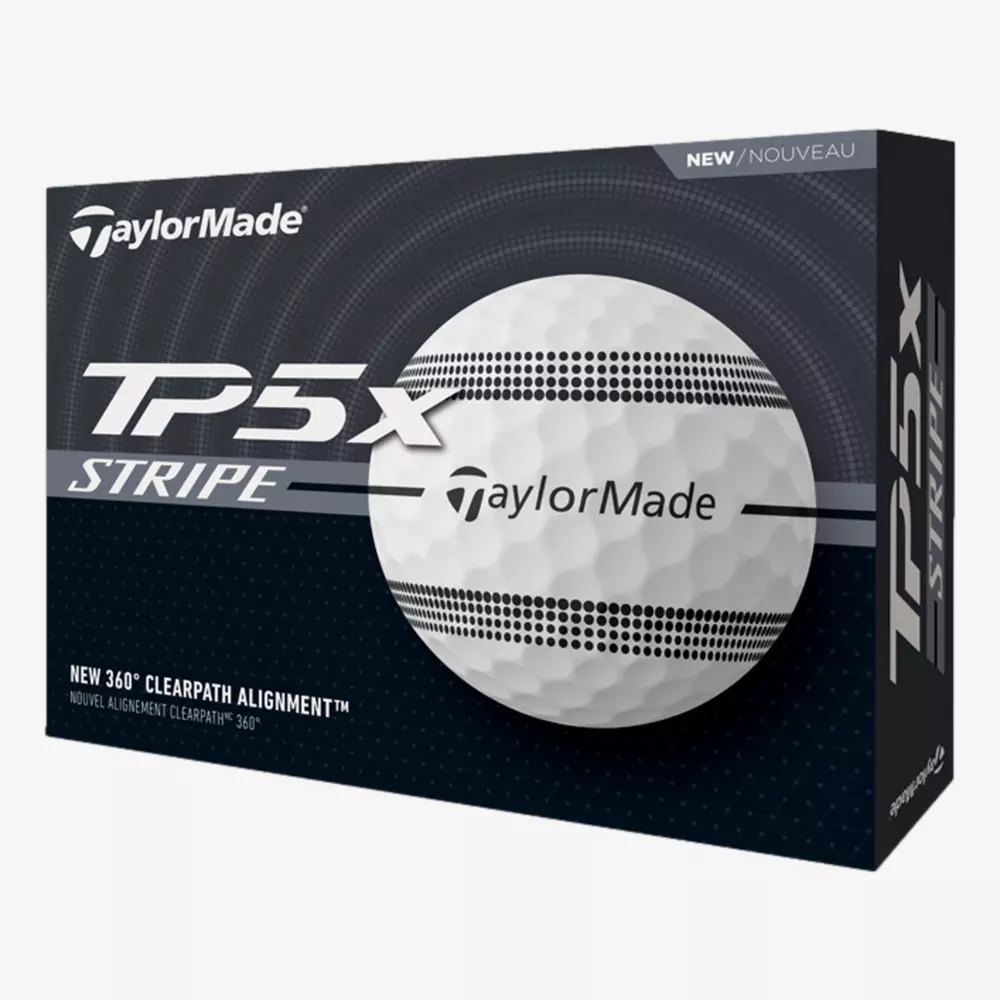
I still haven’t decided what my best driver is going to be

Published

on

Source link

Continue Reading

Sports

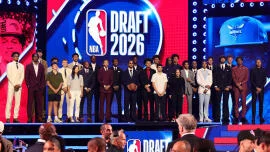
NBA Draft 2026 team grades: Round 2 results, team-by-team grades

Published

on

Day 2 of the 2026 NBA Draft begins Wednesday night from Brooklyn with the New York Knicks on the clock at No. 31 and several notable college players remaining on the board. 

Among those who didn’t hear their names called in the first round are Duke’s Isaiah Evans, North Carolina’s Henri Veesaar and Arkansas’ Meleek Thomas. They shouldn’t have to wait too long to hear their names called on Wednesday.

Other big-name players expected to be drafted in the second round are Purdue’s Braden Smith and BYU’s Richie Saunders. Smith set the NCAA’s all-time assist record during his senior season, while Saunders suffered a torn ACL earlier this calendar year and is recovering from the injury.

Advertisement

2026 NBA Draft grades: Updating pick-by-pick analysis from AJ Dybantsa, Cameron Boozer through Round 2

Adam Finkelstein

2026 NBA Draft grades: Updating pick-by-pick analysis from AJ Dybantsa, Cameron Boozer through Round 2
Advertisement

The Washington Wizards are set to make the final selection of the draft at No. 60. On Day 1, Washington opened the draft by picking BYU star AJ Dybantsa over Darryn Peterson.

As Round 2 unfolds, CBS Sports will be handing out team grades in real time with individual selections graded by Director of Basketball Scouting Adam Finkelstein.

2026 NBA Draft essentials

Advertisement

Atlanta Hawks: B

Pick

Player

Grade

8

Advertisement

Kingston Flemings, PG, Houston

B+

23

Zuby Ejiofor, C, St. John’s

Advertisement

C+

After trading away Trae Young last season, the Hawks retooled their roster. And the theme of their draft so far has been defense. By landing Flemings at No. 8, Atlanta is adding one of the quickest guards in the draft who also profiles as a two-way player who is more than capable of running the second unit and has experience playing with more veteran players, as he did with Houston this past season. At No. 23, the Hawks drafted one of the best defenders in the class in Ejiofor, though he feels like a bit of a reach at this spot. Flemings and Ejiofor will both likely start their NBA career as reserves. However, their ability to impact the game defensively will allow both of them to see the floor.

Next pick: 57 (from Boston)


Boston Celtics: B

Pick

Player

Grade

27

Chris Cenac Jr., PF, Houston

Advertisement

B

40

Dillon Mitchell, PF, St. John’s

B

Advertisement

Cenac, the Houston big man, is considered one of the more raw prospects of the class, but has the tools to be an impactful two-way player at the next level. He will go to a situation in Boston where he won’t be asked to do much right away and can take advantage of the Celtics‘ player development. It’s an ideal fit for both parties. On the other hand, Mitchell, after four years of college, can be a plug-and-play defender at the NBA level. His shot is a work in progress.


Brooklyn Nets: B

Pick

Player

Grade

Advertisement

6

Mikel Brown Jr., PG, Louisville

B

28

Advertisement

Joshua Jefferson, PF, Iowa State

B

The Nets have had a busy week. After trading for Julius Randle on Monday, the Nets got to work on the first night of the draft by taking a guard with one of the highest ceilings in the class (Brown Jr. ) and a veteran forward who is one of the best passers in the class (Jefferson). The Nets made five picks in the first round last year. And despite that haul including three guards, Brooklyn picked another at No. 6 this year in Brown Jr., who should fit with Egor Dёmin – the No. 8 pick in 2025 – in the backcourt. Brown is considered one of the best shooters in the class, while Dёmin went from almost a non-shooter at BYU to generating a healthy chunk of his scoring from beyond the arc. Brooklyn needs talent. These players check those boxes.

Next pick: 43 (from LA Clippers)

Advertisement

Charlotte Hornets: B+

Pick

Player

Grade

14

Advertisement

Hannes Steinbach, PF, Washington

B

18

Christian Anderson, PG, Texas Tech

Advertisement

B+

The biggest need for Charlotte this offseason was finding a center of the future that fits with its core of LaMelo Ball, Brandon Miller and Kon Knueppel. The 6-foot-10 Steinbach checks a lot of the boxes Charlotte was looking for. He had some of the best hands in college basketball and is a strong rebounder. The Hornets were one team that could’ve looked at the veteran free agent or trade market for a center. Instead, it drafted the best big man on the board. Last season, Knueppel broke the rookie record for the most 3-pointers made in a season. Although Anderson might have a hard time breaking that record, he will have a chance to lead all rookies in makes from beyond the arc after shooting 41.5% from 3 on 260 attempts as a sophomore at Texas Tech. He is a dynamic shooter who can provide scoring off the bench when Ball heads to the bench.


Chicago Bulls: A-

Pick

Player

Advertisement

Grade

4

Caleb Wilson, PF, North Carolina

A

Advertisement

15

Dailyn Swain, SF, Texas

C+

The Bulls made a surprising trade on the eve of the draft by plucking Nic Claxton away from Brooklyn. Claxton should presumably be a Day 1 starter at center for new coach Tiago Splitter. His likely frontcourt running mate next season will be Wilson after Chicago selected him at No. 4. Wilson is a jump-out-of-the-gym forward who can be a two-way game wrecker for a Bulls franchise in need of a star. While Wilson, who has the upside to be a legitimate superstar if he improves his jumper, was the easiest pick of the night, Chicago added another building block in 6-foot-8 wing Dailyn Swain at No. 15. The former Texas star can be an impactful two-way player off the bench as a rookie, but is a bit of a reach here. Swain was No. 25 on CBS Sports’ final prospect rankings. 

Advertisement

Cleveland Cavaliers: A-

34. Meleek Thomas, SG, Arkansas | Grade: A-

Cleveland traded back from pick No. 29 on Day 1 of the draft and selected a player in Thomas who was widely expected to be drafted in the first round. Thomas is a tough shot-maker who needs to be more efficient and reliable on the defensive end, but he will add shooting to a high-priced Cleveland roster that saved money by trading out of the first round.


Dallas Mavericks: C+

Pick

Player

Grade

Advertisement

9

Morez Johnson Jr., PF, Michigan

C+

25

Advertisement

Sergio De Larrea, SG, Spain

B

The single most important goal for Dallas this offseason was to give Rookie of the Year Cooper Flagg a long-term running mate. By selecting Johnson, the Mavs added toughness, familiarity and size in a forward who played for new Mavs coach Dusty May last season at Michigan. There was debate about who would be the first Michigan player off the board, and it ended up being Johnson — who was one of the biggest risers of the draft cycle. Flagg and Johnson will be a terrifying defensive duo to face. De Larrea, a 6-foot-5 shooting guard from Spain who played important minutes for a Valencia team that was one of the EuroLeague’s best, should fit well as a complementary piece around Flagg and Kyrie Irving.

Next pick: 48 (from Phoenix via Washington)

Advertisement

Denver Nuggets: B+

35. Trevon Brazile, PF, Arkansas | Grade: B+

The Nuggets are in store for a busy offseason, headlined by the pending restricted free agency of Peyton Watson. If the Nuggets lose Watson, Brazile could be a cost-effective replacement. He’s an athletic big man who can space the floor, catch lobs and cause havoc on the defensive end.

Next pick: 49 (from Atlanta via Brooklyn and Golden State)


Detroit Pistons: B

17. Ebuka Okorie, PG, Stanford | Grade: B

The Pistons made a bold move to jump up a few spots — specifically, ahead of the Toronto Raptors at No. 19 — to secure one of the top point guards in the class and provide valuable insurance for Cade Cunningham. Okorie, who averaged 23.6 points per game as a freshman at Stanford, is quick and offers a different dynamic than the Pistons’ star guard. There will be opportunities to play those two together.


Golden State Warriors: B-

11. Yaxel Lendeborg, PF, Michigan | Grade: B-

The No. 1 priority for the Warriors this offseason is to add talent next to Steph Curry. With Jimmy Butler out for the foreseeable future after suffering an injury last season, the Warriors, who are in a win-now mode, need help on both ends of the floor. Insert Lendeborg, who is one of the oldest prospects in the class (he turns 24 in September) but also one of the best. His blend of size, athleticism, and two-way ability should offer immediate help for Curry, but we can’t help but wonder if the Warriors will regret passing on a player like 19-year-old Nate Ament as their aging roster turns over.

Next pick: 54 (from Los Angeles Lakers via Toronto, Miami and Cleveland)


Houston Rockets: B

31. Bruce Thornton, PG, Ohio State | Grade: B

The Rockets’ biggest need heading into the offseason was 3-point shooting. It was part of the reason why they lost to the Lakers in the first round of the playoffs. In Thornton, the Rockets are adding an efficient guard who can run a second unit and add shooting to the lineup. Thornton, Ohio State’s all-time leading scorer, checks the main box the Rockets were looking for.

Next pick: 55 (from New York)


Indiana Pacers: B

38. Braden Smith, PG, Purdue | Grade: B

Indiana has had success developing point guards in its system. Smith was one of the best pure floor generals throughout his entire college career at Purdue and will have a chance to crack the rotation immediately in his home state. He also offers insurance and depth behind Tyrese Haliburton, who missed the entire 2025-26 season due to a torn Achilles.


Los Angeles Clippers: B+

Pick

Player

Grade

5

Advertisement

Keaton Wagler, PG, Illinois

B+

36

Baba Miller, PF, Cincinnati

Advertisement

B+

After trading for Darius Garland at last season’s trade deadline and getting lucky at last month’s draft lottery, the Clippers were in a position to take the best player available at No. 5. Although they could’ve opted for someone like Darius Acuff, picking Wagler signals a vote of confidence for Garland’s immediate future in Los Angeles. Wagler is one of the best shooters in the class and can play off the ball. Garland should dominate a majority of the on-ball reps next season, but Wagler should get his fair share of them when Garland is off the floor. Garland and Wagler will be able to co-exist in the backcourt. That probably wouldn’t be the case for someone like Acuff or Kingston Flemings. Miller, meanwhile, is a high-upside pick who can rebound, score and defend. At 6-foot-11, he is very mobile for his size and has the tools to be a versatile defender.

Next pick: 52 (from Cleveland)


Los Angeles Lakers: B+

24. Cameron Carr, SG, Baylor | Grade: B+

The Lakers moved up one spot in the draft in a deal with the Knicks to fill a clear team need for more athleticism. Carr is one of the best athletes in this class. His slide all the way to pick No. 24 was surprising after a very strong combine. He will add shooting and size to the Lakers in what should be a very important summer for the franchise.

Next pick: 56 (from Chicago)


Memphis Grizzlies: A

Pick

Player

Grade

Advertisement

3

Cameron Boozer, PF, Duke

A+

21

Advertisement

Karim Lopez, PF, New Zealand Breakers

B

32

Richie Saunders, SG, BYU

Advertisement

A-

The Grizzlies are an organization that values college production. It makes sense why the franchise made the no-brainer decision to select Boozer, who was the most productive player in the country last season. However, Memphis’ second pick of the first round — after trading back twice from No. 16 — is the opposite of that. Lopez, a native of Mexico who most recently played in the NBL in Australia, is a raw prospect who will need time to develop at the NBA level. He will likely begin as a rotation piece, while Boozer should immediately slot into Memphis’ lineup as the starting power forward next to Zach Edey in the frontcourt. Boozer is capable of playing in a five-out offense because of his ability to stretch the floor and be a playmaker out of the low or high block. Saunders, who is coming off an ACL tear, can make an impact at the next level with his shooting whenever he’s healthy.


Miami Heat: B

37. Ryan Conwell, SG, Louisville | Grade: B

After making what should be the biggest splash of the offseason by acquiring Giannis Antetokounmpo, the next step for Miami is finding cheap, cost-controlled players in the draft and on the open market. Conwell fits that bill. The lefty is a volume 3-point shooter who also defends at a high level. He will be a plug-and-play rotation piece for the Heat.


Milwaukee Bucks: B+

Pick

Player

Grade

10

Brayden Burries, SG, Arizona

Advertisement

B+

13

Nate Ament, PF, Tennessee

B+

Advertisement

After trading away franchise legend Giannis Antetokounmpo, the Bucks are in full rebuild mode. Although Milwaukee acquired Tyler Herro in the trade with the Miami Heat, it’s safe to say every spot in the starting lineup will be up for grabs. By picking Burries at No. 10, the Bucks are adding one of the highest floor players in the draft. Burries is a two-way, off-ball guard who is a plus 3-point shooter. Another popular connection throughout the draft process was Ament to the Bucks, who grabbed him at No. 13 — a pick acquired from the Heat in the Giannis deal. There’s a natural connection there, as Bucks owner Jimmy Haslam is a graduate of Tennessee, where Ament played his lone college basketball season. Ament has drawn mixed opinions. By going to the Bucks, there won’t be pressure for him to immediately succeed. Ament will have time to develop after having an inefficient freshman campaign in the SEC.


Minnesota Timberwolves: A-

33. Isaiah Evans, SG, Duke | Grade: A-

With Evans, the Wolves got a first-round talent in the second round in a pick acquired in the Julius Randle trade. Evans went from strictly a catch-and-shoot guy during his freshman year at Duke to an established No. 2 option as a sophomore. He will add shooting off the bench for Minnesota. He is capable of scaling his role up or down but needs to get stronger.

Next pick: 59 (from San Antonio via Indiana)


New Orleans Pelicans

Own pick No. 58 (from Detroit via New York, Brooklyn, Phoenix, Orlando and LA Clippers).


New York Knicks: B-

39. Jack Kayil, SG, Germany | Grade: B-

The Knicks have been (aggressively) trading back, presumably in an effort to duck the second apron. Finally, New York made its first pick of the night by drafting Kayil, who was originally committed to Gonzaga before staying in the draft. He would have made more money in college, but now gets a shot to join the defending champions.

Next picks: 47 and 53 (from Houston)


Oklahoma City Thunder: A-

Pick

Player

Advertisement

Grade

12

Aday Mara, C, Michigan

A-

Advertisement

16

Bennett Stirtz, PG, Iowa

B+

One of the most popular connections throughout the pre-draft process was Mara to Oklahoma City. Not only did OKC land Mara to fill one of its biggest needs, but it didn’t have to trade up to do so. We saw in the Western Conference Finals how much defense can swing a game. With the 7-foot-3 Mara, OKC is getting one of the best shot blockers in the class. You can call him the “Wemby stopper.” Oklahoma City doesn’t have many weaknesses on its deep roster, but this is definitely one that has been filled. The Thunder traded up with Memphis to secure their second player of the night in Stirtz, one of the most productive guards in the country. Stirtz had quite the journey from Division II to being the starting point guard on an Elite Eight team. Drafting cost-controlled players has been part of the Sam Presti blueprint for years.

Advertisement

Next pick: 41 (from Miami)


Orlando Magic

Own pick No. 46.


Philadelphia 76ers: B+

22. Labaron Philon, PG, Alabama | Grade: B+

There are always prospects who slide a little further down the board than projected. It happened a few years ago when the 76ers drafted Tyrese Maxey at No. 21. It happened this year with the 76ers selecting the best player on the board in Philon, who should add shooting and playmaking to the second unit behind Maxey and VJ Edgecombe


Phoenix Suns: A-

30. Koa Peat, PF, Arizona | Grade: A-

Peat had to wait until the final pick of the first round to hear his name called, but he will be staying in the state of Arizona after the Suns traded up to No. 30 in a deal with the Mavericks. Peat is a talented, high-motor prospect, but concerns about his jumper resulted in a slide all the way down to 30. It’s worth the swing if it pans out.

Next pick: 47 (from Philadelphia via Houston and Oklahoma City)


Portland Trail Blazers

Own no picks.


Sacramento Kings: A-

Pick

Player

Advertisement

Grade

7

Darius Acuff Jr., PG, Arkansas

A-

Advertisement

29

Alex Karaban, PF, UConn

B

The biggest need for Sacramento heading into draft night was finding its point guard of the future. And after the Clippers and Nets passed on Darius Acuff Jr., Sacramento didn’t hesitate to make him the pick. Acuff had been linked to Sacramento throughout the draft process and will slot in immediately as the Kings‘ starter at the point. Acuff is an offensive engine who will add scoring and playmaking to a Kings roster in need of a serious facelift this offseason. The Kings had also been linked to Karaban throughout the draft cycle after he worked out with the team. Karaban should be a steady presence with his all-around skill set — passing, basketball IQ, and outside shooting.

Advertisement

Next pick: 45 (from Charlotte via San Antonio, Atlanta and New York)


San Antonio Spurs: B+

Pick

Player

Grade

Advertisement

20

Jayden Quaintance, C, Kentucky

A-

26

Advertisement

Tarris Reed Jr., C, UConn

B

The Spurs have a loaded roster that just went to the NBA Finals, but you can never have enough defense and size — even if you employ Victor Wembanyama. The defensive duo of Wemby and Quaintance has the potential to cause havoc. But Quaintance was limited to just four games at Kentucky because of a knee injury. If he’s healthy, this might be the steal of the draft. Reed is a traditional back-to-the-basket big man who will provide insurance for Wembanyama and be ready to contribute if Quaintance’s health holds him back.

Next picks: 42 (from Portland via New Orleans) and 44 (from Miami via Indiana)

Advertisement

Toronto Raptors: B-

19. Allen Graves, PF, Santa Clara | Grade: B-

The Raptors’ needs this offseason are at point guard and center. Despite that, they chose Graves, who is considered the analytic darling of the class after his freshman season at Santa Clara. The Raptors are very deep at forward, especially after drafting Collin Murray-Boyles last season in the lottery. On paper, this pick doesn’t make a ton of sense.

Next pick: 50


Utah Jazz: A

2. Darryn Peterson, PG, Kansas | Grade: A

While there was speculation Utah could select Cameron Boozer at No. 2, the fit with Peterson is much cleaner. Peterson should slot immediately into Utah’s lineup as the starting shooting guard next to Keyonte George and offer versatility because of his ability to play on or off the ball.

Although the Jazz have star power in their starting lineup — which includes George, Lauri Markkanen and Jaren Jackson Jr., — Peterson is the kind of player who can elevate a franchise to new heights. Peterson primarily played off the ball at Kansas after an up-and-down freshman season that was dominated by headlines about missing 11 games due to cramping. Still, Peterson has the ceiling to be the best player and scorer in the class and should give Utah a potential 1A option down the line.

Advertisement

Washington Wizards: A

1. AJ Dybantsa, SF, BYU | Grade: A

After winning the NBA Draft Lottery for the first time since 2010, Washington took the next step toward getting out of the rebuilding stage by drafting Dybantsa. The Wizards had an interesting choice to make between Dybantsa and Peterson at No. 1. In the end, Washington went with the BYU product, who had been mocked at the top spot for several weeks. 

Dybantsa is set to join a core in Washington that includes Trae Young, Anthony Davis, Alex Sarr, Kyshawn George, Tre Johnson, Bilal Coulibaly, Bub Carrington and Will Riley. After Young signed a four-year, $212 million extension with Washington earlier this week, it made the pick more likely in Dybantsa’s favor. 

While Peterson might be a better fit on paper for Washington, Dybantsa offers a completely different skill set. Dybantsa has the upside to be a 1A in the NBA. He is an alpha scorer who will elevate the floor and ceiling of this Washington roster.

Next picks: 51 (from Minnesota via Detroit and New York) and 60 (from Oklahoma City via San Antonio and Miami)

Advertisement

Source link

Advertisement
Continue Reading

Trending

Copyright © 2025