Sports
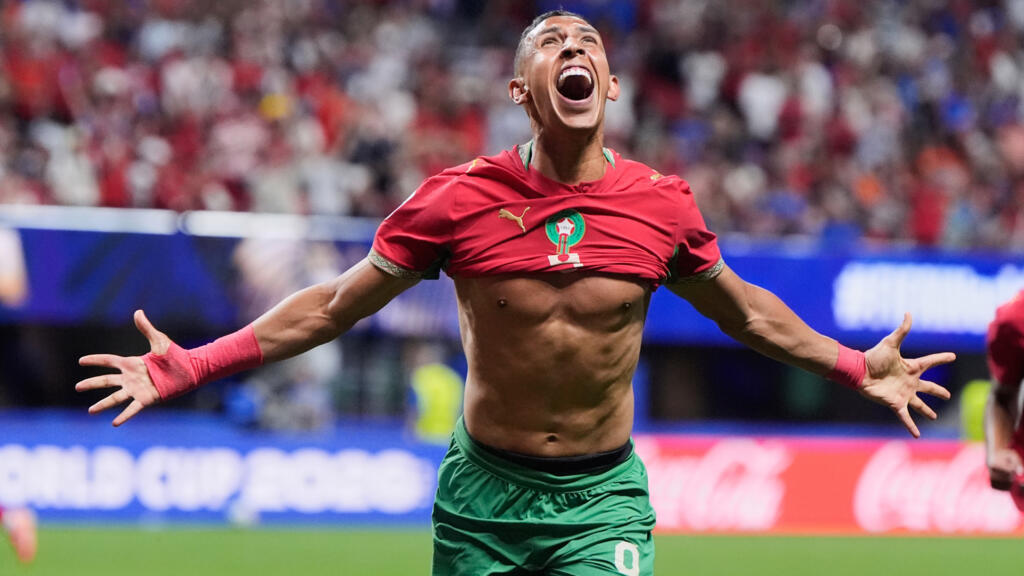
World Cup 2026: Morocco complete comeback against Haiti in Group C clash
Morocco beat Haiti 4-2 on Wednesday in Atlanta in a pulsating World Cup 2026 Group C clash. Haiti stunned the Atlas Lions early on when Jean-Ricner Bellegarde’s free kick set up the opening goal after a defensive lapse, before Achraf Hakimi levelled from close range following sustained Moroccan pressure.
The match exploded before the break as Wilson Isidor produced a stunning long-range strike in the 43rd minute to restore Haiti’s lead. However, Morocco responded immediately in stoppage time, with Achraf Hakimi involved in the build-up before squaring for Ismaël Saibari, who finished into the bottom-left corner to make it 2-2 at half-time.
After the restart, Morocco gradually took control, producing a wave of chances through Hakimi and Bilal El Khannouss. Soufiane Rahimi eventually put the Atlas Lions ahead in the 78th minute, reacting quickest to a loose ball inside the box after sustained pressure from a corner.
Haiti pushed late on but were exposed in the final minutes, with Gessime Yassine sealing the win after a quick reaction inside the penalty area to complete Morocco’s comeback and secure a hard-fought victory.
(FRANCE 24 with AFP)
Sports
Error in extras dooms Orioles against Angels
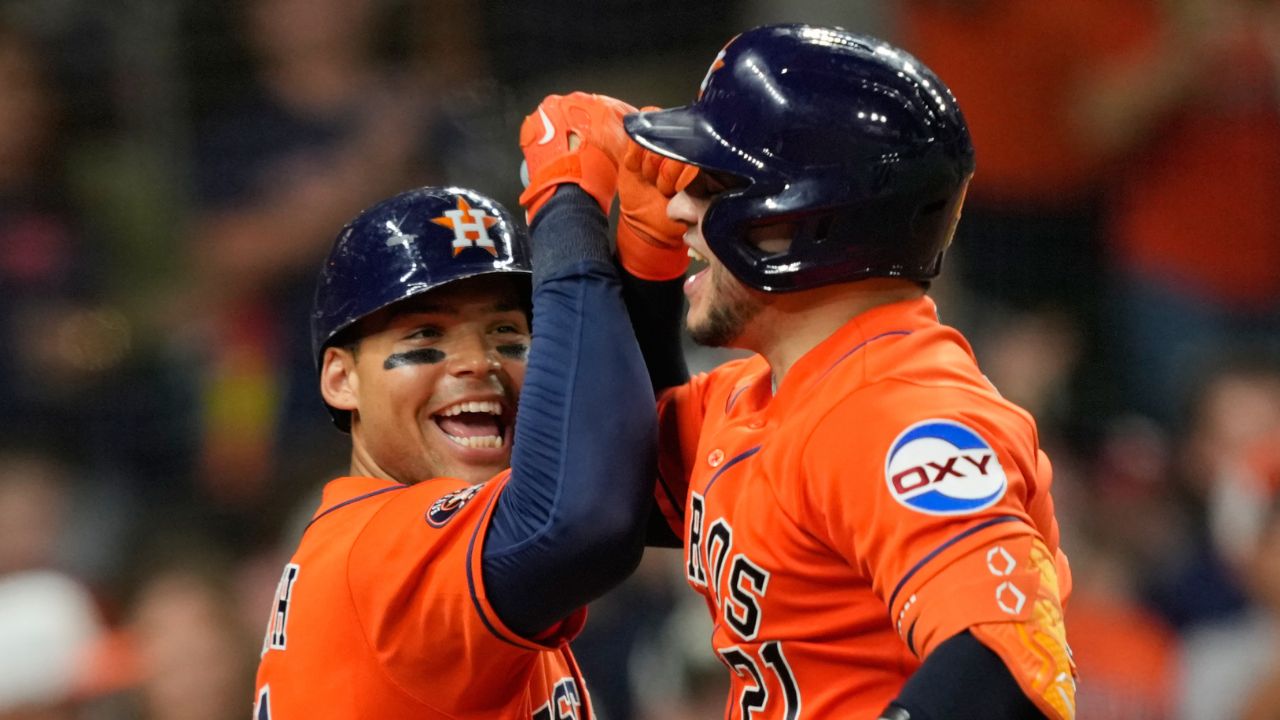
Jun 24, 2026; Anaheim, California, USA; Los Angeles Angels pinch hitter Logan O’Hoppe (14) is congratulated by first baseman Nolan Schanuel (18) after a walk-off single during the tenth inning against the Baltimore Orioles at Angel Stadium. Mandatory Credit: Kiyoshi Mio-Imagn Images Logan O’Hoppe drove in Nolan Schanuel from third on a check-swing bouncer up the third base line with two outs in the bottom of the 10th as the Los Angeles Angels rallied for a 7-6 victory over the Baltimore Orioles in the rubber game of their three-game series on Wednesday afternoon in Anaheim, Calif.
Los Angeles had tied the game when reliever Keegan Akin (0-1), who was late to cover first, mishandled Jeremiah Jackson’s low underhand throw to first on a Schanuel grounder that would have ended the game. Instead, automatic runner Oswald Peraza scored the tying run, and the ball bounced off Schanuel’s foot and rolled down the right field line for a three-base error on Akin, setting the stage for O’Hoppe’s game-winner.
Jorge Soler hit a home run and Wade Meckler went 2-for-4 with two RBIs and a run scored for Los Angeles, which won its first series over Baltimore since July of 2021. Chase Silseth (3-1) picked up the win in relief.
Samuel Basallo hit two home runs and drove in four runs, Pete Alonso went 3-for-4 with a double and a walk, two runs scored and two RBIs, and Taylor Ward doubled and had two hits and a run scored for Baltimore.
Los Angeles jumped out to a 2-0 lead in the first inning on Soler’s 11th home run down the left field line, driving in Meckler who had singled.
Baltimore tied it, 2-2, in the second when Alonso led off with a single and then scored on Basallo’s towering 434-foot home run into the bleachers in right-center.
The Orioles then scored three times in the third to take a 5-2 lead. Leody Taveras walked with one out and scored on a double into the left field corner by Alonso. Basallo then followed with his second consecutive homer and 12th of the season, a 371-foot line drive just over the fence in right.
The Angels tied it, 5-5, with three two-out runs in the eighth. Donovan Walton extended his hit streak to nine games with a double and scored on a pinch-hit single by Vaughn Grissom. Schanuel and Denzer Guzman then walked to load the bases and Meckler followed with a two-run single to right to tie it.
Baltimore took a 6-5 lead in the 10th on a two-out RBI single down the right field line by Alonso, driving in Ward, who had singled and advanced to second when Silseth threw out automatic runner Blaze Alexander at the plate on a short comebacker.
–Field Level Media
Sports
Steve Clarke abandons post-match interview after just 23 seconds
Scotland manager Steve Clarke abandoned his post-match interview with BBC presenter Eilidh Barbour after just 23 seconds following a 3-0 loss to Brazil which leaves his team’s World Cup campaign in the balance.
Vinicius Junior scored twice and Matheus Cunha once as the Scots were swept aside in Miami primarily due to their own defensive mistakes.
That leaves them in third place in Group C with a goal difference of -3 and means they must wait for other results to see if they have made it into the knockout rounds for the first time in their history.
Clarke, who has masterminded Scotland’s path to the World Cup and had high hopes of making history with his squad, was visibly emotional when speaking to Barbour following the final whistle.
He was asked for his thoughts on the game and provided an eight word response as he disappointment showed on his face.
“We made it difficult for ourselves, that’s it,” Clarke replied.
Two more questions followed with Barbour asking if it was frustrating that Brazil didn’t need to work hard to score and Clarke agreed saying: “We gave them the goals, we gave them the game they wanted. Disappointing.”
When reminded that Scotland now face a waiting game now and asked for his thoughts on what is to come the Scotland boss responded: “I don’t even want to think about that. Sorry, I don’t even think about that.”
He then walked away before the interview could be concluded properly.
Clarke later spoke again with Barbour and explained that mistakes cost his team tonight and revealed his thoughts on Scotland’s future in the competition.
“You see their quality in the final third of the pitch, let’s be honest, the best team won,” he said. “Unbelievable, the shift the players put in, in that humidity, outstanding. We have to be better, if we want to compete at this level.
“We started four or five minutes, moving the ball nicely, settled, then we made a mistake, you can’t do that at this level. Only Scotland can get a winnable first game, then No. 5 and No. 6 in the world next two games, that’s the level we’re at.
“For sure, I think we’re going home,” he concluded.
Scotland midfielder John McGinn was more forthcoming in an interview of his own and explained how the players were ‘gutted’ by the result having fallen short on the night.
“Gutted obviously. We lose poor goals at poor times against a team that can punish you with quality,” he told BBC One. “We had a few chances but we’ve got to wait now. The lads are gutted, we fell short on quality tonight but we gave it absolutely everything. The lads are empty now.
“It’s unlikely [to qualify] but we’ll wait and see. In moments they [Brazil] hurt you. They allowed us to have the ball and at this level if you make mistakes you get punished. We probably were fortunate to have the [second] goal disallowed.
“It’s a bit raw at the minute but we appreciate the support of the fans, we know it’s difficult to be there. Hopefully the journey is not over and if we have to go again, we will go again.”
Sports
I still haven’t decided what my best driver is going to be
Sports
NBA Draft 2026 team grades: Round 2 results, team-by-team grades
Day 2 of the 2026 NBA Draft begins Wednesday night from Brooklyn with the New York Knicks on the clock at No. 31 and several notable college players remaining on the board.
Among those who didn’t hear their names called in the first round are Duke’s Isaiah Evans, North Carolina’s Henri Veesaar and Arkansas’ Meleek Thomas. They shouldn’t have to wait too long to hear their names called on Wednesday.
Other big-name players expected to be drafted in the second round are Purdue’s Braden Smith and BYU’s Richie Saunders. Smith set the NCAA’s all-time assist record during his senior season, while Saunders suffered a torn ACL earlier this calendar year and is recovering from the injury.
The Washington Wizards are set to make the final selection of the draft at No. 60. On Day 1, Washington opened the draft by picking BYU star AJ Dybantsa over Darryn Peterson.
As Round 2 unfolds, CBS Sports will be handing out team grades in real time with individual selections graded by Director of Basketball Scouting Adam Finkelstein.
2026 NBA Draft essentials
Atlanta Hawks: B
|
Pick |
Player |
Grade |
|
8 |
Kingston Flemings, PG, Houston |
B+ |
|
23 |
Zuby Ejiofor, C, St. John’s |
C+ |
After trading away Trae Young last season, the Hawks retooled their roster. And the theme of their draft so far has been defense. By landing Flemings at No. 8, Atlanta is adding one of the quickest guards in the draft who also profiles as a two-way player who is more than capable of running the second unit and has experience playing with more veteran players, as he did with Houston this past season. At No. 23, the Hawks drafted one of the best defenders in the class in Ejiofor, though he feels like a bit of a reach at this spot. Flemings and Ejiofor will both likely start their NBA career as reserves. However, their ability to impact the game defensively will allow both of them to see the floor.
Next pick: 57 (from Boston)
Boston Celtics: B
|
Pick |
Player |
Grade |
|
27 |
Chris Cenac Jr., PF, Houston |
B |
|
40 |
Dillon Mitchell, PF, St. John’s |
B |
Cenac, the Houston big man, is considered one of the more raw prospects of the class, but has the tools to be an impactful two-way player at the next level. He will go to a situation in Boston where he won’t be asked to do much right away and can take advantage of the Celtics‘ player development. It’s an ideal fit for both parties. On the other hand, Mitchell, after four years of college, can be a plug-and-play defender at the NBA level. His shot is a work in progress.
Brooklyn Nets: B
|
Pick |
Player |
Grade |
|
6 |
Mikel Brown Jr., PG, Louisville |
B |
|
28 |
Joshua Jefferson, PF, Iowa State |
B |
The Nets have had a busy week. After trading for Julius Randle on Monday, the Nets got to work on the first night of the draft by taking a guard with one of the highest ceilings in the class (Brown Jr. ) and a veteran forward who is one of the best passers in the class (Jefferson). The Nets made five picks in the first round last year. And despite that haul including three guards, Brooklyn picked another at No. 6 this year in Brown Jr., who should fit with Egor Dёmin – the No. 8 pick in 2025 – in the backcourt. Brown is considered one of the best shooters in the class, while Dёmin went from almost a non-shooter at BYU to generating a healthy chunk of his scoring from beyond the arc. Brooklyn needs talent. These players check those boxes.
Next pick: 43 (from LA Clippers)
Charlotte Hornets: B+
|
Pick |
Player |
Grade |
|
14 |
Hannes Steinbach, PF, Washington |
B |
|
18 |
Christian Anderson, PG, Texas Tech |
B+ |
The biggest need for Charlotte this offseason was finding a center of the future that fits with its core of LaMelo Ball, Brandon Miller and Kon Knueppel. The 6-foot-10 Steinbach checks a lot of the boxes Charlotte was looking for. He had some of the best hands in college basketball and is a strong rebounder. The Hornets were one team that could’ve looked at the veteran free agent or trade market for a center. Instead, it drafted the best big man on the board. Last season, Knueppel broke the rookie record for the most 3-pointers made in a season. Although Anderson might have a hard time breaking that record, he will have a chance to lead all rookies in makes from beyond the arc after shooting 41.5% from 3 on 260 attempts as a sophomore at Texas Tech. He is a dynamic shooter who can provide scoring off the bench when Ball heads to the bench.
Chicago Bulls: A-
|
Pick |
Player |
Grade |
|
4 |
Caleb Wilson, PF, North Carolina |
A |
|
15 |
Dailyn Swain, SF, Texas |
C+ |
The Bulls made a surprising trade on the eve of the draft by plucking Nic Claxton away from Brooklyn. Claxton should presumably be a Day 1 starter at center for new coach Tiago Splitter. His likely frontcourt running mate next season will be Wilson after Chicago selected him at No. 4. Wilson is a jump-out-of-the-gym forward who can be a two-way game wrecker for a Bulls franchise in need of a star. While Wilson, who has the upside to be a legitimate superstar if he improves his jumper, was the easiest pick of the night, Chicago added another building block in 6-foot-8 wing Dailyn Swain at No. 15. The former Texas star can be an impactful two-way player off the bench as a rookie, but is a bit of a reach here. Swain was No. 25 on CBS Sports’ final prospect rankings.
Cleveland Cavaliers: A-
34. Meleek Thomas, SG, Arkansas | Grade: A-
Cleveland traded back from pick No. 29 on Day 1 of the draft and selected a player in Thomas who was widely expected to be drafted in the first round. Thomas is a tough shot-maker who needs to be more efficient and reliable on the defensive end, but he will add shooting to a high-priced Cleveland roster that saved money by trading out of the first round.
Dallas Mavericks: C+
|
Pick |
Player |
Grade |
|
9 |
Morez Johnson Jr., PF, Michigan |
C+ |
|
25 |
Sergio De Larrea, SG, Spain |
B |
The single most important goal for Dallas this offseason was to give Rookie of the Year Cooper Flagg a long-term running mate. By selecting Johnson, the Mavs added toughness, familiarity and size in a forward who played for new Mavs coach Dusty May last season at Michigan. There was debate about who would be the first Michigan player off the board, and it ended up being Johnson — who was one of the biggest risers of the draft cycle. Flagg and Johnson will be a terrifying defensive duo to face. De Larrea, a 6-foot-5 shooting guard from Spain who played important minutes for a Valencia team that was one of the EuroLeague’s best, should fit well as a complementary piece around Flagg and Kyrie Irving.

Next pick: 48 (from Phoenix via Washington)
Denver Nuggets: B+
35. Trevon Brazile, PF, Arkansas | Grade: B+
The Nuggets are in store for a busy offseason, headlined by the pending restricted free agency of Peyton Watson. If the Nuggets lose Watson, Brazile could be a cost-effective replacement. He’s an athletic big man who can space the floor, catch lobs and cause havoc on the defensive end.
Next pick: 49 (from Atlanta via Brooklyn and Golden State)
Detroit Pistons: B
17. Ebuka Okorie, PG, Stanford | Grade: B
The Pistons made a bold move to jump up a few spots — specifically, ahead of the Toronto Raptors at No. 19 — to secure one of the top point guards in the class and provide valuable insurance for Cade Cunningham. Okorie, who averaged 23.6 points per game as a freshman at Stanford, is quick and offers a different dynamic than the Pistons’ star guard. There will be opportunities to play those two together.
Golden State Warriors: B-
11. Yaxel Lendeborg, PF, Michigan | Grade: B-
The No. 1 priority for the Warriors this offseason is to add talent next to Steph Curry. With Jimmy Butler out for the foreseeable future after suffering an injury last season, the Warriors, who are in a win-now mode, need help on both ends of the floor. Insert Lendeborg, who is one of the oldest prospects in the class (he turns 24 in September) but also one of the best. His blend of size, athleticism, and two-way ability should offer immediate help for Curry, but we can’t help but wonder if the Warriors will regret passing on a player like 19-year-old Nate Ament as their aging roster turns over.
Next pick: 54 (from Los Angeles Lakers via Toronto, Miami and Cleveland)
Houston Rockets: B
31. Bruce Thornton, PG, Ohio State | Grade: B
The Rockets’ biggest need heading into the offseason was 3-point shooting. It was part of the reason why they lost to the Lakers in the first round of the playoffs. In Thornton, the Rockets are adding an efficient guard who can run a second unit and add shooting to the lineup. Thornton, Ohio State’s all-time leading scorer, checks the main box the Rockets were looking for.
Next pick: 55 (from New York)
Indiana Pacers: B
38. Braden Smith, PG, Purdue | Grade: B
Indiana has had success developing point guards in its system. Smith was one of the best pure floor generals throughout his entire college career at Purdue and will have a chance to crack the rotation immediately in his home state. He also offers insurance and depth behind Tyrese Haliburton, who missed the entire 2025-26 season due to a torn Achilles.

Los Angeles Clippers: B+
|
Pick |
Player |
Grade |
|
5 |
Keaton Wagler, PG, Illinois |
B+ |
|
36 |
Baba Miller, PF, Cincinnati |
B+ |
After trading for Darius Garland at last season’s trade deadline and getting lucky at last month’s draft lottery, the Clippers were in a position to take the best player available at No. 5. Although they could’ve opted for someone like Darius Acuff, picking Wagler signals a vote of confidence for Garland’s immediate future in Los Angeles. Wagler is one of the best shooters in the class and can play off the ball. Garland should dominate a majority of the on-ball reps next season, but Wagler should get his fair share of them when Garland is off the floor. Garland and Wagler will be able to co-exist in the backcourt. That probably wouldn’t be the case for someone like Acuff or Kingston Flemings. Miller, meanwhile, is a high-upside pick who can rebound, score and defend. At 6-foot-11, he is very mobile for his size and has the tools to be a versatile defender.
Next pick: 52 (from Cleveland)
Los Angeles Lakers: B+
24. Cameron Carr, SG, Baylor | Grade: B+
The Lakers moved up one spot in the draft in a deal with the Knicks to fill a clear team need for more athleticism. Carr is one of the best athletes in this class. His slide all the way to pick No. 24 was surprising after a very strong combine. He will add shooting and size to the Lakers in what should be a very important summer for the franchise.
Next pick: 56 (from Chicago)
Memphis Grizzlies: A
|
Pick |
Player |
Grade |
|
3 |
Cameron Boozer, PF, Duke |
A+ |
|
21 |
Karim Lopez, PF, New Zealand Breakers |
B |
|
32 |
Richie Saunders, SG, BYU |
A- |
The Grizzlies are an organization that values college production. It makes sense why the franchise made the no-brainer decision to select Boozer, who was the most productive player in the country last season. However, Memphis’ second pick of the first round — after trading back twice from No. 16 — is the opposite of that. Lopez, a native of Mexico who most recently played in the NBL in Australia, is a raw prospect who will need time to develop at the NBA level. He will likely begin as a rotation piece, while Boozer should immediately slot into Memphis’ lineup as the starting power forward next to Zach Edey in the frontcourt. Boozer is capable of playing in a five-out offense because of his ability to stretch the floor and be a playmaker out of the low or high block. Saunders, who is coming off an ACL tear, can make an impact at the next level with his shooting whenever he’s healthy.
Miami Heat: B
37. Ryan Conwell, SG, Louisville | Grade: B
After making what should be the biggest splash of the offseason by acquiring Giannis Antetokounmpo, the next step for Miami is finding cheap, cost-controlled players in the draft and on the open market. Conwell fits that bill. The lefty is a volume 3-point shooter who also defends at a high level. He will be a plug-and-play rotation piece for the Heat.
Milwaukee Bucks: B+
|
Pick |
Player |
Grade |
|
10 |
Brayden Burries, SG, Arizona |
B+ |
|
13 |
Nate Ament, PF, Tennessee |
B+ |
After trading away franchise legend Giannis Antetokounmpo, the Bucks are in full rebuild mode. Although Milwaukee acquired Tyler Herro in the trade with the Miami Heat, it’s safe to say every spot in the starting lineup will be up for grabs. By picking Burries at No. 10, the Bucks are adding one of the highest floor players in the draft. Burries is a two-way, off-ball guard who is a plus 3-point shooter. Another popular connection throughout the draft process was Ament to the Bucks, who grabbed him at No. 13 — a pick acquired from the Heat in the Giannis deal. There’s a natural connection there, as Bucks owner Jimmy Haslam is a graduate of Tennessee, where Ament played his lone college basketball season. Ament has drawn mixed opinions. By going to the Bucks, there won’t be pressure for him to immediately succeed. Ament will have time to develop after having an inefficient freshman campaign in the SEC.
Minnesota Timberwolves: A-
33. Isaiah Evans, SG, Duke | Grade: A-
With Evans, the Wolves got a first-round talent in the second round in a pick acquired in the Julius Randle trade. Evans went from strictly a catch-and-shoot guy during his freshman year at Duke to an established No. 2 option as a sophomore. He will add shooting off the bench for Minnesota. He is capable of scaling his role up or down but needs to get stronger.
Next pick: 59 (from San Antonio via Indiana)
New Orleans Pelicans
Own pick No. 58 (from Detroit via New York, Brooklyn, Phoenix, Orlando and LA Clippers).
New York Knicks: B-
39. Jack Kayil, SG, Germany | Grade: B-
The Knicks have been (aggressively) trading back, presumably in an effort to duck the second apron. Finally, New York made its first pick of the night by drafting Kayil, who was originally committed to Gonzaga before staying in the draft. He would have made more money in college, but now gets a shot to join the defending champions.
Next picks: 47 and 53 (from Houston)
Oklahoma City Thunder: A-
|
Pick |
Player |
Grade |
|
12 |
Aday Mara, C, Michigan |
A- |
|
16 |
Bennett Stirtz, PG, Iowa |
B+ |
One of the most popular connections throughout the pre-draft process was Mara to Oklahoma City. Not only did OKC land Mara to fill one of its biggest needs, but it didn’t have to trade up to do so. We saw in the Western Conference Finals how much defense can swing a game. With the 7-foot-3 Mara, OKC is getting one of the best shot blockers in the class. You can call him the “Wemby stopper.” Oklahoma City doesn’t have many weaknesses on its deep roster, but this is definitely one that has been filled. The Thunder traded up with Memphis to secure their second player of the night in Stirtz, one of the most productive guards in the country. Stirtz had quite the journey from Division II to being the starting point guard on an Elite Eight team. Drafting cost-controlled players has been part of the Sam Presti blueprint for years.
Next pick: 41 (from Miami)
Orlando Magic
Own pick No. 46.
Philadelphia 76ers: B+
22. Labaron Philon, PG, Alabama | Grade: B+
There are always prospects who slide a little further down the board than projected. It happened a few years ago when the 76ers drafted Tyrese Maxey at No. 21. It happened this year with the 76ers selecting the best player on the board in Philon, who should add shooting and playmaking to the second unit behind Maxey and VJ Edgecombe.
Phoenix Suns: A-
30. Koa Peat, PF, Arizona | Grade: A-
Peat had to wait until the final pick of the first round to hear his name called, but he will be staying in the state of Arizona after the Suns traded up to No. 30 in a deal with the Mavericks. Peat is a talented, high-motor prospect, but concerns about his jumper resulted in a slide all the way down to 30. It’s worth the swing if it pans out.
Next pick: 47 (from Philadelphia via Houston and Oklahoma City)
Portland Trail Blazers
Own no picks.
Sacramento Kings: A-
|
Pick |
Player |
Grade |
|
7 |
Darius Acuff Jr., PG, Arkansas |
A- |
|
29 |
Alex Karaban, PF, UConn |
B |
The biggest need for Sacramento heading into draft night was finding its point guard of the future. And after the Clippers and Nets passed on Darius Acuff Jr., Sacramento didn’t hesitate to make him the pick. Acuff had been linked to Sacramento throughout the draft process and will slot in immediately as the Kings‘ starter at the point. Acuff is an offensive engine who will add scoring and playmaking to a Kings roster in need of a serious facelift this offseason. The Kings had also been linked to Karaban throughout the draft cycle after he worked out with the team. Karaban should be a steady presence with his all-around skill set — passing, basketball IQ, and outside shooting.
Next pick: 45 (from Charlotte via San Antonio, Atlanta and New York)
San Antonio Spurs: B+
|
Pick |
Player |
Grade |
|
20 |
Jayden Quaintance, C, Kentucky |
A- |
|
26 |
Tarris Reed Jr., C, UConn |
B |
The Spurs have a loaded roster that just went to the NBA Finals, but you can never have enough defense and size — even if you employ Victor Wembanyama. The defensive duo of Wemby and Quaintance has the potential to cause havoc. But Quaintance was limited to just four games at Kentucky because of a knee injury. If he’s healthy, this might be the steal of the draft. Reed is a traditional back-to-the-basket big man who will provide insurance for Wembanyama and be ready to contribute if Quaintance’s health holds him back.
Next picks: 42 (from Portland via New Orleans) and 44 (from Miami via Indiana)
Toronto Raptors: B-
19. Allen Graves, PF, Santa Clara | Grade: B-
The Raptors’ needs this offseason are at point guard and center. Despite that, they chose Graves, who is considered the analytic darling of the class after his freshman season at Santa Clara. The Raptors are very deep at forward, especially after drafting Collin Murray-Boyles last season in the lottery. On paper, this pick doesn’t make a ton of sense.
Next pick: 50
Utah Jazz: A
2. Darryn Peterson, PG, Kansas | Grade: A
While there was speculation Utah could select Cameron Boozer at No. 2, the fit with Peterson is much cleaner. Peterson should slot immediately into Utah’s lineup as the starting shooting guard next to Keyonte George and offer versatility because of his ability to play on or off the ball.
Although the Jazz have star power in their starting lineup — which includes George, Lauri Markkanen and Jaren Jackson Jr., — Peterson is the kind of player who can elevate a franchise to new heights. Peterson primarily played off the ball at Kansas after an up-and-down freshman season that was dominated by headlines about missing 11 games due to cramping. Still, Peterson has the ceiling to be the best player and scorer in the class and should give Utah a potential 1A option down the line.
Washington Wizards: A
1. AJ Dybantsa, SF, BYU | Grade: A
After winning the NBA Draft Lottery for the first time since 2010, Washington took the next step toward getting out of the rebuilding stage by drafting Dybantsa. The Wizards had an interesting choice to make between Dybantsa and Peterson at No. 1. In the end, Washington went with the BYU product, who had been mocked at the top spot for several weeks.
Dybantsa is set to join a core in Washington that includes Trae Young, Anthony Davis, Alex Sarr, Kyshawn George, Tre Johnson, Bilal Coulibaly, Bub Carrington and Will Riley. After Young signed a four-year, $212 million extension with Washington earlier this week, it made the pick more likely in Dybantsa’s favor.
While Peterson might be a better fit on paper for Washington, Dybantsa offers a completely different skill set. Dybantsa has the upside to be a 1A in the NBA. He is an alpha scorer who will elevate the floor and ceiling of this Washington roster.
Next picks: 51 (from Minnesota via Detroit and New York) and 60 (from Oklahoma City via San Antonio and Miami)
Sports
ESPN Keeps Hope Alive for J.J. McCarthy
Minnesota Vikings quarterback J.J. McCarthy faces a very pivotal year in 2026, his third season as a pro after Minnesota drafted him as the franchise quarterback solution in 2024. The club also has Kyler Murray in the mix to compete with McCarthy for the top job this summer, so much so that some have wondered if McCarthy has played his last game in Minnesota as a starter.
According to ESPN, McCarthy has done no such thing — and he might even win the battle over Murray.
Vikings QB Competition Has Room for a McCarthy Surge
Dan Graziano: Don’t Rule McCarthy Out Just Yet
Graziano of ESPN sized up hot takes around the NFL this week, evaluating whether they were overreactions. Along the way, he chimed in on McCarthy’s future.
“J.J. McCarthy has started his last game for the Vikings. Verdict: OVERREACTION. McCarthy could prove to be the better option in camp. If that happens, the players on the roster will see that and buy into the decision. You could make the case that the best outcome for the Vikings is for McCarthy to win the job and become the player they thought he could be when they moved up to draft him,” Graziano opined.
“But even if that doesn’t happen in camp, Murray is far from a perfect solution, which is why the Cardinals are paying him $36 million this year to play for someone else. If McCarthy reacts to being thrust into a competition the way the Vikings hope he does, he could end up starting games for them this season.”
The Vikings have not had a genuine quarterback battle in a long time; the stage is set for July and August.
Graziano continued, “He’s also under contract for 2026, whereas Murray is not (and Murray’s contract includes a no-franchise tag provision). Sure, it’s possible Murray thrives in O’Connell’s offense while McCarthy crumbles.”
“But either outcome is far from a sure thing. There’s a long way to go before the start of the 2026 season, let alone the end of it. And on some level at least, the Vikings hope there’s still a long way to go in McCarthy’s NFL story.”
Some Momentum in the Battle?
When the very first week of OTAs got underway, McCarthy turned heads with comments that some perceived as bizarre. He said welcoming Murray into the mix felt like a high school situation, while Murray offered a more diplomatic reply to the same question.
Thereafter, when action actually translated to the field, McCarthy and Murray traded productive outings, with McCarthy even gaining momentum in a battle that most assume Murray will win. Murray threw some interceptions, and McCarthy looked sturdier.
It’s the cycle of a quarterback competition — ups and downs — and go-time at training camp is about five weeks away. Murray remains the frontrunner, but McCarthy isn’t a chump.
Teammates Believe in McCarthy
Vikings right tackle O’Neill said about McCarthy in early May, “Even through some of the low points, I mean, we were 4-8 at one point last year. We rattled off five straight. Like, guys believe in him, and guys wanted us to figure it out and be better as an offense. You hear the term ‘lose the locker room.’ He had the locker room more than anybody I’d seen ever.”
“You want to root for him. You want to do well, and you want him to keep taking those next steps. If I was judged after my first 10 games in the NFL, I’m not playing right now. There’s a part of it where he’s still so fresh, and he’s only going to continue to get better. The whole attitude from us was, ‘How do we go there as an offense together?’”
McCarthy’s former teammate, Adam Thielen, echoed the sentiment, saying a few weeks ago, “He’s got all the traits to be a successful quarterback in this league. He has the skills. He has the strong arm. He has the mindset that not a lot of guys have, has this dog mentality that everyone wants to find. So, I love those two aspects of him. I think he’s a guy who loves football; he loves his teammates.”
“You feel that in the locker room with him. Now, was there some things that he needs to work on? Yes. Absolutely. He knows that. And I think he’s gone to the drawing board this offseason, I think he’s taken feedback from coach O’Connell, and coach, I think, was very candid with him of ‘This is what you need to improve on.’”
O’Neill and Thielen wouldn’t make that stuff up. As much as possible in a quarterback battle, McCarthy has the support of his teammates.
Besting Murray Still a Daunting Task
In the end, let’s face it: Murray has more experience, and he didn’t sign with the Vikings to play backup quarterback. ESPN can remain hopeful about McCarthy, and that’s fine, but Murray will likely be the Week 1 starter.
A more realistic best-case scenario is for McCarthy to shine if Murray gets hurt — which happens to Murray. The former Cardinal has missed about one-quarter of his career starts; there’s no reason to believe he’d suddenly become durable and healthy in Minnesota.
When that time comes, McCarthy will have his big moment. Theoretically, he could ball out, and the Vikings’ original draft plan from 2024 would just be on track.
Sports
Christian Pulisic says he’s healthy as Pochettino weighs playing him vs Türkiye
USA to face Australia in FIFA World Cup amid Pulisic injury concerns
Sports analyst Dan Dakich previews the USA vs. Australia FIFA World Cup match, addressing concerns over star Christian Pulisic’s calf injury. Dakich highlights Australia’s strong team, noting their improved performance since a coaching change, making them a dangerous opponent. He emphasizes the importance of the U.S. team’s readiness for this critical knockout stage game, and also touches on the US Open golf tournament.
NEWYou can now listen to Fox News articles!
Team USA’s last group stage match in the 2026 FIFA World Cup doesn’t matter in terms of winning Group D – they’ve already done it after victories in their first two matches against Paraguay and Australia.
But the status of Christian Pulisic remains a topic of conversation for the USMNT, as he didn’t play against Australia after suffering a calf injury that kept him out of the second half of their opening match against Paraguay.
But Pulisic told FOX Sports’ Jenny Taft just how he’s felt in the practices leading up to the final group stage match against Türkiye.
WATCH THE WORLD CUP FINAL ON FOX ONE

Christian Pulisic had an assist in the first half of the USMNT World Cup opener against Paraguay. (Kiyoshi Mio-Imagn Images)
“Yeah, I’m feeling great. I think the team’s feeling great. I’ve been able to join the team the last few days, and I’m feeling healthy and ready to go for this game,” he said.
That’s certainly a good thing to hear for the USMNT, and even more so when Pulisic answered Taft’s follow-up question: Is he 100%?
FOX ONE’S NEW WORLD CUP VIEWING EXPERIENCE
“Yeah, I would say so,” he responded. “I would say definitely yesterday I felt very close, and I would say 100%.”
The question now becomes whether head coach Mauricio Pochettino wants to risk playing Pulisic in a game that means nothing in terms of their spot in the knockout round.
One side of the argument is why risk another injury? The United States has done a fantastic job winning both matches to begin the tournament, and the real game that matters will be the Round of 32, where it becomes win-or-go-home territory. Team USA will need Pulisic 100% for certain that match and moving forward.

Christian Pulisic of the United States celebrates after an own goal by Damian Bobadilla of Paraguay during the FIFA World Cup 2026 Group D match at Los Angeles Stadium on June 12, 2026. (Sebastian Frej/Getty Images)
Then again, Pulisic has played only a single half in this tournament, and it would bode well for him to get some game action against an opponent rather than facing his teammates in a practice setting. Momentum and comfortability, even with a World Cup veteran like Pulisic, would do “Captain America” well to get going before the Round of 32.
Taft added that players have yet to be informed whether they will play. Pochettino may also need to be cautious with the four players carrying yellow cards: Antonee Robinson, Chris Richards, Folarin Balogun and Tyler Adams. Another booking would result in a one-match suspension, causing them to miss the Round of 32.
CLICK HERE TO DOWNLOAD THE FOX NEWS APP
Pulisic has dealt with injuries prior to the World Cup as well, having not played much since early May. He had three substitute appearances for his club, AC Milan, and didn’t play a full match in three U.S. friendlies leading into the World Cup.

Christian Pulisic of the United States participates in a training session for the 2026 World Cup at Great Sports Park in Irvine, Calif., on June 17, 2026. (Jamie Squire/Getty Images)
Pulisic, however, has said that minutes do not affect his “sharpness,” and we’ll see whether the 100% healthy star is utilized by Pochettino on Thursday night in Los Angeles.
After their 3-1 win on Wednesday, it appears the United States will be facing off against Bosnia and Herzegovina in the Round of 32.
Follow Fox News Digital’s sports coverage on X and subscribe to the Fox News Sports Huddle newsletter.
Sports
India’s 2036 Olympics bid fate to be decided in 2029 under new IOC process | Olympic Games 2024
The fate of India’s ambitious 2036 Olympic bid will be known in mid 2029 after the International Olympic Committee (IOC) approved the addition of a Strategic Dialogue phase in the host selection process, during which the candidate nations will have to provide “core financial guarantees” among other requirements.
At the global body’s 146th Session in Lausanne on Wednesday, the IOC’s Future Host Commission chair, former Croatian President Kolinda Grabar-Kitarovic, proposed the introduction of the new phase, which was approved by the member nations.
“Potential hosts wanted greater clarity. All stakeholders wanted greater transparency,” said Grabar-Kitrovic, adding that the aim is to announce the 2036 host by middle of 2029.
“Interested Parties will be short-listed for ‘Strategic Dialogue’ in March 2027 and will have to answer the Future Host Questionnaire and submit core financial guarantees before being considered for the final evaluation stage, known as Targetted Dialogue,” the IOC later stated.
The candidate cities will also have to meet the criteria related to cost control, and clear time-lines for completion of project milestones among other aspects.
India is currently in the Continuous Dialogue stage with the IOC after submitting its Letter of Intent to host the 2036 Games in 2024.
The next phase will now be Strategic Dialogue instead of Targetted Dialogue, which will remain the final phase of decision-making process even in the revamped structure.
Under the new process, IOC’s Executive Board will short-list Interested Parties from the Continuous Dialogue pool to enter Strategic Dialogue in 2027. India faces its biggest competition from Qatar while bids are also expected from Turkey and South Africa.
“During this new transitional stage, they will be expected to provide an initial response to the Future Host Questionnaire and core financial guarantees,” the IOC stated.
The Future Host Commission will also make site visits to the proposed host cities.
After the Strategic Dialogue phase, the Targetted Dialogue will begin in 2028.
“Preferred host will have to update their submission. They will also have to submit full set of guarantees. The final decision on the host for the 2036 Games will be taken at the session in mid 2029,” Grabar-Kitarovic stated.
“The prospective hosts will also have to submit a full set of guarantees, to give maximum legal and financial security.”
At the end of the Targetted Dialogue, the IOC Members will receive a report from the Future Host Commission. Following this, in mid-2029, the IOC Executive Board will select Preferred Hosts to be “put forward for election by the IOC Session to become the host of the 2036 Olympic Games.”
“Throughout the process, there will be regular touch-points between the IOC membership, the Future Host Commission and the Interested Parties or Preferred Hosts. These will include presentations at IOC Sessions, and briefings at other times.”
The Olympic host selection process was put on hold last year by IOC chief Kirsty Coventry, citing the need for greater dialogue with potential hosts following feedback from member nations. India is aiming to host the 2036 Games in Ahmedabad.
Sports
'A phenomenal goal!' Isidor hits incredible second for Haiti
Wilson Isidor gives Haiti a lead against Morocco with an “extraordinary” World Cup goal at the Atlanta Stadium.
Sports
Ronaldinho ‘ready for action’ after signing with Serie C side Ravenna at 46 | Football News
Brazil great Ronaldinho has signed with Italian Serie C club Ravenna at age 46, more than a decade after retiring.
“I cannot wait to dance with the ball,” Ronaldinho said. “Football has always been joyful for me, and I’m excited to bring that spirit to Ravenna. Let the magic begin!”
The Ravenna club is run by Ignazio Cipriani of the Cipriani restaurant brand.
“(Ronaldinho) was my idol growing up,” Cipriani said at a presentation in Miami. “I hope his involvement inspires a new generation of supporters to fall in love with Ravenna.”
Ronaldinho last played professionally for Fluminense in 2015. It will mark his second spell in Italy after featuring for AC Milan from 2008-11. He won the World Cup with Brazil in 2002 and the Ballon d’Or in 2005.
(Only the headline and picture of this report may have been reworked by the Business Standard staff; the rest of the content is auto-generated from a syndicated feed.)
First Published: Jun 24 2026 | 10:24 PM IST
Sports
2026 NBA Draft grades: Updating pick-by-pick analysis from AJ Dybantsa, Cameron Boozer through Round 2
The first round of the 2026 NBA Draft is in the books, and the class that scouts and executives have been circling for years finally has NBA homes.
For all the anticipation around this draft — and there has been plenty — Tuesday night was relatively light on true chaos. There were a few wonky, small-potatoes trades, some movement around the margins and one notable faller in Koa Peat, who slid further than expected before barely saving face as a first-round pick. But the headliner remained the pool itself: a loaded group of prospects headlined by a Big 3 whose potential stardom has been obvious since high school. AJ Dybantsa, Darryn Peterson and Cameron Boozer have long been viewed as franchise-altering talents, and now the real work begins for the Wizards, Jazz and Grizzlies, in that order.
The strength of this draft did not stop there. Caleb Wilson and Keaton Wagler helped give the top five even more star power than expected, while the one-and-done point guard crop — Wagler, Mikel Brown, Darius Acuff and Kingston Flemings among them — gave lottery teams plenty to debate. Brooklyn picking Brown over Acuff will be one of the draft’s defining long-term questions.
2026 NBA Draft team grades: Live updates for all 30 teams as Round 2 unfolds
Cameron Salerno

As always, these grades are not just a referendum on the player. They are an attempt to evaluate each pick in the proper context: the prospect’s long-term upside, the team fit, the range of outcomes and, in some cases, the resources it took to get into position to make the selection.
With that in mind, here are CBS Sports’ grades for every pick in the first round of the 2026 NBA Draft.
2026 NBA Draft Grades
Round 1
1. Washington Wizards: AJ Dybantsa | BYU | SF
Dybantsa is a prototypical big wing with positional size, length, athleticism, and an elastic build who can score from all three levels and create his own offense almost on demand. He pressures the rim, understands how to get fouled, and is as polished of a scorer as we’ve seen in several draft cycles. He will be a Day 1 scorer in the NBA and yet still has plenty of room to keep taking his game to new levels with the progression of his 3-point shooting, handle, and defense. Dybantsa legitimately has the potential to lead the NBA in scoring one day, but also has to prove that he can consistently impact, and ultimately, drive winning. Grade: A
2. Utah Jazz: Darryn Peterson | Kansas | PG
Peterson is the best fit here and has the higher long-term upside. At Kansas this season we saw a level of shot-making that we did not know existed. Peterson can get to the rim, score at all levels, and is a dynamic shotmaker. He has a chance to be the very best player to come out of this draft. With the frontcourt rebuilt this year, you can slot Peterson very cleanly next to Keyonte George to create Utah’s backcourt of the future. With this move, the Jazz have essentially rebuilt its roster. The hope is that the durability issues from last season are now behind him and he can merge the shot-making we saw at Kansas with the creation we saw in high school. Grade: A
3. Memphis Grizzlies: Cameron Boozer | Duke | PF
Boozer has the highest floor in the draft and an underrated ceiling. Not only can no other player in the field match Boozer’s history of winning or production, but Boozer also has an unmatched overlap of size, skill, physicality, and feel for the game. He’s also very much in line with the type of player that Memphis has prioritized in the draft process in recent years. Memphis can plug Boozer in next to Zach Edey and Cedric Coward and Memphis’ rebuilding project already has their frontcourt of the future figured out. Grade: A+
4. Chicago Bulls: Caleb Wilson | N. Carolina | PF
Wilson was the fairly obvious choice here. He has legit star-type outcome and potential. He’s the most explosive athlete in the draft with a big-time motor and unusual elasticity (or bend) for a player his size. At North Carolina, Wilson was farther along offensively than expected and yet has immense room for progress, not just with his perimeter skill-set, but even his defensive polish. Those tools should check a lot of boxes for new Executive Vice President of Basketball Operations Bryson Graham. Grade: A
5. Los Angeles Clippers: Keaton Wagler | Illinois | PG
Of the four one-and-done freshman point guards, Wagler is the easiest to pair with Clippers’ guard Darius Garland. The positional size and shooting give him on/off ball versatility that would be critical in this context, but it’s his feel for the game and natural instincts that may be his true superpower. Wagler is a natural shooter with versatility to make shots off the catch, dribble, or on the move. He has terrific basketball instincts, high basketball IQ, and a very deliberate pace that prevents opposing defenders from speeding him up. Grade: B+
6. Brooklyn Nets: Mikel Brown Jr. | Louisville | PG
Brown gives Brooklyn a naturally skilled, high-upside, late-blooming lead guard, whose athleticism is catching up. He’s incredibly skilled, naturally ambidextrous, has complete control of the ball, is a pinpoint passer, and a much better shooter than his numbers showed at Louisville. Brown Makes deep shots in bunches when he gets hot. Excellent left hand too. Very good floor-vision, passing, and ability to make reads coming off of ball-screens. Ranked in the 89th percentile as a pick-and-roll ball-handler. Grown into having positional size at 6-3.5 without shoes, long arms, and newfound athleticism. The concerns are Brown’s lack of strength and physicality. He can hunt high-level plays instead of making the easy one, and he has a history of injuries, which could impact his durability. Brown impressed teams when he met with them face-to-face. Grade: B
7. Sacramento Kings: Darius Acuff Jr. | Arkansas | PG
This is exactly what Sacramento wanted and it didn’t have to trade up to get him. Acuff gives the Kings the type of offensive alpha creator they don’t yet have and he provides a more immediate impact than other players on the board, especially on the offensive end of the floor. Acuff is a shot-creator and multi-level scoring threat. He has the strength, balance, and poise to dictate his own pace and supplements that with extreme confidence to deliver in big games and moments. There are some concerns with his defensive commitment and approach. Size, length, and athleticism are adequate for NBA standards, but not ideal. Grade: A-
8. Atlanta Hawks: Kingston Flemings | Houston | PG
Flemings gives Atlanta a high-level athlete and two-way lead guard with a high floor. Flemings would fit with a defensively oriented young perimeter core in Atlanta, and give them plenty of upside if his shooting proves to be sustainable. What is undeniable is that Flemings is an elite athlete who can get a piece of the paint on demand and rise up explosively at the rim.
Flemings is a dynamic athlete with end-to-end speed, burst in his first step, physical strength, and leaping ability. He puts constant pressure on the paint, attacks both sides off the dribble, and rises up for big finishes. He’s also capable of getting to his pull-up at virtually any time and arguably the most dedicated defender of this freshman quartet. Flemings has solid positional size, but lacks great length. His 3-point shot is still very streaky with questionable mechanics. Grade: B+
9. Dallas Mavericks: Morez Johnson Jr. | Michigan | PF
New Mavs coach Dusty May brings in a Michigan player to Dallas. Morez Johnson was one of the biggest winners of the combine, measuring bigger than expected with massive length, well-rounded athleticism, and simultaneously reaffirming the shooting gains we saw this year. Johnson is long and powerful with an NBA-ready body and rugged physicality to match. He is a two-way rebounder and a versatile defender who can not only guard ball-screens in multiple ways but also be switchable inside-and-out.
Johnson is not a creator and doesn’t project as being more than a complementary piece offensively. Shooting is also still largely unproven with a total of 12 3-pointers in two college basketball seasons. He can provide some secondary rim protection, but doesn’t project as a primary shot-blocker at the NBA level. Grade: C+
10. Milwaukee Bucks: Brayden Burries | Arizona | SG
The Bucks benefit from Dallas taking a swing on Morez Johnson and are able to get Burries at No. 10. Burries is a strong and aggressive two-way guard who can get downhill with force, provide a formidable 3-point shooter, and defend his position, all with an NBA-ready frame. He has versatility in his shot-making profile and utilizes his strength as an engaged defender and high-volume perimeter rebounder. Burries played point guard when he was younger, but hasn’t shown the ball-handling or passing growth as much since. Best as a secondary handler. Grade: B+
11. Golden State Warriors: Yaxel Lendeborg | Michigan | PF
Lendeborg is one of the more versatile two-way players, and specifically defenders, in the draft. At 6-9 with a 7-3+ wingspan, he often guarded opposing point guards this year, is an excellent passer, and improved shooter who made 37% of his 3-pointers. Very good passer who can be a connector offensively, start the break himself, and has improved each year as a shooter.
The questions about Lendeborg are tied to his upside since he will turn 24-years-old before playing in his first NBA game. Very solid ball-handler for his size but more of a straight-line driver than dynamic creator or change of direction play. Aday Mara would have been a better roster fit here for the Warriors. Grade B-
12. Oklahoma City Thunder: Aday Mara | Michigan | C
The Thunder picking Mara here is easily seen as a direct answer to attempting to defend San Antonio Spurs superstar Victor Wembanyama for the foreseeable future. At 7-3 (without shoes), Mara is a giant, even by NBA standards, and a tremendous rim protector. He’s also got sneaky mobility, good hands, real passing ability, and provides vertical spacing. Mara is a defensive anchor who alters or discourages as many shots as he blocks thanks to his timing and massive size.
Playmaking big who has good touch, can pass the ball from various spots on the floor, and even show some creativity with the way he can manipulate passing angles. Vertical spacer and lob threat who ranked in the 97th percentile at the rim with his extreme reach, underrated hands, and coordination for his size. Mara’s body mechanics aren’t ideal with less visible muscle mass and high/wide hips that can impact his flexibility. Not always a graceful mover on the perimeter, but more adept at keeping people in front than he sometimes gets credit for. He is an inconsistent free-throw shooter who has shown a reluctance to develop his face-up touch. Grade: A-
13. Milwaukee Bucks: Nate Ament | Tennessee | PF
(via trade with Miami)
The Bucks begin their rebuild after trading away Giannis Antetokounmpo by selecting Ament, a late-blooming 6-10 combo-forward who is fluid and has touch and skill. Ament remains inconsistent and needs to get stronger, but has a great overlap of positional size, along with dexterity (great left hand) and fluidity as a mover. He has soft natural hands and touch and a high release point on his shot.
Ament has a lack of strength and sheer force in his game, which can impact his physicality. He can play upright, without ideal bend or upper body elasticity, on both ends of the floor, and is somewhat in between positions defensively. Ament’s shooting and finishing numbers haven’t been nearly as encouraging in college as they were in high school. While his freshman year was up and down, Ament’s overall arc has been linear, and there’s still glaring potential. That upside makes him a logical choice here. Grade B+
14. Charlotte Hornets: Hannes Steinbach | Washington | PF
Steinbach is a skilled and smart big man who has elite hands and is a high-volume rebounder. He’s a bit between a 4 and a 5, but with the NBA trending back towards more size in the frontcourt, he should be capable of playing both positions on most nights. Efficient offensive player (58% field-goal shooting) with footwork, passing instincts, and versatility as a roller (can slip, short-roll, or even play-make some). Soft touch around the rim and floor-spacing potential (35% on catch-and-shoot 3-pointers). There are some athletic limitations both in terms of vertical explosiveness in traffic and lateral mobility when pulled to the perimeter defensively. Grade: B
15. Chicago Bulls: Dailyn Swain | Texas | SF
Swain is a high-upside big wing who puts pressure on the rim, has all the tools to blossom into an elite defender, and significant upside if he proves to be more of a primary creator. The questions are the shooting and the high turnover rate. Swain checks a lot of boxes as a defensive-oriented big wing who can play off the bounce, pressure the rim, and provide some secondary creation.
He has the two-way versatility and the potential to play multiple positions with his perimeter size, 6-10 wingspan, and on-ball creation. If he proves to be a jumbo initiator, rather than a slashing wing, it changes his upside. Grade: C+
16. Oklahoma City Thunder: Bennett Stirtz | Iowa | PG
(via trade with Memphis)
Stirtz is a highly skilled true point guard with an elite feel for the game. He’s not an overwhelming athlete or defender, but he’s a big-time shooter, ultra-reliable, and always in the right spots. Stirtz one of the smartest players in the draft, a floor-spacer and another ball-handler who can run the offense. Stirtz combines true shot-making (49% on catch-and-shoot 3-pointers) with the ability to run.
Stirtz has solid positional size, but otherwise lacks overwhelming or ideal physical tools for NBA standards. Perceived lack of rim pressure and separation at the next level given his lack of elite burst. There are questions about how Stirtz will match up with elite playmaking guards at the point of attack defensively in the NBA. Good move by OKC to takes advantage of loads of future draft assets to make sure Memphis doesn’t take the guy it wants. Grade: B+
17. Detroit Pistons: Ebuka Okorie | Stanford | PG
(via trade with Memphis)
Detroit did a ton of due diligence here on Okorie. He lacks overwhelming size, but he has terrific speed, can get a piece of the paint on demand, and his shooting continued to tick up as the season went on last year. Okorie puts constant pressure on the rim, beginning in the open floor by utilizing his speed, but continuing in the halfcourt where he’s effective with his angles and footwork.
Okorie gives Detroit speed and rim pressure but is not an elite shooter, and so he doesn’t really help their floor spacing quite as much as hoped around Cade Cunningham, but he does give them another creator when Cunninghm is off the floor
Undersized for the NBA with a still relatively undeveloped, 186-pound frame that needs to keep bulking up without compromising his burst. Grade: B
18. Charlotte Hornets: Christian Anderson | Texas Tech | PG
The Hornets get who may be the best shooter in the draft. While Anderson is similar to what they already have (skilled shooters who are questionable defenders), Anderson would fill the void left by Coby White’s anticipated departure in free agency. Anderson also has a complementary feel for the game and advanced understanding of how to play off ball-screens. There are questions about how he’ll adapt physically and defensively, but his offense is worth betting on.
I think this may be a little bit a case of giving them what they already have. Charlotte’s got great shooting, but it needed more defense. Having said that I’m a big Anderson fan. Grade: B+
19. Toronto Raptors: Allen Graves | Santa Clara | PF
Graves left at least five million dollars on the table in NIL money to stay in the draft, so it was expected he would be selected around this range. Graves is an analytic darling who has elite BPM metrics and a rare overlap of defensive playmaking, passing, ball-security, and offensive rebounding. In addition to his combination of physicality and feel, Graves also has great hands and touch to stretch the floor.
Graves gives Toronto needed frontcourt floor spacing but his defensive footspeed and athleticism are concerns. Grade: B-
20. San Antonio Spurs: Jayden Quaintance | Kentucky | C
Quaintance is the best defensive player in the draft. We’re talking about a lottery talent, one of the best athletes in the draft, and a potential defensive savant who fell in the raft due to a knee injury. A healthy Quaintance gives the Spurs a real long-term option up front — his defensive playmaking numbers were off the chart as a freshman at Arizona State. If the Spurs can figure out how to keep Wemby healthy, they can get Quaintance right.
After playing only four games this year at Kentucky, Quaintance helped himself at the combine by looking explosive in his pro day. He’s long, powerful, violently athletic at the rim, and a real game-changer on the defensive end of the floor. Grade A-
21. Memphis Grizzlies: Karim Lopez | Mexico | PF
(via trade with Detroit)
This is a long-term stock move by the Grizzlies, and the fit is a little clunky alongside Cameron Boozer as I expected Memphis to take a guard here. It is good business to add five second round picks.
Lopez is a Mexican native who played with the New Zealand Breakers in the NBL Next Stars program this year and made really nice strides. He’s a hard-playing, physical presence who pressures the rim and competes on both ends. He is a lottery-level talent and could have been off board much higher than this. He has the physical strength, projectable frame, and potential positional versatility to be very appealing. Grade: B
22. Philadelphia 76ers: Labaron Philon | Alabama | PG
Philon replaces Jared McCain, who the previous GM, Darryl Morey, moved to OKC at the deadline. Philon gives Philadelphia a dynamic scorer who attacks with pace, has worked his way into a shot-maker, and showed more defensive chops as a freshman. A gifted shot creator, Philon stuffed the stat sheet as the focal point of one of college basketball’s fastest offenses, and did it with 50/40/80 shooting splits. If he can tap back into some of the defensive tools he showed as a freshman, there could be real value here. Grade: B+
23. Atlanta Hawks: Zuby Ejiofor | St. John’s | C
Ejiofor is undersized for a center but is powerful, strong and physical with an NBA-ready body, very long arms (7-2 wingspan), high motor, and infectious energy levels. He is mobile and coordinated athletically for his size and a competitive defender who can body up with bigger guys in the post, be switchable on the perimeter, and very active as a playmaker with 3.3 stocks per game (2.1 blocks and 1.2 steals). He is an emphatic dunker when he has the space to get above the rim, but can otherwise be bothered by size and length in the paint. Grade: C+
24. Los Angeles Lakers: Cameron Carr | Baylor | SG
(via reported trade with New York)
Carr definitely slipped a bit, but his physical traits and shotmaking is hard to find at this point in the draft. Carr followed up on his breakout season at Baylor with a terrific showing at the combine. Has a rare overlap of bouncy athleticism, extreme length (7-foot-plus wingspan), and shot-making, which is the basis for high long-term upside projections. Carr is a true three-level threat who can be a tough shot-maker from the perimeter, a constant threat to rise and fire in the mid-range area, and a straight-line slashing threat.
Carr is one of the few perimeter prospects in this draft who can combine length, athleticism, and shot-making. He still has some maturing to do, but Carr gives the Lakers physical tools and shooting range to match. He lacks physical strength and may not have an NBA-ready frame, which could be initially problematic on both ends of the floor. Grade: B+
25. Dallas Mavericks: Sergio de Larrea | Spain | SG
(via reported trade with New York)
A big guard and advanced passer with excellent perimeter size, de Larrea has the potential to play multiple positions. He has a good feel for the game and ability to navigate and make reads off ball-screens. Dictates his own pace and rarely gets sped up. Made notable strides as a shooter and became a reliable floor-spacer, albeit with a fairly elongated release that is powered primarily through his upper body.
De Larrea has some athletic limitations that are exacerbated by playing upright with limited bend or flexibility in his body mechanics. He struggles to get all the way to the rim, especially in the half-court. Also a limited finisher in traffic. Relies on his size and IQ defensively, but has had similar struggles to hold his own on that end of the floor in EuroLeague play. Grade: B
26. San Antonio Spurs: Tarris Reed Jr. | UConn | C
(via reported trade with Denver)
Reed has NBA-caliber positional size, length, power, athleticism, maybe more face-up skill than he gets credit for, and some defensive versatility and sneaky switchability to match. Reed was as good as any big man in the NCAA Tournament and followed that up with a strong combine performance, which makes him the best available five-man at this point. Inconsistent free-throw shooter (61.7%) and not yet a floor-spacer (didn’t make a 3-pointer in two seasons at UConn), albeit with some face-up touch to potentially develop. Grade: B
27. Boston Celtics: Chris Cenac Jr. | Houston | PF
Cenac has size, length, measurables, athleticism, mobility to slide laterally, and some developing face-up skill and shooting potential. Very fluid multi-directional mover who is equally smooth as a leaper. He was a high-volume rebounder this year and answered questions about his motor in the process, but still has times where the potential exceeds the production. Switchable defender who slides laterally very well for his size. Simultaneously showed spurts of being a high-volume rebounder.
Cenac’s overall production has never lived up to the totality of his diverse tools, even when playing with a consistently higher motor this year at Houston. Inefficient offensive style. Drifts to the perimeter too often for someone who remains an inconsistent 3-point shooter. Also has a habit of settling for tough twos around the mid-post area instead of pressuring the rim like he should be capable of. Grade: B
28. Brooklyn Nets: Joshua Jefferson | Iowa St. | PF
(via trade with Minnesota)
Brooklyn showed a clear affinity for high-feel passers in last year’s draft cycle, and Jefferson checks those boxes. Jefferson is a strong-bodied four-man who was one of the best frontcourt passers in college basketball this year. He has terrific vision, dexterity, and uncommon feel for the game from the forward position. He has an NBA-ready frame and good defensive playmaking metrics. Jefferson should be, at minimum, a valuable connector at the next level. Grade: B
29. Sacramento Kings: Alex Karaban | UConn | PF
(via reported trade with Cleveland)
A two-time national champion at UConn, Karaban is a shooter with extreme gravity. He shot 53% on unguarded catch-and-shoot 3-pointers. He is a high feel processor of the game. Excellent passer within the flow of the offense who makes quick reads with the ball and is equally good as a cutter.
Karaban will be a rotation player who spaces the floor and passes. He is an ideal role player. Deceptive length with a 6-11 wingspan and soft natural hands.Karaban is not a naturally explosive athlete in terms of vertical explosiveness or lateral quickness, so he relies on acumen, angles, and physicality defensively. He is a bit in between positions, particularly on the defensive end, at 6–6.75. Much more of a connector, floor-spacer, and decision maker than he is a dynamic creator. Built to be a role player, not an offensive hub. Grade B
30. Phoenix Suns: Koa Peat | Arizona | PF
(via reported trade with New York)
Peat will play in the NBA for 10+ years. He is strong, has an NBA-ready body and the physicality, willingness, and ability to play through contact, and a wealth of competitive intangibles.
Peat’s stock has slid a bit because of questions surrounding his shooting and mixed reviews from some workouts, but his impact on winning is well-documented. He puts pressure on the rim as a straight-line driver and off short-rolls. Excellent finisher who converted 67% at the rim and is now quick off his feet athletically.Peat is much higher than this on the CBS Big Board, but his glaring lack of shooting is going to require a specific fit. Peat is a non-shooter whose mechanics seemed to get worse during the pre-draft process, despite making just seven 3-pointers (and 62% of his free-throws) on the season. Grade: A-
Round 2
31. New York Knicks
32. Memphis Grizzlies
33. Minnesota Timberwolves (via trade with Brooklyn)
34. Cleveland Cavaliers (via reported trade with Sacramento)
35. Denver Nuggets (via reported trade with San Antonio)
36. Los Angeles Clippers
37. Oklahoma City Thunder
38. Chicago Bulls
39. Houston Rockets
40. Boston Celtics
41. Miami Heat
42. San Antonio Spurs
43. Brooklyn Nets
44. San Antonio Spurs
45. Sacramento Kings
46. Orlando Magic
47. New York Knicks (via reported trade with Phoenix)
48. Dallas Mavericks
49. Denver Nuggets
50. Toronto Raptors
51. Washington Wizards
52. Los Angeles Clippers
53. Houston Rockets
54. Golden State Warriors
55. New York Knicks
56. Chicago Bulls
57. Atlanta Hawks
58. New Orleans Pelicans
59. Minnesota Timberwolves
60. Washington Wizards
-
Fashion5 days agoWeekend Open Thread: Miami – Corporette.com
-
Entertainment4 days agoRenter of Home in Anne Heche Crash Denies Settlement With Son
-
Tech3 days agoMicrosoft accidentally kills epic Outlook email threads
-
Sports1 day agoTwo goals and an assist by sheer aura: Cristiano Ronaldo just entered the World Cup chat
-
Business4 days agoSoccer-U.S. defends Iran World Cup travel restrictions, says discussions ongoing
-
Crypto World22 hours ago
Bitcoin (BTC) Dips Below $62K, Ethereum (ETH) Plunges 6% Daily: Market Watch
-
Politics6 days agoBBC Reporter Discusses Cross Party Criticism Of Trumps Iran Deal
-
Politics5 days agoAndy Burnham and the meaning of Makerfield
-
Crypto World19 hours agoSecuritize Wraps Roubini's SEC-Registered ETF as Dubai VARA Digital Security
-
Business1 day ago
Entergy settles forward sale agreements, raises $672 million in cash proceeds
-
Business5 days agoWall Street Week Ahead: Investors see Micron earnings as pulse check of AI rally momentum
-
NewsBeat5 days agoKeir Starmer Allies Question His Chances For No 10
-
Tech6 days agoAWS enters the context layer race with a graph that learns from agents, not manual curation
-
Crypto World5 days ago
Can Charles Hoskinson Really Rescue Cardano?
-
Crypto World5 days agoHIVE shares jump as $220M AI deal speeds Bitcoin mining pivot
-
Crypto World5 days agoJake Chervinsky accuses CME of protecting derivatives monopoly
-
Tech4 days agoSignal’s Meredith Whittaker says AI chatbots ‘are not your friends’ and calls Copilot agents a backdoor
-
Entertainment5 days agoJose Alvarado Wants Taylor Swift at More Knicks Games
-
Tech2 days agoNearly 7,000 fake Amazon domains registered ahead of Prime Day 2026, researchers warn
-
Business6 days agoBrexit cost 6% of UK economy, Bank of England company data suggests

;)


You must be logged in to post a comment Login